About
Denmark Travel Guide: Your Complete Guide to the Land of Hygge
Denmark might be one of the smallest countries in Europe, but do not let its modest size fool you. This Scandinavian gem packs an extraordinary punch when it comes to travel experiences. Having spent considerable time exploring every corner of this fascinating country, I can tell you that Denmark offers something truly special that you simply will not find anywhere else in the world. From the colorful waterfront of Copenhagen to the wild beaches of Jutland, from world-class museums to some of the best food on the planet, Denmark consistently delivers experiences that will stay with you long after you return home.
Why Visit Denmark
Let me be completely honest with you from the start. Denmark is not a budget destination. It is one of the most expensive countries in Europe, and you will feel that in your wallet every single day. But here is the thing: Denmark delivers value in ways that transcend simple cost calculations. This is a country that has perfected the art of living well, and as a visitor, you get to experience that firsthand.
The concept of hygge, that uniquely Danish approach to coziness and contentment, is not just a marketing buzzword. It is woven into the fabric of daily life here. You will feel it in the warm glow of candlelit cafes on dark winter afternoons, in the simple pleasure of a perfectly crafted pastry enjoyed with good coffee, in the way Danes create inviting spaces that make you want to linger. This intangible quality makes Denmark feel different from other destinations, and once you experience it, you will understand why the Danes consistently rank among the happiest people on Earth.
For travelers from the United States, United Kingdom, Australia, and Canada, Denmark offers the perfect introduction to Scandinavia. The country is incredibly easy to navigate, with widespread English proficiency that rivals some native English-speaking countries. Virtually everyone you encounter will speak excellent English, from taxi drivers to shop clerks to random people on the street. This makes Denmark one of the most accessible European destinations for English-speaking travelers, eliminating the language barrier that can sometimes make international travel challenging.
The design aesthetic of Denmark is another compelling reason to visit. This country has an outsized influence on global design, architecture, and lifestyle trends. Walking through Copenhagen, you will see why Danish design is revered worldwide. The clean lines, the functional beauty, the thoughtful attention to detail in everything from furniture to public spaces to the way food is presented on a plate. Denmark is essentially a living museum of good design, and that sensibility extends to every aspect of the travel experience.
Safety is another factor that makes Denmark particularly appealing. This is one of the safest countries in the world, with remarkably low crime rates and a social trust level that can seem almost surreal to visitors from larger, more chaotic countries. You can walk virtually anywhere at any time without concern, leave your belongings unattended at cafes, and generally relax in ways that might not be possible in other destinations. For solo travelers, families, and anyone who prioritizes peace of mind, Denmark offers an exceptionally secure environment.
The food scene in Denmark deserves special mention. Over the past two decades, Copenhagen has transformed into one of the world's premier culinary destinations. The New Nordic movement, pioneered at restaurants like Noma, has fundamentally changed how the world thinks about Scandinavian cuisine. But you do not need to score a reservation at a Michelin-starred restaurant to eat exceptionally well in Denmark. From classic Danish pastries to innovative street food to traditional smorrebrod, the country offers outstanding food at every price point. The commitment to quality ingredients, local sourcing, and thoughtful preparation extends from the finest restaurants to humble bakeries and hot dog stands.
Denmark also offers remarkable variety within a compact geographic area. In a single trip, you can experience world-class urban culture in Copenhagen, stunning coastal landscapes along the northern tip of Jutland, charming small towns that seem frozen in time, and rolling countryside dotted with castles and manor houses. The country's efficient transportation network makes it easy to experience this diversity without spending excessive time in transit. You can genuinely see a lot of Denmark in a relatively short trip, making it an excellent choice for travelers with limited vacation time.
The sustainability focus in Denmark is impressive and pervasive. This is one of the greenest countries on Earth, with ambitious climate goals and a population that genuinely embraces environmental responsibility. As a visitor, you will notice this in the prevalence of bicycle transportation, the quality of public transit, the emphasis on organic and locally sourced food, and the general absence of waste and excess that characterizes life here. For environmentally conscious travelers, Denmark offers a model of sustainable living that feels both aspirational and achievable.
History buffs will find plenty to appreciate in Denmark. This country has a rich Viking heritage that comes alive in excellent museums and archaeological sites. The Danish monarchy is one of the oldest in the world, and royal palaces and castles offer windows into centuries of history. The country played significant roles in both World Wars, and various sites commemorate these chapters of European history. But Denmark wears its history lightly, integrating historical sites into the fabric of modern life rather than treating them as dusty relics.
Finally, there is the simple pleasure of experiencing a society that works well. Denmark consistently ranks at or near the top of global indices measuring quality of life, happiness, healthcare, education, and social trust. While no country is perfect, Denmark comes remarkably close to achieving the balance between individual freedom and collective responsibility that many societies aspire to but few achieve. As a visitor, you benefit from this high-functioning society in countless ways, from the punctual trains to the clean streets to the helpful attitude of people you encounter. It is genuinely refreshing to spend time in a place where things work the way they are supposed to work.
Regions of Denmark
Denmark consists of the Jutland Peninsula, which shares a land border with Germany, and over 400 islands, of which approximately 70 are inhabited. For travel purposes, the country can be divided into several distinct regions, each offering unique experiences and attractions. Understanding these regions will help you plan an itinerary that matches your interests and available time.
Copenhagen and Zealand
Copenhagen is the undisputed heart of Denmark and the natural starting point for most visitors. The capital city is home to roughly one-third of the country's population and concentrates an extraordinary amount of culture, history, dining, and entertainment within a remarkably walkable and bikeable urban area. You could easily spend an entire trip in Copenhagen and still not experience everything this vibrant city has to offer.
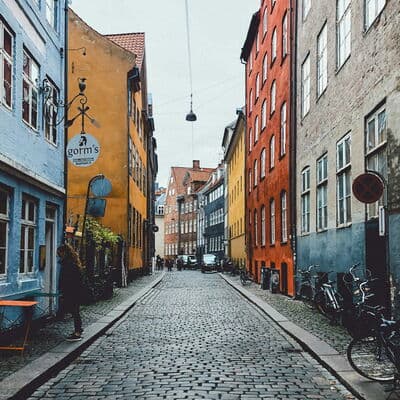
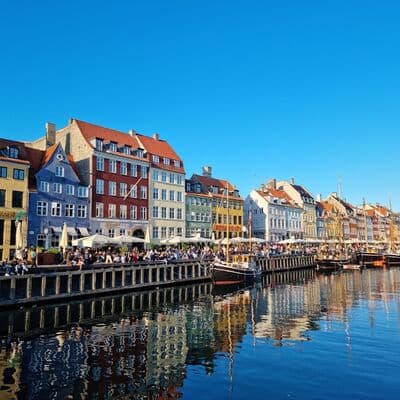
The historic center of Copenhagen is anchored by Nyhavn, the postcard-perfect waterfront lined with colorful 17th and 18th century townhouses. Originally a busy commercial port, Nyhavn has transformed into one of Europe's most photographed streetscapes and a popular spot for dining and people-watching. The atmosphere here is quintessentially Danish, with outdoor cafes spilling onto cobblestone streets and historic wooden ships bobbing in the canal. Hans Christian Andersen lived at three different addresses in Nyhavn during his years in Copenhagen, and his spirit seems to linger in this fairy-tale setting.
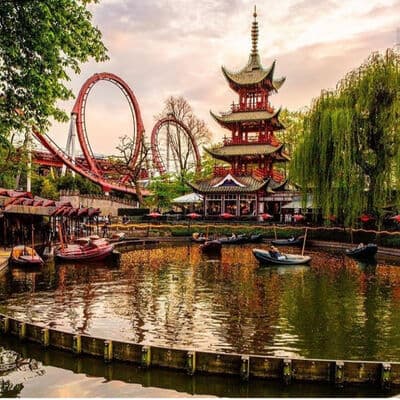
Tivoli Gardens is another essential Copenhagen experience. This historic amusement park, which opened in 1843, is one of the oldest operating amusement parks in the world and a beloved institution for Danes and visitors alike. But Tivoli is much more than just rides and games. The gardens are beautifully maintained, with seasonal plantings that create different atmospheres throughout the year. Evening visits are particularly magical, when thousands of lights illuminate the park and create an enchanting atmosphere. The Christmas season at Tivoli is especially spectacular, with markets, decorations, and a festive spirit that embodies Danish hygge at its finest.
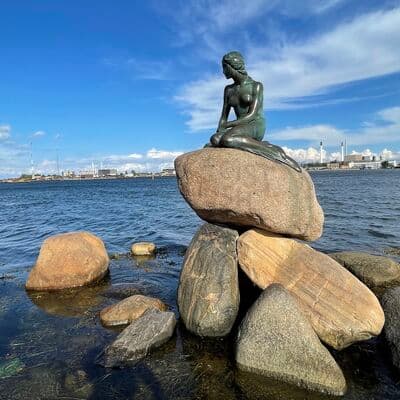
The Little Mermaid statue has been greeting visitors from her perch on the Copenhagen waterfront since 1913. Created by sculptor Edvard Eriksen and inspired by Hans Christian Andersen's famous fairy tale, this bronze statue is one of the most visited attractions in Denmark. I will be honest with you: the statue itself is smaller than most people expect, and the crowds can be overwhelming during peak season. But there is something undeniably moving about seeing this iconic figure gazing wistfully out to sea, and the waterfront setting is lovely. Try to visit early in the morning or late in the evening for a more peaceful experience.
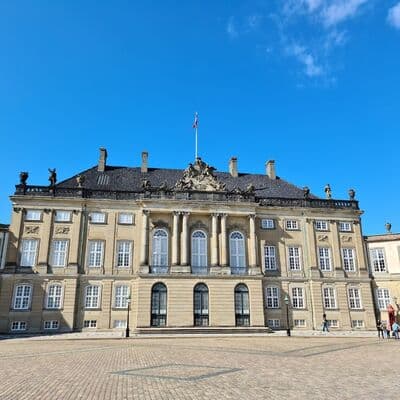
Amalienborg Palace serves as the official residence of the Danish royal family and consists of four identical rococo palaces arranged around an octagonal courtyard. The changing of the guard ceremony takes place daily at noon when the Queen is in residence, and the Amalienborg Museum offers insights into royal Danish history. The palace complex is situated on the waterfront with views across to the striking Copenhagen Opera House, and the surrounding Frederiksstaden district is worth exploring for its elegant 18th century architecture.
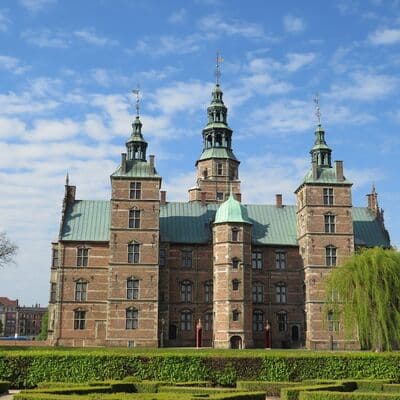
Rosenborg Castle is a Renaissance jewel set within the beautiful King's Garden, Copenhagen's oldest and most beloved public park. Built as a summer residence for Christian IV in the early 17th century, the castle now houses the Danish Crown Jewels and a spectacular collection of royal artifacts spanning four centuries. The castle's intimate scale makes it feel more personal than many European royal residences, and the surrounding gardens are perfect for a leisurely stroll. In summer, the park fills with Copenhageners enjoying picnics, sunbathing, and casual sports.
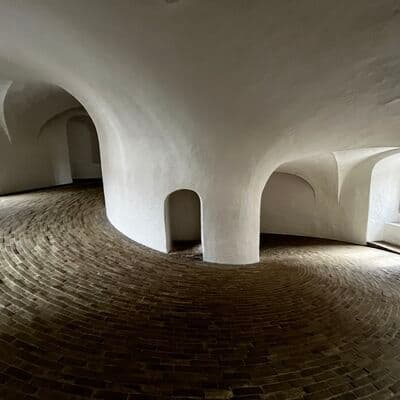
Round Tower offers one of the best views of Copenhagen's old town from its spiral walkway that winds nearly 270 meters to the top. Built by Christian IV in the 17th century as an astronomical observatory, the tower is notable for its unique spiral ramp, which allowed horses and carts to carry heavy equipment to the observatory at the top. Today, the observatory still functions for public viewing sessions, and the tower hosts changing exhibitions in its spectacular library hall. The walk to the top is gentle enough for anyone to manage, and the panoramic views over Copenhagen's spires and rooftops are spectacular.
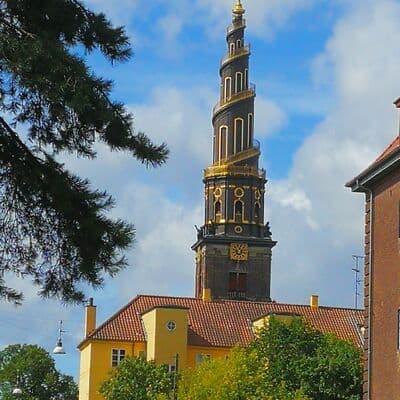
Church of Our Saviour is famous for its external spiral staircase that winds around the outside of the church spire, offering breathtaking views over Copenhagen and beyond. The climb is not for those with a fear of heights, as the 400 steps grow progressively narrower as you ascend the gilded spire. But the reward at the top is an unparalleled 360-degree panorama that extends all the way to Sweden on clear days. The church interior is also beautiful, with a magnificent baroque altar and impressive pipe organ.
Freetown Christiania is one of Copenhagen's most unique and controversial attractions. This self-proclaimed autonomous neighborhood was established in 1971 when squatters occupied abandoned military barracks, and it has evolved into an alternative community with its own rules, culture, and governance. The area is known for its colorful buildings, creative spirit, and famously relaxed attitude toward soft drugs, though photography is restricted in certain areas and visitors should respect local customs. Christiania offers a fascinating counterpoint to the orderly, design-conscious Danish mainstream, and a visit here provides insight into Denmark's tolerance for alternative lifestyles.
Beyond Copenhagen, the island of Zealand offers numerous day trip possibilities. North Zealand features stunning coastline, the impressive Kronborg Castle in Helsingor, which inspired Shakespeare's Hamlet, and the world-class Louisiana Museum of Modern Art. The cathedral city of Roskilde, a former Viking capital, houses the UNESCO-listed Roskilde Cathedral and the outstanding Viking Ship Museum. South Zealand offers a more rural landscape with manor houses, beaches, and the dramatic white Mons Klint chalk cliffs.
Aarhus and East Jutland
Aarhus is Denmark's second-largest city and a destination that increasingly attracts international visitors in its own right. The city has undergone remarkable transformation in recent years, emerging as a vibrant cultural hub that rivals Copenhagen for culinary innovation, design excellence, and quality of life. Aarhus was designated European Capital of Culture in 2017, an honor that accelerated its development and brought international attention to attractions that locals had long appreciated.
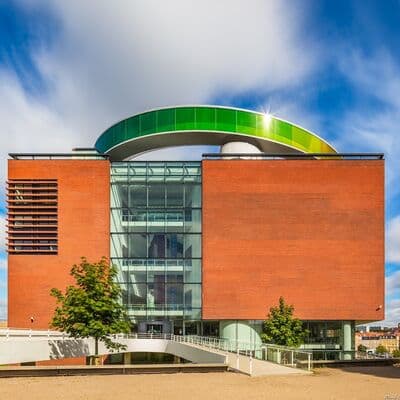
ARoS Art Museum is the crown jewel of the Aarhus cultural scene and one of the largest art museums in Northern Europe. The museum's striking architecture makes a bold statement, but it is the rooftop installation that has become an iconic symbol of the city. Your Rainbow Panorama, by Danish-Icelandic artist Olafur Eliasson, is a circular walkway comprising glass panels in all colors of the spectrum, offering a constantly changing view of the city through different colored lenses. The permanent collection spans Danish Golden Age painting to contemporary international art, while ambitious temporary exhibitions ensure there is always something new to discover.
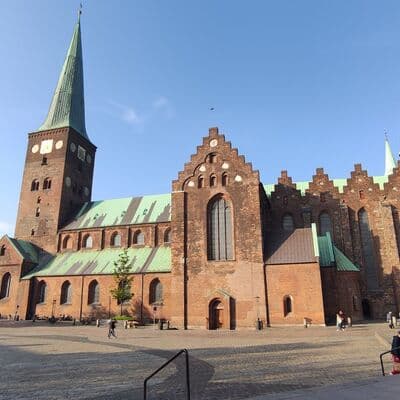
Aarhus Cathedral is the longest and tallest church in Denmark, with a history stretching back to the 12th century. Originally built in Romanesque style, the cathedral was expanded and rebuilt in Gothic style over subsequent centuries. The interior features beautiful frescoes, an impressive altarpiece, and a sense of soaring space that rewards quiet contemplation. The cathedral occupies a prominent position in the heart of the old town, surrounded by pedestrian streets perfect for exploration.
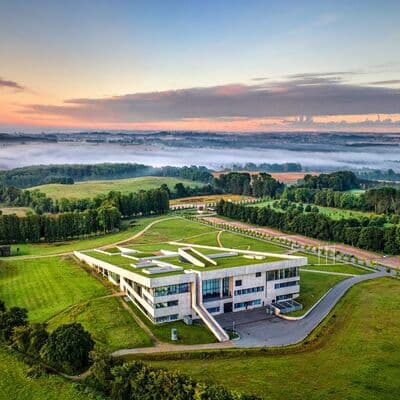
Moesgaard Museum is one of the finest archaeological and ethnographic museums in Scandinavia, housed in a stunning building that emerges from the surrounding hillside south of Aarhus. The museum's star attraction is Grauballe Man, a remarkably preserved Iron Age bog body discovered in 1952. The surrounding Moesgaard Estate offers beautiful walking trails through forest, past ancient monuments, and along the coast. The museum building itself, designed by Henning Larsen Architects, features a grass-covered roof that visitors can walk on for panoramic views of the surrounding landscape.
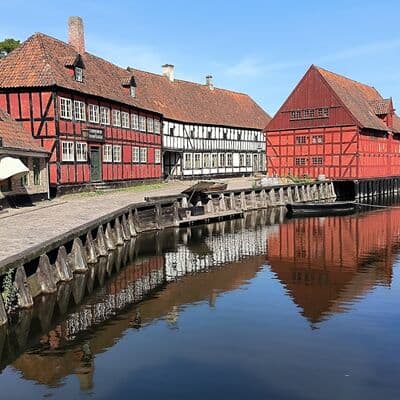
Den Gamle By is an extraordinary open-air museum that brings Danish urban history to life. The Old Town, as it translates to English, comprises historic buildings relocated from towns across Denmark and reassembled to create authentic street scenes from different periods. You can explore a 1927 jazz-era town complete with functioning shops and restaurants, wander through an 1864 market town with craftspeople demonstrating traditional skills, and even visit a 1970s apartment furnished with authentic period details. Den Gamle By is one of the world's finest open-air museums, and you could easily spend an entire day exploring its immersive environments.
The wider East Jutland region offers beautiful landscapes and charming towns. The Lake District around Silkeborg provides excellent opportunities for hiking, canoeing, and enjoying natural beauty. Ebeltoft and its cobblestone streets, half-timbered houses, and excellent glass museum offer a perfect small-town experience. The port city of Fredericia and its historic fortifications tell stories of Denmark's military history.
Billund and Central Jutland
Billund is a small town with an outsized global reputation, thanks to being the birthplace of LEGO and home to the original Legoland park. The town has grown around the LEGO company headquarters and has developed extensive tourism infrastructure to accommodate the millions of visitors who come each year.
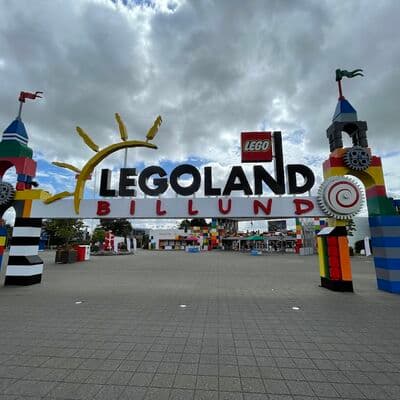
Legoland Billund is the original Legoland theme park, opened in 1968 and still the flagship of the global Legoland chain. The park combines thrilling rides appropriate for children and families with the incredible Miniland, where iconic landmarks and cities from around the world have been recreated in stunning LEGO detail. New attractions and themed areas are added regularly, keeping the park fresh for repeat visitors. Legoland is primarily designed for families with children between ages 2 and 12, but LEGO enthusiasts of any age will find plenty to appreciate in the creativity and craftsmanship on display.
Beyond Legoland, Billund has developed into a family entertainment destination with attractions including the Lalandia aquatic center and the LEGO House, an architectural showpiece that serves as the ultimate LEGO experience center. The LEGO House offers interactive exhibits, building activities, and displays of rare LEGO pieces that will delight children and adults alike.
Central Jutland is often overlooked by international tourists, but those who explore this region are rewarded with unspoiled nature, historic towns, and genuine insight into traditional Danish life. Jelling, located near Billund, is the site of massive Viking-era runestones and burial mounds that UNESCO has designated as World Heritage Sites. These monuments date from the 10th century and mark the transition of Denmark from paganism to Christianity. The small town also features an excellent museum explaining the significance of these ancient monuments.
North Jutland
The northernmost region of Denmark, North Jutland offers dramatic coastal landscapes, distinctive light that has attracted artists for generations, and a laid-back atmosphere that contrasts with the bustle of Copenhagen. Skagen, at the very tip of Denmark where the North Sea meets the Baltic, has been a magnet for artists since the late 19th century. The Skagen Museum showcases works by the Skagen Painters, and the unique quality of light in this region continues to attract creative types. The phenomenon of the two seas meeting at Grenen, where you can literally stand with one foot in each body of water, is a must-see natural spectacle.
Aalborg, the largest city in North Jutland, offers a blend of historical attractions and contemporary culture. The impressive Viking burial site at Lindholm Hoje, with its ship-shaped stone settings, provides insight into Denmark's Norse heritage. The waterfront Utzon Center, designed by the architect of the Sydney Opera House, celebrates design and architecture. Aalborg's compact center features atmospheric old streets, good museums, and an increasingly sophisticated restaurant and bar scene.
The west coast of Jutland faces the North Sea with wild beaches, dramatic dunes, and a raw natural beauty that stands in stark contrast to Denmark's cultivated image. Rubjerg Knude Lighthouse, gradually being consumed by a massive migrating sand dune, offers one of the most striking sights in Denmark. The coastal towns of Lokken and Lonstrup maintain traditional fishing village character while catering to summer visitors seeking beach holidays.
South Jutland and Funen
South Jutland, bordering Germany, has a complex history reflected in its culture and architecture. The town of Ribe is the oldest in Denmark, with an atmospheric medieval center that seems barely changed since Viking times. Sonderborg and the Als Island area saw some of the most significant battles in Danish history and offer excellent museums exploring the country's military heritage and relationship with neighboring Germany.
Funen, the island between Zealand and Jutland, is often called the garden of Denmark for its lush agricultural landscapes and manor house culture. Odense, the main city on Funen, is best known as the birthplace of Hans Christian Andersen, and the excellent HC Andersen Museum provides comprehensive insight into the author's life and work. The city center is charming, with pedestrian streets, good restaurants, and a friendly atmosphere. Egeskov Castle, one of the best-preserved Renaissance moated castles in Europe, is surrounded by spectacular gardens and offers a perfect day trip destination.
Bornholm
Bornholm, Denmark's easternmost territory located in the Baltic Sea closer to Sweden than to the Danish mainland, has a character quite distinct from the rest of the country. This sunny island boasts dramatic cliffs, long sandy beaches, distinctive round churches dating from the Middle Ages, and a thriving artisan community known for pottery, glass, and smoked fish. The main town of Ronne serves as the ferry port and offers colorful old houses and good amenities. Smaller villages like Svaneke and Gudhjem provide quintessential Danish coastal charm. Bornholm's location makes it a longer journey to reach, but those who make the effort are rewarded with a unique destination that many consider the most beautiful place in Denmark.
Unique Experiences in Denmark
Beyond the obvious attractions, Denmark offers experiences that you simply cannot replicate elsewhere. These unique aspects of Danish culture and life provide some of the most memorable moments for visitors and help explain why so many travelers fall in love with this small Scandinavian nation.
Cycling Culture
Denmark is one of the most bicycle-friendly countries on Earth, and experiencing Danish cycling culture firsthand is an essential part of any visit. Copenhagen in particular has built infrastructure that makes cycling not just possible but genuinely pleasurable. Dedicated bike lanes, separate from both cars and pedestrians, crisscross the city, and traffic signals are timed to the average cycling speed. You will see Danes of all ages and backgrounds on bikes, dressed in everyday clothes rather than specialized cycling gear, using their bikes for commuting, shopping, socializing, and simply getting around.
Renting a bike in Copenhagen allows you to experience the city like a local and reach attractions more efficiently than on foot or by public transit. The city is remarkably flat, making cycling accessible even for those who are not regular cyclists at home. Beyond Copenhagen, designated cycling routes cross the Danish countryside, offering multi-day touring opportunities through beautiful landscapes. The dedicated Baltic Sea Cycle Route and North Sea Cycle Route pass through Denmark, connecting with international cycling networks.
Hygge and Cafe Culture
Understanding and experiencing hygge is perhaps the most important thing you can do in Denmark. This untranslatable concept encompasses coziness, warmth, intimacy, and a particular kind of contentment that Danes actively cultivate in their daily lives. You will find hygge in candlelit cafes on grey winter afternoons, in cozy living rooms filled with soft lighting and warm textiles, in the simple pleasure of good food and drink shared with friends.
Danish cafes are temples of hygge, and spending time in them is an essential experience. Unlike the grab-and-go coffee culture prevalent in many countries, Danish cafes are designed for lingering. You will find comfortable seating, warm lighting, often fires in winter, and an atmosphere that encourages you to stay for hours. Coffee culture is serious in Denmark, with skilled baristas and high-quality beans the norm rather than the exception. Pair your coffee with Danish pastries, known as wienerbrod, and you have a perfect hygge experience.
New Nordic Cuisine
The Danish food revolution has transformed this country into one of the world's premier culinary destinations. The New Nordic movement, which began at Copenhagen's Noma restaurant in the early 2000s, has spread throughout the country and fundamentally changed how Danes think about their culinary heritage. The philosophy emphasizes local, seasonal ingredients; traditional preservation techniques like smoking, pickling, and fermenting; and a deep connection to the Nordic landscape and seasons.
Even if you do not secure a reservation at Copenhagen's constellation of Michelin-starred restaurants, you will encounter New Nordic influence throughout the Danish food scene. Casual restaurants and even street food vendors have absorbed the movement's emphasis on quality ingredients and thoughtful preparation. Traditional Danish dishes like smorrebrod, the famous open-faced sandwiches, have been elevated and reimagined while retaining their essential character. Food markets, farm shops, and specialty producers offer opportunities to taste exceptional ingredients and take Danish flavors home with you.
Design Immersion
Denmark has influenced global design far beyond its small size, and visiting the country offers opportunities to immerse yourself in design culture. Museums like the Design Museum Denmark in Copenhagen provide context for understanding Danish design history and philosophy. But the real experience comes from encountering design in daily life, from the elegant simplicity of public spaces to the thoughtful objects in shops and homes to the way everyday items are crafted with care and attention.
Design shopping is a highlight for many visitors. Danish brands like Georg Jensen, Royal Copenhagen, and Bang and Olufsen maintain flagship stores in Copenhagen, while younger designers offer contemporary interpretations of Scandinavian style. Vintage and antique shops offer opportunities to find classic Danish modern pieces at prices lower than you might pay in international markets. Even if you are not planning to buy, browsing Danish design shops provides insight into the aesthetic sensibility that defines this culture.
Swimming Culture
Danes embrace outdoor swimming year-round, and joining them in the water provides an authentic cultural experience. Copenhagen's harbor has been cleaned to swimming quality, and numerous harbor baths offer free public swimming in summer. The most famous, Islands Brygge, features diving platforms and swimming areas right in the middle of the city. Other harbor baths dot the waterfront, each with its own character and regular community of swimmers.
Even more impressive is the Danish tradition of winter swimming. Ice swimming clubs exist throughout the country, and many locations offer facilities for changing and warming up after cold water immersion. While jumping into near-freezing water might not appeal to everyone, watching the regulars take their daily dips provides insight into the Danish approach to health, nature, and the pursuit of experiences that feel fully alive.
Royal Watching
Denmark's monarchy is one of the oldest in the world, and the royal family maintains a visible presence in daily life. Unlike some royal families that sequester themselves away from the public, Danish royals are frequently seen going about their business in Copenhagen. Crown Princess Mary, originally from Australia, has become one of the most popular royals, and sightings of her and other family members in shops, restaurants, and cultural events are not uncommon.
The changing of the guard at Amalienborg Palace offers a free daily spectacle when the Queen is in residence. The guards march through the streets of Copenhagen from their barracks, accompanied by a band, before performing the ceremonial change at the palace. Royal palaces and castles throughout the country offer varying levels of public access, from the museums at Amalienborg and Rosenborg to the exteriors and gardens of residences still used by the royal family.
Island Hopping
With over 400 islands, Denmark offers excellent opportunities for island exploration. Efficient ferry networks connect inhabited islands with the mainland, while smaller boats can be hired to reach more remote destinations. Each island has its own character, from the artistic community of Bornholm to the windswept beaches of Fano to the tiny islands of the South Funen archipelago where time seems to have stopped.
Some islands can be explored as day trips from major cities, while others reward longer stays. The experience of arriving by ferry, leaving your car behind, and exploring on foot or by bike provides a pace of travel that feels increasingly rare in our connected world. Many smaller islands have limited accommodation and dining options, adding to their appeal for travelers seeking authentic, uncommercialized experiences.
Viking Heritage
Denmark's Viking heritage comes alive at numerous sites and museums throughout the country. The Viking Ship Museum in Roskilde houses five original Viking ships recovered from the Roskilde Fjord, where they were deliberately sunk in the 11th century to block enemy ships. The museum also features a working boatyard where traditional Viking shipbuilding techniques are preserved and practiced. In summer, visitors can actually sail on reconstructed Viking ships.
The Jelling monuments in central Jutland comprise the largest Viking burial mounds and runestones in Denmark, representing the transition from paganism to Christianity that transformed Scandinavian society. Lindholm Hoje near Aalborg preserves an extensive Viking and Iron Age burial ground with atmospheric ship-shaped stone settings. The National Museum in Copenhagen houses the most comprehensive collection of Viking artifacts in Denmark, providing context for understanding this formative period in Danish history.
Summer Festivals
Denmark comes alive with festivals during the brief summer months, and timing your visit to coincide with a major event can enhance your trip significantly. The Roskilde Festival, one of Europe's largest music festivals, attracts over 100,000 visitors each July for a week of performances across multiple stages. Copenhagen Jazz Festival transforms the capital each summer with concerts in venues ranging from concert halls to street corners. Distortion brings electronic music and street parties to different Copenhagen neighborhoods over five days in early June.
Beyond music, summer brings food festivals, cultural events, and traditional celebrations throughout the country. Midsummer, celebrated around June 21st, sees Danes gather for bonfires, singing, and community celebrations that connect to ancient traditions. Many towns host local festivals celebrating everything from seafood to historical events to contemporary arts. Even if you do not specifically plan around festivals, summer travel in Denmark almost inevitably includes some form of celebratory gathering.
Best Time to Visit Denmark
Denmark experiences four distinct seasons, each offering different travel experiences. Understanding what to expect in each season will help you plan a trip that matches your preferences and interests.
Summer (June to August)
Summer is peak season in Denmark, and for good reason. Days are remarkably long, with the sun setting after 10pm in June and rising before 5am. Temperatures typically range from 15 to 25 degrees Celsius (59 to 77 Fahrenheit), though occasional heat waves can push temperatures higher. This is when Denmark comes alive with outdoor activities, festivals, and a general sense of celebration after the long dark winter.
The downsides of summer travel include higher prices, larger crowds at popular attractions, and the need to book accommodation well in advance, particularly during festival periods. Weather can be unpredictable, with rain possible at any time despite the generally pleasant conditions. If you visit in summer, pack layers and a waterproof jacket regardless of the forecast.
Spring (April to May)
Spring offers increasingly pleasant weather, blooming gardens, and fewer crowds than summer. April can still be cool and changeable, but May often brings beautiful days perfect for outdoor exploration. This is an excellent time to visit Copenhagen's many parks and gardens, including the famous Tivoli Gardens which opens for the season in April. Accommodation prices are generally lower than summer peaks, and you will find it easier to secure reservations at popular restaurants.
Autumn (September to November)
Early autumn, particularly September, can be delightful in Denmark. Summer crowds have dissipated, but weather often remains mild and pleasant. As autumn progresses, temperatures drop and days shorten, but this is when hygge season truly begins. Cozy cafes, warm interiors, and the first appearance of seasonal treats like aebleskiver provide their own pleasures.
Winter (December to March)
Winter in Denmark is cold, dark, and for many visitors, surprisingly appealing. December transforms Danish cities with Christmas markets, seasonal decorations, and a festive atmosphere that embodies hygge at its finest. Tivoli Gardens' Christmas market is spectacular, and Copenhagen's various markets offer mulled wine, seasonal foods, and handicrafts. After the holiday season, January through March are the quietest months for tourism, with the coldest temperatures and shortest days. This is when you will find the lowest prices and smallest crowds, though some attractions operate reduced hours.
For first-time visitors, I generally recommend late spring through early autumn for the best overall experience. May and September offer an excellent balance of pleasant weather, manageable crowds, and reasonable prices. However, those specifically seeking hygge experiences or Christmas markets should absolutely consider a winter visit, while festival enthusiasts will want to target summer months.
Getting to Denmark
Denmark is well-connected to the rest of Europe and the world through multiple airports, ferry routes, and land connections. Understanding your options will help you choose the most convenient and cost-effective approach for your specific situation.
By Air
Copenhagen Airport (Kastrup) is the main international gateway to Denmark and one of the busiest airports in Scandinavia. Direct flights connect Copenhagen with major cities throughout Europe, North America, Asia, and the Middle East. From the United States, direct flights operate from New York, Chicago, Washington, San Francisco, and Los Angeles on various carriers including SAS, United, and Delta. Flight times from the US East Coast are approximately 7 to 8 hours.
From the United Kingdom, numerous daily flights connect London, Manchester, Edinburgh, and other cities with Copenhagen. Low-cost carriers including Ryanair, EasyJet, and Norwegian operate many of these routes, often at very competitive prices. Flight times from London are approximately 2 hours.
Copenhagen Airport is remarkably efficient and well-connected to the city center. The Metro runs directly from the airport to central Copenhagen in approximately 15 minutes, operating 24 hours a day. Trains also connect the airport with Copenhagen Central Station and destinations throughout Denmark and Sweden.
Billund Airport serves as a secondary international gateway, particularly convenient for visitors heading to Legoland and the Jutland region. Direct flights connect Billund with numerous European cities, though few intercontinental routes operate. From Billund, buses connect with surrounding cities and attractions.
Aalborg Airport in North Jutland offers additional options for reaching that region, with flights from several European cities. Aarhus Airport, though smaller, provides another option for accessing Denmark's second city.
By Train
Denmark connects with the European rail network, making train travel an attractive option for those already in continental Europe. Direct trains operate from Hamburg, Germany, reaching Copenhagen in approximately 4.5 hours. The journey crosses the spectacular Great Belt Bridge connecting Funen and Zealand. Connections in Hamburg link Denmark with the broader German rail network and beyond.
Trains also cross the Oresund Bridge connecting Copenhagen with Malmo, Sweden, in approximately 40 minutes. This efficient connection makes it easy to combine Denmark and Sweden in a single trip, and some visitors choose to fly into one city and out of the other.
By Ferry
Ferry routes connect Denmark with Norway, Sweden, Germany, Poland, and the Faroe Islands. The overnight ferry from Oslo to Copenhagen is particularly popular, offering accommodation and entertainment facilities while you travel. Ferries from Gothenburg, Sweden, provide another option for those combining Scandinavian countries. German ferry routes from Puttgarden and Rostock offer alternatives to land routes.
By Car
The only land border with Denmark is the German border in South Jutland. The E45 motorway provides the main route from Hamburg and the south, continuing north through Jutland to Aalborg. The spectacular Great Belt Bridge connects Jutland with Zealand via Funen, while the Oresund Bridge connects Zealand with Sweden. Both bridges charge tolls but offer stunning views and impressive engineering.
Visa Requirements
Denmark is part of the Schengen Area, which allows free movement between member countries without border controls. Citizens of the United States, United Kingdom, Canada, and Australia can enter Denmark for tourist purposes without a visa for stays up to 90 days within any 180-day period. Your passport should be valid for at least three months beyond your planned departure from the Schengen area and should have been issued within the past ten years.
No advance registration such as ESTA is currently required for Denmark, though the European Union is developing the ETIAS system which will require advance registration for visa-exempt travelers in the future. Check current requirements before your trip, as regulations can change.
Transportation within Denmark
Denmark's compact size and efficient infrastructure make it remarkably easy to get around. Whether you prefer public transit, cycling, driving, or some combination, you will find options that suit your travel style and budget.
Trains
The Danish State Railways, known as DSB, operates an extensive network of trains connecting cities and towns throughout the country. The S-train network serves greater Copenhagen with frequent metro-style service. Regional trains connect smaller towns with major cities, while intercity trains offer faster service between major destinations. The Oresund trains connect Copenhagen with Malmo and other Swedish cities.
Danish trains are generally clean, punctual, and comfortable. First-class tickets, called DSB 1, offer additional space and amenities including free coffee and newspapers. Booking in advance online often yields significant savings compared to purchasing tickets at the station. The Rejsekort, a rechargeable travel card, offers convenient payment and discounted fares for those making multiple journeys.
Buses
Long-distance buses complement the rail network, often offering lower prices for intercity travel. FlixBus operates the most extensive network, connecting Danish cities with each other and with international destinations. Local bus networks serve areas not reached by trains, and most Danish cities have comprehensive local bus service.
Metro and Local Transit
Copenhagen's Metro is one of the world's most efficient urban transit systems, operating 24 hours a day with driverless trains arriving every few minutes. The network connects central Copenhagen with suburbs, the airport, and key attractions. The Metro integrates with the S-train network and local buses, all accessible with the same ticketing system.
Copenhagen's city bikes provide another transit option. The distinctive white bikes, equipped with GPS navigation, are available from stations throughout the city for hourly rental. While not as cheap as the free bike-share schemes in some cities, they offer a convenient way to experience Copenhagen like a local.
Driving
Renting a car offers flexibility for exploring rural areas and smaller towns not well-served by public transit. Danish roads are excellent, well-signposted, and generally easy to navigate. Traffic is light compared to most countries, except around Copenhagen during rush hours. Parking in cities can be expensive and sometimes difficult to find, but rural areas present no issues.
Drivers should be aware of some Danish quirks. Right turns on red lights are generally not permitted. Speed limits are strictly enforced by cameras, and fines are substantial. Headlights must be on at all times while driving. The Danes are courteous drivers who follow rules carefully, and aggressive driving will mark you as a foreigner.
Major international car rental companies operate throughout Denmark, with airport locations typically offering the best selection. Prices are moderate by European standards, though fuel is expensive. If you are planning to cross into Sweden, confirm that your rental agreement permits this.
Ferries
Despite the bridges connecting Denmark's major landmasses, ferries remain important for reaching smaller islands. Services range from large car ferries to small passenger boats. Most islands have regular ferry service, though frequencies vary seasonally. For popular routes, booking in advance is advisable during summer months and holiday periods.
Cycling
Denmark's exceptional cycling infrastructure extends beyond Copenhagen to encompass the entire country. Designated cycling routes, often following scenic routes separate from roads, connect towns and attractions. Trains generally accommodate bicycles, making it easy to combine cycling with rail travel. Bike rental is widely available, from hourly city bike rentals to multi-day touring bike hire.
Cultural Code and Etiquette
Danish culture has distinct characteristics that visitors should understand to navigate social situations smoothly and show respect for local customs. While Danes are generally tolerant of foreign visitors who do not know local norms, making an effort to understand Danish ways will enrich your experience.
Social Interaction
Danes may initially seem reserved or even cold to visitors from more effusive cultures. This is not rudeness but rather a cultural preference for respecting personal space and not intruding on others. Small talk with strangers is less common than in some countries, and Danes generally do not strike up conversations with people they do not know. However, once a connection is established, Danes can be warm, loyal, and genuinely interested friends.
When meeting Danes, a firm handshake and direct eye contact are appropriate. Hugging and kissing are reserved for close friends and family. Using first names is standard in almost all situations, as Danish society is remarkably egalitarian and informal. Titles and honorifics are rarely used, and even addressing your boss or a government official by first name is completely normal.
Punctuality
Danes value punctuality highly, and arriving on time is considered basic courtesy. If you have an appointment or dinner reservation, arrive at the specified time. Being late without notice is considered disrespectful, and repeatedly being late will damage relationships. This emphasis on punctuality extends to public transportation, which generally runs exactly on schedule.
The Law of Jante
Understanding the Law of Jante, or Janteloven, provides insight into Danish social psychology. This informal code, articulated by author Aksel Sandemose, essentially holds that individuals should not think they are better than the collective. Bragging, showing off wealth, or acting superior are all frowned upon in Danish society. This egalitarian ethos contributes to Denmark's social cohesion but can sometimes puzzle visitors from more individualistic cultures.
In practice, this means that Danes tend to understate their achievements, avoid ostentatious displays of wealth, and value modesty. Conversations focus more on shared experiences and interests than on individual accomplishments. While this aspect of Danish culture is evolving, especially among younger generations, awareness of Janteloven helps explain social dynamics you may observe.
Work-Life Balance
Denmark has achieved a work-life balance that many visitors find enviable. The standard work week is 37 hours, and overtime is relatively rare. Danes generally leave work at reasonable hours and prioritize family time, hobbies, and social activities. This affects travelers in practical ways, as shops often close by 6pm on weekdays and earlier on weekends. Restaurants typically serve dinner earlier than in southern European countries, and nightlife starts correspondingly earlier.
Environmental Consciousness
Environmental awareness is deeply embedded in Danish culture, and visitors should be prepared to participate. Recycling is mandatory and comprehensive, with separate bins for different types of waste. Plastic bags are rarely provided and typically cost extra. Many Danes carry reusable bags and containers as a matter of course. Tap water is excellent and bottled water is rare. Cycling and public transport are preferred over driving for environmental as well as practical reasons.
Alcohol Culture
Denmark has a relaxed attitude toward alcohol that may surprise visitors from countries with stricter regulations. The drinking age is 18 for purchasing alcohol in stores and bars, though 16 year olds can buy beer and wine with lower alcohol content in shops. Public drinking is legal and common in parks and public spaces during summer. Danes enjoy their beer and aquavit, but public drunkenness is generally considered poor form.
Tipping
Tipping is not expected in Denmark, as service charges are included in prices and wages are fair. That said, rounding up the bill or leaving small change for exceptional service is appreciated but never required. In restaurants, you might round up to the nearest convenient amount or leave 5 to 10 percent for particularly good service, but this is entirely optional. Taxi drivers do not expect tips, nor do hotel staff, hairdressers, or other service providers.
Personal Space
Danes value personal space and privacy. Conversations happen at a greater physical distance than in some cultures, and touching during conversation is minimal. On public transportation, Danes will typically choose seats away from others when possible and avoid eye contact with strangers. This is not unfriendliness but simply a different cultural norm around personal space.
Safety in Denmark
Denmark is one of the safest countries in the world, and most visitors experience no safety issues whatsoever. Understanding the generally low-risk environment and the few precautions that are sensible will help you relax and enjoy your trip.
Crime
Violent crime against tourists is extremely rare in Denmark. The country has low crime rates overall, and what crime does exist tends to be property-related rather than violent. Petty theft, including pickpocketing, does occur in tourist areas and on public transportation, particularly in Copenhagen. Taking standard precautions like keeping valuables secure and being aware of your surroundings in crowded places is sensible but should not cause anxiety.
The exceptional safety of Danish society means you can generally walk anywhere at any time without concern. Women traveling alone report feeling very safe, even late at night. LGBTQ travelers will find Denmark extremely welcoming, with strong legal protections and a generally accepting society.
Scams
Tourist scams are uncommon in Denmark compared to many other European destinations. The most common issues involve overcharging at bars and clubs, particularly in Copenhagen's nightlife district. Checking prices before ordering and paying attention to your bill will prevent most problems. The general honesty of Danish society means that scams involving fake tour operators, rigged currency exchange, or similar schemes are rare.
Health Emergencies
Denmark has an excellent healthcare system, and you will receive high-quality care in any emergency. The emergency number for all services is 112. For non-emergency medical issues, pharmacies, called apotek, can provide advice and many medications. Pharmacies are marked with a green sign and are widely available in towns and cities.
Citizens of EU and EEA countries should carry a European Health Insurance Card for access to state-provided healthcare. Visitors from outside Europe should have comprehensive travel insurance that covers medical treatment and emergency evacuation. While healthcare in Denmark is excellent, it is not free for non-EU visitors, and costs can be substantial.
Natural Hazards
Denmark has few natural hazards to concern travelers. The country does not experience earthquakes, hurricanes, or significant severe weather events. Winters can bring snow and ice, which occasionally disrupts transportation but poses no serious danger to prepared travelers. Swimming in the sea around Denmark is generally safe, though currents can be strong on the North Sea coast and cold water requires respect even in summer.
Cycling Safety
While cycling in Denmark is generally safe thanks to excellent infrastructure, visitors should be aware of local conventions. Cyclists have their own traffic rules which may differ from those in your home country. Always signal turns, obey traffic lights, and stay in designated bike lanes. Do not cycle on sidewalks or in pedestrian areas. At night, lights are required by law and the law is enforced. Take a few minutes to observe local cyclists before venturing out to understand the flow of traffic.
Christiania
The Freetown Christiania neighborhood in Copenhagen requires specific awareness. While the area is generally safe for visitors, it operates under different rules than the rest of Denmark. Photography is not permitted in certain areas, particularly Pusher Street where cannabis is openly sold despite technically being illegal. Respect local requests and posted signs. The area has experienced occasional violent incidents, though tourists are rarely involved. Use common sense, particularly after dark.
Health and Medical Care
Denmark offers excellent healthcare facilities and presents few health risks to travelers. Understanding the healthcare system and taking basic precautions will ensure you stay healthy throughout your trip.
Healthcare System
Denmark has a universal healthcare system providing high-quality care to residents. For visitors, access depends on your country of origin. EU and EEA citizens can access state healthcare with a valid European Health Insurance Card. Citizens of the UK can use their GHIC card. For all other visitors, including those from the United States, Canada, and Australia, medical treatment is not free and costs should be covered by travel insurance.
In emergencies, dial 112 for ambulance services. Hospital emergency departments will treat anyone regardless of insurance status, though non-emergency care may require payment upfront. English is widely spoken in healthcare settings, so communication is rarely a problem.
Pharmacies
Pharmacies, marked with a green sign and called apotek, are widely available in towns and cities. Pharmacists can advise on minor health issues and dispense many medications without prescription. However, some medications that are available over-the-counter in other countries may require a prescription in Denmark. If you take regular medications, bring sufficient supplies for your trip plus extra in case of delays.
Water and Food Safety
Tap water in Denmark is excellent and perfectly safe to drink. In fact, it often tastes better than bottled water, as Danish groundwater is naturally filtered and requires minimal treatment. There is no need to buy bottled water except for convenience.
Food safety standards are high, and foodborne illness is uncommon. Restaurants are regularly inspected, and hygiene standards are generally excellent. You can confidently eat street food, try traditional preparations like raw herring, and sample local specialties without significant concern.
Common Health Issues
The most common health issues for visitors to Denmark are minor and easily managed. Sunburn can occur during summer months, as visitors sometimes underestimate the sun's strength at northern latitudes. Insect bites from mosquitoes can be bothersome near water and in rural areas, though Denmark does not have disease-carrying mosquitoes. Ticks exist in grassy and forested areas, and visitors engaging in outdoor activities should check for ticks and know the signs of tick-borne illness.
Cold and flu viruses circulate during winter months, and close contact in transportation and attractions can facilitate spread. Basic hygiene practices like hand washing provide the best protection.
COVID-19 and Respiratory Illness
Denmark eliminated most COVID-19 restrictions earlier than many countries and has returned to essentially normal operations. Visitors should check current requirements before travel, as situations can change. In general, Denmark takes a pragmatic approach to respiratory illness, relying on vaccines and individual responsibility rather than mandates. Healthcare facilities may still require masks in certain situations.
Money and Budget
Denmark uses the Danish Krone, abbreviated DKK, despite being an EU member. The exchange rate typically hovers around 6.5 to 7 DKK per US dollar or approximately 8.5 DKK per British pound, though rates fluctuate. Understanding Danish costs will help you budget appropriately for what is one of Europe's most expensive countries.
Costs
Let me be direct with you: Denmark is expensive. Almost everything costs more than you might expect, from meals to transportation to accommodation. A budget traveler staying in hostels, eating supermarket food, and carefully managing activities might spend 600 to 800 DKK per day (roughly 90 to 120 USD). A mid-range traveler staying in decent hotels, eating restaurant meals, and visiting attractions should budget 1500 to 2500 DKK per day (220 to 370 USD). Luxury travelers can easily spend 4000 DKK or more per day (600 plus USD).
Specific costs to expect include: a simple cafe lunch 100 to 150 DKK (15 to 22 USD); a nice restaurant dinner 300 to 500 DKK (44 to 74 USD) not including alcohol; a beer at a bar 50 to 80 DKK (7 to 12 USD); a museum admission 100 to 150 DKK (15 to 22 USD); a budget hotel room 800 to 1200 DKK (118 to 177 USD); a mid-range hotel room 1200 to 2000 DKK (177 to 295 USD).
Payment Methods
Denmark is essentially a cashless society, and you can use credit or debit cards almost everywhere. Many businesses, including some small shops and market vendors, prefer cards over cash. Visa and Mastercard are universally accepted; American Express and Discover have more limited acceptance. Contactless payment is standard, and mobile payment through apps like Apple Pay and Google Pay works widely.
You can visit Denmark without ever handling cash, though having a small amount for occasional situations is sensible. ATMs are widely available and accept international cards with Visa or Mastercard logos. Be aware of your home bank's foreign transaction fees, which can add up over a longer trip.
Money-Saving Tips
Several strategies can help manage costs without sacrificing experience. The Copenhagen Card, available for various durations, includes public transportation and admission to many attractions, potentially saving significant money for active sightseers. Eating lunch as your main meal takes advantage of lower lunch prices at many restaurants. Shopping at supermarkets and cooking some meals, particularly if you have apartment accommodation with a kitchen, dramatically reduces food costs.
Free attractions are more numerous than you might expect. Walking and cycling through Copenhagen's streets, parks, and waterfront costs nothing and provides wonderful experiences. Many museums offer free admission on certain days or evenings. Parks, beaches, and natural areas are free to enjoy. Street life, markets, and neighborhood exploration provide entertainment without cost.
Alcohol in restaurants and bars carries heavy markups. Buying from supermarkets or enjoying drinks in your accommodation saves substantially. Similarly, coffee from bakeries costs less than from specialty cafes while still being excellent.
VAT Refunds
Non-EU visitors can claim VAT refunds on purchases over 300 DKK taken out of the EU. Look for shops displaying Tax Free Shopping signs, request a refund form at time of purchase, and process the refund at the airport before departure. The refund amounts to approximately 13 percent of the purchase price after processing fees. For significant purchases like Danish design items, this refund is worth the paperwork.
Suggested Itineraries
Denmark's compact size makes it possible to see a lot in a relatively short time, while also rewarding those with longer to explore in depth. These itineraries offer frameworks that you can adjust based on your interests and travel style.
7 Days: Copenhagen and Highlights
One week allows a thorough exploration of Copenhagen with a day trip or two to nearby attractions. This itinerary suits first-time visitors who want to experience the best of what Denmark offers without feeling rushed.
Day 1: Copenhagen Introduction
Arrive and settle into your accommodation. Spend your first afternoon getting oriented with a walk through the historic center. Start at Nyhavn to see the iconic colorful houses and enjoy a coffee or beer at one of the canal-side cafes. Walk through the pedestrian shopping street Stroget, one of Europe's longest, taking in the mix of international brands and Danish design shops. End at Tivoli Gardens for an evening visit. The park is magical after dark when thousands of lights create a fairy-tale atmosphere. Have dinner at one of Tivoli's restaurants or grab a hot dog from the stands.
Day 2: Royal Copenhagen
Begin at Rosenborg Castle, arriving early to beat crowds. Spend time admiring the crown jewels and exploring the opulent royal apartments. After, wander through the surrounding King's Garden, Copenhagen's oldest park and a perfect spot for people-watching. Walk to Amalienborg Palace, timing your arrival for the noon changing of the guard if the Queen is in residence. The nearby Marble Church and Frederiksstaden district deserve exploration. Continue to the waterfront and walk along to The Little Mermaid statue. The walk itself, passing the impressive fountains at Gefion and views across the harbor, is as rewarding as the destination. Return via the colorful Kastellet fortress.
Day 3: Alternative Copenhagen
Explore Copenhagen's more alternative side today. Start in the Norrebro neighborhood, Copenhagen's most diverse area, with excellent coffee shops and a creative, youthful energy. Walk or bike to Freetown Christiania for a glimpse of this unique autonomous community. Respect the photography restrictions and local customs while exploring. After Christiania, climb the external spiral staircase of Church of Our Saviour for spectacular city views. Spend the afternoon exploring Christianshavn's canals, perhaps renting a kayak or taking a harbor tour. In evening, try one of Copenhagen's innovative restaurants or explore the street food at Reffen.
Day 4: Museums and Culture
Dedicate today to Copenhagen's outstanding museums. The National Museum provides comprehensive coverage of Danish history from prehistoric times through the present. The Design Museum Denmark offers essential context for understanding the Danish design sensibility you see everywhere. Alternatively, the NY Carlsberg Glyptotek combines excellent ancient art with impressionist masterpieces in a beautiful building with a stunning winter garden. In the afternoon, climb the Round Tower for another perspective on the city. End the day with dinner in the Latin Quarter, Copenhagen's bohemian heart with excellent restaurants and atmospheric streets.
Day 5: Day Trip to North Zealand
Take a day trip north of Copenhagen to explore Zealand's treasures. Start at Louisiana Museum of Modern Art, spectacularly situated on the coast with views to Sweden. The collection is excellent, but the setting and integration of architecture with landscape is equally impressive. Continue to Helsingor to see Kronborg Castle, the Elsinore of Shakespeare's Hamlet. The castle is impressive in its own right, and the town of Helsingor has a charming old center worth exploring. Consider taking the short ferry to Helsingborg in Sweden for lunch, adding another country to your trip list. Return to Copenhagen via the coastal road through charming villages.
Day 6: Roskilde Excursion
Take the train to Roskilde, Denmark's former capital and a UNESCO World Heritage site. The Viking Ship Museum is the main attraction, housing five original Viking ships and offering the chance to sail on reconstructed vessels in summer. Roskilde Cathedral, final resting place of Danish monarchs for centuries, is one of the most important churches in Scandinavia. The old town is pleasant for wandering, with good lunch options. Return to Copenhagen and spend your final evening exploring a neighborhood you have not yet visited, such as the trendy meatpacking district or the upscale Osterbro.
Day 7: Personal Favorites and Departure
Use your final day to revisit places you loved, explore areas you missed, or simply relax Copenhagen-style. Consider a morning bike ride along the harbor, brunch at a favorite cafe, or last-minute shopping for Danish design. If your flight is later, the Copenhagen Airport is so efficient that you can maximize your time in the city before departing.
10 Days: Copenhagen and Aarhus
Ten days allows you to add Denmark's second city to your Copenhagen experience, getting a sense of the country beyond the capital.
Days 1-5: Copenhagen
Follow the 7-day Copenhagen itinerary but at a slightly more relaxed pace, with more time for spontaneous exploration and favorite activities.
Day 6: Travel to Aarhus
Take the morning train from Copenhagen to Aarhus, a journey of approximately three hours through the Danish countryside and across the impressive Great Belt Bridge. Settle into your Aarhus accommodation and spend the afternoon exploring the compact city center. Walk along the harbor and through the old town streets. Have dinner at one of Aarhus's excellent restaurants, which offer New Nordic cuisine rivaling Copenhagen at somewhat lower prices.
Day 7: Aarhus Museums
Start at ARoS Art Museum, arriving early to experience the rainbow panorama rooftop installation with smaller crowds. The museum itself deserves several hours, with an excellent permanent collection and typically outstanding temporary exhibitions. After lunch, head to Den Gamle By, the open-air museum that brings Danish urban history to life. You could easily spend the rest of the day exploring the recreated streets and buildings from different periods. The jazz-era district from 1927, complete with functioning shops and apartments, is particularly immersive.
Day 8: Aarhus and Surroundings
Visit Moesgaard Museum south of Aarhus, taking the bus through scenic countryside. The museum's star attraction, Grauballe Man, is one of the best-preserved bog bodies ever discovered. After exploring the museum, walk the Moesgaard Trail through forest and past ancient monuments to the beach. Return to Aarhus and explore Aarhus Cathedral and the surrounding old town streets. In the evening, explore the Aarhus Latin Quarter with its cafes, bars, and street life.
Day 9: Silkeborg Day Trip
Take a day trip to Silkeborg in the Danish Lake District, about 40 minutes from Aarhus. The Museum Silkeborg houses Tollund Man, another remarkably preserved bog body, while the surrounding lake country offers hiking and water activities. Take a paddle steamer cruise on the lakes, one of Denmark's most scenic experiences. Return to Aarhus in the evening.
Day 10: Return to Copenhagen
Take the morning train back to Copenhagen, allowing time for any final activities before your departure. If your flight is from Aarhus or Billund, adjust this day accordingly.
14 Days: Comprehensive Denmark
Two weeks allows a comprehensive exploration of Denmark's highlights, including time in Jutland beyond Aarhus and potentially a visit to Legoland or other attractions.
Days 1-5: Copenhagen
Follow the 7-day Copenhagen itinerary, selecting the activities that most interest you.
Day 6: Odense
Take the train to Odense on the island of Funen, a journey of about 90 minutes. This city is famous as the birthplace of Hans Christian Andersen, and the new HC Andersen Museum provides immersive insight into his life and work. The old town center is charming, with pedestrian streets, half-timbered houses, and a pleasant atmosphere. Stay overnight in Odense.
Day 7: Egeskov Castle and on to Aarhus
Rent a car or take a bus to Egeskov Castle, one of Europe's best-preserved Renaissance moated castles. The castle itself is impressive, but the gardens are equally spectacular. Spend the morning exploring before driving or taking transit to Aarhus. The journey crosses the Little Belt Bridge with views of the old suspension bridge. Arrive in Aarhus in time for dinner.
Days 8-9: Aarhus
Explore Aarhus thoroughly, following the recommendations from the 10-day itinerary. Visit ARoS Art Museum, Den Gamle By, Moesgaard Museum, and Aarhus Cathedral. Take time to experience the city's excellent restaurant and bar scene.
Day 10: Billund and Legoland
Drive or take the bus to Billund, about 90 minutes from Aarhus. If traveling with children, Legoland Billund deserves a full day. Even without children, LEGO enthusiasts will appreciate the creativity on display, particularly in Miniland where landmarks from around the world are recreated in stunning LEGO detail. The LEGO House in Billund offers a complementary experience focused on creativity and play. Stay overnight near Billund.
Day 11: Jelling and Ribe
Visit Jelling, near Billund, to see the UNESCO World Heritage Viking monuments. The massive runestones and burial mounds mark a pivotal moment in Danish history. Continue south to Ribe, Denmark's oldest town, where the medieval center appears barely changed since Viking times. Walk the cobblestone streets, visit the impressive cathedral, and stay overnight to experience the atmospheric town after day-trippers have departed.
Day 12: West Coast
Drive north along Jutland's west coast, stopping at beaches and coastal towns. The landscape here is wild and beautiful, quite different from the more manicured east. Consider stopping at Tirpitz, an excellent museum built into a WWII bunker that tells stories of the Atlantic Wall and west coast life. End the day in Aalborg.
Day 13: Aalborg and North
Explore Aalborg's Viking heritage at Lindholm Hoje, the atmospheric burial ground with ship-shaped stone settings. The Utzon Center, designed by the Sydney Opera House architect, celebrates design and architecture. If time permits, continue north to Skagen to see where two seas meet and experience the unique light that has attracted artists for generations. Return to Aalborg for your final night.
Day 14: Return to Copenhagen
Drive or take the train back to Copenhagen, a journey of approximately five hours by train or four by car. Alternatively, fly from Aalborg Airport to Copenhagen or directly to your international connection.
21 Days: Complete Denmark with Bornholm
Three weeks allows thorough exploration of Denmark's regions including the distinctive island of Bornholm. This itinerary suits those who want to experience Denmark comprehensively at a relaxed pace.
Days 1-6: Copenhagen and Zealand
Spend a full week in Copenhagen and exploring Zealand. Follow the 7-day itinerary, adding a second day trip, perhaps to the Stevns Klint chalk cliffs or the charming town of Dragor near the airport.
Days 7-9: Bornholm
Take the ferry from Copenhagen or fly to Bornholm for three days on this unique island. The main town of Ronne provides a good base. Explore the medieval round churches unique to Bornholm, the dramatic Hammershus castle ruins, and the charming coastal villages of Svaneke and Gudhjem. The island is famous for smoked fish, and a visit to one of the traditional smokehouses is essential. Artists and craftspeople have long been drawn to Bornholm, and galleries and studios dot the island. The beaches on the south coast are among the best in Denmark.
Day 10: Return and Transit to Odense
Ferry or fly back from Bornholm and transit to Odense on Funen. Spend the evening exploring the charming city center.
Day 11: Odense and Funen
Visit the HC Andersen Museum and explore Odense thoroughly. Consider renting a bike to explore the surrounding countryside, perhaps cycling to one of the nearby manor houses or villages.
Day 12: Funen Countryside and Egeskov
Explore Funen's manor house landscape with Egeskov Castle as the centerpiece. The island is known as the garden of Denmark, and the agricultural landscape is particularly beautiful in late spring and summer.
Days 13-15: Aarhus
Three full days in Aarhus allows unhurried exploration of Denmark's second city. Visit ARoS Art Museum, Den Gamle By, Moesgaard Museum, and Aarhus Cathedral. Take a day trip to the Lake District around Silkeborg. Explore neighborhoods, restaurants, and the local culture that makes Aarhus increasingly appealing to visitors.
Day 16: Billund
Visit Billund for Legoland Billund and the LEGO House. Even without children, the creativity and engineering on display is impressive. Stay overnight near Billund.
Day 17: Central Jutland
Explore central Jutland's heritage, including the Jelling Viking monuments and the Vejle area. Continue to Ribe and stay overnight in this atmospheric medieval town.
Days 18-19: West and North Jutland
Two days exploring Jutland's dramatic west coast and the northern tip. Visit the Tirpitz museum, beaches, and coastal towns. Continue to Skagen to experience the meeting of the seas and the unique light. Explore the Skagen Museum and the artists' houses preserved from the town's artistic golden age. Stay overnight in Skagen or Aalborg.
Day 20: Aalborg
Explore Aalborg's attractions, including Lindholm Hoje and the Utzon Center. The old town has atmospheric streets and good restaurants. This is your last night in Jutland.
Day 21: Return to Copenhagen
Make your way back to Copenhagen by train, car, or domestic flight. If you have time before your international departure, revisit favorite places or explore neighborhoods you missed.
Connectivity and Communication
Staying connected while traveling in Denmark is straightforward, with excellent infrastructure and widespread availability of internet access.
Mobile and Internet
Denmark has excellent mobile network coverage, with 4G available throughout the country and 5G increasingly common in urban areas. All major carriers offer good coverage, and you will have signal in virtually all populated areas and along major transportation routes.
For visitors staying longer than a few days, purchasing a local SIM card can be economical and convenient. Prepaid SIM cards are available from providers like Lebara, Lycamobile, and the major Danish carriers at supermarkets, kiosks, and phone shops. EU regulations mean that if you have a SIM from another EU country, you can use it in Denmark without roaming charges under most plans.
Visitors from the United States, Canada, Australia, and other non-EU countries should check with their home carrier about international roaming options. Many carriers now offer international packages that include Denmark at reasonable rates. Alternatively, purchase a local SIM or rely on WiFi.
WiFi Availability
WiFi is widely available throughout Denmark. Cafes, restaurants, and hotels typically offer free WiFi, often without needing to ask for a password. Public libraries provide free internet access. Train stations and many trains offer WiFi, though quality on moving trains can be variable. Shopping centers, museums, and many public spaces also provide free WiFi access.
Calling and Messaging
Internet-based communication apps like WhatsApp, FaceTime, and Skype work excellently in Denmark given the widespread WiFi and mobile data availability. Most visitors find these apps sufficient for staying in touch with home. For calling Danish numbers, remember that the country code is +45 and there are no regional area codes.
Electrical Power
Denmark uses Type K electrical outlets with 230V and 50Hz. Type C and E plugs, common throughout continental Europe, will also fit Danish sockets. Visitors from the United States, Canada, United Kingdom, and Australia will need adapters. Most modern electronics like phone chargers and laptops are compatible with 230V, but check your devices before plugging them in.
Food and Drink
Denmark has transformed from a culinary backwater to one of the world's most exciting food destinations in just two decades. Understanding what to eat, where to find it, and how Danish food culture works will enhance your travel experience immeasurably.
The New Nordic Revolution
The New Nordic movement, launched with the New Nordic Cuisine Manifesto in 2004 and pioneered at Copenhagen's Noma restaurant, has fundamentally changed Scandinavian food. The philosophy emphasizes local and seasonal ingredients, traditional preservation techniques like smoking, pickling, and fermenting, and a deep connection to the Nordic landscape and culinary heritage. While high-end restaurants led the movement, its influence has spread throughout Danish food culture, raising standards and expectations at every level.
Copenhagen now boasts more Michelin stars per capita than almost any other city, but you do not need expensive restaurant reservations to eat exceptionally well. The New Nordic emphasis on quality ingredients and thoughtful preparation extends from casual lunch spots to bakeries to street food vendors. This is a country where even simple meals are prepared with care.
Traditional Danish Food
Smorrebrod, the famous open-faced sandwiches, remain the quintessential Danish food. These are far more substantial and elaborate than the name suggests, featuring carefully composed toppings on dense rye bread. Classic versions include pickled herring with onions and capers, roast beef with remoulade and crispy onions, and shrimp piled high with mayonnaise and lemon. Smorrebrod is traditionally a lunch food, and numerous restaurants specialize in these iconic sandwiches, from traditional establishments to modern interpretations.
Danish pastries, known locally as wienerbrod or Vienna bread, are lighter and more refined than the versions found in other countries. The best bakeries produce laminated dough pastries that shatter at first bite, filled or topped with custard, jam, marzipan, or chocolate. Danish bread in general is excellent, with many varieties of rye bread and sourdough loaves found at bakeries throughout the country.
Hot dogs, known as polser, are a beloved street food. Danish hot dogs come with a distinctive set of toppings including fried onions, raw onions, pickled cucumbers, ketchup, mustard, and remoulade. Proper hot dog stands use quality sausages and fresh toppings that elevate this simple food. The red sausages are the classic choice, though other varieties are available.
Frikadeller, Danish meatballs, appear on lunch menus and home tables throughout the country. Made from pork and veal, often served with potatoes, gravy, and pickled red cabbage, they represent Danish home cooking at its most comforting. Other traditional dishes include stegt flaesk, crispy pork belly served with parsley sauce and potatoes, which was voted Denmark's national dish.
Seafood
Denmark's extensive coastline provides excellent seafood, though you might not immediately think of this as a major fishing nation. Herring appears in numerous preparations, from pickled versions on smorrebrod to fried herrings at traditional restaurants. Shrimp, particularly the small Nordic variety, are sweet and flavorful. Fish shops and market stalls sell fresh catches that vary seasonally.
Smoked fish is a particular specialty, especially on Bornholm island where traditional smokehouses produce herring and other fish over smoldering wood fires. The distinctive yellow-brown smoked fish, served with warm rye bread and accompaniments, is a must-try experience.
Where to Eat
Danish restaurants range from Michelin-starred temples of gastronomy to casual neighborhood spots to traditional lunch restaurants specializing in smorrebrod. Reservations are essential at popular restaurants, especially for dinner, and top establishments may be booked months in advance. For casual dining, walking in or booking a day ahead usually suffices.
Food halls and street food markets have flourished in Danish cities, offering affordable ways to sample diverse cuisines in communal settings. Copenhagen Paper Island, Reffen, and Torvehallerne provide excellent options for casual eating in the capital. Similar markets exist in Aarhus and other cities.
Cafes serve as social hubs where Danes linger over coffee and pastries. The cafe culture encourages staying rather than taking away, and you will never be rushed to leave. Many cafes serve light food alongside coffee, making them excellent lunch options. Bakeries, often separate from cafes, offer takeaway pastries and bread of exceptional quality.
Drinking Culture
Danes enjoy their alcohol, and drinking is thoroughly integrated into social life. Beer has deep traditions here, with Carlsberg and Tuborg being the major industrial breweries. However, a craft beer revolution has brought numerous microbreweries producing excellent beers, particularly in Copenhagen. Mikkeller, one of the most famous craft beer brands globally, is Danish.
Aquavit, the traditional Scandinavian spirit, accompanies herring and other festive foods. Served ice-cold in small glasses, aquavit is caraway-flavored and deceptively potent. Learning to appreciate it is part of experiencing Danish food culture.
Wine is widely available and increasingly sophisticated, with Danish sommeliers among the best in the world. Natural wines have found particular enthusiasm in Copenhagen's restaurant scene. Cocktail culture has also developed significantly, with excellent bars in Copenhagen and other cities.
Dietary Considerations
Vegetarian and vegan options have increased dramatically in recent years, with dedicated restaurants and plant-based options at many conventional establishments. However, traditional Danish food is heavily meat-based, and some traditional restaurants may have limited vegetarian choices. In cities, you will find plenty of options; in rural areas, choices may be more limited.
Gluten-free options are widely available, with clear labeling at most establishments. The emphasis on fresh, whole ingredients in New Nordic cooking naturally accommodates many dietary restrictions. Staff at restaurants are generally knowledgeable about ingredients and accommodating of allergies and preferences.
Shopping in Denmark
Denmark offers shopping experiences ranging from iconic design stores to charming local markets to international retail districts. Understanding what to buy and where to find it will help you bring home meaningful souvenirs and avoid tourist traps.
Danish Design
Design is Denmark's most significant contribution to global culture, and shopping for Danish design pieces is a highlight for many visitors. Classic brands like Georg Jensen for silver and jewelry, Royal Copenhagen for porcelain, and Bang and Olufsen for audio equipment maintain flagship stores in Copenhagen. These are investment purchases with corresponding price tags, but the quality justifies the cost for those who appreciate exceptional design and craftsmanship.
Furniture and home goods carry the Danish design sensibility into everyday life. Shops throughout Copenhagen offer everything from contemporary pieces to vintage Danish modern classics. HAY, a contemporary design company, has become an international phenomenon with accessible prices compared to the historic luxury brands. Illums Bolighus, the department store in central Copenhagen, provides an overview of Danish design across categories and price points.
For more affordable design items, consider the many smaller shops offering accessories, textiles, and home goods by young Danish designers. The Norrebro and Vesterbro neighborhoods in Copenhagen are particularly good for discovering emerging designers and independent boutiques.
Food and Drink
Danish food products make excellent souvenirs and gifts. Liquorice in countless varieties, from sweet to intensely salty, is distinctively Danish. Chocolate from quality producers like Summerbird or the historic Anthon Berg makes excellent gifts. Aquavit and Danish craft spirits offer tastes of Denmark that travel well. Specialty food shops and the food hall Torvehallerne in Copenhagen provide the best selection.
Fashion
Danish fashion emphasizes clean lines, quality materials, and understated elegance. Brands like Ganni, Baum und Pferdgarten, and Samsoe and Samsoe have gained international followings while remaining more accessible in their home country. Copenhagen Fashion Week has elevated the city's profile in fashion circles, and shopping districts offer both Danish and international brands.
Markets
Flea markets and vintage shopping are popular pastimes in Denmark. Copenhagen's weekend markets offer everything from designer vintage to genuine junk. The market culture extends beyond Copenhagen, with most Danish cities hosting regular markets where locals sell household goods, crafts, and vintage items.
Practical Information
Shops in Denmark typically open at 10am and close between 5pm and 7pm on weekdays, with shorter hours on Saturdays and most shops closed on Sundays. Larger shopping centers and tourist-area shops may have extended hours. Major credit cards are accepted virtually everywhere.
Non-EU visitors can claim VAT refunds on purchases over 300 DKK. Look for Tax Free Shopping signs, request a form at time of purchase, and process the refund at the airport. The refund amounts to approximately 13 percent after processing fees.
Essential Apps
Several smartphone apps will enhance your Denmark experience and help you navigate local systems.
Rejseplanen is the essential app for public transportation in Denmark. It provides real-time schedules, route planning, and ticketing for trains, buses, and metros throughout the country. The interface is straightforward, and the app works reliably.
DOT and DSB apps provide ticketing options for local and national transportation respectively. You can purchase tickets directly in the apps, avoiding the need for physical tickets or station purchases.
Donkey Republic offers bike rental in Copenhagen and other Danish cities through a convenient app-based system. Bikes are located throughout the city and can be unlocked, used, and returned via the app.
MobilePay is the dominant mobile payment app in Denmark, used by virtually all Danes. While international visitors cannot easily set up accounts, understanding that this is how locals pay for many things explains various situations you might encounter.
Too Good To Go allows you to purchase surplus food from restaurants, bakeries, and shops at reduced prices. This is an excellent way to try Danish food affordably while reducing food waste.
Google Maps works excellently for navigation in Denmark, including public transit directions. Offline maps can be downloaded for areas where you might have limited data access.
Conclusion: Embracing the Danish Experience
Denmark rewards travelers who approach it with openness and curiosity. This is not a country of overwhelming monuments or dramatic natural spectacles. Instead, Denmark offers something subtler and perhaps more valuable: a model of how to live well. The Danish approach to design, food, work-life balance, sustainability, and social trust creates an environment that feels remarkably civilized and genuinely pleasant to inhabit, even briefly as a visitor.
The concept of hygge, so central to Danish culture, is not something you can simply observe as a tourist. It is something you must participate in and allow yourself to feel. Slow down, linger over meals, appreciate the quiet pleasures of a well-designed space or a perfect pastry, and you will begin to understand why this small country consistently ranks among the happiest places on Earth.
Yes, Denmark is expensive. You will spend more here than in almost any other European destination, and budget travelers will face real challenges. But the quality you receive for your money is consistently high, and the intangible benefits of the Danish experience transcend simple value calculations. This is a country where things work, where people are kind and competent, where public spaces are beautiful and well-maintained, where food is exceptional at every price point, and where the general tenor of life feels somehow better than what many of us experience at home.
Copenhagen deserves its status as one of Europe's most appealing capital cities, combining world-class culture, dining, and design with a human scale and livability that larger metropolises cannot match. But do not neglect the rest of Denmark. Aarhus has emerged as a genuine cultural destination in its own right, while smaller towns and rural areas offer experiences that provide essential context for understanding Danish life beyond the capital.
The cycling culture alone is worth the trip for anyone who appreciates cities designed for people rather than cars. Experiencing Copenhagen by bike, joining the flow of commuters and shoppers and families, provides insights into Danish life that no museum visit can match. The infrastructure that makes this possible represents a different set of priorities than most countries have chosen, and experiencing it firsthand may change how you think about your own community.
Denmark has much to teach the rest of the world about sustainability, design, work-life balance, and social trust. But it offers these lessons gently, through example rather than preaching. Visit with an open mind and a willingness to adapt to local rhythms, and you will return home not just with photographs and souvenirs but with new perspectives on what is possible when a society commits to doing things well.
Whether you come for the food, the design, the history, the cycling, or simply to experience hygge firsthand, Denmark will reward your visit. This small country punches far above its weight in every dimension that matters to thoughtful travelers. Come with appropriate expectations about costs, leave enough time to move at a Danish pace rather than rushing through highlights, and you will almost certainly leave wanting to return.
Welcome to Denmark. May your visit be filled with hygge, great food, beautiful design, and the simple pleasure of experiencing a society that works remarkably well.