Copenhagen
Copenhagen 2026: What to Know Before Your Trip
Copenhagen consistently ranks among the world's happiest cities, and after spending time wandering its cobblestone streets and cycling along its pristine harbours, you start to understand why. This is a city that has figured out the balance between historic charm and forward-thinking design, between cosy candlelit evenings and vibrant nightlife, between serious sustainability efforts and pure hedonistic enjoyment of life.
First things first: Copenhagen is expensive. There is no way around this fact. A craft beer will set you back $9-12, a casual lunch runs $18-25, and even a basic hotel room rarely dips below $150 per night. However, the quality you get for those prices is genuinely exceptional. The tap water is among the cleanest in Europe, public spaces are immaculately maintained, and service standards are consistently high without being pretentious.
The city is remarkably compact and incredibly walkable. From the central station to The Little Mermaid is barely a 30-minute stroll, and you will pass countless cafes, historic buildings, and harbour views along the way. Better yet, rent a bike and experience Copenhagen as locals do. The cycling infrastructure here is world-class, with dedicated lanes, traffic lights for cyclists, and even foot rests at intersections. Nearly half of all Copenhageners commute by bicycle regardless of weather.
English is spoken virtually everywhere. Danes learn it from primary school, and you will rarely encounter any language barrier in restaurants, shops, or public transport. Credit cards are accepted almost universally, and many places actually prefer them over cash. The local currency is Danish Krone (DKK), with 1 USD equaling approximately 6.8 DKK in 2026.
Neighbourhoods: Where to Stay and Explore
Indre By (City Centre)
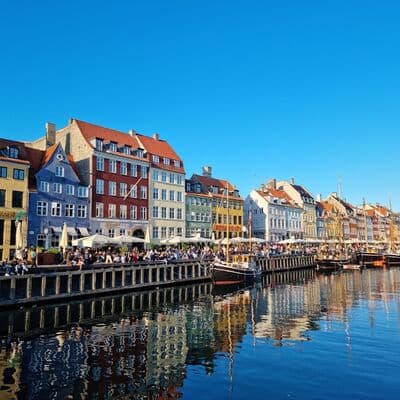
The historic heart of Copenhagen is where you will find the iconic Nyhavn waterfront with its colourful 17th-century townhouses, the pedestrian shopping street Strøget, and major attractions like Round Tower. Staying here puts you within walking distance of nearly everything, but you pay a premium for that convenience. Expect hotel prices starting at $200-250 per night for mid-range options. The area can feel touristy, especially along Nyhavn during summer, but step one street back and you discover quiet courtyards, local cafes, and centuries-old churches.
Best for: First-time visitors who want to maximise sightseeing efficiency and do not mind tourist crowds. The location simply cannot be beaten for accessibility.
Vesterbro
Once Copenhagen's red-light district, Vesterbro has transformed into the city's hippest neighbourhood without losing its edgy character entirely. The Meatpacking District (Kødbyen) is now filled with restaurants, galleries, and nightclubs housed in former slaughterhouses. Istedgade street offers everything from vintage shops to Middle Eastern groceries to craft cocktail bars. This is where young creative professionals live, and the energy reflects that demographic.
Hotels here are slightly cheaper than the city centre, with boutique options around $150-180 per night. The neighbourhood is just a 10-minute walk from Central Station and Tivoli Gardens. What I particularly love about Vesterbro is that it feels authentic rather than curated. You will see the full spectrum of Copenhagen life here, from families at brunch to late-night revellers.
Best for: Travellers who prioritise nightlife, food scene, and local atmosphere over traditional sightseeing.
Nørrebro
Copenhagen's most multicultural neighbourhood sits north of the lakes that separate the inner city from the outer districts. Nørrebro is where you find the best kebabs alongside third-wave coffee shops, vintage furniture stores next to halal butchers, and Copenhagen's famous cemetery Assistens Kirkegård where Hans Christian Andersen is buried (yes, Danes picnic among the graves, and it is perfectly normal here).
The main drag, Nørrebrogade, pulses with life at all hours. Jægersborggade has become a destination street with ceramics studios, natural wine bars, and some of the city's most innovative small restaurants. Accommodation options lean toward Airbnb apartments rather than hotels, typically running $100-150 per night for a comfortable flat.
Best for: Budget-conscious travellers, those interested in food culture beyond traditional Danish cuisine, and anyone wanting to experience everyday Copenhagen life.
Christianshavn
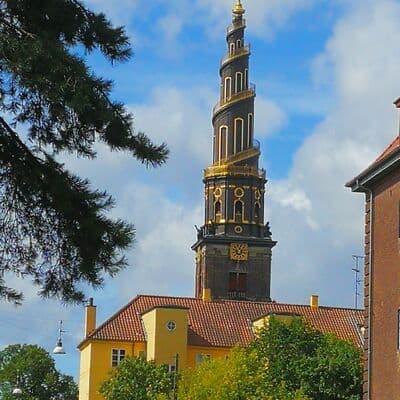
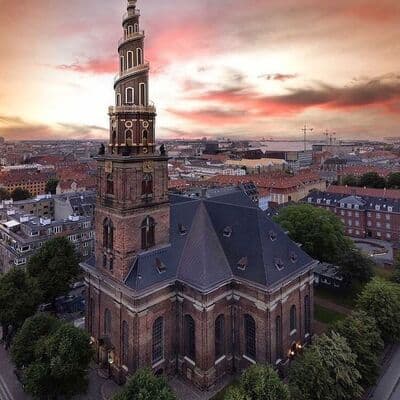
Built on a series of artificial islands in the 17th century, Christianshavn feels like a separate village within the city. Canals lined with houseboats, the distinctive spire of Church of Our Saviour twisting against the sky, and the famous autonomous community of Freetown Christiania all contribute to its unique character. The neighbourhood combines genuine local residential life with significant tourist interest.
Staying in Christianshavn means quiet evenings along the canals while remaining just a short walk or bike ride from the city centre. Hotel options are limited, but several excellent guesthouses and apartments exist. The atmosphere differs dramatically from the polished perfection of central Copenhagen, which is precisely the appeal.
Best for: Repeat visitors, those seeking alternative culture, and anyone who appreciates waterfront living and village atmosphere.
Frederiksberg
Technically its own municipality within Copenhagen, Frederiksberg represents affluent residential life at its Danish finest. Broad tree-lined avenues, elegant apartment buildings, and the sprawling Frederiksberg Gardens create an atmosphere of quiet prosperity. The neighbourhood offers excellent dining options without the crowds of central areas, and the zoo makes it particularly suitable for families.
Hotels and apartments here provide good value compared to the city centre while remaining well-connected via metro. A comfortable three-star hotel runs $120-160 per night. The trade-off is that you are 15-20 minutes from major attractions, though the peaceful streets and local feel compensate for this.
Best for: Families, those prioritising value over location, and visitors who prefer quiet residential settings.
Nordhavn
Copenhagen's newest neighbourhood has risen from former industrial docklands into a showcase of contemporary Scandinavian architecture and urban planning. Gleaming apartment buildings, waterfront promenades, and innovative public spaces define this area. The district is still developing, with new restaurants and cultural venues opening regularly.
Accommodation options remain limited but growing, primarily apartment rentals. The area connects to the city centre via metro in under 10 minutes. Nordhavn appeals to architecture enthusiasts and those wanting to see Copenhagen's future taking shape. However, it lacks the historic character and established neighbourhood feel of older districts.
Best for: Architecture lovers, those interested in sustainable urban development, and visitors who enjoy being among the first to discover emerging areas.
Best Time to Visit Copenhagen
Copenhagen transforms dramatically with the seasons, and choosing when to visit significantly impacts your experience. Each period offers distinct advantages and drawbacks worth considering carefully.
Summer (June to August) brings the famous Scandinavian endless daylight, with the sun barely setting in late June. Temperatures hover between 17-22 degrees Celsius (63-72 Fahrenheit), perfect for cycling, harbour bathing, and outdoor dining. Tivoli Gardens operates at full capacity, street cafes spill onto sidewalks, and the city buzzes with energy. However, this is peak tourist season. Hotel prices spike 30-50% above shoulder season rates, popular restaurants require reservations weeks in advance, and Nyhavn becomes almost impassable with crowds. If summer is your only option, book accommodation and key restaurants at least two months ahead.
Late Spring (May to early June) represents my personal favourite window. The weather has warmed enough for outdoor activities, gardens are in full bloom, and tourist crowds have not yet peaked. Daylight extends well past 9 PM, and you can still secure same-week restaurant reservations at most places. Hotel prices remain reasonable, typically 15-20% below summer peaks. The Copenhagen Distortion street festival in late May brings massive outdoor parties to different neighbourhoods each night.
Autumn (September to November) offers comfortable temperatures through September before cooling significantly. The cultural season kicks into high gear with theatre premieres, gallery openings, and new restaurant menus featuring autumn ingredients. Crowds thin dramatically after mid-September, and hotel prices drop accordingly. October and November bring grey skies and increasing rain, but Copenhagen's cosy cafe culture truly shines during these darker months. This is when you discover the Danish concept of hygge firsthand.
Winter (December to February) divides visitors sharply. December delivers magical Christmas markets, Tivoli's winter illuminations, and hygge at its most intense with candles flickering in every window. However, daylight lasts barely seven hours, temperatures hover around freezing, and outdoor activities become limited. January and February are the quietest months, with the lowest prices but also the least happening. If you visit during winter, embrace indoor culture: museums, restaurants, design shops, and extended cafe sessions become the focus.
Regardless of season, pack layers and rain gear. Copenhagen weather changes quickly, and even summer days can bring sudden showers. The Danes have a saying: there is no bad weather, only bad clothing. Take this advice seriously.
Itinerary: Making the Most of 3 to 7 Days
Day 1: Orientation and City Centre
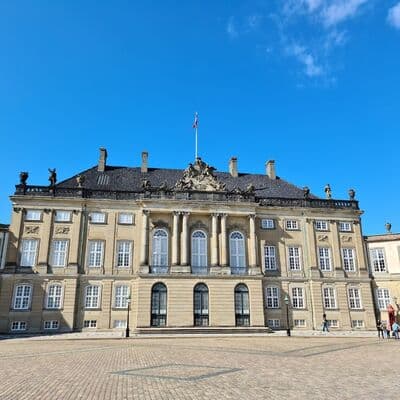
Start at Nyhavn early morning before the crowds descend. Grab a coffee from one of the less touristy cafes on the side streets and watch the fishing boats and historic tall ships bob in the harbour. Walk along the waterfront toward Amalienborg Palace, arriving around 11:30 to catch the changing of the guard at noon. The royal guards march through the city streets, an impressive display regardless of whether the Queen is in residence.
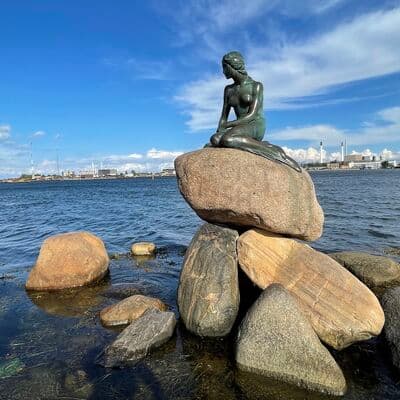
Continue north along the harbour promenade to The Little Mermaid. Yes, it is smaller than you expect, and yes, there will be crowds, but the waterfront walk itself justifies the detour. Loop back through the Kastellet star fortress, a remarkably peaceful green space despite its military history.
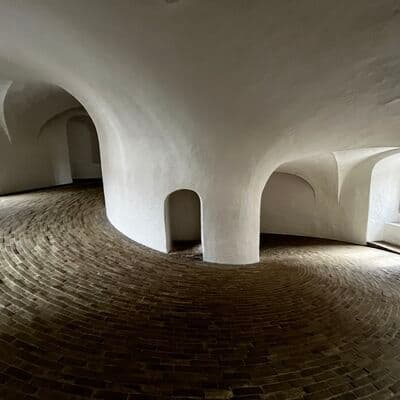
Afternoon: head to Torvehallerne food market for lunch. This covered market houses dozens of vendors selling everything from fresh seafood to artisanal cheese to prepared foods. Expect to spend $15-25 for a satisfying lunch sampling various stalls. Afterward, walk the Strøget pedestrian street for shopping and people-watching, perhaps climbing Round Tower for panoramic city views. The spiral ramp to the top is gentle enough that horses historically rode up it.
Evening: book dinner in Vesterbro's Meatpacking District, followed by drinks at one of the area's many bars. Alternatively, catch a show at Tivoli if you are visiting during operating season.
Day 2: Christianshavn and Alternative Culture
Cross the harbour to Christianshavn and spend the morning exploring this canal-lined neighbourhood. Start with coffee at one of the cafes along the main canal before visiting Church of Our Saviour. Climbing the external spiral staircase to the top of the distinctive twisted spire offers the best views in Copenhagen, though it is not recommended for those uncomfortable with heights.
Walk to Freetown Christiania, the famous autonomous community established by squatters in 1971. This self-governing neighbourhood operates by its own rules, with car-free streets, collectively owned businesses, and an infamous cannabis market on Pusher Street (photography is strictly forbidden in certain areas, and this rule should be respected). Beyond the counterculture reputation, Christiania contains some of Copenhagen's most creative architecture, lovely nature areas, and genuinely interesting community spaces. Spend an hour or two exploring, perhaps grabbing lunch at one of the organic cafes.
Afternoon: take a harbour boat tour or rent a kayak to see the city from the water. The hop-on-hop-off harbour buses are included in the Copenhagen Card and provide excellent transportation while doubling as sightseeing. Stop at one of the harbour baths for a swim if weather permits, the combination of swimming pools extending into the harbour with city skyline views is uniquely Copenhagen.
Evening: dinner in Christianshavn or Nørrebro, experiencing neighbourhoods beyond the tourist centre.
Day 3: Royal Copenhagen and Gardens
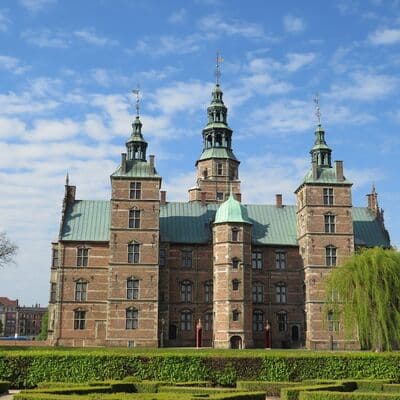
Begin at Rosenborg Castle when it opens at 10 AM. This Renaissance castle houses the Danish crown jewels and royal regalia, with surprisingly accessible displays allowing you to get close to centuries of royal history. The surrounding King's Garden is Copenhagen's oldest and most visited park, lovely for a morning stroll.
Walk through the Botanical Garden next door, free to enter and containing impressive greenhouses with tropical plants. Continue to the Design Museum Denmark for an overview of Scandinavian design history, essential context for understanding Danish aesthetics you see throughout the city.
Afternoon: rent a bicycle and explore Frederiksberg Gardens, a romantic English-style landscape garden perfect for a leisurely ride. Stop at one of the garden cafes for coffee and cake. If travelling with children, Copenhagen Zoo borders the gardens and makes an excellent afternoon activity.
Evening: experience traditional Danish smørrebrød at a classic restaurant like Schønnemann or Aamanns, understanding why open-faced sandwiches represent an art form here.
Days 4-5: Deeper Exploration
With additional days, venture beyond the central attractions. Spend a morning exploring Nørrebro neighbourhood, starting with coffee and pastry at one of Jægersborggade's excellent cafes. Browse the vintage shops, ceramics studios, and specialty food stores. Visit Assistens Cemetery, strange as it sounds, where locals jog, sunbathe, and picnic among the graves of famous Danes.
Take the metro to Nordhavn and explore Copenhagen's newest neighbourhood, seeing cutting-edge Danish architecture and urban planning in action. The waterfront promenade connects to the newly developed Refshaleøen area, home to Reffen street food market in a former shipyard. This sprawling outdoor space houses dozens of food vendors representing cuisines from around the world, with harbour views and a festival atmosphere on summer weekends.
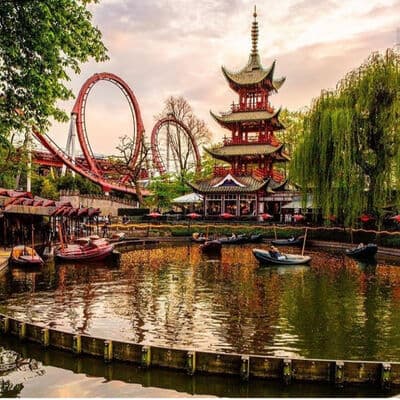
Dedicate an afternoon to Tivoli Gardens if visiting during operating season. Beyond the rides and games, the gardens themselves are beautifully designed, and summer evening concerts and illuminations create genuine magic. Even if amusement parks typically do not appeal to you, Tivoli transcends the genre.
Consider a food tour of Copenhagen, joining local guides who reveal hidden restaurants, explain Danish food culture, and provide access you would not find independently. Several excellent operators run daily tours ranging from $80-120 per person including substantial food.
Days 6-7: Day Trips
Copenhagen's location enables several outstanding day trips that add depth to your visit.
Louisiana Museum of Modern Art sits 35 minutes north by train in Humlebæk. Consistently ranked among the world's best modern art museums, Louisiana combines outstanding collections, striking architecture, and a stunning coastal setting. Plan to spend at least half a day here, including lunch at the museum cafe overlooking the sea.
Malmö, Sweden lies just 35 minutes by train across the Øresund Bridge. Your Copenhagen transport card does not cover this journey, but tickets cost approximately $12 each way. Malmö offers a Swedish perspective while remaining easily manageable as a day trip. The Turning Torso skyscraper, the historic Gamla Staden old town, and excellent fika culture make it worthwhile.
Roskilde sits 30 minutes west by train, housing both the Viking Ship Museum and the UNESCO-listed cathedral containing tombs of Danish monarchs. The combination of Viking history and medieval architecture provides excellent contrast to Copenhagen's urban experience.
Dragør is a charming fishing village just 20 minutes south by bus, offering narrow cobblestone streets, yellow-painted houses, and harbour seafood restaurants without tourist crowds. Perfect for a relaxed afternoon when you need a break from city intensity.
Where to Eat: Restaurant Guide
Copenhagen's restaurant scene punches far above its weight for a city of 800,000 people. Beyond the famous New Nordic restaurants with months-long waiting lists, an incredibly diverse dining landscape awaits at various price points.
High-End Dining
Noma and Geranium require reservations months in advance and command prices of $400-600 per person before drinks. These experiences represent destination dining that some travellers plan entire trips around. If this interests you, set calendar reminders for when reservations open and book immediately. Slightly more accessible fine dining options include Alchemist (also requiring advance booking but occasionally releasing last-minute tables) and Kadeau with its Bornholm-inspired cuisine.
Mid-Range Excellence
This category represents Copenhagen's sweet spot for quality-to-price ratio. Expect to spend $60-100 per person for memorable meals.
Neighbourhood bistros like Bæst (with its own mozzarella production), Manfreds (vegetables forward, natural wines), and Mirabelle (French technique with Scandinavian ingredients) deliver outstanding cooking in casual settings. Reservations are recommended but sometimes available a few days ahead.
Seafood specialists including Fiskebaren in the Meatpacking District and Kødbyens Fiskebar offer pristine Nordic seafood preparations. The harbour location makes fresh fish particularly excellent here.
International options have expanded dramatically. Jah Izakaya for Japanese, Llama for South American, and Sanchez for Mexican tacos reflect Copenhagen's growing global influences while maintaining Danish quality standards.
Casual and Budget Options
Yes, eating affordably in Copenhagen is possible with strategic choices.
Food markets provide the best value. Torvehallerne in the centre, Reffen in Refshaleøen, and Broens Gadekøkken by Christianshavn offer excellent prepared foods for $12-20 per meal. The variety means everyone finds something appealing.
Lunch specials at quality restaurants often cost half the dinner price. Many establishments serving $80 dinners offer $25-35 lunch menus featuring similar ingredients and preparation quality.
Pølse wagons (hot dog carts) remain a genuine Copenhagen institution. The ristet hot dog with crispy onions and remoulade costs around $5 and represents authentic local street food.
Supermarket prepared foods from Irma or Føtex provide surprisingly good quality for picnic meals, especially the smørrebrød selections.
Regardless of where you eat, book popular restaurants at least a week ahead during summer. Copenhagen's dining scene has become a major draw, and walk-in availability at desired spots can be limited.
What to Try: Essential Danish Foods
Danish cuisine has evolved dramatically from its heavy traditional roots, but understanding those foundations enhances any visit. Here are the essential foods to seek out.
Smørrebrød
Open-faced sandwiches represent Denmark's most distinctive culinary contribution. Forget any preconceptions about sandwiches. Proper smørrebrød are elaborate constructions on dense rye bread (rugbrød), layered with proteins, garnishes, and sauces in specific traditional combinations. Classic versions include pickled herring with onion and capers, roast beef with remoulade and crispy onions, and curried herring with egg. Eat with knife and fork, never pick them up, and pair with cold snaps of aquavit if embracing full tradition. Schønnemann and Aamanns serve definitive versions, but lunch spots throughout the city offer excellent interpretations at lower prices.
Pølse
The Danish hot dog differs notably from American versions. Smaller and redder, served in a soft bun with raw onions, crispy onions, ketchup, mustard, and remoulade (a slightly sweet, pickle-flavoured mayonnaise sauce). The classic version is the ristet (grilled), but the røde pølse (boiled red sausage) has its devotees. Find pølsevogn carts throughout the city, with the most famous located near Rådhuspladsen square.
Stegt Flæsk med Persillesovs
Voted Denmark's national dish, this combination of crispy fried pork belly slices with potatoes and parsley cream sauce embodies traditional Danish comfort food. It is heavy, it is not remotely healthy, and it is absolutely delicious when executed properly. Look for it in traditional Danish restaurants and neighbourhood taverns serving classic lunch fare.
Frikadeller
Danish meatballs made from pork or a pork-veal mixture, flattened rather than round, and pan-fried in butter. Served with potatoes, gravy, and pickled red cabbage, they appear on many lunch menus. Every Dane has opinions about proper frikadeller preparation, and home-cooked versions remain a cherished comfort food.
Wienerbrød
What the rest of the world calls Danish pastry, Danes call Vienna bread. The flaky, laminated pastries filled with custard, almond paste, or fruit jam accompany morning coffee throughout the city. Seek out traditional bakeries (bagerier) rather than chain shops for the best versions. Particular favourites include the spandauer (custard-filled round) and the tebirkes (poppy seed-topped folded pastry).
New Nordic Cuisine
The movement that transformed Copenhagen into a culinary destination emphasises local, seasonal, and often foraged ingredients prepared with innovative techniques. Even if you cannot secure reservations at the famous restaurants, the influence permeates the entire dining scene. Expect to encounter fermented vegetables, wild herbs, preserved fruits, and unexpected flavour combinations throughout your eating experiences.
Modern Additions
Copenhagen's international population has enriched the food scene considerably. Exceptional shawarma from Middle Eastern spots, precise Japanese ramen, authentic Italian pizza from wood-fired ovens, and creative fusion concepts all thrive here. The quality standards Danish diners demand ensure that even casual international food typically exceeds expectations.
Local Secrets and Practical Tips
The Copenhagen Card
This city pass includes free public transport, free admission to 80+ museums and attractions, and various discounts. The 72-hour card costs approximately $130 and pays for itself if you plan significant sightseeing. The card particularly makes sense for first-time visitors covering major attractions like Tivoli ($22 normally), Rosenborg Castle ($15), and various museums. Calculate your planned admissions before purchasing. For return visitors or those preferring slow travel, buying transport tickets separately may prove more economical.
Harbour Swimming
The harbour baths (havnebad) are not just tourist gimmicks. Copenhagen has invested heavily in cleaning its harbour waters, and locals genuinely swim here regularly. Islands Brygge, Fisketorvet, and Svanemøllen harbour baths are free and open throughout summer. Bring your swimsuit and join the Danes for a surprisingly refreshing urban swimming experience.
Tap Water
Copenhagen tap water is exceptional quality, drawn from deep underground sources. Restaurants legally must provide free tap water if requested, though not all advertise this. Bring a refillable bottle and save considerably compared to buying bottled water throughout the day.
Restaurant Reservations
The reservation culture here differs from casual walk-in cities. For any specific restaurant you want to experience, book ahead. Even neighbourhood bistros fill quickly, especially on weekend evenings. Use the booking platform for reservations, which most restaurants prefer to phone calls. Last-minute options exist, but limiting yourself to walk-in availability significantly narrows choices.
Tipping
Service charges are included in all prices by law. Danes do not tip, and no one expects it. Rounding up small bills or leaving a few extra kroner for exceptional service is appreciated but never expected. Do not feel obligated to add percentages as you might elsewhere.
Sunday Closures
Danish shops, including supermarkets, face restrictions on Sunday opening hours. Smaller stores often close entirely, while larger shops operate reduced hours. Plan grocery shopping and retail therapy accordingly. Restaurants and cafes remain open, but the rhythm of the city noticeably slows.
Coffee Culture
Copenhagen takes coffee seriously, with numerous specialty roasters and cafes throughout the city. The Coffee Collective, Prolog, Democratic Coffee, and April Coffee Roasters represent the third-wave scene. Expect single-origin options, precise brewing methods, and prices around $5-6 for filter coffee or cappuccino.
Biking Etiquette
When cycling, follow the rules religiously. Use hand signals for turns, stop at red lights (Danes actually stop), and stay in the cycle lane. Walking in the bike lane is genuinely dangerous and infuriates locals. When crossing streets on foot, look left for bikes before stepping onto cycle paths.
Quiet Hours
Danes value quiet, especially in residential areas. Outdoor gatherings in parks typically wind down by 10 PM, and noisy behaviour draws quick complaints. The nightlife districts in Vesterbro and the city centre operate differently, but neighbourhood streets expect consideration.
Transport and Connectivity
Getting There
Copenhagen Airport (CPH) ranks among Europe's most efficient, located just 15 minutes from the city centre by metro. Direct flights connect major US hubs including New York (8-9 hours), Chicago (9-10 hours), and Los Angeles (11-12 hours). From the UK, London flights take under 2 hours with multiple daily departures from Heathrow, Gatwick, and Stansted. SAS, Norwegian, British Airways, and various low-cost carriers serve the route. The airport metro runs every 4-6 minutes during peak hours, with tickets costing approximately $5 for the city centre journey.
City Transport
Copenhagen's public transport system integrates metro, buses, suburban trains (S-tog), and harbour buses under a unified zone-based ticket system. The metro runs 24 hours on weekends and until midnight on weekdays, with trains every 2-4 minutes during busy periods. The system is clean, efficient, and genuinely pleasant to use.
Single tickets cost approximately $4 for zones 1-2 covering the city centre and most attractions. 24-hour tickets cost $10-12 and make sense if taking 3+ journeys. Rejsekort is the rechargeable transit card offering approximately 20% discount on fares, worthwhile for stays of a week or longer.
Cycling
Copenhagen was built for bicycles, and cycling represents the optimal way to experience the city. The infrastructure exceeds anything in North America or the UK, with separated cycle lanes, dedicated traffic signals, and drivers who actually watch for bikes.
Donkey Republic operates the most convenient bike share system, with app-based rentals starting at approximately $3 per hour or $15 per day. Bikes are parked throughout the city and unlocked via smartphone. Traditional rental shops offer better-quality bikes for longer periods, typically $20-30 per day, worth considering for multi-day stays.
Essential cycling rules: stay right, pass left, use hand signals, stop at red lights, and lock your bike every time you leave it (theft is common for unlocked bikes).
Walking
The compact city centre makes walking practical for most sightseeing. From Nyhavn to Tivoli takes about 15 minutes on foot, and a full circuit of the main central attractions covers perhaps 5-6 kilometres. Comfortable shoes matter, as you will cover more ground than expected.
Taxis and Rideshare
Taxis are expensive, with fares starting at approximately $8 plus distance charges that quickly add up. Uber does not operate in Denmark due to regulatory issues, but local apps like Dantaxi and Taxa4x35 provide similar functionality. Use taxis for late-night transport when needed, but public transport and cycling cover most situations more economically.
Day Trip Connections
The S-tog suburban trains and regional trains efficiently connect Copenhagen with surrounding destinations. Louisiana Museum takes 35 minutes, Malmö requires 35 minutes across the Øresund Bridge, and Roskilde is 30 minutes. All trains depart from Copenhagen Central Station, and tickets can be purchased via the DSB app or at station machines.
Internet and Connectivity
Free wifi is widely available in cafes, restaurants, hotels, and public spaces. The coverage and speed typically exceed what visitors from other countries expect. European visitors with EU mobile plans benefit from free roaming. American and British visitors should check roaming charges with their carriers, though purchasing a local SIM card from Lebara or Lycamobile costs approximately $15 and provides data for the duration of a typical visit.
Summary
Copenhagen delivers on its reputation as one of Europe's most liveable and visitable cities. Yes, the prices are high, but the quality of everything from public spaces to restaurant meals to cultural institutions justifies the expense. The cycling infrastructure alone makes it unlike anywhere else, and experiencing the city on two wheels transforms how you perceive urban life.
Plan for at least four days to move beyond the famous attractions and discover neighbourhood character. Book restaurants in advance, embrace the food markets for affordable meals, and do not fight the Danish pace. This is a city that rewards slowing down, lingering over coffee, and appreciating the small pleasures of well-designed daily life.
The combination of historic charm, cutting-edge design, world-class dining, and genuine quality of life makes Copenhagen a place that stays with visitors long after departure. Whether you come for the restaurants, the architecture, the cycling, or simply the experience of Scandinavian urban culture at its finest, the city consistently exceeds expectations. Just bring layers for the weather and prepare your wallet for the prices.