El Nido
El Nido 2026: Everything You Need to Know Before Your Trip
El Nido is not just another beach destination. It is the kind of place that makes you reconsider your life choices and wonder why you ever thought a cubicle was acceptable. Towering limestone karst formations rise dramatically from crystal-clear waters, hidden lagoons wait behind narrow cliff passages, and beaches remain blissfully undeveloped compared to the resort-heavy coastlines elsewhere in Southeast Asia.
I spent three weeks in El Nido last dry season, and here is the honest truth: it deserves the hype, but it also requires some planning to do it right. The days of El Nido being a backpacker secret are long gone. What remains is a destination that rewards those who know where to look, when to go, and how to avoid the crowds that descend on the famous lagoons every morning at 9 AM.
The quick answer: El Nido is worth visiting if you prioritize natural beauty over infrastructure, can handle some rough edges (power outages, unpaved roads, limited ATMs), and are willing to wake up early or stay late to see the famous spots without the tour boat crowds. Budget around $50-80 per day for mid-range comfort, or $25-40 for backpacker style. Stay at least 4 nights to properly experience island hopping and beach time.
What Makes El Nido Special
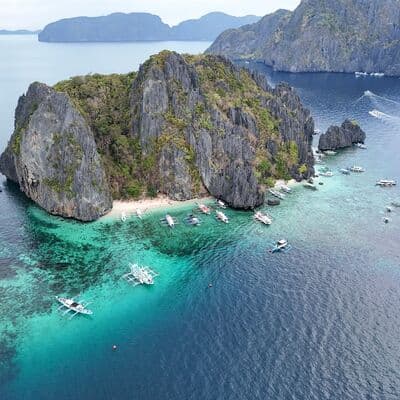
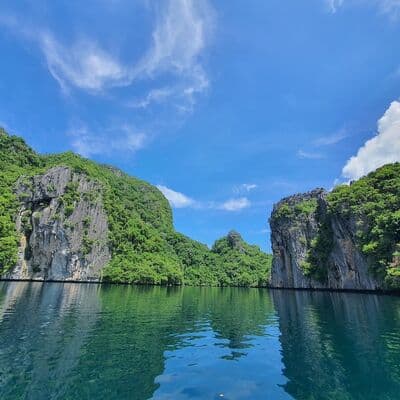
The Bacuit Archipelago surrounding El Nido contains 45 islands with some of the most dramatic coastal scenery in Southeast Asia. The limestone cliffs here are ancient, dating back millions of years, and the erosion patterns have created hidden lagoons, secret beaches, and underwater caves that feel genuinely otherworldly. The Big Lagoon lives up to its name with water so clear you can see fish swimming beneath your kayak from 20 feet up.
Unlike Boracay or Phuket, El Nido has not been overrun by mega-resorts. Development restrictions have kept the town relatively small, and most accommodation remains in the boutique or guesthouse category. This means the experience feels more authentic, but it also means infrastructure can be unreliable.
The Honest Downsides
El Nido is not perfect, and you should know what you are getting into. The main road through town floods during heavy rain. Power outages happen several times per week, though most hotels have generators. ATMs are limited and frequently run out of cash, especially on weekends. The internet is slow by Western standards, usually 5-15 Mbps on a good day. The famous lagoons get crowded between 10 AM and 2 PM with tour boats. And getting here still requires either a 5-hour van ride from Puerto Princesa or an expensive flight to the small El Nido airport.
If these things would ruin your vacation, consider a more developed destination. If you can roll with some inconvenience in exchange for jaw-dropping natural beauty, keep reading.
Where to Stay: El Nido Neighborhoods Explained
Choosing the right area makes a significant difference in your El Nido experience. Each neighborhood has a distinct character, and the best choice depends on your priorities and budget.
El Nido Town (Poblacion)
The main town is where most first-time visitors stay, and for good reason. It has the highest concentration of restaurants, tour operators, bars, and shops. You can walk everywhere, book tours easily, and find accommodation at every price point from $12 dorm beds to $150 boutique hotels.
The beachfront in town is not great for swimming, mostly used for boat departures, but the convenience factor is unbeatable. Stay here if you want easy access to nightlife, restaurants, and tour departures. The main streets can get noisy at night, so request a room away from the road if you are a light sleeper. Budget $20-40 for a decent private room with air conditioning, $60-100 for mid-range with better amenities.
Corong-Corong
Located about 2 kilometers south of town, Corong-Corong offers a quieter alternative with better beach access. The beach here is swimmable, the sunset views are excellent, and you are still close enough to walk or take a quick tricycle ride to town restaurants.
This is my personal recommendation for most travelers. You get the peace and beach quality without being isolated. Several excellent restaurants have opened here in recent years, so you do not need to go to town for every meal. Accommodation tends to be slightly more upscale than in town, with prices ranging from $40-80 for mid-range options. The area is also closer to Las Cabanas and the zipline if that interests you.
Las Cabanas Beach
About 4 kilometers from town, Las Cabanas is famous for its sunset views and the zipline that crosses the bay. The beach itself is beautiful, though it gets crowded in the late afternoon when everyone arrives for sunset drinks.
Staying here means you are removed from town, which is either a pro or con depending on your perspective. There are a few restaurants and bars on the beach, but options are limited compared to town. Good for couples seeking romance or anyone prioritizing beach quality over convenience. Expect to pay $50-120 for beachfront accommodation.
Lio Beach
Lio is the upscale, resort-oriented area about 10 kilometers north of town. This is where you will find the larger resorts with pools, spas, and manicured grounds. The beach is long and well-maintained, with less of the rough-around-the-edges character that defines the rest of El Nido.
If you want resort amenities, reliable power, and a polished experience, Lio delivers. But it also feels somewhat disconnected from the authentic El Nido vibe. Prices start around $150 per night and go up significantly. The area has its own restaurants and bars, but getting to town requires a 20-minute drive.
Nacpan Beach Area
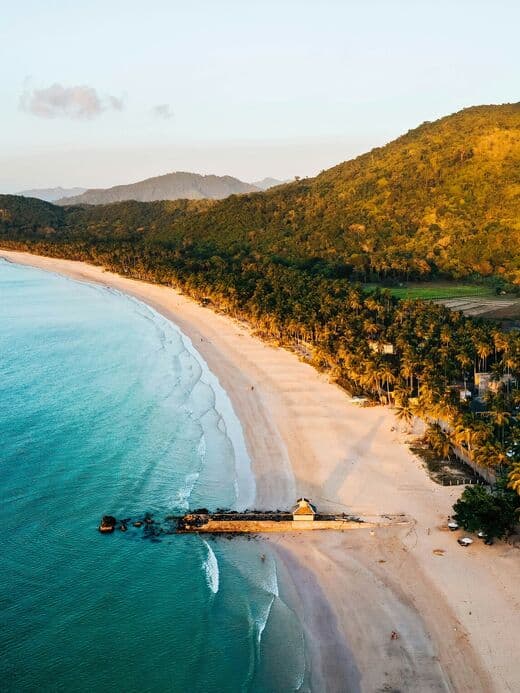
Nacpan Beach is the famous 4-kilometer stretch of golden sand about 20 kilometers from town. Some travelers choose to stay here for the ultimate escape, and it does deliver on the deserted beach fantasy, at least outside peak hours.
Accommodation near Nacpan tends to be basic bungalows or glamping setups, with prices ranging from $30-80. The trade-off is significant isolation. You will need to rent a motorbike or arrange transport for anything outside the immediate area. No ATMs, limited restaurants, and unreliable power. Perfect for a night or two of digital detox, but most visitors find a full stay here too remote.
Best Time to Visit El Nido
The Philippines has two distinct seasons, and your timing significantly impacts your experience.
Dry Season: December to May
This is peak season for good reason. Rain is rare, seas are calm for island hopping, and visibility for snorkeling is excellent. December through February offers the best overall conditions with comfortable temperatures around 26-30 degrees Celsius (79-86 Fahrenheit) and low humidity.
March through May gets progressively hotter, with April and May often hitting 35 degrees Celsius (95 Fahrenheit) by midday. The heat can be intense, but the water remains perfect and you will have the beaches largely to yourself on the hottest afternoons when everyone else retreats to air conditioning.
The downside of dry season is crowds. December through February sees the highest visitor numbers, especially around Christmas, New Year, and Chinese New Year. Book accommodation at least 2-3 weeks in advance during these periods, and expect lagoon tours to be packed.
Wet Season: June to November
The monsoon brings afternoon rain showers, rougher seas, and occasional typhoons. However, wet season does not mean constant rain. Many days see sunshine in the morning, a heavy downpour for an hour or two in the afternoon, and then clearing skies by evening.
June and early July can still be pleasant, with manageable rain and significantly fewer tourists. Prices drop 20-30%, and you can often negotiate further discounts on accommodation and tours. Late July through October sees the heaviest rain and highest typhoon risk. November starts the transition back to dry season and can offer good value with improving conditions.
Island hopping tours still operate during wet season but may be cancelled if seas are too rough. If a tour is cancelled, operators will reschedule or refund. The famous lagoons actually look even more dramatic when clouds swirl around the limestone cliffs.
When to Avoid
Skip the weeks between Christmas and mid-January unless you book far in advance and enjoy crowds. Everything is more expensive, more crowded, and harder to access. The same applies to Chinese New Year dates, which vary each year but usually fall in late January or February.
September and October carry the highest typhoon risk. While direct hits are relatively rare, even nearby typhoons can bring days of rain and rough seas. Check weather forecasts before booking if you are planning a trip during these months.
How to Spend Your Time: Sample Itineraries
Most visitors spend 3-5 nights in El Nido. Here is how to structure your time for different trip lengths.
3 Nights: The Essentials
Day 1: Arrive, settle into your accommodation, and explore El Nido town on foot. Have dinner at Art Cafe (the burger is surprisingly good) or Altrove for pizza and the sunset view from their rooftop. Walk along the beach and get your bearings. Book your island hopping tours for the next two days, either through your hotel or one of the many tour operators on the main street. Expect to pay $22-28 (1200-1500 PHP) per person for standard tours.
Day 2: Take Tour A, which covers the most famous spots including Big Lagoon, Small Lagoon, Secret Lagoon, and Shimizu Island. Most tours depart around 9 AM and return by 4-5 PM. Lunch is included, usually grilled fish and rice on a beach. Bring reef-safe sunscreen, a dry bag for your phone, and water shoes for rocky beaches. The Small Lagoon requires a kayak rental ($6/200 PHP extra) to enter, which is worth it for the scenery inside.
Day 3: Take Tour C to see Matinloc Shrine, Hidden Beach, and Helicopter Island. This tour has excellent snorkeling spots and fewer crowds than Tour A. In the evening, head to Las Cabanas for sunset drinks and the zipline if you are feeling adventurous ($12/650 PHP).
5 Nights: Adding Depth
Follow the 3-night itinerary, then add:
Day 4: Rent a motorbike ($8-10/450-550 PHP per day) and ride to Nacpan Beach. The road is paved but has some rough sections. Leave by 8 AM to arrive before the tour groups. Bring lunch or eat at one of the beachfront shacks (grilled fish $4-6). Spend the morning on the beach, explore the twin beach at the northern end, then return to town by mid-afternoon. Stop at the Nagkalit-kalit waterfalls on the way back if you have time (best after rain when water levels are higher).
Day 5: Take a private boat tour to customize your experience. A private boat for 4-6 people costs around $120-150 (6500-8000 PHP) for the day and lets you visit the lagoons either early morning or late afternoon when group tours are not there. Ask your hotel to arrange this. Alternatively, take Tour B to see different islands including Snake Island (named for its S-shaped sandbar) and Pinagbuyutan Island.
7 Nights: The Complete Experience
With a full week, you can truly relax and explore beyond the standard tours.
Days 1-5: Follow the 5-night itinerary above.
Day 6: Take a day trip to the Bacuit Bay area without a tour. Kayak rentals are available in Corong-Corong for around $15 (800 PHP) per day. Paddle out to the nearby islands and have the beaches to yourself. The waters are calm most mornings. Pack a lunch, bring plenty of water, and respect your limits, some areas have strong currents.
Day 7: Spend your last day relaxing. Get a massage ($12-20 for a full hour at town spas), do some last-minute souvenir shopping (local coconut oil and woven goods make good gifts), and have a proper farewell dinner at one of the nicer restaurants like Bella Vita or Cadlao Resort Restaurant.
Where to Eat: El Nido Restaurant Guide
El Nido's food scene has improved dramatically in recent years. You can eat well at every budget level, though prices are higher than elsewhere in the Philippines due to the remote location.
Budget Eats: Under $5
The local eateries (called carinderias) along the side streets offer authentic Filipino food at local prices. Point to what you want in the glass cases, get rice, and pay $2-3 (100-150 PHP) for a filling meal. Not Instagram-worthy, but honest food that the locals eat. Look for places with high turnover where the food is fresh.
The night market near the church operates daily from around 6 PM. Grilled seafood skewers, barbecue pork, and various Filipino street food run $1-3 per portion. Quality varies, so stick to the busiest stalls. The banana cue (fried banana on a stick with caramelized sugar) is the perfect late-night snack.
7-Eleven and convenience stores have arrived in El Nido, offering familiar snacks and affordable basics. Useful for bottled water, snacks for day trips, and budget breakfast options.
Mid-Range: $5-15
Art Cafe - The backpacker institution serves reliable Western food, good coffee, and decent smoothies. The breakfast menu runs all day, and the burger is genuinely satisfying. A meal with drink runs about $8-10. Free wifi that actually works, making it a popular spot for digital nomads.
Altrove - Rooftop Italian restaurant with wood-fired pizza and homemade pasta. The sunset views from the top floor are excellent. Pizza runs $7-10, pasta $6-9. Gets busy around sunset, so arrive early or make a reservation.
Trattoria Altrove - Same owners as Altrove but street level and more casual. Similar menu at slightly lower prices. Good lunch spot.
Happy Fish - Beachfront dining in Corong-Corong with excellent seafood and Filipino dishes. The garlic butter shrimp is memorable. Entrees $6-12. One of the better sunset dinner spots outside of town.
Lonesome Carabao - Australian-owned pub serving burgers, fish and chips, and bar food. Portions are large, beer is cold, and sports play on the screens. A meal with beer runs about $10-12.
Upscale: $15-30
Bella Vita - Italian fine dining with an extensive wine list. The handmade pasta is worth the splurge, and the atmosphere is romantic without being stuffy. Expect to spend $25-35 per person with wine.
Cadlao Resort Restaurant - Resort dining with surprisingly accessible prices. The seafood platter for two is excellent value at around $40 (2000 PHP). Beautiful waterfront setting.
Republica Sunset Bar - More about drinks and atmosphere than food, but the tapas and cocktails are solid. Come for sunset, stay for the vibe. Cocktails $6-8.
Coffee and Breakfast
Midtown Bakery - Fresh pastries, good coffee, and air conditioning. The ensaymada (sweet Filipino bread) is excellent. Coffee $2-3, pastries $1-2.
Happiness Beach Bar - Corong-Corong spot with good breakfast and smoothie bowls. Popular with health-conscious travelers. Breakfast $5-8.
Kalye Artisano - Boutique coffee shop with single-origin beans and skilled baristas. The best coffee in town if you care about such things. Espresso drinks $3-4.
What to Eat: Local Food Worth Trying
The Philippines has an underrated food culture, and El Nido offers plenty of opportunities to explore it.
Seafood
Kinilaw - The Filipino version of ceviche. Raw fish cured in vinegar with onions, chili, and ginger. Fresh, tangy, and perfect for hot days. You will find it at most seafood restaurants and sometimes on island hopping lunch spreads. Around $4-6 at restaurants.
Grilled Fish - The island hopping tours almost always include grilled fish for lunch, but the restaurant versions are better. Whole fish grilled over coconut husks with a side of vinegar dipping sauce. The panga (fish jaw/collar) is the fattiest, most flavorful part if you are feeling adventurous.
Sinigang na Hipon - Sour soup with shrimp, vegetables, and tamarind. Comforting, healthy, and distinctly Filipino. Often available at local eateries for $3-5.
Meat Dishes
Adobo - The unofficial national dish. Chicken or pork braised in vinegar, soy sauce, and garlic. Every cook has their own version. Simple, satisfying, and cheap, usually $3-4 at local spots.
Sisig - Chopped pig face and ears served sizzling hot with egg and chili. It sounds challenging but tastes incredible, crispy and savory with a hint of sourness. Often served as a beer snack, about $4-5.
Lechon Kawali - Crispy fried pork belly. The best versions have crackling skin and tender meat. Usually $4-5 for a full portion with rice.
Snacks and Desserts
Halo-Halo - Shaved ice with sweet beans, jellies, leche flan, ube (purple yam), and evaporated milk. Looks chaotic, tastes like sweet relief from the heat. Available everywhere for $2-3.
Turon - Fried banana spring rolls with jackfruit and caramelized sugar. Perfect snack, about $0.50 each from street vendors.
Bibingka - Rice cake traditionally cooked over coals in a clay pot. Slightly sweet, chewy, and often topped with salted egg and cheese. Breakfast staple, around $1-2.
El Nido Secrets: Local Tips That Make a Difference
These are the things I wish someone had told me before my first visit.
Avoid the Morning Rush
Standard island hopping tours depart between 9-10 AM and all arrive at the famous lagoons around the same time. By 11 AM, the Big Lagoon has 30+ boats and the magic disappears. Solution: book a private tour that departs at 7 AM or 1 PM. You will pay more ($120-150 vs $25 for group tours) but the experience is incomparably better. Split the cost among 4-6 people and it becomes reasonable.
Bring Cash
ATMs in El Nido are unreliable. There are only a few machines in town, they frequently run out of cash (especially on weekends), and some do not accept foreign cards. Withdraw enough money in Puerto Princesa or Manila before arriving. Budget at least $50-70 per day in cash, more during peak season. Most hotels take cards, but restaurants, tours, and smaller businesses are cash-only.
The Eco-Tourism Development Fee
Everyone entering El Nido municipality must pay a 200 PHP ($3.70) eco-tourism development fee, valid for 10 days. You will be asked to show your receipt when booking tours. The fee supports environmental conservation, and based on how well-preserved the lagoons remain, it seems to be working. Pay at the registration booths in town or at the bus terminal upon arrival.
Reef-Safe Sunscreen Matters
The Philippines banned harmful chemical sunscreens in protected marine areas, including the El Nido lagoons. Tour operators will check your sunscreen and confiscate banned products. Bring reef-safe sunscreen from home, as it costs three times more locally. Look for mineral-based formulas with zinc oxide or titanium dioxide. Alternatively, wear a rash guard for sun protection.
Book Tours Locally
Online booking sites charge 30-50% markups on tours. Walk into any of the tour operators on the main street and you will get the standard prices: Tour A 1200-1400 PHP, Tour B 1300-1400 PHP, Tour C 1400-1500 PHP, Tour D 1200-1300 PHP. The tours are nearly identical regardless of operator since they all follow the same routes. Book the day before to guarantee a spot during peak season.
Kayak Rental Is Worth It
At Small Lagoon, you can either swim through the narrow entrance or rent a kayak for 200 PHP ($3.70). Rent the kayak. The lagoon inside is large and beautiful, and having a kayak lets you explore the corners that swimmers cannot reach. The rental operates right at the lagoon entrance.
Skip Tour D Unless You Love Beaches
Tour D visits beaches and a lagoon but lacks the dramatic scenery of Tours A and C. If you only have time for two tours, do A and C. Add Tour B if you want more snorkeling and a third day on the water. Tour D is fine but not essential.
The Best Sunset Spot
Everyone goes to Las Cabanas for sunset, which means crowds and inflated drink prices. For a similar view with fewer people, head to Maremegmeg Beach (between Corong-Corong and Las Cabanas) or the rocks at the southern end of Corong-Corong beach. Bring your own drinks and snacks.
Motorbike Rental Advice
Renting a motorbike opens up El Nido significantly, but choose carefully. Inspect the bike before renting, take photos of any existing damage, and confirm the helmet is included (legally required). The road to Nacpan is paved but has rough patches and occasional loose gravel. If you are not an experienced rider, this is not the place to learn. Rental shops require a passport deposit or a copy of your passport, some accept IDs instead.
Getting There and Getting Around
Arriving in El Nido
By Air: The small Lio Airport (ENI) receives direct flights from Manila and Cebu on AirSWIFT. Flights take about 1 hour and cost $100-180 one way depending on season and booking time. The airport is 10 minutes from town. This is the comfortable option but significantly more expensive than alternatives.
By Van from Puerto Princesa: Most budget and mid-range travelers fly to Puerto Princesa (PPS) and take a shared van to El Nido. The ride takes 5-6 hours through scenic mountain roads. Several companies operate this route, with prices around $12-15 (600-800 PHP). Vans depart throughout the day but morning departures are recommended to arrive before dark. Book through your Puerto Princesa hotel or at the terminal.
By Private Van: A private van costs $100-120 (5000-6500 PHP) and fits 4-6 people comfortably. Worth considering if you have a group and want to stop for photos along the way or avoid the cramped shared vans.
By Bus: Cherry Bus and Roro Bus operate air-conditioned buses from Puerto Princesa for around $8 (400 PHP). Slightly slower than vans but more spacious. Recommended for those who get motion sick, as the vans can be aggressive on the winding roads.
Getting Around El Nido
Walking: El Nido town is compact and walkable. You can reach most restaurants, tour operators, and shops on foot within 10-15 minutes.
Tricycles: The local motorcycle taxis with sidecars. Standard fares within town are 20-30 PHP ($0.50). To Corong-Corong expect 50-80 PHP, to Las Cabanas 100-150 PHP, to Lio Beach 200-300 PHP. Negotiate before getting in, though prices are fairly standardized.
Motorbike Rental: Available throughout town for 450-600 PHP ($8-11) per day. Manual transmission is cheaper than automatic. Required documents vary by shop, some want your actual passport, others accept a photocopy. Insurance is rarely offered, so ride carefully.
Multi-Cab: Shared jeepney-style vans that follow set routes. Less common than tricycles but useful for the route to Nacpan. Ask locals about current schedules as they change frequently.
Connectivity
SIM Cards: Globe and Smart are the main carriers. SIM cards cost around $1-2 (50-100 PHP) and data packages run $3-5 (150-250 PHP) for a week of reasonable data. Coverage in town is generally good, but signal gets spotty in remote areas and on some islands. Purchase at the convenience stores or phone shops on the main street.
WiFi: Most hotels and cafes offer WiFi, but speeds are modest, typically 5-15 Mbps. For video calls or heavy uploads, the restaurants with better connections include Art Cafe and some of the upscale resorts. Do not expect to work remotely with video-heavy workflows.
Useful Apps: Download offline maps through Google Maps or Maps.me before arriving. Grab works for tricycle booking in more developed areas but is not widely used in El Nido. GCash and Maya are useful if you can set up a Philippine mobile wallet, as some shops accept e-payments.
Final Thoughts: Who Is El Nido For?
El Nido is perfect for travelers who prioritize natural beauty over convenience. If you dream about turquoise lagoons, dramatic limestone cliffs, and beaches that look computer-generated, you will find exactly what you are looking for here. The Big Lagoon and Secret Lagoon are genuinely stunning. Seven Commandos Beach justifies the early wake-up to beat the crowds. Nacpan Beach delivers on the dream of an uncrowded stretch of sand backed by palm trees.
El Nido is not ideal for travelers who need predictable infrastructure, reliable internet, or polished service. The roads flood, the power cuts out, and things operate on island time. Some restaurants close without warning. The boat schedule is more of a suggestion. If this would frustrate rather than charm you, consider more developed destinations in Southeast Asia.
The best approach is to arrive with flexible expectations and a willingness to adapt. Book a few nights, allow buffer days for weather, and do not over-plan your schedule. The magic of El Nido reveals itself to those who slow down and let the islands surprise them.
Is it worth the journey? Absolutely. The Bacuit Archipelago contains some of the most beautiful coastal scenery anywhere in the world, and unlike many overhyped destinations, it lives up to the photographs. Book your trip, bring enough cash, pack your reef-safe sunscreen, and prepare to understand why so many travelers extend their stays. El Nido has a way of making your return flight feel too soon.