Shimizu Island
Shimizu Island: El Nido's Underwater Paradise
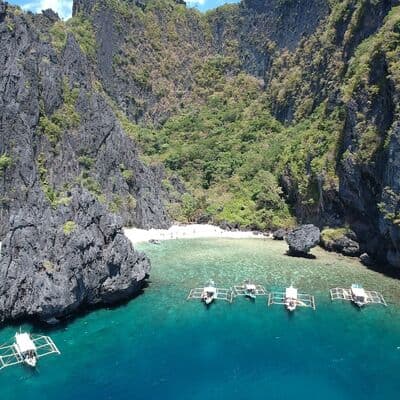
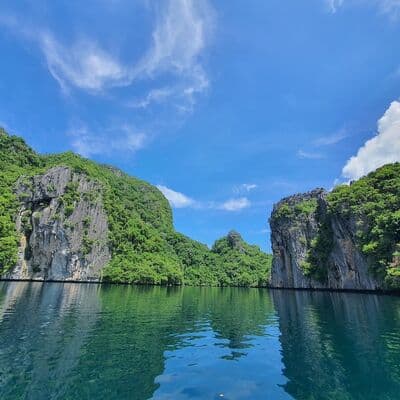
Named after a Japanese diver who fell so deeply in love with this tiny island's underwater beauty that he chose to spend his final days here, Shimizu Island stands as one of El Nido's premier snorkeling destinations. Rising dramatically from Bacuit Bay's turquoise waters, this limestone sentinel may look like yet another beautiful karst formation from above—but beneath the surface lies a world of exceptional marine diversity that makes Shimizu a highlight of any El Nido visit.
While the island itself cannot be visited (private property rights restrict land access), the waters surrounding it belong to everyone. Here, vibrant coral gardens support an astonishing variety of fish species, from tiny chromis darting through branching corals to impressive Napoleon wrasses cruising the reef edges. For snorkelers and divers alike, Shimizu Island delivers exactly what visitors hope to find in Philippine waters: clear visibility, healthy reefs, and marine life that seems almost too abundant to be real.
The Story Behind the Name
Shimizu Island takes its name from a Japanese national who discovered this spot decades ago and became captivated by its underwater beauty. According to local accounts, Mr. Shimizu was a diving enthusiast who explored Palawan's waters extensively before determining that this small island offered the most remarkable marine environment he had encountered.
The story goes that Shimizu returned to the island repeatedly, eventually expressing his wish to be laid to rest in these waters he loved so deeply. Whether all details of this story are historically accurate has become somewhat unclear over time, but the name persists, and the island's reputation for exceptional snorkeling validates the passion that supposedly inspired the dedication.
Today, the story adds a layer of meaning to visits here. Swimming above the coral gardens, you're experiencing something that moved someone so profoundly they wanted to remain forever. That emotional connection to natural beauty resonates with many visitors who find themselves equally enchanted by Shimizu's underwater wonders.
The Marine Environment
Shimizu Island's exceptional snorkeling results from a combination of factors: its location, the health of surrounding reefs, and the habitat diversity provided by the limestone formation and seafloor topography.
Coral Communities
The waters around Shimizu host diverse coral assemblages representing many of the coral types found throughout the Indo-Pacific region. Table corals spread their broad plates across reef surfaces, providing shelter for countless fish species. Branching acropora corals create three-dimensional structure that fish use for protection and feeding. Massive corals, some potentially centuries old, anchor the reef with their solid bulk.
Soft corals add color and movement to the scene. These flexible organisms sway with currents, their polyps extending to filter feed when conditions are favorable. The purple, orange, and pink hues of various soft coral species create a kaleidoscopic effect, particularly when sunlight penetrates the water during midday hours.
The reef's overall health appears good compared to many Philippines sites, likely due to protected area status and relatively limited fishing pressure. However, some areas show signs of past bleaching events and anchor damage, reminders that even protected reefs face ongoing threats. Visitors can help by using reef-safe sunscreen and maintaining proper buoyancy to avoid contact with coral.
Fish Diversity
The fish life at Shimizu is genuinely impressive, both in species diversity and in the comfortable behavior many species display around snorkelers. Years of tour visits have habituated fish to human presence, allowing closer observation than at sites where marine life is more skittish.
Common sightings include various damselfish species (particularly chromis and sergeant majors), butterflyfish in multiple varieties, angelfish, parrotfish, wrasses, and triggerfish. Schools of fusiliers often sweep through the area, their blue and yellow bodies creating rivers of color. Patient observers may spot moray eels peeking from reef crevices, lionfish hovering beneath overhangs, and octopuses camouflaged against rocky surfaces.
Larger species occasionally appear as well. Napoleon wrasses—the impressive, blue-headed fish that can grow over two meters long—patrol the reef edges. Reef sharks are rare but not unknown. Sea turtles, while more commonly associated with other sites, do visit Shimizu's waters from time to time.
The Fish Feeding Experience
Shimizu Island has become well-known for fish feeding activities, where tour guides provide bread or rice to attract fish. This creates impressive congregations of fish swarming around visitors—undeniably exciting for many tourists, particularly children or those new to snorkeling.
However, fish feeding is increasingly controversial in marine conservation circles. Concerns include nutritional impacts (bread and rice aren't natural fish food), behavioral changes (fish becoming dependent on handouts), and ecological effects (altered predator-prey dynamics). Some marine parks have banned the practice entirely.
As a visitor, you can make an informed choice. The fish feeding spectacle is memorable, and the practice is currently permitted at Shimizu. However, experiencing the reef without feeding—observing fish going about their natural behaviors—arguably provides a more authentic wildlife encounter. Either choice allows you to enjoy Shimizu's remarkable marine environment.
Snorkeling at Shimizu Island
For most visitors, snorkeling is the primary activity at Shimizu Island. Understanding what to expect helps you prepare for and maximize this experience.
Where to Snorkel
Boats typically anchor on the island's sheltered western side, where conditions are calmest and reef access is easiest. From the boat, you'll swim toward the island, where snorkeling occurs in waters ranging from 2-10 meters deep. The most productive snorkeling often happens closer to the island, where the seafloor rises and coral coverage intensifies.
Exploring different areas reveals variety. The shallow zones near the island's base offer close-up coral observation in excellent light. Slightly deeper areas along the reef's edges may harbor larger species. Moving away from where most boats anchor can lead to less-visited sections where marine life behavior is more natural.
Conditions and Difficulty
Shimizu typically offers excellent snorkeling conditions for all experience levels. The water is calm, protected from wind and waves by the island itself and surrounding formations. Visibility usually ranges from 10-20 meters, though conditions vary with weather and tide. Water temperature remains comfortable year-round, typically 27-30°C, eliminating any need for exposure protection.
Non-swimmers and nervous snorkelers can participate using life jackets provided by tour boats. The shallow areas allow viewing significant marine life while remaining close to the surface. More confident snorkelers can free dive for closer looks, though touching the reef is prohibited.
Equipment
Tour A typically includes basic snorkeling equipment (mask, snorkel, fins). However, the quality varies significantly between operators, and ill-fitting masks can diminish the experience substantially. If snorkeling is a priority, consider bringing your own mask and snorkel—the improved fit and clear lenses make a noticeable difference.
Fins are helpful but not essential in Shimizu's calm waters. Many visitors snorkel without them successfully. If using fins, be extremely careful near coral; even a light fin touch can damage delicate organisms that took years to grow.
Shimizu Island on Tour A
Most visitors encounter Shimizu Island as part of Tour A, El Nido's most popular island-hopping package. Understanding how Shimizu fits into the tour helps you plan your energy and attention.
Tour A Overview
Tour A typically includes Big Lagoon, Small Lagoon, Secret Lagoon, and either Shimizu Island or Seven Commandos Beach (some operators include both, adjusting time accordingly). The tour runs approximately 9 AM-4 PM and includes lunch. Standard price is 1,200-1,500 PHP per person, representing excellent value.
Shimizu usually appears mid-tour, either before or after lunch depending on the operator's itinerary. Time allocated is typically 45-60 minutes—sufficient for a thorough snorkel but not unlimited. If you're particularly interested in snorkeling, let your guide know; some flexibility may exist to extend your time if conditions and schedule permit.
Private Tours
For serious snorkelers or underwater photographers, private tours offer significant advantages. You control timing, duration, and can request to visit Shimizu when conditions are optimal (often early morning for best visibility and fewest boats). Private boats typically cost 5,000-8,000 PHP for a full day, which becomes quite reasonable when split among a small group.
Combining Shimizu with Other Sites
Shimizu Island pairs naturally with the Tour A lagoons, providing contrast between surface kayaking activities and underwater exploration. For a snorkeling-focused trip, consider custom tours that emphasize marine life sites: Shimizu can be combined with other excellent snorkeling locations like South Miniloc or the coral gardens around Entalula Island.
Photography Tips for Shimizu Island
The clear waters and abundant marine life make Shimizu attractive to underwater photographers at all levels.
Equipment Options
For casual shooters, waterproof smartphones or action cameras (GoPro-type) work well. The shallow depth and strong natural light mean these simpler options can capture compelling images. Waterproof phone cases should be tested before the trip—a leaky case in saltwater is a expensive lesson.
More serious photographers may use compact underwater cameras with underwater housings, or mirrorless/DSLR systems with appropriate housing. The wide-angle perspectives useful in the lagoons also work well here, though a moderate zoom or macro option allows capturing individual fish and coral detail.
Technique Tips
Light diminishes rapidly underwater, so staying shallow helps. The best natural light occurs when the sun is high (10 AM-2 PM), which conveniently aligns with typical tour timing. Getting close to subjects while maintaining neutral buoyancy produces the best results—water absorbs color and contrast, so minimizing the distance between camera and subject is crucial.
Fish feeding sessions create opportunities for photos of fish congregations, though the bread particles can create debris in the water. Natural behavior shots require more patience but often prove more compelling.
Consider capturing video as well as stills. The movement of fish schools and the swaying of soft corals translate better to video, and even short clips make wonderful memory aids.
Practical Information
Best Times to Visit
Shimizu Island can be visited year-round, though conditions vary seasonally. The dry season (November-May) offers the most reliable weather and typically best visibility. During the wet season (June-October), afternoon storms may affect tour schedules, though morning conditions are often fine.
Within any given day, morning typically offers better visibility before boat traffic and wind stir up particles. If your tour operator offers itinerary flexibility, request Shimizu as a first stop for optimal snorkeling conditions.
What to Bring
Essential items include reef-safe sunscreen (apply before entering water), towel, and waterproof camera/phone case. Your own snorkel mask is recommended if you own one. A rash guard or swim shirt provides sun protection while snorkeling and reduces sunscreen needs. Underwater, water shoes aren't necessary—you'll be swimming, not walking on reef.
Environmental Considerations
Shimizu Island sits within the El Nido-Taytay Managed Resource Protected Area. Touching coral is prohibited—besides the ecological damage, it also carries a fine. Do not stand on coral or the seafloor in coral areas. Avoid single-use plastics, and ensure all trash returns to shore with you.
The fish feeding question remains personal choice while the practice is permitted. If you participate, be aware of the environmental concerns. If you choose not to participate, you'll still see plenty of marine life—the fish are there whether or not they're being fed.
Beyond Shimizu: El Nido Diving
If Shimizu Island awakens a passion for El Nido's underwater world, scuba diving opens much more territory for exploration. Several dive operators in town offer courses for beginners and guided dives for certified divers.
Notable dive sites include South Miniloc (coral walls and diversity), Dilumacad Island (tunnels and swimthroughs), and the more distant Bacuit Bay sites accessible on day trips. Visibility is often better at depth than snorkelers experience at the surface, and larger marine life—sharks, rays, large groupers—become more likely encounters.
For those not ready for full certification, "discover scuba" introductory experiences offer a taste of diving in controlled conditions. These typically take place in calm, shallow areas and include basic instruction followed by a supervised dive.
The Shimizu Experience
Numbers describe Shimizu Island's appeal—the species diversity, the visibility ranges, the coral coverage percentages. But the experience transcends statistics.
Floating above a healthy coral reef, watching life unfold in a world so different from our own, something shifts. The fish don't know you're watching. They're simply being fish—feeding, socializing, defending territory, going about the business of being alive. You're a visitor to their world, given temporary access to witness something most humans never see.
The Japanese diver who gave this island his name understood this. Whatever the precise details of his story, the core truth remains: some places capture us completely. Shimizu Island, or more precisely its surrounding waters, is such a place. The opportunity to experience it yourself is a privilege worth the journey.
Float quietly. Breathe slowly. Watch carefully. The underwater world of Shimizu Island reveals itself to patient observers, and what it reveals stays with you long after you've dried off and returned to land. This is what healthy marine ecosystems look like. This is what we're working to protect. And this is why some people fall so deeply in love with the ocean that they never want to leave.