Small Lagoon
Small Lagoon: Kayaking Through Nature's Cathedral
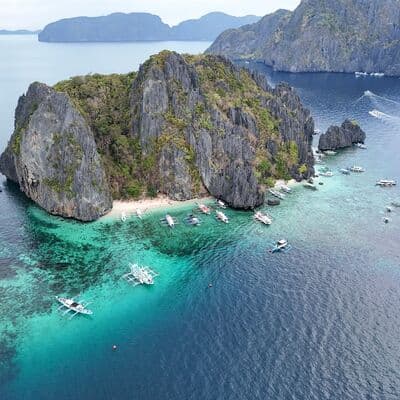
Hidden within the dramatic limestone karst formations of Miniloc Island, Small Lagoon represents one of nature's most exquisite achievements—a secret world of crystalline water, towering cliffs, and profound tranquility that seems to exist outside of time itself. As a cornerstone of El Nido's famous Tour A itinerary, Small Lagoon draws visitors from around the world, yet the experience of paddling through its narrow entrance into the protected waters beyond remains genuinely magical, unchanged by the thousands who've made the journey before.
While its neighbor, Big Lagoon, captures attention with sheer scale, Small Lagoon offers something different: an intimacy, a sense of personal discovery that comes from navigating spaces that feel almost too perfect to be real. This is El Nido's contemplative gem, a place that invites visitors to slow down, to observe, and to appreciate the intricate beauty that nature has carved over millennia.
Understanding Small Lagoon's Geology
To fully appreciate Small Lagoon, it helps to understand the forces that created it. The limestone formations of Bacuit Bay, including Miniloc Island where Small Lagoon resides, began as ancient coral reefs millions of years ago. Over geological time, these reefs were uplifted and exposed to the elements, where rainfall—slightly acidic from absorbing carbon dioxide—gradually dissolved the rock, creating the dramatic karst topography visible today.
Small Lagoon itself formed through a process called solution weathering. Water found weaknesses in the limestone and slowly enlarged them, creating the entrance channel and the protected bowl of water within. The same process carved the overhangs, caves, and intricate rock formations that line the lagoon's edges. Standing inside Small Lagoon is essentially standing inside a living geological museum, surrounded by formations that took millions of years to create.
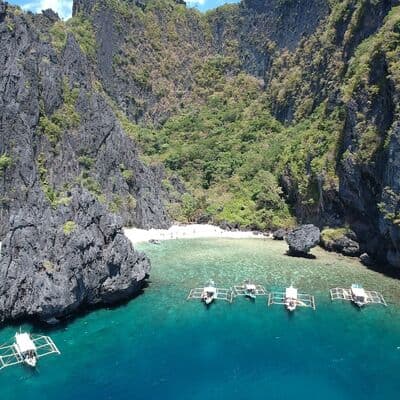
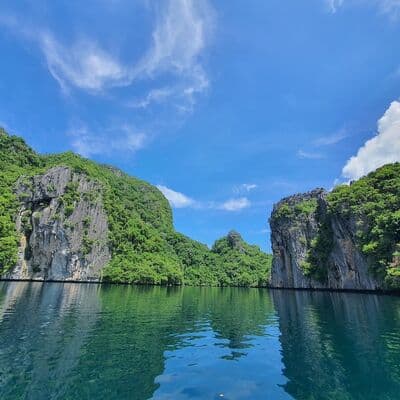
The cliffs surrounding the lagoon rise 30-50 meters in places, their faces marked with vegetation that clings to every available crevice. The rock itself shows bands of color—grays, whites, and orange-tinged areas where mineral deposits have stained the surface. These walls have witnessed ice ages and warming periods, the rise and fall of sea levels, and more recently, the arrival of visitors who come to marvel at what time has wrought.
The Kayaking Experience
Kayaking is the quintessential Small Lagoon activity, and for good reason—the narrow entrance and environmental restrictions make kayaks the most appropriate way to experience this protected space.
Entering the Lagoon
The entrance to Small Lagoon is a dramatic narrow channel flanked by limestone walls that seem to lean inward, creating an almost tunnel-like approach. Depending on tide levels, the entrance may be just a few meters wide, requiring careful paddling to navigate. This is part of the experience—the anticipation builds as you paddle through the confined space, the walls close on either side, and then suddenly the lagoon opens before you.
The water in the entrance channel is typically shallow, and during low tide, kayakers may need to exit briefly and wade, pulling the kayak through. Wear water shoes for this possibility, as the bottom can include sharp rocks and coral fragments. Tour guides will advise on current conditions and the best approach for the tide level during your visit.
Inside the Lagoon
Once through the entrance, the lagoon reveals itself in full. The protected bowl of water covers approximately 5,000 square meters, fringed by limestone cliffs and dense vegetation. The water here is extraordinarily clear—visibility can reach 15-20 meters on good days—and ranges in color from pale aquamarine over sandy patches to deep emerald where depths increase.
Paddling around the lagoon's perimeter reveals different perspectives and microenvironments. In one area, overhanging rocks create shadow zones where the water takes on a darker, more mysterious quality. Elsewhere, sunlight penetrates to the bottom, illuminating the underwater landscape of white sand and scattered rocks. Small fish dart through the shallows, and lucky visitors might spot larger species in the deeper areas.
The acoustics inside the lagoon are remarkable. The surrounding cliffs create a natural amphitheater that muffles external sounds while amplifying the gentle splash of paddles and the calls of birds. Many visitors describe a cathedral-like quality to the space—a sense of being enclosed in something sacred and ancient.
Kayak Rentals and Practicalities
Tour A typically includes kayak rental as an optional add-on, usually priced at 200-300 PHP per person. Two-person kayaks are standard, making them ideal for couples or pairing up with fellow tour members. The rental period allows approximately 30-45 minutes inside the lagoon—enough time for a thorough paddle around the perimeter with time for floating and observation.
If you haven't kayaked before, don't worry. Small Lagoon's protected waters and calm conditions make it an ideal environment for beginners. The kayaks used are stable sit-on-top designs that are difficult to capsize and easy to board from the water if needed. Your tour guides can provide basic paddling instruction if needed.
For those who prefer not to kayak, swimming into Small Lagoon is sometimes permitted depending on tour operator policies and current conditions. The entrance channel is swimmable when water levels are adequate, and swimmers can explore the lagoon at their own pace. However, kayaking remains the preferred and more enjoyable option for most visitors.
Flora and Fauna of Small Lagoon
Small Lagoon supports a remarkable ecosystem despite its enclosed nature. Understanding what lives here adds depth to the visual experience.
Marine Life
The lagoon's protected waters serve as nursery habitat for various fish species. Small schools of juvenile fish are commonly spotted in the shallows, taking advantage of the protection from larger predators. Sea urchins cling to rocks below the waterline, while small crabs can be observed in the crevices of the limestone walls. Look carefully, and you might spot tiny shrimp or colorful nudibranchs on submerged surfaces.
The water clarity makes observation easy—simply looking over the side of your kayak provides a window into the underwater world. A mask and snorkel, if permitted and brought from the tour boat, allows for more detailed exploration during any swimming time.
Bird Life
The limestone cliffs provide nesting habitat for various bird species. Swiftlets are commonly seen darting between cliffs, their nests adhering to the rock faces in relatively inaccessible locations. The Philippine kingfisher, with its brilliant blue plumage, is occasionally spotted hunting along the water's edge. Listen for the distinctive calls of various species echoing off the cliff walls.
The surrounding vegetation supports additional bird species not visible from the lagoon itself. Early morning visitors may catch the dawn chorus as various species begin their daily activities.
Vegetation
The cliff faces support an impressive array of plant life that has adapted to these vertical habitats. Ferns cascade from crevices, their fronds catching the light. Small trees somehow find purchase on narrow ledges, their roots penetrating deep into rock fractures. Vines drape down cliff faces, adding to the lagoon's jungle atmosphere.
Some vegetation extends to the water's edge, with mangrove-like plants occupying sheltered corners. These plants play important roles in stabilizing the shoreline and providing habitat for invertebrates that form the base of the lagoon's food chain.
Best Practices for Visiting Small Lagoon
Responsible visitation helps ensure that Small Lagoon remains pristine for future visitors. Following these guidelines protects this fragile environment.
Environmental Consciousness
Small Lagoon sits within the El Nido-Taytay Managed Resource Protected Area, which imposes regulations designed to preserve the ecosystem. Touching or standing on coral is prohibited—besides being harmful to the organisms, it can also result in fines. Apply sunscreen before arriving rather than in the lagoon, and choose reef-safe formulations that don't contain harmful chemicals like oxybenzone.
Leave nothing behind and take nothing away. This includes organic materials like shells or coral fragments that might seem innocuous but play roles in the ecosystem. The goal is to experience the lagoon without leaving any trace of your visit.
Keep noise levels reasonable. Part of Small Lagoon's appeal is its tranquility, and loud conversations or music diminish the experience for everyone. The natural acoustics mean even normal speaking voices carry, so be mindful of how sound affects the atmosphere.
Timing Your Visit
Small Lagoon is busiest during mid-morning to early afternoon when most Tour A boats arrive simultaneously. If possible, arrange with your tour operator to visit earlier or later in the day when fewer boats are present. The difference between sharing the lagoon with two boats versus ten is substantial.
Tide levels affect the experience significantly. At very low tide, the entrance may be difficult to navigate, and water levels inside the lagoon drop, exposing more rock and reducing the swimmable area. Higher tides provide easier access and fuller waters but may also bring more boat traffic. Ask your tour operator about expected tide conditions during your visit time.
Weather also matters. Overcast conditions can actually enhance photography by reducing harsh shadows and allowing the water's true colors to show. However, the lagoon is most magical with sunshine, when light penetrates the water and illuminates the underwater world in full brilliance.
What to Bring
A waterproof camera or phone case is essential—you'll want to capture Small Lagoon from the water. Kayaks can be wet, so protect any electronics accordingly. A dry bag for valuables keeps important items safe while you paddle.
Wear swimwear that you're comfortable potentially getting wet up to your waist when entering/exiting the kayak or wading through the entrance channel. Water shoes provide protection against sharp rocks. A hat provides sun protection, though you may want to remove it when under overhanging rocks to avoid losing it.
Small Lagoon vs. Big Lagoon
Visitors often ask how Small Lagoon compares to its larger neighbor, Big Lagoon. Understanding the differences helps you allocate your time and manage expectations.
Size and Scale
Big Lagoon covers significantly more area—roughly four times the water surface of Small Lagoon. The cliffs surrounding Big Lagoon reach higher and the overall scale feels more dramatic. If grandeur and space are your priorities, Big Lagoon may seem more impressive at first glance.
Intimacy and Atmosphere
Small Lagoon compensates with intimacy. The enclosed space creates a more personal experience, with details becoming apparent that might be overlooked in a larger setting. Many visitors describe Small Lagoon as feeling more "special" or "secret" despite its popularity.
Crowds
Both lagoons experience similar crowd patterns, but the impact differs. Big Lagoon can absorb more visitors without feeling crowded, while Small Lagoon's limited space means crowds are more immediately apparent. At peak times, kayaks in Small Lagoon may need to navigate around each other carefully.
Activities
Kayaking is the primary activity in both lagoons, though Big Lagoon typically also permits swimming in more areas. Small Lagoon's shallower sections and narrow entrance make kayaking the more practical and enjoyable option.
The verdict? If you have time only for one, choose based on your preferences: Big Lagoon for drama and space, Small Lagoon for intimacy and atmosphere. Ideally, experience both—they complement each other perfectly and together provide a complete picture of El Nido's lagoon landscapes.
Photography in Small Lagoon
Small Lagoon offers exceptional photographic opportunities for both casual shooters and serious photographers.
Composition Tips
The entrance channel makes for dramatic shots, with limestone walls framing the water ahead. Position yourself to include the narrow passage leading into the broader lagoon. The contrast between enclosed channel and open lagoon creates visual interest.
Inside, the cliff reflections in calm water provide mirror-like images that seem almost too perfect. Early morning or late afternoon, when the sun is lower, produces more dramatic lighting and warmer tones. Midday sun creates harsh shadows but also maximum water clarity for underwater shots.
Include your kayak's bow in foreground compositions to add depth and context. The leading lines created by the kayak draw the viewer into the scene. Fellow paddlers can add scale and human interest to shots of the dramatic cliff walls.
Equipment Considerations
A waterproof camera or reliable waterproof housing is essential. Even if you don't intend to submerge your camera, spray from paddling and the general wet environment put unprotected equipment at risk. Action cameras like GoPros are popular choices that handle the conditions well.
For smartphone users, quality waterproof cases allow access to advanced camera features while providing protection. Test your case before the trip—a leaky case in Small Lagoon is a disappointing way to lose a phone.
Wide-angle lenses capture more of the lagoon's expanse, while the enclosed space can make standard focal lengths feel limiting. If using a camera with interchangeable lenses, a wide zoom in the 16-35mm equivalent range offers versatility.
The Small Lagoon Experience
Numbers and descriptions can only convey so much. The Small Lagoon experience is ultimately about presence—being there, in that moment, surrounded by formations that represent geological time scales beyond human comprehension.
As you paddle through the entrance, the sounds of the outside world fade. The walls close in, then open again, revealing the lagoon's protected heart. Light plays across the water surface, dappling and shifting. The air is cooler here, sheltered from the tropical sun. Fish move beneath your kayak, going about their business in this protected nursery. Bird calls echo off stone.
This is why people travel to El Nido. Not for any single sight, but for moments like these—when the world's beauty seems concentrated into a space you can hold in your gaze, when time suspends and troubles fade, when you remember that such places still exist, and that you're fortunate enough to witness them.
Small Lagoon doesn't require hours. Thirty minutes of mindful presence here can reshape your entire trip, providing a touchstone of natural beauty that stays with you long after you've returned home. Paddle slowly. Look carefully. Breathe deeply. This is what you came for.