About
The Maldives: Your Complete Travel Guide to Paradise
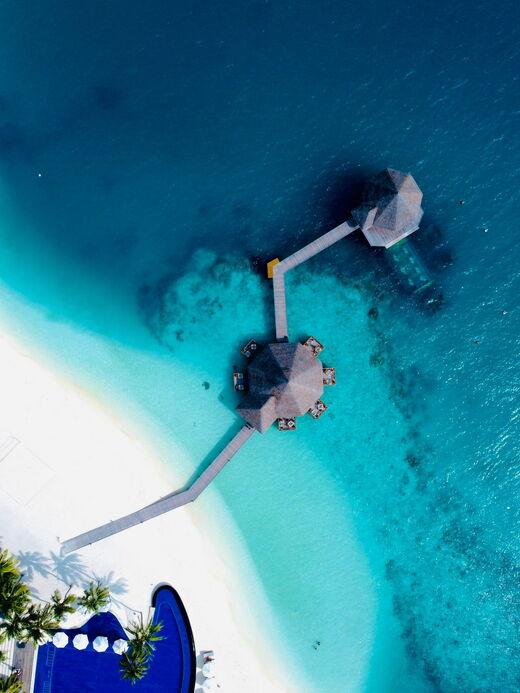
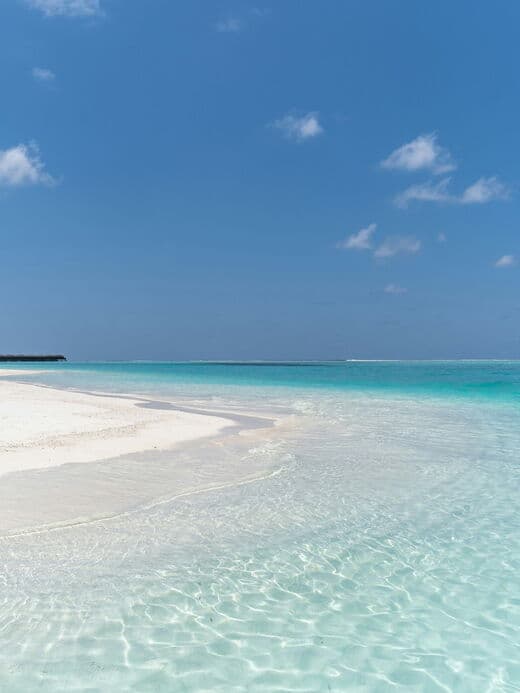
Picture this: you are standing on a sandbank so white it almost hurts your eyes, surrounded by water in impossible shades of turquoise and blue. Below the surface, a reef shark glides past with the casual indifference of a creature that knows it belongs here. A few hundred meters away, your overwater villa sits perched above the lagoon, its glass floor revealing an entire universe of colorful fish going about their daily business. This is the Maldives, and no amount of Instagram photos or travel documentaries can truly prepare you for the reality of being here.
But here is the thing that most travel guides will not tell you: the Maldives is not just one destination. It is actually a country of extraordinary contrasts, where ultra-luxury resorts charging thousands per night exist alongside local islands where you can stay for fifty dollars. Where strict Islamic traditions blend with world-class hospitality. Where some of the planet's most pristine marine environments face real threats from climate change. Understanding these nuances will transform your trip from a generic tropical vacation into something genuinely life-changing.
I have spent considerable time exploring these islands, from the bustling streets of Male to remote atolls that see only a handful of tourists each year. I have made plenty of mistakes along the way, learned which resorts genuinely deliver on their promises and which are coasting on reputation, discovered where to find the best snorkeling without paying resort prices, and figured out how to navigate the sometimes confusing logistics of island-hopping in this scattered nation. This guide contains everything I wish someone had told me before my first visit.
Why Visit the Maldives: More Than Just Pretty Pictures
Let me be honest with you from the start: the Maldives is not a budget destination, and it is not for everyone. If you want ancient temples, bustling cities, or mountain hikes, you are looking at the wrong country. But if you understand what the Maldives actually offers, you will realize why it consistently ranks among the world's most desired destinations, and why people return year after year despite the cost.
The Marine Life Is Genuinely World-Class
I have dived and snorkeled in many tropical destinations, from the Great Barrier Reef to the Red Sea, from Indonesia to the Caribbean. The Maldives stands out for several reasons. First, the sheer reliability of marine encounters here is remarkable. You are almost guaranteed to see reef sharks, sea turtles, eagle rays, and an abundance of tropical fish on virtually any snorkeling or diving excursion. During the right seasons, you can swim with whale sharks and manta rays with a success rate that other destinations simply cannot match.
Second, the coral reefs, while they have faced challenges from bleaching events, remain among the most accessible and diverse in the world. Many resorts have their own house reefs that you can explore directly from the beach, meaning you do not need to pay for boat trips or guided excursions to have incredible underwater experiences. At some resorts, the house reef is literally steps from your villa, allowing you to snorkel at sunrise, sunset, or whenever the mood strikes.
Third, the water clarity here is exceptional. Visibility regularly exceeds 30 meters, and on the best days can reach 50 meters or more. This means even snorkelers floating on the surface can see clearly to significant depths, observing marine life that would be invisible in murkier waters.
The Luxury Is Genuinely Next-Level
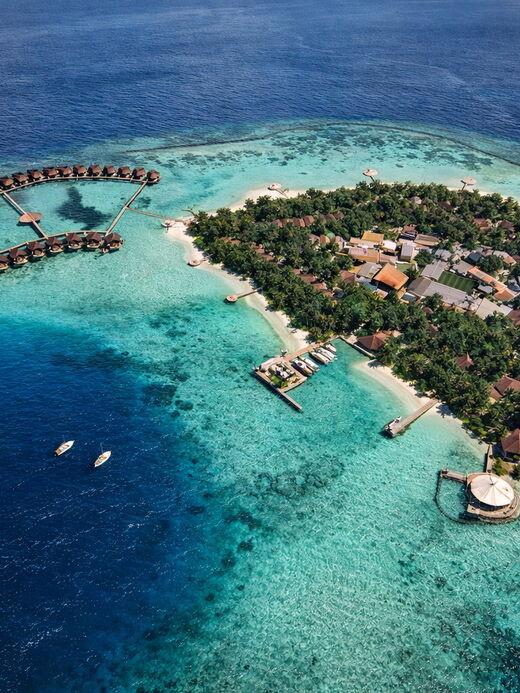
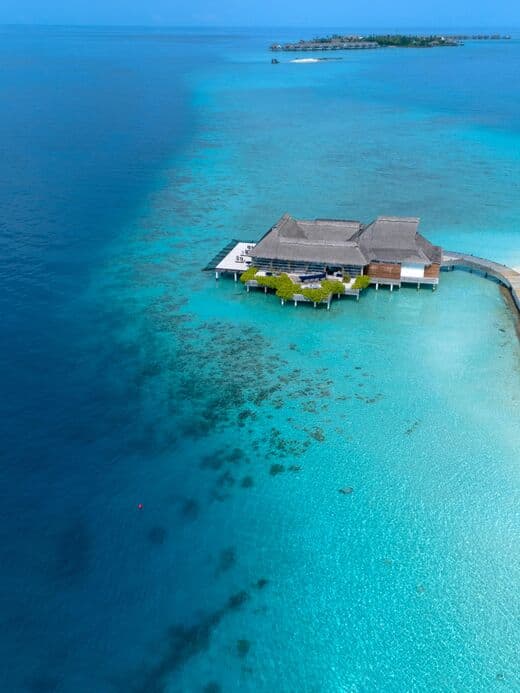
If you are going to splurge on luxury accommodation anywhere in the world, the Maldives offers perhaps the best value for that premium dollar. Competition among resorts is fierce, and this has driven an arms race of amenities and experiences that benefits visitors. The overwater villas that have become synonymous with the Maldives keep getting more impressive, with private pools, glass floors, butler service, and direct lagoon access now standard at many properties.
But it goes beyond physical amenities. The service culture in the Maldives has evolved to a level where staff genuinely anticipate your needs and remember your preferences. Your butler knows that you prefer your coffee at 7 AM with extra milk. The restaurant remembers that you are avoiding shellfish. The spa therapist recalls that you mentioned shoulder tension during your last visit. This personalized attention, delivered without being intrusive, creates an experience that justifies the premium pricing.
The Geography Creates Unique Experiences
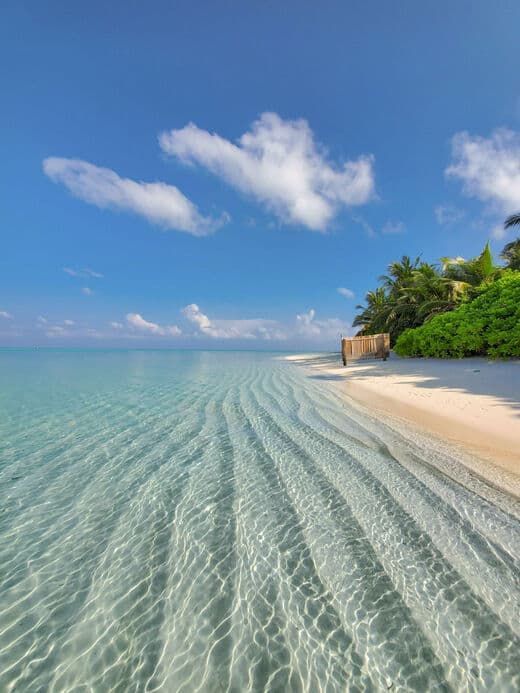
The Maldives is the world's lowest-lying country, with no natural point higher than about 2.4 meters above sea level. This flat topography, combined with the atoll formation of the islands, creates landscapes you simply cannot find elsewhere. Sandbanks appear and disappear with the tides. Lagoons transition through every shade of blue imaginable within a single panoramic view. The horizon seems endless in a way that is almost disorienting after the visual clutter of normal life.
This geography also means that the ocean is ever-present in a way that feels different from other beach destinations. You are not visiting the ocean here; you are living within it. The rhythm of tides, currents, and marine life becomes part of your daily awareness. Many visitors report feeling a deep sense of calm that they cannot quite explain, and I think this immersion in the marine environment is the reason.
The Isolation Is Actually a Feature
Yes, getting to the Maldives requires effort. Yes, once you are at a resort, you are essentially captive there unless you pay for expensive transfers. Some travelers see this as a negative. I would argue it is actually one of the destination's greatest strengths. In a world of constant connectivity and endless options, the Maldives forces you to slow down. You cannot decide to pop out for dinner at a restaurant across town because there is no town. You cannot get distracted by sightseeing because there are no sights in the traditional sense.
This enforced simplicity allows for a depth of relaxation that is increasingly rare in modern travel. After a few days, the anxiety about what you might be missing fades, replaced by genuine presence in the moment. You notice the way light changes on the water throughout the day. You develop favorite spots on the beach. You actually finish that book you have been meaning to read for months. The Maldives strips away distraction and leaves you with sun, sea, and sand, and that turns out to be more than enough.
The Local Culture Adds Depth
This is the aspect most visitors miss, and it is worth making an effort to experience. The Maldives has a distinct culture shaped by its location at the crossroads of maritime trading routes, its history of Buddhist and then Islamic influence, and its unique adaptation to atoll living. The local people have developed traditions, cuisine, and ways of life that exist nowhere else on earth.
Visiting local islands like Maafushi, Thulusdhoo, or Fulidhoo offers a window into this culture. You will see fishing boats being built using traditional methods, taste authentic Maldivian food that never appears on resort menus, and interact with local people going about their daily lives. These experiences add dimension to a trip that might otherwise be purely about beach lounging, and they support local communities in a more direct way than resort tourism typically does.
The Reality of Climate Change Is Here
I would be doing you a disservice if I did not mention this: the Maldives is on the front lines of climate change. Rising sea levels pose an existential threat to this nation, and coral bleaching events have already damaged some reefs. This is not a reason to avoid visiting, but it is worth understanding. Many visitors find that seeing this vulnerable paradise firsthand deepens their appreciation for it and strengthens their commitment to environmental causes. The Maldives has also become a leader in sustainable resort practices, with many properties implementing impressive conservation and carbon-reduction programs.
Understanding Maldives Geography: Atolls, Islands, and Regions
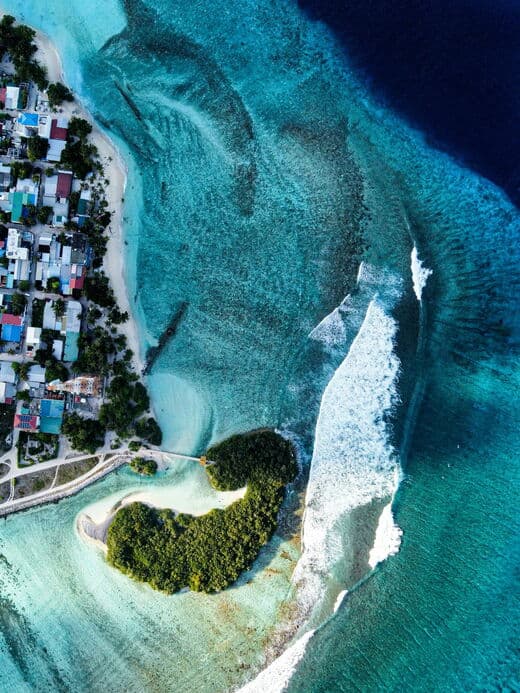
Before we dive into specific destinations, you need to understand how the Maldives is organized, because it is unlike anywhere else you have probably traveled. The country consists of approximately 1,200 islands grouped into 26 natural atolls, which are arranged in a double chain running roughly north to south for about 870 kilometers. Only about 200 of these islands are inhabited by local populations, while another 150 or so have been developed as tourist resorts. The rest remain uninhabited, some used for industrial purposes, others simply too small or remote for development.
For administrative purposes, the government has organized these natural atolls into 20 administrative divisions, each designated by a letter of the Thaana alphabet. This can be confusing because tourist materials sometimes use the administrative names and sometimes use the traditional atoll names. I will try to use both where relevant.
North Male Atoll (Kaafu Atoll)
This is where most visitors begin and end their Maldives journey, as it contains the capital city of Male, the international airport on Hulhule Island, and the rapidly developing Hulhumale reclamation project. The atoll also hosts some of the country's oldest and most established resorts, making it a convenient choice for those with limited transfer budgets or tight schedules.
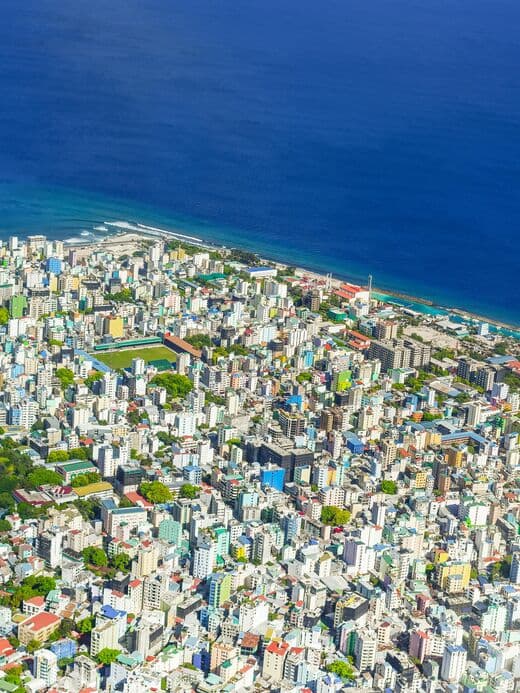
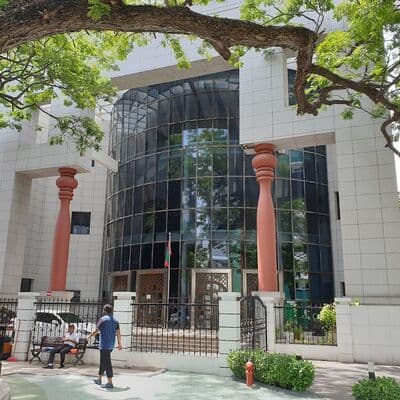
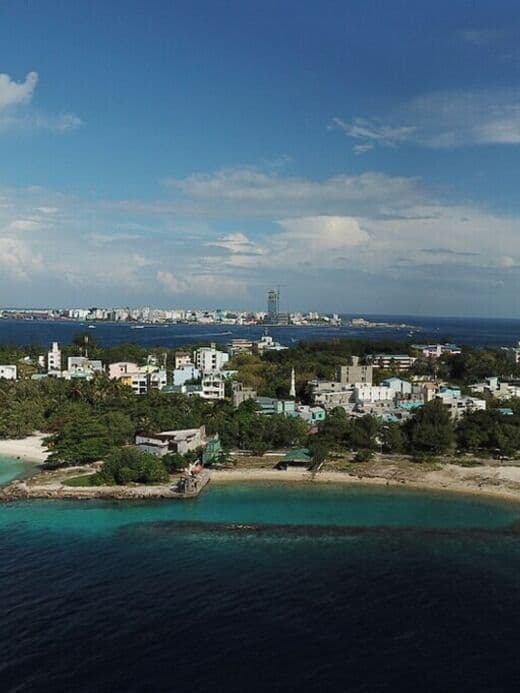
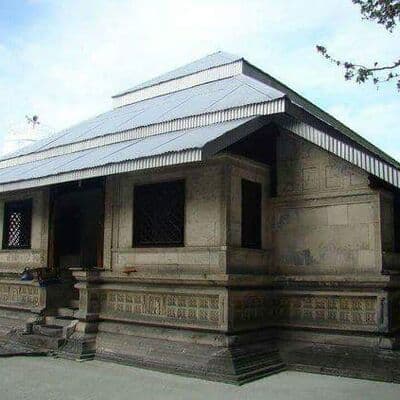
Male itself is an experience in contrasts. One of the most densely populated cities on Earth, it crams about 250,000 people onto an island of roughly 6 square kilometers. The streets are narrow, the buildings tall, and the traffic chaotic. Yet this compressed urban environment contains genuine attractions worth a few hours of exploration. The Male Fish Market offers a window into the fishing industry that remains central to Maldivian life, with catches of tuna, reef fish, and other species arriving throughout the day. The Hukuru Miskiy (Old Friday Mosque) dates to 1658 and showcases traditional Maldivian coral stone architecture. The Maldives National Museum in Sultan Park houses artifacts spanning the country's Buddhist and Islamic periods. The Republic Square serves as the civic heart of the nation.
Hulhumale represents the Maldives' attempt to address its space constraints through land reclamation. This artificial island has been under development since 1997 and now houses a growing population along with hotels, guesthouses, and the infrastructure supporting the airport. It is a fascinating example of adaptation to geography, though aesthetically it lacks the charm of natural islands.
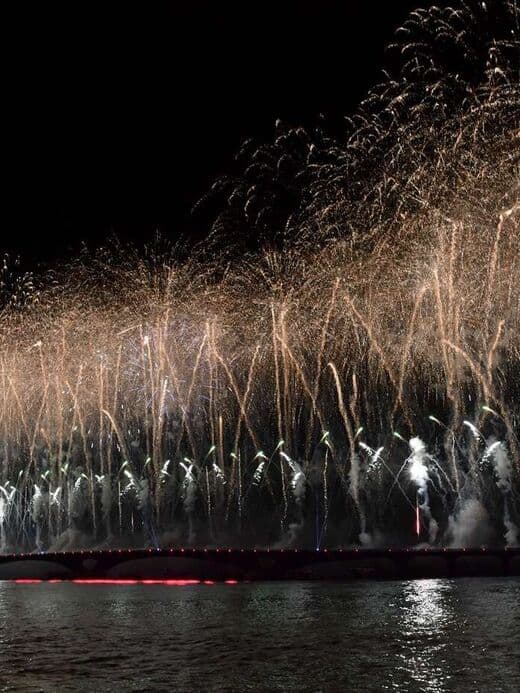
The Sinamale Bridge, completed in 2018, connects Male to Hulhumale and the airport, eliminating the need for ferry transfers and symbolizing the country's modernization. It is an impressive engineering achievement worth seeing, especially when illuminated at night.
North Male Atoll's resorts range from mid-range properties to ultra-luxury destinations. Baros Maldives has been operating since 1973 and maintains a reputation for excellent service and one of the best house reefs in the country. One&Only Reethi Rah offers vast overwater villas and extensive facilities on one of the largest resort islands. The proximity to the airport means speedboat transfers of 20-45 minutes to most resorts, keeping transportation costs reasonable and allowing even short stays to feel worthwhile.
South Male Atoll (Kaafu Atoll)
Separated from North Male by the Vaadhoo Channel, South Male Atoll has become the epicenter of budget and mid-range tourism in the Maldives. The local island of Maafushi pioneered the guesthouse model that has since spread throughout the country, offering visitors a chance to experience the Maldives at a fraction of resort prices.
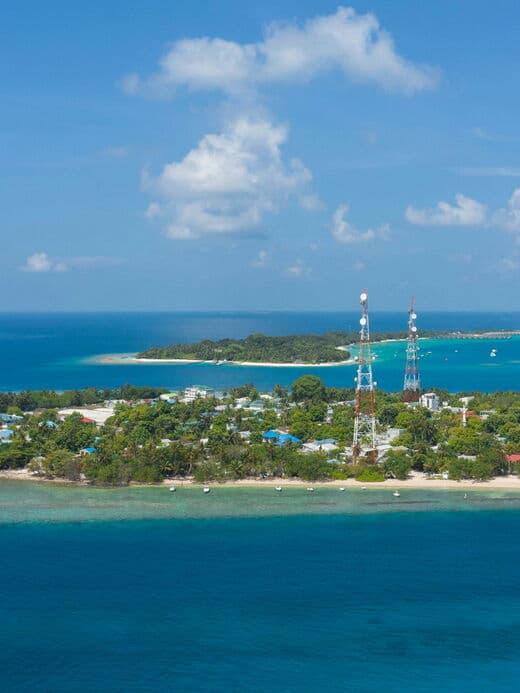
Maafushi today is thoroughly developed for tourism, with dozens of guesthouses, restaurants, dive shops, and water sports operators lining its sandy streets. A designated bikini beach allows tourists to dress as they would at any Western beach destination, while the rest of the island follows Islamic dress codes. The atmosphere is friendly and laid-back, with none of the exclusivity of resort islands but also none of the polish. It is an excellent base for budget travelers who want to experience multiple activities without breaking the bank.
Other local islands in South Male Atoll worth considering include Gulhi, which is smaller and quieter than Maafushi with beautiful beaches, and Guraidhoo, which offers excellent surfing at nearby breaks and a more authentic local atmosphere. Both can be visited as day trips from Maafushi or as alternative bases for budget travelers seeking less crowded environments.
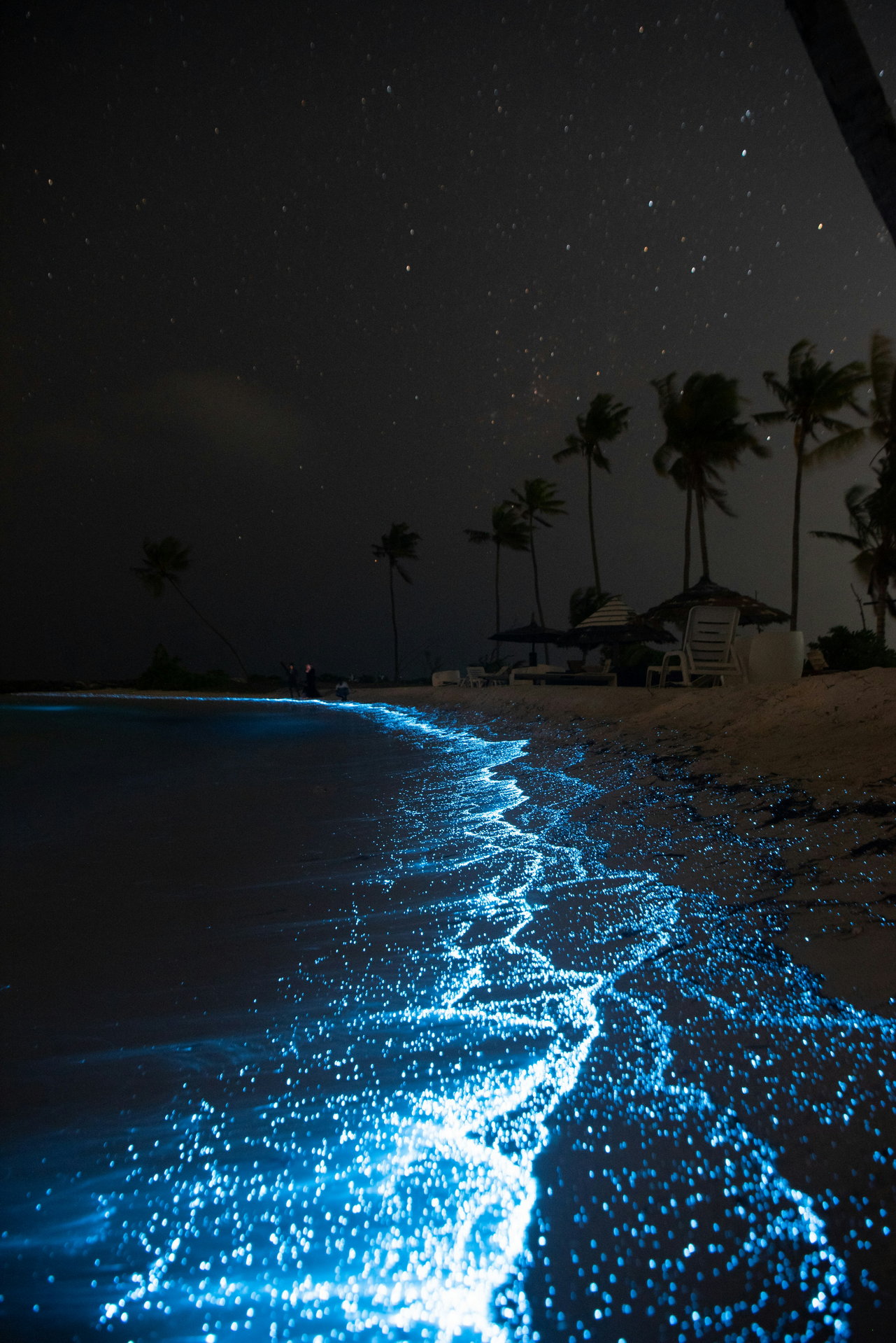
The atoll is known for excellent diving and snorkeling, with sites like Kandooma Thila featuring dramatic underwater topography and frequent shark sightings. The famous bioluminescent beach on Vaadhoo Island, where microorganisms create a glowing blue effect in the water at night, is also in this atoll, though the phenomenon is seasonal and not guaranteed.
Adaaran Club Rannalhi represents the more affordable end of the resort spectrum in this atoll, offering all-inclusive packages that provide good value for those who want the resort experience without the premium pricing of more luxurious properties.
Ari Atoll (Alifu)
Divided administratively into North Ari and South Ari, this large atoll is famous for marine life encounters that even the Maldives struggles to match. South Ari Atoll in particular has become legendary for whale shark sightings, with these gentle giants present year-round due to the atoll's geography and abundant plankton. During peak season, encountering multiple whale sharks on a single excursion is common.
Dhigurah is a local island that has become the most popular base for whale shark excursions, with numerous guesthouses and tour operators catering to marine life enthusiasts. The island itself is attractive, with a long sandy beach and a relaxed atmosphere. Staying here for several nights allows multiple attempts at whale shark encounters, increasing your chances of truly memorable experiences.
Rasdhoo at the northern edge of the atoll offers a different appeal. This small, traditional island has developed a tourism infrastructure while maintaining more local character than Maafushi. The surrounding waters are known for hammerhead shark diving, with early morning excursions to Rasdhoo Madivaru offering chances to see schools of these distinctive sharks in the blue water column.
Ari Atoll also hosts some of the Maldives' most celebrated luxury resorts. Conrad Rangali Island features the famous Ithaa undersea restaurant, where you dine surrounded by glass walls revealing the reef. Waldorf Astoria Ithaafushi represents the newest generation of ultra-luxury properties with all-villa accommodations and extraordinary attention to detail.
Baa Atoll
Designated as a UNESCO Biosphere Reserve in 2011, Baa Atoll contains some of the most pristine marine environments in the Maldives. The crown jewel is Hanifaru Bay, a small inlet that becomes a feeding station for massive aggregations of manta rays during the southwest monsoon season (roughly June through November). At peak times, over 100 mantas can gather in this small area, creating one of the most spectacular marine phenomena anywhere on earth.
Access to Hanifaru Bay is strictly controlled to protect the mantas, with a limited number of visitors allowed per day and strict no-touching rules enforced. Snorkeling rather than diving is required, as bubbles can disturb the feeding behavior. Despite these restrictions, or perhaps because of them, the experience of floating among dozens of gracefully feeding mantas is genuinely life-changing.
The atoll hosts several exceptional resorts that offer privileged access to Hanifaru Bay and the surrounding marine environments. Soneva Fushi was a pioneer in sustainable luxury, combining castaway island aesthetics with genuine environmental commitment and extraordinary dining experiences. Four Seasons Landaa Giraavaru operates a marine biology center that conducts manta ray research and offers guests opportunities to participate in conservation activities.
Cheval Blanc Randheli represents the pinnacle of contemporary luxury, with design aesthetics imported from the French fashion house and service standards to match. It is among the most expensive resorts in the country, but those who can afford it report experiences that justify the premium.
Lhaviyani Atoll
Less developed for tourism than some southern atolls, Lhaviyani offers excellent diving and a more exclusive atmosphere. The atoll is known for dramatic underwater topography, including thilas (submerged pinnacles) that attract large concentrations of marine life.
Several luxury resorts have established themselves here, taking advantage of the relative seclusion and pristine environments. The diving here is considered among the best in the country, with encounters with grey reef sharks, eagle rays, and large schools of fish common on most sites.
Noonu Atoll
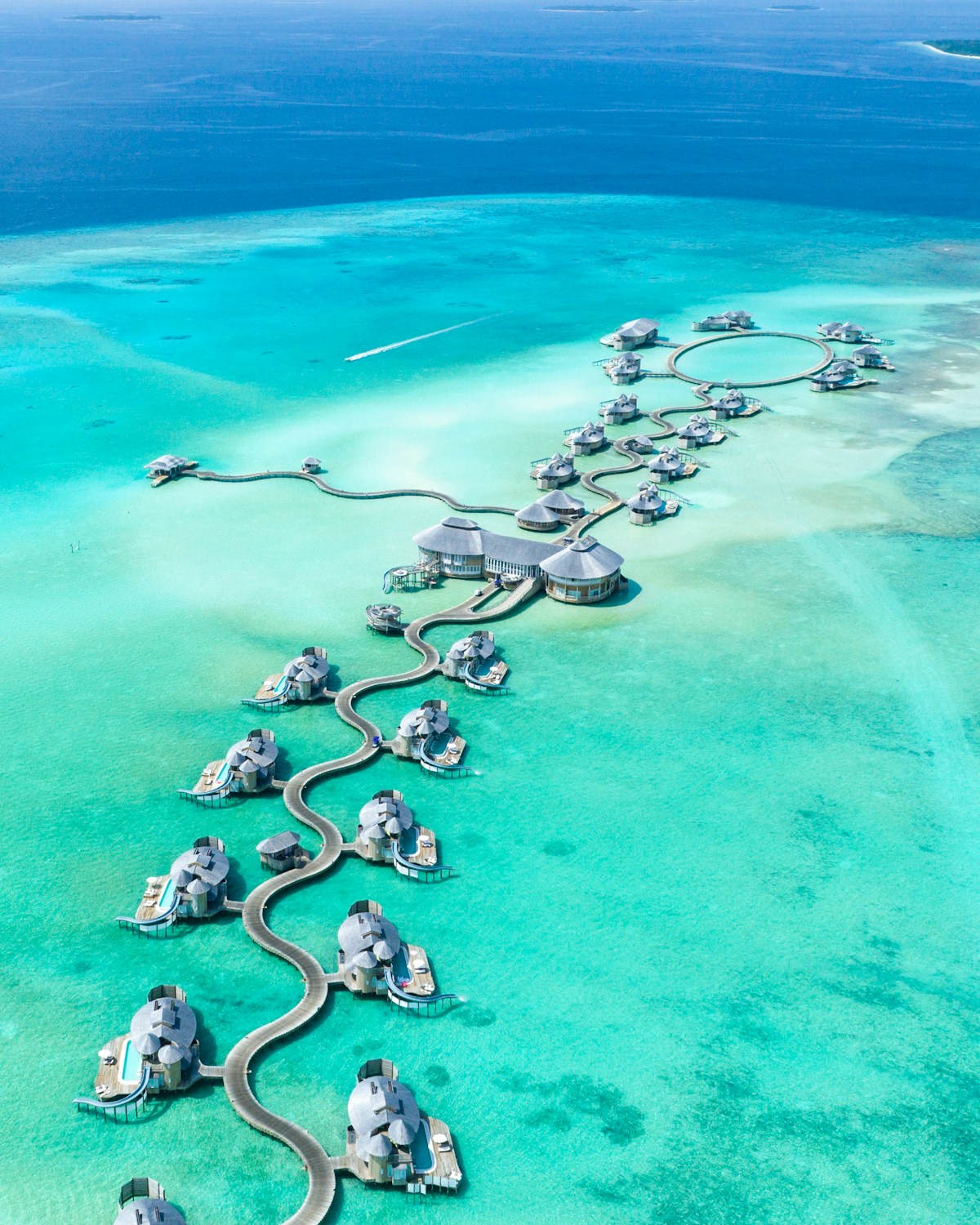
This northern atoll hosts Soneva Jani, widely considered among the finest resorts in the Maldives and perhaps the world. The overwater villas here feature retractable roofs for stargazing, private pools, and water slides directly into the lagoon. The resort has pushed the boundaries of what luxury means in this context, with innovations like in-villa ice cream stations and an overwater cinema.
The atoll itself is less explored than those closer to Male, offering genuinely remote experiences for those willing to pay the seaplane transfer premium. The marine environments are excellent, with healthy reefs and abundant fish life.
Dhaalu Atoll
Home to St. Regis Maldives Vommuli, this southern atoll offers a different character from the more touristed central regions. The atoll has fewer resorts, creating a more exclusive atmosphere, and the diving sites are less trafficked.
The St. Regis property here has become famous for its dramatic architecture and exceptional spa facilities, attracting visitors seeking the pinnacle of modern luxury resort design.
Vaavu Atoll
Known primarily among divers, Vaavu Atoll features some of the most exciting dive sites in the country. The channels between islands create conditions that attract nurse sharks, grey reef sharks, and during certain seasons, massive schools of fish that darken the water with their numbers.
Fulidhoo offers a local island experience in this atoll, with guesthouses, excellent snorkeling, and access to the famous dive sites. It remains less developed than Maafushi, offering a quieter and more authentic atmosphere for those willing to sacrifice some convenience.
Laamu Atoll
One of the less touristed atolls, Laamu offers genuinely remote experiences and some of the healthiest coral reefs in the country. The diving here is excellent, with sites that see far fewer visitors than those in more accessible atolls.
Addu Atoll (Seenu)
The southernmost atoll in the Maldives, Addu crosses the equator and has a distinct character shaped by its distance from Male and its history as a British military base. The atoll features connected islands linked by causeways, allowing unusual exploration by bicycle or motorcycle.
Diving attractions include a wreck from the British era, the British Loyalty, and the marine life tends to differ somewhat from northern atolls due to the equatorial location. Addu receives relatively few tourists despite its attractions, making it an excellent choice for those seeking experiences beyond the usual Maldives itinerary.
Raa Atoll
This large atoll in the north offers a mix of luxury resorts and local island experiences. Thoddoo, while administratively in a different area, represents the type of agricultural island found in this region, where farming supplements fishing as a livelihood. The diving and snorkeling throughout the atoll is excellent, with healthy reefs and good fish diversity.
Choosing Your Atoll
The atoll you choose should match your priorities. For marine life, particularly whale sharks and mantas, South Ari and Baa are the clear leaders. For convenience and lower transfer costs, North and South Male make sense. For budget travel on local islands, South Male, particularly Maafushi, offers the most developed infrastructure. For ultra-luxury and exclusivity, the northern atolls like Noonu and Baa host the most celebrated properties. For diving variety and adventure, Vaavu and the southern atolls provide experiences that feel genuinely remote.
Keep in mind that domestic seaplane transfers add significantly to costs but also provide spectacular aerial views of the atolls that are worth experiencing at least once. Speedboat transfers are cheaper but limit you to atolls within a few hours of the airport. Planning around transfer logistics can save substantial money without sacrificing experience quality.
The Underwater World: Diving, Snorkeling, and Marine Encounters
Let me be clear about something: the underwater world is the main reason to visit the Maldives. Yes, the beaches are beautiful and the resorts are luxurious, but you can find nice beaches and good resorts in many places. What you cannot easily find elsewhere is the combination of accessibility, diversity, and reliability of marine encounters that the Maldives provides. Whether you are a certified diver, a casual snorkeler, or someone who has never put their face underwater, the marine experiences here can be genuinely transformative.
Snorkeling: The Great Equalizer
You do not need to be a diver to have world-class underwater experiences in the Maldives. The country's geography, with shallow lagoons, fringing reefs, and exceptional water clarity, makes snorkeling extraordinarily rewarding. At many resorts, the house reef is the best attraction, accessible directly from the beach at any time without guides or equipment rental fees.
When choosing a resort, the house reef quality should be a primary consideration. Some properties have incredible reefs steps from the beach, with coral gardens, reef sharks, sea turtles, and abundant fish visible on every swim. Others have been built in locations with sandy lagoons and no reef access, requiring boat trips for any meaningful marine experiences. This difference dramatically affects your daily experience and overall satisfaction.
Resorts known for exceptional house reefs include Baros Maldives, where the reef starts just off the beach and features dramatic drop-offs and abundant marine life. The house reef at Conrad Rangali Island is equally impressive, with resident sea turtles and reef sharks commonly spotted. Even some local island guesthouses, particularly on Rasdhoo and Fulidhoo, offer excellent reef access for a fraction of resort prices.
For snorkeling excursions beyond the house reef, most resorts and local islands offer trips to nearby sites known for particular attractions. Snorkeling with reef sharks is almost guaranteed at numerous sites, as the sharks here are accustomed to swimmers and show no aggression toward humans. Turtle encounters are similarly reliable, particularly around cleaning stations where turtles come to have parasites removed by fish.
Diving: From Beginner to Expert
The Maldives is one of the world's great diving destinations, with conditions suitable for everyone from first-time divers to experienced technical divers. Water temperatures hover between 26-29 degrees Celsius year-round, visibility regularly exceeds 30 meters, and the marine life diversity is exceptional.
For beginners, the Maldives offers ideal learning conditions. Warm, calm water makes the initial experience comfortable, and the abundance of marine life means even basic certification dives feel exciting rather than just educational. Most resorts have PADI-certified dive centers that can take you from zero experience to certified diver over several days, with your training dives taking place in the same stunning environments that attract experienced divers from around the world.
For certified divers, the options are almost overwhelming. Channel dives feature strong currents that concentrate marine life, with grey reef sharks, eagle rays, and sometimes hammerheads patrolling the blue water. Thila dives take you to underwater pinnacles covered in soft corals and surrounded by clouds of fish. Night dives reveal an entirely different world, with hunting sharks, sleeping turtles, and bioluminescent organisms creating an otherworldly atmosphere.
Some of the most famous dive sites include Maaya Thila in South Ari Atoll, where nighttime dives reveal hunting grey reef sharks. Fish Head in North Ari Atoll features massive aggregations of fish and frequent shark encounters. Manta Point in North Male Atoll offers reliable manta ray encounters during the right season. Rasdhoo Madivaru in Ari Atoll is legendary for early morning hammerhead shark sightings in the channel.
Whale Shark Encounters
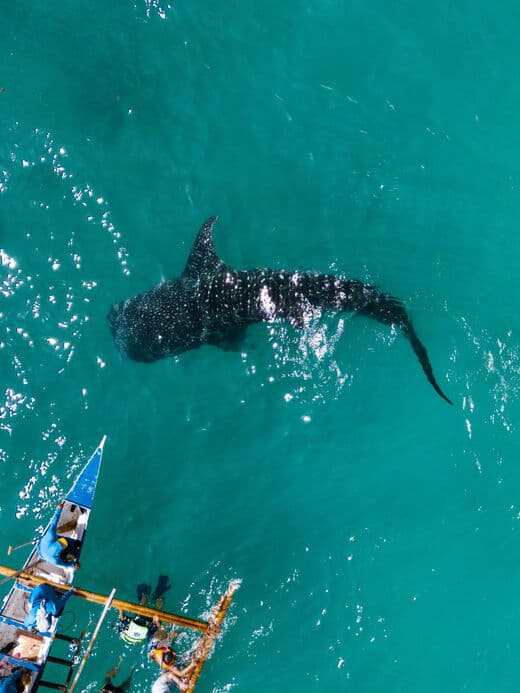
Swimming with whale sharks is one of the ultimate marine experiences, and the Maldives offers some of the most reliable opportunities in the world. These gentle giants, the largest fish on Earth, visit Maldivian waters year-round but are most reliably encountered in South Ari Atoll, where a combination of geography and food availability keeps them present in unusual concentrations.
The experience is typically done while snorkeling, as the whale sharks feed near the surface and diving is unnecessary. When a shark is spotted, boats approach carefully and snorkelers slide quietly into the water to swim alongside. The sharks are surprisingly fast swimmers, and keeping pace requires effort, but the experience of being in the water with a creature that can reach 12 meters in length is unlike anything else.
Ethical whale shark tourism requires following established guidelines: maintaining distance from the sharks, not touching them, limiting the number of swimmers in the water at once, and avoiding flash photography. Reputable operators follow these rules strictly, and you should choose your operator accordingly. The best experiences come from operators who prioritize the animals' welfare alongside guest satisfaction.
Dhigurah island has become the most popular base for whale shark excursions, with numerous guesthouses and tour operators specializing in these trips. Staying for several days increases your chances of multiple encounters and allows for flexibility with weather conditions.
Manta Ray Experiences
Manta rays are perhaps the most graceful creatures in the ocean, and the Maldives hosts significant populations of both reef mantas and the larger oceanic manta rays. Unlike whale sharks, which can be encountered year-round, manta sightings follow seasonal patterns related to plankton blooms and monsoon currents.
During the southwest monsoon (roughly May through November), the west side of the atolls becomes the feeding ground, with Hanifaru Bay in Baa Atoll hosting the most spectacular aggregations. During the northeast monsoon (December through April), mantas shift to the eastern sides of the atolls, and different sites become productive.
Hanifaru Bay deserves special mention as one of the world's great natural phenomena. When conditions align, this small bay funnels plankton into a concentrated area, attracting mantas that gather to feed. At peak times, over 100 mantas can be present simultaneously, barrel-rolling through the water with mouths agape, filtering plankton in a spectacular display. Access is strictly limited and requires a permit, but the experience justifies any effort required to visit.
Manta cleaning stations, where mantas come to have parasites removed by smaller fish, offer more predictable encounters outside the feeding aggregations. These sites are found throughout the Maldives, and diving or snorkeling at them can yield extended observations of mantas hovering motionless while cleaner wrasse do their work.
Shark Diversity
For shark enthusiasts, the Maldives offers encounters with numerous species in conditions where fear is replaced by awe. Blacktip reef sharks patrol the shallows of almost every lagoon, their distinctive fins breaking the surface in classic shark fashion. Whitetip reef sharks rest in caves and overhangs during the day, emerging at night to hunt. Grey reef sharks, the most commonly seen species on dives, cruise the reef edges and channels in impressive numbers.
More exciting for dedicated shark seekers are the encounters with larger species. Nurse sharks, reaching up to 3 meters, are frequently encountered resting on the bottom or hunting around reefs. Hammerhead sharks appear at several sites, particularly in the early morning at channel entrances where they patrol the thermoclines. Tiger sharks make occasional appearances, particularly in deeper waters, offering the ultimate shark encounter for those lucky enough to be in the right place at the right time.
Coral Reefs and Fish Life
Beyond the charismatic megafauna, the reefs themselves are the constant attraction. Hard coral coverage varies throughout the country, with some areas still recovering from bleaching events while others remain in excellent condition. The diversity of species is remarkable, from brain corals and table corals to delicate branching varieties, each hosting its own community of associated fish.
Reef fish abundance in the Maldives is exceptional. Clouds of anthias swarm over coral heads. Parrotfish crunch on coral substrate, their sounds audible underwater. Moorish idols, butterflyfish, angelfish, and triggerfish provide constant visual interest. Groupers lurk in overhangs while moray eels peer from crevices. Schools of fusiliers and surgeonfish move like living rivers across the reef.
Night diving reveals an entirely different reef. Octopuses emerge to hunt, changing color and texture as they move across the substrate. Shrimp and crabs become active. Sharks patrol more aggressively. Bioluminescence can trail from your fins and hands as you disturb the plankton. It is worth doing at least one night dive to experience this parallel universe.
Practical Considerations
Equipment quality at resort dive centers is generally excellent, with well-maintained gear and professional instruction. Most centers offer a range of equipment sizes and styles. However, if you are a regular diver with your own preferences, bringing your own mask, computer, and perhaps wetsuit ensures comfort and familiarity.
Dive prices in the Maldives are relatively high by global standards, typically ranging from 60 to 100 USD per dive depending on the resort and package. Many properties offer multi-dive packages that reduce the per-dive cost significantly, worth considering if you plan to dive frequently. Local islands generally offer somewhat lower prices, though the equipment may not be as well-maintained.
Current awareness is essential for Maldives diving. Many of the best sites involve channel dives where currents can be strong, and the direction and strength vary with tides and conditions. Good dive operators brief thoroughly and have contingency plans, but divers should have surface marker buoys and understand drift diving procedures.
When to Visit: Seasons, Weather, and Timing
The Maldives sits close to the equator, which means relatively consistent temperatures year-round but significant variations in rainfall and sea conditions based on monsoon patterns. Understanding these patterns will help you choose the best time for your priorities, whether that is calm seas, manta ray encounters, or lower prices.
The Dry Season (Northeast Monsoon): December to April
This is the high season for tourism, with good reason. The northeast monsoon brings clear skies, calm seas, and excellent visibility both above and below the water. Rainfall is minimal, with most days dawning bright and staying that way. Humidity is lower than during the wet season, making the tropical heat more comfortable.
For snorkeling and diving, conditions during this period are generally excellent on the eastern sides of the atolls, where the wind-sheltered waters are particularly calm. Visibility often exceeds 30 meters, and the calm surface makes spotting marine life from boats easier.
The drawbacks of high season are predictable: higher prices and more crowded facilities. Resort rates during peak periods (Christmas, New Year, and February) can be double or more than wet season rates. The most popular resorts book up months in advance, and excursions can feel more crowded. If your schedule is flexible, the shoulder months of November and late April offer similar conditions with somewhat lower prices.
The Wet Season (Southwest Monsoon): May to November
The southwest monsoon brings more rain, stronger winds, and rougher seas, but describing it as a bad time to visit would be misleading. The rain typically comes in short, intense bursts rather than all-day drizzle, and many travelers find the drama of tropical storms preferable to constant sunshine. Resorts are less crowded, prices are lower, and the marine life follows different patterns that create unique opportunities.
Most significantly for marine enthusiasts, the southwest monsoon is when manta rays aggregate on the western sides of the atolls, including the famous gatherings at Hanifaru Bay in Baa Atoll. If manta ray encounters are your priority, visiting between June and November maximizes your chances of spectacular experiences.
Dive conditions during this period are generally better on the western sides of the atolls, and many dive operators adjust their site selections accordingly. Visibility can be slightly reduced due to plankton blooms, but these same blooms attract the mantas and other filter feeders, so it is a worthwhile trade-off.
The main disadvantages of wet season travel are the occasional disruption from weather and the rougher sea conditions for transfers. Seaplane operations can be delayed or cancelled due to weather, and speedboat transfers on rough days can be uncomfortable. Building flexibility into your schedule helps manage these issues.
Marine Life Seasonal Patterns
Whale sharks are present year-round in South Ari Atoll, though sightings can vary with conditions. They tend to be more reliable during the transition months of April-May and November-December when plankton concentrations are high.
Manta rays follow clearer seasonal patterns. During the northeast monsoon (December-April), they concentrate on the eastern atoll edges. During the southwest monsoon (May-November), they shift to the western sides, including Hanifaru Bay. The peak aggregations at Hanifaru typically occur between August and November.
Hammerhead sharks at sites like Rasdhoo Madivaru are most reliably encountered from January through March, with early morning dives offering the best chances.
Turtle nesting occurs primarily during the southwest monsoon, and some resorts offer opportunities to observe nesting or hatchling releases.
Special Events and Holidays
Ramadan dates change each year following the Islamic calendar, and during this period, local islands observe fasting requirements that can affect restaurant operations and activity schedules. Resorts continue normal operations for guests. If you plan to spend time on local islands during Ramadan, plan accordingly.
The period around Christmas and New Year is the absolute peak of Maldives tourism, with the highest prices and fullest resorts. Book well in advance if you plan to visit during this period, and expect premium pricing for everything.
My Recommendation
For most visitors, the optimal time to visit is November or March-April. November offers excellent weather, manta ray possibilities, and prices that have not yet reached peak season levels. March and April provide consistent dry weather and good conditions on both sides of the atolls. These shoulder periods balance weather, marine life, and value better than the absolute peak or trough months.
If manta rays are your priority, late September through November targets the peak Hanifaru aggregations while still offering reasonable weather. If you are primarily seeking relaxation with reliable sunshine, January through March is the safest bet, accepting the premium pricing that comes with high season.
Getting to the Maldives: Flights and Arrival
The Maldives has one international airport, Velana International Airport, located on Hulhule Island adjacent to Male. All international visitors arrive here before continuing to their final destinations by seaplane, speedboat, or domestic flight. Understanding your flight options will help you minimize journey time and potentially save money.
From the United States
There are no direct flights from the US to the Maldives, so all routes involve at least one connection. The most common routings pass through the Middle East hubs of Dubai, Doha, or Abu Dhabi, with Emirates, Qatar Airways, and Etihad respectively offering multiple daily flights from various US gateways.
Emirates operates from numerous US cities including New York, Los Angeles, San Francisco, Dallas, Houston, Seattle, Chicago, and Boston, connecting through Dubai with flight times to Male of approximately 4 hours. Qatar Airways flies from similar gateways through Doha. Etihad offers routes through Abu Dhabi. Total journey times from the East Coast typically run 18-22 hours including connections, while West Coast departures add another 4-5 hours.
Singapore Airlines offers an alternative routing through Singapore, which can be attractive for those wanting to add a stopover in that city. Similarly, Cathay Pacific through Hong Kong and Thai Airways through Bangkok provide Asian connection options.
For Americans, no advance visa is required for tourist visits to the Maldives. A free 30-day visa is granted on arrival with a valid passport having at least six months validity, a confirmed hotel booking, and proof of sufficient funds. The entry process is straightforward and typically quick.
TSA regulations apply to all US departures. Remember that liquids over 3.4 ounces must be in checked luggage, and any dive computers or underwater cameras should be clearly visible in carry-on bags for inspection. Consider TSA PreCheck or Global Entry if you travel frequently, as the expedited screening significantly improves the airport experience.
From the United Kingdom
British travelers have more direct options, with British Airways operating seasonal direct flights from London Heathrow to Male. The flight time is approximately 10 hours, making it one of the most convenient routes to the Maldives from any Western destination.
When direct flights are not available or priced too high, the Gulf carriers offer competitive alternatives. Emirates through Dubai, Qatar through Doha, and Etihad through Abu Dhabi all operate multiple daily frequencies from UK airports. Turkish Airlines through Istanbul provides another option, particularly for those wanting a different connection experience.
Sri Lankan Airlines through Colombo offers an interesting routing that can be combined with a Sri Lanka stopover, adding cultural depth to what might otherwise be a pure beach holiday.
British citizens receive the same visa-on-arrival terms as Americans, with 30-day tourist visas granted free upon arrival.
From Europe
European travelers have numerous options depending on their departure city. The Gulf carriers serve all major European airports with connections through their respective hubs. Lufthansa and Swiss offer connections through Frankfurt and Zurich respectively, feeding onto flights to Male.
Seasonal direct flights operate from various European cities, typically during the winter high season. Checking options several months in advance may reveal direct flights that make the journey considerably more convenient.
European Union citizens receive the same visa-free entry terms as other Western nationalities.
From Australia
Australian travelers can route through Singapore, Kuala Lumpur, Colombo, or the Gulf hubs. Singapore Airlines and SilkAir offer efficient connections through Singapore, with total journey times from Sydney of approximately 16-18 hours. Malaysia Airlines through Kuala Lumpur provides another option with good connections from Australian cities.
Flight Booking Tips
Book early for peak season travel, particularly around Christmas and New Year when flight prices spike and availability becomes limited. Consider premium economy for the long-haul segments, as the extra comfort over 10+ hours can significantly improve your arrival state.
If you have flexibility, experiment with different connection points when searching for flights. Prices can vary significantly between Gulf carriers, and sometimes routing through a less obvious hub saves substantial money.
Check luggage allowances carefully, particularly if you are bringing dive equipment. Most airlines allow standard checked bag limits, but excess baggage fees for heavy dive gear can add up. Some dive-focused travelers split equipment between multiple bags to stay within limits.
Arriving at Velana Airport
The airport has undergone significant expansion in recent years and now handles passenger flow more efficiently than in the past. Immigration typically takes 30-60 minutes depending on arrival traffic, with the visa-on-arrival process handled at the immigration counter.
After immigration, you will proceed to the transfer area appropriate for your onward journey. Seaplane lounges operated by Trans Maldivian Airways and Maldivian Air Taxi are located near the terminals, where you will wait for your flight to be called. Speedboat transfer counters are also clearly marked, and resort representatives will be waiting with signs to guide you.
If you arrive after dark, seaplanes do not operate, so you may need to overnight in Male or Hulhumale before continuing to your resort. Many properties arrange airport hotels for guests in this situation, so check with your resort in advance if your arrival time is late.
Currency and SIM Cards
ATMs in the arrivals area dispense both Maldivian Rufiyaa and US Dollars. For resort stays, US Dollars are accepted everywhere and may actually be preferred. If you plan to visit local islands, having some Rufiyaa is helpful for small purchases, though USD is increasingly accepted in tourist areas.
SIM card vendors operate in the arrivals hall, with Dhiraagu and Ooredoo being the main providers. Tourist SIM packages with data are reasonably priced and work throughout most of the country, though coverage on remote islands can be limited. If staying exclusively at a resort, their WiFi will likely suffice, but a local SIM is valuable for local island hopping.
Getting Around: Transfers and Inter-Island Travel
Once you understand how transfer logistics work in the Maldives, planning becomes much easier. The scattered geography of the country means that getting from place to place requires water or air transport, each with its own characteristics, pricing, and experience quality.
Seaplane Transfers
The iconic way to reach a Maldives resort, seaplanes provide spectacular views of the atolls that are worth experiencing at least once. The fleet consists primarily of DHC-6 Twin Otter aircraft configured with floats, capable of landing on calm lagoon waters throughout the country.
Trans Maldivian Airways operates the largest seaplane fleet, serving most resorts beyond speedboat range from the airport. Maldivian Air Taxi provides similar services to some properties. Prices are substantial, typically ranging from 400 to 600 USD round trip, and must be paid regardless of whether you book through the resort or directly.
The experience justifies some of this premium. Flying at low altitude over the atolls reveals the extraordinary geography in ways that simply cannot be appreciated from the surface. The patterns of reefs, the impossible blues of lagoons, the tiny dots of islands, it is genuinely breathtaking and provides a perspective that enhances appreciation for where you are spending your vacation.
Seaplanes operate only during daylight hours, typically between 6 AM and 4 PM. If your international flight arrives after about 2 PM, you will likely need to overnight near the airport and continue to your resort the following morning. Resorts arrange this accommodation, usually at a reduced rate or included in your package.
Luggage limits on seaplanes are 20-25 kg per person for checked bags plus a small carry-on. Excess luggage is charged per kilogram and can be expensive. If you have heavy dive equipment or excessive luggage, confirm arrangements in advance.
Speedboat Transfers
For resorts within about 90 minutes of the airport, speedboat transfers are the standard option. These are significantly cheaper than seaplanes, typically 150-250 USD round trip, and operate more flexibly throughout the day.
The experience depends heavily on sea conditions. In calm weather, speedboat transfers are comfortable and enjoyable, offering water-level views of passing islands and potentially marine life sightings. In rough conditions, the rides can be challenging, particularly for those prone to seasickness. The southwest monsoon season tends to have rougher seas, and some passengers find the transfers uncomfortable.
Resorts in North and South Male Atoll are typically served by speedboat, as are some properties in nearby atolls. The shorter transfer time means more of your vacation day is spent at the resort rather than in transit, which can be valuable for short stays.
Domestic Flights
Several regional airports throughout the Maldives connect to Male via domestic flights, with onward speedboat transfers to nearby resorts. This option is typically less expensive than seaplanes for distant atolls and operates on fixed schedules that provide more predictability.
The trade-off is less convenience, as you need to coordinate flight schedules with speedboat connections, and the airports themselves are located on inhabited islands rather than directly at resorts. However, for budget-conscious travelers heading to distant atolls, domestic flights can offer meaningful savings.
Public Ferries
A network of public ferries connects many inhabited islands, offering the most affordable way to travel between atolls. These large ferries operate on fixed schedules, typically departing Male in the morning and returning from outlying islands in the afternoon.
For budget travelers, public ferries make island hopping economically feasible. Routes connect Male to local islands in numerous atolls, with fares typically under 10 USD for even lengthy journeys. The boats are basic but seaworthy, and the experience provides a glimpse into how local Maldivians travel.
The main challenges are schedule limitations and journey duration. Ferries to distant atolls can take 4-8 hours, and schedules may require overnight stays to make connections work. This suits travelers with flexible time more than those on tight schedules.
Local Speedboats
Between neighboring local islands, local speedboats operate on demand and semi-scheduled services. These provide flexible connections for island hoppers, with typical fares of 20-50 USD per person depending on distance.
Guesthouses on local islands can arrange speedboat transfers to nearby attractions, other islands, or dive sites. Negotiating prices in advance is advisable, as rates can vary significantly. Shared transfers, where you join other travelers heading the same direction, reduce per-person costs.
Resort Transfers Between Properties
If you plan to visit multiple resorts during your trip, inter-resort transfers require careful planning. Direct transfers between properties are sometimes possible but often expensive, as they may require special charter arrangements.
A common approach for multi-resort itineraries is to route all transfers through Male, even if this is not geographically efficient. This allows use of regular transfer schedules and avoids charter premiums. The extra time in transit is the trade-off for cost savings.
Planning Your Transfers
Transfer costs should be a significant factor in resort selection, as they can add hundreds of dollars to your trip cost. Two resorts with similar room rates may have very different total costs once transfers are included.
For short trips (under 5 nights), prioritizing resorts with speedboat transfers keeps transit time and costs reasonable. For longer stays, the one-time seaplane cost becomes a smaller percentage of total trip cost, making distant resorts more viable.
Build buffer time into your arrival and departure planning. International flights occasionally arrive late, sea conditions can delay transfers, and seaplane schedules are not as precise as commercial airline timetables. Arriving the day before a time-sensitive commitment (like a wedding or important event) reduces stress and risk.
Cultural Code: Respecting Local Traditions
The Maldives is a 100% Muslim country, and while resorts operate as essentially secular environments, understanding and respecting the local culture enriches your travel experience and avoids unintentional offense. The rules are straightforward and easy to follow once you understand them.
Alcohol Policies
Alcohol is prohibited for Maldivian citizens and is not permitted on inhabited local islands. Resorts, however, are exempt from this prohibition and serve alcohol freely to guests. This means your resort experience will be exactly what you would expect from any tropical destination, with bars, wine lists, and cocktail menus fully available.
When visiting local islands, whether for excursions or extended stays at guesthouses, alcohol is simply not available and should not be brought or consumed. This is a legal requirement, not a suggestion, and violations can result in serious consequences. Plan accordingly if alcohol with meals is important to you.
Dress Codes
At resorts, dress as you would at any beach destination. Swimwear at pools and beaches, casual attire at restaurants (though some fine dining venues have dress codes), and generally relaxed standards apply. Topless sunbathing is not permitted at any resort in the Maldives, but otherwise resort dress is unrestricted.
Local islands require more conservative dress that covers shoulders and knees when in public areas. Many local islands with tourism have designated bikini beaches where Western swimwear is permitted, but these are specific areas rather than the entire island. Elsewhere, modest dress is expected and appreciated.
When visiting Male or other inhabited islands, both men and women should dress modestly. For women, this means covering shoulders and knees at minimum. For men, shirts and long shorts or pants are appropriate. This is not about strict enforcement but about showing respect for local culture and making your interactions with local people more comfortable.
Religious Observance
Islam shapes daily life on local islands, with the call to prayer sounding five times daily from mosques. Some shops and businesses close briefly during prayer times. During Ramadan, the fasting month, you should avoid eating, drinking, or smoking in public areas on local islands during daylight hours out of respect for those fasting.
Mosques are generally not open to non-Muslim visitors, though you may observe from outside with appropriate respect. The Hukuru Miskiy (Old Friday Mosque) in Male can typically be viewed from the exterior and is architecturally significant.
Interaction with Local People
Maldivians are generally warm and welcoming toward tourists, and respectful interaction is appreciated. When photographing local people, ask permission first. When visiting homes or local businesses, remove shoes if you see others doing so. Greetings in Dhivehi (the local language) are appreciated; "Assalaam Alaikum" (peace be upon you) is the standard Islamic greeting.
Physical contact between unrelated men and women is not common in Maldivian culture, so avoid handshakes with the opposite sex unless initiated by the local person. Public displays of affection should be minimal on local islands.
Environmental Awareness
Beyond cultural respect, environmental awareness is crucial in the Maldives. The fragile marine ecosystems that make this destination special are under significant pressure, and visitor behavior matters. Never touch or stand on coral. Do not harass marine life for photos. Use reef-safe sunscreen. Participate in any conservation activities your resort offers.
Plastic waste is a serious issue in the Maldives, where limited land makes waste disposal challenging. Many resorts have eliminated single-use plastics; support these efforts and minimize your own plastic consumption. The bottles you bring back from the Maldives should be memories, not trash.
What You Can and Cannot Bring
Customs regulations prohibit importing alcohol, pork products, pornography, religious materials other than for personal use, idols for worship, and items deemed contrary to Islam. Your luggage may be screened on arrival, and prohibited items will be confiscated.
Dive and snorkeling equipment is fine to bring. Personal electronics, cameras, and normal travel items present no issues. If you need specific medications, bring them in original packaging with documentation, as regulations can be strict about controlled substances.
Resort Etiquette
Resorts operate with familiar Western service standards, but a few points are worth noting. Tipping is appreciated but not obligatory; a general service charge is typically included in your bill, though additional tips for exceptional service are welcome. Cash tips in USD are preferred.
Most resorts operate meal plans ranging from breakfast-only to full all-inclusive. Understand what your plan covers before dining to avoid bill shock. Alcohol, premium dining, spa treatments, and activities are typically extra even on most "all-inclusive" plans.
Respect the privacy of other guests and the natural environment. Keep noise to reasonable levels, particularly during evening hours when sound carries across water. Follow any specific resort rules about beach access, water sports areas, and protected zones.
Safety in the Maldives
The Maldives is generally one of the safest destinations for tourists, with very low crime rates and a government that prioritizes tourism security. However, understanding the specific safety considerations of this unique environment will help you avoid problems and enjoy your trip fully.
Ocean Safety
The ocean is the primary safety consideration in the Maldives, and respect for it is essential. Currents can be strong, particularly in channels between islands and during tidal changes. Even strong swimmers can find themselves in difficulty when currents are running.
When snorkeling, always be aware of current direction and strength. If you feel yourself being pulled away from your starting point, do not exhaust yourself fighting the current. Signal for help, and remember that most resort lagoons have boat patrols watching for swimmers in difficulty.
Coral cuts are common and can become infected in tropical waters. Wear reef shoes or fins when snorkeling over shallow areas, and treat any cuts promptly with antiseptic. The coral itself is sharp enough to cause significant lacerations if you fall or are pushed onto it by waves.
Marine life is generally not aggressive, but certain interactions require caution. Do not touch or harass any marine animals. Give sharks space and do not panic if you encounter them; attacks on snorkelers and divers in the Maldives are essentially unheard of, and the sharks are far more interested in fish than in you. Stingrays in shallow water can deliver painful stings if stepped on; shuffle your feet when wading to alert them to your presence.
Jellyfish occasionally appear, particularly during certain seasons. If stung, vinegar helps neutralize the venom, and resort staff are trained in treatment. Most stings are painful but not dangerous.
Sun and Heat
The equatorial sun is intense, and sunburn can happen rapidly even through clouds. Use strong sunscreen (SPF 50 or higher), reapply frequently especially after swimming, and consider wearing rash guards or sun-protective clothing during extended water activities. Hats and sunglasses are essential.
Heat exhaustion and dehydration are real risks, particularly if you are active in the sun. Drink plenty of water, take breaks in shade during the hottest parts of the day, and recognize the symptoms of heat illness: dizziness, headache, nausea, and excessive sweating or lack of sweating.
Health Facilities
Medical facilities in the Maldives are concentrated in Male, with only basic first aid available at most resorts and local islands. For serious medical issues, evacuation to Male or even to a third country may be necessary. Travel insurance that includes medical evacuation coverage is absolutely essential for any Maldives trip; do not travel without it.
Resorts have trained first aid staff and can handle minor injuries and illnesses. More serious diving accidents can be treated at the recompression chamber in Bandos, which serves the entire country. If you experience any symptoms of decompression sickness, seek treatment immediately.
Crime
Violent crime against tourists is extremely rare in the Maldives. Petty theft occurs occasionally, so normal precautions apply: secure valuables in your room safe, do not leave belongings unattended on beaches, and be aware of your surroundings in busy areas like Male.
On local islands, the community-oriented nature of Maldivian society means that theft is relatively uncommon and guests are generally welcomed and protected. Still, exercise normal caution with valuables.
Political Situation
The Maldives has experienced political instability at times, with occasional protests and demonstrations in Male. These rarely affect tourists directly, but monitor news and follow any travel advisories from your government. Resorts are generally insulated from any political disturbances in the capital.
Weather Events
Severe weather, including tropical storms, can occur, particularly during the monsoon seasons. Resorts monitor weather carefully and will adjust activities or evacuate if necessary. The low-lying nature of the islands means that storm surge is a concern, though major storms directly hitting the Maldives are relatively rare.
Health Considerations
No special vaccinations are required for travel to the Maldives from most Western countries, though the usual recommendations for hepatitis A and B, typhoid, and tetanus apply. Check current recommendations with your doctor or a travel health clinic before departure.
Common Health Issues
Gastrointestinal issues can occur, as with any tropical destination. The resorts maintain high hygiene standards, but eating at local restaurants or street food on inhabited islands carries some risk. Drink bottled water, and consider probiotics to support gut health during travel.
Mosquitoes are present but less problematic than in many tropical destinations due to the maritime environment and lack of standing freshwater. Malaria is not present in the Maldives. Dengue fever cases have been reported, so insect repellent is advisable, particularly during dawn and dusk hours.
Fungal infections can develop in the warm, humid environment, particularly in skin folds or between toes. Keep skin dry, wear breathable fabrics, and treat any rashes promptly with antifungal cream.
Diving Health
If you plan to dive, ensure you are medically fit. Heart conditions, respiratory issues, and certain other medical conditions may preclude diving or require clearance from a dive physician. Be honest about your health history when completing dive paperwork.
Allow adequate surface intervals between dives, and do not fly within 24 hours of your last dive to avoid decompression sickness. Most resorts will not schedule departure-day diving for this reason.
Ear problems are common among divers and snorkelers. If you have difficulty equalizing, do not force it; ascend slightly and try again gently. Chronic ear issues may require medical evaluation before diving.
Medications and Prescriptions
Bring adequate supplies of any prescription medications, as specific drugs may not be available locally. Keep medications in original packaging with prescription labels to avoid customs issues. Common over-the-counter medications are available in Male but may be limited on resort islands.
Travel Insurance
Cannot emphasize this enough: comprehensive travel insurance with medical evacuation coverage is mandatory for the Maldives. The nearest major medical facilities are in Sri Lanka, India, or Singapore, and evacuation can cost tens of thousands of dollars without insurance. Ensure your policy covers diving if you plan to participate, as some basic policies exclude it.
Money and Budget Planning
The Maldives has a reputation as an expensive destination, and for good reason. However, understanding the cost structure allows you to manage your budget and potentially find savings without sacrificing experience quality.
Currency
The Maldivian Rufiyaa (MVR) is the official currency, with an exchange rate of approximately 15 MVR to 1 USD. However, US Dollars are widely accepted throughout the country, and most resort pricing is quoted in USD. For practical purposes, you can travel entirely in USD and will receive change in USD at resorts.
On local islands, small shops and some services may prefer Rufiyaa, so having some local currency is useful. ATMs in Male and larger local islands dispense both currencies. Credit cards are accepted at resorts and larger tourist businesses but may not work at small local establishments.
Resort Costs
Resort pricing varies enormously. Entry-level properties start around 200-300 USD per night for basic rooms, while ultra-luxury resorts can exceed 3,000-5,000 USD per night for premium villas. Most mid-range to upscale resorts fall in the 500-1,500 USD per night range.
Understanding what is included in your rate is crucial. Some resorts are genuinely all-inclusive, covering meals, drinks, and activities. Others include only breakfast, with everything else charged separately. A seemingly cheaper resort may become more expensive once meals and activities are added.
The green tax (6 USD per person per night) and service charge (typically 10%) are added to all resort charges. Some properties also add a goods and services tax (GST) of 16%. Read the fine print to understand total costs before booking.
Transfer Costs
As discussed earlier, transfers add significantly to trip costs. Budget 400-600 USD round trip for seaplane transfers, 150-250 USD for speedboat transfers. These are per person, so couples and families face multiplied costs.
Activity Costs
Diving typically costs 60-100 USD per dive, with packages offering discounts. Snorkeling excursions run 50-150 USD depending on destination and duration. Spa treatments are priced at luxury resort levels, often 150-300 USD for standard treatments. Water sports, fishing trips, and private excursions all carry premium pricing.
Local Island Budget
Budget travelers can experience the Maldives for far less on local islands. Guesthouses on Maafushi and similar islands start around 50-80 USD per night including breakfast. Local restaurants serve meals for 5-15 USD. Activities booked through local operators cost 50-70% of resort prices.
A week on local islands, including guesthouses, meals, and activities, can realistically cost 700-1,200 USD per person, a fraction of resort pricing. The trade-off is less luxury and no alcohol, but the marine experiences can be equally impressive.
Tipping
Most resort bills include a service charge that is distributed to staff. Additional tipping is appreciated but not obligatory. If you want to tip, 5-10 USD per day for housekeeping, similar amounts for consistently good restaurant service, and 10-20 USD per day for dive guides or butlers providing exceptional service are reasonable guidelines. Cash in USD is preferred.
Budget Strategies
Travel during shoulder seasons (May, November) when prices drop significantly. Book far in advance or at the last minute for promotional rates. Consider half-board or breakfast-only plans and bring snacks to supplement. Choose resorts with excellent house reefs to reduce excursion costs. Use local island bases for whale shark and manta trips rather than resort excursions.
Combining a few nights at a resort with several nights on local islands gives both the luxury experience and budget-friendly adventure, with total costs falling between the two extremes.
Sample Itineraries: Making the Most of Your Time
These itineraries balance the main attractions of the Maldives with practical considerations of time and budget. Adjust according to your priorities, whether that is maximum relaxation, intensive marine life encounters, or cultural exploration.
Seven Days: The Classic Resort Experience
For a week focused on resort relaxation with excellent marine life, consider staying at a single property with a great house reef and easy access to good dive sites.
Day 1: Arrive at Velana International Airport. If arriving before noon, transfer immediately to your resort by seaplane or speedboat. Check into your villa, explore the resort, and have your first swim in the lagoon. Watch the sunset from the beach or your private deck with a welcome drink. The first evening should be about unwinding from travel and beginning to adjust to island time.
Day 2: Wake early and snorkel the house reef before breakfast while the light is good and fish activity is high. After breakfast, book your activities for the week at the dive center and spa. Spend the afternoon learning the layout of your resort, identifying the best beach spots, and perhaps taking a kayak or paddleboard around the island. Enjoy dinner at the main restaurant while still jet-lagged and tired.
Day 3: If you are a diver, begin your diving program with a check dive and orientation to local conditions. Non-divers can join snorkeling excursions to nearby reefs. The afternoon might include a spa treatment to work out travel tension. This is the day to start settling into vacation rhythm.
Day 4: Morning dive or snorkel excursion, perhaps targeting a specific attraction like manta cleaning stations or shark sites depending on season and location. Afternoon at leisure, reading, swimming, or exploring the island. Consider a sunset fishing trip if the resort offers traditional Maldivian fishing experiences.
Day 5: This is a good day for an all-day excursion if your resort offers them: a sandbank picnic, a trip to a nearby inhabited island for cultural insight, or a distant dive site requiring longer boat travel. Such trips break up the resort routine and provide different perspectives on the Maldives.
Day 6: Diving or snorkeling in the morning, then pure relaxation for the afternoon. Book any final spa treatments you have been considering. Watch the sunset from a different spot than your usual. Dine at the resort's specialty restaurant if you have not yet.
Day 7: No diving if flying out today (remember the 24-hour rule). Final morning swim, pack slowly, and depart with memories and already planning your return. If your flight is late, some resorts offer late checkout or day-use facilities.
Ten Days: Resort Plus Local Island Experience
Ten days allows you to combine the resort experience with time on a local island, providing cultural depth alongside luxury relaxation.
Days 1-5: Follow a similar pattern to the seven-day itinerary, enjoying your resort's facilities and marine life. Use this time for diving certifications if you are a beginner, or for intensive diving if you are experienced.
Day 6: Transfer from your resort to Maafushi or another local island with tourist facilities. The change of pace will be noticeable immediately: smaller scale, local atmosphere, no alcohol, but genuine Maldivian character. Check into your guesthouse and explore the island on foot.
Day 7: Whale shark excursion from your local island base, which can be arranged through guesthouses at significantly lower prices than resort excursions. The experience is identical, but the cost savings are substantial. Evening, walk the beaches and watch local life unfold.
Day 8: Day trip to a nearby uninhabited island for snorkeling and beach time, or to Fulidhoo or another local island for variety. Taste authentic Maldivian food at a local restaurant. Watch the sunset without a cocktail in hand, but equally beautiful.
Day 9: Another marine excursion, perhaps to different sites than Day 7. Alternatively, simply relax on the bikini beach, snorkel from shore, and enjoy the slower pace. Visit local shops and interact with islanders.
Day 10: Transfer to the airport for departure. If time allows, spend a few hours in Male visiting the Fish Market, Old Friday Mosque, and National Museum before your flight.
Fourteen Days: Multiple Atolls and Deep Exploration
Two weeks allows for a comprehensive Maldives experience, potentially including multiple resorts, local islands, and different atolls.
Days 1-5: North or South Male Atoll resort. Proximity to the airport makes transfers efficient, allowing maximum time in the water. Focus on diving, house reef exploration, and resort amenities.
Days 6-9: Transfer to South Ari Atoll, either to a resort like Conrad Rangali Island or to the local island of Dhigurah. This atoll is whale shark central, and multiple days here maximize your chances of exceptional encounters. Schedule several whale shark excursions, dive the famous sites, and experience what makes this atoll legendary.
Days 10-12: If traveling during manta season (May-November), transfer to Baa Atoll for potential Hanifaru Bay experiences. Properties like Soneva Fushi or Four Seasons Landaa Giraavaru offer privileged access. Outside manta season, substitute a different experience: perhaps Rasdhoo for hammerhead sharks (January-March), or simply an extended stay in Ari Atoll.
Days 13-14: Return to a North Male Atoll resort or spend final nights in Hulhumale for convenient airport access. Use remaining time for final swims, spa treatments, and reflection on experiences.
Twenty-One Days: The Ultimate Maldives Immersion
Three weeks allows for true immersion, including aspects of the Maldives that shorter trips cannot access.
Week 1: Begin with a premium resort experience in North Male Atoll. Take time to fully relax, learn to dive if you have not already, and adjust to the rhythm of island life without rushing.
Week 2: Move to South Ari Atoll and dedicate serious time to whale shark encounters and diving. Stay at Dhigurah for authentic atmosphere and multiple excursion opportunities. Consider a night dive to experience the reef after dark.
Week 3: Split between Baa Atoll (if manta season) and local island exploration. Visit Thulusdhoo for surfing culture, Thoddoo for agricultural insight, or Ukulhas for beautiful beaches. End in Male with time to explore the capital properly, including the Fish Market, Sultan Park, Republic Square, and local restaurants.
This extended itinerary allows for weather flexibility, repeat visits to favorite sites, and the chance to develop genuine connections with places and people rather than simply checking boxes.
Staying Connected: Internet and Communication
The Maldives has developed solid telecommunications infrastructure, though quality varies significantly between locations. Understanding your options will help you stay connected if you need to, or disconnect if that is your goal.
Resort WiFi
Most resorts offer complimentary WiFi throughout their properties, including in overwater villas that you might expect to be poorly served. Quality has improved dramatically in recent years, and video calls, streaming, and regular work tasks are generally feasible.
However, expectations should be tempered. You are on remote islands in the Indian Ocean, not downtown Singapore. Speeds fluctuate with demand, and during peak usage times, connections can slow. Genuinely remote resorts in distant atolls may have more limited bandwidth than those closer to infrastructure hubs.
If you absolutely must work during your trip (which I would discourage if at all possible), confirm connectivity quality with your resort in advance. Some properties offer dedicated workspaces with enhanced connectivity for digital nomads.
Mobile Coverage
Dhiraagu and Ooredoo are the main mobile operators, both offering tourist SIM packages with data at reasonable prices. Coverage is good throughout Male and nearby atolls, adequate on most resort and inhabited islands, but can be limited on very remote islands or at sea.
A local SIM is valuable for local island hopping, where WiFi availability varies. Having mobile data ensures you can access maps, translation apps, and communication tools regardless of guesthouse connectivity.
International Calling and Roaming
Most international carriers have roaming agreements with Maldivian networks, but roaming charges can be expensive. Check with your carrier about international packages before departure, or use WiFi calling and messaging apps to avoid charges.
Digital Detox Potential
The Maldives is actually an excellent destination for digital detox if you choose to embrace it. Resorts make disconnection easy: leave your phone in the villa safe, and the lack of destinations requiring navigation means you do not need it for orientation. The natural environment provides more than enough stimulation to replace screen time.
If you struggle to disconnect voluntarily, some resorts offer programs specifically designed around digital detox, providing alternatives for the attention that devices usually capture.
Food and Dining: From Luxury to Local
Maldivian cuisine is distinct and delicious, though most visitors experience only the international offerings at resorts. Making an effort to try authentic local food adds dimension to your trip and supports local culture.
Traditional Maldivian Food
Fish is the foundation of Maldivian cuisine, specifically tuna, which appears in countless preparations. Mas huni, the traditional breakfast of shredded smoked tuna mixed with coconut, onion, and chili, served with roshi (flatbread), is deeply satisfying and provides fuel for morning activities. Garudhiya is a clear tuna broth that accompanies many meals, deceptively simple but deeply flavorful.
Coconut appears everywhere: in curries, desserts, and drinks. The combination of fish and coconut flavors defines Maldivian cooking and reflects the ingredients available on these isolated islands throughout history.
Hedhikaa are Maldivian short eats, small snacks often served with afternoon tea. These include bajiya (fish-filled pastries similar to samosas), gulha (fried fish balls), and keemia (fish rolls). On local islands, small shops sell these throughout the day, and they make excellent cheap snacks between activities.
Curries are common, with fish curries (mas riha) and chicken curries appearing on local menus. Influenced by South Asian and Middle Eastern cuisines, these are flavorful but generally less spicy than Indian or Thai versions.
Resort Dining
Resort restaurants vary from single main dining rooms serving buffet or set menus to properties with multiple specialty restaurants offering cuisines from around the world. High-end resorts compete to attract celebrity chefs and create distinctive dining experiences.
The underwater restaurant at Conrad Rangali Island (Ithaa) pioneered the concept of dining surrounded by glass walls revealing the reef. Others have followed with their own underwater or overwater dining concepts, making the meal itself an attraction.
All-inclusive plans at most resorts cover meals at main restaurants but not specialty dining, premium drinks, or in-villa dining. Understanding exactly what your plan includes prevents surprise charges.
Quality varies between resorts, but generally the Maldives has elevated its culinary game in recent years. Fresh seafood is abundant, and many properties grow herbs and some vegetables on-site. The isolation that once limited ingredient availability has been overcome with improved logistics.
Local Island Dining
Eating on local islands provides authentic experiences at fraction of resort prices. Maafushi and other tourist islands have numerous restaurants serving both Maldivian and international food, with full meals typically costing 5-15 USD.
The best local food often comes from small cafes frequented by Maldivians rather than tourists. Asking your guesthouse staff where they eat leads to discoveries that tourist-focused restaurants cannot match.
Fresh fish is always a good choice on local islands, often caught that day and prepared simply but deliciously. Grilled fish with spicy sambal, rice, and vegetables is a satisfying meal that connects you to the fishing culture central to Maldivian life.
Special Dietary Requirements
Resorts are generally well-equipped to handle vegetarian, vegan, gluten-free, and other dietary requirements, though it is worth confirming capabilities before booking, particularly for serious allergies. Local islands may have more limited options, with vegetarian choices available but vegan options sometimes challenging.
Halal meat is standard throughout the country given the Islamic culture, which is relevant for Muslim travelers seeking certified options.
Drinking
At resorts, bars offer full selections of international wines, spirits, cocktails, and beers. Quality has improved significantly, with many properties employing skilled bartenders and maintaining impressive wine collections. Expect resort-level pricing, which means cocktails in the 15-25 USD range at most properties.
On local islands, no alcohol is available. Tea, coffee, fresh fruit juices, and coconut water are the main beverage options. Fresh coconut drunk straight from the nut is refreshing and available throughout the islands.
Tap water is not safe to drink anywhere in the Maldives. Resorts provide bottled or desalinated water, often in reusable glass bottles to reduce plastic waste. On local islands, stick to bottled water from sealed containers.
Dining Experiences Not to Miss
Beach dinners under the stars, offered at most resorts, are genuinely romantic even if the concept sounds cliched. The combination of warm evening air, gentle waves, and excellent food creates memorable experiences that justify the premium pricing.
Sunrise fishing trips followed by cooking your catch for breakfast provide a connection to traditional Maldivian life that sitting in a restaurant cannot match. Many resorts offer this experience, and even unsuccessful fishing is followed by a chef-prepared breakfast.
Visiting the Male Fish Market in the morning, when catches arrive and transactions happen, offers culinary insight even if you do not buy anything. The variety and volume of fish passing through this market reflects the sea's importance to Maldivian life and cuisine.
Shopping: What to Buy and Where
The Maldives is not a shopping destination in the way that Dubai or Singapore are. The small economy, import-dependent nature, and tourism focus mean that most items for sale are either tourist souvenirs or overpriced imports. However, a few categories are worth considering.
Lacquerware
Traditional Maldivian lacquerware is genuinely distinctive, with techniques developed over centuries producing decorative boxes, vases, and containers in vivid colors. The best examples feature intricate patterns and high-quality craftsmanship. Look for shops in Male that specialize in traditional crafts rather than tourist shops selling mass-produced versions.
Mats and Woven Items
Handwoven mats (thundu kunaa) from the southern atolls represent traditional craftsmanship that is becoming increasingly rare. These make distinctive home decor items and support traditional artisans. Quality varies significantly, so examine pieces carefully for tightness of weave and consistency of pattern.
Shark Teeth and Coral
Do not buy these. While you will see them offered, trade in shark products and coral contributes to the decline of the marine environments that make the Maldives special. Legitimate tourism operators strongly discourage such purchases.
Resort Shops
Resort boutiques carry the expected array of beach clothing, sunscreen, diving accessories, and branded merchandise. Prices are high, but if you forgot something essential, it is available. Most also stock basic medications and toiletries.
Some resorts have small galleries featuring local art, which can include interesting pieces at reasonable prices. Photography and painting inspired by the marine environment are common themes.
Male Shopping
The capital offers the most diverse shopping options. Majeedhee Magu, the main shopping street, has clothing stores, electronics shops, and general merchandise. The local market sells fruits, vegetables, and household items at local prices. Various shops throughout the city sell souvenirs of varying quality.
Duty-free shops at the airport offer the standard array of liquor, tobacco, perfumes, and electronics at competitive but not exceptional prices. If you have specific items in mind, check prices in advance to know whether the airport offers genuine savings.
What Not to Expect
Designer boutiques, major brand stores, and serious shopping are not part of the Maldives experience. If shopping is important to your travels, plan a stopover in Dubai, Singapore, or another hub with genuine retail offerings.
Useful Apps for Your Trip
A few smartphone apps will make your Maldives trip smoother. Download these before departure since connectivity may be limited upon arrival.
Windy provides detailed weather and marine forecasts including wind, waves, and precipitation. Essential for planning activities and understanding conditions.
Maps.me or Google Maps offline allows navigation of Male and local islands without data connectivity. Download the Maldives map before departure.
Currency conversion apps help with quick calculations between USD, Rufiyaa, and your home currency.
Translation apps can help with Dhivehi, though English is widely spoken in tourism contexts.
Marine life identification apps enhance snorkeling and diving by helping you identify species you encounter. Several good options exist for Indo-Pacific marine life.
Flight tracking apps are valuable for monitoring your incoming and outgoing international flights, particularly if connections are involved.
WhatsApp is the primary communication method throughout the Maldives, used by resorts, tour operators, and locals alike for coordination and customer service.
Conclusion: Is the Maldives Worth It?
After everything I have described, the fundamental question remains: should you go to the Maldives? The answer depends on what you value in travel and what stage of life you are in.
When the Maldives Makes Perfect Sense
If you are celebrating a special occasion, honeymoon, anniversary, milestone birthday, the Maldives delivers an experience that matches the significance. The luxury resorts here are designed for exactly these moments, with romance, indulgence, and beauty combined in ways that few destinations can match. Yes, it costs more than a beach vacation elsewhere, but special occasions warrant special settings.
If marine life genuinely fascinates you, the Maldives is among the best places on Earth to pursue that interest. The reliability of encounters with sharks, rays, turtles, and diverse reef life here exceeds most competitors. For diving and snorkeling enthusiasts, this is a pilgrimage destination that lives up to its reputation.
If you need genuine rest and disconnection, the isolation of Maldives resorts provides something increasingly valuable in our hyperconnected world. The inability to "pop out" for alternative activities forces a focus on relaxation that many people need but struggle to achieve. After a week here, the accumulated stress of normal life genuinely recedes.
If sustainable luxury matters to you, the Maldives has become a leader in resort-level environmental practices. The best properties here take conservation seriously, and the marine protected areas and sustainability initiatives provide a model that other destinations are beginning to follow. You can indulge with a clearer conscience than at many luxury destinations.
When You Might Look Elsewhere
If cultural exploration is your primary travel motivation, the Maldives will disappoint. Yes, there is a distinct local culture, but the opportunities to engage with it are limited compared to destinations with ancient monuments, diverse cities, and varied landscapes. The natural beauty here is spectacular but one-dimensional.
If budget is a serious constraint, the Maldives may not be the best use of your travel resources. Yes, local island stays make it more accessible, but comparable marine experiences can be found for less in Indonesia, the Philippines, or Egypt. The premium here buys luxury more than unique natural experiences.
If you need variety and stimulation, the Maldives can feel limited. After several days of beach, water, and resort facilities, some travelers feel restless. The inability to explore, wander, or stumble upon unexpected discoveries frustrates certain travel styles. Know yourself before committing.
Making Your Decision
I believe the Maldives at least once in a lifetime is worthwhile for anyone who loves the ocean. The combination of accessibility, marine life diversity, and physical beauty creates experiences that are genuinely difficult to replicate elsewhere. Even a short trip, timed correctly and planned carefully, can provide memories that endure for decades.
But I also believe the Maldives does not need to be a frequent destination for most travelers. The world is full of extraordinary places, many of them more affordable and offering different kinds of enrichment. Coming here once, experiencing the magic, and then exploring other corners of the globe seems like a balanced approach for most people.
If you do come, come with the right expectations. This is not an adventure destination or a cultural immersion experience. It is a place of profound natural beauty and carefully crafted luxury, designed for relaxation and marine exploration. Accept it on those terms, and the Maldives will deliver everything it promises.
The islands are still here, still beautiful, still hosting the marine life that has made this destination legendary. Whether they will remain so depends on decisions about climate change that are far beyond any individual traveler's control. If you have the opportunity to visit, take it. Some things should be seen while they can still be seen.
Whatever you decide, I hope this guide has given you the information you need to make good choices. The Maldives rewards thoughtful planning and punishes casual assumptions. Approach it with care, respect its environment and culture, and you will find an experience that justifies every dollar and every hour of travel required to get there.
Safe travels, and may your snorkeling always be blessed with calm water and curious fish.
Additional Practical Information
Language
Dhivehi is the national language, but English is widely spoken throughout the tourism industry. At resorts, communication in English will be completely seamless. On local islands, most people in tourism roles speak functional to excellent English. In Male, English is common though some older residents may be more comfortable in Dhivehi.
Learning a few Dhivehi phrases is appreciated but not necessary. "Shukuriyaa" (thank you) and "Assalaam Alaikum" (Islamic greeting) cover most polite interactions.
Electricity
The Maldives uses UK-style three-pin plugs (Type G) at 230V, 50Hz. If you are coming from the US, you will need both a plug adapter and potentially a voltage converter for devices that do not support 220-240V (though most modern electronics like phones and laptops are dual-voltage).
Resorts typically provide adapters or have universal outlets, but bringing your own ensures you are covered. Local island guesthouses may have only local outlets.
Time Zone
The Maldives operates on Maldives Time (MVT), which is UTC+5. Some resorts operate on their own time, shifted one hour forward to maximize daylight for activities. Confirm the time zone used at your specific resort to avoid confusion with meals and excursions.
Embassies and Consulates
Most Western countries have diplomatic representation in the Maldives, typically through embassies or consulates in Male. Check your government's foreign affairs website for current contact information and register your trip if your country offers such services.
Emergency Contacts
Police: 119. Ambulance: 102. Fire: 118. Coast Guard: 191. For resort emergencies, contact reception immediately as they coordinate with appropriate services.
Travel Documentation
Ensure your passport has at least six months validity beyond your planned departure date. Keep digital and physical copies of important documents including passport, insurance policy, hotel confirmations, and flight itineraries. Store copies separately from originals.
Photography
The Maldives is extraordinarily photogenic, and underwater photography opportunities are exceptional. If you do not have your own underwater camera, GoPros are available for rent at most resorts and dive centers. Consider a floating wrist strap to prevent loss.
Drone regulations exist and are enforced. Drones require permission from the Maldives Civil Aviation Authority, and many resorts prohibit drone flying to protect guest privacy. Check regulations before packing your drone.
When photographing local people, always ask permission first. Street photography in Male and on local islands should be respectful of Islamic norms and personal privacy.
Environmental Responsibility
The Maldives depends on healthy marine environments for its tourism industry and increasingly faces threats from climate change and human impacts. As a visitor, you can help by: using reef-safe sunscreen, never touching or standing on coral, not purchasing products made from marine animals, participating in any beach clean-up or conservation activities offered, reducing plastic use, and supporting resorts with genuine environmental commitments.
The best resorts have marine biologists on staff, coral restoration programs, and comprehensive sustainability initiatives. Choosing these properties over less responsible alternatives sends market signals that conservation matters to consumers.
Extending Your Trip
The initial 30-day visa can be extended for additional periods with proof of accommodation and sufficient funds. Extensions are handled through the Maldives Immigration office in Male. If you fall in love with the islands and want to stay longer, this process is generally straightforward.
Combining with Other Destinations
The Maldives pairs well with Sri Lanka, which offers cultural depth, wildlife, and mountain scenery that complement the beach-focused Maldives experience. Dubai and Singapore make natural stopovers for those wanting urban experiences before or after the islands. India's south coast provides another interesting combination, with connections through Trivandrum or Kochi.
Final Checklist
Before departure, confirm you have: passport with adequate validity, travel insurance documentation, resort confirmations including transfer details, credit cards that will work internationally, any necessary medications in original packaging, reef-safe sunscreen, underwater camera or housing, appropriate adapters for electronics, and modest clothing for any local island visits.
Leave behind: expectations of constant WiFi, FOMO about what you might be missing, strict schedules, and the assumption that more activities means a better vacation. The Maldives rewards those who slow down and pay attention to the extraordinary environment surrounding them.
The Experience Awaits
You have read the information, understood the logistics, and made your plans. Now comes the best part: actually being there. The first glimpse of atolls from your airplane window. The warm air that greets you at the airport. The turquoise water beneath your seaplane or speedboat. The moment you slip into blood-warm water and find yourself surrounded by fish. The sunset that paints the sky in colors that seem too vivid to be real.
The Maldives delivers on its promise for those who approach it correctly. It is expensive, yes. It requires effort to reach, certainly. The experience is one-dimensional in some ways. But within its parameters, this destination achieves something close to perfection. The marine life is as spectacular as claimed. The luxury is genuine rather than superficial. The natural beauty exceeds even the most polished photographs.
Go with reasonable expectations, respect the environment and culture, plan carefully, and open yourself to the experience. The Maldives has been creating lasting memories for decades, and it continues to do so for good reason. Your turn now.
Frequently Asked Questions
Is the Maldives safe for solo female travelers? Yes, the Maldives is generally very safe for solo female travelers. Resorts are secure environments, and even on local islands, serious crime against tourists is rare. The main considerations are the dress code requirements on local islands and the conservative culture, which some solo female travelers find limiting. Sticking to tourist-developed local islands like Maafushi ensures you will have plenty of other travelers around and tourism-oriented services.
Can I visit the Maldives with children? Absolutely, though the experience varies significantly by resort. Some properties actively welcome families with kids clubs, family villas, and child-friendly activities. Others position themselves as adult-focused or romantic destinations where children might feel out of place. Research specific resorts carefully, and confirm their family policies before booking. Local island stays with children are feasible but require more planning around activities and meals.
How do I choose between resorts? Start with your budget, which will narrow options significantly. Then prioritize what matters most: house reef quality for snorkelers, proximity to dive sites for divers, spa facilities for relaxation seekers, dining variety for food enthusiasts. Read recent reviews focusing on consistency of service rather than one-off complaints or praise. Consider transfer convenience if your time is limited.
Is the Maldives boring? It can be if you approach it with the wrong expectations. If you need constant stimulation, new experiences daily, and variety in your travels, the Maldives may feel monotonous after a few days. But if you can appreciate subtle variations in light and water, immerse yourself in marine observation, enjoy reading and relaxation, and embrace the slower pace, the Maldives provides a depth of experience that constant activity cannot match.
What happens if weather ruins my trip? Weather is always a factor in tropical destinations, and sometimes bad luck strikes. Travel insurance that covers weather disruptions helps financially. Building flexibility into your schedule reduces the impact of delayed transfers. Resorts offer indoor activities and can reschedule marine excursions. Ultimately, even rainy days in the Maldives feature warm temperatures and dramatic tropical atmosphere that has its own appeal.
Should I learn to dive before going? If you have any interest in diving, the Maldives is an excellent place to learn due to warm, clear water and abundant marine life that makes even training dives exciting. However, certification takes several days, which uses vacation time. Consider getting certified at home before departure so you can dive immediately upon arrival, or factor the training time into your trip length.
Can I work remotely from the Maldives? Technically yes, as most resorts have WiFi capable of supporting basic work tasks. However, I would strongly discourage combining work with a Maldives trip. The destination's value lies in disconnection and immersion in the natural environment. Working between activities prevents the deep relaxation that makes this destination special. If you must work, set strict boundaries around work hours and fully disconnect outside them.
What about vegans or those with dietary restrictions? Resorts are generally well-equipped to handle dietary restrictions with advance notice. Local islands are more challenging, though vegetarian options are available. Strict vegans should research carefully and possibly bring some supplements or snacks. Severe allergies require clear communication with resort kitchens, which are typically responsive but may have cross-contamination risks depending on the restriction.
Is the coral really damaged from bleaching? Coral bleaching events in 2016 and subsequent years did damage many Maldives reefs, and recovery is ongoing. Some areas have rebounded impressively while others remain sparse. The best resorts can direct you to healthy reef areas, and marine life including fish remains abundant even where coral coverage is reduced. The situation is better than worst-case predictions but represents a genuine environmental challenge.
How far in advance should I book? For peak season (December-February) at popular resorts, booking 6-12 months in advance is advisable for best availability and rates. For shoulder seasons and less famous properties, 2-3 months often suffices. Last-minute deals sometimes appear, particularly during low season, but relying on them is risky if you have specific dates or properties in mind.
The Maldives continues to evolve as a destination, with new resorts opening, sustainability initiatives expanding, and tourism patterns shifting. The fundamentals, however, remain constant: extraordinary marine environments, genuine luxury, and a unique geography that creates experiences available nowhere else on Earth. Armed with the information in this guide, you are ready to plan a trip that makes the most of what this remarkable destination offers.
May your journey be smooth, your encounters with marine life plentiful, and your return home filled with memories that sustain you until the next adventure calls.