Malé
Male 2026: Everything You Need to Know Before You Visit
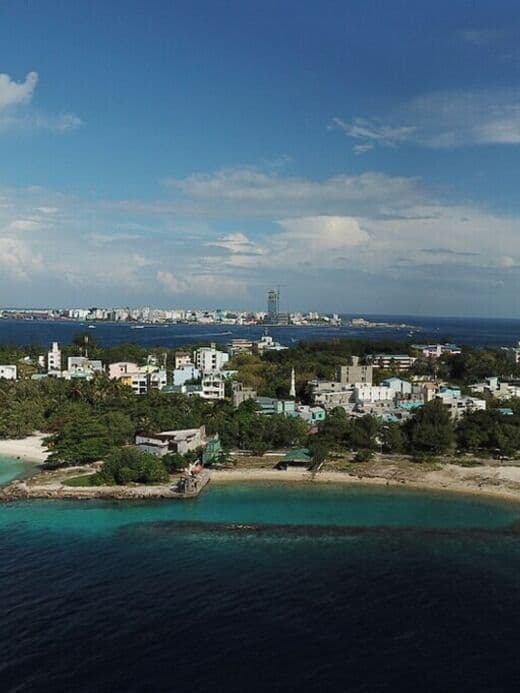
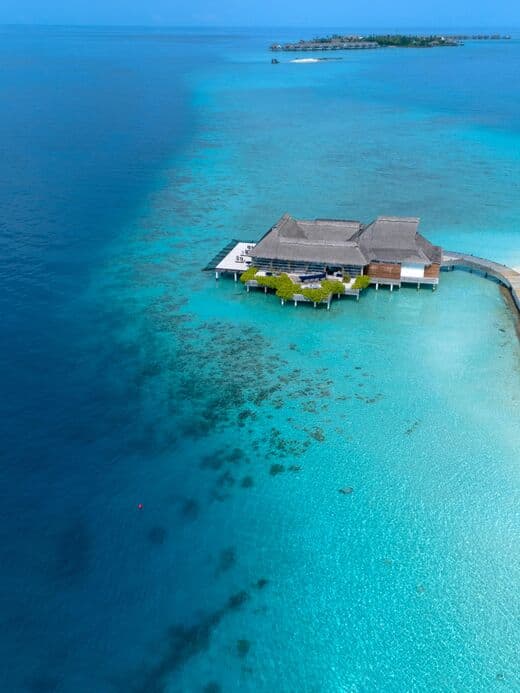
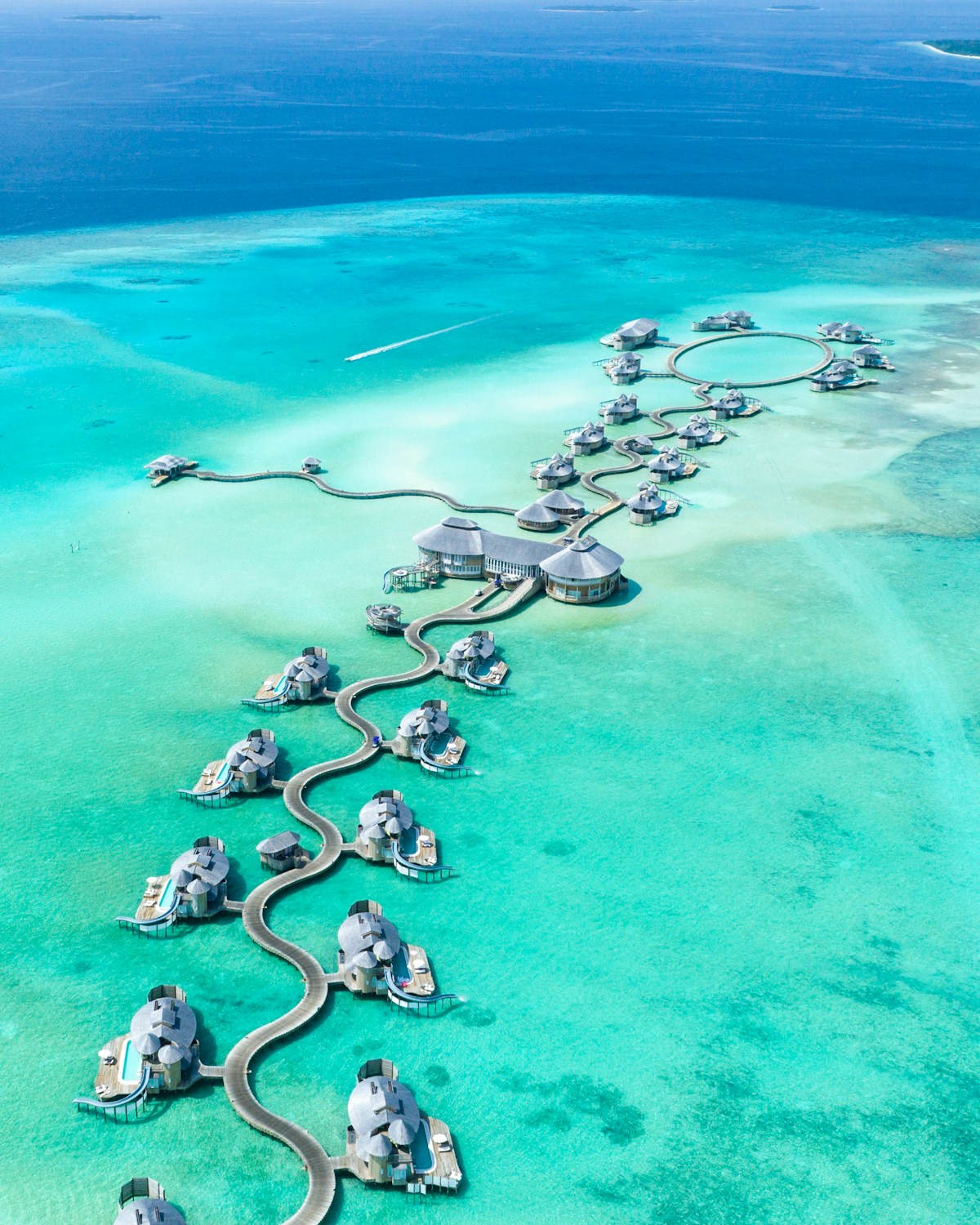
Male is not the destination you come to for pristine white-sand beaches and overwater bungalows. This is the capital of the Maldives - a tiny island measuring just 6 square kilometers, home to over 200,000 people. That makes it one of the most densely populated places on the planet, roughly on par with Manhattan in terms of people per square kilometer. And that is precisely what makes it so fascinating.
Most tourists pass through Male in a couple of hours on their way to a resort island. That is a mistake. Male is the real Maldives: chaotic, loud, smelling of fresh fish and spices, with mosques on every corner and motorbikes that somehow navigate the impossibly narrow streets without incident. This is where you can understand how Maldivians actually live - not just the resort staff performing hospitality for five-star guests, but real families, fishermen, traders, and students going about their everyday lives.
A few essential things to know before you arrive. The Maldives is a Muslim country. Alcohol is completely banned in Male - yes, there is not a single bar in the capital. On the streets, dress modestly: covered shoulders and knees. The currency is the Maldivian rufiyaa (MVR), but US dollars are accepted almost everywhere.Visa and Mastercard work in most shops and restaurants, but at markets and small local eateries you will need cash.
The official language is Dhivehi, but in tourist-facing areas everyone speaks English. You can pick up a Dhiraagu or Ooredoo SIM card right at the airport on Hulhule island for around $15-50 USD, including a mobile data package. Hotel Wi-Fi is generally free but often slow - for video calls, rely on your mobile data.
The climate is tropical year-round: 82-90 degrees Fahrenheit (28-32 Celsius). Humidity is high. Sunscreen, a hat, and a water bottle are your three best friends.
Neighborhoods of Male: Where to Stay
Henveiru - The Business and Tourist Hub
Henveiru is the northeastern part of Male and the most convenient neighborhood for visitors. This is where the main attractions cluster: the Maldives National Museum, Sultan Park, and Republic Square. Most hotels, guesthouses, and restaurants catering to international travelers are concentrated here.
The advantages are clear: all the major sights are within walking distance, and there is a wide range of accommodation options from budget guesthouses ($25-40 per night) to mid-range hotels with breakfast included ($60-120). It is also close to the ferry terminal, where boats depart for Hulhumale and the airport.
The drawbacks: it is the most expensive neighborhood, evenings can be noisy from motorbike traffic, and there is relatively little local atmosphere - everyone here is used to tourists, and the neighborhood has lost some of its raw authenticity. If you want convenience above all else, Henveiru delivers. If you want to feel like a traveler rather than a tourist, consider the neighborhoods below.
Maafannu - West and Northwest
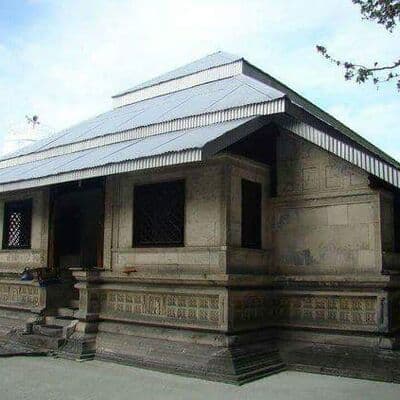
Maafannu is the largest district in Male, covering the entire western side of the island. It is home to Hukuru Miskiy (Old Friday Mosque) - the oldest mosque in the Maldives, built in 1658 from coral stone. This is a UNESCO World Heritage Site and an absolute must-see even for non-religious travelers. The intricate coral carvings on the exterior and interior walls are extraordinary, representing some of the finest craftsmanship in the Indian Ocean region.
The neighborhood feels more residential and authentic than Henveiru. There are fewer hotels here, but they are cheaper: you can find a guesthouse for $20-30 per night. Excellent local cafes and snack shops serve lunch for $3-5. If you want to eat the way Maldivians actually eat, Maafannu is where to look.
Along the northwestern edge of Maafannu runs the waterfront promenade, which offers breathtaking sunsets over the Indian Ocean. In the evenings, local families come here to sit, walk, and catch the breeze off the water. It is one of the best places in the city to feel the rhythm of daily life rather than observe it from the outside.
Galolhu - The Historic Heart
Galolhu is the oldest district in Male and the historic core of the city. Here you will find narrow lanes, old houses with wooden shutters, and small mosques tucked between residences. The neighborhood is compact and atmospheric. If you want to see what Male looked like 30 to 40 years ago - before the concrete high-rises and the motorbike flood - this is where you come.
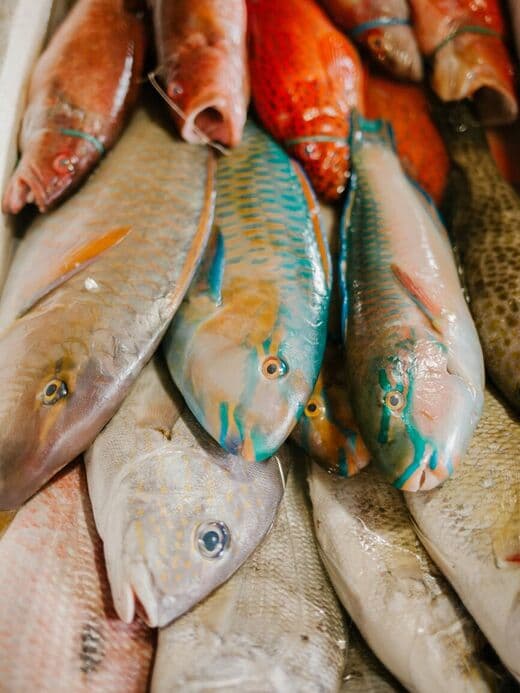
Galolhu is also where you will find the famous Male Fish Market - one of the most vivid and memorable spots in the entire city. Starting from around 6:00 AM, fishermen bring in the overnight catch: yellowfin tuna, mahi-mahi, reef fish. Everything gets laid out on stone counters, buyers haggle, and vendors work with enormous knives in a scene that feels both timeless and cinematic. Just next door is the Local Market - a fruit and vegetable market selling bananas, papaya, coconuts, betel nuts, and spices. Grab a fresh papaya or young coconut for 10-20 MVR (roughly $0.65-1.30 USD).
Tourist accommodation here is limited, but if you can find a room it will be the most authentic experience in Male. Food prices are among the lowest in the city: a full lunch at a local eatery (known as a hotaa) runs just $0.13-0.26 per 1 MVR, meaning a meal costs roughly $2-4 USD.
Machchangolhi - The Southeast Quarter
Machchangolhi is a quiet residential neighborhood with essentially no tourist infrastructure. It is worth visiting for a relaxed stroll through tidy streets, a handful of cozy local cafes, and small neighborhood shops. The Olympic Stadium is here, along with several schools. The area feels genuinely lived-in and unhurried - the right place to go if you want a completely local experience without anyone trying to sell you anything.
Villingili - The Island Suburb
Technically, Villingili is a separate island connected to Male by the Sinamale Bridge (officially the China-Maldives Friendship Bridge, opened in 2018). On Villingili sits Villingili Beach - the only free public beach near Male where you can actually swim.
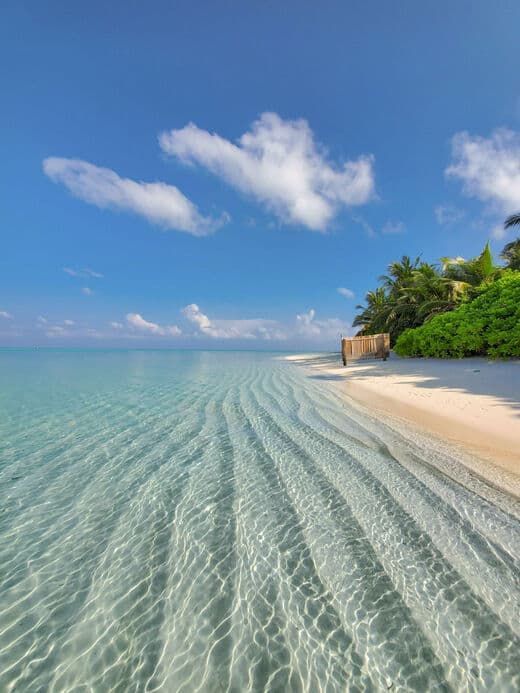
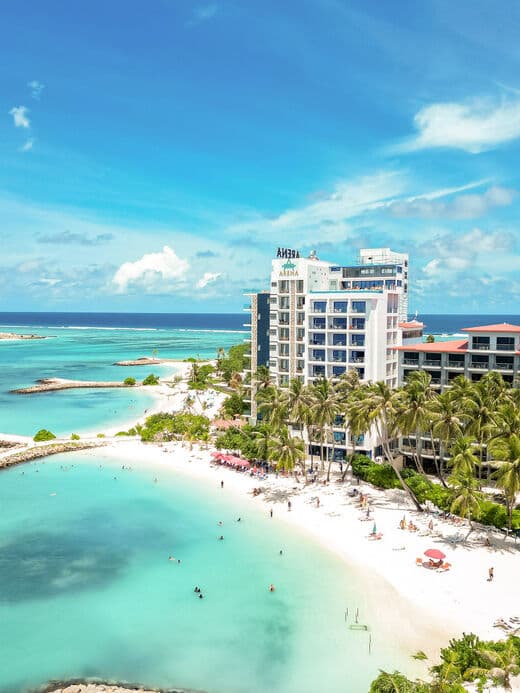
Yes, there are no swimming beaches on Male itself. The shoreline is taken up entirely by the port, jetties, and promenades. So locals head to Villingili: it is a 10-15 minute motorbike ride across the bridge, or just 5 minutes by ferry (5 MVR, about $0.30 USD). The beach is genuinely nice - white sand, clear turquoise water - though it gets crowded on weekends and public holidays.
Villingili has a handful of guesthouses ($15-25 per night) and small cafes. The neighborhood is quiet and green, feeling more like a small village than a capital suburb. The contrast with the dense concrete of Male just across the bridge is remarkable and refreshing.
Hulhumale - The New City
Hulhumale is an artificial island right next to the international airport, connected to Male via the Sinamale Bridge. Think of it as the 'new city' of the Maldives: wide streets, modern buildings, shopping malls, and a planned urban grid that feels completely different from the organic chaos of Male proper. Many travelers stay here for their first or last night because of its proximity to the airport.
Hulhumale's main advantage is a good public beach on the eastern side of the island. The drawback is that it does not feel like the Maldives - it is more of a suburban dormitory. Getting to central Male takes 20-30 minutes by taxi (100-150 MVR / $6.50-10 USD) or by public bus (7 MVR / $0.45 USD). Accommodation runs $30-80 per night, with many newer hotels to choose from.
Best Time to Visit Male
The Maldives sits just north of the equator, and air and sea temperatures barely change throughout the year: 82-90 degrees Fahrenheit (28-32 Celsius) in the air, and 81-84 degrees Fahrenheit (27-29 Celsius) in the water. What changes between seasons is not temperature but rainfall.
Dry Season (December through April): The Best Time to Visit
The northeast monsoon brings dry, sunny weather. Rainfall is minimal, skies are clear, and humidity is at its most manageable. This is peak tourist season, and hotel prices run 20-30% higher than in the off-season. Book accommodation at least two to three weeks in advance.
January and February are the driest months - ideal for a visit. March and April are slightly more humid but still excellent. December marks the beginning of the season and can still see occasional showers, so it sits in a transitional zone. If you can only visit during one of these months, January and February are the clear winners.
Wet Season (May through November): Cheaper and Quieter
The southwest monsoon brings rain, but this does not mean it rains all day without stopping. Typically these are intense but brief tropical downpours - 30 to 60 minutes - after which the sun reappears and life carries on. It is entirely possible to travel during this period; just carry a small umbrella and embrace the occasional cafe stop while you wait out a shower.
June is the wettest month. September through November form a transitional period with noticeably less rain. Hotel prices drop by 30-40% during the wet season, and the city sees significantly fewer tourists. If your budget matters more than guaranteed sunshine, the wet season is an excellent choice - and the empty streets have their own appeal.
Ramadan: Important to Factor In
The Maldives is a Muslim-majority country, and life in Male changes substantially during Ramadan. Many restaurants and cafes close during the day (except those serving tourists), and eating, drinking, or smoking in public between sunrise and sunset is not permitted. Ramadan dates shift each year according to the lunar calendar; in 2026, it falls approximately from February 18 to March 19. Always check the dates when planning your trip.
On the other hand, Ramadan is a unique cultural experience. After iftar - the evening meal that breaks the fast - the city comes alive in a way it rarely does at other times. Markets fill up, street food appears, and people are out walking and socializing until well past midnight. If you respect local customs and are willing to adapt your schedule, visiting during Ramadan can be one of the most memorable things you do in the Maldives.
Male Itinerary: From 3 to 7 Days
Day 1: Getting to Know the City
Start your morning at the Male Fish Market. Arrive by 7:00 AM when the fishermen are still unloading the night's catch. Enormous yellowfin tuna, mahi-mahi, octopus - all of it laid out on stone counters while buyers negotiate and vendors work with the kind of large knives that make you glad you are on the buying side. It is loud, smelly, and completely exhilarating. Right next to the fish market is the Local Market, where you can pick up fresh fruit for a few cents. A papaya or young coconut costs 10-20 MVR ($0.65-1.30).
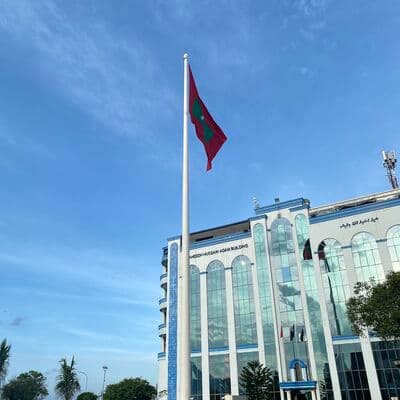
After the market, walk toward Republic Square - the main public square of Male, with its flagpole and open views toward the sea. The ferry terminal and waterfront promenade are right there, and the morning air makes this the best time of day for a walk along the water before the heat kicks in.
Next, head to the Maldives National Museum (entrance fee: 100 MVR / approximately $6.50 USD). The collection is modest in size but genuinely interesting: artifacts from the pre-Islamic Buddhist period, royal regalia, and examples of traditional lacquerwork (a craft the Maldives is known for throughout the region). An hour is enough to see everything.
For lunch, find one of the local eateries (hotaa) near the fish market. Order mas huni - finely shredded smoked tuna mixed with grated coconut, onion, and chili, served with roshi (a thin Maldivian flatbread similar to a chapati). This is the traditional Maldivian breakfast and lunch, and it costs 20-30 MVR ($1.30-2.00). Wash it down with sai - Maldivian tea, which is black tea brewed with evaporated milk and plenty of sugar. Locals drink five to ten cups a day.
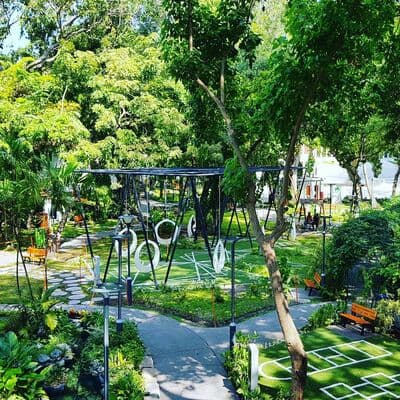
After lunch, the heat will be at its peak, which makes Sultan Park your best friend. This small green park in the middle of the urban grid offers old trees, shaded paths, and somewhere to sit that is not a plastic chair inside a restaurant. Right beside the park stands Hukuru Miskiy (Old Friday Mosque) - step inside to see the extraordinary coral stone carvings that cover virtually every surface. Entry is free, but remove your shoes and ensure shoulders and knees are covered.
In the evening, walk the Maafannu waterfront to catch the sunset over the Indian Ocean. Then find somewhere for dinner and try garudhiya - a clear, delicate tuna broth served with rice, lime, chili, and onion on the side. It is the national dish of the Maldives, and it sounds simpler than it tastes. At a local hotaa the price is 30-50 MVR ($2-3.25); at a tourist-oriented restaurant, expect to pay 80-120 MVR ($5.20-7.80).
Day 2: Villingili Beach and a Boat Trip
Dedicate your morning to Villingili Beach. Get there by ferry (5 MVR, departing every 15 minutes) or by motorbike across the Sinamale Bridge. The beach offers white sand and clear turquoise water - your first real chance to swim since arriving in the Maldives. Go early, before 9:00 AM, to have the beach mostly to yourself. There are no sun loungers or umbrellas for hire, so bring your own towel.
A few small cafes surround the beach where you can pick up a coconut (20 MVR / $1.30) or a light snack. After your swim, take a slow walk around the island of Villingili itself - it is quiet and green, with houses in a low-rise colonial style that feels worlds away from central Male.
For the afternoon, book a boat excursion. The options are varied: snorkeling on a nearby reef ($25-50 USD including equipment), a sunset fishing trip ($30-40 USD), or a trip to a nearby sandbank - a strip of white sand rising just above the water in the middle of the ocean ($20-35 USD per person). Excursions can be arranged through any guesthouse in Male or directly with the boat operators at the ferry terminal. Snorkeling in the Maldives does not require advanced skills or experience; even complete beginners can see reef sharks, sea turtles, and manta rays on a good day.
In the evening, return to Male and have dinner in the Galolhu neighborhood. Try bis keemiya - Maldivian-style samosas with a filling of tuna, cabbage, and onion, fried until crispy. They are sold as street food for 5-10 MVR ($0.30-0.65) each and make an excellent evening snack.
Day 3: Hulhumale and Shopping
Take the morning bus from the ferry terminal to Hulhumale (7 MVR / $0.45), or a taxi if you have luggage (100-150 MVR / $6.50-10). Walk the wide, unhurried streets of the new city - the contrast with the density of Male is striking. Browse the shopping mall, and then make your way to the beach on the eastern side of the island, which is longer and less crowded than Villingili. The water is just as clear.
Hulhumale has several decent restaurants with ocean views. Lunch here costs 100-200 MVR ($6.50-13 USD) - slightly more than in Male, but the variety is wider and the settings are more relaxed.
Back in Male for the second half of the day, spend time on Majeedhee Magu - the city's main shopping street, lined with stores selling clothes, electronics, and souvenirs. Traditional Maldivian souvenirs worth considering: liyelaa (handmade lacquerwork boxes in black, red, and gold), miniature dhoni (traditional sailing boat) models, coconut oil, and rihaakuru (dried tuna paste, if you want to cook Maldivian food at home). Prices range from 50 MVR ($3.25) for small items to 500 MVR ($32.50) or more for quality crafts.
At around 4:00 PM, find a cafe serving hedhikaa - the Maldivian tradition of afternoon snacks taken with tea. Think of it as the Indian Ocean answer to British afternoon tea, except everything is made with tuna, coconut, and chili. Order an assortment: bajiya (lentil fritters with tuna filling), gulha (fried rice-flour balls stuffed with smoked tuna and coconut), bis keemiya (the samosa-like snacks mentioned above), and kulhi boakibaa (a dense fish cake made from tuna, rice, and coconut). Each piece costs 5-15 MVR ($0.30-1.00). Pair it all with sai and you have the quintessential Male afternoon.
Days 4-5: Nearby Islands
If you have more than three days, getting off Male to explore nearby local islands is essential. Regular ferries run from the main ferry terminal:
- Maafushi - the most popular local island for budget travelers. Ferries run two to three times a day (50 MVR / $3.25, about 1.5 hours) or take a speedboat ($25-35 USD, 30 minutes). The island has white-sand beaches, excellent snorkeling reefs, and budget guesthouses ($20-50 per night). You can do a day trip or stay overnight - both work well.
- Guraidhoo - less touristed than Maafushi, with excellent surfing and a beautiful snorkeling reef. Ferry from Male runs 1.5 to 2 hours for 50 MVR ($3.25). A good option if you want to avoid the backpacker crowd that has discovered Maafushi.
- Thulusdhoo - the surfer's island. Famous for the break called 'Cokes' (named after the Coca-Cola factory on the island). Speedboat takes 40 minutes ($25-30 USD). Board rental is $15-25 USD per day, making it a genuinely affordable surf destination.
These islands offer a way to experience what the Maldives is famous for - pristine beaches, incredible snorkeling, and the otherworldly color of the water - at a fraction of resort prices. A guesthouse costs $30-50 per night, a meal runs $15-50, and the reefs are every bit as spectacular as those visible from a $1,000-per-night bungalow.
Days 6-7: Going Deeper
Spend any remaining days on the things that most visitors rush past. Book a walking tour through Galolhu and Machchangolhi with a local guide - you will see traditional Maldivian houses, the workshops of lacquerwork artisans who still practice a craft that has barely changed in centuries, and small mosques that do not appear in any guidebook. Cost through a guesthouse: $15-30 USD.
Visit the Maldives National Art Gallery (free entry) for exhibitions of contemporary Maldivian artists - a window into how the country's creative scene is processing the tensions between tradition and modernity, isolation and global connection. Walk past Muleeaage in Henveiru - a former presidential palace in elegant colonial style, worth seeing from the outside even if you cannot enter.
One evening, catch a local football match at the stadium. Maldivians are passionate about football in a way that surprises many visitors, and the atmosphere at a local game is electric. Entry is free or costs a nominal 10-20 MVR ($0.65-1.30). Or simply find a sai hotaa - a local tea house - sit down with a cup of sai, and watch the street life outside. Maldivians are genuinely warm and curious people. Smile at someone and you will likely end up in a conversation about where you are from, what you think of the city, and whether you have tried garudhiya yet.
Where to Eat in Male: Restaurants and Cafes
Budget: Local Eateries (Hotaa)
Hotaa are the Maldivian equivalent of a neighborhood diner: no-frills, practical, and absolutely delicious if you know what to order. Think plastic chairs, fluorescent lighting, and a menu written in Dhivehi on the wall. But the food is fresh, the portions are generous, and the prices are almost absurdly low by any Western standard.
- Shell Beans Cafe (Galolhu) - popular with locals rather than tourists. Mas huni with roshi at breakfast for 15-20 MVR ($1-1.30), a rice-and-curry lunch for 25-40 MVR ($1.60-2.60).
- Seagull Cafe House (Henveiru) - one of the oldest eateries in Male. Excellent garudhiya and a wide hedhikaa spread in the evenings. Lunch runs 30-50 MVR ($2-3.25).
- No.1 Cafe (near the fish market) - this is where the fishermen and market workers have breakfast. The most authentic experience in the city, assuming you do not mind the utilitarian surroundings. Breakfast 15-25 MVR ($1-1.60).
Mid-Range: Restaurants
- Thai Wok (Henveiru) - Thai cuisine, popular with expats and tourists. Curries, noodles, seafood. Lunch 100-200 MVR ($6.50-13). Large portions.
- Sala Thai (Henveiru) - another well-reviewed Thai restaurant with a warmer, more intimate atmosphere. Average spend 150-250 MVR ($10-16).
- Lemongrass by Thaifushi (Maafannu) - Thai-Maldivian fusion. The signature dish is tuna in green curry - a combination that works better than it sounds. Mains 120-200 MVR ($7.80-13).
- Sea House (Henveiru, waterfront) - grilled seafood with ocean views. Fresh tuna steaks, lobster. Dinner for two: 400-600 MVR ($26-39).
Cafes and Desserts
- Chili Marlin - a coffee shop with harbour views, good espresso drinks, and fresh juices. Cappuccino 40-60 MVR ($2.60-3.90).
- The Siren - a modern, trendy cafe popular with younger Maldivians. Smoothie bowls, sandwiches. 80-150 MVR ($5.20-9.75).
- Jazz Cafe - one of the few places with live music (on Fridays). Desserts and fresh juices in a relaxed setting.
Tip: the cheapest and most authentic food is found in eateries near the fish market and along Majeedhee Magu. Avoid restaurants immediately around the ferry terminal - the tourist premium there runs 30-50% above what you would pay two streets back.
What to Eat: The Food of Male
Maldivian cuisine revolves around three main ingredients: tuna, coconut, and spice. It sounds simple on paper, but there are dozens of combinations, and nearly all of them are genuinely delicious in ways that surprise visitors expecting bland island food.
Main Dishes
- Garudhiya - a clear, light tuna broth that is the national dish of the Maldives. Served alongside a bowl of rice, with fresh lime, green chili, and onion to add yourself. The broth has a clean, oceanic depth that seems impossible given its simplicity. Do not leave Male without trying it. Price at a local hotaa: 25-40 MVR ($1.60-2.60).
- Mas huni - finely shredded smoked tuna mixed with grated coconut, diced onion, and chili. Served with roshi, the thin Maldivian flatbread made from wheat flour. This is the traditional breakfast and midday meal, and it is deeply satisfying. Price: 15-25 MVR ($1-1.60).
- Rihaakuru - a thick, intensely flavored paste made by cooking down tuna until it reaches the color and consistency of dark chocolate. Very salty, with a pungent umami depth. Spread on roshi or eaten with rice. Definitely an acquired taste, but absolutely worth trying once.
- Fihunu mas - a whole fish (usually reef fish or tuna) stuffed with a paste of chili and spices and grilled over coals. At restaurants: 100-200 MVR ($6.50-13), cheaper at local eateries.
Hedhikaa - The Afternoon Snack Tradition
Between 4:00 PM and 7:00 PM, cafes across Male serve hedhikaa - a spread of small snacks accompanied by endless cups of sai. Think of it as the Maldivian equivalent of British afternoon tea, but spicy and fish-based and considerably more satisfying. Ordering a selection is one of the great pleasures of an afternoon in Male:
- Bajiya - triangular fritters made from lentil flour with a tuna-and-onion filling. Crispy on the outside, savory and slightly hot inside. 5-10 MVR ($0.30-0.65) each.
- Gulha - small fried spheres of rice flour filled with smoked tuna and coconut. Denser than bajiya, with a slightly sweeter note from the coconut. 5-10 MVR ($0.30-0.65) each.
- Bis keemiya - Maldivian samosas with a filling of tuna, cabbage, and onion in thin, crispy pastry. Filling and addictive. 5-10 MVR ($0.30-0.65) each.
- Kulhi boakibaa - a rectangular fish cake made from tuna, steamed rice, and coconut. Dense, slightly sweet, and substantial. 10-15 MVR ($0.65-1.00).
Drinks
- Sai - Maldivian tea: black tea brewed strong, mixed with evaporated milk, and sweetened generously. The national beverage, consumed at all hours. 5-10 MVR ($0.30-0.65) per cup.
- Raa - freshly tapped coconut palm toddy, collected at dawn before it ferments. Sweet, slightly fizzy, and deeply refreshing. Find it at the local market. 15-25 MVR ($1-1.60).
- Kurumba - young green coconut, sold everywhere. The water inside is cool and hydrating in the tropical heat. 15-25 MVR ($1-1.60).
A note on alcohol: it is completely prohibited in Male. There is no beer, no wine, no cocktails - anywhere. If that is important to you, resort islands and safari boats are designed to accommodate this. In the city, embrace the fresh juices, the sai, and the remarkable variety of non-alcoholic drinks on offer. After a day of walking in the heat, a cold young coconut is more satisfying than most cocktails anyway.
Local Secrets: Tips from People Who Know Male
These are the things that do not end up in standard travel guides - observations from people who have lived in Male or spent months there.
The Best Times of Day Are Early Morning and Late Evening
The midday heat in Male is not just uncomfortable - it is the kind of humid tropical heat that saps your energy and motivation within minutes of stepping outside. Concrete absorbs heat, shade is scarce, and the humidity feels like wearing a wet blanket. Locals know this and structure their days accordingly, retreating indoors or into air conditioning from roughly noon to 4:00 PM. The best windows for walking are 6:00-9:00 AM and after 5:00 PM. At sunset, the waterfront promenades come to life: families walk, children play, fishermen repair nets, and the whole city seems to exhale. This is when Male is at its most photogenic and its most welcoming.
Friday Is the Weekend
Friday in Male functions like Sunday in most Western countries. Many shops and restaurants are closed in the morning - some for the entire day. Plan accordingly: save Friday for the beach at Villingili or an island boat trip, and enjoy the quieter city on your return in the afternoon. Friday evenings are among the most lively times of the week, with locals out in force for food, walking, and socializing after the main prayers.
Motorbikes Are the Main Transport
Male has no bus network and no metro - the island is too small to justify either. Taxis charge a flat rate of 25-30 MVR ($1.60-2.00) for any journey on the island, and during the day no trip takes longer than 10 minutes. The most popular local option is the motorbike, which explains the density of two-wheelers you will notice immediately. Scooter rental costs 200-300 MVR ($13-20) per day, but requires an international license and a certain tolerance for chaotic urban traffic. If neither of those applies to you, walking is the sensible choice - the entire island is crossable in under an hour at a leisurely pace.
Dress Code Matters More Than You Might Expect
The Maldives as marketed to the world - bikinis by infinity pools, cocktails at sunset - is resort Maldives. Male is the real Maldives, and it operates by different rules. Modest dress is genuinely expected and appreciated here, not just technically required. Women should keep shoulders and knees covered; men should opt for longer shorts rather than brief ones. At Villingili Beach, swimwear is acceptable in the designated bikini beach area, but not on the main beach, where Maldivian women swim fully clothed. Respecting this distinction makes a noticeable difference in how you are received by locals.
Bargain at the Market, Not in Shops
Haggling is part of the culture at the fish market and the fruit and vegetable market. Go in with a number, be friendly about it, and you will often do well. In restaurants, shops, and guesthouses, prices are fixed. Attempting to bargain in these contexts will be received with polite confusion at best and mild offense at worst. Know which setting you are in.
Tap Water Is Desalinated
Male relies on desalination plants for its fresh water. Tap water is technically safe to drink, but it has a distinctive taste that most visitors find off-putting. Locals universally drink bottled water: 500 ml costs about 5 MVR ($0.30), and 1.5 liters runs 10-15 MVR ($0.65-1.00). Buy from convenience stores rather than cafes - the markup in cafes is often double the shop price. In a tropical climate where you will sweat more than you realize, staying hydrated is genuinely important, so keep a bottle with you at all times.
Diving and Snorkeling Are Available Directly from Male
You do not need to fly to a distant resort island to access the Maldives' extraordinary underwater world. Several dive centers in Male run daily trips to nearby reefs, which are typically 20-40 minutes away by boat. Two dives with full equipment rental costs $50-80 USD - significantly cheaper than what you would pay at a resort. On a good day, you can encounter manta rays, sea turtles, reef sharks, Napoleon wrasse, and densely packed schools of reef fish. If diving is not for you, snorkeling tours run $25-40 USD per person and require no experience whatsoever.
Transport and Connectivity in Male
Getting from the Airport
Velana International Airport (airport code: VIA) is on Hulhule island, adjacent to Hulhumale. Three options to reach Male:
- Ferry - the cheapest and most scenic option. 10 MVR ($0.65), 15 minutes, departing every 10-15 minutes. The jetty is a 5-minute walk from the terminal. Ferries operate from 6:00 AM to midnight.
- Speedboat - 30-50 MVR ($2-3.25), 5-10 minutes. Available at the jetty or bookable through your accommodation.
- Taxi via the bridge - the right choice if you have significant luggage or arrive with others. 100-200 MVR ($6.50-13), 20-30 minutes depending on traffic. Crosses via the Sinamale Bridge.
Important note: if you arrive late at night (after midnight), ferries do not run. Arrange a transfer with your hotel in advance, or take a taxi across the bridge.
Getting Around Male
Male is a tiny city: 2 km long, 1 km wide. You can walk across it in an hour. The main practical options are:
- On foot - the best way to experience the city. All major sights are within 10-15 minutes of each other on foot. The only annoyance is that sidewalks are narrow and frequently occupied by parked motorbikes.
- Taxi - flat rate of 25-30 MVR ($1.60-2.00) for any journey within the island. No journey takes more than 10 minutes during the day. You can hail taxis on the street or use the Aide app. Late-night rate (midnight to 6:00 AM) is 30-35 MVR ($2-2.30).
- Scooter rental - 200-300 MVR ($13-20) per day. Requires a license and comfort with chaotic traffic. Parking is essentially nonexistent.
Ferries and Boats
The ferry network is the backbone of public transport in the Maldives:
- Male to Hulhumale/Airport: 10 MVR ($0.65), every 10-15 minutes, 15-minute journey.
- Male to Villingili: 5 MVR ($0.30), every 15 minutes, 5-10 minute journey.
- Male to Maafushi: 50 MVR ($3.25), two to three departures per day, 1.5-hour journey. Speedboat alternative: $25-35 USD, 30 minutes.
Ferry schedules change, particularly during public holidays and Ramadan. Always confirm at the terminal or through your guesthouse before planning a day trip around a specific departure time. Guesthouses can usually book speedboat transfers at slightly better rates than buying direct at the jetty.
Mobile Data and Wi-Fi
Two main operators: Dhiraagu and Ooredoo. SIM cards are available at the airport and at operator offices in Male. You will need your passport to register.
- Dhiraagu: tourist package - 200 MVR ($13) for 5 GB over 7 days.
- Ooredoo: similar package - 150-200 MVR ($10-13) for 3-5 GB.
4G coverage is reliable and fast in Male and Hulhumale. More remote islands may have patchy service. Hotel Wi-Fi is nearly universal but speeds vary considerably. For anything requiring a stable connection - video calls, uploading photos - mobile data is more dependable.
Money and Payments
The currency is the Maldivian rufiyaa (MVR).US dollars are accepted at most hotels, restaurants, and tour operators, but change will be given in rufiyaa at whatever rate the business chooses, which is rarely favorable. Better to exchange at a bank (Bank of Maldives has several branches in Male) or withdraw from an ATM, which you will find on nearly every block.
Visa and Mastercard work at most shops and restaurants. Local markets and small hotaa are cash-only. Keep small denomination notes on hand - 50 and 100 MVR bills - for taxis and street food. Exchanging a $50 note and carrying local currency for small transactions will save you from constantly being given unfavorable change.
Who Should Visit Male: A Realistic Summary
Male is not for everyone, and that is fine. There are no overwater bungalows here, no poolside brunch buffets, no spa menus. This is a densely packed Muslim capital on a tiny equatorial island, hot and loud and chaotic and alive. That is the point.
Male is ideal for travelers who want to see the real Maldives behind the resort brochure. For anyone who is interested in food, culture, and the texture of daily life in an unusual place. For budget-conscious travelers: visiting a Maldivian city for $30-50 USD per day is genuinely achievable (guesthouse plus hotaa meals plus ferry rides). And for anyone in transit between flights who wants to spend a day in a living city rather than sitting in an airport lounge.
Give Male at least two to three days. Walk through the market at dawn when the tuna are still being unloaded from the boats. Order garudhiya at a random hotaa and eat it with your hands the way locals do. Sit with a group of Maldivians at a tea house and let the conversation find you. Watch the sun go down from the western waterfront and see the whole city slow down and breathe. Male will surprise you in ways that no resort island ever could.