About
Colombia Travel Guide: Everything You Need to Know for an Unforgettable Adventure
Colombia has undergone one of the most remarkable transformations in modern travel history. A country that was once synonymous with conflict and instability has emerged as one of South America's most dynamic, welcoming, and fascinating destinations. Having traveled extensively throughout Colombia over multiple trips spanning several years, I can tell you that this country offers something that few places on Earth can match: genuine surprise at every turn, warmth from locals that feels completely unforced, and landscapes so diverse that you could spend months exploring without repeating a single type of scenery.
This guide is not a sanitized tourism brochure. It is the advice I would give to a friend planning their first trip to Colombia, complete with the practical details that actually matter, the insider tips that take years to accumulate, and honest assessments of both the highlights and the challenges you might encounter. Whether you are planning a quick week-long adventure or a month-long deep dive into Colombian culture, this comprehensive guide will help you make the most of your time in this extraordinary country.
Why Visit Colombia: A Country That Defies Expectations
Let me be direct with you: Colombia is not just another South American destination to tick off your list. It is a country that fundamentally challenges your assumptions about what travel can be, and it does so from the moment you arrive. The diversity here is staggering, not just in terms of landscapes and ecosystems, but in the sheer variety of experiences available within a relatively compact geography.
Consider this: within a single week in Colombia, you could be sipping world-class coffee on a misty mountain farm in the Coffee Triangle, diving in crystal-clear Caribbean waters, exploring one of the most vibrant urban art scenes in the Americas, hiking through cloud forests to ancient ruins, and dancing salsa until the early morning hours in a city that pulses with energy. Few countries offer this range of experiences with such accessibility and affordability.
The Biodiversity Powerhouse
Colombia ranks as the second most biodiverse country on Earth, behind only Brazil, which is eight times larger. This small nation contains approximately ten percent of all species on the planet. For nature enthusiasts, this translates to nearly two thousand species of birds, more than any other country, along with incredible diversity in orchids, butterflies, amphibians, and mammals. The practical implication is that nature experiences in Colombia feel genuinely wild and abundant in ways that increasingly developed regions cannot match.
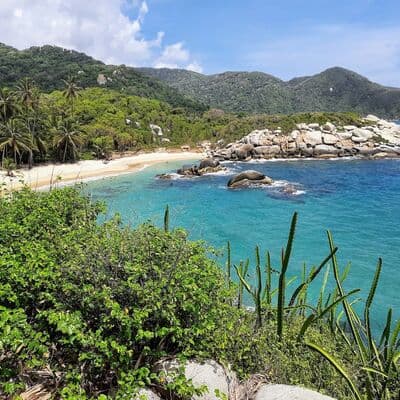
From the Amazon rainforest in the south to the Caribbean coast in the north, from the Pacific mangroves to the Andean highlands, Colombia encompasses virtually every ecosystem found in the Americas. The country spans from sea level beaches to snow-capped peaks exceeding five thousand meters, creating vertical climate zones that support this extraordinary biological richness. Walking through Tayrona National Park, you encounter this diversity firsthand: jungle meets beach, monkeys swing overhead while you swim in clear waters, and the Sierra Nevada mountains rise dramatically in the background.
The Cultural Mosaic
Colombian culture defies simple characterization because it varies dramatically by region. The costeños of the Caribbean coast embody a relaxed, music-filled approach to life that contrasts sharply with the more reserved business culture of Bogota. The paisas of Medellin and the Coffee Region are known for their entrepreneurial spirit and distinctive accent. Indigenous communities in the Sierra Nevada and Amazon maintain traditions that predate European contact by millennia. Afro-Colombian communities along the Pacific coast have developed unique musical and culinary traditions that remain largely unknown even to many Colombians.
This cultural diversity creates a richness of experience that keeps surprising you throughout your travels. The music changes as you move between regions: cumbia and vallenato on the coast, salsa in Cali, reggaeton in the cities, traditional bambuco in the highlands. The food transforms dramatically based on local ingredients and historical influences. Even the Spanish language takes on different flavors, with distinct vocabularies and accents that Colombians themselves joke about constantly.
Value for Money That Surprises
For travelers from North America, Europe, or Australia, Colombia offers exceptional value. The Colombian peso has remained relatively weak against major currencies, meaning your dollars, pounds, or euros stretch remarkably far. A excellent meal at a local restaurant might cost five to eight dollars. Comfortable mid-range hotels in most cities run thirty to sixty dollars per night. Domestic flights between major cities often cost fifty to one hundred dollars. A full day coffee farm tour including transportation might be twenty-five dollars. These prices allow for a quality of experience that would cost three to five times more in European destinations.
This value extends beyond simple affordability. The quality of service, the freshness of ingredients, the craftsmanship in local products, and the genuine hospitality you receive consistently exceed what the price point would suggest. I have stayed in Colombian boutique hotels that rival properties costing three hundred dollars per night elsewhere, for a fraction of the price. The fresh fruit juices alone, with varieties you have never encountered, make the trip worthwhile.
Accessibility and Infrastructure
Unlike some South American destinations where logistics become exhausting, Colombia has developed solid tourism infrastructure while retaining authentic character. Major cities have modern airports with frequent connections. Bus networks are extensive and reasonably comfortable for longer journeys. Ride-sharing apps work throughout urban areas. English is increasingly common in tourist zones, though learning basic Spanish dramatically enhances your experience. The country has invested heavily in its tourism sector, understanding that this industry represents a crucial part of its economic future and national image rehabilitation.
The transformation since 2000 has been remarkable. Cities that were once dangerous are now walkable and vibrant. Rural areas that were controlled by armed groups are now peaceful and welcoming to visitors. The infrastructure improvements, from roads to telecommunications, have made independent travel straightforward. This is not to say that Colombia is Disneyland, challenges and rough edges remain, but the barriers to entry have lowered dramatically for international visitors.
The Human Element
Perhaps the most compelling reason to visit Colombia is its people. Colombians are famously warm and welcoming, and this reputation is entirely deserved. There is a genuine curiosity about visitors, a pride in sharing their culture, and a hospitality that goes beyond professional service into authentic human connection. Strangers will go out of their way to help you find your destination, recommend their favorite local spots, or simply chat about your impressions of their country.
This warmth exists within a context of remarkable resilience. Colombians have lived through decades of conflict and emerged with an optimism and joy for life that feels almost miraculous. The national motto might as well be "a pesar de todo," meaning "in spite of everything." There is a determination to enjoy life, to dance, to celebrate, and to move forward that infuses daily interactions with an energy you will not find in more comfortable societies. This spirit is perhaps Colombia's greatest treasure, and it is freely shared with visitors who approach with openness and respect.
Regions of Colombia: Understanding the Country's Diverse Geography
Colombia's regional diversity is so pronounced that traveling between areas can feel like visiting different countries entirely. Understanding these regions helps you plan a trip that matches your interests and available time. Each region has distinct characteristics, climates, cultures, and attractions worth exploring.
The Caribbean Coast
The northern coast of Colombia stretches along the Caribbean Sea from the border with Panama in the west to Venezuela in the east. This region embodies the stereotypical tropical Latin American vibe: palm trees, warm waters, cumbia music, and a relaxed pace of life that slows everything down. The costeño culture here is distinct from highland Colombia, with African and indigenous influences more prominent in the music, food, and local character.
Cartagena serves as the crown jewel of the Caribbean coast and is often the first Colombian destination for international visitors. The Walled City is a UNESCO World Heritage site that genuinely deserves the designation. Walking through its narrow streets, past colonial buildings painted in vivid yellows, blues, and oranges, with wooden balconies dripping with bougainvillea, feels like stepping into another century. The city has become increasingly upscale and tourist-focused, which means higher prices and more crowds, but also excellent restaurants, boutique hotels, and polished experiences.
Beyond the walls, Getsemani offers a grittier, more authentic experience. This historically working-class neighborhood has become the backpacker and hipster hub of Cartagena, with street art covering many surfaces, local bars playing champeta music, and a creative energy that the more sanitized old town sometimes lacks. The gentrification process is visible here too, but Getsemani retains more local character than the tourist-focused areas inside the walls.
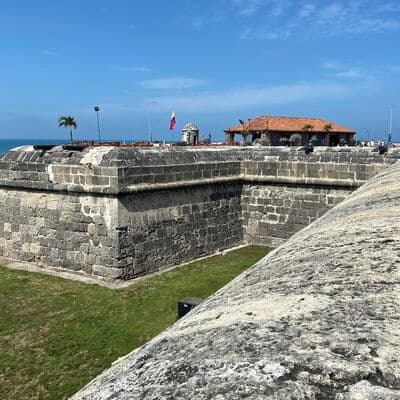
The Castillo San Felipe de Barajas represents the largest Spanish colonial fortress in the Americas and offers fascinating insights into the strategic importance of Cartagena during colonial times. The engineering achievement of this structure, built into the hillside with tunnels and batteries designed to repel attacks from any direction, remains impressive centuries later. The Clock Tower Gate marks the main entrance to the walled city and serves as a gathering point and orientation landmark.
For beach experiences near Cartagena, the Rosario Islands provide the Caribbean postcard imagery that the city beaches notably lack. Cartagena's urban beaches are not particularly appealing for swimming, but a day trip or overnight to the islands offers clear waters, coral reefs for snorkeling, and proper beach relaxation. The islands can get crowded with day-trippers, especially on weekends and holidays, so consider an overnight stay for a more peaceful experience.
Santa Marta lies further east along the coast and serves as the gateway to some of Colombia's most spectacular natural attractions. The city itself is older but less polished than Cartagena, with a more local feel and fewer international tourists. As a base, Santa Marta provides access to Tayrona National Park, one of Colombia's most stunning protected areas where jungle-covered mountains meet Caribbean beaches. The park requires some hiking to reach the best beaches, but the effort rewards you with genuinely beautiful and less crowded spots than anything accessible near Cartagena.
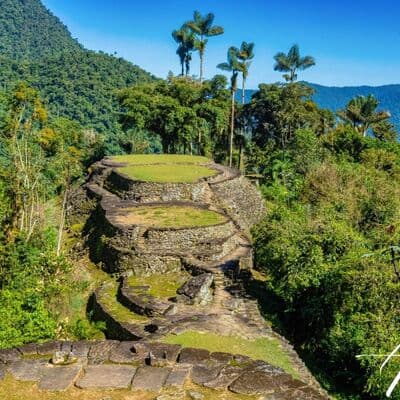
From Santa Marta, you can also undertake the trek to Ciudad Perdida, the Lost City, which rivals Machu Picchu in archaeological significance though it receives a tiny fraction of the visitors. This four to six day jungle trek takes you through indigenous territories to a pre-Colombian city that was abandoned before Spanish contact and remained hidden until the 1970s. The trek is challenging, involving river crossings, steep climbs, and jungle camping, but the reward of reaching this ancient site in such a dramatic setting is extraordinary.
The Caribbean coast also includes the Guajira Peninsula extending toward Venezuela, a desert region inhabited by the Wayuu indigenous people with their distinctive culture and crafts. This area remains less developed for tourism but offers unique landscapes and cultural experiences for adventurous travelers.
The Andean Highlands
The Andes mountains split into three ranges as they enter Colombia from the south, creating a highland region that contains most of the country's population and its major cities. The climate here is dramatically different from the coast: eternal spring in cities like Medellin, and cooler temperatures requiring layers in higher elevations like Bogota.
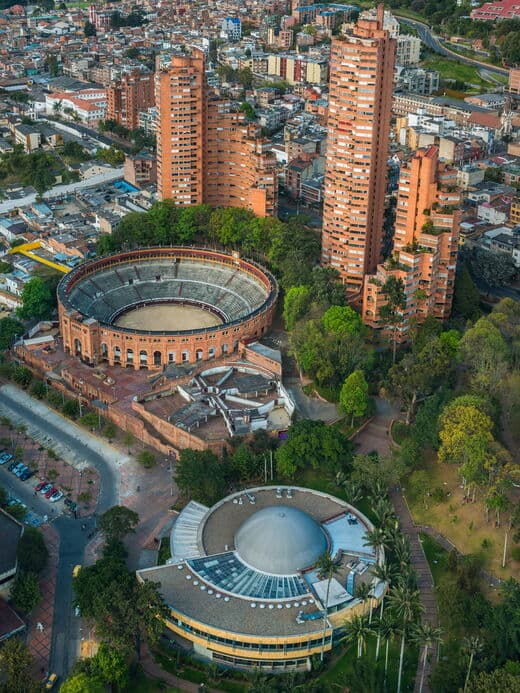
Bogota, the capital, sits at 2,640 meters elevation on a high plateau surrounded by mountains. At nearly eight million people, it is by far Colombia's largest city and its cultural, political, and economic center. The altitude takes adjustment, you may feel breathless for the first day or two, and the weather can be gray and rainy, particularly in the afternoon. However, Bogota rewards those who give it time.
The historic La Candelaria neighborhood contains much of Bogota's colonial heritage and cultural institutions. Narrow cobblestone streets wind between historic buildings, many now housing universities, museums, restaurants, and hostels. The neighborhood has a somewhat bohemian character, with street art, small theaters, and cafes frequented by students and artists. Security has improved dramatically, but awareness remains appropriate, especially after dark.
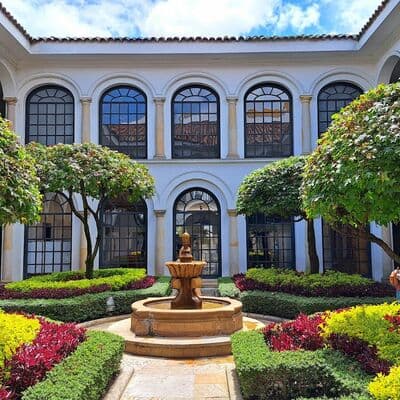
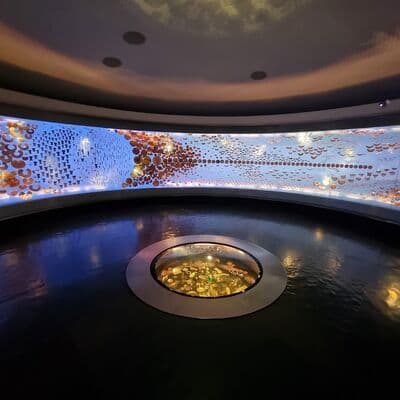
The Gold Museum in Bogota represents one of the most important museums in South America, housing the world's largest collection of pre-Colombian gold artifacts. The craftsmanship on display is extraordinary, and the museum provides essential context for understanding Colombia's indigenous heritage. Nearby, the Botero Museum showcases works by Colombia's most famous artist alongside his personal collection of international masters, all in a beautiful colonial building with free admission.
Plaza de Bolivar forms the historic heart of Bogota and Colombia, surrounded by the Cathedral, Congress, Palace of Justice, and other significant government buildings. The plaza itself is a gathering place and people-watching spot where you can observe Colombian society across all its diversity. Taking the funicular or cable car up Monserrate provides spectacular views over the city and is essentially mandatory for understanding Bogota's scale and setting.
Medellin has become Colombia's second most-visited city and arguably its most dynamic. The transformation here over the past twenty years is among the most dramatic urban renewals anywhere in the world. A city that was once considered the most dangerous on Earth has reinvented itself through innovative urban planning, social investment, and sheer determination. The climate, described as eternal spring with temperatures around 22-28 degrees Celsius year-round, adds to the appeal.
Comuna 13 exemplifies this transformation. Once controlled by armed groups and extremely dangerous, this hillside neighborhood has been connected to the city center through escalators and cable cars, and has become a canvas for street art that tells the community's story of violence, survival, and renewal. Walking tours led by local residents provide context and support the community directly. The experience is powerful and illustrates how communities can reclaim their spaces and narratives.
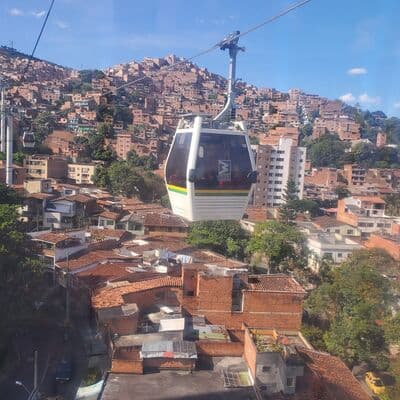
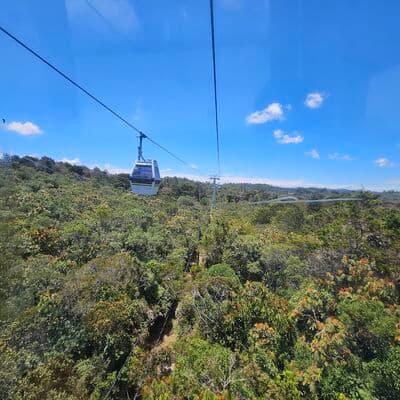
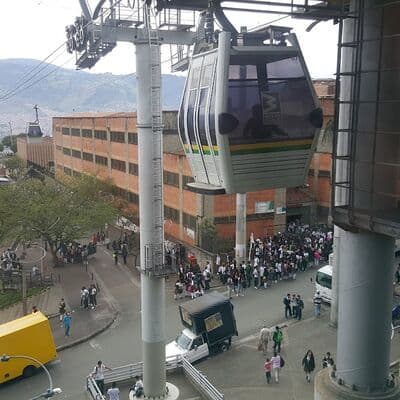
The Metrocable system represents Medellin's innovative approach to urban challenges. These cable car lines were built as public transportation, connecting hillside comunas to the metro system below, but they also provide visitors with aerial views of the city and access to areas that would otherwise require long, difficult journeys. Continuing on the cable car to Parque Arvi takes you into the forested mountains for hiking and nature experiences just minutes from the urban center.
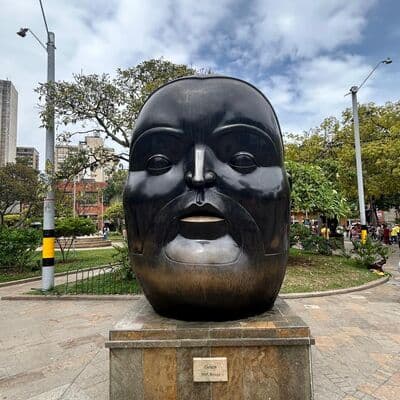
Plaza Botero in downtown Medellin displays monumental sculptures by Fernando Botero, a Medellin native, in an open public space. The voluminous bronze figures have become iconic symbols of the city. Nearby, the Botanical Garden provides a peaceful green escape from the urban intensity, with excellent plant collections and spaces for relaxation.
The Coffee Region
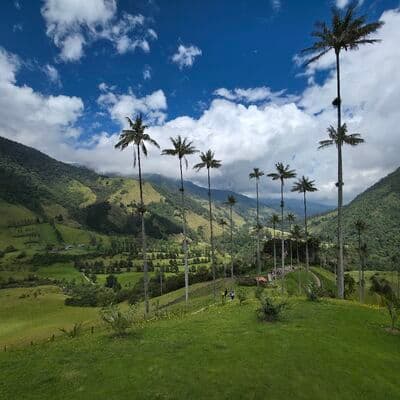
The Eje Cafetero, or Coffee Triangle, comprises the departments of Caldas, Risaralda, and Quindio in the central Andes. This region produces some of the world's finest coffee on steep hillsides covered with carefully tended plants. The landscape is extraordinarily beautiful: green mountains, traditional farms with colorful painted houses, wax palms stretching impossibly tall, and small towns that preserve traditional paisa architecture.
Salento has become the traveler hub of the region, a small town with colorful colonial architecture, a pleasant main square, and easy access to surrounding attractions. The town itself is walkable and charming, with artisan shops, restaurants, and a lively but not overwhelming tourist scene. From Salento, the two essential experiences are visiting coffee farms and hiking in the Valle de Cocora.
Coffee farm tours provide insight into the entire coffee production process, from seed to cup. You walk through the plantations, learn about growing conditions, harvesting, processing, and roasting, and of course, taste excellent coffee. These tours range from large commercial operations to small family farms, with the latter often providing more intimate and educational experiences. Understanding Colombian coffee cultivation gives you appreciation for why quality specialty coffee costs what it does.
The Valle de Cocora contains the tallest palm trees in the world: wax palms that reach sixty meters or more, rising from misty cloud forest hillsides. Hiking here feels like entering a fantasy landscape, with these improbable trees stretching toward the sky. The main trail loops through the valley and cloud forest, taking four to six hours depending on your pace and chosen route. Horses are available for those who want to cover ground faster or have mobility limitations.
The Pacific Coast
Colombia's Pacific coast remains one of the least visited and most fascinating regions of the country. Dense rainforest, some of the rainiest conditions on Earth, and limited infrastructure have kept this area off the main tourist circuits. However, this isolation preserves extraordinary biodiversity and Afro-Colombian cultures that have developed in relative isolation for centuries.
The main draws are whale watching from June through October, when humpback whales migrate to these warm waters to breed, and the unique cultural experiences of towns like Nuqui and Bahia Solano. Access is primarily by small aircraft from Medellin or Cali, as road infrastructure is minimal. The Pacific coast rewards adventurous travelers seeking experiences far from the beaten path, but requires acceptance of basic accommodations and unpredictable logistics.
The Amazon
Colombia's corner of the Amazon basin, centered on the city of Leticia at the triple border with Brazil and Peru, offers jungle experiences distinct from the more commonly visited Peruvian or Brazilian Amazon. The Colombian Amazon sees fewer visitors, which can translate to more authentic experiences and less pressure on guides to rush through crowded attractions.
From Leticia, you can visit indigenous communities, take boat trips on the Amazon River and its tributaries, spot pink river dolphins, fish for piranha, and stay in jungle lodges that range from basic to comfortable. The isolation of this region, only accessible by air or a long river journey, contributes to its appeal for travelers seeking genuine wilderness experiences.
The Islands
San Andres and Providencia lie in the Caribbean Sea, closer to Nicaragua than to the Colombian mainland. These islands are geographically and culturally distinct from continental Colombia, with English Creole-speaking Raizal communities, Caribbean architecture, and reggae influences alongside Colombian mainstream culture.
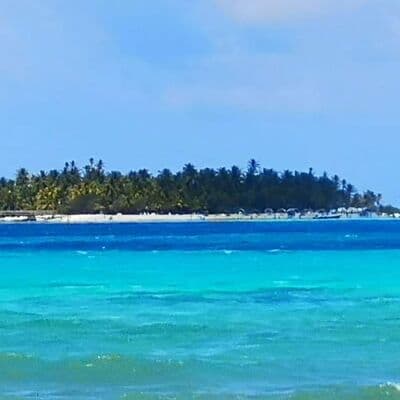
San Andres is more developed and touristy, with beaches, duty-free shopping, and package tourism infrastructure. The Seven Colors Sea surrounding the island displays remarkable color variations due to depth and sea floor composition, creating postcard-perfect blues ranging from turquoise to deep navy. Johnny Cay is a small island off the coast offering beach activities and the iconic Caribbean scenes.
Providencia, reached by boat or small plane from San Andres, is smaller, less developed, and significantly more charming. The island maintains more of its traditional character, with better preserved reefs for snorkeling and diving, and a pace of life that feels genuinely relaxed rather than resort-manufactured.
Other Regions Worth Noting
The Llanos Orientales, the eastern plains, offer wildlife experiences similar to the African savanna, with vast cattle ranches where capybaras, caimans, anacondas, and hundreds of bird species can be spotted. This region sees few tourists but provides exceptional nature experiences for those who make the journey.
The Santander region, centered on Bucaramanga and adventure sports capital San Gil, attracts visitors interested in rafting, paragliding, caving, and canyoning. The infrastructure for adventure tourism is well developed, making this an accessible option for adrenaline seekers.
Cali, Colombia's third-largest city, is the undisputed salsa capital of the world. While it has fewer conventional tourist attractions than Bogota or Medellin, travelers interested in dancing and nightlife find Cali irresistible. The salsa schools and clubs here are legendary, and the local enthusiasm for dancing is infectious.
Villa de Leyva in Boyaca department preserves colonial architecture in a dramatic setting, with one of the largest town squares in the Americas and surrounding desert landscapes that seem out of place in tropical Colombia. This makes an excellent weekend trip from Bogota.
Unique Experiences: What Makes Colombia Special
Beyond the standard tourist attractions, Colombia offers experiences that are difficult or impossible to replicate elsewhere. These unique opportunities often become the most memorable parts of any Colombian adventure.
Coffee Origin Experiences
While many countries grow coffee, Colombia has perfected the art of sharing this culture with visitors. The coffee farm experience here goes beyond generic plantation tours. You can participate in actual coffee picking during harvest season, roast beans over wood fire using traditional methods, and learn to taste coffee like a professional cupper. The smaller family farms offer intimate experiences where you meet the people whose livelihoods depend on each harvest, understanding coffee not just as a product but as a way of life that has shaped entire regions.
The geography of Colombian coffee production is itself remarkable. These farms cling to steep mountainsides at elevations between 1,200 and 2,000 meters, in conditions that produce slow bean development and the complex flavors that command premium prices. Walking through a coffee finca, you understand why Colombian arabica is distinct: the terroir of these Andean slopes is impossible to replicate elsewhere.
Transformational Urban Stories
The story of Comuna 13 in Medellin represents something profound about human resilience and community capacity for change. Taking a tour here is not poverty tourism or danger seeking. It is witnessing a neighborhood that has reclaimed itself through art, music, and social organization. Local guides share their personal experiences of violence and transformation, and the proceeds support community programs directly. The murals tell stories of displacement, conflict, and hope. The outdoor escalators that now move residents up the steep hillsides represent urban innovation in service of equity. This experience challenges assumptions about what communities can achieve.
Similarly, the broader Medellin story demonstrates that urban transformation at scale is possible. The public transport innovations, the library parks in formerly neglected neighborhoods, the cable cars connecting marginalized communities to opportunity, these represent exportable ideas that urban planners worldwide now study. Experiencing these systems as a visitor provides both practical transportation and insight into social transformation.
Lost City Trek
The journey to Ciudad Perdida offers something increasingly rare in modern tourism: a genuine adventure to an archaeological site of world importance that remains uncommercialized and challenging to reach. Unlike Machu Picchu, where you step off a train into crowds and infrastructure, Ciudad Perdida requires earning your arrival through four to six days of jungle trekking.
The trek passes through indigenous Kogi and Wiwa communities that maintain pre-Colombian traditions largely unchanged by centuries of external influence. These communities consider the Sierra Nevada sacred and themselves its guardians. With respect, you can observe lifeways that connect directly to the builders of Ciudad Perdida a millennium ago. The site itself, terraces carved into the mountainside and reclaimed from jungle, feels genuinely discovered rather than curated for visitors.
Whale Watching on the Pacific
Each year from June through October, humpback whales migrate from Antarctic feeding grounds to the warm waters off Colombia's Pacific coast to breed and birth their calves. The concentration of whales here is remarkable, and the infrastructure limitations mean viewing happens from small boats with few other tourists, in waters that feel genuinely wild.
Towns like Nuqui and Bahia Solano serve as bases for these experiences, and the journey to reach them is part of the adventure. Small planes land on basic runways surrounded by jungle. Accommodations are simple. The rainforest presses in from every direction. This context makes the whale encounters feel more meaningful than watching from large commercial vessels in more accessible locations.
Carnival and Festival Culture
Colombian festivals offer immersion in cultural traditions that go beyond entertainment into community identity. The Barranquilla Carnival, second only to Rio in scale, explodes with costumes, music, and dancing in the days before Lent. The Cali Fair in late December celebrates salsa music and culture with concerts, competitions, and citywide partying. The Medellin Flower Festival in August showcases elaborate flower arrangements carried down the streets on the backs of silleteros, farmers who have practiced this tradition for generations.
These events require planning, as accommodation fills up quickly and prices rise, but experiencing them connects you to Colombian culture in ways that regular tourism cannot match. The enthusiasm and participation of locals transforms visitors from observers into participants.
Indigenous Encounters
Colombia is home to over eighty indigenous groups, many of whom maintain distinct languages, traditions, and ways of life. Engaging respectfully with these communities offers perspectives fundamentally different from mainstream Colombian culture. The Kogi and other groups in the Sierra Nevada near Santa Marta are particularly accessible while maintaining strong traditional practices. The Wayuu of the Guajira Peninsula have distinctive crafts, particularly the famous mochilas bags, and a culture adapted to harsh desert conditions.
These interactions require sensitivity. Indigenous communities have experienced centuries of exploitation and marginalization. Tourism can provide economic support but also carries risks of commodification and disruption. Choosing operators that are indigenous-owned or have long-standing community relationships helps ensure these encounters are mutually beneficial.
Birdwatching Paradise
With more bird species than any other country, Colombia offers birdwatching opportunities that are unmatched globally. From Andean condors soaring over mountain passes to hundreds of hummingbird species around feeders, from toucans in the coffee region to macaws in the Amazon, the diversity is extraordinary. Specialized lodges and guides cater to serious birders, but even casual nature enthusiasts will encounter impressive avian diversity during their travels.
The San Agustin region in southern Colombia, known primarily for its archaeological sites, also provides excellent birding. The western slope of the Andes descending to the Pacific coast concentrates biodiversity in accessible locations. Even urban parks in Bogota and Medellin support significant bird populations. Colombia has invested in positioning itself as a birding destination, with infrastructure and trained guides to support this niche but passionate market.
When to Visit Colombia: Climate, Seasons, and Timing
Colombia's proximity to the equator means it lacks the dramatic seasonal changes of temperate countries. However, this does not mean weather is irrelevant to planning. Understanding regional climate patterns helps you pack appropriately and set realistic expectations for your experiences.
The Dry and Rainy Season Framework
Most of Colombia operates on a pattern of dry seasons from December through March and June through September, with rainy periods in between. However, this generalization requires significant regional nuance. The Caribbean coast has a more distinct dry season, while the Pacific coast is wet essentially year-round. Andean cities can see afternoon rain almost any month. The Amazon has its own patterns tied to river levels rather than simple rainfall.
For most travelers visiting a range of regions, December through March offers the most reliably dry conditions. This period coincides with Northern Hemisphere winter, making Colombia an appealing escape for American and European visitors. However, this is also peak season for tourism and Colombian domestic travel, meaning higher prices and more crowds, particularly during Christmas and New Year holidays and during Semana Santa around Easter.
Regional Climate Considerations
The Caribbean coast, including Cartagena and Santa Marta, is hot year-round, typically thirty degrees Celsius or above. The dry season from December through April offers the most comfortable conditions, with less humidity and more reliable sunshine. Even in rainy season, storms are often brief afternoon downpours that do not prevent activities. The worst time is typically October and November, when extended rains can be disruptive.
Bogota has a cool climate year-round due to altitude, typically fifteen to twenty degrees Celsius during the day, cooler at night. The driest months are December through February and June through August. However, Bogota rain tends to be afternoon drizzle rather than tropical downpours, so early sightseeing often stays dry regardless of season. Pack layers for Bogota; it is genuinely cold by tropical standards, and heating in buildings is minimal.
Medellin and the Coffee Region enjoy spring-like conditions year-round, with temperatures around twenty-two to twenty-eight degrees Celsius and generally comfortable humidity. The driest periods are December through February and June through September. Even rainy periods here are mild compared to coastal areas, with the pleasant climate being one of Medellin's major appeals.
The Pacific coast receives some of the highest rainfall on Earth, making wet conditions essentially guaranteed regardless of when you visit. The whale watching season from June through October provides a specific reason to accept these conditions. Otherwise, this region requires embracing rather than avoiding rain.
The Amazon is hot and humid year-round. River levels are highest from December through June, which affects the types of activities possible. Lower water periods allow for jungle walks, while high water enables deeper boat exploration of flooded forest. Neither is inherently better; they simply offer different experiences.
Festival and Event Timing
If festivals interest you, timing your visit accordingly enhances your experience significantly. The Barranquilla Carnival occurs in February or early March, approximately forty-six days before Easter. The Cali Fair takes place the last week of December. The Medellin Flower Festival happens in early August. Cartagena's Independence Day celebrations on November 11 bring street parties and events. Planning around these occasions adds cultural dimension but requires advance booking.
Practical Timing Recommendations
For a general trip covering multiple regions, December through February and July through August offer the best overall conditions. June and September can be good compromises with fewer crowds while conditions remain reasonable. October and November are the wettest months in most regions and represent off-season pricing and availability.
Allow flexibility in your itinerary regardless of when you visit. Colombian weather can be unpredictable, and having backup plans or the ability to rearrange days allows you to maximize good conditions when they appear. Trekking activities like Ciudad Perdida should be scheduled for periods most likely to have reasonable trail conditions, typically the drier months.
Getting to Colombia: Flights and Entry Requirements
Colombia is remarkably accessible from North America and increasingly well-connected from Europe. Understanding your options for getting there, along with visa and entry requirements, allows you to plan your arrival smoothly.
Main International Gateways
Bogota's El Dorado International Airport serves as the primary international hub, with the most flight options from the United States, Canada, and Europe. The airport has been modernized in recent years and handles the majority of international arrivals. Clearing immigration can be slow during peak arrival times, so factor at least ninety minutes for connections or plan to spend your first night in Bogota if arriving late.
Cartagena's Rafael Nunez Airport receives direct flights from Miami, Fort Lauderdale, New York JFK, and occasionally other US cities, plus some seasonal European connections. Flying directly into Cartagena saves time if the Caribbean coast is your primary destination, though flight options are more limited than Bogota.
Medellin's Jose Maria Cordova Airport has grown significantly as an international gateway, with direct flights from Miami, Fort Lauderdale, New York, and some other US cities. The airport is located about forty-five minutes from the city center, so factor this into your arrival planning.
Flight Options from the United States
From the US, you have extensive options for reaching Colombia. American Airlines operates from Miami with multiple daily flights to Bogota, Medellin, and Cartagena, making Miami the most flexible US gateway. United flies from Houston and Newark. Delta connects from Atlanta. Spirit and JetBlue offer lower-cost options from Fort Lauderdale and other Florida airports. Avianca, Colombia's flag carrier, operates flights from various US cities through its alliance with United.
Flight times from the eastern US are typically three to five hours to Colombian destinations. Prices vary enormously based on season, advance booking, and routing, but expect anywhere from three hundred to eight hundred dollars round-trip from major US cities when booking reasonably in advance. Set price alerts for your desired dates, as sales occur regularly.
Flight Options from Canada and Europe
Air Canada connects Toronto directly to Bogota. From other Canadian cities, connections through US hubs are typically required. European options have expanded significantly, with direct flights from Madrid, Paris, Amsterdam, London, and Frankfurt to Bogota on various carriers. Flight times from Europe are ten to twelve hours. From the UK, Avianca's London Gatwick to Bogota route provides direct service, while other carriers route through European hubs or the US.
Visa and Entry Requirements
Citizens of the United States, Canada, the United Kingdom, the European Union, Australia, and most other Western countries do not require visas for tourist visits to Colombia. Upon arrival, you receive a stamp allowing ninety days of stay. This can be extended by another ninety days at the Colombian immigration office, though the process requires paperwork and fees.
Your passport must be valid for at least six months beyond your planned departure from Colombia. You may be asked to show proof of onward travel, either a return flight or onward ticket to another country. Immigration officers generally do not scrutinize American or European tourists heavily, but having documentation in order prevents potential issues.
There is no visa fee or tourist card required, unlike some Caribbean destinations. You simply present your passport, receive a stamp, and proceed. The process is straightforward for the nationalities mentioned, though lines can be long during peak arrival times.
Health Requirements
Yellow fever vaccination is officially required for travelers coming from certain countries in Africa and South America where yellow fever is endemic. If arriving directly from the US, Canada, or Europe, vaccination is not technically required for entry into Cartagena, Bogota, Medellin, or the Coffee Region.
However, yellow fever vaccination is required for visiting certain Colombian regions, including parts of the Amazon and some national parks in lower-altitude areas. If your itinerary includes these areas, get vaccinated at least ten days before travel. The certificate is valid for life, so getting it now covers future travels as well. Even if not required for your specific itinerary, some travelers choose vaccination for additional protection.
Customs and Arrival Procedures
Colombian customs allows reasonable personal effects and gifts. Duty-free allowances include two hundred cigarettes and two liters of alcohol. Declaring cash over ten thousand US dollars is required. Avoid any involvement with drugs, even amounts that might seem insignificant; Colombian drug laws apply to foreigners and penalties are severe.
Upon arrival, you clear immigration first, then collect luggage, then pass through customs. The customs process is usually straightforward, with many travelers passing through a green "nothing to declare" channel. Occasionally, bags are selected for inspection; comply cooperatively if this occurs.
Airport taxis and transportation options are discussed in the transport section, but briefly: do not accept offers from random people in arrival halls. Use official taxi counters or pre-arranged transportation.
Getting Around Colombia: Transportation Options
Navigating Colombia requires understanding the various transportation options available and choosing appropriately based on your destinations, budget, time constraints, and comfort requirements. The country has good internal connectivity, though distances can be longer than maps suggest due to mountainous terrain.
Domestic Flights
For covering long distances efficiently, domestic flights are often the best option. Avianca dominates the domestic market but faces competition from LATAM, Viva Air (now merged with Avianca), and smaller regional carriers. Prices are generally reasonable, often between fifty and one hundred fifty dollars for major routes when booked in advance.
Key routes like Bogota to Cartagena, Bogota to Medellin, and Medellin to Cartagena operate multiple times daily. Smaller destinations have less frequent service. Book early for the best prices, especially during holiday periods when Colombians travel domestically in large numbers.
Be aware that Colombian domestic flights can be affected by weather, particularly in mountainous regions or when flying to smaller airports. Build flexibility into your schedule for connections, and avoid booking same-day international connections after domestic flights.
Long-Distance Buses
Colombia has an extensive bus network connecting virtually every town and city in the country. Bus quality ranges from basic to quite comfortable, with the major inter-city routes operating modern buses with air conditioning, reclining seats, and sometimes even WiFi and entertainment systems. Companies like Bolivariano, Expreso Brasilia, and Copetran operate premium services on major routes.
Bus travel is significantly cheaper than flying. The Bogota to Medellin route takes about eight to ten hours by bus versus one hour by plane, but costs perhaps fifteen to thirty dollars versus fifty to one hundred by air. The scenic mountain roads offer views you would miss from the air, and the experience of bus travel connects you to how most Colombians move around their country.
Overnight buses make sense for some routes, particularly when trying to maximize daytime activities. The buses have beds that recline nearly flat on premium services. However, be realistic about sleep quality while moving over mountain roads. The bus terminals in major cities can be hectic; keep belongings secure and be wary of scams targeting obvious tourists.
For shorter distances and regional travel, smaller buses and colectivos provide frequent service. These might be less comfortable but offer flexibility and local character. In the Coffee Region, classic Willys Jeeps transport passengers up mountain roads in a distinctively Colombian experience.
Ride-Sharing Apps
Uber operates in Bogota, Medellin, and other major cities, though its legal status has been contested. The app works normally, and many travelers use it without issues. Didi has also entered the Colombian market. These apps provide the usual benefits: transparent pricing, driver accountability, and navigation in unfamiliar cities.
InDriver operates on a negotiation model where you propose a price and drivers accept, reject, or counter. This can produce savings over standard Uber pricing but requires more engagement. Local app Picap provides motorcycle taxi service, which can navigate traffic much faster but obviously involves different safety considerations.
These services are particularly valuable when arriving at airports or bus stations, where you might otherwise face inflated prices or uncertainty about fair rates. Having apps already downloaded and set up before arrival streamlines these transitions.
Taxis
Traditional taxis remain common throughout Colombia. Bogota taxis are required to use meters, which work reasonably well, though confirming the meter is running at the start of the ride is worthwhile. In other cities, negotiating fares beforehand is often necessary. Yellow taxis are the standard, though radio-dispatch services and app-based taxi services provide additional security.
At airports and in tourist areas, taxi scams targeting foreigners do exist. Using official taxi stands at airports, having your hotel arrange pickup, or using app-based services avoids most problems. When using street taxis, have an approximate idea of what fares should be for your route.
Metro and Public Transit
Medellin boasts the only metro system in Colombia, a source of local pride that has become a symbol of the city's transformation. The system is clean, efficient, and remarkably safe. It connects with the Metrocable lines that ascend to hillside neighborhoods and up to Parque Arvi. Using the metro is both practical transportation and a way to experience Medellin's urban innovation.
Bogota lacks a metro, though one is under construction. The TransMilenio bus rapid transit system serves as the primary public transportation, operating dedicated bus lanes with station platforms similar to metro systems. It is efficient for covering long distances but extremely crowded during rush hours. Newer integrated SITP buses cover routes throughout the city. A reloadable TuLlave card works across these systems.
Other Colombian cities have various bus systems of different quality and organization. Learning local public transit takes some effort but saves money and provides authentic experiences of daily Colombian life.
Renting Cars
Renting a car makes sense for some Colombian itineraries, particularly in the Coffee Region where having your own transportation enables exploration of smaller towns and farms at your own pace. Major international rental companies operate in Colombia, along with local competitors that may offer lower prices.
However, driving in Colombian cities is challenging. Traffic is aggressive, navigation is confusing, and parking is difficult and potentially risky. The cost advantages of having a car diminish when you factor parking fees and the stress of urban driving. For most travelers, using cars only for rural exploration while relying on taxis and apps in cities is the optimal approach.
Colombian driving requires an international driving permit along with your home country license. Insurance coverage should be carefully reviewed and supplemented if necessary. Be aware that police checkpoints are common, particularly on highways, and you should always have documentation accessible.
Boats
Boat transportation is essential for some Colombian destinations. Reaching the Rosario Islands from Cartagena requires boats, either tourist boats for day trips or smaller boats for independent travel. In the Amazon, rivers are the primary highways. The Pacific coast communities often have water access as the main option.
From Cartagena to the San Blas Islands in Panama and onward to Panama City, sailboat passages offer an adventure route that has become popular with backpackers. These typically take four to five days and cost around five hundred to seven hundred dollars including meals and island stops. Book through established operators for safety.
Colombian Culture: Understanding Your Host Country
Engaging meaningfully with Colombian culture enhances your travel experience beyond simple sightseeing. Understanding local customs, social norms, and the context shaping contemporary Colombia helps you connect more authentically with the country and its people.
Regional Identities
Colombians strongly identify with their regional origins, and understanding these distinctions helps you read social dynamics. Paisas from the Antioquia region around Medellin are known for their entrepreneurial spirit, distinctive accent, and regional pride. Costeños from the Caribbean coast are stereotyped as more relaxed and musically inclined. Rolos from Bogota are often characterized as more formal and business-oriented. Caleños from Cali are synonymous with salsa dancing. These stereotypes are generalizations, but Colombians reference them constantly in humor and conversation.
Regional rivalries exist but are mostly good-natured. Football allegiances, accent differences, and culinary debates provide material for endless jokes. Showing awareness of these regional distinctions demonstrates cultural engagement that Colombians appreciate.
Social Warmth and Hospitality
Colombian hospitality is genuine and deep. Invitations to homes, offers of help, and general friendliness toward visitors reflect cultural values rather than individual exceptional kindness. Accepting this hospitality graciously strengthens connections, while reflexively declining can seem cold.
Physical affection is more common than in Anglo cultures. Greetings typically involve a kiss on the cheek between men and women or women and women, and close embraces between men. Personal space is smaller, and physical touch in conversation is normal. Adjusting to these norms helps you fit in socially.
Time operates more flexibly than visitors from punctual cultures might expect. Social events typically start late, and schedules are suggestions rather than commitments. Patience and flexibility serve you well. However, business appointments and transportation schedules do operate more punctually.
Religion and Traditions
Colombia is predominantly Catholic, though evangelical Protestantism has grown significantly. Religious practice varies from devout to nominal, but Catholic cultural touchstones remain important. Semana Santa before Easter involves elaborate processions and family gatherings. Christmas season extends through early January, climaxing with the arrival of the Three Kings. Religious imagery and practices are visible throughout daily life.
Traditional family structures remain influential. Multi-generational households are common. Sunday family gatherings are important social events. Family obligations take precedence over other commitments in ways that might surprise visitors from more individualistic cultures.
The Shadow of Violence
Colombia's recent history of armed conflict, drug trafficking, and violence is recent enough that most adults lived through the worst periods. This history shapes contemporary culture in complex ways. There is determination to move forward and reluctance to dwell on dark times, but the experiences are not forgotten.
Pablo Escobar and narco-culture more broadly remain sensitive topics. While tours and experiences related to this history are available, particularly in Medellin, approaching them with appropriate solemnity rather than dark tourism excitement shows respect. Colombians have complicated feelings about international fascination with this painful period.
The peace process with FARC and ongoing challenges with other armed groups remain relevant political topics. Visitors need not avoid these subjects, but listening more than opining demonstrates appropriate humility about complex domestic issues.
Language and Communication
Spanish is essential for deep engagement with Colombian culture, though tourist industry workers increasingly speak English. Colombian Spanish is generally considered clear and relatively neutral, making it good for language learners. The country has become a popular destination for Spanish immersion programs.
Regional accents vary significantly. Coastal accents can be challenging for Spanish learners due to dropped consonants and rapid delivery. Paisa accent from Medellin has distinctive features including the use of "vos" instead of "tu" for informal second person. Bogota Spanish is often considered the most neutral.
Even basic Spanish effort earns appreciation and opens doors. Learning greetings, numbers, food vocabulary, and polite phrases significantly enhances daily interactions. Google Translate or similar apps help bridge gaps but cannot replace actual language knowledge for meaningful exchange.
Music and Dance
Music permeates Colombian life. Cumbia, vallenato, salsa, reggaeton, champeta, and numerous other genres provide the soundtrack to different regions and settings. Dancing is expected at social gatherings, and competence on the dance floor is socially valued. Do not expect to sit out at celebrations.
Salsa dancing reaches its peak in Cali, but salsa bars and dancing exist throughout the country. Learning basic steps before your trip, or taking lessons during your visit, allows participation in this essential cultural practice. Colombians are generally welcoming of beginners attempting to dance, and the process of learning provides social connections.
Vallenato from the Caribbean coast tells stories through accordion-driven melodies and is inscribed on UNESCO's Intangible Cultural Heritage list. Cumbia's rhythms underpin much Colombian popular music. Understanding these musical traditions adds depth to your experience.
Coffee Culture
Despite producing some of the world's finest coffee, Colombian coffee culture has historically emphasized export over domestic consumption. The best beans were shipped abroad while lower grades stayed home. This is changing, with a specialty coffee movement growing in major cities and the Coffee Region.
Traditional Colombian coffee is "tinto," a small, sweet, often weak cup that functions as a social lubricant throughout the day. Modern cafes now serve high-quality preparations that showcase the potential of local beans. Visiting coffee farms provides context for understanding this evolution and the craft behind quality coffee production.
Safety in Colombia: Honest Assessment and Practical Advice
Safety is the topic that most concerns visitors considering Colombia, and it deserves honest treatment rather than either fear-mongering or dismissive reassurance. The reality is that Colombia has transformed dramatically and is safer for tourists than its reputation suggests, while not being without risk.
The Security Transformation
Twenty years ago, Colombia was genuinely dangerous for travelers. Kidnapping for ransom, guerrilla activity affecting tourist areas, urban violence at extreme levels, and unpredictable security situations made travel risky. This is no longer the case. The peace process with FARC, improved police presence in tourist areas, and general societal stabilization have changed the picture dramatically.
Major tourist destinations like Cartagena, Bogota, Medellin, the Coffee Region, and Santa Marta are generally safe for visitors exercising normal precautions. You can walk around tourist areas, take public transportation, and explore independently without unusual concern. The crime that affects tourists is overwhelmingly petty theft rather than violent attack.
Realistic Risks
Petty theft is the primary risk for visitors. Phone snatching, pickpocketing, and opportunistic theft of visible valuables occur in Colombian cities as in any urban environment. Do not display expensive jewelry, keep phones secure, watch bags in crowded areas, and avoid obviously flashing wealth.
Scams targeting tourists exist. Fake police demanding to see cash or inspect belongings are a known issue, particularly in Bogota. Real police do not need to see your money or search your bag on the street. Overfriendly strangers offering drinks that turn out to be drugged, then robbing victims, occur rarely but seriously. Accept drinks only from sources you control.
Certain neighborhoods in major cities remain dangerous and should be avoided. Tourist areas in Bogota, Medellin, Cartagena, and elsewhere are generally safe, but wandering into unknown areas without local knowledge carries risk. Ask locally about neighborhood safety before exploring widely.
Some rural areas, particularly near Venezuelan border regions and in certain departments with ongoing security issues, are genuinely problematic. These are not tourist destinations and do not affect normal travel itineraries, but avoid them deliberately.
Practical Safety Measures
Use official transportation, especially at airports and bus stations. Pre-arranged hotel pickups or app-based services are safer than accepting random offers. At night, take taxis or ride-shares rather than walking, even in relatively safe areas.
Keep copies of important documents separate from originals. Leave passports in hotel safes when not needed, carrying copies instead. Split money and cards between different locations so losing one does not leave you stranded.
Be cautious with ATM use, preferring machines inside banks or shopping centers over street-side locations. Be aware of surroundings when withdrawing cash. Cover your PIN entry.
Do not buy or use illegal drugs. Beyond the obvious legal risks, the black market for drugs in Colombia involves dangerous people and situations. The romantic notion of sampling cocaine in the country that produces it ignores serious practical risks including tainted products, police involvement, and criminal exposure. This advice is practical, not moralistic.
Trust your instincts. If a situation feels wrong, remove yourself. Colombians are genuinely friendly, and most interactions are exactly what they appear. But unusual situations that feel uncomfortable deserve attention.
Women Travelers
Solo women travelers can and do visit Colombia successfully, though awareness of machismo cultural elements is relevant. Catcalling occurs but is usually not threatening. Unwanted attention in nightlife settings requires firmness in declining. Having a "boyfriend" to reference, real or fictional, provides a socially acceptable way to deflect persistent approaches.
The same precautions apply more intensely: avoid walking alone at night, be careful with drink security, and maintain awareness in unfamiliar settings. Women-only tours and female travel groups active in Colombia provide alternatives if solo travel feels uncomfortable.
Overall Assessment
The statistical reality is that most tourists visit Colombia without incident. The country depends economically on tourism and has invested heavily in visitor safety. Using reasonable precautions, staying in tourist areas, and avoiding obviously risky behavior allow for enjoyable, safe travel.
The reward-to-risk ratio in Colombia is excellent. The security concerns are manageable with awareness, while the experiences available are extraordinary. Do not let outdated perceptions prevent you from discovering this remarkable country.
Health Considerations: Staying Well During Your Trip
Maintaining your health during Colombian travel requires some preparation and awareness but is generally straightforward. The healthcare system in major cities is modern and capable, and most health issues visitors encounter are minor inconveniences rather than serious problems.
Vaccinations and Preventive Measures
Consult a travel medicine specialist four to six weeks before departure for personalized recommendations. Standard advice typically includes ensuring routine vaccinations are current and considering hepatitis A and typhoid vaccinations given food and water exposure possibilities. Yellow fever vaccination is required for certain regions as discussed in the entry requirements section.
Malaria exists in some low-altitude rural areas, including parts of the Amazon, Pacific coast, and certain other regions. It is not present in major cities, the Coffee Region, or the Caribbean coast's main tourist destinations. If your itinerary includes malaria zones, antimalarial medication may be recommended. Dengue fever, transmitted by daytime-biting mosquitoes, is present throughout lower-altitude Colombia. Prevention through insect repellent and protective clothing is the main strategy.
Food and Water Safety
Tap water in major Colombian cities is officially potable, but drinking bottled water avoids any concern. Ice in tourist-oriented restaurants is typically made from purified water and is safe. Street food is generally fine when it is freshly prepared and visibly popular with locals. Avoid raw preparations unless you have confidence in the source.
Traveler's diarrhea occurs but is not unusually common in Colombia compared to other developing world destinations. Bringing basic remedies like loperamide allows quick response if needed. Staying hydrated is important if symptoms occur.
The abundant fresh fruit and juice culture in Colombia is wonderful, but be aware that some preparations may include water or ice. Asking about preparation methods is reasonable if concerned.
Altitude Considerations
Bogota sits at 2,640 meters elevation, high enough for altitude effects. Many visitors feel breathless, tired, or headachy for the first day or two. Taking it easy upon arrival, staying hydrated, avoiding alcohol the first day, and allowing acclimatization time helps manage these effects. Serious altitude sickness is rare at this elevation but can occur in susceptible individuals.
If you plan to visit higher elevations, such as the paramo ecosystems above 3,500 meters, additional acclimatization may be needed. Symptoms of serious altitude sickness include severe headache, nausea, disorientation, and difficulty breathing. Descending to lower altitude is the treatment.
Sun and Heat
Colombia's equatorial position means intense sun exposure, particularly at elevation where UV is stronger and temperature may not feel hot. Liberal sunscreen use, protective clothing, and awareness of exposure prevent burns. On the Caribbean coast and in lowland areas, heat and humidity require hydration attention and appropriate pacing of activities.
Healthcare Access
Private healthcare in Colombia's major cities is modern and capable. English-speaking doctors are available in tourist areas and at private hospitals. The costs are significantly lower than in the United States, making out-of-pocket payment manageable for minor issues.
Travel insurance with medical coverage is essential. Policies should include emergency evacuation coverage in case of serious injury or illness requiring repatriation. Verify that adventure activities you plan, such as the Ciudad Perdida trek, are covered under your policy.
Pharmacies are abundant and pharmacists can provide basic advice and medications for common issues. Many medications available only by prescription in the US or Europe can be purchased directly in Colombian pharmacies.
Money Matters: Currency, Costs, and Financial Practicalities
Understanding Colombian finances helps you budget appropriately and handle daily transactions smoothly. The good news is that Colombia offers excellent value for visitors with dollars, pounds, or euros, while having modern financial infrastructure in urban areas.
The Colombian Peso
Colombia uses the peso, abbreviated COP or represented by the $ symbol, which can confuse visitors expecting dollar signs to mean dollars. As of 2024, exchange rates fluctuate around 3,800-4,200 pesos per US dollar, though rates vary. The large numbers take adjustment. A thousand pesos is about twenty-five cents. Twenty thousand pesos is about five dollars.
Bills come in denominations of two thousand, five thousand, ten thousand, twenty thousand, fifty thousand, and one hundred thousand pesos. Coins exist in smaller denominations and are used for minor transactions. Getting comfortable with the zeros takes a few transactions but becomes natural quickly.
Accessing Money
ATMs are abundant in Colombian cities and accept international cards on the Visa, Mastercard, and Plus/Cirrus networks. Withdrawal limits per transaction vary but are typically around three hundred to four hundred dollars equivalent. ATM fees exist, both from your home bank and from Colombian banks, so withdrawing larger amounts less frequently minimizes costs.
Credit cards are widely accepted in tourist areas, hotels, upscale restaurants, and larger stores. Visa and Mastercard have the broadest acceptance. American Express is less commonly accepted. Smaller establishments, street vendors, and local restaurants outside tourist zones often operate cash-only.
Exchanging US dollars cash is straightforward at banks and exchange houses throughout tourist areas. Rates are reasonable, with exchange houses sometimes offering slightly better rates than banks. Euros and pounds can also be exchanged but with fewer options and sometimes worse rates. Carrying some US dollar cash as backup provides security against ATM problems.
Budgeting Your Trip
Budget travelers can manage on thirty to fifty dollars per day, staying in hostels, eating at local restaurants, and using public transportation. This allows comfortable but not luxurious travel with room for occasional splurges.
Mid-range travel, with private rooms in comfortable hotels, restaurant meals, guided tours, and occasional domestic flights, runs seventy-five to one hundred fifty dollars per day. This level provides excellent quality experiences without significant sacrifice.
Luxury travelers staying in top hotels, eating at fine dining restaurants, and using private transportation find their budgets stretch much further than in developed countries. Two hundred to three hundred dollars per day buys exceptional experiences.
Sample costs: hostel dorm bed eight to fifteen dollars; mid-range hotel room thirty to seventy dollars; budget meal at local restaurant three to five dollars; nice restaurant meal ten to twenty dollars; coffee at cafe one to three dollars; domestic flight fifty to one hundred fifty dollars; guided day tour twenty to fifty dollars; taxi ride across town five to ten dollars.
Tipping Practices
Tipping culture in Colombia is less aggressive than in the United States. Restaurants often add a ten percent service charge, which you can accept or decline when paying. If service charge is not included, leaving five to ten percent is appropriate for good service. Tipping beyond included service charges is appreciated but not expected.
Tour guides expect tips, typically ten to twenty percent of tour cost depending on quality and group size. Hotel bellhops, taxi drivers, and other service providers appreciate small tips but do not expect them. Tipping in pesos is generally preferred over dollars.
Bargaining
Fixed prices are standard in stores and restaurants. Bargaining is appropriate at markets, for crafts from street vendors, and sometimes for tour services booked directly. The negotiation style is relaxed rather than aggressive. Starting at sixty to seventy percent of asking price and meeting somewhere in the middle is typical for market purchases.
Be realistic about the amounts involved. Negotiating fiercely over what amounts to a dollar difference, significant to the vendor but trivial to you, is both inefficient and somewhat disrespectful. Bargaining should feel like a game both parties enjoy rather than an adversarial struggle.
Suggested Itineraries: Making the Most of Your Time
Colombia's size and diversity make planning challenging. These itineraries provide starting frameworks for different trip lengths, which you can adjust based on your interests and travel style.
Seven Days: Colombian Highlights
A week in Colombia requires focusing on one region or accepting significant time in transit. For most first-time visitors, the Cartagena plus Coffee Region combination provides strong variety while remaining manageable.
Days 1-3: Cartagena and Surroundings
Arrive in Cartagena and spend your first day recovering from travel while exploring the Walled City. Walk the narrow streets, admire colonial architecture, and get oriented. Have dinner at a restaurant in the historic center.
Day two, visit the Castillo San Felipe de Barajas in the morning when temperatures are more manageable. Spend the afternoon exploring Getsemani, seeing street art, and finding local food. Evening, enjoy the nightlife scene in Getsemani or the more upscale bars in the walled city.
Day three, take a boat trip to the Rosario Islands for beach time, snorkeling, and a taste of Caribbean island life. Return to Cartagena for your final evening on the coast.
Days 4-5: Coffee Region
Fly to Armenia or Pereira and transfer to Salento. Spend your first afternoon in town, walking the colorful streets, checking out artisan shops, and enjoying the mountain atmosphere. Consider a sunset viewpoint hike.
Day five, take a morning trip to the Valle de Cocora to hike among the world's tallest palm trees. In the afternoon, visit a coffee farm for a tour and tasting. The combination of physical activity and cultural learning makes for a full day.
Days 6-7: Medellin
Transfer to Medellin and spend day six exploring the city. Visit Comuna 13 with a local guide to understand the city's transformation. See Plaza Botero and the downtown area. Ride the Metrocable for aerial views.
Day seven, explore El Poblado neighborhood or visit the Botanical Garden before your departure flight. Fly out from Medellin to your next destination or home.
Ten Days: Deeper Exploration
With ten days, you can cover more ground while maintaining reasonable pace. Adding Bogota provides the capital city experience and cultural richness.
Days 1-3: Bogota
Begin in Bogota to adjust to altitude and explore the capital. Day one, focus on La Candelaria, visiting the Gold Museum and Botero Museum. Walk to Plaza de Bolivar for the historic heart of the city.
Day two, take the funicular up Monserrate for panoramic views over the city. Explore the markets of Paloquemao or Usaquen, depending on the day. Evening, experience Bogota's dining and nightlife scene.
Day three, explore different neighborhoods like Chapinero or visit day trip destinations such as Zipaquira's salt cathedral or Villa de Leyva. Fly to the Caribbean coast in the evening.
Days 4-6: Cartagena
Follow the Cartagena three-day itinerary described above, exploring the walled city, Getsemani, the fortress, and the islands.
Days 7-8: Coffee Region
Fly to the Coffee Region and base yourself in Salento. Hike the Valle de Cocora and visit coffee farms over these two days.
Days 9-10: Medellin
Transfer to Medellin for city exploration. Visit Comuna 13, the Metrocable system, and consider a day trip to Parque Arvi or Guatape. Depart from Medellin.
Fourteen Days: Comprehensive Colombia
Two weeks allows you to add the Santa Marta region's natural attractions, creating a trip that covers Colombia's major highlights with breathing room.
Days 1-3: Bogota
Begin in the capital following the three-day itinerary above, allowing proper acclimatization and cultural immersion.
Days 4-6: Santa Marta Region
Fly to Santa Marta for nature-focused days. Day four, visit Tayrona National Park for a full day of hiking and beach time. The park requires at least a full day to appreciate, and overnight stays inside the park allow even better experiences.
Day five, either continue in Tayrona or explore Minca, a mountain village above Santa Marta with coffee farms, waterfalls, and bird-rich forests. Day six, relax, recover, and prepare for the next leg.
Days 7-9: Cartagena
Travel to Cartagena by bus or shuttle for the colonial city experience. Explore the Walled City, Getsemani, Castillo San Felipe, and the Rosario Islands over these days.
Days 10-11: Coffee Region
Fly to the Coffee Region for Salento, the Valle de Cocora, and coffee farm experiences.
Days 12-14: Medellin
Conclude in Medellin with comprehensive city exploration. Visit Comuna 13, Plaza Botero, the Botanical Garden, ride the Metrocable to Parque Arvi, and consider a day trip to colorful Guatape. Depart from Medellin.
Twenty-One Days: The Complete Colombian Adventure
Three weeks allows addition of the Ciudad Perdida trek and possibly the Caribbean islands, creating a truly comprehensive experience.
Days 1-3: Bogota
Deep exploration of the capital including museums, neighborhoods, markets, and day trips to surrounding attractions like Zipaquira or Villa de Leyva.
Days 4-8: Santa Marta and Ciudad Perdida
Base in Santa Marta or nearby and undertake the four to six day trek to Ciudad Perdida. This challenging but rewarding adventure takes you through the jungle to one of South America's most important archaeological sites. Build in a rest day before and after the trek.
Days 9-10: Tayrona
After recovering from Ciudad Perdida, spend relaxed time in Tayrona National Park for beach recovery and more accessible nature experiences.
Days 11-13: Cartagena
Travel to Cartagena for the colonial city experience, following the standard three-day exploration.
Days 14-16: San Andres
Fly to San Andres for Caribbean island time. Explore the island, snorkel in the Seven Colors Sea, visit Johnny Cay, and relax on beaches. Consider a day trip to Providencia if logistics allow.
Days 17-18: Coffee Region
Fly to the Coffee Region for Salento, the Valle de Cocora, and coffee experiences.
Days 19-21: Medellin
Conclude with comprehensive Medellin exploration including Comuna 13, Metrocable rides, Parque Arvi, Guatape day trip, and city neighborhoods.
Alternative Itinerary Options
Adventure Focus: Prioritize Ciudad Perdida trek, Valle de Cocora hiking, Tayrona backpacking, and adventure activities in San Gil (white water rafting, caving, paragliding). Skip Cartagena in favor of more time in nature.
Cultural Immersion: Spend more time in Bogota including Spanish language classes. Add Cali for salsa dancing experience. Include festival timing if possible. Reduce nature activities in favor of urban exploration and local connection.
Pacific Coast Addition: During whale season (June through October), substitute Pacific coast whale watching for some Caribbean time. Fly to Nuqui or Bahia Solano for a unique wilderness experience.
Amazon Addition: Replace San Andres islands with Leticia and the Amazon for jungle lodge experience, pink dolphin spotting, and indigenous community visits. This substitution requires additional transit time.
Staying Connected: Internet, Phones, and Communication
Staying connected while traveling Colombia is straightforward in urban areas, though rural regions present challenges. Planning your communication strategy before arrival saves hassle.
Mobile Phone Options
The simplest solution for most visitors is purchasing a local SIM card upon arrival. Claro, Movistar, and Tigo are the main carriers, with Claro generally having the best coverage, including in rural areas. SIM cards are available at airport kiosks, phone stores throughout cities, and many convenience stores.
Bringing an unlocked phone from home allows you to simply swap SIMs. If your phone is carrier-locked, check before travel or consider purchasing an inexpensive unlocked phone for travel use. eSIM options are also becoming available for those with compatible devices.
Prepaid data packages are affordable, with a month of reasonable data usage costing perhaps ten to twenty dollars. Top-ups are available at convenience stores and through mobile apps. Having local phone capability is valuable for ride-sharing apps, navigation, restaurant reservations, and general communication.
WiFi Availability
WiFi is widely available in Colombian hotels, hostels, cafes, and restaurants. Quality varies from excellent to frustrating, with the usual caveats about peak time slowdowns and inconsistent connections. In major cities, connectivity is generally reliable. In smaller towns and rural areas, expect limitations.
Coworking spaces have proliferated in Medellin, Bogota, and other cities that attract digital nomads. If you need reliable work-quality internet, these spaces provide better options than cafe WiFi.
International Calling
With data connectivity, apps like WhatsApp, Telegram, and Skype provide free or cheap international communication. WhatsApp is essentially universal in Colombia for both messaging and voice calls. Having this installed and functional before arrival allows communication with hotels, guides, and new friends made during travel.
Traditional international calling from Colombian phones is possible but expensive and rarely necessary given app options.
Rural and Remote Connectivity
Some Colombian destinations have limited or no cell service. The Ciudad Perdida trek, some Pacific coast areas, parts of the Amazon, and remote national parks may have no connectivity. Plan accordingly by downloading offline maps, notifying family of communication gaps, and accepting some digital disconnection as part of the adventure.
Colombian Cuisine: A Delicious Journey Through Regional Flavors
Colombian food has historically received less international recognition than the cuisines of neighboring Peru or Mexico, but this is changing. The country's regional diversity creates distinct culinary traditions, and a new generation of chefs is elevating local ingredients and techniques. Understanding Colombian food enhances your experience significantly.
Regional Culinary Traditions
The Caribbean coast brings seafood prominently into the diet. Ceviche, fried fish, and coconut-based preparations reflect the tropical coastal environment. Rice with coconut milk accompanies many dishes. African influences appear in preparations like sancocho and in the ubiquitous use of plantains.
The Andean highlands feature heartier fare appropriate for cooler climates. Potatoes, corn, beans, and meat dominate. The classic bandeja paisa from Medellin and the surrounding region represents Colombian abundance: a massive plate containing beans, rice, ground beef, chicharron, chorizo, fried egg, plantain, avocado, and arepa. It is a challenge to finish but rewarding to attempt.
The Coffee Region blends highland and valley traditions, with trout from mountain streams joining coffee as regional specialties. The breakfast traditions here, with multiple arepas, fresh cheese, hot chocolate, and fresh fruits, deserve particular attention.
The Pacific coast, with its African heritage and abundant seafood, offers unique preparations that remain lesser known even within Colombia. The isolation of this region has preserved culinary traditions that reward adventurous eaters.
Essential Colombian Dishes
Ajiaco: Bogota's signature dish, a chicken and potato soup made with three types of potatoes, corn, and the herb guascas. Served with capers, cream, and avocado for mixing in. The complex flavors and textures make this one of Colombia's great dishes.
Bandeja Paisa: The iconic platter from the Antioquia region containing an overwhelming variety of proteins and carbohydrates. Beyond the component list above, the key is that everything is freshly prepared and generously portioned. Sharing is acceptable and often necessary.
Sancocho: A hearty soup found throughout the country with regional variations. The base typically includes chicken, beef, or fish with various root vegetables, plantain, and corn. Often served as Sunday family meal.
Lechona: Whole roasted pig stuffed with rice, peas, and spices, a festive dish associated with celebrations. The crispy skin and moist meat with flavored rice create memorable eating.
Arepas: These corn cakes appear at every meal, serving as vehicle for toppings, sandwich bread, or simple accompaniment. Varieties range from plain to stuffed with cheese, egg, or other fillings. The arepa de choclo, made with sweet corn and often stuffed with cheese, deserves special mention.
Empanadas: Fried corn dough stuffed with potato, meat, or cheese, sold as street food throughout the country. Each region has variations. These represent perfect snack food and come with various salsas for topping.
Ceviche: Raw seafood cured in citrus juice, particularly prominent on the Caribbean coast. Colombian ceviche often includes more toppings and sauces than the minimalist Peruvian style, sometimes served on crackers or in cups as street food.
Tamales: Corn dough steamed in banana leaves with various fillings including chicken, pork, vegetables, and eggs. Regional variations are significant, with Tolimense tamales being particularly famous. Typically breakfast or special occasion food.
Buñuelos and Pandebonos: Cheese-based breads and fritters that appear at breakfast and as snacks throughout the day. Buñuelos are fried cheese balls, while pandebonos are baked bread with a distinctive chewy texture.
Street Food Culture
Street food in Colombia is abundant, affordable, and generally safe when you choose stalls that are busy and visibly prepare food fresh. Empanadas are everywhere and consistently good. Arepas with various toppings make perfect quick meals. Fresh fruit cups and juices provide healthy refreshment.
Obleas, thin wafers sandwiched with arequipe (caramel), cheese, or other toppings, represent beloved Colombian snacks. Churros filled with arequipe satisfy sweet cravings. Chontaduro, a palm fruit served with salt and honey, is an acquired taste worth trying on the Caribbean coast.
Evening street food scenes develop in many cities, with additional options like grilled meats, hot dogs loaded with toppings, and various fried treats. Following local crowds to busy stalls ensures both quality and safety.
Fruits and Juices
Colombian fruit diversity is extraordinary. Many fruits found here do not exist in international markets due to their delicate nature or limited cultivation. Lulo, maracuya, guanabana, zapote, mamoncillo, curuba, and many others may be entirely new to you.
Fresh fruit juices are available everywhere, typically made to order in blenders. Ask for "sin azucar" if you prefer unsweetened versions, as Colombians tend to add significant sugar. Trying new fruits as juice provides easy introduction before committing to whole fruits.
The breakfast fruit plate tradition in Colombia means starting each day with seasonal fresh fruit. Markets display overwhelming variety. Take opportunities to try unfamiliar options.
Coffee Culture
The coffee situation in Colombia deserves repetition. Despite being a major producer of fine coffee, domestic consumption historically focused on lower-grade product. This is changing rapidly, with specialty cafes in major cities now serving excellent preparations using high-quality local beans.
Traditional tinto remains available everywhere, the small, sweet, often weak coffee that punctuates Colombian days. In modern cafes, pour-over, espresso, and other preparations showcase the potential of Colombian beans. Visiting coffee farms provides context for appreciating quality.
Hot chocolate is another Colombian tradition, particularly in the highlands. The chocolate caliente here is made from tablets of chocolate, often including cheese that melts into the drink. This unusual combination works better than it sounds.
Dining Customs
Meal timing in Colombia follows patterns that may differ from your home country. Breakfast is typically early, around seven to nine in the morning. Lunch is the main meal, eaten between noon and two in the afternoon. Dinner tends to be lighter and later, often around eight to nine in the evening or later.
Restaurant service styles vary. Local restaurants may have limited menus changing daily based on what is fresh. Almuerzo corriente or set lunch menus provide excellent value with soup, main course, juice, and sometimes dessert for very low prices. More upscale establishments operate more like international restaurants.
Tipping has been discussed in the money section. Note that water is not automatically served and may be charged. Bread and butter service, where it exists, is sometimes charged.
Food Safety
Colombian food is generally safe, but reasonable precautions apply. Choose busy establishments where turnover keeps food fresh. Observe cleanliness standards. Be more cautious with raw preparations. Avoid tap water in areas where it may be questionable, and be aware that ice could be made from tap water.
Heat and humidity on the coast require extra care with perishable items. Seafood should be obviously fresh. Markets can be wonderful for purchasing but require careful selection.
The Modern Colombian Restaurant Scene
Major cities, particularly Bogota and Medellin, have developed sophisticated restaurant scenes that attract international attention. Restaurants like Leo in Bogota (with its Michelin star) showcase Colombian ingredients through innovative techniques. The farm-to-table movement has strong presence in the Coffee Region. Cartagena's fine dining scene draws on Caribbean flavors with international polish.
These establishments are expensive by Colombian standards but affordable compared to similar quality elsewhere. Making reservations for top restaurants is advisable. The experience of seeing Colombian ingredients elevated to haute cuisine level demonstrates the potential of local products.
Shopping in Colombia: Crafts, Souvenirs, and What to Bring Home
Colombia offers distinctive shopping opportunities beyond generic souvenirs. Understanding what is genuinely Colombian and worth acquiring helps you bring home meaningful items.
Mochilas and Textiles
The woven mochila bags made by Wayuu and other indigenous communities represent perhaps the most iconic Colombian craft. Authentic mochilas are handwoven over weeks or months, with patterns carrying cultural meaning. Prices for genuine items range from thirty to several hundred dollars depending on size, complexity, and quality.
Differentiating authentic hand-woven mochilas from machine-made imitations requires attention. Genuine items have slight irregularities, tight consistent weaving, and typically come with information about origin. Buying directly from indigenous vendors or reputable shops ensures authenticity while supporting communities.
Other textile traditions include the ruanas (ponchos) from highland regions, particularly Boyaca. These wool garments provide practical warmth and distinctive Colombian style.
Coffee
Bringing Colombian coffee home seems obvious, but doing so effectively requires some knowledge. Airport coffee shops sell perfectly acceptable product, but the best coffee comes from specialty roasters in cities or directly from farms in the Coffee Region.
Single-origin beans from specific farms offer distinct flavor profiles that reflect terroir and processing methods. Roast dates matter for freshness. Whole beans retain quality longer than pre-ground. Buying at source provides confidence in quality while supporting farmers more directly.
Emeralds
Colombia produces the majority of the world's emeralds, with the finest gems commanding extraordinary prices. The emerald trade is concentrated in Bogota, with specialist dealers in La Candelaria and dedicated emerald markets.
Unless you have expertise or are working with a trusted guide, buying emeralds involves significant risk of overpaying or purchasing treated or synthetic stones. For serious purchases, certification from recognized gemological laboratories provides protection. For casual souvenirs, smaller stones in silver settings offer accessible options from reputable dealers.
Ceramics and Artisan Crafts
Raquira, a town near Villa de Leyva, is the center of Colombian pottery tradition. The entire town functions as a ceramics market, with everything from functional kitchenware to decorative pieces. Day trips from Bogota combine Villa de Leyva sightseeing with Raquira shopping.
Other artisan traditions include leatherwork, basket weaving, wood carving, and jewelry making. Each region has specialties. Markets and artisan cooperatives provide opportunities to buy directly from makers.
Music and Records
For music enthusiasts, Colombian record shops offer opportunities to explore cumbia, salsa, vallenato, and other genres. Vinyl has seen revival globally, and Colombian pressings of classic albums make meaningful souvenirs. Bogota and Medellin have the strongest record shop scenes.
Where to Shop
Artisan markets in major cities provide curated selections of crafts from around the country. The Usaquen flea market in Bogota on Sundays is excellent. Cartagena's walls contain numerous craft shops, though prices reflect the tourist orientation.
Street vendors offer opportunities for bargaining and direct maker interaction. Quality varies, so inspect carefully. The most memorable purchases often come from unexpected encounters with individual craftspeople.
Modern shopping malls exist in all major cities for conventional shopping needs, including international brands and Colombian chain stores. These are not particularly notable for tourists unless you need practical items.
Export Regulations
Most purchases can be exported without issue, but be aware of regulations affecting certain items. Pre-Colombian artifacts, endangered species products, and certain quantities of agricultural products face restrictions. Cultural objects of significance may require export permits. When purchasing significant items, ask sellers about export requirements.
Coffee is subject to agricultural inspection in some countries upon return. Carrying factory-sealed packages in their original packaging typically avoids problems. Loose beans could potentially be confiscated.
Useful Apps for Colombia Travel
Having the right apps installed before arrival makes Colombian travel smoother. These recommendations cover essential categories.
Transportation
Uber: Works in major cities despite legal uncertainty. Reliable for getting around Bogota, Medellin, Cartagena.
InDriver: Negotiation-based ride service that can be cheaper than Uber. Worth having as alternative.
Google Maps: Essential for navigation. Download offline maps for areas you will visit.
Communication
WhatsApp: Universal communication platform in Colombia. Essential for contact with hotels, guides, new friends.
Google Translate: Download the Spanish language pack for offline translation. Camera translation for signs and menus is helpful.
Practical
XE Currency: For quick peso to dollar/pound conversions while getting familiar with local prices.
TripAdvisor/Google Reviews: For restaurant and activity research. Colombian businesses are well-reviewed on these platforms.
Booking
Booking.com: Strong coverage of Colombian accommodations across price ranges.
Hostelworld: If budget accommodation is your focus, this has good Colombian hostel coverage.
Final Thoughts: Making the Most of Your Colombian Adventure
Having provided practical information across dozens of topics, let me conclude with some broader reflections on approaching Colombia as a destination.
Embrace the Unexpected
Colombia rewards travelers who hold plans loosely. Weather changes, transportation delays, unexpected festivals, conversations with strangers that lead to invitations, these are not disruptions to your itinerary but the actual substance of memorable travel. Build flexibility into your schedule and embrace detours.
The best Colombian experiences often cannot be planned. A taxi driver shares his experience of the violence years and his hopes for his children's future. A coffee farmer invites you to dinner with his family. A chance encounter in a bar leads to a salsa lesson that continues until three in the morning. These moments define Colombia travel, and they require openness to unplanned engagement.
Learn Some Spanish
English access in Colombia is growing but remains limited outside tourist industry contexts. Even basic Spanish, enough to negotiate transactions, ask for directions, and exchange pleasantries, transforms your experience. Colombians appreciate the effort, and doors open that remain closed to those expecting English everywhere.
Language apps before your trip and perhaps a few lessons in country make worthwhile investment. Colombia has become a popular destination for Spanish immersion precisely because the accent is relatively clear and locals are patient with learners.
Support Local
Tourism in Colombia provides economic opportunity for communities emerging from decades of conflict. Your choices about where to stay, eat, and book tours matter. Locally owned businesses, community tourism initiatives, indigenous-operated experiences, and small operators trying to build sustainable livelihoods deserve priority over international chains extracting profits.
This is not just ethical consideration but practical advice for better experiences. The family-run hotel connects you to genuine hospitality. The local guide shares real knowledge of their community. The small restaurant serves grandmother's recipes rather than tourist-adapted approximations.
Respect the Context
Colombia's beauty coexists with real challenges. Poverty is visible. The peace process remains incomplete. Drug trafficking continues despite decades of war against it. Environmental destruction threatens ecosystems. The warmth and joy you encounter exist alongside these realities, not in ignorance of them.
Respectful engagement means awareness of this context without imposing your opinions or expecting Colombians to perform their trauma for your education. Listen more than you speak about sensitive topics. Avoid poverty tourism or violence tourism that treats communities as spectacles. Recognize that your ability to visit for pleasure reflects privilege that most Colombians do not share.
Stay Safe Without Fear
The safety discussion bears repeating in conclusion. Colombia has transformed remarkably, and the country desperately wants to shed its violent image. The vast majority of visitors experience nothing worse than pickpocketing, and many not even that. Travel with reasonable precautions rather than fear.
At the same time, do not let enthusiasm override judgment. Situations that feel wrong deserve caution. Advice from locals about where not to go should be heeded. Basic awareness appropriate to any unfamiliar urban environment applies. Balance allows you to explore freely while avoiding unnecessary risk.
Return
Perhaps the best advice I can offer is this: plan to come back. Colombia is too diverse, too dynamic, and too deep to exhaust in a single trip. Your first visit will teach you what you want to see next time. Regions you did not reach will call to you. Friends you made will welcome your return.
The relationship between Colombia and its visitors is not transactional but relational. This country has a way of becoming meaningful to those who engage genuinely. The warmth, the resilience, the joy, the complexity, they stay with you and draw you back.
Whatever your specific itinerary, approach Colombia with openness and respect. The country will return your goodwill many times over. This is not a destination that leaves you unchanged. Colombia challenges, surprises, delights, and ultimately enriches those who come with willingness to engage.
Buen viaje, and may your Colombian adventure exceed your expectations in ways you cannot yet imagine.
Quick Reference Summary
Essential Information at a Glance
Visa: Not required for US, UK, EU, Canadian, Australian citizens for stays up to 90 days.
Currency: Colombian Peso (COP). Approximately 4,000 pesos per US dollar.
Language: Spanish. English limited outside tourist areas.
Best Time to Visit: December-March and June-September for driest conditions.
Budget: $30-50/day budget, $75-150/day mid-range, $200+/day luxury.
Health: Yellow fever vaccine required for some regions. Routine vaccinations recommended.
Safety: Tourist areas generally safe. Exercise normal urban precautions. Avoid border regions.
Key Destinations Covered
- Bogota - Capital city, museums, highland culture
- Medellin - City of eternal spring, urban transformation
- Cartagena - Colonial Caribbean charm
- Santa Marta - Gateway to nature
- Salento - Coffee Region base
- San Andres - Caribbean island escape
Must-See Attractions
- Gold Museum - World-class pre-Colombian gold collection
- Comuna 13 - Urban transformation story
- Walled City - Colonial heritage
- Valle de Cocora - Tallest palm trees on Earth
- Tayrona National Park - Jungle meets Caribbean beach
- Ciudad Perdida - Ancient lost city trek
This guide provides comprehensive foundation for planning and experiencing Colombia. The country awaits your discovery. The people are ready to welcome you. The experiences will exceed your expectations. Colombia is calling.