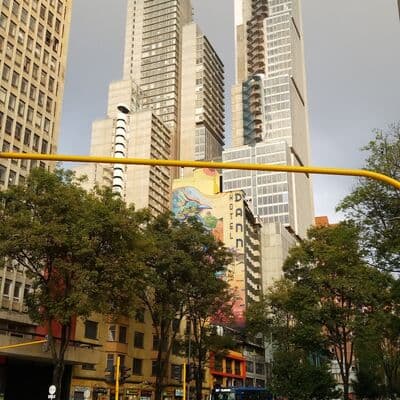
Bogotá
Bogota 2026: What You Need to Know Before You Go
Bogota is not the Colombia you see on Instagram. There are no palm-fringed beaches, no turquoise water, no barefoot backpackers sipping coconut water. Instead, you get a sprawling capital of 8 million people sitting at 2,640 meters (8,660 feet) above sea level, wrapped in clouds, fueled by coffee, and pulsing with a creative energy that catches most visitors off guard. This is a city that rewards the curious and punishes the unprepared.
Here is the honest pitch: Bogota has world-class museums (the Gold Museum alone justifies the trip), a food scene that has exploded in the last five years, street art that rivals Berlin, and a nightlife that does not quit until sunrise. The cost of living is remarkably low for what you get. A full day of sightseeing, three solid meals, and a few drinks will run you $40-60 USD if you are not trying to be fancy.
The downsides are real, though. The altitude will hit you harder than you expect, especially if you arrive from sea level. Traffic is genuinely terrible, and the TransMilenio bus system during rush hour is an endurance test. Petty theft happens, particularly in touristy areas and on crowded buses. And the weather is unpredictable: you can experience all four seasons in a single afternoon.
Bogota is perfect for history buffs, food lovers, culture seekers, and anyone who wants to understand modern Colombia beyond the cliches. It is not the best fit if you want a relaxing beach holiday or hate big cities. Give it at least three days, ideally five. Most travelers who come expecting to pass through quickly end up extending their stay.
Bogota Neighborhoods: Where to Stay
Bogota is massive, and where you stay will fundamentally shape your experience. The city runs roughly north to south along the Andes, with wealthier neighborhoods in the north and the historic center in the south. Here are seven neighborhoods worth considering, each with a distinct personality.
La Candelaria
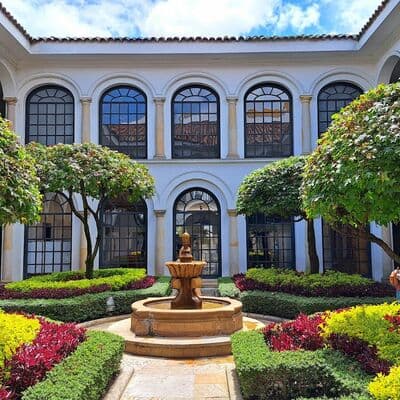
La Candelaria is the historic heart of Bogota: colonial architecture, cobblestone streets, universities, and most of the major museums within walking distance. This is where you will find the Gold Museum, the Botero Museum, and Plaza de Bolivar. Budget hostels start at $8-12 USD per night, and mid-range boutique hotels run $40-70 USD. The vibe is young, artsy, and slightly gritty. Street art covers nearly every wall. The downside: security is a real concern after dark, especially on side streets. Stick to well-lit areas at night and do not flash expensive electronics. During the day, it is perfectly fine to wander. This is the best base for first-time visitors on a budget who want to walk to most sights.
Chapinero
Chapinero is Bogota's answer to Brooklyn or Shoreditch. It is the creative hub of the city, packed with independent cafes, craft breweries, vintage shops, and some of the best restaurants in Colombia. Chapinero Alto (the uphill section) is quieter and more residential; Chapinero Central is livelier and grittier. This is also the heart of Bogota's LGBTQ+ scene, with a concentration of bars and clubs along Calle 58-62. Hotels and Airbnbs run $30-80 USD per night. The neighborhood has excellent restaurant density and good transport links. The catch: some blocks of Chapinero Central can feel sketchy at night, particularly around the main avenue. Chapinero Alto is considerably safer.
Usaquen
Usaquen feels like a small town that got swallowed by the city. Narrow streets, low-rise buildings, a central plaza with a Sunday flea market that is genuinely worth visiting. The restaurant scene here leans upscale but not pretentious: think farm-to-table Colombian cuisine and solid Italian options. Accommodation runs $50-120 USD per night. It is one of the safest neighborhoods for tourists and has a relaxed, walkable feel. The downside is location: it is far north, so getting to La Candelaria or the historic center takes 45-90 minutes depending on traffic. Best for travelers who prioritize comfort and safety over proximity to the main sights.
Zona Rosa (Zona T)
Zona Rosa is the commercial and nightlife center of northern Bogota. The Zona T pedestrian area is lined with bars, clubs, international restaurants, and shopping malls. If you want reliable Western comfort with plenty of dining options, this delivers. Hotels range from $60-150 USD per night, with several international chains represented. It is safe, well-lit, and lively at night. The tradeoff: it has very little local character. You could be in any upscale commercial district in Latin America. The restaurants tend to be pricier and not necessarily better than what you will find in Chapinero or Usaquen. Good for business travelers or those who want easy nightlife access.
La Macarena
La Macarena is a small, bohemian neighborhood just east of the city center, tucked against the hills below Monserrate. It has quietly become one of Bogota's best food neighborhoods, with a cluster of excellent restaurants along Carrera 4A between Calles 26 and 29. The vibe is artsy and residential, with a mix of young professionals and long-time residents. Accommodation is mostly Airbnbs, running $25-60 USD per night. It is walkable to La Candelaria and the major museums, but feels distinctly calmer. Security is generally good, though you should still be aware of your surroundings walking home at night. This is arguably the best neighborhood for a balance of location, food, safety, and local atmosphere.
Teusaquillo
Teusaquillo is a middle-class residential neighborhood with beautiful tree-lined streets and Art Deco architecture. It does not appear in most guidebooks, which is part of its appeal. You get a genuine slice of everyday Bogota life without the tourist markup. Restaurants and bakeries cater to locals, so prices are low: a full lunch (menu del dia) costs 12,000-18,000 COP ($3-4.50 USD). Accommodation options are mostly Airbnbs at $20-45 USD per night. The neighborhood is reasonably central, with good bus connections and proximity to the National University campus. The downside: not much happens at night, and the dining scene is functional rather than exciting. Perfect for longer stays and travelers who want an authentic residential experience.
Parque 93 Area
The area around Parque 93 is one of Bogota's most polished neighborhoods. The park itself is a green oasis surrounded by upscale restaurants, cafes, and boutiques. This is where Bogota's professional class comes to brunch on weekends. Hotels run $80-200 USD per night, and the restaurant scene skews international and pricey. Security is excellent. The area is well-connected by TransMilenio and has plenty of ride-hailing options. Like Zona Rosa, the tradeoff is a certain generic quality: it is pleasant and safe but does not feel particularly Colombian. Best for travelers who want a comfortable, low-friction base in a walkable area with reliable dining.
Best Time to Visit Bogota
Bogota does not have traditional seasons. Sitting near the equator at high altitude, the city has a relatively consistent temperature year-round: daytime highs of 18-20C (64-68F) and nighttime lows of 7-9C (45-48F). What does change is the rain. Bogota has two dry seasons and two wet seasons, and this should drive your planning.
Best months: December to February and June to August. These are the dry seasons. December and January are particularly good: clear skies, pleasant temperatures, and festive energy. June through August is the other dry window, coinciding with summer holidays in the Northern Hemisphere. Expect more tourists but better weather.
Worst months: April, May, October, November. These are the wettest months. It does not rain all day, but afternoon downpours are almost guaranteed, and gray skies can persist for days. The upside: fewer tourists, lower prices, and a moodier, more atmospheric city if you do not mind carrying an umbrella everywhere.
Key festivals and events:
- Festival Iberoamericano de Teatro (March-April, biennial, next in 2027): One of the world's largest theater festivals, with hundreds of performances across the city over two weeks. Absolutely worth timing your visit around.
- Rock al Parque (late June/early July): South America's biggest free rock festival in Parque Simon Bolivar. Three days, massive crowds, surprisingly well-organized.
- Festival de Verano (August): Summer festival with sports events, concerts, and activities across the city.
- Feria del Libro (late April/early May): The Bogota International Book Fair is one of Latin America's biggest literary events, drawing over 500,000 visitors.
- Alimentarte (September): Bogota's food festival, an excellent way to sample the city's culinary scene in one place.
When to book: Accommodation prices spike during Christmas/New Year (mid-December through early January) and Semana Santa (Holy Week, typically late March or April). Book at least 4-6 weeks ahead for these periods. The rest of the year, you can often find good deals booking 1-2 weeks in advance, especially on Airbnb.
Bogota Itinerary: 3 to 7 Days
Bogota is a big city with a lot of ground to cover. These itineraries are designed to be realistic about travel times and energy levels, especially given the altitude. Do not try to cram everything in. You will enjoy it more if you leave breathing room.
3 Days: The Essential Bogota
Day 1: Historic Center and Museums
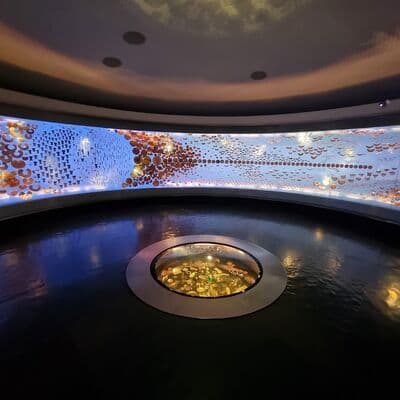
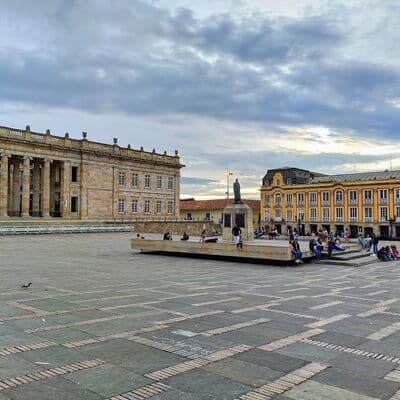
Start at 9:00 AM at Plaza de Bolivar, the main square since 1539. Take 20 minutes to appreciate the scale: the Cathedral, the Capitol building, the Palace of Justice. Walk south one block to see the Casa de Narino (presidential palace) from outside. Then head to the Gold Museum (Museo del Oro), which opens at 9:00 AM. Spend at least 90 minutes here. The collection of over 55,000 pre-Columbian gold pieces is staggering and the top-floor ceremonial room experience is unforgettable. Admission is about 5,000 COP ($1.25 USD), free on Sundays. From there, walk two blocks to the Botero Museum, which is free and houses not just Botero's famously rotund figures but also works by Picasso, Monet, and Dali that Botero donated. Allow 60-75 minutes. Grab lunch in La Candelaria at any of the set-lunch spots along Carrera 2 or Calle 10. A menu del dia with soup, main course, juice, and dessert will cost 14,000-20,000 COP ($3.50-5 USD). After lunch, explore the street art of La Candelaria on foot. Carrera 2 between Calles 12 and 9 has some of the best pieces. End the day with a craft beer at Bogota Beer Company in the historic center.
Day 2: Monserrate and La Macarena
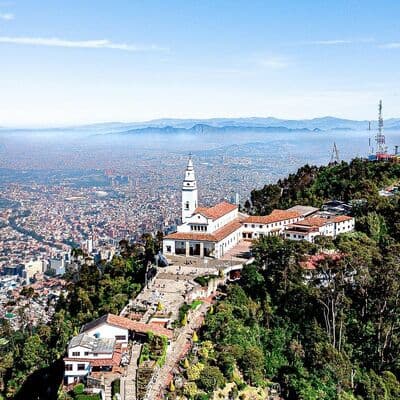
Get to the Monserrate base station by 8:30 AM to beat the crowds. The funicular or cable car costs about 25,000 COP round trip ($6.25 USD on weekdays, slightly more on weekends). At 3,152 meters, the summit offers a panoramic view of the entire city spread across the high plateau. On a clear day, you can see for miles. The church at the top is a pilgrimage site, and there are two restaurants if you want to eat at altitude, though they are overpriced. Budget 2 hours total including transit and exploring the top. Descend and take an Uber or walk downhill to La Macarena for lunch. Try Restaurante Mini-Mal on Carrera 4A for creative Colombian cuisine using indigenous ingredients, or La Puerta Falsa near the cathedral for the oldest restaurant in Bogota, famous for its tamales and chocolate completo (hot chocolate with cheese and bread). Spend the afternoon at the National Museum (Museo Nacional) on Carrera 7 and Calle 28, which traces Colombian history from pre-Columbian times to the present in a building that used to be a prison. Admission is about 5,000 COP. In the evening, explore Chapinero's restaurant scene. Try Salvo Patria for cocktails and creative Colombian dishes, or wander along Carrera 7 and Calle 57-60 for options.
Day 3: Markets, Parks, and Northern Bogota
If it is Sunday, this day writes itself: start with Ciclovia (7:00 AM to 2:00 PM), when over 120 km of roads close to cars and open to cyclists, runners, and walkers. Rent a bike near Parque 93 or along Carrera 7 for about 5,000-10,000 COP per hour. Then head to the Usaquen flea market (Mercado de las Pulgas), which runs from 9:00 AM to 5:00 PM. Browse handmade crafts, vintage items, and street food. If it is not Sunday, start at Paloquemao market, Bogota's largest wholesale food market. Get there by 7:00-8:00 AM for the full experience: mountains of exotic fruit, fresh flowers (Colombia is the world's second-largest flower exporter), and a juice bar where you should try lulo, guanabana, and maracuya. Lunch at the market is excellent and cheap. Spend the afternoon at Parque Simon Bolivar if the weather cooperates, or visit the Botanical Garden (Jardin Botanico) next door. Close out the trip in the Zona Rosa area for dinner and drinks.
5 Days: Deeper Bogota
Follow the 3-day itinerary above, then add:
Day 4: Salt Cathedral and Zipaquira
Take a day trip to Zipaquira, about 50 km north of Bogota. The Salt Cathedral (Catedral de Sal) is an underground church carved into an active salt mine at 200 meters below the surface. It is genuinely impressive regardless of your feelings about churches. You can take a tourist bus from Portal del Norte (TransMilenio terminal) for about 7,000 COP ($1.75 USD) each way, or book a guided tour for $25-40 USD that includes transport. Admission to the cathedral is about 70,000 COP ($17.50 USD) for foreigners. Budget the full morning and early afternoon. Back in Bogota, spend the late afternoon at the Museo Santa Clara, a stunning 17th-century church turned museum, or visit the Centro Cultural Gabriel Garcia Marquez for free exhibitions and the best bookstore in the city.
Day 5: Street Art, Neighborhoods, and Nightlife
Book a street art walking tour in the morning. Several operators run them on a pay-what-you-want basis (tip generously, 30,000-50,000 COP is fair), starting from Parque de los Periodistas around 10:00 AM. The tours last 2-3 hours and give context to the political and social stories behind the murals. After lunch, explore Teusaquillo on foot: walk along Calle 39 and admire the Art Deco houses, visit the Parque de los Hippies (Parque de la 60), and stop at Azimos bakery for some of the best pan de bono in the city. In the evening, experience Bogota's nightlife. For salsa, try Quiebracanto in La Candelaria (live music, small cover). For a more eclectic night out, head to Chapinero's Calle 85 area or the Armando Records club for electronic music. Things do not really get going until 11:00 PM, and clubs stay open until 3:00-4:00 AM.
7 Days: The Full Experience
Follow the 5-day itinerary, then add:
Day 6: Villa de Leyva Day Trip
Villa de Leyva is a perfectly preserved colonial town about 3.5 hours from Bogota by bus. Buses depart from Terminal de Transporte every 1-2 hours starting at 5:00 AM, costing about 35,000-45,000 COP ($9-11 USD) each way. The town has the largest paved plaza in South America, whitewashed buildings, excellent restaurants, and a fossil museum (this area was under the sea 120 million years ago). You can also visit the Muisca observatory (El Infiernito) or hike to nearby waterfalls. It is technically doable as a day trip if you leave early and return late, but consider spending a night if your schedule allows. Budget hotels start at $20-30 USD.
Day 7: Laguna de Guatavita and Relaxation
Visit Laguna de Guatavita, the sacred lake that inspired the legend of El Dorado. It is about 75 km northeast of Bogota (2 hours by car). Entry is around 20,000 COP ($5 USD) and includes a guided walk to the lake. The hike is moderate but remember you are above 3,000 meters. Tours from Bogota cost $30-50 USD. Return to the city for a final afternoon. Visit the Virgilio Barco Library (Biblioteca Virgilio Barco), one of Bogota's architectural gems, or revisit a favorite neighborhood. End with a farewell dinner in La Macarena or Usaquen.
Where to Eat in Bogota: Restaurants and Cafes
Bogota's food scene has transformed in the last decade. The city now has multiple restaurants on the Latin America's 50 Best list, alongside a deep bench of traditional eateries and street food that costs almost nothing. Here is how to eat well at every budget level.
Street Food and Markets
Paloquemao market is the essential food experience. The fruit section alone is worth the trip: try uchuvas (golden berries), feijoa, mamoncillo, and pitahaya. Fresh juice at any market stand costs 3,000-5,000 COP ($0.75-1.25 USD). For street food, look for arepas (2,000-5,000 COP), empanadas (2,000-3,500 COP), and obleas (large wafer cookies with arequipe and other fillings, 3,000-6,000 COP). In La Candelaria, vendors near the universities sell almojabanas (cheese bread) and pan de bono starting at 1,500 COP. The Perseverancia neighborhood market (Mercado de la Perseverancia) is more local and less touristy than Paloquemao, with excellent chicharron and tamales.
Traditional Colombian Restaurants
La Puerta Falsa on Calle 11 near Plaza de Bolivar has been open since 1816 and serves chocolate completo (hot chocolate with cheese, bread, and tamales) that every visitor should try at least once. A full meal costs 15,000-25,000 COP ($3.75-6.25 USD). For a traditional almuerzo (lunch), follow the workers: any restaurant displaying a handwritten menu del dia sign for 12,000-18,000 COP will give you soup, a main course with rice and beans, a drink, and usually dessert. These corriente restaurants are everywhere and the food is consistently decent. For bandeja paisa (the massive platter from the Antioquia region), try Hacienda in Chapinero or Casa Vieja with multiple locations.
Mid-Range and Modern Colombian
This is where Bogota really shines. Restaurante Mini-Mal in La Macarena reinvents Colombian ingredients with a modern approach: expect dishes using Amazonian fish, Andean tubers you have never heard of, and indigenous herbs. Mains run 35,000-55,000 COP ($8.75-13.75 USD). Salvo Patria in Chapinero serves creative cocktails and shareable plates in a beautiful garden setting. Criterion on Calle 69A is consistently excellent for upscale Colombian-French fusion. Budget 80,000-120,000 COP ($20-30 USD) per person with drinks at these places. For excellent ceviche and seafood, try Pesquera Jaramillo, a no-frills spot with fresh fish from the Pacific and Caribbean coasts.
Fine Dining
El Chato in Chapinero regularly appears on best-of lists and deserves the hype: tasting menus run about 250,000-350,000 COP ($62.50-87.50 USD) per person. Leo by chef Leonor Espinosa was ranked among the world's best restaurants and explores Colombian biodiversity through a multi-course menu at around 450,000 COP ($112 USD). Celele focuses on Caribbean Colombian cuisine. At this level, you are getting world-class dining at about half the price of equivalent restaurants in New York or London. Book at least a week in advance for Leo, 3-4 days for El Chato.
Cafes and Breakfast
Colombia grows some of the world's best coffee, and Bogota has embraced specialty coffee culture with enthusiasm. Azahar Coffee has multiple locations and serves excellent single-origin Colombian coffee with tasting notes that actually make sense. Catacion Publica and Libertario focus on direct-trade beans from specific fincas. A specialty coffee costs 6,000-12,000 COP ($1.50-3 USD), and a full breakfast with eggs, arepa, fruit, and coffee runs 18,000-30,000 COP ($4.50-7.50 USD). For the best croissants in the city, try Masa in Chapinero. Colo Coffee near Parque 93 is another strong option with a pleasant outdoor terrace.
What to Try: Bogota Food Guide
Colombian cuisine does not get the international recognition it deserves. Here are ten dishes and drinks you should not leave Bogota without trying, with approximate prices and where to find the best versions.
- Ajiaco Santafereno - Bogota's signature soup: three types of potato, chicken, corn on the cob, and guascas (an herb unique to Colombian cooking). Served with cream, capers, and avocado on the side. Find it everywhere, but La Puerta Falsa does it right. Cost: 18,000-28,000 COP ($4.50-7 USD).
- Bandeja Paisa - The national platter from the Antioquia region: red beans, rice, ground meat, chicharron (pork belly), fried egg, plantain, avocado, and arepa. It is enormous and designed for people who work in coffee fields, but you have to try it once. Cost: 20,000-35,000 COP ($5-8.75 USD) at a traditional restaurant.
- Empanadas - Fried corn dough stuffed with seasoned meat and potato, served with aji (hot sauce). The street version is a quick snack; restaurant versions are larger. Best eaten from street vendors near universities. Cost: 2,000-3,500 COP ($0.50-0.90 USD) each.
- Arepa con Queso - Thick corn cakes grilled and stuffed with melting cheese. The version from the Boyaca region (arepa boyacense) is slightly sweet and particularly good. Street vendors and bakeries everywhere. Cost: 3,000-6,000 COP ($0.75-1.50 USD).
- Chocolate Completo - Hot chocolate made with water or milk, served with a block of cheese that you drop into the cup, plus bread and sometimes tamales. This is Bogota's traditional breakfast. La Puerta Falsa is the classic spot. Cost: 12,000-20,000 COP ($3-5 USD).
- Tamales - Not the Mexican version. Colombian tamales are large, wrapped in banana leaves, and stuffed with rice, chicken or pork, vegetables, and spices. The tolimense variety (from Tolima region) is most common in Bogota. Cost: 6,000-12,000 COP ($1.50-3 USD) each.
- Lechona - Whole roasted pig stuffed with rice, peas, and spices, cooked for hours until the skin is crackling and the inside is tender. Usually sold by the portion at street stalls or markets. The Tolima version is legendary. Cost: 10,000-18,000 COP ($2.50-4.50 USD) per portion.
- Oblea - Two large, thin wafer discs filled with arequipe (dulce de leche), sometimes with added toppings like blackberry jam, shredded coconut, or condensed milk. A beloved Colombian snack sold by street vendors in parks and plazas. Cost: 3,000-7,000 COP ($0.75-1.75 USD).
- Changua - A polarizing breakfast soup made from milk, water, scallions, and poached eggs. It sounds unusual and the taste is an acquired one, but it is deeply Bogotano and worth trying once just to say you did. Found in traditional breakfast spots in La Candelaria and the historic center. Cost: 8,000-14,000 COP ($2-3.50 USD).
- Lulada and Fresh Juices - Colombian fruits are otherworldly. Lulada is a slushy drink made from lulo, a citrus-like fruit that tastes like nothing else. Also try juices of guanabana (soursop), maracuya (passion fruit), and mora (Andean blackberry). Available at juice bars and market stands everywhere. Cost: 3,000-7,000 COP ($0.75-1.75 USD).
Tipping note: At restaurants, a 10% voluntary service charge (propina voluntaria) is usually added to the bill. The waiter will ask if you want to include it. It is customary to say yes, though it is technically optional. At street food stalls, no tip is expected.
Bogota Insider Tips: Local Secrets
These are the things that take most visitors a few days to figure out. Save yourself the learning curve.
- No dar papaya. This is the unofficial rule of Colombian street smarts. Literally 'do not give papaya,' it means do not make yourself an easy target. Keep your phone in your pocket on the street, do not wear flashy jewelry, and carry a cheap wallet with small bills separate from your main stash. This is not paranoia; it is the standard advice that Colombians themselves follow.
- The altitude is no joke. At 2,640 meters, Bogota sits higher than most ski resorts. Your first day, you may feel short of breath climbing stairs, get headaches, or tire quickly. Drink plenty of water, go easy on alcohol the first night, and do not plan anything strenuous for day one. Coca tea (agua de coca) is legal and widely available; it genuinely helps with altitude symptoms.
- Use Uber, InDriver, or DiDi instead of street taxis. While many taxis are perfectly fine, app-based rides are safer because they are tracked. If you do take a taxi, make sure the meter is running (ask 'con taximetro, por favor'). Never take a taxi that someone calls for you from a bar or restaurant at night. Uber technically operates in a legal gray area in Colombia, so drivers may ask you to sit in the front seat and be discreet.
- Ciclovia is a must if you are there on Sunday. Every Sunday and public holiday from 7:00 AM to 2:00 PM, the city closes over 120 km of major roads to cars. Millions of bogotanos come out to cycle, run, walk, and rollerblade. It is the best free activity in the city and gives you a completely different perspective. Rent a bike for about 5,000-10,000 COP per hour from vendors along the route.
- Always carry a jacket and an umbrella. The local saying is 'Bogota has four seasons in one day,' and it is accurate. Morning sun can give way to afternoon rain that shifts to chilly evening wind. Layers are essential. Bogotanos know this and dress accordingly; tourists in shorts and flip-flops are easy to spot.
- Negotiate at markets but not at restaurants. At craft markets, flea markets, and with street vendors, gentle negotiation is expected. Start at about 70% of the asking price. At restaurants and shops with fixed prices, asking for a discount is not appropriate.
- Learn basic Spanish phrases. English is spoken at international hotels and some tourist restaurants, but it drops off quickly outside those bubbles. Even basic Spanish (ordering food, asking for directions, numbers for prices) will dramatically improve your experience. Download Google Translate offline before you arrive.
- Sunday is a different city. Many restaurants and shops close on Sundays, but Ciclovia, the Usaquen flea market, and free museum admissions make it one of the best days to visit. Plan accordingly: do your shopping and restaurant dining on other days.
- TransMilenio rush hour is brutal. The bus rapid transit system is efficient for getting around the city, but between 7:00-9:00 AM and 5:00-7:30 PM, the stations are dangerously crowded. If you have to use it during peak hours, keep your belongings in front of you and be prepared for a very physical experience. Off-peak, it is fine.
- Tap water is safe to drink. Bogota has excellent water treatment, and the tap water is perfectly safe. This is unusual for Latin American capitals and saves you money on bottled water. Fill up your reusable bottle without worry.
- The free walking tours are genuinely excellent. Several companies run tip-based walking tours in English, starting from La Candelaria. Beyond Bogota and Bogota Graffiti Tour are two of the best. The guides are knowledgeable locals who give context you would not get from a guidebook. Tip 30,000-50,000 COP ($7.50-12.50 USD) per person if you found it valuable.
- Do not skip the smaller museums. Everyone visits the Gold Museum and Botero Museum, but the Museo Santa Clara (a 17th-century church with incredible Baroque art), the Museo de la Independencia (Casa del Florero), and the Museo del 20 de Julio are all small, affordable, and fascinating. The Banco de la Republica complex also hosts free rotating exhibitions that are often world-class.
Getting Around Bogota and Staying Connected
From the Airport
El Dorado International Airport (BOG) is about 13 km west of the city center. You have several options for getting into the city:
- Uber/DiDi/InDriver: The most convenient option. A ride to La Candelaria or Chapinero costs 20,000-35,000 COP ($5-8.75 USD) depending on traffic and surge pricing. The pickup point is on the departures level (second floor). Request the ride, then go upstairs to meet the driver. The trip takes 30-60 minutes depending on traffic.
- Official airport taxi: Fixed-rate taxis from official kiosks inside the terminal. Slightly more expensive than Uber (typically 30,000-45,000 COP) but reliable and safe. Get a receipt with the fare before you exit.
- TransMilenio: The cheapest option at about 3,000 COP ($0.75 USD). Take the feeder bus from the airport to Portal El Dorado, then connect to the TransMilenio trunk line. Good for budget travelers but not practical with heavy luggage, especially during rush hour.
Warning: Do not accept rides from unofficial taxi drivers inside the terminal or in the parking lot. This is where most taxi-related safety incidents happen.
City Transport
TransMilenio: Bogota's bus rapid transit system covers most of the city. Buy a Tu Llave card at any station for 5,000 COP and load credit. Each ride costs about 2,950 COP ($0.75 USD). The system is extensive but can be confusing for first-time users. Download the TransMilenio app or use Google Maps for route planning. Main arteries: Caracas, Calle 80, Calle 26 (to the airport), and Carrera 7.
SITP buses: Regular city buses that complement TransMilenio. Same Tu Llave card works. Routes are less intuitive, but they reach neighborhoods that TransMilenio does not cover. Blue buses are the integrated ones; the older, privately run buses have been largely phased out.
Uber/DiDi/InDriver: Your best bet for convenience, especially at night or with luggage. Rides within the city rarely exceed 25,000 COP ($6.25 USD). InDriver lets you negotiate the fare, which sometimes gets you a better deal than Uber. All three apps work reliably in Bogota.
Bicycles: Bogota has an extensive network of ciclovias (bike lanes) totaling over 550 km. The city's bike-sharing system is expanding, and rental shops are common in tourist areas. Cycling is a legitimate way to get around, especially on Sundays during Ciclovia.
Walking: Within neighborhoods like La Candelaria, La Macarena, Usaquen, and Chapinero, walking is the best way to explore. Just be aware that distances between neighborhoods are significant, and the city's north-south spread means walking from La Candelaria to Zona Rosa would take about 3 hours.
SIM Cards and Connectivity
Getting a local SIM card is straightforward. The main carriers are Claro, Movistar, and Tigo. You can buy a prepaid SIM at the airport (there are kiosks in the arrivals hall) or at any of the carrier stores around the city. Bring your passport for registration. A SIM with 10 GB of data and some calls costs about 30,000-50,000 COP ($7.50-12.50 USD) for a month.
eSIM: If your phone supports it, services like Airalo, Holafly, or Nomad offer Colombia eSIMs that you can activate before arrival. Prices start at about $8-15 USD for 5-10 GB. This is the simplest option if you do not need a local phone number for WhatsApp registration.
Wi-Fi: Free Wi-Fi is available at most cafes, restaurants, hotels, and shopping malls. The quality varies but is generally adequate for messaging and light browsing. Many parks and public spaces also have free municipal Wi-Fi, though it tends to be slow.
Essential apps:
- Uber / DiDi / InDriver - ride-hailing (have at least two installed)
- Google Maps - works well for navigation and transit directions in Bogota
- Rappi - Colombia's super-app for food delivery, groceries, and more
- Google Translate - download the Spanish offline pack before arriving
- WhatsApp - Colombians use WhatsApp for everything, including restaurant reservations and business communication
- XE Currency - for quick COP to USD/EUR/GBP conversions
Who Should Visit Bogota: Final Verdict
Bogota is a city that does not try to seduce you on first sight. It earns your affection through its museums, its food, its people, and those unexpected moments when the clouds part over Monserrate and the entire Andean plateau lights up in the late afternoon sun. It is a city where you can eat extraordinarily well for very little money, where world-class art sits next to raw street murals, and where the sheer energy of 8 million people figuring out their corner of the world is palpable on every block.
Bogota is ideal for: culture and history enthusiasts, serious food lovers, budget-conscious travelers who do not want to sacrifice quality, anyone interested in modern Latin American cities, street art fans, and travelers who prefer depth over resort-style relaxation.
Bogota is not ideal for: beach seekers (Cartagena is a short flight away), travelers who dislike big cities or are uncomfortable with urban grit, anyone with serious altitude sensitivity who cannot acclimatize, or visitors looking for a purely relaxing vacation with no logistics to manage.
Time needed: Three days is the minimum to hit the highlights. Five days lets you breathe and explore neighborhoods properly. Seven days with day trips gives you the full experience and leaves you feeling like you genuinely got to know the place, not just checked boxes on a list.