Medellín
Medellin 2026: What You Need to Know Before You Go
Medellin is not what you think it is. Whatever image you have in your head - narcos, danger, chaos - throw it out. The city that was once the most dangerous in the world is now one of the most innovative, livable, and genuinely enjoyable cities in Latin America. It consistently ranks among the top destinations for digital nomads, retirees, and travelers who want more than a beach-and-ruins loop through South America.
The city sits in the Aburra Valley at about 1,500 meters (4,900 feet) elevation. That altitude gives it what locals call eternal spring - temperatures hover between 22-28C (72-82F) year-round. No brutal tropical heat, no freezing nights. You will wear the same clothes in January that you wear in August. Pack one light jacket for evening breezes and the occasional downpour, and you are set.
Medellin is Colombia's second-largest city with roughly 2.5 million people in the metro area. It is the capital of Antioquia department, and the people here - paisas - are famously proud of their region, their accent, and their hospitality. They will go out of their way to help you, invite you to eat, and make sure you know that Medellin is the best city in Colombia (they will tell you this unprompted, multiple times).
The cost of living is remarkably low by Western standards. A solid meal at a local restaurant runs $3-6 USD. A beer at a bar is $1.50-3. A comfortable Airbnb in a good neighborhood is $30-60 per night. You can live well here on $1,500-2,000 a month, which is why the city has become a magnet for remote workers from the US, Canada, the UK, and Australia. The Colombian peso has fluctuated significantly in recent years, but as of 2026, the exchange rate remains very favorable for anyone earning in dollars, pounds, or euros.
Neighborhoods: Where to Stay in Medellin
Choosing the right neighborhood in Medellin matters more than in most cities. The vibe, safety level, dining options, and nightlife vary dramatically from one barrio to the next. Here is an honest breakdown of the six neighborhoods most visitors should consider.
El Poblado
This is where most first-time visitors end up, and for good reason. El Poblado is the most polished, tourist-friendly neighborhood in Medellin. The main drag is Parque Lleras and the streets radiating out from it - packed with restaurants, rooftop bars, boutique hotels, and coffee shops with fast Wi-Fi. Safety is the best in the city here. The downside? It can feel like a gringo bubble. Prices are the highest in Medellin (though still cheap by US standards), and you will hear more English than Spanish on some blocks. If you want convenience and comfort with minimal Spanish required, El Poblado is your base. Hotels and Airbnbs range from $25-80 per night depending on the quality. Expect to pay $8-15 for meals at the trendier spots along Calle 10.
Laureles
Think of Laureles as Medellin's answer to Brooklyn or Fitzroy - it is where the locals who actually have taste prefer to live. The neighborhood is more residential, more authentically Colombian, and arguably more interesting than El Poblado. The main hub is Parque de Laureles and the surrounding streets of La 70 (Carrera 70), which come alive at night with bars, street food vendors, and a mix of locals and expats who chose character over convenience. Restaurants here are cheaper and often better than El Poblado. A full meal with a drink rarely tops $8. The area is well-connected by metro (Estadio station), flat and walkable, and has a genuine neighborhood feel. This is my top recommendation for anyone staying more than a few days.
Envigado
Technically a separate municipality south of Medellin, Envigado feels like a quieter, more traditional extension of El Poblado. The central park area has excellent local restaurants, bakeries, and a laid-back atmosphere that appeals to travelers who find El Poblado too hectic. Parque Envigado is surrounded by cheap, excellent food - you can eat a set lunch (almuerzo corriente) for $2.50-3.50. The neighborhood is safe, well-connected by metro, and has a growing number of coworking spaces and cafes. It is slightly further from the main attractions but makes up for it with authenticity and value. Airbnbs run $20-45 per night.
Belen
Belen is a middle-class residential neighborhood west of El Poblado that rarely appears in travel guides, which is exactly why some visitors love it. You will be fully immersed in everyday Medellin life here - local bakeries, neighborhood tiendas, families walking in the evening. Prices are rock-bottom: meals for $2-4, accommodation for $15-30. The trade-off is fewer English speakers, fewer tourist-oriented services, and a longer commute to the main sights. Best for Spanish speakers or travelers on extended stays who want to live like a local. The area around Parque de Belen is the most convenient part of the neighborhood.
Centro (Downtown)
Centro is chaotic, loud, crowded, and fascinating. This is where you will find Plaza Botero and its famous sculptures, the main commercial district, and the raw energy of a Latin American downtown. I would not recommend staying here - it gets sketchy after dark and the constant hustle of street vendors can be exhausting. But you absolutely should spend a day exploring. The architecture, the markets, the street food, and the people-watching are unmatched. Come during the day, stay alert, do not flash expensive electronics, and you will have a great time. The Alpujarra metro station drops you right in the middle of everything.
Sabaneta
The southernmost stop on the Metro line, Sabaneta is another technically-separate municipality that has become popular with long-term visitors and retirees. It has a small-town feel with a vibrant central park, excellent nightlife on weekends (especially around Calle de la Rumba), and some of the best value accommodation in the metro area. The commute to central Medellin is 25-35 minutes by metro, which keeps it off most short-term visitors' radar. But if you are staying a month or more and want low costs with good infrastructure, Sabaneta deserves a look. Studios rent for $300-500 per month, and a night out with dinner and drinks can cost under $15.
Best Time to Visit Medellin
The honest answer is: any time. Medellin's eternal spring climate means there is no bad season in the traditional sense. But there are differences worth knowing about.
Medellin has two dry seasons and two wet seasons. The driest months are December through February and June through August. These are the most popular times to visit, and for good reason - you will get more sunny days, outdoor activities are more reliable, and the city feels energetic. December and January coincide with Colombian holidays, so expect higher prices, busier attractions, and a festive atmosphere. The famous Feria de las Flores (Flower Festival) happens in early August and is arguably the best time to experience Medellin at its most vibrant - massive flower displays, parades, concerts, and the entire city in celebration mode.
The wetter months are March through May and September through November. "Wet" does not mean constant rain. It means you will get a heavy downpour most afternoons, usually between 2-5 PM, lasting 30-90 minutes. Mornings are typically clear and beautiful. The smart strategy during rainy season is to schedule outdoor activities in the morning, plan indoor things (museums, restaurants, shopping) for the afternoon, and enjoy the cooler, fresher air that follows the rain. Hotel prices drop 20-30% during these months, and you will share attractions with far fewer tourists.
One thing to note: Medellin's weather is hyper-local. It can be pouring rain in Centro while El Poblado is sunny. The valley geography creates microclimates, so always carry a compact umbrella or rain jacket regardless of the forecast. The temperature stays remarkably consistent year-round - lows around 17-19C (63-66F) at night, highs around 27-30C (81-86F) during the day. You will never need heavy layers, but a light sweater for air-conditioned restaurants and evening walks is wise.
For travelers coming from the US or UK, the shoulder months of March and September offer the best combination of lower prices, fewer crowds, and still-pleasant weather. If you can be flexible, those are the sweet spots.
Medellin Itinerary: 3 to 7 Days
Here is a day-by-day plan that covers the essentials without rushing. If you only have three days, do Days 1-3. If you have a full week, the remaining days add depth and day-trip options that most visitors miss.
Day 1: Downtown, Botero, and Comuna 13
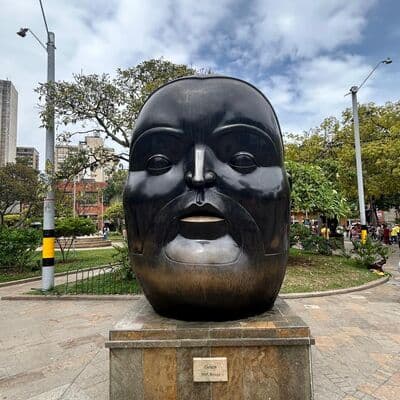
Morning (9:00-12:30): Start at Plaza Botero in the city center. The 23 massive bronze sculptures by Fernando Botero - Medellin's most famous artist - are free to see and impossible not to love. His signature style of inflated, rotund figures applies to everything from birds to soldiers. Spend 30-45 minutes here, then walk through the adjacent Museo de Antioquia ($4 entry) for more Botero plus an excellent collection of Colombian art. From the plaza, walk south through the commercial streets to get a feel for the energy of downtown Medellin - the vendors, the juice stands, the controlled chaos.
Lunch (12:30-13:30): Eat in Centro at one of the countless corrientazo restaurants - look for places packed with locals. A full meal (soup, rice, beans, meat, plantain, drink) costs $2.50-4. Hatoviejo near Parque Berrio is a more polished option for traditional paisa food at $6-10.
Afternoon (14:00-17:30): Head to Comuna 13. Take the metro to San Javier station, then follow the signs (or the crowds) to the famous outdoor escalators. This neighborhood was once the most dangerous in Medellin - today it is an open-air gallery of street art, music, and community resilience. Book a walking tour with a local guide ($10-15 per person, 2-2.5 hours) for the full story. The graffiti is spectacular, the views over the valley are stunning, and the transformation is genuinely moving. Do not skip this - it is the single most impactful experience in Medellin. The escalators themselves are free and open daily. Try the street food vendors along the route: empanadas for $0.50, fresh mango with lime and salt for $1.
Evening: Head to Laureles for dinner on La 70. Try Mondongos for the classic paisa dishes or any of the dozens of casual restaurants lining the street.
Day 2: Botanical Garden, Metrocable, and Parque Arvi
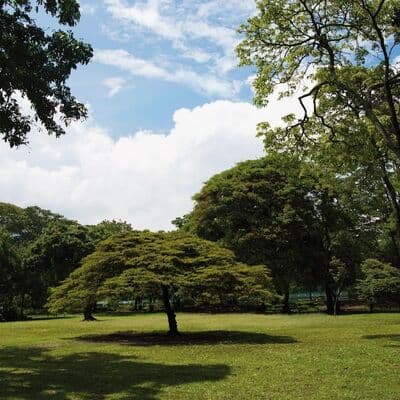
Morning (8:30-11:00): Start early at the Botanical Garden (Jardin Botanico). Entry is free. The garden covers 14 hectares and features an iconic wooden orchid display structure called the Orquideorama, plus butterfly gardens, a lake, and beautiful walking paths. It is peaceful, photogenic, and a perfect way to ease into the day. Plan 1.5-2 hours here.
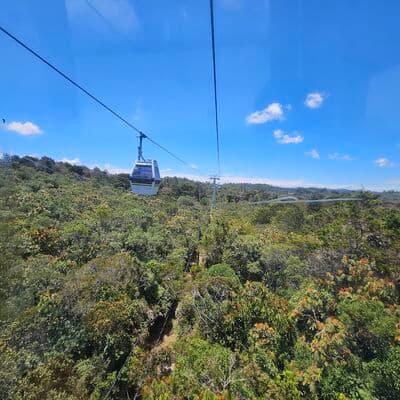
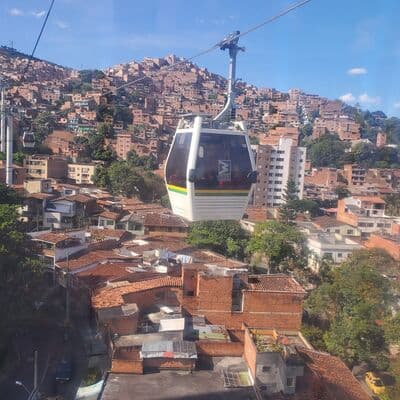
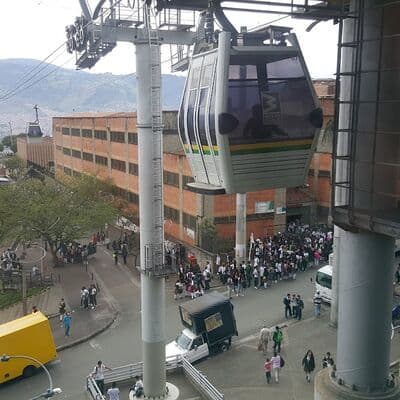
Late morning (11:00-11:45): Walk to Universidad metro station (5 minutes from the garden) and take the Metrocable Line K to Santo Domingo. The cable car ride takes about 12 minutes and offers jaw-dropping views over the valley and the barrios climbing up the mountainside. The Metrocable is part of the regular metro system - same ticket, no extra charge. At Santo Domingo, there is a small park and viewpoint. From here, transfer to Line L (the tourist cable car) to Parque Arvi. This second cable car costs about $3 extra each way and takes you up into the cloud forest above the city.
Afternoon (12:00-16:00): Spend 3-4 hours in Parque Arvi. This 16,000-hectare nature reserve is a complete change of scenery from the urban valley below. Hiking trails range from easy 30-minute loops to challenging 3-hour treks through native forest. There is a weekend market near the entrance with local crafts, fresh produce, and food stalls. Bring a rain jacket - the elevation (2,600 meters) means cooler temperatures and frequent mist. Pack a snack or plan to eat at the market; restaurant options inside the park are limited.
Evening: Return via Metrocable and metro. Dinner in El Poblado - try the restaurants along Calle 10 or around Parque Lleras. Carmen is excellent for upscale Colombian fusion if you want to treat yourself ($25-40 per person).
Day 3: El Poblado, Coffee Culture, and Nightlife
Morning (9:00-12:00): Explore El Poblado on foot. Start at Parque El Poblado, walk up through the leafy residential streets, and stop at one of the specialty coffee shops - Pergamino, Hija Mia, or Cafe Velvet are all excellent. Colombia produces some of the world's best coffee, and Medellin's specialty coffee scene rivals any city on earth. A pour-over of single-origin Colombian coffee costs $2-4 and is worth every cent. Many cafes also offer short coffee tasting experiences ($8-15) where you can learn about the different regions and processing methods.
Afternoon (13:00-16:00): Visit the Museo de Arte Moderno (MAMM) in Ciudad del Rio ($4 entry). The contemporary art collection is impressive, and the building itself - a converted steel factory - is architecturally striking. The surrounding Ciudad del Rio area has become a trendy neighborhood with galleries, cafes, and street art worth exploring. Alternatively, take a free walking tour (tips-based) from Parque Lleras - Real City Tours is the most established operator and runs excellent 3.5-hour tours covering history, culture, and local life.
Evening (19:00+): Experience Medellin's nightlife. Start with drinks at a rooftop bar in El Poblado - Envy or El Social have good views and atmosphere. If you want to dance salsa, head to Son Havana in Poblado or any of the salsa bars on La 70 in Laureles. Medellin's nightlife does not really start until 10-11 PM and runs until 3-4 AM. Cover charges are rare at most places; drinks average $3-5 for cocktails, $1.50-2.50 for beer. The party scene centers around Parque Lleras on Thursday through Saturday nights.
Day 4: Guatape Day Trip
Full day (7:00-19:00): This is the most popular day trip from Medellin and it deserves the hype. Guatape is a colorful lakeside town about 2 hours east of the city. The main attraction is El Penol - a massive 200-meter granite rock with 740 stairs to the top. The view from the summit is one of the most photographed in Colombia: a stunning panorama of islands, inlets, and emerald-green water stretching to the horizon. Entry is about $4.50.
Take an early bus from Terminal del Norte ($3.50-4 each way, 2-2.5 hours). Buses leave every 30-60 minutes starting at 6:00 AM. Climb the rock first (arrive by 9:30 to beat crowds), then take a tuk-tuk ($1.50) to Guatape town for lunch and exploration. The town is famous for its zocalos - colorful bas-relief panels decorating the lower walls of every building. Wander the streets, eat a trout lunch at a lakeside restaurant ($5-8), and optionally take a boat tour of the lake ($8-12 per person, 1-2 hours). Catch a return bus by 17:00 to be back in Medellin for dinner.
Day 5: Santa Elena and Silleteros
Morning-Afternoon (8:00-15:00): Head east to the village of Santa Elena, the home of the silleteros - the flower farmers whose elaborate flower arrangements carried on wooden chairs (silletas) are the symbol of Medellin's Flower Festival. Even outside of festival season, you can visit silletero farms and learn about this UNESCO-recognized tradition. Several families offer tours of their farms and flower workshops ($10-20 per person). The landscape up here is gorgeous - rolling green hills, flower farms, and eucalyptus forests. Take a bus from Caribe station or arrange a taxi ($12-15 each way).
Afternoon: On your way back, stop at one of the fondas (roadside restaurants) for bandeja paisa - this is the countryside where the dish originated and it tastes best here. Huge portions, $4-6.
Day 6: Jardin Day Trip
Full day (6:00-20:00): Jardin is a postcard-perfect coffee town about 4 hours south of Medellin. Yes, it is a long day trip, but it is absolutely worth it if you have the time. The town square is one of the most beautiful in Colombia, the coffee fincas offer hands-on tours ($10-15), and there is a cable car to a viewpoint overlooking the valley. You can also hike to the Cueva del Esplendor waterfall (3-4 hours round trip, moderate difficulty, $3 entry). Buses leave from Terminal del Sur at 6:00 AM ($5-7 each way). Consider staying overnight if the early morning and late return feels too intense - hostels and hotels in Jardin run $10-30 per night.
Day 7: Markets, Shopping, and Farewell
Morning (9:00-12:00): Visit the Minorista Market - the largest traditional market in Medellin. It is overwhelming in the best way: stalls selling exotic fruits you have never seen, fresh juices for $0.75, spices, flowers, meats, and everything else a city of 2.5 million needs to feed itself. This is not a tourist market - it is the real thing. Go with an empty stomach and try everything. Bring cash in small bills.
Afternoon (13:00-16:00): For souvenirs, visit the artisan markets in El Poblado or the shops along the Viva Envigado mall. Colombian coffee (whole bean, not ground) is the best souvenir - buy directly from specialty roasters like Pergamino or Catacion Publica for $5-10 per bag. Other good buys: mochila bags (traditional woven bags, $15-40), emerald jewelry (buy from established stores only, not street vendors), and Colombian chocolate.
Evening: Final dinner at your favorite spot from the trip. If you have not tried a lomo al trapo (beef tenderloin cooked in cloth and salt), put it on your farewell-dinner list.
Where to Eat: Restaurants and Cafes in Medellin
Street Food and Budget Eats
Medellin's street food game is strong and incredibly cheap. Empanadas are everywhere - golden, crispy corn pockets filled with seasoned meat and potato, served with aji (hot sauce). They cost $0.40-0.75 each and are the perfect walking snack. Arepas from street carts run $0.50-1.50 depending on toppings - get one with cheese (arepa con queso) or egg. For a full cheap meal, look for corrientazo signs - these set-menu lunch spots serve soup, a main plate with rice, beans, meat, plantain, and a drink for $2.50-4. They are everywhere in Centro and residential neighborhoods. The quality varies, but if the place is full of locals at noon, it is good.
Local Favorites
Mondongos (multiple locations) is the quintessential paisa restaurant. The bandeja paisa here is enormous and authentic - expect to pay $8-12 for enough food to skip dinner. Hatoviejo serves similar traditional fare in a more polished setting. Restaurante Versalles in Laureles is a neighborhood institution with decades of history and reliably excellent Colombian food at $5-8 per plate. For the best sancocho (hearty chicken or beef soup), ask any local for their favorite neighborhood spot - everyone has a strong opinion. In Envigado, the restaurants around the central park serve some of the most authentic and cheapest food in the metro area.
Mid-Range and International
Medellin's dining scene has exploded in the last five years. El Herbario in Poblado does creative Colombian-inspired dishes with local ingredients ($12-18 per plate). Alambique is excellent for seafood, which might seem surprising for a mountain city but Colombia's Pacific coast is only a short flight away and the supply chain is solid. Bao Bei in Laureles serves the best Asian food in the city - dumplings, bao buns, and ramen at $8-14. For pizza, Burdo and Pizza al Paso are both solid options that rival anything in Brooklyn, $6-10 for a full pizza. The Ciudad del Rio area has become a dining destination in itself with new restaurants opening regularly.
Fine Dining
Carmen is Medellin's flagship fine dining restaurant and has appeared on Latin America's 50 Best lists. Chef Rob Sobkowiak's menu celebrates Colombian ingredients with modern techniques - expect dishes featuring ants, exotic fruits, and preparations you have never encountered. Tasting menus run $40-60 per person, a la carte mains $18-28. Reservations are essential, especially on weekends. Oci.Mde is another standout with an innovative tasting menu ($50-70) that changes seasonally. Even at these top-tier spots, prices are a fraction of what you would pay for equivalent quality in New York, London, or Sydney.
Coffee Shops and Cafes
Medellin takes its coffee seriously. Pergamino in El Poblado is the gold standard - single-origin Colombian beans, expert baristas, and a beautiful space. A latte or pour-over is $2.50-4. Hija Mia Coffee Roasters does excellent cold brew and espresso drinks in a cozy setting. Cafe Velvet has multiple locations and consistently good quality. Al Alma is worth the trip for their rotating selection of micro-lot Colombian coffees. For a cafe with great food attached, Ganso y Castor does outstanding brunch ($6-10) alongside excellent coffee. Most specialty cafes have strong Wi-Fi and welcome laptop workers, making them ideal for remote work sessions.
What to Try: Medellin Food Guide
Paisa cuisine is hearty, generous, and built to fuel people who historically worked in mountains and coffee fields. It is not delicate French cooking - it is comfort food at its most satisfying. Here is what you need to eat.
Bandeja Paisa is the signature dish of the Antioquia region and a true test of appetite. The plate includes red beans, white rice, ground meat, chicharron (fried pork belly), fried egg, plantain, arepa, avocado, and sometimes a small salad. It is enormous, carb-heavy, and absolutely delicious. Every paisa restaurant serves it ($6-12 depending on the venue). Do not attempt this as a light lunch - it is a commitment.
Arepa is the bread of Colombia. In Medellin, the traditional arepa is made from white corn, flat and thin, served with butter or cheese. Street vendors sell them plain for $0.50 or loaded with toppings for $1-3. The arepa de choclo (sweet corn arepa with cheese) is particularly addictive - slightly sweet, slightly savory, and perfect with a cup of coffee. You will eat arepas at every meal and miss them terribly when you leave.
Mondongo is a thick tripe soup that sounds off-putting and tastes incredible. It is slow-cooked with potatoes, vegetables, and herbs until the tripe is tender and the broth is rich and complex. It is a weekend and hangover staple in Medellin. If you are squeamish about tripe, try it anyway - the flavor is genuinely good and the texture, when properly cooked, is not what you expect. The restaurant Mondongos (named after this soup) is the most famous place to try it.
Sancocho is Colombia's ultimate comfort soup - a huge pot of chicken or beef with corn on the cob, yuca, plantain, potato, and herbs. It is served as a main course, usually with rice on the side, and it is one of the most satisfying meals you will have in the country. Every family has their recipe, and debates about the best sancocho are passionate and unresolvable. Order it at any traditional restaurant, especially on weekends when many places make a special batch.
Empanadas are the default snack of Medellin. The local version uses a corn-based dough (not wheat like in some other Latin American countries), filled with seasoned beef or chicken and potato, then deep-fried until crispy. They are served with aji - a fresh salsa of tomato, onion, cilantro, and chili. At $0.40-0.75 each, you will eat dozens over the course of your trip. The best ones come from street vendors and small family-run shops, not restaurants.
Chicharron is fried pork belly or pork rind, served as a snack or as part of larger dishes. The best chicharron is crispy on the outside and slightly chewy inside. Street vendors sell it by weight - a generous portion with arepa and lime costs $2-3. It pairs perfectly with an ice-cold Club Colombia beer.
Cholado is a shaved ice dessert loaded with fresh tropical fruits, condensed milk, fruit syrup, and sometimes ice cream. It originates from Cali but is popular throughout Colombia. On a warm Medellin afternoon, a cholado from a street vendor ($1.50-2.50) is pure refreshment. The fruit selection alone - lulo, guanabana, maracuya, mango - is worth trying even if you skip the ice.
Fresh juices deserve special mention. Every restaurant and countless street stands offer jugos naturales - freshly blended fruit juices made with water or milk. Try lulo (tart and unique to the region), guanabana (soursop, creamy and sweet), maracuya (passionfruit), and mora (blackberry). A large glass costs $0.75-1.50. This is one of the great daily pleasures of life in Medellin.
Local Secrets: Insider Tips for Medellin
No dar papaya. This is the most important phrase you will learn in Colombia, and it does not mean what you think. Literally "do not give papaya," it means do not make yourself an easy target. Do not walk around with your phone in your hand in crowded areas. Do not wear flashy jewelry or watches. Do not pull out large amounts of cash in public. Keep your bag in front of you, not on your back. Medellin is generally safe for tourists, but petty theft (phone snatching, pickpocketing) does happen, especially in Centro, on the metro, and around nightlife areas. Follow this one rule and your risk drops dramatically.
Do not bring up Pablo Escobar to locals. Seriously. For visitors, he is a Netflix character. For Medellin residents, he is a source of real trauma that destroyed families and terrorized an entire city. Many paisas lost relatives or friends during the violence of the 1980s and 90s. Asking taxi drivers about narcos, taking Escobar tours, or making drug jokes is deeply disrespectful. The city has worked incredibly hard to move beyond that chapter. Honor that effort. If you want to understand the history, visit the Museo Casa de la Memoria - a thoughtful, victim-centered memorial to the conflict.
The metro is sacred. Medellin's metro system is a source of enormous civic pride - it is clean, efficient, safe, and affordable. Locals treat it with respect that borders on reverence. Do not eat or drink on the metro. Do not play music without headphones. Stand on the right side of escalators, walk on the left. Give up your seat for elderly passengers, pregnant women, and people with disabilities. Follow these unwritten rules and you will earn genuine respect from paisas. A single ride costs about $0.70.
It rains almost every afternoon. Even in the "dry" season, afternoon showers are common. They usually come fast, hit hard, and pass within an hour. Carry a compact umbrella everywhere - locals do. Plan outdoor activities for the morning. The rain cools the city down beautifully, and the post-rain light over the valley is spectacular for photos.
Learn basic Spanish. Unlike tourist zones in Mexico or Costa Rica, Medellin is not heavily anglicized outside of El Poblado. Your Uber driver, your waiter in Laureles, and the vendor at the market probably speak little to no English. Even rudimentary Spanish - greetings, numbers, "cuanto cuesta" (how much), "la cuenta por favor" (the check please) - will transform your experience. Paisas are incredibly warm toward foreigners who make any effort with Spanish. Download Google Translate's offline Spanish pack before you arrive.
Negotiate with taxis, use apps for everything else. Taxis in Medellin should use meters, but some drivers will try to charge a flat rate (especially from the airport). Always ask "con taximetro?" (with the meter?) before getting in. Better yet, use InDriver or Uber for transparent pricing. For restaurants, Rappi is the Colombian equivalent of DoorDash/Deliveroo and it works flawlessly.
Sunscreen is non-negotiable. At this altitude and latitude, the UV index is brutal even when the sky is overcast. You will burn faster than you expect. Apply SPF 50 daily, even on cloudy days, even if you are just walking around the city. The equatorial sun does not care about your overcast-sky assumptions.
Tipping is optional but appreciated. Restaurants often add a 10% voluntary service charge (propina voluntaria) to the bill - they will ask if you want to include it. Saying yes is customary but not mandatory. For exceptional service, an additional small tip in cash is always welcome. Tip taxi and Uber drivers by rounding up. Tour guides should receive $3-5 per person for a good experience.
Transport and Connectivity in Medellin
Getting to Medellin
Medellin's international airport is Jose Maria Cordova (MDE), located about 45 minutes east of the city in Rionegro. Do not confuse it with Enrique Olaya Herrera (EOH), the smaller domestic airport actually inside the city. Most international flights arrive at MDE. From the US, direct flights operate from Miami (3.5 hours), Fort Lauderdale, New York JFK (5.5 hours), Houston, and Orlando on carriers including Avianca, JetBlue, Spirit, and LATAM. From the UK, you will need to connect through Miami, Bogota, or Panama City - total travel time is typically 14-18 hours. From Australia, route through the US West Coast or through Santiago, Chile.
Getting from MDE airport to the city costs $8-12 by shared shuttle (colectivo), $25-35 by private taxi, or $15-25 by Uber/InDriver. The drive takes 45-90 minutes depending on traffic, which can be brutal during rush hours. The shared shuttles leave every 15-20 minutes from outside arrivals and drop you at designated points in El Poblado, Laureles, or Centro. Book your return shuttle in advance - the company Aerobus (also called "colectivo blanco") is reliable.
Getting Around: The Metro System
Medellin's Metro is the backbone of the transport system and the first and only rapid-transit system in Colombia. It consists of two train lines (A and B), plus the Metrocable aerial tramway lines (K, H, J, M, and the tourist line L to Parque Arvi), and a tram line (T-A). A single ride costs about 3,000 COP ($0.70). Buy a rechargeable Civica card at any station ($1 for the card, then load credit) - it works on all metro, metrocable, tram, and integrated bus routes. The system runs from 4:30 AM to 11:00 PM (midnight on Fridays and Saturdays). It is clean, safe, well-maintained, and remarkably efficient. The Metrocable lines in particular are a must-ride experience even if you are not going anywhere specific - the views over the hillside neighborhoods are extraordinary.
Taxis and Ride-Hailing
Uber operates in Medellin but exists in a legal gray zone - it works, drivers use it, but it is technically not fully regulated. InDriver is more popular locally and lets you negotiate the fare before the ride. DiDi also operates here. All three apps are reliable and significantly cheaper than taxis for most routes. A typical ride across the city (El Poblado to Laureles, for example) costs $3-5 by app versus $4-7 by taxi. For ride-hailing apps, always sit in the front seat - this is a local practice that makes it look less like a ride-hail service and more like getting a ride from a friend. Drivers will often ask you to do this.
Taxis are yellow, metered, and generally honest in Medellin. The minimum fare is about $1.50. Airport runs and late-night rides are the most common situations where you might encounter inflated pricing. Always confirm the meter is running.
Phones, SIM Cards, and Internet
Getting connected in Medellin is easy. The main carriers are Claro, Movistar, and Tigo. A prepaid SIM card with 10-15 GB of data costs $5-10 and can be purchased at any of their stores (find them in malls and on major streets) with just your passport. Claro generally has the best coverage. If you prefer not to deal with a physical SIM, eSIMs from providers like Airalo, Holafly, or Nomad work well in Colombia and can be activated before you land - plans start at $5-8 for a week of data.
Wi-Fi is widespread and generally fast. Most cafes, restaurants, and accommodations offer free Wi-Fi. Coworking spaces are abundant, especially in El Poblado and Laureles - Selina, WeWork, and numerous independent spaces charge $8-15 per day or $80-150 per month. Medellin's internet infrastructure is good by Latin American standards, with typical speeds of 50-100 Mbps in most urban areas.
Essential Apps
Download these before you arrive: Uber and InDriver (transport), Rappi (food delivery, groceries, everything), Google Maps (offline maps work well, better than Apple Maps here), Google Translate (download Spanish for offline use), and WhatsApp (everyone in Colombia uses it - restaurants, tours, even doctors communicate via WhatsApp). If you plan to take buses outside the city, RedBus or Pinbus let you book intercity bus tickets online.
Who Medellin Is For
Medellin is for the traveler who wants more than a postcard. It is for people who want to live in a city, not just visit it - to have a neighborhood cafe where the barista knows your order, to navigate a metro system like a local, to eat food that was never designed for tourists. It is perfect for digital nomads seeking low costs and high quality of life, for retirees wanting warmth and walkability on a fixed income, and for adventurous travelers who have done the standard Latin America circuit and want something deeper. It is not a beach destination and it is not a ruins destination. It is a city destination - vibrant, imperfect, constantly evolving, and deeply rewarding for anyone willing to engage with it on its own terms. Three days is enough to fall in love. A week is enough to start apartment hunting.