Cartagena
Cartagena 2026: What You Need to Know Before You Go
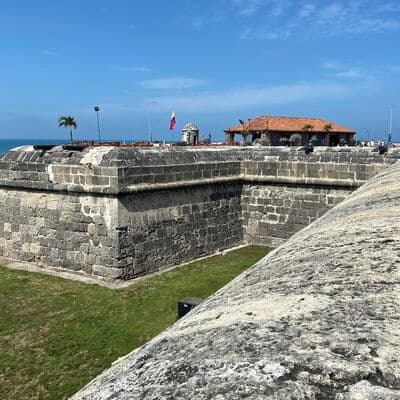
Cartagena de Indias is one of those cities that hits you the moment you step outside the airport. The heat wraps around you like a warm towel, the taxi driver has reggaeton playing at full volume, and within twenty minutes you are staring at 500-year-old fortress walls rising from the Caribbean Sea. This is not a sanitized resort town. This is a living, breathing, sweating city where colonial grandeur meets Afro-Colombian culture, where street vendors sell fried arepas next to boutique hotels charging $400 a night, and where every evening the Walled City turns into an open-air party that somehow feels both chaotic and completely safe.
Quick answer for the impatient: Cartagena is a Caribbean port city in northern Colombia with a UNESCO-listed Old Town, incredible food, island day trips to the Rosario Islands, and a nightlife scene centered around the colorful streets of Getsemani. You need three days minimum and a high tolerance for heat.
Who is Cartagena for? Couples looking for romance without the Cancun resort feel. Foodies who want to eat their way through a city for under $30 a day. History buffs who geek out over Spanish colonial fortifications. Backpackers who appreciate cheap beer and free salsa lessons in the plaza. Photographers who cannot resist a pastel-colored wall every fifteen steps.
The honest pros: Stunning architecture, world-class food scene at every price point, genuinely warm locals, easy island access, walkable Old Town, surprisingly good safety record for a Colombian city, direct flights from Miami, New York, and most major US hubs.
The honest cons: The heat is relentless (90-95F with humidity that makes it feel like 105F), tourist scams exist and you will encounter them, beaches inside the city are mediocre at best, prices in the Walled City are inflated by 30-50% compared to the rest of Colombia, and the gap between the tourist bubble and the real city can be jarring if you pay attention. Also, every single person will try to sell you something. Every. Single. One.
Cartagena Neighborhoods: Where to Stay
Choosing where to stay in Cartagena is probably the most important decision you will make for your trip. The city is not large, but each neighborhood has a drastically different vibe, price point, and experience. Here is the breakdown from someone who has stayed in all of them.
Centro Historico (The Walled City)
This is the postcard version of Cartagena. Cobblestone streets, bougainvillea cascading from colonial balconies, horse-drawn carriages clip-clopping past churches that have stood since the 1600s. Staying inside the Walled City means you are literally living inside a UNESCO World Heritage Site. The downside? You are paying for it. Budget hotels here start around $80-120/night, mid-range boutique hotels run $150-300, and the luxury colonial mansions converted into hotels will set you back $350-800+. Restaurants in this area charge a 30-50% premium. But waking up, stepping outside your door, and being immediately surrounded by five centuries of history is worth every cent for a short trip.
Best for: First-time visitors, couples on romantic getaways, luxury travelers, anyone staying 3 days or fewer who wants to maximize the Cartagena experience.
Watch out for: Noise. The streets echo, and late-night bar crowds can be loud. Request an interior room facing a courtyard if you are a light sleeper. Also, navigating luggage over cobblestones in 95-degree heat is not fun.
Getsemani
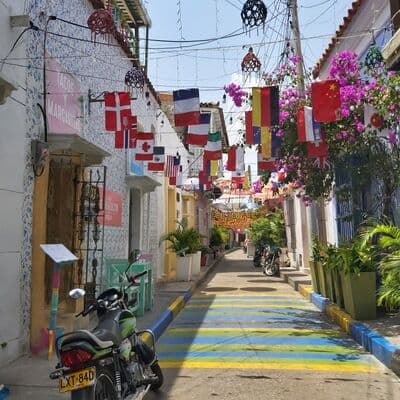
If Centro Historico is the grandmother's living room, Getsemani is the cool cousin's apartment. This neighborhood just outside the walls was the working-class barrio that has transformed into the backpacker and creative hub of Cartagena. Every wall is covered in street art, Plaza Trinidad fills with locals drinking beer and playing music every evening, and you can find hostels for $10-15/night or boutique guesthouses for $50-80. Food is cheaper, the energy is younger, and the nightlife is better than anywhere else in the city. Thursday through Saturday nights, Cafe Havana (a legendary salsa bar on the corner of Calle de la Media Luna) has a line around the block.
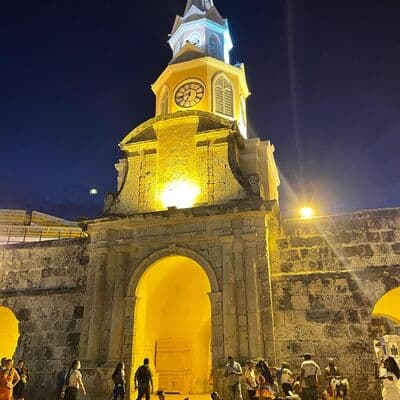
Best for: Backpackers, solo travelers, nightlife lovers, creatives, anyone on a budget who still wants to be close to the Old Town (it is a 5-minute walk through the Clock Tower Gate).
Watch out for: Gentrification is real and ongoing. Some long-time residents resent the tourist takeover, and you might feel that tension. Also, streets can be rowdy past midnight, and petty theft (phone snatching) is more common here than in the Walled City. Keep your phone in your pocket, not in your hand while walking at night.
San Diego
San Diego is the quieter, more residential corner of the Walled City. It has the same colonial beauty as Centro Historico but with fewer tourist shops and more local life. The streets are narrower, the plazas are smaller, and you will see more Colombian families than tour groups. Hotels here tend to be slightly cheaper than the heart of Centro, running $60-150/night for mid-range options. Some of the best restaurants in Cartagena are tucked into San Diego's quiet corners. The area around Plaza San Diego and Plaza Fernandez de Madrid is particularly charming at sunset.
Best for: Travelers who want the Walled City experience without the crowds, couples who prefer quiet dinners over nightlife, repeat visitors, remote workers who need peaceful mornings.
Watch out for: It can feel almost too quiet at night. If you want energy and buzz, you will need to walk 10-15 minutes to Getsemani or the main plazas of Centro.
Bocagrande
Think Miami Beach meets Cartagena. Bocagrande is the modern peninsula south of the Old Town, lined with high-rise hotels, chain restaurants, shopping malls, and a long beach. The beach itself is fine (literally fine sand), but beach vendors are aggressive and the water is not the crystal-clear Caribbean you see on Instagram. That said, if you want air-conditioned comfort, swimming pools, familiar hotel brands (Hilton, Hyatt), and do not mind taking a $3-5 taxi or Uber to the Old Town, Bocagrande works. Hotels range from $50-100 for budget chains to $200-400 for the big names. Many Colombian families vacation here.
Best for: Families with kids who need pool access, business travelers, anyone who prioritizes modern amenities over colonial charm, travelers who find the Walled City too hot and claustrophobic.
Watch out for: It feels generic. You could be in any tropical city. Also, the walk to the Old Town takes 25-35 minutes along the waterfront (nice in the morning, brutal at midday), and taxis add up quickly.
Manga
Manga is an island neighborhood connected by bridges, sitting between Getsemani and Bocagrande. It is almost entirely residential, with a few Airbnbs and guesthouses popping up. Staying here means you are living like a local: buying fruit from corner shops, eating at family-run comedores (lunch spots) for $3-4, and enjoying actual quiet at night. The Republican-era mansions along Avenida del Arsenal are gorgeous. Prices for Airbnbs run $30-60/night. It is a 10-minute walk to Getsemani and a 15-minute walk to the Walled City.
Best for: Budget travelers who want their own apartment, long-stay visitors (1 week+), digital nomads, anyone who wants to experience a real Colombian neighborhood without the tourist markup.
Watch out for: Limited restaurant and nightlife options within walking distance. You will need to walk or taxi to Getsemani or the Old Town for entertainment. Also, not all streets are well-lit at night.
La Boquilla
La Boquilla is a fishing village about 20 minutes north of the city center, sitting on a sand spit between the Caribbean Sea and the Cienaga de la Virgen lagoon. This is where locals go on weekends: beachside restaurants serving fresh fried fish with patacones and coconut rice for $8-12. The beach is better than Bocagrande (fewer vendors, more space, calmer water), and you can arrange mangrove canoe tours through the lagoon for $10-15. Accommodation is limited to a handful of guesthouses and Airbnbs ($25-50/night), and there is no real nightlife. Getting to the Old Town requires a taxi or bus (15-20 minutes, $4-8 by taxi).
Best for: Beach lovers who do not need to be in the Old Town every day, travelers seeking authentic fishing village culture, kite surfers (the wind here is excellent), families wanting a quiet beach base.
Watch out for: It is isolated. No ATMs, no pharmacies, limited shopping. You are fully dependent on taxis to reach the city. Also, the lagoon can produce mosquitoes at dusk, so bring repellent.
Best Time to Visit Cartagena
Cartagena sits at 10 degrees north of the equator, which means two things: it is hot year-round (average 88-92F / 31-33C), and there are only two real seasons - dry and wet. There is no "cool" season. There is only "slightly less suffocating" season.
December through March: Dry Season / High Season
This is peak Cartagena. Rain is rare, humidity drops to merely oppressive (instead of punishing), and trade winds off the Caribbean provide occasional relief. This is also when prices are highest and crowds are thickest. Hotel rates jump 30-60% over low season, and popular restaurants require reservations. New Year's Eve and the weeks around it are especially packed with Colombian and international tourists. If you come during this window, book everything at least 6-8 weeks in advance.
April through June: Shoulder Season
This is the sweet spot. April stays mostly dry, May sees the first rains (usually short afternoon showers that cool things down gloriously), and June is the transition to wet season. Prices drop 20-30%, crowds thin noticeably, and you can often negotiate hotel rates directly. The city feels more local, less performative. Late April and May are, in my opinion, the best time to visit if you can handle occasional rain.
July through November: Rainy Season / Low Season
Rain comes in bursts - sometimes dramatic afternoon downpours that flood low-lying streets for an hour, then clear up completely. October and November are the wettest months. The upside: prices bottom out, you will have places almost to yourself, and the rain makes the heat bearable. The downside: boat trips to the Rosario Islands can be canceled due to rough seas, some outdoor activities are less reliable, and the humidity between rainstorms can be absolutely brutal.
Festivals Worth Planning Around
Hay Festival (January): International literary and arts festival with talks, concerts, and film screenings. The city fills with a more intellectual, cultured crowd.
Fiesta de la Candelaria (February 2): Religious festival with processions, music, and street food. Not as famous as Barranquilla's Carnival but worth catching if you are in town.
Cartagena International Film Festival (March): FICCI brings indie filmmakers and cinephiles from across Latin America. Screenings happen in colonial plazas and theaters - genuinely magical settings for watching films.
Independence Day (November 11): Cartagena's biggest party. Four days of parades, concerts, beauty pageants, and serious revelry. The city goes absolutely wild. Book far in advance or do not bother.
Cartagena Itinerary: 3 to 7 Days
Here is how I would structure a trip, from the essential three-day version to a full week that covers everything worth seeing.
Day 1: The Old City and Getsemani
Morning (8:00-12:00): Start early before the heat peaks. Enter the Walled City through the Clock Tower Gate (Plaza de los Coches). Grab a coffee at Cafe San Alberto ($3-4 for a pour-over of some of the best Colombian coffee you will ever taste). Walk through Plaza de la Aduana and Plaza Santo Domingo (say hello to Botero's famously voluptuous reclining statue). Continue to the Cathedral, then wind through the streets toward Plaza San Diego. Do not follow a strict route - getting lost in these streets is the whole point.
Midday (12:00-15:00): Escape the heat. Lunch at La Cevicheria in San Diego (the ceviche is legendary, portions are generous, $12-18 per person). Alternatively, duck into the Museo de Arte Moderno (free entry, air-conditioned, excellent collection of Colombian contemporary art). Return to your hotel for a siesta - this is not laziness, it is survival strategy.
Afternoon (16:00-18:00): Walk the city walls. Start at Baluarte de Santo Domingo and walk counterclockwise toward the Cafe del Mar area. The late afternoon light on the walls is spectacular for photos. Stop at Cafe del Mar for an overpriced but scenic sundowner cocktail ($8-12) as the sun drops into the Caribbean.
Evening (19:00-late): Cross into Getsemani for dinner and nightlife. Eat at La Cocina de Pepina (traditional Cartagena cuisine, mains $8-14) or grab street food in Plaza Trinidad (arepas de huevo $1-2, beer $1.50). If it is Thursday through Saturday, get in line for Cafe Havana by 10:00 PM - the live salsa bands are worth the wait and the $5 cover charge. The dancing goes until 3:00 AM.
Day 2: Castillo San Felipe and Culture
Morning (7:30-11:00): Hit the Castillo San Felipe de Barajas as early as possible. Gates open at 8:00 AM, and by 10:00 AM the heat on those exposed stone walls becomes punishing. This is the largest Spanish fortress in the Americas, and the tunnel system is genuinely impressive - the Spanish engineered it so that whispers carry from one end to the other, allowing sentries to communicate across the entire structure. Budget 90 minutes. Entry is about $8 for foreigners. Bring water - there is minimal shade.
Late Morning (11:00-13:00): Walk back to the Walled City through the San Diego gate. Visit the Palacio de la Inquisicion ($6 entry, fascinating and disturbing in equal measure - the torture instruments on display are not for the faint-hearted). The building itself is one of the finest examples of colonial architecture in the city.
Afternoon (14:00-17:00): After lunch and siesta, explore the Bovedas - the old dungeon vaults built into the city walls, now converted into souvenir shops. They are touristy, yes, but the prices are actually more reasonable than the shops inside the Walled City, and the quality of handmade goods (hammocks, leather bags, mochila bags) is decent. Budget $15-40 for a good Colombian hammock, $20-50 for an authentic Wayuu mochila bag.
Evening (18:00-21:00): Splurge dinner. Carmen by chef Celele team ($45-70 per person for a tasting-style meal) is regularly listed among the best restaurants in Latin America. The flavors are rooted in Colombian Caribbean cuisine but the technique is world-class. Reservations essential. After dinner, walk the illuminated walls - the Walled City at night, with the old cannons silhouetted against the sky, is unforgettable.
Day 3: Rosario Islands
Full day (7:00-17:00): Book a boat to the Rosario Islands. Boats leave from the Muelle de la Bodeguita (near the convention center) starting at 8:00 AM. You have two main options: a group tour ($25-40 per person including lunch, snorkeling, and stops at 2-3 islands) or a private boat ($150-300 for the whole vessel, worth it if you have 4-6 people). The water here is the crystal-clear turquoise you came to the Caribbean for - the difference from Bocagrande's murky waves is night and day. The Oceanario (aquarium on Isla San Martin de Pajarales) is decent but not essential. I recommend asking to stop at Isla Baru's Playa Blanca if your tour allows it - it is the best beach accessible from Cartagena.
Important logistics: Bring cash (island vendors do not take cards), reef-safe sunscreen (you will burn faster than you think), and a waterproof phone case. The return trip can be rough if afternoon winds pick up. If you get seasick, take Dramamine before departure. Most tours return by 4:00-5:00 PM.
Evening: Casual dinner in Getsemani. You will be sun-tired and salty. Pizza at Demente is solid ($8-12), or grab a cheap meal at one of the family restaurants on Calle de la Sierpe ($5-8).
Days 4-5: Deeper Cartagena (Extended Trip)
Day 4 Morning: Bazurto Market. This is the real Cartagena - loud, chaotic, overwhelming, and absolutely not for everyone. It is the main public market where locals buy everything from fish to phone chargers. Go with a guide (many hostels arrange these for $15-20 per person) for safety and context. Try the fresh juices - corozo, tamarind, lulo - for $0.50-1 each. Visit the seafood section early (before 10:00 AM) when the fish is freshest and the smell is least intense. Lunch at one of the market stalls: a full plate of fried fish, coconut rice, patacones, and salad for $3-5.
Day 4 Afternoon: Take a taxi ($8-10) to La Boquilla for mangrove kayaking. The Cienaga de la Virgen mangrove forest is a peaceful contrast to the city chaos. Local fishermen guide canoe tours ($10-15 per person, 1.5 hours) through the tunnels of mangrove roots. You will see herons, iguanas, and possibly small caimans. Stay for a late lunch at one of the beachfront fish shacks - whole fried red snapper with all the sides for $8-12.
Day 5: Playa Blanca on Isla Baru (if you did not visit on the Rosario trip) or Tierra Bomba island. Tierra Bomba is less developed and closer (a 10-minute boat ride from the Muelle de la Bodeguita, $3-5 round trip). Punta Arena beach on the island has clear water, beach chairs for rent ($5), and several restaurants serving fresh seafood. It is quieter than the Rosario Islands and feels more authentic. Spend the morning snorkeling (bring your own gear or rent for $5-10), have a long fish lunch, and return in the afternoon.
Days 6-7: Off the Beaten Path (Full Week)
Day 6: Volcan del Totumo, the famous mud volcano about 45 minutes northeast of Cartagena. Yes, you climb into a crater filled with warm, dense mud and float. It is bizarre, fun, and makes for great photos (and video). The mud is reportedly mineral-rich and good for your skin. Tours from Cartagena run $20-30 including transport, entry, and lunch. Independent taxis charge around $40-50 round trip. The entry fee is about $3, plus $2-3 for the mandatory "massage" (locals who help you in and out of the mud and give a brief rubdown - tip $2-3). After the mud, local women wash you off in the adjacent lagoon. The whole experience takes about 2 hours including the drive.
Day 7: Slow day. Sleep in. Get a late breakfast at Mila Pasteleria in the Walled City (their pastries and fresh juices are excellent). Revisit your favorite streets for last photos in good light. Pick up final souvenirs. Get a $5 fresh fruit plate from a street vendor for lunch. In the afternoon, consider the free walking tour of Getsemani (offered daily at 4:00 PM from Plaza Trinidad - tip-based, budget $10-15 per person as a fair tip). Final dinner at Celele, which focuses on hyper-local Colombian ingredients prepared with creativity and precision. It is a fitting final meal in a city that takes its food very seriously.
Where to Eat in Cartagena: Restaurants and Cafes
Cartagena's food scene has exploded in the past decade, and it now competes with Lima, Mexico City, and Buenos Aires for the title of best food city in Latin America. Here is where to eat at every budget level.
Street Food (Under $3)
The best eating in Cartagena happens on the street, and that is not an exaggeration. Plaza Trinidad in Getsemani is the epicenter - every evening, vendors set up carts selling arepas de huevo ($1-2), empanadas ($0.50), and fried everything. Calle 32 near the university has a strip of cheap eats popular with students. Portal de los Dulces (the archway entrance to the Walled City from Plaza de los Coches) is famous for traditional sweets - cocadas (coconut candies, $0.50), bolas de tamarindo (tamarind balls), and dulce de leche (caramelized milk candy). Do not eat the first one you buy - walk the entire portal, try samples, and then buy from the vendor whose flavor you liked best.
Local Restaurants ($5-15)
Coroncoro in Getsemani serves traditional Cartagena cuisine at fair prices. The arroz con coco (coconut rice) is a standout. Mains run $7-12. La Cocina de Pepina (San Diego) is a local institution - the menu changes daily based on what is fresh at the market. Expect to wait for a table at lunch. The cazuela de mariscos (seafood stew in coconut broth) is unforgettable, around $10-14. La Esquina del Pandebono has the best pandebono (cheese bread) in the city for $0.75 each - get three, they are small and addictive. The fresh tropical juices here are also excellent ($1.50-2.50).
Mid-Range ($15-30)
La Cevicheria (San Diego) is probably the most famous restaurant in Cartagena, thanks partly to Anthony Bourdain's visit. The celebrity ceviche ($14) lives up to the hype. Go at lunch when it opens (12:00) to avoid the line. Cande (Getsemani) serves innovative Colombian-Caribbean fusion - try the catch of the day with coconut and plantain ($16-22). The cocktails here are some of the best in the city. Mar y Zielo (Walled City) focuses on seafood with a modern twist. Their tuna tartare starter ($10) and grilled octopus ($18-22) are excellent. Reservations recommended for dinner.
Fine Dining ($40-80+)
Carmen has been the queen of Cartagena fine dining for years. The tasting menu ($55-70 per person without wine) is a journey through Colombian flavors with French technique. The service is impeccable, the wine list is deep, and the courtyard setting in a restored colonial house is romantic without being stuffy. Reserve at least a week in advance. Celele is the newer star, focusing on the Bolivar region's indigenous and Afro-Colombian culinary traditions. It is more experimental than Carmen and equally rewarding. The tasting menu runs $50-65. Both restaurants have been recognized on Latin America's 50 Best lists.
Cafes and Breakfast
Cafe San Alberto (Walled City) is a must for coffee lovers. Their single-origin Colombian coffees, brewed every conceivable way (pour-over, siphon, cold brew), are extraordinary. A specialty coffee runs $3-5 but it is genuinely some of the best coffee you will drink in your life. Libertario Coffee Roasters (Getsemani) is the local favorite - less touristy, equally good coffee, with a chill vibe and comfortable seating for laptop work. Cafe del Mural (Getsemani) combines good coffee with a street art gallery setting. Mila Pasteleria (Walled City) does European-style pastries and brunch that rivals anything in Paris or New York, at a fraction of the price ($8-15 for brunch with coffee).
What to Try: Cartagena Food
Colombian Caribbean cuisine is its own thing - distinct from the interior's cuisine, influenced by African, indigenous, and Spanish traditions, and built around coconut, plantain, seafood, and corn. Here are the ten things you absolutely must eat in Cartagena.
1. Arepa de huevo. A cornmeal pocket, deep-fried, then cracked open, filled with a raw egg, sealed, and fried again until the egg cooks inside. The result is a crispy, golden shell with a soft egg interior. The best ones are from street vendors in Getsemani ($1-2). Eat it immediately - it does not travel well. Some vendors add ground beef (arepa de huevo con carne) for an extra dollar.
2. Ceviche de camaron. Cartagena's version is different from Peruvian ceviche - it typically comes in a tomato-based sauce with lime, onion, and cilantro, served with saltine crackers (galletas de soda). Street vendors carry it in coolers and serve it in small cups for $2-3. Restaurant versions ($8-14) are more refined but the street version has its own charm. La Cevicheria does the best sit-down version in the city.
3. Arroz con coco. Coconut rice, cooked slowly until slightly sweet and caramelized. It accompanies almost every seafood dish in Cartagena. The darker, slightly burnt version (arroz con coco negro) is actually more traditional and more flavorful. You will eat this almost every day without trying.
4. Cazuela de mariscos. A rich, creamy seafood stew in coconut milk with shrimp, fish, squid, and sometimes lobster. Every restaurant has its version. The best I have had was at La Cocina de Pepina ($10-14), but Coroncoro and Mar y Zielo also make excellent versions. Order it with a side of patacones for dipping.
5. Patacones. Twice-fried green plantain discs, smashed flat and served as an accompaniment to nearly everything. Think of them as Caribbean french fries. Some places serve them topped with hogao (a creole tomato and onion sauce) or shredded meat. At Bazurto Market, vendors fry them fresh to order for $0.50-1.
6. Carimañolas. Torpedo-shaped yuca fritters filled with seasoned ground beef or cheese. Crispy outside, soft and starchy inside. They are a breakfast staple sold from street carts starting at 6:00 AM ($0.75-1.50 each). Get two with a fresh juice and you have a $3 breakfast that will hold you until lunch.
7. Coctel de camarones. A shrimp cocktail served in a glass with a tangy ketchup-mayo-lime sauce and diced vegetables. It sounds basic, but the freshness of the shrimp in a port city makes all the difference. Sold from carts near Plaza de la Aduana for $3-5. Some versions include octopus or oysters for a dollar more.
8. Jugos naturales. Fresh tropical fruit juices blended to order. Flavors you have never heard of: corozo (a tart Caribbean cherry), lulo (citrusy, impossible to describe), zapote, guanabana (soursop), maracuya (passion fruit), nispero. Every juice cart and restaurant makes them, typically $1-2 for a large glass. Order them "sin azucar" (without sugar) if you prefer - Colombians add a shocking amount of sugar to their juices by default.
9. Dulces tradicionales. Traditional sweets from the Portal de los Dulces: cocadas (shredded coconut in caramelized sugar, white or brown), alegrías (popped amaranth bars with honey), bolas de tamarindo (sweet-sour tamarind balls), enyucado (yuca and coconut cake). Buy an assorted box ($5-8) and graze throughout the day. These recipes have been passed down through generations of Palenquera women.
10. Sancocho. A hearty soup made with chicken or fish, yuca, plantain, corn, potato, and herbs. It is comfort food for locals, typically eaten at lunch. Not as common in tourist restaurants, but ask at local comedores (lunch spots) in Getsemani or Manga - they usually have it as a daily special for $3-5. The fish version (sancocho de pescado) is particularly good in Cartagena.
Tourist traps to avoid: Any restaurant with a pushy host standing outside waving a menu at you on Plaza Santo Domingo is overpriced. The lobster dinners marketed to tourists often use frozen lobster at fresh prices. If a menu has photos, it is targeting tourists (not necessarily bad food, but definitely tourist prices).
Vegetarian options: Colombian cuisine is heavily meat-and-seafood-based, but you can eat well as a vegetarian. Patacones, arepas with cheese, coconut rice, yuca fries, and tropical fruits are all naturally vegetarian. Several restaurants (Cande, Celele) offer creative vegetarian tasting menus. Tell servers "soy vegetariano/a" and they will usually accommodate you.
Allergy warning: Coconut is in everything. If you have a coconut allergy, you will need to be extremely vigilant in Cartagena. Shellfish is also ubiquitous - cross-contamination is common in kitchens that handle both seafood and non-seafood dishes. Gluten-free travelers will find it relatively easy since most traditional dishes are corn, rice, or yuca-based.
Cartagena Secrets: Local Tips
These are the things nobody tells you before you arrive. Print this section or save it to your phone.
1. "No dar papaya." This Colombian expression literally means "do not give papaya" and it is the most important phrase you will learn. It means do not make yourself an easy target. Do not flash expensive jewelry. Do not leave your phone on the restaurant table. Do not walk alone on dark side streets at night. Cartagena is safe by Latin American standards, but petty theft targets careless tourists. Follow this rule and your chance of problems drops to near zero.
2. The heat is the real enemy. Forget crime, scams, or bad food. The sun and humidity will ruin your trip faster than anything else if you do not respect them. Drink at least 3 liters of water daily. Wear sunscreen and reapply every two hours (you are closer to the equator than you think). Schedule a midday break from 12:00-3:00 PM in air conditioning. Carry a refillable water bottle. Wear light, loose clothing. A small handheld fan or a cooling towel can be a lifesaver.
3. Uber works but exists in a grey area. Uber is technically not legal in Colombia (unlike Bogota where it has been banned and reinstated multiple times). In Cartagena, it functions fine - drivers use it, police generally ignore it, and prices are 30-40% cheaper than yellow taxis. However, some drivers will ask you to sit in the front seat so it looks like you are a friend, not a passenger. Just go with it. InDriver is another popular option where you negotiate the price.
4. Carry small bills. Many vendors, taxis, and small shops cannot break a 50,000 or 100,000 peso note ($12 or $24). Start your day by breaking large bills at supermarkets or chain stores (Exito, Olimpica, Juan Valdez). Keep a stash of 1,000, 2,000, 5,000, and 10,000 peso notes for taxis and street food. ATMs typically dispense 50,000 and 100,000 notes - withdraw odd amounts (like 230,000) to get a mix of denominations.
5. Beach vendors will not leave you alone. On Bocagrande beach and Playa Blanca, you will be approached every 2-3 minutes by someone selling massages, jewelry, sunglasses, fruit, drinks, braids, or "the best ceviche." A firm but polite "no gracias" is the standard response. Do not engage in conversation if you do not want to buy - they are skilled at turning a chat into a sale. This is their livelihood, so do not be rude, but set boundaries clearly.
6. The Palenquera photo thing. Women in colorful traditional dresses carrying fruit bowls on their heads will pose for photos in the Walled City. This is not spontaneous - it is their job and they will demand payment ($1-3 is fair for a posed photo). Some will walk into your selfie frame uninvited and then demand money. If you want a photo, negotiate the price first. If you do not want one, avoid making eye contact and keep walking.
7. Las Bovedas for souvenirs. The old dungeon vaults in the Walled City walls have been converted into 23 artisan shops. Prices are somewhat negotiable (try for 10-20% off the stated price, especially if buying multiple items). The hammocks, mochila bags, and emerald jewelry here are better quality than what street vendors sell. Go in the afternoon when it is quieter and vendors are more willing to negotiate.
8. Learn five Spanish phrases. English is spoken in tourist hotels and upscale restaurants, but everywhere else, Spanish is essential. Master these: "Cuanto cuesta?" (How much?), "La cuenta, por favor" (The check, please), "No gracias" (No thanks), "Donde esta...?" (Where is...?), and "Una cerveza fria, por favor" (A cold beer, please). Download Google Translate's offline Spanish pack before you arrive - it works with the camera for translating menus and signs.
9. Friday nights in Getsemani. Every Friday evening, Plaza Trinidad transforms into an impromptu block party. Locals bring chairs, coolers of beer, and portable speakers. Street performers appear. Kids run around. It is free, it is authentic, and it is the best nightlife experience in Cartagena - no cover charge, no dress code, no pretension. Arrive by 8:00 PM to claim a spot near the church steps.
10. Book direct for discounts. Many boutique hotels in the Walled City and Getsemani offer 10-20% discounts if you book through WhatsApp or email instead of Booking.com or Airbnb. Find the hotel you like on a booking platform, then search for their direct website or Instagram and message them. This is common practice in Cartagena and not considered rude - they save on platform commissions and pass some savings to you.
11. Airport taxi prices are fixed. From Rafael Nunez Airport to the Old Town/Getsemani, the official taxi fare is around 15,000-20,000 pesos ($4-5). Uber is cheaper ($3-4). Do not accept any offer above 25,000 pesos. The ride takes 10-15 minutes unless you arrive during rush hour (7:00-9:00 AM or 5:00-7:00 PM), when it can take 30-40 minutes. The airport is surprisingly close to the city center.
12. Cash vs. cards. Major restaurants and hotels accept credit cards (Visa and Mastercard are most widely accepted, Amex less so). Street food, taxis, small shops, and market vendors are cash-only. When paying by card at restaurants, they will bring a portable terminal to your table and ask "en pesos o en dolares?" - always choose pesos. Choosing dollars triggers dynamic currency conversion with terrible exchange rates. ATMs are plentiful; Bancolombia and BBVA have the lowest fees for foreign cards (around $2-3 per withdrawal).
Getting Around and Connectivity
Airport to City Center
Rafael Nunez International Airport (CTG) is just 3 kilometers from the Walled City - one of the shortest airport-to-downtown transfers in Latin America. Your options:
Official taxi: Fixed rate of 15,000-20,000 pesos ($4-5) to the Walled City or Getsemani. Buy a voucher at the taxi desk inside the arrivals hall. The ride takes 10-15 minutes in normal traffic. Taxis are safe and regulated at the airport.
Uber/InDriver: $3-4 to the Old Town. Request from outside the arrivals area (walk past the taxi line to the departure level for a faster pickup). Some drivers cancel when they realize it is an airport pickup - just request again.
Public bus: There is a bus stop on the main road outside the airport (Avenida Crisanto Luque) with buses to the city center for about 2,800 pesos ($0.70). Unless you are on a very tight budget and travel light, this is not worth the hassle for a $2 savings.
Getting Around the City
Walking: The Walled City, Getsemani, and San Diego are all walkable - the entire Old Town area is roughly 1 kilometer by 1 kilometer. Wear comfortable shoes (cobblestones destroy sandals and flip-flops) and carry water. From Getsemani to Bocagrande is a 25-35 minute walk along the waterfront promenade.
Taxis: Yellow taxis do not use meters - negotiate the fare before getting in. Within the Walled City to Getsemani: 6,000-8,000 pesos ($1.50-2). Old Town to Bocagrande: 8,000-12,000 pesos ($2-3). Old Town to La Boquilla: 15,000-25,000 pesos ($4-6). Always agree on the price first. If a driver quotes something ridiculous, just wave them off and flag the next one.
TransCaribe: Cartagena's BRT (bus rapid transit) system runs along the main avenues with dedicated lanes. It is clean, air-conditioned, and costs 2,800 pesos ($0.70) per ride with a rechargeable card. Useful for getting from the Centro terminal to Bocagrande or the Mercado de Bazurto area. Not particularly useful for getting around the Old Town itself, but great for longer distances.
Bicycles: Several rental shops in Getsemani rent bikes for $5-10/day. The waterfront path from the Walled City to Bocagrande is pleasant for cycling in the early morning or late afternoon. Inside the Walled City, forget it - the streets are too narrow, cobblestoned, and crowded. Some hotels provide complimentary bikes for guests.
Internet and Connectivity
SIM cards: Claro and Movistar are the main carriers. Buy a prepaid SIM at the airport or any of the numerous phone shops in Bocagrande or the Walled City. A SIM with 10GB of data costs about 30,000-50,000 pesos ($7-12) and lasts 30 days. Bring your passport - it is required for registration. Make sure your phone is unlocked before you arrive. Coverage is good in the city, spotty on the islands.
eSIM: If your phone supports it, eSIM providers like Airalo, Holafly, or Nomad offer Colombia data plans from $5-15 for 3-10GB. Activate before you land and you will have data the moment you step off the plane. This is the easiest option for short trips.
WiFi: Hotels, cafes, and restaurants almost universally offer free WiFi. Speed varies wildly - boutique hotels in the Walled City often have surprisingly slow connections (the thick colonial walls do not help with signals). For reliable work-from-Cartagena sessions, Libertario Coffee Roasters and Cafe del Mural in Getsemani have good WiFi and comfortable workspaces. Co-working spaces like Selina in Getsemani offer day passes ($10-15) with fast internet.
Useful Apps
Uber: Works for rides and food delivery. Prices are transparent and you avoid taxi negotiations.
Rappi: Colombia's super-app for food delivery, groceries, pharmacy items, and even cash withdrawal. Incredibly useful for those too-hot-to-leave-the-hotel afternoons.
Google Maps: Works well for navigation and walking directions within the city. Offline maps recommended since cellular data can be unreliable in the Walled City's narrow streets.
WhatsApp: Essential. Colombians use WhatsApp for everything - restaurant reservations, hotel bookings, tour arrangements, taxi requests. Having a local or eSIM number connected to WhatsApp makes everything smoother.
Google Translate: Download the Spanish language pack for offline use. The camera translation feature is surprisingly accurate for menus and signs.
Who Should Visit Cartagena: Summary
Cartagena is ideal for: Couples seeking romance in a historic setting. Food obsessives who want to eat at every price level. History and architecture buffs. Photographers (the colors alone are worth the flight). Backpackers on a Latin America circuit. Anyone who has "beach plus culture" as their vacation formula. Party people who want world-class nightlife without a resort wristband.
Cartagena is not great for: People who cannot handle sustained heat and humidity (this is non-negotiable - there is no escaping it). Travelers who want pristine, empty beaches right outside their hotel (the best beaches require boat trips). Mountain or nature lovers who prefer hiking to sightseeing (head to the Coffee Region or Villa de Leyva instead). Anyone seeking peace and silence (this city is loud, 24/7, by design).
How much time: Three days covers the essentials (Old Town, castle, islands). Five days is the sweet spot - you can go deeper into neighborhoods, eat at more restaurants, and take a day trip without feeling rushed. Seven days is the maximum before diminishing returns set in, unless you are using Cartagena as a base for wider Caribbean coast exploration (Santa Marta, Tayrona, Minca). Do not try to combine Cartagena with Bogota or Medellin in a single week - Colombia is bigger than it looks, and each city deserves its own trip.