About
Albania: The Complete Travel Guide You Actually Need
Why Albania Should Be Your Next Trip
Here is the honest truth: Albania was not on most travelers' radars ten years ago. When people thought of Mediterranean vacations, they pictured Greece, Croatia, maybe Montenegro if they were feeling adventurous. Albania was that mysterious blank spot on the map -- the country your friends could not quite place, somewhere between Greece and... was it near Italy? Today, that obscurity is Albania's greatest gift to you. This is one of the last genuinely undiscovered corners of Europe, and it is changing fast. The window to experience Albania before it becomes the next Croatia is closing, and you want to be on the right side of that window.
So what exactly makes Albania worth the trip? Start with the geography. This is the only country in Europe where you can swim in two different seas in a single day -- the Adriatic to the north and the Ionian to the south. The Albanian Riviera has beaches that rival anything in Greece or southern Italy, with water so clear you can count pebbles at twenty feet deep, and turquoise hues that look photoshopped in pictures but are absolutely real in person. Then there are the mountains. The Albanian Alps (locally called the Accursed Mountains, which is a much better name) have peaks over 8,500 feet, glacial valleys, and hiking trails that would be world-famous if they were in Switzerland -- but without the Swiss price tag or the crowds.
The cultural depth here is staggering for a country smaller than Maryland. Three UNESCO World Heritage Sites. Cities where Ottoman architecture sits next to Venetian fortifications, where Byzantine churches share streets with mosques, where communist-era bunkers dot landscapes like concrete mushrooms. Albania was the North Korea of Europe for nearly five decades under Enver Hoxha's paranoid dictatorship, and the remnants of that era -- from the 750,000 bunkers built to repel an invasion that never came to the underground nuclear shelters now turned into museums -- add a layer of dark history that is genuinely fascinating.
Then there is the cost. Albania is one of the cheapest countries in Europe, full stop. A proper sit-down lunch with drinks will run you $8-12. A good hotel room in a UNESCO city costs $40-60 a night. A liter of excellent local wine at a restaurant is $5-8. Car rental starts at $20-25 a day. For Americans, Brits, Canadians, and Australians accustomed to paying $15 for a cocktail and $200 for a decent hotel room, Albania feels like time travel to an era when travel was actually affordable. Your dollar, pound, or Australian dollar goes absurdly far here.
But the thing that actually makes Albania special -- the thing that no guidebook quite captures -- is the people. Albanians practice something called besa, an ancient code of honor centered on hospitality. For an Albanian, taking care of a guest is not a courtesy; it is a sacred obligation. You will be offered coffee, raki (grape brandy), food, and genuine friendship by complete strangers. The grandmother who insists you sit down for a second helping. The shopkeeper who walks you to your destination because directions were too complicated. The driver who refuses payment because you complimented his village. This is not performative tourism hospitality -- this is how Albanians actually are, and experiencing it is worth the trip all by itself.
For English speakers, Albania is increasingly accessible. While Albanian is a unique language unrelated to any other European tongue, English is widely spoken in tourist areas and by the younger generation. Italian is common among older Albanians who grew up watching Italian television (the country's main window to the West during communism). You will rarely feel truly lost in translation, though having Google Translate with the Albanian language pack downloaded offline is wise for rural areas.
One more thing worth mentioning: Albania is safe. Genuinely safe. Crime rates against tourists are extremely low -- lower than in most Western European capitals. The streets of Tirana, Berat, and Gjirokaster feel safe to walk at any hour. The biggest actual danger in Albania is the driving (more on that later), not crime. Solo female travelers consistently report feeling comfortable and welcomed. This is not a destination that requires special precautions beyond basic common sense.
Albania is not perfect. The infrastructure can be rough. Roads in rural areas range from adventurous to genuinely alarming. Bus schedules are more suggestion than commitment. Bureaucracy can be bewildering. Construction is seemingly happening everywhere, all at once, forever. But these rough edges are part of what makes Albania feel like a real adventure rather than a packaged tourism product. If you want everything smooth and predictable, book a resort in the Canaries. If you want to feel like an actual explorer discovering a place that most of your friends have never been -- Albania is calling.
Regions of Albania: Picking Your Base
Tirana and Central Albania
Tirana is unlike any European capital you have visited. It does not have the grandeur of Paris, the medieval charm of Prague, or the polished efficiency of Berlin. Instead, it has something more interesting: personality. This is a city where communist-era apartment blocks have been painted in wild geometric patterns of pink, orange, and teal (an initiative by former mayor Edi Rama, who later became prime minister -- yes, really), where glossy glass towers sit next to Ottoman mosques and Italian colonial villas, and where the energy of a country reinventing itself at breakneck speed is palpable on every street corner.
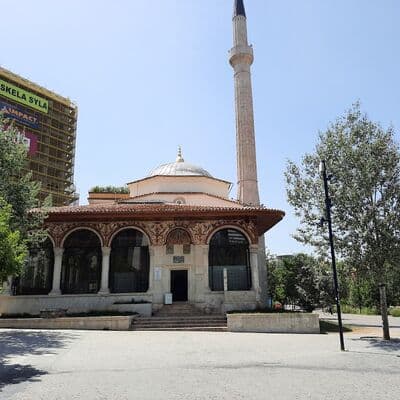
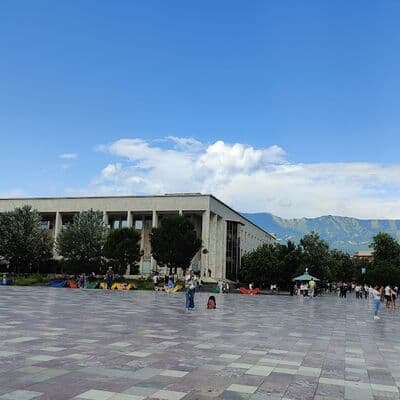
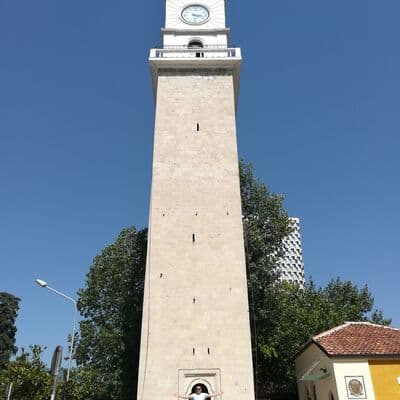
Skanderbeg Square is the heart of the city and your natural starting point. After a massive redesign completed in recent years, it is now a vast pedestrian expanse of about 430,000 square feet, paved with stones sourced from every region of Albania -- a deliberate statement of national unity. At its center stands a statue of Gjergj Kastrioti Skanderbeg, the 15th-century nobleman who held off the Ottoman Empire for 25 years and became Albania's undisputed national hero. The square is surrounded by the city's most significant buildings: the National Historical Museum, instantly recognizable by its enormous socialist-realist mosaic facade depicting Albanian history from the Illyrians to the communist era; the Ethem Bey Mosque, an 18th-century jewel that was one of the few religious buildings to survive Hoxha's campaign to create the world's first officially atheist state; and the Clock Tower, 115 feet tall, which you can climb for a small fee to get panoramic views of the city and the surrounding mountains.
The National Historical Museum deserves a dedicated visit of two to three hours. Its collections span Albanian history from prehistoric Illyrian artifacts through Greek and Roman periods, the Byzantine era, Ottoman rule, the independence movement, World War II (Albania was occupied by Italy and then Germany), the communist period, and the turbulent 1990s. The communist-era galleries are particularly gripping -- they document the paranoia, repression, and isolation of one of the most extreme totalitarian regimes in history. If you visit only one museum in Albania, make it this one. Admission is about 700 lek ($7/6 GBP).
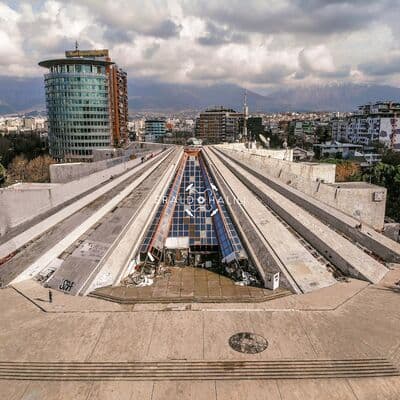
The Pyramid of Tirana is one of the most unusual landmarks in any European capital. Built in 1988 as a museum dedicated to dictator Enver Hoxha (designed by his own daughter and son-in-law), this concrete pyramid has had more identity crises than a teenager. After communism fell, it served variously as a nightclub, a NATO base during the Kosovo War, a TV station, and for years was simply an abandoned shell that local kids climbed for the views while tourists took ironic photos in front of the graffiti-covered facade. In 2023, it reopened after a major renovation as a youth center and cultural space with cafes, co-working areas, educational facilities, and gallery space. You can walk up the exterior staircases to the top -- for free -- and the views of the city from up there are some of the best in Tirana, especially at golden hour. This is a must-visit, not just as an architectural curiosity but as a symbol of how Albania processes its complicated past. Allow about an hour.
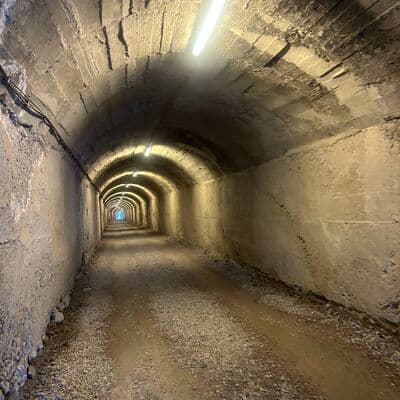
BunkArt Museum might be the most powerful museum experience in Albania, and there are actually two of them. BunkArt 1 is located at the base of Mount Dajti, inside an enormous underground bunker with over 100 rooms that was built in the 1970s for the communist elite in case of nuclear war. Walking through its tunnels -- past decontamination chambers, command centers, assembly halls, and private apartments built for Hoxha himself -- is an immersive, occasionally unsettling experience that brings the paranoia of the regime viscerally to life. BunkArt 2, in the city center, occupies a smaller bunker that served the Ministry of Internal Affairs (essentially the secret police). It focuses on the surveillance state, political persecution, and the thousands of Albanians who were imprisoned, tortured, or executed for perceived disloyalty. Both museums use a mix of original artifacts, multimedia installations, and audio guides to create experiences that go far beyond typical historical exhibitions. Plan at least two hours for each. Admission is about 500 lek ($5/4 GBP) per museum.
The Blloku District is where modern Tirana comes alive. During the communist era, this neighborhood was sealed off from ordinary citizens -- only the party elite lived here. Today, it is the city's trendiest quarter, packed with cafes, cocktail bars, restaurants, boutiques, and nightlife. Blloku is where you will find young Albanians sipping macchiatos at outdoor tables, debating at sidewalk cafes, and bar-hopping late into the night. For a unique experience, try Komiteti - Kafe Muzeum, where cocktails are served in communist-era dishes and the decor is a curated collection of regime memorabilia. Radio Bar is another local favorite for evening drinks. Blloku is also where you will find some of the city's best restaurants, including options serving creative modern Albanian cuisine alongside international fare.
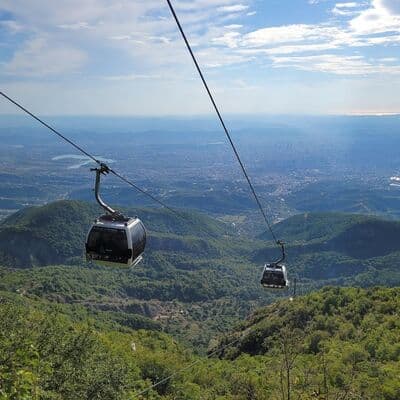
Mount Dajti is a national park on the eastern edge of the city, and it is the easiest half-day escape from Tirana's heat and noise. The Dajti Ekspres cable car -- the longest in the Balkans at 2.6 miles -- whisks you up in about eight minutes to an elevation of roughly 3,300 feet. At the top, you will find restaurants with panoramic views, walking trails through beech and pine forests, horseback riding, and a general sense of mountain calm that feels a world away from the chaotic city below. In summer, temperatures up here are 10-15 degrees Fahrenheit cooler than downtown. On clear days, you can see all the way to the Adriatic coast. The cable car costs about 1,000 lek ($10/8 GBP) round trip. If you have a car, you can also drive up -- but the cable car ride itself is half the experience.
Beyond Tirana, central Albania holds several worthwhile stops. Elbasan, one of the country's oldest cities, has a well-preserved fortress and the Llixhat thermal baths nearby. The Ardenica Monastery, between Fier and Berat, is a beautifully decorated 13th-century Orthodox monastery where national hero Skanderbeg reportedly married. And Durres, Albania's second-largest city and main port, has a Roman amphitheater right in its city center -- once holding 20,000 spectators -- along with a long sandy beach that is popular with Albanian vacationers (though the water quality is not always the best).
The Albanian Riviera
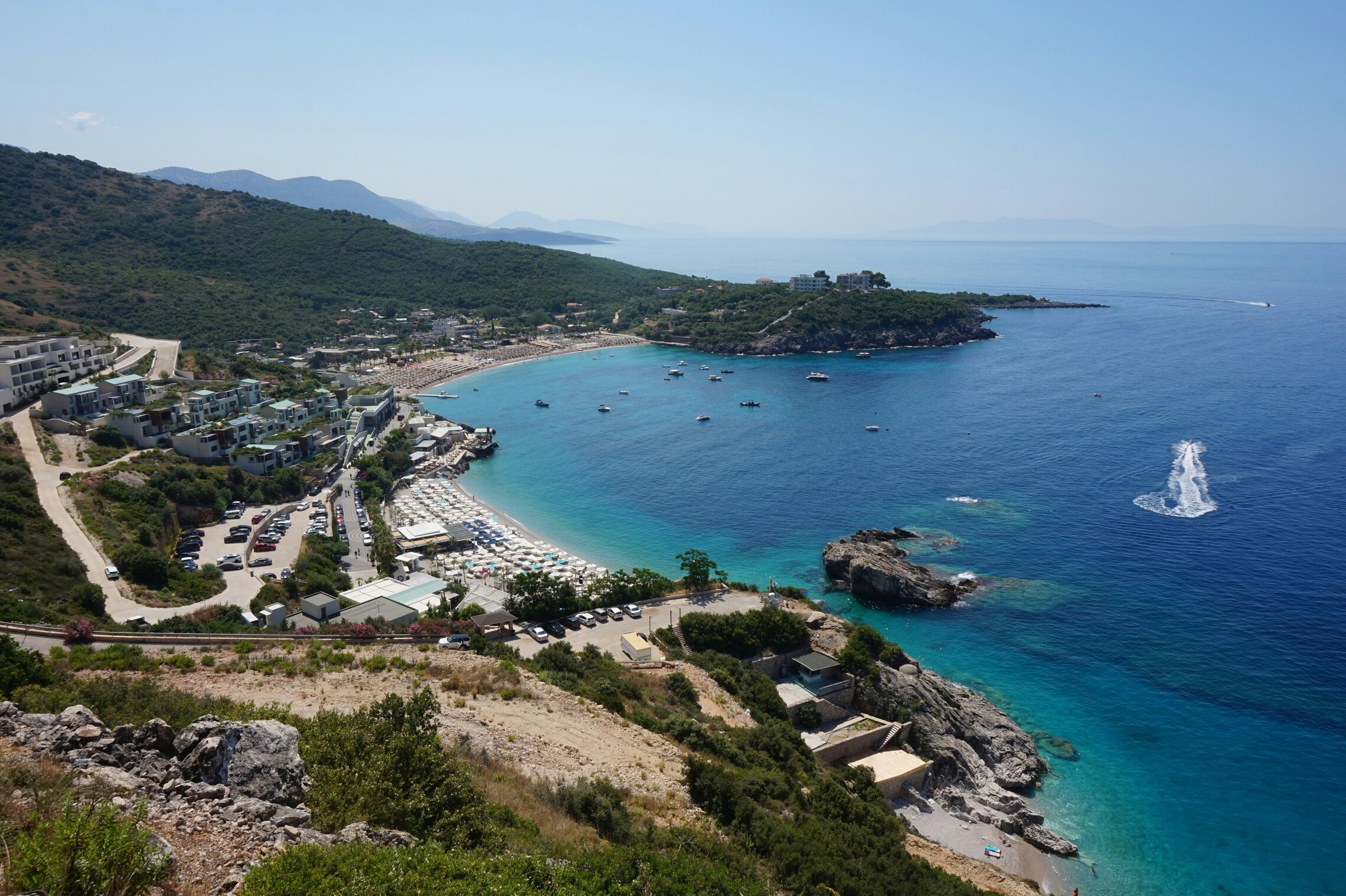
If you came to Albania for beaches, the Riviera is your destination. Stretching along the Ionian Sea coast from Vlora in the north to the Greek border in the south, this stretch of coastline has beaches that genuinely rival -- and in some cases surpass -- anything you will find in Greece, and at a fraction of the cost. The water is an almost unbelievable shade of turquoise, clear to depths of 30 feet or more, and the mountains plunge dramatically into the sea, creating a landscape that is equal parts Mediterranean and Alpine.
Himara is the unofficial capital of the Riviera and probably the best base for exploring the coastline. It strikes a good balance between having enough infrastructure (hotels, restaurants, ATMs, a small hospital) and retaining genuine charm. The old town, perched on a hill above the modern settlement, is a maze of stone-paved lanes, crumbling Ottoman-era houses, and panoramic viewpoints that are best explored in the morning before the heat kicks in. Livadhi Beach, just south of town, is one of the Riviera's best: fine white pebbles, crystal-clear water, and relatively uncrowded even in high season. Potami Beach, a short walk further south, is even quieter. Himara has good options across budget ranges, from backpacker hostels at $15 a night to boutique hotels at $80-100.
Dhermi and Drymades are two villages close together that have become the poster children of the Albanian Riviera. Dhermi has a long pebble beach with beach bars, sun loungers, and a growing party scene in summer -- think Mykonos vibes at Albanian prices. Drymades is wilder and more dramatic, with a rocky coastline and stunning views from the Llogara Pass road above. The viewpoint at the pass, looking down at Dhermi's beach far below with the mountains framing the scene, is the shot you have seen on every Albania Instagram post. There is a walking trail between Dhermi and Drymades along the coast -- about two hours over rocks and through scrubland -- that offers some of the most photogenic coastal scenery in the entire Mediterranean.
Borsh (yes, like the soup, sort of) has the longest beach in Albania at about three miles. It is significantly quieter than Dhermi or Himara, and even in July and August you can find stretches of beach practically to yourself. The water is slightly cooler than elsewhere on the Riviera due to underwater freshwater springs, but it is extraordinarily clear. Borsh is a good choice if you want the Riviera experience without the crowds -- accommodation options are limited but growing.
Ksamil is the southernmost resort on the Riviera, practically on the Greek border, and it is frequently called the 'Albanian Maldives.' The comparison is not entirely hyperbolic: white sand (rare on the Albanian coast, which tends toward pebbles), impossibly turquoise water, and three small islands just offshore that you can swim or paddle to. The flipside is that Ksamil is extremely popular, and in July-August it gets genuinely overcrowded. The beach can feel packed, prices are the highest on the Riviera, and the experience is more 'tourist resort' than 'hidden gem.' If you want to experience Ksamil properly, come in June or September when the crowds thin out but the water is still warm.
Saranda is the largest town on the southern coast and the main transportation hub for the region. It has a proper waterfront promenade, abundant accommodation options from hostels to four-star hotels, a nightlife scene, and regular ferry connections to Corfu, Greece (just 30-40 minutes on the fast boat). Saranda is a good base for exploring Butrint, Ksamil, and the Blue Eye spring. The downside is that Saranda itself is fairly built up and not particularly picturesque -- it is functional rather than charming. The restaurants along the waterfront serve excellent seafood at prices that will make you weep with joy if you are coming from the UK or US -- a big plate of grilled mussels for $5, a whole grilled sea bass for $8-10.
The Llogara Pass is not a destination in itself, but the drive over it deserves a section because it is one of the most spectacular road experiences in Europe. Before descending to the Riviera from Vlora, the road climbs to 3,370 feet through the Llogara National Park, with hairpin turns through stands of ancient black pine forest. At the top, the views are jaw-dropping: the entire Riviera spread out below, the Ionian Sea stretching to the horizon, and on clear days, the island of Corfu visible in the distance. There are several restaurants at the pass with panoramic terraces -- stop for lunch, because the views are worth lingering over. The pass is also one of Europe's top paragliding launch points. A tandem flight from Llogara down to the coast at Palase Beach takes about 20-30 minutes and costs around $80-100. If you are not afraid of heights, this might be the highlight of your entire Albania trip.
Berat -- The City of a Thousand Windows
Berat is Albania's jewel and a UNESCO World Heritage Site that fully earns its designation. Built on the slopes of a mountain above the Osum River, the city is famous for its architecture: white Ottoman houses with enormous windows climb the hillside in terraced rows, creating the distinctive 'thousand windows' panorama that appears on every Albania postcard. Berat is one of the oldest continuously inhabited cities in the world, and you can read the layers of history with the naked eye -- Illyrian foundations beneath Roman walls beneath Byzantine churches beneath Ottoman houses.
The city divides into three historic quarters. Mangalem, on the south bank of the river, is the main tourist area with its photogenic rows of Ottoman houses, mosques (including the Lead Mosque and the Bachelor's Mosque), and narrow cobblestone streets that wind uphill toward the fortress. Gorica, on the north bank, is quieter and more residential, with Orthodox churches and a less-touristed feel. The two are connected by the Gorica Bridge, a beautiful stone span that is one of the most photographed spots in Albania. And above everything sits Kalaja, the fortress district.
Kalaja (the Castle) is remarkable because it is not just a ruin you visit -- it is a living neighborhood. People still live inside the medieval walls, running guesthouses, restaurants, and shops in centuries-old stone buildings. Inside the fortress you will find several churches with unique frescoes (the Church of the Holy Trinity has wonderful examples), the Onufri Museum with its collection of 16th-century icons by the master painter Onufri (who developed a distinctive shade of red that still baffles art historians), and panoramic views over the city and valley that are especially magical at sunset. Give yourself at least two full days in Berat -- one to explore the quarters and fortress, another for excursions to the Osum Canyon (summer rafting trips are excellent) or to a local winery. Berat is the center of Albanian winemaking, and wines from local grape varieties like Shesh and Pules are surprisingly good.
Gjirokaster -- The City of Stone
Gjirokaster is Albania's other UNESCO city-museum, and if Berat is the city of windows, Gjirokaster is the city of stone. The houses here are built from grey stone, with distinctive stone roofs and defensive tower-houses called kullas that give the town a medieval fortress appearance. Walking through Gjirokaster feels like stepping into a historical film set -- which is fitting, since the city served as inspiration for the novels of Ismail Kadare, Albania's most famous writer and perennial Nobel Prize contender.
Gjirokaster's fortress is one of the largest in the Balkans. Inside, you will find a military museum with a captured American spy plane (a U.S. Air Force jet forced down in 1957 -- Albania's communist regime displayed it as 'proof' of American aggression), Italian WWII-era tanks, and Albanian military hardware. The fortress also hosts the famous Gjirokaster National Folklore Festival, held every five years (next in 2028) -- a major cultural event featuring traditional music, dance, and costumes from all over Albania. Even without the festival, the views from the fortress walls over the Drino Valley and surrounding mountains are spectacular.
The Gjirokaster Bazaar is one of the best in the country for traditional crafts: hand-wrought silver jewelry, embroidery, spices, and locally distilled raki. The Zekate House, an 18th-century tower-house now open as a museum, gives you a sense of how wealthy Gjirokaster families lived -- the interior woodwork is extraordinary. Below the city, the Antigonea ruins (an Hellenistic city founded by Pyrrhus of Epirus, the king famous for his 'Pyrrhic victories') make for a worthwhile half-day side trip.
Do not miss the Blue Eye (Syri i Kalter), a natural karst spring about 30 minutes' drive from Gjirokaster. Water emerges from an underground cave at an almost absurdly vivid shade of deep blue, forming a pool whose exact depth has never been fully measured (at least 160 feet, possibly much more). It is one of the most photographed natural phenomena in Albania. Come early in the morning before the tour buses arrive -- by midday in summer it can feel overcrowded. There is a modest entrance fee and a short walk from the parking area through oak forest to the spring itself. The water is cold -- about 50 degrees Fahrenheit year-round -- so swimming is limited to quick dips by the brave.
Vlora and the Karaburun Peninsula
Vlora is Albania's second-largest port city and holds special historical significance: this is where Albanian independence was declared on November 28, 1912. The city itself is not the most scenic destination, but it serves as an important transportation hub and gateway to the Riviera. The waterfront promenade is pleasant, the Independence Monument is worth a stop, and the Muradie Mosque (designed by the famous Ottoman architect Sinan, who also designed the Blue Mosque in Istanbul) is architecturally notable.
The Karaburun-Sazan Marine Park is one of Albania's wildest coastal areas. Karaburun is an uninhabited peninsula accessible only by boat, with pristine beaches, sea caves, and underwater ruins. Sazan Island, directly opposite, was a military base (first Italian, then Soviet-assisted Albanian) that is gradually opening to tourists. Boat excursions from Vlora typically take you to several bays along Karaburun's coast, with swimming stops in water that is among the clearest in the entire Mediterranean and snorkeling over underwater caves and shipwrecks. Full-day boat trips run about $30-50 per person including lunch.
North of Vlora, the Adriatic coast has decent sandy beaches -- more family-friendly but less dramatic than the Riviera. Durres is the most popular beach town with Albanians themselves. Its long sandy beach gets extremely crowded in summer and water quality can be inconsistent, but the Roman amphitheater in the city center (one of the largest in the Balkans, once seating 20,000) is worth a stop regardless.
In 2025, the new Vlora International Airport (VAS) opened in southern Albania, which is a game-changer for Riviera access. Previously, reaching the Riviera meant flying into Tirana and enduring a four-to-five-hour drive south. Now you can fly directly to Vlora from several European cities. Check current routes before booking -- the airport is still ramping up connections.
Shkoder and Northern Albania
Shkoder is the oldest city in Albania and the gateway to the Albanian Alps. Sitting on the shores of Lake Shkoder (the largest lake in the Balkans, shared with Montenegro), with the dramatic Rozafa Fortress perched on a rocky outcrop above, the city has a completely different feel from the south. Shkoder is more orderly, more manicured, and more Western-feeling than Tirana. It has a strong Catholic tradition (most of Albania's south is Muslim, but the north is significantly Catholic), a charming pedestrianized center with good cafes and restaurants, and a surprisingly lively bar scene.
Rozafa Fortress is one of the most atmospheric in the country, with views over the convergence of the Buna and Drin rivers, Lake Shkoder, and the mountains beyond. The fortress comes with a legend: Rozafa, a young bride, was walled into the fortifications as a sacrifice to ensure the walls would stand (a common Balkan motif). She asked that her right breast, right hand, and right foot be left exposed so she could continue nursing, working, and walking -- and indeed, limestone deposits on one wall are said to resemble dripping breast milk. Creepy? Yes. Unforgettable? Also yes.
Use Shkoder as your base for trips to the Albanian Alps. The city also makes for a convenient stop if you are crossing overland from Montenegro (the border at Lake Shkoder is about an hour north). A bike ride along the lake shore is a lovely way to spend a half day -- you can rent bikes in the city center cheaply.
The Albanian Alps (Prokletije / Accursed Mountains)
The Albanian Alps are the country's most dramatic landscape and one of Europe's last true wilderness areas. Part of the Prokletije mountain range that extends through Albania, Montenegro, and Kosovo, this region of jagged limestone peaks, deep valleys, alpine meadows, and remote mountain villages is about as far from beach tourism as you can get. There are no ski lifts, no luxury resorts, no manicured trails with information boards. What there is: raw, staggering natural beauty and some of the best trekking in southeastern Europe.
Valbona and Theth are the two main bases for mountain exploration, and the trek between them -- the Valbona-Theth Trail -- is one of the best single-day hikes in all of Europe. The route takes about seven to eight hours, crosses the Valbona Pass at 5,890 feet with breathtaking views of both valleys, and involves about 3,300 feet of elevation change. Most people hike from Valbona to Theth, as the descent on the Theth side is longer and more gradual. You do not need a guide in good weather, but the trail is not formally marked in all sections, so offline maps are essential. Best done between mid-June and late September when the pass is clear of snow.
Theth is a gorgeous mountain village in a deep valley surrounded by peaks up to 8,200 feet. Accommodation is in family-run guesthouses where you sleep in simple rooms and eat home-cooked meals of mountain cheese, fresh bread, grilled meat, and vegetables from the garden -- genuinely some of the best food you will eat in Albania. The Grunas Waterfall (about 100 feet) is a short walk from the village, and the Blue Eye of Theth (not to be confused with the one near Gjirokaster) is another karst spring with impossibly blue water. Theth also has a well-preserved kulla (stone tower) that functioned as a 'lock-in tower' for blood feud refugees -- a relic of the Kanun, the medieval Albanian legal code.
Valbona sits in the valley of the same name, which is a national park. The valley is wider and more developed than Theth, with a handful of guesthouses, a couple of small restaurants, and increasingly good infrastructure for hikers. The scenery -- sharp peaks, waterfalls, dense coniferous forest, the turquoise Valbona River -- is world-class.
Getting to the Alps is itself an adventure. From Shkoder, you take a minibus to Komani, then board a ferry for the Lake Koman crossing -- three hours through a narrow canyon with sheer rock walls rising 2,000 feet on either side. This ferry ride is regularly cited as one of the most scenic boat journeys in Europe, compared to Norwegian fjords but wilder and less touristy. The ferry operates once daily, departing early morning from Komani and returning from Fierze in the afternoon. Book ahead in summer (Berisha or Koman Lake Ferry are the main operators) -- the ferry fills up, and if you miss it, there is no Plan B that day.
Korce and the Southeast
Korce is Albania's cultural capital, a refined city on a high plateau at about 2,600 feet elevation. It has a distinct personality shaped by strong French cultural influence -- the first Albanian-language secondary school was established here in 1917, and the city retains an intellectual, cosmopolitan air. The Old Bazaar has been beautifully restored. The Korce Brewery (Birra Korce) is the oldest in Albania, and their beer is the national favorite -- a brewery tour with tasting is a fun afternoon. The Medieval Art Museum has an excellent collection of Orthodox icons and ecclesiastical art.
Nearby Lake Prespa, shared between Albania, Greece, and North Macedonia, is a quieter alternative to the more famous Ohrid. And Pogradec, on the Albanian shore of Lake Ohrid (one of the oldest and deepest lakes in Europe, a UNESCO site), offers excellent swimming in remarkably clean water, lakeside fish restaurants specializing in Ohrid trout, and gorgeous mountain views.
Butrint
Butrint is Albania's third UNESCO World Heritage Site and one of the most impressive archaeological complexes in the Mediterranean. Situated on a peninsula surrounded by water about 12 miles south of Saranda, this ancient city preserves layers of occupation spanning 2,500 years: a Greek theater, Roman baths and aqueducts, a spectacular Byzantine baptistery with intricate floor mosaics, a Venetian fortress, and Ottoman-era structures -- all wrapped in subtropical forest that gives the ruins an almost Angkor Wat atmosphere. Butrint is a must-visit, and you should plan at least three to four hours for a proper exploration. Arrive early -- by midday in summer the heat and crowds intensify significantly. Admission is about 1,000 lek ($10/8 GBP), and the on-site museum provides helpful context. From Saranda, it is about a 30-minute drive, and regular buses make the trip.
Apollonia
Apollonia is another significant archaeological site, the remains of an ancient Greek city founded in 588 BC that became an important center of learning in the Roman period. According to historical accounts, the young Octavian (the future Emperor Augustus) was studying here when he received word that Julius Caesar had been assassinated and named him heir. Only a small fraction of the ancient city has been excavated so far, but what is visible -- the remains of a theater, an odeon, a library, and a grand colonnaded stoa -- hints at the city's former grandeur. Adjacent to the ruins is the lovely 13th-century Monastery of St. Mary with a small archaeological museum. Apollonia is near Fier, about an hour's drive from Berat, and makes for an easy half-day trip.
National Parks and Natural Wonders
Albania punches wildly above its weight in natural beauty. Fifteen national parks, three major international lakes, coastline on two seas, and mountains reaching 9,068 feet (Mount Korab, on the North Macedonian border) -- all packed into an area roughly the size of Massachusetts or Wales. What makes Albania's nature special is not just its diversity but its wildness: tourist infrastructure in natural areas remains minimal, which means you will often have trails, beaches, and viewpoints largely to yourself. The flip side is that trail markings can be inconsistent, information boards are rare, and you need to be more self-sufficient than in a Western European national park.
Valbona Valley National Park is the jewel of the Albanian Alps. The valley, carved by the Valbona River, is flanked by peaks reaching 8,840 feet. Brown bears, lynx, and wolves inhabit the forests (they avoid humans -- you are extremely unlikely to see any, though tracks are common). The best trekking season is June through October. In winter, the valley is accessible but the high passes are closed by snow. Beyond the famous Valbona-Theth trail, there are several day hikes of varying difficulty radiating from the valley floor.
Theth National Park, on the other side of the mountain pass from Valbona, is equally stunning but slightly less developed. The Grunas Waterfall, the Blue Eye of Theth, and numerous trails through alpine meadows and coniferous forests make this a hiker's paradise. The stone kullas (tower houses) in Theth have been converted into guesthouses offering authentic mountain hospitality -- home-cooked meals, cold mountain spring water, and silence broken only by cowbells and birdsong. The night skies in Theth, with zero light pollution, are extraordinary -- the Milky Way is visible with the naked eye in a way that city dwellers rarely experience.
Llogara National Park, on the pass between Vlora and the Riviera, offers a unique combination of alpine forest and coastal views. Ancient black pine trees (Pinus nigra) grow here at elevations where you would normally expect Mediterranean scrubland, creating an unusual landscape. Wild boar roam the forest. The paragliding launch from Llogara down to the Riviera coast is world-class -- a flight of 15-30 minutes over some of the most beautiful coastline in the Mediterranean. Even if you do not paraglide, the drive through the park and a stop at one of the terrace restaurants at the pass is a highlight of any Albania road trip.
Lake Ohrid, shared between Albania and North Macedonia, is one of the oldest lakes in the world (an estimated two to three million years old) with unique endemic species including the Ohrid trout. The Albanian shore is less developed than the Macedonian side, with clean beaches and fishing villages. Swimming in Lake Ohrid's remarkably clear, deep water -- with the mountains of North Macedonia visible across the lake -- is a memorable experience.
Lake Shkoder (Skadar) is the Balkans' largest lake, split between Albania and Montenegro. The Albanian side is less touristed than the Montenegrin, but equally beautiful. Boat trips among water lily beds, birdwatching (look for Dalmatian pelicans, cormorants, herons, and egrets), and fishing expeditions can be arranged from Shkoder. The lake is a Ramsar wetland site of international importance and supports an extraordinary diversity of birdlife.
Osum Canyon has earned the nickname 'Albania's Grand Canyon,' and while it is not quite on that scale, it is genuinely impressive: a narrow, deep gorge stretching about eight miles with walls up to 260 feet high. In summer, you can raft through the canyon -- the trip includes cliff jumping and swimming in natural pools, and it is one of the most thrilling outdoor activities in the country. Rafting tours operate from Berat and Tirana, typically as full-day excursions costing about $40-60 per person. Even if you are not into rafting, the canyon viewpoints accessible by road are worth a detour.
Karavasta Lagoon is the largest lagoon on the Adriatic coast and a Ramsar-designated wetland. It supports nesting colonies of Dalmatian pelicans, herons, and many other species. Boat excursions run from the village of Divjaka. And here is something most people do not expect from Albania: flamingos. From November to March, thousands of flamingos winter on the salt lakes near Vlora and Karavasta, creating a spectacle more associated with East Africa than southern Europe.
The Flower Riviera (Riviera e Luleve), north of Vlora, has wild beaches and minimal infrastructure -- the opposite of the developed Ionian Riviera. Narta Beach, with its adjacent salt lakes and flamingo colonies, is the standout. For nature lovers who want to escape the more popular coastal areas, this stretch of coast rewards exploration.
A practical note on Albania's natural areas: unlike national parks in the US, UK, or Australia, Albanian parks often lack visitor centers, marked trails, and ranger services. Download offline maps before visiting (Maps.me or Mapy.cz have good trail coverage), carry sufficient water and food, and let your accommodation know your plans for the day. Mobile phone coverage in mountain areas is patchy to nonexistent. This is not meant to scare you off -- just to emphasize that a little preparation goes a long way.
When to Visit Albania
Albania has three distinct climate zones, and the 'best time to visit' depends entirely on what you want to do.
Coastal/Beach Season (May-October): Beach season technically begins in May, though the water is still chilly at around 64-68 F (18-20 C). By June, swimming is comfortable, and this is the sweet spot -- warm weather, manageable crowds, lower prices. July and August are peak season: air temperatures of 90-100 F (32-38 C), water at 75-80 F (24-27 C). Popular beaches like Ksamil and Dhermi get genuinely crowded in these months, and accommodation prices double or triple compared to shoulder season. September is arguably the best month for the coast: temperatures ease to 77-86 F (25-30 C), the sea has been warming all summer and is at its warmest, tourist numbers drop noticeably, and prices come back down. October still works for southern beaches, though shorter days and the occasional storm are possible.
Cities and Culture (April-June, September-October): For exploring Berat, Gjirokaster, and Tirana, avoid the peak summer heat. April and May are gorgeous: everything is blooming, temperatures are in the 68-77 F range (20-25 C), and the cities are not overcrowded. Autumn (September-October) is equally appealing: mild, sunny, with harvest-season food and wine at their best.
Mountains and Trekking (June-September): The Valbona-Theth pass is typically open from mid-June to late September. Before that, snow on the pass makes crossing dangerous or impossible. July and August offer the most reliable weather window. Even in summer, mountain nights are cold -- 40-50 F (5-10 C) -- so pack warm layers. Mountain guesthouses are generally open June through September or October.
Winter (November-March): The coast is cool and rainy (50-59 F / 10-15 C), but winter Albania has its own appeal. Cities are empty of tourists, prices bottom out, and misty winter views of Berat and Gjirokaster have a melancholic beauty. There is a modest ski resort at Darshen, and mountain areas get genuine snowfall. Winter is also flamingo season on the southern salt lakes.
Festivals and Events: Summer Day (March 14) is a pagan spring festival with street celebrations. Kala Festival in Tirana (June) brings electronic music to a fortress setting. Beer Fest in Korce (August) celebrates Albania's brewing tradition. Sea Festival in Saranda (August) is a coastal celebration. The Gjirokaster Folklore Festival (every five years, next in 2028) is a major national cultural event. Ramadan dates shift annually, but Albania is the most secular Muslim-majority country in the world, and Ramadan has minimal impact on daily life or tourism.
Getting to Albania
Albania used to be one of the hardest countries in Europe to reach. That is changing rapidly, though it still requires slightly more planning than hopping a flight to Barcelona.
By Air: Tirana International Airport (TIA, officially Mother Teresa International Airport) is the main gateway. The airport has undergone major expansion and modernization in recent years, significantly increasing capacity. Airlines serving Tirana include Wizz Air (the biggest low-cost option, with routes from London Luton, numerous European cities), Ryanair (growing presence), Turkish Airlines (excellent connections via Istanbul from North America, Australia, and the UK), Pegasus (another good Istanbul connection), British Airways (seasonal London service), and several others.
From the US and Canada: There are no direct flights. Your best options are connecting through Istanbul (Turkish Airlines has excellent coverage from JFK, LAX, Chicago, Houston, Toronto, Montreal -- about 2-3 hours Istanbul to Tirana), London (then Wizz Air or BA), or other European hubs. Budget two flight segments and expect total travel time of 12-18 hours depending on your connection. Wizz Air occasionally runs deals from European hubs that make the second leg very cheap. TSA standard liquids-and-electronics rules apply for your outbound journey; Albanian security follows similar European protocols for your return.
From the UK: Wizz Air flies London Luton to Tirana, often at very reasonable prices if booked ahead. British Airways has seasonal service from Gatwick. easyJet has started exploring Albanian routes as well. Flight time is about 2.5-3 hours. This is probably the easiest and cheapest connection for English-speaking travelers.
From Australia: The longest haul. Connect through Istanbul (Turkish Airlines from Sydney and Melbourne), Dubai (Emirates to Istanbul, then onward), or London. Expect 20+ hours total travel time. Albania is often combined with a broader Balkans or Mediterranean trip to justify the journey.
Vlora Airport (VAS): This new international airport, operational since 2025, serves southern Albania and significantly reduces travel time to the Riviera. If your primary destination is the coast or southern cities, check if any routes from your origin serve Vlora -- it could save you a four-hour drive from Tirana.
Kukes Airport: A small airport in northern Albania, opened in 2021, with limited but growing connections. Potentially useful if you are heading straight to the Albanian Alps, though service is sparse.
Visa Requirements: Citizens of the US, UK, Canada, Australia, and EU/EEA countries do not need a visa for stays of up to 90 days within a 180-day period. You will need a passport valid for at least three months beyond your planned departure date. Entry is straightforward -- immigration officers rarely ask questions beyond standard ones about purpose and duration of visit. Albania is not in the EU or Schengen Area, so separate border controls apply.
Overland Borders: Albania shares land borders with Montenegro (Hani i Hotit crossing at Lake Shkoder is most common), Kosovo (Morina, near Prizren, is the busiest), North Macedonia (Kafasan and Tushemisht at Lake Ohrid), and Greece (Kakavija is the most heavily trafficked, with significant queues in July-August). Regular buses connect Tirana with Pristina, Skopje, Podgorica, Ohrid, and Ioannina (Greece). If you are doing a broader Balkans trip, overland entry is convenient and scenic.
Ferries: From Saranda and Vlora, ferries run to Corfu, Greece (30-40 minutes on the fast boat, several times daily in summer). From Durres, overnight ferries serve Bari and Ancona in Italy (8-12 hours) -- useful if you are traveling with a vehicle or want to combine Albania with Italy. Ferry prices to Corfu run about $20-30 each way.
By Car: Driving in from Montenegro (Budva to Shkoder, 2-3 hours), Kosovo (Pristina to Tirana, 3-4 hours), or North Macedonia (Ohrid to Pogradec, 1 hour) is straightforward. Expect potential queues at the Greek border crossing at Kakavija in peak summer. You will need a Green Card for your vehicle insurance; most European rental companies allow cross-border travel to Albania, but confirm this explicitly before booking.
Getting Around Albania
Buses and Furgons: Public transportation in Albania is dominated by two modes: larger buses on major routes and furgons (minivans seating 8-15 people) on secondary ones. Here is the thing about Albanian public transport that you need to understand upfront: schedules are approximations. Furgons in particular tend to depart when they are full, not when a timetable says they should. The main departure window is morning (7:00-10:00 AM), and service thins dramatically in the afternoon. Tirana does not have a proper central bus station -- instead, different destinations depart from different points around the city (always confirm your departure point the day before). Prices are extremely cheap: Tirana to Berat is about 400-500 lek ($4-5), Tirana to Saranda is about 1,500-2,000 lek ($15-20). Furgons run more frequently than buses and are usually faster but less comfortable. They are an experience in themselves -- you may end up sharing space with shopping bags, live chickens (rarely, but it happens), and the driver's entire music collection at full volume.
Renting a Car: This is hands-down the best way to see Albania properly. A car gives you freedom to reach places public transport simply does not serve (and there are many), to stop at viewpoints, to adjust your schedule spontaneously, and to cover the country efficiently. Rental prices are among the cheapest in Europe: from $20-25 per day for a compact car, $35-45 for an SUV/crossover. International companies (Europcar, Sixt) are present at Tirana airport, but local operators often offer better rates -- check reviews carefully. You will need your regular driver's license plus an International Driving Permit (IDP) -- some companies will rent to you with just your regular license, but technically an IDP is required. Get full insurance. Seriously. Get every insurance option they offer.
Here is why you need that insurance: Albanian main highways (Tirana-Durres, the A2 south toward the Greek border, Tirana-Elbasan) are genuinely excellent -- new, well-maintained, modern. But the moment you leave main roads, conditions change dramatically. Secondary roads can feature: potholes that could swallow a wheel, single-lane switchbacks on mountain passes with no guardrails and 500-foot drops, goats standing in the middle of the road with serene indifference to your horn, construction equipment appearing around blind corners, and the occasional farmer driving a tractor the wrong way. The drive from Tirana to Himara via the Llogara Pass takes 4-5 hours instead of the 2.5 hours your GPS promises, and every hairpin turn is a test of nerve (though the views are compensation). For the south and mountains, an SUV or crossover is strongly recommended over a sedan.
Albanian driving culture deserves its own warning. Overtaking on blind corners is considered normal. Speed limits are treated as loose suggestions. Pedestrians walk on highways. Vehicles pull out from side roads without looking. Lane markings are decorative. At night, mountain roads have minimal lighting, and you may encounter unlit vehicles, animals, or people walking in the road. Drive defensively, keep speeds moderate, and avoid night driving on rural roads if possible. All that said, thousands of tourists drive in Albania every year without incident -- you just need to be more vigilant than you would be in, say, rural England or Connecticut.
Taxis: Taxis are cheap in cities -- a ride within Tirana runs 300-500 lek ($3-5). For intercity trips, you can negotiate a flat rate with a driver, though it will cost significantly more than a bus. Always agree on the price before getting in. Meters exist but are not universally used. The Speed Taxi and Merr Taxi apps work in Tirana but are unreliable or nonexistent outside the capital. Ride-sharing services like Uber do not operate in Albania.
The Koman Ferry: This deserves special mention because it is not just transportation -- it is one of the highlights of any Albania trip. The three-hour journey across Lake Koman cuts through a narrow canyon with sheer rock walls rising 2,000 feet on either side. Think Norwegian fjords but without the cruise ships. The ferry departs Komani at around 9:00 AM, arriving at Fierze around noon; the return leaves Fierze at around 1:00 PM. Book ahead through Berisha or Koman Lake Ferry, especially in high season. The Saranda-Corfu ferries (30-40 minutes on the fast boat) run multiple times daily in summer and are an easy way to make a day trip to Greece.
Trains: Albania technically has a railway, but for all practical purposes it does not work for passenger service. There have been intermittent discussions about revival, but as of now, do not factor trains into your plans.
Domestic Flights: None. The country is small enough (Tirana to Saranda is about four to five hours by car) that domestic flights are not viable.
Cultural Code: What You Need to Know
Besa and Hospitality: Besa is the Albanian code of honor, and hospitality is its cornerstone. For an Albanian, caring for a guest -- any guest, expected or not -- is not a social nicety but a matter of deep personal honor. This plays out in practical ways that may surprise you. A stranger you ask for directions may walk you to your destination rather than just pointing. A cafe owner may refuse to let you pay for your coffee because you are a visitor. A family in a mountain village may insist you stay for lunch, then dinner, then overnight. When an Albanian grandmother appears with a third plate of food and a stern look that says you will eat it -- you eat it. This hospitality is genuine, not transactional. Accept it graciously, express real thanks, and understand that for your host, taking care of you is a point of pride.
The Head-Nod Thing: This catches every visitor off guard. In Albania, nodding your head up and down means 'no,' and shaking your head side to side means 'yes.' Yes, it is the exact opposite of what you are used to. Younger Albanians in cities have mostly switched to the 'European' system, but with older people -- especially in rural areas -- be careful. The safest approach is to use words alongside gestures: 'po' (yes) and 'jo' (no). You will probably mess this up at least once. So does everyone.
Religion: Albania is a fascinating case study in religious coexistence. The population is roughly 55-60% Muslim, 20% Orthodox Christian, 10% Catholic, with the remainder identifying as atheist or unaffiliated (a legacy of 50 years of state-enforced atheism -- Hoxha banned all religion in 1967 and declared Albania the world's first officially atheist state). What makes Albania remarkable is that religion is worn lightly. Mosques and churches stand side by side. Interfaith marriages are common and unremarkable. Many Albanians celebrate both Muslim and Christian holidays. You will meet Muslims who drink raki and eat pork, and Christians who observe Ramadan out of solidarity with neighbors. Religion in Albania is more cultural identity than strict practice, and the country's religious tolerance is genuine and deeply rooted -- a refreshing contrast to much of the world.
Tipping: Tipping is not obligatory but appreciated. In restaurants, 10% is generous and well received. At cafes, rounding up the bill is sufficient. Tipping taxi drivers is not standard practice, though you can round up the fare. At hotels, $1-2 per day for housekeeping is a nice gesture but not expected.
Dress Code: Albanians dress well -- especially in Tirana, where the fashion game is strong. There is no formal dress code for restaurants, but walking around town in swimwear is frowned upon. When visiting mosques, both men and women should cover shoulders and knees; women are expected to cover their hair (scarves are usually available at the entrance). Churches are generally less strict but conservative dress is respectful.
Language: Albanian is a unique Indo-European language, belonging to its own branch of the language family and bearing no close resemblance to any neighboring language. The good news for English speakers: English is increasingly widely spoken, especially by younger Albanians in cities and tourist areas. Italian is widely understood among older generations (decades of watching Italian TV across the Adriatic). In the south, particularly Saranda and Gjirokaster, some residents speak Greek. You will rarely be completely unable to communicate, but learning a few Albanian words goes a long way in terms of goodwill.
Useful Albanian phrases: Faleminderit (fah-leh-meen-DEH-reet) -- thank you; Mirupafshim (meer-oo-PAF-sheem) -- goodbye; Sa kushton? (sah koosh-TONE) -- how much does it cost?; Ju lutem (yoo LOO-tem) -- please; Gezuar (geh-ZHOO-ar) -- cheers; Po (po) -- yes; Jo (yo) -- no.
Safety in Albania
Let us address the elephant in the room. Albania still carries a reputation, mostly based on 1990s-era associations with organized crime, instability, and the fictional portrayal of Albanians as villains in various movies and TV shows. The reality in the 2020s is very different. Albania is a safe country for tourists. Violent crime against visitors is extremely rare -- statistically, you are safer walking the streets of Tirana at night than you are in many Western European capitals. The State Department's travel advisory for Albania is typically Level 2 (Exercise Increased Caution), the same level as France, Germany, and the UK.
What to actually watch out for:
Traffic is the biggest real danger. Albanian drivers are aggressive, traffic rules are considered advisory, pedestrian crossings are more decorative than functional, and mountain roads often lack guardrails. Whether you are driving or walking, exercise extra caution. This is not an exaggeration -- traffic is genuinely the highest-risk element of any Albania trip. Look both ways, then look again. And again.
Petty theft exists at the same level as any tourist destination. Watch your belongings in crowded markets in Tirana, on buses, and at beaches. Pickpocketing incidents are reported but at rates significantly lower than Barcelona, Rome, or Paris. Use common sense -- do not leave valuables unattended on the beach, keep your phone secure in crowded areas, and use hotel safes for passports and excess cash.
Stray dogs are present, especially outside major cities. They are generally not aggressive, but do not approach or feed them. On mountain trails, you may encounter livestock guardian dogs protecting flocks -- these can be territorial. Do not approach the flock, walk calmly and steadily, and the dogs will usually leave you alone once you have passed their territory. Carrying a walking stick is not a bad idea for mountain hikes.
Scams: Tourist scams are less prevalent in Albania than in many Mediterranean countries, but basic vigilance applies. Always agree on taxi fares before getting in. At restaurants without visible menus (or menus without prices), ask about costs before ordering. Occasional pushy guides at archaeological sites may offer unsolicited tours and then demand payment -- politely decline if you are not interested.
Emergency numbers: 112 is the universal emergency number. 127 is ambulance, 128 is fire, 129 is police. Police in Albania are generally professional with tourists, though language barriers can be an issue. Your embassy can assist with serious emergencies -- the US, UK, and Australian embassies/consulates are in Tirana.
Areas to avoid: There are no genuinely dangerous areas for tourists. Lazarat, a village near Gjirokaster that was once called the 'cannabis capital of Europe,' was the subject of a major police operation in 2014 and is now a normal village with nothing to see. Some isolated mountain areas in the far north are not dangerous but are extremely remote and without phone coverage -- inform your accommodation of your plans if venturing into these areas.
Solo female travelers: Albania receives consistently positive reports from solo female travelers. Unwanted attention is generally limited to staring (which is a cultural norm -- Albanians stare at everyone, not just women). Serious harassment is rare. Standard solo-travel precautions apply, but Albania is not a destination where being female adds significant risk.
Health and Medical Information
No special vaccinations are required for Albania. The standard recommendation is to ensure routine vaccinations are up to date, particularly tetanus and hepatitis A (the latter especially if you plan to eat in rural areas or street food stalls). COVID-19 entry requirements have been lifted, but check current regulations before travel.
Travel insurance with medical coverage is essential, not optional. Public healthcare in Albania is free for citizens but below Western European standards, and private clinics -- while significantly better, especially in Tirana -- will charge for treatment. In small towns and mountain areas, medical facilities are very limited. For any serious medical issue, you would likely need evacuation to Tirana or, in extreme cases, to Greece or Italy. Make sure your insurance covers medical evacuation. For Americans, your regular health insurance almost certainly does not cover you abroad -- purchase a dedicated travel insurance policy. UK citizens should note that the EHIC/GHIC card is not valid in Albania (it is not in the EU). Australians should check reciprocal healthcare agreement status, which is currently nonexistent with Albania.
Pharmacies (look for 'Farmaci' signs) are present in every town, and many medications are available without prescription. Standard items -- painkillers, antibiotics, anti-diarrheal medication, antihistamines -- are readily available. If you take specialized or uncommon medications, bring a sufficient supply from home, as Albanian pharmacies may not stock them.
Water: Tap water is not recommended for drinking. Buy bottled water, which is cheap (50-80 lek / $0.50-0.80 for 1.5 liters). In mountain villages, spring water is generally safe and delicious, but confirm with locals before drinking.
Sun: Coastal UV intensity in summer is high. SPF 50 sunscreen, a hat, and adequate hydration are non-negotiable. Heat exhaustion among tourists is common in July and August, especially during archaeological site visits with little shade (looking at you, Butrint). Carry water everywhere.
Ticks: Present in forest and mountain areas, particularly spring through fall. Use repellent, wear long pants for hiking, and check yourself afterward. Tick-borne diseases (Lyme, TBE) exist in the region, though incidence is low.
Money and Budget
Currency: The Albanian lek (ALL). Approximate exchange rates: 1 USD = 95-100 lek; 1 EUR = 100-105 lek; 1 GBP = 120-125 lek; 1 AUD = 60-65 lek (always check current rates before your trip). Euros are widely accepted in tourist areas, but you will get change in lek and the exchange rate will not be favorable. Use lek for everyday transactions.
Exchanging Money: Exchange offices (kembim valutor) are plentiful in Tirana and other cities, and they generally offer fair rates with no commission -- noticeably better than banks. Airport exchange rates are worse, as everywhere. Do not exchange at your hotel. ATMs are available in all cities and towns, accepting Visa, Mastercard, and most international cards. ATM withdrawal fees are typically 300-500 lek ($3-5) per transaction -- withdraw larger amounts less frequently to minimize fees. Charles Schwab, Wise, and Revolut cards (which refund ATM fees or offer favorable exchange rates) are excellent options for budget-conscious travelers.
Cards vs. Cash: Visa and Mastercard are accepted at larger restaurants, hotels, and supermarkets in Tirana and coastal tourist areas. But Albania is still predominantly a cash economy. In smaller cities, villages, markets, and local restaurants, cash is the only option. Always carry cash in lek. A good rule of thumb: assume you will need cash everywhere, and treat card acceptance as a bonus when it appears.
Budget Breakdown:
- Budget ($30-50/day per person): Hostels or basic guesthouses ($10-20/night), street food and budget restaurants ($5-8 for a full lunch), public transport (furgons and buses), free attractions (beaches, walking cities). Albania is one of the few European countries where genuine budget travel is still comfortable rather than miserable.
- Mid-range ($60-100/day): Three-star hotels ($30-50/night), mid-range restaurants ($10-15 for dinner with wine), car rental ($25-35/day), museum admissions, the occasional excursion. This budget lets you experience Albania very comfortably.
- Comfortable ($120-200/day): Boutique hotels ($70-120/night), upscale restaurants ($20-30 for dinner), private guides, excursions, and a nice rental car. At this budget, you are living very well by Albanian standards.
Sample Prices (in lek, with approximate USD equivalent):
- Coffee (macchiato or Turkish): 70-150 lek ($0.70-1.50)
- Bottle of local beer: 150-200 lek ($1.50-2.00)
- Liter of gasoline: 190-220 lek ($1.90-2.20)
- Burek (cheese-filled pastry): 80-120 lek ($0.80-1.20)
- Restaurant lunch (main dish + drink): 800-1,200 lek ($8-12)
- Museum admission: 200-700 lek ($2-7)
- Beach sunbed + umbrella rental: 500-1,000 lek ($5-10)
- 1.5L bottled water: 50-80 lek ($0.50-0.80)
- SIM card with 5-10 GB data: 500-1,000 lek ($5-10)
For context: a couple traveling mid-range for two weeks, including car rental, can comfortably spend $2,000-3,000 total (excluding international flights). That is less than a week in most Western European countries. Albania is genuinely one of the best-value destinations in the world right now.
Itineraries
7 Days -- Classic Albania
This itinerary hits the essentials: the capital, two UNESCO cities, archaeological treasures, and the southern coast. It works well with a rental car (recommended) or with buses/furgons (add extra buffer time for connections).
Days 1-2: Tirana
Day 1: Arrive and orient yourself. Start at Skanderbeg Square, visit the National Historical Museum (allow 2-3 hours -- do not rush through the communist-era galleries), then walk to the Ethem Bey Mosque and climb the Clock Tower for city views. Lunch at the New Bazaar (Pazari i Ri) -- a renovated market with excellent street food stalls and small restaurants. Afternoon: explore the Blloku District, walking the streets where the communist elite once lived in exclusive isolation. Dinner at a Blloku restaurant -- try tave kosi (lamb baked with yogurt in a clay pot), Albania's national dish.
Day 2: Morning visit to the Pyramid of Tirana -- climb to the top for free views over the city. Then BunkArt 2 in the center (allow 1.5-2 hours). Afternoon: take the Dajti Ekspres cable car up Mount Dajti -- walk the trails, have lunch at a mountain restaurant with panoramic views, and return to the city by late afternoon. Evening: cocktails at a rooftop bar or in Blloku.
Day 3: Berat
Morning bus or furgon to Berat (approximately 2.5 hours by road, or drive yourself in under 2 hours). Check in, then explore the Mangalem quarter -- the classic 'city of a thousand windows' view is from the bridge or the Gorica side. Climb to Kalaja (the fortress) in the late afternoon when the light is soft and golden. The views at sunset from the fortress walls over the city and the Osum River valley are unforgettable. Dinner at a restaurant inside the fortress (Onufri) or by the river (Antigoni). Stay overnight in Berat -- guesthouses inside the fortress are a unique experience.
Day 4: Berat to Gjirokaster
Morning: visit the Onufri Museum of iconography inside the fortress (excellent 16th-century icons with Onufri's famous red pigment). Then drive or bus to Gjirokaster (2-3 hours via Fier, or 4 hours on the scenic road through Permet). Arrive in time for an afternoon walk through the Old Town and the bazaar -- pick up spices, silver jewelry, and a bottle of local raki as souvenirs. Evening dinner on a terrace with views over the Drino Valley.
Day 5: Gjirokaster -- Blue Eye -- Saranda
Morning: explore Gjirokaster's fortress (1.5-2 hours, including the military museum with the famous American spy plane). Drive to the Blue Eye (Syri i Kalter), about 30 minutes. Arrive early for photos before the tour buses. Lunch near the spring (there is a simple restaurant at the entrance). Afternoon: continue to Saranda (40 minutes). Swim, walk the waterfront promenade, and settle into your hotel. Dinner: fresh seafood at a waterfront restaurant -- grilled mussels and octopus are the classics.
Day 6: Butrint and Ksamil
Morning: drive to Butrint (30 minutes south of Saranda). Spend 3-4 hours exploring the archaeological complex -- the Greek theater, Roman bath complex, Byzantine baptistery mosaics, and Venetian tower are the highlights. The subtropical forest setting adds an atmospheric layer that most Mediterranean ruins lack. After Butrint, continue to Ksamil (15 minutes). Spend the afternoon on the beach -- swim to the small islands if you are a strong swimmer, or take a boat. Lunch/dinner at a beach restaurant. Return to Saranda for the night.
Day 7: Return to Tirana
Morning: final swim in Saranda. Then bus or drive back to Tirana. The coastal route via the Riviera is stunning but takes 5-6 hours; the inland route via Gjirokaster is faster at about 4 hours. If driving the coastal route, stop at viewpoints along the way -- the Llogara Pass is a mandatory photo stop. Arrive in Tirana for a farewell dinner.
10 Days -- Coast and Culture
The 10-day itinerary adds the Albanian Riviera properly, plus Permet and the Osum Canyon. This is the sweet spot for most travelers -- enough time to see the highlights without feeling rushed.
Days 1-2: Tirana
Same as the 7-day itinerary. Full exploration of Skanderbeg Square, museums, Pyramid, BunkArt, Mount Dajti, and Blloku.
Day 3: Berat
Drive or bus to Berat. Explore the Mangalem and Gorica quarters, the Gorica Bridge, and the Kalaja fortress. Sunset from the fortress walls.
Day 4: Berat to Permet
Morning: Onufri Museum. Then head to Permet (about 2.5 hours), a small town famous for its food, raki, and natural hot springs. If visiting in summer, the Osum Canyon rafting trip is one of the most thrilling things you can do in Albania -- it is on the route between Berat and Permet. Evening in Permet: raki tasting (this is Albania's raki capital) and a homestyle dinner that will be one of the best meals of your trip.
Day 5: Permet to Gjirokaster
Morning: visit the Benja thermal springs, about 20 minutes from Permet. These are natural hot sulfur springs by a Roman-era stone bridge -- completely free, wonderfully relaxing, and the setting is beautiful. Then drive to Gjirokaster (1.5 hours on a gorgeous mountain road). Afternoon: fortress, Old Town, bazaar. Dinner on a terrace.
Day 6: Blue Eye and Saranda
Blue Eye in the morning (arrive early!). Continue to Saranda for the afternoon. Beach, waterfront walk, seafood dinner.
Day 7: Butrint and Ksamil
Butrint in the morning, Ksamil beach in the afternoon. Consider a quick ferry hop to Corfu if you are curious -- it takes only 30 minutes each way.
Day 8: Saranda to Himara via the Riviera
This is a coastal driving day. Head north along the Riviera, stopping at beaches as the mood strikes. Borsh Beach (three miles of quiet coastline), Porto Palermo (a tiny harbor with an Ottoman fortress on a peninsula -- very photogenic), and Livadhi Beach at Himara are the highlights. Settle into Himara for the night. Walk the old town in the evening.
Day 9: Dhermi -- Llogara Pass -- Vlora
Morning: beach time at Dhermi or Drymades. Then drive north over the Llogara Pass -- stop at the viewpoint, have lunch at one of the terrace restaurants in the national park, and consider a paragliding flight if the conditions are right. Continue down to Vlora. Walk the waterfront, visit the Independence Monument.
Day 10: Apollonia and Return to Tirana
Morning: detour to Apollonia (about 1 hour from Vlora). Explore the ancient Greek ruins and monastery. Then drive back to Tirana (about 2 hours on the highway). Final shopping at the New Bazaar, farewell dinner.
14 Days -- All of Albania
Two weeks lets you add the north -- Shkoder, the Albanian Alps, the Koman Ferry -- to the southern itinerary. This is the comprehensive Albania experience.
Days 1-2: Tirana
Full exploration: Skanderbeg Square, National Historical Museum, Ethem Bey Mosque, Clock Tower, Pyramid, BunkArt 1 and 2, Mount Dajti, Blloku.
Day 3: Shkoder
Morning bus or drive to Shkoder (about 2 hours). Visit Rozafa Fortress for the views and the legend. Explore the pedestrianized old town, the cathedral, and the lakefront. Bike ride along Lake Shkoder if weather permits. Shkoder has a surprisingly good bar scene -- explore in the evening.
Days 4-5: Albanian Alps
Day 4: Minibus from Shkoder to Komani, then the Koman Ferry (3 hours of fjord-like scenery -- have your camera ready). From Fierze, minibus to Valbona. Check into a guesthouse. Evening: home-cooked dinner of mountain cheese, fresh bread, grilled meat, and vegetables. Fall asleep to absolute silence.
Day 5: The Valbona-Theth trek. This is one of the best day hikes in Europe. Start early (7:00 AM), cross the Valbona Pass at 5,890 feet, descend to Theth (7-8 hours total). The views from the pass are extraordinary. Overnight in a Theth guesthouse -- more incredible home cooking, then step outside to see the Milky Way like you have never seen it before.
Day 6: Theth to Shkoder to Tirana
Morning: visit the Grunas Waterfall and the Lock-in Tower. Minibus from Theth to Shkoder (3-4 hours on a winding mountain road). Continue to Tirana by bus or car. Rest and recover after two days in the mountains.
Day 7: Berat
Drive to Berat. Mangalem, Gorica, Kalaja fortress, Onufri Museum. Sunset from the walls.
Day 8: Berat to Permet
Osum Canyon (rafting if in summer). Continue to Permet for raki tasting, thermal springs at Benja, and home-cooked dinner.
Day 9: Gjirokaster
Fortress, Old Town, Zekate House, bazaar. Evening dinner with valley views.
Day 10: Blue Eye and Saranda
Blue Eye early morning. Saranda for the afternoon and evening.
Day 11: Butrint and Ksamil
Butrint in the morning. Ksamil beach in the afternoon. Optional: ferry to Corfu for a half-day Greek detour (40 minutes each way, bring your passport).
Day 12: Riviera (Borsh to Himara)
Coastal drive north. Beaches at Borsh and Livadhi. Overnight in Himara.
Day 13: Dhermi -- Llogara -- Vlora
Beach at Dhermi. Llogara Pass with lunch and optional paragliding. Down to Vlora for the evening.
Day 14: Apollonia and Return to Tirana
Apollonia ruins in the morning. Drive back to Tirana. Farewell dinner at one of the capital's best restaurants.
21 Days -- Albania Without Rushing
Three weeks gives you the luxury of lingering. You can spend extra days at beaches, take detours to lesser-known spots, and experience Albania at a pace that lets serendipity happen -- which is when the best travel moments usually occur.
Days 1-3: Tirana
Three full days in the capital. All the highlights: Skanderbeg Square, National Historical Museum, Ethem Bey Mosque, Clock Tower, Pyramid, BunkArt 1 and 2, Blloku. Day 3: Full day on Mount Dajti -- cable car up, hiking the ridge trails, lunch at a mountain restaurant, return by late afternoon.
Day 4: Kruja Day Trip
One hour from Tirana. Kruja is the city of Skanderbeg -- the fortress houses a dedicated museum to Albania's national hero. The Old Bazaar below the fortress is the best souvenir market in the country: antiques, copperware, handwoven rugs, olive oil, raki, mountain honey. The Ethnographic Museum inside a beautifully preserved Ottoman-era house is also excellent. Return to Tirana for the evening.
Days 5-6: Shkoder
Two full days. Rozafa Fortress, Lake Shkoder by boat (birdwatching -- look for pelicans), cycling along the lake, the Cathedral of St. Stephen, the vibrant cafe and bar scene. Shkoder is one of those towns where doing nothing in particular is the point -- sit at a cafe, watch the world go by, talk to locals.
Days 7-9: Albanian Alps
Day 7: Koman Ferry from Komani to Fierze (book ahead!). Transfer to Valbona. Settle in, short evening walk along the river. Home-cooked guesthouse dinner.
Day 8: Valbona-Theth trek over the pass (7-8 hours). Stay in Theth.
Day 9: Rest day in Theth. This is important -- after a full trekking day, give yourself time to explore Theth slowly. Visit the Grunas Waterfall, the Blue Eye of Theth, the Lock-in Tower. Walk through the valley. Sit outside your guesthouse with a book and a coffee. At night, go outside and stare at the sky -- the Milky Way visible from Theth with zero light pollution is a genuinely moving experience.
Day 10: Theth to Elbasan
Minibus from Theth through Shkoder, then onward to Elbasan (4-5 hours total). Elbasan has a well-preserved Ottoman fortress, the Royal Mosque, and the Llixhat thermal baths on the road east of town.
Day 11: Lake Ohrid (Pogradec)
Drive to Pogradec on the shores of Lake Ohrid (about 2 hours). This ancient lake (2-3 million years old) has remarkably clear water and endemic species including Ohrid trout. Swim in the lake, eat fresh trout at a lakeside restaurant, and enjoy the mountain views across to North Macedonia.
Day 12: Korce
Short drive to Korce (30 minutes from Pogradec). The Old Bazaar is beautifully restored. The Medieval Art Museum has an excellent icon collection. The Korce Brewery (Birra Korce) offers tours and tastings. Korce has a refined, almost Parisian atmosphere -- cafes, bookshops, and a slower pace than the coast.
Day 13: Berat
Drive to Berat (about 3 hours). Mangalem, Gorica, the bridge. Sunset from the Kalaja fortress.
Day 14: Berat -- Osum Canyon
Morning: Onufri Museum. Afternoon: Osum Canyon trip (rafting in summer, viewpoint drive otherwise). Evening: wine tasting at a Berat-area winery -- try the indigenous Shesh and Pules grape varieties.
Day 15: Permet
Drive to Permet. Benja thermal springs (free, gorgeous setting by a stone bridge). Raki tasting and gliko (spoon sweets -- whole-fruit preserves made from cherries, figs, walnuts, even olives, a Permet specialty). A homestyle dinner here may be the best meal of your entire trip.
Day 16: Gjirokaster
Drive to Gjirokaster (1.5 hours on beautiful mountain roads). Fortress, Zekate House, bazaar. Consider a half-day trip to Antigonea if you have the energy.
Day 17: Blue Eye and Saranda
Blue Eye early morning (before tour buses). Saranda for the afternoon -- relax, swim, eat seafood.
Day 18: Butrint and Ksamil
Butrint archaeological site in the morning (3-4 hours). Ksamil beach and islands in the afternoon. Optional: ferry to Corfu for a half-day in Greece.
Day 19: Riviera (Himara -- Dhermi)
Coastal drive north. Beach stops at Borsh, Porto Palermo, Himara (Livadhi Beach). Continue to Dhermi or Drymades. Walk the coastal trail between the two. Overnight in Dhermi or Drymades.
Day 20: Llogara -- Vlora
Llogara Pass (paragliding if you dare! -- the tandem flight from the pass to the coast is extraordinary). Lunch at a pass-top restaurant. Descend to Vlora. Boat excursion to Karaburun Peninsula if time allows, or beach at Radhime.
Day 21: Apollonia -- Durres -- Tirana
Morning: Apollonia ruins and monastery. Afternoon: stop in Durres for the Roman amphitheater and a brief waterfront walk. Continue to Tirana. Final evening: farewell dinner at Mullixhiu, widely considered Albania's best restaurant (modern Albanian cuisine using strictly local ingredients -- book ahead). Or Oda, for traditional Albanian cooking in a beautiful old house. Raise a glass of raki to an extraordinary three weeks.
Connectivity: Internet and Phone
Mobile Providers: Albania has three main operators -- Vodafone Albania, One (formerly Telekom Albania), and ALBtelecom. A tourist SIM card can be purchased at any carrier shop with your passport. The process takes about 10-15 minutes and costs 500-1,000 lek ($5-10) for a prepaid card with 5-10 GB of data and some local call minutes, valid for a month. This is the cheapest option and gives you reliable data for navigation, translation, and communication. 4G coverage is good in cities and along the coast. In mountain areas, you may drop to 3G or lose signal entirely -- do not rely on mobile data in the Albanian Alps.
eSIM: If your phone supports eSIM (most modern iPhones, Samsung Galaxy, and Google Pixel devices do), services like Airalo, Holafly, and Nomad offer Albania-specific or Europe-wide data packages that you can purchase and activate before you even leave home. This is the most convenient option -- no need to find a phone shop upon arrival. Just make sure to activate it before heading to remote areas where you might need data for the setup process. Plans typically start at $5-10 for a few GB over a week.
Wi-Fi: Available at virtually all hotels, restaurants, and cafes. Quality is generally adequate for messaging, social media, navigation, and video calls. Streaming HD video or uploading large files may strain some connections, especially at budget hostels with many users. In rural areas and mountain guesthouses, Wi-Fi may be slow or intermittent.
Roaming: For US, UK, Canadian, and Australian travelers, international roaming on your home carrier will work but at potentially exorbitant rates. Check your plan before traveling. Some UK providers include Albania in their international bundles, but many do not (Albania is not in the EU, so EU roaming regulations do not apply). An eSIM or local SIM is strongly recommended over roaming for anything beyond brief emergencies.
Practical note: Download offline maps (Google Maps, Maps.me, or Mapy.cz all support offline Albania maps) before heading into rural or mountain areas. Also download the Albanian language pack for Google Translate for offline translation. These two steps will save you repeatedly when you lose signal -- which you will.
Albanian Food: What to Eat and Where
Albanian cuisine sits at the crossroads of Mediterranean, Balkan, and Ottoman cooking traditions. It relies on fresh vegetables, olive oil, lamb and goat, fresh seafood on the coast, mountain cheese and honey in the highlands -- with almost everything locally sourced and often homegrown. The concept of 'processed food' is alien to Albanian cooking. This is a country where your lunch tomato was probably picked that morning, your cheese was made this week, and your raki was distilled by someone's uncle. The food scene is not fancy or avant-garde (with a few notable exceptions in Tirana), but it is honest, generous, and consistently delicious.
Essential Dishes:
Tave Kosi is the undisputed national dish of Albania. Lamb baked in a clay pot with rice and a thick yogurt-and-egg custard that forms a golden crust on top. Every restaurant has its own version, and debating whose tave kosi is best is practically a national sport. The combination of tender lamb, fragrant rice, and tangy-creamy yogurt is deeply satisfying. If you eat only one Albanian dish, make it this one.
Burek is the breakfast of champions. Layers of thin phyllo dough filled with white cheese (burek me djath), ground meat (burek me mish), spinach (burek me spinaq), or pumpkin (burek me kungull), baked until golden and flaky. The best burek comes from neighborhood bakeries (look for the ones with lines of locals out the door at 7:00 AM) and costs 80-120 lek ($0.80-1.20). This is not the soggy, reheated version you might have encountered at a Turkish kebab shop in London or Berlin -- fresh Albanian burek, hot from the oven with stretchy, melting cheese, is a revelation.
Souvlaki / Qofte are the pillars of Albanian street food. Qofte are seasoned meat patties (usually beef or lamb, or a mix) grilled over charcoal and served with bread, sliced tomatoes, raw onion, and white cheese. Souvlaki (called suflaqe in Albanian) are meat skewers, usually chicken or pork. Both are available at 'bistro' street food shops found in every town, and they represent the absolute best value eating in Albania -- a full, satisfying meal for $2-4.
Fergese is a Tirana specialty: peppers, tomatoes, and cottage cheese (or sometimes veal) baked together in a clay dish until bubbling and golden. Deceptively simple, incredibly flavorful, and perfect scooped up with warm bread. Fergese Tirane (the Tirana version with peppers, tomato, and cheese) is the most common variant and one of the most comforting dishes in the Albanian repertoire.
Seafood: On the coast -- especially in Saranda, Himara, and Vlora -- the seafood is superb and shockingly cheap by Western standards. Mussels (midhje) in Saranda are legendary: a heaping plate of steamed or grilled mussels for 500 lek (about $5). Grilled octopus (oktapod) is another classic, served with olive oil and lemon. Whole grilled sea bass (levrek) or sea bream (koce) -- fresh from the morning catch, cooked simply over charcoal -- runs about 800-1,200 lek ($8-12) at most waterfront restaurants. For the best seafood, skip the flashy waterfront restaurants and look for smaller places a block or two inland where local fishermen eat.
Cheese: Albanian white cheese (djath i bardhe) is similar to Greek feta but creamier and milder. Kashkaval is a semi-hard yellow cheese used in cooking. Mishavin is a pungent mixed-milk cheese from mountain regions. The real treasure is mountain cheese from the Albanian Alps -- handmade by shepherds using traditional methods, often from a mix of sheep and goat milk. It has a depth of flavor that commercial cheese simply cannot match. If you are in Valbona or Theth, buy some from your guesthouse hosts.
Pita (not the Middle Eastern bread but a flaky layered pie, similar to burek but thinner and crispier) comes in endless regional variations: with cheese (pita me djath), meat (pita me mish), greens (pita me spinaq), or nettle (pita me hithra -- yes, nettle, and it is delicious). In mountain areas, pita is often the centerpiece of a home-cooked meal, made by the guesthouse host and served warm from the oven.
Desserts: Trilece (tres leches) is a moist cake soaked in three types of milk, topped with caramelized sugar -- Albanian restaurants almost universally serve it, and the good versions are exceptional. Baklava is the classic layered pastry with nuts and honey/syrup. Revani is a semolina cake soaked in citrus syrup. But the most distinctively Albanian dessert is gliko -- whole-fruit preserves (spoon sweets) served in tiny dishes alongside Turkish coffee. Permite is the capital of gliko, and the variety is remarkable: cherry, fig, walnut, quince, watermelon rind, and even green olive gliko. You will be offered gliko as a gesture of welcome; accepting it graciously is the right move.
Beverages:
Coffee is not merely a drink in Albania -- it is a social institution, a daily ritual, and arguably the country's true religion. Albanians drink more coffee per capita than almost any country in Europe, and the culture around it is serious. The main styles: kafe turke (Turkish coffee, strong and thick with sediment at the bottom), macchiato (espresso with a touch of foamed milk -- the most popular order), and cappuccino. A coffee costs 70-150 lek ($0.70-1.50) and is always consumed sitting down, never rushed, preferably while watching the street and having a conversation that goes nowhere in particular. Do not order coffee to go. Sit down. Take your time. This is Albania.
Raki is the national spirit: a grape brandy (similar to Italian grappa) typically ranging from 40-60% ABV. Every Albanian family seems to have a relative who makes the best raki in the country, and they will insist you try it. Homemade raki (raki shtepie) is always superior to commercial brands. Varieties include grape (the classic), plum (raki me kumbulle), mulberry (raki me man), and fig (raki me fiq). Permet is the acknowledged raki capital, and tastings there are a must. Raki is traditionally consumed before or during meals, often accompanied by meze (appetizer platters of cheese, olives, peppers, and cured meats). Two or three small glasses is sociable; more than that, and the raki makes the decisions for you.
Wine: Albanian winemaking is experiencing a genuine renaissance. The country has indigenous grape varieties found nowhere else -- Shesh i Zi (red Shesh), Shesh i Bardhe (white Shesh), Pules (red), and Serin (white) among them. These produce wines that are genuinely distinctive and increasingly well-made. The main wine regions are around Berat and the Durres valley. A bottle of good Albanian wine costs 400-800 lek ($4-8) in a shop, 800-1,500 lek at a restaurant. Several Berat-area wineries offer tastings and tours. If you enjoy wine, seeking out these indigenous varieties is one of the more interesting tasting experiences available in the Mediterranean.
Beer: Birra Korce is the national favorite -- a clean, crisp lager from Albania's oldest brewery in Korce. Tirana Beer and Stela are other popular domestic brands. Tirana has a small but growing craft beer scene, with a few dedicated bars offering local microbrews. A beer at a bar or restaurant runs 150-300 lek ($1.50-3.00).
Where to Eat:
The best food in Albania is often not in formal restaurants but in small family-run establishments, street-food bistros, and mountain guesthouses. Look for places where locals are eating -- a line of Albanians waiting at a burek shop at 7:00 AM is the best review you will ever read. In mountain areas, guesthouse meals (included in your stay or available for a small additional fee) are frequently the culinary highlight -- the host cooks whatever is fresh, using ingredients from the garden, and the result is unpretentious, deeply flavorful food that connects you to the place in a way restaurant dining rarely does.
In Tirana, for a special meal: Mullixhiu is widely regarded as Albania's best restaurant, serving creative modern cuisine built entirely from local Albanian ingredients (reserve ahead). Oda serves traditional Albanian food in a gorgeous old house. Era has panoramic views near Skanderbeg Square. On the coast, the best fish restaurants are invariably the small, unshowy places where fishermen sell their morning catch -- ask your hotel or guesthouse hosts for recommendations.
Shopping: What to Bring Home
Food and Drink:
- Raki -- The quintessential Albanian souvenir. Available at markets and bazaars in attractive bottles. Bazaars in Kruja and Gjirokaster typically have the widest selection. A bottle starts at about 500 lek ($5). For the best quality, buy from a family producer rather than a commercial brand. Note: check your home country's customs limits on alcohol before packing a suitcase full.
- Mountain honey -- Dark, thick, intensely flavored honey from the Albanian Alps or the Tomorr mountain range. This is not the bland, filtered stuff from a supermarket shelf; it is raw, unpasteurized, packed with pollen, and absolutely extraordinary spread on bread or drizzled on cheese. Expect to pay 500-1,500 lek ($5-15) per jar depending on size and source.
- Olive oil -- Albania produces excellent olive oil, particularly from the Himara coast and Berat region. A liter of high-quality, cold-pressed oil costs 400-800 lek ($4-8), which is roughly a third of what equivalent quality would cost in the US or UK. Make sure it is sealed well for transport.
- Gliko (spoon sweets) -- Permet's signature export. Whole-fruit preserves in sugar syrup: cherry, fig, walnut, quince, watermelon rind, green olive. Beautiful in jars, delicious with coffee, and not available anywhere else. Lightweight and packable.
- Mountain tea (caj mali) -- Dried wild mountain tea, also known as sideritis or ironwort, grows on Albania's mountain slopes and is consumed widely as a herbal infusion. It has a mild, pleasant flavor and is traditionally believed to have various health benefits. Bags of dried caj mali are sold at every market and bazaar for very little money. Also look for dried sage, oregano, and other herbs.
- Cheese -- Mountain cheese from the Alps is superb but perishable and may not survive international travel (or customs inspection) well. Kashkaval and vacuum-sealed white cheese are more practical options if you want to bring Albanian cheese home.
Crafts and Souvenirs:
- Silver jewelry -- Gjirokaster and Kruja are known for handcrafted silver work in distinctive traditional designs. Quality varies, so examine pieces carefully, but the best work is genuinely beautiful and unique. Expect to pay $15-80 depending on the piece.
- Copperware -- Traditional copper coffee pots (xhezve), trays, pitchers, and decorative items. The bazaar at Kruja has the widest selection. Functional items like a copper xhezve make excellent practical souvenirs -- and they are beautiful objects in their own right.
- Handwoven rugs and kilims -- Traditional Albanian rugs with geometric patterns, particularly from the Kruja and Korce regions. Authentic handmade pieces are increasingly rare and accordingly priced ($50-200+ depending on size), but smaller items like woven bags or table runners are more affordable.
- Ceramics -- Hand-painted plates, bowls, and vases from Berat and Gjirokaster. The designs often incorporate traditional Albanian motifs and make colorful, distinctive souvenirs.
- Communist-era memorabilia -- At bazaars in Kruja and Gjirokaster, you can find vintage propaganda posters, pins, medals, and other artifacts from the Hoxha era. These range from genuine vintage items to reproductions. As souvenirs, they are conversation starters with a dark-history edge.
Best Shopping Locations: The Old Bazaar in Kruja is the single best souvenir shopping spot in Albania -- it has everything from antiques to fresh olive oil, all in an atmospheric Ottoman-era market street below the Skanderbeg fortress. Gjirokaster's bazaar is excellent for silver and spices. Tirana's New Bazaar (Pazari i Ri) is more food-focused but also has some craft vendors. For modern Albanian design and fashion, Tirana's Blloku neighborhood has boutiques worth browsing.
Tax Free: Albania does not have a VAT refund system for tourists. Prices are final -- what you see is what you pay.
What NOT to buy: Counterfeit designer goods on markets (terrible quality, potential customs problems). 'Antique' coins (usually reproductions). Suspiciously cheap olive oil (may be diluted or blended with inferior oils). Anything made from protected wildlife products.
Useful Apps
- Google Maps -- Your primary navigation tool. Works well in Albania, though it occasionally suggests 'shortcuts' that turn out to be dirt tracks. Cross-reference with common sense. Download offline maps for Albania before you go.
- Maps.me / Mapy.cz -- Offline map alternatives with good trail coverage for hiking. Essential in mountain areas where you will lose phone signal. Download before heading to the Alps.
- Google Translate -- Supports Albanian with offline capability (download the language pack before departure). The camera translation feature is useful for menus and signs.
- Speed Taxi / Merr Taxi -- Taxi-hailing apps that work in Tirana. Outside the capital, you are back to hailing on the street and negotiating.
- Gjirafa -- Albanian search engine with maps and a local business directory. Useful for finding specific services or businesses.
- Booking.com / Airbnb -- Both work well in Albania for accommodation booking. Booking.com has wider coverage; Airbnb tends to have more unique properties (old houses, guesthouses).
- Airalo / Holafly / Nomad -- For purchasing eSIM data packages before or during your trip.
- XE Currency -- For quick lek-to-dollar/pound/euro conversions when you are negotiating at a bazaar or checking if a price is fair.
Final Thoughts
Albania is not a country that wins you over at first glance. It does not have the immediate, polished appeal of a Santorini or an Amalfi Coast. The first impression might be chaotic traffic, unfinished construction, and a certain roughness around the edges. Give it a day. By the time you have had your first properly made macchiato at a Tirana cafe, climbed the Pyramid for sunset views, eaten a burek that costs less than a dollar and tastes better than anything in a Parisian patisserie, and had a stranger insist on buying you a glass of raki simply because you said 'faleminderit' -- you will start to understand.
By the end of a week, you will be planning your return trip. This is not an exaggeration. Albania has an almost gravitational pull on travelers who give it a proper chance. It is the combination of factors: the jaw-dropping natural beauty that you somehow have mostly to yourself; the warmth and generosity of people who are genuinely thrilled that you chose to visit their country; the food that is simple and extraordinary and costs almost nothing; the history that is layered and complicated and fascinating; the constant feeling that you are discovering something that the rest of the world has not quite caught onto yet.
Albania is changing rapidly. Every year brings new hotels, improved roads, new flight connections, rising prices, and growing tourist numbers. The Albania of 2030 will be a different country from the Albania of today -- more comfortable, more polished, more expensive, and inevitably less raw and surprising. The current moment is a sweet spot: the infrastructure is good enough to travel comfortably, but the authentic character has not yet been sanded smooth by mass tourism. If you have been waiting for the 'right time' to visit Albania, that time is now.
Come for at least a week. Two weeks is better. Three weeks is ideal. Rent a car if you can. Talk to people. Accept the raki. Eat the extra plate of food the grandmother brings. Take the mountain trail even when your legs are tired. Swim in the water that looks too blue to be real. Get lost on a back road and end up somewhere you never planned to be. Albania rewards the curious, the flexible, and the open-hearted. It will not give you a polished, predictable experience -- but it will give you something better: a genuine one.
Information current as of 2026. Verify visa requirements and transportation schedules before your trip.