Philae Temple
Philae Temple is Aswan's pearl, the sanctuary of goddess Isis, saved from flooding and relocated to a new island. The story of its rescue is no less dramatic than the ancient myths it commemorates. You can only reach it by water—which makes the visit even more special.
Island of Isis
Isis is one of the main goddesses of the Egyptian pantheon. Wife of Osiris, mother of Horus, she embodied magic, motherhood, and fidelity. Legend says it was Isis who gathered her husband's dismembered body and resurrected him—long enough to conceive a son.
Philae Island was considered one of Osiris's burial places. Here, on sacred ground, a cult center of Isis arose. Pilgrims came from across the Mediterranean—the cult of Isis spread far beyond Egypt.
The temple at Philae was the last functioning sanctuary of ancient Egyptian religion. It closed only in 537 CE—two centuries after Christianity's official adoption. Isis's priests proved more stubborn than others.
Temple Complex Architecture
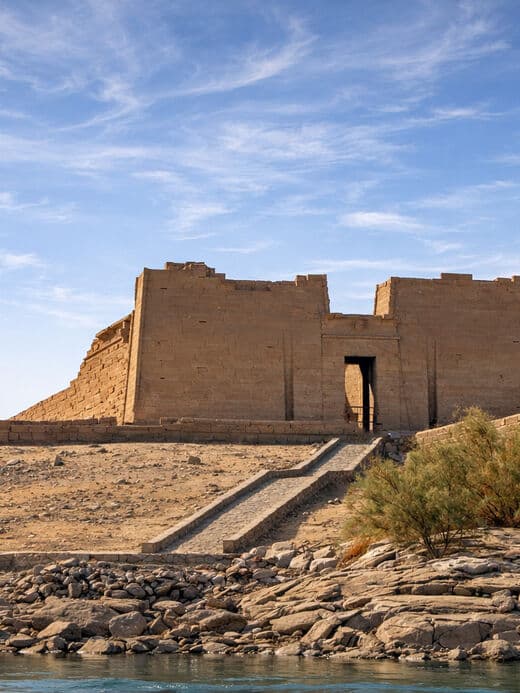
The temple was built primarily during the Greco-Roman period: Ptolemies, then Roman emperors, expanded and decorated the sanctuary. But the architecture is purely Egyptian: pylons, columned halls, sanctuary.
The first pylon is decorated with giant reliefs: Ptolemy XII (Cleopatra's father) smiting enemies in the presence of gods. Typical royal propaganda, but the scale impresses.
Beyond the pylon lies a courtyard with a colonnade known as the "mammisi"—birth house. Here they celebrated the mystical birth of Horus from Isis. Reliefs show the nursing of the infant god—touching scenes of maternal love.
The second pylon leads to the hypostyle hall and sanctuary. On the walls—scenes of Isis worship, magical texts, priestly processions. Relief preservation is excellent, despite traces of Christian vandalism (divine faces chiseled off).
Trajan's Kiosk
The most photogenic structure in the complex is Emperor Trajan's pavilion (98-117 CE). Fourteen columns with exquisite capitals form an open structure without a roof (apparently never completed).
The kiosk stands at the water's edge—perfect for photos, especially at sunrise or sunset. Its silhouette has become Aswan's symbol.
Rescue from Flooding
The first Aswan Dam (1902) partially flooded Philae Island. The temple went underwater for several months annually, destroying stone and washing away paint.
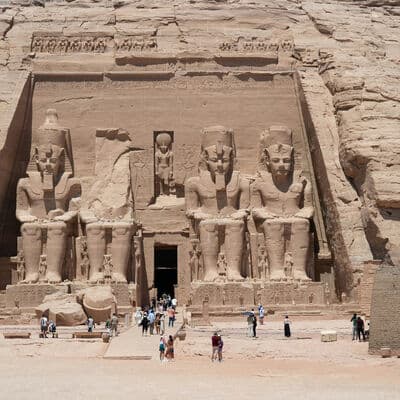
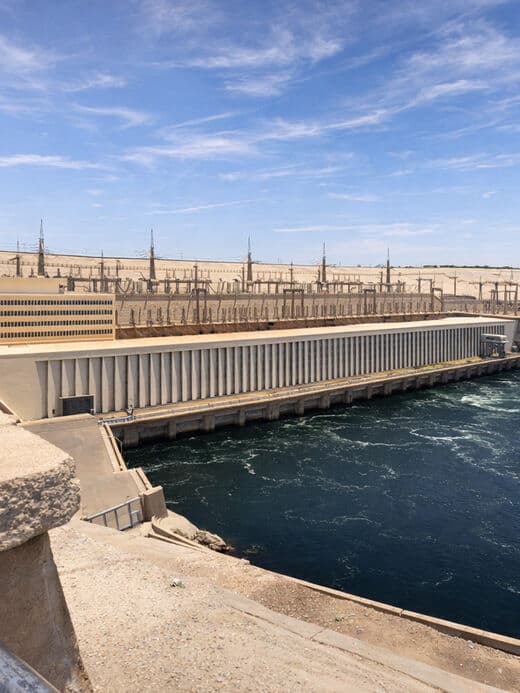
Construction of the High Dam (1960-70) threatened complete submersion. UNESCO organized a rescue operation—the second after Abu Simbel.
From 1972 to 1980, the temple was dismantled into 40,000 blocks and moved to neighboring Agilkia Island. The island was specially reshaped to replicate original Philae's contours. Today the temple stands 13 meters above its former level.
Sound and Light Show
Every evening at Philae, a sound and light show takes place. The temple's history is told through the voices of Isis and Osiris while spotlights illuminate columns and reliefs.
Shows run in several languages (schedule varies by day). It's a tourist attraction, but the nighttime temple atmosphere truly is magical.
Getting There
The island is accessible only by boat. The dock is 8 km south of central Aswan (the area is called Shellal). Taxi from the city—15-20 minutes.
Boats depart when enough passengers gather. You can rent an entire boat (more expensive but faster). The crossing takes 10 minutes.
Practical Information
The temple is open 7:00 to 16:00 (winter) or until 17:00 (summer). Sound and light show is a separate ticket, starting after sunset.
Arrive early morning or at sunset—midday is hot with many cruise ship groups. Allow 1.5-2 hours for the visit.
Bring a hat and water—there's little shade on the island.
Atmosphere and Tips
Philae is Egypt's most romantic temple. An island amid water, columns reflected in the Nile, the love story of Isis and Osiris hanging in the air. This is a place for meditation, not rushing through sights.
The temple's rescue is another reason for admiration. People of the 20th century invested enormous effort to preserve the legacy of people who lived two millennia ago. This says as much about us as the temple itself says about ancient Egyptians.
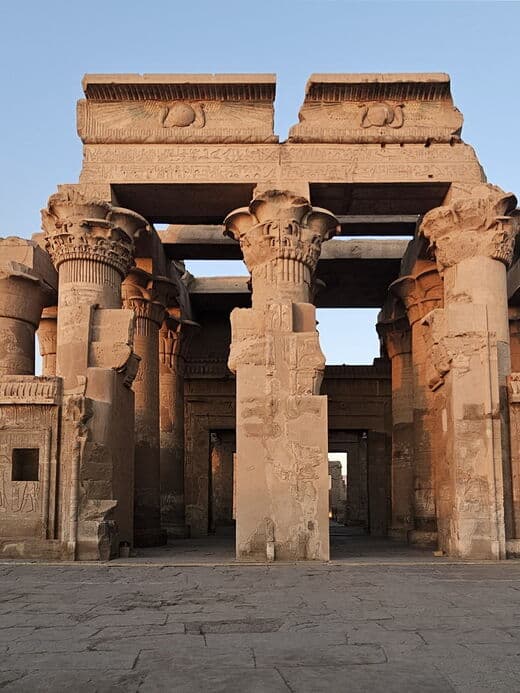
After Kom Ombo and Karnak, Philae feels intimate and chamber-like. Grandeur doesn't overwhelm here—you feel the presence of a goddess worshipped for thousands of years.