Temple of Kom Ombo
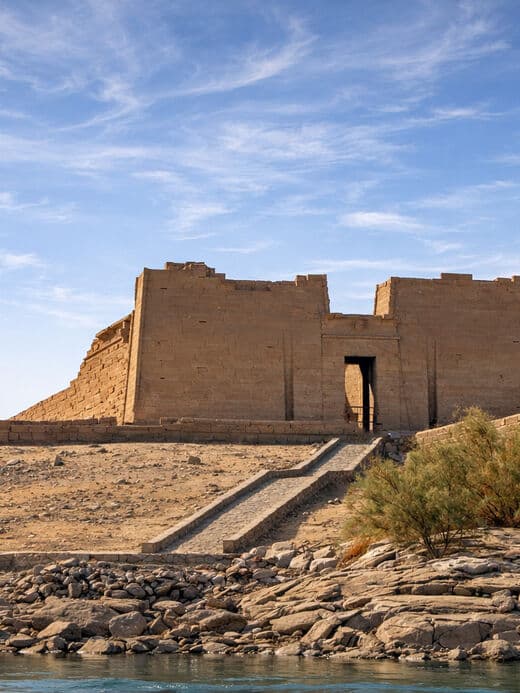
The Temple of Kom Ombo is a unique structure dedicated to two gods simultaneously: the crocodile Sobek and the falcon Horus. This is Egypt's only symmetrical temple, where everything—from entrance to sanctuary—is duplicated for each deity. Standing on a cliff above the Nile, it's especially beautiful at sunset.
Two Gods—One Temple
Sobek—the crocodile god, lord of waters, one of Egypt's oldest deities. He was feared and revered: Nile crocodiles posed real danger, and people hoped to appease their divine patron.
Haroeris (the Elder Horus)—the "older Horus," a solar falcon god. Not to be confused with Horus, son of Osiris. This more ancient Horus aspect was a protector and healer.
Why two gods share one temple remains a mystery. Perhaps two ancient cults merged here. Perhaps priests found theological justification. Either way, the result is unique: the temple is divided into two symmetrical halves, each with its own entrance, halls, and sanctuary.
Architecture and Layout
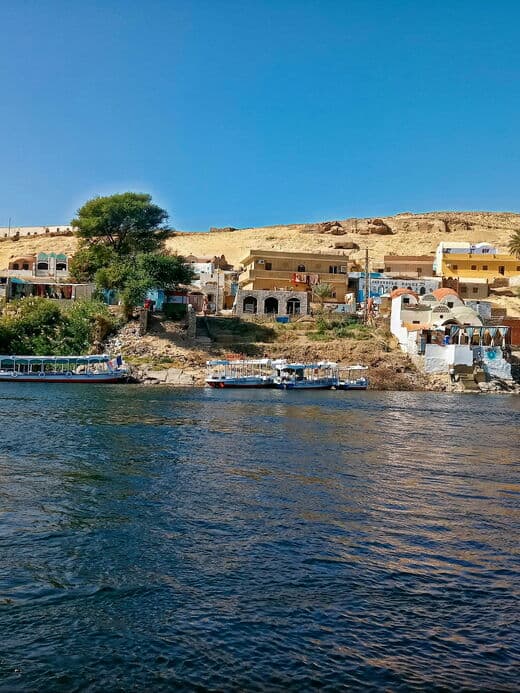
The temple stands on a rise above the river—in ancient times a dock where pilgrims landed. Today cruise ships moor here, and evenings fill the temple with shipboard tourists.
The façade faces the Nile. Two entrances—for Sobek (right) and Horus (left)—lead into symmetrical halves. Beyond—two hypostyle halls, two vestibules, two sanctuaries. Everything doubled.
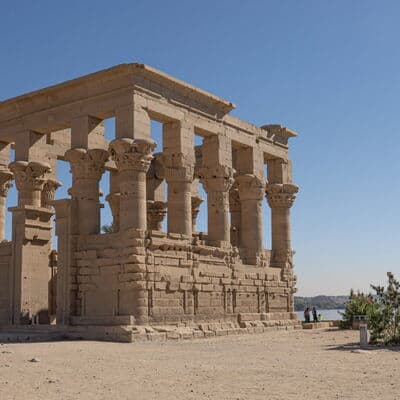
The temple is relatively small by Egyptian standards but highly photogenic. Columns with preserved carving, reliefs with hieroglyphs, dramatic sunset lighting—no wonder it's one of the most photographed sites on the Nile route.
Reliefs and Discoveries
On the walls—typical scenes: pharaoh making offerings to gods, gods blessing pharaoh. But there are unusual images too.
The famous "medical" relief shows a set of surgical instruments: scalpels, saws, forceps. Historians debate whether these were real instruments or ritual objects for the mummy's "opening of the mouth" ceremony.
Another interesting relief shows an ancient calendar. Months, festivals, agricultural cycles—a window into Egyptian daily life.
On the temple's exterior wall—images of Cleopatra VII (the famous one) with her son Caesarion. One of the few authentic portraits of the legendary queen.
Crocodile Museum
Near the temple is a small museum with crocodile mummies. Ancient Egyptians mummified sacred animals: Sobek's crocodiles were buried with honors, like humans.
The museum displays crocodiles of various sizes—from babies to three-meter giants. Slightly macabre but interesting.
Practical Information
Kom Ombo lies 45 km north of Aswan and 60 km south of Edfu. Most visitors arrive on Nile cruises; the temple is a standard stop. Independently—taxi from Aswan (1 hour) or train.
Best time to visit—sunset. The temple is small; 45 minutes is enough. Evening lighting turns on after dark.
Atmosphere and Tips
Kom Ombo is an atmospheric site that doesn't overwhelm with scale. The symmetry concept, crocodile mummies, sunset over the Nile—all this creates a memorable experience. After the grandeur of Karnak and Luxor, Kom Ombo feels more intimate. A place where ancient mysteries seem closer.