Abu Simbel
Abu Simbel is more than just a temple. It's a message from the depths of time, carved into rock by ancient craftsmen and saved from flooding in one of the 20th century's most ambitious engineering operations. Two temples on the shores of Lake Nasser—a monument to Ramesses II's greatness and a triumph of international cooperation.
Construction History
Ramesses II ruled Egypt for 66 years—longer than any other pharaoh. During this time, he built more temples and erected more statues than all his predecessors combined. But Abu Simbel became a special project.
Construction began around 1264 BCE and continued for 20 years. The temple wasn't built—it was carved directly from the rock. Thousands of workers with copper tools created this wonder in the scorching Nubian desert.
The location was chosen deliberately. The temple stood at the border of Egyptian territory, reminding Nubians of the pharaoh's might. Four 20-meter statues of Ramesses gazed south—toward where enemies might come.
Architecture of the Great Temple
The Great Temple's façade is one of ancient Egypt's most recognizable images. The four colossi represent Ramesses at different ages: young warrior, mature ruler, wise king, and god.
At the giants' feet stand smaller figures: the pharaoh's wives, daughters, and sons. "Smaller" is relative: these statues reach human height.
Inside, the temple extends 63 meters into the rock. The first hall is supported by eight columns shaped like Ramesses as Osiris. Walls are covered with reliefs depicting the Battle of Kadesh—the clash with the Hittites that Ramesses proclaimed his great victory (though historians still debate this).
In the sanctuary deep within sit four gods: Ptah, Amun-Ra, Ramesses II (yes, he deified himself while alive), and Ra-Horakhty. Twice yearly—February 22 and October 22—rays of the rising sun penetrate through the entrance and illuminate three statues. Ptah, god of the underworld, remains in shadow.
Nefertari's Small Temple
Next to the Great Temple, Ramesses built a temple for his beloved wife Nefertari. This is a rare case in Egyptian history—a temple dedicated to a queen during a pharaoh's lifetime.
The façade features six statues—three on each side of the entrance. Four depict Ramesses, two show Nefertari as the goddess Hathor. And the queen's statues are the same size as the pharaoh's—unprecedented equality for ancient Egypt.
Inside, the temple is smaller than its neighbor but equally impressive. Reliefs show Nefertari alongside her husband: participating in rituals, making offerings to gods, receiving blessings.
Rescue from Flooding
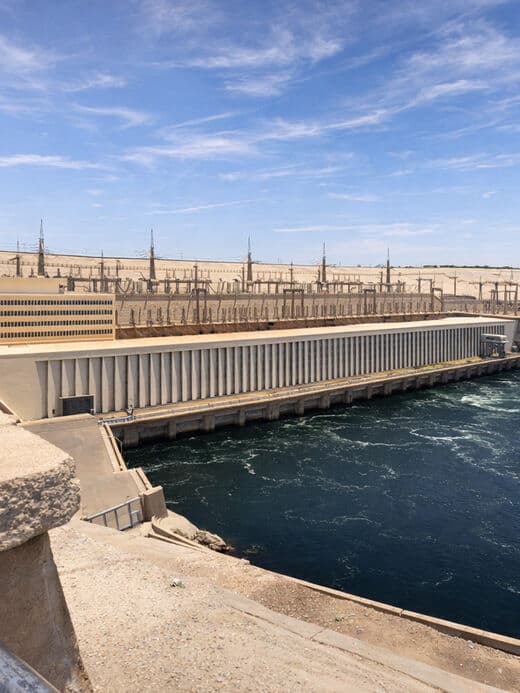
In the 1960s, construction of the Aswan High Dam threatened to bury Abu Simbel forever beneath the waters of future Lake Nasser. UNESCO organized an unprecedented rescue operation.
From 1964 to 1968, the temples were cut into 1,036 blocks weighing up to 30 tons each. They were raised 65 meters higher and reassembled on an artificial hill. The work cost $40 million—about half a billion in today's money.
An artificial dome was built above the temples, covered with rock to recreate the appearance of a natural cliff. From outside, everything looks as it did in ancient times. But inside you can see the seam where blocks were joined—the price of salvation.
Practical Information
Getting There
Abu Simbel is 280 km south of Aswan. Three options: flight (30 minutes), tourist bus convoy (3 hours each way, departing at 4 AM), private transfer. The bus convoy is cheapest but exhausting; flying saves time.
When to Visit
February 22 and October 22—the solar phenomenon attracts crowds. On these days, thousands come to watch sunlight illuminate the sanctuary. Book hotels and transport months in advance.
On regular days, arrive in the morning before tourist groups. Afternoon brings desert heat. Evening light is beautiful for photographs.
Atmosphere and Tips
Abu Simbel is a place that humbles you. Standing before the colossi, you feel your insignificance against three-thousand-year-old stones. And knowing that all this was cut, dismantled, and moved by human hands—that amazes as much as the ancient achievement.
This is Egypt's remotest major attraction, but worth the journey. After Karnak and Valley of the Kings, Abu Simbel is the final chord—proof that the pharaohs built not for their time, but for eternity.