Nubian Village
Nubian villages near Aswan are a window into the culture of an ancient people whose history spans thousands of years. Brightly colored houses, welcoming residents, pet crocodiles, and the unhurried rhythm of life on the Nile banks—this is a completely different Egypt, unlike bustling Cairo or the antiquities of Luxor.
Who Are the Nubians
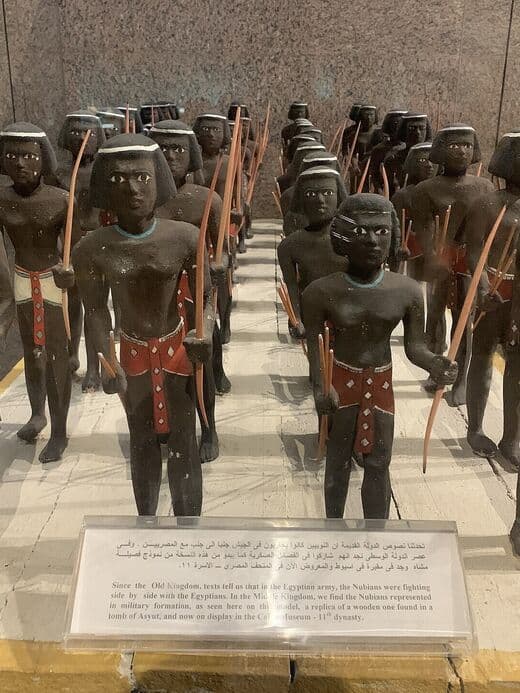
Nubians are a people who lived in the territory between Aswan and Sudan since ancient times. Their Kingdom of Kush rivaled Egypt, and in the 8th century BCE, Nubian pharaohs even ruled both countries.
Nubians have their own language (several dialects), traditions, and music. They look different from Egypt's Arabs—darker skin, different features. This is a distinct ethnic group with its own identity.
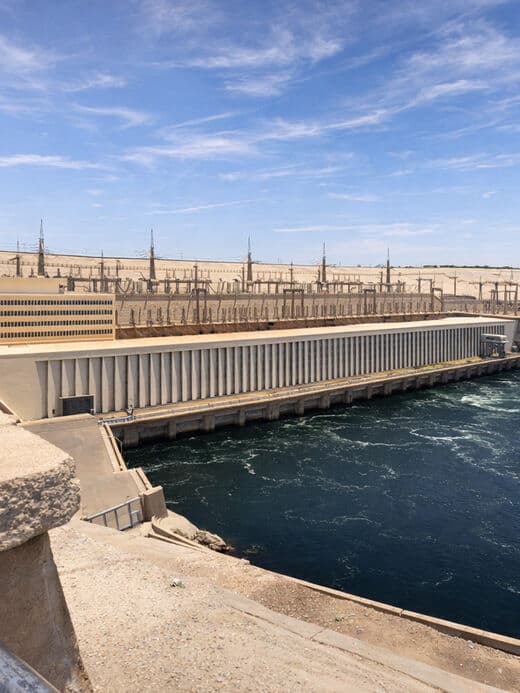
Construction of the Aswan Dam in the 1960s flooded ancient Nubia. Tens of thousands were resettled. The villages tourists visit today are new settlements, but the culture has survived.
What to See
The main attraction is the villages themselves. Houses are painted bright colors: blue, yellow, orange. Walls are decorated with paintings: crocodiles, fish, geometric patterns. This isn't for tourists—it's how Nubians traditionally decorate homes.
Many homes keep tamed crocodiles. Small ones as pets, larger ones in special enclosures. For a small fee, you can hold a baby crocodile and take photos.
Nubian women offer henna—traditional hand designs. Men show their homes, serve tea, explain daily life. Hospitality here isn't performed—it's part of the culture.
Nubian Dinner
Many tours include dinner in a Nubian home. Traditional food: tagine (stew in a clay pot), ful (beans), flatbread, salads. Everything simple but delicious.
With the meal—music and dancing. Nubian music differs from Arabic: different rhythms, different instruments. If lucky, you'll hear singing in the Nubian language.
No alcohol in the villages—these are Muslim communities. But tea, hibiscus, and fresh juices are abundant.
Getting There
Nubian villages are on the Nile's west bank, opposite Aswan. You can reach them by felucca (traditional boat) or motorboat—part of the adventure.
Standard tour: transfer to the dock, crossing the Nile, village walk, dinner, return. Takes 3-4 hours, usually in the afternoon.
You can organize independently: walk to Aswan's waterfront, negotiate with a boatman. Cheaper, but without a guide or organized dinner.
Which Village to Choose
Most visited are Gharb Soheil and Siou. They're closer to Aswan and more "touristy": more souvenir shops, more organized programs.
Villages farther from the city are more authentic but harder to reach. If you want deeper cultural immersion, ask your guide to take you somewhere less promoted.
All villages share the same spirit: bright houses, welcoming people, crocodiles. The difference is the degree of touristification.
What to Buy
Nubian souvenirs are among Egypt's best. Woven baskets, bright fabrics, beaded jewelry, spices. Handmade quality, moderate prices.
Nubian coffee—with ginger and cardamom—makes a great gift. Sold as beans or ground.
Bargaining is fine but without fanaticism—prices are already low, and tourism is locals' main income.
Practical Information
Best time to visit is pre-sunset hours. Heat subsides, light becomes soft, and evening dinner is a natural conclusion.
Clothing should be modest: covered shoulders and knees, especially for women. This respects local traditions.
Cash is essential: no ATMs in villages, and you can't pay for souvenirs or tips by card.
Atmosphere and Tips
Nubian villages are living culture, not a museum. People live here, work, raise children. Tourists are part of the economy but not the sole reason for existence.
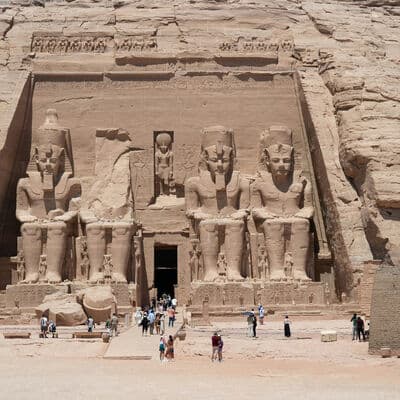
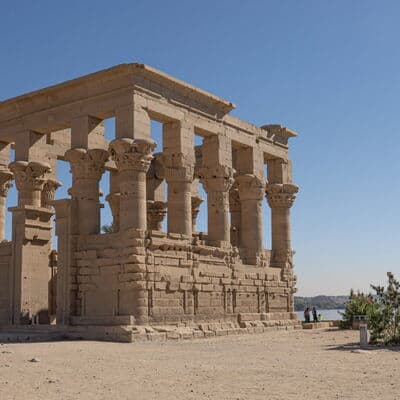
After Abu Simbel and Philae Temple, visiting a Nubian village provides important context. Ancient temples are heritage of the distant past. Nubians are the living continuation of that history, a people who remember their pharaoh ancestors.
This is a place where you can simply be: drink tea on a rooftop overlooking the Nile, listen to Nubian music, watch the sun set behind the desert. Not a museum, not an attraction—real life.