Phuket
Phuket 2026: what to know before your trip
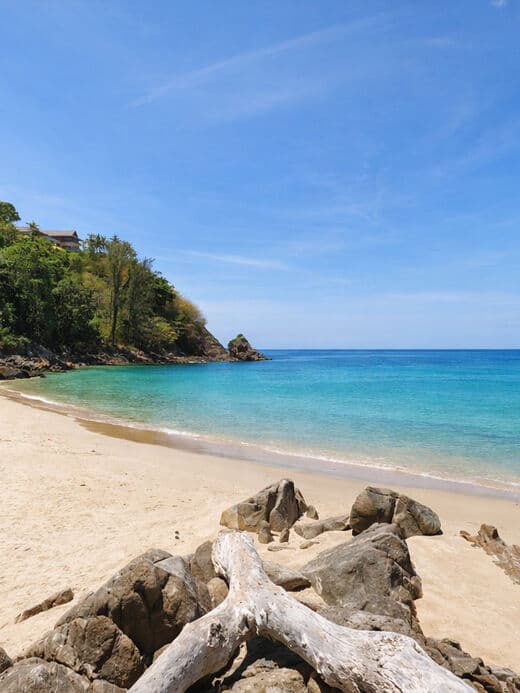
Phuket is not just another "Thai island for tourists". This is a place where, over 30 years, a fishing village grew into an entire universe: noisy Patong with neon lights, quiet bays with turquoise water, an old town with colonial architecture and markets where locals bargain for the freshest seafood. Here, 600-year-old temples neighbour Instagram-worthy cafes, and street food for 50 baht tastes better than restaurants with Michelin ambitions.
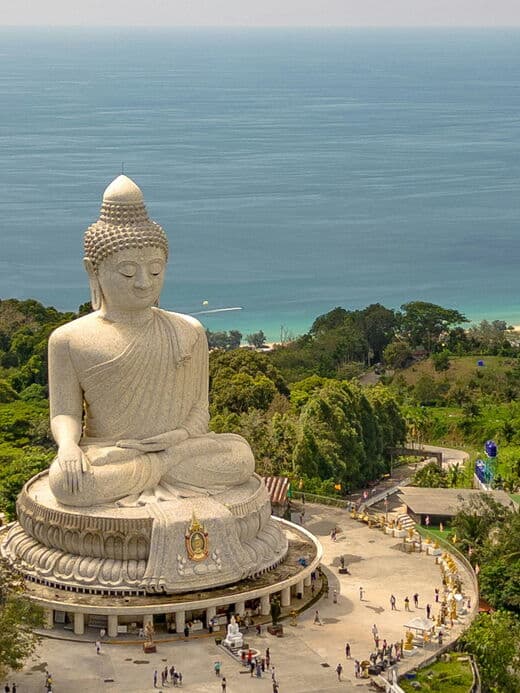
Quick snapshot for the impatient: Visit Phuket for Nai Harn and Karon beaches, the old town with its Sunday market on Thalang Road, sea excursions to Phang Nga Bay and Phi Phi Islands, Thai cuisine in local eateries of Phuket Town, Wat Chalong temple and Big Buddha, as well as nightlife on Bangla Road. Optimal stay: 5-7 days on the island.
Who is this island for? Phuket is universal: party-goers will find endless bars in Patong, families will enjoy the calm beaches of Kata and Karon, foodies will discover authentic cuisine in the old town, digital nomads will find coworking spaces and cafes with fast Wi-Fi, nature lovers will uncover hidden bays and national parks in the north.
Pros of Phuket: developed infrastructure (shops, hospitals, transport), variety of beaches for every taste, excellent food from street to high-end, direct flights from many countries, English understood almost everywhere, huge accommodation selection from $15 per night.
Cons of Phuket: expensive for Thailand (especially taxis and alcohol), traffic jams in high season, Patong overcrowded with tourists, some beaches dirty after rains, dangerous for motorcyclists (many accidents), in low season (June-October) frequent downpours.
Honestly: if you are looking for an "untouched paradise island" - Phuket may disappoint. There are many tourists, especially in December-January. But if you accept it as an "island-city" with different districts and moods - it will charm you with contrasts: in the morning you drink coffee in a hipster cafe of the old town, during the day you snorkel in an empty bay, and in the evening you bargain for seafood at a market where only locals are present besides you.
Direct flights available from Singapore (4 hours), Kuala Lumpur (1.5 hours), Bangkok (1.5 hours), and many international destinations. Major airlines include Singapore Airlines, AirAsia, Malaysia Airlines, Thai Airways, and budget carriers like Scoot and Jetstar. Australian travelers can fly direct from Perth, Sydney, and Melbourne (9-10 hours).
Getting around is straightforward: download Grab and Bolt apps before arrival, use Google Maps for navigation, book accommodations through Agoda or Booking.com, and reserve excursions via Klook for better prices. Most signs are in both Thai and English, and English is widely spoken in tourist areas, restaurants, and shops.
Phuket neighborhoods: where to stay
Phuket is divided into several key districts, each with its own character. Your choice depends on what kind of vacation you are seeking: partying, tranquility, culture, or nature.
Patong - nightlife, bars, tourist crowds
Patong is Thailand's Times Square: neon lights, music from every bar, crowds of tourists day and night, endless souvenir and cosmetics shops. Bangla Road after 8 PM turns into a pedestrian zone with go-go bars, clubs, and street performers. During the day, Patong Beach is filled with vacationers, the water is not the cleanest, but infrastructure is excellent: sun loungers, showers, cafes.
For whom: youth, party-goers, those who love being in the center of action, shopaholics (many shopping malls).
Pros: best nightlife on the island, many restaurants for any budget, direct beach access, shopping centers (Jungceylon, Central Patong), plenty of taxis and tuk-tuks, English understood everywhere.
Cons: very noisy (especially in high season), beach not the cleanest, prices above average, traffic jams, aggressive tuk-tuk drivers, little authentic Thai atmosphere.
Prices: $$-$$$ (hostels from $20, hotels from $50, villas from $150). Food: street food from $1.50, restaurants from $9 per person.
What is nearby: Kalim and Tri Trang beaches 10 minutes away, old town 20 minutes, Karon viewpoint 15 minutes.
Personal note: I stayed in Patong for my first three nights and honestly, I could not sleep until 2 AM due to music from nearby bars. If you value sleep, choose a hotel away from Bangla Road or stay in a different area entirely. The beach is okay for a quick swim but nothing special - save your beach time for other parts of the island.
Karon - calm beach vacation, families
Karon has one of the longest beaches on the island (4 km), with white "squeaking" sand that crunches under your feet. The water is cleaner than in Patong, more waves (great for boogie boarding). The area is quiet in the evening: a few beach bars, seafood restaurants, no noisy clubs. Ideal for families with children and couples who want tranquility but with infrastructure.
For whom: families with children, couples, lovers of long beach walks, those who want silence but close to Patong.
Pros: long clean beach, many hotels on the first line, calm atmosphere, good seafood restaurants, close to Kata and Patong (5-10 minutes by taxi), supermarkets and pharmacies available.
Cons: little entertainment in the evening (boring for youth), too many tourists on the beach in high season, strong waves in low season (swimming dangerous), accommodation prices above average.
Prices: $$ (hotels from $40, villas from $100). Food: street food from $1.80, restaurants from $7.50 per person.
What is nearby: Kata beach 5 minutes away, Karon Viewpoint 10 minutes, Wat Suwan Khiri temple 5 minutes.
Personal note: Karon was my favorite area for a relaxed stay. I rented a beachfront room for $60 per night and could walk straight onto the sand. The squeaking sand is real - it sounds like walking on snow. Evenings are peaceful, perfect for reading a book with a cocktail. However, if you want nightlife, you will need to take a taxi to Patong (about $8-10).
Kata - surfing, youth, cozy cafes
Kata is divided into Kata Noi (quiet, expensive) and Kata (more lively). The beach is smaller than Karon but cozier: many cafes with sea views, surf schools (in rainy season waves up to 2 meters), bars with live music. In the evening there are places to sit but without the madness of Patong. The area is popular among Europeans and digital nomads.
For whom: surfers (in rainy season), youth, digital nomads, couples who want balance between partying and tranquility.
Pros: excellent beach for swimming and surfing, many cafes and restaurants, cozy atmosphere, surf schools and equipment rental available, close to Karon and Nai Harn, many hotels with pools.
Cons: beach overcrowded in high season, accommodation prices rise, few nightclubs (if needed - go to Patong), traffic jams at peak season.
Prices: $$ (hostels from $15, hotels from $45, villas from $120). Food: street food from $1.50, restaurants from $6 per person.
What is nearby: Kata Noi beach 5 minutes, Kata Viewpoint 10 minutes, Nai Harn beach 15 minutes.
Personal note: I took a surf lesson in Kata during September (low season) for $35 for two hours. The instructor was patient, and I actually managed to stand on the board. The waves were perfect for beginners. After surfing, I spent hours in a beachfront cafe working on my laptop - the Wi-Fi was surprisingly fast at 40 Mbps.
Nai Harn - seclusion, nature, local beaches
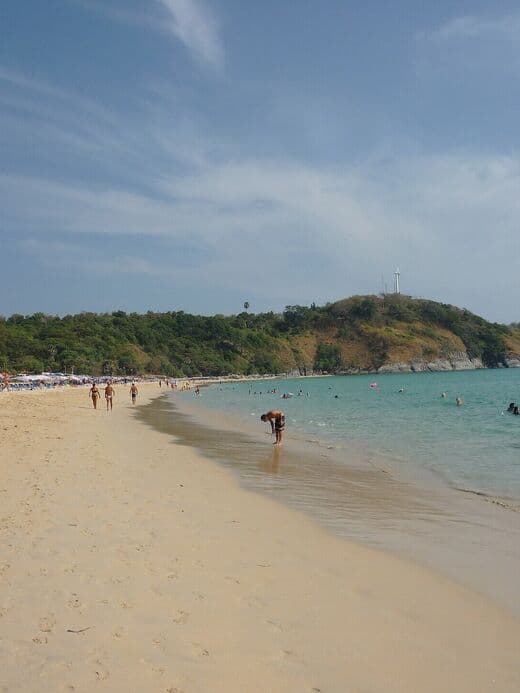
Nai Harn is one of the most beautiful beaches in the south: surrounded by hills, transparent water, fine sand. Few hotels, more villas and condominiums. Nearby is a lake with a restaurant on the water, bike paths, quiet streets. Ideal for those who want to escape the crowds but stay not far from Rawai and the old town.
For whom: couples, families, digital nomads, nature and tranquility lovers, those who rent accommodation long-term.
Pros: one of the best beaches on the island, quiet and clean, many villas with pools, cafes and restaurants available, close to Promthep Cape and Rawai, good roads, few traffic jams.
Cons: little nightlife (boring in the evening), no large supermarkets (only small 7-Eleven), taxis more expensive due to distance, little public transport.
Prices: $$-$$$ (villas from $80, condominiums from $50). Food: street food from $1.80, restaurants from $9 per person.
What is nearby: Yanui beach 5 minutes, Promthep Cape 10 minutes, Rawai pier 15 minutes, old town 25 minutes.
Personal note: I rented a condo near Nai Harn lake for a month at $600 total. The view from my balcony was incredible - I could see the entire bay. Mornings I spent working from a lakeside cafe, afternoons at the beach, evenings watching sunset from Promthep Cape. This area changed my perception of Phuket from "touristy" to "paradise". The only downside: I had to wait 15-20 minutes for Grab taxis, and they cost more than from Patong.
Rawai - fishing village, seafood, expats
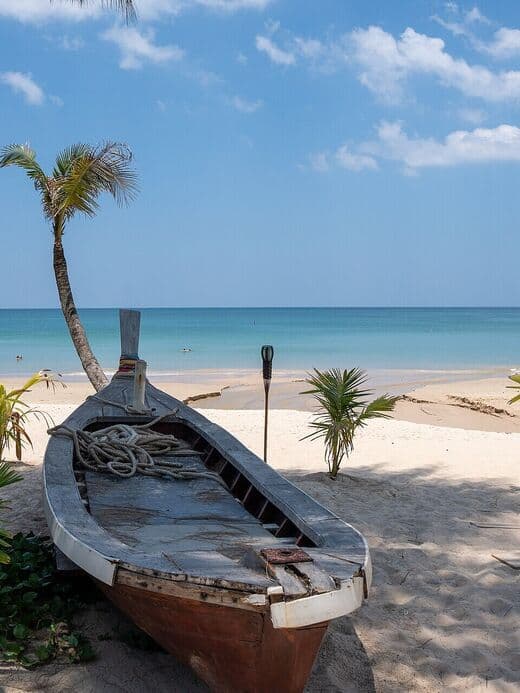
Rawai is not a beach area (beach is dirty, boats everywhere), but the center of marine life: pier, fresh seafood market, restaurants where they cook your catch. Many expats, villas, yachts. Suitable for those who rent accommodation long-term and want to live "like a local", not in a tourist bubble.
For whom: expats, yachtsmen, seafood lovers, those who rent accommodation for a month+, families with children (many international schools).
Pros: freshest seafood at low prices, many villas with pools, quiet, international schools and supermarkets available (Tops, Lotus), close to Nai Harn and Promthep Cape, many cafes for digital nomads.
Cons: no good beach (go to Nai Harn or Yanui), little nightlife, far from Patong and old town (20-30 minutes), expensive taxis.
Prices: $$ (villas from $60, condominiums from $40). Food: seafood at market from $6 per person, restaurants from $7.50.
What is nearby: Nai Harn beach 10 minutes, Promthep Cape 15 minutes, Chalong pier 10 minutes (ferries to Phi Phi), old town 20 minutes.
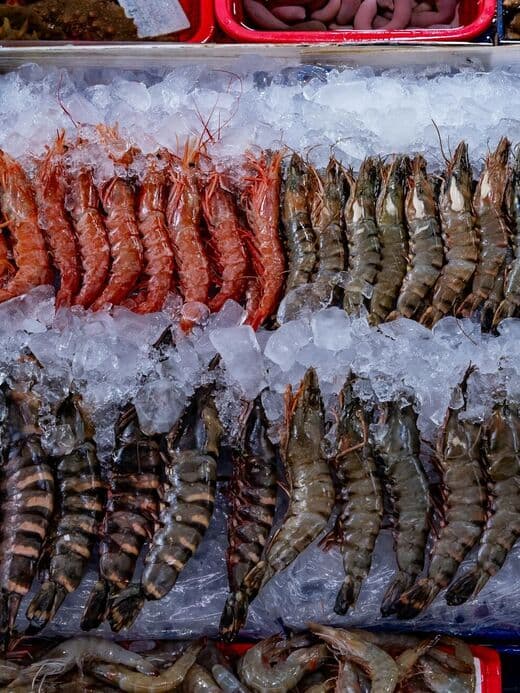
Personal note: Rawai market became my regular dinner spot. I bought 1 kg of tiger prawns for $12, asked a nearby restaurant to grill them for $3, and had a feast for two for under $20 total. The same meal in a Patong restaurant would cost $50+. The area feels authentic - you hear more Thai and Russian than English. However, do not expect nightlife: after 9 PM everything closes except a few bars.
Phuket Old Town - culture, gastronomy, digital nomads
Old Town is not a beach, but the cultural heart of the island: colonial architecture in Sino-Portuguese style, street art, boutiques, coworking spaces, best restaurants and cafes. At night, markets come alive (Sunday Walking Street), during the day - museums and galleries. Ideal for those who want to understand Phuket's culture, not just lie on the beach.
For whom: digital nomads, foodies, culture and history lovers, photographers, those not tied to the beach.
Pros: authentic atmosphere, best restaurants on the island, Sunday market, many cafes with Wi-Fi, coworking spaces, museums (Thai Hua Museum, Phuket Trick Eye), cheap for living (many local food options).
Cons: no beach (20-30 minutes away), noisy during the day (tourists, tuk-tuks), few hotels (more guesthouses and apartments), parking difficult.
Prices: $-$$ (guesthouses from $15, apartments from $30, boutique hotels from $60). Food: street food from $1.20, restaurants from $6 per person.
What is nearby: Wat Chalong temple 15 minutes, Chalong pier 20 minutes, Rawai and Nai Harn beaches 25 minutes, Central Festival shopping center 10 minutes.
Personal note: I spent my last week in Old Town and fell in love. Every morning I walked to a different cafe on Thalang Road - each had unique character. The Sunday market is incredible: I ate my way through 10 different stalls for under $10 total. The area is photogenic - colorful buildings, street art, lanterns. However, be prepared for crowds during the day and limited parking if you rent a car.
Bang Tao - luxury, golf, families
Bang Tao is one of the longest beaches (8 km), with expensive hotels (Laguna, Banyan Tree), golf courses, marina. Quiet, clean, many families with children. Suitable for those seeking luxury vacation with infrastructure: spas, restaurants, kids' clubs.
For whom: families with children, golf lovers, those seeking luxury vacation, long-term expats.
Pros: long clean beach, luxury hotels with service, golf courses, marina with yachts, many restaurants, quiet, supermarkets and schools available.
Cons: expensive (prices above average), little nightlife, far from Patong and old town (30-40 minutes), expensive taxis, little public transport.
Prices: $$$ (hotels from $100, villas from $200). Food: restaurants from $12 per person.
What is nearby: Surin beach 10 minutes, Kamala beach 15 minutes, Boat Avenue shopping center 5 minutes, Laguna golf club 5 minutes.
Personal note: I visited Bang Tao for a friend's wedding at Banyan Tree. The resort was stunning - manicured gardens, multiple pools, impeccable service. However, I realized this is not "real Phuket" - it is a luxury bubble. You pay premium prices for everything, and you need a car or expensive taxis to explore the rest of the island. Great for special occasions, not for authentic experiences.
North Phuket (Mai Khao, Nai Yang) - nature, airport, seclusion
North Phuket is Sirinat National Park, untouched beaches, mangrove forests, proximity to the airport. Mai Khao is the longest beach (11 km), where planes land. Nai Yang is a quiet village with local restaurants. Ideal for those who want to escape everything, love nature and birds.
For whom: nature and bird lovers, those who want silence, transit passengers (close to airport), photographers.
Pros: untouched nature, empty beaches, national park, close to airport (10-15 minutes), cheap, many local food options, quiet.
Cons: little infrastructure (no large supermarkets, hospitals), boring in the evening, far from tourist areas (40-60 minutes to Patong), few taxis, no nightlife.
Prices: $ (guesthouses from $10, hotels from $30). Food: street food from $0.90, restaurants from $4.50 per person.
What is nearby: Sirinat National Park, Ton Prai waterfall, airport 10 minutes, Nai Thon beach 15 minutes.
Personal note: I stayed one night in Nai Yang before my early morning flight. The beach was empty except for a few local families. I watched planes land directly overhead - incredible for photography. The local restaurant served the best Tom Yum I had in Thailand for $4. However, I would not stay here longer than 2 nights unless you specifically want isolation. There is simply nothing to do after sunset.
Best time to visit Phuket
Phuket is a year-round destination, but weather and tourist crowds significantly affect the experience. Here is a detailed breakdown by season.
High season: November - February (best time)
Weather: dry, sunny, temperature 25-32°C (77-90°F), comfortable humidity, calm sea (ideal for swimming and snorkeling).
Pros: best weather, all excursions operating, transparent sea, festivals (Loy Krathong in November, Chinese New Year in January-February), many events.
Cons: highest accommodation prices (30-50% higher), beaches overcrowded, traffic jams, restaurants and attractions packed, need to book 2-3 months in advance.
Prices: hotels from $50, villas from $150, excursions 20-30% more expensive.
Advice: if traveling in December-January - book accommodation and excursions in advance. Avoid Chinese holidays (Chinese New Year) - crowds of tourists from China.
Personal experience: I visited during Christmas week and it was insane. Every restaurant had a 1-hour wait, beaches looked like public pools, and taxi prices doubled. However, the weather was perfect - sunny days, cool evenings. If you must visit during this period, book everything at least 3 months ahead and expect to pay premium prices.
Hot season: March - May
Weather: very hot (30-38°C / 86-100°F), high humidity, rare rains, warm sea (29-30°C / 84-86°F).
Pros: fewer tourists than high season, prices drop 20-30%, warm sea, all excursions operating, fruits in season (mango, durian, rambutan).
Cons: very hot during the day (better plan activities for morning and evening), possible smog from field burning (especially March-April), high humidity.
Prices: hotels from $40, villas from $100.
Advice: plan beach and excursions for morning (before 11 AM) and evening (after 4 PM). During the day - pool, spa, museums. Drink plenty of water, use sunscreen.
Personal experience: April was brutally hot. I could not walk outside between 11 AM and 3 PM without sweating profusely. However, I got amazing deals - my $80 per night hotel room dropped to $50. The sea was like bathwater, perfect for long swims. Just carry water everywhere and accept that midday is for indoor activities.
Low season: June - October (rainy season)
Weather: frequent rains (usually short downpours 1-2 hours per day), temperature 26-32°C (79-90°F), high humidity, rough sea (waves, currents).
Pros: lowest prices (discounts up to 50% on accommodation), few tourists, green landscapes, waterfalls full, fruits in season (mangosteen, longan).
Cons: rains can ruin plans (especially September-October), dangerous sea (red flags on beaches, strong currents), some excursions cancelled (Phi Phi Islands closed August-October for restoration), less sun for photos.
Prices: hotels from $25, villas from $60.
Advice: if traveling in low season - choose accommodation with pool and air conditioning. Check weather forecast before excursions. Avoid swimming at open beaches (waves, currents). Some islands closed (Phi Phi, Maya Bay) - check before booking.
Personal experience: I stayed through September and honestly, it was not as bad as expected. Yes, it rained almost daily, but usually for just 1-2 hours in the afternoon. I used that time for massages, cafe work, and shopping. The island was green and beautiful, prices were rock bottom, and I had beaches almost to myself. Just be flexible with plans and always have a backup indoor activity.
Festivals and events
Loy Krathong (November): festival of lights - Thais launch floats with flowers and candles on water. Best spots: Suan Luang Park in old town, Patong Beach.
Chinese New Year (January-February): parades, fireworks, street food in old town. Many tourists from China.
Vegetarian Festival (late September - early October): 9-day festival when some Thais do not eat meat, wear white clothing. Rituals take place at temples (Jui Tui Shrine in old town). Do not wear bright red clothing, be respectful.
Phuket Marathon (December): international marathon across the island. Register in advance.
Songkran (April 13-15): Thai New Year water festival. Expect water fights everywhere, especially in Patong. Protect your electronics!
When to book in advance
December - January: book accommodation 2-3 months ahead, excursions 1-2 weeks ahead.
Chinese New Year: book 3-4 months ahead (prices skyrocket, everything booked).
June - October: can book 1-2 weeks ahead, often last-minute discounts available.
Pro tip: Use Agoda for accommodation - prices are typically 10-20% lower than Booking.com in Thailand. For excursions, compare Klook prices with local tour agencies in old town - sometimes local is cheaper, sometimes Klook has better deals.
Phuket itinerary: 3 to 7 days
Here are three itinerary options: 3 days (if short on time), 5 days (optimal), and 7 days (with surroundings). Each day is scheduled with specific times, places, and logistics.
Phuket in 3 days: the essentials
Day 1: Culture and old town
9:00-11:00 - Walk through Phuket Old Town. Start on Thalang Road: colonial architecture, street art, photos. Visit Ong Teong Shrine (Chinese shrine with dragons). Coffee at Bookhemist cafe (cozy place with books).
11:00-12:30 - Thai Hua Museum (former Chinese school, now Phuket history museum). Entrance 200 baht ($6). Understand how Phuket became a tourist center.
12:30-14:00 - Lunch at Raya Restaurant (old town). Order Moo Hong (braised pork in soy sauce) - signature Phuket dish. Price: $7.50-10 per person.
14:00-16:00 - Wat Chalong temple (largest temple on island). Taxi from old town 15 minutes. Free entrance. Climb to upper level - view of surroundings.
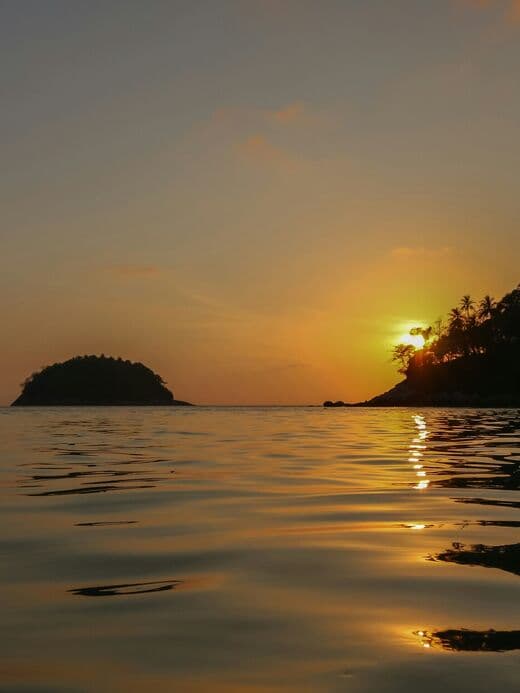
16:00-18:00 - Promthep Cape (southernmost point of island). Taxi from Wat Chalong 20 minutes. Watch sunset - one of the best spots on island. Nearby lighthouse, can climb (free).
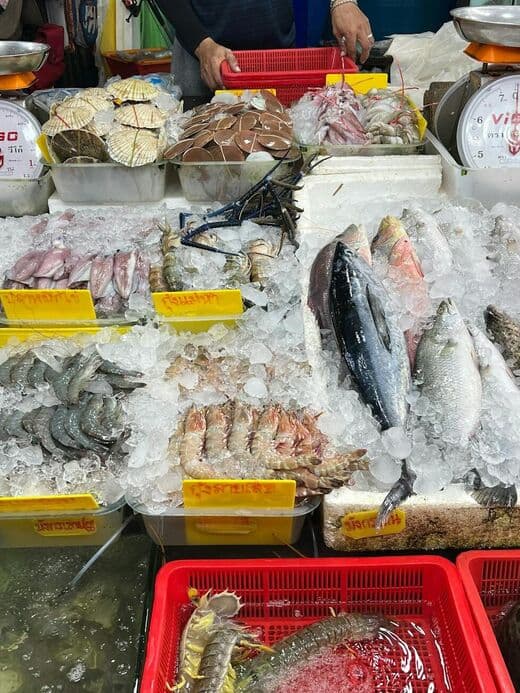
19:00-21:00 - Dinner at Rawai pier. Buy fresh seafood at market (prawns, fish, crabs) and ask any nearby restaurant to cook it. Price: $9-15 per person.
Day 2: Beaches and sea excursion
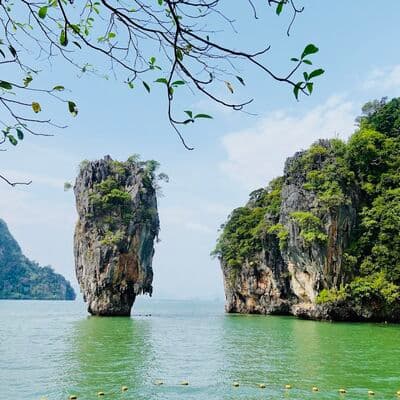
8:00-16:00 - Excursion to Phang Nga Bay + James Bond Island. Departure from Chalong pier at 8:00 (taxi from old town 20 minutes). Included: kayaking through caves, lunch on island, transfer. Price: $45-75 (depends on group size).
17:00-19:00 - Kata Beach. After excursion, relax on beach: clean water, soft sand. Sun lounger rental $3 (includes drink).
19:00-21:00 - Dinner at restaurant near Kata Beach. Order grilled fish with lime and chili. Price: $9-12 per person.
Day 3: Nightlife and shopping
9:00-12:00 - Nai Harn Beach. One of the best beaches on island: clean water, few people. SUP board rental $9/hour.
12:00-14:00 - Lunch at cafe near Nai Harn Beach. Order Pad Thai with prawns. Price: $4.50-6.
14:00-17:00 - Shopping at Central Festival (old town). Brands, souvenirs, Tops supermarket (buy Thai sweets and sauces).
19:00-23:00 - Nightlife on Bangla Road (Patong). Taxi from Nai Harn 25 minutes. Bars, clubs, street performers. Cocktail from $4.50, club entry free (sometimes $15 deposit).
Phuket in 5 days: without rushing
Day 1: Southern coast and sunset
9:00-12:00 - Nai Harn Beach. Walk, swim, photos. Sun lounger rental $3.
12:00-14:00 - Yanui Beach. Small bay with transparent water. Kayak rental $6/hour. Lunch at beach cafe (Pad See Ew with seafood, $4.50).
14:00-16:00 - Rawai Pier. Fishing village, souvenirs, fresh fruits. Buy mango ($1.50/kg) and pineapples ($0.90/piece).
17:00-19:00 - Promthep Cape. Sunset watching. Taxi from Rawai 15 minutes.
19:00-21:00 - Dinner at restaurant on Rawai pier. Grilled seafood (prawns, squid, fish). Price: $12-18 per person.
Day 2: Western coast and nightlife
9:00-12:00 - Kata Beach. Snorkeling at reefs (mask and tube $3/day). Clean water, visible fish.
12:00-15:00 - Karon Beach. Walk on "squeaking" sand, lunch at beachfront restaurant (grilled fish with rice, $7.50).
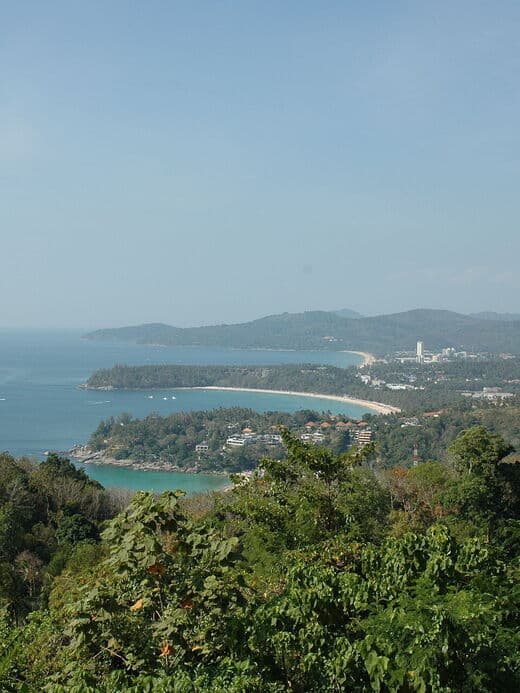
15:00-17:00 - Karon Viewpoint. Photo of three bays (Karon, Kata, Kata Noi). Taxi from Karon 10 minutes. Free entrance.
17:00-19:00 - Patong Beach. Sunset, beach walk. Sun lounger rental $3.
20:00-23:00 - Bangla Road. Bars, clubs, shows. Try cocktail at Tiger Bar ($4.50).
Day 3: Temples and old town
9:00-10:30 - Ganesh Temple (Lord Srimanth Ganapathi). Taxi from old town 15 minutes. Free entrance. Ask Ganesh for luck on your trip.
10:30-12:00 - Wat Phra Thong. Taxi 10 minutes. Free entrance. Famous temple with a half-buried Buddha statue - according to legend, it cannot be dug up.
12:00-13:30 - Wat Sri Sunthon (Reclining Buddha). Taxi 15 minutes. Free entrance. Long Buddha statue in sleeping position.
13:30-15:00 - Wat Phra Nang Sang. Oldest temple in Phuket. Taxi 10 minutes. Free entrance.
15:00-19:00 - Phuket Old Town. Walk along Thalang, Krabi, Phang Nga streets. Cafes, boutiques, street art.
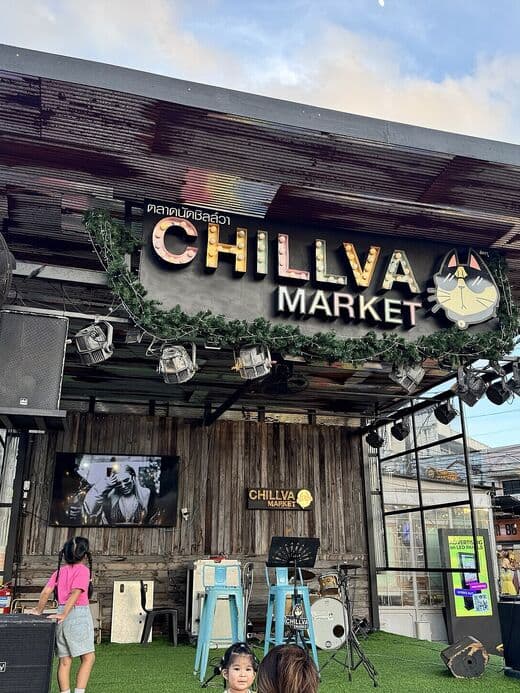
19:00-21:00 - Sunday night market (if Sunday) or Chillva Market (Monday-Saturday). Street food, souvenirs, music.
Day 4: Sea excursion to Phi Phi Islands
8:00-17:00 - Excursion to Phi Phi Islands + Maya Bay. Departure from Chalong pier at 8:00. Included: transfer, lunch, snorkeling, entrance fees. Price: $60-105 (speedboat more expensive, ferry cheaper).
12:00-13:00 - Phi Phi Don Island. Lunch at restaurant on island (Pad Thai with prawns, $6).
14:00-15:00 - Maya Bay. Filming location of "The Beach" movie. Photos, swimming (sometimes closed for restoration).
19:00-21:00 - Dinner in old town. Mee Ton Poe restaurant (famous Mee Hokkien noodles, $3).
Day 5: Krabi and Railay
8:00-12:00 - Wat Tham Sua (Tiger Cave Temple, Krabi). Transfer from Phuket 1.5 hours. Climb to temple (1237 steps) or by funicular ($3). View of surroundings.
12:00-14:00 - Tung Taeo Forest. Emerald pool, waterfalls. Taxi 20 minutes. Entrance $6.
14:00-16:00 - Than Bok Khorani National Park. Multi-level waterfalls, caves. Taxi 30 minutes. Entrance $12.
16:00-19:00 - Railay Peninsula. Boat from Ao Nang 10 minutes. Secluded beaches, rock climbing. Kayak rental $6/hour.
19:00-21:00 - Return to Phuket. Dinner at hotel or beachfront restaurant.
Phuket in 7 days: with surroundings
Days 1-5: as in 5-day itinerary.
Day 6: Island adventure (Phi Phi + Phang Nga)
8:00-17:00 - Combined tour: morning Phang Nga Bay (kayaking, caves, James Bond Island), afternoon Phi Phi Islands (snorkeling, Maya Bay). Departure from Chalong pier. Price: $90-135 (speedboat).
12:00-13:00 - Lunch on Phi Phi Don Island. Grilled seafood ($9).
19:00-21:00 - Dinner at restaurant on Karon Beach. Romance by the ocean.
Day 7: North Phuket and national park
9:00-11:00 - Sirinat National Park. Walk through mangrove forests, bird watching. Taxi from old town 40 minutes. Entrance $6.
11:00-13:00 - Mai Khao Beach. Longest beach (11 km), where planes land. Photos with planes (fly low over beach).
13:00-15:00 - Lunch at local restaurant in Nai Yang. Fresh grilled fish ($6).
15:00-17:00 - Ton Prai Waterfall. Jungle walk, swimming in waterfall. Taxi 20 minutes. Entrance $3.
17:00-19:00 - Return to hotel. Pack belongings.
19:00-21:00 - Farewell dinner in old town. One Chun Cafe restaurant (local cuisine, $9 per person).
Important logistics notes: Always confirm pickup times with tour operators the evening before. Most excursions include hotel pickup, but confirm exact time (can be 30-60 minutes before pier departure). Bring cash for entrance fees not included in tour price. Download offline Google Maps - signal can be weak on islands. Wear quick-dry clothing for boat trips. Motion sickness pills recommended for rough seas.
Where to eat in Phuket: restaurants and cafes
Phuket is a gastronomic paradise. Food here is better than Bangkok: freshest seafood, authentic southern Thai cuisine (spicier and richer), Chinese influence (due to large number of Chinese immigrants).
Street food and markets
Where to find: old town (Sunday market on Thalang Road), Chillva market (near Lotus's), Naka market (near Central Festival), Rawai pier (seafood).
What to try: Mee Hokkien (fried yellow noodles with seafood, $2.50-3.50), O-Tao (oyster omelet with taro, $1.50), Lo Bah (fried pork and tofu with brown sauce, $1.80), Roti with banana and condensed milk ($1.20), fresh fruits (mango $1.50/kg, pineapple $0.90/piece).
Average bill: $3-6 per person.
Lifehacks: arrive at market at 6-7 PM (full fresh selection), follow queues of locals (means tasty and safe), bring cash (cards not accepted everywhere), do not fear spicy (can ask "mai pet" - not spicy).
Personal note: The Sunday Walking Street market on Thalang Road is my favorite food experience in Phuket. I once ate at 12 different stalls for under $15 total - grilled squid, mango sticky rice, fresh coconut, Thai iced tea, and more. Go around 5:30 PM to beat the crowds and get the best photo opportunities before it gets too dark.
Local eateries
Where to find: old town (alleys of Thalang Road), Rawai area (near pier), Kata and Karon (second lines from beach).
What to try: Gaeng Som Phuket (spicy and sour yellow curry with fish or prawns, $3.50-5.50), Moo Hong (braised pork belly in soy sauce, $4.50-6), Kanom Jeen (cold rice noodles with curry, $2.50-3.50), Tom Yum with prawns ($4.50-7.50).
Average bill: $4.50-9 per person.
Lifehacks: look for places with Thai-only menus (means locals eat there, not tourists), avoid places with photos of food outside (tourist traps), ask locals for recommendations, try daily specials (usually freshest).
Specific places: One Chun Cafe (old town, local cuisine, $6-9), Mee Ton Poe (near clock tower, Mee Hokkien noodles, $3), Raya Restaurant (old town, historic house, Moo Hong, $7.50-10).
Personal note: One Chun Cafe requires patience - there is always a queue, and they close when food runs out (usually by 2 PM). But the Crab Curry and stir-fried morning glory are worth the wait. Pro tip: arrive at 11 AM when they open to avoid the lunch rush.
Mid-range restaurants
Where to find: Kata, Karon, Nai Harn beaches (first line), old town (boutique restaurants), shopping centers (Central Festival, Jungceylon).
What to try: grilled fish with lime and chili ($9-15), Pad Thai with king prawns ($7.50-10.50), Massaman curry with beef ($7.50-10.50), steamed seafood with ginger ($12-18).
Average bill: $9-18 per person.
Lifehacks: reserve window table for sunset (especially at beaches), clarify price for seafood before ordering (sometimes charged by weight), ask "is today's catch fresh", avoid restaurants with touts at entrance (tourist traps).
Specific places: The Boathouse (Kata, French-Thai cuisine, $25-45), Mom Tri's Kitchen (Karon, high cuisine, $30-60), La Gritta (Patong, Italian cuisine, $25-45).
Personal note: The Boathouse in Kata is perfect for special occasions. I celebrated a birthday there - the wine list is extensive, and the seafood platter for two ($80) was incredible. Reserve a table on their terrace for sunset views. Dress code: smart casual (no flip-flops or tank tops for dinner).
Top restaurants
Where to find: luxury hotels (Laguna, Banyan Tree, The Nai Harn), villas at Nai Harn, old town (boutique restaurants).
What to try: tasting sets ($60-150), grilled lobster ($45-90), oysters ($6-12/piece), truffle dishes ($30-60).
Average bill: $45-150 per person.
Lifehacks: book 2-3 days in advance (especially for sunset), clarify dress code (some restaurants do not allow shorts and flip-flops), ask for wine pairing, do not hesitate to request spice level adjustment.
Specific places: Pru (Thalang, Michelin star, local ingredients, $150-240), Acqua (Patong, Italian cuisine, $60-120), Suay Restaurant (Chern, author's Thai cuisine, $45-90).
Personal note: Pru is Phuket's only Michelin-starred restaurant and worth every penny for a special occasion. The tasting menu changes seasonally and features ingredients sourced from local farms. Book at least a week ahead, and request the chef's table if available. The wine pairing adds $60-90 but elevates the experience significantly.
Cafes and breakfasts
Where to find: old town (Thalang Road, Krabi Road), Kata (second lines from beach), Nai Harn (near lake).
What to try: Thai iced coffee ($1.80-3), smoothie bowls with dragonfruit and mango ($3.50-5.50), avocado toast with poached egg ($4.50-7.50), pancakes with honey and banana ($3-4.50), croissants with Thai tea ($2.50-3.50).
Average bill: $4.50-9 per person.
Lifehacks: arrive at 8-9 AM (fresh pastries, no queues), look for cafes with Wi-Fi and power outlets (for work), ask for "soy milk" (if not drinking cow's milk), try Thai tea (orange, sweet, $1.50-2.50).
Specific places: Bookhemist (old town, books and coffee, $4.50-7.50), The Coffee Club (Kata, Australian breakfasts, $6-10.50), Ma Doo Bua (old town, lotus lake, Instagram cafe, $6-9), Three Monkeys Restaurant (old town, tropical garden, $7.50-12).
Personal note: Bookhemist is my favorite work-from-cafe spot in Phuket. The upstairs area is quiet, Wi-Fi is reliable (40+ Mbps), and the iced latte ($3.50) is excellent. They also have a small library - you can borrow books while you work. Arrive before 9 AM on weekdays to get a good table with power outlet.
What to try: Phuket food
Phuket cuisine is a mix of Thai, Chinese, and Malay traditions. It is spicier than central Thailand, more seafood and spices. Here are 10 dishes you must try.
Mee Hokkien - Phuket's signature dish. Fried yellow noodles with seafood (prawns, squid), egg, bean sprouts, and greens in soy sauce. Best in small eateries of old town. Price: $2.50-3.50. Lifehack: ask for "pet nit noy" (a little spicy) for authentic taste.
Moo Hong - braised pork belly in soy sauce, garlic, and black pepper. Cooked for several hours, meat melts in your mouth. Served with rice and pickled vegetables. Best at Raya Restaurant (old town). Price: $7.50-10. Lifehack: order for sharing (portion is large).
O-Tao - oyster omelet with taro, egg, and bean sprouts. Crispy outside, soft inside. Street food, look for Sunday market. Price: $1.50-2.50. Lifehack: eat immediately while hot.
Gaeng Som Phuket - spicy and sour yellow curry with fish or prawns, pineapple, and green beans. Differs from central Thailand (spicier and sourer). Price: $3.50-5.50. Lifehack: order with rice to soften spiciness.
Kanom Jeen - cold fermented rice noodles with curry (fish, chicken, or vegetable) and fresh herbs (mint, basil, cabbage). Eaten by hand, mixing noodles with curry and herbs. Price: $2.50-3.50. Lifehack: take several types of curry for variety.
Lo Bah - fried pork pieces and tofu with sweet brown sauce. Street food, sold at markets. Price: $1.80-3. Lifehack: ask for extra sauce (it is delicious).
Tom Yum Goong - spicy and sour soup with prawns, lemongrass, galangal, lime, and chili. Best in local eateries, not tourist restaurants. Price: $4.50-7.50. Lifehack: ask for "mai pet" (not spicy) if you do not like spicy.
Poo Pad Pong Kari - crab stir-fried in curry with egg, onion, and chili. Tender crab in aromatic sauce. Price: $12-24 (depends on crab size). Lifehack: clarify price before ordering (sometimes charged by weight).
Roti Gluay - Thai pancake with banana, egg, sugar, and condensed milk. Street food, sold at markets and near beaches. Price: $1.20-1.80. Lifehack: eat for dessert or as snack.
Fresh grilled seafood - prawns, squid, fish, crabs, grilled with lime and chili. Best at Rawai pier (buy at market and ask to cook). Price: $9-18 per person. Lifehack: choose freshest (moving, smell like sea, not fish).
What NOT to try (tourist traps)
"Buffet" for $6 - food is stale, tasteless, for tourists only.
Restaurants with touts at entrance - prices inflated 2-3 times, food mediocre.
Expensive restaurants near Patong Beach - tourist traps, walk 2 blocks away (prices half, food twice as good).
Exotica for exotica's sake - fried scorpions, snakes, insects (often stale, just for photos).
Vegetarian options
Thailand has many vegetarian dishes, especially during vegetarian festival (late September - early October). Look for yellow flags with Chinese characters (means vegetarian food). Dishes: Pad Pak (fried vegetables, $2.50-3.50), Tofu Pad King (tofu with ginger, $3-4.50), curry with vegetables ($3.50-5.50), rice with vegetables ($1.80-3). Many vegetarian cafes in old town.
During the Vegetarian Festival (usually late September to early October), many restaurants switch to entirely vegetarian menus for 9 days. Look for yellow flags with the Chinese character for "vegetarian". This is the best time for plant-based travelers to visit Phuket.
Allergies: what to watch for
Peanuts: often added to Pad Thai and salads. Ask for "mai mai thua" (without peanuts).
Seafood: fish sauce (nam pla) is almost everywhere. If allergic - ask for "mai nam pla".
Gluten: soy sauce contains wheat. Ask for "mai see-yew" (without soy sauce).
Spicy: if you do not like spicy - ask for "mai pet" (not spicy) or "pet nit noy" (a little spicy).
Important: Learn these Thai phrases before your trip. Write them on your phone or carry a small card. Most restaurant staff understand these requests, especially in tourist areas. For severe allergies, consider carrying a printed allergy card in Thai from a service like AllergyTranslation.com.
Phuket secrets: local tips
12 insider tips that will save you money, time, and nerves.
- Taxis are expensive - use apps: taxis in Phuket are 2-3 times more expensive than Bangkok. Tuk-tuk drivers inflate prices 5-10 times for tourists. Download Bolt and Grab - fixed prices, cheaper. Trip from Patong to old town: tuk-tuk $15-24, Bolt $7.50-10.50. Pro tip: Bolt is usually 10-20% cheaper than Grab, but Grab has more drivers available during peak hours.
- Do not eat near attractions: restaurants within 200 meters of temples and attractions are tourist traps. Walk 2-3 blocks away - prices half, food twice as good. Example: near Wat Chalong temple lunch $12, 500 meters away - $4.50.
- Sunday market - only before 7 PM: by 8 PM best spots are gone, food not as fresh. Arrive at 5-6 PM: light for photos, food selection, no crowds.
- Seafood at Rawai pier: do not order at restaurants with English menus. Buy fresh seafood at market (prawns $12-18/kg, fish $6-9/kg) and ask any nearby restaurant to cook it (cooking $3-4.50/dish). Comes out 2 times cheaper and 3 times tastier.
- Motorcycles - only for experienced: Phuket leads in tourist motorcycle accidents. Roads are steep, slippery, chaotic. Need motorcycle license + International Driving Permit (IDP). Without IDP insurance does not work, even if rental agent says otherwise. Fine without license $15-30. Inexperienced better avoid - use taxis or apps.
- Water from 7-Eleven is cheaper: do not buy water from tuk-tuk drivers and beaches ($1.50-3). At 7-Eleven 1.5L bottle costs $0.35-0.45. Buy 2-3 bottles at once.
- SIM card at airport is cheaper: at Phuket airport SIM cards (AIS, True, DTAC) cost $9-12 (unlimited internet for 7-15 days). In city prices 2 times higher. Buy at airport upon arrival.
- Book excursions in old town: tour agencies in Patong and beaches inflate prices 30-50%. In old town (alleys of Thalang Road) prices lower, can bargain. Example: Phi Phi tour in Patong $105, in old town $75.
- Do not swim at red flag: at beaches in low season (June-October) red flags displayed (strong currents, waves). Do not ignore - tourists drown annually. Choose beaches with green flag (Nai Harn, Kata in high season).
- Bargain at markets: at markets (except supermarkets) can and should bargain. Start at 50% of asked price, meet at 70%. Do not bargain for food, for souvenirs - definitely.
- Best sunset - not at Promthep: Promthep Cape overcrowded with tourists. Alternatives: windmills nearby (Windmill Viewpoint), Kalim Beach, A Blanket & A Pillow cafe on cliff (Nai Harn). Fewer people, better photos.
- Free Wi-Fi at shopping centers: at Central Festival, Jungceylon, Boat Avenue fast free Wi-Fi available. Ask password at reception or connect via SMS.
Additional local insights: Police checkpoints are common - always carry your passport or a clear photo of it on your phone. If renting a motorcycle, you will be stopped and fined if you do not have an International Driving Permit. The fine is officially $15 but officers may ask for more if they sense you are unfamiliar with the system. ATMs charge $5-7 per withdrawal for foreign cards - withdraw larger amounts less frequently to minimize fees. 7-Eleven stores are everywhere and accept credit cards for purchases over $3 - use this to avoid ATM fees by getting cashback at some locations.
Transport and internet in Phuket
From airport to center
Bus: Phuket Smart Bus runs from airport to beaches (Mai Khao, Surin, Karon, Rawai). Price: $3. Travel time: to Patong 1 hour, to Rawai 1.5 hours. Runs from 6:00 AM to 8:00 PM every 30-60 minutes. Buy ticket at airport (Transport counter) or from driver.
Taxi: taxi counter at airport (immediately after exiting arrival zone). Fixed prices: to Patong $21-27, to Kata/Karon $24-30, to Rawai $27-33, to old town $18-24. Travel time: 40-60 minutes (depends on traffic).
Bolt/Grab: call from app (exit airport to parking). Cheaper than official taxi by 20-30%: to Patong $15-21, to old town $12-18. Minus: need to wait 5-10 minutes.
Hotel transfer: many hotels offer free or paid transfer (check when booking). Price: $15-30.
My recommendation: For first-time visitors, book a hotel transfer or use the airport taxi counter. Yes, it is more expensive, but after a long flight you do not want to deal with app connectivity issues or waiting in the heat. For return trips to the airport, Bolt/Grab work perfectly and save money.
Transport around the city
Buses: Phuket Smart Bus (blue buses) runs along western coast (Mai Khao - Surin - Kamala - Patong - Kata - Karon - Rawai). Price: $3 per trip. Schedule: 6:00 AM to 8:00 PM every 30-60 minutes. Route and schedule in Phuket Smart Bus app. Convenient for moving between beaches. Also runs from the airport (hourly departures 8:15am-11:30pm).
Taxis: many on streets (especially Patong, Karon, Kata). Always bargain! They quote prices 2-3 times higher. Example: from Patong to old town real price $7.50-10.50, they quote $18-24. Minus: no meters, need to negotiate.
Bolt/Grab: best options for getting around. Bolt cheaper (by 10-20%), Grab more reliable (more cars). Download both apps. Fixed prices, payment by card or cash. Example: from Patong to old town $7.50-10.50, from Kata to Rawai $6-9. Minus: during rush hours (5-7 PM) long wait, prices higher.
Tuk-tuks: pink trucks with benches. Only for short trips! Prices inflated 5-10 times for tourists. Always bargain. Example: from Patong to Karon real price $4.50-6, they quote $15-24. Do not get in if price does not suit - in 5 minutes they will offer cheaper.
Motorcycles: rental from $7.50/day (automatic) to $15/day (manual). Need motorcycle license + International Driving Permit (IDP). Without IDP fine $15-30, insurance does not work. Helmet mandatory (fine $15). Not for inexperienced: roads dangerous (steep, slippery, chaotic). Rental at shops near beaches and old town. Deposit $60-150 or passport (do not leave passport! better money).
Car rental: from $24/day (compact) to $90/day (SUV). Need category B license + IDP. Rental at airport, old town, beaches. Deposit $150-300. Convenient for island trips, but traffic jams in high season.
Important safety note: If you rent a motorcycle, take photos of any existing damage before riding off. Rental shops sometimes claim you caused damage that was already there. Also, never leave your passport as deposit - insist on cash deposit instead. I have heard too many stories of travelers struggling to get their passports back.
Internet and connection
SIM card: buy at airport upon arrival (AIS, True, DTAC). Price: $9-12 for unlimited internet for 7-15 days (30 GB at high speed, then slower). In city prices 2 times higher. Need passport. Activation on site (10-15 minutes).
eSIM: not all phones support. Buy online (Airalo, Yesim) before trip. Price: $10-20 for 10-20 GB. Convenient but more expensive than local SIM.
Wi-Fi: available almost everywhere: hotels, cafes, restaurants, shopping centers. Good speed (20-50 Mbps). In old town many cafes with fast Wi-Fi for work.
My experience: I used an AIS SIM card purchased at the airport for $11. It gave me 30 GB of 5G data for 10 days, which was more than enough. Signal was strong everywhere except some remote beaches in the north. For comparison, my friend used Airalo eSIM and paid $18 for only 10 GB. The local SIM is definitely better value if your phone supports it.
Main apps
Bolt: taxi, cheaper than Grab. Download before trip, link card.
Grab: taxi, food delivery, grocery shopping. More reliable than Bolt, but more expensive.
Google Maps: download offline Phuket map (in remote areas Wi-Fi unstable).
Google Translate: download Thai language (offline translation by photo of menus and signs).
Agoda/Booking: hotel booking (prices lower than on-site).
Klook: excursions and entertainment tickets (often cheaper than on-site).
7-Eleven app: not essential but shows promotions and nearest stores.
XE Currency: quick baht to USD/EUR/GBP conversion while shopping.
Conclusion: who is Phuket for
Phuket is an island of contrasts, where everyone finds their own: party-goers - endless bars of Patong, families - calm beaches of Kata and Karon, foodies - authentic cuisine of old town, digital nomads - cafes with fast Wi-Fi, nature lovers - hidden bays and national parks.
Ideal for: first introduction to Thailand, family vacation, digital nomads, foodies, party-goers, sea excursion lovers.
Not the best choice for: those seeking "untouched paradise" (many tourists), budget travelers (expensive for Thailand), those who do not like heat and humidity.
How many days: minimum 3 days (essentials), optimal 5-7 days (without rushing + excursions), maximum 10-14 days (if working remotely or love slow tourism).
Final honest take: Phuket is not the Thailand you see in brochures - it is real, messy, commercial, and absolutely wonderful in its own way. Yes, Patong is overwhelming. Yes, taxis will try to overcharge you. Yes, some beaches are crowded. But find the right neighborhood, talk to locals, eat where Thais eat, wake up early to have beaches to yourself, and Phuket will reveal its magic. I have been to 15 Thai islands, and Phuket remains my favorite for its diversity - where else can you have Michelin dining, ancient temples, world-class beaches, and wild nightlife all in one place?
Budget breakdown for 7 days (per person): Budget traveler: $350-500 (hostels, street food, public transport, few excursions). Mid-range: $700-1200 (3-4 star hotels, mix of street food and restaurants, Grab/Bolt, several excursions). Luxury: $2000+ (5 star hotels/villas, fine dining, private transfers, private tours). These estimates exclude international flights.
Information accurate for 2026. Prices in USD (1 USD ≈ 31-32 baht, 1 EUR ≈ 34-35 baht, 1 GBP ≈ 43 baht, 1 AUD ≈ 22 baht). Prices may vary by season and location. Always confirm current prices before booking.