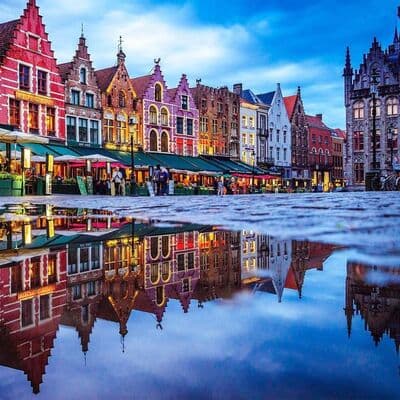
Bruges
Bruges 2026: What to Know Before You Go
Bruges is not a museum city frozen in time - it is a living medieval town that happens to look like a fairytale. The entire historic center is a UNESCO World Heritage Site, but unlike many preserved cities, people actually live here, work here, and yes, occasionally complain about tourists blocking their bike paths.
The city is compact enough to walk everywhere in about 20 minutes, which is both its greatest charm and its biggest challenge. On peak summer days, the main squares can feel overwhelmed with visitors. But step one street away from the tourist flow, and you will find yourself alone with 500-year-old buildings and the distant sound of church bells.
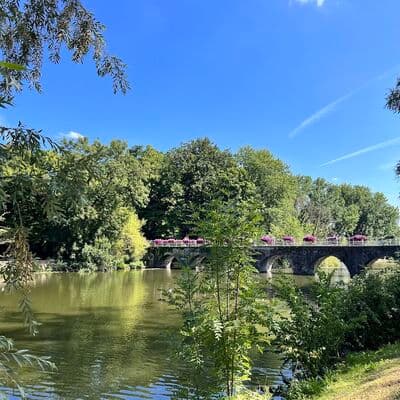
What surprised me most about Bruges was how the water defines everything. The Bruges Canals are not just pretty backdrops - they shaped the city's medieval wealth as a trading hub, and today they create those reflections that make every amateur photographer feel like an artist. The city earned its nickname 'Venice of the North' honestly, though locals will tell you Venice should be called 'Bruges of the South.'
Practical matters: English is widely spoken everywhere, card payments work in almost all establishments, and the tap water is excellent. The city is extremely safe, though watch for cyclists - they have right of way on most paths and they know it. Budget roughly 100-150 EUR per day for comfortable mid-range travel including accommodation, meals, and attractions.
Bruges Neighborhoods: Where to Stay
Bruges is small, but each neighborhood has its own distinct personality. Your choice of base will shape your entire experience, so here is an honest breakdown of where to sleep.
Historic Center (Markt and Burg Area) - $$$
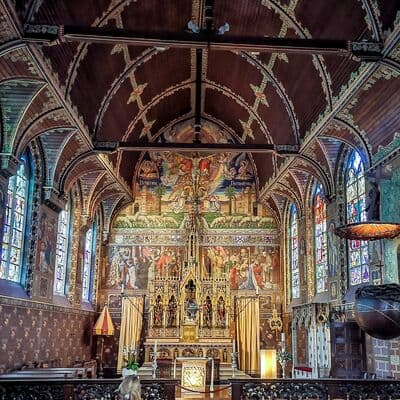
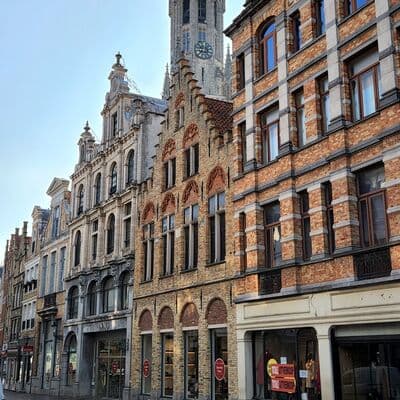
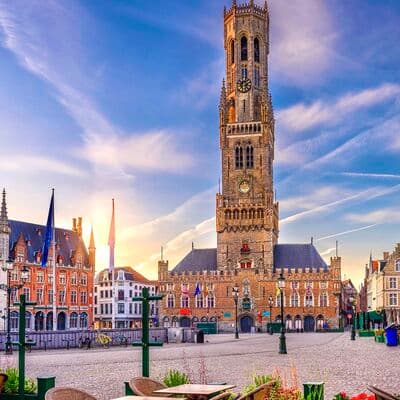
The Markt Square dominates with its stepped-gable guild houses and the iconic Belfry of Bruges. The Basilica of the Holy Blood is steps away, morning coffee comes with medieval tower views, and late-night strolls through empty squares feel magical.
Expect to pay 180-350 EUR per night, and streets buzz with tour groups from 10am to 6pm. Restaurant prices carry a 'tourist tax' - the same meal costs 30-40% less two streets away. Best for: first-time visitors wanting full fairytale immersion.
Sint-Anna Quarter (East Side) - $$
Where I always tell friends to stay. Sint-Anna sits 5 minutes from all major sights but with completely different atmosphere. Streets are quieter, buildings just as beautiful, prices notably lower at 90-160 EUR per night. You will find neighborhood bakeries and cafes where locals outnumber tourists.
The windmills along old ramparts are here - four historic mills most day-trippers never see. Morning walks along canal paths feel private. Best for: couples, photography enthusiasts, anyone wanting beauty without crowds.
Station Area (Zuid) - $
The budget traveler's friend. Hotels start at 60-90 EUR, hostels offer dorms for 25-35 EUR. The walk to center takes 15 minutes, passing through quiet residential streets and the Minnewater (Lake of Love) - so budget travelers get one of the most romantic spots on their doorstep.
The neighborhood feels like a real Belgian town. Restaurants offer excellent value with full meals for 15-25 EUR. Best for: budget travelers, solo visitors.
West Side (Sint-Gillis) - $$
Few tourists despite being historically significant. Sint-Gillis has gorgeous 17th-century architecture and best-value accommodations at 80-130 EUR per night. The walk to Markt takes 10 minutes.
More residential feel with families and working professionals. Better supermarkets for self-catering, diverse food including North African and Asian restaurants. Best for: longer stays, families, experiencing Bruges as a living city.
Best Time to Visit Bruges
There is no perfect time, only trade-offs you choose to accept.
April to May: The Sweet Spot
If I had to pick one window, this is it. Temperatures hover around 12-18 degrees, gardens burst with flowers, tourist crowds have not peaked. Hotel prices remain reasonable at 100-150 EUR. The light is perfect for photography - soft, golden, lasting until 9pm.
Downside: Belgian spring is unpredictable. Pack layers and a rain jacket.
June to August: Peak Season Reality
Summer brings reliable weather (18-25 degrees), long days, and absolutely massive crowds. The Markt Square can feel like a theme park at midday. Hotel prices spike to 180-300 EUR, and booking two months ahead is essential for good options.
That said, summer has its magic. Outdoor concerts fill the squares, museum hours extend into the evening, canal boat rides in warm golden light feel romantic, and terraces spill onto every cobblestoned corner. If you visit in summer, start your days early (before 9am) and embrace late dinners (after 8pm) to dodge the worst crowds.
September to October: The Local Secret
Many Bruges residents consider autumn the finest season. Tour groups thin out dramatically after mid-September, but the weather often stays pleasant - 10-18 degrees with beautiful golden light. Hotel prices drop by 20-30%, and restaurant reservations become unnecessary.
October brings the added bonus of Belgian beer festivals and the first seasonal menus at restaurants. The only risk is increased rainfall, but Bruges looks magnificent in mist and drizzle if you bring the right attitude and a good jacket.
November to March: The Quiet Months
Winter Bruges is a different city entirely. The Christmas market (late November through early January) draws crowds, but otherwise the streets feel almost empty. Hotel prices drop to 60-100 EUR, and you can photograph the Belfry without a single person in frame.
The trade-off: short days (dark by 5pm), cold temperatures (0-8 degrees), and reduced hours at some attractions. But the cozy cafe culture comes alive, and there is something undeniably magical about chocolate shops glowing warm against grey Belgian skies.
Bruges Itinerary: 2 to 5 Days
Day 1: The Essential Introduction
Morning (9:00-12:30) - Start at the Markt Square before the crowds arrive. Grab coffee at one of the cafes on the square (expect to pay 4-5 EUR for the view tax) and take in the guild houses. Then climb the 366 steps of the Belfry of Bruges - arrive right at 9:30 opening to avoid queues. Tickets cost 14 EUR, and the panoramic view is worth every step.
Walk to Burg Square next door, where the Basilica of the Holy Blood contains a venerated relic that has drawn pilgrims since the 12th century. Entry is free, but they request a small donation. The Romanesque lower chapel is hauntingly beautiful.
Afternoon (13:00-18:00) - After lunch, take a canal boat tour (10-12 EUR, 30 minutes) from any of the five departure points. Yes, it is touristy. Yes, you should absolutely do it - the perspectives on the architecture from water level are impossible to get otherwise.
Spend the rest of the afternoon wandering the Bruges Canals on foot. The Groenerei canal behind the Burg is the most photographed. The Dijver canal is more peaceful. Get deliberately lost - every wrong turn reveals something beautiful.
Evening (19:00+) - Dinner in the center, then a night walk. Bruges after dark, when the tour buses have departed, is genuinely magical.
Day 2: Deeper Into History
Morning (9:00-12:30) - Visit the Groeninge Museum (14 EUR) for an exceptional collection of Flemish Primitives - Van Eyck, Memling, and others. Even if art is not your thing, these 500-year-old paintings show you exactly what Bruges looked like in its golden age. Budget 90 minutes.
Next, the Church of Our Lady (free nave, paid museum section 7 EUR) houses Michelangelo's Madonna and Child - one of the few Michelangelo sculptures outside Italy. The carved oak choir stalls alone are worth the visit.
Afternoon (13:00-18:00) - Walk south to the Begijnhof, a 13th-century community of religious women that is now home to Benedictine nuns. The courtyard is free to enter and surreally peaceful. In spring, it fills with daffodils.
Continue to Minnewater (Lake of Love) for the classic romantic photograph. The legend says if you walk the bridge with your lover, your love is eternal. Skeptics note the lake was actually a medieval harbor, but sometimes myths are more fun than facts.
Evening (19:00+) - Explore restaurants outside the tourist center. The Sint-Anna quarter has excellent options at 30-40% lower prices than the Markt.
Day 3: Beyond the Postcard
Morning (9:00-12:30) - Rent a bike (12-15 EUR per day) and cycle the old city walls. Four historic windmills stand along the northeast ramparts - most visitors never see them. The ride takes about an hour with photo stops.
Visit the lesser-known Folklore Museum (6 EUR) for a glimpse into daily life in old Bruges. Then find the Adornes Domain and Jerusalem Chapel - a 15th-century chapel built by a family of Genoese merchants to replicate the Church of the Holy Sepulchre.
Afternoon (13:00-18:00) - Take a day trip to Damme (7 km away). You can cycle there along a beautiful canal path, or take the historic paddle steamer in summer (18 EUR return). This tiny village was Bruges' medieval outport and still feels frozen in time.
Evening (19:00+) - Belgian beer tasting. The De Halve Maan brewery offers tours with tastings (15 EUR), or simply find a brown cafe and work through the menu.
Day 4: The Coastal Connection
Full Day Option - Train to the Belgian coast (15 minutes to Ostend, 4.80 EUR). Ostend has a long beach, fresh seafood restaurants, and the surprisingly excellent Mu.ZEE modern art museum. The coastal tram (Kusttram) runs the entire Belgian coast.
Alternatively, visit Ghent (30 minutes by train, 7.50 EUR). This university city rivals Bruges in medieval beauty but with more edge, better nightlife, and fewer tour groups. The Ghent Altarpiece alone is worth the trip.
Day 5: Your Personal Bruges
Morning (9:00-12:30) - Revisit your favorite spots without a schedule. Return to that cafe terrace you loved. Photograph the canal that caught your eye. Buy chocolate from the shop that smelled best.
Afternoon (13:00-17:00) - The Choco-Story Museum (12 EUR) is more interesting than it sounds - Belgian chocolate history with tastings. Or visit Sint-Janshospitaal, a medieval hospital turned museum with extraordinary Hans Memling paintings. Before you leave, walk once more through the quiet streets.
Where to Eat in Bruges: Restaurants and Cafes
Bruges has a restaurant for every budget, but finding quality requires knowing where to look. The Markt Square restaurants are beautiful but overpriced - you are paying for the view, not the food. Here is where locals actually eat.
Budget and Street Food (Under 15 EUR)
Frituur Bosrand (Sint-Clarastraat) - The best frites in Bruges, according to many locals. Hand-cut potatoes, fried twice in beef fat, served in a paper cone with your choice of 20 sauces. A large portion with sauce costs about 4-5 EUR. Cash only, no seating.
De Bottelier (Sint-Jakobsstraat) - This tiny shop serves stoofvlees (Flemish beef stew) in a bread bowl for 8-10 EUR. No frills, just excellent traditional food. Popular with office workers at lunch.
Bakeries - Brugse Bakkerijen along Katelijnestraat has excellent sandwiches for 5-7 EUR. For pastries, Banket Vermeire on Steenstraat is where locals buy their weekend treats.
Mid-Range Casual (15-35 EUR)
De Stove (Kleine Sint-Amandsstraat) - A tiny restaurant seating maybe 20 people, with a chef who changes the menu based on market ingredients. Three courses for 35 EUR, reservations essential. The mussels when in season are exceptional.
Kok au Vin (Ezelstraat) - Belgian classics done well: carbonnade flamande, vol-au-vent, waterzooi. Mains run 18-25 EUR. The wine list is thoughtful without being pretentious.
Gran Kaffee de Passage (Dweersstraat) - An institution since 1948. High ceilings, dark wood, no-nonsense service, and excellent Flemish food at fair prices. Mains 16-22 EUR. Popular with families and older locals.
Special Occasion (35-80 EUR)
Den Gouden Harynck (Groeninge) - One Michelin star, classic French-Belgian cuisine in a 17th-century setting. Tasting menus from 85-135 EUR. Reserve weeks ahead for weekends.
Sans Cravate (Langestraat) - Modern Belgian cuisine with Asian influences. Two Michelin stars, but the atmosphere remains approachable. Dinner runs 150-200 EUR with wine, but the lunch menu offers better value at 60-75 EUR.
Late Night Options
Bruges essentially closes by 10pm except for bars. For late food, your options are limited to kebab shops around Sint-Jakobsstraat (6-10 EUR) or hotel restaurants. This is not a late-night city - embrace early dinners.
What to Try: Bruges Food Guide
Belgian cuisine often gets overshadowed by French, but Bruges has its own distinct food culture. Here is what you absolutely should not miss.
Moules-Frites (Mussels and Fries)
The classic Belgian dish - fresh mussels steamed in white wine, celery, and onions, served in a cast-iron pot with fries on the side. The season runs September through April (months with 'R'). Expect to pay 22-30 EUR in a restaurant. The traditional method: use one empty shell as tweezers to pluck the meat from the others.
Stoofvlees / Carbonnade Flamande
Flemish beef stew braised in Belgian beer and brown sugar. Rich, sweet, deeply savory - the kind of dish that makes you understand why Belgian winters are bearable. Usually served with frites or mashed potatoes.
Belgian Frites
Never call them French fries in Belgium. Belgian frites are cut thicker, fried twice (once to cook, once to crisp), and traditionally made with beef tallow. The sauce selection matters: try stoofvleessaus (beef stew sauce), andalouse (tomato-mayo), or simply mayonnaise - which Belgians consider the only proper accompaniment.
Chocolate
Bruges has over 50 chocolate shops, which sounds excessive until you taste the quality. The Chocolate Line (Simon Stevinplein) makes avant-garde flavors like wasabi and cola. Dumon (Eiermarkt) is more traditional but exceptional. Budget 8-15 EUR per 250g for quality pralines.
Waffles
Two types: Brussels waffles (rectangular, light, crispy) and Liege waffles (round, dense, caramelized sugar chunks). The street waffles covered in Nutella and whipped cream are tourist inventions - locals eat them plain or with just powdered sugar. A proper waffle costs 3-5 EUR.
Belgian Beer
Bruges has its own brewery (De Halve Maan) making Brugse Zot and Straffe Hendrik. But the real adventure is in the beer cafes - places like 't Brugs Beertje stock 300+ beers. Essential styles to try: Trappist ales (Chimay, Westmalle), lambics (sour, funky, acquired taste), golden ales (Duvel), and abbey beers. Each beer has its own glass - this is serious business.
Bruges Secrets: Local Tips
After multiple visits and conversations with residents, here is what the guidebooks miss.
Timing Is Everything
The tour buses arrive around 10am and leave by 6pm. The Markt Square at 8am is peaceful; at noon it is chaos; at 9pm it is magical again. Plan accordingly. Sunday mornings are particularly quiet as many day-trippers come on weekdays.
Museums are least crowded in the first hour after opening and the last hour before closing. The Belfry queue can hit 45 minutes midday but is often walk-in at opening time.
The One-Street-Away Rule
Restaurants on main squares charge 30-40% more for identical quality. Walk one street away and prices drop immediately. This applies to the Markt, Burg, and Simon Stevinplein. The food is often better too - tourist trap kitchens rarely try hard.
The Beer Pipeline
De Halve Maan brewery built a 3km underground pipeline to transport beer to their bottling plant outside the city. This is not a tourist gimmick - it is a genuine solution to the problem of beer trucks damaging medieval streets. The brewery tour explains this marvel of modern brewing.
Photography Spots Beyond the Obvious
The Rozenhoedkaai is famous for a reason - those canal reflections at sunset are extraordinary. But also try: Bonifacius Bridge for a quieter canal shot, the windmills at golden hour for something unexpected, and the Burg Square at night when the buildings are lit but tourists are gone.
Avoiding Chocolate Tourist Traps
If a chocolate shop has multiple locations on the same street, it is mass-produced for tourists. The best chocolatiers have one shop, hand-make their products daily, and the owner is often behind the counter. Look for shops where locals are buying, not just tourists photographing.
The Lace Reality
Bruges was historically famous for lace, and shops still sell it everywhere. However, most 'Bruges lace' is now machine-made in Asia. Handmade local lace exists but costs serious money (hundreds of euros for a small piece). The Lace Centre shows authentic techniques if you are curious.
Transport and Connectivity
Getting to Bruges
From Brussels Airport (BRU) - Direct trains run twice hourly, taking about 90 minutes and costing 21-24 EUR one way. The train station is beneath the airport terminal. No reservation needed, just buy a ticket at the machine or counter.
From Brussels Midi/Zuid (if arriving by Eurostar) - Trains every 20 minutes, journey time 60 minutes, cost 15-18 EUR. This is often the best option from London - Eurostar to Brussels, then quick connection to Bruges.
From Charleroi Airport (CRL) - Budget airlines use this airport 60km south of Brussels. Take the airport shuttle bus to Charleroi-Sud station (5 EUR, 20 minutes), then train to Bruges via Brussels (2.5 hours total, about 20 EUR). Alternatively, Flibco bus runs direct to Bruges for around 25-35 EUR.
From Amsterdam - Direct trains take about 3 hours, costing 35-50 EUR depending on booking time. The high-speed Thalys is faster (2.5 hours) but more expensive (60-90 EUR).
From Paris - Thalys or TGV to Brussels (1.5 hours), then train to Bruges. Total journey about 2.5 hours. Booking early saves significantly - prices range 45-120 EUR depending on timing.
Getting Around Bruges
Walking - The only transport you need within the center. The entire historic core is walkable in 20 minutes end to end. Cobblestones are everywhere, so bring comfortable shoes with some grip.
Cycling - Bruges is extremely bike-friendly. Rental shops near the station and throughout the center charge 12-15 EUR per day. The cycling paths extend to Damme, the coast, and surrounding villages. Lock your bike properly - theft exists.
Canal Boats - Five departure points throughout the city, all charging the same (10-12 EUR, 30 minutes). They run roughly 10am-5pm in peak season, fewer hours in winter. Worth doing once for the perspective.
Day Trip Transport
To Ghent - Trains every 15 minutes, 25-30 minutes journey, 7.50 EUR. Easy half-day or full-day trip.
To Brussels - Trains every 20 minutes, 60 minutes journey, 15-18 EUR. Good for museum lovers.
To the Coast - Trains every 30 minutes, 15-20 minutes journey, 4-6 EUR. The Kusttram runs the entire coastline.
Connectivity
Mobile Data - EU roaming means your European SIM works without extra charges. For non-EU visitors, Proximus, Orange, and Base offer prepaid SIMs with data (15-25 EUR for 5-10GB).
WiFi - Free WiFi available at the train station, most cafes, and many hotels. Quality varies. The city provides some public hotspots in main squares.
Cards vs Cash - Cards accepted almost everywhere. Mastercard and Visa work universally; American Express less so. Small purchases under 5 EUR sometimes require cash. ATMs are plentiful; use bank ATMs to avoid fees.
Who Should Visit Bruges: Summary
Perfect for: First-time European visitors wanting concentrated medieval beauty. Romantic couples - the canals and chocolate shops were designed for proposals. Photography enthusiasts who will find masterful compositions everywhere. Foodies interested in Belgian cuisine beyond the stereotypes. History buffs who appreciate Gothic and Flemish Primitive art.
Not ideal for: Travelers seeking nightlife and party scenes - Bruges essentially closes by 10pm. Those uncomfortable with crowds in peak season - the main squares can feel overwhelming. Budget backpackers on very tight budgets. Visitors wanting off-the-beaten-path adventure - Bruges is beautiful but thoroughly discovered.
The honest take: Bruges is sometimes called a tourist trap, and at midday in July, you might agree. But there is a reason millions come: few places on Earth have preserved their medieval character so completely while remaining a living city. Come early, stay late, walk the side streets, and Bruges rewards with genuine magic.