Belgrade
Belgrade 2026: What You Need to Know Before Your Trip
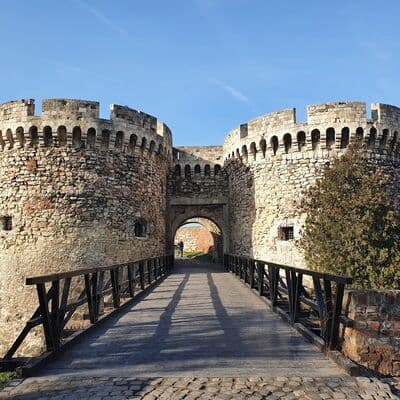
Belgrade is a city where empires have left their marks over two millennia, and today it pulses with the hottest nightlife in the Balkans. This is a capital that doesn't try to appear glamorous - here Austro-Hungarian architecture sits alongside socialist blocks, while a 10th-century fortress overlooks the confluence of two great rivers, the Danube and the Sava.
In short: Belgrade is worth visiting for the Kalemegdan Fortress with panoramic views, the bohemian quarter of Skadarlija with traditional cuisine, the floating club barges with legendary nightlife, the Temple of Saint Sava, and incredibly affordable prices. Plan for 4-5 days in the city to explore the center at a relaxed pace, walk through Zemun, and truly feel the local atmosphere.
Who is this city for? Belgrade is ideal for travelers seeking authenticity without tourist polish, lovers of nightlife that lasts until dawn, those who appreciate excellent food at budget-friendly prices, and anyone wanting to discover a city unlike other European capitals. This is the place for those tired of tourist crowds in Prague or Barcelona and ready to uncover something new.
Pros of Belgrade:
- One of Europe's best nightlives - floating river clubs operate until dawn
- Extremely affordable prices - dinner with wine for two from $28-40
- Outstanding food - from street food to high-end restaurants
- Rich history without tourist crowds
- Friendly locals, many speak English
- Compact center - everything within walking distance
- Excellent coffee culture
- Direct flights from London, Frankfurt, Istanbul, and other major hubs
Cons of Belgrade:
- Smoking everywhere - in cafes, restaurants, bars (almost no non-smoking areas)
- Public transport doesn't run 24/7 (night buses are infrequent)
- Not all attractions have English descriptions
- Summer can be extremely hot (up to 95-104°F / 35-40°C)
- Winter is gray and cold with little sunshine
- Some neighborhoods look run-down
- English signage can be inconsistent outside tourist areas
Belgrade is a city of contrasts, where you can drink coffee with a view of the Danube for $3 or dine at a Michelin-mentioned restaurant for $55. Here history isn't frozen in museums - it lives in every quarter, from Ottoman alleyways to socialist boulevards. The city has undergone remarkable transformation since the 2000s, emerging as one of Southeast Europe's most exciting destinations.
For American, British, Canadian, and Australian travelers, Belgrade offers exceptional value. The Serbian dinar (RSD) is the local currency, with exchange rates around 110 RSD to $1 USD. Credit cards are widely accepted in restaurants and hotels, but keep cash for markets, smaller cafes, and public transport.
Belgrade Neighborhoods: Where to Stay
Choosing your neighborhood in Belgrade defines your entire experience. The city is compact, but each quarter has its own character - from bohemian streets to buzzing party zones. Let's explore the 7 main neighborhoods for tourists.
Stari Grad (Old Town) - For First-Time Visitors
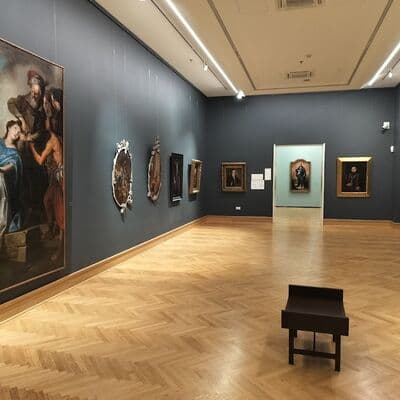
The historic heart of Belgrade with cobblestone streets where every stone remembers Ottomans, Austro-Hungarians, and Serbian kings. Here you'll find the main attractions: Kalemegdan Fortress, the pedestrian Knez Mihailova Street, the National Museum, and the Cathedral of Saint Michael. The neighborhood includes several micro-quarters, including the famous Skadarlija - Belgrade's "Montmartre."
Pros: everything nearby - fortress, museums, restaurants within walking distance; beautiful architecture; plenty of green spaces (Kalemegdan Park); excellent transport connections; safe at any time of day or night.
Cons: highest accommodation prices in the city; many tourists in peak season (June-August); noisy on weekends; parking is virtually non-existent.
Prices: $$$ (hostels from $22-28, hotels from $65-90, apartments from $55/night)
Best for: first-time visitors to Belgrade; history and architecture lovers; those who want to be in the center of action; travelers without a car.
Nearby: Kalemegdan Fortress (5-minute walk), Skadarlija (10 minutes), National Museum (3 minutes), Cathedral of Saint Michael (7 minutes).
Getting around: Everything is walkable. Tram lines 2, 3, 6, and 9 connect to other parts of the city. Bus stops are on Kralja Petra and Knez Mihailova streets.
Dorcol - Authentic and Trendy
The neighborhood between Old Town and the Danube that has transformed over the past 5 years from a quiet residential quarter into the city's hippest district. Narrow streets with old houses now host dozens of trendy coffee shops, wine bars, concept stores, and galleries. Locals live here, but the atmosphere is already international.
Pros: authentic atmosphere without tourist crowds; excellent coffee shops and restaurants; quiet at night; close to center (10-15 minute walk); plenty of greenery; good supermarkets; emerging art scene.
Cons: fewer hotels, mostly apartments; no major landmarks; some streets poorly lit in the evening; can feel too local for some tourists.
Prices: $$ (apartments from $45-65/night, a few hostels from $24)
Best for: those wanting to experience local life; digital nomads; couples; travelers staying a week or longer; foodies seeking authentic spots.
Nearby: Kalemegdan Fortress (10-minute walk), Danube waterfront (5 minutes), Skadarlija (10 minutes), Dorcol Market (3 minutes).
Getting around: Walk to Old Town or take trams 2, 3, 6 from nearby stops. Buses 72 and 74 connect to New Belgrade.
Savamala - Nightlife and Street Art
The riverside neighborhood along the Sava that just 10 years ago was an industrial zone and today is the epicenter of Belgrade's nightlife and street art scene. Graffiti on every building, bars in former warehouses, concert venues, clubs. This is where the main bus station is located and the massive Belgrade Waterfront development zone.
Pros: best bars and clubs in the city; picturesque waterfront; many art spaces; close to Old Town (10-minute walk); diverse dining options; budget-friendly.
Cons: noisy at night (rooms need soundproof windows); ongoing construction work (dust, machinery); the park near the bus station looks unsafe at night; less greenery; can feel gritty.
Prices: $-$$ (hostels from $20-25, hotels from $55-70, apartments from $40/night)
Best for: nightlife lovers; young travelers; party-goers; those attending concerts or festivals; budget travelers.
Nearby: Sava waterfront (2 minutes), Old Town (10-minute walk), Museum of Contemporary Art (15 minutes), Kalemegdan Fortress (15 minutes).
Getting around: Walk to Old Town or catch buses from the main station. Trams 1, 2, 3 run along the waterfront.
Vracar - Local Life and Temples
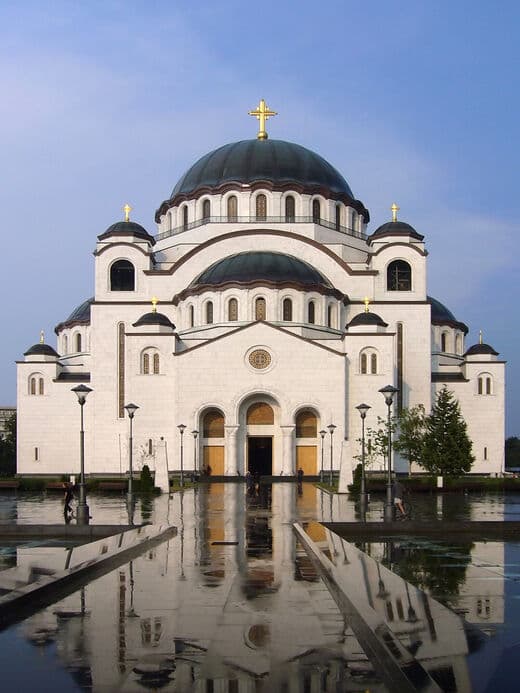
A central but quiet neighborhood south of Old Town. Here you'll find the main Prokop railway station, the Temple of Saint Sava (the largest Orthodox church in the world), and numerous local cafes. The area is popular among expats - many foreigners working in Belgrade rent here.
Pros: quiet and safe; many local cafes and restaurants; good transport to all neighborhoods; affordable prices; Vracar Park; close to Temple of Saint Sava; authentic local atmosphere.
Cons: fewer attractions; no "postcard" Belgrade views; some parts of the neighborhood look ordinary; less tourist infrastructure.
Prices: $$ (hotels from $60-85, apartments from $45/night)
Best for: long-term stays; families with children; expats; those wanting to live like a local; travelers seeking quiet base.
Nearby: Temple of Saint Sava (5-10 minutes), Vracar Park (3 minutes), Old Town (15-minute walk or 5 minutes by tram).
Getting around: Tram lines 6, 7, 9, 10, 14 connect to center. Bus 83 goes to New Belgrade.
New Belgrade (Novi Beograd) - Socialist Modernism
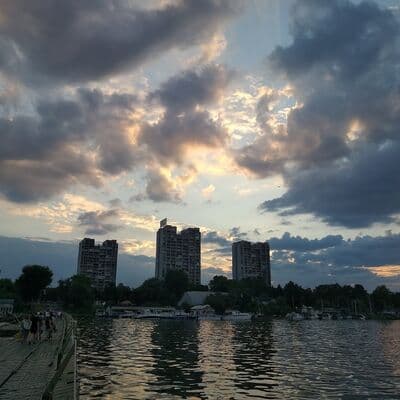
The neighborhood across the Sava River, built during the socialist era with wide boulevards, concrete blocks, and enormous squares. There's no historic charm here, but there is modern infrastructure, shopping malls, a business zone, and floating hotels on the Danube. From here you get the best views of the old city.
Pros: modern hotels; many shopping centers (Delta City, Usce); developed infrastructure; diverse accommodation at various prices; plenty of green spaces; good restaurants; easy parking.
Cons: few attractions; monotonous architecture; need to cross the bridge to reach the center (10-15 minutes by transport); no historic atmosphere; feels disconnected from old Belgrade.
Prices: $$ (floating hostels from $50, hotels from $85-160)
Best for: shopping lovers; business travelers; those wanting to see socialist architecture; brutalism fans; travelers with cars.
Nearby: Delta City Mall (5 minutes), Museum of Contemporary Art (10 minutes), floating clubs (5 minutes), Old Town (15 minutes by bus).
Getting around: Buses 72, 74, 83, 95 connect to Old Town. Tram 7, 9, 13 run through the neighborhood.
Zemun - An Authentic Town Within a City
A former independent town annexed to Belgrade in 1934. It has preserved Austro-Hungarian architecture, red tile roofs, narrow streets, and Catholic churches. Located 6 km from the center on the Danube bank. Time flows slower here, and locals sit in cafes on the main square just as they did 100 years ago.
Pros: unique old town atmosphere; excellent local cuisine (especially fish); quiet and peaceful; fewer tourists; beautiful; close to airport (15 minutes).
Cons: far from center (30-40 minutes by bus 15 or 84); weak public transport; virtually no nightlife; few hotels; limited English spoken.
Prices: $-$$ (hostels from $22, hotels from $75-100)
Best for: those staying a week or longer; lovers of tranquility; travelers with early/late flights; those who've already seen the center and want to experience another Belgrade.
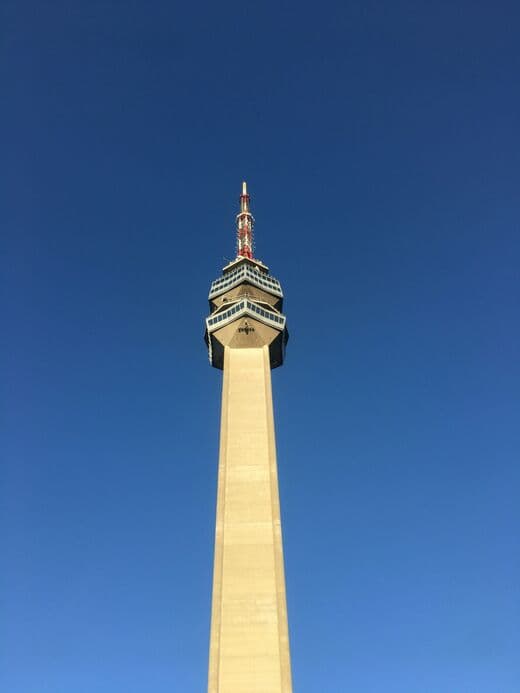
Nearby: Danube waterfront (5 minutes), Gardos Tower viewpoint (10 minutes), Old Town (30-40 minutes by bus).
Getting around: Bus 15 or 84 to center. Local buses connect Zemun neighborhoods. Taxis recommended for evening travel.
Dedinje - Belgrade's Beverly Hills
A prestigious residential neighborhood on a hill south of the center, where politicians, businessmen, and diplomats live. Villas, embassies, clean air, plenty of greenery, and tranquility. This isn't a tourist neighborhood, but you can find premium accommodation here for those seeking peace and comfort.
Pros: quiet and safe; clean air; plenty of greenery; prestigious; excellent restaurants; high-end villas and apartments.
Cons: expensive; poor public transport (better to rent a car); far from attractions (20-30 minutes); no tourist infrastructure; limited dining options nearby.
Prices: $$$-$$$$ (apartments from $110-165/night, villas from $220)
Best for: those seeking premium stays; families wanting tranquility; high-end business travelers; diplomats and long-term expats.
Nearby: Topcider Park (10 minutes), Museum of Yugoslav History and Tito's House of Flowers (15 minutes), center (20-30 minutes by car).
Getting around: Bus 23, 26, 37, 59 connect to center. Car recommended for convenience.
Best Time to Visit Belgrade
Belgrade has a continental climate with hot summers and cold, gray winters. The timing of your trip significantly affects your experience.
Best Months to Visit
May-June: Ideal time. Temperatures range from 68-77°F (20-25°C), everything is blooming, days are long, and rain is rare. In May, the Beer Fest takes place; in June, there are city days celebrations. There aren't many tourists yet, and prices are moderate. Perfect for walking, sightseeing, and the first open terraces of the season.
September-October: The shoulder season. Heat subsides but it's still warm (64-75°F / 18-24°C), new grape harvest, food festivals. September brings Belgrade Fashion Week; October hosts the jazz festival. Fewer tourists than summer, prices drop. Ideal for gastronomic travelers and those who prefer milder weather.
April: Spring is in full swing, temperatures 59-68°F (15-20°C), nature comes alive. Easter (if following the Orthodox calendar) offers a unique experience with traditional foods and processions. Fewer tourists, lower prices, everything opens after winter.
Worst Months to Visit
July-August: Very hot, temperatures often reach 86-95°F (30-35°C), sometimes up to 104°F (40°C). Air conditioning isn't available everywhere, and the center feels stuffy. Many tourists, peak prices. On the plus side: all floating clubs operate, open terraces are lively, and summer festivals run throughout.
December-February: Cold, gray, often foggy. Temperatures 32-41°F (0-5°C), there may be snow, but more often it's slush. Little sunshine, short days. Many summer venues are closed. On the plus side: Christmas markets (late December through early January), low prices, almost no tourists.
March: A transitional month with unpredictable weather - it could be 59°F (15°C) and sunny, or snow with rain. Windy. Tourist infrastructure isn't fully operational yet.
Festivals and Events
- February: Belgrade Fashion Week (fashion shows, parties)
- March-April: Orthodox Easter celebrations (date varies, traditional foods, church processions)
- May: Beer Fest (beer, music, food, Usce Park) - one of the biggest festivals
- June: Belgrade Pride (parade, dates vary), city days celebrations
- July-August: Summer festivals, open-air concerts, river nightclubs in full swing
- September: Belgrade Fashion Week, street food festival
- October: Belgrade Jazz Festival (world-class artists)
- December-January: Christmas and New Year markets, concerts, celebrations
When Prices Are Lower
Low season: January-March, November (except holidays). Accommodation prices 30-40% lower, restaurants are empty, you can get discounts. But weather is gray, some summer venues closed.
Shoulder season: April-May, September-October. Best balance of price and quality. Recommended for most travelers.
High season: June-August, late December through early January. Prices at their peak, book accommodation 2-3 months in advance.
When to Book in Advance
- July-August: Book 2-3 months ahead, especially hotels in the center
- New Year's (December 25 - January 5): Book 3-4 months ahead
- Festival periods (Beer Fest in May, Jazz Festival in October): Book 1-2 months ahead
- October (Belgrade Marathon): Book 1 month ahead
Weather Overview
Spring (March-May): Temperatures gradually rise from 50°F to 75°F. April and May are pleasant with occasional rain. Nature blooms beautifully.
Summer (June-August): Hot and often humid. June is warmest without extreme heat. July-August can be uncomfortably hot. Thunderstorms common in late afternoon.
Autumn (September-November): September is ideal. October still pleasant. November gets gray and rainy. Early autumn offers harvest festivals.
Winter (December-February): Cold with occasional snow. Temperatures often below freezing at night. Indoor activities recommended. Christmas markets add charm in December.
Belgrade Itinerary: From 3 to 7 Days
Belgrade is a city not to be rushed. Below are three itinerary options: from express sightseeing to a week-long immersion with day trips.
Belgrade in 3 Days: The Essentials
Day 1: Historic Center and Fortress
9:00 AM - 12:00 PM - Kalemegdan Fortress. Arrive at opening (park opens at 7:00 AM, museum at 9:00 AM) before crowds gather. Walk through the Upper and Lower Town, climb the Nebojsa Tower, and watch the confluence of the Sava and Danube rivers. Be sure to find the Pobednik (Victor) monument - the city's symbol. Park entry is free; fortress museum costs about 300 dinars ($2.75).
12:00 PM - 1:30 PM - Lunch in the Dorcol neighborhood. Walk along Cara Dusana Street - dozens of cafes line this road. Try pljeskavica (Serbian burger) at "Pekara Trpkovic" or a traditional meal at "Kafana Pavle."
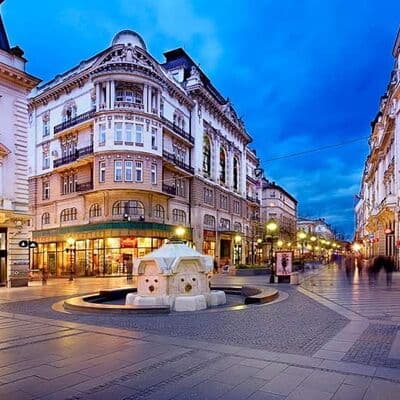
1:30 PM - 4:00 PM - Pedestrian Knez Mihailova Street. The main shopping street with 19th-century architecture, shops, and cafes. Walk to Republic Square, where the National Museum and National Theatre stand.
4:00 PM - 6:00 PM - National Museum or walk through Skadarlija. The museum is open until 5:00 PM (closed Tuesdays), entry about 500 dinars ($4.50). If museums aren't your interest, head to Skadarlija, the bohemian quarter with traditional kafana cafes.
7:00 PM - 10:00 PM - Dinner in Skadarlija. Restaurants "Dva Jelena" (since 1832, live music) or "Tri Sesira." Average check $22-33 per person with wine.
10:00 PM - 2:00 AM - Nightlife. Start with bars on Strahinjica Bana Street (Sava riverside), then head to the floating club barges.
Day 2: Temples, Museums, and New Belgrade
9:00 AM - 11:00 AM - Temple of Saint Sava. The largest Orthodox church in the world,容纳 10,000 people. Entry is free, donations welcome. Climb the bell tower ($5.50) for views across the entire city. Clothing should cover shoulders and knees.
11:00 AM - 12:30 PM - Vracar Park and walk toward Prokop railway station. Along the way, stop at local cafes where Belgraders breakfast.
12:30 PM - 2:00 PM - Lunch in Vracar. Restaurant "Koordinata" - local cuisine at affordable prices ($11-17 per person).
2:30 PM - 5:00 PM - Travel to New Belgrade (bus 72, 74, 83 from Slavija Square or taxi $5.50-8). Walk through socialist boulevards, visit Delta City Mall, enjoy views of old town from the waterfront.
5:00 PM - 7:00 PM - Museum of Contemporary Art (reopened after renovation in 2021). Entry about 400 dinars ($3.60). Collection of Yugoslav and contemporary art.
7:30 PM - 10:00 PM - Dinner in New Belgrade. Restaurant "Iva" - excellent traditional cuisine. Or return to the center.
10:00 PM - 4:00 AM - Floating clubs. Most famous: "20/44," "Brankow," "River." Entry $5.50-11, drinks $5.50-9.
Day 3: Zemun and Farewell
9:00 AM - 10:00 AM - Trip to Zemun (bus 15 or 84 from Slavija Square, 30-40 minutes, ticket 150 dinars $1.35).
10:00 AM - 1:00 PM - Walk through Zemun. Main square, Saint Nicholas Church, Danube waterfront. Climb Gardos Tower (Zemun's symbol, entry 200 dinars $1.80).
1:00 PM - 3:00 PM - Lunch on Zemun waterfront. Restaurant "Saran" - best fish in town ($17-28 per person). Or "Bistro 1910" for a lighter meal.
3:00 PM - 5:00 PM - Walk along the Danube or return to center. Along the way - buy souvenirs (rakija, ajvar, local sweets).
6:00 PM - 9:00 PM - Farewell dinner. Restaurant "Comunale" (Mediterranean cuisine, river views) or "Velika Skadarlija" (Serbian classics).
Belgrade in 5 Days: Without Rushing
Add two more days to the 3-day itinerary for deeper immersion.
Day 4: Museums and Alternative Belgrade
9:00 AM - 11:00 AM - Nikola Tesla Museum. Krunska Street 51, entry 600 dinars ($5.50). The scientist's personal belongings, invention models, Tesla coil shows (every hour). Book online in advance.
11:00 AM - 1:00 PM - Museum of Yugoslav History and Tito's House of Flowers (Dedinje neighborhood). Bus 23, 26, entry 600 dinars ($5.50). Unique collection of socialist-era artifacts.
1:00 PM - 2:30 PM - Lunch in Dedinje or return to center.
3:00 PM - 6:00 PM - Alternative Belgrade. BIGZ Building (former printing house, now art space), street art in Savamala, galleries.
7:00 PM - 10:00 PM - Dinner at one of Dorcol's hipster restaurants. "Salon 1903" or "Homa."
10:00 PM - 4:00 AM - Bars and clubs. Try craft beer bars ("The Square," "Dogma") or techno clubs ("Drugstore," "20/44").
Day 5: Ada Ciganlija and Relaxation
9:00 AM - 10:00 AM - Trip to Ada Ciganlija (island on the Sava, "Belgrade's sea"). Bus 23, 37, 52, 53.
10:00 AM - 2:00 PM - Walking, bike rental ($5.50/hour), beach (summer), cafes. The island is the city's main green zone, 5 miles long.
2:00 PM - 4:00 PM - Lunch on Ada. Several restaurants with terraces, moderate prices ($13-20).
4:00 PM - 7:00 PM - Return to center, final shopping, souvenir buying.
7:00 PM - 10:00 PM - Farewell dinner with a view. Restaurant "Sky Lounge" (top floor of Hilton, panoramic views) or "New Marinero" (seafood, river views).
Belgrade in 7 Days: With Surroundings
Add two days for trips outside the city.
Day 6: Novi Sad (Day Trip from Belgrade)
7:00 AM - 8:00 AM - Train or bus from Belgrade to Novi Sad. Train takes 35 minutes ($4.50-5.50), bus - 1 hour ($5.50-8). Departures every 30-60 minutes.
9:00 AM - 1:00 PM - Walk through Novi Sad. Petrovaradin Fortress ("Serbian Gibraltar"), pedestrian center, Freedom Square, city hall.
1:00 PM - 3:00 PM - Lunch in Novi Sad. Restaurant "Gazda" or "Saran" (branch location).
3:00 PM - 6:00 PM - Continue walking, buy souvenirs (Novi Sad wine, delicacies).
6:00 PM - 7:30 PM - Return to Belgrade.
8:00 PM - 10:00 PM - Light dinner in Belgrade.
Day 7: Topcider and Farewell
9:00 AM - 11:00 AM - Topcider Park, Museum of Yugoslav History (if not visited on day 4).
11:00 AM - 1:00 PM - Final breakfast at your favorite cafe. Try Serbian breakfast: eggs, kajmak (creamy cheese), prsut (cured meat), fresh bread.
1:00 PM - 3:00 PM - Last souvenir shopping: rakija (from $9-17 per bottle), ajvar ($3.30-5.50), local sweets.
3:00 PM - 5:00 PM - Walk through favorite spots, farewell coffee with Danube views.
Where to Eat in Belgrade: Restaurants and Cafes
Belgrade is the gastronomic capital of the Balkans. Here, food is a cult, and restaurants divide into traditional kafanas, modern bistros, and ethnic cuisines. Let's break it down by category.
Street Food and Markets
Belgrade street food isn't food trucks - it's bakeries (pekara), meat kiosks, and markets.
Bakeries (Pekara): Look for the "Pekara" sign. They sell burek (layered pie with meat, cheese, or spinach), gibanica (cheese pie), and pljeskavica. Prices: burek from 150-250 dinars ($1.35-2.25), gibanica from 200 dinars ($1.80). Best bakeries: "Pekara Trpkovic" (multiple locations), "Burek Dzukela" (Cara Dusana Street), "Pekara Simpo" (Zemun).
Markets: The main market is "Zeleni Venac" (Green Wreath) near Old Town. Fresh fruits, vegetables, cheese, kajmak, prsut, ajvar. Open from 6:00 AM to 4:00 PM. You can buy ready-made snacks.
Meat kiosks: Throughout the center, they sell pljeskavica, cevapi, kobasica (sausages). Price: $2.20-4.50 per portion. Look for places with queues of locals.
Average check: $3.30-8 per person.
Pro tip: Best time for burek is morning (before 10:00 AM), while it's fresh. By afternoon it may have cooled down.
Local Eateries
Places where locals eat - without tourist polish, menus in Serbian, and prices 2-3 times lower than in the center.
Neighborhoods: Dorcol (Cara Dusana Street, Francuska Street), Vracar (Krunska Street, Bulevar Oslobodjenja), New Belgrade (Block 45).
Examples: "Koordinata" (Vracar, traditional cuisine, $11-17), "Kafana Pavle" (Dorcol, $13-20), "Lokalska Hrana" (New Belgrade, home-style cooking, $9-13).
How to find: Look for places with menus only in Serbian, where locals sit. Usually no English website, cash payment preferred.
Average check: $9-17 per person.
Pro tip: Ask for "dnevni meni" (daily menu) - from 11:00 AM to 4:00 PM many restaurants offer a set lunch for $6.50-11 (soup + main + salad).
Mid-Range Restaurants
For proper dinners with good service and diverse cuisine.
Traditional Serbian: "Velika Skadarlija" (Skadarlija, mixed grill, goulash, $17-28), "Zavicaj" (Knez Mihailova Street, traditional cuisine, $13-22).
Mediterranean: "Comunale Caffe e Cucina" (Sava waterfront, pasta, seafood, $22-40), "Mr Greek" (Old Town, Greek cuisine, $17-28).
Asian: "Cafe Lavash" (waterfront, Middle Eastern and Asian cuisine, $20-33), "Wok Republic" (Dorcol, Asian street food, $11-17).
Average check: $17-33 per person with a drink.
Pro tip: Reserve tables for Friday and Saturday evenings in advance (1-2 days ahead). On Sundays, many restaurants are closed or operate until 4:00 PM only.
Top-Tier Restaurants
For special dinners with high-end cuisine and service.
Ebisu (rooftop of Square Nine Hotel, Japanese cuisine, sushi). Absolutely the best sushi in town. Pacific tuna, Norwegian salmon, Japanese whisky. Reservations required, closed Mondays. Average check $55-90 per person.
Sky Lounge (top floor of Hilton, Pan-Asian and international cuisine). The only restaurant in Belgrade with Michelin Guide mention. Panoramic city views, excellent cocktails. Average check $45-65.
New Marinero (across the Sava River, seafood). Linguine with shrimp, salmon tartare, BBQ ribs. Views of Great War Island. Average check $40-55.
Dva Jelena (Skadarlija, since 1832). Historic venue where Pierce Brosnan and Gerard Depardieu have dined. In the evening - live folk music. Beef cheeks in red wine, smoked sausage. Average check $28-45.
Pro tip: At top restaurants you can request "chef's menu" - a tasting menu from the chef ($45-65 without wine).
Cafes and Breakfasts
Belgrade is a coffee capital. Coffee here is a ritual, with conversations lasting 2-3 hours.
Coffee culture: Serbian coffee is similar to Turkish - brewed in a džezva (cezve), served in a small cup with sugar and Turkish delight. Price: $1.65-3.30.
Best coffee shops: "The Square" (Dorcol, specialty coffee), "Coffee Lab" (Vracar, roasting on-site), "Kafeterija" (multiple locations, chain), "Salon de The" (Vracar, tea and desserts).
Breakfasts: Many cafes serve breakfast from 8:00 AM. Try "eggs Benedict with kajmak," "Serbian breakfast plate" (eggs, kajmak, prsut, bread), or international options. Average breakfast: $6.50-11.
Pro tip: Order "domaca kafa" (Serbian coffee) for the authentic experience. It comes with a small pot of grounds - you can request a refill of hot water.
Dietary Considerations
Vegetarian options: Limited but growing. Most restaurants have salads, pasta, and some vegetable dishes. Try "Amsterdam" for vegetarian-friendly meals, or "Zrno Boga" for healthy bowls.
Vegan options: Very limited. "Zrno Boga" and "Homa" have some vegan dishes. Ask for modifications - many restaurants will accommodate.
Gluten-free: Increasingly available. Ask for "bez glutena." Some bakeries offer gluten-free burek options.
Allergies: Staff in tourist areas speak English and can explain ingredients. In local places, use translation apps.
What to Try: Serbian Food
Serbian cuisine is hearty, meat-heavy, and deeply satisfying. Here are 10 essential dishes to try in Belgrade.
1. Pljeskavica
The Serbian national dish - a grilled meat patty made from a mix of beef, pork, and lamb. Served in a somun (flatbread) with onions, kajmak, and ajvar. Variations include "gurmanska" (with cheese and bacon) and "punjena" (stuffed with kajmak). Price: $4.50-9 at restaurants, $2.20-3.30 at kiosks.
Where to try: Any pekara, "Pljeskavica Bar" (multiple locations), "Kod Skopljanca" (traditional).
2. Cevapi (Cevapcici)
Small grilled minced meat sausages, typically served 5-10 pieces with onions, kajmak, and lepinja (flatbread). Originating from Ottoman cuisine, now a Balkan staple. Price: $5.50-11 per portion.
Where to try: "Cevabdzinica Sarajevo" (Old Town), any traditional restaurant.
3. Burek
Flaky phyllo pastry filled with minced meat (most traditional), cheese, spinach, or potatoes. Best eaten fresh in the morning. Often sold by weight. Price: $1.35-3.30 per portion.
Where to try: "Burek Dzukela," "Pekara Trpkovic," any morning bakery.
4. Kajmak
A creamy dairy product between butter and cream cheese. Made from boiled and skimmed milk cream. Served with bread, grilled meats, or as a spread. Essential to Serbian cuisine. Price: $3.30-5.50 as a side.
Where to try: With any meat dish, at breakfast, or buy at markets.
5. Ajvar
Red pepper relish made from roasted peppers, eggplant, garlic, and oil. Served as a condiment with meats, cheese, or bread. Comes in mild and hot varieties. Price: $3.30-5.50 per jar (great souvenir).
Where to try: With any grilled meat, or buy homemade at markets.
6. Sarma
Sour cabbage leaves stuffed with minced meat and rice, slow-cooked for hours. A winter comfort food, traditionally served at celebrations. Price: $9-14 per portion.
Where to try: "Kafana Pavle," "Zavicaj," traditional kafanas.
7. Gibanica
Cheese pie made with phyllo dough and a mixture of eggs, cheese, and kajmak. Can be savory or slightly sweet. Often eaten for breakfast or as a snack. Price: $1.80-4.50 per slice.
Where to try: Any pekara, "Poslasticarnica Kod Ben Akibe" (Old Town).
8. Karadjordjeva Snitzla (Karađorđeva Šnicla)
Breaded veal or pork roll stuffed with kajmak, named after Serbian revolutionary leader Karađorđe. Served with tartar sauce and potatoes. Price: $11-17.
Where to try: "Velika Skadarlija," "Dva Jelena," upscale Serbian restaurants.
9. Prsut (Pršut)
Serbian dry-cured ham, similar to Italian prosciutto but often smoked. Served thinly sliced as an appetizer with cheese and bread. Price: $9-14 as an appetizer.
Where to try: As a starter at any restaurant, or buy at markets.
10. Rakija
The national spirit - fruit brandy distilled from plums (sljivovica), grapes (lozovaca), or other fruits. Served as an aperitif, typically 40-50% ABV. Homemade rakija is a point of pride. Price: $9-22 per bottle, $2.20-4.50 per shot.
Where to try: Any restaurant, "Rakija Bar" (Old Town), or buy at duty-free.
Bonus: Desserts
Tulumba: Sweet fried dough soaked in syrup, similar to Turkish tulumba. Price: $2.20-3.30.
Baklava: Layers of phyllo with nuts and syrup. Price: $3.30-5.50.
Palacinke: Thin crepes filled with jam, chocolate, or walnuts. Price: $3.30-6.50.
Where to try: "Poslasticarnica Kod Ben Akibe," "Salon de The," any traditional cafe.
Local Secrets: Tips from Residents
Here are 12 insider tips that will make your Belgrade experience smoother and more authentic.
1. Smoking Is Everywhere
Belgrade has very lax smoking laws. People smoke in cafes, restaurants, bars - even in some hotel lobbies. Non-smoking sections are rare. If you're sensitive to smoke, request outdoor seating (available spring through fall) or choose modern establishments that sometimes enforce non-smoking indoors.
2. Use CarGo or Yandex Go for Taxis
Street taxis can overcharge tourists. Download the CarGo app (local, works like Uber) or Yandex Go. Both show prices upfront, track your ride, and accept card payment. Typical rides within center: $3.30-6.50. Airport to center: $17-28.
3. No Metro System
Belgrade has no subway. Public transport consists of buses, trams, and trolleybuses. It's reliable during the day but doesn't run 24/7. Download the "GSP Belgrade" app for routes and schedules.
4. Night Buses Are Limited
Regular buses stop around 11:00 PM - midnight. Night buses (lines 26, 27, 29, 47, 51, 56) run less frequently (every 30-60 minutes). After midnight, taxis are your best option.
5. Don't Eat Right at the Fortress
Restaurants immediately adjacent to Kalemegdan Fortress are tourist traps with inflated prices and mediocre food. Walk 5-10 minutes into Dorcol or Old Town for better quality and prices.
6. Many Museums Are Free on Certain Days
National Museum is free on Sundays. Many museums offer discounted or free entry on International Museum Day (May 18). Check individual museum websites for special days.
7. Tap Water Is Safe
Belgrade tap water is safe to drink. Locals drink it regularly. You'll save money and reduce plastic waste by carrying a refillable bottle. Water fountains are scattered through parks.
8. Tipping Is Expected but Modest
Tipping 10% is standard in restaurants. Round up the bill or leave small change. For exceptional service, 15% is generous. Tips are usually left in cash even if paying by card.
9. Shops Close Early on Weekends
Most shops close at 3:00-4:00 PM on Sundays. Malls (Delta City, Usce, Rajiceva) stay open until 9:00-10:00 PM daily. Bakeries and some small shops may open on Sunday mornings.
10. Belgrade Is Generally Safe
Violent crime against tourists is rare. Use normal precautions: watch for pickpockets in crowded areas, avoid confrontations with drunk people at night, don't flash expensive items. The main safety concern is aggressive drivers - cross streets carefully.
11. Learn a Few Serbian Words
Locals appreciate effort. Key phrases: "Hvala" (thank you), "Dobar dan" (good day), "Gde je...?" (where is...?), "Koliko kosta?" (how much?). Young people speak English; older generations may not.
12. Power and Adapters
Serbia uses Type C/F plugs (European standard), 220V/50Hz. US/UK travelers need adapters. Power outages are rare in the center but can occur in older buildings.
13. Currency Exchange Tips
Exchange money at official exchange offices (menjacnica) - avoid airport rates for large amounts. ATMs are everywhere; most accept international cards. Notify your bank before traveling. Cards accepted at most restaurants and hotels; cash needed for markets and small shops.
14. Emergency Numbers
Police: 192, Ambulance: 194, Fire: 193, General emergency: 112. English-speaking operators available. Tourist police patrol the center during summer.
Transportation and Connectivity
Getting to and around Belgrade is straightforward with these practical tips.
From the Airport
Nikola Tesla Airport (BEG) is located 18 km west of the city center.
Bus A1: Direct airport bus to Slavija Square (center). Runs every 30 minutes from 5:00 AM to midnight. Journey time: 45-60 minutes. Price: 400 dinars ($3.60). Buy tickets at the airport kiosk or from the driver.
Taxi: Official airport taxis cost $17-28 to the center. Use the taxi desk inside arrivals - they give fixed-price vouchers. Avoid touts outside. CarGo/Yandex Go pickups are from the designated area.
Private transfer: Pre-booked transfers cost $22-33. Good for families or late arrivals. Many hotels offer airport pickup.
Rental car: Available at the airport. Not recommended for staying only in Belgrade - parking is difficult and expensive. Useful for day trips.
Public Transport
Buses, trams, trolleybuses: Extensive network covering the city. Operate from around 5:00 AM to 11:00 PM (varies by line).
Tickets:
- Single ride (90 minutes): 150 dinars ($1.35) - buy at kiosks or via SMS
- Daily pass: 350 dinars ($3.15)
- 3-day pass: 800 dinars ($7.25)
- 5-day pass: 1,100 dinars ($10)
How to buy: Ticket kiosks (trafika), some newsstands, SMS (send "BG1" to 9090 for single ride), or the "GSP Belgrade" app. Validate tickets upon boarding.
Key routes for tourists:
- Bus 15, 84: Center to Zemun
- Bus 72, 74, 83: Center to New Belgrade
- Bus 23, 37, 52, 53: Center to Ada Ciganlija
- Tram 2, 3, 6: Circle Old Town
SIM Cards and Internet
Major providers: A1, Yettel, mts. All offer tourist SIM packages.
Tourist SIM prices:
- A1 "Welcome" package: $14-22 (10-20 GB data, unlimited local calls, valid 10-30 days)
- Yettel "Guest" package: $13-20 (similar offerings)
- mts "Tourist" package: $15-23
Where to buy: Airport arrivals hall (slightly higher prices), official stores in the city (better deals), some newsstands. Bring your passport for registration.
eSIM: Available from A1 and Yettel. Can be purchased online before arrival.
Free WiFi: Available in most cafes, restaurants, hotels, and some public spaces (Knez Mihailova Street, Republic Square).
Useful Apps
CarGo: Local ride-hailing app (like Uber). Works reliably, shows prices upfront. Download before arrival.
Yandex Go: International ride-hailing, also works in Belgrade. Sometimes cheaper than CarGo.
GSP Belgrade: Official public transport app with route planning and real-time schedules.
Google Maps: Works well for walking directions and finding restaurants.
Google Translate: Useful for menus and signs. Serbian uses both Cyrillic and Latin scripts.
Bolt: Another ride-hailing option, sometimes has promotions.
Getting Around on Foot
The center is very walkable. Key distances:
- Kalemegdan to Republic Square: 10 minutes
- Republic Square to Temple of Saint Sava: 20 minutes
- Old Town to Savamala: 10 minutes
- Dorcol to Danube waterfront: 5 minutes
Wear comfortable shoes - Old Town has cobblestone streets.
Driving in Belgrade
Parking: Paid parking zones operate 7:00 AM - 9:00 PM. Zone 1 (center): $1.80/hour, Zone 2: $0.90/hour, Zone 3: $0.45/hour. Pay via SMS, parking meters, or apps.
Traffic: Can be heavy during rush hours (8:00-9:30 AM, 4:30-6:30 PM). Drivers can be aggressive.
Speed limits: 50 km/h in city, signs strictly enforced with cameras.
Final Thoughts
Belgrade is a city that rewards curious travelers. It's not polished like Vienna or picture-perfect like Prague - and that's exactly its charm. This is a place where history lives in every corner, where locals welcome you into their cafes for hours-long conversations, and where your money goes remarkably far.
Belgrade Is Perfect For:
- Nightlife enthusiasts: The floating clubs and bars offer some of Europe's best partying
- Food lovers: From street burek to Michelin-mentioned restaurants, the culinary scene excels
- Budget travelers: One of Europe's most affordable capitals without sacrificing quality
- Digital nomads: Great coffee shops, reliable internet, affordable long-term stays
- History buffs: Layers of Roman, Ottoman, Austro-Hungarian, and Yugoslav history
- Off-the-beaten-path seekers: Far fewer tourists than Western European capitals
Belgrade May Not Be For:
- Families with young children: Limited kid-specific attractions, smoking everywhere
- Strict vegetarians/vegans: Meat dominates the cuisine, though options are improving
- Those seeking pristine cleanliness: Some areas look worn, graffiti is common
- Travelers needing perfect English everywhere: Outside tourist zones, language barriers exist
- Sun seekers in winter: December-February are gray and cold
Recommended Stay Duration:
3 days: Enough for the main sights - fortress, Old Town, one museum, a taste of nightlife.
5 days: Ideal for most visitors - adds Zemun, more museums, relaxation time, deeper exploration.
7 days: Perfect for including day trips (Novi Sad), alternative neighborhoods, and truly living like a local.
Practical Summary
Budget per day (excluding accommodation):
- Budget traveler: $22-33 (street food, public transport, free sights)
- Mid-range: $45-65 (restaurant meals, some taxis, museum entries)
- Comfortable: $90-135 (nice restaurants, taxis, tours, shopping)
Best time to visit: May-June or September-October for ideal weather and fewer crowds.
Getting there: Direct flights from London (Air Serbia, Wizz Air), Frankfurt (Lufthansa, Air Serbia), Istanbul (Turkish Airlines, Air Serbia), Vienna, Paris, and other European hubs. Flight time from London: 2.5 hours; from Frankfurt: 2 hours; from Istanbul: 1.5 hours.
Visa requirements: US, UK, Canadian, and Australian citizens can enter Serbia visa-free for up to 90 days within a 180-day period. Check current requirements before traveling.
One Final Tip
Belgrade reveals itself slowly. Don't rush from sight to sight. Sit in a kafana, order a coffee and rakija, watch the world go by. Talk to locals - they're proud of their city and love sharing it. The magic of Belgrade isn't just in its fortress or museums; it's in the atmosphere, the warmth, the feeling that you've discovered something real and unfiltered.
Safe travels, and welcome to Belgrade - the city that never sleeps until dawn.