About
Serbia: The Complete Travel Guide to Europe's Best-Kept Secret
Serbia is probably not on your travel radar. And honestly, that's a shame. While tourists flood Croatia's coastline and queue for hours in Dubrovnik, Serbia remains one of those rare European destinations where you can experience authentic Balkan hospitality without the Instagram crowds, inflated tourist prices, or that museum-under-glass feeling that plagues so many popular destinations. Serbia is raw, vibrant, welcoming to the point of being overwhelming, and remarkably affordable.
Picture this: you're sitting in a Belgrade kafana at 3 AM. On the table sits a third portion of cevapi that you definitely didn't order (the owner decided you looked hungry). Live traditional music fills the air. At the next table, a group of locals is teaching you the proper way to drink rakija. And suddenly you realize - this is what travel is supposed to feel like. Not ticking boxes on a must-see list, but genuinely immersing yourself in a culture that welcomes you as one of their own.
Serbia is a land of contrasts, and that's not just marketing speak from a glossy brochure. Belgrade is one of Europe's most dynamic cities, with a nightlife that starts after midnight and ends... whenever it ends. Novi Sad is the cultural capital, European and refined, home to the legendary EXIT Festival. The national parks of Tara and Djerdap offer wilderness, canyons, and rivers of breathtaking beauty. And all of this comes without the queues, six-month-advance bookings, and prices that make you want to cry.
In this guide, I'll tell you everything you need to know about traveling in Serbia: from the proper way to eat cevapi (yes, there are rules!) to detailed itineraries for 7, 10, 14, and 21 days. Let's dive in.
Why Visit Serbia
Let me be straight with you: Serbia isn't the destination for pristine beaches or ancient ruins that rival Greece. But it has something that many hyped destinations lack - authenticity. Here, you'll feel like a traveler, not a tourist. These are different things, and if you understand that distinction, Serbia is calling your name.
The first thing that strikes you about Serbia is the people. Serbian hospitality isn't a marketing gimmick - it's a cultural code embedded in the national DNA. People will feed you, pour you drinks, ask about your life, and genuinely want to know what you think of their country. A waiter might sit down at your table and share stories about his family. A taxi driver might take you on a scenic detour to show you "the best view of the city" without charging extra. A guesthouse owner will bring out homemade rakija "for introductions" - and good luck refusing.
Second: the prices. Serbia remains one of Europe's most budget-friendly countries, and this isn't a case of "cheap equals bad." You can have an excellent dinner at a good restaurant for $20-25 USD for two people, including wine. A cup of coffee in central Belgrade costs about $1.50-2 USD. A night in a decent hotel starts at $45-55 USD. And the quality of service and food will pleasantly surprise you. Serbians take serious pride in their cuisine, and even the simplest kafana will cook with heart and soul.
Third: diversity. In a single trip, you can do it all - walk the streets of a city with a 7,000-year history, dance until dawn at Europe's best floating clubs, hike through Tara National Park with views of Europe's deepest canyon, taste wines in the Fruska Gora region, relax in thermal springs at Vrnjacka Banja, and ride a steam train along the famous Sargan Eight railway. All in a compact country roughly the size of South Carolina or Scotland.
Fourth: no crowds. Serbia isn't on the mass tourism radar yet. Sure, Belgrade's main streets can get busy, but compare that to Dubrovnik or Barcelona. In national parks, you might hike for hours without seeing another person. At Fruska Gora wineries, you'll be welcomed as a dear guest, not processed through a tourist conveyor belt. This window of opportunity won't stay open forever - Serbia is already appearing in "hidden gems" lists from major travel publications.
Fifth: convenience. Serbia sits at the heart of the Balkans, making it easy to continue your journey to neighboring countries: Hungary, Romania, Bulgaria, North Macedonia, Kosovo, Montenegro, Bosnia and Herzegovina, Croatia. The high-speed railway between Belgrade and Novi Sad is already operational, and the line to Budapest is expected to open in 2026. Air Serbia keeps expanding its route network - in 2026, new routes to Toronto, Baku, Seville, Santorini, Tenerife, and even Tromso are being added.
For American travelers, Serbia offers incredible value compared to Western Europe. You'll spend roughly half what you would in France or Italy while getting experiences that feel far more genuine and less commercialized. For British, Australian, and Canadian visitors, it's a chance to discover a corner of Europe that most of your friends have never even considered - and you'll have incredible stories to share when you get home.
Regions of Serbia: Which One to Choose
Serbia is a small country but surprisingly diverse. You can roughly divide it into several regions, each with its own character and attractions. Let's break down where to go and why.
Belgrade and Surroundings
Belgrade is the heart of Serbia and one of Europe's most underrated cities. This isn't hyperbole. The capital is over 7,000 years old - one of the oldest continuously inhabited places on the continent. It has survived 115 wars and been destroyed 44 times. And each time, it rebuilt itself. This history of struggle and resurrection is palpable in the city's character and its people.
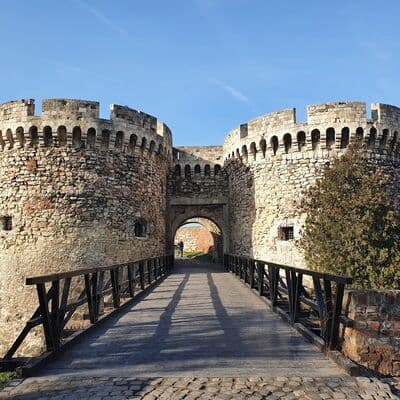
Kalemegdan is the ancient fortress at the confluence of the Sava and Danube rivers, now the city's main park. The views from here are breathtaking: two rivers merging, the old and new city spreading out below, sunsets that make you reach for your phone every evening. The fortress is free, open 24 hours, and locals come here to walk, jog, and meet friends. It's not a museum - it's a living, breathing space.
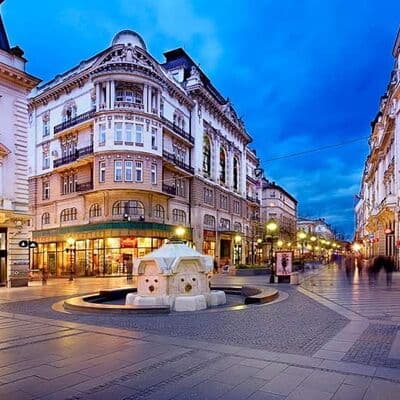
Knez Mihailova is the main pedestrian street connecting Kalemegdan to Republic Square. Nineteenth-century architecture, cafes, shops, street musicians. It's always lively but never suffocating. A good way to feel the city's pulse.
Skadarlija is the bohemian quarter, Serbia's answer to Montmartre. A narrow cobblestone street lined with kafanas (traditional Serbian restaurants), live music, and an early-20th-century atmosphere. Yes, it's touristy. Yes, prices are higher here. But the atmosphere is worth it - especially in the evening when the street lamps come on and musicians start playing.
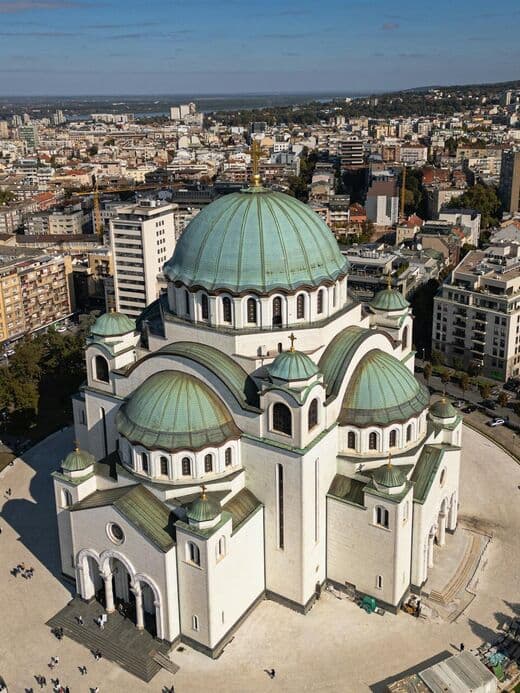
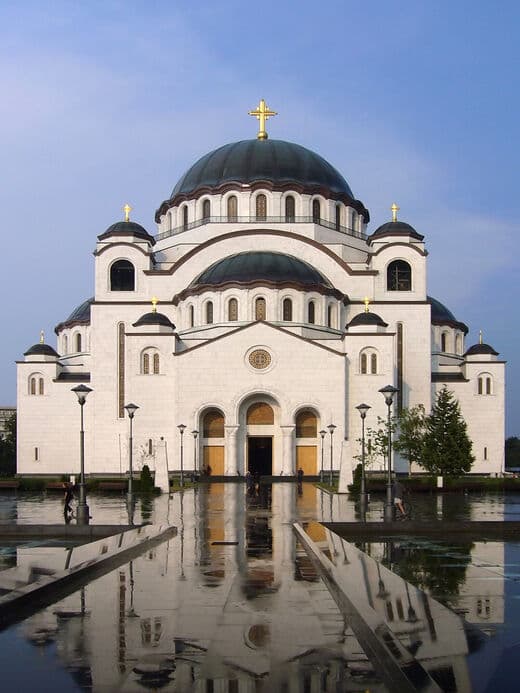
Saint Sava Temple is one of the largest Orthodox churches in the world. Construction began in 1935; the interior was finally completed in 2021. The mosaics inside are works of art: 49 million pieces of tesserae covering 161,000 square feet. Entry is free.
Ada Ciganlija is a river island on the Sava, transformed into a peninsula. In summer, it's Belgrade's main beach: 4.5 miles of shoreline, sports facilities, cafes, bike and kayak rentals. The lake water is clean and warm. Locals call it "Belgrade's Sea." In winter, people come here for cross-country skiing (there's a small trail) and jogging.
Zemun is a Belgrade district with an Austro-Hungarian past. Until 1934, it was a separate city, and the atmosphere is completely different: narrow streets, terracotta roofs, fish restaurants along the Danube waterfront. Climb the Gardos Tower (Millennium Tower) for a fantastic view of Belgrade and the river. Zemun is a great alternative to the noisy center for an evening dinner.
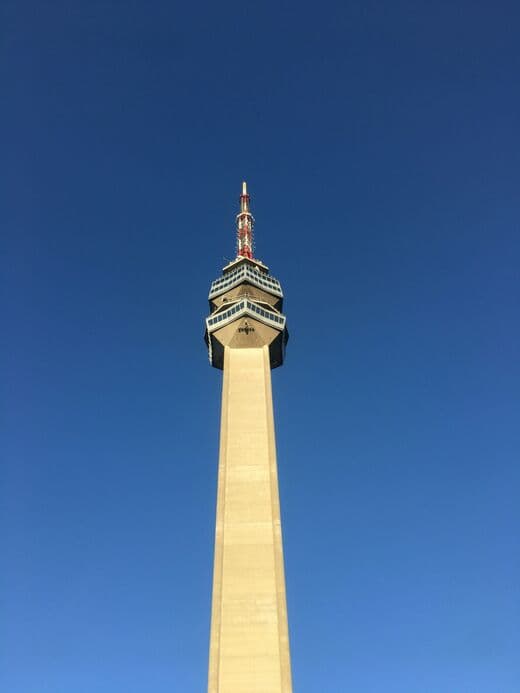
Belgrade's surroundings also deserve attention. Smederevo (28 miles away) has the largest lowland fortress in Europe. Topcider Park is a green oasis for picnics and walks. Avala is a hill with a TV tower and observation deck overlooking the entire city.
Vojvodina: Northern Serbia
Vojvodina is an autonomous province in the north - flat and multicultural. Serbs, Hungarians, Slovaks, Rusyns, Croats, and Romanians live here, and this cultural mix creates a unique atmosphere. The cuisine is different (more Hungarian influence), the architecture is different (Habsburg heritage), and even the pace of life is slower.
Novi Sad is Vojvodina's capital and Serbia's second-largest city. It's called the "Serbian Athens" for its cultural life and "City of Youth" for its university atmosphere. In 2022, Novi Sad was a European Capital of Culture, and the city's infrastructure improved significantly.
Petrovaradin Fortress is the main attraction. Known as the "Danube Gibraltar," it covers 275 acres with 10 miles of underground tunnels and walls that were never breached. Today it houses museums, galleries, cafes with Danube views, and... the famous EXIT Festival, which transforms the fortress into one of Europe's largest music venues every July.
EXIT Festival (scheduled for July 2025) is the event that draws hundreds of thousands of people from around the world to Serbia. Multiple stages, top DJs and musicians, four days of non-stop music in a historic fortress setting. Artists like Eric Prydz, Tiesto, and Amelie Lens - that's the caliber of lineup we're talking about. Important note: 2025 might be the last year of the festival in Serbia due to disputes between organizers and the government. Starting in 2026, EXIT plans to become a "global tour" with events in different countries. So if this is on your bucket list, don't wait.
Dunavski Park in central Novi Sad is a pleasant spot for walks, with a lake, swans, and century-old trees. The nearby synagogue is one of the most beautiful in Europe.
Subotica is a city on the Hungarian border, an architectural gem. Art Nouveau (Secession) buildings, Hungarian spoken on the streets, the atmosphere of a small European town from the early 20th century. Subotica's City Hall is a masterpiece worth the trip alone. Nearby Lake Palic has a park and zoo.
Fruska Gora is a national park 30 minutes from Novi Sad. Low mountains (maximum 1,768 feet), covered in forest, dotted with monasteries (16 of them, most still active), and wineries. This is the "Holy Mountain" of Serbian Orthodoxy and simultaneously the country's main wine region. Bermet and Frankovka varieties are local specialties. Many wineries are open for visits - you can combine hiking, history, and wine tasting.
Western Serbia: Mountains and Nature
If you love nature, this is your region. Mountains, canyons, rivers, waterfalls, forests - all within 2-4 hours of Belgrade.
Zlatibor is a mountain resort at 3,280 feet elevation. In summer, there's hiking, cycling, and paragliding. In winter, skiing (the slopes are easy, suitable for beginners). Year-round, there's clean air, pine forests, and traditional villages. Zlatibor makes a good base for exploring the region.
From Zlatibor, you can reach Sirogojno, an ethno-village and open-air museum. Traditional wooden houses from the 19th century have been gathered here from across the region, showing how Serbians lived 150 years ago. The local specialty is prsut (cured meat) from Mackat village.
Stopica Cave is a natural wonder with cascading pools and waterfalls inside. Less famous than other Serbian caves, but no less impressive.
Mokra Gora and Drvengrad (Kustendorf) is a place created by filmmaker Emir Kusturica. An ethnic village in the mountains, built for his film "Life Is a Miracle." Today it houses a hotel, restaurants, a cinema, and an annual film festival. Nearby is the station for the Sargan Eight narrow-gauge railway.
Sargan Eight is a unique railway that climbs into the mountains, making 8 loops and passing through 22 tunnels. The route was built in 1925, closed in 1974, and restored as a tourist attraction in 2003. The journey takes about 2.5 hours through stunning landscapes. For Americans familiar with scenic mountain railways like the Durango & Silverton, this offers a similar experience with a distinctly Balkan flavor.
Tara National Park is the jewel of Serbian nature. 85 square miles of mountains, forests, and canyons. Relict forests of Serbian spruce (Pancic spruce) grow here - a species found nowhere else on Earth. Over 60 miles of marked trails, viewpoints overlooking the Drina Canyon (Europe's deepest canyon at up to 3,280 feet), plus bears, wolves, and deer. This is hiking paradise that rivals anything in the American national park system, but with a fraction of the crowds.
Banjska Stena is the most famous viewpoint in Tara National Park. The view of the Drina River bend and the Bosnian mountains on the horizon is one of Serbia's postcard images.
Drina River House is a tiny wooden house perched on a rock in the middle of the river, now one of the most photographed objects in the country. It's located near the town of Bajina Basta. You've probably seen it on Instagram or Pinterest - now you can see it in person.
Eastern Serbia: Djerdap and the Danube
Eastern Serbia is all about the Danube. The great river breaks through mountains here, forming the Djerdap Gorge - one of the most impressive spots along the Danube's entire 1,770-mile course.
Djerdap National Park is Serbia's largest national park (247 square miles). Here, the Danube narrows to just 490 feet and deepens to nearly 300 feet - the narrowest and deepest point along the entire river. Sheer cliffs on both banks, Serbian and Romanian, create landscapes reminiscent of Norwegian fjords. It's often called the "Danube's Iron Gates" and is one of Europe's most dramatic river gorges.
Golubac Fortress is a medieval fortress at the gorge's entrance, recently restored. It's positioned directly above the water and looks like an illustration from a medieval romance. Inside is a modern museum with interactive exhibits.
Lepenski Vir is an archaeological site of global importance. Remains of one of Europe's oldest settlements (9500-6000 BCE) were discovered here, along with unique sculptures. A modern museum has been built directly over the excavation site. This predates Stonehenge by thousands of years and offers fascinating insight into prehistoric Europe.
Trajan's Tablet is a Roman inscription carved into the cliff face by order of Emperor Trajan around 100 CE, commemorating the construction of a road along the Danube. It's visible from the water or from a viewing platform.
Kladovo is a town on the Romanian border. From here, you can take a ferry to Romanian Turnu Severin or book a boat excursion through the gorge.
Southern Serbia: Nis and Surroundings
Nis is Serbia's third-largest city and the birthplace of Emperor Constantine the Great. Less touristy than Belgrade but with its own character and important historical monuments. For history buffs, this is where Constantine, who legalized Christianity and founded Constantinople, was born.
Nis Fortress is an 18th-century Ottoman fortress on the banks of the Nisava River. Today it's a park where locals walk, exercise, and sit in cafes. In summer, it hosts the Nishville Festival (jazz) - one of the best jazz festivals in the region.
Skull Tower (Cele Kula) is a grim but important monument. After an uprising in 1809, the Ottomans built a tower incorporating the skulls of fallen Serbian rebels (originally 952 skulls, about 50 remain today). It's a place of memory and reflection on the price of freedom. Disturbing yet powerful, it's a must-visit for anyone interested in understanding Serbian history and national identity.
Mediana contains the remains of a 4th-century Roman villa, Emperor Constantine's residence. Mosaics, baths, and a museum with artifacts.
From Nis, you can easily reach Devil's Town (Davolja Varos) - unique geological formations: 202 earth "towers" up to 50 feet tall, created by erosion. The place is shrouded in legends and was shortlisted for the "New Seven Wonders of Nature." It's unlike anything else you'll see in Europe.
Spa Resorts and Thermal Springs
Serbia is rich in thermal springs, and spa culture has flourished here since Austro-Hungarian times. If wellness is your thing, Serbia has you covered.
Vrnjacka Banja is Serbia's most famous resort. Mineral water at 97.7 degrees Fahrenheit (exactly human body temperature), parks, and spa hotels. People come here for treatment and simply to relax. The atmosphere is laid-back, with many retirees but also young people.
Sokobanja is another popular resort with thermal springs and mountain air.
Banja Koviljaca is a historic resort on the Bosnian border, known since Roman times.
Ski Resorts
Kopaonik is Serbia's main ski resort. 34 miles of slopes, modern lifts, elevation up to 6,614 feet. The season runs December to April. Slope difficulty ranges from beginner to advanced, though experts might find it lacking in challenge. But prices are significantly lower than Alpine resorts - think half or less what you'd pay in Austria or Switzerland, with surprisingly good facilities.
Stara Planina is another ski area on the Bulgarian border. Less developed but cheaper and quieter.
Unique Places in Serbia: What Not to Miss
Beyond cities and regions, Serbia has places that don't fit standard categories but are essential visits.
National Parks
Serbia has five national parks, each with its own character:
Tara - already mentioned: relict forests, Drina Canyon, bears. Best time: May-October. Base points: Bajina Basta, Mitrovac.
Djerdap - Danube, gorges, archaeology. Can be explored by car, bicycle, or boat. Base point: Donji Milanovac.
Fruska Gora - closest to civilization. Easy hikes, monasteries, wineries. Can be visited in a day from Novi Sad.
Kopaonik - skiing in winter, hiking in summer. Alpine meadows, endemic plants, panoramic views.
Stara Planina - wild mountains on the Bulgarian border. Tupavica waterfall (Serbia's tallest at 197 feet), canyons, remote villages.
Monasteries
Serbian monasteries aren't just religious sites - they're repositories of history and art. Many were built in the 12th-14th centuries and contain unique frescoes. For anyone interested in Byzantine art or medieval history, these are essential stops.
Studenica (UNESCO World Heritage Site) - Serbia's main monastery, founded in 1190. White marble, Byzantine frescoes, an active men's monastery. A must-visit.
Zica - the coronation site of Serbian kings. Red walls symbolizing martyrs' blood.
Manasija - a 15th-century fortress-monastery with powerful walls and towers. The frescoes inside are masterpieces of Serbian medieval art.
Sopocani (UNESCO World Heritage Site) - another 13th-century monument with frescoes considered among the finest examples of Byzantine painting.
Fruska Gora Monasteries - 16 monasteries in a small area. You can visit them all in a day or two, each with its own history and atmosphere.
Unexpected Places
Gostusha Village - the "stone village" in the southeast, where houses are built without a single nail from flat stones. Nearly abandoned but atmospheric. It's like stepping back in time several centuries.
Rajagolsko Swamp - a high-altitude bog on Kopaonik, a rare ecosystem protected as a nature reserve.
Emperor Dusan's Skull - Studenica Monastery supposedly houses the skull of Emperor Stefan Dusan, Serbia's most powerful 14th-century ruler.
Ovcar-Kablar Gorge - the "Serbian Holy Mountain" with 10 monasteries along the Morava River. Less known than Fruska Gora but equally beautiful. Sometimes called "Serbia's Little Meteora."
When to Visit Serbia
Serbia has a continental climate: hot summers, cold winters, pleasant springs and autumns. But the ideal time depends on your plans.
Spring (April - May)
Excellent time for cities and nature. Temperatures are comfortable (59-77 degrees Fahrenheit), everything is blooming, and tourists are few. Mountains might still have snow on peaks. Orthodox Easter is an important holiday - if you're there for it, you'll see traditions and crowded churches. Spring is arguably the best time for hiking before summer heat sets in.
Summer (June - August)
Hot, especially July-August (up to 95-104 degrees Fahrenheit in cities). But this is festival season: EXIT in Novi Sad (July), Guca (trumpet festival) in August, Beer Fest in Belgrade (August). For mountains and nature, it's ideal. For cities, go early morning and late evening; during the day, find air conditioning or a river. Summer is also when Ada Ciganlija is at its most lively - the beach vibe is real.
Autumn (September - October)
Arguably the best time to visit. Temperatures drop to comfortable 59-77 degrees Fahrenheit, forests turn gold and crimson, it's grape and plum season (rakija time!). Fewer tourists than summer but everything is still open. November gets colder and rainier. The fall colors in Fruska Gora and Tara are spectacular.
Winter (December - March)
Cold (32 to 14 degrees Fahrenheit), with snow in the mountains. Time for skiing at Kopaonik and Zlatibor. Belgrade in winter has its own atmosphere: Christmas markets, hot tea with rakija, kafanas with live music. Serbians celebrate New Year loudly and long (Orthodox Christmas is January 7th, Old New Year is January 14th). If you're from the northern US or Canada, Serbian winters will feel familiar.
Holidays and Festivals
- EXIT Festival (July 2025) - Novi Sad, the Balkans' main music event. Possibly the last year in Serbia.
- Guca - Dragacevo Trumpet Assembly (August) - brass music festival, 500,000+ visitors, incredible atmosphere. Like nothing you've ever experienced - imagine Mardi Gras meets Oktoberfest with a Balkan soundtrack.
- Beer Fest (August) - Belgrade, one of Europe's largest beer festivals. Free entry, live music, great atmosphere.
- Nishville (August) - jazz festival at Nis Fortress
- BITEF (September) - theater festival in Belgrade
- Wine Harvest Festivals (September-October) - throughout Vojvodina
How to Get to Serbia
Serbia is landlocked, but getting there is easy from anywhere in Europe - or increasingly, from North America directly.
By Plane
Belgrade Nikola Tesla Airport (BEG) is the main hub, 11 miles from the city center. Air Serbia (the national carrier) flies from most European capitals. Lufthansa, Turkish Airlines, Austrian, Swiss, Wizz Air, and others also operate here.
In 2026, Air Serbia is adding new routes including Toronto, Baku, Seville, Santorini, Tenerife, and Tromso - making travel easier from more regions. For Americans, connections through major European hubs (Frankfurt, Vienna, Istanbul, London) are common. The Toronto route will be the first direct North American connection.
From the airport to the city center: Bus A1 (300 RSD, about $2.50 USD, every 30 minutes), taxi (1800-2500 RSD, about $15-20 USD, use the CarGo or Pink Taxi apps), or hotel transfer.
Nis Constantine the Great Airport (INI) is a small airport in the south, receiving Wizz Air flights from some European cities. An option for budget travelers or those heading to southern Serbia.
TSA-friendly tip for Americans: Serbia doesn't have TSA PreCheck reciprocity, but security processes are generally efficient. Liquids rules apply as usual. Belgrade airport has good duty-free shopping for rakija and local products.
By Train
Serbia's rail network is actively developing. The high-speed Belgrade - Novi Sad line is already running (under one hour instead of the previous 1.5). The Belgrade - Budapest line is being modernized and should open in 2026 - then the journey will take about 2.5 hours.
From other directions:
- From Sofia (Bulgaria) - about 8 hours, but buses are better
- From Zagreb (Croatia) - about 6 hours, direct train available
- From Thessaloniki (Greece) - about 8-9 hours with a transfer in Skopje
Train schedules: srbvoz.rs and polazak.com
By Bus
Bus connections are excellent. Belgrade has routes to all neighboring countries and major European cities. The main bus station (Beogradska Autobuska Stanica - BAS) is next to the railway station.
- From Budapest - 5-6 hours, many daily departures
- From Sofia - 5-6 hours
- From Skopje - 5-6 hours
- From Sarajevo - 7-8 hours
- From Zagreb - 5-6 hours
- From Podgorica - 8-9 hours
For schedules and ticket purchases: busticket4.me
By Car
Serbia has a good highway network. Main routes:
- From Hungary: via Horgos (E75), about 106 miles from the border to Belgrade
- From Croatia: via Batrovci (E70), about 62 miles to Belgrade
- From Bulgaria: via Dimitrovgrad (E80), about 250 miles to Belgrade
- From North Macedonia: via Presevo (E75), about 280 miles to Belgrade
Highway tolls (vignette) are mandatory. You can buy at the border or online in advance at putevi-srbije.rs. Costs: 10-day pass about $7 USD, monthly about $18 USD.
Note for Americans renting cars in Europe: If you're picking up a car in a neighboring EU country, check whether the rental allows crossing into Serbia. Some companies charge extra fees or require advance notice for border crossings.
Getting Around Serbia
Public Transportation in Belgrade
IMPORTANT: As of January 1, 2025, public transportation in Belgrade is FREE! This applies to all buses, trams, trolleybuses, and the BG:VOZ city rail. Just hop on and ride. This is a temporary measure, but while it lasts, take advantage. Yes, you read that right - completely free public transit in a European capital.
The transport network covers the entire city. Trams run in the center, buses everywhere. Night routes (after midnight) operate on weekends. The Moovit app will help you plan routes.
Intercity Buses
Buses are the primary way to travel between cities. The network is excellent, buses run frequently, and prices are low. For example:
- Belgrade - Novi Sad: about 1000-1500 RSD ($8-12 USD), 1.5 hours
- Belgrade - Nis: about 1500-2000 RSD ($12-16 USD), 2.5-3 hours
- Belgrade - Zlatibor: about 1500-2000 RSD, 3.5-4 hours
Tickets can be bought at bus stations, ticket offices, or online through polazak.com.
Trains
Trains are slower than buses (except the high-speed Belgrade - Novi Sad line) but more scenic and comfortable. The Soko high-speed train on the Belgrade - Novi Sad route is an excellent experience - modern cars, WiFi, air conditioning.
Since October 2025, direct service between Belgrade and Subotica has been restored (via Petrovaradin, as Novi Sad station is under reconstruction).
Schedules and tickets: srbvoz.rs
Car Rental
If you want to explore national parks and the countryside, a car is essential. Public transportation to these areas is poor or nonexistent.
What you need to know:
- International driving permits are recommended but not always required - US, UK, Canadian, and Australian licenses are generally accepted
- Minimum age is usually 21-25, depending on the company
- CDW insurance is included but has a deductible - clarify the details
- Gas costs about $1.80-2.00 USD per liter (cheaper than Western Europe)
- Highway tolls require a vignette
- Speed limits: 80 mph on highways, 50 mph outside towns, 30 mph in towns
- Alcohol limit is 0.03% (essentially zero - don't drink and drive)
Major rental companies (Sixt, Europcar, Hertz) are represented at the airport and in the city. Local companies often offer cheaper rates.
Driving tips: Serbian drivers can be aggressive by American or British standards. Highway driving is generally fine, but expect some creative interpretation of traffic rules in cities. Mountain roads are well-maintained but can be narrow and winding.
Taxis and Ridesharing
Taxis in Serbia are affordable, but there are nuances:
- Use apps: CarGo, Pink Taxi, Naxis. You'll see the price upfront and avoid scams
- Never take taxis waiting at tourist spots offering their services - prices will be inflated
- If hailing on the street, make sure the meter is running. Starting fare is about 170 RSD, then about 65 RSD per kilometer
CarGo is Serbia's answer to Uber and works excellently. The app is in English with card payment. This should be your default for getting around Belgrade.
Serbian Cultural Code
To get the most out of your trip, it helps to understand how things work here.
Mentality
Serbians are open, emotional, and hospitable. They'll ask about your life, family, work - this isn't intrusive, it's genuine interest. Answer, ask back - that's how relationships are built.
At the same time, Serbians are direct. If they don't like something, they'll say so. If they like you, they'll say that too. Don't take criticism personally, and don't be shy about sharing your opinions.
History is a living topic here. The 1990s, the wars, NATO bombings - all remembered. You don't need to avoid these topics, but be tactful and listen more than you speak. If you're American or British, you may encounter references to the 1999 NATO campaign - approach with sensitivity and genuine curiosity rather than defensiveness.
Greetings and Communication
Handshakes are standard when meeting someone. With friends and close acquaintances, hugs and cheek kisses (three times, following Orthodox tradition). "Zdravo" is an informal "hi." "Dobar dan" means "good day," more formal.
Serbians love long conversations over coffee. Coffee ("kafa") is a ritual, not just a beverage. If someone invites you for coffee, it might take an hour or two. Don't rush. This is similar to the Italian or Greek coffee culture - it's about connection, not caffeine.
Tipping
Tips aren't required but are appreciated:
- Restaurants: 10-15% if you're happy with the service
- Cafes: round up or leave small change
- Taxis: round up to the nearest 100 RSD
- Hotels: 1-2 EUR to housekeeping per night if you wish
By American standards, tipping expectations are lower. By European standards, they're about average.
What Not to Do
- Confuse Serbians with Croatians or Bosnians and claim "it's all the same"
- Refer to Kosovo as an independent country (for Serbia, it's part of their territory)
- Praise the 1999 NATO bombings
- Refuse offered food or drink - this will offend your host
- Whistle indoors - it's bad luck
- Point with your index finger in a church
Useful Words and Phrases
- Zdravo (ZDRAH-voh) - hello (informal)
- Hvala (HVAH-lah) - thank you
- Molim (MOH-leem) - please / excuse me
- Da / Ne (dah / neh) - yes / no
- Racun molim (RAH-choon MOH-leem) - check, please
- Ziveli (ZHEE-veh-lee) - cheers! (toast, means "to life!")
- Dobro jutro (DOH-broh YOO-troh) - good morning
- Laku noc (LAH-koo nohch) - good night
- Dovidjenja (doh-vee-DJEH-nyah) - goodbye
- Koliko kosta? (KOH-lee-koh KOH-stah) - How much does it cost?
- Govorite li engleski? (goh-VOH-ree-teh lee ehn-GLEH-skee) - Do you speak English?
English is widely spoken in Belgrade and tourist areas, especially by younger people. In rural areas and among older generations, you might need to rely on gestures and translation apps.
Safety in Serbia
Serbia is a safe country. Crime rates are below the European average, and violent crimes against tourists are rare. But common sense still applies.
General Recommendations
- Watch your belongings on public transport and at markets - pickpockets exist
- Don't leave valuables visible in your car
- Avoid empty streets at night in unfamiliar areas
- Keep your distance from football fans on match days
Common Scams
Fake police. They approach, ask to see your documents and wallet. Real police don't ask for your wallet and have proper ID. Ask to see it and note the number. This is rare but worth knowing about.
Taxi scams at tourist spots. Drivers quote made-up prices and don't use meters. Solution: use CarGo or Pink Taxi apps.
Street money exchange. Someone offers to exchange currency at a "good rate." Result: counterfeit bills or mathematical tricks. Only exchange at official exchange offices (menjacnica).
Inflated bar prices. In some clubs, prices aren't displayed, and the bill is an unpleasant surprise. Ask prices upfront.
"Help" with luggage. At stations, someone offers to help with your bag, then demands money. Politely decline.
Overall, Serbia is safer than most major American or European cities. Use the same precautions you would anywhere, and you'll be fine.
Floating Clubs (Splavovi)
Belgrade's splavovi (floating river clubs) are a unique nightlife experience, but exercise caution. Some are controlled by criminal elements. If something goes wrong (conflict, fight), leave immediately. Don't get into arguments, don't stare at other people's girlfriends, and don't respond to provocations. Stick to well-known, reputable splavovi and you'll have an incredible night.
Emergency Numbers
- Police: 192
- Ambulance: 194
- Fire: 193
- General emergency (112) also works
Belgrade Neighborhoods
Most areas are safe. Center (Stari Grad, Vracar, Dorcol) - excellent. Zemun - also good. New Belgrade - Soviet-era construction, safe but not interesting for tourists. Areas like Karaburma, Padinska Skela - best not to wander at night, though generally safe during the day.
Health and Medical Care
Before You Go
No special vaccinations are required for Serbia. Having up-to-date tetanus, diphtheria, and measles shots is recommended. If you plan to spend lots of time in forests, consider tick-borne encephalitis vaccination (present in mountain regions).
Get travel insurance with medical coverage. Healthcare in Serbia is good quality, but it's not free for foreigners. Emergency calls, hospitalization, and surgeries can cost serious money without insurance. American travelers should note that Medicare doesn't cover overseas medical care.
Pharmacies
Pharmacies (apoteka) are everywhere. Many medications are sold without prescription (antibiotics are not). Pharmacists often speak English and can give advice. Twenty-four-hour pharmacies exist in major cities.
Hospitals
In emergencies, call 194. An ambulance will come and take you to the nearest state hospital. For non-urgent issues, private clinics are better - faster and more comfortable. Belmedic and Euromedik are well-known networks in Belgrade.
Water and Food
Tap water in cities is safe to drink. In rural areas, check or drink bottled. Street food is safe - Serbians take meat quality and hygiene very seriously.
Ticks
Ticks are present in forests and parks. If you're hiking, wear long pants, use repellent, and check your body afterward. If bitten, remove the tick with tweezers (don't twist), treat the area with antiseptic. If redness or fever develops, see a doctor. This is especially relevant for Tara and other forested areas.
Money and Budget
Currency
The official currency is the Serbian dinar (RSD). Exchange rate is approximately 117 RSD = 1 EUR, or about 125 RSD = 1 USD (rates fluctuate). Some hotels and shops accept euros, but change will be in dinars at a poor rate. Always pay in dinars for the best value.
Where to Exchange
Exchange offices (menjacnica) are the best option. There are many in every city, rates are honest and displayed. Commission is usually 0% (it's built into the rate). Don't exchange at the airport - rates are worse.
ATMs (bankomat) are everywhere and accept Visa and MasterCard. Choose "without conversion" if asked - that way you get your bank's rate, not the local one. Your home bank may charge foreign transaction fees, so check before traveling.
Never exchange money on the street - it's always a scam.
Cards
Visa and MasterCard are accepted almost everywhere: restaurants, shops, hotels. Exceptions: markets, small cafes, some taxis. Have some cash just in case.
Contactless payments work great. Apple Pay and Google Pay work too (depends on your bank).
What Does a Trip Cost
Budget ($35-55 USD per day):
- Hostel or guesthouse: $12-22
- Breakfast (bakery): $2-4
- Lunch (kafana): $6-10
- Dinner: $10-15
- Transport: free (Belgrade) or $2-6
- Attractions: often free or $2-6
Mid-range ($80-120 USD per day):
- 3-star hotel: $45-70
- Good restaurants: $20-30 for two
- Tours, museum entries
- Taxis around the city
Comfortable ($175+ USD per day):
- 4-5 star hotel: $90-175
- Top restaurants and wines
- Car rental
- Spa, private tours
Compared to Western Europe, you'll stretch your dollar significantly further. A nice dinner that would cost $80 in Paris might be $25 in Belgrade.
Serbia Itineraries
Now for the good stuff - concrete itineraries for 7, 10, 14, and 21 days. Each can be adapted to your interests.
7 Days: "Introduction to Serbia"
Perfect for a first visit. Covers the highlights: Belgrade, Novi Sad, nature.
Day 1: Arrival in Belgrade
Flight in, check into hotel. Evening stroll along Knez Mihailova street, dinner in Skadarlija. Try cevapi with kajmak and wash it down with rakija. Let the jet lag melt away in the warm atmosphere of a traditional kafana.
Day 2: Belgrade
Morning at Kalemegdan fortress and park. Lunch in the Dorcol neighborhood. After lunch, Saint Sava Temple, walk through Vracar. Evening dinner by the river or in Zemun. If you're up for it, check out the nightlife - Belgrade doesn't get going until after midnight.
Day 3: Belgrade - Novi Sad
High-speed train to Novi Sad (under one hour). Explore the center, Dunavski Park, the waterfront. Lunch downtown. After lunch, Petrovaradin Fortress. Catch the sunset over the Danube. Night in Novi Sad.
Day 4: Fruska Gora
Rent a car or take an organized tour. Visit 2-3 monasteries (Krusedol, Novo Hopovo, Vrdnik). Lunch at an ethno-restaurant. Wine tasting at one of the wineries. Return to Novi Sad. This day offers a perfect combination of history, spirituality, and gastronomy.
Day 5: Novi Sad - Zlatibor
Transfer to Zlatibor (bus 4-5 hours or rental car). Check in, walk around the resort, breathe the mountain air. Dinner with local cuisine.
Day 6: Sargan Eight and Drvengrad
Excursion to Sargan Eight (narrow-gauge railway through mountains). Visit Drvengrad (Kustendorf) - Emir Kusturica's ethno-village. Return to Zlatibor or transfer back to Belgrade.
Day 7: Return to Belgrade, Departure
Morning transfer (if you didn't return yesterday). Free time for shopping or last walks. Flight out.
10 Days: "Serbia from North to South"
Adds Nis and more time in each place.
Days 1-2: Belgrade
As in the 7-day itinerary, plus additions: Zemun (morning of day 2), museums (National Museum, Nikola Tesla Museum), Ada Ciganlija if warm. The Tesla Museum is a must for science enthusiasts - it houses original manuscripts and inventions of the famous Serbian-American inventor.
Day 3: Belgrade - Novi Sad
Train, explore the city, Petrovaradin Fortress.
Day 4: Fruska Gora
Monasteries, wineries, easy hiking trails.
Day 5: Novi Sad - Zlatibor
Transfer with a stop in Smederevo (fortress) or direct to Zlatibor.
Day 6: Tara and Drina
Trip to Tara National Park. Banjska Stena viewpoint, Drina River House photo stop. Picnic in the mountains. Return to Zlatibor. This is one of the most scenic days of any Serbia trip.
Day 7: Sargan Eight
Train ride, Drvengrad/Mecavnik. Return and transfer to Nis (bus about 4 hours).
Day 8: Nis
Nis Fortress, Skull Tower, Mediana. Walk around the city, dinner at a traditional kafana. Nis has a more relaxed, less touristy vibe than Belgrade.
Day 9: Devil's Town (Davolja Varos)
Excursion to the unique geological formations (2-3 hours from Nis). Along the way, thermal baths in Prokuplje or Kursumlija. Return to Nis or transfer to Belgrade.
Day 10: Belgrade, Departure
If you stayed in Nis, morning bus to Belgrade. Free time, flight out.
14 Days: "All of Serbia"
Adds Djerdap, more time for nature, and Subotica.
Days 1-3: Belgrade
Full exploration of the capital: historic center, Kalemegdan, Skadarlija, Saint Sava Temple, Zemun, Ada Ciganlija, museums, nightlife. One evening at the river clubs (splavovi). Take your time - Belgrade rewards those who linger.
Days 4-5: Djerdap
Rental car essential. Transfer to Donji Milanovac (3-4 hours). En route, Golubac Fortress. Day 5: Lepenski Vir, walk through the gorge, boat excursion if time permits. Night in Donji Milanovac. This stretch of the Danube is genuinely breathtaking.
Days 6-7: Nis and surroundings
Transfer to Nis via Zajecar (can stop at Felix Romuliana - a Roman palace, UNESCO site). Nis: fortress, Skull Tower, Mediana. Day 7: Devil's Town or just relaxing in the city.
Days 8-10: Western Serbia
Transfer to Zlatibor or Tara. Three days for nature: hiking in Tara (Banjska Stena, Drina Canyon), Sargan Eight, Drvengrad, Stopica Cave, Sirogojno village. Base in Zlatibor or Mecavnik.
Days 11-12: Novi Sad and Vojvodina
Transfer to Novi Sad. Petrovaradin Fortress, city center. Day 12: Fruska Gora (monasteries, wineries) or Subotica (Art Nouveau architecture, Lake Palic).
Days 13-14: Return to Belgrade
Train to Belgrade. Day 13: final walks, shopping at Zeleni Venac market, farewell dinner with a view. Day 14: flight out.
21 Days: "Deep Dive"
Three weeks allow you to take your time, add spa resorts, and discover hidden places.
Days 1-4: Belgrade
Everything mentioned above, plus surroundings: Avala hill, Smederevo Fortress, Topcider Park. Consider taking a "Belgrade Inside" tour with a local guide. Spend an evening exploring the bar scene in Savamala district.
Days 5-7: Djerdap
Take your time, with overnights at different points. Golubac, Lepenski Vir, Trajan's Tablet, Boletinska Canyon, viewpoints. A boat excursion through the gorge is essential. This is one of Europe's most underrated scenic regions.
Days 8-10: Nis and Southeast
Nis (2 days), Devil's Town. Optionally, stop at Niska Banja (thermal resort nearby).
Days 11-12: Spa Serbia
Transfer to Vrnjacka Banja. Two days of relaxation: thermal baths, parks, massage, walks. Recharge your batteries mid-trip.
Days 13-14: Central Serbia Monasteries
From Vrnjacka Banja, day trip to Zica and Studenica monasteries (UNESCO). This is the heart of Serbian spirituality and history. Even if you're not religious, the art and architecture are remarkable.
Days 15-17: Western Serbia
Zlatibor, Tara, Mokra Gora. Three days of activities: hiking, Sargan Eight, Drina rafting (season May-September), village visits.
Days 18-19: Vojvodina
Novi Sad and Fruska Gora, Subotica and Palic. Two days for culture, wine, and a relaxed pace.
Days 20-21: Belgrade, Farewell
Return to the capital. Final walks, souvenir shopping, farewell dinner at your favorite spot. Flight out.
Connectivity and Internet
Mobile Service
Serbia has three main carriers: Telekom Srbija (mts), A1 Serbia, Yettel. All offer tourist SIM cards with data.
You can buy SIMs at carrier stores (passport required), some kiosks, and supermarkets. Tourist packages with 10-20 GB of data cost about 1000-1500 RSD ($8-12 USD).
eSIM
If your phone supports eSIM, this is more convenient. Services like Airalo, Holafly, and Nomad offer packages for Serbia or the Balkans. You can buy and activate before your trip. Prices are comparable to local SIMs. This is the easiest option for most international travelers.
WiFi
WiFi is available almost everywhere: hotels, restaurants, cafes. Speeds are generally good. Belgrade has free city WiFi in some areas (parks, squares).
Roaming
For EU residents: Serbia is NOT in the EU free roaming zone. Be careful - you can rack up large bills. Better to buy a local SIM or eSIM.
For Americans: Check your carrier's international plans. T-Mobile often includes Serbia in international roaming, but speeds may be reduced. Buying a local SIM or eSIM is usually cheaper and more reliable.
What to Eat: Serbian Cuisine
Serbian cuisine means meat, meat, and more meat. Plus dairy products, bread, and grilled vegetables. If you're vegetarian, you'll survive, but it'll be harder. If you love meat, prepare for gastronomic heaven. Think of it as a Balkan version of Texas BBQ culture.
Grilled Meats (Rostilj)
Cevapi are the national dish. Small sausages of minced meat (beef plus pork or lamb), grilled to perfection. Served in a flatbread (lepinja) with onions and kajmak (something between sour cream and cream cheese). Portions come in 5, 10, or 20 pieces. Eaten with hands, washed down with yogurt. The best cevapi are in Leskovac (in the south), but Belgrade has excellent ones too. Don't leave Serbia without trying these multiple times.
Pljeskavica is the Serbian burger, only without a bun (or in lepinja). A large flat patty of minced meat, often stuffed with cheese or kajmak. The "Karadjordjeva snicla" variant is pljeskavica rolled around kajmak, breaded, and fried.
Raznjici are meat on skewers, like shish kebab.
Vesalica is grilled pork tenderloin.
Muckalica is a pork stew with peppers and tomatoes.
Pecenje is roasted meat (usually suckling pig or lamb). Cooked on a spit, sold by weight. This is the centerpiece of Serbian celebrations.
Other Dishes
Sarma consists of cabbage rolls (not grape leaves!) filled with meat and rice. A winter dish, hearty and warming. One of the best comfort foods you'll ever try.
Djuvec is baked vegetables with meat, similar to ratatouille with meat added.
Podvarak is stewed cabbage, often with meat.
Pasulj is bean soup or stew, often with smoked meat. Simple trucker and construction worker food, but delicious.
Kisela corba is a sour soup, usually made with veal.
Ajvar is a paste made from roasted peppers and eggplant. Spread on bread, served with meat. Comes hot (ljuti) or mild (blagi). This is the perfect edible souvenir.
Urnebes is a spicy cheese spread with peppers.
Kajmak is a dairy product resembling thick cream or soft cheese. Added to everything. If you like dairy, you'll become addicted.
Gibanica is a layered cheese and egg pie. Sold in every bakery, perfect for breakfast.
Burek is a layered pie with meat, cheese, or apples. Another bakery classic. Try burek with yogurt for an authentic Serbian breakfast.
Desserts
Palacinke are crepes with fillings (Nutella, jam, nuts).
Krofne are filled doughnuts.
Tulumba consists of fried dough tubes in syrup.
Baklava is the Turkish heritage treat - layered pastry with nuts and syrup.
Vasarske snite is a cream pastry, the local version of kremsnita/cremeschnitte.
Drinks
Rakija is fruit brandy, the national drink. 40-60% alcohol. Types include: sljivovica (plum, the classic), kajsijevaca (apricot), viljamovka (pear), lozovaca (grape), dunjevaca (quince). Drunk before meals as an aperitif, after meals as a digestif, and just because. Refusing is nearly impossible. The homemade stuff is dramatically better than commercial versions.
Domaca kafa (home coffee) is the Serbian version of Turkish coffee. Finely ground, brewed in a dzezva (small pot), served with grounds. Don't stir - let the grounds settle. This is a ritual, not just a caffeine delivery system.
Wine - Serbian wine is underrated. The Fruska Gora region produces excellent whites (bermet is a local specialty, a vermouth-like fortified wine). Reds from the Zupa region (central Serbia) are also good. Wine tourism is developing rapidly.
Beer - Jelen, Lav, Zajecarsko are local brands. Plus numerous craft breweries in Belgrade. Serbian beer is easy-drinking lager style, perfect for hot summer days.
Kiselo mleko is sour milk/kefir. The perfect accompaniment to cevapi.
Where to Eat
Kafana is a traditional Serbian restaurant with live music in the evening. Home-style cooking, huge portions, atmosphere as the main course. This is where you'll have your most memorable meals.
Restoran is a more formal establishment; menus may be in English.
Pekara is a bakery. Bureks, gibanicas, strudels, bread. Cheap and delicious for breakfast or snacks.
Rostiljnica is a grill joint specializing in cevapi, pljeskavica, and meat.
Life hack: if you see a roadside place with lots of trucks and buses parked outside, go in. Drivers know where the food is good and cheap.
For Vegetarians
Serbia isn't the most vegetarian-friendly country, but options exist:
- Sopska salata (tomatoes, cucumbers, peppers, onions, cheese) - your new best friend
- Gibanica (cheese pie)
- Pitas with cheese or potato
- Ajvar and other spreads
- Pasulj (beans) - check first, often cooked with meat
- Belgrade has vegetarian restaurants (Radost Fina Kuhinjica, Mayka)
For vegans, it's more challenging, but most places can accommodate basic requests. Learn the phrase "Bez mesa" (without meat).
What to Bring Back from Serbia
Food and Drinks
Rakija - goes without saying. Buy good homemade stuff at markets or in villages, not mass-produced from supermarkets. The difference is enormous. TSA allows alcohol in checked luggage; EU rules vary by country.
Ajvar - jars are sold everywhere. The "Domaci" brand is good. Great souvenir - tasty and practical.
Kajmak - hard to transport (dairy), but if driving and moving quickly, worth it.
Coffee - Serbians love coffee, and local brands (Grand, Doncafe) are great for Turkish-style brewing.
Wine - Bermet from Fruska Gora, reds from Zupa.
Honey and bee products - high quality and cheaper than Western Europe.
Dried fruits and nuts - from markets, especially prunes (from which rakija is made).
Crafts and Souvenirs
Pirot rugs - traditional woven rugs from Pirot. Handmade with unique patterns. Not cheap, but genuine art. These are collector's items with centuries of tradition.
Sajkaca - traditional Serbian cap. Tourist souvenir but fun.
Opanci - traditional shoes with upturned toes. More souvenir than practical footwear.
Ceramics - traditional pottery from Zlatibor and surroundings.
Monastery products - honey, candles, icons, herbal teas. Sold at monasteries.
Where to Shop
Markets (pijace) are the best places for food and atmosphere. Zeleni Venac and Kalenic in Belgrade, Riblja Pijaca in Novi Sad.
Supermarkets - Maxi, Idea, Roda - for packaged goods and standard purchases.
Souvenir shops - along Knez Mihailova street, at tourist sites. Higher prices but more selection.
Tax Free
For purchases over 6000 RSD (about $50 USD) at a single store, you can claim a VAT refund (20%). Ask for a Tax Free receipt at the store; stamps are applied at customs when leaving. Look for stores displaying the Tax Free logo.
Useful Apps
- CarGo - taxi/ridesharing (Serbian Uber) - essential for Belgrade
- Pink Taxi, Naxis - taxi apps
- Moovit - public transport routes
- Polazak - bus and train schedules, tickets
- Wolt - food delivery (operates in 32 cities)
- Glovo - another delivery option
- Google Maps - navigation works great
- Google Translate - Serbian is supported with offline mode
- XE Currency - currency converter
- Maps.me - offline maps, useful for hiking
Visa Requirements for English-Speaking Countries
United States
US citizens can stay in Serbia visa-free for up to 90 days within any 180-day period. Your passport should be valid for the duration of your stay. No additional documentation is required for tourist visits.
United Kingdom
UK passport holders enjoy visa-free access for up to 90 days within any 180-day period. Post-Brexit, this remains unchanged.
Canada
Canadian citizens can visit Serbia visa-free for up to 90 days within any 180-day period.
Australia
Australian passport holders can stay visa-free for up to 90 days within any 180-day period.
European Union Citizens
EU citizens can enter Serbia visa-free and stay for up to 90 days within any 180-day period. National ID cards are accepted for entry alongside passports.
Important notes:
- Serbia is not part of the EU or Schengen Area
- Your Serbia days don't count against your Schengen 90/180 allowance
- For longer stays or work purposes, contact the Serbian embassy in your country
- Registration with police is technically required if staying privately (not in hotels) for more than 24 hours - hotels do this automatically
Day Trip Ideas from Belgrade
If you're based in Belgrade and want to explore beyond the city, here are some excellent day trip options:
Novi Sad and Fruska Gora (1 day)
Take the morning high-speed train to Novi Sad (under 1 hour). Explore the city center, visit Petrovaradin Fortress, then rent a car or join a tour to visit 2-3 monasteries and a winery in Fruska Gora. Return by evening train.
Smederevo Fortress (half day)
The largest lowland fortress in Europe, just 28 miles from Belgrade. Take a bus (1 hour) or drive. The massive walls and towers are impressive, and you can walk atop the battlements. Combine with lunch in town.
Oplenac and Topola (half day)
The Karadjordjevic royal mausoleum at Oplenac features stunning mosaics covering 35,000 square feet. Nearby Topola offers wine tasting. About 50 miles south of Belgrade.
Vrsac and South Banat (1 day)
A charming town with Habsburg architecture, a medieval tower, and excellent wine. The South Banat region is Serbia's second wine region. About 50 miles east of Belgrade.
Viminacium Archaeological Park (half day)
Roman city and military camp, now an active archaeological site with reconstructed structures and a mammoth skeleton. About 60 miles east of Belgrade.
Combining Serbia with Other Countries
Serbia's central Balkan location makes it easy to combine with neighboring countries. Here are some popular combinations:
Serbia + Bosnia and Herzegovina
From Belgrade, it's about 3 hours by bus to Sarajevo. You could do a week in Serbia plus 4-5 days in Bosnia (Sarajevo, Mostar). The contrast between the two countries is fascinating.
Serbia + Montenegro
Belgrade to Podgorica is about 8 hours by bus, or you can fly. Many travelers combine Belgrade with Montenegro's coast (Kotor, Budva). Serbia for culture and nightlife, Montenegro for beaches and dramatic scenery.
Serbia + North Macedonia
Skopje is about 4-5 hours from Nis by bus. Combine southern Serbia with North Macedonia for a deeper Balkan experience. Add Lake Ohrid for stunning natural beauty.
Serbia + Hungary
When the high-speed rail to Budapest opens in 2026, this combination will be even easier. For now, it's about 6 hours by bus. Belgrade's energy contrasts nicely with Budapest's grandeur.
Serbia + Romania
From Djerdap, you're right on the Romanian border. Cross into Romania to see the Danube from the other side, or continue to Bucharest. The Iron Gates region spans both countries.
Photography Tips
Serbia offers incredible photographic opportunities. Here are some tips:
Best Photo Spots
- Kalemegdan at sunset - the confluence of two rivers turns golden
- Banjska Stena viewpoint - the Drina River bend, best in morning light
- Drina River House - the iconic tiny house on the rock
- Golubac Fortress - dramatic medieval fortress on the Danube
- Petrovaradin Fortress - views over Novi Sad and the river
- Studenica Monastery - white marble against mountain backdrop
- Devil's Town - otherworldly geological formations
- Sargan Eight railway - mountain scenery from the train
Best Times
- Golden hour (sunrise and sunset) transforms everything
- Early morning in cities avoids crowds
- Autumn (September-October) for fall colors
- Winter for dramatic monasteries in snow
Cultural Considerations
- Ask permission before photographing people closely
- In monasteries, photography may be restricted in churches - check first
- At Skull Tower, be respectful - it's a memorial
Practical Travel Tips
Language
Serbian uses both Cyrillic and Latin scripts. Street signs often show both. Learning to recognize Cyrillic basics helps (PECTOPAH = RESTORAN = restaurant). Younger people in cities generally speak English; older generations and rural areas, less so.
Electricity
Serbia uses European plugs (Type C and F) at 220V. American, British, and Australian travelers need adapters. Most modern electronics (laptops, phone chargers) are dual-voltage.
Time Zone
Serbia is on Central European Time (CET/CEST). That's UTC+1 in winter, UTC+2 in summer. For Americans: 6 hours ahead of Eastern Time, 9 hours ahead of Pacific.
Business Hours
Shops typically open 9 AM - 9 PM weekdays, shorter on Saturdays, often closed Sundays. Banks: 8 AM - 5 PM weekdays. Restaurants: lunch from noon, dinner service often starts late (7-8 PM). Nightlife starts after midnight.
Smoking
Serbia has high smoking rates. While officially banned indoors, enforcement varies. Many cafes have smoking sections, and outdoor seating often has smokers. If sensitive to smoke, specify non-smoking areas.
Weather Preparation
Summers can be intensely hot - bring sun protection and stay hydrated. Winters can be cold and damp - layer up. Spring and fall are unpredictable - pack layers. Mountain areas are cooler than cities year-round.
Photography Etiquette
In monasteries, ask before photographing icons or interiors. At Skull Tower, photographs are allowed but be respectful. Street photography is generally fine, but always ask if photographing individuals closely.
Common Misconceptions About Serbia
Let me address some myths that keep people from visiting:
"Serbia is dangerous because of the wars" - The Yugoslav Wars ended over 25 years ago. Serbia today is as safe as any European country. War damage is minimal and most scars have healed.
"There's nothing to see" - Clearly false. Mountains, rivers, ancient sites, medieval monasteries, vibrant cities, world-class festivals - Serbia has enormous variety.
"It's all depressing post-communist architecture" - While New Belgrade has brutalist blocks, historic city centers are beautiful. Belgrade, Novi Sad, and Subotica have lovely architecture.
"Nobody speaks English" - In tourist areas and among younger people, English is common. You'll manage fine with basic preparation.
"The food is all heavy meat" - There's definitely meat, but also excellent produce, cheese, bread, and increasingly good vegetarian options in cities.
"It's hard to get to" - Direct flights from major European hubs, good road and rail connections. With the new Toronto route, even direct transatlantic access is coming.
Instead of a Conclusion
Serbia is a country that doesn't try to please you. There are no polished tourist facades, no scripted staff smiles, no paths laid out specifically for Instagram photos. And that's its greatest value.
You'll come here and encounter real life. Sometimes loud and chaotic, sometimes slow and measured. You'll be fed until you say "enough" (and even after that). Rakija will be poured until the bottle is empty. You'll be asked about your life, told about theirs, invited to visit "if you're ever in the village." And all of this is genuine, without ulterior motives.
Yes, there are scars from recent history. Yes, infrastructure isn't perfect everywhere. Yes, language barriers can create challenges. But these imperfections are precisely what makes traveling in Serbia a real adventure, not just a tour of attractions.
Serbia is changing fast. High-speed trains, new hotels, young entrepreneurs opening trendy establishments. In ten years, this could be a very different country - more polished, more expensive, more touristy. Now is the perfect time to see it while it's still authentic.
Come. Eat cevapi at 3 AM. Climb Kalemegdan at sunset. Ride the steam train through mountains. Float down the Danube through gorges. Dance to trumpet music at Guca. Listen to stories at monasteries. Raise toasts to health with strangers who become friends within an hour.
Ziveli! (To life!)
Information current as of February 2026. Verify visa requirements and current prices before traveling. Free public transit in Belgrade may revert to paid service - check locally. EXIT Festival dates and location may change - verify before planning your trip around it.
Belgrade Nightlife: A Complete Guide
Belgrade's nightlife is legendary, and for good reason. This is a city where the party doesn't start until midnight and often doesn't end until the sun comes up. Whether you're into electronic music, live performances, or traditional Serbian parties with brass bands and folk songs, Belgrade has a scene for you.
The Splavovi (Floating Clubs)
The most unique aspect of Belgrade nightlife is the splavovi - floating clubs and restaurants moored along the Sava and Danube rivers. These range from chill lounge spots to full-on mega-clubs. During summer, the river comes alive with music and lights.
Freestyler is perhaps the most famous splav, hosting big-name international DJs and drawing huge crowds. Expect house, techno, and EDM. Dress code leans smart-casual. Get there early (which means around midnight) or expect queues.
20/44 is the hipster's choice - more underground, better for those who actually care about the music rather than being seen. Techno and electronic focus.
Lasta is for turbo-folk fans - loud, proud Serbian pop music with lots of energy and dancing. This is the authentic local experience, even if it's not everyone's taste.
Hot Mess attracts an international crowd with a mix of pop, RnB, and hip-hop. Good for groups and bachelor/bachelorette parties.
Savamala District
This former industrial area along the Sava River has transformed into Belgrade's creative hub. Old warehouses now house galleries, bars, and clubs. The vibe is artsy and alternative.
Drugstore is a legendary techno club in a former slaughterhouse. Dark, industrial, excellent sound system. This is where serious electronic music fans go.
Mikser House is a creative space with events, exhibitions, and parties. More chill than full-on clubbing.
Strahinjica Bana (Silicon Valley)
This short street in the city center has so many bars that locals jokingly call it "Silicon Valley" (silicone, not silicon - a reference to the clientele). It's the place to see and be seen, with trendy bars, beautiful people, and higher prices than elsewhere. Good for bar-hopping and people-watching.
Traditional Kafana Experience
For a completely different night out, find a traditional kafana with live music. These are less about clubbing and more about eating, drinking, and singing along. The band plays traditional Serbian songs, tables sing together, and strangers become friends. Try Question Mark (the oldest kafana in Belgrade) or any of the places in Skadarlija.
Practical Tips for Going Out
- Nothing starts before midnight - don't show up at 10 PM expecting action
- Cover charges vary from free to 1000+ RSD depending on the venue and night
- Table reservations at popular clubs often include minimum spend requirements
- Dress codes exist but are rarely strictly enforced - smart casual works most places
- Taxi apps work late; don't try to hail street taxis at 4 AM
- Drinking age is 18, but enforcement is lax
- Drugs are illegal and penalties are serious - don't risk it
Where to Stay in Serbia
Belgrade Accommodation
Stari Grad (Old Town) is the best area for first-time visitors. Walking distance to all major attractions, restaurants, and nightlife. Hotels here range from budget hostels to boutique luxury.
Dorcol is the trendy neighborhood north of Stari Grad. More residential, excellent coffee shops and restaurants, still walking distance to everything. Great for those who want to feel like locals.
Vracar is a pleasant residential area around Saint Sava Temple. Quieter than the center, good restaurants, feels more authentically Belgrade. Short taxi ride to nightlife.
Zemun offers a completely different vibe - the old Habsburg town on the Danube. Quieter, more charming, excellent fish restaurants. Good for those who don't need to be in the center of the action.
New Belgrade is mostly business hotels and Soviet-era apartment blocks. Functional but soulless. Only stay here if you're on business or found a great deal.
Budget Options
Belgrade has excellent hostels - some of the best in Europe, actually. Hostel prices range from $10-25 per night for dorms, $30-50 for private rooms. Look for:
- Hostel Downtown Belgrade - central, social, great staff
- Green Studio Hostel - eco-friendly, quiet, near the fortress
- Hedonist Hostel - party hostel if that's your thing
Guesthouses and apartments offer great value, especially for longer stays or groups. Airbnb works well in Serbia, with many hosts happy to share local tips.
Mid-Range
Three-star hotels and boutique properties offer excellent value at $50-100 per night. Serbian hotels often include generous breakfasts. Booking.com and direct booking both work well.
Luxury
Belgrade has several high-end options for those willing to splurge. The Metropol Palace has history and location. Square Nine is contemporary luxury. Hyatt Regency offers reliable international standards in New Belgrade.
Outside Belgrade
In Novi Sad, stay near the city center or splurge on a room with fortress views. In mountain areas like Zlatibor, traditional guesthouses offer charm and home-cooked meals. In spa towns like Vrnjacka Banja, resort-style hotels dominate, often with spa access included.
Serbia with Kids
Serbia is more family-friendly than you might expect. Serbians adore children, and you'll find genuine warmth wherever you go with little ones.
Kid-Friendly Activities
Ada Ciganlija in Belgrade is perfect for families in summer - swimming, playgrounds, bike rentals, and casual restaurants.
Belgrade Zoo is located right inside Kalemegdan fortress - combine fortress exploration with animal watching.
Sargan Eight train ride - kids love trains, and the mountain scenery keeps adults happy too.
Sirogojno ethno-village lets children see traditional life and often has hands-on activities.
Lake Palic near Subotica has a zoo, aqua park, and family-friendly activities.
Zlatibor has the Gold Gondola - one of the world's longest gondola rides, with stunning mountain views.
Practical Considerations
High chairs and children's menus exist in cities but are rare in traditional kafanas. Serbian portion sizes are huge - one adult portion often feeds an adult and child. Most Serbians speak enough English to help if your child needs something.
Healthcare is good if needed - pharmacies carry standard children's medications. International brands of diapers and formula are available in supermarkets.
Car seats are required by law but rental car companies may have limited supply - reserve in advance.
Solo Travel in Serbia
Serbia is excellent for solo travelers. The culture of hospitality means you'll rarely feel alone - Serbians love chatting with strangers, and you'll likely make friends whether you want to or not.
Tips for Solo Travelers
Belgrade's hostels have active social scenes with organized pub crawls, walking tours, and communal dinners. Even if you're staying in a private room, hang out in common areas to meet fellow travelers.
Kafanas are welcoming even if you're dining alone - servers might chat with you, and don't be surprised if neighboring tables invite you over.
Join a free walking tour (Belgrade has several excellent ones) to meet other travelers and learn about the city.
For women traveling solo: Serbia is generally safe, with normal urban precautions applying. Local women go out alone, and you should feel comfortable doing the same. As anywhere, watch your drink in clubs and trust your instincts.
Budget Travel in Serbia
Serbia is already budget-friendly, but here's how to stretch your money even further.
Saving on Food
Bakeries (pekara) sell filling breakfast items for $2-3. Burek with yogurt is the classic budget breakfast.
Lunch menus at restaurants often offer set meals at significant discounts - look for "dnevni meni" signs.
Markets sell fresh produce, cheese, and bread cheaply - perfect for picnic lunches.
Drink like locals: rakija is cheap (or free if someone offers), coffee is inexpensive, and even wine by the glass is affordable.
Saving on Transport
Belgrade public transit is currently free - take advantage!
Book intercity buses through the Polazak app for the best prices.
For groups, rental cars often work out cheaper than multiple bus tickets.
Walk whenever possible - Serbian cities are compact and walkable.
Saving on Activities
Many attractions are free: Kalemegdan, Saint Sava Temple, most monasteries, city parks.
Free walking tours operate in Belgrade and Novi Sad - just tip at the end.
National parks charge small entry fees (usually under $5).
Student discounts exist at museums - bring your student ID.
Saving on Accommodation
Book directly with guesthouses for better rates than booking platforms.
Consider staying slightly outside city centers - prices drop quickly.
For longer stays, negotiate weekly or monthly rates.
Luxury Travel in Serbia
While Serbia excels at budget travel, luxury options exist for those who want to splurge.
Luxury Hotels
Belgrade's luxury scene is developing. Square Nine Hotel offers contemporary design and excellent service. Metropol Palace has historical grandeur. For something different, Mecavnik resort (Kusturica's village) offers unique character in the mountains.
Fine Dining
Belgrade has several restaurants aspiring to Michelin-level quality. Salon 1905 offers fine dining in a beautiful setting. Enso serves modern Japanese with high-end execution. Comunale Caffe e Cucina does refined Italian. Expect to pay $80-150 per person at top establishments - still far cheaper than comparable places in Western Europe.
Private Experiences
Hire a private guide for personalized tours. Arrange private wine tastings at Fruska Gora wineries. Charter a boat for a private Danube cruise through Djerdap Gorge. Spa resorts offer luxury treatments at reasonable prices.
Serbia for History Buffs
Serbia's history is complex, dramatic, and visible everywhere you look. Here's a deeper dive for history enthusiasts.
Ancient History
Lepenski Vir is the star - one of Europe's earliest settlements, with unique fish-headed sculptures that puzzle archaeologists to this day.
Roman heritage is significant. Felix Romuliana (UNESCO site) was a palace built by Emperor Galerius. Mediana in Nis was Constantine the Great's residence. Viminacium near Belgrade was a major Roman city with impressive remains.
Trajan's Tablet on the Danube commemorates Roman road-building along the river frontier.
Medieval Serbia
The Nemanjic dynasty created a powerful Serbian state in the 12th-14th centuries, leaving behind stunning monasteries.
Studenica (1190) is the crown jewel - white marble, magnificent frescoes, UNESCO World Heritage status.
Zica, Sopocani, Decani (now in Kosovo), Gracanica - each monastery tells part of the medieval Serbian story.
The Battle of Kosovo (1389) against the Ottoman Turks is central to Serbian identity. Though technically a defeat, it's remembered as heroic resistance and shapes the national psyche to this day.
Ottoman Era
Five centuries of Ottoman rule left architectural and cultural traces. Nis Fortress is Ottoman-built. Turkish baths and hamams influenced spa culture. Ottoman influence on cuisine remains strong (burek, cevapi, baklava).
Skull Tower stands as a reminder of the brutal suppression of Serbian uprisings - grim but essential for understanding Serbian national consciousness.
Habsburg and Modern History
Vojvodina's Austrian character comes from Habsburg rule. Subotica and Novi Sad feel different from southern Serbia precisely because of this history.
World War I started here - Gavrilo Princip's assassination of Archduke Franz Ferdinand in Sarajevo had enormous consequences for Serbia, which lost about a quarter of its population in the war.
World War II, Yugoslav socialism, the 1990s wars, the 1999 NATO bombing - recent history is complex and still sensitive. Museums like the May 25th Museum (Tito's mausoleum) and the History Museum of Serbia provide context.
Outdoor Activities in Serbia
Beyond standard hiking, Serbia offers numerous adventure options.
Rafting
The Drina and Lim rivers offer rafting experiences from gentle floats to Class III-IV rapids. Season runs May through September. Operators provide all equipment; no experience needed for easier sections.
Cycling
The Eurovelo 6 route passes through Serbia along the Danube - flat and scenic. Mountain biking is developing in Zlatibor, Kopaonik, and Tara. Bike rentals available in major tourist areas.
Paragliding
Zlatibor and Kopaonik have paragliding schools. Tandem flights available for beginners - no experience needed, just a willingness to jump off a mountain.
Caving
Serbia has over 3,000 caves. Resava Cave (near Despotovac) is the most developed for tourism, with impressive formations. Stopica Cave offers a different experience with its pools and waterfalls. Serious cavers can arrange expeditions to wilder caves.
Fishing
The Danube, Sava, Drina, and numerous lakes offer fishing opportunities. Permits are required but inexpensive. Catfish, carp, pike, and trout are common catches.
Winter Sports
Kopaonik is the main ski destination, but Zlatibor and Stara Planina also have facilities. Cross-country skiing, snowshoeing, and winter hiking are options at all mountain areas.
Serbian Festivals and Events Calendar
Beyond EXIT, Serbia hosts numerous festivals worth planning around.
Music Festivals
EXIT Festival (July, Novi Sad) - the big one, electronic and rock music at Petrovaradin Fortress.
Guca Trumpet Festival (August) - the world's largest brass music festival. 500,000+ visitors descend on a small town for four days of incredible trumpet competitions and parties. Unlike anything else on Earth.
Beer Fest (August, Belgrade) - one of Europe's largest beer festivals. Free entry, multiple stages, huge crowds.
Nishville Jazz Festival (August, Nis) - quality jazz in the atmospheric Nis Fortress.
Arsenal Fest (June, Kragujevac) - alternative and indie music.
Cultural Events
BITEF (September, Belgrade) - prestigious international theater festival since 1967.
Belgrade Dance Festival (March-April) - contemporary dance from around the world.
Cinema City (June, Novi Sad) - European film festival.
Kustendorf Film Festival (January, Drvengrad) - Emir Kusturica's festival for independent filmmakers.
Traditional Events
Slava - each Serbian family celebrates its patron saint's day. If invited to a slava, go - it's a huge honor and a glimpse into authentic family life.
Wine Harvest Festivals (September-October) - throughout wine regions, especially Fruska Gora.
Orthodox Christmas and Easter - January 7th and variable dates respectively. Churches are packed, traditions are observed, and the country takes on a festive atmosphere.
Learning More About Serbia
Books
Reading before or during your trip deepens the experience:
- "Black Lamb and Grey Falcon" by Rebecca West - the classic travel book about Yugoslavia, written in the 1930s. Long but rewarding.
- "The Bridge on the Drina" by Ivo Andric - Nobel Prize-winning novel set in Bosnia but illuminating Balkan history.
- "How to Quietly Survive" by Sladjana Bukovac - contemporary Serbian life through essays.
- Tim Judah's books on Balkan history provide solid historical context.
Films
Serbian cinema is worth exploring:
- "Underground" (1995) by Emir Kusturica - epic black comedy covering Yugoslav history.
- "Black Cat, White Cat" (1998) - Kusturica's lighter romantic comedy with Roma characters.
- "Life Is a Miracle" (2004) - filmed partly in Drvengrad.
- "No One's Son" (2008) - portrait of contemporary Belgrade.
Music
Serbian music is distinctive and varied:
- Turbo-folk - love it or hate it, it's unavoidable. Modern pop meets traditional music with lots of energy.
- Traditional folk - hear it at Guca or in kafanas.
- Rock - Serbia has a strong rock tradition from Yugoslav times.
- Electronic - Belgrade has a thriving scene, many internationally known producers.
Final Practical Information
Opening Hours Summary
- Shops: Generally 9 AM - 9 PM weekdays, shorter Saturdays, often closed Sundays
- Supermarkets: Many open 7 AM - 10 PM, some 24 hours
- Banks: 8 AM - 5 PM weekdays
- Restaurants: Lunch from noon, dinner often from 7-8 PM, kitchens may stay open late
- Cafes: Often early morning to late night
- Museums: Typically 10 AM - 5/6 PM, closed Mondays
- Monasteries: Usually open dawn to dusk, services at specific times
Public Holidays
Serbia has several public holidays when businesses may be closed:
- January 1-2: New Year
- January 7: Orthodox Christmas
- January 14: Orthodox New Year (not official but often observed)
- February 15-16: Statehood Day
- Orthodox Good Friday and Easter Monday: Variable dates (usually April)
- May 1-2: Labor Day
- November 11: Armistice Day
What to Pack
- Comfortable walking shoes - Serbian cities have lots of cobblestones
- Layers - temperatures can vary significantly
- Modest clothing for monastery visits (covered shoulders and knees)
- European power adapter
- Cash in small denominations - for markets and small cafes
- Translation app with Serbian offline - helpful outside cities
- Comfortable pants for all the food you'll eat
Etiquette Quick Reference
- Remove shoes when entering private homes
- Bring a small gift when visiting (chocolates, wine, flowers)
- Accept offered food and drink - refusing is rude
- Toast before drinking - make eye contact
- Don't photograph in churches without asking
- Tip in cash even if paying by card
- Learn a few Serbian phrases - it's deeply appreciated