About
Barbados Travel Guide 2025-2026: Everything You Need to Know Before You Go
Barbados is one of those Caribbean islands that sounds like it should be just another beach-and-rum destination, and technically it is, but it does both of those things better than almost anywhere else in the region. This is an island where you can snorkel a shipwreck before lunch, tour the oldest rum distillery in the world by mid-afternoon, and eat freshly caught flying fish on the beach at sunset. And unlike some Caribbean spots that feel like they exist solely for tourists, Barbados has a genuine, deep-rooted culture that has been developing for over 400 years.
But here is the thing that sets Barbados apart: it is simultaneously polished and raw. The west coast has some of the most exclusive resorts in the Caribbean, where rooms run north of $2,000 a night. The east coast has waves that will humble even experienced surfers, crashing against cliffs that look like they belong on the Irish coast, not the tropics. The south coast has a party scene that rivals anything in Cancun. And in the middle of it all, there are limestone caves, tropical gardens, rum shops on every corner, and some of the friendliest people you will ever meet.
I have put together this guide to give you the honest, practical information you need to plan a trip to Barbados, whether you are coming for a long weekend from Miami or a two-week escape from a London winter. No sugarcoating, no travel brochure nonsense, just the stuff I wish someone had told me before my first trip.
Why Barbados Deserves a Spot on Your List
Let me be straight with you: the Caribbean has dozens of islands, and most of them have beautiful beaches, warm water, and rum drinks with little umbrellas. So why should Barbados be the one you actually book?
First, the practical stuff. Barbados is one of the easiest Caribbean islands to get to from the US, UK, and Canada. Direct flights from New York take about four and a half hours. From London, it is just under nine hours on a direct British Airways or Virgin Atlantic flight. From Toronto, you are looking at about five hours. The island is outside the main hurricane belt, which means your August vacation is far less likely to get ruined by a tropical storm than it would be in, say, the Bahamas or Puerto Rico. And English is the official language, so you will not be fumbling with a translation app at restaurants.
But the real reasons to visit go deeper than convenience. Barbados has a culinary scene that punches way above its weight for an island of 280,000 people. This is where you will find everything from $5 fish cutters (the local sandwich that is basically a religion here) to Michelin-worthy tasting menus at places like The Cliff. The street food culture, especially at Oistins Fish Fry on Friday nights, is one of the best food experiences in the entire Caribbean.
Then there is the rum. Barbados is not just a place that makes rum; it is arguably the birthplace of rum. Mount Gay Rum Distillery has been producing since 1703, making it the oldest commercial rum distillery in the world. The island has over 1,500 rum shops, tiny neighborhood bars where a pour of local rum costs a couple of dollars and you will end up in a conversation with someone who has lived on the island their entire life. If you are any kind of spirits enthusiast, Barbados is a pilgrimage.
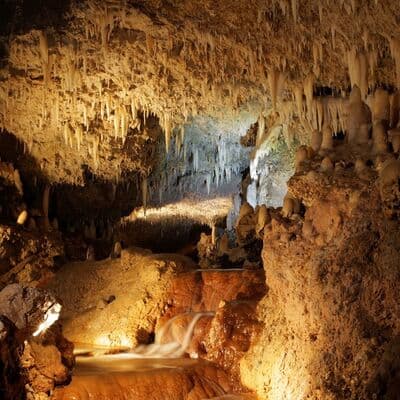
The natural beauty is genuinely diverse, which is unusual for a Caribbean island this small (it is only 21 miles long and 14 miles wide). The west coast has calm, turquoise water that looks like a screensaver. The east coast has dramatic Atlantic surf pounding against ancient coral limestone formations. Underground, Harrison's Cave is a crystallized limestone cavern system with stalactites, stalagmites, and underground streams that feels like something out of a nature documentary. Hunte's Gardens is a sunken tropical garden in a collapsed cave that is one of the most beautiful and surprising places I have seen anywhere in the Caribbean.
History buffs will find plenty to dig into. Historic Bridgetown and its Garrison are a UNESCO World Heritage Site. St. Nicholas Abbey is one of only three genuine Jacobean mansions remaining in the Western Hemisphere, built in 1658. The island's story, from indigenous Arawak and Carib peoples through British colonization, the sugar trade, slavery, emancipation, and independence in 1966, is complex, sometimes painful, and deeply fascinating.
And speaking of independence, if you are planning a trip for late 2026, you will hit the island's 60th independence anniversary on November 30, 2026. Barbados became a republic in 2021, cutting ties with the British monarchy, and the anniversary celebrations are expected to be significant. It is a unique time to visit and experience Barbadian national pride at its peak.
One more thing worth mentioning: Barbados genuinely feels safe. It is not perfect, no place is, but compared to many Caribbean destinations, the crime rate affecting tourists is very low. You can walk around Bridgetown during the day without worrying, eat at local spots off the tourist trail, and generally move around the island without the constant vigilance that some Caribbean destinations unfortunately require.
The downsides? It is not the cheapest Caribbean destination. Accommodation, food, and activities are generally more expensive than places like the Dominican Republic or Jamaica. The island can feel crowded during peak season (December through April), especially when multiple cruise ships are in port. And if you are looking for vast, empty beaches where you can be alone with your thoughts, Barbados is too small and too popular for that. But if you want an island that combines world-class beaches, incredible food, genuine culture, easy logistics, and enough variety to fill two weeks without repeating yourself, Barbados is hard to beat.
Regions of Barbados: A Coast-by-Coast Breakdown
Barbados may be small, but each coast and region has a distinct personality. Where you stay and what you experience will vary dramatically depending on which part of the island you base yourself in. Here is the honest breakdown.
The West Coast (The Platinum Coast)
The west coast is where the money is, and it does not try to hide it. Stretching from Speightstown in the north down through Holetown to just above Bridgetown, this is Barbados's answer to the French Riviera. The water here is absurdly calm and clear because the island itself blocks the Atlantic swells, creating sheltered, Caribbean-facing beaches that look like they have been Photoshopped.
This is where you will find Sandy Lane (the resort that has hosted everyone from Tiger Woods to Rihanna), The Cliff restaurant (where reservations during peak season need to be made weeks in advance), and a string of high-end resorts and villas that cater to a well-heeled international crowd. During winter months, you are more likely to hear British accents than Bajan ones in some west coast restaurants.
But here is what the brochures do not tell you: the west coast is not exclusively for the wealthy. Mullins Beach is a gorgeous public beach right on the Platinum Coast, and you can rent a sun lounger for $10-15 and have the same view as the people paying $800 a night at the resort next door. Holetown has a Fish Fry every Monday night that is more low-key (and honestly more authentic) than the famous one at Oistins. And some of the best rum shops on the island are tucked into the west coast neighborhoods behind the resort strip.
The west coast is ideal for families with small children (the calm water is perfect for little ones), couples looking for a luxury experience, and anyone who wants their primary activity to be lying on a perfect beach with occasional breaks for excellent food. It is less ideal if you are on a tight budget, if you want nightlife (it is pretty quiet after 10 PM), or if you find resort culture boring.
Water sports here focus on the gentler end of the spectrum: snorkeling, stand-up paddleboarding, kayaking, glass-bottom boat tours, and sunset catamaran cruises. The snorkeling is genuinely excellent, with several shipwrecks accessible from the beach, and sea turtles are common enough that seeing one is more of a when than an if.
Key beaches on the west coast include Paynes Bay (great for sea turtles), Mullins Beach (lively atmosphere with vendors and loungers), Gibbes Beach (quieter and less crowded), and Folkestone Marine Park (excellent for snorkeling with an artificial reef). Hotel developments continue on the west coast, with several new properties in various stages of planning and construction for 2025-2026.
The South Coast
If the west coast is a silk robe and a glass of champagne, the south coast is a tank top, flip-flops, and a Banks beer. This is where the energy is. Running from Bridgetown east through Hastings, Rockley, Worthing, Dover, and St. Lawrence Gap to Oistins, the south coast is the social and nightlife center of Barbados.
St. Lawrence Gap, known locally as "The Gap," is a short strip of road packed with bars, restaurants, and clubs. It is not Ibiza or Miami Beach, but for the Caribbean, it is a solid night out. You will find everything from karaoke bars to reggae clubs to sports bars showing Premier League games. Things get going around 10 PM and can run until 2-3 AM on weekends.
The beaches on the south coast are different from the west: the water has a bit more energy (small waves, mild currents), and the beaches tend to be wider and more lively. Rockley Beach (also called Accra Beach) is one of the most popular on the island, with lifeguards, food vendors, and reliable waves for boogie boarding. Carlisle Bay, technically just south of Bridgetown, is arguably the best snorkeling spot on the island, with six shipwrecks and abundant marine life in crystal-clear water.
Accommodation on the south coast is generally more affordable than the west coast. You will find a good mix of mid-range hotels, guesthouses, Airbnbs, and a few higher-end options. The area around Worthing and Dover is particularly good value, with plenty of restaurants and supermarkets within walking distance.
The south coast is ideal for younger travelers, groups of friends, solo travelers who want to meet people, and anyone who wants a more dynamic, less resort-like experience. It is also the best base if you want to be close to Bridgetown for day trips but do not want to stay in the city itself. The main downside is that the Gap can get noisy at night, so choose your accommodation location carefully if you are a light sleeper.
Oistins Fish Fry deserves special mention. Every Friday night (and to a lesser extent, Saturday), the fishing village of Oistins transforms into a massive open-air food festival. Dozens of vendors grill fresh fish, lobster, swordfish, and the local favorite, flying fish, right in front of you. There is live music, cold beer, and a crowd that mixes tourists and locals in roughly equal measure. It is one of the quintessential Barbados experiences, and the food is genuinely excellent. Get there by 7 PM to beat the worst of the lines. A full meal with a couple of beers will run you $15-25.
The East Coast (The Atlantic Coast)
The east coast is where Barbados shows its wild side. This is where the full force of the Atlantic Ocean meets the island, producing dramatic surf, rugged cliffs, and a landscape that looks nothing like the postcard-perfect west coast. If you only see the west and south coasts, you have not really seen Barbados.
Bathsheba Beach is the star of the east coast. Famous for its "mushroom rocks," massive boulders that have been eroded by the sea into surreal shapes, Bathsheba looks like it belongs in a different country entirely. The surf here is serious: the Soup Bowl, one of the most famous surf breaks in the Caribbean, regularly produces waves that attract international competitions. This is not a swimming beach; the currents and waves are powerful and dangerous for casual swimmers. But for surfers, photographers, and anyone who appreciates raw natural beauty, Bathsheba is essential.
The broader Bathsheba area and the parish of St. Joseph along the east coast have a completely different vibe from the west and south. It is quieter, more rural, and feels more "real" Barbados. The vegetation is lusher because this side gets more rain, and you will find small villages, roadside fruit stands, and an overall pace of life that is even more relaxed than the rest of this already-relaxed island.
Hunte's Gardens is one of the most unique attractions in Barbados, located in the hills above Bathsheba. Created by horticulturist Anthony Hunte in a natural sinkhole, this sunken garden is filled with tropical plants, orchids, and flowers from around the world. Hunte himself often greets visitors while classical music plays from hidden speakers. It is quirky, beautiful, and unlike anything else on the island. Admission is about $20 per person.
Accommodation on the east coast is limited compared to the west and south. There are a handful of small hotels, guesthouses, and Airbnbs, but no large resorts. This is intentional; the east coast is protected from major development, which is part of its charm. If you stay here, you will need a car, as public transport is less frequent on this side. But the trade-off is peace, quiet, and an experience that most Barbados visitors never have.
The east coast is ideal for surfers, nature lovers, photographers, and anyone who wants to escape the resort and beach-bar scene. It is less ideal if you want nightlife, restaurant variety, or easy access to the island's main tourist infrastructure.
The North
The northern tip of Barbados is the least visited part of the island, and that is exactly why some people love it. The parish of St. Lucy and the northern reaches of St. Andrew and St. Peter are rugged, windswept, and sparsely populated. This is where you find the true countryside of Barbados: sugar cane fields, grazing black belly sheep, small churches, and views that stretch for miles.
Animal Flower Cave is the northernmost attraction on the island, a sea cave at the very tip of Barbados where you can look out through natural windows at the Atlantic crashing below. The "animal flowers" are actually sea anemones that live in the cave's tidal pools. On calm days (usually the west coast side of the cave), you can swim in natural rock pools that feel like the world's most dramatic infinity pools. Entry is about $20, and it is worth every penny. The cliff-top restaurant above the cave has surprisingly good food and arguably the best view on the island.
Barbados Wildlife Reserve is also in the north, in the parish of St. Peter. It is a walk-through reserve where the animals roam free and you walk through their habitat, not the other way around. The star residents are the Barbados green monkeys, which were brought to the island from West Africa in the 17th century and are now found nowhere else. You will also see tortoises, deer, iguanas, parrots, and other wildlife. The best time to visit is around 2 PM, which is feeding time. Across the road is Grenade Hall Signal Station, one of the old military signal stations that form a chain across the island, with a small forest trail and panoramic views.
St. Nicholas Abbey is technically in the northern part of the St. Peter parish, and it is one of the most remarkable historical properties in the Caribbean. Built in 1658 in the Jacobean architectural style, it is one of only three such mansions remaining in the Western Hemisphere. The estate includes a rum distillery that produces excellent small-batch rum, a museum of the plantation's history (including its connection to the slave trade, which is addressed honestly), and beautiful grounds with a cherry tree-lined avenue. There is a heritage railway that runs through the grounds with views of the Scotland District. Plan to spend at least two hours here; it is easily a half-day if you do the full tour and tasting.
The north is ideal for a day trip from anywhere on the island, combining Animal Flower Cave, Barbados Wildlife Reserve, and St. Nicholas Abbey into a full day that covers the best of non-beach Barbados.
Central Barbados (The Scotland District)
The interior of Barbados is surprisingly hilly, and the area known as the Scotland District (named by early settlers who thought the rolling hills reminded them of the Scottish Highlands) is where you find some of the island's most underappreciated attractions.
Harrison's Cave is the crown jewel of central Barbados. This crystallized limestone cave system features massive caverns, underground streams, cascading waterfalls, and formations that have been growing for thousands of years. You tour the cave on an electric tram, which makes it accessible for most fitness levels and ages. There are also more adventurous options, including a walking tour and a crawl-through tour for the truly intrepid. The main tram tour takes about 45 minutes and costs around $30-35 for adults. Book online in advance during peak season, as tours do fill up.
Welchman Hall Gully, near Harrison's Cave, is a collapsed cave system that has become a lush tropical ravine. It is a peaceful 30-minute walk through a natural canopy of tropical trees, including species that were present when the English first arrived in 1627. You may spot green monkeys here, especially in the early morning or late afternoon.
The central highlands also offer some of the best views on the island. Cherry Tree Hill, near St. Nicholas Abbey, provides a stunning panorama of the Atlantic coast and the Scotland District. Gun Hill Signal Station has views of the south coast, and its carved limestone lion is a minor landmark.
Central Barbados is not a place you would base yourself for a vacation (there is very limited accommodation), but it is essential for day trips. Combining Harrison's Cave, Hunte's Gardens, and a drive through the Scotland District makes for an excellent day away from the beach.
Bridgetown and Surrounds
Bridgetown, the capital and only city of Barbados, is where about a third of the island's population lives and works. It is not a large city by any standard (you can walk across the center in 20 minutes), but it packs a lot into a small space.
Historic Bridgetown and its Garrison were designated a UNESCO World Heritage Site in 2011, recognizing the city's significance as a well-preserved example of British colonial architecture and its role in the transatlantic sugar and slave trades. The Garrison area, south of the city center, includes the Main Guard House, George Washington House (yes, the first US president visited Barbados in 1751, and the house where he stayed still stands), and the Barbados Museum, which provides an excellent overview of the island's history from pre-Columbian times to the present.
The Careenage is the inner harbor of Bridgetown, where sailing ships were once careened (tilted on their sides for cleaning and repair). Today it is a pleasant waterfront area with restaurants, bars, and views of fishing boats and catamarans. The two bridges that cross the Careenage, the Chamberlain Bridge and the Charles Duncan O'Neal Bridge, are landmarks in their own right.
Parliament Buildings, built in neo-Gothic style in the 1870s, house one of the oldest parliaments in the Western Hemisphere. Barbados has had some form of parliamentary governance since 1639, making it the third-oldest parliament in the entire Commonwealth. Even if you are not a history person, the buildings are architecturally striking and worth a look from the outside. Guided tours of the interior are sometimes available.
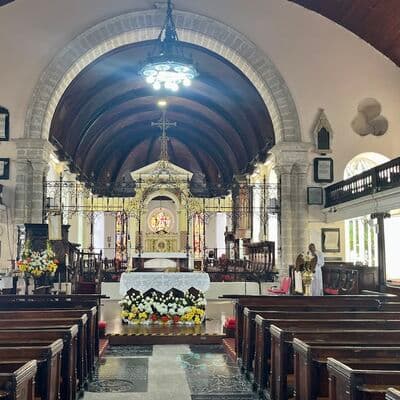
St. Michael's Cathedral is an Anglican cathedral that has stood in some form since the 1660s (the current building dates from 1789 after the previous one was destroyed by a hurricane). It is a cool, quiet refuge from the Bridgetown heat and has some beautiful stained glass and colonial-era monuments.
Broad Street is the main shopping thoroughfare, with duty-free shops, jewelry stores, and clothing boutiques. It gets extremely busy when cruise ships are in port (Barbados can receive several large ships on the same day), so if you want to shop in peace, try to visit on days without cruise arrivals. The cruise ship schedule is posted online and updated regularly.
Bridgetown is worth a half-day visit, especially if you combine the UNESCO sites with Carlisle Bay for snorkeling. But I would not recommend staying in the city center for your whole trip; it is primarily a commercial and administrative hub, and it can feel empty and a bit sketchy after dark. The south coast neighborhoods just east of the city are a better base.
The Southeast
The southeast corner of Barbados, running from Oistins east through the parishes of Christ Church and St. Philip, is a bit of a hidden gem. This area has some of the island's most beautiful beaches, including Crane Beach, which is regularly voted one of the best beaches in the world.
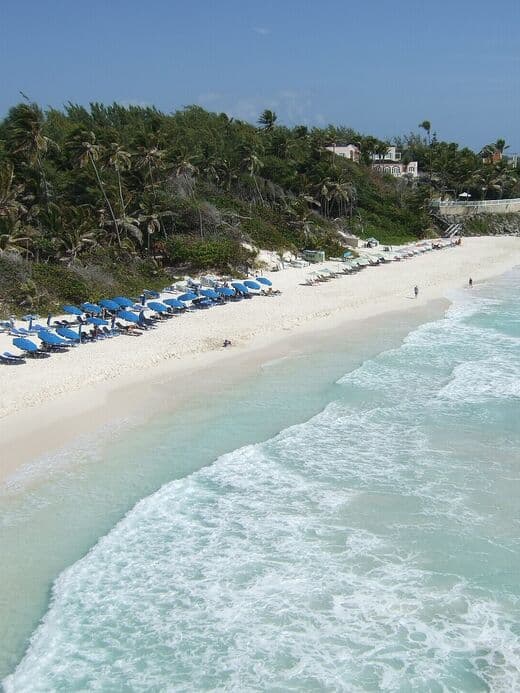
Crane Beach is dramatic in a way that most Caribbean beaches are not. Backed by coral stone cliffs and the elegant Crane Resort (the oldest continuously operating hotel in the Caribbean, founded in 1887), this pink-sand beach has moderate surf and a wild, natural feel. Access is via a staircase cut into the cliff (there is an elevator at the resort, but you will need to pay a visitor fee to use it). The beach gets waves, so it is better for boogie boarding and body surfing than calm floating, but it is stunning to look at even if you do not go in. Try to visit early in the morning for the best light and the fewest people.
Bottom Bay, further south, is even more secluded and dramatic: a small beach surrounded by towering cliffs and coconut palms. It is photogenic enough to be a movie set, and on weekdays you may have it nearly to yourself. The currents here can be strong, so swim with caution.
The Foursquare Rum Distillery in St. Philip offers a modern contrast to the historic Mount Gay. Their tours are more interactive and technology-focused, and they produce some excellent rums, including the well-regarded R.L. Seale and Doorly's brands. It is a good complement to a Mount Gay visit if you are doing a rum tour of the island.
Sam Lord's Castle Resort is a landmark being redeveloped. The original great house was built in the early 1800s by the legendary (and possibly real) pirate Sam Lord. The property was damaged by fire in 2010, and a new Wyndham Grand resort has been built on the site, though the castle ruins themselves are still visible. The beach at Sam Lord's is gorgeous and less visited than many on the island.
The southeast is great for travelers who want beautiful beaches without the crowds, a more residential feel, and proximity to both Oistins and the east coast attractions. It is less convenient for nightlife and restaurant variety, and you will definitely want a car if you base yourself here.
The Beaches of Barbados: A Detailed Guide
Barbados has over 70 beaches, and they range from sheltered, Caribbean-calm coves to wild Atlantic surf breaks. By law, all beaches in Barbados are public, so even if a resort fronts onto a beach, you have every right to walk on it and use it. That said, beach chairs and umbrellas near resorts are usually for guests only unless you pay a rental fee. Here is a breakdown of the best beaches by coast.
West Coast Beaches
Paynes Bay is one of the best all-around beaches on the west coast. The water is calm and clear, there are sea turtles almost daily (look for the tour boats and swim nearby), and the beach is wide enough that it rarely feels overcrowded. There are a few vendors selling drinks and snacks, and some beach chairs for rent. This is an excellent family beach.
Mullins Beach is the social hub of the west coast. It has a popular beach bar, chair and umbrella rentals, jet ski rentals, and a generally lively atmosphere. The water is calm and great for swimming. On weekends, it can get busy with both tourists and locals. The vibe is upscale but not stuffy.
Gibbes Beach is a quieter alternative to Mullins, located just to the north. It has fewer facilities (no beach bar, limited chair rentals) but is genuinely beautiful and less crowded. The shade from casuarina trees at the back of the beach is a bonus. Good for a peaceful morning.
Folkestone Marine Park in Holetown has an artificial reef and marked snorkeling trail, making it one of the best spots for snorkeling from shore. The water is protected, so it is calm and clear. There is a small museum and visitor center on site. Good for families and beginner snorkelers.
Heywoods Beach near Speightstown is a long, wide beach with calm water and relatively few visitors. It is near the port area and has some facilities. A good option if you want a west coast beach without the Holetown crowds.
South Coast Beaches
Accra Beach (Rockley Beach) is the busiest beach on the south coast and one of the most popular on the island. It has lifeguards, a boardwalk, food vendors, chair and umbrella rentals, water sports, and decent waves for boogie boarding. It gets packed on weekends and when cruise ships are in. If you want to people-watch and be in the middle of the action, this is your beach. If you want peace and quiet, look elsewhere.
Carlisle Bay is a wide, crescent-shaped bay just south of Bridgetown that offers some of the best snorkeling in Barbados. There are six shipwrecks within the bay, all in shallow enough water to snorkel (though scuba gives you more time and access). The wrecks are home to turtles, rays, barracuda, and tropical fish. You can rent snorkel gear on the beach or book a guided snorkel tour. The beach itself is also beautiful for swimming and sunbathing.
Miami Beach (Enterprise Beach) is a local favorite on the south coast. It is a beautiful crescent of white sand with moderate waves, a few food vendors, and a more local crowd than Accra Beach. On Sundays, locals come out for cricket and picnics. The sunset views from here are excellent.
Dover Beach is near St. Lawrence Gap, making it convenient for south coast nightlife. It has consistent small waves (good for learning to surf or boogie board), chair rentals, and a few beachfront bars. The windsurfing and kitesurfing can be good here when conditions are right.
Sandy Beach in Worthing is a calm, sheltered beach that is ideal for small children. The water is shallow and usually very calm, protected by a reef offshore. There are facilities including showers and a parking area. Not the most scenic beach on the island, but very practical for families.
East Coast Beaches
Bathsheba Beach is the most famous east coast beach and one of the most photographed spots in Barbados. The massive mushroom-shaped boulders, powerful Atlantic surf, and dramatic landscape make it a must-visit even if you are not a surfer. Swimming is dangerous here due to strong currents and powerful waves, but there are natural tidal pools among the rocks where you can safely splash around. Surf lessons are available for those who want to try the Soup Bowl break (which is more suitable for intermediate to advanced surfers in its full glory). Photographers should aim for early morning or late afternoon light.
Cattlewash Beach is a long, wide stretch of Atlantic beach just north of Bathsheba. It is one of the longest beaches on the island and is usually very uncrowded. The swimming can be risky (Atlantic currents), but it is a beautiful place for a long walk, especially in the early morning. Some sections have natural pools that are safe for wading.
Morgan Lewis Beach is even further north on the east coast and is one of the most remote beaches on the island. You will often have it entirely to yourself. The setting is dramatic, with the old Morgan Lewis Windmill visible on the hill above. Not a swimming beach, but extraordinary for solitude and raw natural beauty.
Southeast Beaches
Crane Beach has already been mentioned, but it bears repeating: this is one of the most beautiful beaches in the Caribbean, full stop. The pink sand, the cliffs, the moderate surf, and the elegant Crane Resort on the bluff above create a scene that is hard to beat. Come early to avoid crowds and for the best photography light. The staircase down to the beach is steep but manageable for most people.
Bottom Bay is a secluded gem surrounded by high cliffs and tall coconut palms. The surf can be rough, so it is more of a sunbathing and photography beach than a swimming beach. On weekdays it is often nearly empty. Bring your own food and water, as there are no vendors.
Foul Bay (the name does not do it justice) is a beautiful, seldom-visited beach near the Crane. It is a favorite of body surfers and boogie boarders. The sand is soft, the water is usually clear, and the atmosphere is low-key and local.
Harrismith Beach is another hidden beach near the ruins of the Harrismith Plantation House. Access requires a short walk down a steep path, but the reward is a stunning beach that few tourists find.
Beach Safety Tips
A few universal beach tips for Barbados. Always respect the ocean on the east coast; the Atlantic currents are powerful and even experienced swimmers get into trouble. Red flags mean no swimming, period. On the west coast, be aware of jet skis, especially at busy beaches like Mullins. Use reef-safe sunscreen; the coral reefs that protect many of the beaches are under stress and regular sunscreen accelerates the damage. And watch out for manchineel trees (they have small green fruit that looks like apples): every part of the tree is toxic, and even standing under one in the rain can cause skin irritation from the sap. They are usually marked with warning signs or painted red bands.
When to Visit Barbados
Barbados is a year-round destination, which is one of its strengths, but different times of year offer different experiences. Here is the breakdown.
Dry Season (December - May)
This is peak season and for good reason. The weather is about as close to perfect as it gets: average highs of 84-86F (29-30C), low humidity, minimal rainfall, and consistent trade winds that keep things comfortable. The water is at its calmest on the west coast, and visibility for snorkeling and diving is at its best.
The downside is that this is when the island is busiest and most expensive. Accommodation prices can be double what they are in the summer months. Restaurants need reservations, popular tours sell out, and cruise ships bring thousands of additional visitors (sometimes several ships in a single day). If you come during peak season, book accommodation and tours well in advance. The absolute peak is Christmas through New Year's, when the island fills with British and American visitors escaping winter. If you can come in April or May, you get the good weather with slightly lower prices and fewer crowds.
Wet Season (June - November)
The wet season is warmer and more humid, with higher chances of rain, though showers are typically short and intense rather than all-day affairs. Temperatures are a few degrees warmer (highs of 86-88F / 30-31C), and the humidity can make it feel hotter. Hurricane season officially runs from June through November, with the highest risk in August through October. Barbados is further south and east than most Caribbean islands, which puts it outside the main hurricane belt. Hurricanes do hit Barbados, but it is far less frequent than, say, the Bahamas or the US Virgin Islands.
The big advantage of the wet season is price. Accommodation can be 30-50% cheaper, and the island feels less crowded. You can get restaurant tables without reservations, book tours day-of, and have beaches more to yourself. If you are on a budget and can tolerate the occasional rain shower (and the small risk of a tropical storm disrupting your plans), the wet season is a smart time to visit.
Best Times for Specific Interests
Surfing: September through March for the biggest swells on the east coast. The Soup Bowl at Bathsheba is at its best during the hurricane season swells (ironic, but true).
Diving: March through May for the best visibility on the west coast. Summer months can have slightly reduced visibility due to sargassum seaweed, though Barbados has been less affected by sargassum than some other Caribbean islands.
Festivals: Crop Over is the big one, running from late June through the first Monday in August. It is Barbados's answer to Carnival, a weeks-long celebration of music, dance, food, and culture that culminates in the Grand Kadooment parade on the final day. If you want to experience Crop Over, plan well ahead: accommodation books up fast, especially for Grand Kadooment weekend (typically the first weekend of August 2026). It is an incredible experience, genuinely one of the best festivals in the Caribbean.
Cricket: The West Indies cricket calendar varies year to year, but international matches at Kensington Oval in Bridgetown are a fantastic experience even if you do not know the sport. The atmosphere is more like a party than a sporting event. The CPL (Caribbean Premier League) T20 cricket tournament runs in late August through September, with the 2026 finals expected in September. Cricket is a religion in Barbados, and attending a match is a cultural experience as much as a sporting one.
Independence Day: November 30 is Independence Day, and 2026 marks the 60th anniversary. Expect significant celebrations across the island, including parades, concerts, cultural events, and general festivities. It is a unique opportunity to experience Barbadian national pride.
Food festivals: The Barbados Food and Rum Festival usually takes place in October or November. The island also hosts various food events throughout the year, including the Holetown Festival in February, which celebrates the arrival of the first English settlers in 1627.
Getting to Barbados
Barbados is one of the best-connected islands in the Eastern Caribbean, with direct flights from multiple cities in the US, UK, Canada, and Europe. Here is what you need to know.
By Air
Grantley Adams International Airport (BGI) is the sole airport, located in the southeast of the island near Crane Beach. It is a modern, well-maintained airport that handles both commercial flights and private aviation.
From the US: Direct flights are available from Miami (American Airlines, JetBlue), New York JFK (JetBlue, American), Fort Lauderdale (JetBlue, Spirit), Atlanta (Delta), Charlotte (American), and several other cities depending on the season. Southwest Airlines also operates seasonal service. Flight times are roughly 4-5 hours from the East Coast. From the West Coast, you will need a connection, usually through Miami, Atlanta, or JFK.
From the UK: British Airways and Virgin Atlantic operate daily direct flights from London Gatwick. Flight time is about 8.5-9 hours. These flights are often overnight departures from the UK, arriving in Barbados in the afternoon, which is a convenient schedule. During peak season, additional charter flights may operate from Manchester and other UK airports.
From Canada: WestJet and Air Canada operate seasonal direct flights from Toronto, with WestJet also serving some flights from Calgary and other Canadian cities during winter. Year-round connections are available through Caribbean hubs.
From Europe and Latin America: Condor flies seasonally from Frankfurt. Copa Airlines operates four times weekly from Panama City (PTY), which opens up connections from across Latin America. Caribbean Airlines connects Barbados to Trinidad and other Caribbean islands. LIAT, the regional Caribbean carrier, has had reliability issues in recent years but offers connections to smaller Caribbean islands.
Visa requirements: US citizens do not need a visa for stays up to six months. UK, Canadian, Australian, and EU citizens also enjoy visa-free entry for various periods (typically 28 days to 6 months depending on nationality). You will need a return ticket and proof of accommodation. Passport must be valid for the duration of your stay. There is a departure tax, but it is almost always included in your airline ticket price.
By Cruise Ship
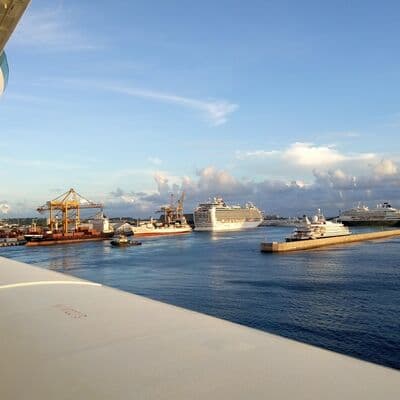
Barbados is a major cruise ship port, and the island is expecting over 800,000 cruise visitors in the 2025-2026 season. The cruise terminal is right in Bridgetown, within walking distance of the city center and duty-free shops. If you are arriving by cruise, you typically have 8-10 hours on the island. Most cruise visitors either stay in the Bridgetown area and shop, or book an island tour. If you have limited time, I would prioritize either Harrison's Cave and the interior, or a beach day at Carlisle Bay with snorkeling. Trying to see the whole island in a cruise stop is possible but exhausting.
A word of warning for cruise visitors: Bridgetown gets extremely crowded when multiple ships are in port. Prices at shops and restaurants near the cruise terminal are often inflated. If you can, get away from the immediate port area for a more authentic (and affordable) experience.
Getting from the Airport to Your Hotel
The airport is in the southeast, so travel times vary depending on your destination. To the south coast (St. Lawrence Gap area), expect 15-20 minutes. To Bridgetown, about 30 minutes. To the west coast (Holetown area), 45-60 minutes. To Speightstown, about 75 minutes.
Options include:
- Official taxis: Fixed rates set by the government. From the airport to the south coast is about $20-30 USD, to the west coast $40-55 USD. Make sure to confirm the price before getting in, and confirm whether the quoted price is in Barbados dollars or US dollars (a common source of confusion; the Barbados dollar is worth half a US dollar).
- Hotel transfers: Many hotels offer airport transfers, sometimes included in the room rate, sometimes for an additional fee. Worth checking when you book.
- Rental cars: Several rental agencies have desks at the airport (see Transportation section below). Remember that Barbados drives on the left.
- Public bus: Not recommended with luggage, but technically possible. The bus system does not serve the airport directly, so you would need to walk to the main road first.
Getting Around Barbados
Barbados is small enough that no point on the island is more than about 45 minutes from any other point (in theory; in practice, traffic can double that). You have several options for getting around, each with its pros and cons.
Public Buses
The bus system is one of the best-kept secrets for budget travelers in Barbados. There are three types of buses, and they all charge the same flat fare of BBD $3.50 (about $1.75 USD) regardless of distance:
- Blue buses: Government-operated, large, air-conditioned buses. They run on fixed routes and schedules, primarily along the main corridors (south coast, west coast, and into Bridgetown). Reliable and comfortable.
- Yellow buses: Privately owned but government-regulated. Similar routes to the blue buses, slightly less predictable schedules. Also comfortable.
- ZR vans (route taxis): White minivans with maroon or sometimes colored stripes. These are the wild card of Barbados public transport. They are faster (the drivers are, shall we say, enthusiastic), more frequent, and cover more routes including some areas the big buses do not reach. They are also an experience in themselves: expect loud music, quick stops, and a general sense that you are on an amusement ride rather than public transport. They are perfectly safe despite the driving style, and they are the way most Barbadians actually get around.
All three types of buses converge on the Fairchild Street and Lower Green bus terminals in Bridgetown. If you need to transfer between routes, you will usually need to go through Bridgetown. Buses run from about 6 AM to midnight, with reduced service on Sundays. Have exact change ready (BBD coins or small bills); the blue buses do not give change.
The BeepBus app has been a game-changer for public transport in Barbados, with over 16,000 active users as of 2025. It provides real-time bus tracking, route planning, and schedules for government buses. It does not cover the ZR vans (which are harder to track), but it makes the blue and yellow bus system much more usable for visitors. Download it before your trip.
Public buses are an excellent way to get between the south coast, Bridgetown, and the west coast. They are less practical for reaching the east coast, the interior, or specific attractions like Harrison's Cave or Animal Flower Cave.
Rental Cars
If you want to explore the whole island, especially the east coast, interior, and north, a rental car is the best option. Several international and local agencies operate on the island. Expect to pay $50-80 USD per day for a basic car, with discounts for weekly rentals.
Critical: Barbados drives on the left. If you are American or Canadian, this will be an adjustment. The roads are generally in decent condition on the main routes but can be narrow, winding, and potholed on rural roads, especially in the interior and east coast. Barbadian drivers are generally courteous but fast, and roundabouts are common (give way to traffic already in the roundabout, which comes from your right). If you are British or Australian, you will feel right at home.
You will need a Barbados driving permit, which costs BBD $10 (about $5 USD) and is available from the rental agency or any police station. You need your home country license to get it. Most rental cars are manual (stick shift); automatic is available but usually costs more and should be reserved in advance.
Parking is generally easy except in Bridgetown, where it can be challenging. Most attractions have parking. Gas stations are easy to find and fuel costs are moderate by Caribbean standards.
Navigation tip: Google Maps works well in Barbados for major routes. The island uses a mix of road names and parish-based directions. Locals give directions using landmarks ("turn left at the big tree," "past the yellow chattel house") rather than road names, which can be charming or confusing depending on your perspective.
Taxis
Taxis in Barbados are not metered; they use government-set fixed rates based on destination. Always confirm the price before getting in, and always clarify whether the price is in Barbados dollars or US dollars. A common tourist mistake is agreeing to "$30" without clarifying the currency, which is the difference between a $15 USD fare and a $30 USD fare.
Taxi drivers can also be hired for island tours, which is a good option if you do not want to drive yourself. A full-day island tour by taxi typically runs $150-200 USD, depending on the itinerary and your negotiation skills. The advantage is a local guide who knows the island and can take you to spots you would never find on your own.
Ride-sharing apps like Uber are not currently operating in Barbados. The Move app is a local ride-hailing option that has been gaining traction and may be worth downloading.
Water Transport
There is no regular ferry service within Barbados, but catamaran cruises along the west coast are extremely popular. These typically include snorkeling stops (often at shipwrecks), sea turtle encounters, an open bar, lunch, and music. They are genuinely fun and are one of the most popular activities on the island. Expect to pay $80-120 USD per person for a half-day cruise. Companies like Tiami Catamaran Cruises, Cool Runnings, and Jammin Catamaran are well-established operators.
Cultural Code: How to Be a Good Guest
Barbadians (Bajans) are among the most welcoming people in the Caribbean, but like anywhere, there are cultural norms worth understanding. Knowing and respecting these will make your trip better and your interactions smoother.
Greetings Matter
Always greet people. Seriously, this is a big one. Walking into a shop, restaurant, or rum shop without saying "good morning," "good afternoon," or "good evening" is considered rude. It does not matter if you are in a hurry. It does not matter if the place is busy. Greeting people before any other interaction is non-negotiable in Bajan culture. You will notice that even phone conversations start with extended greetings before getting to the point.
The general progression is: greeting, brief small talk (how are you, lovely day, etc.), then your actual request or transaction. It takes an extra 30 seconds and makes a world of difference in how people respond to you.
Dress Code
Barbadians generally dress well, and beachwear is considered inappropriate away from the beach. Walking through Bridgetown in a bikini top and shorts will get you judgmental looks. Cover up when you leave the beach. For dinner at nicer restaurants, "smart casual" is the norm: collared shirts and closed shoes for men, dresses or nice tops for women. Some upscale restaurants have strict dress codes, so check when you make reservations.
Critical warning: Camouflage clothing is illegal in Barbados. This is not a joke. Wearing any camouflage pattern (shirts, pants, bags, hats, anything) is prohibited by law, as it is reserved for the military. This law is actually enforced, and you can be asked to remove the item or face a fine. Leave your camo at home.
Tipping
Tipping culture in Barbados is moderate. Many restaurants add a 10-15% service charge to the bill automatically, so check before adding a tip on top. If service is not included, 10-15% is standard. For taxis, rounding up or adding 10% is appreciated but not strictly expected. For hotel staff (housekeeping, porters), $2-5 USD per day or per service is appropriate. Tip your catamaran crew if you take a cruise; they work hard and a few dollars per person is appreciated.
Religion and Sundays
Barbados is a deeply religious island with more churches per square mile than almost anywhere in the world. Christianity (Anglican, Methodist, Pentecostal, and Catholic are the most common denominations) plays a significant role in daily life. Sunday is still respected as a day of rest in many communities. Some shops and restaurants close on Sundays, especially outside tourist areas. Do not be surprised to hear church music or see families dressed up for services.
Cricket
Cricket is not just a sport in Barbados; it is closer to a national identity. The island has produced some of the greatest cricketers in history, including Sir Garfield Sobers (widely considered the greatest all-rounder ever), Sir Frank Worrell, and more recently, players who have starred in both Test cricket and the IPL. If you want to connect with locals, expressing interest in cricket is a reliable conversation starter. Even if you do not understand the sport (and it is genuinely confusing to newcomers), attending a match at Kensington Oval is an experience worth having for the atmosphere alone.
Language
English is the official language, and standard English is spoken in all business, tourism, and government contexts. However, many Bajans also speak Bajan Creole (Bajan dialect) in casual conversation, which can be challenging to understand. It is based on English but has its own grammar, pronunciation, and vocabulary. Words like "wunna" (you all), "liming" (hanging out, socializing), and "cuh dear" (expression of sympathy or surprise) are common. People will switch to standard English when speaking with visitors, but you might overhear conversations in Bajan that sound like a completely different language. This is part of the cultural richness of the island, not something to be intimidated by.
LGBTQ+ Travelers
Barbados has made progress on LGBTQ+ rights in recent years. In 2022, the High Court struck down colonial-era anti-sodomy laws. However, social attitudes remain mixed, particularly in rural areas. Bridgetown and the tourist areas are generally tolerant, but public displays of affection between same-sex couples may attract unwanted attention outside these areas. Use your judgment based on the specific context.
Respect the Environment
Barbados faces environmental challenges common to small island nations: coral reef degradation, waste management, and the impacts of climate change. You can help by using reef-safe sunscreen, avoiding single-use plastics where possible, not touching or standing on coral reefs while snorkeling, and disposing of waste properly. Some beaches have recycling bins; use them when available.
Safety in Barbados
Barbados is one of the safer Caribbean islands for tourists, but "safe" is relative and you should still use common sense. Here is the honest picture.
General Safety
The vast majority of visits to Barbados are trouble-free. Violent crime against tourists is rare. The most common issues are petty theft (unattended belongings on beaches, unlocked rental cars), aggressive vendors (particularly near the cruise terminal and on busy beaches), and tourist scams (inflated prices, unlicensed tour operators, counterfeit products). These are annoyances rather than dangers.
During the day, you can walk around most areas of the island without worry. At night, exercise more caution, particularly in Bridgetown after dark (especially the areas away from the main tourist streets), parts of the south coast away from the tourist strip, and isolated beach areas.
Areas to Be Cautious
Nelson Street in Bridgetown has a reputation for nighttime issues. The area around the bus terminals can be sketchy after dark. Some neighborhoods in the parishes of St. Michael and Christ Church have higher crime rates, but these are residential areas that tourists would have no reason to visit. Stick to tourist areas and well-lit main roads at night and you will be fine.
Ocean Safety
The ocean is the biggest genuine safety risk for visitors to Barbados. Every year, tourists get into trouble (and occasionally die) from underestimating the Atlantic currents on the east coast. The rules are simple: swim at beaches with lifeguards when possible, obey warning flags (red means no swimming), never swim alone on the east coast, and do not go in the water after drinking. Even on the calm west coast, be aware of boat traffic and wear a high-visibility rashguard or cap if you are swimming away from the shore.
Rip currents can occur on any coast. If you are caught in one, do not swim against it. Swim parallel to the shore until you are out of the current, then swim back in. This advice could save your life.
Sun Safety
The sun in Barbados is intense, especially for visitors from northern latitudes. You are at roughly 13 degrees north of the equator, and the UV index regularly hits "extreme." Wear SPF 50 or higher (reef-safe, please), reapply every two hours and after swimming, wear a hat, and do not underestimate the risk of heatstroke. Drink water constantly. The first couple of days are the most dangerous for sunburn; ease into your beach time.
Emergency Numbers
- Police: 211
- Ambulance: 511
- Fire: 311
- Coast Guard: 536-6185
- Queen Elizabeth Hospital (main hospital): (246) 436-6450
The US Embassy in Bridgetown provides consular services for US citizens. The British High Commission also has a presence for UK citizens. Both can help with lost passports, emergencies, and other consular matters.
Insects
Mosquitoes are present, especially during the wet season. While malaria is not a risk in Barbados, dengue fever does occur occasionally. Use insect repellent, especially at dawn and dusk. Sand flies (called "no-see-ums") can be a nuisance on some beaches, particularly in the early morning and late afternoon. DEET-based repellent is the most effective; natural alternatives work but need more frequent reapplication.
Health and Medical
Barbados has the best healthcare system in the Eastern Caribbean, but medical care is expensive for visitors without insurance. Travel insurance is not just recommended; it is essential.
Vaccinations
No special vaccinations are required for entry to Barbados from the US, UK, Canada, or Europe. Make sure your routine vaccinations (tetanus, MMR, etc.) are up to date. Hepatitis A vaccination is recommended by the CDC for all travelers. Yellow fever vaccination is required if you are arriving from a country with yellow fever risk (this would only apply if you are connecting through certain African or South American countries).
Water Safety
Tap water in Barbados is safe to drink. The island's water comes from underground aquifers filtered through the limestone geology, and it is among the purest naturally filtered water in the Caribbean. You do not need to buy bottled water, though it is widely available if you prefer it.
Medical Facilities
Queen Elizabeth Hospital in Bridgetown is the main public hospital. It provides adequate care for most situations but can be slow and crowded. The Sandy Crest Medical Centre and other private clinics offer faster service for non-emergency issues and are more accustomed to dealing with tourist visitors. Many hotels can arrange a doctor to come to your room for minor issues.
Pharmacies are well-stocked and easy to find across the island. Most common medications (pain relievers, antihistamines, basic antibiotics) are available over the counter or with a local prescription. If you take prescription medication, bring enough for your entire stay plus a few extra days in case of flight delays.
Sun and Heat
Heat-related illness is a legitimate concern, especially if you are active or not accustomed to tropical climates. Drink at least 2-3 liters of water per day, more if you are spending time on the beach or doing physical activities. Alcohol dehydrates you faster in the heat, so match every cocktail with a glass of water. Heatstroke symptoms include headache, dizziness, nausea, confusion, and hot dry skin. If you or someone in your group shows these symptoms, get into shade, apply cool water, and seek medical attention.
Money, Budget, and Costs
Understanding the money situation in Barbados will save you from some common mistakes and help you budget realistically.
Currency
The Barbados Dollar (BBD) is the official currency, pegged to the US dollar at a fixed rate of 2:1. This means BBD $2 always equals USD $1. This is important because many places quote prices in Barbados dollars, and if you do not realize this, everything will seem twice as expensive as it actually is. Always ask "is that in Bajan or US?" when you see a price that seems high.
US dollars are widely accepted across the island, and you will often receive change in a mix of BBD and USD. There is no need to exchange currency before you arrive. ATMs are readily available and dispense Barbados dollars. Credit cards (Visa and Mastercard) are accepted at most hotels, restaurants, and larger shops. Smaller rum shops, market vendors, and some local restaurants are cash-only.
Budget Categories
Budget travelers ($80-130 USD per day per person): Stay at guesthouses or Airbnbs on the south coast ($40-70/night for a basic room). Eat at local spots and food vans (fish cutter $5-7, local lunch $8-12). Take public buses (under $2 per ride). Visit free beaches and affordable attractions. Drink at rum shops ($2-4 for a pour of local rum). This is a perfectly enjoyable way to experience Barbados, and you will arguably have a more authentic experience than at an all-inclusive.
Mid-range travelers ($200-350 USD per day per person): Stay at a mid-range hotel or nice Airbnb ($120-200/night). Mix local restaurants with a few nicer meals ($15-30 for dinner at mid-range restaurants). Rent a car for part of your stay ($50-70/day). Do a couple of paid activities (catamaran cruise, cave tour). This is the sweet spot for most visitors; comfortable without being extravagant.
Luxury travelers ($500+ USD per day per person): West coast resorts ($300-2,000+/night), fine dining ($80-150+ per person at places like The Cliff or Champers), private tours, spa treatments, and water sports. Barbados does luxury very well if you have the budget. The new Blue Monkey hotel, which opened in 2025, has been getting excellent reviews for its design-forward approach. Hotel Indigo opened in early 2026, and Royalton Vessence is expected to open mid-2026 with an adults-only all-inclusive concept. Pendry Barbados and Hyatt Ziva are in construction phases and expected to add significant luxury inventory to the island in the coming years.
Saving Money
- Eat where locals eat. The food is better and cheaper. Fish cutters, roti, pudding and souse (a Saturday tradition), and macaroni pie are all cheap and delicious.
- Buy rum at the supermarket or at distilleries rather than at bars and restaurants. A bottle of Mount Gay Eclipse costs about $10-12 at a supermarket.
- Use public buses for the south coast and west coast. They are cheap, reliable, and part of the experience.
- Visit free or cheap attractions: beaches (all free), Historic Bridgetown walking tour (free), rum shops (cheap), and hiking trails.
- Travel during the wet season (June-November) for significantly lower accommodation prices.
- Grocery shop at Massy Stores or SuperCentre if you have a kitchen in your accommodation. Cooking breakfast and lunch and eating out for dinner is a solid budget strategy.
Suggested Itineraries
Here are detailed day-by-day itineraries for different trip lengths. These are suggestions, not commandments. Adjust based on your interests, energy level, and what the weather is doing on any given day.
7 Days: The Essential Barbados Experience
Day 1: Arrival and South Coast Orientation
Arrive at the airport, pick up a rental car or take a taxi to your south coast accommodation. If you arrive before 3 PM, head to Accra Beach (Rockley Beach) for a first swim and some beach time. The water here is perfect for easing into island life. In the evening, explore St. Lawrence Gap for dinner. Try Cafe Sol for casual Mexican-Bajan fusion, or Harlequin for something more upscale. Walk the Gap to get your bearings for the rest of the week. Get to bed early to start adjusting to the time zone.
Day 2: Bridgetown and Carlisle Bay
Start your morning in Bridgetown. Walk through Historic Bridgetown, visiting Parliament Buildings, St. Michael's Cathedral, and The Careenage. Browse the shops on Broad Street if you are interested (check the cruise ship schedule; go when no ships are in port for a calmer experience). After lunch, head to Carlisle Bay for snorkeling. Rent gear on the beach or book a guided snorkel tour to see the six shipwrecks and sea turtles. The water is calm and clear, and even average snorkelers can see a lot. In the evening, have dinner at Champers or another south coast restaurant with a view.
Day 3: Harrison's Cave and the Interior
Book the morning tram tour at Harrison's Cave (reserve online in advance). After the cave tour, drive to Hunte's Gardens, about 15 minutes away. Spend an hour or so wandering this incredible sunken garden. For lunch, stop at one of the small local restaurants in the Bathsheba area (Round House is good, or the more casual Mushroom Rock Cafe). After lunch, take a short detour to Cherry Tree Hill for panoramic views of the Scotland District and the Atlantic coast. Drive back to your south coast base via the scenic east coast road, stopping at overlooks along the way. In the evening, keep it casual: grab food at a local rum shop or order takeout.
Day 4: East Coast and Bathsheba
Spend the morning at Bathsheba Beach. Walk among the mushroom rocks, explore the tidal pools, take photos, and watch the surfers at the Soup Bowl. If you are feeling brave and have some surfing experience, you can book a lesson (several operators offer them). Even beginners can try on a calmer day, though the Soup Bowl itself is not for novices. Walk along the coastline to Cattlewash Beach for a long, peaceful stretch of Atlantic shoreline. Have lunch at the Atlantis Hotel restaurant (historic, with excellent views) or at one of the smaller spots in the Bathsheba area. In the afternoon, visit Andromeda Botanic Gardens if you enjoy tropical plants, or simply relax on the east coast and soak in the dramatically different energy from the west side. Head back to the south coast for dinner. Tonight is a good night to try Oistins Fish Fry if it is a Friday.
Day 5: The North
This is a full day trip, so start early. First stop: St. Nicholas Abbey. Take the full tour of the Jacobean mansion, the rum distillery, and the grounds. Try the rum tasting; the 12-year-old rum is exceptional. Allow 2-3 hours. From there, drive north to Barbados Wildlife Reserve. Try to arrive around 2 PM for feeding time when the green monkeys are most active. Walk through the reserve and the adjacent Grenade Hall Signal Station trail. Continue north to Animal Flower Cave at the northern tip of the island. Tour the cave, and if conditions allow, swim in the natural rock pools. Have a late lunch or early dinner at the cliff-top restaurant above the cave. Drive back along the west coast through Speightstown (worth a brief stop to see the charming historic town) and Holetown.
Day 6: West Coast Beach Day and Catamaran Cruise
Book a morning or lunch catamaran cruise along the west coast. These typically include snorkeling at a shipwreck, swimming with sea turtles, an open bar, and lunch onboard. It is one of the most popular activities in Barbados for good reason. After the cruise, spend the afternoon at Paynes Bay or Mullins Beach on the west coast, soaking up the calm Caribbean water. For your last proper dinner, treat yourself to something special. The Cliff or Lone Star are iconic west coast options. Tides at Holetown is another excellent choice. If you prefer something less formal, the Fish Pot in Speightstown offers great seafood in a relaxed beachfront setting.
Day 7: Crane Beach, Southeast, and Departure
If your flight is in the evening (many flights to the US and UK depart late afternoon or evening), use the morning to visit Crane Beach. It is near the airport, so logistics work well. Get there early for the best light and fewest people. Spend a couple of hours on this stunning beach. If you have time, drive to Bottom Bay for one last dramatic beach experience. Head to the airport with time to spare, stopping at the duty-free shop for a last bottle of rum.
10 Days: Going Deeper
Follow the 7-day itinerary for the first five days, then add:
Day 6: Rum Heritage Tour
Dedicate a day to Barbados's rum culture. Start at Mount Gay Rum Distillery for their signature tour and tasting. This is the oldest commercial rum distillery in the world, and the tour is both educational and generous with the samples. After Mount Gay, head to the Foursquare Rum Distillery in St. Philip (southeast) for a more modern, technology-focused experience. Foursquare produces some of the most critically acclaimed rums in the world under the Doorly's and R.L. Seale brands. Between distillery visits, stop at a few authentic rum shops: these tiny neighborhood bars are where locals socialize over cheap pours of local rum. Ask your bartender at the first one to recommend the next one; rum shop hopping is a quintessential Bajan experience. In the evening, book a rum-pairing dinner at one of the restaurants that specialize in this (several restaurants on the island offer rum-focused tasting menus).
Day 7: Catamaran Cruise and West Coast
Follow the original Day 6 plan: catamaran cruise in the morning, west coast beach in the afternoon, special dinner in the evening. With the extra days, you can afford to take this one more slowly. Spend extra time at the beach, try a water sport you have not done yet (stand-up paddleboarding, kayaking), or just relax.
Day 8: Scuba Diving or Surfing Day
If you are a certified diver, book a two-tank dive on the west coast. The dive sites include several shipwrecks (including the Stavronikita, a large freighter intentionally sunk as an artificial reef), coral gardens, and swim-throughs. Visibility is usually excellent. If you are not certified but interested, most dive shops offer a Discover Scuba Diving experience that gets you underwater with an instructor after a pool session. Alternatively, if surfing is more your thing, book a full morning surf session at Bathsheba with a local instructor. The afternoon is for recovery: beach time, a massage at your hotel spa, or simply lounging with a book and a rum punch.
Day 9: Local Culture Day
Spend this day doing things that are not on the typical tourist circuit. Visit the Cheapside Market in Bridgetown early in the morning for fresh tropical fruit you have never heard of. Walk through the Garrison historic area in more detail, visiting George Washington House and the Barbados Museum. Have lunch at a local cookshop (ask for "pudding and souse" if it is Saturday, or cou-cou and flying fish any day). In the afternoon, visit the Barbados Concorde Experience at the airport, where one of the retired Concordes is on display (Barbados was one of the Concorde's regular destinations). Spend the evening at a rum shop or beach bar, watching the sunset and reflecting on the trip.
Day 10: Crane Beach and Departure
Follow the original Day 7 plan. Crane Beach, maybe Bottom Bay, and head to the airport. With ten days behind you, you will be thoroughly relaxed and have a much deeper understanding of Barbados than the average visitor.
14 Days: The Complete Island Experience
Follow the 10-day itinerary, then add:
Day 11: East Coast Immersion
Return to the east coast for a more thorough exploration. Start early at Cattlewash Beach for a long morning walk on this virtually empty Atlantic beach. Drive north along the east coast road to Morgan Lewis Beach and the Morgan Lewis Windmill (the only functioning sugar windmill in the Caribbean). Continue to Barclays Park, a beautiful picnic area overlooking the Atlantic. Pack a lunch or stop at a local spot. In the afternoon, revisit Bathsheba and the surrounding area. If the surf is up, spend time watching the Soup Bowl in action. The east coast rewards repeat visits because the mood changes dramatically with the weather and sea conditions.
Day 12: Water Sports and Beach Hopping
Spend the day beach hopping the south coast. Start at Miami Beach (Enterprise Beach) for the morning. Move to Dover Beach for boogie boarding or trying windsurfing or kitesurfing if the conditions are right. Have lunch at one of the beachfront restaurants in the Gap area. In the afternoon, go to Carlisle Bay for a second round of snorkeling, or try a new water sport: jet skiing, parasailing, or a glass-bottom boat tour. The point of this day is to enjoy the water in as many different ways as possible. Evening: try a restaurant you have not been to yet. Bali Barbados and Sawubona are newer spots that have been getting buzz in 2025-2026. Madison Bistro is another recent addition worth checking out.
Day 13: Relaxation and Hidden Gems
By this point in a two-week trip, you have earned a rest day. But "rest" does not have to mean doing nothing. Spend the morning at Gibbes Beach on the west coast, one of the quieter, more peaceful beaches. After lunch, visit Orchid World and Tropical Flower Garden, a beautifully maintained garden in the central highlands with orchids and exotic flowers. Or explore the Folkestone Marine Park and Visitor Centre in Holetown, which has an underwater snorkeling trail and aquarium. In the evening, visit the Holetown Fish Fry (Monday nights) for a more local, less touristy version of Oistins. Or if it is Friday, do Oistins one more time because it is just that good.
Day 14: Farewell Day
Spend your last morning at whichever beach became your favorite during the trip. Everyone develops a favorite, and going back for a final visit is the best way to close out a Barbados vacation. Pick up last-minute souvenirs (rum, pepper sauce, local crafts). Have one last fish cutter for the road. Head to the airport knowing you have done Barbados properly.
21 Days: Living Like a Bajan
Three weeks in Barbados crosses the line from vacation into temporary residence. This is when you stop being a tourist and start understanding the rhythm of island life. Here is how to spend the extra week after the 14-day itinerary.
Day 15: Speightstown and Northern West Coast
Spend a full day in Speightstown, the second town of Barbados and the historical port that was once more important than Bridgetown. Visit the Arlington House Museum, which tells the story of Speightstown's history through interactive exhibits. Walk the town's narrow streets and admire the Georgian architecture. Swim at Heywoods Beach or Six Men's Bay, where fishing boats come and go and you can sometimes buy fish directly from the fishermen. Have lunch at the Fish Pot or Juma's. In the afternoon, walk the coastal path north from Speightstown, which passes through quiet residential areas and small beaches. This is the Barbados that most tourists never see.
Day 16: Parish Churches and Hidden History
Barbados has 11 parishes, each with a historic Anglican parish church. Take a day to visit several of them, driving through the countryside and stopping at small villages along the way. St. John's Parish Church, perched on a cliff overlooking the east coast, is the most dramatic and the burial site of Ferdinando Paleologus, a descendant of the last Byzantine emperor. St. James Parish Church in Holetown claims to be the oldest church on the island. Christ Church Parish Church has some of the most interesting old tombstones. This is a quiet, contemplative day that connects you to the deep history of the island. Stop at roadside stands for fresh coconut water and local fruit.
Day 17: Cooking and Culture
Take a Bajan cooking class. Several operators on the island offer hands-on classes where you learn to make traditional dishes: cou-cou and flying fish, macaroni pie, breadfruit cou-cou, pepper sauce, and rum punch. This is one of the best ways to take a piece of Barbados home with you. After the class, visit the Pelican Craft Centre near Bridgetown to see local artisans at work and pick up handmade souvenirs. In the evening, attend a live music event if one is happening (check local listings and hotel boards for what is on).
Day 18: Repeat Favorites
Go back to the places that stood out during your first two weeks. Maybe another morning at Bathsheba, a second visit to Hunte's Gardens, another catamaran cruise, or a return to your favorite rum shop. The beauty of a three-week trip is that you have the luxury of revisiting. Places feel different the second time, especially when you are more relaxed and familiar with the island.
Day 19: Adventure Day
Push your comfort zone. Options include: a deep-sea fishing trip (Barbados has excellent marlin, sailfish, wahoo, and mahi-mahi fishing), a helicopter tour of the island (seeing Barbados from above really puts its geography in perspective), a hike along the coastal cliffs of the east coast, or an advanced caving experience at Harrison's Cave (the crawl-through tour is genuinely adventurous and very different from the regular tram tour). In the evening, try one more restaurant you have not been to. With three weeks, you can work through a significant portion of the island's dining scene.
Day 20: Give Back and Connect
Consider spending part of this day connecting with the community. Some organizations accept short-term volunteers for beach cleanups, turtle conservation (the Barbados Sea Turtle Project welcomes volunteer support), or community projects. Even a half-day of volunteering gives you a different perspective on the island and connects you with locals in a meaningful way. Spend the rest of the day at the beach or exploring a corner of the island you have not visited yet. The southeast coast between Oistins and Crane Beach has several small beaches and hidden spots that reward exploration.
Day 21: Last Day on the Island
Do whatever makes you happiest. For most people after three weeks, that means a quiet morning at the beach, a leisurely lunch, and a slow, grateful trip to the airport. You will leave Barbados not as a tourist who visited, but as someone who lived there briefly and understands the place on a level that a week-long visit can never achieve.
Communication: Staying Connected
Staying connected in Barbados is straightforward, but there are a few things to know to avoid a surprise phone bill.
Cell Service and SIM Cards
The two main carriers are Digicel and FLOW (formerly LIME/Cable and Wireless). Both offer prepaid SIM cards and tourist data packages. You can buy a SIM at the airport (Digicel has a booth in the arrivals hall) or at shops across the island. A tourist SIM with a few GB of data and some call/text credit will cost $20-30 USD and last a week or two. Bring an unlocked phone; if your phone is carrier-locked, contact your carrier before your trip to unlock it.
eSIM
If your phone supports eSIM (iPhone XS and later, recent Samsung Galaxy and Google Pixel models), this is the easiest option. Several eSIM providers (Airalo, Holafly, Nomad) offer Barbados or Caribbean-wide data plans that you can purchase and activate before you even leave home. Typical plans run $10-20 for a week of data. This means you step off the plane with working data, no need to find a SIM card seller.
WiFi
WiFi is available at most hotels, many restaurants, and some public areas. Quality varies significantly. High-end resorts generally have good WiFi; budget guesthouses may have spotty connectivity. If you need reliable, fast internet for work, do not rely on hotel WiFi alone. A local SIM with a decent data plan is a more reliable backup.
International Roaming
If you are on a US carrier, check your roaming package before you travel. T-Mobile includes Barbados in some international plans. AT&T International Day Pass ($10/day) works in Barbados. Verizon TravelPass is available. These carrier roaming options are convenient but can add up over a longer trip. For anything more than a few days, a local SIM or eSIM is usually more cost-effective.
For UK travelers, most carriers have specific Caribbean roaming rates that are separate from EU roaming. Check with your carrier; rates can be steep without a travel add-on.
Useful Apps
Download these before you arrive:
- BeepBus: Real-time bus tracking for Barbados public transport. Over 16,000 users and growing. Essential if you plan to use public buses.
- foodDROP: Local food delivery app. Works with restaurants across the island. Good for nights when you do not want to go out.
- Move: Local ride-hailing app. An alternative to traditional taxis.
- Hopscotch: Local events and nightlife guide. Useful for finding out what is happening on any given night.
- Google Maps: Works well for navigation in Barbados. Download the offline map before your trip in case of spotty data coverage in rural areas.
Food and Drink: A Complete Guide to Eating in Barbados
The food in Barbados is one of the best reasons to visit, and I am not being hyperbolic. This small island has a culinary scene that combines African, British, Indian, and Caribbean influences into something uniquely Bajan. Here is what you need to know, what to eat, and where to find it.
National Dishes
Cou-cou and flying fish is the undisputed national dish. Cou-cou is made from cornmeal and okra, cooked into a smooth, polenta-like consistency, and served with steamed or fried flying fish in a tomato-based sauce. It sounds simple but when done well, it is deeply satisfying comfort food. You will find it everywhere from roadside cookshops to high-end restaurants. Saturday lunch is traditionally the day for pudding and souse (black pudding with pickled pork), which is the other contender for national dish status.
Pudding and souse is a Saturday tradition that dates back to plantation days. The "pudding" is steamed sweet potato stuffed into pig intestine (basically a Caribbean blood sausage), and the "souse" is pickled pork (usually ears, snout, and feet) in a broth of lime juice, cucumber, onion, and pepper. It sounds challenging, but it is genuinely delicious and is one of those things you have to try at least once. Most Bajans have a favorite spot for Saturday pudding and souse, and opinions run strong.
Macaroni pie is the Bajan version of mac and cheese, but baked into a firm, sliceable pie with a crispy top. It accompanies almost every traditional meal and ranges from simple (just cheese and pasta) to elaborate (with mustard, ketchup, onion, and hot pepper). Every family has their own recipe, and arguments about whose mother makes the best macaroni pie are a national pastime.
Street Food and Casual Eating
Fish cutters: A cutter is a Bajan sandwich, and a fish cutter is the king of cutters. Fresh flying fish or marlin, fried or grilled, stuffed into a salt bread roll with lettuce, tomato, and pepper sauce. You can get these from beachside vendors, food vans, and small restaurants for $5-8. They are addictive.
Rotis: The Indian influence on Bajan cuisine shows up most clearly in the roti, a flatbread wrapped around curried chicken, goat, shrimp, or vegetables. Bajan roti has its own character, slightly different from Trinidadian roti (which is also excellent). A chicken roti from a good roti shop costs $5-8 and is a full meal.
Breadfruit: Breadfruit is everywhere in Barbados, and it is prepared in a dozen different ways: roasted, fried, mashed, made into chips, or baked into bread. If you have never had breadfruit, think of it as a starchy, slightly nutty cross between a potato and fresh bread. Fried breadfruit with salt fish is a classic Bajan breakfast.
Jug-jug: A Christmas dish made from guinea corn (sorghum), green peas, salt meat, and herbs. You will mainly find it in November and December, and it is one of those love-it-or-hate-it dishes that every visitor should try once.
Seafood
Barbados is surrounded by ocean, so fresh seafood is abundant and excellent. Beyond flying fish (which is on almost every menu), look for:
- Mahi-mahi (dolphinfish): Not related to the mammal. Firm, mild white fish that grills beautifully.
- Swordfish: Common at Oistins Fish Fry and excellent when fresh.
- Tuna: Yellowfin tuna is caught locally and often served seared or as sashimi at upscale restaurants.
- Lobster: Caribbean spiny lobster (no claws) is available seasonally (October through June) and is a treat grilled or in a creole sauce.
- Sea eggs (white sea urchin): A local delicacy harvested seasonally. The roe is rich and briny, usually served in a cutter or on its own with lime. Not for everyone, but if you like sea urchin (uni), you will love it.
- Flying fish roe: Sometimes available as a garnish or appetizer at more creative restaurants.
Rum
You cannot write about Barbados food and drink without a significant section on rum. This island invented rum (or at least commercialized it), and the culture around rum drinking is deep and genuine.
Mount Gay is the oldest, most famous, and most widely distributed Barbados rum. Their range runs from the everyday Eclipse (good for mixing) to the premium XO and their single-barrel and cask-finished releases (excellent for sipping). The distillery tour is well worth doing.
Foursquare Distillery, run by master distiller Richard Seale, produces what many rum experts consider the finest rums in the world. The Exceptional Cask Selection series and the Doorly's range are consistently award-winning. If you see a bottle of Foursquare ECS, buy it; they are allocated and hard to find outside Barbados.
St. Nicholas Abbey produces small-batch rum from estate-grown sugar cane, distilled in a traditional pot still. Their rums are elegant and distinctive, quite different from the bigger distilleries.
Rum punch is the national cocktail, and every bar, restaurant, and rum shop has their own recipe. The traditional formula is "one of sour, two of sweet, three of strong, four of weak" (lime juice, simple syrup, rum, water or fruit juice), plus bitters and nutmeg. Some places follow this formula; others add fruit juices, spices, or multiple rums. The best rum punch you will have on the island will probably be at a small rum shop or someone's house, not at a resort bar.
Rum shops: There are over 1,500 rum shops in Barbados, roughly one for every 185 people. These tiny neighborhood bars are the social hubs of Bajan life. A pour of local rum costs $2-4. The atmosphere ranges from quiet and contemplative to lively and loud, depending on the time of day and whether a cricket match is on. Do not be intimidated; walk in, say good afternoon, order a Mount Gay and ginger (a classic combination), and you will likely end up in a conversation that lasts longer than you planned.
Banks Beer
Banks Beer is the national beer of Barbados, a crisp, light lager that is perfectly suited to the climate. It is cheap, it is everywhere, and after a day in the sun, there is nothing better. Banks also produces a limited-edition 10 Saints Belgian-style ale that is worth seeking out if you prefer something with more character.
Restaurant Recommendations by Category
Fine dining: The Cliff (west coast, dramatic cliffside setting, international cuisine, reservations essential), Lone Star (west coast, Italian-influenced, beachfront), Tides (Holetown, seafood-focused, beautiful setting), Champers (south coast, great views and seafood). These will run $80-150+ per person with drinks.
Mid-range: Oistins Fish Fry (south coast, the iconic Friday night experience), Fish Pot (Speightstown, casual elegant seafood), Cafe Luna (south coast, rooftop dining), Naru (west coast, Asian fusion). Expect $30-60 per person.
Budget-friendly: Cuz's Fish Stand (any location, legendary fish cutters), Chefette (local fast food chain, surprisingly good and very cheap), Roti dens across the island, Cheapside Market food stalls in Bridgetown. Under $15 per person easily.
New and noteworthy (2025-2026): Bali Barbados brings Southeast Asian flavors to the island with a tropical setting. Sawubona offers Pan-African cuisine with a modern twist, getting great reviews from both locals and visitors. Madison Bistro is a European-influenced bistro that has quickly become a local favorite for brunch and dinner.
Non-Alcoholic Drinks
Not everything has to have rum in it. Mauby is a traditional bark-based drink with a bitter-sweet flavor that is an acquired taste (but worth acquiring). Sorrel is a hibiscus-based drink, usually sweetened, that is particularly popular around Christmas but available year-round. Fresh coconut water is sold by vendors at beaches and roadside stands. Tropical fruit juices (mango, guava, passion fruit, soursop) are widely available and refreshing.
Shopping and Souvenirs
Barbados is not a shopping destination in the way that St. Thomas or Grand Cayman might be, but there are some things worth buying and bringing home.
Rum
This is the obvious one and the best souvenir from Barbados. Buy at the distilleries (where you sometimes get exclusive bottles) or at supermarkets (cheapest prices for standard bottles). A bottle of Mount Gay XO or Doorly's 12 Year is a classy gift that actually captures the essence of the island. Remember duty-free allowances: US citizens can bring back one liter duty-free, but most customs agents do not scrutinize a couple of bottles in checked luggage. UK rules allow up to 18 liters of wine or 4 liters of spirits from outside the EU.
Pepper Sauce
Bajan pepper sauce is a thing of beauty: fiery, tangy, and addictive. Every brand has its own character, from the mass-produced Aunt May's to small-batch artisanal sauces. Buy a few bottles at the supermarket. They are cheap ($3-5), pack well in checked luggage, and will transform your home cooking for months. Wrap them well; leaky pepper sauce in a suitcase is not fun.
Pottery and Crafts
Barbados has a tradition of pottery, particularly at Earthworks Pottery in St. Thomas, where you can watch artisans work and buy beautiful, colorful pieces. Chattel House Village in Holetown and the Pelican Craft Centre near Bridgetown have local artisans selling jewelry, woodwork, leather goods, and other crafts. Quality varies, so take your time and look carefully.
Art
The Barbados art scene is small but vibrant. Several galleries on the island sell original paintings, prints, and sculptures by local artists. The Gallery of Caribbean Art in Speightstown is one of the best. Buying a piece of original Caribbean art is a more meaningful souvenir than a t-shirt, and you are directly supporting the local creative community.
Duty-Free Shopping
Broad Street in Bridgetown has duty-free shops selling jewelry, electronics, perfume, and designer goods. Prices can be good, but "duty-free" does not automatically mean cheap. Compare prices with what you would pay at home before making a big purchase. The Limegrove Lifestyle Centre in Holetown is a more upscale shopping option with international brands.
What Not to Buy
Avoid buying anything made from coral, turtle shell, or other protected marine species. It is both ethically wrong and illegal to import into most countries. Black coral jewelry is still sold in some places; do not buy it. Counterfeit goods (designer bags, watches) are available near the cruise terminal; these are illegal to bring into the US and most other countries, and the quality is predictably terrible.
Useful Apps for Your Trip
Technology has made visiting Barbados significantly easier in recent years. Here are the apps that will actually be useful:
- BeepBus: The bus-tracking app with over 16,000 active users. Shows real-time locations of government buses, route planning, and estimated arrival times. This single app makes the public bus system accessible to visitors in a way it was not before. Free to download.
- foodDROP: Local food delivery service covering restaurants across the island. Interface is straightforward. Good for lazy evenings when you want restaurant food but do not want to leave your accommodation.
- Move: Local ride-hailing app. Works like Uber but specific to Barbados. Not as comprehensive as Uber in a major city, but it is growing and is a useful alternative to traditional taxis, especially for transparent pricing.
- Hopscotch: Events and nightlife guide. Tells you what is happening tonight, this weekend, and in the coming weeks. Includes restaurants, bars, concerts, festivals, and other events. Worth checking regularly to see what is going on.
- Google Maps: Still the best general navigation tool. Download the offline map of Barbados before you arrive.
- XE Currency: Quick currency conversion between BBD and your home currency. Useful when you are not sure if a price is in Barbados or US dollars.
Practical Tips That Most Guides Miss
Here is a collection of practical advice that comes from actual experience rather than guidebook research.
Electricity: Barbados uses Type A and B plugs (same as the US and Canada), 115V, 50Hz. If you are coming from the US or Canada, your devices will work without an adapter. UK, European, and Australian visitors will need a plug adapter. The voltage difference from 230V countries is small enough that most modern electronics (phone chargers, laptop chargers) will work fine, but check your device's voltage range before plugging in hair dryers or other high-power appliances.
Time zone: Barbados is in the Atlantic Standard Time zone (AST), which is UTC-4. This is the same as Eastern Daylight Time (EDT) during US summer months and one hour ahead of Eastern Standard Time (EST) during US winter months. Barbados does not observe daylight saving time.
Tipping on service charges: Many restaurants add a 10-15% service charge to your bill. If service was good, you might add another 5% on top. If service was average, the included charge is sufficient. If a restaurant does not include a service charge (check the bottom of your bill), tip 15-20% as you would in the US.
Cruise ship days: Check the cruise ship schedule before heading to Bridgetown or popular attractions. On days when multiple ships are in port, Bridgetown can be overwhelmed with thousands of additional visitors, and popular sites like Harrison's Cave may sell out. Plan your Bridgetown visit for a ship-free day if possible.
Sunscreen timing: Apply sunscreen 30 minutes before sun exposure, not when you are already on the beach. Reapply every two hours and immediately after swimming. Even on cloudy days, the UV index in Barbados can be extreme. Your first two days are the most dangerous for burns; take it easy.
Haggling: Barbados is not a haggling culture. Prices in shops and restaurants are fixed. At craft markets and with beach vendors, there is some room for negotiation, but it is mild compared to, say, Morocco or Southeast Asia. A polite "is that your best price?" is appropriate; aggressive bargaining is not.
Photography: Always ask before photographing people, especially at markets, rum shops, and in residential areas. Most Bajans are happy to be photographed if you ask politely, but pointing a camera at someone without asking is rude anywhere in the world.
Chattel houses: The small, colorful wooden houses you see across the island are called chattel houses, and they are a unique part of Bajan architectural heritage. Historically, they were built to be movable (plantation workers could take their house with them when they moved). Today, many have been beautifully restored and converted into shops, restaurants, and galleries. They are photogenic and historically significant.
Green monkeys: You will probably see green monkeys during your trip, even if you do not visit the Wildlife Reserve. They are common in gardens, golf courses, and rural areas. They are cute but wild; do not feed them or try to touch them. They can bite, and they will absolutely steal your food if given the opportunity.
Manchineel trees: Worth repeating because the consequences are serious. These trees have small green fruit that look like apples. Every part of the tree is toxic. Do not eat the fruit. Do not shelter under the tree in rain (the sap runs off the leaves and causes painful skin blisters). Do not burn the wood (the smoke irritates eyes and lungs). They are usually marked with warning signs or painted red bands on the trunk. Mostly found near beaches.
Saturday morning routines: If you want to experience Bajan life, go to a bakery or cookshop on Saturday morning. This is when people buy pudding and souse, fresh bread, and coconut bread for the weekend. The atmosphere is lively and social, and the food is at its freshest.
Conkies: Another seasonal food to look for: conkies are steamed pumpkin, coconut, and cornmeal parcels wrapped in banana leaves, traditionally made for Independence Day (November 30) and the weeks around it. If you visit in November, buy some from a roadside vendor or bakery.
Coming in 2025-2026: What is New
Barbados is evolving constantly. Here are some of the notable developments for the 2025-2026 travel season.
New Hotels
Blue Monkey opened in 2025 and has been making waves with its design-forward, boutique approach. It is a departure from the traditional Barbados resort model and has been particularly popular with younger luxury travelers.
Hotel Indigo opened in early 2026 under the IHG brand, bringing a recognized international name with a local flavor. The property incorporates Bajan design elements and focuses on the "neighborhood hotel" concept that the brand is known for.
Royalton Vessence is expected to open mid-2026 as an adults-only, all-inclusive property from the Blue Diamond Resorts group. This adds another option in the growing adults-only all-inclusive category, which has been underrepresented on the island.
Pendry Barbados and Hyatt Ziva are both in construction or advanced planning stages. These major international brands entering the Barbados market signal continued investment in the island's luxury tourism sector. Expect openings in 2027 or later, though construction timelines in the Caribbean are famously flexible.
Key Events
60th Independence Anniversary (November 30, 2026): This is a milestone event. Barbados gained independence from Britain on November 30, 1966, and the 60th anniversary will be celebrated with parades, concerts, cultural events, and national celebrations. If you can time your trip for late November 2026, it will be a unique experience.
CPL Cricket Finals (September 2026): The Caribbean Premier League T20 cricket tournament has become one of the biggest sporting events in the region. The 2026 finals are expected in September, with matches at Kensington Oval. Even if you know nothing about cricket, the atmosphere at a CPL match is electrifying.
Crop Over 2026 (July-August): The annual Crop Over festival runs from late June through the first Monday in August (Grand Kadooment Day). It is Barbados's biggest cultural event, with calypso competitions, fetes (parties), food festivals, and the Grand Kadooment parade. Book early if you want to be here for Crop Over; the island fills up.
Airline Updates
Copa Airlines now operates four times weekly from Panama City, opening up connections from across Latin America and the Pacific coast of the Americas. This makes Barbados more accessible from destinations that previously required routing through Miami or London.
Cruise Traffic
Barbados is expecting over 800,000 cruise visitors in the current season, making it one of the busiest cruise ports in the Eastern Caribbean. This is good for the economy but means that Bridgetown and popular attractions can be crowded on ship days. Check the port schedule and plan accordingly.
Restaurant Scene
Bali Barbados, Sawubona, and Madison Bistro are three of the notable new restaurant openings, each bringing different culinary perspectives to the island. The dining scene continues to diversify beyond traditional Caribbean and British-influenced menus.
Why Barbados Will Surprise You
I want to end with something that guidebooks rarely talk about: Barbados has a way of exceeding expectations in ways you do not anticipate.
You expect beautiful beaches, and you get them. But you do not expect the east coast to look like something out of Ireland or Scotland, with dramatic cliffs and wild Atlantic surf that is as far from a "Caribbean beach" as you can imagine. You expect rum, but you do not expect the depth and sophistication of the rum culture, from 320-year-old distilleries to tiny rum shops where a $2 pour comes with a lifetime of stories. You expect friendly people, but you do not expect the genuine warmth and pride that Bajans have for their island and their culture.
Barbados is not the cheapest Caribbean island. It is not the biggest, the most remote, or the most undiscovered. But it might be the most complete. In 21 miles by 14 miles, it packs world-class beaches (plural, in multiple styles), a UNESCO World Heritage city, one of the most impressive cave systems in the Caribbean, a food scene that rivals islands three times its size, the birthplace of rum, a complex and fascinating history, and a culture that is simultaneously British, African, Caribbean, and entirely its own.
Whether you are coming for a week or three, from New York or London or Toronto, alone or with a family, on a budget or ready to splurge, Barbados has something for you. And I do not mean that in the vague, brochure-speak way that every tourism board says it. I mean that the island is genuinely varied enough, and small enough to explore thoroughly, that you will find your version of Barbados within the first few days and spend the rest of your trip deepening that connection.
The best time to visit is whenever you can go. The best length of stay is as long as you can manage. The best approach is to mix the famous spots with the lesser-known ones, the beaches with the interior, the fancy restaurants with the rum shops, and the tourist attractions with the moments of genuine cultural connection.
Book the flight. Barbados is worth it.
And one last thing: when you get to that first rum shop, remember to say good afternoon before you order. It makes all the difference.