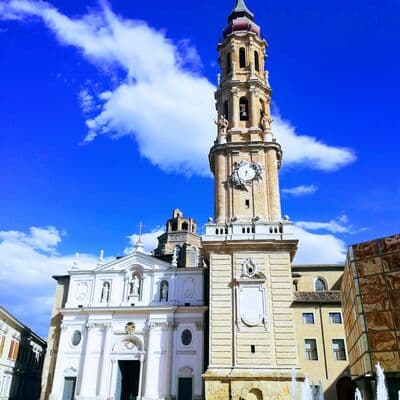
Zaragoza
Zaragoza 2026: What to Know Before Your Trip
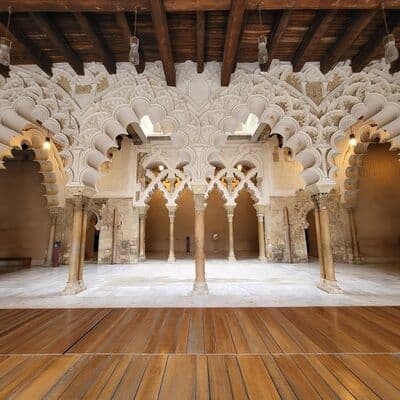
Zaragoza is one of those cities that rarely makes it onto the typical tourist trail through Spain, and that is exactly what makes it worth visiting. Sitting halfway between Madrid and Barcelona on the high-speed rail line, this city of 700,000 has Roman ruins under its streets, a Moorish palace that rivals the Alhambra in detail, and a tapas scene that locals will tell you is better than Barcelona's and cheaper than Madrid's.
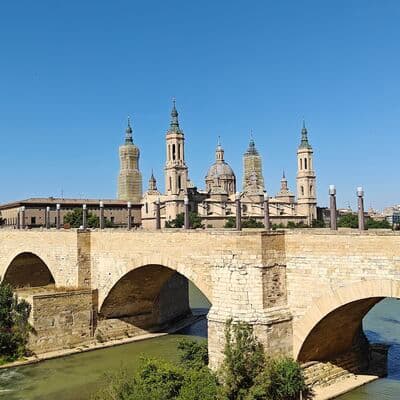
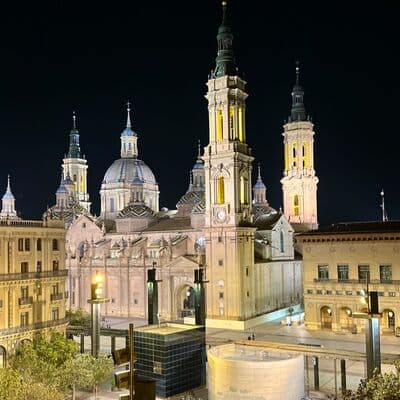
Founded by the Romans as Caesaraugusta in 14 BC, the name wore down through centuries of Visigothic, Moorish, and Christian rule into "Zaragoza." The layers of history are not metaphorical — you can walk through Roman forum ruins beneath a medieval plaza, then look up at a Baroque basilica dominating the skyline. Few cities in Europe pack this much historical density into such a walkable center.
Zaragoza is genuinely good for: history lovers who want substance without crowds, food-obsessed travelers on a budget, people using it as a base for Aragon day trips, and anyone tired of paying Barcelona prices. It is also an excellent 2-3 day stop on a Madrid-Barcelona route — the AVE gets you here in about 75 minutes from either city.
The honest downsides: summer heat is brutal (regularly over 40C / 104F in July-August), nightlife is modest compared to Madrid, and there is no beach. The cierzo wind, a cold northwest gale funneling down the Ebro valley, can make winter days feel much colder. And while the center is beautiful, outer neighborhoods are unremarkable. But if you want authentic Spain — three-course lunch with wine for 14 euros, world-class monuments without tour groups, Spanish spoken on the streets — Zaragoza delivers.
Neighborhoods: Where to Stay
Zaragoza is compact, with most sights within a 2-kilometer radius. But neighborhoods have distinct personalities worth understanding.
Casco Antiguo (Old Town)
The historic core and obvious choice for first-timers. Home to the Basilica of Our Lady of the Pillar, La Seo Cathedral, and Plaza del Pilar. Hotels run 70-150 EUR/night. Streets are narrow, mostly pedestrianized, full of shops and cafes. Downside: noisy on weekend nights.
El Tubo
Technically part of the old town, but deserves its own mention. Zaragoza's legendary tapas quarter — narrow streets between Calle Alfonso I and Calle Don Jaime I, packed with bars serving wine and small plates for decades. Stay here if eating is your priority (it should be). Apartments and boutique hotels, 60-120 EUR/night. Gets loud Thursday through Saturday — bring earplugs if you are a light sleeper.
Distrito Centro
The commercial heart, stretching south along Paseo de la Independencia. More modern, with chain hotels, department stores, good restaurants. Well-connected by tram. Slightly cheaper than the old town at 55-110 EUR/night. Solid if you want convenience without noise.
Delicias
Working-class neighborhood with diverse cheap eats — North African, Chinese, Latin American. The Mercado de Delicias is worth a visit. Apartments 35-60 EUR/night. About 15 minutes by tram to the center. Real, everyday Zaragoza — not polished, but authentic and affordable.
La Almozara
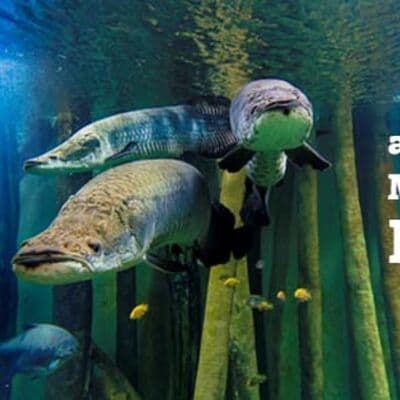
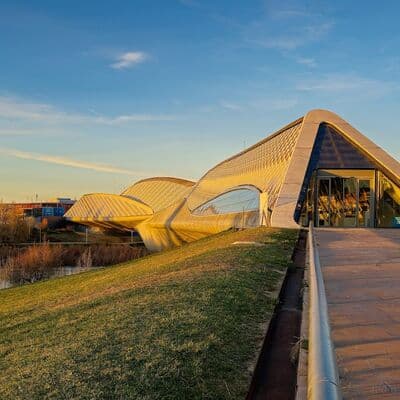
West of the old town, developed during Expo 2008. The Bridge Pavilion and Zaragoza Aquarium are here. Quiet, modern, good for families. Apartments 40-70 EUR/night. Twenty minutes on foot to the old town — pleasant unless the cierzo is blowing.
La Magdalena and San Pablo
Adjacent neighborhoods on the old town edges. La Magdalena has a bohemian, student character — vintage shops, craft beer, vegan cafes. San Pablo is the historic artisan quarter with an impressive UNESCO-listed Mudejar church. Both gentrifying but still local. Accommodation 50-90 EUR/night. Old-town proximity without old-town prices.
University Area and La Romareda
Around the university campus and football stadium. Lively during the academic year with cheap bars and casual restaurants. Farther from sights but well-served by tram. Apartments from 30-55 EUR/night. The Jose Antonio Labordeta Park is a short walk away.
Best Time to Visit
Zaragoza has a semi-arid continental climate: hot summers, cold winters, little rain. When you visit matters more here than in coastal Spanish cities.
Spring (April-June) is the best window. Temperatures 18-28C (64-82F), outdoor dining is pleasant. May is the sweet spot. Downside: Spanish school trips peak in May-June, making some monuments busier on weekday mornings.
Autumn (September-October) is the other prime season. October brings the Fiestas del Pilar — Zaragoza's biggest celebration, about nine days around October 12th. Concerts, parades, flower offerings, fireworks, streets full of festive locals. Hotels fill up and prices jump 30-50%. If you can only visit once, time it for the Fiestas.
Summer (July-August) is tough. Temperatures regularly hit 38-42C (100-108F) in the Ebro valley. The city empties as locals flee to the coast. Many restaurants close for part of August. Upside: air-conditioned museums are nearly empty and hotel prices drop.
Special note — August 12, 2026: A total solar eclipse will be visible from Zaragoza. Expect significant visitor numbers and hotel price surges. Book months in advance.
Winter (November-March) is cold but manageable (2-12C / 36-54F), and the cierzo makes it feel colder. But prices are lowest, crowds nonexistent, and the city has a cozy character perfect for long lunches and wine bars. The Three Kings parade on January 5th is a local highlight. Pack layers and a windproof jacket.
Itinerary: 3 to 7 Days
Three Days: The Essential Zaragoza
Day 1: The Historic Core. Start at Plaza del Pilar by 9:00 for crowd-free photos. The Basilica of Our Lady of the Pillar opens at 6:45 AM — early morning is best for the interior. Take the elevator to the tower for panoramic views (4 EUR, worth it). Walk east to La Seo Cathedral, often overlooked but architecturally more interesting than the Pilar. The tapestry museum inside houses one of Europe's finest collections of Flemish tapestries (about 6 EUR). Then explore the Roman ruins: the Caesaraugusta Forum Museum and Theatre Museum are small but well-presented (45 minutes each). A combined ticket for all four Caesaraugusta museums costs 9 EUR (~$10). Lunch in El Tubo, then afternoon at the Aljaferia Palace — an 11th-century Moorish palace with intricate geometric carvings predating the Alhambra. Allow 90 minutes. Entry about 5 EUR, free on Sundays.
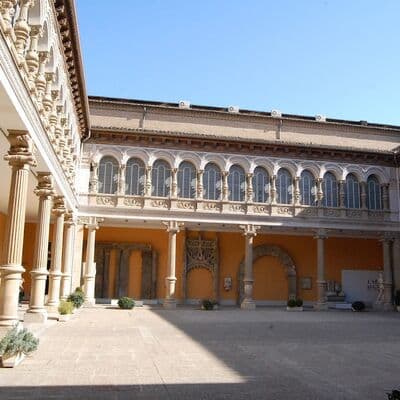
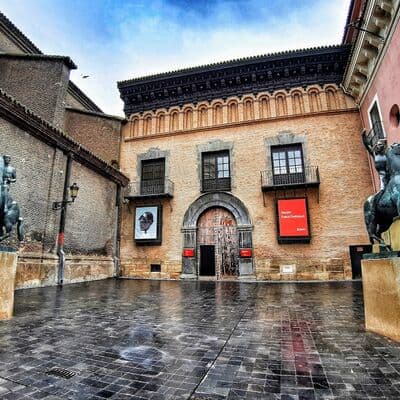
Day 2: Deep Dives and the River. Morning: the remaining Roman museums — Caesaraugusta Public Baths and River Port Museum. Then the Pablo Gargallo Museum in a Renaissance palace — pioneering sculpture, free entry. After lunch, walk the Ebro from the Stone Bridge westward. Cross to the north bank for the classic photograph: basilica reflected in the water. Continue to the Expo 2008 area for the Bridge Pavilion (Zaha Hadid). The Zaragoza Aquarium nearby is surprisingly good, focusing on river ecosystems from five continents. Evening: tapas crawl through El Tubo. Not optional.
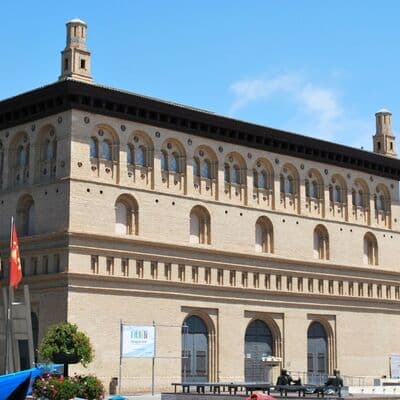
Day 3: Markets, Art, and the Park. Start at the Mercado Central, a magnificent early-1900s building where locals buy produce. Then the Zaragoza Museum for art and archaeology including Goya works (free). Visit La Lonja, the Renaissance exchange building hosting rotating exhibitions (also free). Afternoon: Jose Antonio Labordeta Park, the city's green lung with fountains, a botanical garden, and views from the upper sections. On the walk back, stop for coffee along the Gran Via.
Five Days: Adding Day Trips
Day 4: Monasterio de Piedra. About 120 km southwest, a 12th-century Cistercian monastery surrounded by a natural park with waterfalls, caves, and vegetation that feels tropical — surreal against the dry Aragon landscape. The Cola de Caballo waterfall (50m) is the highlight. Need a car (35-45 EUR/day rental) or organized tour (50-65 EUR including entry). Park entry about 17 EUR. Bring good shoes — trails are uneven.
Day 5: Carinena Wine Region. Aragon's main wine region, 45 minutes south by car. Known for robust Garnacha reds — ironically, this is where the Carignan grape originates, though Garnacha now dominates. Bodegas Grandes Vinos, Paniza, and Solar de Urbezo welcome visitors (book ahead). Tastings 8-15 EUR for 4-5 wines. Combine with lunch in Carinena town.
Seven Days: The Full Aragon Experience
Day 6: Teruel. About 170 km south, one of Spain's most underrated small cities. UNESCO Mudejar towers blending Islamic and Christian architecture. The Mausoleum of the Lovers of Teruel. Dinopolis for kids. Famous for its jamon. Train (2.5 hours) or car (2 hours). A day trip is tight; an overnight is better.
Day 7: Pyrenees Foothills. The Mallos de Riglos — enormous rock formations rising vertically from the plains — are 70 km north. Continue to Sos del Rey Catolico, birthplace of King Ferdinand II, perfectly preserved and nearly tourist-free. Further north, the Monastery of San Juan de la Pena, built into a cliff face. Requires a car and early start, but the landscapes are extraordinary.
Where to Eat: Restaurants and Cafes
El Tubo: The Tapas Quarter
El Tubo requires strategy. Hop between bars, one or two plates at each, with a drink. A cana (small beer) costs 1.50-2.00 EUR, wine about the same, tapas 2-5 EUR each. A full evening — four or five stops — runs 20-30 EUR per person including drinks.
Recommendations (though El Tubo rewards exploration — follow the crowds):
- Bodegas Almau — Operating since 1870. Excellent wines, classic tapas, atmospheric dark-wood interior with decades-long regulars.
- La Ternasca — Slightly upscale, creative touches. The croquetas are outstanding. 4-7 EUR per tapa.
- Dona Casta — Generous portions, great tortilla (a local "best tortilla" contender). Cash only.
- Vinos Nicolas — Tiny standing-room bar with an excellent Aragon wine selection. The owner will guide you through varieties you have never heard of.
- Bar El Champi — All about mushrooms. Signature: champinones stuffed with shrimp in garlic sauce, served sizzling in clay. About 4-5 EUR and essential.
- Meli Melo — Modern, fusion-influenced tapas. Better vegetarian options than traditional bars.
- 7 Golpes — Hearty portions, lively atmosphere, popular with younger locals.
Sit-Down Restaurants
La Prensa — modern Aragonese cuisine in a former newspaper office, mains 15-22 EUR. Los Victorinos near the bullring — traditional, generous, 12-18 EUR. Casa Lac, claiming to be Spain's oldest restaurant (est. 1825) — traditional and reliable, 14-20 EUR, worth it for the history. Restaurante Celebris at Hotel Palafox — fine dining, 50-70 EUR per person.
Cafes and Breakfast
Spanish breakfast is light: cafe con leche and a tostada or pastry, 3-5 EUR. Cafe de Levante in the old town is worth visiting for the historic interior alone. For full brunch, newer cafes along Calle San Miguel run 8-14 EUR.
What to Try: Zaragoza Food
Aragonese cuisine is hearty, meat-heavy, unpretentious — shepherd food elevated by good ingredients and centuries of tradition:
- Ternasco de Aragon — Young lamb roasted simply with garlic and potatoes. DOP-protected, Aragon's signature dish. Tender, mild, nothing like gamey adult lamb. Half-portion usually enough, 14-18 EUR.
- Migas — Fried breadcrumbs with olive oil, garlic, and lard, served with grapes, melon, or a fried egg. Sounds humble, tastes addictive. 8-12 EUR.
- Borrajas — Borage greens, a vegetable you will not find outside Aragon. Boiled with olive oil, sometimes with clams. Ordering borrajas marks you as someone who did their research.
- Bacalao al ajoarriero — Salt cod with tomatoes, peppers, garlic. Rich and intense. 12-16 EUR.
- Huevos rotos — Fried eggs over fried potatoes, yolks broken so they run together. Often topped with jamon or chorizo. Simple, cheap (7-10 EUR), perfect after a long day.
- Champinones al ajillo — Garlic mushrooms sizzling in ceramic, with bread for the oil. Particularly associated with El Tubo. 4-6 EUR as a tapa.
- Longaniza de Aragon — Cured sausage, drier than chorizo, seasoned with black pepper and anise. Perfect with local red wine.
- Frutas de Aragon — Candied fruits dipped in dark chocolate. Excellent gifts. 8-15 EUR per box at pastelerias.
- Adoquines del Pilar — Chocolate-hazelnut-caramel candies shaped like cobblestones. Touristy but delicious.
What NOT to order: Paella. Zaragoza is 300 km from the coast. Any restaurant prominently advertising paella here is targeting tourists.
For vegetarians: Traditional Aragonese cuisine is not vegetarian-friendly, but borrajas, champinones, migas (without pork), huevos rotos (without meat), and ensaladas work well. Newer restaurants in La Magdalena have better vegetarian selections.
Local Secrets and Tips
- Menu del dia is your best friend. Most restaurants offer a daily set lunch (Monday-Friday, 13:00-16:00): first course, second course, dessert, bread, and a drink for 12-16 EUR. Same quality as the regular menu. This is how locals eat and the best way to eat well on a budget in Spain.
- Go to El Tubo on weekdays. Tuesday through Thursday evenings: same food, calmer bars, relaxed bartenders, locals instead of tourists.
- Respect the siesta. 14:00-17:00, many shops and some museums close. Embrace it — use the time for a long lunch or your own rest.
- Sunday vermouth is a ritual. Sundays 12:00-14:00, locals gather for el vermut — vermouth on tap with a small tapa. Join in at any old-town bar. About 2-3 EUR.
- The cierzo is no joke. Cold northwest wind, gusts over 80 km/h (50 mph), can drop perceived temperature by 10C. Check forecasts. Carry a windproof layer even in spring. Upside: the day after a cierzo is perfect for photos — crystal-clear sky.
- Check the Goya Museum status. Intermittent closures for renovation in recent years. Verify online before planning around it. The Zaragoza Museum has Goya works for free as a backup.
- The Zaragoza Card saves money. Around 20-33 EUR (24/48/72 hours). Free entry to major museums, free public transport, restaurant discounts. Worth it for 2-3 day visits with multiple paid attractions. Available at the tourist office on Plaza del Pilar.
- Try zurracapote. Traditional Aragonese spiced wine punch — peaches, cinnamon, sugar, lemon. Richer than sangria. Popular during Fiestas del Pilar, but some bars serve it year-round. About 3 EUR.
- Free attraction days. Aljaferia Palace: free Sundays. Pablo Gargallo Museum and Zaragoza Museum: always free. La Lonja: always free. Caesaraugusta museums: free first Sunday of each month.
- Goya connection. Born in Fuendetodos (45 km south) in 1746, trained in Zaragoza, painted early frescoes in the Basilica del Pilar. Day trip to his birthplace museum takes about 90 minutes total.
- Tipping is minimal. Round up the bill or leave a euro or two. At tapas bars, most leave nothing or spare change. At sit-down restaurants, 5-10% is generous.
- Dinner starts at 21:00. Kitchens open 20:30-21:00. Showing up at 19:00 means closed kitchens or tourist traps. Have a merienda (snack) around 18:00. El Tubo bars open earlier (19:00-19:30) to bridge the gap.
Transport and Connectivity
Getting to Zaragoza
By train (AVE): The best option. Zaragoza-Delicias is on Spain's high-speed network. Madrid: 75-90 min. Barcelona: 75-90 min. Advance fares as low as 15-25 EUR via renfe.com; last-minute up to 60-80 EUR. The station is 2 km west of center (10 min by tram or taxi).
By air: Zaragoza Airport (ZAZ) has limited connections — mainly Ryanair to London, Brussels, Milan. Most international visitors fly into Madrid or Barcelona and take the AVE (about 2.5 hours total including airport transit). Taxi from ZAZ to center: 25-30 EUR; bus about 2 EUR.
By bus: ALSA (alsa.es) runs frequent services. Cheaper but slower — Madrid 3.5 hours, Barcelona 4 hours. Fares 10-20 EUR. Bus station adjacent to the train station.
Getting Around
Walking: Most attractions within 20 minutes of Plaza del Pilar. The primary and most pleasant way to see the city.
Tram: Single line running north-south through center. 0.70 EUR with rechargeable card, 1.35 EUR cash. Every 5-7 minutes daytime.
Buses: Extensive network, same fares. AUZSA app for real-time tracking.
Transport card: Tarjeta Bus-Tran — 3 EUR to buy, rides at 0.70 EUR instead of 1.35. Available at estancos (tobacco shops) and the tourist office.
Bikes: BiZi bike-sharing, about 1-2 EUR/ride. City is flat with decent bike lanes — except when the cierzo makes pedaling west feel like pushing through a wall.
Taxis: Metered, reasonable. Cross-city rarely exceeds 8-10 EUR. Uber does not operate here; use the Pidetaxi app.
Car rental: Unnecessary in the city but useful for day trips. Europcar, Sixt, Hertz at the station and airport. 30-50 EUR/day. City center parking in garages runs 15-20 EUR/day.
Connectivity
WiFi: Available in most hotels and many cafes. Quality varies.
SIM/eSIM: For US travelers without European roaming, eSIMs from Airalo or Holafly cost 8-15 USD. Physical SIMs from Vodafone/Movistar/Orange start at 10-15 EUR at shops on Paseo de la Independencia. EU travelers roam free.
Useful apps: Google Maps for navigation. Google Translate (download Spanish offline). Renfe for trains. Pidetaxi for cabs. Moovit or AUZSA for buses. Note: Spanish restaurants on Google tend to score lower than equivalent places elsewhere — a 4.2 in Zaragoza is genuinely good.
Who Zaragoza Is For: Summary
Ideal for: history enthusiasts who want depth without crowds, food lovers on a budget, Madrid-Barcelona route travelers looking for a worthwhile stop, culture seekers who appreciate Roman, Moorish, and Christian heritage layered in one walkable city, and anyone who values authenticity over Instagram backdrops.
Less ideal for: beach seekers (nearest coast 3+ hours), nightlife-focused travelers, families with very young children needing constant entertainment, and anyone who cannot handle extreme heat (summer) or persistent cold wind (winter).
How many days: Two days for highlights. Three for the city. Five to seven with day trips into the Aragon countryside, where the region truly shines. Zaragoza rewards slower travel — not a city of blockbuster attractions but of accumulated pleasures: a perfect tapa here, a quiet Roman ruin there, a sunset over the Ebro that no one else is photographing. In a country increasingly overwhelmed by tourism, Zaragoza remains refreshingly itself. Go before that changes.