Siwa Oasis
Siwa Oasis 2026: What You Need to Know
Siwa is not just another Egyptian destination. This remote oasis, sitting 50 kilometers from the Libyan border and 560 kilometers from Cairo, operates on its own timeline. The 33,000 Siwans speak their own Berber language (Siwi), follow their own traditions, and have spent centuries largely ignoring whatever empire claimed to rule them. Alexander the Great made the journey here in 331 BC to consult the Oracle. Today, travelers come for something equally rare: genuine isolation in an age of overtourism.
The oasis spreads across a depression 18 meters below sea level, fed by over 200 freshwater springs. Date palms carpet the valley floor, salt lakes shimmer on the outskirts, and the Great Sand Sea begins where the greenery ends. This is the Western Desert at its most dramatic, where you can soak in hot springs at sunset, explore ancient tombs at sunrise, and sleep under more stars than you thought existed.
Quick facts for planning: Siwa has no airport. The nearest one is Marsa Matruh (300 km, 4 hours by car). Most visitors take a bus from Cairo (8-10 hours) or Alexandria (8 hours). The oasis has one main town, also called Siwa, with a population of about 23,000. Peak season runs October through April. Summer temperatures regularly exceed 45C (113F). Wi-Fi exists but is unreliable. Card payments are rare. ATMs exist but sometimes run dry. This is a place that rewards preparation.
Budget snapshot: Siwa is remarkably affordable. Budget travelers can manage on $25-35/day including accommodation, food, and basic activities. Mid-range visitors spending $60-80/day get comfortable hotels, desert safaris, and restaurant meals. Even luxury options rarely exceed $150/day for premium eco-lodges with full-board.
Siwa Neighborhoods: Where to Stay
Siwa town is small enough to walk across in 20 minutes, but where you stay significantly impacts your experience. The oasis has distinct areas, each with different vibes and price points.
Central Siwa (Around the Market)
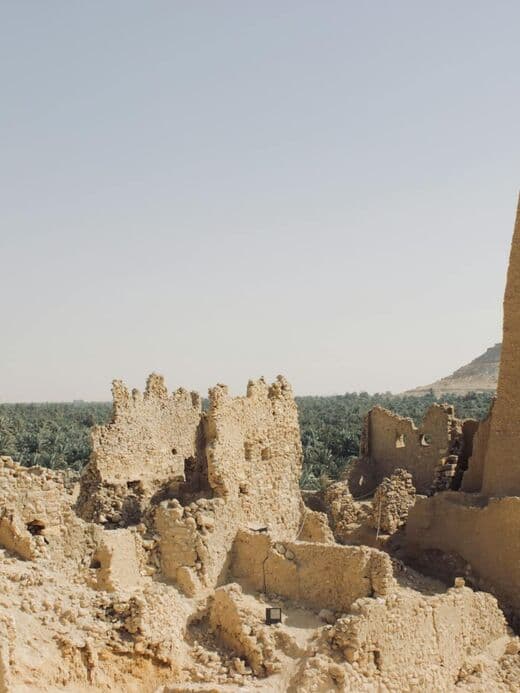
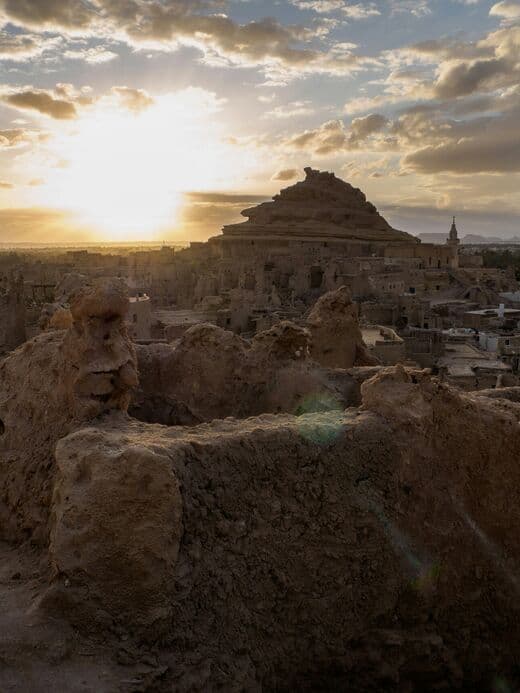
This is the beating heart of the oasis. The main market square hosts fruit vendors, spice sellers, craft shops, and the town's few restaurants. The crumbling Shali Fortress looms above, its mud-brick ruins glowing golden at sunset. Staying here puts you within walking distance of everything: the bus station (important for departure days), the market, restaurants, and the main springs.
Pros: Most convenient location. Budget-friendly options. Easy access to food and transport. Atmosphere of daily Siwan life.
Cons: Can be noisy (donkey carts, calls to prayer, market activity). Less scenic than peripheral areas. Limited parking if you have a vehicle.
Price range: $8-15 for basic guesthouses, $25-40 for mid-range hotels with air conditioning.
Best for: Budget travelers, solo visitors, those relying on public transport, first-timers wanting central access.
Shali Area (Upper Town)
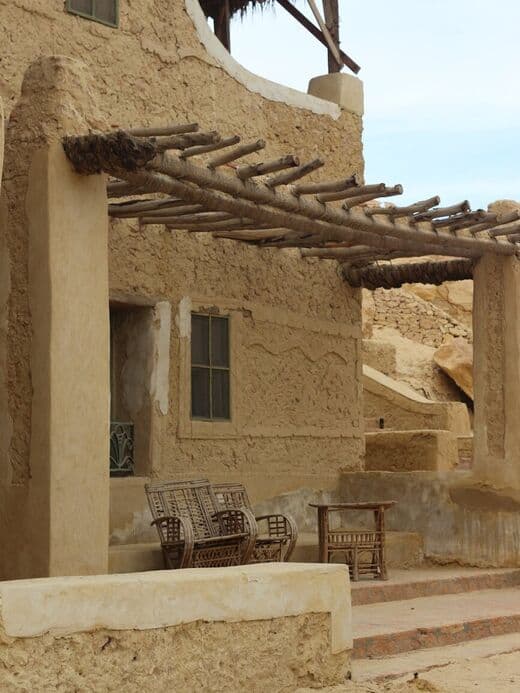
The neighborhoods climbing up toward and around the old fortress offer the best views in Siwa. Several boutique hotels have been built using traditional kershef (salt-rock and mud) construction, blending into the ancient landscape. The trade-off is more walking (and climbing) to reach the market and restaurants below.
Pros: Stunning views over the palm groves. Quieter than central Siwa. Unique architecture. Sunset views from your terrace.
Cons: Steep paths not suitable for everyone. Further from restaurants. Can feel isolated at night.
Price range: $35-70 for boutique guesthouses, $80-120 for premium kershef hotels.
Best for: Couples seeking romance, photographers, those prioritizing atmosphere over convenience.
Aghurmi Area (Near the Oracle Temple)
About 4 kilometers east of central Siwa, Aghurmi sits on a rocky outcrop that once held the famous Temple of the Oracle. This area feels like a separate village, quieter and more traditional than Siwa town. A handful of eco-lodges have opened here, offering proximity to both the temple and Cleopatra's Spring.
Pros: Extremely peaceful. Walking distance to major ancient sites. Authentic village atmosphere. Fewer tourists.
Cons: Requires bicycle or taxi to reach central Siwa. Limited dining options. Can feel too quiet for some.
Price range: $20-50 for eco-lodges and guesthouses.
Best for: History enthusiasts, those seeking deep quiet, travelers with their own transport.
Lake Area (Birket Siwa)
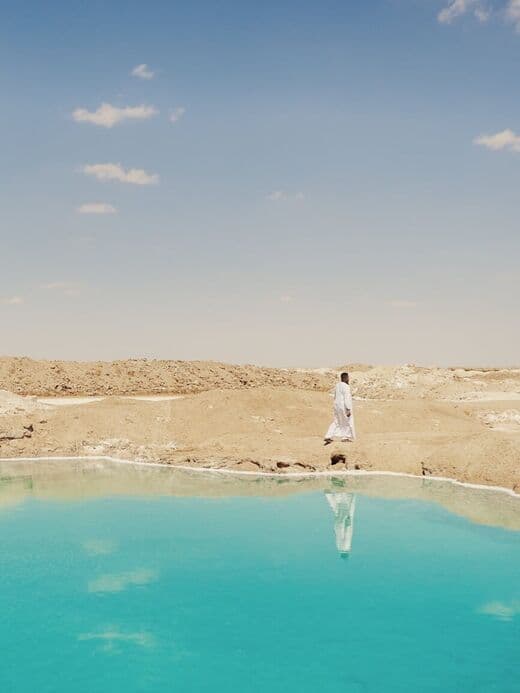
The salt lakes west of town have attracted several upscale properties. Fatnas Island, a palm-covered islet in the lake, is a famous sunset spot. Staying out here means waking up to water views and having easy access to the lakes for floating (the salt content makes you buoyant, similar to the Dead Sea).
Pros: Beautiful lake views. Direct access to salt lake swimming. Peaceful environment. Best sunsets in Siwa.
Cons: 3-4 km from central Siwa. Mosquitoes can be aggressive at dusk. Requires transport for most activities.
Price range: $50-150 for lake-view lodges.
Best for: Nature lovers, those seeking relaxation over sightseeing, guests with vehicles.
Desert Edge (Toward the Sand Sea)
A few properties have set up where the oasis meets the Great Sand Sea. These range from basic desert camps to the famous Adrere Amellal eco-lodge (entirely off-grid, no electricity, candle-lit). Staying here is about disconnection and immersion in the landscape.
Pros: Unbeatable stargazing. Ultimate escape from modern life. Unique desert experience. Stargazing camps offer once-in-a-lifetime nights.
Cons: Remote from all services. No electricity at some properties. Expensive at the luxury end. Not practical for short stays.
Price range: $30-50 for basic camps, $200-400 for Adrere Amellal (all-inclusive).
Best for: Adventure seekers, photographers, honeymooners wanting total seclusion, those with 4+ nights in Siwa.
Best Time to Visit Siwa
October to November: The Golden Window
These two months represent Siwa at its absolute best. Summer heat has broken (daytime highs around 28-32C / 82-90F), date harvest is underway, and the oasis buzzes with agricultural activity. The famous Siwa Date Festival typically falls in October, bringing traditional music, dancing, and ceremonies. Prices remain moderate because international tourism has not yet peaked.
What to expect: Comfortable temperatures for desert activities. Excellent conditions for swimming in springs. Clear skies for stargazing. Dates fresh from the palm. Occasional dust storms possible but rare.
Booking tip: Reserve 2-3 weeks ahead for mid-range and luxury properties. Budget options usually available on arrival.
December to February: Peak Season
Winter brings the crowds, such as they are in Siwa. Europeans escaping cold weather and Egyptians on holiday fill the better hotels. Daytime temperatures hover around 18-22C (64-72F), perfect for exploring. Nights get genuinely cold, dropping to 5-8C (41-46F). The desert can be chilly, especially at Bir Wahed after sunset.
What to expect: The most tourists you will see in Siwa (still nothing like Luxor). Higher prices at popular hotels. Ideal hiking and cycling weather. Cold nights require warm layers. Hot springs feel especially wonderful.
Booking tip: Reserve 4-6 weeks ahead for December-January, especially around Christmas/New Year. Safari operators get booked out.
March to April: Shoulder Season
Spring in Siwa brings warming temperatures and the start of date palm flowering. March remains pleasant (24-28C / 75-82F), but April can turn hot quickly. Khamaseen winds (hot, dusty winds from the south) occasionally blow through. Tourist numbers drop after February, and prices follow.
What to expect: Fewer tourists, better deals. Increasingly hot afternoons. Occasional sandstorms. Springs and lakes at perfect swimming temperature. Date palms in bloom attracting birds.
Booking tip: Good availability at most properties. Negotiate discounts at hotels, especially for multi-night stays.
May to September: The Hard Months
Summer in Siwa is brutal. Temperatures regularly exceed 45C (113F), sometimes hitting 50C (122F). The oasis essentially shuts down for tourism. Most safari operators stop running trips. Even locals avoid midday movement. However, if you can handle the heat, you will have the oasis almost entirely to yourself.
What to expect: Extreme heat making most outdoor activities impossible between 10am and 6pm. Deserted sites and empty hotels. Dramatic price drops (40-60% off). Hot springs become uncomfortably hot. Night activities and early morning remain feasible.
Booking tip: Walk-in availability everywhere. Negotiate hard. Make sure your accommodation has working air conditioning.
Important Festivals and Events
Siwa Date Festival (October): Three-day celebration of the date harvest with traditional Siwan music, dancing, and marriage ceremonies. Dates vary yearly. Check with locals or tour operators.
Full Moon Desert Camps: Several operators organize special full moon camping trips into the Great Sand Sea. The dunes under moonlight are otherworldly. Book 2-3 weeks ahead.
Ramadan: During the Islamic holy month, most restaurants close during daylight hours. Non-Muslim visitors can eat in hotels but should be respectful in public. Evening iftars (breaking of fast) are festive occasions. Dates shift yearly with the lunar calendar.
Siwa Itinerary: 2 to 5 Days
Day 1: Arrival and Orientation
Morning/Afternoon (if arriving early): Most buses from Cairo arrive between 6am and 8am after overnight travel. Check into your hotel, shower off the journey, and get breakfast. The central market has simple fuul (fava bean) shops opening by 7am. Coffee at one of the cafes overlooking the market square costs 15-25 EGP ($0.50-0.80).
4:00pm: Start with Shali Fortress. The ruined mud-brick citadel takes about an hour to explore. Climb carefully through the crumbling passageways to the top for panoramic views. Entry is free but hiring a local guide (100-150 EGP / $3-5) adds context about Siwan history and the 1926 rainstorm that destroyed much of the structure.
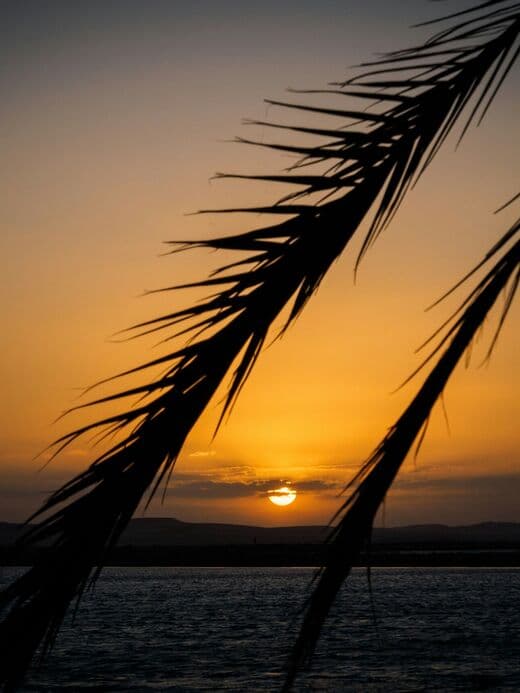
5:30pm: Head to Fatnas Island for sunset. This palm-covered islet in the salt lake, 6 km from town, is Siwa's signature sunset spot. Rent a bicycle (50-80 EGP/day) or take a tuk-tuk (30-50 EGP one way). Order tea or hibiscus juice at the small cafe, find a spot among the palms, and watch the sky turn orange over the dunes. Return after dark by the same route (bring a light for cycling).
8:00pm: Dinner in central Siwa. Try Abdu Restaurant near the market for grilled chicken, rice, and vegetables (80-120 EGP / $2.50-4 per person).
Day 2: Ancient Siwa
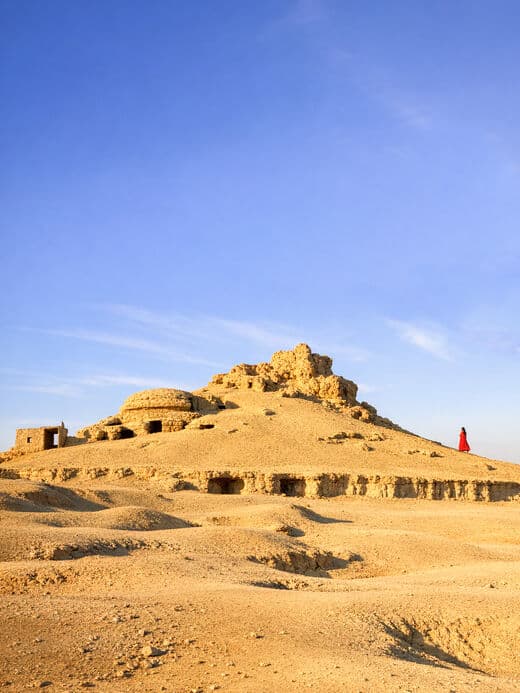
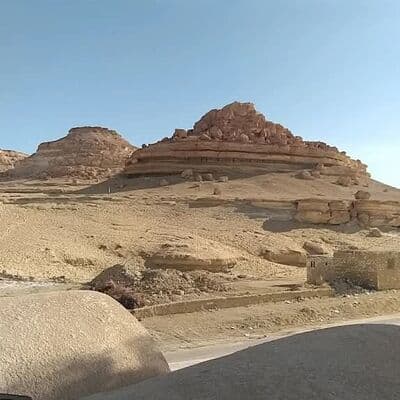
7:00am: Early start to beat the heat. Bicycle or tuk-tuk to Gebel al-Mawta (Mountain of the Dead), 2 km north of town. This conical hill is honeycombed with Ptolemaic and Roman-era tombs. The guardian unlocks the main decorated tombs (Tomb of Si-Amun is the best preserved with intact paintings). Official entry is 60 EGP ($2), tip the guardian 20-30 EGP. Allow 1-1.5 hours.
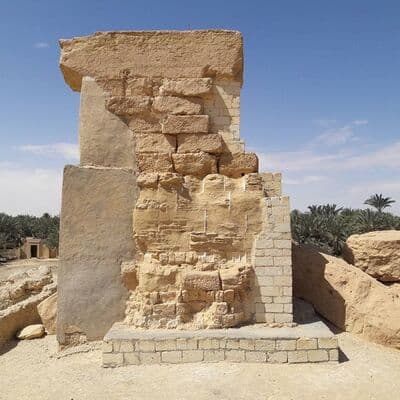
9:30am: Continue to Temple of the Oracle in Aghurmi village, where Alexander the Great received confirmation of his divine status in 331 BC. Little remains of the original temple, but the views from the rocky outcrop are excellent. Entry 60 EGP ($2). Combine with the nearby Temple of Umm Ubayd, mostly destroyed but atmospheric ruins surrounded by palms.
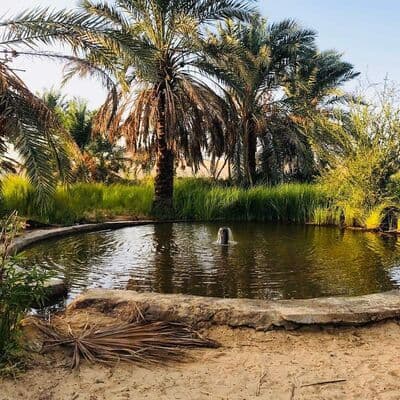
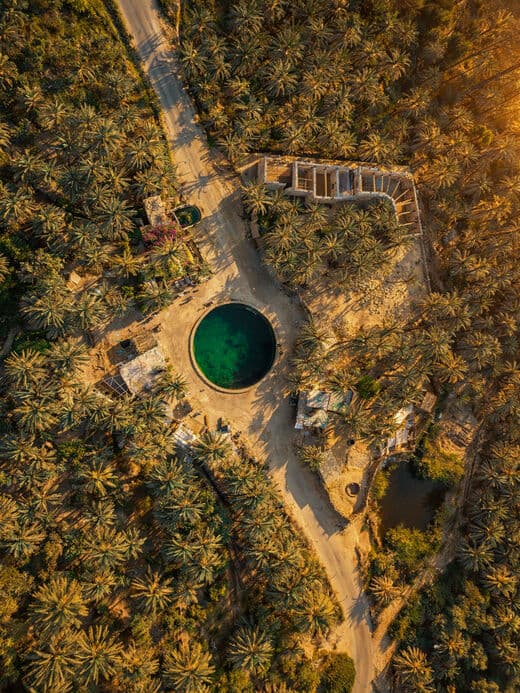
11:00am: Cool off at Cleopatra's Spring, a large circular pool fed by a natural spring. Despite the name (purely marketing), the pool is genuinely refreshing. Entry 30 EGP ($1). Bring swimwear. The water is clear and around 28C year-round. A small cafe serves tea and snacks.
1:00pm: Return to town for lunch and midday rest. Siwa shuts down between 1pm and 4pm. Follow the local rhythm.
4:30pm: Visit Siwa House Museum for insight into traditional Siwan life. This small private museum displays clothing, jewelry, household items, and wedding traditions. Entry 50 EGP ($1.50). The owner or his family often provide personal tours.
6:00pm: Walk through the palm groves as the light softens. The irrigation channels, fed by natural springs, create paths winding through the date plantations. No entry fee but respect agricultural areas. This is one of Siwa's most peaceful experiences.
Day 3: Desert Safari
This is the highlight for most visitors. A desert safari into the Great Sand Sea typically runs from around 2pm to 9pm (half-day) or can extend to overnight camping.
Morning: Sleep in or revisit favorite spots. Swim at Cleopatra's Spring if you missed it. Pack for the desert: warm layers for after sunset, camera, phone charger (cars have USB ports), swimwear for the hot spring.
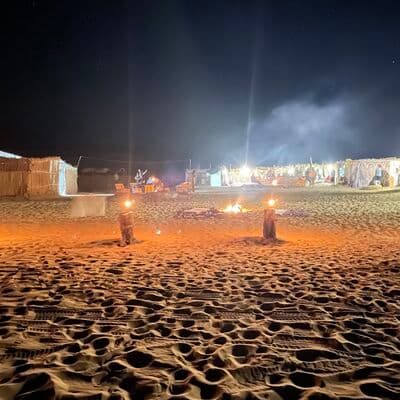
2:00pm: Your driver (and usually guide) picks you up in a 4x4. Standard half-day safaris visit the salt lakes for floating, drive into the dunes for sandboarding, watch sunset from a high dune, and finish at Bir Wahed hot spring for a soak under the stars. Bedouin tea and sometimes a simple dinner included.
Costs: Half-day safari: 1200-1800 EGP ($40-60) per person in a shared group (4-6 people). Private safari: 3000-4500 EGP ($100-150) for the vehicle. Overnight camping adds 1500-2500 EGP ($50-80) including dinner, breakfast, and camping equipment.
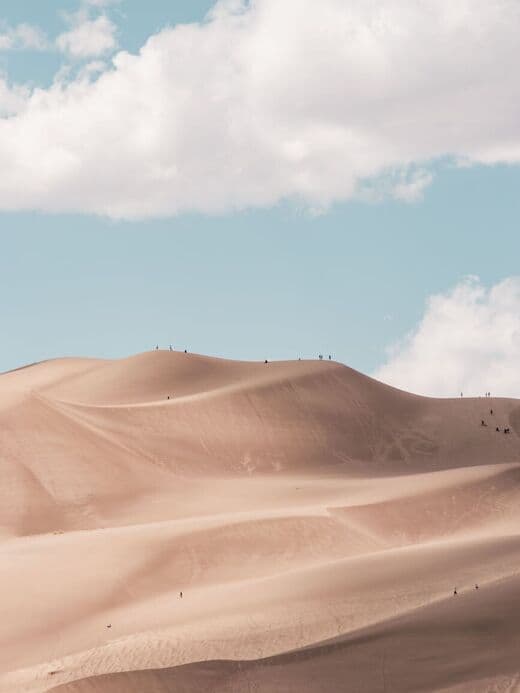
What to expect: The Great Sand Sea is one of the world's largest dune fields, stretching into Libya. The experience involves fast driving over dunes (thrilling or terrifying depending on your perspective), stops for photography, sandboarding (simple boards provided), and genuine silence when the engine stops. The hot spring at Bir Wahed, 40 km into the desert, is a natural pool surrounded by palms in the middle of nowhere. Floating in warm water while watching stars appear is unforgettable.
9:00pm: Return to Siwa. Light dinner or straight to bed.
Day 4: Deeper Into Siwa (If You Have Time)
7:00am: Climb Mount Dakrur for sunrise. This small mountain, 4 km southeast of town, offers 360-degree views of the oasis. The climb takes about 30 minutes. Bring water and a flashlight for the pre-dawn approach. Watch the oasis wake up as light floods the palm groves.
9:00am: Breakfast in town, then rent a bicycle for a self-guided tour of the palm plantations. The area around Aghurmi has excellent paths through the groves. Stop at smaller springs that tourists rarely visit (ask your hotel for directions). Carry water and snacks.
12:00pm: Return for lunch and siesta.
4:00pm: Therapeutic sand bath experience at Mount Dakrur. Local healers bury visitors neck-deep in hot sand, believed to treat rheumatism and joint pain. Sessions last 20-30 minutes and cost 200-300 EGP ($6-10). Even if you are skeptical about health benefits, it is a unique experience. Best June-September when the sand is hottest, though available year-round.
6:00pm: Final sunset at the salt lakes. Float in the hyper-saline water (more buoyant than the Dead Sea), wash off in one of the freshwater channels, and watch the colors change over the dunes.
Day 5: Extended Options
For those with more time, consider:
Overnight desert camping: Push deeper into the Great Sand Sea for stargazing and camping. Without light pollution, the Milky Way is so bright it casts shadows. Sleep on mattresses in the open or in simple tents. Costs 2000-3500 EGP ($65-115) per person including meals and camping gear.
Fossil hunting: The desert around Siwa contains prehistoric fossils including whale bones (yes, this was once underwater). Tours to fossil sites run about 1500-2000 EGP ($50-65) for a half-day.
Village visits: Arrange through your hotel to visit outlying Siwan villages. These are more traditional than Siwa town, but require a guide and appropriate cultural sensitivity.
Spa day: Several hotels offer traditional Siwan treatments including salt scrubs, olive oil massages, and mineral baths. Prices range from 300-800 EGP ($10-25) depending on treatment and venue.
Where to Eat in Siwa: Restaurants and Cafes
Siwa is not a culinary destination. The food is simple, portions are generous, and options are limited. That said, eating well on a budget is easy, and a few spots stand out.
Traditional and Local
Abdu Restaurant: The default choice for most visitors. Located near the central market, Abdu serves straightforward grilled chicken, kofta, rice, and salads. The rooftop has views of Shali Fortress. Expect 80-150 EGP ($2.50-5) per person. No alcohol. Cash only.
Nour el-Waha: Slightly more upscale than Abdu with a pleasant garden setting. The menu includes tagines, grilled meats, and decent vegetarian options. Portions are large. Around 120-200 EGP ($4-6.50) per person. Reservations useful in peak season.
Kenooz Siwa: Hotel restaurant open to non-guests. More refined Egyptian cuisine including stuffed pigeon and lamb dishes. Atmospheric courtyard setting. Budget 200-350 EGP ($6.50-11) per person.
Budget Eats
Market fuul shops: Several hole-in-the-wall spots around the market serve fuul (mashed fava beans), taameya (Egyptian falafel), and fresh bread from early morning. A filling breakfast costs 20-40 EGP ($0.65-1.30). Look for the crowds.
Shawarma stands: A couple of stands near the bus station sell decent shawarma sandwiches for 30-50 EGP ($1-1.60). Quick, filling, and open late by Siwa standards.
Grocery stores: For self-catering, small shops around the market sell bread, cheese, dates, nuts, and basic supplies. The freshness of dates bought directly from sellers in the market is incomparably better than packaged versions.
Cafes and Drinks
Fatnas Island cafe: More about the setting than the drinks, but the hibiscus tea (karkade) is refreshing. Perfect for sunset. Tea/juice 20-40 EGP ($0.65-1.30).
Central square cafes: Several cafes around the main square serve Turkish coffee, tea, and fresh juices. These are male-dominated spaces in evenings but welcoming to tourists of all genders. Great for people-watching.
Taziry Ecolodge: The restaurant at this eco-lodge serves perhaps the best food in Siwa, using organic produce from their gardens. Open to non-guests for lunch and dinner but call ahead. Expect 250-400 EGP ($8-13) per person for a full meal.
Practical Notes
Alcohol: Officially, Siwa is dry. There is no alcohol sold anywhere in the oasis. Bringing your own is technically possible but culturally insensitive. Most visitors manage fine without for a few days.
Hours: Restaurants open early (6-7am for breakfast), close for siesta (roughly 2-5pm), and close early by Western standards (9-10pm). Plan accordingly.
Dietary restrictions: Vegetarian options exist but are limited (fuul, taameya, salads, omelets, rice). Vegan is challenging outside of market produce. Gluten-free is very difficult as bread is central to every meal. Inform restaurants in advance if possible.
What to Try: Siwa Food
Siwan cuisine is simple, hearty, and built around local ingredients. Here are the essential tastes:
Tagine (tajin): Slow-cooked stews of chicken or lamb with vegetables, served in the clay pot. A proper Siwan tagine includes dates, which add sweetness. Expect 100-180 EGP ($3.25-6).
Siwan dates: The oasis produces some of Egypt's finest dates, particularly the Saidi variety. Buy them fresh from market vendors during harvest season (October-November) for 30-60 EGP ($1-2) per kilogram. Dried dates available year-round.
Siwan olives: The local olives are small, intensely flavored, and often cured in the traditional method. A bag from the market costs 40-70 EGP ($1.30-2.30). Also try the local olive oil, considered among Egypt's best.
Gebna beida: White cheese made from sheep or goat milk, ranging from fresh and mild to aged and sharp. Served at breakfast or as a side. Local version is creamier than commercial Egyptian feta. Around 50-80 EGP ($1.60-2.60) per portion at restaurants.
Shay bil na'na: Mint tea, sweet and strong, the default drink of the oasis. Served in small glasses, often three rounds minimum. Free at most cafes with food order, or 15-25 EGP ($0.50-0.80) on its own.
Karkade: Hibiscus tea, served hot or cold. The cold version is intensely refreshing in the heat. Rich in vitamin C and naturally tart, though usually sweetened. 20-35 EGP ($0.65-1.15).
Tamr hindi: Tamarind juice, another refreshing option. Sweet-sour and served cold. 25-40 EGP ($0.80-1.30).
Siwan pancakes (feteer): Layers of thin dough, sometimes stuffed with cheese or cooked with sugar and honey. A breakfast staple or sweet snack. 40-80 EGP ($1.30-2.60) depending on size and filling.
Lamb or chicken meshwi: Simple grilled meat, usually served with rice and salad. The default dinner option at most restaurants. 100-180 EGP ($3.25-6) per portion.
Siwa Secrets: Local Tips
1. Bring cash. Lots of it. Siwa has exactly two ATMs (both in the central area), and they frequently run out of money, especially on weekends and holidays. Card payments are accepted almost nowhere. Bring enough Egyptian pounds for your entire stay plus a reserve. The nearest reliable ATMs are in Marsa Matruh, four hours away.
2. Download offline maps before arriving. Mobile data is spotty throughout the oasis and nonexistent in the desert. Google Maps works offline if you download the area beforehand. Maps.me is another good option with more detailed trail information.
3. The best time for Cleopatra's Spring is early morning. Most tourists arrive mid-morning. Between 6:30-8am, you might have the pool to yourself. The light is beautiful, the water is cool, and tour groups have not yet mobilized.
4. Negotiate desert safari prices, but not too aggressively. Prices have a floor below which drivers cannot cover their costs (fuel is expensive, vehicles break down often). A reasonable negotiation might save you 10-15%, but trying to halve the price will get you rejected or stuck with an unreliable operator.
5. Bring layers for the desert. Daytime can be hot even in winter, but temperatures drop dramatically after sunset. A sweater or light jacket is essential for evening desert trips. In winter, bring a proper warm layer.
6. Female travelers: pack modest clothing. Siwa is conservative even by Egyptian standards. Cover shoulders and knees in town, and consider loose-fitting clothes. Swimwear is fine at the springs and lakes but not walking around town. You will be welcomed warmly if you show respect for local norms.
7. The second day in the desert is better than the first. If you have time for an overnight safari, do it. The first day is exciting, but by the second day, you have adjusted to the rhythm. Dawn in the dunes, with no sound except wind, is transcendent.
8. Learn a few words of Siwi. Most Siwans speak Arabic and many speak some English, but greeting people in their own language earns genuine warmth. Azul (hello), tanmirt (thank you), and manish (how are you?) go a long way.
9. The Mountain of the Dead is best at opening time. The guardian unlocks the main tombs at 9am. Arrive then for undisturbed time in the painted chambers before tour groups arrive.
10. Bring your own snorkel or goggles. The springs are crystal clear, and while there are no fish to see, looking at the sandy bottom and watching bubbles rise from the spring source is surprisingly mesmerizing. No one sells snorkels in Siwa.
11. The salt lakes sting if you have cuts. Even tiny cuts you did not know you had will announce themselves dramatically. Check yourself before floating. The upside: the salt is supposedly good for skin conditions.
12. Do not photograph women without permission. This applies everywhere in Egypt but especially in conservative Siwa. When in doubt, do not point your camera at people. Landscapes and buildings are always fine.
Transport and Connectivity
Getting to Siwa
From Cairo by bus: West and Mid Delta buses depart from Cairo's Turgoman station. The journey takes 8-10 hours depending on stops. Buses leave around 7:30am, 1pm, and 10pm. Night buses arrive early morning. Tickets cost 200-280 EGP ($6.50-9) one way. Book at the station or through hotel concierges in Cairo. Comfort level is basic but adequate.
From Alexandria by bus: Buses depart from Moharam Bey station. The journey takes about 8 hours via the coast road through Marsa Matruh. Departures usually morning and late afternoon. Around 180-250 EGP ($6-8). This route offers Mediterranean views for the first half.
From Marsa Matruh: Microbuses (shared minivans) run when full, taking 4 hours. Cost around 100-150 EGP ($3.25-5). Less comfortable but more frequent than long-distance buses. The road to Siwa is good quality but empty.
By private car: The drive from Cairo takes 7-8 hours via the desert road through Marsa Matruh. From Alexandria, about 7 hours. The roads are good but long and monotonous. Fuel stations are sparse on the desert stretch, so fill up in Marsa Matruh. A 4x4 is not necessary for the main roads but useful if you plan self-drive desert excursions.
By private transfer: Hotels and tour operators arrange private car transfers. Expect 3500-5000 EGP ($115-165) one way from Cairo, 2500-3500 EGP ($80-115) from Alexandria. Comfortable and convenient but expensive.
Flying: The nearest airport is Marsa Matruh (MUH), served by seasonal flights from Cairo on EgyptAir. In winter, charter flights sometimes arrive from Europe. From the airport, arrange a transfer to Siwa in advance (4 hours, 1500-2000 EGP / $50-65 for a private car).
Getting Around Siwa
Walking: Central Siwa is entirely walkable. The market, main hotels, Shali Fortress, and restaurants are all within 10-15 minutes of each other.
Bicycles: The best way to explore. Rental shops around the market charge 50-100 EGP ($1.60-3.25) per day. The terrain is flat, paths are reasonable, and distances are short. Bring your own lock or stay close to your bike.
Donkey carts (karetta): Traditional Siwan transport, still common. Negotiate prices before boarding. Short hops around town cost 20-50 EGP ($0.65-1.60). Slower but atmospheric.
Tuk-tuks: Three-wheeled motorized rickshaws are everywhere. Agree on price before departure. Within town: 20-40 EGP ($0.65-1.30). To Fatnas Island or the temples: 40-80 EGP ($1.30-2.60) one way. Waiting time should be negotiated separately for round trips.
4x4s: Necessary for desert excursions. Book through your hotel or safari operators. Cannot be rented for self-drive unless you have off-road experience and knowledge of the desert (getting stuck in the Sand Sea alone is dangerous).
Internet and Communications
Mobile coverage: Vodafone and Orange have coverage in Siwa town. Signal is weak to nonexistent in the desert and patchy in outlying areas. 4G works but slowly. Buy a local SIM in Cairo or Alexandria before arriving.
Wi-Fi: Most hotels offer Wi-Fi, but speeds are frustrating. Uploading photos can take hours. Video calls are usually impossible. Plan to disconnect.
Important: No mobile coverage in the desert. Desert safaris mean true disconnection. Inform people at home that you may be unreachable for 24-48 hours.
Who Siwa is For: Summary
Ideal For
Digital detox seekers: Unreliable internet and no desert coverage make Siwa perfect for disconnecting. The lack of distractions lets the landscape dominate.
Desert enthusiasts: The Great Sand Sea is one of the most accessible large dune fields for travelers. Safari infrastructure is established but not overdeveloped.
History buffs: Alexander the Great, Ptolemaic tombs, Roman temples, medieval fortresses. Siwa's layers of history are compact and explorable.
Budget travelers: Exceptional value by any standard. Accommodation, food, and activities are genuinely affordable without sacrificing quality.
Stargazers and photographers: Light pollution is minimal. The Milky Way is visible clearly. Desert landscapes offer dramatic compositions.
Couples seeking off-beat romance: Sunset at Fatnas Island, hot springs under stars, boutique eco-lodges. Siwa delivers romance without crowds.
Wellness travelers: Natural hot springs, salt lake floats, sand baths, organic food. Siwa has attracted health-seekers for centuries.
Not Ideal For
Party seekers: No alcohol, no nightlife, no clubs. Siwa is quiet after 10pm.
Luxury demanding travelers: Even the best hotels are simple by international standards. No five-star chains, no spa resorts, no fine dining.
Those needing constant connectivity: If you need reliable internet for work, Siwa will frustrate you.
Mobility-limited travelers: Sand, uneven paths, ruins without access provisions. Most sites require walking on difficult terrain.
Families with young children: The heat, long journey, and limited activities make Siwa challenging with kids under 8. Possible, but requires careful planning.
How Many Days
2 days: Minimum for a taste. See the fortress, temples, one sunset, no desert safari. Feels rushed.
3 days: Comfortable for main sights plus a half-day desert safari. The standard visit.
4-5 days: Ideal. Time for the desert, multiple springs, slow mornings, and the rhythm of the oasis to sink in.
1 week or more: For those who want to truly unplug, explore remote areas, or use Siwa as a base for deeper desert expeditions.
Siwa rewards patience. The longer you stay, the more it reveals. The journey to get here is long enough that rushing through feels like a waste. Give yourself time.