Minsk
Minsk 2026: What to Know Before You Go
Minsk is a city that catches you off guard. You expect a drab Soviet capital and instead find yourself in a spotlessly clean, green metropolis with grand boulevards, parks around every corner, and a surprisingly vibrant food scene. Colossal Stalinist ensembles stand shoulder to shoulder with hipster bars in converted factory halls, and the prices for food and accommodation will genuinely shock anyone arriving from Western Europe or North America - in the best possible way.
In brief: Minsk is worth visiting for the monumental Stalinist architecture along Independence Avenue, the charming Trinity Suburb, the powerful Museum of the Great Patriotic War, the futuristic National Library, excellent Belarusian cuisine featuring draniki and machanka, and a lively nightlife strip on Zybitskaya Street. Three to four days is ideal for the city; five to seven if you want to explore the surrounding castles and countryside.
Minsk is perfect for travelers who appreciate Soviet-era architecture, want to see one of the least touristy capitals in Europe, and prefer not to blow their budget. The city is clean and remarkably safe - you can walk anywhere at any hour. On the downside: winters are cold and grey, there is a real language barrier for non-Slavic speakers, and some residential districts beyond the center can feel visually monotonous. But central Minsk is an open-air architectural museum that rewards every step.
Neighborhoods: Where to Stay in Minsk
Upper Town and Trinity Suburb - the historic heart
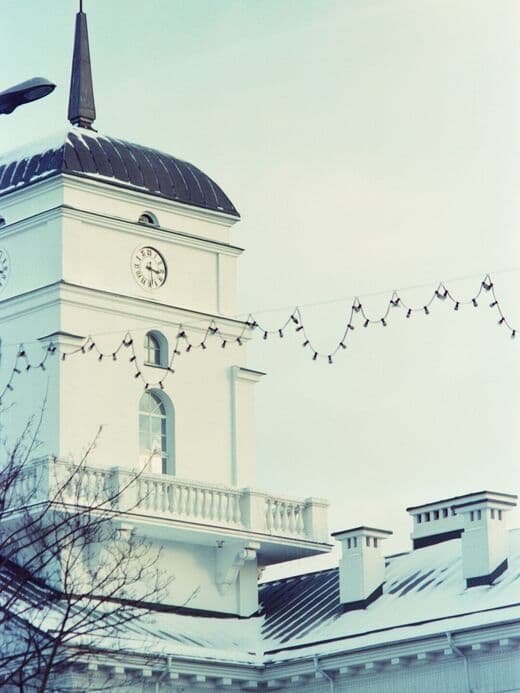
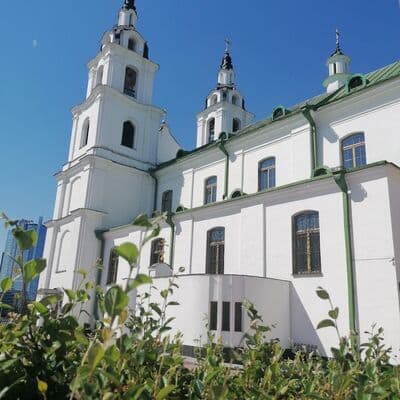
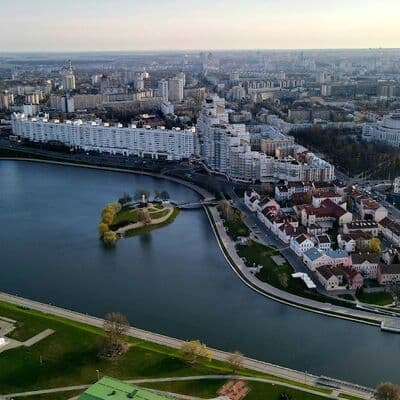
This is the historical core and the main tourist zone. Upper Town is home to the City Hall, Holy Spirit Cathedral, dozens of restaurants and cafes. Across the Svisloch River lies Trinity Suburb with its postcard-perfect 19th-century cottages. Zybitskaya Street - the local 'bar district' - is a two-minute walk away.
Pros: everything is walkable, best restaurants and bars, beautiful river views
Cons: noisy in the evenings (especially Zybitskaya), limited budget accommodation
Prices: $$-$$$ (hostels from $12/night, hotels from $50-80, apartments from $35)
Best for: first-time visitors, romantic getaways, nightlife enthusiasts
Independence Avenue - Stalinist grandeur
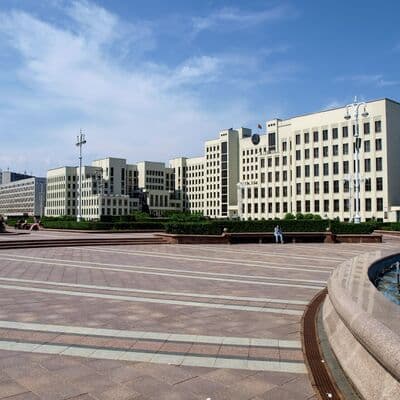
Minsk's main artery stretches for 15 km, making it one of the longest avenues in Europe. The stretch from Independence Square to Victory Square is a living museum of Stalinist architecture. Metro stations, shops, and cafes line the entire route. The GUM and TSUM department stores are here too - worth a look even if you do not plan to buy anything, just for the Soviet-era interiors.
Pros: excellent public transport links, monumental architecture, plenty of shops
Cons: heavy traffic noise, lacks intimate atmosphere
Prices: $$ (hotels from $40, apartments from $25)
Best for: architecture lovers, a convenient base for sightseeing
Kastrychnitskaya (October District) - hipster Minsk
A former industrial quarter on the left bank of the Svisloch has become the city's main creative zone. Massive murals cover the facades of old factories, and the streets are dotted with craft beer bars, third-wave coffee shops, and contemporary art galleries. The cult spot DEPO serves 50 varieties of crepes alongside craft cider - it alone is worth the trip to this neighborhood.
Pros: unique atmosphere, street art everywhere, trendy venues, young energy
Cons: not the most convenient base for major landmarks, fewer accommodation options
Prices: $-$$ (hostels from $10, apartments from $20)
Best for: younger travelers, digital nomads, street art fans, craft beer drinkers
Nemiga - between history and modernity
The area around Nemiga metro station is one of the most practical places to base yourself. The Island of Tears, Trinity Suburb, Victory Park, and the Bolshoi Theatre are all within walking distance. Plenty of residential buildings offer well-appointed apartments. Quiet courtyards, yet close to everything that matters.
Pros: central location, good balance of peace and accessibility, parks nearby
Cons: the area is being actively redeveloped, limited historical charm
Prices: $$ (apartments from $25-40, hotels from $45)
Best for: families, travelers who want the center without the noise
Komarovka - market vibes
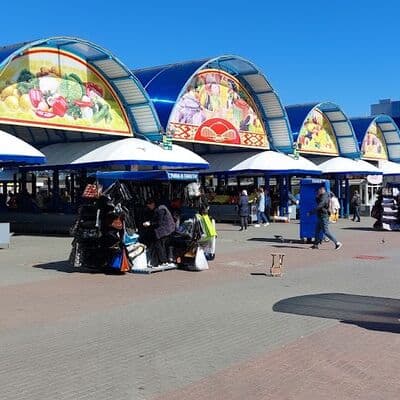
The neighborhood around Komarovsky Market - the largest and most colorful market in the city - pulses with everyday Minsk life. Grandmothers sell homemade sour cream, butchers display sausages, and students grab cheap samsa pastries on the go. The Ploshchad Yakuba Kolasa metro station is right here, connecting you to anywhere in minutes.
Pros: authentic local atmosphere, fresh produce at your doorstep, good metro access
Cons: not the most photogenic district, noisy during the day
Prices: $ (apartments from $18-25)
Best for: budget travelers, foodies, those who want the 'real' Minsk
National Library area - modern Minsk
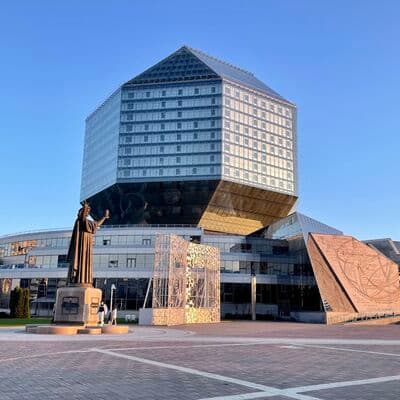
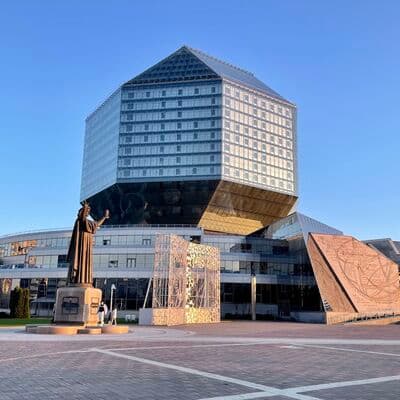
The eastern part of the city is anchored by the National Library, a 72-meter-tall rhombicuboctahedron (diamond shape) weighing 115,000 tons. The neighborhood is new, green, and lined with parks along the reservoir. The observation deck on top of the library offers the best 360-degree panorama of the city.
Pros: quiet, green, modern infrastructure, great views
Cons: a bit far from the historic center (20 minutes by metro)
Prices: $ (apartments from $15-20)
Best for: those who value peace and modern comfort, longer stays
Osmolovka - a quiet center with character
A unique enclave of two-story houses from the 1940s sitting right in the middle of the city - between Independence Avenue and the opera house. Green courtyards, silence, and the feeling of post-war Minsk. The National Academic Bolshoi Opera and Ballet Theatre is literally around the corner, and the Alivaria brewery is nearby.
Pros: unique atmosphere, greenery, quiet despite being central
Cons: limited commercial infrastructure, older buildings
Prices: $-$$ (apartments from $20-30)
Best for: atmosphere seekers, photographers, those who want to live in a 'real' Minsk courtyard
Best Time to Visit Minsk
Minsk has four distinct seasons, and your timing will dramatically shape the experience.
Peak months: May through September
May to June is the sweet spot. The city is lush and green, parks are in bloom, and daylight stretches past 10 PM. Temperatures hover between 64-77 F (18-25 C), and rain is moderate. Victory Day on May 9th brings a massive military parade and fireworks - a spectacle regardless of your political views. Early June often features a street food festival in Gorky Park.
July to August is warm (77-86 F / 25-30 C), occasionally hot. The city empties as locals flee to their dachas and lakes. Fewer crowds in museums, but some restaurants take 'seasonal breaks.' This period works well for combining Minsk with day trips to Lake Naroch or Belovezhskaya Pushcha (the primeval forest where European bison roam).
September is Minsk's 'golden season.' At 59-68 F (15-20 C), the weather is comfortable, and the parks turn gold and amber. The cultural season kicks off with new programs at theaters and the Philharmonic. Loshitsa Park and the Central Botanical Garden are especially stunning with autumn foliage.
Shoulder months: April, October
April brings unpredictable weather (41-59 F / 5-15 C), but the snow is gone and the city is waking up. Accommodation prices hit their annual low. October can still deliver warm days, but expect frequent rain and wind. Both months are fine if you are flexible and want to avoid any semblance of a tourist crowd.
Low season: November through March
Winter in Minsk means grey skies, short days (dark by 4:30 PM), slush, and temperatures from 23 to 5 F (-5 to -15 C). The upside: the New Year decorations are genuinely beautiful (the tree on October Square, illuminated avenue), museums are empty, and accommodation is at rock-bottom prices. If cold does not bother you, winter Minsk has a moody, atmospheric charm of its own.
When to book
Minsk is not a mass-tourism city, so finding accommodation even a week out is rarely an issue. Exceptions: Victory Day (May 9) and the New Year holidays - book two to three weeks ahead. For lodging, use Ostrovok, Sutochno.ru, or hotel websites directly. Booking.com does not operate in Belarus. For US/UK/EU citizens, Belarus offers visa-free entry for up to 30 days via Minsk National Airport - just make sure your travel insurance covers the country, as it is a requirement at immigration.
Itinerary: 3 to 7 Days in Minsk
3 days: the essentials
Day 1: Independence Avenue and Upper Town
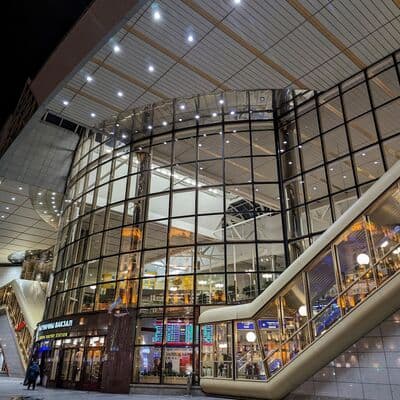
9:00-10:30 - Start at the Gates of Minsk by the train station. Two matching Stalinist towers flanking the road - the city's most recognizable landmark. Notice the clock on the left tower: it is the largest in Belarus, a WWII trophy brought from Germany.
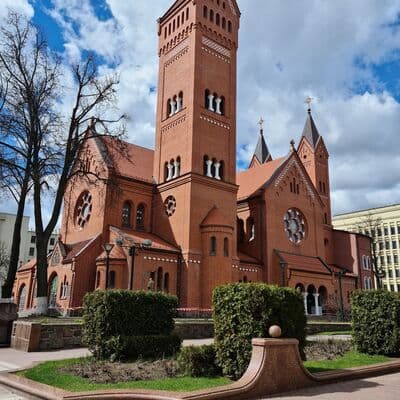
10:30-12:00 - Walk along Independence Avenue through Independence Square. Duck into Stolitsa, the underground shopping center beneath the square - good for a quick coffee or snack. Nearby stands the Red Church (Church of Saints Simon and Helena), one of the few pre-revolution churches surviving in Minsk, built in striking red brick.
12:00-13:30 - Lunch. Try a business lunch at any restaurant on Lenin or Karl Marx streets - a set meal with soup, main course, and a drink runs 5-8 BYN (roughly $1.50-2.50, not a typo). Kuhmistr is a strong choice for a first encounter with Belarusian cuisine: their draniki and machanka are excellent.
14:00-16:00 - Upper Town. Explore the City Hall, Holy Spirit Cathedral, and the surrounding lanes. In warm weather, expect street musicians and outdoor cafe terraces.
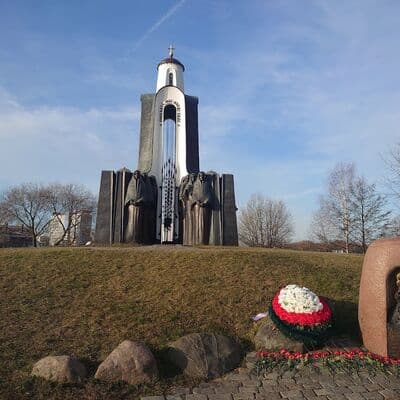
16:00-17:30 - Cross the bridge to Trinity Suburb. This is the most photogenic corner of Minsk: colorful 19th-century houses along the Svisloch River. On the way, stop at the Island of Tears, a haunting memorial to Belarusian soldiers who died in the Afghan War.
18:00-22:00 - Evening on Zybitskaya Street. Dozens of bars and restaurants for every taste. Start with cocktails, continue with a Belarusian dinner, finish with craft beer. A full evening out, including drinks, will set you back $15-25 per person.
Day 2: Museums, parks, and modern Minsk
9:30-12:00 - Museum of the Great Patriotic War. One of the best WWII museums in the world, and that is not hyperbole. A modern building houses 10 halls with an immersive exhibition. Belarus lost one in four of its inhabitants during the war - this museum makes you feel the scale of that catastrophe. Allow at least two hours; many visitors stay longer. Entry is around 15 BYN ($5).
12:30-14:00 - Lunch at Komarovsky Market. Walk through the market hall, sample fresh cottage cheese, homemade sausages, and sauerkraut. The small eateries inside serve blini and draniki for almost nothing. Budget $2-3 for a filling meal.
14:30-16:30 - National Art Museum. The largest collection of Belarusian art, including works by Marc Chagall (born in Vitebsk, Belarus). Entry is about 10 BYN ($3.50).
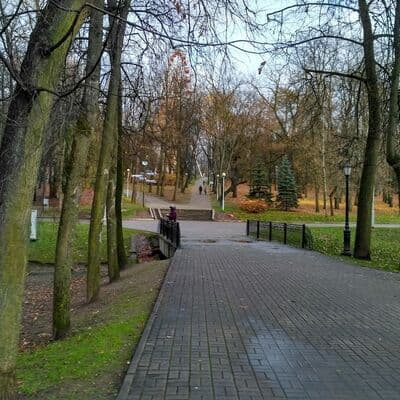
17:00-19:00 - Gorky Park. The oldest park in Minsk, with a Ferris wheel, a planetarium, and century-old tree-lined alleys. Ride the Ferris wheel at sunset for panoramic views of the entire center. A ride costs about 6 BYN ($2).
19:30 - Dinner in the October District. Try DEPO (craft cider plus every conceivable type of crepe) or Svoi (modern Belarusian comfort food).
Day 3: National Library and off-the-beaten-path Minsk
10:00-12:00 - National Library of Belarus. The diamond-shaped building is an architectural marvel. Take the glass elevator to the observation deck (4 BYN / $1.40) for a 360-degree panorama of the city. Inside, you can join a tour of the automated book delivery system - genuinely fascinating even if you are not a bookworm.
12:30-14:00 - Lunch at LIDO (a self-service cafeteria chain). Grab a tray and load it up: soups, mains, salads, desserts, compote. A full meal runs 8-12 BYN ($2.50-4). It is the most efficient way to sample a dozen Belarusian dishes in one sitting. Locals eat here without any stigma - it is not a 'soup kitchen,' it is a democratic restaurant with genuinely good homestyle food.
14:30-17:00 - Loshitsa Park. A 19th-century manor estate with ponds, ancient trees, and very few tourists. One of the most beautiful parks in the city, especially in spring (apple blossoms) and autumn (golden alleys). This is where Minsk residents go for morning runs and weekend strolls with their kids.
17:30-19:00 - Central Botanical Garden. At 370 acres, it is one of the largest in Europe. The tropical greenhouses operate year-round. Entry is 8 BYN ($2.80), greenhouse ticket is an extra 5 BYN ($1.75).
19:30 - Farewell dinner at Kamyanitsa (medieval-themed restaurant with live folk music on most evenings, legendary machanka with blini). Expect to pay 20-30 BYN ($7-10) for a full dinner with drinks.
5 days: without the rush
Days 1-3 as above, but at a more relaxed pace - split them across four days if needed.
Day 4: Day trips - Khatyn and Mir Castle
8:00-10:30 - Khatyn Memorial (37 miles / 60 km from Minsk). A memorial complex on the site of a village burned by the Nazis along with all its inhabitants in 1943. Silent bells, chimney stacks representing 186 destroyed villages. One of the most powerful places in all of Belarus. A round-trip taxi costs about 60-80 BYN ($20-28); organized tours are available and often cheaper.
12:00-17:00 - Mir Castle (62 miles / 100 km from Minsk). A 16th-century UNESCO World Heritage Site - a red-brick fortress with a museum, park, and pond. The exhibition inside is well-curated, and the exterior is photogenic from every angle. Lunch at the castle cafe is affordable. A bus from Minsk runs 6-8 BYN ($2-2.80), taking about 1.5 hours each way.
18:00 - Return to Minsk, free evening.
Day 5: Shopping, cafes, and catching up
10:00-12:00 - Shopping and souvenirs. GUM on Independence Avenue (a Soviet-era department store with modern brands inside - the architecture is the real attraction). Linen shops sell traditional Belarusian linen products, and Kommunarka chocolate (more on this later) makes the best edible souvenir. Expect to spend $5-15 on gifts that will genuinely impress people back home.
12:00-14:00 - Third-wave coffee crawl: Union Coffee, Manufacture, Headlines. Minsk's specialty coffee scene is surprisingly mature and will satisfy anyone accustomed to Melbourne or Portland standards.
14:00-16:00 - Whatever you missed: the Bolshoi Theatre (if there is a performance - tickets start from 10 BYN / $3.50, which is absurdly cheap for a full opera or ballet), the street art of Kastrychnitskaya, or a stroll along the Svisloch embankment.
16:00-18:00 - Victory Square and the eternal flame. Walk along Independence Avenue as the golden hour light hits the Stalinist facades - prime photography time.
7 days: with excursions
Days 1-5 as above.
Day 6: Nesvizh Castle
Another UNESCO site (75 miles / 120 km from Minsk). This was the residence of the Radziwill family, the most powerful dynasty in the Grand Duchy of Lithuania. Lavish interiors, an English-style park, and legends of resident ghosts. You can combine it with Mir Castle in one long day if you skipped Day 4. A bus runs 8-10 BYN ($2.80-3.50) and takes about 2 hours.
Day 7: Stalin Line and relaxation
10:00-14:00 - Stalin Line Historical Complex (19 miles / 30 km from Minsk). Reconstructed WWII-era fortifications, military hardware, and the chance to ride a tank or fire a machine gun (for an extra fee). An unusual, interactive military history experience that is especially popular with families and history enthusiasts.
15:00-18:00 - Minsk Sea (Zaslavl Reservoir). Beaches, boat and catamaran rentals, lakeside cafes. In summer, it is the perfect way to wind down a trip. A commuter train from the central station takes just 15 minutes.
Where to Eat: Restaurants and Cafes
Street food and markets
Komarovsky Market is Minsk's number-one street food destination. Inside and around the market, stalls sell samsa pastries (from 2 BYN / $0.70), shawarma, and fresh meat pies. Be sure to try fresh cottage cheese with sour cream and homemade sausage. Nearby cafes make blini with meat filling right in front of you. Average snack: 4-6 BYN ($1.40-2). The bakery chains Laguna and Karifana sell hot pastries for 1-3 BYN ($0.35-1) and have outlets near almost every metro station - ideal for breakfast on the go.
Local eateries ($1.50-3 for lunch)
LIDO - A self-service cafeteria chain. Grab a tray, walk along the serving line: borscht, draniki, cutlets, porridge, salads, compote. A full lunch comes to 8-12 BYN ($2.50-4). Multiple locations across the city; the most convenient is near GUM. Locals eat here without any embarrassment - it is not a 'soup kitchen,' it is a perfectly respectable, democratic restaurant with honest homestyle cooking. Think of it as Minsk's answer to a food court, but with actual made-from-scratch food.
Svoi - Near Oktyabrskaya metro station. An unpretentious spot with honest Belarusian food: draniki with meat sauce, stuffed potatoes, homemade sausages. Lunch runs 12-18 BYN ($4-6). Cozy interior with exposed brick walls and retro decor.
Mid-range restaurants ($5-10 for dinner)
Kuhmistr - One of the best Belarusian and Lithuanian cuisine restaurants in Minsk. Housed in a 1930s constructivist building. Draniki, machanka, kolduni - everything is top-notch. Do not skip the house-made tinctures (nastoiki). Average check: 25-35 BYN ($8-12).
Kamyanitsa - A medieval-themed restaurant with live folk music in the evenings. The machanka with blini here is legendary. The atmosphere feels like a 16th-century tavern. Average check: 20-30 BYN ($7-10).
Owino - Modern Belarusian cuisine with an author's touch. Local ingredients, creative plating, seasonal menu. For travelers who want to experience Belarus through the lens of new gastronomy. Average check: 30-45 BYN ($10-16).
High-end ($15+ per person)
Litviny - Fine dining with a Belarusian accent. Elegant interpretations of national dishes, a proper wine list, and tasting sets. Reserve ahead for Friday and Saturday evenings. Average check: 50-80 BYN ($17-28). By Western fine-dining standards, this is an outright bargain.
Gaststaette - German cuisine and craft beer in a European pub setting. Schnitzels, sausages, pretzels. A solid choice if you are craving something familiar. Average check: 35-50 BYN ($12-17).
Coffee and breakfast
Minsk's coffee culture is surprisingly well-developed for a post-Soviet city. Union Coffee has multiple locations with consistently good filter and espresso drinks and light breakfasts. Manufacture is minimalist, single-origin focused - for the coffee geeks. Headlines is a coffee-shop-meets-newsstand with excellent sandwiches.
Breakfast at Minsk cafes runs 6-15 BYN ($2-5). A typical spread: porridge or omelet or syrniki (cottage cheese pancakes) plus coffee plus juice. Many places on Zybitskaya open at 8:00 AM with special morning menus. For comparison, a similar breakfast in London or New York would cost you $15-25.
Must-Try Food in Minsk
Draniki (dranki) - Potato pancakes, the national symbol. Grated potato fried to a crispy golden crust, served with sour cream. The best versions are at Kuhmistr and Kamyanitsa; LIDO offers a budget-friendly but respectable option. Price: 4-12 BYN ($1.40-4) depending on the venue. Pro tip: order draniki 'with meat' - they come stuffed with ground beef and topped with a mushroom sauce. Think of them as a cross between a hash brown and a stuffed pancake.
Machanka - A thick, rich pork stew made with ribs and sausages, served in a clay pot with thin pancakes for dipping. This is Belarusian comfort food number one. The best version is at Kamyanitsa. Price: 12-18 BYN ($4-6). If you only try one dish in Minsk, make it this one.
Kolduni - Belarusian dumplings made from potato dough with a meat filling. Similar to Lithuanian cepelinai but smaller and more delicate. Served with sour cream and pork cracklings. Price: 8-14 BYN ($2.80-5).
Kartofelnaya babka - A baked casserole of grated potato with meat and onion, slow-cooked in the oven. A hearty peasant dish that hits the spot in cold weather. Price: 6-10 BYN ($2-3.50).
Vereshchaka - An old-fashioned dish: sausages in a flour-based sauce on a beer broth. Rarer than machanka on menus, but if you spot it, order it without hesitation. Price: 10-15 BYN ($3.50-5).
Khaladnik (cold beet soup) - A chilled beet soup with kefir, cucumber, and boiled egg. The summer hit: bright pink, refreshing, light. Served with hot boiled potatoes on the side. Price: 4-7 BYN ($1.40-2.50). If you have had gazpacho, think of this as its Eastern European cousin.
Salo with garlic - Thinly sliced cured pork fatback, sometimes smoked, served with dark rye bread and mustard as a snack alongside vodka or tinctures. Acquired taste for many Westerners, but worth trying at least once. At the market: from 8 BYN ($2.80) per kilogram.
Belarusian tinctures (nastoiki) - Krambambulya (honey plus spices plus herbs), zubrovka (infused with bison grass from Belovezhskaya Pushcha), and khrenovukha (horseradish vodka). A shot in restaurants costs 3-5 BYN ($1-1.75); a bottle in shops from 8 BYN ($2.80). Krambambulya is unique to Belarus - you genuinely cannot get it anywhere else.
Kommunarka and Spartak chocolate - Belarusian chocolate of excellent quality at laughable prices. A bar costs 2-4 BYN ($0.70-1.40). Boxed chocolates named 'Belovezhskaya Pushcha' and 'Mishka Kosolapy' make the best souvenirs - people will assume you spent far more than you did.
What to skip: Do not order 'Belarusian sushi' or 'pizza' at traditional restaurants - those exist to please undiscerning locals, not to represent the cuisine. Stick to the traditional menu. Also avoid the restaurants right at the entrance to Komarovsky Market - tourist markups with mediocre quality.
For vegetarians: Traditional Belarusian cuisine is meat-heavy, but draniki without meat, khaladnik, mushroom soup, and kartofelnaya babka are all vegetarian. Minsk has several dedicated vegetarian cafes: Green House and La Creperie. At LIDO, there are always vegetable dishes on the line. You will not starve, but carnivores will have more fun.
Local Secrets and Tips
1. Metro tokens, not cards. A token costs 0.80 BYN ($0.28) and is sold at ticket windows. Buy a handful at once. Transport cards exist, but for a tourist, tokens are simpler - no figuring out top-up machines with Cyrillic interfaces. Metro runs from 5:30 AM to 12:40 AM.
2. Photography is mostly fine, but watch out. Do not photograph the KGB building (the imposing grey building on Independence Avenue - yes, it is still called KGB), military installations, or uniformed personnel. There are rarely fines, but you may be asked to delete photos. Civilian buildings, churches, parks - no issues whatsoever.
3. 'Business lunch' is the magic phrase. From noon to 3 PM, nearly every restaurant offers a set lunch for 5-10 BYN ($1.50-3.50): soup plus main course plus drink. That is 2-3 times cheaper than the regular menu, and the portions are full-sized. Look for signs reading 'Biznes-lanch' near the entrance. This is how locals eat out affordably - and now you know the secret too.
4. Cash is still king in many places. Visa and Mastercard work at major stores, restaurants, and hotels, but at markets, minibuses, and small cafes, it is cash only. ATMs are at every metro station. Exchange rates at currency booths are identical citywide (fixed by the National Bank), so do not waste time shopping around.
5. Zybitskaya Street: timing matters. Friday and Saturday nights are packed - live music, crowds spilling onto the street, parties until dawn. Weekdays bring half-empty bars with a pleasant atmosphere and cocktail discounts. If you want a relaxed evening, go Wednesday or Thursday.
6. Language: Belarusian vs. Russian. Belarus has two official languages, but 95% of daily conversation is in Russian. Signs and metro announcements, however, are in Belarusian. Do not confuse 'Nyamiga' (Nemiga) and 'Kastrychnitskaya' (Oktyabrskaya) - those are metro station names in Belarusian. English is rare outside upscale hotels and hip cafes, so download Google Translate with the Russian offline pack before you arrive.
7. The Kommunarka factory shop. The chocolate factory's own retail outlet sells chocolate at half to a third of supermarket prices. They stock bulk candies you will not find in regular stores. The best souvenir shop in Minsk that most tourists never hear about.
8. VPN is essential. Many Western websites and social media platforms are blocked or unstable. Download a VPN before your trip - VPN provider websites themselves may be blocked inside Belarus. AdGuard VPN and Outline work reliably as of 2026.
9. Do not compare Belarus to Russia out loud. Belarusians are not Russians and do not enjoy being confused for them. Belarus is a separate country with its own history and culture. The Belarusian language, the legacy of the Grand Duchy of Lithuania, unique cuisine - these are points of pride. Show respect, and you will be welcomed warmly.
10. Minsk is not all of Belarus. Within one to two hours of the capital, you can reach castles (Mir, Nesvizh), memorials (Khatyn, Stalin Line), and national parks (Naroch, Belovezhskaya Pushcha). Do not spend your entire trip in the capital - some of the best experiences in Belarus lie beyond it.
11. The city sleeps early. Minsk is an early-to-bed city. Even in the center, streets empty out after 11 PM (except Zybitskaya on weekends). Do not expect Berlin-style nightlife. On the flip side, early-morning Minsk is a special pleasure: empty avenues bathed in soft light, joggers in the parks, coffee shops just opening their doors.
Transport and Connectivity
Airport to city center
Express bus (best option): Route 300E runs between Minsk National Airport and the train station. Travel time is 50-60 minutes, departing every 30-60 minutes. Cost: 6-7 BYN ($2-2.50). Operates from 7:00 AM to 11:30 PM. It also stops at Uruchye metro station, which is convenient if you are staying in the eastern part of the city.
Taxi: Official airport taxis charge 40-60 BYN ($14-21) to the center. Through Yandex Go (the local ride-hailing app), it is cheaper: 25-40 BYN ($9-14). Do not take taxis from the desks inside the terminal - they add a 30-50% markup. Order through the app or walk to the parking lot.
Late-night arrivals: The last bus leaves at 11:30 PM. If your flight lands after that, your only option is a taxi. Pre-book through Kiwitaxi or similar transfer services for 50-70 BYN ($17-24) with a meet-and-greet and name sign. Worth the peace of mind at 2 AM.
Getting around the city
Metro: 2 lines, 33 stations. Covers all major points of interest. Trains run every 2-3 minutes during rush hour, 5-8 minutes off-peak. Token: 0.80 BYN ($0.28) from the ticket window. Hours: 5:30 AM to 12:40 AM. Stations are clean, safe, and decorated with Soviet-era mosaics and reliefs - some (Ploshchad Lenina, Oktyabrskaya) are attractions in their own right.
Buses and trolleybuses: 0.75 BYN ($0.26) per ride. Buy a ticket from the driver or through an app. Routes cover the entire city, including areas without metro access. The trolleybuses along Independence Avenue are a scenic alternative to the metro - you actually get to see the architecture.
Taxis: Yandex Go is the main app. A ride across the center costs 4-8 BYN ($1.40-2.80); center to outskirts: 10-15 BYN ($3.50-5). Add 20-30% at night. Drivers speak Russian only. Uber and Bolt do not operate in Minsk. If you do not have a local phone number, you can register Yandex Go with your foreign number - it works, though the interface may default to Russian.
Bikes and scooters: Kola.by is the city bike-share system (from 3 BYN/hour / $1). Eleven electric scooters work through an app (from 1 BYN + 0.15 BYN/minute). Bike lanes exist along the Svisloch and through parks, but riding on the main avenues can feel intimidating. Stick to parks and the riverbank.
Internet and communications
SIM card: Three operators - A1, MTS, life:). Tourist SIMs start from 5 BYN ($1.75) with 5-10 GB of data. Buy at carrier shops at the train station or in shopping malls. You will need your passport. 4G coverage blankets all of Minsk and is genuinely fast.
eSIM: If you prefer not to deal with a physical card, buy an eSIM before departure through Airalo or Holafly. From $5 for 1 GB over 7 days. This is the most hassle-free option for short visits.
Wi-Fi: Free Wi-Fi is available in all cafes, restaurants, shopping centers, and the metro. Quality in the metro is average; in cafes it is usually good. No public Wi-Fi in parks or on the streets.
Essential apps:
- Yandex Go - ride-hailing and food delivery. Install this before you land; it is indispensable.
- 2GIS - offline map of Minsk with public transport routes. Significantly better than Google Maps for Belarus.
- Maxoptra / Transport BY - real-time bus and trolleybus tracking.
- Ostrovok - hotel booking (Booking.com does not work in Belarus).
- A VPN app - for accessing blocked services. Download before arrival.
- Google Translate - download the Russian offline language pack. You will use it daily.
Final Verdict: Who Should Visit Minsk
Minsk is a discovery for travelers tired of overrun European capitals. There are virtually no tourist crowds, prices rival Southeast Asia, and the architecture is a unique blend of Soviet grandeur, pre-war European elegance, and bold modern experiments. It is one of the safest and cleanest cities in Europe - walking alone at midnight feels entirely normal here.
Ideal for: fans of Soviet and Stalinist architecture, budget-conscious food lovers, explorers of the post-Soviet world, anyone craving an 'undiscovered' European capital, photographers (monumental compositions at every turn).
Not the best choice for: beach seekers, those expecting Barcelona or Berlin-level nightlife, families with very young children (limited kids' entertainment in the center).
How long: minimum 2 days (city center only), ideal 3-4 days (city plus one castle), maximum 7 days (city plus all surrounding attractions).
Information current as of 2026. Prices quoted in Belarusian rubles (BYN). 1 BYN is approximately $0.30-0.35 USD. US, UK, and EU citizens can enter Belarus visa-free for up to 30 days via Minsk National Airport.