Carcassonne
Carcassonne 2026: What You Need to Know Before You Go
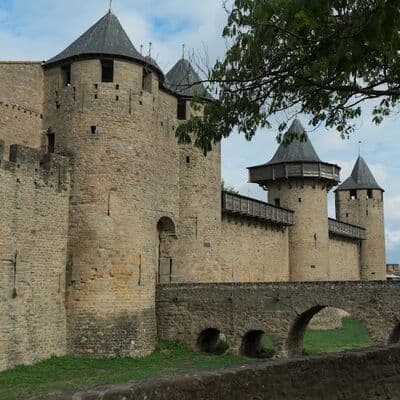
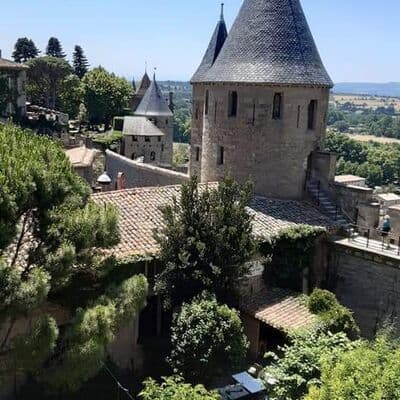
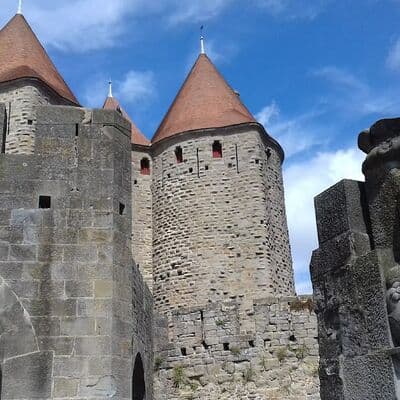
Carcassonne is one of those places that makes you question whether you accidentally walked onto a movie set. The La Cite de Carcassonne — Europe's largest and best-preserved medieval fortress — rises from the Aude valley like something straight out of a fantasy novel. Two rings of walls, 52 towers, and over 2,500 years of continuous habitation. It is not a reconstruction or a theme park. People actually live inside those walls.
Quick answer: What to see in Carcassonne? Start with the double-walled Cite and Chateau Comtal, walk the ramparts, visit the Basilica of Saints Nazarius and Celsus for its stunning stained glass, then cross to the lower town (Bastide Saint-Louis) for authentic restaurants and the Saturday market. Add a morning stroll or bike ride along the Canal du Midi and you have a near-perfect visit.
Who is Carcassonne for? History lovers will be in heaven. Foodies chasing cassoulet and Languedoc wines will not be disappointed. Couples looking for a romantic European getaway that is not overrun like Provence — this is your spot. Families with kids who are into castles and knights will get days of entertainment. Even if medieval history is not your thing, the sheer visual impact of the Cite at sunset is worth the detour.
The honest pros: Stunning and authentic medieval architecture, world-class food and wine region, significantly cheaper than Provence or the Riviera, compact and walkable, excellent base for exploring Cathar country and Languedoc vineyards.
The honest cons: July and August are brutally crowded (and hot — 95°F is normal). The Cite's tourist shops sell overpriced junk. Nightlife is virtually nonexistent. The nearest proper beach is 45 minutes away. And if you only visit the Cite without exploring the lower town and surroundings, you will leave thinking it is just a tourist trap — which would be a mistake.
Carcassonne Neighborhoods: Where to Stay
Carcassonne is a small city (about 47,000 people), but where you stay dramatically changes your experience. Here are six distinct areas, each with a different vibe and price point.
La Cite (Inside the Walls)
Sleeping inside a UNESCO World Heritage fortress sounds incredible, and honestly, it is — after 6pm when the day-trippers leave and you have the cobblestone streets almost to yourself. Morning light on the ramparts with no crowds is genuinely magical. The downside? During the day (roughly 10am to 5pm from May through October), you are living inside a theme park. Restaurants inside the walls are overpriced and mediocre with few exceptions. Grocery options are zero.
Price range: $130-350/night for hotels, $80-200 for guesthouses. The Hotel de la Cite (a 5-star inside the walls) runs $400-800+.
Best for: Couples wanting a once-in-a-lifetime atmosphere, first-time visitors who want the full fairy-tale experience.
Skip if: You are on a budget, you want to eat well without walking 15 minutes downhill, or you are bothered by daytime crowds and noise.
Bastide Saint-Louis (Lower Town / Ville Basse)
This is where locals actually live, eat, and shop. The Bastide is the 13th-century grid-plan lower town with leafy squares (Place Carnot is the heart), excellent restaurants, the covered market, bakeries, and real neighborhood life. You are a 15-20 minute walk from the Cite — uphill on the way there, which matters in August heat. The Saturday morning market on Place Carnot is one of the best in the region.
Price range: $70-180/night. Plenty of charming B&Bs and small hotels in the $90-130 range.
Best for: Foodies, budget-conscious travelers, anyone staying more than 2 nights, people who want to live like a local.
Skip if: You absolutely must wake up inside medieval walls.
Canal du Midi Area
The stretch along the Canal du Midi between the Cite and the train station offers a peaceful, tree-lined setting. Several hotels and guesthouses sit right along the canal, and you can walk or bike in either direction along the towpath. It is a surprisingly green and quiet pocket of the city. The Port du Canal area has a few good restaurants and is the departure point for canal boat trips.
Price range: $80-200/night. Mid-range hotels and a few boutique options.
Best for: Cyclists, families, anyone who values greenery and calm over nightlife (which, let's be honest, describes most people coming to Carcassonne).
Skip if: You want to be in the middle of the action — it is a bit removed from both the Cite and the Bastide.
Quartier de l'Ile (Between River and Canal)
This often-overlooked neighborhood sits between the Aude River and the Canal du Midi. It is residential, quiet, and has some of the best-value accommodation in the city. The Pont Vieux (Old Bridge) connecting it to the Cite offers one of the most photographed views of the fortress. A few excellent restaurants have popped up here in recent years, catering more to locals than tourists.
Price range: $60-140/night. Some genuine bargains in guesthouses.
Best for: Budget travelers, repeat visitors, photographers (the views from the bridges are unbeatable).
Skip if: You want everything within a 2-minute walk.
Montredon (Southern Outskirts)
About 10-15 minutes by car south of the center, Montredon is wine country. This is where you will find vineyard stays, rural gites (holiday cottages), and a few agriturismos. The landscape is rolling hills with vines, olive trees, and distant views of the Pyrenees on clear days. You absolutely need a car here.
Price range: $70-250/night. Wide range from simple gites to luxury wine estates.
Best for: Wine lovers, couples seeking seclusion, anyone with a rental car who wants countryside peace.
Skip if: You do not have a car, you want walkable restaurants and cafes.
Gare Area (Train Station District)
Practical rather than charming. The area around the train station has budget hotels and chain options. It is flat, easy for luggage, and well-connected. You are about 20 minutes on foot from the Cite and 10 minutes from the Bastide. The Canal du Midi is a 5-minute walk. Not beautiful, but functional and affordable.
Price range: $50-110/night. Chain hotels (Ibis, Premiere Classe) and basic independents.
Best for: One-night stopovers, train travelers, tight budgets.
Skip if: You want atmosphere or charm — there is very little here beyond convenience.
Best Time to Visit Carcassonne
The sweet spots: May-June and September-October. These months give you warm weather (70-80°F), manageable crowds, lower prices, and the Languedoc countryside at its most beautiful. Late May and early June are particularly good — the lavender starts blooming, vineyards are lush green, and you can still get restaurant reservations without planning a week ahead.
High season: July-August. This is when Carcassonne gets genuinely overwhelmed. Temperatures regularly hit 95°F+, the Cite is packed shoulder-to-shoulder by 11am, and hotel prices spike 40-60%. That said, there are two major reasons people come in summer. The Festival de Carcassonne (late June through early August) brings open-air concerts inside the Cite — from classical to rock — and the atmosphere is electric. The July 14th fireworks display over the Cite is considered one of the most spectacular in France. If you come in July or August, plan to visit the Cite early morning or late evening, and spend midday by the Canal or in air-conditioned restaurants.
Low season: November-March. Many tourist-oriented businesses close or reduce hours. The Cite is hauntingly beautiful in winter fog, and you will practically have it to yourself. Hotels drop to their lowest prices ($50-80 for good rooms). The downside: some restaurants close for annual breaks, daylight hours are short, and it can be cold and windy (40-50°F with the Tramontane wind cutting through you). December brings a charming Christmas market inside the Cite walls.
The cheapest time: January-February. Rock-bottom hotel prices, but limited dining options and short days. If you are combining Carcassonne with a broader France trip and just want to see the fortress, this works. November and March are better compromises — cheap but with more open.
Key events worth planning around: Festival de Carcassonne (late Jun-Aug), July 14th fireworks (book months ahead), Feria de Carcassonne (late August, bull-running and street parties), Vendanges wine harvest (September-October), Christmas market (December).
Carcassonne Itinerary: 3 to 7 Days
3 Days: The Essential Carcassonne
Day 1 — The Cite. Arrive early. Be at the Porte Narbonnaise (the main gate) by 9am before tour buses arrive. Walk the outer lists (the grassy area between the two rings of walls) — most tourists skip this and miss the best sense of the fortress's scale. Enter and explore the narrow streets, stopping at the Basilica of Saints Nazarius and Celsus — the stained glass windows here rival anything in Paris. After lunch (eat in the Bastide, not inside the walls — see restaurant section), return for Chateau Comtal (allow 90 minutes; $10.50 entry). The audioguide is included and genuinely good. Walk the ramparts in the late afternoon light. For sunset, head to the western walls or the Chemin des Ourtets path below the fortress.
Day 2 — Bastide Saint-Louis and Canal du Midi. Saturday is ideal for this day (market day). Start at Place Carnot's morning market (8am-1pm) — grab cheese, olives, and saucisson for a picnic. Explore the Bastide's grid streets, the covered market Les Halles, and the Museum of Fine Arts (free, surprisingly good Flemish paintings). After lunch, rent bikes or walk along the Canal du Midi towpath heading east. The plane trees that once lined the canal are being replaced due to disease, but it is still one of the most peaceful walks in southern France. In the evening, choose a restaurant in the Bastide for cassoulet — the local dish you must try at least once.
Day 3 — Lastours Castles and Wine Country. Rent a car for the day ($28-38) or join a guided tour. Drive 20 minutes north to the four Lastours castles — ruined Cathar fortresses perched on a ridge above a river gorge. The hike takes about 2 hours and the views are extraordinary. Afternoon, head to the Cabardes wine area. Chateau de Pennautier offers tastings and a stunning 17th-century chateau. Return via Villemoustaussou for dinner at a local auberge.
5 Days: Add Day Trips
Day 4 — Narbonne. Take the train (30 minutes, $9-14 each way). Narbonne is an underrated gem with a massive unfinished Gothic cathedral, a restored Roman Via Domitia in the center of town, and the outstanding Les Halles market (one of the best in France — open mornings daily except Monday). The new Narbo Via museum showcases Roman heritage. Back in Carcassonne by evening.
Day 5 — Toulouse. The "Pink City" is one hour by train ($14-22). Spend the morning at the Capitole square and the Basilica of Saint-Sernin (the largest Romanesque church in Europe). Walk along the Garonne River. Afternoon, visit the Cite de l'Espace (space museum — genuinely world-class, especially for families) or the Augustins Museum. Toulouse has a much livelier dining and nightlife scene if you have been craving more energy.
7 Days: The Deep Dive
Day 6 — Cathar Castles: Peyrepertuse and Queribus. This is the big day trip and it requires a car. Drive 90 minutes southeast into the Corbieres mountains. Peyrepertuse is sometimes called the "Machu Picchu of the Cathars" — a vast ruined castle clinging to a cliff at 2,600 feet. The climb is steep (allow 45 minutes up, wear proper shoes). Twenty minutes further south, Queribus sits on an even more dramatic peak and was the last Cathar stronghold to fall in 1255. Pack lunch and water — there is almost nothing up there. Combined entry to both castles is about $14. The drive through the Corbieres wine country is spectacular in itself.
Day 7 — Slow Day and Farewell. Return to the Cite for anything you missed — or simply revisit your favorite spots at a different time of day. The morning light from Pont Vieux is completely different from the golden-hour glow. Have a long lunch. Pick up wine and local products at the Bastide shops for gifts. If you have energy, visit the Lac de la Cavayere (a lake 15 minutes south of the center with swimming in summer and walking trails year-round). End with sunset from the ramparts and dinner at one of Carcassonne's fine dining restaurants — you have earned it.
Where to Eat in Carcassonne: Restaurants and Cafes
Rule number one: Do not eat inside the Cite unless someone specifically recommends a restaurant to you. Most places inside the walls serve reheated tourist food at inflated prices. The Bastide Saint-Louis is where locals eat and where you should too.
Markets
Les Halles de Carcassonne — The covered market in the Bastide. Open Tuesday through Saturday mornings. Cheese vendors, charcuterie, fresh produce, prepared foods. The oyster stand with a glass of Picpoul is a perfect late-morning snack. Saturday is the big day when the outdoor market fills Place Carnot around the covered hall.
Budget and Local Favorites ($12-25 per person)
Chez Felix — A no-frills local favorite near Place Carnot. Classic regional cooking, generous portions, and a set lunch menu that rarely tops $16. The cassoulet here is authentic — cooked slowly with proper Toulouse sausage, duck confit, and white beans from Castelnaudary. Cash preferred.
Brasserie Du Dome — Traditional brasserie atmosphere with reliable standards. Good steak-frites, decent wine list focused on local appellations, and fast service. Popular with the business lunch crowd, which is always a good sign. Set lunch around $18.
Le Trouvere — A casual spot in the Bastide doing updated bistro food. Seasonal menu, good vegetarian options (rare in this meat-heavy region), and a nice terrace in summer.
Mid-Range ($30-55 per person)
Comptoir des Vins et Terroirs — Wine bar and restaurant with an outstanding selection of Languedoc wines by the glass. The food is simple but high-quality — charcuterie and cheese boards, seasonal salads, and a few hot dishes. The sommelier is knowledgeable and will guide you through the local appellations. Great place to discover Corbieres, Minervois, and Cabardes wines without committing to full bottles.
Domaine d'Auriac — Just outside town in a beautiful estate. Mediterranean-influenced cuisine using local ingredients. The garden terrace is gorgeous in summer. Good value for the quality, especially the lunch menu. Expect to pay $40-55 for a full meal with wine.
La Table d'Alaïs — Modern bistronomy in the Bastide. Creative takes on regional classics. The duck dishes are excellent. Reservations recommended for dinner, especially on weekends.
Fine Dining ($80-200+ per person)
Franck Putelat — Two Michelin stars. Carcassonne's crown jewel. Putelat's cooking is rooted in the Languedoc but modern and technically brilliant. The tasting menu runs $165-220 but is a genuine experience. Book well in advance. The wine pairings showcase incredible depth from the region — wines you simply cannot find outside of France.
Le Barbacane — One Michelin star, located inside the Hotel de la Cite. The setting is spectacular (inside the fortress walls), and the cooking is refined and precise. This is one of the rare exceptions to the "don't eat in the Cite" rule. Expect $100-160 per person.
Comte Roger — Inside the Cite, near the chateau. Another exception to the rule. Not Michelin-starred but consistently excellent, with a focus on regional products and a genuinely impressive wine list. More accessible price-wise than Putelat or Le Barbacane — around $60-90 for a full dinner.
Cafes and Aperitif Spots
Bar a Vins Le Chai — Unpretentious wine bar in the Bastide. Local wines from $4 a glass. Small plates. Good for a pre-dinner aperitif.
Cafe Saillan — Classic French cafe on Place Carnot. Decent coffee, people-watching paradise. Croissants in the morning, pastis in the afternoon.
Must-Try Food in Carcassonne
Carcassonne sits at the heart of Languedoc, one of France's most underrated food regions. The cuisine is hearty, meat-focused, and deeply tied to the land. Here is what to eat and what to avoid.
The Essentials
Cassoulet. This is the dish. A slow-cooked casserole of white beans, duck confit, Toulouse sausage, and sometimes pork or lamb, baked until a golden crust forms on top. The debate over the "real" cassoulet rages between Carcassonne, Toulouse, and Castelnaudary (each claims theirs is authentic). Carcassonne's version traditionally includes lamb, which the other cities consider heresy. Expect to pay $16-25 for a good one. Do not order it in July — it is a winter dish and eating it at 95°F is miserable. Most restaurants serve it year-round, but the best versions appear from October to April.
Duck confit (confit de canard). Duck leg slow-cooked in its own fat until the meat falls off the bone, then crisped in a pan. Simple, rich, and omnipresent. A well-made confit with sauteed potatoes in duck fat is one of the great pleasures of French cooking. Available everywhere, $14-22.
Foie gras. Controversial, yes. But this is one of the production centers of France, and the quality is outstanding. Served as a starter — either mi-cuit (semi-cooked, silky) or poele (pan-seared, crispy outside). With a glass of Monbazillac sweet wine, it is extraordinary. $12-18 as a starter.
Languedoc snails (escargots). Not the Burgundy butter-garlic style most people know. Here, they are smaller (petits gris) and often served in a spicy tomato-based sauce with local herbs. Ask for "cargolade" style at markets — grilled over vine cuttings. A regional specialty that tastes nothing like what you expect.
Cheese and Wine
Pyrenees cheeses. The mountains are just an hour south, and the sheep and goat cheeses are exceptional. Look for Bethmale, Ossau-Iraty, and fresh chevre at Les Halles market. A cheese plate with local honey and walnut bread is a perfect light lunch.
Languedoc wines. This region produces more wine than any other in France, and the quality has improved dramatically in the last 20 years. Three appellations to know: Corbieres (bold reds, great with cassoulet), Minervois (slightly softer, excellent value), and Cabardes (unique blend of Atlantic and Mediterranean grape varieties — only appellation in France to combine both). Bottles at restaurants run $22-45; at shops, $7-18 for very good quality. Compared to Bordeaux or Burgundy, this is astonishing value.
Blanquette de Limoux. Sparkling wine from Limoux, 25 minutes south. Predates Champagne by at least a century (documented in 1531). Lighter, more floral, and a fraction of the price — $8-14 a bottle. Order it as an aperitif at any good restaurant.
Sweet Treats
Local honey from the garrigue (the wild scrubland of Languedoc) has a distinctive herbal flavor. Lavender honey and rosemary honey are the classics. Nougat, almond pastries, and fruit confits round out the sweets scene.
What to Avoid
Tourist trap cassoulet inside the Cite that comes in a tiny cast-iron pot and costs $28 — it is almost certainly from a can. Crepes and galettes at medieval-themed stands — you are in Languedoc, not Brittany. "Medieval feast" restaurants that serve food on wooden boards with no cutlery — gimmicky and overpriced.
Vegetarian note: This is a meat-heavy region and vegetarian options are limited at traditional restaurants. Your best bets are the market (outstanding vegetables and cheeses), Comptoir des Vins (good cheese and salad plates), and Le Trouvere (specifically caters to vegetarians). Most restaurants will prepare an omelet or vegetable gratin if you ask, but do not expect creative plant-based menus.
Carcassonne Secrets: Local Tips
After spending real time in Carcassonne — not just the half-day bus tourists get — here are the things that make the difference between a good trip and a great one.
- Visit the Cite before 9am or after 5pm. Between 10am and 4pm in peak season, you are sharing the narrow streets with 3,000-5,000 other people. Before 9am, you might see two dozen. The difference is staggering. Early morning in autumn, with mist over the Aude valley, is genuinely magical.
- Entry to the Cite is free. A lot of people do not realize this. You can walk through the gates, explore the streets, visit the basilica, and walk parts of the ramparts without paying anything. The only paid admission is Chateau Comtal and the inner ramparts tour ($10.50 adults, free under 18, free first Sunday of the month November-March). Worth paying, but know that most of the Cite experience is free.
- Best photo spots most tourists miss. The classic postcard view is from the Pont Vieux (Old Bridge) — everyone finds this. But for better shots, walk south along the Chemin des Ourtets, a path below the western walls that gives you the full double-wall profile with the Pyrenees behind on clear days. From the Bastide side, the Pont Neuf offers a broader panorama. For aerial-style views, drive 5 minutes east to the viewpoint on the D104 road.
- Eat in the Bastide, not the Cite. This cannot be repeated enough. Walk 15 minutes downhill to the lower town and your meal quality doubles while prices drop by 30-40%. The only exceptions inside the walls are Le Barbacane, Comte Roger, and a few wine bars.
- Saturday market is non-negotiable. Place Carnot, roughly 8am to 1pm. Arrive by 9am for the best selection. The olive vendor, the rotisserie chicken stand, and the cheese stalls are highlights. Grab provisions and picnic on the banks of the Canal du Midi or on the grass in the Cite's lists (between the walls).
- Free parking exists. The Cite's main parking lots charge $7-9 per day and fill up fast. Instead, park at the Chemin des Anglais lot below the fortress (free, 10-minute uphill walk) or along the Aude River near Pont Vieux (free, flat walk). In the Bastide, street parking is free on Sundays and most streets after 7pm.
- Buy the combined ticket. If you plan to visit Chateau Comtal and the Lastours castles (or other Cathar sites), ask about the pass monuments combination ticket. It saves 20-30% compared to individual entries.
- Bike the Canal du Midi. Rent bikes in town ($10-14/day) and ride the towpath east toward Trebes (about 8 miles one way). The path is flat, shaded, and passes through locks and tiny canal-side villages. Stop at a lock-keeper's cafe for a glass of wine. You can also ride west toward Toulouse, but the eastward route is more scenic.
- Skip the medieval souvenir shops. The Cite's shops sell mass-produced swords, shields, and "medieval" trinkets made in China. If you want authentic souvenirs, buy wine (shipped home from any cave cooperative), local honey, Occitan textiles, or pottery from the Bastide artisan shops.
- Sunset from the western ramparts. Most people watch sunset from inside the Cite or from the bridges below. Better: walk the outer lists (the path between the two walls) on the western side. You get the sunset, the Pyrenees silhouette, and the golden light hitting the inner walls behind you. Bring a bottle of Blanquette de Limoux.
- This is Occitanie, not Provence. Carcassonne and the Languedoc have their own distinct identity, cuisine, and culture — different from Provence, despite what marketing brochures suggest. The language here was historically Occitan (you will see bilingual street signs). The food is heartier, the wine bolder, the prices lower, and the attitude less polished. Locals are proud of this distinction, and acknowledging it wins you immediate goodwill.
Getting Around Carcassonne
Getting There
Carcassonne Airport (CCF) is just 3km west of the city center. Ryanair flies here from several UK and European cities (London Stansted, Dublin, Porto, Brussels). From the airport, a shuttle bus runs to the center for about $6.50, or a taxi costs $11-17 depending on where you are going. Some hotels offer free pickup.
Toulouse-Blagnac Airport (TLS) is the main regional hub, one hour north by train. Far more flight options, including transatlantic connections. Direct trains from Toulouse Matabiau station to Carcassonne run hourly and cost $14-22. Total door-to-door from TLS airport: about 2 hours.
By train: Carcassonne is on the main Toulouse-Narbonne-Montpellier line. High-speed TGV connections via Toulouse or Montpellier link to Paris (5-6 hours), Barcelona (2.5-3 hours via Narbonne), and Lyon (4 hours). Book on SNCF Connect for the best prices — fares are cheaper weeks in advance.
Getting Around the City
Walking: Carcassonne is extremely walkable. The Bastide to the Cite is about 20 minutes on foot via the Pont Vieux. The only challenge is the hill up to the Cite, which is steep enough to matter in summer heat or with mobility issues. Everything within the Bastide and the Cite is flat once you are there.
City buses: The Carcassonne Agglo bus network covers the city. Line 4 connects the train station, Bastide, and the Cite. Single ticket: about $1.10. Not many tourists use the buses, but they are clean and reliable.
No Uber. Uber does not operate in Carcassonne. For taxis, call ahead — you cannot hail them on the street. The taxi rank at the train station is your most reliable option. Budget $8-15 for rides within the city.
Bikes: Several rental shops offer bikes for $10-14/day. The Canal du Midi towpath is flat and ideal for cycling. Within the city, the terrain is mostly flat except for the Cite hill. E-bikes are available for about $25/day and make the hill irrelevant.
Car rental: Essential for day trips to Cathar castles and wine country. Budget $25-38/day from agencies at the train station or airport. Gas stations are on the outskirts. Parking in the city center is manageable outside of summer.
Connectivity
Wi-Fi: Most hotels and restaurants have free Wi-Fi. The Cite has spotty coverage due to the thick stone walls. The Bastide is better. Free municipal Wi-Fi is available in some public spaces but unreliable.
SIM cards and eSIM: If you need data, buy a prepaid SIM at any tabac (tobacco shop) in the Bastide. Orange, SFR, and Bouygues all offer tourist SIM packs for $15-25 with a few GB of data. Alternatively, get an eSIM before you leave (Airalo, Holafly) — simpler and often cheaper. If you have a US carrier with international roaming (T-Mobile, Google Fi), check your plan before paying for anything extra.
Useful Apps
SNCF Connect — Essential for train tickets. Book in advance for the best prices. The app shows real-time departures and platform changes.
BlaBlaCar — Ridesharing platform popular in France. Great for day trips if you do not want to rent a car — locals regularly drive to Narbonne, Toulouse, and even Barcelona.
TheFork (LaFourchette) — Restaurant booking app with reviews and sometimes 20-50% discounts on the food bill. Works well in Carcassonne and across France.
Vivino — Wine scanner app. Point your phone at any Languedoc wine label and get ratings, reviews, and fair prices. Extremely useful when buying at the cellar door or at shops.
Google Translate — The camera translation feature is invaluable for menus, signs, and labels. Download the French language pack offline before you go.
Who Should Visit Carcassonne: Final Verdict
Carcassonne is not trying to be everything to everyone, and that is exactly what makes it worth visiting. If you love medieval history, this is one of the most impressive fortified cities in the world — full stop. If food and wine are your travel motivators, Languedoc delivers extraordinary quality at prices that make Provence and Burgundy look absurd. If you want a romantic European destination that has not been Instagrammed to death, the Cite at dawn or dusk delivers.
Ideal for: History and architecture enthusiasts, food and wine travelers, couples seeking atmosphere, families with castle-obsessed kids, photographers, anyone looking for "real France" without the Riviera price tag.
Not ideal for: Nightlife seekers (there is almost none), beach vacationers (nearest coast is 45 min), luxury shopping fans (this is not Paris or Nice), anyone who needs constant stimulation.
How long to stay: Minimum 2 full days to see the Cite and Bastide properly. Optimal is 3-4 days, which lets you add the Canal, a wine trip, and a day trip. A full week works if you include Cathar castles, Narbonne, and Toulouse — and you will not run out of things to do or eat.