About
Venezuela Travel Guide: The Complete Handbook for Adventurous Travelers
Venezuela is not your typical destination. It is a country that has graced countless travel bucket lists for decades, home to the world's highest waterfall, the planet's most biodiverse wilderness areas, and Caribbean beaches that rival any in the region. Yet it is also a nation that has experienced profound economic and political upheaval, leading most Western governments to issue their strongest travel warnings. If you are reading this guide, you are likely someone who looks beyond headlines, who understands that reality on the ground often differs from official advisories, and who wants genuine, practical information rather than either fear-mongering or rose-tinted marketing.
Let me be completely transparent from the start: the US State Department maintains a Level 4 Do Not Travel advisory for Venezuela as of December 2025. The UK Foreign Office similarly advises against all travel. These warnings exist for legitimate reasons including crime, civil unrest, detention risks, and limited consular assistance. This guide is not here to tell you those concerns are unfounded. Instead, it aims to give you the detailed, ground-level information you need to make an informed decision and, should you choose to visit, to do so as safely and meaningfully as possible.
I have structured this guide to cover everything from the transcendent beauty of Angel Falls to the practicalities of obtaining bolivars in a hyperinflationary economy. You will find honest assessments of risks alongside genuine enthusiasm for a country that, despite its challenges, offers experiences available nowhere else on Earth. Venezuela rewards the prepared, patient, and adaptable traveler. Let this guide be your companion in becoming exactly that kind of visitor.
Why Visit Venezuela
The question deserves a serious answer because choosing Venezuela as a destination in 2026 is not a casual decision. You are not selecting it from a dropdown menu of interchangeable beach destinations. Venezuela demands intention, preparation, and a certain type of traveler mindset. So why would anyone go through the considerable effort and accept the undeniable risks? The reasons are profound and numerous.
Natural Wonders Found Nowhere Else
Venezuela contains landscapes that exist in no other country on the planet. The tepuis of the Gran Sabana are tabletop mountains that inspired Arthur Conan Doyle's "The Lost World" and continue to inspire scientists today. These are not merely interesting geological formations; they are isolated ecosystems that evolved separately for millions of years, harboring endemic species found nowhere else. When you stand atop Roraima, the most accessible of these tepuis, you are walking on rock that is approximately two billion years old, among the oldest exposed stone on Earth.
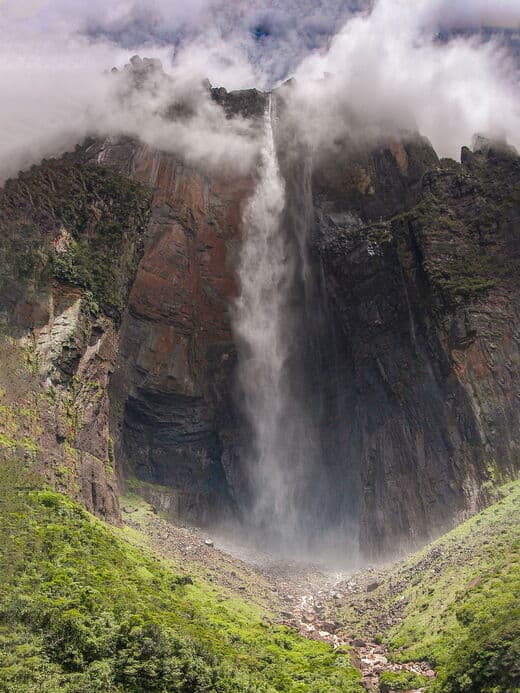
Angel Falls is the world's highest uninterrupted waterfall at 979 meters, roughly 15 times the height of Niagara Falls. Photographs cannot convey the experience of approaching it by boat through the Canaima lagoon system, watching the falls emerge from the clouds, feeling the mist from a distance of half a kilometer. This is a UNESCO World Heritage site that receives a fraction of the visitors of comparable natural wonders simply because of the difficulty of reaching it. For those who make the journey, the reward is an experience of profound remoteness and beauty.
The Orinoco Delta is one of the largest river deltas in the world, a labyrinth of channels, islands, and flooded forests that support indigenous Warao communities who have lived in this environment for thousands of years. The Los Roques archipelago offers Caribbean waters of impossible clarity, with coral reefs that have been protected as a national park since 1972. The Andes reach their northernmost extent in Venezuela, with peaks exceeding 4,000 meters and colonial villages that feel frozen in an earlier century.
Cultural Richness and Warmth
Venezuelans are renowned throughout Latin America for their warmth, humor, and hospitality. The country has produced some of the region's most celebrated musicians, artists, and writers. The Sistema, Venezuela's famous music education program, has trained world-class musicians and inspired similar programs globally. Venezuelan cuisine, while less internationally known than Mexican or Peruvian food, offers distinctive flavors that reward curious palates.
The cultural calendar includes celebrations that range from the solemn to the spectacular. Carnival is celebrated with particular enthusiasm, especially in El Callao where the festivities have been recognized by UNESCO as Intangible Cultural Heritage. The December holiday season extends through Epiphany with distinctive Venezuelan traditions including hallacas, gaitas music, and community celebrations that welcome outsiders with genuine openness.
The Experience of Authentic Adventure
There is a particular type of travel experience that becomes increasingly rare as global tourism infrastructure expands. It is the experience of genuine adventure, of navigating situations that are not pre-packaged, of relying on human connection and adaptability rather than apps and reservations. Venezuela offers this experience more than perhaps any other country with comparable natural attractions.
This is not tourism designed for your convenience. Reaching Angel Falls requires multiple flights, boat journeys, and an acceptance that weather may alter your plans. Exploring the Gran Sabana means driving roads that challenge even capable vehicles. Engaging with this country demands presence, patience, and the willingness to encounter difficulty as part of the experience rather than a flaw in the product.
For travelers who have visited dozens of countries and found them increasingly similar, Venezuela offers genuine difference. The infrastructure challenges, the economic situation, the political complexity, the relative absence of other tourists, the extraordinary landscapes all combine into an experience that cannot be replicated elsewhere.
Value for Money in a Complex Economy
Venezuela's economic situation, while challenging for residents, creates unusual value for visitors carrying hard currency. The dual exchange rate system and hyperinflation mean that dollars stretch remarkably far. A meal that might cost thirty dollars in neighboring Colombia can be had for five in Venezuela. Guided tours to world-class natural attractions cost a fraction of comparable experiences elsewhere. This is not a reason to visit, but it is a factor that makes extended stays financially accessible.
The Privilege of Witnessing Resilience
Visiting Venezuela in 2026 means witnessing a society navigating extraordinary challenges with creativity, humor, and determination. You will meet people who have adapted to shortages, instability, and uncertainty while maintaining their culture, their hospitality, and their hope. These encounters can be humbling and inspiring in ways that comfortable tourism rarely provides.
This is not disaster tourism or poverty voyeurism. It is recognizing that travel can include witnessing historical moments and connecting with people whose daily reality differs dramatically from your own. If approached with humility and openness, these encounters enrich both visitor and host.
A Country That Will Not Remain This Way
Political and economic situations change. Venezuela was once the wealthiest country in Latin America and may recover substantial stability in coming years or decades. The Venezuela you can visit in 2026, with its particular combination of accessibility challenges, minimal tourist crowds, and extraordinary preserved landscapes, will not exist forever. This is neither an argument for visiting nor a marketing pitch. It is simply an observation that the country you would experience today differs from what existed twenty years ago and what will exist twenty years hence.
Regions of Venezuela
Venezuela encompasses approximately 916,000 square kilometers, making it roughly the size of Texas and Oklahoma combined, or about twice the size of California. Within this area, the country contains an astonishing diversity of landscapes, from Andean peaks to Caribbean islands, from tropical rainforests to semi-arid plains. Understanding the distinct regions helps you plan an itinerary that matches your interests and time constraints.
The Capital Region and Central Coast
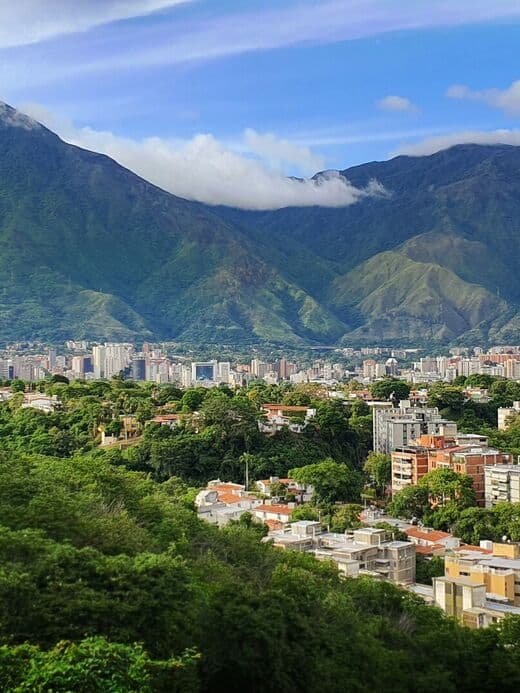
Caracas sprawls through a valley at approximately 900 meters elevation, surrounded by the Avila mountain range that separates the capital from the Caribbean coast. The city is home to roughly three million people in the metropolitan area and serves as the political, economic, and cultural heart of the nation. Caracas is chaotic, challenging, and occasionally dangerous, but it also contains world-class museums, vibrant neighborhoods, and some of the country's best restaurants.
The historic center around Plaza Bolivar contains colonial-era buildings including the cathedral where Simon Bolivar was baptized and the Capitolio Nacional. Sabana Grande is a commercial district with pedestrian boulevards that fill with street vendors and local life. Altamira and Las Mercedes are upscale neighborhoods with shopping, dining, and nightlife. Chacao offers markets and commercial activity. Petare, one of the largest barrios in Latin America, demonstrates the informal settlements that house a significant portion of the city's population.
The Avila National Park rises directly behind the city, offering hiking trails and a cable car that ascends to over 2,000 meters with views extending to the coast on clear days. The colonial town of Galipan, accessible via the cable car or winding mountain roads, provides an escape from urban intensity with its flower cultivation and traditional atmosphere.
The coast north of Caracas offers beach destinations within a few hours of the capital. Vargas state contains beaches ranging from developed resorts to quieter stretches. Macuto and Naiguata are traditional coastal towns. Puerto Colombia and Choron, accessible via a spectacular mountain road, represent some of the most beautiful coastal scenery in the country, with colonial architecture and Afro-Venezuelan cultural traditions.
Colonia Tovar, about two hours from Caracas, is a remarkable anomaly: a German colonial settlement founded in 1843 that has maintained its Bavarian architecture and traditions for nearly two centuries. The cool mountain climate, strawberry farms, and incongruous half-timbered buildings make it a popular weekend escape for Caraquenos.
The Andes
The Venezuelan Andes comprise the states of Merida, Tachira, and Trujillo, where the cordillera reaches its northernmost extent. This region offers cool mountain climate, colonial architecture, outdoor adventure, and a pace of life dramatically different from the coastal lowlands.
Merida city serves as the hub for Andean exploration. It is a university town with youthful energy, reasonable infrastructure, and access to the surrounding mountains. The Teleferico de Merida, reopened in recent years, is the world's highest and longest cable car system, ascending to Pico Espejo at 4,765 meters. The views encompass glacial peaks, paramo ecosystems, and the plains extending toward the Colombian border. The current price for foreigners is approximately fifty dollars, a significant increase from domestic rates but still reasonable for the experience offered.
Surrounding Merida, traditional mountain villages offer glimpses of Andean life little changed by modern tourism. Jaji, Mucuchies, and Apartaderos contain colonial churches, local markets, and mountain scenery. Los Nevados is accessible by mule or on foot, an isolated village at over 2,700 meters connected to Merida by a spectacular trail through paramo landscapes.
The Andes offer trekking opportunities ranging from day hikes to multi-day expeditions. Sierra Nevada National Park contains Pico Bolivar, the highest point in Venezuela at 4,978 meters. Climbing to the summit requires permits, guides, and proper equipment, but the experience rewards serious mountaineers with technical challenges and extraordinary vistas.
The paramo ecosystem, unique to the high Andes, features frailejon plants that can live for centuries and support endemic bird species. This landscape feels genuinely otherworldly, particularly when clouds move through the valleys below while you stand in sunshine above.
The Western Coast and Lake Maracaibo
Zulia state, centered on Lake Maracaibo, represents a distinct cultural region with its own accent, cuisine, and traditions. Maracaibo city is Venezuela's second largest urban center, historically wealthy from oil production and featuring distinctive architecture including the Basilica of Our Lady of Chiquinquira.
Lake Maracaibo itself is one of the largest lakes in South America and the site of the Catatumbo Lightning phenomenon, a natural wonder where thunderstorms occur with remarkable regularity, producing lightning visible from great distances. This atmospheric phenomenon has been observed for centuries and occurs most reliably during certain seasons, typically from May through November. Boat tours from the lake's western shore offer opportunities to witness this unique display.
The Guajira Peninsula, extending into Colombia, is home to the Wayuu indigenous people who maintain traditional practices including distinctive woven bags that have become valued throughout Latin America. The semi-arid landscape and indigenous culture create an experience quite different from the rest of Venezuela.
The Llanos
The Llanos comprise vast savanna plains extending from the Andes to the Orinoco River, covering roughly one-third of Venezuela's territory. This region offers wildlife viewing opportunities that rival more famous African destinations. During the dry season, from December through April, animals concentrate around remaining water sources, creating optimal conditions for observation.
Capybara, the world's largest rodent, are abundant. Anacondas can be observed in riverine habitats. Caiman populations have recovered significantly. Bird species include scarlet ibis, jabiru storks, and numerous raptors. The Orinoco crocodile, critically endangered and endemic to the region, survives in protected areas.
Several hatos, traditional cattle ranches, have developed ecotourism operations offering accommodation and guided tours. Hato El Cedral and Hato El Frio are among the most established, providing opportunities to explore the savanna by vehicle, horseback, and boat. These ranches offer an experience of Venezuelan rural life alongside wildlife observation.
The Llanos are not for everyone. Conditions are rustic, heat is significant, and mosquitoes are persistent. But for wildlife enthusiasts willing to accept discomfort, the region offers encounters with remarkable species in landscapes of stark beauty.
The Gran Sabana and Tepuis
The Gran Sabana occupies the southeastern corner of Venezuela, a vast highland region characterized by savanna grasslands punctuated by the tepuis, flat-topped mountains that have inspired scientists and adventurers for centuries. This is the heart of Canaima National Park, a UNESCO World Heritage site that protects over three million hectares of unique landscapes.
Canaima lagoon serves as the primary access point for Angel Falls, located on the Auyan-tepui. The community of Canaima is home to the Pemon indigenous people who have lived in this region for generations and now operate many of the tourism services. Flights from Ciudad Bolivar or Puerto Ordaz bring visitors to the small airstrip, from which boat excursions depart for the falls.
The journey to Angel Falls itself is a significant part of the experience. Depending on water levels and season, the trip involves several hours of motorized canoe travel through increasingly dramatic scenery. The base of the falls can be reached on foot, allowing visitors to stand beneath the cascade that free-falls for 807 meters before the water even touches rock.
Roraima tepui is the most accessible of the major tepuis, reachable via a multi-day trek from the community of Paraitepui. The standard itinerary involves six days of hiking through increasingly dramatic terrain, culminating in time spent atop the summit plateau where strange rock formations, endemic plants, and otherworldly landscapes reward those who make the journey. This trek requires reasonable fitness and tolerance for basic camping conditions but does not require technical climbing skills.
The drive along Route 10 from Ciudad Guayana to Santa Elena de Uairen on the Brazilian border traverses the Gran Sabana, passing numerous waterfalls, indigenous communities, and viewpoints. This is one of South America's great road journeys, though the condition of the highway varies and services are limited.
The Orinoco Delta
The Orinoco Delta comprises approximately 41,000 square kilometers of channels, islands, and mangrove forests where the Orinoco River meets the Atlantic Ocean. This is the homeland of the Warao people, whose name means "boat people" in their language, reflecting a culture built around water travel.
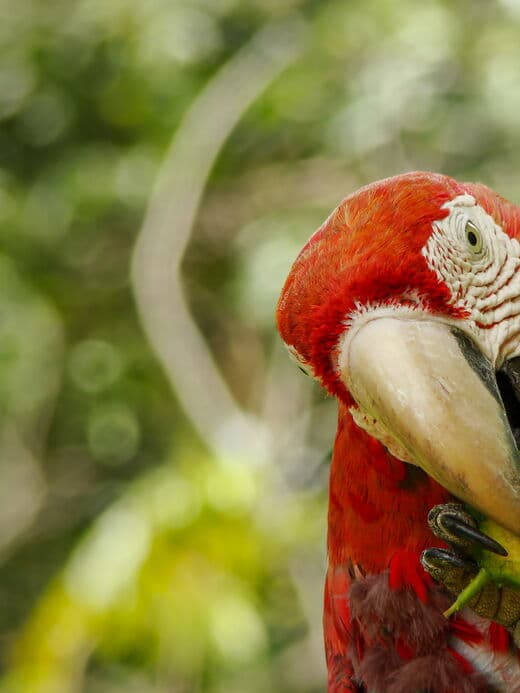
Tourism in the delta operates through indigenous communities or eco-lodges that offer excursions by traditional canoe through the waterways. Activities include wildlife observation, fishing, and visits to Warao settlements. The region supports scarlet macaws, howler monkeys, river dolphins, and numerous fish species including the famous piranha.
Conditions in the delta are basic by design. The experience centers on disconnection from modern infrastructure and immersion in a watery landscape that has shaped human culture for millennia. Visitors should expect humidity, insects, and simplicity in exchange for genuine remoteness and cultural encounter.
The Caribbean Islands
Venezuela's Caribbean coastline and islands offer beach experiences ranging from developed resorts to uninhabited cays. Los Roques archipelago is the crown jewel, a national park comprising approximately 350 islands and cays with some of the clearest water and best-preserved coral reefs in the Caribbean.
Gran Roque is the only inhabited island with tourism infrastructure, featuring small posadas that range from basic to quite comfortable. From here, day trips by boat access beaches of surreal beauty, snorkeling sites, and kiteboarding conditions that attract enthusiasts from throughout the region. Fishing, diving, and simple beach relaxation are the primary activities.
Reaching Los Roques requires a flight from Caracas, Porlamar, or other Venezuelan cities. The archipelago's protected status limits development and visitor numbers, creating an experience of Caribbean beauty without the crowds of more accessible destinations.
Margarita Island, in contrast, is Venezuela's primary beach resort destination, with developed infrastructure, shopping, and nightlife. The island attracted significant domestic tourism when Venezuela's economy permitted middle-class vacations and continues to draw visitors seeking beach amenities with Venezuelan prices. The colonial town of La Asuncion and the fishing village of Juangriego offer cultural counterpoints to the resort areas.
Isla de Coche and Cubagua complete the state of Nueva Esparta, offering quieter alternatives to Margarita's developed areas. Mainland coastal destinations including Mochima National Park, with its islands and beaches accessible from Puerto La Cruz, provide additional Caribbean options without island flights.
The Amazon and Southern Forests
Amazonas state occupies the southern portion of Venezuela, comprising dense rainforest, river systems, and indigenous territories. Puerto Ayacucho serves as the state capital and access point for expeditions into the jungle.
This region is less developed for tourism than the Gran Sabana but offers authentic rainforest experiences for those with time and tolerance for basic conditions. The Yanomami and other indigenous groups inhabit territories that remain among the most isolated in Venezuela. Tourism operations, where they exist, typically involve river journeys, wildlife observation, and cultural encounters with appropriate sensitivity to indigenous rights and preferences.
The Autana tepui rises from the jungle as one of the most striking of all the tepuis, with a cave that passes entirely through the mountain. Access is possible but requires significant planning and expedition-style travel.
Unique Natural Wonders
Venezuela contains natural phenomena found nowhere else on Earth. These are not marketing superlatives but scientific facts. The geological, biological, and atmospheric conditions that created these wonders are unique to this country, making Venezuela irreplaceable on the itinerary of anyone pursuing the world's most extraordinary natural experiences.
Angel Falls and the Tepui Ecosystem
Angel Falls, known locally as Kerepakupai Vena in the Pemon language, drops 979 meters from the summit of Auyan-tepui, making it the highest uninterrupted waterfall in the world. The falls were named after Jimmy Angel, an American aviator who crash-landed atop the tepui in 1937 while searching for gold. His plane remained on the summit for decades and is now displayed at the Ciudad Bolivar airport.
The experience of Angel Falls extends far beyond the statistics. The journey to reach them involves flying over the Gran Sabana, landing at the small Canaima airstrip, and traveling by motorized canoe through the Canaima lagoon system. The lagoon itself is spectacular, with multiple waterfalls cascading into waters tinted amber by tannins. The Salto El Sapo allows visitors to walk behind a curtain of falling water, an experience that rivals the main falls for immediate sensory impact.
The boat journey to Angel Falls continues from Canaima through increasingly narrow channels as the tepui rises ahead. Depending on water levels, the final approach may require portaging around rapids. The hike to the base of the falls offers views of the entire cascade, with mist creating rainbows in afternoon light. Standing at the base, you feel the force of water that has been falling for nearly a kilometer, atomized into spray long before reaching the pool below.
The tepuis themselves represent one of Earth's most unusual geological formations. These table mountains are remnants of a sandstone plateau that once covered the entire region, eroded over billions of years until only these isolated summits remain. Each tepui is effectively an island in the sky, with evolutionary conditions that have produced endemic species found on single mountains and nowhere else.
Roraima tepui, the most accessible for trekking, features a summit landscape that defies expectation. Rock formations shaped by acid rain into towers, canyons, and pools create an environment that seems designed for science fiction rather than actual geography. Endemic plants include carnivorous species that have adapted to nutrient-poor conditions. The black rock absorbs heat during the day and releases it at night, creating microclimates that support unique life forms.
The Catatumbo Lightning
The Catatumbo Lightning is a unique atmospheric phenomenon occurring where the Catatumbo River meets Lake Maracaibo. This location experiences more lightning strikes per square kilometer than anywhere else on Earth, with storms occurring up to 300 nights per year during peak seasons.
The phenomenon results from the convergence of unique geographical conditions. Warm trade winds from the Caribbean meet cold air descending from the Andes, while methane rising from the swampy delta may contribute to the unusual electrical activity. The result is storms that produce spectacular lightning displays visible from great distances, historically used by sailors as a navigation aid.
Viewing the Catatumbo Lightning requires travel to the lakeside town of Congo Mirador or similar locations, followed by a boat journey into the viewing area. Tours typically depart in late afternoon and remain on the water through the night as storms develop. The experience is weather-dependent, with the most reliable viewing from May through November when atmospheric conditions favor storm formation.
This is not a casual excursion. The region is remote, conditions are basic, and the phenomenon itself is natural and therefore unpredictable. But for those who witness a full display, with lightning illuminating the sky multiple times per minute for hours, the experience ranks among the most extraordinary natural spectacles available anywhere.
The Orinoco Delta Ecosystem
The Orinoco Delta represents one of the world's great river deltas, where South America's third-largest river disperses through thousands of channels before reaching the Atlantic. The ecosystem supports extraordinary biodiversity, including river dolphins, manatees, giant otters, and some of the hemisphere's largest concentrations of scarlet ibis.
The Warao people have inhabited this environment for thousands of years, developing a culture uniquely adapted to aquatic life. Their traditional houses are built on stilts, their transportation is by canoe, and their economy historically centered on palm products and fishing. Visiting the delta offers opportunities to observe both natural wonders and this distinctive human adaptation.
The delta's character changes with the seasons. During high water periods, the forest floods, allowing canoe travel through the trees. During lower water, channels narrow and wildlife concentrates in accessible areas. Both seasons offer distinct experiences, and serious naturalists may find value in visits during different conditions.
Los Roques Coral Reefs
The Los Roques archipelago contains some of the Caribbean's healthiest coral reef systems, protected since 1972 as Venezuela's first marine national park. The islands and cays number approximately 350, surrounded by waters of remarkable clarity and biological diversity.
The protection has allowed marine life to flourish in ways increasingly rare in the Caribbean. Sea turtle populations are significant. Coral formations display colors and health often degraded in more accessible locations. Fish populations support both observation and sustainable fishing traditions.
The experience of Los Roques centers on water activities. Snorkeling reveals reef systems accessible directly from beaches. Diving operations offer access to deeper sites including walls, caves, and pelagic encounters. Kiteboarding conditions attract enthusiasts who consider Los Roques among the best locations in the Caribbean. Or you can simply lie on beaches of powdered white sand, gazing at water that shifts through impossible shades of blue and green.
The Paramo Ecosystem
The Venezuelan Andes contain significant areas of paramo, the unique high-altitude ecosystem found only in the tropical Andes. This environment, occurring roughly between 3,000 and 5,000 meters elevation, supports plant and animal communities found nowhere else.
Frailejon plants dominate the landscape, their silver-green leaves adapted to intense ultraviolet radiation and freezing temperatures. These plants can live for centuries, growing slowly and supporting endemic insects and birds. The spectacled bear, South America's only bear species, ranges through the paramo seeking bromeliads and other food sources.
The experience of walking through paramo feels genuinely otherworldly. The plants seem designed for an alien planet, the light carries unusual intensity at altitude, and the silence of these high valleys creates an atmosphere of profound isolation. This ecosystem is threatened by climate change, which pushes the zone upward faster than species can adapt, making current visits opportunities to witness a landscape that may not persist in current form.
The Llanos Wetland System
The Llanos represent one of South America's great seasonal wetland systems, with annual floods transforming the landscape and concentrating wildlife in ways that facilitate observation. During dry season, the experience rivals African savanna for wildlife density and variety.
Capybara herds number in the hundreds at prime locations. Anacondas reach impressive sizes in the river systems. Caiman populations have recovered from historical hunting pressure to levels that astonish first-time visitors. The critically endangered Orinoco crocodile survives in protected areas, representing one of the world's largest crocodilian species.
Bird diversity is exceptional, with approximately 350 species recorded in the region. Scarlet ibis flocks create stunning visual displays at dawn and dusk. Jabiru storks stand sentinel in the shallows. Raptors including caracara and hawks patrol the grasslands. For birders, the Llanos offer a concentration of species that justifies dedicated visits.
The Amazon Connection
Venezuela's southern regions connect to the greater Amazon basin, with ecosystems that include some of the most biodiverse forests on Earth. While less accessible than the Gran Sabana or coastal areas, these forests offer experiences for dedicated naturalists and adventure seekers.
The diversity of tree species exceeds what most temperate-zone visitors can comprehend, with hundreds of species potentially occurring in single hectares. Primates including howler monkeys, spider monkeys, and various tamarin species inhabit the canopy. River systems support giant otters, river dolphins, and fish species that include the legendary arapaima, one of the world's largest freshwater fish.
Accessing these areas requires planning, time, and acceptance of basic conditions. But for those who make the effort, the Venezuelan Amazon offers encounters with wilderness that is increasingly rare in our developed world.
When to Visit Venezuela
Venezuela's tropical location means that seasons are defined by precipitation rather than temperature. Understanding the wet and dry patterns helps you plan activities and choose the optimal timing for specific experiences. The country's diverse geography also means that conditions vary significantly between regions.
The Dry Season: December Through April
The dry season represents the most popular period for tourism, with generally favorable conditions across most of the country. Skies tend to be clearer, roads are more passable, and outdoor activities are less likely to be interrupted by rain.
For Angel Falls and the Gran Sabana, the dry season presents a tradeoff. River levels may be too low for boat access to the falls during the driest months, typically February through April. When the Carrao and Churun rivers lack sufficient water, the boat journey becomes impossible, though scenic flights over the falls remain available. Conversely, the dry season offers the best conditions for trekking to Roraima, with more reliable trail conditions and clearer views.
The Llanos are at their best during the dry season. Wildlife concentrates around shrinking water sources, making observation dramatically easier. December through March offers optimal conditions for wildlife tours, with animals visible in concentrations rarely matched elsewhere in South America.
Beach destinations and Caribbean islands are pleasant throughout the dry season, with lower humidity and reduced chance of afternoon storms. The Christmas and Carnival periods see peak domestic tourism, with higher prices and busier conditions at popular destinations.
Carnival 2026 falls on February 16-17, with celebrations occurring throughout the country. El Callao's carnival, recognized by UNESCO, is particularly spectacular, with traditions blending African, French Caribbean, and Venezuelan elements. Planning travel around these dates requires advance booking and acceptance of festive crowds.
The Wet Season: May Through November
The wet season brings daily afternoon storms to most of the country, with varying intensity depending on region and month. This period sees fewer tourists, lower prices, and different advantages depending on your interests.
Angel Falls is at its most impressive during the wet season, when high water levels ensure the cascade reaches maximum force. June through August typically offer optimal conditions, with sufficient river levels for boat access and water volume that makes the falls spectacular. The tradeoff is more cloud cover, which can obscure views, and muddier trail conditions at the base.
The Gran Sabana receives significant rain during these months, which greens the savanna and fills the many waterfalls along Route 10. The landscape takes on a lush appearance quite different from the dry season's golden grasses. Roraima treks become more challenging but still possible for experienced trekkers willing to accept wet conditions.
The Catatumbo Lightning is most reliable during the wet season, particularly from May through November when atmospheric conditions favor storm formation. Serious lightning enthusiasts should plan visits during this period.
The Orinoco Delta remains accessible year-round, though water levels and wildlife patterns shift with the seasons. High water periods allow canoe travel through flooded forests, while lower water concentrates wildlife in main channels.
Shoulder Seasons and Transition Periods
May and November represent transition months that can offer favorable conditions. Early May sometimes maintains manageable water levels for Angel Falls boat trips while rivers begin to rise. Late November sees decreasing rain while water levels remain adequate for many activities.
These transition periods can offer the best of both seasons, though they also carry more uncertainty. Flexibility in your itinerary allows you to adapt to conditions, potentially accessing experiences that are unavailable during peak wet or dry periods.
Regional Variations
Venezuela's diverse geography creates regional microclimates. The Andes are generally cooler and can receive rain any time of year, though dry season sees clearer conditions for cable car views. The Caribbean coast and islands tend to be drier than inland areas year-round. Maracaibo and the western lowlands are hot throughout the year, with wet season bringing some relief.
Caracas experiences a mild dry season and wet season pattern, with temperatures moderated by altitude. The city remains accessible year-round, though dry season visits offer more comfortable conditions for exploration.
How to Get There
Reaching Venezuela in 2026 requires more planning than most destinations due to reduced international flight options and the country's political situation. Understanding the available routes and practical considerations helps you arrange travel that is both feasible and relatively smooth.
International Flights
The Simon Bolivar International Airport at Maiquetia, serving Caracas, remains the primary international gateway. However, the number of airlines serving Venezuela has decreased significantly from historical levels.
Copa Airlines operates the most extensive regional connections, with daily flights from Panama City that connect to their hub network throughout the Americas. This routing provides the most flexible options for travelers from North America and other regions, though it typically requires an overnight in Panama or careful connection planning.
Wingo, the low-cost subsidiary of Copa, offers flights from Bogota that can provide economical connections for travelers already in Colombia or connecting through that country. The Bogota routing is particularly useful for those combining Venezuela with Colombia travel.
Conviasa, Venezuela's national carrier, operates international routes including flights to Mexico City, Buenos Aires, and other Latin American destinations. The airline has faced reliability issues historically, and travelers should maintain flexibility when booking Conviasa flights.
Turkish Airlines has maintained service to Caracas, providing a connection option from Europe and beyond through their Istanbul hub. This routing can work well for European travelers seeking one-stop access.
Direct flights from the United States are essentially unavailable due to political relations and aviation restrictions. American travelers must connect through third countries, with Panama being the most common routing.
Overland Entry Points
Venezuela shares land borders with Colombia, Brazil, and Guyana. Border crossings have varied in their operational status due to political tensions, and travelers should confirm current conditions before planning overland entry.
The Colombia border near Cucuta and San Cristobal has historically been the most-used overland crossing. Relations between the countries have fluctuated, with border closures and reopenings occurring periodically. When open, buses and shared taxis connect the border towns to larger cities on both sides.
The Brazil border at Santa Elena de Uairen connects to Pacaraima and eventually Boa Vista in Brazil. This crossing provides access to the Gran Sabana directly, potentially allowing travelers to begin their Venezuelan journey in the scenic southeast rather than through Caracas. The border is generally more stable than the Colombian crossing but is remote and services are limited.
The Guyana border is less commonly used by tourists and presents practical challenges due to the disputed Essequibo territory. This is not a recommended entry point for casual travelers.
Documentation Requirements
US citizens require a visa for Venezuela, which must be obtained in advance from a Venezuelan consulate. The visa application process can be slow and unpredictable, and travelers should begin the process well before intended travel dates. Business visas and tourist visas have different requirements, and the appropriate category depends on your stated purpose.
UK, Canadian, and Australian citizens face similar visa requirements. European Union passport holders from most countries also require visas. The processing requirements and timelines vary by consulate, and travelers should contact the relevant Venezuelan diplomatic mission for current procedures.
The visa situation reflects broader political tensions, and requirements may change. Travelers should monitor current entry requirements through official sources as their trip approaches.
Airport Procedures and Considerations
Maiquetia airport has a reputation for being challenging, and prepared travelers navigate it more smoothly. Immigration lines can be long, and patience is essential. Having accommodation reservations and onward travel details available can smooth the entry process.
Currency declaration is theoretically required for amounts over certain thresholds, though enforcement varies. Travelers carrying significant amounts of US dollars should be prepared to explain their travel plans and budget if questioned.
The airport is located on the coast, approximately 30 kilometers from Caracas. The drive to the city passes through areas that have experienced security concerns, and travelers generally arrange airport transfers in advance rather than relying on informal transportation.
Domestic connections from Caracas to destinations including Canaima, Puerto Ordaz, Merida, and Porlamar operate from both Maiquetia and the smaller Simon Bolivar airport at La Carlota in the city. Flight schedules and reliability vary, and building flexibility into itineraries helps manage the uncertainty of domestic aviation.
Travel Insurance and Emergency Planning
Travel insurance that explicitly covers Venezuela is essential and increasingly difficult to obtain. Many standard policies exclude countries under Level 4 travel advisories. Specialized insurers catering to adventure travel or high-risk destinations may offer appropriate coverage, though premiums reflect the elevated risk assessment.
Travelers should verify that their coverage includes emergency medical evacuation, as Venezuelan healthcare infrastructure has deteriorated significantly. The ability to be transported to Colombia, Panama, or further if serious medical issues arise represents essential protection.
Registering with your home country's embassy or consular services provides a communication channel in case of emergency. The US State Department's STEP program, UK's travel registration, and equivalent services from other countries allow authorities to contact you if urgent situations develop.
Transportation Within Venezuela
Moving around Venezuela requires adaptability and realistic expectations. The infrastructure challenges affecting the country extend to transportation, and travelers who approach this reality with patience and flexibility will have smoother experiences than those expecting developed-world reliability.
Domestic Flights
Flying is the most practical way to cover long distances in Venezuela, particularly for reaching destinations like Canaima or avoiding lengthy drives through areas with security concerns. However, domestic aviation presents its own challenges.
Conviasa operates the most extensive domestic network, connecting Caracas with regional cities and tourist destinations. The airline has improved in recent years but still experiences delays, schedule changes, and occasional cancellations. Building buffer days into your itinerary prevents cascading disruptions when flights do not operate as scheduled.
Smaller airlines and charter operators serve specific routes, particularly tourism-focused destinations. Flights to Canaima often operate on small aircraft, with capacity and schedules dependent on demand and conditions. Booking these flights through tour operators often provides more reliability than attempting independent reservations.
The standard advice for Venezuelan domestic flights: confirm and reconfirm, arrive early, maintain flexibility, and have contingency plans. When flights operate smoothly, you cover distances that would require days by road in a matter of hours.
Buses and Long-Distance Ground Transport
Venezuela historically had an extensive bus network connecting all major cities and towns. This system continues to operate, though at reduced capacity and reliability. Bus terminals exist in major cities, with services ranging from basic to relatively comfortable.
The quality of bus services varies significantly. First-class buses on major routes offer air conditioning, reclining seats, and reasonable comfort for journeys that can extend to twelve hours or more. More basic services provide transportation at lower cost but with less comfort and potentially more frequent stops.
Security on overnight buses has been a concern, and many travelers prefer daytime departures when possible. The Route 10 from Ciudad Guayana to Santa Elena de Uairen traverses the Gran Sabana and represents one of the most spectacular bus journeys in South America, though the road condition and service reliability require patience.
For journeys where schedules and comfort matter, arranging private transportation through your accommodation or a reliable operator provides more control over timing and conditions. The cost difference is significant but often worthwhile for travelers on limited time.
Urban Transportation
Within Caracas, the metro system remains functional and represents the most efficient way to traverse the sprawling city. The system connects major neighborhoods and provides access to key areas including Sabana Grande, Altamira, and Chacao. The metro is generally safe during daytime hours, though the usual urban precautions apply regarding valuables and awareness.
Ride-hailing services have become essential for urban transportation in Venezuela. Ridery is the most established local platform, operating similarly to Uber and available in major cities. Payment can be arranged in dollars, which simplifies the currency challenges that affect other transportation.
Yummy has evolved from a food delivery service into a super-app that includes ride-hailing among its features. Both platforms provide the safety of traceable trips, agreed pricing, and digital payment options that reduce the need to carry large amounts of cash.
Traditional taxis exist but present more complexity regarding pricing and payment. If using street taxis, agreeing on the fare before entering is essential, and having appropriate currency ready simplifies the transaction.
Car Rental and Self-Driving
Renting a car in Venezuela is possible but carries considerations that make it appropriate only for certain travelers and situations. The Gran Sabana represents the most compelling case for self-driving, where the spectacular Route 10 rewards travelers who can set their own pace and stop at the numerous waterfalls and viewpoints.
Rental vehicles should be four-wheel drive for anything beyond major highways. Fuel availability has improved from the severe shortages of recent years but remains unpredictable in remote areas. Carrying additional fuel on Gran Sabana drives is prudent.
Road conditions vary from reasonable on major routes to challenging on secondary roads. Signage is limited outside major areas. Driving at night is strongly discouraged throughout the country due to road conditions, lack of lighting, and security concerns.
Insurance and documentation for rental vehicles require careful attention. International driving permits are technically required, though enforcement varies. Having proper documentation prevents complications at checkpoints, which occur throughout the country.
Boats and Water Transportation
Water transport is essential for reaching certain destinations, most notably Angel Falls. The boat journey from Canaima is typically included in tour packages and operated by local Pemon guides using motorized canoes called curiaras.
The Orinoco Delta is explored entirely by boat, with accommodations and activities centered on water transport. Los Roques island-hopping requires boat transfers, typically arranged through your posada.
Ferries connect the mainland to Margarita Island from Puerto La Cruz, providing an alternative to flying. The crossing takes several hours and offers views of the coastal islands.
Organized Tours and Guides
For many destinations and experiences in Venezuela, organized tours represent the most practical approach. Angel Falls excursions, Roraima treks, Llanos wildlife tours, and Orinoco Delta visits all benefit from local expertise, established logistics, and group dynamics that improve safety.
Tour operators range from basic to professional, and selecting reliable operators matters significantly. Recommendations from recent travelers, established online presence, and clear communication before booking all indicate operators more likely to deliver positive experiences.
The cost of organized tours has decreased dramatically in dollar terms due to the economic situation, making experiences that might cost thousands elsewhere available for hundreds in Venezuela. This value comes with the understanding that infrastructure and polish may differ from more developed tourism destinations.
Cultural Code: Understanding Venezuelan Society
Traveling respectfully and meaningfully in Venezuela requires understanding the cultural context you are entering. Venezuelan society has its own rhythms, values, and ways of interacting that differ from other Latin American countries and certainly from Anglo cultures. Approaching these differences with curiosity and respect enriches your experience and creates better encounters for everyone.
Warmth and Personal Connection
Venezuelans are renowned throughout Latin America for their warmth, openness, and sociability. This is not mere tourism-industry pleasantry but a genuine cultural characteristic that shapes daily interactions. Conversations with strangers flow easily. Hospitality toward visitors is sincere. The humor is quick, often self-deprecating, and pervasive even in difficult circumstances.
This warmth comes with expectations of reciprocity. Taking time for greetings, showing genuine interest in people's lives, and engaging in conversation beyond transactional necessities are appreciated and expected. The rushed efficiency valued in some cultures can come across as cold or dismissive in Venezuela.
Physical warmth accompanies verbal warmth. Greetings typically involve a kiss on the cheek between people of any gender combination when meeting socially. Handshakes are more common in formal or business settings. Maintaining personal space at Northern European distances can seem standoffish.
Relationship with Time
Venezuelan concepts of punctuality differ from Anglo expectations. Social events may begin significantly later than scheduled. Meetings that North Americans would consider late by twenty minutes might be early by Venezuelan standards. This flexibility with time reflects values that prioritize relationships and conversation over strict scheduling.
For travelers, this cultural relationship with time has practical implications. Scheduled departures may not depart on schedule. Agreed meeting times are approximations. Building flexibility into plans and maintaining patience when timelines shift prevents frustration.
However, this flexibility does not mean time is unimportant. Being respectful of others' time, particularly in professional contexts, is valued. The key is reading situations and adapting appropriately rather than imposing your own time culture.
Economic Reality and Sensitivity
Venezuela's economic crisis has affected virtually every family in the country. Many professionals have emigrated, those remaining often work multiple jobs, and purchasing power has collapsed dramatically. This reality touches all interactions, and sensitive travelers approach economic topics thoughtfully.
Venezuelans generally discuss the economic situation openly and often with dark humor. They are not looking for pity but do appreciate understanding. Flaunting wealth, complaining about prices that are absurdly cheap by your standards, or making insensitive comparisons demonstrates poor judgment.
The economic differential between visitors with hard currency and locals struggling with inflation creates ethical considerations. Fair payment for services, appropriate tipping, and treating service providers with dignity matter. Your tourist dollars make a genuine difference to individuals and families.
Pride and National Identity
Venezuelans maintain strong national pride despite current difficulties. They are aware of their country's extraordinary natural beauty, cultural contributions, and historical significance. They also understand the current challenges and do not need outsiders to explain their situation.
Politics is a sensitive and complex topic. Venezuelan society is deeply divided on political questions, and casual commentary from outsiders is rarely appreciated by any faction. Listening more than speaking on political topics demonstrates respect and often leads to more genuine conversations.
Pride in local identity also exists. Maracuchos, Margaritenos, Merideños, and other regional identities carry their own characteristics and traditions. Showing interest in these regional distinctions is appreciated.
Family and Social Structures
Family is central to Venezuelan society in ways that may differ from more individualistic cultures. Multi-generational households are common. Sunday is traditionally family day. Business decisions may involve family considerations that Anglo observers might find unusual.
Social gatherings often extend through meals and continue into late hours. Being invited to a Venezuelan home is an honor, and bringing a small gift such as wine or something from your home country is appropriate. Offering to help with food preparation or cleanup may be appreciated or declined, but the offer shows good manners.
Catholicism remains influential in Venezuelan culture, though practice varies widely. Religious references appear in daily speech, and understanding basic Catholic traditions helps interpret cultural context. Holy Week and Christmas are particularly important periods.
Language and Communication
Spanish is the language of Venezuela, and while English is taught in schools, fluency is far from universal. In major cities and tourism contexts, you will find some English speakers, but ability varies widely. Basic Spanish dramatically improves your experience and shows respect.
Venezuelan Spanish has its own characteristics, including vocabulary and slang that differ from other Latin American countries. "Chevere" means great or cool. "Pana" means friend or buddy. "Burda" intensifies adjectives. Learning a few Venezuelan expressions endears you to locals.
Communication style tends toward directness combined with warmth. Venezuelans will tell you what they think, but they will do so with a smile and friendly intention. This directness is not rudeness but simply a different communication norm.
Appearance and Presentation
Venezuelans generally take care with personal appearance, even in casual settings. The country has strong beauty culture traditions, and looking presentable matters in ways that may differ from more casual cultures. This does not mean formal dress is required, but being notably disheveled can create negative impressions.
For travelers, this means maintaining reasonable grooming standards and avoiding the most extreme casual wear in urban settings. Beach destinations are naturally more relaxed, but arriving at a Caracas restaurant in clothing that would be appropriate for a hike sends the wrong signals.
Food and Dining Culture
Meals are social occasions meant for enjoyment and conversation. Rushing through food or treating dining as merely fuel can seem strange. Lunch is traditionally the main meal, often extending well beyond what North American work schedules would accommodate.
Table manners follow general Latin American and European conventions. Keeping hands visible on the table, not beginning before the host, and maintaining pleasant conversation are expected. Finishing everything on your plate may be taken as a request for more, while leaving excessive food can seem wasteful.
Being invited to share food is common and accepting is polite. Refusing offers of food or drink requires diplomatic phrasing rather than simple rejection.
Safety in Venezuela: Honest Assessment and Practical Strategies
Any honest guide to Venezuela must address safety directly. The US State Department's Level 4 Do Not Travel advisory exists for real reasons. Crime rates are among the highest in the hemisphere. Political instability creates unpredictable situations. Healthcare infrastructure has deteriorated. These facts require acknowledgment, not dismissal.
At the same time, many travelers visit Venezuela each year without incident. Understanding actual risks, implementing practical precautions, and making informed decisions allows travel that accepts elevated risk while managing it appropriately.
Crime and Personal Safety
Violent crime is a genuine concern, particularly in Caracas and other urban areas. Armed robbery, express kidnapping, and assault occur with frequency that exceeds most countries in the region. Poverty, political instability, and reduced policing have all contributed to elevated risk.
Practical precautions significantly reduce risk. Avoiding displays of wealth, not walking alone at night, using verified transportation, staying in recommended neighborhoods, and maintaining situational awareness are essential. Expensive jewelry, visible electronics, and obviously tourist behavior all increase targeting risk.
Certain areas require particular caution. The 23 de Enero neighborhood in Caracas and other barrio areas are not appropriate for casual tourist visits. Border regions with Colombia have experienced armed group activity. Certain mining areas in the south have security concerns related to illegal operations.
Tourist areas, by contrast, see considerably less crime against visitors. Canaima, Los Roques, and established tour circuits benefit from community investment in tourism and lower baseline crime rates. The Merida region has traditionally been considered safer than coastal areas.
Political and Civil Unrest
Venezuela's political situation remains volatile, with the potential for protests, demonstrations, and government responses that can escalate quickly. Areas around government buildings and known protest routes require particular attention during politically charged periods.
Avoiding crowds and demonstrations is essential regardless of your political sympathies. What begins as peaceful protest can change rapidly, and foreigners caught in such situations face particular vulnerabilities. If you encounter a developing protest situation, leave the area immediately.
Detention of foreigners, while not common, has occurred. Having proper documentation readily available, avoiding activities that could be construed as political involvement, and knowing your embassy contact information are prudent measures.
Health and Medical Safety
Venezuela's healthcare system has deteriorated significantly, with shortages of basic medications, equipment, and qualified personnel. Facilities that were once competent now struggle to provide basic care. Private clinics in major cities offer better options but at considerable cost.
Travel insurance with emergency medical evacuation coverage is essential, not optional. If you experience serious medical issues, extraction to Colombia, Panama, or the United States may be necessary. Verify that your insurance explicitly covers this before departure.
Bringing sufficient supplies of any personal medications is important, as local availability cannot be assumed. Basic first aid supplies, any prescription medications, and common treatments you might need should travel with you.
Transportation Safety
Road accidents represent a significant risk. Road conditions, vehicle maintenance standards, and driving practices all contribute to elevated accident rates. Using verified transportation rather than informal options provides some protection.
Domestic flights present considerations including aircraft maintenance and operational standards that may differ from what you expect. Major carriers on main routes offer reasonable safety records, while smaller operators on remote routes present more uncertainty.
Night driving throughout the country carries heightened risk from road conditions, unlighted obstacles, and security concerns. Avoiding night road travel eliminates a significant category of potential incidents.
Communication and Connectivity Safety
Having functioning communication throughout your trip provides safety advantages. Local SIM cards with data, messaging apps that work over wifi, and clear emergency contact plans all contribute to security.
Sharing your itinerary with contacts outside Venezuela ensures someone knows where you should be. Regular check-ins at agreed times mean that alarm can be raised quickly if something goes wrong.
Accepting and Managing Risk
Traveling to Venezuela involves accepting elevated risk compared to most destinations. This is a personal decision that depends on your risk tolerance, travel experience, and specific plans. The question is not whether risk exists but whether you can manage it to acceptable levels.
Conservative itineraries focusing on established tourist areas with reputable operators carry significantly less risk than independent travel to remote areas. Group travel provides safety advantages over solo exploration. Experience in challenging destinations provides skills that reduce risk.
If something feels wrong, trust your instincts. If a situation seems unsafe, leave. If advice from locals suggests caution, heed it. Managing risk in Venezuela requires ongoing attention, not just initial precautions.
Health Considerations
Health preparation for Venezuela involves both preventive measures before departure and strategies for staying healthy during your visit. The deteriorated healthcare infrastructure makes prevention even more important than in destinations where medical care is readily available.
Vaccinations and Preventive Measures
Consult a travel medicine specialist at least six weeks before departure. Recommended vaccinations typically include hepatitis A and B, typhoid, and routine vaccines including measles-mumps-rubella. Yellow fever vaccination is required for entry into certain countries after visiting Venezuela and recommended for travel to jungle and savanna regions.
Malaria prevention is necessary for travel to certain areas including the Orinoco Delta, Amazon regions, and some parts of Bolivar state. Antimalarial medication should be discussed with your travel doctor, who can recommend appropriate prophylaxis based on your specific itinerary.
Dengue fever is present throughout the country and transmitted by mosquitoes active during daytime hours. No vaccine is widely available, so prevention focuses on avoiding bites through repellent use and appropriate clothing.
Zika virus has been present in Venezuela and poses particular concerns for pregnant women or those planning pregnancy. Current risk assessments should be reviewed before travel.
Water and Food Safety
Tap water in Venezuela should not be consumed without treatment. Bottled water is widely available and should be your default for drinking. Ice in restaurants may or may not be made from purified water; when uncertain, avoid it.
Street food is delicious but carries elevated risk compared to established restaurants. If choosing street vendors, select those with high turnover where food has not been sitting. Freshly prepared items are safer than those that have been on display.
Fruits that you peel yourself are generally safe. Salads and raw vegetables carry more risk depending on how they have been washed. Thoroughly cooked hot foods present lowest risk.
Environmental Health Concerns
Sun exposure in tropical latitudes is intense and sunburn can occur quickly. High-SPF sunscreen, hats, and sun-protective clothing are essential, especially at altitude or on water where reflection intensifies exposure.
Altitude in the Andes can affect travelers who ascend quickly. Merida city sits at approximately 1,600 meters, while the cable car reaches nearly 5,000 meters. Ascending gradually and recognizing symptoms of altitude sickness allows appropriate response.
Heat and humidity in lowland areas require attention to hydration and heat management. Adjusting activity levels, staying hydrated, and recognizing early signs of heat-related illness prevent serious problems.
Medical Kit and Supplies
Carrying a comprehensive medical kit is more important for Venezuela than many destinations. Include: prescription medications with documentation, basic pain relievers and fever reducers, anti-diarrheal medication, antihistamines, rehydration salts, bandages and basic wound care supplies, insect repellent, and any personal medications you might need.
Consider including antibiotics prescribed by your travel doctor for specific conditions, as obtaining appropriate medications in Venezuela cannot be assumed. Discuss this with your medical provider before departure.
Emergency Medical Planning
Know the location of the best available medical facilities at each stop on your itinerary. In Caracas, private clinics including Clinica El Avila and others offer the most reliable care. Regional cities have varying quality facilities.
Your travel insurance should include 24-hour assistance numbers that you carry separately from your policy documents. Know the process for activating emergency evacuation if needed.
Embassy contacts should be readily available, as consular services can assist with medical emergencies including helping locate appropriate care and arranging evacuation if necessary.
Money in Venezuela: Navigating a Complex Currency Situation
Venezuela's monetary situation is unlike anything you have likely encountered. Hyperinflation, currency controls, multiple exchange rates, and the practical dominance of US dollars create complexity that requires understanding before arrival.
The Currency Situation Explained
The bolivar is the official currency, but ongoing hyperinflation has made it impractical for many transactions. The government has removed zeros from the currency multiple times, creating confusion about denominations. In practice, the US dollar has become a parallel currency accepted widely throughout the country.
Two exchange rates effectively exist. The official rate set by the government differs from the parallel rate available through informal channels. The gap between these rates fluctuates but has historically been substantial. Understanding which rate applies to your transactions affects what things actually cost.
Most tourism services are priced in US dollars and expect dollar payment. Hotels, tour operators, flights, and many restaurants quote and accept dollar prices. This simplifies matters for tourists while reflecting the reality of the dollarized economy.
Practical Money Management
Bringing US dollars in cash is essential. International credit cards including Visa and Mastercard do not work in Venezuela due to sanctions and banking restrictions. ATM withdrawals are essentially impossible for foreign cards. You must arrive with sufficient cash for your entire trip.
Bring clean, undamaged bills in recent series. Older bills or those with marks, tears, or excessive wear may be refused or accepted only at penalties. Denominations of $50 and $100 are most practical for larger transactions, while smaller bills help with everyday purchases.
Keep bills flat and organized. Venezuelan recipients are accustomed to examining dollars carefully and will reject bills that do not meet their standards. What seems like acceptable currency to you may not be accepted locally.
Exchanging Dollars for Bolivars
For some transactions, particularly markets, street food, and small vendors, bolivars are necessary or more practical. Exchanging dollars for bolivars should be done carefully to obtain reasonable rates.
Hotels and tour operators can often exchange small amounts at rates close to the parallel rate. This convenience may be worth any slight rate disadvantage. Informal money changers exist but present risks including fraud and legal complications.
The amount of bolivars you need is relatively small for most tourist activities. A few dollars worth of bolivars handles market purchases and small transactions while you conduct larger transactions in dollars.
Digital Payments and Apps
Zelle has become remarkably prevalent in Venezuela's dollar economy, as the app allows dollar transfers between US bank accounts. If you have a US bank account with Zelle, you can pay many Venezuelan merchants directly. This is not essential but can simplify certain transactions.
Local payment apps exist but require Venezuelan bank accounts and are not practical for short-term visitors. Cash remains king for tourists.
Budgeting and Costs
Venezuela offers extraordinary value for travelers with hard currency. What would cost hundreds of dollars in neighboring countries often costs tens of dollars in Venezuela. This extends across accommodations, meals, transportation, and tours.
Budget travelers can manage on $30-50 per day for basic accommodations, local meals, and ground transportation. Mid-range travelers spending $75-150 per day access comfortable hotels, good restaurants, and guided tours. Premium experiences including Los Roques lodges and comprehensive multi-day tours still cost significantly less than equivalent experiences elsewhere.
Specific costs to budget: Angel Falls tours range from approximately $250-500 for the standard multi-day package. The Merida cable car costs $50 for foreigners. Los Roques posadas range from $100-300 per night. Internal flights typically cost $100-200 one way.
Tipping and Service
Tipping is appreciated and makes a genuine difference to service workers whose bolivar salaries have been devastated by inflation. A few dollars for good service represents significant value.
For guides, particularly on multi-day tours, appropriate tips range from $10-20 per day depending on service quality. Restaurant tipping of 10-15% follows Latin American norms. Small tips for hotel staff, porters, and others who assist you are appreciated.
Sample Itineraries
These itineraries provide frameworks that can be adapted to your interests, timeline, and evolving conditions on the ground. Venezuela rewards flexibility, so treat these as starting points rather than rigid schedules.
Seven Days: Gran Sabana Focus
This itinerary concentrates on Venezuela's most iconic landscapes, prioritizing Angel Falls and the tepui region while minimizing time in Caracas.
Day 1: Arrival in Caracas
Arrive at Maiquetia airport and transfer to accommodation in the Altamira or Las Mercedes area. These neighborhoods offer safety, restaurants, and proximity to domestic flight connections. If arriving early enough, walk the Sabana Grande boulevard or visit the Boulton Collection at the Gustavo Roosen Gallery. Overnight Caracas.
Day 2: Fly to Canaima
Early morning flight to Canaima, either direct or via Ciudad Bolivar or Puerto Ordaz depending on schedules. The flight over the Gran Sabana reveals the landscape you will explore. Afternoon excursion to Salto El Sapo, walking behind the waterfall curtain. Watch sunset over the lagoon from your lodge. Overnight Canaima.
Day 3: Angel Falls Expedition Day 1
Depart by motorized canoe for Angel Falls, traveling through increasingly dramatic scenery as tepuis rise around you. Depending on water levels and route, expect several hours of boat travel with stops at rapids and scenic points. Camp at a base near the falls. Overnight at campsite.
Day 4: Angel Falls and Return
Early morning hike to the base of Angel Falls, arriving as light illuminates the cascade. Spend time absorbing this extraordinary sight before returning to boats for the journey back to Canaima. Afternoon at leisure in Canaima, exploring the lagoon or indigenous community. Overnight Canaima.
Day 5: Canaima to Caracas via Puerto Ordaz
Morning flight from Canaima. Depending on connections, you may have time in Puerto Ordaz to visit the Orinoco River waterfront or Cachamay Park. Continue to Caracas for overnight.
Day 6: Caracas Exploration
Full day in the capital. Visit the historic center including Plaza Bolivar and the Birthplace of Bolivar. The cable car to Avila National Park provides spectacular views (weather permitting). Explore the Trasnocho Cultural center or Paseo Las Mercedes for contemporary culture. Overnight Caracas.
Day 7: Departure
Transfer to Maiquetia airport for departure, allowing ample time for airport procedures.
Ten Days: Highlands and Falls
This itinerary adds the Andes region to create contrast between mountain and savanna landscapes.
Days 1-2: Caracas Arrival and Exploration
Follow Day 1 and 6 activities from the seven-day itinerary, spending two nights in Caracas to recover from travel and explore the capital properly.
Day 3: Fly to Merida
Morning flight to Merida, arriving in the Andean highlands. The temperature difference from Caracas is immediately noticeable. Settle into accommodation in the city center and explore the compact historic area. Evening stroll to Plaza Bolivar and surrounding streets. Overnight Merida.
Day 4: Teleferico and High Andes
Experience the Merida cable car, ascending to Pico Espejo at nearly 5,000 meters. The journey takes approximately one hour each way with stops at intermediate stations. At the summit, the thin air and panoramic views create an unforgettable experience. Descend and visit the nearby ice cream shop claiming the most flavors in the world. Overnight Merida.
Day 5: Andean Villages
Day trip through the mountain villages surrounding Merida. Visit Jaji with its colonial architecture, Mucuchies known for its distinctive mountain dogs, and the paramo landscapes above. The drive offers continuous mountain scenery and insight into Andean life. Return to Merida for overnight.
Day 6: Transfer to Caracas, Then Canaima
Morning flight to Caracas, connecting to afternoon flight to Canaima. Connections may require overnight in Caracas if schedules do not align. If reaching Canaima in afternoon, enjoy the lagoon. Overnight Canaima.
Days 7-8: Angel Falls Expedition
Follow the two-day Angel Falls expedition as described in the seven-day itinerary. Overnight at campsite and then Canaima.
Day 9: Return to Caracas
Fly from Canaima to Caracas. Final shopping, museum visits, or relaxation. Consider a final dinner at one of Caracas's excellent restaurants, which offer cuisine ranging from traditional to contemporary at prices that would be impossible in comparable cities. Overnight Caracas.
Day 10: Departure
Transfer to airport for international departure.
Fourteen Days: Comprehensive Venezuela
Two weeks allows a more relaxed pace and the addition of beach time, creating a comprehensive Venezuela experience.
Days 1-2: Caracas
Arrival and thorough exploration of the capital including museums, historic sites, and the Avila cable car.
Days 3-5: Merida and Andes
Fly to Merida for three days of highland exploration including the cable car, mountain villages, and potential day trek in the paramo ecosystem.
Days 6-9: Canaima and Angel Falls
Fly from Merida through Caracas to Canaima. Allow four days in the region for the Angel Falls expedition plus additional lagoon exploration. A third day in Canaima allows visits to additional waterfalls and more relaxed engagement with the Pemon community.
Day 10: Transit to Los Roques
Fly from Canaima through Caracas to Los Roques. The Gran Roque landing strip serves small aircraft, and arrival feels immediately different from mainland Venezuela. Settle into your posada and begin adjusting to island pace. Overnight Gran Roque.
Days 11-12: Los Roques
Two full days exploring the archipelago. Day trips by boat access spectacular beaches including Cayo de Agua and Francisqui. Snorkeling reveals healthy coral reef systems. Kiteboarding conditions attract enthusiasts. Or simply enjoy some of the Caribbean's most beautiful beaches. Overnight Gran Roque.
Day 13: Return to Caracas
Morning flight from Los Roques to Caracas. Final afternoon in the city for any remaining activities or shopping. Farewell dinner. Overnight Caracas.
Day 14: Departure
Transfer to airport and international departure.
Twenty-One Days: The Complete Experience
Three weeks allows the addition of the Llanos wildlife region and a more thorough exploration of all areas. This itinerary suits travelers who want to experience Venezuela's full diversity.
Days 1-3: Caracas and Colonial Coast
Arrive and spend two nights in Caracas exploring the capital. On Day 3, take a day trip through the mountains to Choron and Puerto Colombia on the Caribbean coast. This spectacular drive passes through Henri Pittier National Park to reach beaches and colonial towns with Afro-Venezuelan culture. Return to Caracas for overnight or stay on the coast.
Days 4-6: Merida and Andes
Fly to Merida for thorough Andean exploration. In addition to the cable car and village visits, consider a full day trek to Los Nevados or exploration of the paramo around Mucubaji lake.
Days 7-10: Canaima and Angel Falls
Extended time in the tepui region allows for the Angel Falls expedition plus additional exploration. Consider boat trips to more remote parts of the Canaima lagoon system or cultural engagement with Pemon communities.
Days 11-13: Gran Sabana and Route 10
From Canaima, arrange transportation to Santa Elena de Uairen or drive yourself along the spectacular Route 10. This section of the itinerary requires either a rental vehicle or organized tour. Stop at numerous waterfalls including Quebrada de Jaspe, Kama-Meru, and others. The landscape shifts constantly as you traverse the high savanna. Overnight at lodges or camps along the route. Santa Elena near the Brazilian border provides a base for exploring the southern Gran Sabana.
Days 14-16: Llanos Wildlife
From Santa Elena, return to Ciudad Bolivar or Puerto Ordaz by air or road. Continue to the Llanos via Barinas or arrange direct transfer to a working ranch (hato) with ecotourism operations. Hato El Cedral or similar ranches offer accommodations and guided wildlife activities. Expect early morning excursions, midday rest during the heat, and afternoon boat or vehicle trips to observe capybara, caiman, anacondas, and abundant bird life. Overnight at hato.
Days 17-19: Los Roques
Fly from the Llanos through Caracas to Los Roques for three full days of Caribbean relaxation. After the adventure and wildlife of previous days, the beaches and clear water provide perfect contrast. Snorkeling, diving, kiteboarding, or simple beach time fill the days.
Day 20: Return to Caracas
Morning flight to Caracas. Final afternoon in the city. Consider visiting any museums or sites missed earlier. Final evening to reflect on a comprehensive Venezuelan journey. Overnight Caracas.
Day 21: Departure
Transfer to airport and international departure, carrying memories of one of South America's most extraordinary and challenging destinations.
Connectivity and Communication
Staying connected in Venezuela requires planning and realistic expectations. Internet infrastructure has deteriorated, mobile coverage varies significantly, and some international services face restrictions.
Mobile Phone Service
Venezuelan mobile networks include Movistar, Digitel, and Movilnet. Coverage in major cities is generally functional, though quality and speed vary. Rural areas, particularly in the Gran Sabana, Llanos, and Delta, may have limited or no coverage.
Obtaining a local SIM card is possible at official carrier stores with passport identification. The process may take time and require patience with bureaucracy. Prepaid plans are available and relatively inexpensive given currency considerations.
Your existing phone may or may not be compatible with Venezuelan networks. Check frequency bands before arrival and consider an unlocked phone that can accept local SIMs.
Internet Access
WiFi is available at most hotels and many restaurants in urban areas, though speeds can be frustratingly slow. Major cities offer better connectivity than smaller towns. Tourism-focused establishments understand visitor needs and often have more reliable service.
Video calls, large uploads, and streaming may be impractical depending on connection quality. Text-based communication is more reliable. Download maps, guides, and entertainment before arrival rather than relying on in-country downloads.
In remote areas including Canaima, the Orinoco Delta, and rural Llanos, expect limited or no connectivity. This disconnection is part of the experience, though those with urgent communication needs should plan accordingly.
VPN and Access Considerations
Some international services may not function properly in Venezuela due to various restrictions. A VPN can help maintain access to services you rely upon. Download VPN applications before arrival, as downloading in Venezuela may be difficult.
Banking apps and services may flag Venezuelan access as suspicious, potentially triggering security blocks. Notify your bank of travel plans and be prepared for potential complications with online financial access.
Emergency Communication
Establish communication plans with contacts outside Venezuela before arrival. Agree on regular check-in times and protocols if contact is missed. Provide your itinerary and accommodation details to someone who can raise alarm if needed.
Emergency numbers in Venezuela include 171 for police and 171 for general emergencies. However, response quality varies significantly, and travelers often rely on their tour operators or accommodations to assist in emergency situations.
Embassy contact information should be readily accessible. The US Embassy in Caracas has been staffed at reduced levels, and American citizens should be aware of limited consular services. Other nationalities should verify their embassy's current operational status.
Venezuelan Cuisine
Venezuelan food is comfort cuisine, built around ingredients and preparations that reflect the country's agricultural heritage, cultural influences, and regional variations. While less internationally known than Mexican or Peruvian cuisines, Venezuelan food rewards curious palates with distinctive flavors and traditions.
Essential Venezuelan Foods
Arepa: The foundational food of Venezuela, arepas are round flatbreads made from ground corn dough, cooked on a griddle and typically split to receive fillings. Breakfast arepas might be filled with butter and white cheese. The reina pepiada filling combines chicken, avocado, and mayonnaise. Pabellon style includes shredded beef, black beans, and fried plantains. Areperas serving these stuffed corn cakes are found throughout the country and represent the most ubiquitous Venezuelan eating experience.
Pabellon Criollo: The national dish consists of shredded beef, black beans, white rice, and fried sweet plantains arranged together on a plate. The combination of savory, sweet, and starchy elements creates a satisfying meal that appears on menus throughout the country. Regional variations exist, but the core combination remains consistent.
Hallaca: This Christmas tradition wraps a corn dough filled with stewed meat, olives, capers, and raisins in banana leaves before steaming. Each family has its own recipe passed through generations. Hallacas appear in markets and homes during December, and receiving homemade hallacas from a Venezuelan family is a special honor.
Cachapa: Sweet corn pancakes, thicker and more tender than arepas, typically served folded around queso de mano, a fresh soft cheese. Cachaperas specialize in these preparations, and the combination of sweet corn and mild cheese creates a distinctive flavor profile.
Empanadas: Venezuelan empanadas are made with corn flour dough rather than wheat, yielding a crispy exterior quite different from Argentine or Chilean versions. Fillings range from shredded beef (carne mechada) to shark (cazon) to cheese to combinations limited only by the cook's imagination. Street vendors fry these throughout the day, and they represent ideal quick meals.
Tequeños: Strips of white cheese wrapped in dough and fried until crispy outside and melting within. These appear as appetizers, party food, and snacks throughout Venezuelan life. Properly made tequeños balance crispy exterior with gooey cheese interior.
Regional Specialties
The Andes contribute their own dishes including pisca andina, a breakfast soup featuring eggs, cheese, and potatoes in a cilantro-flavored broth. Trout from mountain rivers appears in various preparations.
The coast brings fresh seafood including pargo (red snapper), corvina, and various shellfish. Fried whole fish with tosotones (twice-fried plantains) represents classic coastal eating.
The Llanos contribute dishes reflecting cattle culture, including various beef preparations and fresh river fish. Carne en vara, beef roasted vertically over wood fires, is a signature Llanero preparation.
Zulia state around Maracaibo has its own culinary identity including patacon, a sandwich using fried plantain slices instead of bread. Mandoca is a sweet corn ring flavored with cheese, anise, and papelonelaa (raw cane sugar).
Beverages
Fresh fruit juices are exceptional given Venezuela's tropical fruit diversity. Parchita (passion fruit), lechosa (papaya), and guava appear commonly. Papelonea con limon combines raw cane sugar with lemon for a refreshing traditional drink.
Coffee is taken seriously in Venezuela, which produces excellent highland varieties. Cafe con leche arrives strong and sweetened unless you specify otherwise. Smaller cups of straight black coffee are also common.
Polar beer, produced domestically, dominates the beer market. Regional craft brewing has developed in recent years, though selection varies by location. Ron (rum) is the traditional spirit, with Diplomatico and other Venezuelan brands respected internationally.
Chicha is a thick sweet beverage made from rice, milk, and sugar, traditionally flavored with cinnamon and vanilla. Street vendors sell this distinctive drink throughout the country.
Eating Customs
Breakfast typically features arepas or empanadas with coffee. Lunch is traditionally the main meal, eaten between noon and two, though modern schedules have altered this pattern in cities. Dinner is often lighter, though restaurants serving full evening meals are common.
Restaurant dining ranges from formal establishments in Caracas to simple local spots throughout the country. Asking for recommendations from your accommodation often leads to memorable meals that tourists might not find independently.
Street food is integral to Venezuelan eating culture. Learning to identify quality vendors and understanding basic hygiene considerations allows you to participate in this aspect of daily life safely.
Dietary Considerations
Venezuelan cuisine is meat-heavy, and vegetarians face challenges outside major cities where international restaurants provide alternatives. Arepas can be filled with cheese and beans. Side dishes of rice, beans, and plantains are typically meat-free. But dedicated vegetarians should set expectations accordingly.
Gluten-free eating is relatively manageable since corn rather than wheat dominates the cuisine. Arepas, cachapas, and empanadas are all naturally gluten-free when prepared traditionally.
Food allergies require careful communication, as awareness varies. If you have serious allergies, learning to explain them clearly in Spanish is important safety preparation.
Shopping in Venezuela
Shopping opportunities in Venezuela range from handicrafts representing indigenous traditions to contemporary Venezuelan products. The economic situation has affected retail, but meaningful purchases remain possible for travelers interested in bringing home authentic items.
Handicrafts and Traditional Items
Indigenous crafts represent the most distinctive Venezuelan purchases. Warao baskets from the Orinoco Delta demonstrate remarkable weaving skills developed over generations. Wayuu mochilas, the distinctive woven bags from the Guajira region, have achieved international recognition for their colorful geometric patterns.
Pemón crafts from the Gran Sabana include baskets, pottery, and items made from local materials. Purchasing directly from indigenous communities provides the best value to artisans and ensures authenticity.
Hammocks are both practical for the country's climate and excellent souvenirs. Quality varies significantly, and examining construction before purchase helps identify hammocks that will last.
Cocuy is a traditional spirit distilled from agave in the Andes, similar to tequila or mezcal. Small-batch production from traditional makers offers a genuinely local alcoholic souvenir, though check import regulations for your home country.
Venezuelan Chocolate
Venezuelan cacao is among the world's finest, and chocolate products make excellent gifts. El Rey and other Venezuelan chocolate makers produce quality bars and confections. Premium cacao beans for home chocolate making are available in specialty shops.
The Chuao region on the coast produces some of the world's most prized cacao, and products highlighting this origin carry particular distinction.
Coffee
Venezuelan highland coffee is excellent, though less internationally known than Colombian or Brazilian varieties. Buying freshly roasted beans or vacuum-sealed packages allows you to enjoy Venezuelan coffee at home. Merida and the Andean region produce particularly good varieties.
Art and Contemporary Goods
Venezuelan contemporary art includes work by internationally recognized artists, and galleries in Caracas offer pieces at prices that reflect the currency situation. For serious collectors, this represents opportunity, though export of valuable art may involve bureaucratic procedures.
Music recordings, particularly traditional genres like joropo and gaita, provide cultural souvenirs that occupy no luggage space in digital form.
Shopping Practicalities
Payment in US dollars is common, especially in tourist areas and for larger purchases. Having appropriate denominations helps avoid complications with change.
Markets offer better prices than fixed shops for many items, and bargaining is expected though less aggressive than in some cultures. A friendly approach that respects the vendor while seeking fair value produces better outcomes than adversarial negotiating.
Customs declarations may be required when departing depending on the value and nature of your purchases. Keep receipts for significant items, and be aware of import restrictions in your home country, particularly regarding agricultural products and wildlife-related items.
Essential Apps and Digital Tools
Having the right applications downloaded before arrival helps navigate Venezuela more smoothly. Not all international apps function in Venezuela, and local alternatives fill important gaps.
Ridery: This is the primary ride-hailing app in Venezuela, functioning similarly to Uber. Download before arrival and set up your account. The app allows dollar payment, simplifying transactions. This is essential for safe urban transportation.
Yummy: Originally a food delivery service, Yummy has evolved into a super-app offering food delivery, grocery shopping, and ride-hailing services. Having multiple options for transportation and food access provides flexibility.
WhatsApp: This is the dominant messaging platform throughout Venezuela. Your accommodation, tour operators, and local contacts will likely communicate through WhatsApp. Ensure the app is set up before arrival.
Offline Maps: Download detailed maps of your planned areas before departure. Google Maps offline mode or dedicated apps like Maps.me provide navigation when cellular data is unavailable. Coverage is not guaranteed in remote areas, making offline maps essential.
Currency Conversion: Apps that calculate exchange rates help manage the complex monetary situation. Include both official and parallel rates for realistic pricing understanding.
Spanish Translation: Google Translate or similar apps with offline Spanish download can bridge communication gaps. Download the language pack before departure rather than relying on in-country download.
VPN Service: A reliable VPN application allows access to services that might otherwise be restricted. Download and test before arrival.
Conclusion: Is Venezuela Right for You?
Venezuela is not a destination for everyone. The Level 4 travel advisory exists for real reasons. The infrastructure challenges, safety concerns, and practical complications exceed what most travelers encounter elsewhere. If you prefer predictability, polish, and convenience, other destinations will serve you better.
But if you are drawn to places that have not been smoothed into tourist products, if you find meaning in navigating complexity, if you believe travel should challenge as well as comfort, Venezuela offers rewards that are increasingly rare in our connected world.
The tepuis rising from the Gran Sabana are genuinely unique on Earth. Angel Falls remains the highest waterfall in the world, and reaching it requires effort that makes the experience more profound. The Catatumbo Lightning, the Orinoco Delta, the Caribbean waters of Los Roques, the paramo ecosystems of the Andes represent natural wonders that cannot be replicated.
Beyond landscapes, Venezuela offers encounters with a society navigating extraordinary circumstances with creativity and resilience. The warmth of Venezuelan hospitality is legendary throughout Latin America. The opportunity to connect with people whose daily reality differs dramatically from your own can expand your understanding of human experience in ways that comfortable tourism rarely achieves.
This guide has attempted to provide honest, practical information for those who choose to visit. The risks are real and should not be minimized. The rewards are also real and should not be forgotten. The decision is yours, informed by accurate understanding rather than either fear or naivety.
If you go, go prepared. Bring sufficient cash. Arrange reliable transportation and accommodation. Travel with reputable operators for remote destinations. Maintain situational awareness. Register with your embassy. Have contingency plans. Accept that flexibility and patience are essential travel skills for this destination.
And if you go with preparation and openness, Venezuela may provide experiences that remain with you long after easier trips have faded from memory. The image of Angel Falls emerging from clouds, the feeling of standing on two-billion-year-old rock atop Roraima, the hospitality of people who share what they have despite having little, these moments have a quality that comfort cannot provide.
Venezuela is extraordinary. It is also difficult. Those facts coexist, and embracing both leads to honest engagement with a country that deserves more than either dismissal or romanticization. Travel there with eyes open, respect genuine, and expectations calibrated to reality. The country will meet you on those terms.
This guide was prepared in 2026 with information current as of publication. Venezuela's situation evolves continuously, and travelers should verify current conditions, entry requirements, and safety assessments as their travel dates approach. The responsibility for travel decisions rests with individual travelers, who must weigh the rewards against the risks in light of their own circumstances, experience, and risk tolerance.
Safe travels to those who choose this extraordinary destination.