About
Slovakia: The Complete Travel Guide for English-Speaking Visitors
Slovakia remains one of Europe's best-kept secrets, and frankly, that is both a blessing and a challenge. A blessing because you will find yourself standing in front of a thousand-year-old castle without fighting through crowds of selfie sticks. A challenge because information in English can be scattered, outdated, or simply nonexistent. I have spent considerable time exploring this small Central European nation, and what follows is everything I wish someone had told me before my first visit.
Let me be direct from the start: Slovakia is not a budget backpacker destination trying to be Western Europe, nor is it a former Soviet state frozen in time. It occupies a unique position as a modern EU member with excellent infrastructure, yet retains a rawness and authenticity that its neighbors have largely traded away for tourism euros. Your dollar or pound goes remarkably far here, but you are not slumming it. You are accessing genuinely good food, comfortable accommodation, and world-class natural attractions at prices that would seem like errors anywhere west of Vienna.
Why Visit Slovakia: The Case for This Underrated Gem
I get asked constantly why anyone would choose Slovakia over more famous neighbors like Austria or Hungary. The question itself reveals the problem: most English speakers simply do not know what Slovakia offers. So let me lay out the case plainly, because after you understand what is here, the question becomes why you would skip it.
The Tatras: Alps Without the Attitude
The High Tatras are the smallest alpine mountain range in the world, but this compactness works in your favor. You can be in Bratislava for breakfast and hiking at 2,500 meters elevation by lunchtime. These are proper mountains with craggy peaks, crystal lakes, and hiking trails ranging from gentle lakeside strolls to serious scrambles requiring chains and ladders. Yet unlike the Swiss or French Alps, you will not pay 25 euros for a sandwich at the summit. Mountain huts charge reasonable rates, and the trails are not congested with Instagram influencers blocking the path for their perfect shot.
The Low Tatras, often overlooked, offer even more solitude. I have hiked entire days here encountering perhaps a dozen other people. The landscapes rival anything in Western Europe, but the infrastructure remains refreshingly unpretentious. These are mountains where shepherds still bring their flocks to high pastures in summer, where you might stumble upon a forest clearing with a wooden hut selling sheep cheese made that morning.
A Castle Every Twenty Minutes
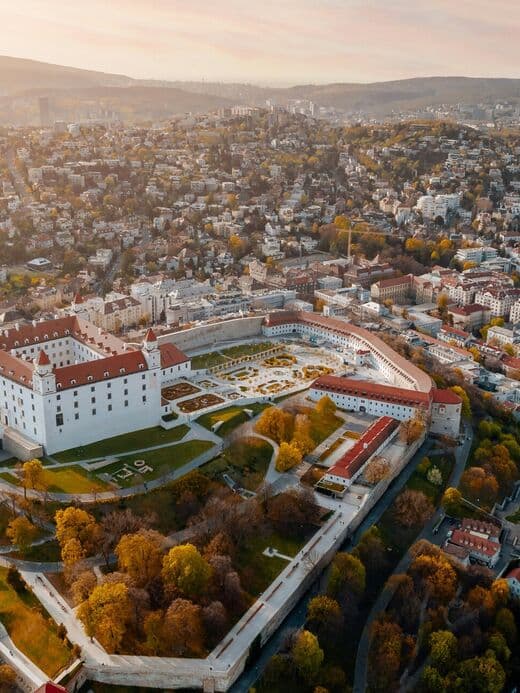
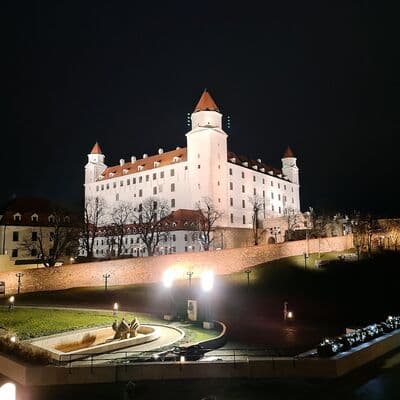
Slovakia has more castles per capita than almost anywhere in Europe. Some sources count over 180 castle sites, and while many are ruins, even the ruins carry tremendous atmosphere. Spis Castle spreads across an entire hilltop, one of the largest castle complexes in Central Europe and a UNESCO World Heritage site. Bratislava Castle dominates the capital's skyline and offers panoramic views across three countries on clear days. Orava Castle perches impossibly on a cliff edge like something from a gothic novel, which makes sense given it was used as a filming location for the original Nosferatu.
But here is what makes Slovakia's castles special: they are not all polished tourism products with gift shops and overpriced cafes. Many remain partially ruined, open for exploration, surrounded by forests rather than parking lots. Devin Castle, just outside Bratislava, sits at the confluence of the Danube and Morava rivers with Austria visible across the water. You can wander through its ruins with perhaps a handful of other visitors, imagining centuries of history while sitting on ancient walls.
The Cave Kingdom
Slovakia contains over 6,000 documented caves, a concentration almost unrivaled globally. The karst landscapes of eastern Slovakia in particular are honeycomb with underground systems, many of them spectacular. Dobsinska Ice Cave maintains year-round ice formations in massive underground chambers. Ochtinska Aragonite Cave contains rare aragonite formations found in only three places worldwide. Demanovska Cave system stretches for kilometers beneath the Low Tatras. These are not dusty show caves with a few stalactites; they are genuinely world-class geological sites recognized by UNESCO.
For adventure seekers, several caves offer wild caving experiences where you crawl, squeeze, and wade through underground rivers with headlamps and guides. This is not Disneyfied tourism but actual caving requiring physical effort and a tolerance for confined spaces. I have emerged from these experiences muddy, exhausted, and absolutely exhilarated.
Thermal Waters Everywhere
The thermal spring tradition runs deep in Slovakia, with wellness culture predating the modern spa industry by centuries. Piestany has been treating patients with its mineral-rich mud and waters since the 1800s, and today the spa island there offers a unique blend of serious medical treatments and recreational relaxation. But beyond the famous spa towns, thermal pools dot the countryside, from modern water parks to village pools where locals gather year-round.
In winter, the experience becomes almost surreal. Steam rises from outdoor pools as snow falls around you, the water maintaining bathing temperature while air temperatures drop well below freezing. Towns like Besenova, Tatralandia, and Vrbov offer thermal parks with multiple pools, slides, and facilities, yet prices remain a fraction of what comparable experiences cost in Western Europe.
Wine That Surprises
Slovakia shares the Tokaj wine region with Hungary, producing the same legendary sweet wines from the same grape varieties grown in the same unique terroir. Yet Slovak Tokaj costs significantly less than its Hungarian counterpart, and wine tourism here remains undeveloped enough that you can often meet the actual winemakers, tour small family operations, and taste wines unavailable outside the region. The Small Carpathians wine route near Bratislava offers easier access, with villages like Modra and Pezinok producing excellent whites and increasingly sophisticated reds.
The Value Proposition
Let me talk money directly, because this matters for trip planning. Slovakia uses the euro, so there is no currency exchange hassle if you are coming from the eurozone. For Americans, British, and others, this means predictable pricing without fluctuation risks. A quality dinner with wine in Bratislava runs 20 to 35 euros per person at good restaurants. Outside the capital, prices drop further. I have had memorable three-course meals with local wine for under 15 euros.
Accommodation follows similar patterns. A comfortable hotel in Bratislava costs 60 to 100 euros per night for a quality room. Mountain huts in the Tatras charge 15 to 30 euros for dormitory-style beds, proper refuges for hikers rather than luxury lodges but clean and functional. Rental cars cost perhaps 25 to 40 euros daily including insurance. Entry fees to attractions rarely exceed 10 euros, with many sites charging far less.
This is not cheap in the sense of poor quality. Slovakia joined the EU in 2004 and has modernized significantly. Standards for food safety, accommodation, and transportation meet European norms. You are simply benefiting from lower labor costs and a tourism industry that has not yet learned to charge Western European premiums.
The People Factor
Slovaks can seem reserved initially, particularly to Americans accustomed to immediate friendliness. Do not mistake this for coldness. The culture simply does not demand constant smiling and small talk. Once you establish some rapport, often through shared food and drink, Slovaks become genuinely warm and generous hosts. They take pride in their country and appreciate visitors who show genuine interest rather than treating Slovakia as a cheap stopover between more famous destinations.
English proficiency varies significantly by generation and region. In Bratislava and tourist areas, younger people generally speak English well. In rural areas and among older generations, you may need to rely on gestures, translation apps, and patience. This linguistic challenge actually enhances travel here, forcing you into genuine interactions rather than the scripted exchanges of mass tourism destinations.
Regions of Slovakia: A Complete Geographic Guide
Slovakia divides administratively into eight regions, each with distinct character, landscapes, and attractions. Understanding this geography helps you plan efficiently rather than zigzagging across the country. I will cover each region with specific recommendations and honest assessments of what merits your time.
Bratislava Region: Gateway and Destination
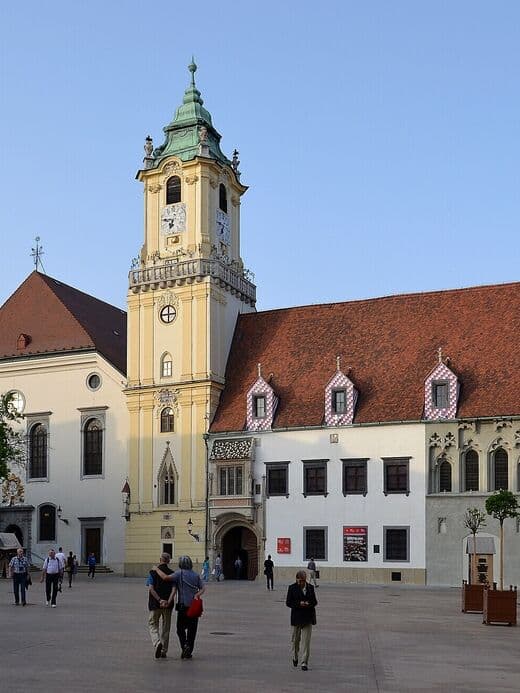
Bratislava serves as most visitors' entry point, and the capital deserves more than a rushed day trip from Vienna. The compact Bratislava Old Town centers on Main Square (Hlavne namestie), a beautifully restored space surrounded by pastel baroque buildings, cafes with outdoor seating, and the distinctive Old Town Hall tower. Narrow streets radiate outward, revealing hidden courtyards, excellent restaurants, and surprisingly affordable shopping.
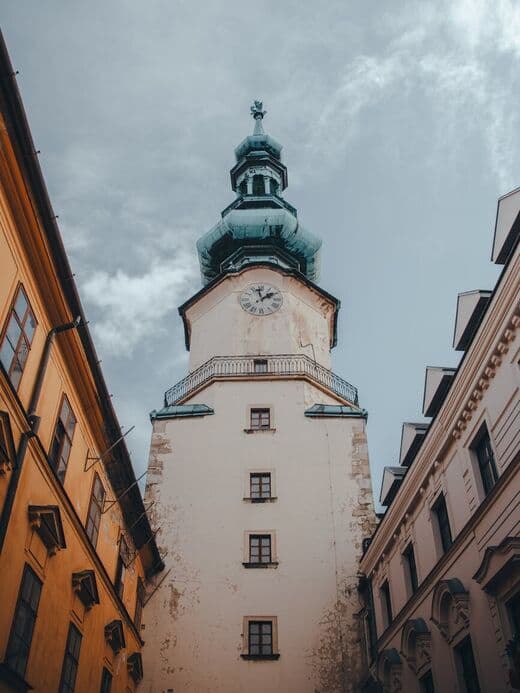
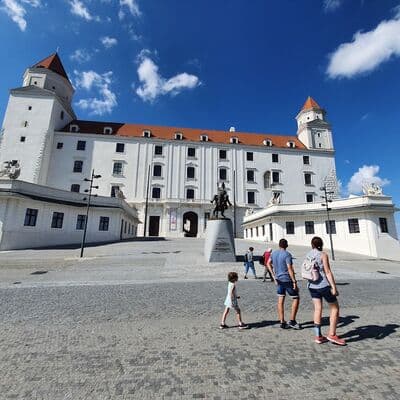
Michael's Gate marks the only surviving entrance through the medieval walls, its green copper roof a distinctive landmark. Walking through, you transition from the old town toward Bratislava Castle, the white fortress visible from much of the city. The castle itself underwent extensive reconstruction and now houses the Slovak National Museum. The views from the terrace, however, justify the climb regardless of museum interest. On clear days, you can see Austria and Hungary.
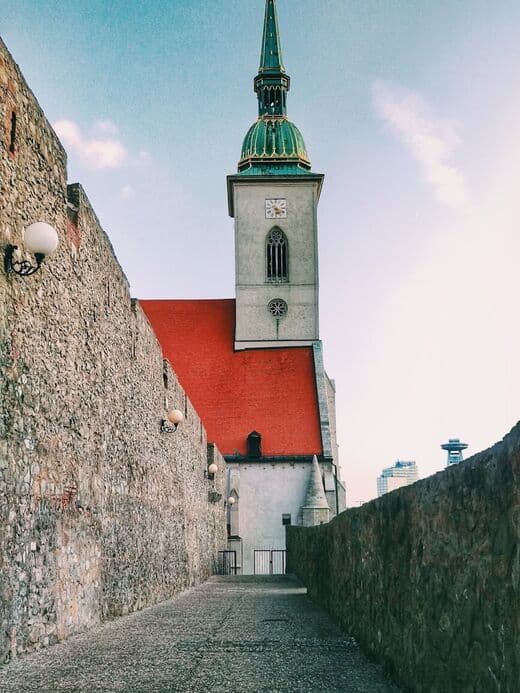
St. Martin's Cathedral served as the coronation church for Hungarian kings and queens for nearly three centuries, a reminder that Bratislava (then Pressburg) was effectively the Hungarian capital when the Ottomans occupied Budapest. The interior maintains gothic austerity, and a golden replica of the Hungarian crown sits atop the tower.
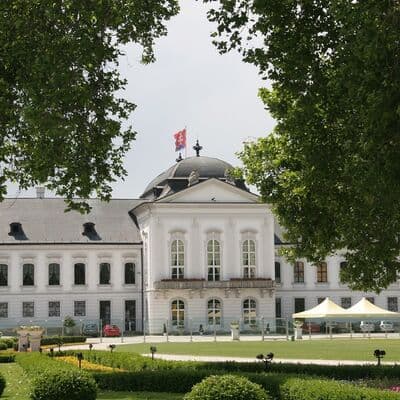
The Presidential Palace (Grassalkovich) anchors a pleasant square with gardens, fountains, and the changing of the guard ceremony. It is more intimate than similar sites in larger capitals, and the surrounding area offers good walking and people-watching opportunities.
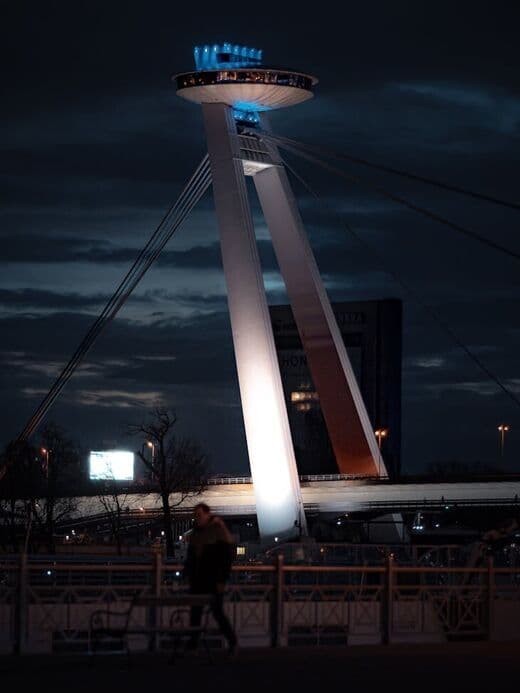
For something completely different, the UFO Bridge carries traffic across the Danube while supporting a flying saucer-shaped observation deck and restaurant. Built during the communist era, it represents socialist modernism at its most ambitious. The views from the top encompass the entire city, castle, and Danube, making it worthwhile despite the somewhat dated aesthetics.
Devin Castle lies about 10 kilometers from the center, reachable by bus or a pleasant riverside cycle. This ruined fortress at the Danube-Morava confluence carries weight as a Slovak national symbol, overlooking what was once the Iron Curtain border with Austria. The site combines natural beauty, historical significance, and photogenic ruins without heavy commercial development.
Beyond the city, Bratislava region includes the Small Carpathian wine route. Villages like Modra, Pezinok, and Svaty Jur sit within easy reach, offering wine cellars, traditional restaurants, and forested hiking in the low mountains separating Slovakia from Austria.
Trnava Region: The Slovak Rome
Trnava earned its nickname through the concentration of churches within its remarkably preserved medieval walls. The city center remains enclosed by fortifications, with church towers dominating the skyline from every direction. For a town of modest size, the architectural wealth seems almost excessive: University Church of St. John the Baptist, Cathedral of St. John the Baptist, Church of St. Nicholas, Church of St. Helen, and many more.
The appeal lies partly in the lack of development pressure. Trnava never industrialized heavily, preserving its historic core intact. Today it functions as a regional center and university town, meaning good cafes, restaurants, and services without tourist-oriented inflation. You can explore the churches, walk the walls, and eat well without encountering crowds at any point.
Piestany, also in Trnava region, represents Slovakia's premier spa destination. The spa island in the Vah River contains parks, treatment facilities, and the famous statue of a man breaking his crutch. While serious spa treatments require bookings and medical consultations, day visitors can access some thermal facilities and enjoy the parkland. The town itself maintains a calm, genteel atmosphere oriented toward wellness visitors.
Trnava region also contains several castles worth mentioning. Smolenice Castle appears almost fairytale-like, a neo-romantic reconstruction now serving as a conference center but open for visits. Cerveny Kamen (Red Stone Castle) offers well-preserved interiors and extensive grounds. Both make easy half-day trips from Bratislava or Trnava itself.
Trencin Region: 2026 European Capital of Culture
Trencin itself wraps around a massive castle perched dramatically on a cliff above the Vah River. The castle ranks among Slovakia's most visually striking, dominating approaches to the town from every direction. Below the fortress, a small but attractive old town offers the usual pleasures: churches, squares, cafes, and evening promenades. The Roman inscription on the castle rock, commemorating a military victory in 179 AD, represents the northernmost evidence of Roman presence in this part of Europe.
The region's selection as European Capital of Culture for 2026 will bring increased attention, events, and infrastructure investment. This cuts both ways: visit before 2026 for the current unspoiled character, or time your trip for the cultural programming if you prefer events and exhibitions over solitude.
Bojnice Castle, about 50 kilometers from Trencin, competes for the title of Slovakia's most beautiful castle. The romantic reconstruction features towers, turrets, and decorative elements inspired by Loire Valley chateaux. The interior tour reveals impressive collections, but the castle's exterior against wooded hills creates the strongest impression. Nearby Bojnice Zoo adds family appeal, though the castle alone justifies the trip.
The region includes several spa towns of varying character. Trencianske Teplice maintains elegant 19th-century atmosphere with its bathhouses and parkland. The thermal facilities offer both treatment programs and recreational access, with day visitor options available.
Nitra Region: Agricultural Heartland
Nitra claims status as Slovakia's oldest city, with settlement evidence dating back millennia. The castle complex on a hill above the Nitra River contains the cathedral, bishop's palace, and defensive walls, all remarkably intact. Below, the old town centers on pedestrian streets with cafes and shops, less polished than Bratislava but authentic and unpretentious.
The agricultural character of the region becomes apparent outside the cities. Vineyards, orchards, and farmland extend across gentle hills, particularly toward the Small Carpathians and the Tokaj region. This is not dramatic landscape but rather pleasant countryside for cycling, wine touring, or simply driving between attractions.
Komarno sits at the Danube confluence with Austria and Hungary, an important trading point throughout history. The city's fortress complex ranks among the largest in Central Europe, though much remains in ruined or partially restored condition. The Courtyard of Europe plaza reconstructs facades from different European countries, an unusual attraction that sounds gimmicky but actually creates an interesting architectural overview.
Zilina Region: Mountains and Traditions
The Zilina region marks the transition to Slovakia's more mountainous north, and the landscape shifts dramatically. Mala Fatra National Park offers accessible alpine scenery with famous features like the narrow Vratna Valley and the Janosikove Diery gorge system, named after Slovakia's legendary outlaw. Wooden walkways, ladders, and chains guide hikers through ravines with waterfalls and overhangs, creating an adventure experience without technical climbing requirements.
Zilina city itself developed as an industrial center but maintains an attractive historic square surrounded by arcaded buildings. The location makes it a practical base for exploring the region, with good connections to attractions in multiple directions.
Cicmany village represents unique folk architecture: wooden houses painted with white geometric patterns resembling enormous embroidery. This tradition dates back centuries, and Cicmany today functions as an open-air museum where people still live in traditional structures. Visiting during shoulder seasons avoids the tour bus crowds while still allowing access to the small museum and photographically striking streets.
Orava Castle occupies an almost impossibly dramatic position on a cliff above the Orava River. The castle complex grew over centuries, creating a layered effect that rises in stages from the water to the highest towers. The interior tour reveals period rooms and collections, but the exterior views and the walk up through the grounds create the most lasting impressions. Nosferatu filmed scenes here in 1922, and the gothic atmosphere remains palpable.
The Orava region generally offers excellent hiking, traditional villages, and fewer visitors than the more famous Tatras to the east. Lakes, gorges, and forest trails provide outdoor opportunities, while villages like Zuberec with its open-air folk museum preserve regional traditions.
Banska Bystrica Region: Mining Heritage and Natural Beauty
Banska Bystrica itself centers on one of Slovakia's finest town squares, an elongated space surrounded by burgher houses, churches, and a leaning clock tower. The city's wealth derived from medieval mining, and that prosperity funded impressive architecture that survives remarkably intact. The surrounding hills offer accessible hiking and, in winter, skiing at Donovaly and other resorts.
The regional highlight, however, lies in Banska Stiavnica, a UNESCO World Heritage town that ranks among Slovakia's most beautiful places. Built on wealth from silver and gold mining, the town tumbles down hillsides with churches, burgher houses, calvary stations, and castle ruins creating layer upon layer of historical interest. The technical monuments of mining, including the system of artificial lakes (tajchy) used for power, add industrial archaeology to the cultural attractions.
Banska Stiavnica has experienced a renaissance as artists, craftspeople, and tourism entrepreneurs have restored buildings and opened cafes, galleries, and accommodations. Unlike overly polished heritage towns, it retains genuine lived-in character, with actual residents alongside tourism services. The hilly terrain makes walking challenging but rewards with constant viewpoint opportunities.
The region also contains Slovensky Raj (Slovak Paradise) National Park, though administratively it crosses into Kosice region as well. The gorge systems here, navigated via ladders, chains, and wooden walkways, create distinctive adventure hiking. Water features prominently, with streams, waterfalls, and rapids accompanying many trails. The name sounds hyperbolic but honestly describes the experience for many visitors.
Presov Region: High Tatras and UNESCO Treasures
This large eastern region contains Slovakia's most dramatic mountains and several UNESCO sites, making it essential for any serious exploration of the country.
The High Tatras compress alpine grandeur into a remarkably compact range. Peaks exceed 2,600 meters, glacial lakes fill cirques below craggy summits, and wildlife includes chamois, marmots, and even bears. The main resort towns of Strbske Pleso, Stary Smokovec, and Tatranska Lomnica offer different characters: Strbske Pleso clusters around a scenic lake, Stary Smokovec maintains grand hotel traditions, and Tatranska Lomnica provides cable car access to the highest reachable elevations.
Hiking in the High Tatras ranges from lakeside strolls suitable for anyone to serious mountaineering requiring guides and equipment. The marked trail system generally maintains excellent standards, with mountain huts providing food, drink, and accommodation at intervals. Summer brings wildflowers and clear views; shoulder seasons offer solitude but require careful attention to weather and trail conditions.
The cable car from Tatranska Lomnica to Lomnicky Stit summit reaches 2,634 meters, offering panoramic views that extend across Slovakia, Poland, and beyond on clear days. The experience is expensive by Slovak standards but eliminates a demanding climb for those seeking the views without the physical effort.
Levoca preserves a medieval town center with Renaissance and baroque additions, earning UNESCO World Heritage status for its completeness and the presence of Master Paul's extraordinary carved altar in St. James Church. This wooden altarpiece stands over 18 meters tall, intricate beyond description, representing the pinnacle of late gothic wood carving in Central Europe. The town itself maintains old walls, traditional houses, and a central square that functions much as it has for centuries.
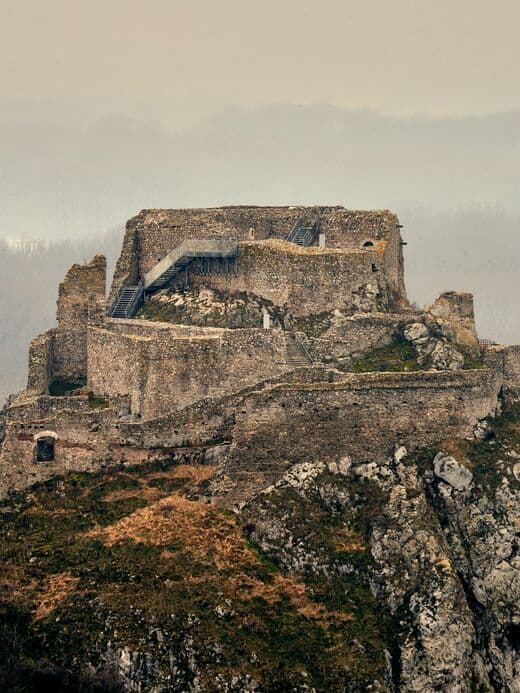
Spis Castle sprawls across a hilltop outside Spisske Podhradie, one of the largest castle complexes in Central Europe and another UNESCO site. The ruins cover hectares, with towers, walls, and palace buildings in various states of preservation. The scale is genuinely impressive, and the surrounding landscape of villages, fields, and hills creates pastoral views from the ramparts. The UNESCO listing also covers the medieval town below and the nearby Zehra church with its medieval frescoes.
Bardejov presents another complete medieval town, its square surrounded by burgher houses and anchored by St. Egidius Church. The preserved fortifications, Jewish heritage sites, and nearby spa of Bardejovske Kupele add dimensions beyond the main square. This is perhaps Slovakia's most atmospheric small town, less visited than it deserves.
The region's wooden churches, scattered across eastern Slovakia, represent unique religious architecture built by Ruthenian, Slovak, and other communities over centuries. Many feature elaborate iconostases and maintain active congregations. UNESCO lists several, though others equally deserving remain unprotected and sometimes deteriorating.
Kosice Region: Second City and Cave Country
Kosice ranks as Slovakia's second-largest city, with a historic center that rivals Bratislava's in quality if not scale. St. Elisabeth's Cathedral dominates the main street, the largest gothic church in Slovakia with impressive interior spaces and painted ceilings. The elongated square, one of Europe's longest, lines with palaces, burgher houses, and institutions reflecting centuries of prosperity.
As European Capital of Culture in 2013, Kosice upgraded its cultural facilities and tourist infrastructure significantly. The Kunsthalle contemporary art space occupies a former swimming pool with remarkable conversion. The underground spaces beneath the main street reveal medieval remains. The city functions as a genuine cultural center rather than merely a preserved historic monument.
The Kosice region contains the Slovak Karst, and cave enthusiasts will find treasures here. Domica Cave extends across the Hungarian border with spectacular formations and underground rivers navigable by boat. Jasovska Cave features dramatic dripstone formations. Ochtinska Aragonite Cave protects rare aragonite crystals found in only three locations worldwide, necessitating strict visitor limits and advance booking. The karst landscape above ground also rewards exploration, with rock formations, sinkholes, and traditional villages.
The region extends to the Tokaj wine area, where Slovakia produces wines from the same varieties and terroir as famous Hungarian Tokaj just across the border. The villages here maintain traditional character, wine cellars accept visitors, and prices remain remarkably low for wines of genuine quality and limited production.
Unique Natural Features: Mountains, Caves, and Thermal Waters
Slovakia's natural attractions deserve detailed attention because they represent genuinely world-class features often unknown to international visitors. I have saved some of the most compelling experiences in Europe for this section.
The Mountain Systems
Slovakia contains significant portions of the Carpathian mountain range, manifesting in distinct sub-ranges with different characters.
The High Tatras receive the most attention and deserve it. These are proper alpine mountains despite their modest geographic footprint, the smallest mountain range typically described as alpine in character. Peaks rise sharply from their surroundings, glacially carved cirques contain over 100 mountain lakes (plesa), and the treeline gives way to rock, snow, and sky. Gerlachovsky Stit at 2,655 meters is Slovakia's highest point, though reaching it requires a guide and proper mountaineering experience.
For most visitors, the Tatras offer excellent day hiking from resort bases. The trail to Rysy (2,503 meters) reaches the Poland border and returns in a long but achievable day for fit hikers. Easier options include the Five Slovak Lakes (Velke Tatra plesa) circuit, the walk to Popradske Pleso, or simple cable car excursions to viewpoints. The trails use a colored marking system that works logically once you understand it: red marks main routes, blue marks secondary paths, green and yellow indicate easier or connecting trails.
Mountain huts (chaty) provide food, drinks, and accommodation at various points, eliminating the need to carry camping gear for multi-day traverses. These range from basic dormitories to more comfortable rooms, but none approach luxury lodge standards. You book bunks, bring a sleeping bag liner, and share facilities with fellow hikers. The atmosphere recalls alpine traditions from before tourism became big business.
The Low Tatras, running parallel to the south, rise nearly as high but spread more broadly, offering different experiences. Dumbier (2,043 meters) provides a substantial peak accessible to strong hikers without technical climbing. The valleys penetrate further, creating longer approaches but also more solitude. Ski resorts like Jasna developed here, providing winter sports options and summer lift access for less demanding exploration.
Mala Fatra (Little Fatra) compresses dramatic scenery into accessible terrain. The Vratna Valley, Janosikove Diery gorges, and Rozsutec peak create a concentrated zone of natural attractions within easy reach of Zilina. The gorge trails with their chains, ladders, and walkways appeal to families and hikers seeking adventure without extreme difficulty.
Velka Fatra (Greater Fatra) and the other ranges each offer distinct character, but the pattern holds: accessible alpine terrain, marked trails, mountain huts, and far fewer visitors than comparable landscapes in Western Europe.
The Cave Universe
Slovakia's cave statistics boggle the mind. Over 6,000 documented caves honeycomb the karst landscapes, concentrated particularly in the Slovak Karst, Slovak Paradise, and Low Tatras regions. Twelve caves open for public tours, several holding UNESCO World Heritage status, but the numbers only hint at the underground wealth.
Dobsinska Ice Cave contains massive ice formations in chambers where temperature rarely exceeds freezing despite being hundreds of meters underground. The ice floor, columns, and flows create an otherworldly environment, and the scientific interest (paleoclimate records preserved in ice layers) adds intellectual dimension to the visual spectacle. Access requires warm clothing even in summer, and the staircase descent and return demand reasonable fitness.
Ochtinska Aragonite Cave protects formations so rare that only three comparable sites exist globally. Aragonite, a crystalline form of calcium carbonate, creates kidney-shaped, tree-like, and spiral formations unlike typical stalactites and stalagmites. Strict visitor limits protect this delicate environment, so advance booking is essential and group sizes remain small.
Demanovska Cave system beneath the Low Tatras includes two show caves: Demanovska Cave of Liberty with classic dripstone formations and Demanovska Ice Cave with seasonal ice features. The cave of liberty extends through multiple large chambers with imaginatively named formations, while the ice cave offers more modest scale but unique winter-in-summer experience.
Domica Cave, in the Slovak Karst near the Hungarian border, features boat rides on the underground Styx River. The cave continues into Hungary as Aggtelek, and the combined system earns UNESCO listing. The boat journey through illuminated chambers creates memorable experiences, though water levels vary seasonally.
For adventure seekers, wild caving opportunities exist with proper guides and equipment. You can experience unlit passages, tight squeezes, underground rivers, and the genuine challenge of subterranean exploration. This requires physical fitness, tolerance for confined spaces, and appropriate guidance, but offers experiences far beyond tourist show caves.
Thermal Waters and Spa Culture
Slovakia's thermal traditions predate the modern wellness industry by centuries. The geology here produces naturally heated, mineral-rich waters at numerous points, and communities have built around these resources since at least medieval times.
Piestany represents the highest-profile spa destination, particularly known for mud treatments and sulfurous waters used for rheumatic and musculoskeletal conditions. The spa island in the Vah River creates a distinct zone of parks, treatment facilities, and accommodation oriented toward multi-week cure programs. Casual visitors can access some facilities, but Piestany primarily serves those seeking extended therapeutic stays.
Trencianske Teplice maintains more accessible character, with its historic bathhouses and forest setting offering day visit options alongside treatment programs. The architecture recalls 19th-century spa grandeur, and the smaller scale creates more intimate atmosphere than the larger complexes.
For pure recreation, thermal water parks have developed throughout Slovakia. Tatralandia near Liptovsky Mikulas offers massive water park facilities heated by thermal springs, combining slides, pools, saunas, and attractions that keep families occupied for full days. Besenova, Vrbov, and others provide similar experiences in different configurations. These are not historic spa facilities but modern thermal entertainment, complete with timing systems for slides and food courts for refueling.
The winter thermal experience deserves special mention. Outdoor pools maintain bathing temperature regardless of air conditions, so you can float in warm water while snow falls around you and vapor rises into freezing air. This contrast creates almost surreal sensory experience, and I have spent winter evenings cycling between warm pools, cold plunges, and saunas with memorable results.
Natural hot springs exist at various locations, some developed with minimal facilities, others completely wild. The most accessible generally have some infrastructure, but local knowledge sometimes reveals pools where warm water emerges into streams or pools with no commercial development at all.
National Parks and Protected Areas
Slovakia contains nine national parks covering significant portions of its mountain and karst landscapes. The High Tatras National Park (TANAP) is the oldest, established in 1949, and remains the most visited. Regulations restrict activities to protect fragile alpine ecosystems, meaning wild camping is prohibited and dogs must stay on leash. The restrictions serve genuine conservation purposes and maintain the quality of experience for visitors.
Slovak Paradise (Slovensky Raj) National Park features the unique gorge hiking with ladders and chains that creates its distinctive appeal. The canyon systems cut through limestone plateaus, with trails following watercourses up through narrow passages. Most famous routes are one-way due to ladder configurations, requiring planning to create loops or arrange transportation.
Low Tatras National Park encompasses the second-highest range with somewhat different character: longer valleys, more forest cover, and less dramatic peaks than the High Tatras but excellent hiking and skiing territory nonetheless.
Mala Fatra, Velka Fatra, Pieniny, Muranska Planina, Poloniny, and Slovak Karst round out the national park system, each protecting distinct landscapes and ecosystems. The patterns across all parks generally include marked trail systems, varying levels of restriction on activities, and mountain huts or refuges providing services at key points.
When to Visit Slovakia: Seasonal Considerations
Timing significantly affects Slovak travel experiences, and the right season depends heavily on your priorities. Let me break down the options honestly.
Summer (June through August)
Summer brings peak hiking season in the mountains, with trails clear of snow, mountain huts fully operational, and long daylight hours maximizing outdoor time. Temperatures in valleys can reach 30 degrees Celsius or higher, while mountains remain cooler. This is the obvious choice for alpine activities, but it also brings the most visitors and occasional crowding on popular trails.
The Tatras receive most summer pressure, particularly on iconic routes and at cable car access points. Arriving early (before 8 AM at trailheads) avoids the worst congestion. Weekends see Slovak and Polish day-trippers flooding accessible areas, so weekday visits dramatically improve experience quality.
Lowland cities can become quite hot in summer, though evenings typically cool pleasantly. This is peak season for festivals, outdoor concerts, and cultural events in urban areas. Accommodation prices reach their highest levels, particularly in mountain resorts and major cities.
Winter (December through March)
Ski season transforms mountain areas, with resorts operating lifts, grooming runs, and providing full alpine winter sports infrastructure. Jasna in the Low Tatras offers the largest ski area, while smaller resorts dot the ranges. Conditions vary with snowfall, but the season generally runs reliably from December through March.
Winter hiking requires proper equipment and experience. Many mountain trails close or become inaccessible due to snow and avalanche risk. Lower elevation paths may remain usable, and some visitors enjoy winter walking in forests and valleys without attempting alpine terrain.
Christmas markets transform city squares in December, particularly in Bratislava, Kosice, and smaller towns. These maintain more authentic character than hyper-commercialized equivalents in Vienna or Prague, with local products, food, and reasonable prices.
Thermal spa visits become particularly appealing in winter, with the contrast between warm pools and cold air creating memorable sensory experiences. The off-season also brings lower prices and reduced crowds at most attractions.
Spring (April through May)
Spring hiking begins as snow melts, though higher elevations may remain inaccessible into June. The transition period can be wet and muddy, but also brings wildflowers, waterfalls at peak flow, and generally excellent conditions for photography. Easter traditions remain strong in rural areas, with folk customs, decorated eggs, and holiday markets in some towns.
This shoulder season offers good value, with accommodation and services available but prices lower than peak summer. Weather remains unpredictable, requiring flexible planning and layered clothing for varying conditions.
Autumn (September through November)
Early autumn (September into early October) provides arguably the best hiking conditions: stable weather, clear skies, autumn colors, and diminishing crowds as school resumes. The grape harvest brings wine-related events in wine regions, with festivals, open cellars, and fresh seasonal products.
Late autumn turns cold and gray, with shorter days limiting outdoor activities. This period serves best for cultural exploration of cities and towns, with museums, galleries, and restaurants in full operation but few tourists.
Practical Timing Advice
For High Tatras hiking, target late June through early October, with July and August warmest but busiest. September often provides excellent conditions with fewer visitors.
For city exploration, shoulder seasons (April through June and September through October) offer pleasant weather without extreme heat or cold. Winter holidays bring festive atmosphere but larger crowds.
For thermal spas, winter provides the most dramatic experience, though facilities operate year-round. Avoid peak holiday periods if you dislike crowds.
For cave visits, summer provides the most reliable access and extended opening hours. Some caves close entirely or reduce schedules in winter.
For wine touring, harvest season (September through October) brings the most activity, but cellars typically welcome visitors throughout the growing season.
Getting to Slovakia: International Access
Slovakia's location in Central Europe provides multiple access options, though direct connections from North America, Australia, and even the UK remain limited. Understanding the options helps you plan realistic itineraries.
Flying to Bratislava
Bratislava Airport (BTS) receives flights from various European destinations but lacks long-haul connections. Low-cost carriers including Ryanair and Wizz Air serve routes from UK, Irish, and European airports, making Bratislava accessible as a budget flight destination. If you can find a direct flight at reasonable cost, this provides the most convenient arrival.
However, schedules and routes change frequently, so checking current offerings is essential. Many travelers from North America or Australia will not find practical Bratislava routings.
Flying to Vienna
Vienna International Airport (VIE) sits approximately 65 kilometers from Bratislava, closer to the Slovak capital than to central Vienna itself. This major hub receives flights from virtually everywhere, including direct North American routes from cities like New York, Chicago, and Washington. For many English-speaking travelers, flying to Vienna and traveling overland to Slovakia makes the most practical sense.
From Vienna Airport, buses run directly to Bratislava approximately hourly, taking about one hour and costing around 10 to 15 euros. Book through FlixBus, Slovak Lines, or similar operators. Alternatively, trains connect Vienna city to Bratislava in about an hour, though this requires first getting from the airport to Vienna's main train stations.
The Vienna option works particularly well if you plan to combine Slovak and Austrian travel, starting or ending in Vienna with Bratislava as part of an extended itinerary.
Flying to Budapest or Prague
Budapest lies approximately 200 kilometers from Bratislava, while Prague is about 330 kilometers. Both receive extensive international flights and connect to Slovakia by train or bus in 2 to 4 hours. These options work for travelers combining multiple Central European countries or finding significantly better flight prices to these hubs.
Flying to Kosice
Kosice Airport receives limited international flights but connects to Vienna, Warsaw, London (seasonal), and a few other destinations. For travelers focusing on eastern Slovakia, the High Tatras, or Ukrainian border areas, arriving in Kosice can save considerable overland travel time.
Overland by Train
European rail networks serve Slovakia reasonably well, with direct trains connecting Bratislava to Vienna (1 hour), Budapest (2.5 hours), Prague (4 hours), and other regional capitals. The interrail or Eurail passes valid in Slovakia, making train travel attractive for those exploring multiple countries.
Slovakian domestic trains serve major routes adequately, though speed and comfort fall below Western European standards. The Bratislava to Kosice route takes approximately 5 hours by the fastest trains, passing through Zilina and offering mountain scenery in the eastern sections.
For US, UK, Australian, and Canadian visitors, train travel from Western European arrival points can add scenic days to the journey. The Vienna to Bratislava train rolls along the Danube, providing river views throughout the short journey.
Overland by Bus
Long-distance bus services connect Slovakia to most European capitals at competitive prices. FlixBus operates the most extensive network, with frequent services between Bratislava and Vienna, Prague, Budapest, Krakow, and beyond. Journey times generally exceed trains due to border procedures and urban traffic, but prices often undercut rail fares significantly.
Driving
Motorway connections from Austria (via Vienna), Czech Republic (via Brno), Hungary (via Gyor), and Poland (via Krakow) allow easy access by car. Slovakia uses a vignette system for motorway tolls, with 10-day or longer stickers available at border crossings and petrol stations. The electronic vignette can also be purchased online before arrival.
For UK travelers, driving from the Channel ports takes approximately 14 to 16 hours of actual driving time, making it a two-day journey with an overnight stop. This works for extended trips or when bringing substantial equipment, but flying to Vienna and renting locally typically proves more practical.
Visa and Entry Requirements
Slovakia belongs to the Schengen Area, meaning visa policies align with other Schengen countries. US, UK, Australian, Canadian, and New Zealand citizens can enter without visas for up to 90 days within any 180-day period. This limit applies across all Schengen countries combined, not per country.
For Americans, no ESTA equivalent exists for Schengen travel. You simply arrive with a passport valid for at least three months beyond your planned departure date and sufficient funds for your stay.
UK citizens post-Brexit follow the same 90-day rules as other non-EU visitors. Longer stays require specific visas or residency permits.
Entry is typically straightforward, with minimal questioning at borders for passport holders from English-speaking countries. Arriving via Vienna or Prague means Schengen entry occurs in those countries, with no additional checks when crossing into Slovakia.
Getting Around Slovakia: Transportation Options
Once you arrive in Slovakia, various transportation options exist with different tradeoffs between convenience, cost, and flexibility. Your choice depends significantly on itinerary ambitions and tolerance for logistical complexity.
Renting a Car
For maximum flexibility, particularly when exploring mountain areas, wine regions, and smaller towns, a rental car provides irreplaceable convenience. Rates in Slovakia run lower than Western European equivalents, with basic cars available from perhaps 25 to 40 euros daily including insurance. Major international companies operate at Bratislava and Vienna airports, with local companies sometimes offering lower rates.
Driving in Slovakia presents few difficulties for experienced drivers. Roads range from motorways with good surfaces to mountain roads requiring attention. Winter conditions demand appropriate tires (winter tires legally required from November through March) and careful driving on mountain routes. Some mountain passes close seasonally or may require chains.
The motorway vignette system requires purchase before using tolled roads. Electronic vignettes are available online, eliminating the need for physical stickers. A 10-day vignette costs approximately 12 euros as of recent pricing.
Parking in Bratislava old town is difficult and expensive, but hotels typically provide or arrange parking. Outside the capital, parking rarely presents problems, with free or inexpensive lots available at most attractions.
Trains
Slovak Railways (ZSSK) operates the national rail network connecting major cities and many smaller towns. The network radiates from Bratislava, with main lines running east to Kosice via Zilina and south to Hungary. Journey times remain longer than equivalent distances in Western Europe due to track conditions and mountain terrain.
First class exists on main routes and costs modestly more than second class, providing more space and sometimes complimentary refreshments. Booking is possible online through the ZSSK website or app, though the interface can challenge non-Slovak speakers. At stations, ticket windows handle sales with varying English proficiency.
For scenic journeys, the Zilina to Kosice route through the Vah valley and past the Tatras provides mountain views throughout. Some heritage railways operate seasonally in tourist areas, offering nostalgic experiences on historic equipment.
Buses
Bus networks fill gaps that trains leave, reaching villages and smaller towns throughout the country. Slovak Lines operates many intercity routes, while local operators serve regional connections. Schedules can be irregular, particularly on weekends and holidays in rural areas.
The cp.sk website provides comprehensive journey planning including both train and bus options, making it invaluable for complex itineraries. Some English functionality exists, though patience may be required.
FlixBus and other international carriers serve longer routes, often undercutting train prices while providing comfortable coaches with wifi and power outlets.
Taxis and Rideshares
In Bratislava and Kosice, standard taxi services and Bolt (similar to Uber) provide convenient urban transportation. Prices remain reasonable by Western standards, with airport transfers and cross-town journeys costing a fraction of Western equivalents. Bolt generally provides more predictable pricing than hailed taxis, where negotiation or meter manipulation occasionally occurs.
In smaller cities and towns, local taxi services exist but may require phone booking. Hotels and accommodations typically arrange taxis when needed.
Urban Transit
Bratislava operates an integrated network of trams, buses, and trolleybuses covering the city comprehensively. Tickets must be purchased in advance from machines or newsagents and validated on boarding. The system works well and efficiently connects major attractions, though the old town itself is easily walkable.
Kosice and other cities operate bus networks of varying extent and quality. Google Maps transit directions work in major cities, making navigation relatively straightforward.
Cycling
Cycling culture continues developing in Slovakia, with dedicated paths expanding, particularly along rivers and through some cities. The Danube cycle path passes through Bratislava, connecting with extensive European networks. Mountain areas offer challenging road cycling and mountain biking, though traffic safety varies.
Bike rental exists in Bratislava and tourist areas, with accommodation sometimes providing bicycles. E-bikes are increasingly available, extending range possibilities in hilly terrain.
Practical Transportation Advice
For trips focused on Bratislava with perhaps one or two excursions, public transportation and day tours work fine without a car. The castle visits, wine region excursions, and even High Tatras day trips are bookable through local operators.
For extensive exploration of multiple regions, castles, caves, and mountain areas, a rental car provides dramatically more flexibility. Many attractions lie far from public transport, and the freedom to adjust schedules based on weather and interest proves valuable.
Mixed approaches work well: perhaps train from Vienna to Bratislava, explore the capital on foot, then pick up a rental car for mountain and countryside exploration before returning to the city for departure.
Cultural Code: Understanding Slovak Society
Traveling effectively requires some understanding of local social norms and expectations. Slovakia is not culturally exotic for Western visitors, but awareness of differences improves interactions and avoids misunderstandings.
Social Interactions
Slovaks often appear reserved to Americans accustomed to instant friendliness. Do not interpret this as rudeness or coldness. The culture simply does not mandate constant smiling and superficial warmth. Genuine connections develop more slowly but can become meaningfully warmer than the performative friendliness common in service-oriented American contexts.
Greetings matter. Upon entering shops, restaurants, or businesses, a "dobry den" (good day) acknowledges those present. Leaving without a "dovidenia" (goodbye) seems rude. These small courtesies signal respect and smooth interactions even with language barriers.
Personal space norms resemble other European countries more than American expectations. Conversations may occur at closer proximity, handshakes are standard for introductions, and physical contact in social settings is not unusual.
Language Considerations
Slovak belongs to the Slavic language family, using Latin script with diacritical marks. Pronunciation follows consistent rules once learned, making it relatively straightforward to read place names and signs correctly. Learning a few key phrases demonstrates respect and often encourages locals to help more enthusiastically.
English proficiency varies dramatically. In Bratislava and tourist areas, most younger people speak functional English, and service industry workers in hotels and restaurants typically manage well. Outside these contexts, English becomes unreliable. Rural areas, older generations, and everyday interactions (shops, transport, etc.) may require non-verbal communication, translation apps, or improvisation.
German is more widely understood than English among older generations, a legacy of Austro-Hungarian history. Czech speakers communicate easily with Slovaks due to the closely related languages.
Tipping and Service
Tipping customs exist but differ from American norms. Restaurant tips of 5 to 10 percent are appropriate for good service, often rounded up to a convenient amount. The American practice of calculating precise percentages seems excessive here. Simply round your bill up reasonably.
Service charges may be included in some restaurants, indicated on menus or bills. Check before adding additional tips. Fast food, cafes, and casual establishments do not require tipping, though rounding up for small orders is appreciated.
Taxi tipping follows similar patterns: round up modestly rather than calculating percentages.
Dining Culture
Meals follow European patterns rather than American ones. Lunch traditionally represents the main meal, with dinner lighter and often later than American habits. Restaurants serve lunch specials at good value, making midday the time for substantial eating.
Service pace tends slower than American restaurant experiences. Your server is not neglecting you; the culture allows lingering over meals without pressure to vacate tables for turnover. Summoning your check requires explicit request rather than assumption of automatic delivery.
Bread and water may not be complimentary. Water is typically ordered specifically (mineral water being the default), and bread baskets may appear on the bill. This catches Americans accustomed to free unlimited bread and tap water.
Religion and Traditions
Slovakia is predominantly Roman Catholic, with churches everywhere and religious holidays observed seriously. Easter and Christmas traditions remain strong, with folk customs varying by region. Visiting during these periods reveals cultural dimensions invisible at other times.
Church visitors should dress modestly (shoulders and knees covered), speak quietly, and respect ongoing services. Many churches remain active worship spaces rather than purely tourist attractions.
Time and Scheduling
Slovakia operates on Central European Time, one hour ahead of London, six hours ahead of New York, and significantly offset from Pacific time zones. Daylight saving time aligns with other EU countries.
Business hours follow European patterns, with many shops closing by 6 PM and maintaining reduced hours on Saturdays and closure on Sundays. This is changing in larger cities but remains common in smaller towns. Plan shopping accordingly.
Punctuality is expected for appointments and arrangements. The "flexible time" approach common in some cultures does not apply here.
Dress and Appearance
Slovak dress tends somewhat more formal than American casual norms, particularly in cities. While nobody expects formal attire for sightseeing, the American practice of wearing athletic clothing everywhere may attract unwanted attention. Neat, clean casual dress fits most situations appropriately.
Mountain hiking obviously calls for appropriate outdoor clothing and footwear, which nobody will question regardless of appearance.
Alcohol and Nightlife
Slovakia has robust drinking culture, with beer, wine, and spirits all popular. The drinking age is 18 and rarely checked. Public drunkenness, while not celebrated, occurs without the social stigma attached in some countries. Bars and clubs stay open late in cities, with Bratislava offering genuine nightlife options.
Regional spirits include slivovica (plum brandy) and various fruit brandies of considerable strength. These are served in small glasses and sipped rather than chugged. Accepting offered drinks demonstrates politeness, though declining is also possible without offense.
Safety in Slovakia: What You Need to Know
Slovakia is generally very safe for tourists, with low violent crime rates and few specific threats requiring special precautions. The typical risks of European travel apply here without unusual additions.
Crime and Personal Safety
Violent crime affecting tourists is rare. The usual urban precautions apply in Bratislava: awareness of surroundings in crowded areas, attention to belongings, and avoidance of obviously sketchy situations. Pickpocketing exists in tourist areas and on public transportation, as throughout Europe, but remains less prevalent than in larger Western cities.
Scams targeting tourists are uncommon but not unknown. Standard advice applies: agree on prices before taxi rides, verify bills in restaurants, and be cautious of overly friendly strangers offering assistance in exchange for money.
Walking around Bratislava at night feels safe in most areas, with the old town and surrounding districts busy with locals and visitors. As with any city, some peripheral areas deserve caution after dark, but these rarely concern tourists.
Road Safety
Driving in Slovakia requires attention and defensive habits. Roads vary from modern motorways to narrow mountain routes demanding respect. Local driving styles can seem aggressive to visitors from more sedate traffic cultures. Passing on mountain roads can be hair-raising.
Winter driving conditions require appropriate tires and caution. Snow, ice, and limited visibility affect mountain routes, and some passes close seasonally. Check conditions before attempting mountain crossings in winter.
Drink driving is treated seriously, with a zero tolerance policy (0.0% blood alcohol for drivers). Police conduct random checks, and penalties are severe.
Outdoor Safety
Mountain activities carry inherent risks requiring appropriate preparation. Weather changes rapidly at elevation, and afternoon thunderstorms are common in summer. Carry rain gear, dress in layers, and check forecasts before heading to high terrain.
Trail conditions vary, with some routes requiring fitness, proper footwear, and attention to marked paths. The gorge hikes involving ladders and chains require physical capability and comfort with exposure. Children and those uncomfortable with heights should assess routes carefully.
Mountain rescue services operate throughout the Tatras and other ranges. Carry a charged phone, inform accommodation of your plans, and stick to marked trails unless you have proper mountaineering experience and equipment.
Bears exist in Slovak mountains, though encounters are rare. Making noise while hiking reduces surprise encounters. In the unlikely event of meeting a bear, remain calm, do not run, back away slowly, and give the animal escape routes.
Health and Medical
Slovakia presents no unusual health threats. Tap water is safe to drink throughout the country. No special vaccinations are required or recommended for visits.
European Health Insurance Cards (EHIC) from EU countries provide reciprocal health coverage, though post-Brexit this no longer applies to UK visitors, who should ensure travel insurance includes medical coverage. US, Canadian, and Australian visitors should definitely have travel insurance including medical evacuation coverage.
Pharmacies (lekaren) are common and can address minor health issues. For more serious problems, hospitals in larger cities provide adequate care, though English-speaking staff may not always be available.
Political and Social Stability
Slovakia is a stable democracy with no recent history of political violence or civil unrest affecting visitors. Protests occasionally occur in Bratislava over domestic political issues but are peaceful and easily avoided if desired.
The country's EU and NATO membership provides context for political stability and security integration with Western institutions. This is not a frontier or unstable region despite its former Eastern Bloc history.
Health Considerations for Slovakia Travel
Health preparation for Slovakia requires minimal special measures, but understanding the healthcare system and carrying appropriate coverage ensures peace of mind.
Before You Go
No vaccinations are required or particularly recommended for Slovakia beyond routine immunizations that most travelers already have. The health environment resembles other developed European countries without tropical diseases or unusual endemic conditions.
If you take prescription medications, carry sufficient supply for your trip plus extra in case of delays. Bring prescriptions in case you need refills, though pharmacists may not be able to fill prescriptions from other countries. Generic equivalents may be available, but do not count on this.
Travel insurance including medical coverage and evacuation is strongly recommended. EU citizens with EHIC cards receive reciprocal healthcare, but this does not cover everything (evacuation, repatriation, private care) and does not apply to UK visitors post-Brexit. Americans, Canadians, Australians, and others should definitely carry comprehensive travel insurance.
During Your Visit
Tap water is safe throughout Slovakia. You can drink from hotel taps, restaurant glasses, and public fountains without concern. Mountain streams, while often appearing pristine, may contain giardia or other contaminants, so water purification is advisable if drinking from natural sources.
Food safety follows European standards with restaurant inspections and hygiene requirements. Street food and market items are generally safe, though the usual common sense applies to anything sitting unrefrigerated in warm weather.
Tick-borne diseases including Lyme disease and tick-borne encephalitis exist in forested areas. If hiking in forests during warmer months, check for ticks after excursions and consider appropriate clothing (long pants tucked into socks, light colors to spot ticks). TBE vaccination exists and may be worth considering for extensive forest hiking.
Pharmacies (lekaren) stock common medications and can address many minor health issues without requiring doctor visits. Pharmacists often have reasonable English skills and can recommend appropriate treatments for common ailments.
For medical emergencies, dial 112 (European emergency number). Hospital emergency departments will treat urgent cases regardless of insurance status, though payment will be expected eventually.
Mountain-Specific Health
Altitude sickness is theoretically possible at High Tatras elevations but rarely problematic since most visitors come from lower elevations gradually and the highest accessible points remain under 2,700 meters. If you arrive directly from sea level and immediately ascend to high elevations, take it easy and hydrate well.
Sun exposure intensifies at elevation. Sunscreen, sunglasses, and hats are essential for mountain hiking regardless of apparent temperature.
Hypothermia risks exist in mountains even during summer if weather turns and you are inadequately equipped. Carry layers and rain protection.
Money Matters: Currency, Costs, and Payments
Slovakia adopted the euro in 2009, simplifying money matters for travelers from eurozone countries and providing predictable pricing for everyone else. Understanding costs and payment options helps budget effectively.
Currency and Exchange
The euro (EUR) is the sole currency. For US, UK, Canadian, and Australian visitors, this means exchanging your home currency to euros. Doing this before arrival, at your home bank, often provides better rates than airport exchanges. ATMs in Slovakia dispense euros at reasonable exchange rates, typically charging only your home bank's foreign transaction fee.
Avoid exchange bureaus in tourist areas, particularly those advertising "no commission" but offering poor rates. If you must exchange cash, banks provide fairer rates than kiosks. However, ATM withdrawals remain the best option for most visitors.
Approximate exchange rates as of recent periods: 1 EUR equals roughly 1.08 USD, 0.86 GBP, or 1.45 AUD. Check current rates before travel as these fluctuate.
Payment Methods
Credit and debit cards work widely in Slovakia, particularly Visa and Mastercard. Contactless payments have become common, with tap-to-pay accepted at most retailers, restaurants, and services in cities. American Express has more limited acceptance.
Cash remains important in some contexts: small shops, rural businesses, market vendors, and some mountain huts may be cash-only. Carry some euros for these situations even if relying primarily on cards.
ATMs are readily available in cities and towns, operated by major banks with reasonable fees. Avoid ATMs that offer to convert to your home currency (this "dynamic currency conversion" includes poor exchange rates). Always choose to be charged in euros and let your home bank do the conversion.
Typical Costs
Slovakia offers excellent value for Western visitors, with prices significantly below Western European levels for comparable quality. Here are typical costs to aid budgeting:
Accommodation: Budget hostels 15 to 25 euros per bed, mid-range hotels 50 to 90 euros per room, quality hotels 80 to 150 euros per room. Mountain huts 15 to 30 euros per bed. Airbnb apartments often undercut hotels for equivalent space.
Food: Restaurant lunch specials 5 to 10 euros, dinner at mid-range restaurants 15 to 30 euros per person, upscale dining 40 to 60 euros. Groceries cost roughly 60 percent of UK or US supermarket prices.
Transportation: Urban transit tickets 1 to 2 euros, Bratislava to Kosice train 15 to 25 euros, rental cars 25 to 40 euros daily, gasoline approximately 1.50 euros per liter.
Attractions: Castle and museum entries 3 to 10 euros, cave tours 8 to 15 euros, cable car rides 15 to 30 euros, thermal spa entry 10 to 25 euros.
Beer in pubs costs 2 to 4 euros, coffee 1.50 to 3 euros, wine by the glass 3 to 6 euros.
Budgeting
A budget traveler staying in hostels, eating simply, and using public transportation might spend 40 to 60 euros daily excluding transportation to Slovakia.
A mid-range traveler with comfortable hotels, restaurant meals, and a rental car should budget 100 to 150 euros daily.
Luxury travelers choosing the best available hotels and dining can spend 200 euros or more daily, though Slovakia's lack of ultra-luxury infrastructure limits the top end compared to major Western cities.
These figures are per person and exclude flights and major purchases. Adjust based on planned activities, comfort requirements, and travel style.
Tipping Recap
Restaurants: 5 to 10 percent for good service, often rounded to a convenient amount. Hand the total amount you want to pay rather than leaving cash on the table.
Taxis: Round up reasonably.
Hotels: Not expected but appreciated for exceptional service.
Tour guides: 5 to 10 euros for good private or small group tours, 2 to 5 euros per person for larger group tours.
Suggested Itineraries: Planning Your Time
How much time Slovakia deserves depends on your broader trip context and specific interests. I offer several itinerary options ranging from short visits to comprehensive explorations.
Seven Days: Essential Slovakia
A week allows meaningful exploration of key highlights without exhausting pace.
Days 1-2: Bratislava
Arrive in the capital and spend two full days exploring. Start with the Old Town around Main Square, wandering the pedestrian streets and absorbing the atmosphere. Visit Michael's Gate, St. Martin's Cathedral, and make your way up to Bratislava Castle for views across the city and Danube.
On the second day, explore the Presidential Palace area, perhaps venture to the UFO Bridge observation deck, and take an afternoon excursion to Devin Castle at the confluence of the Danube and Morava rivers. Evening in the old town with dinner and drinks completes your urban experience.
Days 3-4: High Tatras
Drive or take the train to the High Tatras (approximately 4 hours by car, 5 to 6 by train). Base yourself in Stary Smokovec, Strbske Pleso, or Tatranska Lomnica depending on accommodation availability and preferred character.
Spend two days hiking, with route choices based on fitness and weather. Options include the cable car to Lomnicky Stit for panoramic views without hiking effort, the trail to the five lakes (Velke Tatry plesa), the Popradske Pleso walk, or more ambitious routes to higher elevations. Mountain huts provide lunch and refreshments.
Day 5: Levoca and Spis Castle
Drive to Levoca (about 1 hour from Tatras bases) to see the UNESCO-listed town center and Master Paul's extraordinary altar in St. James Church. Continue to Spis Castle (15 minutes), one of the largest castle complexes in Central Europe, allowing ample time to explore the extensive ruins. Overnight in the Spis region or return toward Bratislava with a stop.
Day 6: Banska Stiavnica
Drive to Banska Stiavnica (approximately 3 hours from Spis), the beautiful mining town with UNESCO status. Explore the historic center, climb the calvary for views, visit the mining museum if interested, and enjoy the cafes and galleries that have reinvigorated this remarkable town. Overnight here or continue toward Bratislava.
Day 7: Return and Departure
Complete the journey to Bratislava or Vienna for departure. If time allows, stop in Trnava briefly to see its church-filled historic center, or visit Cerveny Kamen castle en route.
Ten Days: Deeper Exploration
Three additional days allow more thorough coverage and reduced pace.
Days 1-2: Bratislava
As above, with time for a Small Carpathians wine excursion if interested. The wine villages of Modra, Pezinok, and Svaty Jur lie within easy reach for an afternoon of tasting.
Day 3: Bojnice and Trencin
Drive northwest to Bojnice Castle, one of Slovakia's most photogenic, with its romantic towers and hilltop setting. Continue to Trencin to see its dramatic castle above the Vah River and explore the town's historic square. Overnight in Trencin.
Day 4: Zilina Region
Explore Mala Fatra National Park, particularly the Janosikove Diery gorges with their chains, ladders, and waterfalls. If time allows, visit Cicmany village with its distinctive painted wooden houses. Overnight in the Zilina area.
Days 5-6: High Tatras
Continue to the Tatras with two full days for hiking and mountain experiences. The extra day allows more ambitious routes or simply more relaxed exploration.
Day 7: Levoca, Spis Castle, and Slovak Paradise
Combine Levoca and Spis Castle in the morning, then drive to Slovak Paradise National Park (approximately 30 minutes). Hike one of the gorge trails with its ladders and walkways, such as Sucha Bela. Overnight near Slovak Paradise.
Day 8: Caves and Kosice
Visit one or more caves in the Slovak Karst or Dobsinska Ice Cave, depending on interests and bookings. Continue to Kosice for an afternoon and evening exploring Slovakia's second city, including St. Elisabeth's Cathedral and the main street. Overnight in Kosice.
Day 9: Banska Stiavnica
Drive to Banska Stiavnica (approximately 2.5 hours), spending the afternoon and evening exploring this atmospheric UNESCO town. Overnight here.
Day 10: Return
Drive to Bratislava or Vienna for departure, with optional stops en route.
Fourteen Days: Comprehensive Tour
Two weeks allow thorough exploration without rushing, including lesser-known areas.
Days 1-3: Bratislava and Surroundings
Three full days in and around the capital. Beyond the main attractions, add the Small Carpathians wine route, Devin Castle, and perhaps a thermal spa visit at nearby facilities.
Day 4: Piestany
Visit Slovakia's famous spa town, walking the spa island and perhaps enjoying a thermal treatment. Continue to Trnava in the afternoon to explore its church-filled center. Overnight in Trnava.
Day 5: Trencin and Bojnice
Full day for these two castle towns, with ample time at each. Overnight in Trencin or continue toward Zilina.
Days 6-7: Zilina Region and Orava
Explore Mala Fatra's gorges, visit Cicmany, and continue to Orava Castle for one of Slovakia's most dramatic fortress experiences. The surrounding Orava region offers additional attractions including Zuberec open-air museum. Overnight in Orava area.
Days 8-10: High Tatras
Three full days for extensive Tatras exploration. This allows multiple hikes, cable car excursions, and even a side trip to the Polish Tatras if desired. Mountain hut overnights add to the experience.
Day 11: Levoca and Spis
Explore Levoca and Spis Castle at leisure, adding the Zehra church if interested in medieval frescoes. Overnight in the Spis region.
Day 12: Slovak Paradise and Caves
Hike one or two gorge trails in Slovak Paradise, then visit Dobsinska Ice Cave or another cave attraction. Overnight near Slovak Paradise or continue to Kosice.
Day 13: Kosice and Tokaj
Morning in Kosice exploring the city, then afternoon in the Slovak Tokaj wine region for tastings at village cellars. Overnight in Kosice or the wine region.
Day 14: Banska Stiavnica and Return
Long drive day with stop in Banska Stiavnica before continuing to Bratislava or Vienna. Alternatively, fly out of Kosice if routing allows.
Twenty-One Days: The Complete Slovakia
Three weeks allows comprehensive exploration including areas even most Slovak tourists rarely visit.
Days 1-3: Bratislava
Deep exploration of the capital and immediate surroundings, including wine country, castles, and riverside cycling or walking.
Days 4-5: Western Slovakia
Piestany, Trnava, Cerveny Kamen castle, and the Small Carpathians region at relaxed pace.
Days 6-7: Trencin Region
Trencin, Bojnice, and Trencianske Teplice spa with time to actually relax rather than rush between sites.
Days 8-10: Northern Slovakia
Mala Fatra, Velka Fatra, Cicmany, Orava Castle, and the Orava region's traditional villages and landscapes. Include a day of hiking in one of the national parks.
Days 11-14: High Tatras
Four days allows extensive hiking, mountain hut stays, cable car excursions, and visits to towns like Kezmarok with its wooden church. Cross into Poland for Zakopane if desired.
Days 15-16: Eastern Slovakia
Levoca, Spis Castle, Bardejov (exceptionally well-preserved medieval town), and wooden churches of eastern Slovakia. This area receives far fewer visitors but rewards exploration.
Days 17-18: Slovak Paradise, Caves, and Kosice
Multiple days for Slovak Paradise hiking and cave visits, with time in Kosice for urban exploration and day trip to Slovak Tokaj.
Days 19-20: Central Slovakia
Banska Stiavnica with a full day, plus Banska Bystrica and surrounding areas including smaller mining towns and Low Tatras access.
Day 21: Return
Final drive to Bratislava or Vienna with optional stops at any missed attractions.
Connectivity: Staying Connected in Slovakia
Modern travelers need data access, and Slovakia provides reasonable connectivity options without excessive complexity or cost.
Mobile Data
EU roaming regulations mean that European SIM cards work in Slovakia at home rates (or very close to them). Visitors from EU countries can simply use their existing mobile plans without special arrangements.
UK visitors post-Brexit should check with their providers, as many have reintroduced roaming charges though often with included allowances or add-on packages. The situation varies by carrier and plan.
US, Canadian, Australian, and other non-European visitors have several options. Many international phone plans now include some European data, though often at reduced speeds or limited quantities. Check your plan before departure.
Local Slovak SIM cards are available at phone shops and some supermarkets. Orange, Slovak Telekom, and O2 all offer prepaid options with data packages. For short visits, this may not be worth the hassle, but for longer stays, local SIMs provide the most cost-effective data.
eSIM services like Airalo, Holafly, and others provide European data without physical SIM swaps. These work well for most modern phones and allow purchase and activation before arrival.
WiFi
Hotels and accommodations virtually always provide WiFi, typically free and of reasonable quality. Cafes and restaurants increasingly offer WiFi for customers, though password-free open networks are less common than in some countries.
Bratislava provides some public WiFi in the old town area, though reliability varies. Libraries and cultural centers sometimes offer WiFi access.
Mountain huts and rural areas may have limited or no connectivity. Plan for offline access if relying on phone navigation or information in remote areas.
Offline Preparation
Download offline maps (Google Maps, Maps.me, or Organic Maps all offer this) before heading to mountain or rural areas where cellular coverage may be spotty.
Translation apps work better offline if you download the Slovak language pack in advance.
Important information (confirmation emails, addresses, emergency contacts) should be accessible offline, not relying on data access.
Slovak Cuisine: What to Eat and Drink
Slovak food is hearty, meat-heavy, and deeply satisfying in the way that Central European cuisines excel at. Expect filling portions, interesting preparations, and prices that seem almost absurdly low to visitors from expensive food cities.
Essential Dishes
Bryndzove halusky is the national dish and must be tried. These small potato dumplings are smothered in bryndza (a tangy sheep cheese) and topped with crispy bacon bits. The combination of soft dumplings, creamy-tangy cheese, and salty bacon creates Slovakia's defining taste. Portions are filling; a single serving often suffices for a meal.
Bryndzove pirohy are dumplings filled with bryndza and served similarly to halusky. The filled version offers a different texture experience while maintaining the essential cheese-bacon combination.
Kapustnica is the traditional Christmas soup, though available year-round in restaurants. This sauerkraut soup with smoked meats, mushrooms, and various regional additions creates complex, warming flavors perfect for cold weather.
Lokse are thin potato pancakes served with various toppings, from savory (goose fat, sauerkraut) to sweet (jam, poppy seeds). Regional preparations vary.
Vyprazany syr is fried cheese, a bar snack and quick meal consisting of thick slices of cheese (typically Edam or similar) breaded and fried, served with tartar sauce. Simple but extremely satisfying, especially after hiking or drinking.
Zemiakove placky are potato pancakes, crispy outside and soft within, served as side dishes or with toppings as meals themselves.
Meats and Mains
Pork dominates Slovak cuisine, appearing roasted, stewed, breaded, and cured in countless preparations. Bravocove koleno (pork knee) is a substantial meal, slow-roasted until falling-apart tender and served with sides. Segedinsky gulas (pork stew with sauerkraut and sour cream) blends Hungarian and Slovak traditions.
Duck appears frequently, often roasted with lokse and red cabbage. Goose is traditional for special occasions, particularly around St. Martin's Day in November.
Wild game including venison, boar, and rabbit appears on menus, particularly in rural areas and during hunting season. Preparations tend toward rich stews and roasts with traditional accompaniments.
Soups
Slovak meals often begin with soup, and the options extend well beyond kapustnica. Cesnaková polievka (garlic soup) served in bread bowls provides warming sustenance. Fazulová polievka (bean soup) sustains like a main course. Slepačia polievka (chicken soup) offers lighter options.
Cheese
Bryndza remains the defining Slovak cheese, but others deserve attention. Parenica is smoked cheese in distinctive coiled form, excellent sliced with bread and beer. Oštiepok is a smoked sheep cheese, harder than bryndza, often grilled. Korbáčiky are braided string cheeses, smoked and sold as snacks.
Cheese stalls appear at markets and tourist areas, offering samples and vacuum-sealed products suitable for transport home.
Sweets
Trdelník (though actually Czech/Hungarian in origin) appears everywhere as spiral-grilled chimney cakes coated in sugar and cinnamon. Makový koláč (poppy seed cake) and orechový koláč (walnut cake) represent traditional baking. Palacinky (crepes) come with various fillings from jam to chocolate to curd cheese.
Drinks
Beer culture runs strong, with domestic brands like Zlaty Bazant, Saris, and Topvar widely available alongside craft brewery options increasingly appearing in cities. Expect quality lagers at extremely reasonable prices.
Wine from Slovak regions deserves attention. Small Carpathians whites (Riesling, Gruner Veltliner, Welschriesling) drink fresh and food-friendly. Tokaj region produces legendary sweet wines and increasingly interesting dry whites. Prices remain excellent relative to quality.
Spirits include slivovica (plum brandy) and various fruit brandies of considerable strength. These are sipped rather than shot, and accepting offered drinks demonstrates hospitality appreciation. Borovička (juniper spirit similar to gin) also has traditional roots.
Kofola is the Slovak equivalent of cola, developed during communism and still popular, with a distinctive herbal flavor. Worth trying as a cultural experience.
Where to Eat
Restaurants range from tourist-oriented establishments in old towns to local favorites in residential areas. Prices drop significantly away from main squares and tourist routes. Lunch specials (denné menu) offer excellent value at many restaurants, typically 5 to 8 euros for soup and main course.
Salaše are traditional mountain shepherd's facilities, some now operating as restaurants serving authentic sheep cheese dishes and grilled meats in rustic settings. Finding a genuine salaš in the mountains provides memorable dining experiences.
Wine cellars in wine regions serve tasting menus of local wines alongside cheeses, breads, and sometimes more substantial food. These work well for afternoon or evening visits combining drinking and eating.
Markets offer produce, cheeses, sausages, and prepared foods. Bratislava's market hall and various farmers markets provide local products and quick eating options.
Vegetarian and Dietary Options
Traditional Slovak cuisine centers on meat, and vegetarian options in traditional restaurants remain limited. Fried cheese, potato dishes, and salads typically represent the alternatives on standard menus.
Bratislava and Kosice offer vegetarian and vegan restaurants catering to modern dietary preferences. Outside major cities, advance planning and communication become necessary for vegetarian travelers.
Gluten-free options are increasingly acknowledged but not universally available. Naturally gluten-free dishes (grilled meats, salads, potato dishes) exist, but cross-contamination risks apply in kitchens not specifically organized for allergen control.
Shopping in Slovakia: What to Buy
Shopping in Slovakia centers on traditional crafts, food products, and practical goods rather than luxury items or fashion. The best purchases reflect Slovak culture and make meaningful souvenirs or gifts.
Traditional Crafts
Folk costumes and textiles represent the most visually distinctive Slovak products. Full kroj (traditional costume) costs hundreds of euros and requires proper sizing, but smaller items like embroidered blouses, tablecloths, and decorative pieces offer accessible purchases. Regions have distinctive patterns and colors, so items from specific areas carry particular significance.
Wooden crafts include carved figures, kitchen implements, toys, and decorative items. Mountain regions produce particularly fine work, with shepherding traditions yielding carved spoons, cups, and cheese molds. Quality varies from mass-produced tourist items to genuine artisan work; price generally reflects craftsmanship.
Pottery and ceramics from various regions feature distinctive patterns, particularly the blue-and-white designs from Modra. These are functional items (plates, bowls, pitchers) as well as decorative pieces. Modra's ceramic workshops allow visits and direct purchases.
Corn husk figures and other natural material crafts represent folk traditions, though quality and aesthetic appeal vary considerably.
Food and Drink
Cheese travels well when vacuum-packed, and bryndza, parenica, and oštiepok make authentic Slovak gifts. Markets and specialty shops sell properly packaged versions. Check customs regulations for your home country regarding dairy imports.
Spirits including slivovica and other fruit brandies provide liquid souvenirs. Look for small-batch productions from rural areas rather than mass-market versions. Customs allowances for alcohol apply.
Wine from Slovak regions offers excellent value. Small Carpathians and especially Tokaj wines are underpriced internationally and make sophisticated gifts for wine enthusiasts. Proper packing for air travel is essential.
Honey and honey products including mead reflect Slovak beekeeping traditions. These ship well and clear customs more easily than dairy products.
Where to Shop
ULUV (Center for Folk Art Production) maintains shops in Bratislava and other cities selling vetted traditional crafts at fair prices. This provides reliable quality assurance compared to random market purchases.
Markets vary from tourist-oriented stalls selling questionable "traditional" items to genuine craft markets with authentic products. Christmas markets, Easter markets, and specialized craft fairs offer better selection than everyday markets.
Museum shops at major cultural sites often carry quality reproductions and traditional crafts.
Direct purchases from village craftspeople, wine cellars, and rural producers often yield the best prices and most authentic products, though require more effort to find.
Modern Shopping
Shopping malls in Bratislava and other cities contain international brands at prices comparable to or slightly below Western Europe. European pharmacy and drugstore products (German brands like dm) offer good value for personal care items.
Electronics and similar goods are not bargains in Slovakia compared to international prices. Focus your shopping on things that are specifically Slovak rather than commodities available everywhere.
Useful Apps for Slovakia Travel
A few well-chosen apps significantly improve Slovak travel experience, from navigation to translation to trip planning.
CP.sk provides comprehensive Slovak public transport journey planning, including trains, buses, and connections. The interface challenges non-Slovak speakers, but the route information proves invaluable for transit-dependent travel.
Maps.me or Organic Maps offer offline mapping with hiking trails and points of interest, essential for mountain areas with limited connectivity.
Google Translate with Slovak language pack downloaded handles most translation needs, including camera translation for signs and menus.
XE Currency or similar currency converter apps help with quick price calculations.
Booking.com, Hotels.com, or Airbnb work well for Slovak accommodation, with good coverage outside major cities where other platforms may lack listings.
Bolt provides ride-hailing in Bratislava and Kosice, generally more reliable than hailing taxis.
SHMU (Slovak Hydrometeorological Institute) app provides accurate local weather forecasts, important for mountain activity planning.
Final Thoughts: Making the Most of Slovakia
Slovakia rewards travelers who approach it with curiosity rather than checkboxes. Yes, you can rush through the highlights in a few days, ticking off Bratislava, a castle or two, and perhaps a mountain glimpse. But the country reveals its best qualities to those who slow down, linger in small towns, strike up conversations despite language barriers, and allow unexpected discoveries to reshape their plans.
The value proposition remains remarkable. For visitors from expensive Western cities or North America, Slovakia offers European quality at prices that genuinely surprise. This is not about slumming it or accepting inferior experiences for savings. It is accessing genuinely good food, comfortable accommodation, world-class nature, and fascinating culture at prices that reflect local economies rather than tourism inflation.
The relative obscurity works in your favor. You will not fight crowds at castles, queue endlessly for restaurants, or feel herded through attractions as ticket-buying tourists. Instead, you become something closer to a guest, encountering genuine places going about their business with you as a welcome but not overwhelming presence.
Mountain experiences particularly stand out. The Tatras compress alpine grandeur into accessible packages, with trails, huts, and services that work efficiently without excessive commercialization. Whether you seek serious hiking challenges or gentle lakeside walks, the mountains deliver at fraction of the cost and hassle of famous Western equivalents.
The caves alone justify the trip for those interested in underground worlds. UNESCO-recognized sites alongside dozens of less famous but equally spectacular systems create opportunities for multiple days of subterranean exploration.
Cultural depth surprises visitors who arrive expecting Slovakia to be a vaguely defined Central European nothing. Instead, distinct traditions, remarkable folk culture, significant architectural heritage, and a complex history that intersects with Hungarian, Austrian, Czech, Polish, and German narratives create genuine interest beyond scenic beauty.
The challenges are real but manageable. Language barriers exist outside tourist contexts, requiring patience and willingness to communicate creatively. Not everything is polished to Western standards of convenience. Infrastructure in rural areas can be basic. Weather changes rapidly in mountains. Finding specific information in English sometimes requires effort.
But these challenges define the difference between tourism and travel. Easy, convenient, fully translated experiences exist in many places. Slovakia offers something different: genuine discovery, real interactions, and the satisfaction of navigating a place that has not smoothed away all friction for international visitors.
I recommend Slovakia enthusiastically but with appropriate expectations. Come prepared for an adventure that requires some self-reliance. Come ready to eat heartily, drink well, and walk substantial distances. Come with flexibility to adjust plans based on weather, discoveries, and opportunities. Come with genuine curiosity about a country most English speakers cannot confidently locate on a map.
And when you return home, you will find yourself explaining Slovakia to friends who ask how it was. You will show photos of castles they have never heard of, describe food they cannot pronounce, and recount mountain experiences in ranges they did not know existed. You will have discovered something that millions of travelers to more famous destinations never find: a place that genuinely surprised you.
Slovakia is not trying to be Vienna, Prague, or Budapest. It is its own place, with its own character, offering its own rewards. For travelers willing to look beyond the obvious, those rewards are substantial.