About
Mauritius: The Complete Travel Guide to the Indian Ocean Paradise
Mauritius is one of those destinations that seems almost too perfect to be real. A volcanic island rising from the turquoise waters of the Indian Ocean, fringed with pristine beaches, wrapped in coral reefs, and crowned with emerald mountains. It sounds like a travel brochure cliche, but here is the thing: Mauritius actually delivers on every one of those promises, and then surprises you with so much more.
I have spent considerable time exploring this island, from the bustling streets of Port Louis to the remote beaches of the south coast, from the misty peaks of the Black River Gorges to the underwater world teeming with tropical fish. This guide distills everything I have learned into practical, honest advice that will help you plan an unforgettable trip to this remarkable island nation.
Whether you are dreaming of a honeymoon paradise, planning a family adventure, seeking world-class diving, or simply want to escape to somewhere genuinely beautiful, Mauritius has something extraordinary to offer. But like any destination, it helps to know what you are getting into before you arrive. That is what this guide is for.
Why Visit Mauritius: Beyond the Postcard Perfect Beaches
Let me be honest with you from the start: Mauritius is not a budget destination, and it is not the place for backpackers looking to stretch their dollars. The island positions itself firmly in the luxury market, and prices reflect that. So why should you consider spending your hard-earned vacation budget here instead of, say, Thailand or Mexico?
The answer lies in understanding what makes Mauritius genuinely unique, rather than just another pretty beach destination.
A Cultural Melting Pot Unlike Anywhere Else
Mauritius has one of the most fascinating demographic makeups of any country on Earth. The island was uninhabited when the Dutch first arrived in 1598, meaning everyone here came from somewhere else. Today, the population of 1.3 million includes descendants of Indian indentured laborers, African slaves, Chinese merchants, French colonists, and British administrators. Rather than existing in parallel communities, these groups have blended into something entirely new: Mauritian culture.
This mixing shows up everywhere. You will hear Creole, French, English, Hindi, and Cantonese spoken in the markets. You will see Hindu temples next to Catholic churches next to mosques, often on the same street. The food is an extraordinary fusion, with Indian curries sitting alongside Chinese dim sum, French pastries, and African-influenced Creole dishes. The result is a cultural richness that far exceeds what you might expect from a small island.
For English-speaking travelers, there is an immediate advantage: English is one of the official languages, and you will have no trouble communicating almost anywhere on the island. Road signs are in English, menus typically include English translations, and most Mauritians speak at least some English, with many being fully fluent. This makes independent travel remarkably easy compared to many other Indian Ocean destinations.
Natural Beauty That Actually Lives Up to the Hype
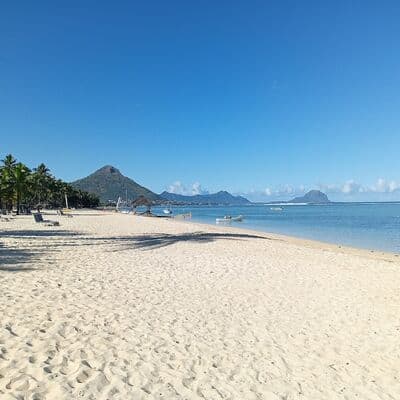
The beaches of Mauritius are genuinely spectacular. The island is almost entirely surrounded by coral reefs, which means the lagoons are calm, crystal-clear, and safe for swimming. The sand really is that white, the water really is that blue, and unlike some over-photographed destinations, Mauritius looks even better in person than in pictures.
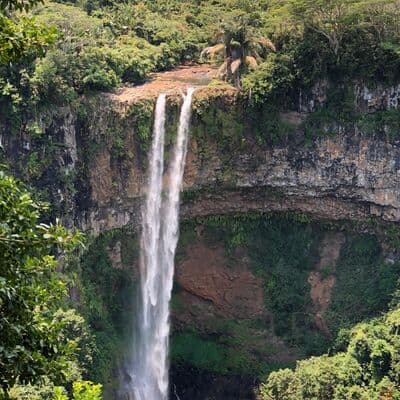
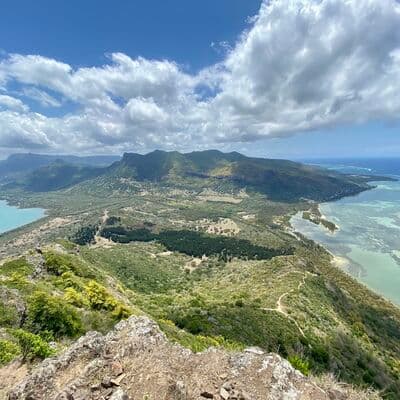
But the natural attractions extend far beyond the beaches. The interior of the island is surprisingly mountainous, with peaks rising to nearly 830 meters. The Black River Gorges National Park protects the island's remaining native forest and offers hiking trails through genuinely wild landscape. Seven Coloured Earths in Chamarel is a geological oddity where exposed volcanic earth displays an otherworldly rainbow of colors. Chamarel Waterfall plunges 100 meters into the jungle below. Le Morne Brabant, a UNESCO World Heritage site, is a dramatic basalt monolith that rises 556 meters from a peninsula on the southwest coast.
The underwater world is equally impressive. The coral reefs support an abundance of marine life, from colorful reef fish to sea turtles, dolphins, and even whales during migration season. The diving and snorkeling here ranks among the best in the world, with visibility often exceeding 30 meters.
Safety and Stability
For travelers from the US, UK, Australia, and Canada, safety is often a concern when visiting unfamiliar destinations. Mauritius stands out as one of the safest countries in Africa and the entire Indian Ocean region. The crime rate is low, the political situation is stable, and the infrastructure is well-developed. This is not a place where you need to watch your back constantly or worry about scams at every turn.
The healthcare system is decent, with good private hospitals in the major towns. The roads are paved and generally well-maintained. Tap water is safe to drink in most areas. These might seem like basic things, but they make a real difference to the overall travel experience, especially for families or those who prefer a more relaxed approach to vacation.
A Genuine Luxury Experience
If you have the budget for it, Mauritius offers some of the finest luxury resorts in the world. We are talking about places that consistently win international awards, with service standards that match or exceed anything you would find in the Maldives, Seychelles, or Caribbean. The difference is that Mauritius offers much more to do beyond the resort gates. You can have your world-class spa and gourmet dining, but also explore a vibrant local culture, hike through national parks, visit botanical gardens, and experience genuine Mauritian life.
The luxury here does not feel exclusionary or artificial. Many resorts work closely with local communities, source ingredients from local farms, and employ Mauritians at all levels. You get the pampering without the guilt of feeling completely disconnected from the country you are visiting.
The Honest Downsides
No destination is perfect, and Mauritius has its drawbacks. The cost is the biggest one. Even mid-range accommodations and restaurants charge European prices, and luxury options can easily match or exceed Maldives pricing. Budget travelers will struggle here.
The island is small, measuring roughly 65 by 45 kilometers. You can drive around the entire thing in a day. For some travelers, this might feel limiting, especially on longer stays. The tourism infrastructure is excellent but can feel a bit sanitized in the main resort areas.
Traffic can be challenging, particularly around Port Louis during rush hours. The road network is good but often congested. If your mental image of Mauritius is all empty beaches and peaceful solitude, the reality in the more developed north and west coasts might come as a surprise.
Weather-wise, the island can be affected by cyclones between November and April, though direct hits are relatively rare. The east coast tends to be windier and rougher than the west, which matters if you have your heart set on calm, postcard-perfect beach conditions.
Despite these caveats, Mauritius remains one of the most rewarding destinations I have visited. The combination of natural beauty, cultural depth, excellent infrastructure, and genuine warmth from the local people creates an experience that justifies the investment. Just go in with realistic expectations and the right budget, and you will likely fall in love with the place.
Regions of Mauritius: Where to Stay and What to Expect
Mauritius may be small, but it is remarkably diverse. Each region of the island has its own character, attractions, and vibe. Choosing where to base yourself can significantly impact your experience, so let me break down what each area offers.
The North: Tourist Central
The northern region of Mauritius is the most developed for tourism and where you will find the majority of hotels, restaurants, and nightlife. The main hub is Grand Baie, a former fishing village that has transformed into a bustling resort town.
What to expect: Grand Baie has the most activity outside of the capital. You will find shopping malls, international restaurants, bars and clubs, water sports operators, and tour companies lining the main road. The beach at Grand Baie itself is decent but not the island's best, as it serves mainly as a launching point for boat trips rather than a swimming destination.
The better beaches in the north include Trou aux Biches, Mont Choisy, and Pereybere. Trou aux Biches consistently ranks among the best beaches in Mauritius, with calm, clear water and a gently sloping sandy bottom that is perfect for swimming. Mont Choisy offers the longest stretch of public beach on the island, popular with locals on weekends. Pereybere is smaller and more intimate, with excellent snorkeling right off the beach.
Who should stay here: The north is ideal for travelers who want easy access to amenities, nightlife options, and a wide selection of restaurants and activities. Families often prefer this area for the calm, shallow waters and abundance of kid-friendly attractions. It is also the best base for boat trips to the northern islands.
The downsides: This is the most touristy part of Mauritius, and it can feel crowded and commercialized. Traffic is heavy, especially on weekends. If you are seeking peace and seclusion, the north might disappoint you.
Price level: The full range, from budget guesthouses to five-star resorts. Competition keeps prices somewhat more reasonable than elsewhere on the island.
The West Coast: Sunsets and Calm Waters
The western coast of Mauritius is protected from the prevailing southeast trade winds by the central mountains, making it the calmest and driest part of the island. This is where you will find some of the most consistently beautiful beach conditions.
Flic-en-Flac Beach is the main beach town on the west coast, offering a long stretch of white sand, calm turquoise water, and spectacular sunsets. The town itself is more laid-back than Grand Baie, with a good selection of restaurants and accommodations but less of a party atmosphere.
Further south, the Tamarin area has developed a reputation as the bohemian, surfer-friendly corner of Mauritius. The vibe here is more relaxed and alternative, with yoga retreats, surf schools, and artisanal shops. The famous Tamarin Bay is one of the few places in Mauritius where you can actually surf, when the conditions are right. This area is also the launching point for dolphin-watching trips.
Black River (Riviere Noire) is the gateway to the Black River Gorges National Park, making it ideal for hikers and nature lovers. The area is less developed than Flic-en-Flac, with a quieter, more authentic feel.
What to expect: Better weather conditions than the east coast, especially during the winter months. Stunning sunsets over the ocean. A more relaxed atmosphere than the north. Good access to hiking in the national park and dolphin watching from Tamarin.
Who should stay here: Beach lovers who prioritize calm water and sunny skies. Surfers and water sports enthusiasts. Hikers planning to explore Black River Gorges. Travelers seeking a balance between amenities and tranquility.
The downsides: Less variety in dining and shopping than the north. The beaches, while beautiful, can get crowded on weekends when locals flock here. Some of the best stretches of sand are fronted by private resorts.
Price level: Generally mid-range to luxury, with fewer budget options than the north.
The Southwest: Dramatic Landscapes and UNESCO Heritage
The southwestern corner of Mauritius is perhaps the most dramatic part of the island. This is where you will find Le Morne Brabant, the iconic mountain that has become the symbol of Mauritius. This UNESCO World Heritage site is not just beautiful; it carries deep historical significance as a refuge for escaped slaves in the 18th and 19th centuries.
The Le Morne peninsula is home to some of the most exclusive resorts on the island, including several that consistently rank among the best in the world. The beaches here are exceptional, with the added backdrop of that incredible mountain. This is also one of the best kitesurfing spots in the Southern Hemisphere, with reliable winds and a large, safe lagoon.
Inland from Le Morne, the Chamarel area offers some of the island's most unusual attractions. Seven Coloured Earths is a small area of exposed volcanic earth that displays bands of red, brown, violet, green, blue, purple, and yellow, caused by the weathering of volcanic rocks into different clay minerals. It is genuinely striking and unlike anything else I have seen. Nearby, Chamarel Waterfall drops 100 meters into a forested gorge, best viewed from a lookout point along the main road.
The area around Chamarel is also the heart of Mauritius's rum production, with the Rhumerie de Chamarel offering excellent tours and tastings. The highland climate here supports coffee plantations and vanilla cultivation as well.
What to expect: Some of the most stunning scenery in Mauritius. World-class luxury resorts. Excellent kitesurfing conditions. Quieter and more exclusive than the north or west. Fascinating cultural and natural attractions inland.
Who should stay here: Luxury seekers willing to pay premium prices. Kitesurfers and windsurfers. Travelers prioritizing scenery over nightlife. Couples looking for a romantic, secluded getaway.
The downsides: Very limited nightlife and dining options outside the resorts. Expensive. The beaches on the southern side of Le Morne can be affected by seaweed at certain times of year. Relatively isolated from other parts of the island.
Price level: Predominantly luxury, with very few budget options.
The South Coast: Wild Beauty and Fewer Tourists
The southern coast of Mauritius sees far fewer tourists than the north and west, and that is precisely its appeal. This is where you experience a wilder, less manicured side of the island. The landscape is more rugged, with dramatic cliffs, rocky shores, and a handful of spectacular beaches tucked into protected bays.
Gris Gris is the most famous spot on the south coast, a dramatic headland where waves crash against the cliffs without the protection of a reef. It is one of the few places in Mauritius where you can experience the raw power of the Indian Ocean. Swimming is not possible here, but the scenery is stunning.
Blue Bay, near the town of Mahebourg, is considered by many to be the most beautiful beach in Mauritius. The water here is an almost impossibly vivid blue, thanks to the white sandy bottom and the Marine Park that protects the extensive coral reef just offshore. The snorkeling is excellent, either from the beach or by glass-bottom boat.
Mahebourg itself is an interesting town, more authentically Mauritian than the tourist hubs. It was here that the only naval battle ever won by the French against the British took place in 1810. The waterfront promenade and the Monday market are worth exploring.
What to expect: A more authentic, less touristy experience. Wilder, more dramatic landscapes. Excellent beaches without the crowds. Better prices than the west and north. A glimpse into traditional Mauritian life.
Who should stay here: Travelers seeking authenticity over convenience. Beach lovers who want to escape the crowds. History buffs interested in Mauritian heritage. Those on a tighter budget who still want quality beaches.
The downsides: Fewer amenities and dining options. The beaches can be rougher than the protected west coast. Further from the airport despite being in the south. Limited public transportation.
Price level: Generally more affordable than the west and north, with some excellent mid-range options.
The East Coast: Windswept Beauty
The eastern coast of Mauritius catches the full force of the trade winds, which makes it dramatically different from the sheltered west. The wind can be a blessing or a curse depending on your perspective and preferences.
Ile aux Cerfs is the most famous attraction on the east coast, a beautiful island accessible by boat from Trou d'Eau Douce. The beaches here are spectacular, with fine white sand and that quintessential Mauritius turquoise water. However, it can get extremely crowded, especially when cruise ships are in port. If you can visit on a quieter day, it is genuinely beautiful.
The mainland beaches along the east coast are generally less calm than the west, with more wind and sometimes stronger currents. Poste de Flacq and Belle Mare are the main beach areas, home to several large resorts. The advantage of the east is that it tends to be less crowded and more affordable than the west.
What to expect: Windier conditions, which makes for great kitesurfing but less ideal swimming. Spectacular beaches on Ile aux Cerfs. Large, often all-inclusive resorts. Generally quieter than the north and west.
Who should stay here: Kitesurfers and windsurfers who appreciate consistent wind. Travelers seeking all-inclusive resort experiences. Those who prefer fewer crowds and do not mind some wind.
The downsides: The wind can be persistent and strong, especially from June to September. Beach conditions are less reliable than the west coast. The area feels more resort-dominated and less authentic. Further from most attractions.
Price level: Full range, with many large all-inclusive resorts offering competitive packages.
The Central Highlands: Mountains and Culture
Most tourists never venture into the interior of Mauritius, which is a shame because the central highlands offer a completely different experience from the coast. The landscape here is verdant and mountainous, with cooler temperatures that come as a relief after the coastal heat.
Curepipe is the main town in the highlands, a slightly faded colonial-era settlement that was once the preferred residence of the British elite seeking escape from the coast's heat. The town has seen better days but offers interesting architecture and some of the best Indian food on the island. The extinct Trou aux Cerfs volcano, with its crater lake and panoramic views, is the main attraction.
The botanical gardens at Pamplemousses, while technically in the north, are often visited as part of a highland excursion. The gardens are among the oldest in the Southern Hemisphere, famous for their giant Victoria amazonica water lilies and collection of endemic plants.
The Black River Gorges National Park covers much of the southwestern highlands, protecting the largest remaining area of native forest and offering the best hiking on the island. Multiple trails range from easy walks to challenging treks.
What to expect: Cooler temperatures and lush vegetation. Interesting colonial history and architecture. The best hiking on the island. A break from the beach resort atmosphere.
Who should stay here: Staying in the highlands is unusual, but it can be a good choice for hikers who want to be close to the national park, or for travelers seeking a different perspective on Mauritius.
The downsides: No beaches, obviously. The weather can be cloudy and damp. Limited accommodation options and nightlife. Most attractions are actually easier to visit as day trips from the coast.
Price level: Generally affordable, with mostly guesthouses and small hotels.
Port Louis: The Capital City
Port Louis is the capital and largest city of Mauritius, home to about 150,000 people. It is the commercial and cultural heart of the island, where all the threads of Mauritian society come together.
The Port Louis Central Market is the essential Port Louis experience. This sprawling market sells everything from fresh produce to spices, textiles, souvenirs, and street food. It is chaotic, colorful, and thoroughly authentic. The surrounding streets are full of shops selling electronics, clothing, and household goods at local prices.
The waterfront area, known as Le Caudan Waterfront, is a modern development with shops, restaurants, a casino, and a craft market. It is touristy but pleasant, and offers a good introduction to Port Louis for first-time visitors. The nearby Aapravasi Ghat, a UNESCO World Heritage site, was where indentured laborers from India first arrived in Mauritius.
Port Louis has several interesting museums and cultural sites, including the Blue Penny Museum (home to rare Mauritius stamps), the Natural History Museum, and various temples and mosques. The city also has the best selection of authentic local restaurants on the island.
What to expect: The most urban, bustling environment in Mauritius. Excellent street food and local restaurants. Interesting markets and museums. A more authentic glimpse of everyday Mauritian life. Very hot and humid, especially midday.
Who should stay here: Few tourists actually stay in Port Louis, and with good reason. The city is best experienced as a day trip from beach areas. However, business travelers might find it convenient.
The downsides: No beaches. Hot, humid, and crowded. Traffic can be nightmarish. Not particularly attractive overall. Most visitors find a day trip sufficient.
Price level: Affordable to mid-range, with some business hotels but few tourist-oriented accommodations.
The Islands of Mauritius: Paradise Within Paradise
Mauritius is surrounded by a constellation of smaller islands, each offering a different experience from the main island. Some are easily accessible day trip destinations, while others require more planning. Here is what you need to know about the most popular offshore islands.
Ile aux Cerfs: The Famous One
Ile aux Cerfs, meaning Deer Island, is the most famous and most visited island off Mauritius. Located off the east coast near Trou d'Eau Douce, it is accessible by a short boat ride that runs continuously throughout the day.
The island's appeal is obvious the moment you arrive. The beaches are stunning, with powder-fine white sand and that electric blue water that makes Mauritius famous. The lagoon is calm and shallow, perfect for swimming and water sports. A golf course designed by Bernhard Langer occupies much of the interior.
The downside is that Ile aux Cerfs can get extremely crowded, especially on weekends and when cruise ships visit. At peak times, the beach feels more like a party scene than a tranquil escape. Vendors can be persistent, and the commercialization is evident.
My advice: Visit on a weekday, arrive early before the crowds, and consider the parasailing or boat trip options that take you to quieter parts of the island. Alternatively, skip Ile aux Cerfs entirely and head to the lesser-known islands for a more peaceful experience.
Getting there: Regular boats depart from Trou d'Eau Douce, Point Maurice, and other nearby points. The crossing takes 10-15 minutes. Most hotels on the east coast can arrange transfers.
Cost: Boat transfers start around 300-400 MUR (about 7-10 USD) for a basic return trip. Packages including lunch and water activities cost more.
Ile aux Aigrettes: Nature Reserve
Ile aux Aigrettes is a tiny coral island off the southeast coast that has been transformed into a nature reserve by the Mauritian Wildlife Foundation. This is one of the best places in Mauritius to see the conservation work being done to protect the island's endemic species.
The island preserves a remnant of the coastal ebony forest that once covered much of Mauritius before human settlement. Conservation efforts have removed invasive species and reintroduced native plants and animals. You might see the endangered pink pigeon, the beautiful olive white-eye, and giant Aldabra tortoises, which were introduced to fill the ecological niche left by the extinct Mauritian giant tortoises.
Unlike the beach islands, Ile aux Aigrettes is not about swimming and sunbathing. It is an educational experience, and visits are by guided tour only. The guides are knowledgeable and passionate, and the experience offers valuable insight into Mauritius's unique natural heritage and the devastating impact of human colonization.
Getting there: Boats depart from Pointe Jerome, near Mahebourg. Tours must be booked in advance through the Mauritian Wildlife Foundation.
Cost: Tours cost around 1,500-2,000 MUR (35-50 USD) per person, including the boat transfer and guided walk.
Coin de Mire and Flat Island: Diving and Snorkeling
These uninhabited islands off the north coast are popular destinations for boat trips, diving, and snorkeling excursions. Coin de Mire (also known as Gunner's Quoin) is a dramatic, wedge-shaped rock that rises 165 meters from the sea. The waters around it offer excellent diving, with the chance to see sharks, rays, and large pelagic fish.
Flat Island and nearby Gabriel Island offer beautiful beaches and good snorkeling in calm, protected waters. These are popular day trip destinations from Grand Baie, and while they do get busy, they are generally less crowded than Ile aux Cerfs.
Getting there: Catamaran cruises and speedboat trips depart from Grand Baie. Full-day trips typically include lunch, drinks, and snorkeling equipment.
Cost: Day trips range from 1,500-4,000 MUR (35-100 USD) depending on the boat type and inclusions.
Ile aux Benitiers: Southwest Serenity
This small island off the southwest coast, near Le Morne, offers a quieter alternative to the popular northern islands. The beaches are beautiful, the water is calm, and the backdrop of Le Morne Brabant mountain makes for spectacular scenery.
Ile aux Benitiers is a popular lunch stop for dolphin-watching trips departing from Tamarin and Black River. The island has a few small restaurants serving fresh grilled fish and Creole dishes. Swimming and snorkeling are excellent in the surrounding waters.
Getting there: Most visitors arrive as part of an organized dolphin-watching or catamaran trip from the west coast. Independent boats can also be hired from the mainland.
Cost: Usually included in dolphin-watching trips (1,500-2,500 MUR / 35-60 USD).
Rodrigues Island: The Other Mauritius
Rodrigues is not just another offshore island; it is an autonomous outer island of the Republic of Mauritius, located about 560 kilometers to the east. It takes 90 minutes by plane or about 36 hours by ship to reach from the main island.
If you have the time, Rodrigues offers a completely different experience from Mauritius. The island is smaller, quieter, and less developed, with a population of about 40,000. The pace of life is slower, the tourists are fewer, and the landscape is dramatic and unspoiled.
Rodrigues is famous for its walking trails, its artisanal food traditions (especially octopus dishes), and its welcoming community. The diving and kitesurfing are excellent, and the island has its own unique Creole culture that has developed somewhat independently from the main island.
My advice: If you have two weeks or more in Mauritius, consider spending three or four days in Rodrigues. It offers a perfect counterpoint to the more polished tourism experience on the main island.
Getting there: Air Mauritius operates several flights daily from Mauritius. The MV Mauritius Trochetia cargo-passenger ship runs approximately weekly.
Cost: Flights start around 150-200 USD round trip if booked in advance.
Best Time to Visit Mauritius: Climate and Seasons
Mauritius has a tropical climate, which means it is warm year-round and you can visit at any time. However, there are distinct seasons that affect what you will experience, so it helps to understand the patterns before booking your trip.
The Two Seasons
Summer (November to April): Hot, humid, and wet. Temperatures range from 25-33°C (77-91°F), with high humidity making it feel even warmer. This is the rainy season, with more frequent showers (usually brief but intense) and the possibility of cyclones. The sea is warmest during this period, and the underwater visibility is generally good.
Winter (May to October): Cooler, drier, and windier. Temperatures range from 17-25°C (63-77°F), which feels quite pleasant especially after the intense summer heat. Rainfall is less frequent, but the trade winds blow strongly, particularly on the east coast. The sea is cooler but still comfortable for swimming.
Month by Month Breakdown
January-February: Peak summer heat and humidity. The wettest months, with the highest risk of cyclones. However, cyclones directly hitting Mauritius are relatively rare, occurring perhaps once every few years. If the weather cooperates, conditions are good for diving and beach activities. This is also peak tourist season and school holidays.
March-April: Summer transitions to autumn. The cyclone risk decreases through March. April is often a sweet spot with warm weather, decreasing humidity, and fewer crowds. The shoulder season prices begin.
May-June: The beginning of winter. Temperatures drop, winds increase, and the east coast can be quite blustery. The west coast remains more sheltered. This is a good time for hiking as the cooler temperatures make physical activity more comfortable.
July-August: Peak winter and peak wind season. The east coast is particularly windy, making it great for kitesurfing but less ideal for beach relaxation. The west coast is more protected. Whale watching season begins, with humpback whales migrating past the island.
September-October: Late winter transitioning to spring. The winds begin to die down, temperatures start rising, and conditions become more consistently pleasant. September is often considered one of the best months to visit, with good weather and lower prices. Whale watching continues.
November-December: The return of summer heat and humidity. December is popular with tourists escaping northern hemisphere winters, so prices rise and resorts fill up. The weather is generally good, though occasional rain showers become more frequent.
My Recommendation
For most travelers, the optimal time to visit Mauritius is from September to November or April to May. These shoulder seasons offer good weather, smaller crowds, and better prices. You get warm temperatures without the extreme humidity of peak summer, and you avoid both the cyclone risk and the intense winter winds.
If you are specifically interested in kitesurfing or windsurfing, June to September offers the most reliable wind conditions, particularly on the east coast and around Le Morne. For whale watching, July to October is the season.
Avoid January and February unless you are comfortable with the cyclone risk and high humidity. While cyclones are not common, they can disrupt travel plans significantly when they do occur.
Water Temperature and Conditions
The ocean temperature around Mauritius ranges from about 23°C (73°F) in winter to 27°C (81°F) in summer. Even in winter, the water is comfortable for most swimmers without a wetsuit. Divers might want a thin wetsuit in winter for longer dives.
Visibility is generally excellent year-round, averaging 15-30 meters depending on conditions. The best visibility tends to be during the drier months from May to October.
Getting to Mauritius: Flights and Entry Requirements
Mauritius is an island in the middle of the Indian Ocean, so unless you have a serious amount of time for a cargo ship journey, you will be arriving by air. The good news is that the island is well-connected to major hubs, and entry requirements are straightforward for citizens of most English-speaking countries.
Flights from the United States
There are no direct flights from the US to Mauritius. The most common routing is through a major European hub (London, Paris, Frankfurt) or through Dubai, Johannesburg, or Singapore. Total travel time from the East Coast runs 20-30 hours including connections; from the West Coast, add a few more hours.
Best options from the US:
- Emirates via Dubai: Often the most comfortable option with competitive prices and good service
- Air France via Paris: Direct connection to Mauritius from CDG
- South African Airways via Johannesburg: Good option if you want to combine with South Africa
- Singapore Airlines via Singapore: Excellent service, convenient for adding an Asia stopover
TSA and security notes for Americans: Standard TSA rules apply for departing flights. Mauritius does not have any special restrictions on carry-on items beyond the usual liquids/gels rules. If connecting through Europe, be aware of slightly different security requirements.
Flights from the United Kingdom
The UK has the best connections to Mauritius of any English-speaking country, thanks to the historical ties between the two nations. Direct flights operate from London to Sir Seewoosagur Ramgoolam International Airport (MRU).
Direct flight options:
- Air Mauritius: The national carrier operates direct flights from London Heathrow (about 12 hours)
- British Airways: Direct service from London Heathrow, often code-sharing with Air Mauritius
Flight time is approximately 11-12 hours direct. Prices for direct flights typically range from 700-1,500 GBP round trip depending on season and how far in advance you book.
Flights from Australia
From Australia, the most common routing is through either Singapore or the Middle East (Dubai or Abu Dhabi). There are no direct flights.
Best options:
- Emirates via Dubai
- Singapore Airlines via Singapore
- Qantas connections through various hubs
Total travel time from eastern Australian cities is typically 18-24 hours including connections.
Flights from Canada
Canadians have similar routing options to Americans, typically connecting through Europe or the Middle East. Air Canada has codeshare agreements that can simplify booking, but the actual journey will involve partner airlines for the long-haul segments to Mauritius.
The Airport
Sir Seewoosagur Ramgoolam International Airport (MRU) is located in the southeast of the island, near Mahebourg. It is a modern, well-maintained airport that handles the majority of international traffic efficiently.
The airport is about 45 minutes to an hour from the main northern tourist areas, and about 30 minutes from the west coast resorts. Many hotels offer airport transfers, which I recommend booking in advance, especially if you are arriving late at night.
Visa Requirements
Here is the good news: citizens of the United States, United Kingdom, Australia, Canada, and most other English-speaking countries do not need a visa to visit Mauritius for tourism. You can stay up to 60 days without a visa, with the possibility of extending up to 90 days total.
Entry requirements:
- Valid passport with at least six months validity beyond your planned departure date
- Return or onward ticket
- Proof of accommodation (hotel booking or invitation letter)
- Sufficient funds for your stay (they rarely check, but the requirement exists)
- Completed arrival card (distributed on the plane)
Immigration is generally efficient and friendly. Mauritius positions itself as a welcoming destination, and the entry process reflects that attitude.
Customs and Duty-Free
Mauritius allows duty-free import of reasonable quantities of personal goods, including:
- 200 cigarettes or 250g of tobacco
- 2 liters of wine and spirits
- Gifts up to 10,000 MUR in value
Prohibited items include drugs, weapons, and certain food products. If you are bringing any unusual items or large quantities of anything, declare them to avoid problems.
Getting Around Mauritius: Transportation Options
Once you are on the island, you have several options for getting around. The choice depends on your budget, comfort level with driving on the left, and how much of the island you want to explore.
Rental Cars
Renting a car is the best way to explore Mauritius independently. The island is small enough that you can drive from one end to the other in a couple of hours, and having your own vehicle gives you the freedom to discover beaches, restaurants, and attractions at your own pace.
What you need to know:
- Mauritius drives on the left (British system)
- Your valid driver's license from home is accepted for tourism stays
- Roads are generally well-maintained but can be narrow and winding in places
- Traffic in Port Louis and around Grand Baie can be heavy during rush hours
- Speed limits are 40 km/h in towns, 80 km/h on main roads, and 110 km/h on the motorway
- Fuel costs around 55-65 MUR per liter (about 1.30-1.50 USD)
Rental costs: Basic cars start around 30-40 USD per day from local companies. International brands like Hertz and Avis charge more (50-80 USD/day) but offer more reliability and better insurance options. I recommend booking in advance during peak season.
My advice: If you are staying at an all-inclusive resort and do not plan to explore much, you can probably skip the rental car. But if you want to see beyond your hotel, having a car for at least a few days is worth it. The cost is reasonable, and the independence is invaluable.
Taxis
Taxis are widely available throughout Mauritius, and most hotels can arrange them easily. The flip side is that taxi prices are not regulated and can be expensive compared to renting a car.
Tips for using taxis:
- Always agree on the price before getting in the taxi
- Ask your hotel for typical fare estimates so you know what is reasonable
- For day trips, negotiate a full-day rate (usually 3,000-5,000 MUR / 70-120 USD)
- Many taxi drivers double as tour guides and can be excellent sources of local knowledge
Sample taxi fares (approximate):
- Airport to Grand Baie: 1,500-2,000 MUR (35-50 USD)
- Airport to Flic-en-Flac: 1,200-1,500 MUR (28-35 USD)
- Grand Baie to Port Louis: 800-1,200 MUR (18-28 USD)
Buses
Mauritius has an extensive public bus network that reaches almost every part of the island. Buses are cheap (fares range from 20-40 MUR / less than 1 USD) and offer an authentic local experience. However, they are also slow, often crowded, and can be confusing for visitors.
When buses make sense:
- Budget travelers willing to trade time for savings
- Single-destination trips (e.g., Grand Baie to Port Louis)
- Travelers who want to experience local life
When to avoid buses:
- If you have limited time
- If you want to visit multiple attractions in one day
- If you are traveling with luggage or young children
Bus routes are not well-documented online, so you may need to ask locals for guidance. The main bus stations are in Port Louis, Curepipe, and the major towns.
Ride-Sharing
Uber does not operate in Mauritius, but a local alternative called Touk Touk offers app-based ride booking. The service is available mainly in urban areas and tourist zones. Prices are generally lower than traditional taxis, and the app removes the need for fare negotiation.
Motorcycle and Scooter Rental
Scooters and motorcycles are available for rent in tourist areas, typically for 500-1,500 MUR per day (12-35 USD). This can be a fun and economical way to explore, but be aware that Mauritian traffic can be challenging, and road conditions vary.
A regular car driver's license is sufficient for scooters under 50cc. For larger motorcycles, you need a motorcycle license. Helmets are required by law and are usually provided with the rental.
Organized Tours
If you prefer not to drive yourself, organized tours are an easy way to see the main attractions. Most hotels can arrange half-day or full-day tours to popular destinations like Chamarel, Black River Gorges, Port Louis, and the botanical gardens.
Typical tour prices:
- Half-day tour: 1,500-2,500 MUR (35-60 USD)
- Full-day tour with lunch: 2,500-4,000 MUR (60-95 USD)
- Catamaran day trip: 2,000-4,000 MUR (50-95 USD)
The quality varies significantly between operators. Hotel-arranged tours are generally reliable but pricier. For better value, look for well-reviewed operators on TripAdvisor or ask your hotel to recommend a trusted local guide.
Cultural Code: Understanding Mauritian Society
Mauritius is a harmonious multicultural society, but like any destination, understanding local customs and expectations will enhance your experience and help you connect with the people you meet.
Religious Diversity
About 48% of Mauritians are Hindu, 33% Christian (mostly Catholic), and 17% Muslim. The remaining population follows Buddhism, traditional Chinese religions, or other faiths. This diversity means you will encounter temples, churches, mosques, and pagodas throughout the island, often in close proximity.
Religious festivals are important events in Mauritius. If your visit coincides with Diwali, Eid, Chinese New Year, or Maha Shivaratri, you will experience celebrations that offer genuine insight into Mauritian culture. The island essentially celebrates festivals from all its major traditions, resulting in an impressive number of public holidays.
Respecting religious sites:
- Remove shoes before entering Hindu temples and some mosques
- Dress modestly when visiting religious sites (cover shoulders and knees)
- Ask permission before photographing people at worship or religious ceremonies
- Be respectful and quiet during services or prayers
Language and Communication
English is one of the official languages and is used in government, education, and business. However, Creole (Kreol Morisien) is the everyday language spoken by most Mauritians. French is also widely used, particularly in media and social situations.
As an English speaker, you will have no trouble communicating. Most Mauritians who work in tourism speak excellent English. In rural areas or local markets, French or Creole might be more common, but you will usually find someone who can help translate.
Useful Creole phrases:
- Bonzour - Hello/Good day
- Ki manyer? - How are you?
- Mersi - Thank you
- Silvouple - Please
- Wikar - Goodbye
Making an effort to use a few local words is always appreciated, even if your pronunciation is imperfect.
Social Customs
Greetings: A handshake is the standard greeting in business and formal situations. Among friends and acquaintances, Mauritians often greet with a kiss on each cheek (French style). Follow the lead of the people you are meeting.
Respect for elders: Mauritian culture places strong emphasis on respecting older people. Use polite forms of address and defer to elders in social situations.
Punctuality: Mauritians tend to have a relaxed attitude toward time, especially in social situations. Do not be surprised if things start a bit late or if meetings are rescheduled. Business meetings, however, tend to be more punctual.
Tipping: Tipping is not obligatory in Mauritius, as service charges are often included in restaurant bills. However, tips are appreciated for good service. A general guideline is 5-10% at restaurants (if no service charge), 50-100 MUR for hotel porters, and rounding up taxi fares. At high-end resorts, tipping is more expected.
Dress Code
Mauritius is generally relaxed about dress, especially in beach areas where swimwear and casual clothing are the norm. However, there are some situations where more modest attire is appropriate:
- Religious sites: Cover shoulders and knees
- Upscale restaurants: Smart casual, no beachwear
- Port Louis and towns: More coverage than beach areas
- Business meetings: Professional attire
Topless sunbathing is generally not accepted on public beaches, though some private resort beaches may be more tolerant. Nude beaches do not exist in Mauritius.
Local Sensitivities
Politics: Mauritians are generally open to discussing politics, but as a visitor, it is wise to listen more than speak. The country has a functioning democracy with peaceful transitions of power, but like anywhere, political opinions can be strong.
Ethnicity and religion: While Mauritius is remarkably harmonious, ethnic and religious identities remain important. Avoid making assumptions about someone's background or religion based on appearance. Mauritians are proud of their multicultural identity, and this pride is earned.
Environmental awareness: Mauritians are increasingly conscious about environmental issues, particularly regarding coral reef protection and plastic pollution. Show respect for the environment by not touching or standing on coral, disposing of trash properly, and choosing eco-conscious operators for water activities.
Shopping and Bargaining
Bargaining is common at markets and with street vendors, but not in established shops or restaurants. At the Port Louis Central Market and craft markets, you are expected to negotiate. Start at about 60-70% of the asking price and work your way up.
In fixed-price shops, the price is the price. Attempting to bargain in these situations can be seen as disrespectful.
Safety in Mauritius: What You Need to Know
Mauritius is one of the safest destinations in Africa and the Indian Ocean region. Violent crime against tourists is rare, and most visitors experience no problems whatsoever. That said, common-sense precautions are always wise, and there are a few specific issues to be aware of.
General Safety
Crime: Petty theft can occur, particularly in crowded areas like markets and beaches. Keep valuables secure, do not leave bags unattended on the beach, and use hotel safes for passports and expensive items. Pickpocketing is not common but can happen in tourist areas.
Violent crime: Violent crimes against tourists are very rare. The most likely problems you might encounter are opportunistic theft or the occasional scam, not violence.
Scams: The most common scam involves overcharging tourists, particularly in taxis and at markets. Always agree on prices before accepting services. Be wary of overly friendly strangers who want to guide you somewhere or recommend specific shops, as they may be working on commission.
Beach and Water Safety
Swimming: Most beaches in Mauritius are protected by coral reefs, making them safe for swimming. However, there are a few areas without reef protection (like Gris Gris in the south) where currents and waves can be dangerous. Always observe warning signs and local advice.
Marine life: Stonefish, lionfish, and sea urchins can be found in some areas. Wear water shoes when walking on rocky areas or wading in shallow water. If stung, seek medical attention. Shark attacks are extremely rare in Mauritius due to the protective reefs.
Sun exposure: The tropical sun is intense, especially between 10am and 4pm. Use high-SPF sunscreen, wear a hat, and stay hydrated. Sunburn can ruin a vacation quickly.
Rip currents: While most lagoons are calm, rip currents can occur, particularly outside the reef or in areas without reef protection. If caught in a current, swim parallel to shore rather than fighting against it.
Health Concerns
Mosquitoes: Mosquito-borne diseases like dengue fever and chikungunya occasionally occur in Mauritius. Use insect repellent, especially at dawn and dusk. Malaria is not present in Mauritius, so antimalarial medication is not necessary.
Food and water: Tap water is safe to drink in most areas, though bottled water is widely available if you prefer. Food hygiene standards are generally good, including at street food stalls. Use normal common sense about eating food that looks fresh and is properly cooked.
Medical facilities: Mauritius has good medical facilities, with both public and private hospitals. The main private hospitals are in the north (Clinique du Nord) and around Port Louis. For serious medical issues, evacuation to South Africa or Reunion might be necessary, so travel insurance is essential.
Road Safety
Traffic accidents are actually the biggest safety risk for visitors to Mauritius. Roads can be narrow, drivers sometimes aggressive, and pedestrian infrastructure is limited in many areas.
Tips for safe driving:
- Stay alert for motorcycles and scooters weaving through traffic
- Be cautious on narrow mountain roads
- Avoid driving at night if possible, as pedestrians and animals on roads can be hard to see
- Do not drink and drive; police checkpoints are common
Tips for pedestrians:
- Be careful when crossing roads, even at marked crossings
- Walk facing traffic where there are no sidewalks
- Be extra cautious in Port Louis and urban areas
Natural Hazards
Cyclones: The cyclone season runs from November to April, with the highest risk in January and February. Mauritius has well-developed warning systems, and direct hits are not frequent. If a cyclone is approaching, follow local advice and stay indoors. Hotels are experienced at handling these situations.
Flooding: Heavy rainfall can cause flash flooding, particularly in low-lying areas and near rivers. Avoid driving through flooded roads.
Emergency Numbers
- Police: 999 or 112
- Ambulance: 114
- Fire: 115
- Coast Guard: 212 3747
Health and Medical Information
Mauritius presents few serious health risks for travelers, and no special vaccinations are required for entry. However, some preparation will help ensure you stay healthy during your trip.
Vaccinations and Health Preparation
No vaccinations are mandatory for entering Mauritius (unless you are arriving from a yellow fever zone, in which case proof of vaccination is required). However, it is worth ensuring your routine vaccinations are up to date, and consider the following:
- Hepatitis A: Recommended for most travelers
- Hepatitis B: Recommended if you might have intimate contact with locals or need medical treatment
- Typhoid: Consider if you will be eating adventurously or staying in rural areas
Malaria is not present in Mauritius, so antimalarial medication is not necessary. However, mosquito-borne diseases like dengue and chikungunya do occur occasionally, so insect precautions are still wise.
Medical Facilities
Mauritius has a reasonably good healthcare system with both public and private options. Public healthcare is free for Mauritian citizens, while tourists can access public hospitals at low cost but may find standards below what they are accustomed to.
Private clinics and hospitals offer higher standards of care and are the recommended option for tourists. The main private hospitals include:
- Clinique du Nord (Grand Baie area) - good for northern tourists
- City Clinic (Port Louis)
- Wellkin Hospital (Moka)
- Apollo Bramwell Hospital (Moka)
Pharmacies are widely available throughout the island and can handle minor ailments. Many medications that require prescriptions in Western countries are available over the counter in Mauritius.
Travel Insurance
Travel insurance is essential for visiting Mauritius. Make sure your policy covers:
- Medical treatment and hospitalization
- Emergency medical evacuation
- Repatriation
- Water sports and adventure activities (if you plan to do these)
- Trip cancellation and interruption
For serious medical conditions, evacuation to South Africa or Reunion Island may be necessary, which can be extremely expensive without insurance.
Common Health Issues for Tourists
Sunburn and heat exhaustion: The most common health problems for visitors. Use high-SPF sunscreen, wear protective clothing, stay in shade during midday, and drink plenty of water.
Dehydration: The heat and humidity can cause rapid fluid loss. Drink water regularly throughout the day, even if you do not feel thirsty.
Insect bites: Use DEET-based repellent, especially at dawn and dusk. If bitten, antihistamine creams are available at pharmacies.
Marine stings: Jellyfish are occasionally present. If stung, vinegar can help neutralize the toxins. For stonefish or lionfish stings, immerse in hot water and seek medical attention.
Traveler's diarrhea: Uncommon in Mauritius due to generally good hygiene standards, but can occur. Stay hydrated and use oral rehydration salts if needed. See a doctor if symptoms are severe or persistent.
Money and Budget: What to Expect
Understanding the financial aspects of traveling in Mauritius will help you plan your budget and avoid surprises. Here is what you need to know about money matters on the island.
Currency
The Mauritian Rupee (MUR) is the local currency. As of early 2026, the exchange rate is approximately:
- 1 USD = 42-45 MUR
- 1 GBP = 52-55 MUR
- 1 EUR = 45-48 MUR
- 1 AUD = 27-30 MUR
- 1 CAD = 30-33 MUR
These rates fluctuate, so check current rates before your trip. For convenience, I will provide rough USD equivalents throughout this guide.
Exchanging Money
You can exchange money at the airport, banks, and licensed exchange bureaus. The airport rates are reasonable, though not the best. Hotels typically offer poor exchange rates and should be avoided except for emergencies.
ATMs are widely available throughout the island and accept international cards. This is the most convenient way to get local currency. Be aware that your bank may charge international withdrawal fees, and some Mauritian ATMs also charge a fee (usually 100-200 MUR).
Credit Cards
Major credit cards (Visa, Mastercard, American Express) are widely accepted at hotels, restaurants, and shops in tourist areas. However, some smaller establishments, markets, and local restaurants only accept cash. Always carry some cash for everyday purchases.
Contactless payment is increasingly available but not universal. Some restaurants and shops may have minimum amounts for card payments.
Budget Breakdown
Mauritius is not a budget destination, but it is possible to travel on different budget levels. Here is what to expect:
Budget (80-120 USD per day per person):
- Guesthouse or budget hotel: 40-70 USD/night
- Local restaurants and street food: 15-25 USD/day
- Public transport or shared taxis: 10-15 USD/day
- Activities: Limited, mainly beaches and free attractions
Mid-range (200-350 USD per day per person):
- 3-4 star hotel: 100-200 USD/night
- Mix of local and tourist restaurants: 40-60 USD/day
- Rental car: 30-50 USD/day
- One organized activity per day: 50-100 USD
Luxury (500+ USD per day per person):
- 5-star resort: 300-800+ USD/night (often half-board or all-inclusive)
- Fine dining: 100+ USD/day
- Private transfers and tours: 100-200 USD/day
- Premium activities and spa treatments: 150-300 USD
Tipping Guide
- Restaurants: 5-10% if service charge not included; check the bill
- Hotels: 50-100 MUR (1-2 USD) per bag for porters; 100-200 MUR/day for housekeeping at upscale hotels
- Taxis: Round up to nearest 50-100 MUR
- Tour guides: 200-500 MUR (5-12 USD) per person for a good day tour
- Boat crews: 100-300 MUR per person for day trips
- Spa therapists: 10% of treatment cost at high-end spas
Ways to Save Money
- Visit during shoulder season (September-November, April-May) for lower prices
- Stay in guesthouses or self-catering apartments instead of resorts
- Eat at local restaurants and food courts rather than tourist spots
- Rent a car and explore independently instead of taking tours
- Use public beaches instead of paying for beach clubs
- Book activities directly rather than through hotel tour desks
- Buy food at supermarkets for breakfast and snacks
Suggested Itineraries: How to Spend Your Time
Mauritius packs a lot into a small space, and how you spend your time depends on your interests and pace. Here are detailed itineraries for different trip lengths, designed to give you a well-rounded experience while leaving room for relaxation.
One Week Itinerary: Essential Mauritius
A week is enough to see the highlights of Mauritius while still having time to enjoy the beaches. This itinerary assumes you are staying on the west coast, which offers the best access to most attractions.
Day 1: Arrival and Settlement
Arrive at the airport, pick up your rental car or arrange transfer to your accommodation. If you arrive early enough, spend the afternoon at your hotel pool or nearby beach to recover from the journey. Have dinner at your hotel or a local restaurant to get an early night and adjust to the time zone.
Day 2: South Coast Exploration
Start early and head south. Visit the Seven Coloured Earths and Chamarel Waterfall in the morning before the tour buses arrive. Stop at Rhumerie de Chamarel for a rum tasting and lunch with panoramic views. Continue to Le Morne for afternoon beach time and sunset views. Return via the coast road, stopping at Gris Gris to see the dramatic cliffside waves if time permits.
Day 3: Beach Day with Dolphins
Book an early morning dolphin watching trip from Tamarin or Black River. Most trips depart around 7am and include swimming with dolphins in the open ocean. Return to shore by late morning and spend the rest of the day relaxing at Flic-en-Flac Beach or your hotel. Enjoy dinner at a beachfront restaurant.
Day 4: Port Louis and North
Head to Port Louis in the morning. Explore the Central Market, visit the Caudan Waterfront, and have lunch at a local restaurant. In the afternoon, drive to the north coast. Visit the Pamplemousses botanical gardens, then continue to Grand Baie for dinner and a walk along the waterfront.
Day 5: Hiking and Nature
Spend the day in Black River Gorges National Park. Choose from several hiking trails depending on your fitness level. The Macchabee Trail offers excellent views and endemic forest, while the shorter walks around the viewpoints are suitable for all abilities. Pack a picnic lunch or eat at one of the small restaurants near the park entrance. Return to your accommodation for a relaxing evening.
Day 6: Island Hopping
Take a catamaran day trip to the northern islands (Flat Island, Gabriel Island, Coin de Mire) or head to the east coast for a trip to Ile aux Cerfs. Most trips include lunch, drinks, and snorkeling equipment. Return in the late afternoon and enjoy your final evening with a special dinner.
Day 7: Departure
Depending on your flight time, you may have a few hours for last-minute shopping or beach time. Return your rental car and head to the airport. If you have a late evening flight, consider visiting Blue Bay Marine Park for excellent snorkeling before departing.
Ten Day Itinerary: In-Depth Mauritius
With ten days, you can explore more thoroughly and include some activities that require full days.
Days 1-2: Arrival and West Coast
Arrive and settle into west coast accommodation. Spend Day 2 exploring the immediate area: beaches at Flic-en-Flac, sunset at Tamarin, perhaps a surf lesson if you are interested. Get oriented and relax.
Day 3: South Coast Circuit
Full day exploring the south: Chamarel (Seven Coloured Earths, waterfall, rum distillery), Le Morne peninsula, and the wild southern coast. Stop at Rochester Falls or La Roche Qui Pleure (the crying rock) for additional natural attractions.
Day 4: Dolphins and Diving
Morning dolphin watching trip from Tamarin. If you are a certified diver, spend the afternoon doing a dive off the west coast. The Rempart Serpent site near Flic-en-Flac is excellent for beginners and experienced divers alike.
Day 5: Black River Gorges
Full day dedicated to hiking in Black River Gorges National Park. Tackle one of the longer trails like the Alexandra Falls Trail or the Parakeet Trail. Bring plenty of water and a packed lunch. End the day with a visit to the Chamarel area viewpoints for sunset.
Day 6: Port Louis and Culture
Spend the morning thoroughly exploring Port Louis: Central Market, Chinatown, the waterfront, Blue Penny Museum, and Aapravasi Ghat. Have lunch at a local restaurant in Chinatown for authentic Chinese-Mauritian food. In the afternoon, visit Eureka House, a beautifully preserved colonial mansion in Moka, for insight into plantation-era life.
Day 7: North Coast
Drive to the north coast for a beach day at Trou aux Biches or Mont Choisy. Visit the Pamplemousses Botanical Gardens either in the morning before the beach or late afternoon. Spend the evening in Grand Baie, exploring the shops and having dinner at one of the many restaurants.
Day 8: Catamaran and Island Trip
Book a full-day catamaran cruise to the northern islands. These trips typically depart from Grand Baie and include multiple snorkeling stops, lunch, drinks, and often some time at Gabriel Island or Flat Island. A relaxing way to spend a day on the water.
Day 9: East Coast
Drive to the east coast in the morning for a trip to Ile aux Cerfs. After enjoying the island's beaches, visit the Ile aux Aigrettes nature reserve (book in advance) for a guided tour of the conservation project. Alternatively, explore Mahebourg and the fascinating Naval Museum, then swim at Blue Bay.
Day 10: Departure
Depending on flight time, use the morning for last shopping, spa treatment, or final beach time. Depart for airport.
Two Week Itinerary: Comprehensive Mauritius
With two weeks, you can truly immerse yourself in Mauritius, including the possibility of visiting Rodrigues Island.
Days 1-7: Follow the one-week itinerary above
Days 8-11: Rodrigues Island
Fly to Rodrigues (90-minute flight) for four days. Explore this smaller, quieter island at a relaxed pace. Highlights include hiking to the top of Mont Limon, exploring the caves at Caverne Patate, snorkeling in the lagoon, and experiencing the local food culture (especially octopus dishes). The pace here is completely different from the main island, and four days gives you time to really absorb the atmosphere.
Days 12-13: Return to Mauritius
Fly back to Mauritius and spend two final days enjoying activities you might have missed: diving, spa treatments, water sports, or simply relaxing on the beach. Visit any attractions you did not have time for during the first week.
Day 14: Departure
Final morning in Mauritius, then depart for airport.
Three Week Itinerary: Extended Paradise
Three weeks allows for deep exploration, multiple activities, and significant relaxation time. Here is how to structure an extended stay:
Week 1: West Coast Base
Base yourself on the west coast and thoroughly explore this side of the island. Include multiple diving or snorkeling trips, extended hiking in Black River Gorges, dolphin and whale watching (if in season), surfing lessons at Tamarin, and exploration of the southwest including Le Morne and Chamarel. Take time for beach days and spa treatments.
Week 2: North and East
Move your base to the north coast (Grand Baie area) for a different perspective. Explore northern beaches, take catamaran trips to the northern islands, visit Port Louis multiple times to explore different areas, spend a day on the east coast including Ile aux Cerfs, and enjoy the nightlife and restaurant scene in Grand Baie.
Week 3: South/Rodrigues and Departure
Option A: Spend four days in Rodrigues, then return for final days in Mauritius. Option B: Base yourself in the south (Mahebourg or Blue Bay area) for a quieter final week, exploring the less-visited southern attractions, snorkeling at Blue Bay Marine Park, and visiting Ile aux Aigrettes.
Reserve the final day or two for shopping, packing, and a leisurely departure.
Communication and Internet
Staying connected in Mauritius is straightforward, with good mobile coverage and wifi availability throughout the island.
Mobile Phones and SIM Cards
The easiest way to stay connected is to buy a local SIM card on arrival. The main providers are Emtel, my.t (Mauritius Telecom), and MTML. All offer tourist packages with data, calls, and texts.
Buying a SIM:
- SIM cards are available at the airport (convenient but slightly pricier) and at shops throughout the island
- You will need your passport to register the SIM
- Tourist packages typically cost 300-500 MUR (7-12 USD) for 5-10 GB of data
- Top-ups are available at convenience stores and gas stations
Mobile coverage is generally excellent throughout the island, including most beaches and tourist areas. Some mountainous areas may have weaker signals.
WiFi
WiFi is widely available in hotels, resorts, cafes, and restaurants. Quality varies:
- Luxury resorts typically have good, fast WiFi throughout the property
- Budget accommodations may have slower or less reliable connections
- Some hotels charge for WiFi; always check before booking
- Cafes and restaurants in tourist areas usually offer free WiFi to customers
International Calling
If you need to make international calls, the cheapest options are:
- WiFi calling through apps like WhatsApp, FaceTime, or Skype
- Local SIM card international packages
- Avoid using hotel phones for international calls, as charges can be extreme
The country code for Mauritius is +230. Phone numbers are eight digits with no area codes.
Practical Tips
- Download offline maps (Google Maps allows offline saving) before arriving
- WhatsApp is widely used in Mauritius for communication, including by some tour operators and taxi drivers
- If your home carrier offers international roaming packages, compare prices with local SIM options
- For extended stays, a local SIM is almost always more economical than roaming
Food and Dining: A Culinary Paradise
Mauritius is a food lover's dream. The fusion of Indian, Chinese, African, and French culinary traditions has created a cuisine that is unique, flavorful, and endlessly varied. From street food to fine dining, here is what to eat and where to find it.
Must-Try Street Food
Dholl Puri: This is the quintessential Mauritian street food. Thin, soft flatbread filled with yellow split pea curry, pickles, and chili paste. You will find vendors selling these throughout the island, especially at markets and bus stations. They cost about 15-25 MUR each (less than 1 USD) and make a filling, delicious snack.
Gato Pima: Deep-fried split pea fritters, crispy on the outside and soft inside, usually served with chili sauce. Perfect for snacking while exploring markets.
Samosas: The Mauritian version is typically filled with spiced vegetables or meat, with a thin, crispy shell. Widely available at bakeries and street vendors.
Roti: Various types of Indian flatbread, often filled with curry. Farata (paratha) with curry is a popular breakfast or lunch option.
Alouda: A sweet, refreshing drink made with milk, agar-agar jelly, basil seeds, and rose or almond syrup. The texture is unusual but addictive. Look for vendors with their distinctive carts, especially at Grand Baie and Port Louis.
Gateau Patate: Sweet potato cake, a unique Mauritian dessert that is surprisingly delicious.
Seafood
With miles of coastline and abundant marine life, seafood is central to Mauritian cuisine. Here are the highlights:
Octopus: Mauritians are masters at preparing octopus. Try it vindaye (in mustard sauce), grilled, or in curry. Rodrigues Island is particularly famous for its octopus dishes.
Fresh fish: Tuna, marlin, red snapper, and parrotfish are commonly served grilled, in curries, or as salads. The catch of the day at beachside restaurants is almost always excellent.
Prawns and crayfish: Both are prepared in various ways, from simple grilled preparations to complex curries. Crayfish (actually a type of lobster) is a luxury item but worth trying at least once.
Fish vindaye: A unique Mauritian preparation where fried fish is marinated in a spiced mustard and turmeric sauce. Delicious hot or cold.
Seafood Creole: Fish or seafood in a tomato-based sauce with onions, garlic, and local spices. A staple at local restaurants.
Main Dishes
Mine Frite: Chinese-style fried noodles adapted to Mauritian tastes. Every household and restaurant has their own version. Often served with gateau pima on the side.
Riz Frite: Fried rice, similarly ubiquitous and varied. A comfort food found everywhere from street stalls to upscale restaurants.
Curry: The Indian influence shows strongly in Mauritian curries. Chicken, mutton, fish, and vegetable curries are all common, usually served with rice or bread. The spicing is generally milder than Indian standards but still flavorful.
Briani: The Mauritian version of biryani, a spiced rice dish with meat (usually chicken or mutton). Particularly popular during festivals and celebrations.
Rougaille: A tomato-based sauce/stew that can feature fish, sausages, salted fish, or other proteins. A Creole classic that appears on menus throughout the island.
Daube: A slow-cooked meat stew, showing the French influence. Rich and hearty, usually served with rice.
Drinks
Rum: Mauritius produces excellent rum, with several distilleries open for tours and tastings. New Grove, Chamarel, and St. Aubin are among the best known. Try the aged varieties for sipping, or enjoy rum-based cocktails at beach bars.
Phoenix Beer: The local lager, light and refreshing, perfect for hot days. Other local brands include Blue Marlin.
Fresh Coconut Water: Sold at beaches and markets, coconut water straight from the shell is the ultimate refreshment.
Sugarcane Juice: Pressed fresh at street stalls, sometimes mixed with ginger or lime. Sweet and surprisingly refreshing.
Tea: Mauritius grows excellent tea in the highlands. Visit the Bois Cheri tea factory for tours and tastings. The vanilla-flavored tea is particularly good.
Lassi: Yogurt-based drinks, both sweet and salty versions, reflecting the Indian influence.
Desserts and Sweets
Napolitaine: A biscuit sandwich filled with jam, dipped in colored icing. Found in every bakery and somehow addictive despite (or because of) its simplicity.
Gateau Coco: Coconut cake, often topped with pink or white icing. A local favorite available at bakeries throughout the island.
Falooda: A sweet, complex drink/dessert with rose syrup, vermicelli, basil seeds, and ice cream. Like alouda but more elaborate.
Fresh Fruit: Mauritius produces excellent tropical fruits including mangoes, lychees (in season December-January), pineapples, papayas, and passion fruit. The markets are the best places to find these.
Where to Eat
Markets and Street Food: The Port Louis Central Market has a food court area serving excellent local dishes at rock-bottom prices. Grand Baie and other tourist areas have street food vendors, particularly in the evenings.
Local Restaurants: Look for places where Mauritians eat. These often have simple decor but excellent food at reasonable prices. The areas around main bus stations and in residential neighborhoods typically have the best authentic options.
Beach Restaurants: Most beaches have at least one or two restaurants serving fresh seafood. Quality varies, but the better ones offer memorable meals with views. Ask locals for recommendations.
Hotel Restaurants: Resort restaurants range from excellent to mediocre. The top hotels often have outstanding dining, while mid-range properties may be less impressive. Do not feel obligated to eat at your hotel every meal.
Fine Dining: Mauritius has some genuinely excellent upscale restaurants, often at the luxury resorts but also independent establishments. For a special meal, try La Table du Chateau at Labourdonnais, The Chateau at Bel Ombre, or any of the signature restaurants at the top resorts.
Dietary Considerations
Vegetarian: With its large Hindu population, Mauritius is very vegetarian-friendly. Most restaurants offer vegetarian options, and Indian restaurants have extensive meat-free menus.
Vegan: More challenging but doable. Many Indian dishes are naturally vegan, and most restaurants can adapt dishes if you explain your requirements.
Halal: Widely available given the Muslim population. Many restaurants in Mauritius serve only halal meat.
Gluten-free: Less awareness than in Western countries, but rice-based dishes are naturally gluten-free. Communicating specific dietary needs may require patience and clear explanation.
Shopping and Souvenirs
Mauritius offers excellent shopping opportunities, from local markets to high-end boutiques. Here is what to look for and where to find it.
What to Buy
Model Ships: Mauritius is famous for handcrafted model ships, particularly replicas of historic vessels like the Bounty, Victory, and Endeavour. The craftsmanship is extraordinary, with working rigging and intricate detail. Prices range from a few hundred dollars for small models to thousands for large, museum-quality pieces. The main workshops are in Curepipe and Goodlands.
Textiles: The island has a significant textile industry, and you can find good deals on clothing, particularly at factory outlets. Cashmere products (imported but finished locally) are popular, as are colorful local fabrics.
Tea: Bois Cheri and other local tea brands produce excellent products, often flavored with vanilla, coconut, or citrus. The tea factory shops offer the best selection and prices.
Rum: Local rum makes an excellent souvenir or gift. The distillery shops offer better prices than tourist shops, and you can find special editions not available elsewhere. Make sure your airline allows alcohol in checked luggage.
Vanilla: Mauritian vanilla is high quality, and vanilla pods or extract make lightweight, aromatic gifts. Purchase from reputable shops or directly from vanilla plantations.
Spices: The markets sell a variety of spices used in Mauritian cooking. Pre-packaged spice mixes make convenient souvenirs.
Local Art: Paintings, sculptures, and crafts by Mauritian artists can be found in galleries and markets. Quality varies, so take your time to find pieces that appeal to you.
Jewelry: Mauritius is not known for precious gems, but you can find nice pieces featuring local materials like shells and sea glass. Be cautious with high-value jewelry purchases from unknown vendors.
Where to Shop
Port Louis Central Market: The best place for local products at local prices. Spices, textiles, souvenirs, and food are all available. Bargaining is expected.
Caudan Waterfront (Port Louis): A more upscale shopping area with shops, a craft market, and international brands. More expensive than the Central Market but more comfortable for browsing.
Grand Baie: The main tourist shopping area, with everything from souvenir shops to boutiques and a shopping mall. Convenient but not the cheapest.
Curepipe: The highland town has factory outlets for textiles and model ships. Worth a visit for serious shoppers.
Factory Outlets: Floreal, Trianon, and other areas have factory outlets for clothing and textiles. Prices can be significantly lower than retail, especially for cashmere and cotton items.
Shopping Tips
- Bargaining is appropriate at markets but not in fixed-price shops
- Get receipts for valuable purchases in case of customs questions
- Model ship purchases often include shipping; verify what is included before buying
- Compare prices at several vendors before making major purchases
- Be wary of extremely cheap designer goods, which may be counterfeit
- Duty-free shops at the airport have limited selection and are not always cheaper than shops in town
Useful Apps for Mauritius
Having the right apps on your phone can make travel in Mauritius easier and more enjoyable. Here are the most useful ones to download before your trip.
Google Maps: Works well in Mauritius for navigation. Download the offline maps before you arrive in case of connectivity issues. Note that some smaller roads may not be perfectly mapped.
Touk Touk: The local ride-hailing app, similar to Uber. Useful for getting around without negotiating with taxi drivers.
WhatsApp: Widely used for communication in Mauritius. Many hotels, tour operators, and even restaurants communicate via WhatsApp.
XE Currency: For quick currency conversions between MUR and your home currency.
TripAdvisor: Useful for finding restaurants and reading reviews. The coverage in Mauritius is good.
Weather apps: Any reliable weather app will help you plan around the tropical weather patterns.
Translate: While English is widely spoken, having a translation app can help in situations where you encounter only French or Creole speakers.
Water Sports and Activities
Mauritius is an aquatic playground, offering some of the best water sports opportunities in the Indian Ocean. Whether you want to explore beneath the waves, ride the wind, or simply enjoy the marine life, the options are extensive.
Diving
The waters around Mauritius offer excellent diving for all experience levels. The coral reefs, underwater caves, and diverse marine life make this one of the premier diving destinations in the Indian Ocean region.
Best Dive Sites:
Flic-en-Flac / West Coast: The most popular diving area, with sites suitable for beginners through advanced divers. The Cathedral is a famous site featuring underwater caves and caverns. Rempart Serpent offers dramatic underwater topography and good fish life. Water conditions are generally calm with excellent visibility.
Blue Bay: The Marine Park in the south offers protected reefs with abundant fish life. Good for beginners and snorkelers as well as divers. The coral here is among the healthiest on the island.
North Coast: Coin de Mire and surrounding areas offer more challenging diving with the chance to see larger pelagic fish including sharks. The currents can be stronger here.
Rodrigues: If you make it to Rodrigues, the diving there is excellent and less crowded than the main island.
Practical Information:
- Dive operators are numerous and generally professional
- PADI certification courses are widely available
- Single dives cost around 1,500-2,500 MUR (35-60 USD)
- Multi-dive packages offer better value
- Water temperature is 23-27 degrees C; a shorty wetsuit is comfortable for most
- Best visibility is typically May-October
Snorkeling
You do not need scuba certification to enjoy the underwater world of Mauritius. Snorkeling is excellent at many locations around the island.
Best Snorkeling Spots:
- Blue Bay: The Marine Park has the best coral and fish diversity. Glass-bottom boats operate here for those who prefer to stay dry.
- Trou aux Biches: Good snorkeling right off the beach in the calm lagoon.
- Pereybere: A small beach in the north with excellent reef access.
- Ile aux Cerfs: Good snorkeling from various points around the island.
- Flic-en-Flac: The lagoon offers easy snorkeling, though visibility can be lower than the south.
Tips:
- Bring your own mask and snorkel for better quality than rental gear
- Water shoes are useful for rocky entries
- Avoid touching or standing on coral
- Best snorkeling is usually morning before the wind picks up
Kitesurfing and Windsurfing
Mauritius has gained a reputation as one of the best kitesurfing destinations in the world, particularly around Le Morne on the southwest coast.
Le Morne: The flat, shallow lagoon and consistent trade winds create ideal conditions for kitesurfing. The famous One Eye wave offers world-class wave riding for experts, while the lagoon provides safe conditions for beginners and intermediates. Multiple schools and equipment rental shops operate in this area.
Best Season: June to September offers the most reliable winds, though kitesurfing is possible year-round.
Other Spots: The east coast (Poste Lafayette, Belle Mare) also offers good wind conditions, though the setup is less ideal than Le Morne.
Costs:
- Beginner lessons: 4,000-6,000 MUR (95-140 USD) for 2-3 hours
- Equipment rental: 2,000-4,000 MUR (50-95 USD) per day for experienced riders
- Week-long courses for beginners: around 25,000-35,000 MUR (600-800 USD)
Dolphin and Whale Watching
Dolphin Watching: The west coast, particularly around Tamarin and Black River, is home to resident pods of spinner and bottlenose dolphins. Early morning trips (departing around 6-7 AM) offer the best chance of seeing dolphins and, conditions permitting, swimming with them in the open ocean.
This is a genuine wildlife experience, not a captive encounter. The dolphins are wild and free to leave whenever they choose. Responsible operators follow guidelines to minimize disturbance. Trips typically cost 1,500-2,500 MUR (35-60 USD) per person.
Whale Watching: From July to October, humpback whales migrate past Mauritius on their way from Antarctic feeding grounds to tropical breeding areas. Whale watching trips operate from the west coast during this season, offering the chance to see these magnificent creatures breaching, tail-slapping, and swimming past the boat. Sperm whales can occasionally be spotted year-round.
Other Water Activities
Surfing: Tamarin Bay is the main surfing spot, with waves breaking over a reef. It is not for beginners, and the local surf community can be protective of their spot. One Eye at Le Morne offers world-class waves for experts only.
Paddle Boarding: SUP is available at most beaches and hotels. The calm lagoons are perfect for beginners. Rentals typically cost 500-1,000 MUR (12-24 USD) per hour.
Kayaking: Available at beaches and resorts throughout the island. A great way to explore the lagoons and mangrove areas.
Parasailing: Available at major beach areas, offering bird's eye views of the coast. Prices around 2,500-4,000 MUR (60-95 USD) per ride.
Underwater Sea Walk: For non-swimmers who want to experience the underwater world, several operators offer helmet diving (sea walking) in the lagoons. You walk on the sandy bottom while breathing through a helmet connected to surface air supply. A unique experience, though somewhat gimmicky.
Submarine Tours: The Blue Safari submarine operates off the west coast, taking visitors to depths of 35 meters to view the reef without getting wet. An option for those who cannot or prefer not to dive or snorkel.
Deep-Sea Fishing: Mauritius offers excellent game fishing, with marlin, tuna, wahoo, and other species available depending on the season. Full-day charters cost around 15,000-30,000 MUR (350-700 USD) for a boat.
Hiking and Nature Trails
While beaches dominate most visitors' time in Mauritius, the island offers surprisingly good hiking opportunities. The interior mountains and Black River Gorges National Park provide trails through native forest with endemic plants and birds.
Black River Gorges National Park
This national park covers 67 square kilometers and protects the largest remaining area of native forest in Mauritius. It is home to several endemic bird species, including the Mauritius kestrel (once the world's rarest bird, now recovering) and the pink pigeon.
Main Trails:
Macchabee Trail (10 km, 4-5 hours): The classic hike in the park, traversing through native forest with excellent chances of seeing endemic birds. The trail can be muddy, so proper hiking shoes are essential. Start early to allow plenty of time.
Black River Peak Trail (7 km round trip, 3-4 hours): Leads to the highest point in Mauritius at 828 meters. On clear days, the views extend across much of the island. The trail is moderately challenging with some steep sections.
Alexandra Falls Trail (4 km, 2 hours): A shorter, easier trail leading to a viewpoint over Alexandra Falls. Good option if you have limited time or prefer a less strenuous walk.
Parakeet Trail (8 km, 3-4 hours): Named for the echo parakeet, another endemic species. The trail passes through varied terrain and offers good birdwatching opportunities.
Practical Information:
- The park is free to enter
- Best hiked during the cooler months (May-October)
- Start early in the morning to avoid afternoon heat and clouds
- Bring plenty of water, snacks, sunscreen, and insect repellent
- Trail markers are not always clear; consider hiring a guide for longer trails
- The Visitor Centre at Le Petrin has maps and information
Le Morne Brabant
The iconic Le Morne mountain can be climbed, though the trail is challenging and requires a permit and guide for the final section to the summit. The hike takes about 3-4 hours round trip.
The first section of the trail, leading to the ridge below the summit, is open without a guide and offers stunning views over the lagoon and peninsula. This portion takes about 1-2 hours round trip and is manageable for reasonably fit hikers.
The summit section involves scrambling over rocks and should only be attempted with an authorized guide. The historical significance of Le Morne (as a refuge for escaped slaves) adds poignancy to the climb.
Other Hiking Options
Le Pouce (812 m): The third-highest peak in Mauritius, named for its thumb-like shape. A relatively straightforward climb taking 2-3 hours round trip, with excellent views over Port Louis and the northern plains.
Corps de Garde (720 m): A distinctive mountain near Rose Hill with a trail to the summit. The hike takes about 3 hours round trip and offers panoramic views.
Lion Mountain (480 m): A shorter hike in the southeast with dramatic views over the coast. About 2 hours round trip.
Seven Waterfalls Trek: A guided hike through private land near Tamarin, passing seven waterfalls with opportunities for swimming. A full-day adventure that includes rappelling sections.
Nature Reserves and Gardens
Ile aux Aigrettes: As mentioned earlier, this small island off the southeast coast is a nature reserve with guided tours showcasing conservation work and endemic species.
Pamplemousses Botanical Gardens: One of the oldest botanical gardens in the Southern Hemisphere, featuring giant water lilies, endemic plants, and a collection of palms. Easy walking on flat paths.
Casela Nature Parks: A private park on the west coast with walking trails, safari drives, and various animal encounters. More of a tourist attraction than wild nature, but enjoyable for families.
Family Travel in Mauritius
Mauritius is an excellent family destination, with calm beaches, family-friendly resorts, and plenty of activities to keep children entertained.
Why Mauritius Works for Families
Safe beaches: The lagoons protected by coral reefs provide calm, shallow water ideal for children. The sand is soft, the water is warm, and the gentle conditions make supervising young swimmers much easier than at exposed beaches.
Family resorts: Many of the major resorts cater specifically to families, with kids' clubs, children's pools, and supervised activities. Some resorts offer interconnecting rooms or family suites.
Health and safety: Mauritius is a safe destination with good healthcare, making it less stressful for parents than some alternatives. Tap water is safe, food hygiene is generally good, and serious health risks are minimal.
English spoken: Communication is easy, which helps when dealing with children's needs and emergencies.
Activities for Families
Beach days: The calm lagoons at Trou aux Biches, Flic-en-Flac, and other west coast beaches are ideal for families. Many beaches have facilities nearby for snacks and shade.
Glass-bottom boats: For children too young for snorkeling, glass-bottom boat trips at Blue Bay and elsewhere let them see the fish and coral without getting wet.
Casela Nature Parks: This park offers safari drives, animal encounters (including walking with lions for older children and adults), zip lines, and other activities suitable for various ages.
La Vanille Nature Park: A crocodile park and nature reserve in the south with tortoises, insects, and other animals. The giant Aldabra tortoises are a highlight for children.
Aquarium: The Mauritius Aquarium in Pointe aux Piments showcases local marine life in a manageable, child-friendly setting.
Catamaran trips: Many of the boat trips are suitable for families, with calm sailing, snorkeling stops, and lunch included. Choose operators that specify they welcome children.
Pamplemousses Gardens: The botanical gardens make for a pleasant outing, with the giant water lilies and tortoises particularly appealing to children.
Practical Tips for Families
- Book accommodations with kitchen facilities if you have young children with specific dietary needs
- Bring baby supplies from home or buy at major supermarkets (smaller stores may have limited selection)
- Rent a car for flexibility in scheduling around nap times and child energy levels
- Plan beach time for mornings when the sun is less intense
- Most restaurants welcome children, though high-end establishments may be less suitable
- Pack reef-safe sunscreen in high SPF; it is available locally but can be expensive
- Consider a resort with a kids' club for some adult-only time
Romantic Travel and Weddings
Mauritius has established itself as one of the world's premier honeymoon and wedding destinations, and for good reason. The combination of stunning scenery, luxury resorts, and romantic atmosphere creates an ideal setting for couples.
Why Mauritius for Romance
Stunning scenery: From sunset beaches to dramatic mountains, the island provides endless romantic backdrops. The natural beauty is genuine, not manufactured.
Luxury accommodations: The high-end resorts in Mauritius compete with the best in the world, offering honeymoon suites, private pools, couples' spa treatments, and attentive service designed to create special experiences.
Privacy options: From private island dinners to secluded beach picnics, resorts are adept at creating intimate moments. You can be as social or as private as you choose.
Activities for couples: Catamaran cruises, spa treatments, diving trips, sunset champagne, cooking classes, and more provide shared experiences that create lasting memories.
Popular Romantic Experiences
Sunset catamaran cruise: Sailing along the coast as the sun sets, with champagne and canapes, is quintessentially romantic. Most operators offer private charters for couples willing to pay a premium.
Couples spa treatments: The luxury resorts have outstanding spas offering treatments for two. Book signature experiences in advance for special occasions.
Private beach dinner: Many resorts can arrange a private dinner on the beach, complete with dedicated staff, candles, and a personalized menu. Not cheap, but unforgettable.
Dolphin swimming: Experiencing the magic of swimming with wild dolphins together creates a shared memory that bonds couples.
Hiking Le Morne: For active couples, climbing the UNESCO-listed mountain together offers a different kind of romantic experience, with spectacular views as the reward.
Weddings in Mauritius
Mauritius is a popular destination for legal weddings, with relatively straightforward requirements for foreign couples.
Legal requirements:
- Both parties must be present in Mauritius at least one working day before the ceremony
- Required documents include passport, birth certificate, decree absolute (if divorced), or death certificate of former spouse (if widowed)
- Documents may need to be translated and certified depending on origin country
- A civil ceremony is required; religious ceremonies can follow
Most couples work with a wedding planner, often arranged through their resort. The resorts have extensive experience organizing weddings and can handle all the logistics, from paperwork to flowers to photography.
Popular wedding venues:
- Beach ceremonies with mountain backdrops at Le Morne
- Garden settings at colonial-era houses
- Over-water pavilions at luxury resorts
- Cliff-top locations with ocean views
Costs: Wedding packages at resorts start around 2,000-3,000 USD for basic civil ceremonies and can exceed 20,000 USD for elaborate celebrations. Independent wedding planners can sometimes offer better value.
Honeymoon Planning Tips
- Book well in advance for honeymoon suites, especially during peak season
- Mention it is your honeymoon when booking; many resorts offer complimentary upgrades or amenities
- Consider splitting time between two resorts for variety
- Build in relaxation time; do not over-schedule
- The southwest (Le Morne area) offers the most romantic, secluded atmosphere
- Off-peak seasons offer better value without sacrificing quality
Conclusion: Is Mauritius Worth It?
After all these words about Mauritius, the fundamental question remains: is this island worth the significant investment of time and money required to visit?
My answer is yes, with qualifications.
Mauritius is genuinely special. The natural beauty is not overhyped. The beaches are as beautiful as advertised, the water as clear, the marine life as abundant. The cultural depth exceeds expectations, with a fascinating blend of traditions that creates something found nowhere else on Earth. The infrastructure makes travel comfortable, the people are warm and welcoming, and the overall experience is polished without feeling artificial.
The island offers remarkable variety in a compact space. In a single week, you can swim with dolphins, hike through native forest, explore Hindu temples and colonial mansions, eat world-class cuisine, snorkel pristine reefs, and relax on beaches that genuinely look like screensavers. Few destinations pack so much into such a small area.
The qualifications are mostly about expectation management. Mauritius is expensive, and you should budget accordingly. The tourism infrastructure is excellent but can feel sanitized in resort areas. Traffic can be frustrating. The east coast gets windy. Some areas feel more developed than you might expect from an Indian Ocean island.
But these are minor complaints in the context of what Mauritius offers. If you want a beach destination that delivers on every postcard promise while also offering cultural depth, excellent food, safe travel conditions, and easy English communication, Mauritius is hard to beat.
The island works beautifully for honeymooners seeking romance, families wanting safe beaches and kid-friendly activities, divers exploring pristine reefs, hikers climbing volcanic peaks, and foodies sampling fusion cuisine. It accommodates different travel styles, from all-inclusive luxury to independent exploration.
Some destinations are better in imagination than reality. Mauritius is the rare place that exceeds expectations. The colors really are that vivid. The fish really are that abundant. The sunsets really do look like paintings. And after a week or two of experiencing it all, you will understand why this small island in the Indian Ocean has captured the hearts of so many travelers.
Start planning your trip. Mauritius is waiting, and it will not disappoint.
Quick Reference: Essential Information
Capital: Port Louis
Language: English (official), French, Creole, Hindi
Currency: Mauritian Rupee (MUR). Approximately 43 MUR = 1 USD
Time Zone: GMT+4 (no daylight saving)
Electricity: 230V, Type G plugs (same as UK)
Visa: Not required for US, UK, Australian, Canadian, and most European citizens for stays up to 60 days
Best Time to Visit: September-November and April-May for optimal conditions
Getting There: Direct flights from London (12 hours). Connections from US via Europe, Dubai, or Singapore
Getting Around: Rental car recommended. Driving is on the left
Emergency Numbers: Police 999, Ambulance 114, Fire 115
Key Attractions:
- Le Morne Brabant (UNESCO World Heritage site)
- Seven Coloured Earths
- Chamarel Waterfall
- Grand Baie
- Ile aux Cerfs
- Flic-en-Flac Beach
- Port Louis Central Market
- Black River Gorges National Park
- Blue Bay Marine Park
Budget Guide (per person per day):
- Budget: 80-120 USD
- Mid-range: 200-350 USD
- Luxury: 500+ USD
Safe travels, and enjoy your Mauritius adventure.