Port Louis
Port Louis 2026: What to Know Before You Go
Port Louis is the capital of Mauritius, where colonial architecture intertwines with modern shopping centers, the aroma of spices at the market mixes with the ocean breeze, and a Hindu temple, Chinese pagoda, and mosque stand side by side on the same street. This is not a resort town with beaches - this is the pulsating heart of the island, where locals live and work.
In brief: Port Louis is worth visiting for its authentic Central Market with street food, the colorful Chinatown, the Caudan Waterfront with museums and restaurants, panoramic views from Fort Adelaide, and an introduction to the multicultural soul of Mauritius. One full day is enough for the city, which can easily be combined with a trip to the Pamplemousses Botanical Garden.
Port Louis is ideal for those who want to see the real Mauritius beyond the resort hotels. Here you will taste the best street food on the island, see how locals live, and understand why Mauritius is called the crossroads of cultures. The downsides? The city is noisy, hot, and most shops close after 5 PM. But this contrast with the relaxed beaches makes a visit here so memorable.
Port Louis Neighborhoods: Where to Stay
Most tourists do not stay overnight in Port Louis - they come for the day from beach resorts. But if you want to explore the capital without rushing or arrive late in the evening, here is what you need to know about the city's neighborhoods.
Caudan Waterfront - Tourist Hub
Le Caudan Waterfront is a former port warehouse complex transformed into a modern area with hotels, restaurants, shops, and a casino. It is clean, safe, and European-comfortable. The Labourdonnais Waterfront Hotel is the best in the city, with views of the harbor and mountains. Nearby you will find the Blue Penny Museum with rare stamps, a cinema, and a craft market.
Pros: safety, restaurants for every taste, proximity to attractions
Cons: tourist prices, less authenticity
Prices: $$$ (hotels from $100-150 per night)
City Center - For Explorers
The area around the Central Market and Bourbon Street is the real Port Louis. Narrow streets, colonial buildings, street vendors. There is little tourist accommodation here, but a few guesthouses exist. Ideal for those who want to wake up and immediately immerse themselves in city life.
Pros: authenticity, walking distance to market and Chinatown
Cons: noisy in the morning, few comfortable hotels
Prices: $ (guesthouses from $30-50)
Chinatown - Atmosphere and Food
Port Louis Chinatown is one of the oldest in the Southern Hemisphere. Red lanterns, pagodas, shops with herbs and spices, family restaurants with dim sum. There are virtually no hotels here, but the neighborhood is a must for walking and lunch. The area comes alive during Chinese New Year with dragon dances and firecrackers.
Pros: best Chinese food on the island, colorful architecture
Cons: nowhere to stay overnight
Trou Fanfaron - Historic Architecture
A neighborhood south of the center with colonial mansions and quiet streets. Several boutique hotels in restored buildings are located here. Less touristy than Caudan but within walking distance of everything. This area gives you a glimpse of how the merchant class lived during the colonial era.
Pros: characteristic buildings, quiet, authentic
Cons: fewer restaurants
Prices: $$ (boutique hotels from $60-90)
Pailles and Surroundings - For Those with a Car
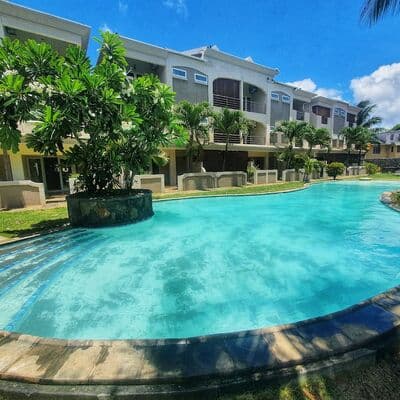
A suburb 10 minutes from the center, at the foot of the mountains. Several resort hotels with pools and valley views are here. Suitable if you rent a car and want a base for exploring both the north and south of the island. The mountain backdrop provides cooler evenings and stunning sunrise views.
Pros: quiet, nature, pools
Cons: need a car, far from nightlife
Prices: $$ (hotels from $70-100)
Recommendation
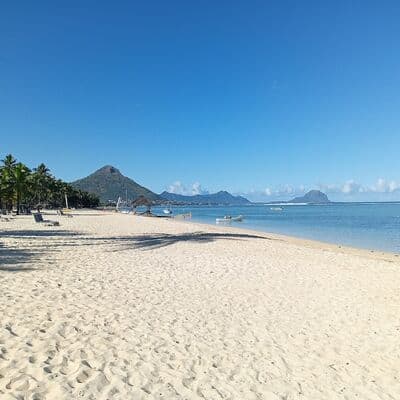
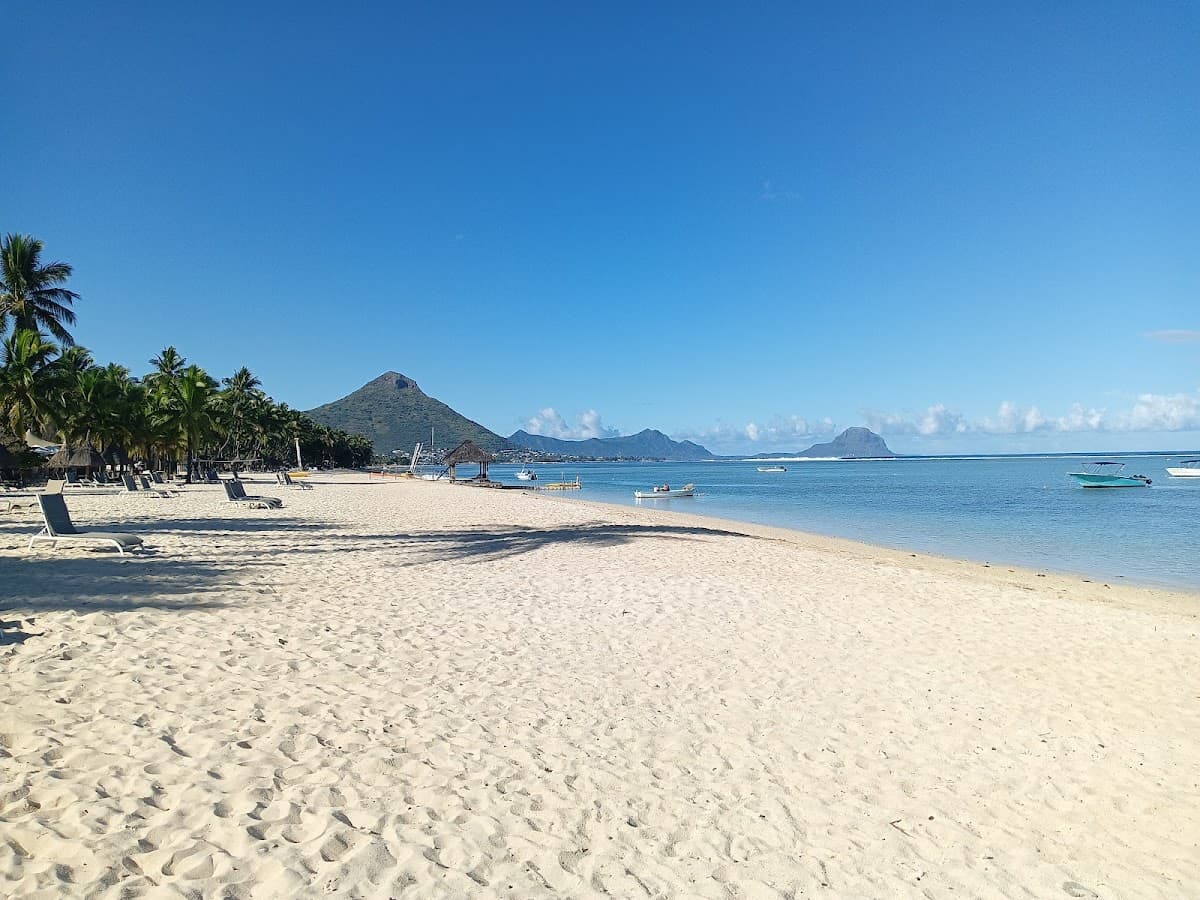
For a first visit: stay at a beach resort (Flic-en-Flac, Grand Baie, or Le Morne) and come to Port Louis for a day. If you want to spend the night in the capital - choose Caudan Waterfront for comfort or Trou Fanfaron for atmosphere. Business travelers often prefer the Labourdonnais for its meeting facilities and central location.
Best Time to Visit Port Louis
Port Louis is the hottest city in Mauritius. It is wedged between mountains and ocean, and in summer (December-March) it is a real furnace: 90-95 degrees Fahrenheit with high humidity. The Central Market without air conditioning turns into a sauna. Plan your visit for the morning or choose the right season.
Best Months: May-October
The winter months in Mauritius are the ideal time for Port Louis. Temperature 72-79 degrees Fahrenheit, low humidity, virtually no rain. Walking around the city is comfortable all day. June-August is peak season, but in the capital this does not create crowds (everyone goes to the beaches). This period also coincides with the best diving conditions around the island.
Acceptable Months: April, November
Transitional seasons. In April it is still warm after summer but already tolerable. In November the heat begins, but the peak is still far off. Short rains are possible, usually in the afternoon. These shoulder months offer decent hotel deals while weather remains manageable.
Worst Months: December-March
Summer in Mauritius is the rainy season and cyclone period. In Port Louis it is unbearably hot and humid. If you come at this time - plan your visit for early morning (before 10 AM) and hide in air-conditioned spaces during the day. The upside is that you might catch spectacular tropical storms and the city is much quieter.
Events and Holidays
- Chinese New Year (January-February) - Chinatown comes alive: dragons, firecrackers, red decorations. Best time to see the island's Chinese culture in full display
- Thaipoosam Cavadee (January-February) - Hindu festival with processions. Impressive spectacle with devotees carrying elaborate structures
- Independence Day (March 12) - parades and celebrations throughout the city
- Diwali (October-November) - Hindu festival of lights. The city is decorated, especially neighborhoods with Indian population
When Is It Cheaper
Low season in Mauritius is May-June and September-October. Paradoxically, this is also the best time for Port Louis weather-wise. Hotels are 20-30% cheaper, fewer tourists. Flight deals from London and other European hubs are often available during these periods.
Port Louis Itinerary: From Half Day to 2 Days
Port Louis is a compact city. All major attractions can be covered on foot in 4-6 hours. But if you want to truly savor the food and atmosphere, dedicate a full day or even two.
Port Louis in Half a Day: The Essentials
8:30-10:30 - Central Market
Start your day with the city's main attraction. Arrive as early as possible - by 8:30 the market is already working but not yet stifling. The first floor has fruits, vegetables, and spices. This is where locals buy their groceries for the week. Be sure to visit the spice section: turmeric, cinnamon, vanilla (Mauritian vanilla is among the best in the world). The second floor has souvenirs, fabrics, and coconut crafts. Bargain - it is expected.
Breakfast at the market: find a stall with dholl puri (flatbread stuffed with yellow pea filling and curry). Costs 35-45 cents, unforgettable taste. Look for the stalls with the longest lines of locals - they know where the freshest ones are made.
10:30-11:30 - Chinatown and Jummah Mosque
From the market it is a 5-minute walk to Chinatown. Walk along Royal Street, looking at red lanterns, Chinese pharmacies, and pagodas. Stop by Kwan Tee Temple - a functioning Chinese temple since 1842. Nearby is Jummah Mosque, built in the 1850s. An amazing combination of Indian, Creole, and Islamic architecture. Free entry, but dress modestly. The mosque welcomes respectful visitors outside of prayer times.
11:30-12:30 - Company Gardens
Jardins de la Compagnie is a green oasis in the city center. Huge banyan trees, benches in the shade, statues of notable Mauritians. Office workers rest here during lunch. A good place to take a break before continuing your walk. The gardens date back to the French colonial period and feature several species of palm trees found nowhere else on the island.
12:30-13:30 - Lunch at Caudan Waterfront
Walk to Le Caudan Waterfront (10 minutes on foot). The food court offers Mauritian, Indian, and Chinese cuisine. For a more substantial lunch - try Lambic restaurant with seafood and local beer, or any of the waterfront cafes with harbor views.
Port Louis for a Full Day
Add to the morning itinerary:
14:00-15:30 - Museums at the Waterfront
Blue Penny Museum houses two specimens of the Blue Penny and Red Penny, among the rarest stamps in the world (each worth about $2 million). The museum also tells the history of Mauritius through maritime artifacts and colonial documents. Entry is $5.50. Nearby is the Natural History Museum (free) with a dodo specimen - the island's symbol. The dodo exhibit alone is worth the visit for understanding the ecological history of the island.
15:30-17:00 - Fort Adelaide (The Citadel)
Climb to the fort on the hill above the city. You can walk (steep climb, 20-25 minutes) or take a taxi ($2-3). The fort was built by the British in the 1830s, but the most interesting thing is the panorama: all of Port Louis, the harbor, and mountains on the horizon. Best time is closer to sunset when it is not so hot and the light is soft. Bring water for the climb regardless of the time of day.
17:00-18:00 - Aapravasi Ghat
UNESCO World Heritage Site. Here from 1834 indentured workers from India were received - the ancestors of most modern Mauritians. A small museum with touching exhibits documenting the journey and lives of these workers. Entry is $2.20. Open until 4 PM, so plan your visit before the fort if getting inside is important. The site represents a crucial chapter in the history of the Indian diaspora.
18:00-20:00 - Dinner and Waterfront Walk
Return to Caudan for dinner. Sunset Cafe offers cocktails and appetizers with views of the sunset over the harbor. For a serious dinner - La Bonne Marmite (operating since 1973, Creole cuisine) or Grand Canton (dim sum and Peking duck). The waterfront stays lively until about 9 PM, making it the best spot for evening atmosphere.
Port Louis + Surroundings in 2 Days
Day 1: Full city itinerary (see above)
Day 2: Botanical Garden and the North
9:00-12:00 - Pamplemousses Botanical Garden
Sir Seewoosagur Ramgoolam Botanical Garden is one of the oldest in the Southern Hemisphere (founded in 1770). A 20-minute bus or taxi ride from Port Louis. Giant water lilies, palm alleys, giant tortoises roaming freely. Hire a guide at the entrance ($11-15) - without one you will miss much of the interesting history and rare plant species. The garden houses over 500 plant species including the famous talipot palm that flowers only once in 40-60 years.
12:00-13:30 - Lunch in Grand Baie
Continue north to Grand Baie - the main tourist center of the island. Lunch at one of the waterfront restaurants. Coolen is a popular spot with Creole cuisine, or try Happy Rajah for excellent Indian food with ocean views.
14:00-17:00 - Beach and Shopping
Swim at Grand Baie beach or head to Flic-en-Flac on the west coast - one of the best public beaches on the island with excellent snorkeling opportunities. Shopping in Grand Baie - souvenirs, rum, vanilla. The Super U supermarket is excellent for picking up local products to take home.
Day Trip: Port Louis + South
If you have a car, combine a morning in Port Louis with a trip south:
- 8:00-11:00 - Central Market and Chinatown
- 11:30-13:00 - Chamarel Waterfall and Seven Coloured Earths
- 13:30-14:30 - Lunch in Chamarel (Varangue sur Morne restaurant with coastal views)
- 15:00-17:00 - Le Morne - beach and mountain, UNESCO site with powerful historical significance
Where to Eat in Port Louis: Restaurants and Cafes
Port Louis is the gastronomic capital of Mauritius. Indian, Chinese, Creole, and French cuisines intersect here, creating unique combinations. And the best part - food here is significantly cheaper than at the resorts.
Street Food and Markets
Central Market is the best place to get acquainted with Mauritian street food. Look for stalls where locals crowd. Dholl puri is sold on the first floor near the entrance - the queue will tell you where it is tastiest. Gateau piment (spicy chickpea fritters) costs 10-20 cents each, perfect for snacking. Alouda (cold milk drink with basil seeds) quenches both thirst and hunger on hot days.
The area near Jummah Mosque is another street food center. After Friday prayers it is especially lively. Nearby on Bourbon Street are the legendary Jim Boulettes (soup with dumplings) and Maraz (roti and dholl puri with lines of locals stretching out the door).
Average check: $1-3
Local Eateries
Mine Frite (fried noodles) and Bol Renverse (rice with meat and egg, flipped from a bowl onto a plate) - look for these in small Chinese diners in Chinatown. The menu is often only in Chinese, but you can point at a neighboring table or use pictures on your phone.
Biryani is served at Indian restaurants around the market. It comes with achard (pickled vegetables) and rougaille (tomato sauce). Portions are enormous and easily shareable. For the most authentic experience, visit on a weekday when the lunch crowd consists mostly of local workers.
How to find: look for places without tourists, with plastic chairs and a menu on a board. The simpler it looks - the tastier it is.
Average check: $3-7
Mid-Range Restaurants
La Bonne Marmite - an institution since 1973. Creole cuisine: vindaye (fish in mustard sauce), curry poulet (chicken curry), octopus curry. Simple interior but excellent food. No reservation needed for lunch, recommended for dinner. The owners have kept recipes unchanged for decades.
Lambic - at Caudan Waterfront. Local craft beer and European cuisine with a Mauritian accent. Seafood, steaks, burgers. Good for dinner with a view of the harbor. Their seafood platter is worth the splurge.
Grand Canton - the best Chinese restaurant in the city. Dim sum is served on trolleys, just like in Hong Kong. Peking duck, noodles with seafood. Popular with local Chinese families - a good sign of authenticity. Sunday brunch here is a local tradition.
Average check: $10-22
Fine Dining
Le Capitaine - in the Labourdonnais Hotel. Refined cuisine, white tablecloths, harbor views. Seafood and French-Creole dishes prepared with local ingredients and international technique. Best restaurant in the city for a special occasion. The wine list features both French bottles and South African selections.
Average check: $35-55
Cafes and Breakfast
Mauritians do not cultivate coffee culture - tea is more popular. But at Caudan Waterfront there are decent cafes. Cafe du Vieux Conseil offers coffee and pastries in a colonial building with period furniture. For breakfast, the market is best (dholl puri, gateau piment) or your hotel.
Sunset Cafe at Caudan - cocktails and light snacks with sunset views. Not for breakfast, but ideal for an evening aperitif while watching boats return to harbor.
What to Try: Port Louis Food Guide
Mauritian cuisine is fusion before it became trendy. Indian spices, Chinese techniques, African ingredients, French influence. Here is what you must try in Port Louis:
Dholl Puri - the main street food of Mauritius. A thin wheat flour flatbread with yellow pea (dholl) filling, served with curry, chutney, and hot sauce. Eaten with hands, rolled into a tube. Best ones at Central Market and Maraz on Bourbon Street. Price: 35-55 cents.
Gateau Piment - small spicy fritters made from chickpea flour with chili. Fried in front of you, eaten hot. Perfect snack on the go. Price: 10-20 cents each.
Boulettes - dumplings in broth. Filling: fish, shrimp, or meat. Chinese influence, but uniquely Mauritian taste. Best at Jim Boulettes in Chinatown. Price: $1.75-2.65 per portion.
Bol Renverse - rice with meat, vegetables, and fried egg, laid out from a bowl as an upside-down mound. Filling, delicious, cheap. Look for it in Chinese diners. Price: $2.20-3.30.
Alouda - cold drink: milk, sugar syrup, basil seeds (looks like frog spawn but tastes good), agar-agar, sometimes ice cream. Refreshing in the heat. At Central Market - the best version. Price: 65 cents-$1.10.
Vindaye - fish (usually tuna or marlin) in mustard sauce with turmeric. A French-Indian hybrid. Served with rice. Try it at La Bonne Marmite. Price: $6.65-11 in restaurants.
Octopus Curry - octopus in Creole curry with coconut milk. Tender meat when properly prepared. Price: $9-13 in a restaurant.
Mine Frite - fried noodles with meat and vegetables. Chinese influence, Mauritian execution. At any Chinese diner. Price: $2.20-4.40.
Gateau Patate - sweet potato cake. Dense, sweet, with cinnamon. Traditional Mauritian dessert often served at the end of family meals. Price: 45-65 cents.
Rum - Mauritius produces excellent rum. Brands: New Grove, Chamarel, St. Aubin. Try rum punch or rum arrange (rum infused with fruits and spices). At bars in Caudan - $3.30-6.65 per cocktail. The Chamarel distillery offers tours if you want to learn more.
What NOT to Order
Tourist restaurants on the waterfront with laminated menus in 10 languages - prices are inflated, quality is average. Sushi and pizza exist, but why bother when there is so much unique local food around? Save the international cuisine for your return home.
For Vegetarians
Mauritius is a paradise for vegetarians thanks to Indian influence. Dholl puri without meat, vegetable biryani, dal (lentil puree), paneer dishes - available everywhere. During Hindu holidays many restaurants are fully vegetarian. Just mention you are vegetarian and most kitchens will happily accommodate.
Port Louis Secrets: Local Tips
These tips will help you avoid typical mistakes and see the city through local eyes.
- Arrive at the market before 10 AM. After that it becomes unbearably hot and stuffy. Locals shop early - do the same. The freshest produce sells out by mid-morning.
- Do not change money at the market. The exchange rate is terrible. Withdraw cash from an ATM at Caudan Waterfront or at a bank. Cards are accepted in restaurants and shops, but you need rupees for street food. MCB and HSBC ATMs have the lowest fees for international cards.
- Bargain in the souvenir section of the market. Initial prices are inflated 2-3 times. But do NOT bargain for food - prices are fixed and fair.
- Dress modestly for temples and mosques. Covered shoulders and knees. Tourists are allowed into Jummah Mosque, but you need to remove shoes and women should cover their heads (scarves are provided at the entrance).
- Bring an umbrella or hat. Even in winter the sun is aggressive, and there is little shade in the city. In summer - a hat and water are mandatory. Dehydration sneaks up on you quickly.
- Do not plan shopping after 5 PM. Most shops close. Caudan Waterfront stays open longer (until 8-9 PM), but the city center empties out.
- Eat where there is a queue. Especially for street food. If locals are standing - it is tasty and fresh. Skip empty stalls.
- Friday is a special day. After Friday prayers (around 1 PM) the streets around the mosque come alive, lots of street food. But if you want to enter the mosque - come before prayers.
- Fort Adelaide is best at sunset. Less heat, beautiful light for photos. Just do not linger too late - the area is not lit at night and can feel isolated.
- Avoid the city on weekends. On Saturday only Caudan works, on Sunday almost everything is closed. The market does not operate on Sundays. Best day for a visit - weekday, ideally Tuesday-Thursday when markets are fully stocked.
- Do not drink tap water. It is technically safe, but the chlorine taste and unfamiliar flora can upset your stomach. Bottled water is everywhere - 55 cents-$1.
- Try alouda specifically at the market. Tourist spots add fewer basil seeds and agar-agar. At the market - the authentic recipe handed down through generations.
Transport and Connectivity in Port Louis
From the Airport to Port Louis
SSR Airport is located on the southeast of the island, 30 miles from Port Louis (about an hour's drive). Direct flights arrive from London Gatwick and Heathrow (11-12 hours), Paris, Dubai, and Johannesburg. From the US, connections through Dubai or Paris are most common.
- Taxi: fixed price $40-45. Official taxi counter is in the arrivals hall. Do not agree to offers from touts - they are more expensive and less reliable.
- Bus: route to Port Louis bus station. About $1.10, but runs infrequently (once an hour) and takes a long time (1.5-2 hours with stops). Not recommended with luggage.
- Hotel transfer: if staying at Labourdonnais or another hotel, book a transfer in advance. Often included in the price or reasonably priced. Most comfortable option after a long flight.
Getting Around the City
On foot - the main way. The center is compact, all attractions are within walking distance. From the market to Caudan - 10 minutes, to Fort Adelaide - 25 minutes uphill. Sidewalks are generally good in the main tourist areas.
Taxi - for trips to the fort or other neighborhoods. Cars do not have meters, agree on a price in advance. Around the city - $2-4. You can hail one on the street or order through a hotel. Bolt app also works for ride-hailing.
Buses - cheap (45-90 cents), but a confusing route system. Useful for a trip to Pamplemousses (bus from the center, 20 minutes, 65 cents) or Grand Baie. Stops are poorly marked - ask locals or use Google Maps for approximate schedules.
From Port Louis Around the Island
Buses: central bus station is in the Immigration Square area. From here you can go to almost any point on the island. Express buses to Grand Baie (45 minutes), Flic-en-Flac (40 minutes), Mahebourg (1.5 hours). Prices - 65 cents-$1.75.
Car rental: rental offices are at Caudan Waterfront and the airport. Prices from $33/day for a basic car. Traffic is on the left, roads are good but narrow in places. For a trip south (Chamarel, Le Morne) a car is most convenient. International licenses accepted, but bring your home license too.
Internet and Communications
SIM card: operators - Emtel, MyT (former Orange), MTML. Tourist SIM cards can be purchased at the airport or shops at Caudan. Passport required. A package with 5 GB of internet and calls is about $11. 4G coverage is good across the island.
eSIM: if your phone supports it, buy in advance (Airalo, Holafly, or your carrier's international plan). More convenient than searching for a shop upon arrival. Activation usually takes just minutes.
Wi-Fi: free at hotels, Caudan Waterfront, and cafes. At the market and in Chinatown - do not count on it. Most restaurants in tourist areas offer free Wi-Fi with purchase.
Useful Apps
- Bolt - ride hailing. Works in Port Louis and major towns. Fixed prices, no haggling required.
- Google Maps - navigation works well, shows public transport approximately. Download offline maps before exploring.
- XE Currency - currency converter. Mauritian rupee (MUR) is about 45 rupees to $1 USD.
- WhatsApp - widely used by locals and businesses. Many tour operators and restaurants can be contacted via WhatsApp.
Who Port Louis Is For: Summary
Port Louis is not a resort and not a place for beach relaxation. It is a living, noisy, aromatic city where you can feel the multicultural soul of Mauritius in one day. The Central Market with the best street food on the island, Chinatown with Chinese temples, Caudan Waterfront for shopping, and panoramic views from Fort Adelaide - all this fits into one fulfilling day.
Ideal for: street food lovers, photographers, those who want to see real life beyond the resorts, cultural explorers, history buffs interested in colonial and immigration history.
Not the best choice for: those seeking beaches and spas (head to the coast), families with small children (hot, noisy, lots of walking), nightlife lovers (the city sleeps early).
How much time: minimum - half a day (4-5 hours). Optimal - a full day from morning to evening. Maximum - 2 days with a trip to Pamplemousses or to the north/south of the island.
Information current as of 2026. Prices are in USD. Exchange rate: approximately 45 MUR = $1 USD.