Sharm El Sheikh
Sharm El Sheikh 2026: The Honest Guide You Need Before Booking
Sharm El Sheikh is not just another all-inclusive resort town where you park yourself by a pool for a week. It is the gateway to some of the best underwater scenery on Earth, a desert carved into canyons of impossible colors, ancient monasteries on biblical mountains, and seafood restaurants where a kilo of fresh prawns costs less than a latte in London.
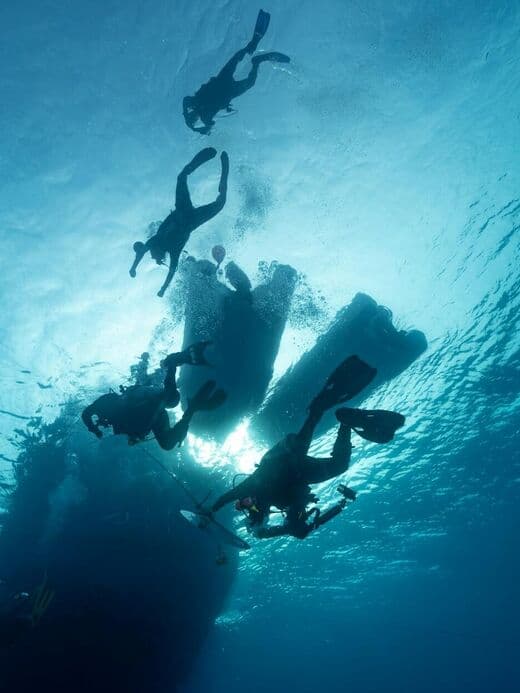
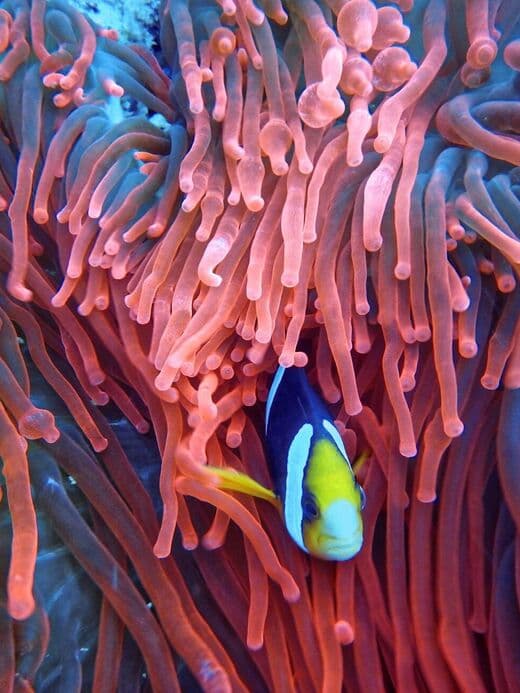
The Sinai Peninsula is a strange and wonderful contradiction. The resort strip along Naama Bay feels like a sun-drenched Las Vegas - neon lights, tourist shops, and restaurant touts at every corner. But drive fifteen minutes south and you are at Ras Mohammed National Park, one of the top five dive sites in the world, where the desert drops into water so clear you can see forty meters down. Take a boat to the SS Thistlegorm Wreck, a WWII cargo ship with motorcycles and trucks still in its hold, and you will understand why divers fly halfway around the world for this place.
In short: Sharm El Sheikh deserves a visit for its world-class diving and snorkeling at Ras Mohammed and the Thistlegorm wreck, the sunrise hike up Mount Sinai, the surreal colors of the Colored Canyon, and the chaotic charm of the Old Market at night. Plan for 5 to 7 days to do it justice. You can do a shorter trip, but you will leave wishing you had stayed longer.
The honest downsides: persistent touts in tourist areas, some beaches require coral shoes due to rocky entries, the town itself is not architecturally beautiful outside the resorts, and the summer heat from June through August is genuinely oppressive - we are talking 40-45°C with zero shade in the desert. But for the price-to-experience ratio, especially if you love the ocean, Sharm is hard to beat.
Neighborhoods: Where to Stay and Why It Matters
Sharm El Sheikh is not one compact town - it is a sprawling collection of resort zones spread along roughly 30 kilometers of coastline. Choosing the right area can make or break your trip. Here is an honest breakdown of each neighborhood, what it costs, and who it suits best.
Naama Bay - The Tourist Hub
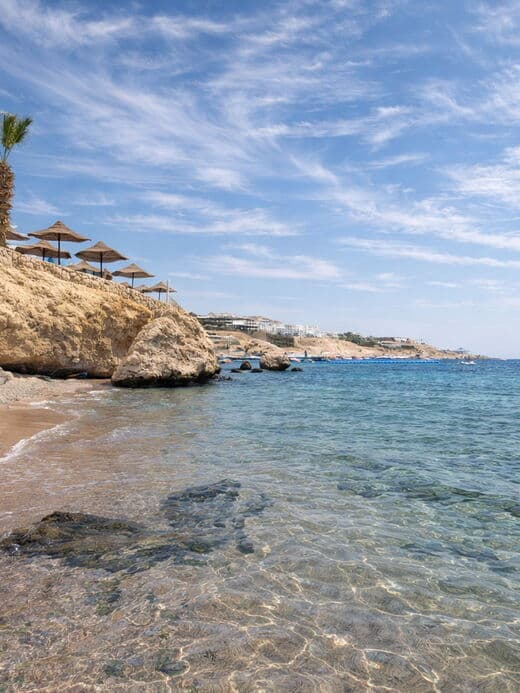
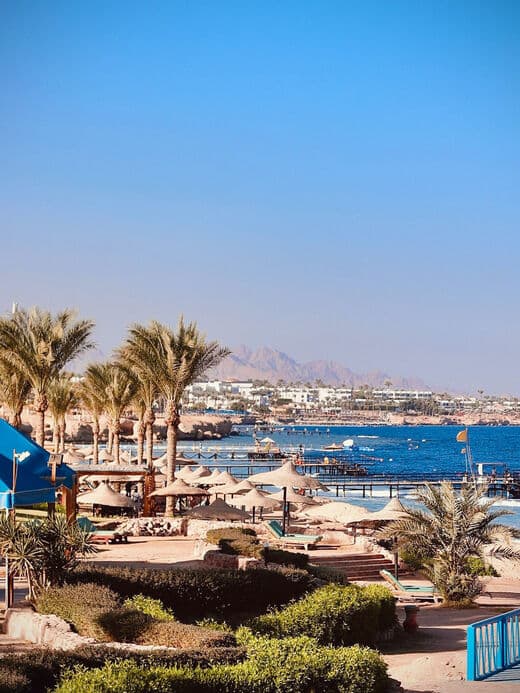
Naama Bay is the beating heart of Sharm's tourist scene - the widest selection of restaurants, bars, shops, and nightlife. The beach is a long sandy stretch with gentle entry, one of the few that does not require coral shoes. The promenade at night is lively and safe, with hookah cafes and conversation in a dozen languages. Hotels: $50-90 mid-range, $150-250 premium, $25-40 budget. Meals $8-15. Best for: first-timers, solo travelers, couples wanting convenience. Skip if: you want quiet - Naama Bay is unashamedly touristy.
Sharks Bay - Snorkeling Paradise
Sharks Bay, 7 km north of Naama Bay, offers arguably the best house-reef snorkeling in Sharm. Coral starts meters from shore - lionfish, moray eels, and small reef sharks are common in waist-deep water. Quieter and more upscale. Hotels: $120-300/night, mostly resorts. Best for: snorkeling enthusiasts, families with older kids. Skip if: you want nightlife or budget options - you will need taxis for everything outside the resort cluster.
Nabq Bay - The All-Inclusive Zone
Dominated by large all-inclusive resorts with private beaches and water parks. The reef is further from shore and wind is stronger, especially in winter. Feels isolated. Hotels: $70-180/night all-inclusive, from $45 budget. Best for: families with young children, kite-surfers. Skip if: you want to explore - taxis to Naama Bay cost $8-12 each way.
Hadaba - The Local Neighborhood
A hillside residential area between Naama Bay and the Old Market where Egyptian workers and expats live. Local grocery stores, street food stalls, and genuinely good restaurants that cater to locals. Hotels and apartments $20-50/night, street food $2-4. Best for: budget travelers, digital nomads. Skip if: you want beachfront - Hadaba is set back from the water.
Ras Um Sid - The Quiet Gem
The area around Ras Um Sid Beach and the lighthouse offers excellent snorkeling with a steep reef wall just offshore - one of the best shore-dive spots in the area. Atmospheric clifftop restaurants with sea views. Hotels $60-130/night, meals $10-18. Best for: experienced snorkelers and divers, couples wanting atmosphere without crowds. Skip if: you have small children - entry is rocky and requires coral shoes.
Old Sharm (Sharm El Maya) - Local Character
The original town centered on the Old Market - a maze of spice shops, perfume stalls, and Egyptian cafes where you sit with mint tea and watch the world pass. The nearby harbor beach has calm, shallow water. Hotels $25-80/night, market meals $2-6. Best for: culture-seekers and bargain hunters. Skip if: you want pristine beaches or modern resort facilities.
Best Time to Visit: Month by Month
Sharm El Sheikh is a year-round destination, but the difference between the best and worst months is dramatic. Here is what to actually expect.
October to April - Peak Season (Recommended)
This is when Sharm is at its best. Air temperatures sit between 22-28°C (72-82°F), the water is 22-26°C (72-79°F) - warm enough for comfortable snorkeling without a wetsuit - and the desert hikes to Mount Sinai and Colored Canyon are pleasant rather than punishing. Visibility underwater is excellent, often exceeding 30 meters. The downside: higher hotel prices and more crowded dive boats. Book popular excursions 2-3 days ahead during Christmas, New Year, and Easter.
November and March are the sweet spots - warm enough for swimming, fewer crowds than December-February, and prices drop 20-30% from peak. If I had to pick one month, it would be November.
May to September - Hot Season (Budget-Friendly)
May and September are transitional - hot but manageable at 33-36°C (91-97°F). June through August is brutal: 40-45°C (104-113°F) in the shade, and the desert excursions become genuinely dangerous without serious precautions. However, the water is bathwater-warm at 27-29°C (81-84°F), dive boats are half-empty, and hotel prices drop 40-60%. If you are purely here to dive and do not mind spending midday hours in air conditioning, summer offers incredible value.
Ramadan and Holidays
During Ramadan (dates shift each year - check before booking), some local restaurants close during daylight hours, but resort restaurants operate normally. The atmosphere is quieter. Egyptian public holidays like Eid Al Fitr bring domestic tourists in large numbers, and prices spike at popular hotels. The Sharm El Sheikh International Film Festival in November adds a buzz to the town if you happen to be around.
Itineraries: 3, 5, and 7 Days
3 Days - The Highlights Sprint
Day 1: Ras Mohammed by Sea
Book a full-day boat trip to Ras Mohammed National Park (typically $35-50 including lunch, snorkel gear, and two reef stops). Most boats depart at 8:30 AM from the harbor and return by 4 PM. You will snorkel over the Shark Reef and Yolanda Reef - the coral walls here are staggering, with schools of barracuda, giant trevally, and napoleon wrasse. Non-divers: this is some of the best snorkeling you will ever do. Evening: walk the Naama Bay promenade, dinner at one of the seafood restaurants, and a shisha on the beach.
Day 2: Mount Sinai Sunrise
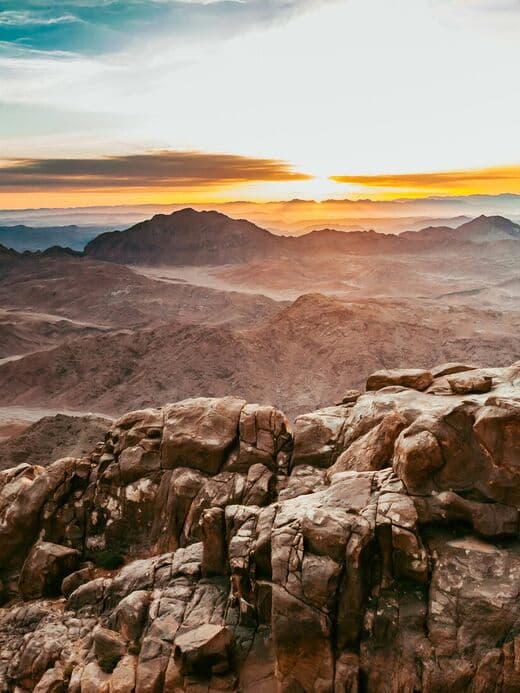
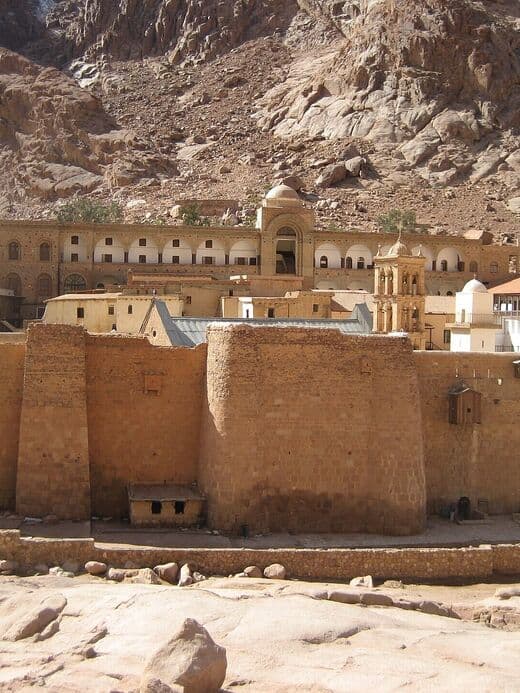
This requires an early start - buses to Mount Sinai leave Sharm around 10-11 PM for the 2.5-hour drive. The hike begins at 2 AM and takes 2-3 hours up (choose the Camel Path, not the steeper Steps of Repentance for the ascent). The sunrise at 2,285 meters is genuinely transcendent, regardless of your religious background. Descend via the Steps of Repentance (3,750 steps) and visit St. Catherine's Monastery at the base - one of the oldest continuously operating monasteries in the world, dating to 565 AD. The monastery opens at 9 AM; try to arrive before the tour bus crowds at 10 AM. You will be back in Sharm by early afternoon. Nap. You earned it. Cost: $25-40 for the organized tour.
Day 3: Beach + Old Market
Morning: relax at Sharks Bay Beach or Ras Um Sid Beach for shore snorkeling. Bring your own mask and fins (rental at the beach is $5-8, but quality is hit-or-miss). Afternoon: take a taxi to the Old Market for souvenir shopping and haggling practice. Evening: dinner at a local fish restaurant near the Old Market - point at the fish you want in the display case, they weigh it, grill it, and serve it with rice and salad. Expect $8-15 for a generous seafood meal.
5 Days - The Full Experience
Follow the 3-day itinerary above, then add:
Day 4: Thistlegorm Wreck or Tiran Island
If you are a certified diver, this is the day for the SS Thistlegorm Wreck - a 3-hour boat ride each way, but absolutely worth it. This WWII British cargo ship sank in 1941 after a German air attack and now sits at 30 meters, remarkably intact with BSA motorcycles, Bedford trucks, railway carriages, and crates of ammunition still visible inside. Two dives, lunch included, typically $90-130. For non-divers or snorkelers, a day trip to Tiran Island ($40-60) offers four stunning reef systems and the chance to see the famous shipwrecks from above - the rusting hulls of stranded cargo ships make for dramatic photos.
Day 5: Colored Canyon + Blue Hole (Dahab Side Trip)
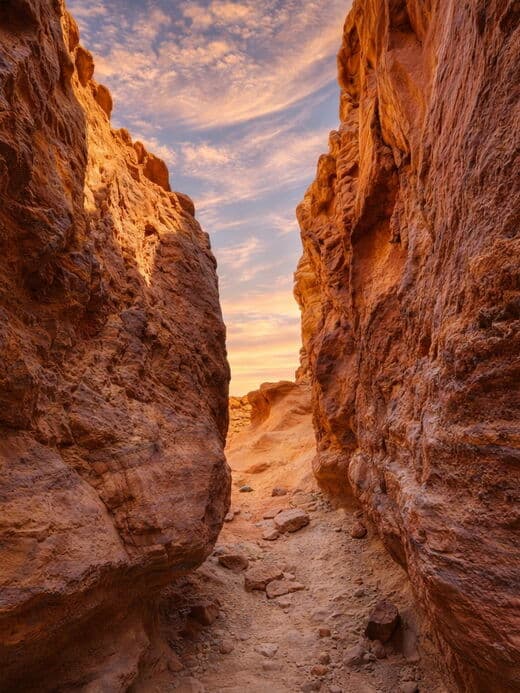
Hire a car or join a tour ($40-60) to the Colored Canyon, about 1.5 hours north of Sharm near the town of Nuweiba. The canyon is a narrow sandstone gorge where millions of years of geological compression have created walls of deep red, orange, purple, and yellow - it looks like someone spilled paint across the desert. The hike through takes about 2 hours. Many tours combine this with a stop at Dahab's Blue Hole, one of the world's most famous (and most dangerous) dive sites. Even if you only snorkel the edge, looking down into the 100-meter-deep sinkhole is mesmerizing. Return via the coastal road with a stop in Dahab town for a beachfront lunch - Dahab's laid-back vibe is the polar opposite of Sharm.
7 Days - Deep Dive into the Sinai
Follow the 5-day itinerary, then add:
Day 6: White Island + Relaxation
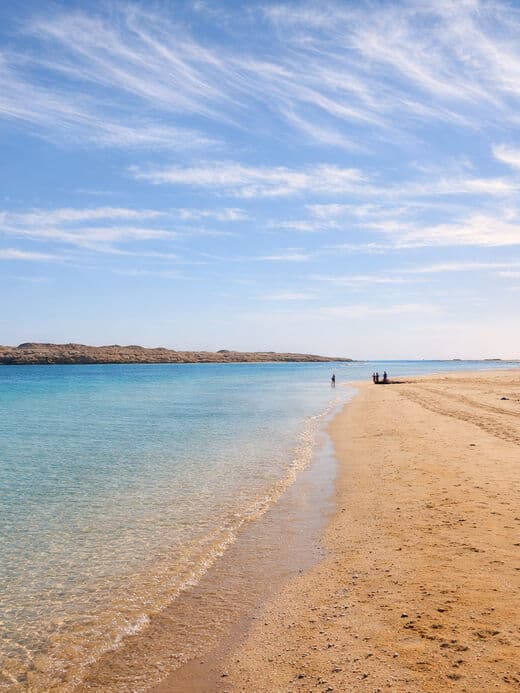
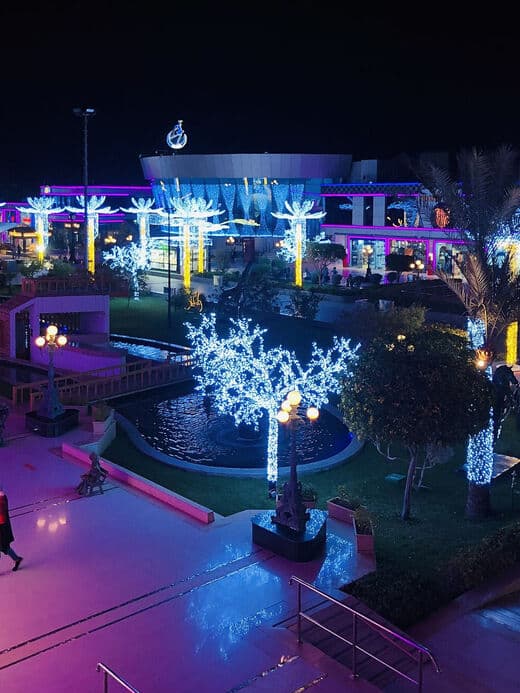
Take a boat trip to White Island, a stunning sandbar that appears at low tide in the Ras Mohammed area. The shallow turquoise waters here are perfect for swimming and photography. The boat usually includes a snorkeling stop at a nearby reef. This is a good recovery day after the canyon hike. Afternoon: book a hammam or spa treatment at one of the larger hotels - Sharm has excellent and affordable spa facilities. A full hammam scrub and massage runs $30-50, which is a quarter of what you would pay in London or New York. Evening: Soho Square for its ice rink (yes, in the desert), fountain show, and eclectic mix of restaurants and cafes.
Day 7: Dive the Strait of Tiran + Farewell
For your final day, book a morning dive or snorkel trip to the reefs of the Tiran Island strait - Jackson Reef, Woodhouse Reef, Thomas Reef, and Gordon Reef form a chain of spectacular coral towers rising from deep water. The currents here bring big pelagic fish - reef sharks, eagle rays, and occasionally dolphins. Return by early afternoon for packing and a final sunset from one of the clifftop cafes near Ras Um Sid. Flight tip: Sharm's airport is only 10-15 minutes from most hotels, so you do not need to leave excessively early for evening flights.
Where to Eat: From Street Food to Sunset Seafood
Sharm's dining scene splits into two distinct worlds: the resort-area tourist restaurants and the local Egyptian eateries. Both have their place, but knowing where to find each will save you money and elevate your trip.
Street Food and Budget Eats ($2-5)
The best cheap food is in Hadaba and around the Old Market. Look for the small Egyptian restaurants with plastic chairs and handwritten Arabic menus - they serve the same food the locals eat. A plate of koshari (Egypt's national comfort food - rice, lentils, pasta, and spicy tomato sauce) costs $1.50-2.50. Falafel sandwiches (called ta'ameya here, made with fava beans instead of chickpeas) run about $1. Fresh juice stands are everywhere - a large mango, guava, or sugarcane juice is $1-2 and genuinely delicious. For shawarma, follow the locals: the best places always have a line of Egyptian workers at lunch.
Seafood Restaurants ($8-20)
Sharm's seafood scene is its culinary highlight. The display-case restaurants near the Old Market and along the Hadaba strip are the best value - walk in, choose your fish (red snapper, sea bass, prawns, calamari, or whatever was caught that morning), they weigh it, grill or fry it, and serve it with rice, salad, tahini, and bread. A full fish meal for two with drinks rarely exceeds $25-30. The fish near the harbor tends to be freshest. Avoid the seafood restaurants on the main Naama Bay strip - same quality, double the price, triple the hassle from restaurant touts.
Mid-Range and Atmosphere ($15-35)
For a step up, the clifftop restaurants near Ras Um Sid offer stunning sunset views over the Red Sea with competent international menus - Italian, Asian fusion, and Egyptian fine dining. Main courses run $12-22. Soho Square has a good range of sit-down restaurants with fixed menus and predictable quality - it is not authentic, but it is reliable and the atmosphere is pleasant for families. Several hotels open their restaurants to non-guests for a la carte dining, and some of the five-star buffets are worth a visit ($25-40 per person for an all-you-can-eat spread with impressive variety).
Breakfast
Egyptian breakfast is an experience in itself. Ful medames (slow-cooked fava beans with oil, lemon, and cumin) with fresh baladi bread is the national breakfast and costs $2-3 at any local spot. Add eggs, feta cheese, and a glass of strong tea with mint. If you are staying at a resort, the breakfast buffets are typically excellent, but try at least one morning at a local Egyptian breakfast place for the real thing.
Drinks and Cafes
Egypt is a tea-and-coffee culture. Sahlab (a warm, creamy drink with cinnamon and nuts, popular in winter) is worth seeking out. Turkish coffee is excellent everywhere. Fresh fruit juices are Sharm's secret weapon - the mango juice in particular rivals anything in Southeast Asia. Alcohol is widely available in tourist areas; local Sakara beer is cheap ($2-3), imported beer is $4-6. Cocktails at beachfront bars run $6-12. Note: alcohol is only sold in licensed tourist establishments, not in local Egyptian shops.
Must-Try Food: The Egyptian Culinary Essentials
Savory Dishes
Koshari ($1.50-3) - Egypt's national dish: rice, lentils, pasta, chickpeas, and fried onions topped with spicy tomato sauce. Sounds odd, tastes addictive. Ta'ameya ($1) - Egyptian falafel made with fava beans, lighter and crispier than the chickpea version. Eaten for breakfast in bread with pickles and tahini. Ful Medames - slow-cooked fava beans mashed with garlic, lemon, and cumin. The Egyptian equivalent of baked beans, infinitely better. Fish Tagine - fish baked in a clay pot with tomato, onion, and spices. The Red Sea catch is extraordinary - this is what to order at display-case restaurants. Molokhia - thick green soup from jute leaves with garlic and coriander over rice. Unfamiliar texture, incredible flavor - ask at local spots, tourist restaurants rarely serve it. Shawarma ($1.50-2) - Egyptian style with tahini and pickled vegetables. Follow the locals to the best street vendors.
Sweets and Drinks
Basbousa - semolina cake soaked in sugar syrup, perfect with black tea. Um Ali - Egypt's bread pudding: puff pastry, milk, cream, nuts, and coconut, baked golden. Fresh Juices ($1-2) - mango, guava, pomegranate, sugarcane from street stands. Drink one every day.
What to Skip and Dietary Notes
Skip the sushi restaurants in Naama Bay ($20 for mediocre fish that would be amazing grilled for $8 next door) and international chains. Be cautious with raw salads at cheap restaurants during summer. Egyptian food is heavy on legumes (fava beans, chickpeas, lentils) - serious caution if allergic. Gluten is everywhere. Vegetarians eat very well (ful, ta'ameya, koshari, stuffed grape leaves). Vegans should specify no butter or ghee.
Local Secrets: 11 Things Nobody Tells You
- Bargain everything by at least 60%. The first price at the Old Market or on the street is the tourist price - typically 3-5 times what locals pay. Start at 30% of the asking price and settle around 40-50%. Walk away if they do not meet your price; they will often call you back. This applies to taxis, souvenirs, excursions, and even some restaurants without fixed menus.
- Never drink tap water. Avoid ice at local restaurants (tourist hotels use filtered ice), skip unpeeled fruit from street vendors, and brush teeth with bottled water initially. A 1.5L bottle costs $0.50.
- Bring reef-safe sunscreen from home. It is expensive in Sharm ($12-18 at hotel shops). Factor 50 minimum, reapply every 90 minutes in water, wear a rash guard for long snorkeling sessions. Tourists turn lobster-red in under an hour here.
- Coral shoes are non-negotiable. Most beaches in Sharm have rocky, coral-covered entries. Sea urchin spines and stonefish are real hazards. Buy a pair of aqua shoes before you go (they cost $5-8 at local shops, $15-25 at tourist spots). Naama Bay is the main exception with sandy entry.
- Tipping is expected everywhere. Called 'baksheesh' - 10-15% at restaurants, $2-3 daily for housekeeping, $1 for bathroom attendants, $5-10 for dive guides. Keep small bills (10, 20, 50 EGP notes).
- Book excursions online, not from hotel desks. Hotels mark up by 50-100%. A Ras Mohammed boat trip costs $35-40 at a dive center but $70-80 through the hotel concierge. Same boats, same crews, same lunch.
- The best snorkeling is before 10 AM. Morning means calm water, fewer boats, less sediment stirred up, and fish are more active feeding. By afternoon, boat traffic, wind chop, and crowds at popular reef sites reduce visibility noticeably. Set your alarm.
- Do not touch or stand on coral. Egypt takes reef protection seriously and fines are real. Coral takes decades to grow and seconds to destroy. No fins in shallow reef areas, no 'souvenirs' from the reef.
- Pharmacies are your friend. Egyptian pharmacies sell most medications without prescription at a fraction of Western prices. Stomach issues are common - antidiarrheals, rehydration salts, and antibiotics are all over the counter.
- Friday is the day off. Many local shops and dive centers have reduced hours on Fridays. Resorts operate normally, but plan Old Market shopping for other days.
- Learn five words of Arabic. 'Shukran' (thank you), 'La' (no), 'Aiwa' (yes), 'Bikam?' (how much?), 'Khalas' (enough/stop). A well-timed 'khalas' is the most effective way to end a sales pitch.
Getting Around and Staying Connected
Airport Transfers
Sharm El Sheikh International Airport (SSH) is close to everything - 10 minutes to Naama Bay, 15-20 to Nabq Bay, 20 to Old Market. Direct flights from London (5-6 hours), major European cities, and Cairo (1 hour). No public bus from the airport. Options: hotel transfer ($10-15), airport taxi (fixed rates inside the terminal: $10-15 to Naama Bay, $15-20 to Nabq), or pre-booked private transfer ($12-18 via Intui.travel). Do not accept the first price from drivers outside - walk to the official taxi desk inside for regulated fares.
Taxis and Getting Around
No Uber or Bolt in Sharm. Local taxis are the main transport between neighborhoods - always agree on the price before getting in. Typical fares: Naama Bay to Old Market $5-7, to Sharks Bay $5-8, to airport $10-15. Blue and white microbuses run set routes for $0.30-0.50 but are confusing for newcomers. Hotel reception can call a trusted driver. Car rental ($30-50/day) is possible but Egyptian driving standards make it stressful. The Naama Bay promenade is walkable in 20 minutes; other neighborhoods are too far apart for walking.
SIM Cards and eSIM
Vodafone, Orange, and Etisalat all have shops in Naama Bay and the airport. Tourist SIM: $10-15 for 10-15 GB and 30 days (passport required). For eSIM users, Airalo or Holafly start at $5 for 1 GB - buy before arrival and connect on landing. Hotel Wi-Fi is reliable but can slow down evenings; free Wi-Fi at most tourist-area cafes.
Useful Apps and Money
Google Maps for navigation, Google Translate with offline Arabic pack, XE Currency for EGP conversion, and WhatsApp - universal in Egypt for booking confirmations and taxi arrangements. The Egyptian pound (EGP) sits around 50 EGP to $1 USD. ATMs are widely available in Naama Bay - withdraw in EGP, not USD. Credit cards work at resorts and larger restaurants but not at the Old Market, street vendors, or taxis. Carry cash. Exchange offices in Naama Bay offer competitive rates; avoid the airport exchange.
Final Verdict: Is Sharm El Sheikh Worth It?
Sharm is for you if: you love the ocean, want world-class diving and snorkeling at budget prices, enjoy desert landscapes, appreciate ancient history, and do not mind a bit of tourist hustle in exchange for genuine warmth and hospitality. It offers the underwater experience of the Maldives at a quarter of the cost, with desert adventures, mountain hikes, and 4,000 years of history thrown in for free.
Sharm is not for you if: you want a culturally immersive Egyptian experience (Cairo and Luxor are better for that), you are looking for pristine, uncrowded beaches with no development (try Marsa Alam further south), or you cannot tolerate heat, haggling, and occasional chaos.
How many days: Three days covers the highlights but feels rushed. Five days lets you breathe and add the Thistlegorm or Colored Canyon. Seven days means you can genuinely relax, repeat your favorite spots, and explore at a pace that does not feel like a checklist. For most visitors, five to six nights is the sweet spot - enough time to dive, hike, eat your way through the Old Market, and still have a lazy beach day before you fly home.