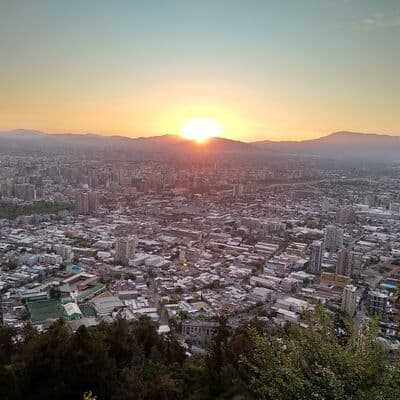
Santiago
Santiago 2026: What to Know Before You Go
Santiago surprised me. I expected a stopover city, a place you pass through on the way to Patagonia or the Atacama Desert. Instead, I found a metropolis wedged between the Andes and the coastal range, with world-class restaurants charging a fraction of what you'd pay in New York, and a food scene that's finally getting international recognition.
Chile's capital is home to nearly 6 million people, making it one of South America's largest cities. Yet it doesn't feel overwhelming. The metro works, the tap water is drinkable, and you can walk through most tourist areas without constantly watching your back. For Americans and Europeans used to the chaos of other Latin American capitals, Santiago feels almost eerily organized.
Here's what you need to know: the city sits in a valley that traps smog, especially in winter. The peso has been relatively stable against the dollar, making it excellent value. A craft beer costs $4-5, a solid lunch with wine runs $15-20, and a tasting menu at a top restaurant might set you back $80-100 per person. Compare that to equivalent experiences in Buenos Aires or Mexico City, and you'll understand why Santiago is becoming a serious foodie destination. The Andes backdrop is spectacular: on clear days, snow-capped peaks tower over the eastern skyline, and you can be skiing within 90 minutes of downtown.
Neighborhoods: Where to Stay
Providencia
This is where I recommend most first-time visitors stay. Providencia strikes the perfect balance between safety, convenience, and local character. The tree-lined streets feel almost Parisian, with sidewalk cafes and excellent restaurants. Metro access is superb with Manuel Montt, Pedro de Valdivia, and Los Leones stations all within the neighborhood.
Hotels range from $80-150/night for mid-range options to $200+ for boutique properties. Airbnbs are plentiful, typically $50-80/night for a one-bedroom. The neighborhood is safe to walk at night, though standard precautions apply. Downside: you'll need to metro to the Centro for museums and colonial architecture. Some travelers find it too sanitized and not authentically Chilean enough.
Barrio Lastarria and Bellas Artes
If you want to feel the cultural pulse of Santiago, stay here. Barrio Bellavista and the adjacent Lastarria area are where you'll find artists, intellectuals, and young professionals. The Museo de Bellas Artes anchors the neighborhood, and the pedestrianized streets are lined with independent bookshops, design stores, and some of the city's most interesting restaurants.
Accommodation tends toward boutique hotels and character-filled Airbnbs in converted historic buildings. Expect to pay $100-180/night for a good hotel, or $60-90 for a well-located apartment. The GAM cultural center hosts excellent theater and music performances. Downsides: noisy on weekends around Plaza Italia, and the area around Cerro Santa Lucia can attract pickpockets.
Las Condes and El Golf
Santiago's business district and wealthy residential area. If you prefer a more American-style environment with malls, chain hotels, and English-speaking staff, Las Condes delivers. The Marriott, Ritz-Carlton, and W Hotel are here, and Costanera Center (South America's tallest building) offers familiar shopping brands. Hotel prices match the upscale surroundings: $150-300/night. Restaurants trend toward expense-account dining. Downside: far from historic center, lacks street life and walkable charm. You'll feel like you could be in any modern city anywhere.
Centro Historico
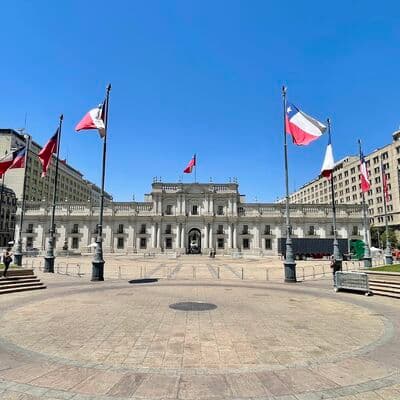
Where you'll find Plaza de Armas, La Moneda Palace, and most colonial architecture. Budget accommodation is plentiful: hostels run $15-25/night, basic hotels $40-70. The area transforms dramatically between day and night. Daytime brings bustling commerce and tourist crowds. After dark, the Centro empties out and can feel sketchy in places. Downsides: petty crime is more common here, air quality suffers from traffic, noise from street vendors starts early. Recommended mainly for budget travelers.
Vitacura
The most exclusive residential neighborhood with the city's most expensive restaurants and art galleries. The Bicentenario Park offers green space, and the area feels genuinely safe at any hour. Accommodation is limited to high-end Airbnbs, typically $100-150/night. Few hotels since it's primarily residential. Downside: inconvenient for sightseeing, limited nightlife, requires taxis or Uber. Best suited for long stays or repeat visitors who prioritize comfort over convenience.
Best Time to Visit
Spring (September-November)
My favorite time to visit. Temperatures range from 55-75F (13-24C), the Andes still have snow for that dramatic backdrop, and jacaranda trees bloom purple across the city in October. Hotel prices are reasonable since it's shoulder season, and you'll avoid both summer crowds and winter smog.
The Chilean independence celebrations around September 18 (Fiestas Patrias) are worth experiencing if you're in town. Expect fondas (traditional food stalls), cueca dancing, and a festive atmosphere. Hotels book up and prices spike during this week, so reserve early or avoid those specific dates.
Summer (December-February)
Peak tourist season coincides with the hottest weather. Temperatures frequently hit 90F (32C) in January, and air conditioning is less common than you'd expect. Many santiaguinos flee to the coast, leaving the city somewhat empty in late January. The upside: restaurants and attractions maintain full hours. Hotel prices are highest from mid-December through early February.
Fall (March-May)
Excellent shoulder season with comfortable temperatures (50-70F) and fewer tourists. March is particularly good before the rains start. Wine harvest season means special events in the surrounding valleys. Prices drop noticeably after Easter, making April and May good value months.
Winter (June-August)
When Santiago earns its reputation for smog. Cold air inversions trap pollution in the valley, and some days visibility drops dramatically. Temperatures rarely dip below freezing, but the damp cold (40-55F) can feel penetrating. However, winter is ski season, and day-tripping to Andes resorts is entirely feasible. Hotels offer their lowest rates, and you'll have museums and restaurants mostly to yourself.
Itinerary: 3 to 7 Days in Santiago
Day 1: Historic Center and First Impressions
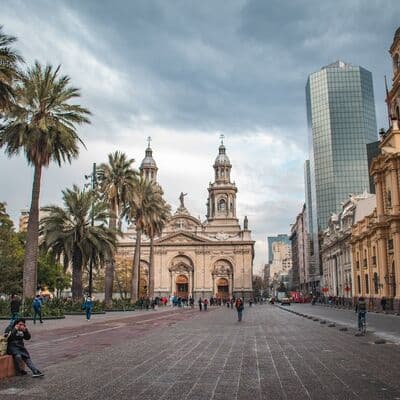
Morning (9 AM start): Begin at Plaza de Armas, the city's founding square. Arrive early before crowds and observe the chess players, shoe shiners, and street performers who gather daily. The Metropolitan Cathedral on the west side is worth a quick look (free entry). Walk the pedestrianized Paseo Ahumada south toward La Moneda.
10:30 AM: Reach La Moneda Palace, Chile's presidential headquarters. The changing of the guard happens every other day at 10 AM (check the schedule), but the building is impressive any time. The underground Centro Cultural La Moneda hosts excellent rotating exhibitions, free on the first Sunday of each month.
Noon: Head to Mercado Central for lunch. This iron-and-glass market (designed by the same company that built the Eiffel Tower) is touristy but genuinely worth visiting. Skip the hawkers at the entrance and head to Donde Augusto for excellent seafood. Order caldillo de congrio (conger eel soup) or a mixed ceviche plate. Budget $15-25 for a filling lunch.
Afternoon: Walk east along the Mapocho River to Parque Forestal, then climb Cerro Santa Lucia for city views. The hill is small but steep, with winding pathways through gardens. Allow 45 minutes to reach the top and back.
Evening: Settle into Barrio Lastarria for dinner. Bocanariz wine bar offers 400+ Chilean wines by the glass, perfect for an introduction to the country's varietals. For food, Chipe Libre serves excellent ceviche in a casual setting.
Day 2: San Cristobal and Bellavista
Morning: Start early at Cerro San Cristobal, the city's largest urban park. Take the funicular from Plaza Caupolican (in Bellavista) to the summit. The funicular costs around $4 one-way or $6 round-trip. At the top, the Virgin Mary statue and observation deck offer panoramic views of the city and Andes. On clear days, you can see all the way to the coastal range.
Late Morning: Descend via the teleferico (cable car) to the other side of the hill, ending near Tupahue pool or the Japanese Garden. Alternatively, walk down through the park's forested paths. The descent takes about 45 minutes on foot and passes llamas and other animals in the park's small zoo.
Afternoon: Explore Barrio Bellavista on foot. Start at La Chascona, Pablo Neruda's Santiago home, now a museum. Entry costs about $8, and audio guides are available in English. The house reveals Neruda's eccentric personality with hidden passages, maritime themes, and collections of random objects. Reserve tickets online during peak season.
Evening: Bellavista is the city's nightlife hub. Wander the side streets, stopping at Patio Bellavista for craft shopping. Find a terrace bar for a pisco sour as the sun sets. Try Galindo for traditional Chilean food or Como Agua Para Chocolate for something upscale.
Day 3: Museums and Local Markets
Morning: Visit the Museo Chileno de Arte Precolombino, South America's best pre-Columbian art museum. The collection spans 10,000 years and includes incredible textiles, ceramics, and Andean mummies. Allow 2-3 hours. Entry around $7, free on first Sundays.
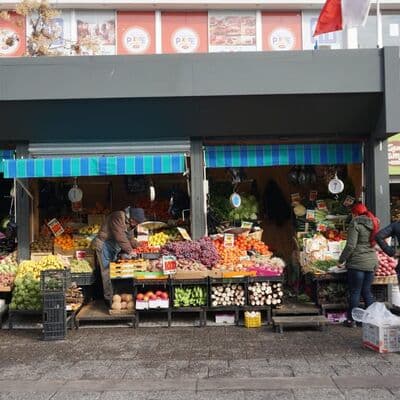
Midday: Head to La Vega Central across the river from Mercado Central. This sprawling market is where locals actually shop. The produce section is overwhelming in the best way, and the small comedores in the back serve huge portions of Chilean home cooking for $5-8. Try pastel de choclo (corn pie with meat) or cazuela (meat and vegetable stew).
Evening: Venture to Barrio Italia, an increasingly trendy neighborhood south of Providencia. The area is full of antique shops, design studios, and restaurants in converted houses. Try Silvestre for modern Chilean cuisine or Bar Nacional for traditional fare.
Days 4-5: Day Trips and Wine Country
Valparaiso and Vina del Mar (Full Day): The coastal cities are about 90 minutes from Santiago by bus. Turbus and Pullman offer comfortable service for $8 each way. Valparaiso's colorful hillside neighborhoods and street art deserve a full day. Take the historic ascensores (funiculars) between levels, visit La Sebastiana (another Neruda house), and have seafood on the waterfront. Return via Vina del Mar for beach views at sunset.
Maipo Valley Wine Country: Chile's oldest wine region is just 45 minutes south. Book a tour through your hotel ($60-100 including tastings and lunch) or rent a car and self-drive. Concha y Toro is the most famous and tourist-friendly winery. For a more intimate experience, try Vina Undurraga or Santa Rita, which includes a beautiful colonial-era hacienda.
Cajon del Maipo: This Andean canyon offers hiking, rafting, and hot springs within 90 minutes of the city. The road follows the Maipo River through dramatic mountain scenery. Banos Colina natural hot springs require a longer journey (3+ hours each way) but are unforgettable. Tours cost $50-80 per person.
Days 6-7: Deeper Exploration
With extra days, explore neighborhoods beyond the tourist circuit. Barrio Yungay in the western Centro has beautiful 19th-century architecture and genuine neighborhood atmosphere. Nunoa, southeast of Providencia, is where young professionals live; Plaza Nunoa comes alive on weekends with families, cyclists, and outdoor cafes.
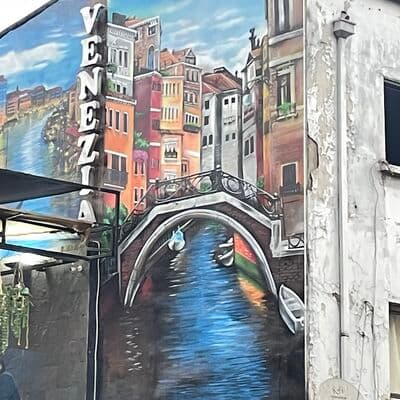
Consider a cooking class to learn Chilean cuisine. Cooking Class Santiago offers half-day programs for $80-120 including market visits. Alternatively, book a street art tour to understand the political and social context of the city's murals. If you're here on a weekend, the Feria Bio Bio flea market is an adventure. Go early and guard your belongings carefully.
Where to Eat
Street Food and Quick Bites
Chilean street food is hearty and unpretentious. Look for carretillas (food carts) selling completos (loaded hot dogs) throughout the Centro and near universities. Domino and Fuente Alemana are the classic sit-down spots for these massive sandwiches. Empanada stands are everywhere, but quality varies wildly. The best empanadas de pino come from traditional bakeries rather than chain shops. Expect to pay $1-2 per empanada. Sopaipillas (fried pumpkin dough) appear on street corners during rainy days, eaten plain or with pebre (Chilean salsa) for about $1.
Traditional Chilean Restaurants
For authentic home-style cooking, seek out picadas, no-frills local spots where santiaguinos have been eating for generations. Las Vacas Gordas in Bellavista does excellent grilled meats. Galindo serves classic dishes like cazuela and pastel de choclo in a setting that hasn't changed in decades. El Hoyo (near La Vega) is a classic workers' lunch spot. Most serve massive portions; splitting dishes is entirely acceptable. A full lunch with drink and dessert runs $10-15.
Seafood
Mercado Central remains the most famous seafood destination, but prices are inflated for tourists. For better value, try Donde Augusto at reasonable (not cheap) prices, or venture to La Vega Central's fish section where small counters serve the same products at half the cost. Puerto Fuy in Bellavista serves excellent ceviche in a more refined setting. Budget $20-35 per person at mid-range seafood restaurants.
Fine Dining
Borago, consistently ranked among Latin America's best restaurants, offers a tasting menu exploring Chilean terroir for around $150-200 per person. Reservations are essential, weeks in advance. For excellent quality without the hype, try 99 Restaurante in Vitacura (creative Chilean, $60-80), Osaka for Peruvian-Japanese fusion ($40-60), or De Patio in Lastarria for contemporary Chilean cuisine in a beautiful courtyard.
Wine Bars
Bocanariz in Lastarria is the essential Santiago wine experience, with 400+ Chilean wines by the glass. Staff speak English and can guide you through unfamiliar varietals. Expect to spend $30-50 on wine and snacks. W Wine Bar in Providencia offers a more intimate setting with excellent cheese and charcuterie pairings.
What to Try: Essential Food and Drink
Empanadas de Pino: The classic Chilean empanada is a half-moon of flaky pastry stuffed with ground beef, onions, hard-boiled egg, black olive, and raisin. The olive pit is traditionally left in. Eat with your hands and ask for pebre on the side.
Caldillo de Congrio: This conger eel soup was immortalized by Pablo Neruda in a poem. The fish arrives in a clay bowl swimming in saffron-tinted broth with potatoes, onions, and cream. Profoundly satisfying. Best eaten at Mercado Central.
Completo: The Chilean hot dog is a monument to excess. A standard completo comes with mashed avocado, diced tomatoes, sauerkraut, and alarming amounts of mayonnaise. The Italiano version uses avocado, tomato, and mayo (the colors of the Italian flag). One is a full meal.
Pastel de Choclo: Traditional casserole of ground beef with onions, chicken, olives, and egg, topped with sweetened corn paste and baked golden. Hearty, slightly sweet, and deeply comforting.
Pisco Sour: Both Chile and Peru claim this drink. The Chilean version uses pisco (grape brandy), lime juice, simple syrup, and sometimes egg white, shaken until frothy. Stronger than it tastes. Most bars charge $6-10.
Terremoto: Translating to "earthquake," this sweet, dangerous drink combines cheap pipeno wine with pineapple ice cream. A couple of these will indeed make the ground move. Traditional at La Piojera, a legendary dive bar near Mercado Central. Not for sophisticated palates, but an authentic Santiago experience.
Mote con Huesillo: Traditional drink of cooked wheat berries and dried peaches in sweet syrup, served cold from carts in summer. An acquired taste but refreshing. Usually $1-2.
Local Secrets and Practical Tips
The Mustard Scam: Someone squirts mustard (or another substance) on you, then a "helpful" stranger offers to clean it off while an accomplice picks your pocket. This is the most common tourist scam in Santiago, particularly around Mercado Central and the Centro. If this happens, ignore helpers, move to a secure location, and clean up yourself.
Free Museum Days: Nearly all Santiago museums offer free admission on the first Sunday of each month. The Pre-Columbian Art Museum, National Museum of Fine Arts, and Centro Cultural La Moneda are all free. Arrive early as lines can be long.
Metro Tips: Runs from roughly 6 AM to 11 PM (later on weekends). Peak hours (7:30-9 AM and 6-8 PM) are crushingly crowded. The Bip card costs about $1.50 to purchase at any metro station. Single rides cost $0.80-1.20 depending on time. Google Maps accurately shows metro schedules and routes.
Cash vs. Card: Credit cards are widely accepted, but always carry some cash for small purchases, street food, and markets. ATMs (Redbanc network) are plentiful; withdraw larger amounts to minimize fees. Notify your bank before traveling as some cards are blocked for security.
Water Quality: Santiago's tap water is safe to drink. This is unusual for South America and makes Chile feel distinctly different from neighboring countries. Bottled water is unnecessary unless you prefer it.
Altitude: Santiago sits at 520 meters (1,700 feet), so altitude isn't a concern in the city. However, day trips to ski resorts can reach 3,000+ meters. Give yourself time to acclimatize.
Earthquakes: Chile is seismically active and minor earthquakes are common. Buildings are constructed to withstand shaking. Stay calm, move away from windows, don't run outside.
Transport and Connectivity
From the Airport
Arturo Merino Benitez International Airport (SCL) is about 15 km from downtown. Official airport taxis cost a fixed rate of $25-35 to central neighborhoods, paid at the counter inside the terminal before exiting. Uber and Cabify work at the airport and are usually cheaper ($15-25), though pickup locations can be confusing. The cheapest option is the Turbus or Centropuerto bus ($2-3) to Pajaritos metro station or Estacion Central. The bus takes 30-45 minutes depending on traffic.
Metro System
Santiago's metro is clean, efficient, and covers most tourist areas. Seven lines crisscross the city, with stations in all the neighborhoods mentioned in this guide. The Bip card is essential as you cannot pay cash on the metro or buses. Cards can be shared between travelers.
Taxis and Rideshare
Uber and Cabify both operate, though their legal status is ambiguous. Rides are significantly cheaper than licensed taxis. Download both apps before arriving, as one may have better availability depending on location and time. Licensed taxis (black with yellow roofs) are metered; ensure the driver starts it. A typical cross-town ride costs $8-15.
SIM Cards and Connectivity
Purchase a prepaid SIM at the airport (Entel, Movistar, or Claro kiosks) for $10-20 including data. Bring your passport as it's required for purchase. Most plans include unlimited social media plus several GB of general data. WiFi is widespread in hotels, restaurants, and cafes.
Essential Apps
Google Maps: Works excellently for navigation, transit, and driving directions. Download the Santiago area for offline use. Uber/Cabify: Essential for rides beyond metro range or late at night. The Fork: Restaurant reservations with occasional discounts. WhatsApp: Chileans use it for everything, including restaurant reservations.
Conclusion: Who Santiago Is For
Santiago isn't a city of overwhelming monuments or must-see attractions that will fill your Instagram feed. It's a livable, functional South American capital that rewards those who slow down and engage with local life. The food scene alone justifies a visit, with quality and value that rivals anywhere in the Americas.
This city is ideal for travelers who enjoy wine and gastronomy without pretension, those who want an accessible base for adventures (Patagonia, Atacama, wine country, ski resorts), visitors seeking a comfortable introduction to South America, and anyone interested in seeing how a Latin American country can develop without losing its character.
Santiago is not ideal for travelers who need constant visual stimulation and landmark photo opportunities, those who don't enjoy food and wine culture, or visitors expecting a chaotic Latin American experience. The city's modernization and relative order can feel anticlimactic if that's what you're seeking.
Give Santiago at least three full days, ideally five to seven with day trips included. Use it as a base, eat extraordinarily well, drink excellent wine at reasonable prices, and let the Andes remind you that adventure is always just over the horizon. The city may surprise you the way it surprised me: not with spectacle, but with substance.