Quito
Quito 2026: What You Need to Know Before You Go
Quito is one of those cities that catches you off guard. You fly in expecting a modest South American capital and instead land in a sprawling metropolis wedged into an Andean valley at 2,850 meters above sea level, surrounded by volcanoes, with a colonial center so well-preserved that UNESCO made it one of the first World Heritage Sites back in 1978. It is not a beach destination. It is not a party city. It is a city that rewards curiosity, and it has more depth than most travelers give it credit for.
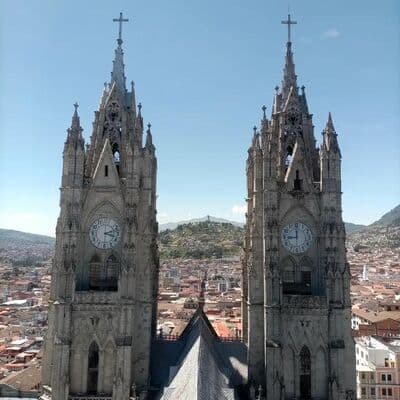
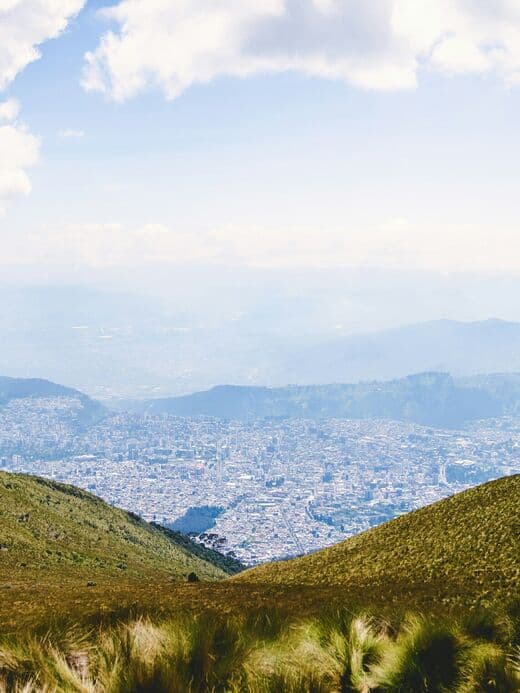
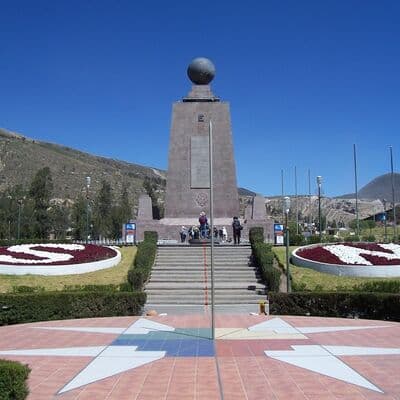
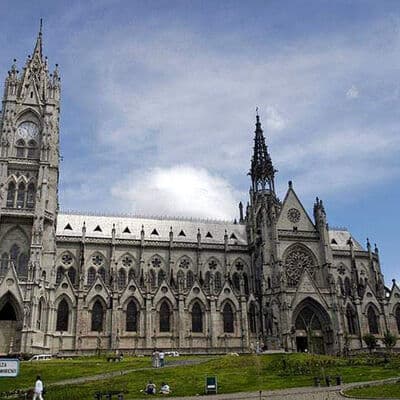
If you are searching for what to see in Quito, here is the short version: the Historic Center is one of the largest and best-preserved colonial cores in the Americas. The TeleferiQo cable car takes you to 4,100 meters for volcano views that will ruin every other panorama for you. The Church of La Compania de Jesus is covered in so much gold leaf that it borders on obscene. The Mitad del Mundo monument lets you stand on the equator line (or close enough). And Basilica del Voto Nacional has rooftop views that make the climb worth every breathless step at altitude.
Quito is ideal for history buffs, architecture lovers, hikers, foodies on a budget, and anyone who wants to use a city as a base for volcano day trips and cloud forest excursions. It works well for solo travelers, couples, and families with older kids. It is less ideal if you want nightlife comparable to Medellin or Buenos Aires, if you have serious respiratory issues (the altitude is real), or if you only have one day - Quito needs at least three to show you what it has.
Honest pros: Incredibly affordable (you can eat well for $3-5), stunning architecture, easy access to volcanoes and cloud forests, uses USD so no currency confusion, friendly people, excellent food scene that most tourists never discover. Honest cons: Altitude sickness hits harder than you expect, petty theft is a real concern in certain areas, traffic is brutal, the weather is unpredictable on any given day, and some neighborhoods feel sketchy after dark. None of these are dealbreakers. They are just things you should know before booking.
Quito Neighborhoods: Where to Stay
Quito is a long, narrow city stretched along a valley. Where you stay matters more than in most capitals because getting from one end to the other can take over an hour in traffic. Here are the seven neighborhoods worth considering, with honest assessments of each.
Centro Historico (Historic Center)
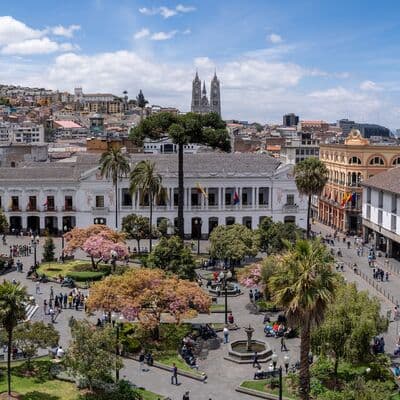
This is the old colonial core - churches, plazas, narrow streets, street vendors, and the kind of atmosphere that makes you feel like you stepped back three centuries. Staying here puts you within walking distance of Plaza Grande, La Compania, the Basilica, and dozens of other landmarks. The architecture is extraordinary. The downside: after about 8pm, large parts of the center empty out and feel unsafe. Street lighting is inconsistent. Hotels here tend to be converted colonial houses - beautiful but sometimes drafty with inconsistent hot water. Budget hostels run $8-15 per night, mid-range boutique hotels $40-80. Best for: history lovers, photographers, budget travelers who are street-smart. Not for: anyone who wants to walk home late at night without a taxi.
La Mariscal
The gringo district. Plaza Foch is the epicenter - bars, restaurants, hostels, tour agencies, and a concentration of international travelers that can feel like a bubble. This is where you will find the most English spoken, the easiest nightlife, and the most tourist infrastructure. It is also where most petty theft targeting tourists happens, precisely because thieves know this is where the tourists are. That said, it is convenient, well-connected by transit, and has the widest range of accommodation. Hostels $8-12, mid-range hotels $35-60, nicer boutique spots $70-120. Best for: first-timers, solo backpackers, anyone who wants easy access to bars and restaurants. Not for: travelers seeking an authentic local experience.
La Floresta
This is the neighborhood I would pick if I were spending a month in Quito. It is the artsy, bohemian quarter - independent cafes, small galleries, vegetarian restaurants, craft beer spots, and a residential calm that La Mariscal lacks. It borders La Mariscal but feels completely different. Streets are quieter, trees are bigger, and you are more likely to sit next to locals than backpackers. Accommodation is thinner here - mostly Airbnbs and a few boutique guesthouses. Expect $30-60 for a nice Airbnb, $60-100 for a guesthouse. Best for: digital nomads, couples, anyone staying a week or more who wants neighborhood life. Not for: people who want lots of hotel options or proximity to the Historic Center.
La Carolina
The modern business district. Think shopping malls, office towers, the large Parque La Carolina, and a vibe that could be any Latin American business quarter. Hotels here cater to business travelers, so you get reliable quality but zero charm. The park itself is pleasant - joggers, families, a botanical garden inside. Good restaurants in the surrounding streets. Rates: $50-90 for business hotels, $100-180 for international chains like Marriott or Hilton. Best for: business travelers, families who want a safe and predictable base, people who value modern amenities over atmosphere. Not for: anyone seeking Quito's character.
Gonzalez Suarez
A residential ridge with stunning valley views, upscale restaurants, and a feeling of being slightly above it all - literally. This is one of the wealthier neighborhoods, with high-rise condos and a safe, well-maintained feel. The views from some of the restaurants and apartments here are spectacular, especially at sunset. Accommodation is mostly luxury Airbnbs ($50-100/night) and a couple of upscale hotels ($120-200). Best for: couples on a splurge, travelers who prioritize views and safety, those with a higher budget. Not for: budget travelers or anyone wanting walkable access to major sights.
Guapulo
A hidden village clinging to the hillside just below Gonzalez Suarez. Narrow cobblestone streets, a beautiful old church, street art, tiny bars, and a bohemian population of artists, musicians, and expats. Getting in and out involves a steep walk or a taxi - there is no easy flat route. That isolation is part of the charm. On weekends, locals gather at the lookout point above the neighborhood to watch sunset with beers. Very few formal hotels; mostly Airbnbs and the occasional hostel. $15-40 per night. Best for: adventurous travelers, artists, anyone who wants a neighborhood with character and does not mind hills. Not for: people with mobility issues or those who need convenient transit access.
Cumbaya
A satellite town about 30-40 minutes east of central Quito (without traffic - with traffic, double that). It sits at a lower elevation, so it is warmer and sunnier. Cumbaya has its own restaurant scene, shopping centers, and a suburban feel popular with wealthier Quitenos and expats. Universidad San Francisco de Quito is here, giving it a young energy. It is a pleasant place to stay if you have a car or do not mind Uber rides into the city. Hotels and Airbnbs run $40-80. Best for: families, anyone who wants warmer weather and a calmer pace, people with their own transport. Not for: tourists without a car who want to see Quito's main sights daily.
Best Time to Visit Quito
Quito sits almost exactly on the equator, so there are no dramatic seasonal swings. Temperature stays between 10-21C (50-70F) year-round. What changes is rainfall. The city has a dry season and a wet season, plus micro-weather patterns that can give you sunshine and rain in the same afternoon.
Best months: June through September. This is the dry season. Skies are clearest, volcano views are most likely, and outdoor activities are most reliable. Mornings tend to be sunny and pleasant, afternoons can still cloud over but rain is less frequent. This is also peak tourist season, though Quito never feels overcrowded the way Cusco or Cartagena can.
Good months: December and January. A brief drier spell within the wet season. Holiday atmosphere, Fiestas de Quito in early December (more on that below), and pleasant weather most days. Prices tick up slightly around Christmas and New Year.
Acceptable months: March through May, October and November. These are the wettest periods. Expect afternoon downpours most days, sometimes heavy. Mornings are often fine, so you can still sightsee - just plan outdoor activities for before noon. The upside: fewer tourists, lower prices, and the surrounding hills turn impossibly green.
Festivals worth timing your visit around:
- Fiestas de Quito (first week of December): The city's birthday celebration. Street parties, parades, live music stages on every plaza, bull-themed events (without actual bullfighting in recent years), and a general atmosphere of controlled chaos. The whole city takes the week off. Hotels book up - reserve early.
- Carnaval (February/March): Ecuadorians celebrate by throwing water at each other. It is chaotic and fun if you embrace getting soaked. Less fun if you are carrying electronics. The whole country shuts down for a long weekend.
- Semana Santa (March/April): Holy Week brings solemn processions through the Historic Center - purple-robed figures, incense, and crowds lining the colonial streets. The Good Friday procession is the most dramatic.
- Inti Raymi (June 21): The Andean solstice celebration, more prominent in the highlands north of Quito (Otavalo, Cotacachi) but with events in the capital too. Indigenous music, dancing, and ceremonies.
Budget timing: The cheapest period is October-November - wet season with no major holidays. Hostels drop rates, tours offer discounts, and you have places more to yourself. If you do not mind carrying an umbrella, it is a smart time to visit.
Quito Itinerary: 3 to 7 Days
3-Day Itinerary: The Essentials
Day 1: Historic Center Deep Dive
Start at 9:00am at Plaza Grande - the heart of colonial Quito. The Presidential Palace is on one side, the Cathedral on another. Take in the scale of it. By 9:30, walk to Church of La Compania de Jesus (opens at 9:30, entry $5). Spend 30-40 minutes inside - the gold interior is staggering, and the guided explanation is worth it. From there, walk 10 minutes uphill to Basilica del Voto Nacional (entry $2). Climb the towers - the steep ladders and narrow walkways are not for the faint-hearted, but the city views from the top are unmatched. Budget an hour. By noon, you will be hungry and altitude-tired. Walk down to Calle La Ronda, a restored colonial street with small restaurants and craft shops. Grab a late lunch at one of the set-menu spots ($3-4 for soup, main, juice). Afternoon: visit the San Francisco Plaza and church (free, one of the oldest in the Americas), then take a taxi to El Panecillo viewpoint ($3-4 each way - do not walk up, it is not safe). The Virgin statue and 360-degree city views are worth the short trip. Back to your hotel by 5pm. Dinner: try a restaurant near your accommodation rather than the Historic Center, which gets quiet after dark.
Day 2: TeleferiQo and La Mariscal
Take a taxi or Uber to the TeleferiQo base station ($4-6 from most hotels). Arrive by 9:00am - morning has the clearest skies. The cable car ride ($8.50 for foreigners) takes 18 minutes and deposits you at Cruz Loma at 4,100 meters. The views of Quito below and Cotopaxi, Antisana, and Cayambe volcanoes in the distance are extraordinary on a clear day. If you are feeling good at altitude, hike the Rucu Pichincha trail (2-3 hours to the summit at 4,696m - only if you are acclimatized and it is not cloudy). Otherwise, enjoy the viewpoint area for 30-60 minutes and ride back down. Afternoon: head to La Mariscal for lunch. Try one of the restaurants around Plaza Foch or on Calle Reina Victoria. Spend the afternoon exploring the Mindalae Ethnographic Museum ($3) if indigenous cultures interest you, or simply wander the neighborhood, duck into cafes, and browse the artisan market on Jorge Washington street. Evening: La Mariscal is the best area for dinner and drinks. Mama Clorinda for Ecuadorian food, or any of the international options around Foch.
Day 3: The Equator and Surroundings
Hire a taxi for a half-day ($25-30 round trip) or book a tour ($15-20 per person) to Mitad del Mundo, about 40 minutes north of Quito. The main monument complex ($5 entry) is touristy but fun - photos straddling the equator line are obligatory. More interesting: walk 200 meters to the Intinan Solar Museum ($5), which has interactive demonstrations about equatorial physics (the water-draining experiment is debatable science but entertaining). Budget 2-3 hours for both. On your way back, stop at the Pululahua volcanic crater viewpoint (free, 10 minutes detour) - it is one of the few inhabited volcanic craters in the world and the view from the rim is stunning. Return to Quito by early afternoon. Use the remaining time for anything you missed: Parque La Carolina for a stroll, the Capilla del Hombre art museum ($4, Eduardo Kingman and Oswaldo Guayasamin art), or souvenir shopping at Mercado Artesanal on Jorge Washington street.
5-Day Itinerary: Add Day Trips
Days 1-3: Same as above.
Day 4: Cotopaxi National Park
Book a day tour ($50-70 per person including transport, guide, lunch, and park entry) or hire a private car ($80-100 for the vehicle). Leave Quito by 7:00am. The drive south takes about 2 hours. Cotopaxi is a near-perfect volcanic cone rising to 5,897 meters - one of the highest active volcanoes in the world. Tours typically drive to the parking lot at 4,500 meters, from where you hike 45 minutes to the Jose Rivas refuge at 4,864 meters. The altitude is punishing - go slowly, drink water, and turn back if you feel dizzy or nauseous. After descending, most tours include a visit to Limpiopungo lagoon at the base (stunning reflections of the volcano on clear days) and lunch at a hacienda. You will be back in Quito by 5-6pm, exhausted but with memories (and photos) that justify the early wake-up.
Day 5: Otavalo Market or Mindo Cloud Forest
Choose based on your interests. Otavalo (2 hours north, $40-60 tour or $2.50 bus from Terminal Carcelen): one of South America's most famous indigenous markets. Saturday is the big market day, but the artisan market runs daily. Textiles, wool sweaters, Panama hats, leather goods, paintings - prices are good and bargaining is expected. The Otavalo town itself is pleasant, and you can add a visit to Cuicocha crater lake or Peguche waterfall nearby. Mindo (2 hours northwest, $40-60 tour or $3 bus from La Ofelia terminal): a cloud forest town with hummingbird gardens, chocolate factory tours ($10 with tasting), ziplining ($20), tubing ($7), and some of the best birdwatching in Ecuador. Mindo is more relaxed and nature-focused. Either makes an excellent day trip.
7-Day Itinerary: The Complete Experience
Days 1-5: Same as above.
Day 6: Papallacta Hot Springs
Drive or bus (1.5 hours east) to the Papallacta thermal baths. Termas de Papallacta is the main resort ($25 day pass for thermal pools). The setting is spectacular - volcanic hot springs surrounded by cloud forest at 3,300 meters. If you spent the previous days hiking volcanos and pounding colonial cobblestones, your legs will thank you. Go early (by 9am) to beat the weekend crowds. The pools range from warm to very hot, with cold plunge pools between them. Pack a book. Have lunch at the resort restaurant (decent, $10-15 per person) or at one of the small eateries in Papallacta village ($3-5). Return to Quito in the afternoon, refreshed and ready for your last full day.
Day 7: Markets, Museums, and Relaxation
Use this day at your own pace. Morning options: visit the Mercado Central for a proper Ecuadorian breakfast (encebollado, $2.50), browse the modern Mercado Inaquito for a wider selection of food stalls, or explore the Guayasamin Museum and Capilla del Hombre ($8 combined, masterful Ecuadorian art with valley views from the grounds). If it is Sunday, join the Ciclopaseo - Quito closes major roads to cars from 8am to 2pm and the city fills with cyclists, joggers, and families. You can rent bikes for $2-3 per hour near Parque La Carolina. Afternoon: last-minute shopping at Mercado Artesanal, coffee at a La Floresta cafe, or simply sit in Plaza Grande and watch the city go by. Pack your bag knowing you barely scratched the surface.
Where to Eat in Quito: Restaurants and Cafes
Quito's food scene is one of its most underrated assets. Most tourists eat in La Mariscal and miss the best stuff. Here is a proper guide.
Street Food and Markets
Mercado Central (Historic Center, Av. Pichincha): The classic. Open early, packed with locals eating encebollado (fish soup, $2-3) for breakfast. Stalls serve everything from fresh juices ($0.75) to full set lunches ($2-3). It is loud, crowded, and authentic. Go before 11am for the best experience.
Mercado Inaquito (La Carolina area, Inaquito y Villalengua): Cleaner and more organized than Mercado Central, with a wider variety. The second floor is all food stalls. Hornado (roast pork) here is excellent - look for the stall with the longest line. Lunches $2.50-4.
Parque de las Tripas (Santa Clara area, operates evening/night): This is where Quitenos go for late-night tripa mishki (grilled cow intestines, $2-3 a plate). It is not for everyone, but if you are adventurous, this is peak local food culture. The stalls set up around 7pm and run late.
Local Joints and Almuerzo Culture
The best-value eating in Ecuador is the almuerzo - a set lunch served at nearly every small restaurant between noon and 2pm. For $2.50-4, you get soup, a main course (rice, meat, salad, plantain), a juice, and sometimes dessert. Quality varies, but the ones with lines out the door are consistently good. Do not overlook these places just because they lack Instagram presence. The almuerzo at a busy corner restaurant will often be tastier than a $15 tourist-oriented plate in La Mariscal.
Mid-Range Restaurants
Cafe Mosaico (Itchimbia hill, overlooking Historic Center): The view alone is worth the visit - you look down on the entire colonial center lit up at night. The food is solid Mediterranean-Ecuadorian fusion. Mains $8-14, cocktails $6-8. Go for sunset. Take a taxi up (the walk is steep and not well-lit).
Cafe Dios No Muere (La Ronda, Historic Center): On the restored colonial street of La Ronda, this cozy spot serves traditional Ecuadorian food with a modern touch. Try the locro de papa (potato soup with cheese and avocado, $5). The setting - old wooden balconies, candle-lit tables - makes it special. Mains $6-10.
Mama Clorinda (La Mariscal, Reina Victoria y La Pinta): A solid choice for traditional Ecuadorian cuisine at reasonable prices. Large portions, friendly service. The fritada and llapingachos are reliable. Mains $6-10.
Mercado Urban (La Floresta): A food hall concept with multiple stalls - craft beer, tacos, sushi, burgers, Ecuadorian food. Good for groups where everyone wants something different. Individual dishes $5-10.
Fine Dining
Zazu (Gonzalez Suarez area): Consistently ranked among South America's best. Chef Diego Gutierrez works with Ecuadorian ingredients in creative, beautiful presentations. Tasting menu around $65-80. A la carte mains $18-30. Reservations essential, especially weekends.
Miskay (La Floresta): Indigenous Ecuadorian cuisine elevated to fine dining. They source ingredients from small Andean farms and present ancestral recipes in modern form. Unique and worth seeking out. Tasting menu $45-60.
Quitu (Historic Center): Fine dining in a restored colonial house. Ecuadorian cuisine with contemporary technique. The ceviches and Andean grain dishes are standouts. Mains $15-25. The courtyard setting is lovely.
Cafes and Breakfast
Cafe de la Vaca (multiple locations): Reliable Ecuadorian chain for breakfast. Good bolones (mashed green plantain balls), coffee, and fresh juices. Breakfast plates $4-6.
Dulce Placer (La Floresta): Small bakery-cafe with excellent pastries, real espresso, and a calm neighborhood vibe. Coffee $2-3, pastries $1.50-3.
El Cafeto (La Floresta): Speciality coffee roasted in-house. If you care about your coffee, this is the place. Single origins from Ecuadorian farms, well-extracted, served without pretension. Espresso drinks $2-4.
What to Try: Quito Food Guide
Ecuador's food does not get the international attention of Peruvian or Mexican cuisine, but the flavors are distinct and the variety is wider than most visitors expect. Here are the dishes you should actively seek out in Quito.
Encebollado. The unofficial national hangover cure and a legitimate masterpiece. Fish soup (usually albacore tuna) with yuca, red onion pickled in lime, cilantro, and chili. Served with chifles (plantain chips) or popcorn on the side. Best at Mercado Central or any market before 11am. $2-3. The test of a good encebollado is the broth - it should be rich, slightly acidic, and clear, not cloudy.
Llapingachos. Mashed potato patties stuffed with cheese, pan-fried until golden, served with peanut sauce, chorizo, fried egg, salad, and avocado. This is comfort food at its finest. Available at most traditional restaurants. $3-5 for a full plate. The peanut sauce is what makes them distinctly Ecuadorian.
Fritada. Chunks of pork braised in their own fat with cumin, garlic, and beer until crispy on the outside and tender inside. Served with mote (hominy corn), llapingachos, and pickled onions. Hefty, satisfying, and impossible to eat delicately. $4-6 at local restaurants. Mercado Inaquito has reliable versions.
Hornado. Whole roast pig, slow-cooked for hours until the skin is crackling and the meat falls apart. Every market has a hornado stall - you point at which cut you want and they pile it on a plate with mote, llapingachos, and agrio (a thin vinegar-based sauce). $3-5 at markets. This is the dish that makes you understand why Ecuadorians take pork seriously.
Cuy (guinea pig). The Andean delicacy that most foreigners find either fascinating or horrifying. It is traditionally roasted whole, and yes, it arrives on your plate looking like a small animal because it is one. The taste is somewhere between rabbit and dark-meat chicken. The skin is the best part - crispy and rich. Not available at every restaurant; you will need to seek it out at traditional places or markets. $12-20 per cuy. Try it once, decide for yourself.
Empanadas de viento. Light, puffy fried empanadas filled with cheese, dusted with sugar. The name means 'wind empanadas' because they puff up with air when fried. Served fresh and hot, they are addictive. $0.50-1 each from street vendors and bakeries. Best as an afternoon snack with coffee.
Tripa mishki. Grilled cow intestines, seasoned and charred over coals. The name is Kichwa for 'sweet guts.' Found at Parque de las Tripas (Santa Clara) in the evenings or at market stalls. $2-3 per serving. If you eat offal, this is excellent. If you do not, skip it without guilt.
Colada morada with guaguas de pan. A thick purple drink made from black corn flour, berries (blackberry, strawberry, blueberry), spices (cinnamon, clove, allspice), and citrus. Traditionally served around Day of the Dead (November) with guaguas de pan - bread shaped like swaddled babies. But you can find colada morada year-round at markets. $1-2 per glass. It tastes like nothing you have had before - earthy, fruity, spiced.
Bolones de verde. Mashed green plantain formed into balls, stuffed with cheese or chicharron (pork cracklings), and fried. The classic Ecuadorian breakfast item, especially on the coast, but widely available in Quito. Served with coffee and sometimes fried egg. $1.50-3 each. Order them with cheese if you are new to the dish.
Locro de papa. Thick potato and cheese soup topped with avocado, served across the highlands. Simple ingredients, executed perfectly when done right. Every grandmother has a slightly different recipe. $3-5 at restaurants, $2 at market stalls. The avocado on top is non-negotiable.
What NOT to order: Avoid ceviche at places far from the coast or market - it is a coastal dish and highland versions can be hit-or-miss. Skip the 'international food' at tourist restaurants in La Mariscal (overpriced, mediocre). And be cautious with pre-cut fruit from street carts if your stomach is sensitive - whole fruits you peel yourself are safer.
Vegetarian options: Quito is better than most Andean cities for vegetarians. Locro de papa, empanadas de viento, llapingachos (hold the chorizo), bolones with cheese, and the abundance of fresh fruit and juices mean you will not go hungry. La Floresta neighborhood has several dedicated vegetarian and vegan restaurants. At almuerzos, you can usually ask for 'sin carne' (without meat) and get an egg or extra rice instead.
Quito Secrets: Local Tips
These are things that locals know and travel blogs often miss. Small details that can meaningfully improve your experience.
1. Altitude is not optional. At 2,850 meters, Quito is higher than many ski resorts. You will feel it on day one: shortness of breath walking uphill, faster heart rate, headaches, trouble sleeping. Drink water obsessively. Avoid alcohol for the first 24 hours. Walk slowly. Do not schedule anything strenuous for day one. Coca candy or coca tea (sold at pharmacies and shops) helps mildly. If you are coming from sea level, the adaptation takes 1-2 days for most people.
2. Weather changes in minutes. Quito can go from brilliant sunshine to cold rain in 20 minutes. Carry a light rain jacket every single day, even if the morning looks flawless. Dress in layers. Mornings are cool (10-12C), midday is warm (18-21C), late afternoon can drop again if clouds roll in. Sunscreen is critical - the UV at this altitude is intense, and you will burn even on cloudy days.
3. Taxi rules that matter. Yellow taxis should use a meter (taximetro). If the driver says the meter is broken, get out and find another cab. At night, always use ride apps (inDriver, Cabify) rather than hailing on the street. Share your ride details with someone. Never get in a taxi that already has a passenger. This is not paranoia - express kidnappings (paseo milionario), where you are driven to ATMs and forced to withdraw cash, do happen, though they are rare with app-based rides.
4. Phone and bag safety. Do not use your phone on the street with one hand while standing still. This is how phones get snatched. Use both hands, stand against a wall, or better yet step inside a shop. Keep your bag in front of you on buses. Do not carry more cash than you need for the day. Leave passport copies at your hotel and carry a photocopy. These precautions apply especially in the Historic Center, La Mariscal, and on public buses.
5. The almuerzo hack. Between noon and 2pm, almost every neighborhood restaurant serves an almuerzo (set lunch). Look for signs reading 'Almuerzo $2.50' or similar. Walk in, sit down, and food appears. This is how Ecuadorians eat on workdays, and it is consistently the best-value meal in the city. Some places offer a choice of main course; at others, you eat what they cooked. Either way, you are eating better than most tourists for a fraction of the price.
6. El Panecillo: taxi only. The hilltop with the Virgin of Quito statue has amazing views. The path walking up from the Historic Center is notorious for muggings. Do not walk it. Take a taxi up ($3 from the center), have the driver wait 15 minutes (agree on this before), and taxi back down. Same price, zero risk. The views are genuinely worth the cab fare.
7. Bargaining is expected at markets, not everywhere. At Otavalo market, artisan stalls, and street vendors: yes, bargain. Start at about 60% of the asking price and meet somewhere around 70-80%. At restaurants, supermarkets, taxis with meters, and shops with fixed prices: no. Trying to bargain at a restaurant will just make everyone uncomfortable.
8. Sunday Ciclopaseo is magical. Every Sunday from about 8am to 2pm, Quito closes major roads to cars and opens them to cyclists, runners, skaters, and pedestrians. The main route runs roughly 30km through the city. You can rent a bike near Parque La Carolina or along the route ($2-3 per hour). It is one of the best ways to experience the city - the mood is festive, families are out, and you cover ground that would take hours by car in minutes by bike.
9. Electricity and adapters. Ecuador uses the same outlets as the United States and Canada - Type A and Type B plugs, 120V. If you are coming from the US, you do not need an adapter. European, UK, and Australian travelers will need one. Voltage is 120V, not 220V, so check your devices if you are coming from Europe or Asia. Most modern phone and laptop chargers are dual-voltage (look for '100-240V' on the charger) and only need a plug adapter.
10. Ecuador uses the US dollar. Since 2000, the official currency has been the USD. This means no money changing, no mental math, and no leftover local currency when you leave. ATMs dispense dollars. Cards are accepted at most restaurants and shops, though smaller places and markets are cash-only. Carry small bills - many vendors cannot break a $20, let alone a $50 or $100. The Ecuadorian centavo coins look different from US coins but are the same value and work interchangeably.
11. Learn five phrases in Spanish. English is not widely spoken outside tourist zones. You do not need to be fluent, but these basics make everything smoother: 'por favor' (please), 'gracias' (thanks), 'cuanto cuesta' (how much?), 'la cuenta' (the bill), 'donde esta...' (where is...). Ecuadorian Spanish is spoken clearly and relatively slowly compared to other Latin American countries - great for learners. Locals appreciate any effort, and even bad Spanish gets you further than confident English.
Getting Around Quito: Transport and Connectivity
Airport to City Center
Quito's Mariscal Sucre International Airport (UIO) is located in Tababela, about 35km east of the city center. This is not a quick transfer.
Taxi: Official airport taxis charge $25-30 to the Historic Center or La Mariscal. Purchase a ticket at the taxi counter inside arrivals (do not negotiate with drivers outside). The ride takes 45-60 minutes depending on traffic. At rush hours (7-9am, 5-8pm), it can stretch to 90 minutes. This is the most convenient option if you arrive tired.
Airport shuttle (Aeroservicios): $8 per person, shared van service to major hotels and several drop-off points in the city. Runs regularly during the day. Slightly slower because of multiple stops, but significantly cheaper than a taxi. Look for the counter in arrivals.
Public bus: The cheapest option at $2. An airport bus runs to the Rio Coca transfer station, where you can connect to the city's BRT system or Metro. This works fine if you travel light and know where you are going, but with heavy luggage during rush hour, it is uncomfortable. The bus runs from about 6am to 10pm.
Hotel transfer: Many mid-range and upscale hotels offer airport pickup for $30-45. The advantage is a driver holding a sign with your name, which removes all decision-making when you are jet-lagged. Book in advance through your hotel.
Direct flight context for English speakers: From the US, you can fly nonstop from Houston (United), Miami (LATAM, Avianca), Fort Lauderdale (JetBlue, Spirit), New York JFK (JetBlue), and Atlanta (LATAM). Flight time is 4-6 hours depending on origin. From Europe, there are no nonstops - connect through Miami, Bogota, or Panama City. From the UK, total travel time is typically 14-18 hours.
Getting Around the City
Quito Metro (opened December 2023): This is a game-changer. The single north-south line runs 22km with 15 stations, connecting Quitumbe in the south to El Labrador in the north. A ride costs $0.45, and trains are modern, clean, and fast. The Metro cuts travel time between the Historic Center and the northern neighborhoods from 45 minutes by bus to about 15 minutes. Stations at San Francisco (Historic Center), El Ejido (near La Mariscal), and La Carolina are the most useful for tourists. It runs approximately 6am to 10pm.
BRT buses (Trolebus, Ecovia, MetroBus-Q): Three bus rapid transit lines run north-south on dedicated lanes. Cheaper than taxis ($0.35 per ride) and faster than regular traffic, but crowded during rush hours and confusing to navigate if you do not speak Spanish. The Trolebus line is the most useful for tourists, running through the Historic Center. Watch your belongings - these are prime pickpocket territory during peak hours.
Taxis and ride apps: For most tourists, taxis and ride apps are the practical daily transport. Regular taxi rides within the city run $2-5. Use the meter. At night or for anything involving valuables, use ride apps. inDriver is the most popular - you set your price and drivers accept or counter. Cabify works like Uber (which also operates but is less popular in Quito). All app rides are tracked, which adds a safety layer. Tip is not expected but appreciated ($0.50-1 on short rides).
BiciQuito: The city's bike-share system with stations across central Quito. $25 annual membership, then free rides under 45 minutes. Useful for short hops if you are comfortable cycling in traffic. The dedicated bike lanes have expanded in recent years, but drivers are not always respectful of them. Best on Sundays during the Ciclopaseo when roads are closed to cars.
Internet and Connectivity
SIM cards: Claro and Movistar are the main carriers. Buy a prepaid SIM at the airport ($5-10 for the SIM plus a data package) or at any carrier shop in the city. Bring your passport - it is required for purchase. A 5GB data package costs about $7-10 and lasts 30 days. Claro generally has better coverage in rural areas outside the city.
eSIM: If your phone supports it, Airalo and Holafly sell Ecuador eSIMs that you can activate before landing. Prices are slightly higher ($10-15 for 5GB) but you avoid the shop visit. Useful if you want data immediately upon arrival.
WiFi: Hotels, cafes, and restaurants almost universally offer free WiFi. Quality varies - expect decent speeds in modern establishments and occasionally frustrating connections in budget spots. For reliable work sessions, La Floresta cafes and coworking spaces are your best bet.
Essential apps:
- inDriver: The ride-hailing app most used in Quito. Better prices than Uber.
- Cabify: Ride-hailing alternative, often used for airport runs.
- Google Maps: Works well for navigation and public transit directions in Quito. Offline maps recommended for areas outside the city.
- WhatsApp: Ecuadorians use WhatsApp for everything. Hotels, tour operators, and restaurants often communicate via WhatsApp. Have it installed.
- Google Translate: The camera function for translating signs and menus is genuinely useful if your Spanish is limited.
Who Quito Is For: Summary
Quito is a city that over-delivers for travelers willing to look beyond the surface. It combines colonial grandeur, volcanic landscapes, indigenous culture, and a food scene that punches well above its international reputation. It is affordable in a way that most world capitals are not - you can have a full, rich travel experience on $30-50 per day, or go upscale for a fraction of what comparable experiences cost in Europe or North America.
Ideal for: History and architecture enthusiasts. Hikers and outdoor lovers who want a city base with volcano day trips. Budget travelers who care about food. Photographers. Couples looking for a less-obvious South American destination. Anyone planning to explore Ecuador's highlands, Amazon, or Galapagos and needing a starting hub.
Not ideal for: Beach seekers (the coast is 6+ hours away). Party tourists who want clubs and late-night scenes. Travelers with serious altitude sensitivity who cannot acclimate. Anyone with only one day - Quito deserves a minimum of three.
How many days: Three days covers the essentials. Five days lets you add a volcano and a market or cloud forest. Seven days gives you the complete experience with day trips and breathing room. Two weeks lets you use Quito as a base to explore a huge chunk of Ecuador. However long you have, you will leave wanting more time.