Montreal
Montreal 2026: What You Need to Know
Montreal is that rare North American city where you genuinely feel transported to Europe without the transatlantic flight. It's where French is the soul of daily life, where century-old buildings share blocks with cutting-edge street art, and where the food scene rivals cities three times its size. This isn't Toronto's polished corporate cousin or Vancouver's outdoorsy sibling - Montreal has its own chaotic, creative, utterly charming identity.
What strikes most visitors first is the bilingual reality. Yes, French is dominant - signs, menus, conversations on the metro - but English flows seamlessly in tourist areas and most locals switch effortlessly between languages. Don't stress about your high school French; a simple "bonjour" goes far, and Montrealers appreciate the effort without demanding perfection.
In brief: Montreal deserves your attention for Old Montreal's cobblestone romance and the stunning Notre-Dame Basilica, panoramic views from Mount Royal Park, world-class dining that won't bankrupt you, the bohemian energy of Plateau Mont-Royal, and a festival calendar that transforms the city every summer. Plan for 4-5 days to experience the core, or a full week if you want to include day trips to Quebec City or the Laurentian Mountains.
Montreal Neighborhoods: Where to Stay
Montreal's neighborhoods each have distinct personalities, and where you stay dramatically shapes your experience. Unlike some cities where "downtown" is the obvious choice, Montreal rewards those who venture into its quartiers. Here's the honest breakdown:
Old Montreal (Vieux-Montréal)
The postcard-perfect historic district with 17th-century architecture, cobblestone streets, and the highest concentration of tourist attractions. Old Montreal puts you steps from Notre-Dame Basilica, Pointe-à-Callière Museum, and the Old Port waterfront. Hotels here run $250-450 CAD ($185-330 USD) per night, and you're paying for location and atmosphere. The downside? It empties out after dark, becomes tourist-heavy by midday, and restaurant prices reflect the real estate. Best for: first-time visitors wanting that European feel, romantic getaways, photography enthusiasts.
Plateau Mont-Royal
If Old Montreal is the grandmother's elegant parlor, Plateau Mont-Royal is the cool cousin's apartment filled with vinyl records and houseplants. This is Montreal's bohemian heart - Victorian row houses painted in bright colors, independent boutiques, third-wave coffee shops, and some of the city's best restaurants. Walking along Saint-Laurent Boulevard and Avenue Mont-Royal feels like discovering a city that exists for locals, not tourists. Accommodation options include charming Airbnbs in historic buildings ($120-200 CAD) and a few boutique hotels ($180-300 CAD). The tradeoff: you're 15-20 minutes from Old Montreal by metro, and nightlife can mean noise if you're on a main street. Best for: foodies, independent travelers, those seeking authentic neighborhood vibes.
Mile End
Adjacent to the Plateau, Mile End is Montreal's hipster epicenter - but in the best way. This is where you'll find the legendary St-Viateur and Fairmount bagel bakeries (open 24 hours, fighting a century-old rivalry), independent record stores, craft breweries, and creative studios in converted industrial spaces. The neighborhood has a distinctly artistic energy, with murals covering entire buildings and a diverse community that includes Hasidic Jewish, Greek, Italian, and Portuguese families alongside young creatives. Lodging is primarily Airbnbs and vacation rentals ($100-180 CAD), with limited hotel options. The downside: public transit connections aren't as convenient as downtown, and you'll need to walk or take a bus to reach the metro. Best for: creative types, food pilgrims, those who prefer neighborhoods over tourist districts.
Downtown (Centre-Ville)
Montreal's downtown offers modern high-rises, major shopping along Sainte-Catherine Street, and direct access to the Underground City (RESO) - that famous 33-kilometer network of tunnels connecting malls, metro stations, and office buildings. Hotels range from budget chains ($120-180 CAD) to luxury properties ($300-500+ CAD). You'll have excellent metro access and won't lack for dining options, but downtown Montreal lacks the character of the Plateau or the history of Old Montreal. It feels more generically urban. Best for: business travelers, shoppers, those prioritizing transit convenience, winter visitors who want underground connections.
Griffintown
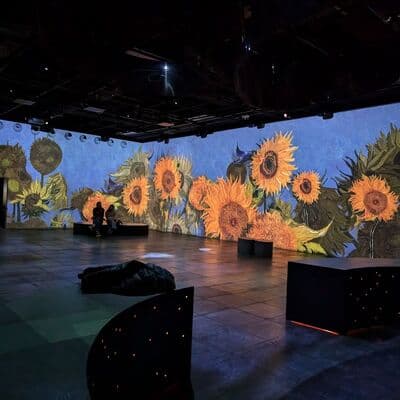
The former industrial district south of downtown has transformed into Montreal's newest trendy neighborhood. Converted warehouses now house condos, restaurants, and the impressive OASIS Immersion digital art center. Griffintown offers a middle ground: walkable to Old Montreal, less touristy, with a growing food and bar scene. Hotels are limited but several modern options exist ($180-280 CAD). The neighborhood is still developing, meaning some blocks feel sparse and construction is ongoing. Best for: those wanting proximity to Old Montreal without the premium pricing.
Accommodation Timing and Booking
Summer festival season (June-August) fills hotels fast - book 2-3 months ahead for Jazz Fest or Grand Prix weekend. Shoulder seasons (May, September-October) offer better rates and availability. Winter sees the lowest prices, but verify your hotel connects to the underground network if cold weather concerns you. One insider tip: check if your accommodation has parking, as street permits in residential neighborhoods can be confusing and meters are aggressively enforced.
Best Time to Visit Montreal
Montreal experiences four distinct seasons - emphatically so. Your timing decision depends on what you want from the trip and how you handle temperature extremes.
Summer (June to August)
Peak season for good reason. The city explodes with outdoor festivals: Jazz Fest (late June-early July) brings millions of visitors, Just for Laughs comedy festival takes over in July, and seemingly every weekend offers some outdoor event. Temperatures hover between 20-30°C (68-86°F), terrasses (outdoor patios) fill every available sidewalk space, and the city has an infectious energy. The downsides: hotel prices peak, popular attractions get crowded, and humidity can be oppressive in late July. If you can manage it, early June or late August offers the summer experience with fewer crowds.
Fall (September to October)
Many locals consider autumn Montreal's most beautiful season. The humidity breaks, temperatures ease to 10-20°C (50-68°F), and the city's abundant trees turn spectacular shades of orange and red. Mount Royal Park becomes particularly stunning, and the Botanical Garden hosts its magical lantern festival through October. Tourist crowds thin significantly, hotel prices drop 20-30% from summer peaks, and restaurant reservations become easier. The only downside: rain increases in late October, and some outdoor attractions reduce hours.
Winter (November to March)
Let's be honest: Montreal winters are harsh. Temperatures regularly drop to -15°C to -25°C (5°F to -13°F), snowfall is measured in meters, and January-February can feel genuinely brutal. However, the city doesn't hibernate. The Underground City allows you to walk 33 kilometers without a jacket, winter festivals like Igloofest and Montreal en Lumière offer unique experiences, and you'll see the city without tourist crowds. Hotel prices drop 40-50% from summer. If you embrace winter rather than fight it - bring serious cold-weather gear, plan indoor activities, and appreciate the cozy café culture - Montreal rewards hardy visitors. Just don't underestimate the cold; this isn't New York or Chicago winter, it's genuinely Arctic at times.
Spring (April to May)
The transitional season can be tricky. April often means lingering snow piles, muddy parks, and unpredictable temperatures swinging between 5-15°C (41-59°F). By mid-May, however, the city awakens beautifully. Trees bloom, outdoor terrasses reopen, and locals emerge from winter hibernation with palpable enthusiasm. Late May offers many summer advantages without the peak crowds or prices. The main risk: spring weather is genuinely unpredictable, so pack layers and be flexible with outdoor plans.
Montreal Itinerary: 3 to 7 Days
Montreal rewards slow exploration, but here's how to structure your time depending on your available days. These itineraries assume decent weather; winter visits require more indoor alternatives and realistic expectations about walking in cold.
Day 1: Old Montreal Immersion
Start where the city began. Spend your morning exploring Old Montreal's cobblestone streets before the crowds arrive - by 10am in summer, the tour groups start appearing. Visit Notre-Dame Basilica early ($15 CAD admission; the light show evening experience, AURA, is worth returning for at $30 CAD). Wander down to the Old Port and consider riding La Grande Roue observation wheel for harbor and city views ($28 CAD). Lunch at one of the port-side restaurants or venture slightly north for more local options. Afternoon, explore Pointe-à-Callière Museum, the remarkable archaeology museum built over the city's original foundations ($25 CAD, allow 2-3 hours). Evening: dinner in Old Montreal, though be prepared for tourist-oriented pricing - or metro up to the Plateau for better value and authenticity.
Day 2: Mount Royal and Plateau Living
Dedicate this day to Montreal's green heart and bohemian soul. Take the metro to Mont-Royal station and walk up to Mount Royal Park. The climb to Kondiaronk Belvedere takes 20-30 minutes of moderate hiking, rewarding you with the iconic skyline panorama - the one you've seen in every Montreal photo. Spend time in the park, visit the Chalet du Mont Royal, and if it's Sunday, catch the famous tam-tam jam session at the Sir George-Étienne Cartier Monument (weather permitting, May-September). Descend through Plateau Mont-Royal, exploring the colorful streets around Avenue Duluth and Rue Rachel. This is prime wandering territory - no agenda, just discovering murals, boutiques, and cafés. Late afternoon, walk north to Mile End for the essential Montreal pilgrimage: bagels. Hit both St-Viateur (263 St-Viateur Ouest) and Fairmount (74 Fairmount Ouest) to form your own opinion on the great rivalry - they're just blocks apart. Dinner in Mile End at one of the excellent neighborhood restaurants.
Day 3: Museums and Markets
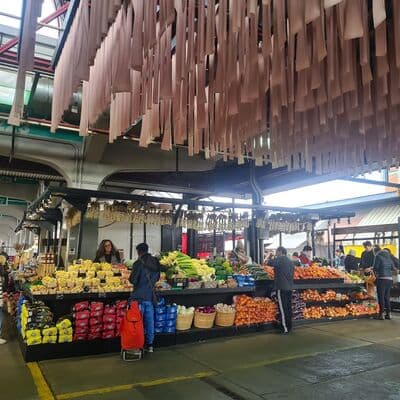
Choose your museum interest: art lovers should devote 3-4 hours to the Montreal Museum of Fine Arts (one of Canada's finest, $24 CAD), while families or science enthusiasts might prefer the Montreal Science Centre at the Old Port ($24 CAD adult). For something unique, OASIS Immersion offers spectacular digital art installations in a converted grain silo ($35 CAD, book ahead for popular exhibitions). Late morning or after your museum, head to Jean-Talon Market in Little Italy - one of North America's great public markets. This isn't a tourist market; it's where Montrealers actually shop. Sample local cheeses, grab a sandwich, browse the specialty food shops surrounding the market, and soak up the atmosphere. The market area makes an excellent lunch spot with its surrounding Italian cafés and delis.
Day 4: Olympic Park and Nature
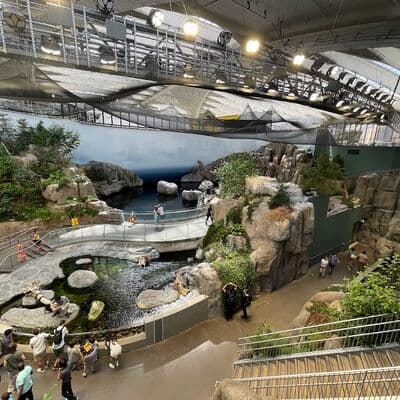
The 1976 Olympics left Montreal with distinctive architecture in the east end. The Olympic Stadium and Montreal Tower remain polarizing - some call it visionary, others an expensive white elephant - but riding the funicular up the inclined tower ($25 CAD) offers unique city views. Next door, the Biodome recreates four ecosystems under one roof - tropical rainforest, Laurentian forest, St. Lawrence marine, and sub-polar regions ($22 CAD). Combined tickets with the adjacent Botanical Garden ($38 CAD) make sense if weather cooperates. The Botanical Garden alone deserves 2-3 hours, particularly the Chinese and Japanese gardens. If you're visiting during the Lanterns Festival (September-October), return at night for a magical illuminated experience. This area is 20 minutes by metro from downtown - plan accordingly.
Day 5: Sacred Spaces and Local Life
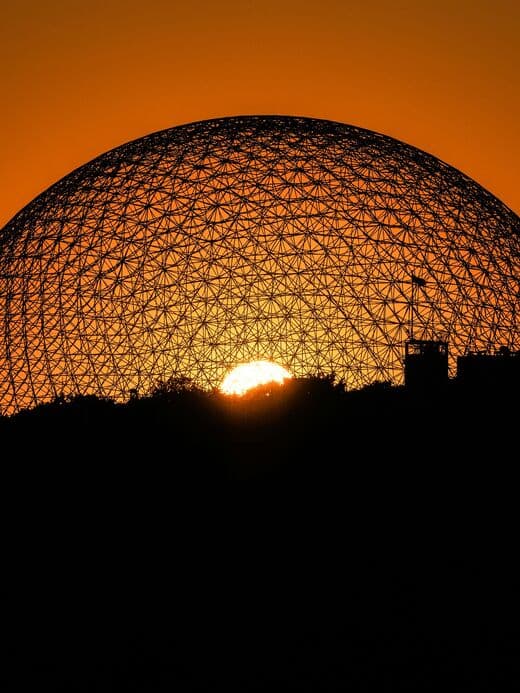
Visit Saint Joseph's Oratory, the massive hilltop basilica that's one of the world's largest churches. Beyond the architecture and views, the site holds genuine spiritual significance - note the crutches left by pilgrims who claimed miraculous healing (whether you believe or not, it's fascinating). Free admission to the basilica, though the museum and dome access cost $8-12 CAD. Afterward, explore the surrounding Côte-des-Neiges neighborhood, one of Montreal's most diverse areas. Lunch options span the globe: Vietnamese pho, Ethiopian injera, Greek souvlaki, Lebanese mezze - all within blocks. Afternoon, consider exploring the Biosphere on Île Sainte-Hélène, the striking geodesic dome from Expo 67 now housing an environmental museum ($15 CAD). The surrounding Parc Jean-Drapeau offers beach access in summer and great skyline views.
Days 6-7: Day Trips and Deep Exploration
With additional days, consider these options: Quebec City makes an excellent day trip (2.5 hours by car, 3 hours by bus), offering even deeper French-Canadian history and the only walled city north of Mexico. The Laurentian Mountains (1-1.5 hours north) provide hiking in summer and skiing in winter, plus charming villages like Mont-Tremblant. Closer to town, spend a day exploring neighborhoods you missed - the Quartier des Spectacles entertainment district, Saint-Henri's emerging food scene, or the Sud-Ouest canal area with its cycling paths and converted industrial spaces. Use these extra days without rigid plans; some of Montreal's best experiences come from wandering a neighborhood you didn't expect to love.
Where to Eat: Restaurants and Cafes
Montreal punches far above its weight in dining. The city rivals New York and San Francisco for culinary creativity, yet prices remain remarkably reasonable. A serious tasting menu runs $120-180 CAD ($90-135 USD), while excellent casual meals cost $20-35 CAD. Here's how to approach the food scene:
Fine Dining Worth the Splurge
For special occasions, Montreal delivers. Joe Beef and its neighboring restaurants (Liverpool House, Vin Papillon) in Little Burgundy remain the city's most celebrated tables - rich, unapologetic cuisine celebrating Quebec ingredients. Expect to pay $150-200 CAD per person with wine, and book weeks ahead. Toqué! offers contemporary Quebec cuisine in a refined setting ($100-150 CAD), while newer spots like Mastard and Mon Lapin bring creative approaches to seasonal cooking. If you're serious about food, these experiences justify the investment.
Smart Mid-Range Choices
This is where Montreal truly excels. In the Plateau, restaurants like Provisions, Barcola, and Candide serve sophisticated food at $40-70 CAD per person - prices that would buy mediocrity in most major cities. Mile End offers inventive cooking at Manitoba and comfort elevated at Larry's. Little Italy's neighborhood restaurants (not the tourist-oriented ones on Saint-Laurent) serve excellent Italian at reasonable prices. One Montreal secret: many top restaurants offer reduced prices for early evening or bar seating - ask when booking.
Casual and Quick
For fast, excellent food: Schwartz's Deli for smoked meat sandwiches ($12-15 CAD, expect a line), any of the bagel shops in Mile End ($1.50 for fresh bagels), Ma Poule Mouillée for Portuguese grilled chicken in the Plateau ($18-25 CAD), or Dépanneur Le Pick Up for counter service with adventurous daily specials ($15-22 CAD). Chinatown, though small, has hidden gems for dim sum and soup dumplings. La Banquise in the Plateau serves poutine 24 hours with creative variations - essential after late nights, though locals argue better poutine exists elsewhere (Poutineville, Patati Patata).
Breakfast and Brunch
Montrealers take brunch seriously. Expect waits at popular spots on weekend mornings - Régine Café, L'Avenue, and Fabergé regularly have 30-60 minute waits by 11am. For breakfast without the scene, try Arthur's Nosh Bar in Mile End for Jewish deli breakfast ($18-25 CAD), or seek out neighborhood spots away from the Plateau crowds. Many excellent bakeries offer lighter options: Farine et Sel, Hof Kelsten, Guillaume.
Coffee Culture
Third-wave coffee arrived years ago and thrives. Crew Collective inhabits a stunning former bank building downtown - worth visiting for the architecture alone. Café Névé in Mile End, Paquebot in the Plateau, and Tommy in Saint-Henri represent the local roaster scene well. Expect $4-6 CAD for espresso drinks, with most cafés offering excellent pastries. Unlike some cities, café culture here welcomes lingering; laptops and long stays are normal.
Must-Try Foods in Montreal
Beyond restaurant recommendations, certain foods define the Montreal experience. Consider this a culinary checklist:
Poutine
The dish needs no introduction, but eating it in Quebec differs from elsewhere. Proper poutine uses fresh cheese curds that squeak against your teeth, hand-cut fries, and gravy made with real stock - not the soggy approximation you've had at 2am elsewhere. Start classic before trying loaded variations. Price: $8-15 CAD depending on toppings and venue. Best enjoyed late night or after physical activity when you can justify the indulgence.
Montreal Bagels
Smaller, denser, sweeter, and always wood-fired - Montreal bagels are their own category, distinct from New York style. The St-Viateur vs Fairmount rivalry runs deep and has no correct answer. Both bakeries operate 24 hours; buy bagels hot from the oven at 3am if you're out late. The sesame and poppy seed varieties are traditional. Eat them fresh and plain within hours of baking - they don't keep well, which is part of the charm. Cost: $1.50 each or around $8-10 CAD for a dozen.
Smoked Meat
Montreal's answer to pastrami, though locals will insist it's different (and they're right). Schwartz's Deli has served the stuff since 1928; the line down Saint-Laurent Boulevard is part of the experience. Order the smoked meat sandwich "medium" (the proper fat ratio) on rye with mustard - don't get fancy. Main Deli and Lester's offer alternatives without the tourist-heavy atmosphere. A sandwich runs $14-18 CAD and constitutes a full meal.
Tourtière
This traditional meat pie reflects French-Canadian heritage. Every family has their recipe, and debate rages about proper meat combinations (pork, beef, veal, game). You'll find it at traditional restaurants and grocery stores, especially around Christmas when it's absolutely essential. Not a daily eat, but worth sampling for cultural context.
Quebec Cheeses
Quebec's artisan cheese scene rivals Vermont's and parts of France. Jean-Talon Market offers excellent sampling opportunities. Look for Oka (the famous monastery cheese), Le Riopelle de l'Isle (triple-cream decadence), and various raw-milk varieties that can't legally cross into the US. Many fromageries offer tastings before you buy.
Sugar Shack Classics
If visiting during maple season (March-April), a cabane à sucre (sugar shack) excursion offers traditional feast including pea soup, baked beans, ham, eggs in maple syrup, and tire sur la neige (maple taffy on snow). Several operate year-round as restaurants serving the same menu. Sucrerie de la Montagne, about 45 minutes from the city, gives the full experience.
Montreal Secrets: Local Tips
Beyond the standard guidebook advice, here are insights that separate tourists from informed visitors:
BIXI Works for Visitors
Montreal's bike-share system covers the city extensively and works well for tourists. Day passes cost $6 CAD (single ride) or $20 CAD (24-hour unlimited 45-minute rides). From April through November, cycling between neighborhoods often beats the metro for speed and certainly beats it for scenery. The dedicated bike lane network is excellent by North American standards. Download the BIXI app, add a credit card, and you're mobile within minutes. Just remember: Montreal drivers are aggressive, so stay in bike lanes and stay alert.
The Underground City Strategy
The Underground City (RESO) connects 33 kilometers of tunnels linking metro stations, malls, offices, and hotels - mostly downtown. In summer, it's air-conditioned convenience; in winter, it's survival infrastructure. However, navigation is genuinely confusing. The networks around McGill and Place-des-Arts metros are most user-friendly. Don't expect clear signage or logical layouts - locals navigate by instinct built over years. Give yourself extra time when using it, and don't feel bad about emerging to street level when confused.
Festival Timing
Summer festivals are spectacular but require planning. Jazz Fest (late June-early July) offers mostly free outdoor shows alongside ticketed headline acts - arriving early secures good positions without paying. Comedy festival Just for Laughs (July) fills hotels and drives prices up; book accommodation months ahead. Grand Prix weekend (June) transforms downtown into a party - great atmosphere if you embrace it, avoid entirely if you want quiet. The Quartier des Spectacles entertainment district hosts most major events; check programming before your visit.
Cash and Cards
Montreal is largely card-friendly, but some beloved institutions remain cash-only or cash-preferred: Schwartz's, St-Viateur Bagels, and various dépanneurs (corner stores) and market vendors. ATMs charge $3-5 CAD fees at bank machines (Desjardins and major banks have the best rates). Tipping follows North American norms: 15-20% at restaurants, $1-2 per drink at bars.
Language Reality
Yes, French is official and dominant, but relax. Service workers in tourist areas speak English fluently. In more local neighborhoods, start with "Bonjour" and most people switch to English naturally if needed. Learning basic French phrases shows respect and generates goodwill, but you won't struggle practically. The exception: signage is French-only by law, so Google Translate helps for reading menus and directions.
Timing Your Days
Montreal operates later than some North American cities. Restaurants stay open past 10pm, bars until 3am (one of the latest in North America), and weekend brunch crowds don't peak until noon. Use this rhythm: sleep in, enjoy leisurely mornings, tackle attractions midday, dine at 8pm or later, and embrace nightlife if that's your thing. Conversely, early mornings are excellent for photography and attraction-free wandering.
Dépanneurs Are Useful
These corner stores (convenience stores in Quebec dialect) sell beer, wine, and basics until late hours. Useful for picking up drinks to enjoy in parks (legal in Montreal if you're eating food), grabbing snacks, or finding emergency supplies. They're everywhere and often have more character than chain alternatives.
Getting Around and Connectivity
From the Airports
Montréal-Trudeau International (YUL) sits 20 kilometers west of downtown. The 747 express bus runs 24/7 to downtown's Berri-UQAM station ($11.50 CAD, includes a one-day transit pass, 45-60 minutes depending on traffic). Taxis use fixed rates to downtown: $41 CAD flat rate. Uber and Lyft operate and typically cost $35-50 CAD depending on demand. The train project connecting the airport directly to downtown is under construction but won't help 2026 visitors yet. For very early or late flights, pre-book a taxi or shuttle through your hotel.
Metro and Buses
The STM metro system is clean, safe, and efficient - four lines covering central Montreal. Single rides cost $3.75 CAD; 10-ride passes ($32.50 CAD) or unlimited day passes ($11.50 CAD) save money with multiple trips. The metro runs approximately 5:30am to 12:30am (1am weekends). Bus networks extend coverage significantly; Google Maps integrates STM schedules well. Key tip: the metro gets hot in summer - no air conditioning in stations or older cars.
Walking
Central Montreal rewards walking. Old Montreal, the Plateau, Mile End, and downtown are all highly walkable neighborhoods. The distance from Old Montreal to the Plateau covers about 3 kilometers - an easy walk through interesting streets. Mount Royal's trails offer excellent urban hiking. Bring comfortable shoes and prepare for hills; Montreal isn't flat.
Driving
Honestly? Don't, unless you're doing day trips. Street parking requires decoding complex signage (tow zones, snow removal schedules, neighborhood permits), downtown parking runs $20-40 CAD daily, and traffic can be chaotic. If you must drive, note that right turns on red are illegal on the Island of Montreal - tourists get ticketed regularly for this. For day trips to the Laurentians or Quebec City, consider renting a car for those specific days rather than for your entire stay.
Connectivity
Canadian mobile data is expensive by international standards. If your home carrier doesn't include Canada in roaming, consider: eSIM services like Airalo or Holafly ($10-25 USD for short trips), prepaid SIM cards from Telus, Bell, or Rogers (available at the airport, around $40-60 CAD for tourist-friendly packages), or relying on widespread WiFi. Montreal offers free public WiFi in many areas including the Quartier des Spectacles, metro stations, and municipal buildings. Coffee shops almost universally offer free WiFi without time limits.
Getting Out of Town
For Quebec City, Orléans Express buses run frequently (3 hours, $40-60 CAD each way) from the Gare d'autocars downtown. VIA Rail trains offer a scenic alternative ($40-80 CAD, 3-3.5 hours). For the Laurentians, driving is most practical, though Galland buses serve Mont-Tremblant. Day tour operators offer packages to regional attractions if you'd rather not navigate logistics yourself.
Who Montreal Is For: Summary
Montreal is ideal for: Food lovers who want world-class dining without NYC prices. Francophiles seeking European atmosphere in North America. Festival enthusiasts visiting during summer months. Photography lovers who appreciate architectural variety and street art. Couples seeking romantic weekend escapes with excellent restaurants. LGBTQ+ travelers - Montreal ranks among North America's most welcoming cities with a vibrant Village neighborhood. Budget-conscious travelers who appreciate that quality and affordability coexist here.
Montreal might disappoint: Visitors expecting exclusively English environments - French dominance is real. Beach seekers - it's not that city. Those visiting in deep winter without proper cold-weather preparation. Travelers wanting everything within walking distance of one hotel - the neighborhoods spread across a large area. Those uncomfortable with nightlife culture - Montreal stays up late.
The bottom line: Montreal offers something increasingly rare - a genuine alternative to American urban experiences while remaining accessible. It rewards curious travelers who explore neighborhoods rather than checking attraction boxes, who eat where locals eat, and who embrace the bilingual, multicultural reality that makes this city unlike anywhere else on the continent.