Marsa Matruh
Marsa Matruh 2026: What You Need to Know
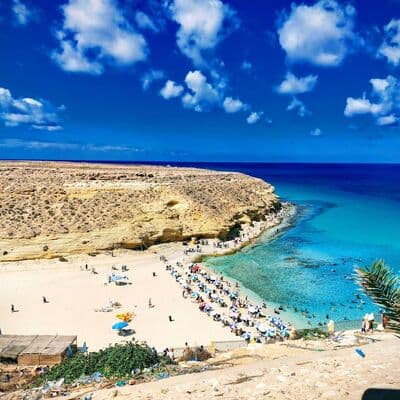
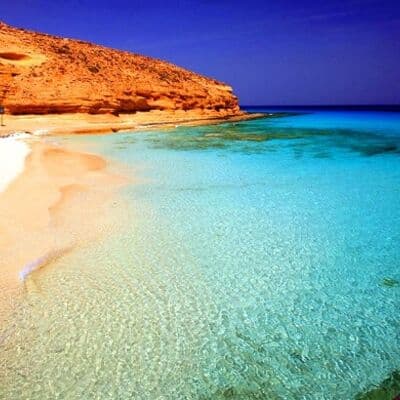
Marsa Matruh is Egypt's best-kept coastal secret - a Mediterranean beach town 290 kilometers west of Alexandria that most international tourists have never heard of. While Hurghada and Sharm el-Sheikh pull in the Red Sea crowd, Matruh sits quietly on the northern coast with water so impossibly turquoise that first-time visitors genuinely stop and stare. This is not a polished resort destination. It is a real Egyptian summer town with all the charm and rough edges that implies.
Quick answer: Marsa Matruh is a Mediterranean beach city in northwestern Egypt known for crystal-clear turquoise lagoons, dramatic cliff-backed coves, and a relaxed atmosphere far from typical tourist circuits. Visit between May and October, budget 3 to 7 days, and expect an authentic Egyptian experience with beaches rivaling Greece or Turkey - at a fraction of the cost.
The city works brilliantly for beach lovers, couples seeking something off the beaten path, and families with older kids. The beaches west of town - Agiba Beach, El Gharam Beach, El Obayed Beach - are legitimately world-class, with rock formations and water colors that look photoshopped.
The honest downsides: Outside summer, much of the town shuts down. Nightlife is nonexistent. English is not widely spoken. And in peak July-August, Egyptian families flood the town, pushing prices up and beach space down. But time it right and Matruh delivers an experience you cannot get anywhere else in Egypt.
Marsa Matruh Neighborhoods: Where to Stay
Where you base yourself matters. The city stretches along the coast, and the character changes dramatically by section.
The Corniche (City Center)
The main waterfront boulevard and heart of Matruh. Most mid-range hotels line the Corniche, walking distance to restaurants and Marsa Matruh Main Beach. The bay is sheltered and calm. The trade-off is noise: Egyptian summer means late nights, honking, and music until the small hours. Expect 800 to 2,500 EGP ($16 to $50 USD) per night. Best for convenience.
Iskandreya Street Area
A few blocks from the waterfront, the streets around Iskandreya Street feel like the real Matruh. Best street food, lowest prices, local markets. Accommodation is budget hotels and guesthouses, 400 to 1,200 EGP ($8 to $24 USD) per night. You are a 10-minute walk from the beach. Suits budget travelers who value authenticity.
Cleopatra Area
East of center, near the natural rock pool called Cleopatra's Bath. Slightly quieter with better views. The Graeco-Roman Tombs are nearby. Prices: 1,200 to 3,000 EGP ($24 to $60 USD) per night. Good for couples wanting a balance of quiet and accessibility.
Rommel Beach Area
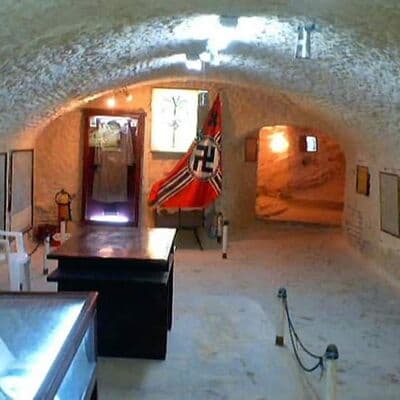
Western edge of the city, near Rommel Beach and the Rommel Cave Museum. Peaceful, less developed, fewer options: 600 to 1,800 EGP ($12 to $36 USD). Walk to the museum in minutes, city center in 20 minutes. Good if you prioritize quiet mornings.
Almaza Bay (37 km East)
A master-planned resort development with upscale beach clubs, international restaurants, and polished service. Rates start around 5,000 EGP ($100 USD) per night. The downside: far from real Matruh and the spectacular western beaches. Choose only if you want a contained resort experience.
Western Coast (Obayed, Agiba, Gharam)
The most stunning beaches - El Obayed, Agiba, El Gharam - are 20 to 28 km west. Wild, undeveloped, breathtaking. Accommodation is almost nonexistent: a few eco-camps and Bedouin guesthouses in summer. For adventurous travelers only.
Best Time to Visit Marsa Matruh
The Sweet Spot: May to Mid-June and September to Mid-October
These shoulder months are when Matruh is at its best. Temperatures around 25 to 30C (77 to 86F), warm sea, and crucially - no crowds. Hotels drop prices 30 to 50 percent. You can visit Agiba Beach on a May morning entirely alone. Late May in particular combines warm weather with empty beaches - the best two weeks of the year.
Peak Season: July and August
Egypt goes to the beach. Matruh transforms into a buzzing summer destination packed with families from Cairo and Alexandria. Prices double or triple. Main Beach gets crowded. The upside? Infectious energy, multiplying street food stalls, and vibrant evening promenades. Book 3 to 4 weeks ahead. Visit western beaches on weekday mornings to beat day-trippers.
Off-Season: November to April
Skip it. Most hotels close, restaurants shut, beaches are windswept and cold (water 15 to 18C). The town feels desolate. No cultural attraction justifies a winter visit alone.
Watch Out for Eid
If Eid al-Fitr or Eid al-Adha falls in summer, expect massive surges for 4 to 5 days. Prices spike, availability vanishes, even western beaches get busy. Check the Islamic calendar before booking.
Marsa Matruh Itinerary: 3 to 7 Days
3 Days: The Essential Matruh
Day 1 - City and Main Beach. Settle in, walk the Corniche, lunch at a fish restaurant near the port. Afternoon swim at Marsa Matruh Main Beach - shallow, sheltered, perfect for easing in. Late afternoon, taxi (30-50 EGP) to Rommel Cave Museum, the caves Field Marshal Rommel used as WWII headquarters. Entry ~60 EGP, 30-45 minutes. End with a sunset walk along Rommel Beach.
Day 2 - Western Beaches. The day you came for. Hire a taxi for a half-day tour: 400-600 EGP ($8-12) round trip with waiting. Leave by 8:30 AM. First stop: El Obayed Beach (20 km west) - a wide crescent of white sand with Maldives-blue water. Continue to El Gharam Beach, an intimate cove framed by golden cliffs (the name means "Love Beach"). Final stop: Agiba Beach, the star - a small cove accessed by cliff-cut stairs, with rock arches and crystal water. Arrive before 10 AM; by noon it gets busy. Bring snacks and water.
Day 3 - History and Markets. Morning at Graeco-Roman Tombs, carved rock tombs dating back over two millennia. Then wander markets near Iskandreya Street for dates, olive oil, Bedouin handicrafts. Final seafood lunch before departure.
5 Days: Adding Depth
Day 4 - Water Sports and Umm El-Rakham Beach. Rent snorkeling gear (100-200 EGP/day) or kayaks (150-300 EGP/hour) along the Corniche. Rocky areas near Umm El-Rakham offer decent Mediterranean snorkeling - do not expect Red Sea coral, but visibility is excellent. Nearby ruins of an ancient Egyptian fortress are worth a quick look. Evening: arrange a Bedouin experience in the desert south of town - tea over open fire, grilled dinner, stories under spectacular stars. Around 500-1,000 EGP ($10-20) per person including transport.
Day 5 - Revisit Favorites. Most visitors return to Agiba Beach at sunrise - having the entire cove to yourself is transcendent. Or explore the eastern coast toward Almaza Bay, stopping at unnamed beaches that are beautiful and empty. Final sunset walk along the Corniche.
7 Days: The Complete Northwest Egypt
Days 6-7 - Siwa Oasis Excursion. Siwa is 300 km south (4-5 hours by car/bus) - one of Egypt's most magical places. A lush oasis surrounded by Western Desert, with ancient ruins, natural springs, salt lakes, and unique Berber culture. Two-day trips through hotels run 3,000-5,000 EGP ($60-100) per person. Public buses cost 150-200 EGP each way but schedules are unreliable. Visit the Oracle Temple (where Alexander the Great sought divine confirmation), swim in Cleopatra Spring, take a sunset 4x4 into the Great Sand Sea. Stay in a traditional kershef eco-lodge. Return Day 7 for departure.
Where to Eat: Restaurants and Cafes
Street Food (20-80 EGP / $0.40-$1.60 per item)
Streets around Iskandreya Street are your best bet. Koshari (rice, lentils, pasta, spicy tomato sauce) runs 20-40 EGP - a full meal. Hawawshi (spiced meat in flatbread) costs 30-60 EGP. Kebda (liver sandwiches - better than they sound) go for 25-40 EGP. Fresh sugarcane juice is everywhere at 10-20 EGP. Look for stalls with high turnover and local crowds.
Local Fish Restaurants (150-400 EGP / $3-8 per person)
Where Matruh truly shines. Near the port and along the Corniche: walk up to the fish display on ice, choose what you want, agree on price per kilogram (150-300 EGP/$3-6 depending on type), specify grilled (mashwi), fried (ma'li), or tagine (tajin). Served with rice, salad, tahini, and bread. Red mullet (barbouni), sea bass (a'rous), and shrimp (gambari) are local specialties. Dinner for two: 400-800 EGP ($8-16). Always agree on price before they cook.
Mid-Range (200-600 EGP / $4-12 per person)
Kamona on the Corniche: reliable grilled meats and seafood, waterfront seating, 300-500 EGP per person. Hosny BBQ for grilled chicken, kofta, and kebab - generous portions, excellent grill work, 200-400 EGP. Both cash-only.
Upscale at Almaza Bay (500-2,000+ EGP / $10-40+)
For a splurge: Corallo (Italian seafood), Cookery Co (comfort food, decent cocktails), Makai Tukai (pan-Asian - surprisingly good), Morgana (beach club, Mykonos vibes). These are genuinely good restaurants, not just "good for Egypt," but cater primarily to Egypt's upper class.
Cafes and Breakfast
Egyptian breakfast (fool, ta'ameyya, eggs, cheese, bread, tea) at small cafes: 50-100 EGP ($1-2). Matruh has no specialty coffee scene. You will find Nescafe at most cafes and Turkish coffee (ahwa) at traditional coffeehouses. A few newer Corniche cafes serve passable espresso for 40-80 EGP. Honestly, sitting with ahwa and shisha in a plastic chair watching the sea is more enjoyable than chasing a decent flat white.
Must-Try Food in Marsa Matruh
1. Sayadeya (Fisherman's Rice) - Rice cooked in caramelized onion and fish stock, topped with grilled fish. The signature coastal dish. 120-250 EGP ($2.50-5) at any fish restaurant.
2. Koshari - Egypt's carb-on-carb masterpiece: rice, lentils, macaroni, chickpeas, crispy onions, spicy tomato sauce. Street carts, 20-40 EGP. Entirely vegan.
3. Fatta - Layers of crispy bread, rice, and slow-cooked lamb in garlic-vinegar broth. A celebration dish. 80-180 EGP at local restaurants.
4. Molokhia - Thick green soup from jute leaves over rice with chicken. The viscous texture surprises some, but the earthy garlic flavor wins converts. 60-120 EGP everywhere.
5. Kirsha - Slow-cooked tripe stuffed with spiced rice. A Bedouin specialty not always on menus - ask. 80-150 EGP. Genuinely excellent if you enjoy offal.
6. Bedouin Couscous - Coarser grain than North African versions, simply seasoned, served with lamb or goat stew. Best experienced at a Bedouin evening rather than in restaurants.
7. Om Ali - Puff pastry soaked in sweetened milk with nuts and raisins, baked golden. Egypt's answer to bread pudding. 40-80 EGP. Best warm, by the sea, after a beach day.
8. Basbousa - Semolina cake in sugar syrup with almonds. Sweet shops everywhere, 10-30 EGP per piece. Dangerously addictive.
9. Sahlab - Warm milky drink thickened with orchid root, topped with cinnamon and nuts. 30-60 EGP. Comforting, unusual, uniquely Middle Eastern.
10. Qamar el-Din - Thick sweet apricot juice from dried paste. Refreshing and more interesting than it sounds. 15-30 EGP from juice stands.
Vegetarian note: Egyptian cuisine is surprisingly plant-friendly. Koshari, fool, ta'ameyya (falafel made with fava beans), and most salads are naturally meat-free.
Tourist trap warning: Avoid restaurants aggressively touting on the Corniche with laminated photo menus in multiple languages. Look for places where locals eat - your phone's camera translator handles Arabic menus fine.
Local Secrets and Tips
1. Visit in late May. Warm enough to swim, beaches are empty, prices are low, the light is extraordinary. The best two weeks of the Matruh year.
2. Haggle everywhere except restaurants. Taxis, souvenirs, markets - negotiation is expected. Start at 50% of asking price. Do it with a smile.
3. Get to Agiba Beach before 9 AM. By late morning, tour groups arrive. Early morning Agiba with low sun on turquoise water is one of Egypt's most beautiful sights.
4. Cash is king. Card payment is rare outside Almaza Bay. ATMs exist but can run dry on weekends. Bring more Egyptian pounds than you think you need.
5. Bottled water only. Tap water is treated but tastes of minerals and chlorine. Bottled is 5-10 EGP for 1.5 liters everywhere.
6. Dress modestly in town. Swimwear is fine on the beach, but cover shoulders and knees when in markets, restaurants, or streets. You will get less unwanted attention and more genuine warmth.
7. Sunset from El Gharam Beach. West-facing cliffs, golden light on limestone reflected in turquoise water. Arrive 45 minutes early to claim a spot on the rocks above.
8. Learn five Arabic words. Shukran (thanks), min fadlak (please), la (no), aiwa (yes), bikam (how much). Locals light up when foreigners try, and you will notice the difference in service and prices.
9. Fix taxi fares before riding. No meters. State destination, agree on price. City rides: 30-80 EGP. Western beaches: 200-400 EGP one way. Walk away if the first quote is high; prices drop fast.
10. Skip Friday mornings for shopping. Shops open late after Friday prayers (around 1-2 PM). Plan market visits for other days.
11. Tip modestly but consistently. Restaurants: 10-15%. Taxis: round up. Helpful strangers: 20-50 EGP. Do not overtip - it creates inflation for future visitors.
12. Bring mosquito repellent. Mosquitoes appear at dusk near calm water. DEET-based repellent from home works best; local brands are weaker. A plug-in device for your room helps too.
Transport and Communication
Getting to Marsa Matruh
By air: Matruh Airport (MUH) is 3 km from center. EgyptAir runs seasonal flights from Cairo (~1 hour, 1,500-4,000 EGP / $30-80 each way). Summer only; winter service may stop. Airport taxi: 50-100 EGP, 10 minutes.
By bus from Cairo: West and Mid Delta buses from Abdel Moneim Riyad station (behind Egyptian Museum, Tahrir) and Torgoman station. Journey: 4.5-5.5 hours. Tickets: 200-400 EGP ($4-8). Comfortable, punctual. Superjet offers premium service. Book ahead in summer, especially Thursday evenings.
By train: Daily services from Cairo Ramses Station, 7-8 hours. First class: 150-250 EGP ($3-5). The overnight sleeper saves a hotel night. Trains are slower than buses but the Mediterranean coast views in the final two hours are spectacular. Station is centrally located.
By car: 470 km via Cairo-Alexandria Desert Road then coastal highway, 4-5 hours in good traffic. Roads are generally good. Fuel is cheap (~12.5 EGP/$0.25 per liter). Having a car is the best way to explore western beaches independently.
From Alexandria: 290 km west, 3-3.5 hours by bus or car. Frequent summer buses from Moharam Bey station, 120-250 EGP. The route passes El Alamein (worth a WWII history stop).
Getting Around
Taxis: Small unmarked sedans - flag one down or find them near the Corniche. Always agree on price first. City rides: 30-80 EGP. Half-day western beach tour: 500-800 EGP ($10-16) for 4-6 hours including waiting.
Microbuses: Shared minivans along main routes, 5-10 EGP. Cheap but confusing without Arabic. Ask your hotel about relevant routes.
Car rental: 800-1,500 EGP ($16-30) per day. International license technically required. Makes a huge difference for exploring western beaches and the Siwa road.
Walking: City center is walkable and pleasant. Western beaches are too far (20-28 km). Summer heat makes even moderate walks tiring after 11 AM. Carry water and sun protection.
Communication
SIM cards: Vodafone, Orange, or Etisalat shops in town. Bring passport. Tourist SIM: 200-400 EGP ($4-8) for 10-20 GB / 30 days. Good city coverage, patchy but functional at western beaches.
eSIM: Airalo or Holafly - buy before arrival, skip the telecom queue. Data-only starting ~$5-10 for 1-5 GB.
WiFi: Free at most hotels, variable speeds. Mobile data is more reliable for anything important.
Apps: Google Maps works well. Google Translate camera mode is invaluable - download Arabic offline pack before arriving. Uber and Careem do not operate in Matruh - traditional taxis only.
Who Marsa Matruh Is For: Summary
Marsa Matruh is ideal for travelers who want stunning Mediterranean beaches without Southern European crowds and prices, who are interested in authentic Egyptian culture beyond the tourist trail, and who are comfortable with natural beauty over polished infrastructure. It works for beach-loving couples, adventurous friend groups, and families with older children.
It is not for nightlife seekers, diving enthusiasts (that is the Red Sea), winter sun chasers (the town shuts down November through April), or anyone needing everything in English and neatly organized.
Minimum: 3 days for highlights. Optimal: 5 days to properly relax and explore. Maximum useful: 7 days including Siwa Oasis, after which you will have seen everything the region offers.