Mahé
Mahe 2026: What to Know Before You Go
Mahe is the largest island in the Seychelles archipelago, home to about 90% of the country's population and the only international airport. This is where most travelers begin and end their Seychelles journey, though many make the mistake of treating it as merely a transit point. After spending three weeks exploring every corner of this island, I can tell you that Mahe deserves far more than a rushed overnight stay.
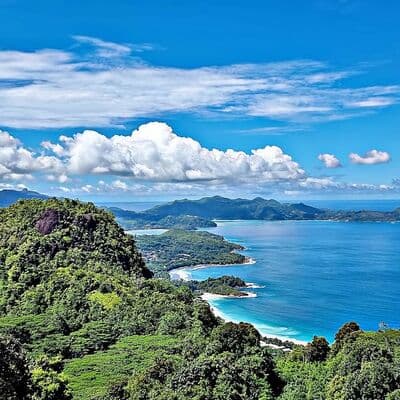
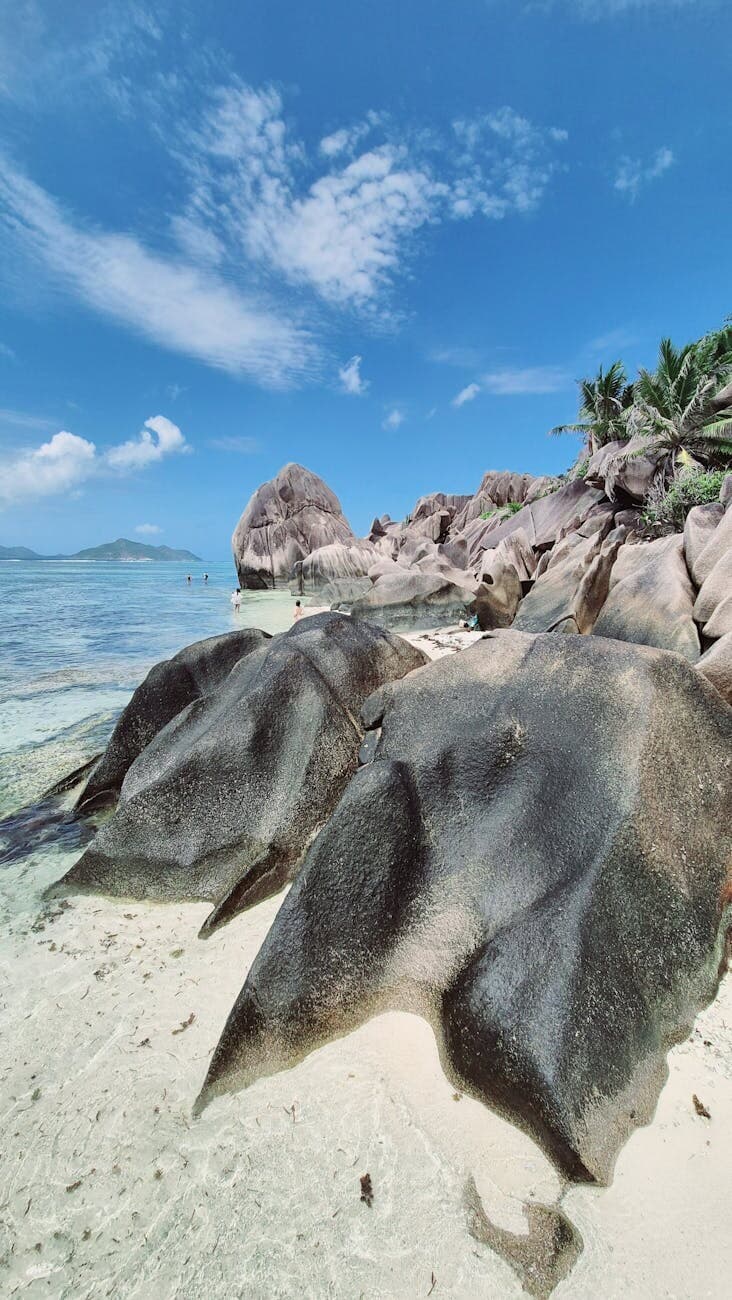
The island measures just 27 kilometers long and 8 kilometers wide, yet packs an astonishing diversity of landscapes. You'll find over 65 beaches, granite peaks rising to 905 meters, colonial architecture, Creole villages, and some of the most pristine marine environments in the Indian Ocean. Unlike the Maldives or Mauritius, Seychelles never developed mass tourism infrastructure, which means you won't find endless resort strips or crowds fighting for beach space.
What surprised me most was how affordable Mahe can be compared to its reputation. Yes, imported goods cost a fortune, and resort restaurants will drain your wallet fast. But local guesthouses run $80-150 per night, takeaway Creole meals cost $5-8, and buses charge just $0.50 per ride anywhere on the island. The secret is living like a local rather than a resort guest, and Mahe makes this easier than any other Seychelles island.
Mahe Neighborhoods: Where to Stay
Choosing where to base yourself on Mahe significantly impacts your experience. Each area has distinct character, price points, and practical considerations. Here's my honest breakdown after staying in all major zones.
Beau Vallon: The Tourist Hub
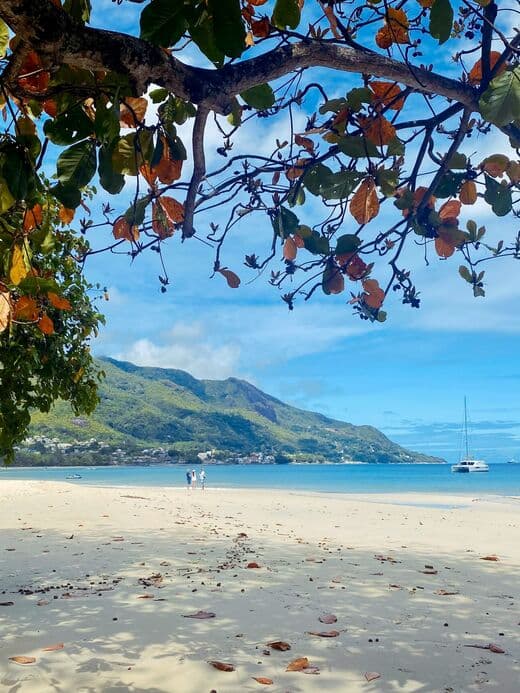
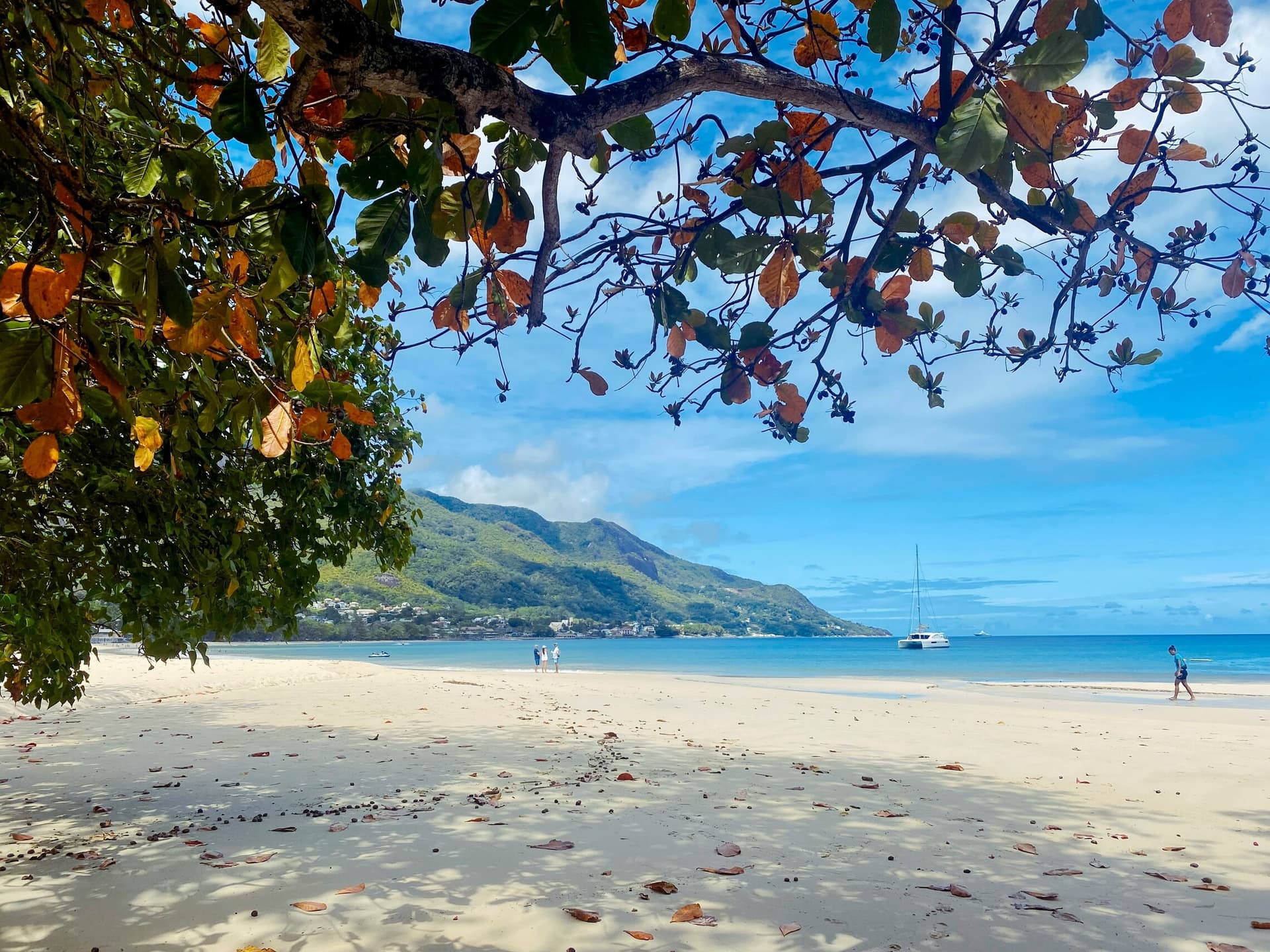
Beau Vallon Beach is the most developed tourist area on Mahe, stretching along a 2-kilometer crescent of calm, swimmable water. This is where you'll find the highest concentration of hotels, restaurants, dive shops, and water sports operators. The beach faces west, delivering spectacular sunsets that draw crowds every evening.
Accommodation ranges from budget guesthouses at $70-100 per night to luxury resorts exceeding $500. The mid-range sweet spot sits around $120-180 for clean, comfortable rooms with air conditioning and sometimes a pool. Walking along the beach path, you can reach restaurants, minimarts, banks, and car rental offices within minutes.
The downsides? Beau Vallon feels the most touristy and least authentically Seychellois. Prices run 20-30% higher than elsewhere on the island. On weekends, local families pack the beach, which is charming but means less solitude. If you want the classic tropical beach vacation with convenience, this works perfectly. If you're seeking seclusion or authentic local atmosphere, look elsewhere.
Victoria and the Northeast
Victoria, the world's smallest capital city, offers a completely different Mahe experience. Staying here puts you within walking distance of the Sir Selwyn Selwyn-Clarke Market, colonial architecture, local restaurants, and practical services. The Seychelles National Botanical Gardens sits just a short taxi ride away.
Accommodation options in Victoria tend toward business hotels and simple guesthouses, typically $60-120 per night. You won't have beach access, but you'll experience actual Seychellois daily life: morning market runs, after-work gatherings at local bars, weekend church services. For photographers and culture-focused travelers, Victoria provides endless material.
The northeast coast beyond Victoria includes areas like Glacis and North East Point, offering quieter beaches and mid-range resorts. This zone provides a reasonable balance between accessibility and tranquility, with Victoria's services just 10-15 minutes away by car.
The South Coast: Dramatic and Secluded
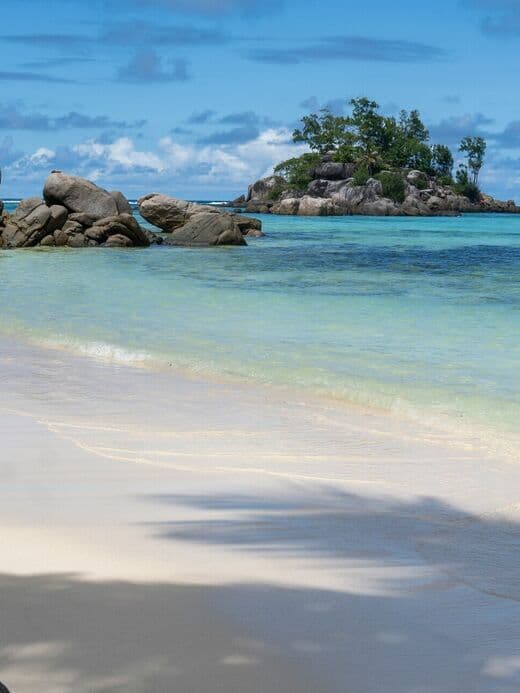
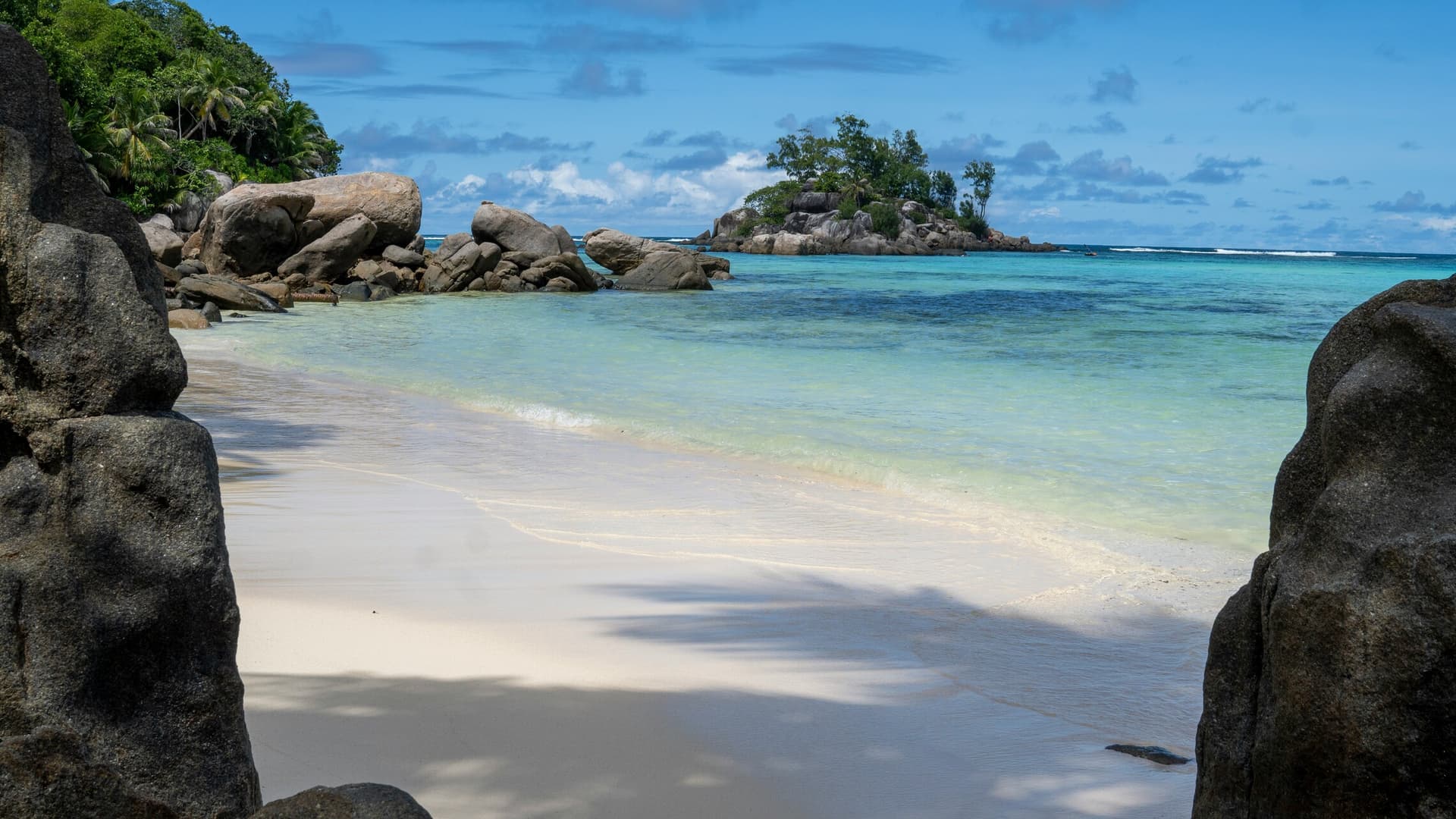
Mahe's southern tip contains some of the island's most spectacular scenery and least crowded beaches. Anse Intendance Beach ranks among the most beautiful in the world, a wild stretch of powder sand backed by coconut palms and jungle-covered hills. The waves here can be powerful, making it better for photography and surfing than calm swimming.
Accommodation in the south tends toward extremes: either ultra-luxury resorts like Banyan Tree and Four Seasons (starting around $800 per night) or simple guesthouses in villages like Takamaka ($50-90). The area feels genuinely remote despite being only 30-40 minutes from the airport. Restaurants are scarce, so you'll either eat at your hotel or drive to find dinner.
I recommend the south for couples seeking romance, photographers chasing dramatic landscapes, or travelers who prioritize natural beauty over convenience. Families with young children may find the rough seas and limited dining options challenging.
East Coast: Local Life and Good Snorkeling
Anse Royale Beach anchors Mahe's east coast, offering calmer waters than the south and a more local atmosphere than Beau Vallon. The reef here provides decent snorkeling directly from shore, and several good restaurants line the coastal road. A university campus nearby means you'll see young Seychellois rather than just tourists.
Mid-range guesthouses and small hotels dominate this area, typically $80-140 per night. The east coast works well for travelers who want beach access without the Beau Vallon crowds, easy snorkeling, and proximity to hiking trails in the interior. Driving to Victoria takes about 25 minutes, and the south coast beaches are within easy reach.
West Coast: Hidden Gems
The western coastline between Victoria and the southern tip includes several small bays and villages that most tourists never discover. Areas like Port Glaud and Grande Anse offer empty beaches, local fishing communities, and genuine tranquility. Accommodation is limited but affordable, mostly family-run guesthouses charging $50-100.
The west coast suits adventurous travelers comfortable renting a car and exploring independently. Public transport exists but runs infrequently. You'll need to drive for restaurants, groceries, and activities, but you'll have beaches largely to yourself and pay significantly less than in tourist zones.
Best Time to Visit Mahe
Seychelles sits close to the equator, meaning temperatures stay warm year-round with relatively modest seasonal variation. However, the monsoon patterns create distinct periods that significantly affect your experience. After tracking weather data and talking with locals, here's my practical guidance.
The southeast monsoon runs from May through September, bringing drier conditions and stronger winds. This period works best for the west and north coast beaches, which remain sheltered. East-facing beaches can be rough and accumulate seaweed, particularly in July and August. Temperatures hover around 24-29 degrees Celsius, and rainfall drops to its annual minimum. This is technically the dry season, though brief showers still occur.
The northwest monsoon dominates from December through March, bringing calmer seas but more frequent rain. Showers typically arrive in dramatic afternoon bursts rather than all-day drizzle, leaving mornings clear for activities. The south coast beaches shine during this period, with glassy water and minimal wind. Humidity runs higher, and some days feel genuinely sticky.
The transition months of April, October, and November often deliver the best overall conditions: calm seas on all coasts, moderate rainfall, and pleasant temperatures. These months see somewhat lower tourist numbers than peak season, meaning better availability and occasionally lower prices.
Peak tourist season runs from December through January and again during European summer holidays in July and August. During these periods, the best hotels book months in advance, rental cars become scarce, and prices increase by 20-40%. If your schedule allows flexibility, visiting during shoulder months saves money and reduces crowds without sacrificing weather quality.
One important consideration: Seychelles experiences occasional cyclone effects from December through March. The islands sit south of the main cyclone belt, so direct hits are extremely rare, but associated weather systems can bring several days of rain and rough seas. Travel insurance covering weather disruptions makes sense for this period.
Mahe Itinerary: 3 to 7 Days
How long should you spend on Mahe? Most island-hoppers allocate just 1-2 nights, treating it as a gateway to Praslin and La Digue. That's a mistake. Mahe rewards extended exploration with experiences you simply can't find on the smaller islands. Here's how I'd structure various trip lengths.
Three Days: The Essential Highlights
Day 1: Victoria and the North
Start your morning at the Sir Selwyn Selwyn-Clarke Market by 8:00 AM, when fishermen deliver the overnight catch and farmers arrive with fresh produce. Spend an hour wandering the stalls, sampling tropical fruits, and photographing the colorful chaos. Grab breakfast at a market food stall: fish curry with rice costs about $4 and provides an authentic introduction to Creole cuisine.
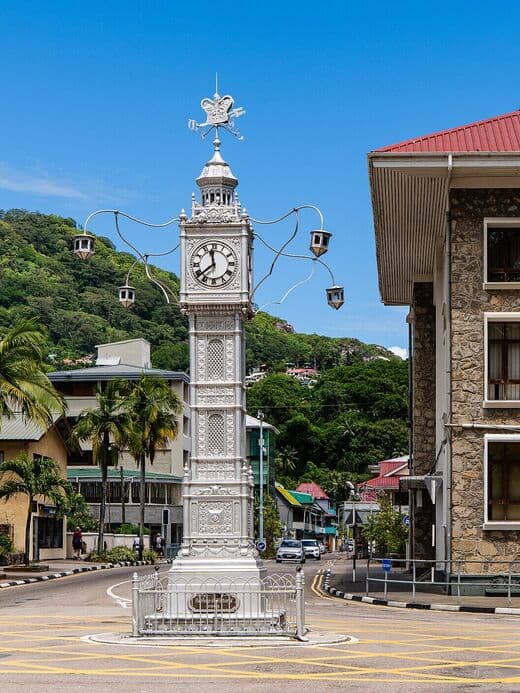
Walk through Victoria's compact downtown, photographing the clock tower, Hindu temple, and colonial shopfronts. By 10:00 AM, head to the Seychelles National Botanical Gardens to see giant tortoises, coco de mer palms, and fruit bats. Plan 1.5-2 hours here, including a stop at the excellent on-site cafe.
After lunch, drive to Beau Vallon Beach for your first proper beach time. Rent snorkeling gear ($10-15 for the day) and explore the reef at the northern end. As sunset approaches, grab a table at one of the beachfront restaurants and watch the sky turn orange over the Indian Ocean.
Day 2: Southern Exploration
Leave early, around 7:30 AM, to beat the heat on the scenic drive south. Stop at the Mission Lodge viewpoint for panoramic photos across the central mountains. Continue to Anse Intendance Beach, arriving by 9:00 AM when the light is magical and the beach is empty. Spend 2-3 hours here, swimming in the shallows if conditions permit or simply absorbing the extraordinary beauty.
For lunch, drive to Takamaka village and eat at a local restaurant serving grilled fish with Creole sauce. The portions are enormous and prices reasonable at $12-18 per person. After lunch, explore nearby Police Bay or Anse Bazarca, two more beautiful southern beaches that see few visitors.
Return via the west coast road, stopping at Anse Soleil around 4:00 PM for sunset drinks at the charming beach restaurant. This small bay offers excellent swimming and a relaxed vibe far removed from tourist crowds.
Day 3: Marine Adventure
Book a boat trip to Sainte Anne Marine National Park, departing from Victoria harbor around 9:00 AM. The half-day excursion includes snorkeling over coral gardens, a stop at one of the marine park islands, and often a Creole lunch. Expect to pay $80-120 per person for quality tours with small groups. The marine park offers Mahe's best snorkeling, with healthy coral and abundant fish in protected waters.
Return to shore by early afternoon and spend your remaining hours at Anse Royale Beach, which offers good snorkeling directly from shore and several restaurants for a farewell dinner.
Five Days: Adding Depth
Day 4: Mountain Hiking
The interior of Mahe contains pristine tropical forest protected within Morne Seychellois National Park. Start the Copolia Trail by 7:00 AM to avoid the midday heat. This moderate 2-hour hike climbs through forest to a granite plateau with spectacular views. Bring at least 2 liters of water and wear proper shoes.
After descending, cool off at Port Launay Marine Park, a calm bay perfect for swimming and beginner snorkeling. Pack a picnic lunch or eat at the nearby Constance Ephelia resort's casual beach restaurant. Spend the afternoon relaxing before an early dinner.
Day 5: Local Immersion
Rent a car and spend the day exploring villages and beaches that organized tours skip. Drive the east coast road, stopping at Anse aux Pins craft village to watch local artisans work. Continue to Anse Forbans, a quiet beach popular with local families on weekends but often empty during the week.
Have lunch at a roadside takeaway stall: grilled fish, breadfruit chips, and fresh coconut water for under $10. In the afternoon, visit La Marine art gallery in Anse aux Pins, showcasing Seychellois artists. End the day at Anse Royale for sunset and dinner at Kaz Kreol restaurant.
Seven Days: The Complete Experience
Day 6: Water Activities
Book a diving excursion if you're certified, or try an introductory dive with one of Beau Vallon's PADI shops. Morning dives typically depart at 8:00 AM and return by noon. Expect to pay $80-100 for a two-tank dive including equipment. The granite boulder formations and fish life around Mahe compare favorably to more famous dive destinations.
Alternatively, rent kayaks or stand-up paddleboards at Beau Vallon ($15-25 per hour) and explore the coastline independently. Paddle north toward Bel Ombre, where you might spot sea turtles in the clear water.
Day 7: Flexible Discovery
Use your final full day to revisit favorite spots or explore areas you missed. I recommend a morning at Anse Major, accessible only by boat or a 45-minute hike from Bel Ombre. This remote beach feels like a castaway fantasy, with turquoise water and zero development.
In the afternoon, do last-minute shopping for vanilla, cinnamon, and local crafts in Victoria. Have a farewell dinner at a restaurant you've been wanting to try, and toast to your Mahe memories with a glass of local Takamaka rum.
Where to Eat: Restaurants and Cafes
Mahe's dining scene reflects the island's Creole heritage and practical realities: fresh seafood dominates, imported ingredients cost a fortune, and the best meals often come from the humblest settings. Here's where locals actually eat and where visitors find memorable experiences.
Budget Dining
Takeaway stalls scattered across the island offer the best value on Mahe. Look for hand-painted signs saying "takeaway" near schools, markets, and village centers. A full meal of fish curry, rice, lentils, and chutney costs $5-8. The quality varies, but the good spots attract lines of locals during lunch hour, which is your quality indicator.
In Victoria, the market food stalls serve breakfast and lunch to office workers and shoppers. Arrive before noon for the best selection. Marie Antoinette restaurant near Victoria offers set Creole menus in a colonial house setting, costing around $30 per person for an authentic feast.
Beau Vallon has several pizza and pasta restaurants catering to tourists, with mains running $12-18. The quality is acceptable but unremarkable. Better to spend slightly more at a proper Creole restaurant than settle for mediocre Italian.
Mid-Range Restaurants
La Plage at Beau Vallon serves excellent grilled seafood right on the sand. Expect to pay $25-40 per person for a full meal with drinks. The setting alone justifies the price, watching the sunset while eating fresh-caught fish. Reservations recommended for dinner, especially on weekends.
Boat House at Beau Vallon delivers consistent quality with a varied menu beyond just Creole dishes. The seafood platter for two at $60 provides excellent value and quantity. Service can be slow during busy periods, so don't arrive starving.
Anse Soleil Cafe combines a stunning beach location with surprisingly good food at reasonable prices. The grilled fish with Creole sauce at $20 rivals versions at much pricier establishments. The only downside is the access road, which challenges rental car suspensions.
Kaz Kreol at Anse Royale sits in a traditional wooden house with garden seating. The octopus curry and fish croquettes rank among my Mahe favorites. Prices run $20-35 per person for dinner with drinks.
Special Occasion Dining
The resort restaurants at Four Seasons, Banyan Tree, and other luxury properties offer refined cuisine at prices to match: expect $80-150 per person minimum. These work for celebrations or when you want air conditioning and polished service. The food is generally excellent, drawing on imported ingredients and trained chefs, but lacks the character of local restaurants.
Del Place at Beau Vallon provides an upscale dining experience without resort prices. The tasting menu at around $70 showcases creative interpretations of Seychellois ingredients. Reservations essential, dress code smart casual.
Must-Try Food on Mahe
Seychellois cuisine reflects centuries of influences from Africa, India, China, France, and Britain, creating something genuinely unique. Here are the dishes and ingredients you should prioritize during your Mahe stay.
Seafood Essentials
Grilled Red Snapper with Creole Sauce: The signature Seychellois preparation involves fresh-caught snapper, often presented whole, grilled over charcoal and topped with a tomato-based sauce containing onions, ginger, garlic, and local chilies. Simple, satisfying, and available everywhere from market stalls to resort restaurants. The quality of the fish matters most, so eat at places with high turnover.
Octopus Curry: Tender octopus simmered in coconut milk with curry spices, often served with rice or breadfruit. The best versions achieve a melt-in-your-mouth texture that rewards patient cooking. Locals consider this a Sunday specialty, though restaurants serve it daily.
Fruit Bat Curry: Yes, this is real and traditional. Fruit bats, locally called flying foxes, are cooked in curry and considered a delicacy by older Seychellois. Finding this requires effort, as few restaurants serve it regularly. Ask at local takeaways if you're genuinely curious. The taste resembles dark poultry meat, and the experience is certainly memorable.
Creole Staples
Ladob: A traditional dessert made from ripe plantains and sweet potatoes cooked in coconut milk with vanilla, nutmeg, and sugar. The sweet version appears at festivals and family gatherings. A savory version using salted fish also exists and makes for interesting breakfast fare.
Breadfruit Chips: Sliced breadfruit deep-fried until crispy, served alongside meals or as a snack. When fresh from the fryer, these rival any potato chip you've tasted. Most takeaways include them automatically with fish dishes.
Coconut Curry: Whether made with fish, chicken, or vegetables, the Seychellois coconut curry base differs from Indian versions through the addition of local herbs and a gentler spice level. The creamy richness pairs perfectly with steamed rice, making this comfort food in tropical form.
Drinks and Treats
Fresh Coconut Water: Vendors along beaches and roadsides sell young green coconuts for $2-3, hacked open with a machete while you wait. The refreshment on a hot day is unmatched. After drinking, ask them to split it so you can eat the soft flesh inside.
Takamaka Rum: The local rum distillery produces several varieties, from white rum for mixing to aged versions suitable for sipping. The coconut rum makes excellent pina coladas, while the dark rum holds its own against Caribbean competitors. Factory tours run on weekdays and include tastings.
SeyBrew: The local lager won't win craft beer awards, but it's cold, crisp, and refreshing after a beach day. Every restaurant stocks it, and a bottle costs $3-5 depending on the establishment.
Local Secrets and Tips
Three weeks on Mahe taught me things that guidebooks miss and that even some locals don't advertise. These insights can significantly improve your experience if you're willing to venture beyond the obvious.
Timing and Crowds
Popular beaches like Beau Vallon empty dramatically between 10:00 AM and 3:00 PM on weekdays, when day-trippers haven't arrived and resort guests retreat to pools. If you can handle the midday sun with proper protection, this window offers near-private beach access. Conversely, weekend mornings see local families arriving early, transforming tourist beaches into vibrant community spaces worth experiencing.
The market in Victoria operates daily but peaks on Saturday mornings when farmers bring their best produce. Arriving at 6:30 AM lets you photograph the setup activity and buy before the crowds. By 10:00 AM, the best fish and produce are gone, and the heat becomes oppressive.
Money Matters
While hotels and major restaurants accept credit cards, many of the best local eateries and all roadside vendors operate cash-only. ATMs exist in Victoria, Beau Vallon, and at the airport, but occasionally run empty on weekends. Withdraw enough Seychellois rupees for several days of local expenses, keeping emergency euros or dollars as backup.
Tipping isn't culturally expected in Seychelles, but service workers certainly appreciate it given the high cost of living. Rounding up restaurant bills or leaving 10% for exceptional service is appropriate without being obligatory. At hotels, a few dollars for housekeeping daily makes a real difference to staff earning modest wages.
Practical Wisdom
Bring reef-safe sunscreen from home. The limited selection in Seychellois shops tends toward older formulations at inflated prices. SPF 50 and waterproof varieties are essential given the intense equatorial sun. Reapply frequently, especially after swimming, and don't underestimate cloudy days.
Mosquitoes exist but aren't the nightmare some travelers fear. The main beaches and developed areas have minimal problems, while forested interiors and still-water areas require repellent. Dengue fever occurs occasionally, so covering up at dawn and dusk in rural areas makes sense. Malaria is not present in Seychelles.
Water from the tap is technically safe but tastes heavily chlorinated. Most visitors stick to bottled water, which costs $1-2 for 1.5 liters at shops. Bringing a reusable bottle with a filter reduces plastic waste and saves money over a longer stay.
Cultural Considerations
Seychellois people are genuinely friendly and relaxed, reflecting the island's multicultural heritage and tourism-dependent economy. English is widely spoken alongside Creole and French, so language barriers rarely cause problems. However, the laid-back attitude extends to service speed: expect leisurely meals and flexible timing on informal activities. Rushing or complaining rarely improves matters and damages the pleasant atmosphere.
Dress codes are relaxed, but walking through Victoria in swimwear is frowned upon. A simple cover-up suffices for town visits. For church visits, covered shoulders and knees show respect. Beaches are universally casual, though topless sunbathing is technically illegal despite being occasionally ignored at secluded spots.
Transport and Getting Around
Mahe's compact size and developed road network make independent exploration straightforward, but understanding your options prevents frustration and unnecessary expense. Here's the complete transport picture.
Car Rental
Renting a car is the best way to explore Mahe thoroughly. Rates start around $40-50 per day for basic models and $60-80 for air-conditioned automatic vehicles. During peak season, booking several weeks ahead is advisable, as demand exceeds supply. Major international companies and local operators both serve the airport and main tourist areas.
Driving is on the left, British-style, which initially confuses American visitors. The roads twist through mountains and hug coastal cliffs, creating a spectacular but demanding driving experience. Narrow sections, blind corners, and the occasional wandering chicken require constant attention. I recommend starting with easier routes before attempting the challenging mountain crossings.
Fuel costs around $1.50 per liter, and the island's small size means you'll rarely spend more than $15-20 weekly on gas. Parking is generally easy outside Victoria, though the capital's limited spaces fill quickly on weekday mornings.
Public Buses
The SPTC bus network covers most of Mahe at remarkably low fares: just 7 rupees (about $0.50) for any journey. Buses run frequently on main routes between Victoria, Beau Vallon, and the airport, with service roughly every 15-20 minutes during daytime hours. Remote areas and Sunday schedules see reduced frequency.
For budget travelers comfortable with basic transportation, buses provide a legitimate way to explore the island cheaply. Air conditioning doesn't exist, and crowding occurs during school and work commute times. But you'll ride alongside locals, see the real Seychelles, and save hundreds of dollars over car rental. Google Maps shows bus routes and approximate schedules, though real-world timing varies.
Taxis
Taxis charge fixed rates between common destinations, with the airport to Beau Vallon running about $35 and Victoria to the southern beaches around $45. Meters don't exist, so agree on the price before departing. For single journeys, taxis cost less than a full day of car rental, but multiple trips quickly exceed rental prices.
Finding taxis outside tourist zones proves challenging, especially at night. Hotels and restaurants can call taxis, but wait times of 20-30 minutes aren't unusual. Having your driver's phone number for return trips prevents stranding.
Boats and Ferries
Cat Cocos and other ferry services connect Mahe to Praslin and La Digue if you're island-hopping. The journey to Praslin takes about an hour and costs $55-65 one way. Seas can be rough during the southeast monsoon, and seasickness affects many passengers. Motion sickness medication taken an hour before departure helps significantly.
Charter boats for marine park visits, fishing trips, and island excursions depart from Victoria harbor and several beach locations. Prices vary enormously based on boat type, duration, and group size. Expect $100-150 per person for standard group snorkeling tours or $400-600 for private half-day charters.
Domestic Flights
Inter-island flights between Mahe and Praslin take just 15 minutes and offer stunning aerial views of the archipelago. Fares run $80-120 one way, making flights competitive with ferries when you value time over money. The small aircraft and short runway create a memorable experience for aviation enthusiasts. Booking directly through Air Seychelles often beats third-party prices.
International Access
Seychelles International Airport on Mahe receives direct flights from major hubs including Dubai, Abu Dhabi, Doha, Addis Ababa, and several European cities. From the United States, connections through Middle Eastern hubs typically offer the best schedules, with total travel time around 20-24 hours depending on layover duration. British Airways operates seasonal direct flights from London, and multiple European carriers serve the route during peak tourist season.
Flight prices vary dramatically by season and booking timing. Expect $800-1200 roundtrip from London, $1200-1800 from New York, and $600-900 from Dubai. Setting price alerts several months before travel helps catch promotional fares that occasionally drop significantly below these ranges.
Who Should Visit Mahe: Final Thoughts
Mahe suits travelers seeking natural beauty without artificial resort environments. The island rewards curiosity, whether you're snorkeling over coral, hiking through cloud forest, or chatting with fish vendors at the morning market. Unlike manufactured tourist destinations, Mahe feels like a real place where people live, work, and welcome visitors into their daily rhythm.
The ideal Mahe visitor appreciates both relaxation and exploration, willing to drive winding roads for an empty beach and content spending hours watching the ocean. Honeymooners find romance in secluded coves and sunset dinners. Families with older children enjoy the safe swimming and abundant marine life. Solo travelers discover a peaceful haven for reflection and adventure.
Those seeking nightlife, shopping, or constant entertainment should look elsewhere. Mahe closes early, sells limited goods at high prices, and provides no theme parks or organized fun. The entertainment is natural: another perfect beach, another spectacular sunset, another conversation with a friendly local. For travelers who understand this distinction, Mahe delivers an experience worth crossing oceans to find.