Koh Tao
Koh Tao 2026: What You Need to Know Before You Go
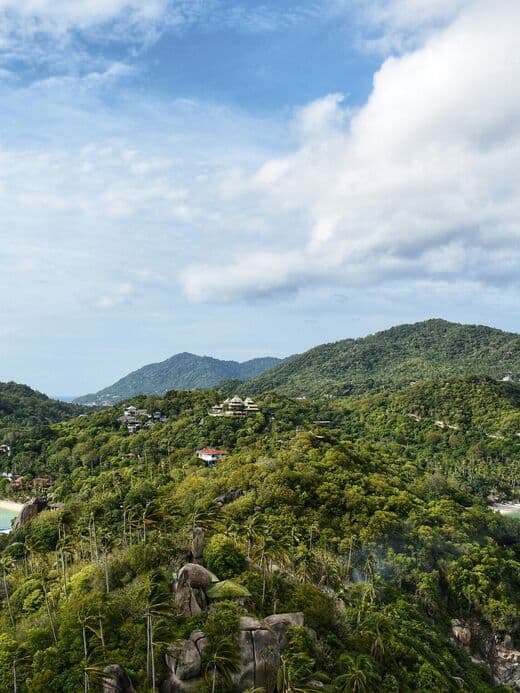
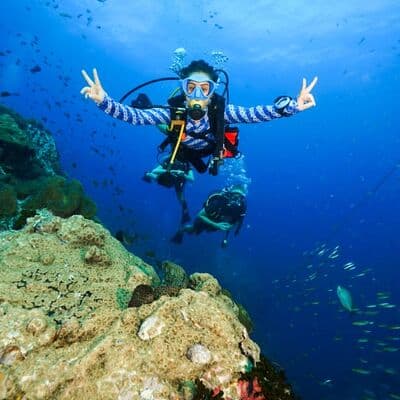
Koh Tao is a 21-square-kilometer island in the Gulf of Thailand that has earned its reputation as the cheapest place on Earth to get scuba certified - and that reputation is well deserved. But reducing this island to just a diving destination would be a mistake. Koh Tao is a compact, rugged little rock with jungle-covered hills, hidden coves you can only reach by kayak or scramble, and some of the best shallow-water snorkeling in Southeast Asia. The coral here starts at knee depth in places, and on a calm morning you can float over reef sharks, turtles, and barracuda without a tank on your back.
The island draws a specific crowd: backpackers, divers, freediving enthusiasts, and couples looking for something more laid-back than Koh Samui but less chaotic than the Full Moon Party scene on Koh Phangan. It is small enough to cross on a scooter in 20 minutes (if the roads cooperate - more on that later), cheap enough that you can live well on 1,500-2,000 THB per day ($42-56 USD), and beautiful enough that many visitors extend their stay by days or even weeks.
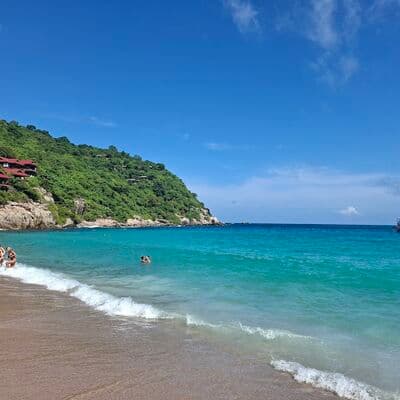
The honest downsides: the island gets crowded from December through February, the roads are genuinely dangerous (steep, unpaved, no guardrails), trash management is an ongoing problem, and if you are looking for white-sand Caribbean-style beaches, you will be disappointed - most beaches here are coarse sand with rocky entries. Medical facilities are basic; anything serious means an expensive speedboat evacuation to Koh Samui. But if you come with the right expectations, Koh Tao delivers an experience that is hard to match anywhere in Thailand for the price.
Koh Tao Areas: Where to Stay and What to Expect
Koh Tao is small, but the difference between staying on the west coast versus the east coast is enormous. Your choice of area will shape your entire trip, so here is an honest breakdown of each neighborhood.
Sairee Beach - The Main Strip
Sairee Beach is the longest beach on the island (about 1.7 km) and the social center of Koh Tao. This is where you will find the highest concentration of dive shops, bars, restaurants, tattoo parlors, and fellow travelers. The northern end is quieter with some mid-range resorts; the southern end near the village is where the nightlife happens.
Prices: Fan rooms from 400-600 THB/night ($11-17), air-con rooms 800-1,500 THB ($22-42), beachfront bungalows 1,500-3,500 THB ($42-98). During peak season (Dec-Feb), add 30-50% and book ahead.
Pros: Walking distance to everything, best sunset views on the island, easy to meet people, dozens of restaurants within stumbling distance.
Cons: Noise until 2-3 AM from bars, the beach gets crowded by midday, persistent touts for dive courses and bar crawls. Not the place if you want peace and quiet.
Best for: Solo travelers, social backpackers, first-timers who want convenience, anyone doing a dive course (most schools are here).
Mae Haad - The Port Town
Mae Haad is where the ferries dock, and it functions as the practical hub of the island. The main pier, ATMs, the post office, pharmacies, the only 7-Eleven (plus a Family Mart), and several dive shops are all here. The beach is decent but not spectacular - it faces west and catches good sunsets, but the sand is narrow and the water near the pier can be murky.
Prices: Budget rooms from 350-500 THB/night ($10-14), mid-range 700-1,200 THB ($20-34). Generally 10-20% cheaper than Sairee for comparable quality.
Pros: Most practical location, easy ferry access, cheapest groceries and supplies, decent food options without the Sairee markup.
Cons: Not the prettiest area, ferry noise in the morning, feels more like a transit point than a destination.
Best for: Short stays (1-2 nights), budget travelers, anyone arriving late or departing early.
Chalok Baan Kao - The Quiet South
Chalok Baan Kao is a wide, shallow bay on the south coast that feels like Sairee did ten years ago. The vibe is distinctly mellower: yoga retreats, small family-run restaurants, hammock-heavy beach bars, and a pace of life that discourages urgency. The bay is excellent for swimming (shallow and protected), and John-Suwan Viewpoint is a short but steep hike from here with panoramic views of both coasts.
Prices: Fan bungalows from 350-600 THB/night ($10-17), air-con rooms 600-1,400 THB ($17-39). Some excellent value places here that rarely appear on booking platforms - walk in and ask.
Pros: Quiet, swimmable bay, good value accommodation, strong yoga and wellness scene, beautiful viewpoint hike nearby.
Cons: Limited nightlife (a few low-key bars), fewer restaurant options, need a scooter to reach the rest of the island comfortably.
Best for: Couples, yoga practitioners, digital nomads, anyone who values sleep over socializing.
Tanote Bay - East Coast Seclusion
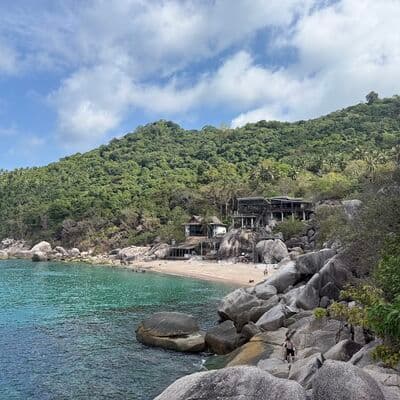
Tanote Bay is one of the most photogenic spots on the island: a horseshoe-shaped bay flanked by huge granite boulders with a cliff-jumping rock that has become an Instagram fixture. The snorkeling here is good (reef starts close to shore on both sides), and there are only a handful of resorts, which keeps things uncrowded even in peak season.
Prices: Limited options, mostly 800-2,000 THB/night ($22-56). Book ahead as there are only 4-5 places to stay.
Pros: Beautiful setting, excellent snorkeling from shore, cliff jumping, peaceful atmosphere, sunrise views.
Cons: The road from Sairee to Tanote is one of the steepest and most dangerous on the island (not recommended for inexperienced scooter riders), very limited food options (usually just the resort restaurants), no nightlife whatsoever.
Best for: Experienced travelers comfortable with isolation, snorkeling enthusiasts, couples seeking privacy.
Sai Nuan - The Secret Beaches
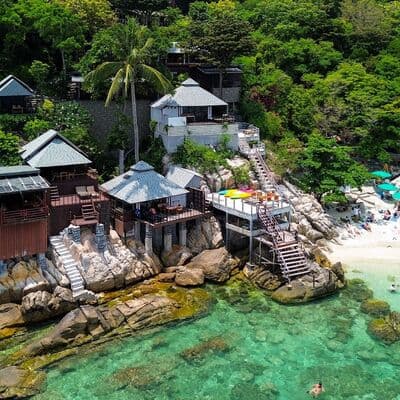
South of Sairee, accessible by a rocky coastal trail (15-20 minutes on foot) or by longtail boat, the Sai Nuan beaches are some of the most peaceful spots on the island. Sai Nuan 1 has a couple of rustic bungalow operations; Sai Nuan 2 is even more remote. These are not luxury accommodations - think basic wooden huts with mosquito nets, cold-water showers, and the sound of waves as your alarm clock.
Prices: 300-800 THB/night ($8-22). Cash only at most places.
Pros: Genuine castaway feel, beautiful rocky coastline, excellent snorkeling, some of the cheapest accommodation on the island.
Cons: Basic facilities, no air conditioning, limited electricity hours at some places, need to carry your bags over rocks, no road access.
Best for: Budget backpackers, minimalists, anyone who fantasizes about living in a beach hut.
Ao Leuk - Snorkeling Paradise
Ao Leuk on the southeast coast is arguably the best shore-snorkeling spot on Koh Tao. The bay is calm, the coral is healthy, and you can see fish the moment you step into the water. There is a 100 THB ($2.80) entrance fee charged by the resort that manages the beach, which includes use of their facilities. A couple of places to stay are nearby, but options are very limited.
Prices: 800-1,800 THB/night ($22-50) at the few available properties.
Pros: Best snorkeling on the island without needing a boat, calm water, the entrance fee keeps crowds manageable.
Cons: Very few accommodation options, remote location, need transport to reach restaurants and shops.
Best for: Snorkeling fanatics willing to trade convenience for marine life access.
Best Time to Visit Koh Tao
Koh Tao has a different weather pattern from the Andaman coast (Phuket, Krabi), which confuses a lot of first-time visitors. When Phuket is in its rainy season, Koh Tao is often at its best. Here is the month-by-month reality.
March to September - The Sweet Spot
This is when Koh Tao shines. Calm seas, excellent underwater visibility (often 20-30 meters), warm water (28-30 degrees C), and significantly fewer tourists than the winter high season. April and May are particularly good: the whale sharks start appearing around Chumphon Pinnacle, seas are flat, and prices are at their lowest. June through August brings some afternoon showers but rarely full-day rain - morning diving and snorkeling conditions remain excellent.
Water visibility: 15-30 meters. Prices: Low to mid-season rates. Crowds: Manageable, even on Sairee.
October - The Transition Month
October is unpredictable. You might get a week of perfect weather or several days of heavy rain and rough seas. Ferry cancellations become possible. If you are flexible and willing to gamble, October can be rewarding - empty beaches, rock-bottom prices, and the occasional glorious day. But do not book non-refundable flights around a tight schedule in October.
November to December - Monsoon Arrives
The northeast monsoon brings rain, sometimes heavy and sustained. November is typically the wettest month. Seas get rough, visibility drops, and some dive sites become inaccessible. Ferry schedules become irregular. By late December things start improving, but this is also when holiday prices kick in. Not the best time for a first visit.
January to February - High Season
Weather is generally good (warm, occasional brief showers), but this is peak tourist season. Accommodation prices surge 40-80%, dive boats run at capacity, Sairee Beach gets packed, and the island loses some of its laid-back charm. If you must come in high season, book accommodation and dive courses at least 2-3 weeks ahead. The upside: seas are calm, visibility is decent (10-20 meters), and the social scene is buzzing.
Events and Festivals Worth Timing
Songkran (April 13-15): Thai New Year. Water fights everywhere - fun but chaotic. Some dive shops close for a day or two.
Reef cleanup days: Several times a year, dive schools organize underwater and beach cleanups. Great way to contribute and meet people. Check local dive shop bulletin boards for dates.
Full Moon Party (Koh Phangan): Not on Koh Tao, but many travelers combine the two islands. Ferries from Koh Tao to Haad Rin take about 1.5 hours. The island gets quieter when half the backpackers leave for the party - which some consider a perk.
Loy Krathong (November): The festival of lights. If the weather cooperates, floating krathongs on the bay at night is magical. Usually falls on a full moon in November.
Koh Tao Itinerary: How to Spend 3, 5, or 7 Days
Here is a practical, tested itinerary that covers the highlights without turning your holiday into a forced march. Adjust based on weather and energy levels - the island rewards spontaneity.
3 Days: The Essential Koh Tao
Day 1 - West Coast and Koh Nang Yuan
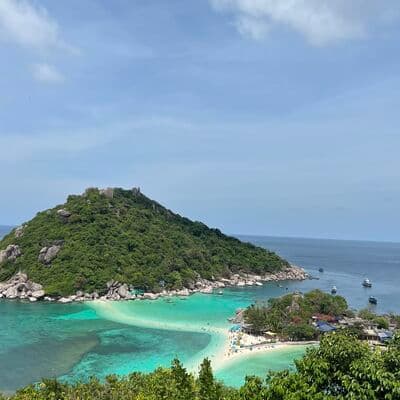
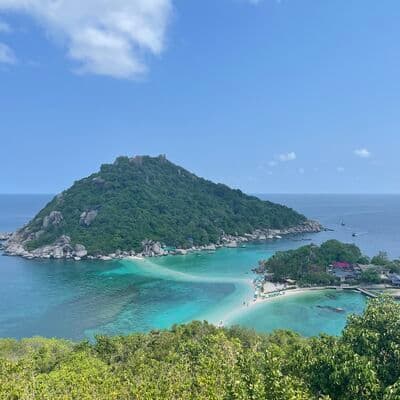
Start early. Catch a longtail taxi boat from Mae Haad or Sairee to Koh Nang Yuan (200 THB round trip, departs around 9:30-10:00 AM). This triple-island connected by a sandbar is the most photographed spot in the Gulf of Thailand, and for good reason. Arrive before 10 AM to beat the tour groups. There is a 100 THB entrance fee. Snorkel the Japanese Garden on the east side (excellent coral, calm water), hike to the viewpoint (steep but short - 15 minutes), and swim off the sandbar. Leave by 1 PM before the crowds peak.
Afternoon: Head to Sairee Beach. Walk the length of it, stopping for a late lunch at one of the beachfront restaurants (Pad Thai at a beach shack runs 80-120 THB / $2-3). Swim, read, decompress.
Evening: Sunset drinks at one of the Sairee beach bars (cocktails 150-250 THB / $4-7). Dinner at the Sairee evening market - open-air food stalls with grilled seafood, Thai curries, and smoothies at local prices (full meal 100-200 THB / $3-6).
Day 2 - East Coast Snorkeling Circuit
Rent a scooter (200-300 THB/day, always check brakes and tires first) or hire a longtail for a half-day east coast tour (1,500-2,500 THB for the whole boat, split with other travelers if possible).
Morning stop 1: Ao Leuk. Arrive by 9 AM for the calmest water and best visibility. Snorkel for 1-2 hours. The coral reef here starts just meters from shore and is home to parrotfish, triggerfish, and occasional turtles.
Morning stop 2: Tanote Bay. Snorkel the reef on the south side of the bay, then try the cliff jump if you are feeling brave (check the depth first - it varies with the tide). There is a small restaurant at the bay for a cold drink and a snack.
Afternoon: Shark Bay. Despite the name, the sharks here are harmless blacktip reef sharks (usually juveniles, about 1-1.5 meters). Best chance of spotting them is in the late afternoon when the water is calm. Bring your own snorkel gear - no rental available at the bay itself.
Evening: Dinner in Sairee or Mae Haad. Try a proper Thai restaurant rather than a tourist spot - ask your accommodation for recommendations.
Day 3 - Diving or Hiking
Option A (Diving): Book a fun dive or discovery dive (intro dive for non-certified divers, around 2,500-3,500 THB / $70-98 including equipment). Most boats depart at 7 AM and return by noon. Popular sites for beginners include Twins, White Rock, and Japanese Garden.
Option B (Hiking): Hike to John-Suwan Viewpoint from Chalok Baan Kao (30-40 minutes up, steep in places, bring water and wear proper shoes - not flip-flops). The view from the top covers Shark Bay and the southern coastline. Then walk the coastal trail from southern Sairee to Sai Nuan beaches (20 minutes over rocks). Spend the afternoon swimming at Freedom Beach, one of the prettiest small beaches on the island.
Afternoon: Last swim, pack up, or extend your stay (many people do).
5 Days: Add Diving Certification and Southern Exploration
Days 1-3: Follow the 3-day itinerary above, but move the diving to later.
Days 4-5: Start a PADI Open Water course. Most schools run it over 3-4 days, but if you have done your e-learning online before arriving (highly recommended - it saves a full day), you can complete the in-water portion in 2-2.5 days. Cost ranges from 9,000-12,000 THB ($250-336) including all equipment and certification. SSI certification is also widely available and generally 500-1,000 THB cheaper.
Between dives (you will have surface intervals), explore the southern bays. Kayak from Chalok Baan Kao around the headland to the hidden beaches on the southwest coast. Rent kayaks at the bay for 200-300 THB/hour. Visit Mango Bay on the north coast for afternoon snorkeling - the coral here is some of the healthiest on the island, and the bay is often deserted by 3 PM when the tour boats leave.
7 Days: The Full Experience
Days 1-5: Follow the 5-day itinerary.
Day 6: Day trip to Koh Phangan. The Lomprayah catamaran runs daily (350-450 THB one-way, 30-40 minutes). Explore Haad Rin, visit the Bottle Beach on the north coast (songthaew + longtail from Thong Sala), or hike to the Domosila viewpoint. Return on the afternoon ferry. If the Full Moon Party coincides with your stay, consider going - it is a quintessential Southeast Asia experience, even if it is not your usual scene. Budget 1,500-2,500 THB ($42-70) for the day including transport, food, and drinks.
Day 7: Night snorkeling tour. Several operators run these from Sairee (600-900 THB / $17-25). You snorkel with underwater torches and see a completely different marine world: bioluminescent plankton, hunting octopus, sleeping parrotfish, and nocturnal crabs. It sounds gimmicky but it is genuinely one of the most memorable things you can do on the island. Book a day ahead.
Alternatively, spend the last day doing nothing productive. Rent a kayak, find an empty beach, read a book, eat mango sticky rice, and accept that you will probably miss your ferry.
Where to Eat: Restaurants, Markets, and Hidden Gems
Koh Tao's food scene has improved dramatically in recent years. You can eat very well for very little, or spend more for genuinely good international cuisine. Here is where the locals and long-term residents actually eat.
Street Food and Markets
Sairee Evening Market: Open nightly from around 5 PM near the Sairee Village intersection. A rotating cast of vendors selling grilled chicken skewers (20-40 THB), pad thai (60-80 THB), som tam (50-70 THB), fresh fruit shakes (40-60 THB), and fried spring rolls (30-50 THB). This is where you get the best value meals on the island. Come hungry, bring cash, and eat standing up like everyone else.
Mae Haad morning market: Smaller and less tourist-oriented. Good for coffee (30-50 THB), Thai-style fried chicken, and khanom (Thai sweets). Open from about 7 AM near the pier area.
Local Restaurants - Authentic Thai
Yang's: Hidden behind the main Sairee road, this family-run place serves some of the best and cheapest Thai food on the island. Green curry with rice 80-100 THB, massive tom yum for 90 THB, and cold Chang beer for 60 THB. No fancy decor, no Instagram presence, just genuine home cooking. Ask any long-term resident - they all know Yang's.
Duck 995: Near Mae Haad, known for crispy duck dishes (from 150 THB) and generous portions. The roast duck on rice is a local institution. Not fancy, slightly chaotic service, but the food is consistent and reasonably priced.
Pranee's Kitchen: In Chalok Baan Kao. Proper southern Thai cooking with more spice than most tourist restaurants dare to use. If you want authentic heat, tell them 'pet maak' (very spicy) and they will take you seriously. Mains 80-150 THB.
Mid-Range - Worth the Splurge
Barracuda Restaurant: On the rocks between Mae Haad and Sairee, with sunset views over the water. Excellent seafood (whole grilled fish from 350 THB, seafood platters 600-900 THB). The setting is the real draw - candlelit tables on a wooden deck over the rocks. Book for sunset, especially in high season.
Whitening: Sairee beachfront. Good Western and Thai fusion food, strong cocktails (180-280 THB), and one of the better sunset positions. Burgers from 220 THB, Thai dishes from 150 THB. Popular with the dive instructor crowd.
The Gallery: Tucked away on the road between Sairee and Mae Haad. Thai-European fusion that actually works. The massaman lamb shank and the catch-of-the-day preparations are standouts. Mains 250-450 THB.
Fine Dining (Koh Tao Style)
Harmony Restaurant: Opened in 2025, this is probably the most ambitious kitchen on the island. Thai ingredients treated with modern techniques, presented beautifully but without pretension. Tasting menus from 1,200 THB ($34). Worth a visit for a special evening. Reservations recommended.
Cafes and Coffee
Big Tree: The go-to work-from-laptop cafe on Sairee road. Good espresso (80-120 THB), reliable WiFi, plenty of outlets, and they do not rush you out after one drink. Breakfast options (avocado toast, smoothie bowls, eggs) from 150-250 THB.
Coconut Monkey: Near Mae Haad with a treehouse vibe and Instagram-worthy presentation. Great smoothie bowls (150-200 THB) and fresh coconut coffee. Overhyped on social media but the food is genuinely good.
Factory Cafe: Industrial-chic space near Sairee village. Proper espresso, pastries baked in-house, and a quieter atmosphere than most Sairee spots. Flat white 90-110 THB.
Must-Try Food on Koh Tao: A Practical Guide
You are on a Thai island, so eat Thai food. Here are the dishes that matter most, what to expect, and how to order them without embarrassment.
The Essential Eight
1. Pad Thai (60-120 THB / $1.70-3.40): You know what this is. On Koh Tao, the best versions come from the market stalls, not the restaurants. Ask for 'pad thai goong' (with shrimp) for the full experience. Squeeze the lime, add the crushed peanuts, and if you want heat, use the dried chili flakes - not the green ones in the jar (those are nuclear).
2. Tom Yum Kung (90-180 THB / $2.50-5): Hot and sour shrimp soup. The soul of Thai cooking. On an island, it is made with fresh shrimp, and the difference from mainland tourist versions is enormous. The 'nam sai' (clear broth) version is more traditional; 'nam khon' (creamy) is the tourist-friendly one. Both are excellent.
3. Som Tam (50-80 THB / $1.40-2.25): Green papaya salad. Pounded fresh in a mortar in front of you. Default heat level will already be spicy by Western standards. Ask for 'mai pet' (not spicy) or 'pet nit noi' (a little spicy) if you are cautious. The version with salted crab ('som tam poo') is an acquired taste - stick with 'som tam Thai' for the classic.
4. Grilled Seafood (150-400 THB / $4.20-11.20): Fresh fish, squid, or prawns grilled over charcoal and served with a spicy seafood dipping sauce ('nam jim seafood'). Available at beach restaurants and the evening market. The whole grilled fish (usually snapper or barramundi) is the best value - it is big enough for two people. Ask 'pla arai mee wan nee?' (what fish do you have today?) to get the freshest catch.
5. Gaeng Khiao Wan - Green Curry (80-150 THB / $2.25-4.20): Rich, coconut-milk-based curry with Thai eggplant, bamboo shoots, and Thai basil. Available with chicken (gai), pork (moo), or prawns (goong). The island versions tend to be milder than southern Thai cooking. If you only eat one curry in Thailand, make it this one.
6. Khao Niao Mamuang - Mango Sticky Rice (80-120 THB / $2.25-3.40): Sweet sticky rice with fresh mango and coconut cream. The quintessential Thai dessert. Best during mango season (April-June) when the mangoes are at peak sweetness. Available at most restaurants and market stalls. Simple, perfect, and impossible to dislike.
7. Satay (40-80 THB for 4-5 skewers / $1.10-2.25): Grilled marinated meat (usually chicken or pork) on skewers with peanut dipping sauce and a cucumber relish. A perfect snack or light meal. Best from the market stalls where they are grilled fresh to order.
8. Massaman Curry (100-180 THB / $2.80-5): A milder, richer curry with potatoes, peanuts, and warm spices (cardamom, cinnamon, star anise). Influenced by Muslim cooking and less spicy than other Thai curries. Good entry point for spice-averse eaters. Usually served with chicken or beef.
Ordering Tips
Vegetarian: Say 'jay' (เจ - strict vegetarian, no animal products) or 'mang sa wirat' (vegetarian but may include fish sauce/oyster sauce). Most Thai dishes can be made vegetarian. 'Pad pak ruam mit' (stir-fried mixed vegetables) is always available and always satisfying.
Allergies: Peanut allergies are genuinely dangerous in Thai cooking - peanuts and peanut oil are everywhere, often invisible. Shellfish likewise. Learn to say 'paeh tua lisong' (allergic to peanuts) or 'paeh aa-haan ta-lay' (allergic to seafood) and say it clearly every time you order. Carrying a translated allergy card is wise.
What to avoid: Pre-made curries sitting in metal trays at tourist restaurants - they have been sitting for hours. Raw shellfish from street vendors (cooked is fine). Anything that looks or smells off. Ice is generally safe on Koh Tao (it comes from purified water factories), but if you are concerned, stick to bottled drinks.
Local Secrets and Practical Tips That Actually Matter
Eleven things nobody tells you before you arrive on Koh Tao, learned from residents and repeat visitors.
1. Scooter safety is not a joke. Koh Tao has some of the steepest, most poorly maintained roads in Thailand. The hill between Sairee and Tanote Bay has put more tourists in the hospital than all the sharks combined. If you have never ridden a scooter before, this is not the place to learn. Wear a helmet (legally required, rarely enforced, but head injuries do not care about local enforcement). Check brakes and tires before renting. Ride slowly on dirt roads. And never, ever ride after drinking - there is no emergency room on the island, just a small clinic.
2. E-cigarettes and vapes are illegal in Thailand. This is not a lightly enforced rule. Fines of 10,000-30,000 THB ($280-840) and possible confiscation of your device. Some travelers get away with it, but if police on Koh Tao decide to enforce, you have zero legal standing. Leave it at home.
3. Do not touch marine life. This includes coral, sea cucumbers, starfish, and especially sea urchins (for your own sake). Standing on coral destroys years of growth in seconds. Koh Tao's reefs are recovering from bleaching events, and every piece of coral matters. Most dive shops will refuse to take you out again if they see you touching anything. Reef-safe sunscreen (mineral-based, no oxybenzone or octinoxate) should be the only kind you bring.
4. Water safety deserves respect. Currents around the island can be strong, especially on the east coast and around headlands. If you are snorkeling and feel yourself being pulled, do not fight it - swim parallel to shore until you are out of the current, then swim in. Several drownings happen each year, almost always involving people who overestimated their swimming ability or underestimated the current. Wear a life jacket if you are not a confident swimmer - no one will judge you.
5. Book ferries online but not too far ahead. The main operators are Lomprayah (fastest, most expensive, 600-700 THB from Chumphon), Songserm, and Seatran. Book 2-3 days ahead in high season; same-day is usually fine in low season. Use 12go.asia for comparison and booking - it is the most reliable aggregator for Thai transport. Do not buy tickets from touts at the pier; they add a markup.
6. Bargaining is expected, but know the limits. Negotiate prices for longtail boats, scooter rentals, multi-day dive packages, and market souvenirs. Do not bargain in restaurants, 7-Eleven, or for fixed-price activities. A reasonable starting offer is 60-70% of the asking price. If a vendor says no, accept it gracefully and walk away - they often call you back.
7. 7-Eleven and Family Mart are your friends. Cheap water (7-10 THB for 600ml), sandwiches (35-55 THB), beer (Chang or Leo for 37-42 THB), instant noodles, sunscreen, bug spray, SIM cards, and cash withdrawal (ATMs attached to most locations, 220 THB fee per withdrawal for foreign cards). The toasted sandwiches from 7-Eleven are a legitimate budget meal at 35 THB.
8. Snorkel in the morning. Water visibility is almost always best between 7-10 AM before wind picks up and tour boats churn the water. By afternoon, visibility at many sites drops by 30-50%. Early mornings are also when you are most likely to see turtles and reef sharks, which avoid busy times.
9. Bring a waterproof flashlight. Power cuts happen on Koh Tao, sometimes lasting hours. The roads between areas have no street lighting. If you are walking back from a restaurant at night (especially from Chalok to Sairee or anywhere on the east coast), a flashlight is essential. Your phone works in a pinch, but a proper torch is better. Also useful for night snorkeling from shore.
10. Taxi boat scams exist. Some longtail operators will quote inflated prices, especially to solo travelers. Standard rates: Mae Haad to Koh Nang Yuan 200 THB return, Mae Haad to Ao Leuk 300-400 THB, Sairee to Sai Nuan 100-150 THB. If someone quotes double, politely decline and ask elsewhere - there are always other boats. Agree on the price before getting in, and confirm whether it is per person or per boat.
11. Cash is still king. While some restaurants and dive shops accept cards, many small businesses, markets, taxi boats, and budget accommodations are cash only. ATMs are available in Mae Haad and Sairee but charge 220 THB ($6.20) per withdrawal on foreign cards. Withdraw larger amounts less frequently to minimize fees. Some travelers bring USD or EUR to exchange at the money changers on the pier - rates are acceptable but not great.
Transport and Communication: Getting There, Getting Around, Staying Connected
Getting to Koh Tao
There is no airport on Koh Tao. You need a ferry, and the two main mainland departure points are Chumphon and Surat Thani.
Via Chumphon (recommended): The closest mainland town. High-speed catamaran with Lomprayah takes 1.5-2 hours (600-700 THB / $17-20). Night boat available (cheaper, 6 hours, leaves around 11 PM, arrives 5 AM - basic but functional). From Bangkok, the best option is the overnight train to Chumphon (departing Hua Lamphong or Bang Sue at 7-8 PM, arriving 4-5 AM, second-class sleeper around 700-900 THB), then morning ferry. This combination is both the cheapest and most comfortable way to get from Bangkok to Koh Tao.
Via Surat Thani: More ferry options but longer crossing (3-5 hours depending on operator). Useful if you are coming from the south (Krabi, Koh Lanta). Budget airlines (AirAsia, Nok Air, Thai Lion) fly to Surat Thani airport from Bangkok for 800-2,500 THB ($22-70) if booked ahead. Then bus/van to pier + ferry, total journey 4-6 hours from airport.
From Koh Samui or Koh Phangan: Direct ferries run multiple times daily. Koh Samui to Koh Tao takes 2-2.5 hours (500-700 THB). Koh Phangan to Koh Tao takes 30 minutes to 1.5 hours depending on the ferry type (300-500 THB). Lomprayah is fastest; Songserm and Seatran are cheaper.
Combined tickets: Most operators sell 'joint tickets' that include bus/train + ferry. These work but build in buffer time - if the bus is late, you might miss the ferry (they usually hold it briefly, but not always). Booking each leg separately gives you more control. Use 12go.asia for all bookings.
Getting Around the Island
Scooter (200-300 THB/day): The default mode of transport for most visitors. Automatic scooters (Honda Click, Yamaha Fino) are standard. Always photograph any existing damage before riding away. Wear a helmet. Keep your rental agreement - police occasionally set up checkpoints. International Driving Permit (IDP) with motorcycle endorsement is technically required; without it, you are uninsured and technically riding illegally, though enforcement on the island is sporadic.
Songthaew (shared pickup truck taxi): These run irregular routes between Mae Haad, Sairee, and Chalok Baan Kao. No fixed schedule - they leave when full. Cost 50-100 THB per person depending on distance. Useful if you do not want to ride a scooter.
Walking: Perfectly viable between Mae Haad and Sairee (20-25 minutes along the road or beach). Sairee to Chalok via the road takes 35-45 minutes. The coastal trail from Sairee to Sai Nuan is a 15-20 minute scramble over rocks. Bring water and wear proper footwear - flip-flops on jungle trails lead to twisted ankles.
Longtail boats: Available for hire at most beaches. Useful for reaching east coast bays, Koh Nang Yuan, and remote snorkeling spots. Prices are per boat (not per person unless stated), so sharing with other travelers brings the cost down significantly. A full-day island tour by longtail runs 2,000-3,000 THB ($56-84) for the boat.
Kayaks: Rentable at Sairee, Chalok, and some east coast bays. 200-300 THB/hour, 500-800 THB/half-day. Excellent way to explore the coastline and reach hidden beaches. Stick close to shore and watch for boat traffic.
Communication and Connectivity
SIM cards: Available at 7-Eleven and the TrueMove/AIS/DTAC shops near Mae Haad pier. A tourist SIM with 15-30 days of data (15-30 GB) costs 200-500 THB ($6-14). Bring your passport - it is required for registration. Coverage on Koh Tao is decent on the west coast, patchy on the east coast and in the interior.
eSIM: If your phone supports it, buy an eSIM before arrival through providers like Airalo, Holafly, or Nomad. More convenient than a physical SIM, and you can set it up before landing in Thailand. Data-only plans from $5-15 for 7-15 days.
WiFi: Available at most accommodations, cafes, and restaurants. Speed varies wildly - Sairee tends to have the best connectivity, remote bays can be painfully slow. For reliable work-from-island connectivity, Big Tree Cafe and Factory Cafe on Sairee are your best bets. Do not expect to video call reliably from a bungalow on the east coast.
Essential apps: Grab (ride-hailing) does not work on Koh Tao - the island is too small. Google Maps is accurate for most locations. 12go.asia for ferry bookings. LINE is the dominant messaging app in Thailand - some dive shops and accommodations prefer to communicate via LINE rather than email or WhatsApp. Download it before you arrive.
Who Koh Tao Is For - And Who Should Go Elsewhere
Ideal for: Scuba divers (beginner through advanced), snorkeling enthusiasts, backpackers on a budget, couples wanting a low-key tropical escape, solo travelers looking to meet people, freediving students, and anyone who values underwater experiences over beach lounging.
Not ideal for: Families with small children (the roads are dangerous, beaches are rocky, medical facilities are limited), luxury travelers expecting five-star service (Koh Samui is better), people who want flat white-sand beaches (head to the Andaman coast), or anyone uncomfortable with basic infrastructure and occasional power cuts.
How long to stay: Minimum 2 full days to justify the ferry journey. Optimal 4-5 days, which gives you time to snorkel, dive (or take a course), explore both coasts, and actually relax. A full week lets you settle into island pace, do a PADI course, and visit neighboring islands. Beyond 7-10 days and you will have seen everything - unless you are there to dive seriously, in which case a month is not enough.
Koh Tao is not the prettiest island in Thailand, nor the most luxurious, nor the most convenient to reach. What it is, consistently, is one of the most rewarding. The combination of affordable world-class diving, accessible snorkeling, compact size, and a genuinely welcoming backpacker community creates something that bigger, flashier destinations struggle to match. Come with realistic expectations, respect the ocean, and give it more than a single night - this little turtle island has a way of making people stay longer than they planned.