Cape Town
Cape Town 2026: What to Know Before You Go
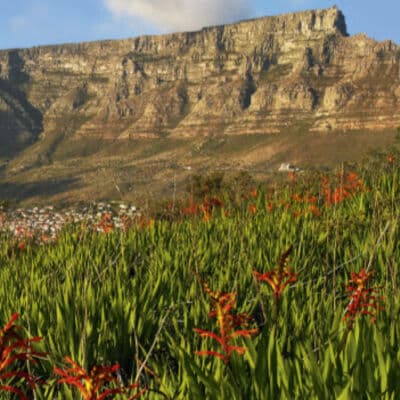
Cape Town is a city that imprints itself on your soul. Here, Table Mountain rises dramatically above two oceans, penguins waddle across pristine beaches, and sunsets over the Atlantic stop even the most seasoned travelers in their tracks. This is where Africa meets Europe, where the heavy history of apartheid interweaves with cutting-edge contemporary art, and where street food vendors share sidewalks with world-class restaurants.
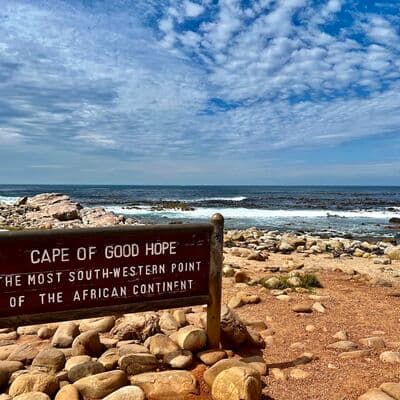
What makes Cape Town exceptional is its remarkable diversity compressed into a single metropolitan area. Within an hour, you can summit a flat-topped mountain, swim with African penguins, taste wines at historic estates, and stand at the southwestern tip of the African continent. The city rewards those who venture beyond the obvious attractions.
In brief: Cape Town deserves a visit for climbing Table Mountain, relaxing at Camps Bay Beach, exploring the colorful Bo-Kaap neighborhood, watching penguins at Boulders Beach, driving to Cape Point, and wine tasting in Constantia. Plan for 5-7 days to explore the city and surroundings properly.
Neighborhoods: Where to Stay in Cape Town
Cape Town sprawls across a peninsula, with distinct neighborhoods offering dramatically different experiences. Your choice of base will shape your entire trip.
City Bowl and Gardens
The City Bowl refers to the central district nestled between Table Mountain, Signal Hill, Lion's Head, and Devil's Peak. This is Cape Town's heart, with the best restaurant concentration, easy access to the Table Mountain Aerial Cableway, and a cosmopolitan atmosphere. The Gardens suburb offers tree-lined streets and boutique hotels in Victorian houses. Kloof Street provides excellent restaurants and boutiques. Expect $120-250 per night. The main downside is limited parking and distance from beaches, though Uber to the Atlantic Seaboard takes only 10-15 minutes.
Atlantic Seaboard: Sea Point, Clifton, and Camps Bay
If beaches and ocean views top your priorities, the Atlantic Seaboard delivers. Camps Bay feels like the South African Riviera with palm-lined streets and trendy restaurants overlooking the water. Sea Point offers a more local experience with its famous promenade stretching several kilometers along the coast. Clifton features four sheltered cove beaches numbered 1st through 4th, each with its own character. Accommodation runs $150-400 per night for sea-view options. The trade-off is 20-30 minutes to city center attractions, and the water is cold year-round due to the Benguela Current.
V&A Waterfront Area
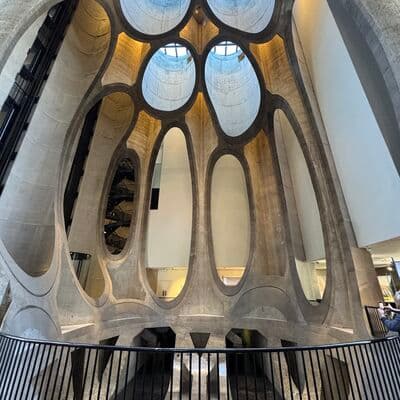
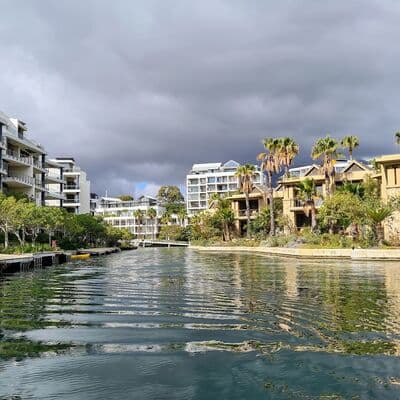
The V&A Waterfront is Cape Town's most polished tourist district. Staying here puts you steps from Two Oceans Aquarium, Zeitz MOCAA, and ferry departures to Robben Island. Hotels range from $180-500 per night. The area feels safe and convenient but somewhat sanitized. Ideal for first-time visitors and families.
De Waterkant and Green Point
Wedged between the Waterfront and City Bowl, De Waterkant is Cape Town's most vibrant neighborhood for nightlife, LGBTQ+ scene, and boutique shopping. Cobblestone streets lined with colorful Georgian buildings house independent boutiques and cocktail bars. Green Point offers excellent value with easy access to the stadium. Budget $100-200 per night.
Southern Suburbs: Constantia and Newlands
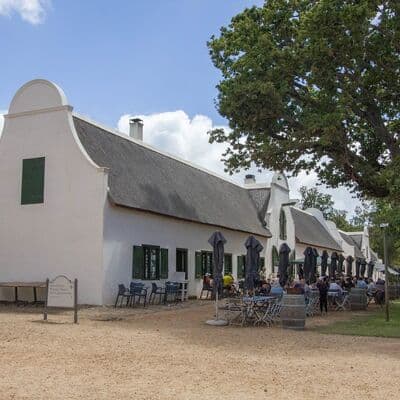
For a different Cape Town experience, consider the leafy Southern Suburbs. Groot Constantia and surrounding wine estates offer countryside tranquility just 20 minutes from the center. You will find stunning guesthouses among vineyards and proximity to Kirstenbosch Botanical Garden. Accommodation ranges from $80-250 with better value than coastal options. You will need a car here.
Woodstock and Observatory
These adjacent neighborhoods represent Cape Town's creative heart. Woodstock has transformed into an arts district with street art, craft breweries, design studios, and the famous Old Biscuit Mill market. Budget travelers seeking authenticity will find plenty here for $60-120 per night.
Best Time to Visit Cape Town
Cape Town enjoys a Mediterranean climate with distinct seasons. Timing your visit correctly makes the difference between a magical trip and a rainy disappointment.
High Season: December to February
Summer brings warm temperatures averaging 75-85F (24-29C), minimal rainfall, and long days stretching past 8pm. This is when Cape Town buzzes with energy and beaches overflow. The famous Cape Doctor wind blows strongly in afternoons, keeping temperatures comfortable but occasionally disrupting beach days. Expect peak prices and crowded attractions. If visiting in summer, aim for late January or February when the holiday rush subsides.
Shoulder Season: March to April and October to November
These months offer the sweet spot. March and April see warmth gradually fading, harvest season at wine estates, and stunning autumn light. October and November bring spring wildflowers, whale watching, and warming temperatures without summer intensity. Prices drop 20-30%, and locals reclaim their city.
Low Season: May to September
Winter means rain, wind, and temperatures around 55-65F (13-18C). The city quiets dramatically and prices plummet. Certain attractions like Table Mountain may close due to weather. However, this is when you find dramatic cloud formations, green landscapes, and a cozy atmosphere perfect for wine tasting. Storm watching from a seaside restaurant can be spectacular.
The verdict: For first-time visitors seeking reliable weather, late February through March offers the ideal balance.
Cape Town Itineraries: 3, 5, and 7 Days
Fitting Cape Town into a limited timeframe requires strategic planning. Here are realistic itineraries that maximize your experience.
Three Days: The Essential Highlights
Day 1: Table Mountain and City Center
Start early at the Table Mountain Aerial Cableway, arriving before 8:30am. The rotating cable car ascends in five minutes with spectacular views. Spend 2-3 hours exploring the top, following marked trails to various viewpoints. Descend for late lunch in the City Bowl, then walk through the Company's Garden. End your day in Bo-Kaap, wandering colorful streets and perhaps joining a Cape Malay cooking class.
Day 2: Atlantic Seaboard and Camps Bay
Morning hike up Lion's Head for sunrise or mid-morning. The 2-3 hour round trip rewards with 360-degree views of the city, ocean, and mountains. Return via Signal Hill for an alternative perspective. Afternoon at Camps Bay Beach with its dramatic Twelve Apostles backdrop. Cold water means most visitors sunbathe rather than swim. Sunset drinks at a beachfront restaurant.
Day 3: Cape Peninsula
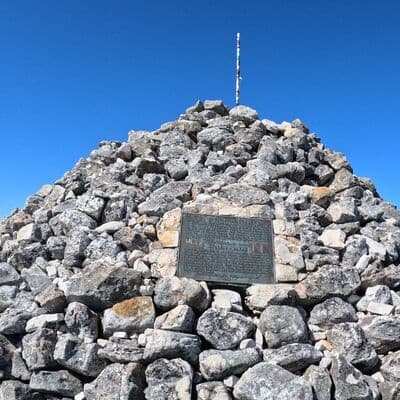
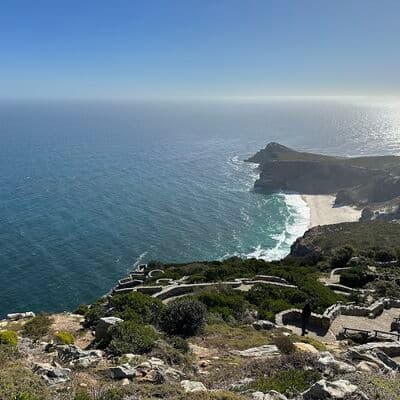
Rent a car or join a tour for the peninsula loop. Drive south via Chapman's Peak Drive, one of the world's most scenic coastal roads with 114 curves carved into the cliff. Continue to Cape Point and the Cape of Good Hope. On return, stop at Boulders Beach to observe the African penguin colony. Evening at the V&A Waterfront for dinner.
Five Days: Adding Depth
Days 1-3: Follow the three-day itinerary above.
Day 4: Wine Country and Gardens
Morning at Kirstenbosch Botanical Garden, among the world's finest. The Boomslang treetop walkway offers unique perspectives. Afternoon wine tasting in Constantia, starting at historic Groot Constantia where wine has been produced since 1685. Continue to neighboring estates for different styles.
Day 5: History and Culture
Take the morning ferry to Robben Island, where Nelson Mandela spent 18 of his 27 imprisoned years. The 3.5-hour tour, led by former political prisoners, offers profound insight into South Africa's struggle. Return for afternoon exploration of Zeitz MOCAA, the largest museum dedicated to contemporary African art. Evening in Woodstock exploring street art.
Seven Days: The Complete Experience
Days 1-5: Follow the five-day itinerary above.
Day 6: Stellenbosch and Franschhoek
Day trip to the Cape Winelands, starting with historic Stellenbosch. Walk oak-lined streets, then drive to Franschhoek, founded by French Huguenots in 1688. Book lunch at La Petite Colombe or Maison in advance. Afternoon tastings at estates like La Motte or Boschendal.
Day 7: Flex Day
Use this day based on weather and interests: revisit Table Mountain if clouds obscured it, try paragliding from Signal Hill, take surfing lessons in Muizenberg, or explore the Saturday markets at Old Biscuit Mill. Alternatively, take a helicopter tour for the ultimate perspective.
Where to Eat: Cape Town Restaurants
Cape Town's food scene rivals major culinary capitals while maintaining distinctly South African character. The city offers excellent value compared to Europe or North America.
Fine Dining Worth the Splurge
The Test Kitchen in Woodstock held a spot on the World's 50 Best Restaurants list. Chef Luke Dale-Roberts creates inventive tasting menus around $150-200 per person with wine pairings. Book at least two months ahead. Fyn in the city center brings Japanese-influenced modern cuisine with African ingredients. La Colombe in Constantia offers refined French-Asian fusion in a stunning vineyard setting. Expect $100-180 per person at these establishments.
Mid-Range Excellence
The Pot Luck Club provides a more accessible Luke Dale-Roberts experience with shared plates at $40-60 per person. Kloof Street House occupies a Victorian mansion with excellent cocktails. Chef's Warehouse at Beau Constantia pairs wine estate views with tapas-style dishes. The Shortmarket Club downtown delivers speakeasy atmosphere with serious cocktails.
Casual and Local Favorites
Clarke's Bar serves excellent breakfasts in an unpretentious setting. Jason Bakery produces the city's best croissants. Belly of the Beast offers set tasting menus at $45 remarkably. For sushi, Willoughby and Co at the Waterfront delivers fresh fish with harbor views. Eastern Food Bazaar provides cheap Indian and Cape Malay options, perfect for budget travelers.
Wine Bars and Aperitivo
Publik Wine Bar showcases South African wines by the glass. Beerhouse on Long Street offers 99 craft beers and good pub food. Tjing Tjing Rooftop Bar provides sunset drinks with Table Mountain views.
What to Try: Cape Town Food Guide
Cape Town's cuisine reflects its complex history, blending Dutch, Malay, Indian, African, and contemporary influences into something genuinely unique.
Cape Malay Cuisine
The Cape Malay community developed a distinctive cuisine over centuries. Bobotie, spiced minced meat with egg-based topping, functions as the unofficial national dish. Expect warming spices like turmeric and cinnamon without overwhelming heat. Bredie refers to slow-cooked stews, with waterblommetjie bredie using indigenous water lily flowers. Koeksisters, twisted dough pastries soaked in syrup, provide the sweet component. Experience authentic versions at Bo-Kaap Kombuis or through cooking classes in the neighborhood.
Braai Culture
Braai transcends mere barbecue to become a social institution. Mzoli's in Gugulethu township provides an authentic experience where you purchase meat by weight, then have it cooked while socializing outdoors. Arrive weekend afternoons when the music peaks.
Seafood
Two oceans meet at Cape Point, providing diverse species. Snoek, a local fish traditionally smoked or braaied, appears everywhere. Crayfish reaches exorbitant prices but remains a special occasion luxury. For casual seafood, Kalky's in Kalk Bay serves fish and chips where boats dock meters away.
Wine
South Africa produces world-class wines at reasonable prices. Pinotage, a uniquely South African grape, divides opinion but deserves tasting. Chenin Blanc thrives here. Excellent bottles appear at restaurants for $15-30, making indulgence accessible throughout your trip.
Local Secrets: Insider Tips for Cape Town
Table Mountain Strategy
The mountain generates its own weather, and the famous tablecloth cloud often rolls in by mid-morning. Check the webcam before departing. If clouds appear, wait for late afternoon when they frequently clear. Alternatively, hike up via Platteklip Gorge (2-3 hours) and cable car down, avoiding queues while earning satisfaction.
Safety Reality Check
Cape Town has real crime issues, but context matters. Tourist areas during daylight present minimal risk with common sense. Avoid displaying expensive items, do not walk alone in unfamiliar areas after dark, and use Uber rather than random taxis. The Waterfront, Camps Bay, and major sites feel safe and are heavily patrolled.
Load Shedding
South Africa experiences scheduled power cuts lasting 2-4 hours. Download the EskomSePush app for schedules. Quality hotels have generators, but smaller establishments may go dark. Plan restaurant bookings around potential outages.
Money Matters
The South African Rand fluctuates significantly, often making Cape Town exceptionally affordable. ATMs work reliably; use machines inside shopping centers. Card acceptance is widespread, but carry cash for smaller vendors. Tipping runs 15-20% at restaurants. Parking attendants expect R5-20 ($0.30-1.20).
Hidden Experiences
Take free walking tours of Bo-Kaap for context. Visit the Neighbourgoods Market at Old Biscuit Mill Saturday mornings. Watch sunset from Camps Bay, then drive to Signal Hill for city lights. Explore Woodstock street art. Take the train to Muizenberg for colorful beach huts and beginner surf.
Getting Around Cape Town: Transport Guide
Cape Town's public transport leaves much to be desired, making transport planning essential for a smooth visit.
Renting a Car
For maximum flexibility, particularly for the Peninsula and Winelands, rent a car. Drive on the left. The road network is excellent and traffic manageable outside rush hours. Expect $25-50 daily for a compact car. Download offline Google Maps before venturing out.
Uber and Bolt
Ride-hailing apps work exceptionally well and represent the best option without driving responsibilities. Prices are reasonable: airport to City Bowl runs $15-20, Camps Bay to Waterfront about $8-12. Wait times rarely exceed 5-10 minutes in tourist areas.
MyCiti Bus
The MyCiti rapid bus network serves main tourist routes with modern vehicles. Routes connect the airport to Civic Centre, Waterfront, and Atlantic Seaboard. Purchase a myconnect card at the airport. The system is safe and efficient when routes align with your needs, but coverage is limited.
Tours and Shuttles
For Peninsula and Winelands excursions, organized tours offer convenience. Peninsula day tours typically cost $60-100. The hop-on-hop-off City Sightseeing bus connects major sites along set routes.
Airport Transfers
Cape Town International sits 20-30 minutes from the city center. Uber from arrivals runs $15-25. The MyCiti bus connects to Civic Centre for about $5. For early flights, prebook transport through your accommodation.
Conclusion: Why Cape Town Stays With You
Cape Town defies easy categorization. It is simultaneously African and European, historic and contemporary, relaxed and sophisticated. The mountain presides over everything, changing appearance with weather and light, becoming a familiar presence that visitors genuinely miss upon departure.
What sets Cape Town apart is its accessibility. World-class experiences come without world-class prices. Natural wonders require no expensive permits or difficult journeys. Culture and history present themselves openly, from museums to neighborhoods to conversations with residents who share their stories generously.
The city has genuine challenges, from crime to inequality visible in informal settlements. Engaging thoughtfully with these realities enriches rather than diminishes a visit. Cape Town does not pretend to be a fantasy; it is real, complicated, and all the more rewarding for that honesty. The mountain will be waiting.