Boracay
Boracay: The Complete Insider Guide to the Philippines' Most Famous Island
Boracay is a tiny 7-kilometer island in the Western Visayas region of the Philippines that somehow manages to pack in world-class beaches, vibrant nightlife, water sports for every skill level, and enough restaurants to keep you eating something new for weeks. After the government closed the island for six months in 2018 for environmental rehabilitation, Boracay reopened cleaner, less chaotic, and with stricter regulations that actually improved the experience for visitors.
Quick summary for those in a hurry: Boracay is best visited from November to May during the dry Amihan season. Budget around $50-80/day for mid-range travel, $150+ for luxury. The island is small enough to walk most places, but tricycles cost $1-2 for short hops. Book your accommodation at Station 2 for the best balance of beach access and convenience, or Station 1 if you want quieter vibes and the finest sand. Fly into Caticlan Airport (MPH) for the 10-minute boat transfer, not Kalibo (KLO) which adds 2 hours by van.
Understanding Boracay's Areas: Where to Stay and Why It Matters
Boracay's main beach, the famous White Beach, is divided into three stations. These aren't official districts but rather reference points that locals and hotels use. The station numbers run north to south, with Station 1 at the northern end and Station 3 at the southern tip. Beyond White Beach, you have several other areas worth knowing about.
Station 1: The Premium End
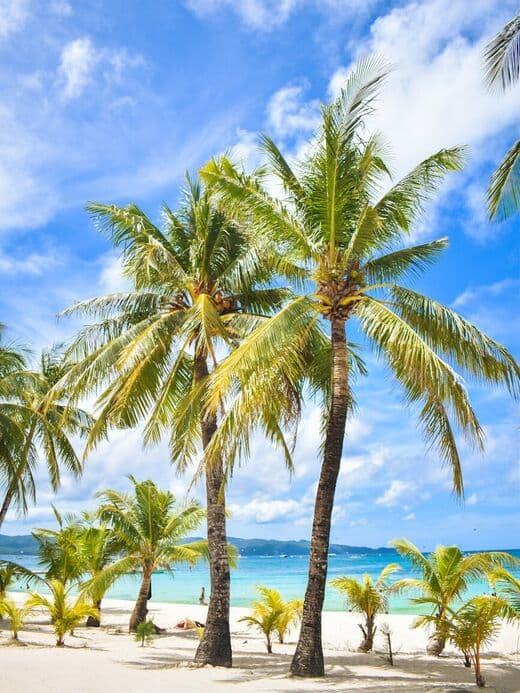
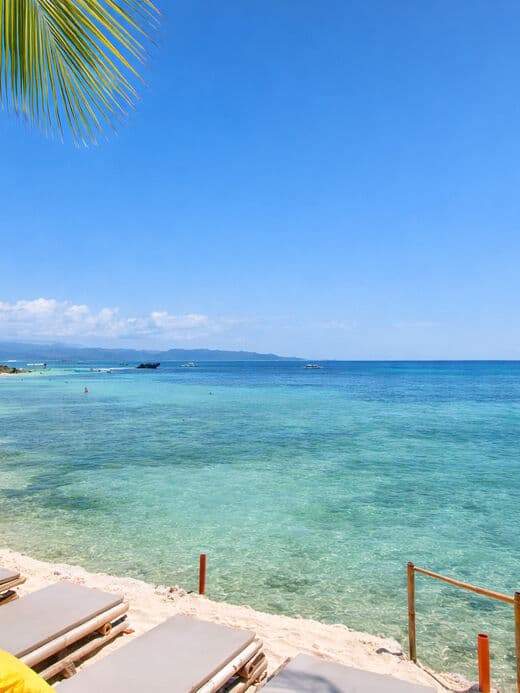
Station 1 has the finest, whitest sand and the calmest waters. This is where you'll find the luxury resorts like Shangri-La and Discovery Shores. The beach here is wider, less crowded, and the powder-fine sand squeaks under your feet. Restaurants and bars exist but they're more upscale and spread out. If you're honeymooning, celebrating something special, or just prefer peace over parties, Station 1 is your spot. Expect to pay 30-50% more for accommodation compared to Station 2. The walk to D'Mall takes about 15-20 minutes along the beach, which is pleasant during the day but can feel long after a few drinks at night.
Station 2: The Heart of the Action
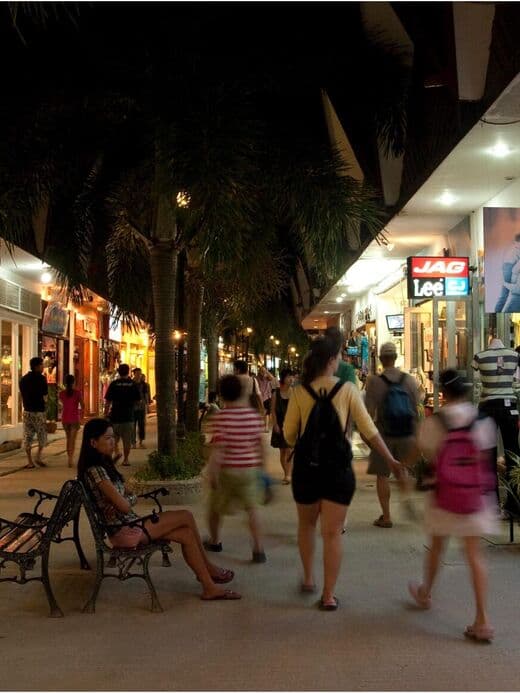
Station 2 is where everything happens. D'Mall Boracay sits right here - a sprawling open-air shopping and dining complex that serves as the island's unofficial center. You'll find ATMs, pharmacies, tour booking offices, restaurants ranging from local to international, souvenir shops, and the main boat station for island hopping. The beach in Station 2 is still beautiful but noticeably more crowded. Vendors walk by more frequently, and the beachfront restaurants blast music until late. For first-time visitors who want to experience everything Boracay offers, Station 2 makes the most sense. Mid-range hotels here run $60-120/night, with budget options available for $30-50.
Station 3: Budget-Friendly and Local
Station 3 is where you'll find the cheapest accommodation, starting around $15-25/night for basic but clean rooms. The beach here is narrower and rockier in places, but still swimmable. This area has more local flavor - think karaoke bars, small eateries serving Filipino food at local prices, and a younger backpacker crowd. The walk to D'Mall is about 10-15 minutes. Station 3 works well for budget travelers, solo backpackers, and those who don't mind a bit more grit in exchange for significant savings.
Bulabog Beach: Kiteboarders' Paradise
On the opposite side of the island from White Beach, Bulabog faces east and catches the Amihan winds from November to April. This makes it one of Asia's top kiteboarding and windsurfing destinations. The beach itself is not for swimming - it's shallow, seagrassy, and crowded with kite lines. But if you're here for wind sports, Bulabog is where you'll spend your days. Several kite schools operate along the beach, with beginner courses running around $300-400 for 6-8 hours of instruction spread over 2-3 days. Accommodation on the Bulabog side is cheaper than White Beach and puts you steps from the action.
Newcoast and Fairways: The Quiet Alternative
The northeastern part of the island around Newcoast and Fairways is Boracay's attempt at upscale development away from the beach chaos. You'll find the Savoy Hotel, residential condos, and a small commercial area with restaurants and a supermarket. The beach here (Punta Bunga) is nice but requires a bit more effort to access. This area suits families and those who want resort amenities without the White Beach crowds. The downside is feeling disconnected from Boracay's main energy - you'll need tricycles to get anywhere interesting.
Diniwid: The Hidden Cove
Diniwid Beach lies just north of Station 1, accessible via a short but steep path over rocks or by boat. This small cove has its own relaxed vibe with a handful of restaurants and small resorts. The beach is beautiful, less crowded than White Beach, and has decent snorkeling right off shore. Staying in Diniwid means you're removed from the main action but only a 10-minute walk away. It's a good compromise between seclusion and accessibility.
When to Visit: Seasons, Crowds, and the Algae Question
Boracay has two distinct seasons that dramatically affect your experience, plus some event periods worth planning around.
Amihan Season (November to May): Prime Time
The Amihan brings dry northeast monsoon winds that keep White Beach calm and perfect for swimming. This is peak season, especially December through February when prices jump 30-50% and beaches get crowded. The weather is reliably sunny with temperatures around 27-32C (80-90F). March and April remain excellent with slightly thinner crowds. May marks the transition period - still mostly dry but humidity increases and occasional afternoon showers appear. For the best balance of weather and crowds, aim for late January to early March or late April to mid-May.
Habagat Season (June to October): The Other Side
The southwest monsoon flips everything. White Beach gets waves and sometimes becomes unsuitable for swimming, while Bulabog Beach calms down. Rainfall increases significantly, with typhoon risk peaking in August-September. However, many travelers have great experiences during Habagat. Prices drop 30-50%, crowds thin dramatically, and rain typically comes in short afternoon bursts rather than all-day downpours. If you're flexible and budget-conscious, June or October can work well. Just avoid booking non-refundable arrangements during peak typhoon months.
The Green Algae Situation
One thing guidebooks often skip: between late June and September, green algae blooms on White Beach. This is natural and has happened forever, but it surprises visitors expecting pristine white sand. The algae is harmless and beach cleaners remove it daily, but it can be unsightly in the morning before cleanup. It's not a dealbreaker, but if picture-perfect beaches matter to you, stick to Amihan season.
Events and Peak Periods to Know
Chinese New Year (late January/early February): Massive influx of tourists from China and other Asian countries. Prices spike, beaches pack, restaurants have long waits. Book accommodation 2-3 months ahead if visiting during this period.
Holy Week (March/April): Filipinos travel domestically during this Catholic holiday, and Boracay is a top destination. Expect domestic flights to sell out and beach crowds to surge.
Labor Day Weekend (May 1): Another domestic travel surge. The island can feel overwhelmed.
LaBoracay (Labor Day party weekend): Once the island's biggest party, now toned down post-rehabilitation but still draws party crowds.
Boracay Itineraries: 3, 5, and 7 Days Done Right
3 Days: The Essential Boracay
Day 1 - Arrival and Beach Orientation
Morning: Land at Caticlan Airport, complete the environmental fee payment ($5) and terminal fee ($1.80), take the 10-minute boat to Caticlan Jetty Port, then tricycle to your hotel (about $2-3 to Station 2). Aim to arrive before noon if possible.
Afternoon (2pm-6pm): Check in, grab lunch at a beachfront restaurant. Spend the afternoon getting your bearings - walk the length of White Beach from Station 3 to Station 1 (about 45 minutes at a relaxed pace). Find your favorite stretch of sand.
Evening (6pm onwards): Watch the sunset from a beach bar - Epic or Aplaya at Station 1 have great views. Dinner at D'Mall - try Smoke resto for ribs or Andok's for cheap but delicious Filipino chicken. Walk the beach after dark when it transforms with fire dancers and beach bars.
Day 2 - Island Hopping and Water Activities
Morning (8am-12pm): Book an island hopping tour the night before (around $15-20 per person for a group tour, $80-100 for private boat). Visit Crystal Cove, Crocodile Island for snorkeling, and Puka Beach on the island's north end. Puka is less developed than White Beach with coarser coral sand and fewer crowds - perfect for escaping the main beach scene.
Afternoon (2pm-5pm): Return to White Beach for parasailing ($25 for 15 minutes), helmet diving ($30 for 20 minutes underwater walking), or just swimming and beach time.
Evening: Sunset paraw sailing on a traditional Filipino outrigger boat ($15-20 for an hour). Dinner at one of the beachfront seafood restaurants where you pick your fish and they grill it fresh. Budget $15-25 per person for a seafood feast.
Day 3 - Explore and Depart
Morning (7am-10am): Rent a scooter ($8-12 per day) or take a tricycle to Mt. Luho, the island's highest point. The viewpoint costs $2 entry and offers 360-degree views of the island. Continue to the less-visited east side beaches.
Late Morning: Return for a final beach session. Most hotels offer late checkout until 2pm for an extra $10-15 - worth it on your last day.
Afternoon: Head to the jetty port 2 hours before your flight. The boat-airport transfer process is well-organized but lines can build during peak hours.
5 Days: Going Deeper
Days 1-3: Follow the 3-day itinerary above.
Day 4 - Adventure Day
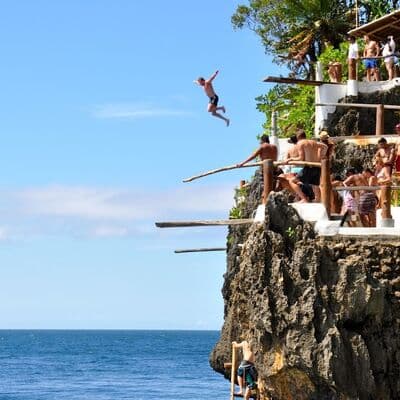
Full Day (9am-5pm): Book a trip to Ariel's Point, a cliff jumping and adventure complex on a nearby island. The $85-95 package includes boat transfer, unlimited food and drinks (including alcohol), cliff jumping from multiple heights (3m to 15m), kayaking, snorkeling, and stand-up paddleboarding. It's touristy but genuinely fun and one of Boracay's best day trip values. You'll be back by late afternoon.
Evening: Recover with a massage on the beach ($10-15 for an hour) followed by dinner somewhere you haven't tried yet. Walk to Diniwid Beach for a quieter sunset than the main strip.
Day 5 - Slow Day and Departure
Morning: Sleep in. Have a proper breakfast at Real Coffee and Tea Cafe (the calamansi muffins are famous). Do any last-minute shopping at D'Mall.
Midday: Final beach time. If you're into it, try a spa treatment - there are dozens ranging from basic ($30) to fancy resort spas ($100+).
Afternoon: Depart with the Boracay tan and probably a few more t-shirts than you needed.
7 Days: The Full Experience
Days 1-5: Follow the 5-day itinerary above.
Day 6 - Water Sports Deep Dive
For the active: Try kiteboarding or windsurfing at Bulabog Beach. A 2-hour introductory lesson costs around $70-80. Or go scuba diving - Boracay has several dive sites suitable for beginners, with discover scuba courses around $80-100 and fun dives for certified divers at $35-50. The diving isn't world-class (better to add Coron or Apo Island to your Philippines trip for that), but it's convenient and there's decent coral and fish life.
For the relaxed: Rent a private cabana at one of the beach clubs. Spend the day being pampered, swimming, and doing very little. Sometimes that's exactly what vacation should be.
Evening: Splurge on a nice dinner. Lemoni Cafe for Mediterranean, Sunny Side Cafe for breakfast-all-day comfort food, or one of the resort restaurants if you've been saving up.
Day 7 - Your Boracay, Your Way
By now you know the island. Return to your favorite spots. Maybe do a cooking class ($40-60 for half-day Filipino cooking workshops). Or simply accept that doing nothing on one of the world's best beaches is a perfectly valid use of your last day.
Where to Eat: From Street Food to Fine Dining
Boracay's food scene has exploded over the years. You can find everything from $2 local meals to $50+ fine dining. Here's how to navigate it.
Street Food and Quick Bites ($1-5)
Chori Burger stands - Found throughout D'Mall and along the main road. These Filipino-style burgers with sweet longganisa sausage patties cost about $1.50-2 and hit the spot after a night out. Look for stands with steady local traffic.
D'Talipapa Market - A wet market where you buy seafood by weight and have it cooked at adjacent restaurants. Buy a kilo of shrimp ($8-12), crabs ($10-15), or fish ($5-10), pay $2-4 cooking fee, and feast. It's chaotic and vendors will haggle hard, but it's an authentic experience and the food is fresh.
Smoke Resto - Not exactly street food but street-food priced. Their ribs are legendary - fall-off-the-bone tender with a sweet-savory glaze. A full rack runs about $8. Also excellent for Filipino breakfast.
Andok's - Chain restaurant for lechon manok (roast chicken) and liempo (grilled pork belly). A quarter chicken with rice is under $3. Perfect when you want filling food without fuss.
Local Joints and Casual Eats ($5-15)
Pamana - Filipino food done well. The kare-kare (oxtail peanut stew) and crispy pata (deep-fried pork knuckle) are highlights. Portions are huge - order family style and share. Budget $10-15 per person with drinks.
Cafe del Sol - Austrian-run cafe with surprisingly authentic schnitzel and European dishes alongside Filipino options. Great coffee and proper breakfast. A meal runs $8-12.
Crafty Crab - Cajun-style seafood boil where you pick your seafood and sauce, they dump it on your table with plastic gloves, and you dig in. Messy, fun, and about $15-20 per person depending on your seafood choices.
Cha Cha's Beach Cafe - Beachfront location at Station 1 with Filipino and international dishes. The vibe is chill, food is consistently good, and watching the sunset while eating calamari is pretty ideal. Meals average $12-18.
Mid-Range Restaurants ($15-30)
Lemoni Cafe - Mediterranean food with excellent hummus, falafel, moussaka, and pizzas. The garden setting is a nice break from beachfront restaurants. Popular for brunch. Budget $15-25 per person.
Sunny Side Cafe - Famous for creative breakfast dishes served all day. Their specialty pancakes and eggs benedict variations draw crowds. Expect a 20-30 minute wait during peak breakfast hours. Meals run $10-15.
Yellow Cab Pizza - When you need reliable pizza. The New York Finest is legit good. An 18-inch pizza runs about $15-20, feeds 2-3 people.
Army Navy - Filipino-American chain that does excellent burritos and burgers. The liberty burrito is enormous and costs about $6. Good for when you're craving something familiar.
Fine Dining and Special Occasions ($30-60+)
Cyma - Modern Greek restaurant with fantastic lamb dishes, fresh seafood, and an extensive menu. Upscale but not stuffy. A full dinner with drinks runs $35-50 per person.
Dos Mestizos - Spanish cuisine with excellent paella and tapas. The seafood paella for two ($30) is worth the 30-minute cooking wait. Good wine list.
Discovery Shores resort restaurants - If you want to splurge, the resort restaurants here serve high-quality international cuisine with impeccable service. Expect $50+ per person with drinks.
Cafes and Chill Spots
Real Coffee and Tea Cafe - The calamansi muffins here are Boracay famous. Also good for espresso drinks and light breakfast. Gets crowded - go early.
Starbucks - Yes, there's a Starbucks in D'Mall. Sometimes you just want reliable wifi and an iced coffee. No judgment.
Hobbit House - A quirky bar and restaurant staffed by little people, established decades ago. The food is decent, the live music is fun, and it's a Boracay institution. Worth a visit for the experience.
Must-Try Food: 10 Dishes You Cannot Skip
Beyond the restaurants, here are specific dishes to seek out during your Boracay visit:
1. Chori Burger ($1.50-2) - Sweet Filipino sausage on a bun with garlic mayo. Available everywhere, best after midnight when you're walking back from the bars.
2. Fresh Calamansi Juice ($1-2) - Philippine lime juice, often mixed with honey. Refreshing, everywhere, and cheap. Ask for it at any restaurant or beach vendor.
3. Kinilaw ($5-8) - Filipino ceviche made with fresh fish cured in vinegar and calamansi. Best at seafood restaurants or D'Talipapa. The version with tanigue (Spanish mackerel) is particularly good.
4. Sizzling Sisig ($6-10) - Chopped pig face and ears (trust me) served sizzling on a hot plate with egg and calamansi. Crispy, fatty, sour, and utterly addictive. Every Filipino restaurant serves it.
5. Grilled Seafood from D'Talipapa (varies) - Buy prawns, lobster, or fish at the market and have it grilled. Budget $15-25 for a full seafood feast for two. The experience is half the fun.
6. Halo-Halo ($3-5) - Shaved ice with beans, jellies, leche flan, ube ice cream, and evaporated milk. Sounds weird, tastes amazing. Perfect beach refreshment. Jonah's Fruit Shake makes a good version.
7. Lechon Kawali ($5-8) - Deep-fried pork belly, crispy outside, tender inside. Served with spiced vinegar dipping sauce. Available at most Filipino restaurants.
8. Pancit Canton ($4-7) - Filipino stir-fried noodles with vegetables and meat. Comfort food that every restaurant does slightly differently. Cheap and filling.
9. Taho (under $1) - Warm silken tofu with brown sugar syrup and tapioca pearls. Sold by vendors walking the beach in the early morning shouting 'Tahooo!' Wake up early to catch them.
10. Fresh Mango Everything ($2-5) - Philippine mangoes are arguably the world's best. Eat them fresh, in shakes, with sticky rice, or dried as souvenirs. Jonah's Fruit Shake does excellent mango shakes for about $2-3.
Local Secrets: 12 Tips Most Visitors Miss
1. The beachfront path is for walking only - Post-rehabilitation, commercial activity on the beach is strictly regulated. The first 25 meters from the water line must be clear of vendors and structures. This is why the beach feels more spacious than pre-2018 photos suggest.
2. Negotiate tricycle prices before getting in - Tricycles don't use meters. Standard rates: $1-2 within one station, $2-3 between stations, $3-5 from jetty port to Station 2. Drivers will try to charge more - friendly but firm negotiation is expected.
3. The best sunset spot isn't on White Beach - Walk to Diniwid Beach or take a $5 boat ride to Puka Beach for sunset. Fewer crowds, equally stunning views, and better photos without tourists walking through your shot.
4. Environmental fees and terminal fees add up - Budget an extra $10-15 per person for the various fees: environmental fee ($5), terminal fee ($1.80), boat fare ($1.80), and potential tourism fee. They're not included in flight prices and payable in cash.
5. The electricity situation - Boracay runs on island generators with a backup connection to the mainland. Power is reliable but occasional brownouts happen, especially in Habagat season. Good hotels have generators; budget places might not.
6. Water pressure varies - Fresh water is pumped from the mainland. During peak tourist season and dry months, water pressure can drop, especially in budget accommodation. Luxury resorts have storage tanks and don't have this issue.
7. Friday and Saturday nights are chaos - Domestic tourists flood in for weekends. The beach gets noticeably more crowded from Friday afternoon through Sunday morning. If you have flexibility, a Tuesday-Thursday stay is significantly more peaceful.
8. Learn some Tagalog basics - English is widely spoken but locals appreciate effort. 'Salamat' (thank you), 'Magkano?' (how much?), and 'Masarap!' (delicious!) go a long way.
9. Beach vendors are persistent but harmless - You'll be offered massages, henna tattoos, sunglasses, and souvenirs constantly. A polite but firm 'No thank you' works. Making eye contact invites conversation; looking at your phone signals disinterest.
10. The island is walkable but hilly - White Beach is flat, but getting to Bulabog or the north end involves hills. If you're not up for walking in heat, tricycles are cheap and everywhere.
11. Book Ariel's Point 2-3 days ahead - It sells out in high season. Book through your hotel or any tour operator in D'Mall. Don't pay more than $95 - some operators mark up significantly.
12. ATMs run out of cash - Seriously. During peak weekends, ATMs in D'Mall can empty out. Withdraw cash when you see a full ATM, don't wait until you're desperate. BDO and BPI ATMs have the best reliability.
Getting There and Getting Around
Flights to Boracay
From the US: No direct flights exist. Connect through Manila (MNL), Singapore (SIN), Hong Kong (HKG), or Seoul (ICN). From Manila, Philippine Airlines, Cebu Pacific, and AirAsia fly to Caticlan (MPH) multiple times daily - flight time is about 1 hour, fares range $50-150 each way depending on season and booking advance. From the West Coast, Manila is about 15-16 hours with one connection.
From the UK: Connect through Manila, Hong Kong, or Singapore. Total travel time from London is typically 16-20 hours including connections. Singapore Airlines via Singapore and Cathay Pacific via Hong Kong offer good connections.
From Australia: Cebu Pacific and Philippine Airlines fly Manila from Sydney and Melbourne (8-9 hours), then connect to Caticlan. Some travelers route through Singapore or Hong Kong.
Caticlan (MPH) vs Kalibo (KLO): Always prefer Caticlan if available and prices are reasonable. The airport is 10 minutes from the boat terminal. Kalibo is 1.5-2 hours away by van ($8-10 per person) plus the same boat transfer. The only reason to fly Kalibo is if Caticlan flights are sold out or significantly more expensive (which happens during peak season).
The Boat Transfer
From Caticlan Airport, you'll walk or take a shuttle to the jetty port, pay your fees, board an outrigger boat for the 10-minute crossing to Boracay's Cagban Jetty, then take a tricycle to your hotel. The whole process takes 30-45 minutes. Porters will offer to carry your bags for tips ($1-2 is fine). During rough weather, the boat crossing can be suspended - this is rare but happens a few times per year during typhoons.
Getting Around the Island
Walking: The best way to experience White Beach. The entire beach is about 4km, walkable in an hour at a leisurely pace. The beachfront promenade extends from Station 1 to Station 3 with no cars allowed.
Tricycles: Motorbikes with covered sidecars that serve as Boracay's main transport. They follow the main road that runs parallel to the beach. Fares: $1-2 within zones, $2-4 for longer trips, $5-8 to farther points like Puka Beach. Agree on price before riding.
E-trikes: Electric tricycles introduced post-rehabilitation. Same pricing as regular tricycles, quieter and less polluting. These are shared rides by default, meaning you might stop to pick up other passengers.
Scooter rental: Available for $8-12 per day. Requires confidence riding in Filipino traffic conditions (chaotic but slow-moving). Helmets are required and provided. Great for exploring the island's interior and east side.
Boats: For reaching other beaches like Puka, Diniwid, or offshore islands. A boat to Puka Beach runs about $5-8 per person one way on a shared boat, or $25-35 for a private charter. Hotel concierges and D'Mall tour offices can arrange these.
Connectivity
Mobile data: Get a local SIM at the airport or any convenience store. Globe and Smart are the main carriers. A tourist SIM with 15GB data costs about $8-10 and lasts 30 days. Coverage is good throughout the island.
WiFi: Available in most hotels, restaurants, and cafes. Quality varies from excellent in upscale places to barely functional in budget spots. Don't count on it for video calls - bring mobile data as backup.
Charging: Philippines uses Type A/B plugs (same as US). Voltage is 220V, so US appliances need a voltage converter, not just a plug adapter. Most modern phone and laptop chargers handle 110-220V automatically - check the fine print on your charger.
Who Should (and Shouldn't) Visit Boracay
After spending time on this island, here's my honest assessment of who will love it and who might be disappointed.
Boracay is Perfect For:
First-time Philippines visitors - It's easy, well-organized, English-friendly, and delivers exactly what it promises: beautiful beach, fun nightlife, good food. A great introduction to the country before exploring more adventurous destinations.
Couples and honeymooners - Station 1 and Diniwid offer romantic settings, and there's enough variety to keep both partners happy whether you want adventure or relaxation.
Party travelers - If you want to dance on the beach until sunrise and meet people from around the world, Boracay delivers. Station 2 and 3 have active nightlife scenes.
Water sports enthusiasts - Between kiteboarding, diving, snorkeling, parasailing, and island hopping, you won't run out of activities.
Families with older kids - Plenty of activities, safe beaches with lifeguards, and accommodation options from budget to luxury. Younger kids might struggle with the party atmosphere and limited playground options.
Boracay Might Disappoint:
Travelers seeking untouched paradise - Boracay is developed, busy, and commercial. If you want deserted beaches and authentic village life, try Siargao, Palawan, or smaller islands instead.
Budget backpackers on tight limits - You can do Boracay cheaply ($30-40/day) but you'll feel the budget constraints. The island is pricier than most Philippine destinations.
Divers prioritizing underwater experiences - The diving is fine but not exceptional. Puerto Galera, Apo Island, Moalboal, and Coron offer significantly better dive sites.
Travelers who hate tourist infrastructure - Chain restaurants, souvenir shops, and tour touts are part of the Boracay experience. If this bothers you, you'll be frustrated.
Anyone visiting during peak season without bookings - Chinese New Year, Easter week, and holiday weekends can be overwhelming. If you're visiting during these periods, book accommodation at least a month ahead and accept that the beach will be crowded.
Final Thoughts
Boracay represents a specific kind of beach vacation - accessible, convenient, beautiful, and socially energetic. It's not the Philippines' most authentic or adventurous destination, but it delivers consistently good experiences to millions of visitors each year. The 2018 rehabilitation genuinely improved the island - the beach is cleaner, development is better controlled, and the environmental focus is real. Go with realistic expectations, budget appropriately, and you'll likely have an excellent time.
The island works best as part of a longer Philippines itinerary. Combine it with Palawan's dramatic landscapes, Cebu's diving, or Manila's urban energy for a well-rounded trip. Or use it as your beach recovery stop after adventurous travel elsewhere in Southeast Asia. Either way, those four kilometers of white sand and turquoise water will be waiting.