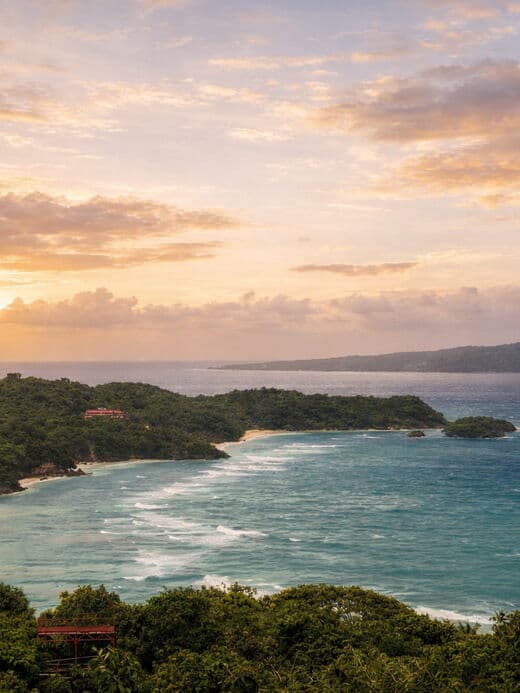
Puka Beach: Boracay's Serene Northern Escape and Shell Hunter's Paradise
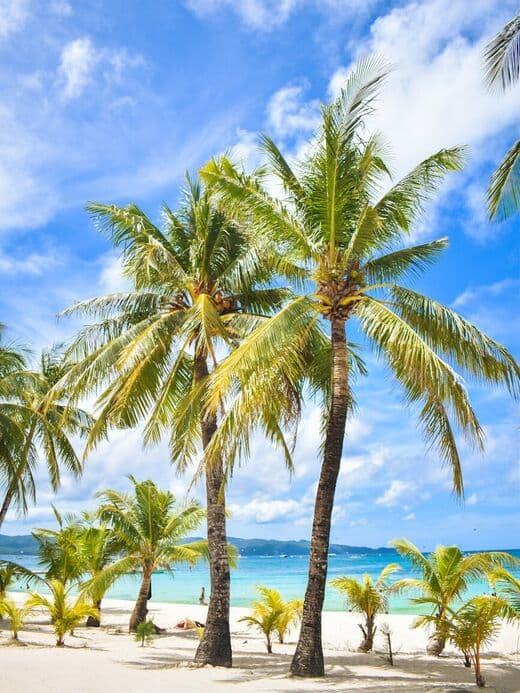
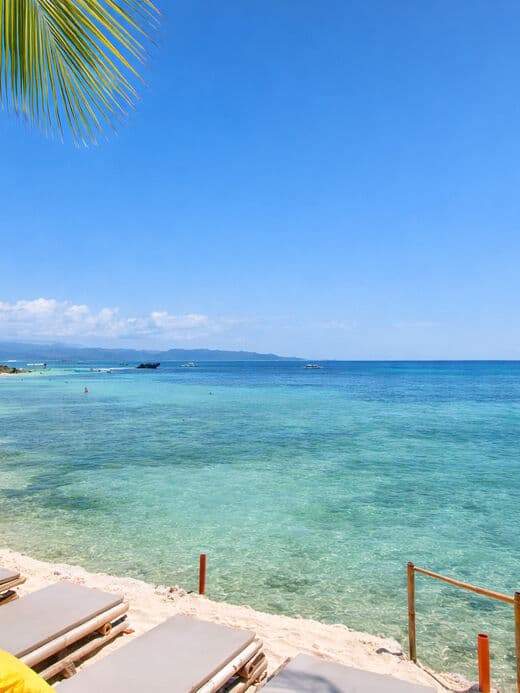
While White Beach draws the crowds with its powdery sand and endless activity, discerning travelers are discovering that Boracay's most memorable beach experience may lie at the island's northern tip. Puka Beach—named for the puka shells that once covered its shores—offers something increasingly rare on this famous island: genuine tranquility. Here, the sand is coarser and mixed with coral fragments, the waves roll in with more energy, and the commercial development remains minimal. For those seeking the Boracay that existed before the resorts and the crowds, Puka Beach provides a glimpse of that quieter past.
Understanding Puka Beach
Location and Geography
Puka Beach (also known as Yapak Beach) occupies the northern tip of Boracay Island, approximately 3 kilometers from White Beach as the crow flies, though the winding road makes the journey about 4.5 kilometers. The beach stretches for roughly 800 meters along a gentle curve facing the Sibuyan Sea, with rocky outcrops marking both ends of the sandy stretch.
The beach's orientation—facing north-northeast—means it catches more wave action than the sheltered western shores where White Beach sits. This makes for a more dynamic beach experience, though the waves are rarely dangerous. The offshore waters deepen relatively quickly, making Puka less ideal for the gentle wading that White Beach offers but providing better conditions for body surfing and wave play.
The Puka Shell Story
The beach takes its name from puka shells—small, round, white shells with a natural hole in the center that made them perfect for stringing into jewelry. In the 1970s and 1980s, before Boracay's tourism boom, Puka Beach was known locally as a prime shell-collecting spot. The iconic puka shell necklaces that became fashion statements worldwide often originated from shells gathered on these shores.
Today, puka shells are far less abundant, victims of decades of collection and changing marine conditions. You can still find small shells among the sand, but the vast quantities that once carpeted the beach exist now mainly in memory and photographs. Nevertheless, beachcombing remains a popular activity, and visitors regularly find interesting shells, coral pieces, and sea glass.
Character of the Beach
Puka Beach offers a distinctly different experience from White Beach:
- Sand: Coarser and yellower than White Beach's famous powder, mixed with shell fragments and coral pieces. Less soft underfoot but interesting to explore.
- Waves: Gentle to moderate surf depending on season and weather. More active than White Beach's calm waters.
- Development: Minimal commercial presence. A few small restaurants and shops but no hotels directly on the beach.
- Crowds: Significantly fewer visitors than White Beach, especially on weekdays and during early morning/late afternoon.
- Atmosphere: Relaxed, natural, unhurried. This is the "escape from the escape" for those finding White Beach too busy.
Getting to Puka Beach
By Tricycle
The most common method for visitors staying on White Beach:
From Station 1: 100-150 PHP, 10-15 minutes
From Station 2: 120-180 PHP, 15-20 minutes
From Station 3: 150-200 PHP, 20-25 minutes
Negotiate before departing. Many drivers will offer to wait (for additional fee) if you plan a short visit, which saves time finding return transport.
By E-Trike or Motorcycle
Electric tricycles operate fixed routes around the island. Motorcycle taxis (habal-habal) are faster but less regulated. Both are cheaper alternatives to traditional tricycles:
E-trike: 30-50 PHP per person (shared)
Habal-habal: 80-100 PHP
By Rental Bicycle or E-Bike
Adventurous visitors can rent bicycles or e-bikes for the scenic ride:
Bicycle rental: 200-300 PHP per day
E-bike rental: 500-800 PHP per day
Route: Generally flat with one moderate hill. Takes 20-30 minutes cycling at leisure pace.
On Foot
The walk from White Beach to Puka Beach takes approximately 45 minutes to an hour depending on pace and route. The main road is paved but can be hot during midday. Early morning walks are pleasant and offer glimpses of local Boracay life away from tourist areas.
Facilities and Services
What's Available
Puka Beach has basic facilities but nothing like White Beach's extensive services:
- Restaurants: Several small eateries serving Filipino food, fresh seafood, and basic Western dishes. Prices are slightly lower than White Beach.
- Beach loungers: Available for rent at modest prices (100-200 PHP for the day)
- Umbrellas: Limited availability; bringing your own sun protection is wise
- Restrooms: Basic facilities at the restaurants; small fee may apply
- Showers: Available at some establishments
- Vendors: Occasional sellers offering fruit, coconuts, and simple souvenirs
What's NOT Available
- Hotels or resorts directly on the beach
- Water sports rentals (jet skis, parasailing, etc.)
- Dive shops or organized activities
- ATMs or money changers
- Reliable phone signal in some areas
Food and Drink Recommendations
The beachfront restaurants specialize in simple, fresh preparations:
- Fresh seafood: Fish, squid, and prawns grilled to order—ask what was caught that morning
- Buko juice: Fresh coconut water served in the shell—perfect beach refreshment
- Filipino dishes: Adobo, sinigang, and other local favorites at reasonable prices
- Fresh fruit shakes: Mango, banana, and seasonal fruits blended with ice
What to Do at Puka Beach
Beach Activities
Beachcombing and Shell Collecting: While puka shells are scarce, the beach still yields interesting finds. Walk the tide line early morning for best results. Look for coral pieces, sea glass, and various small shells.
Swimming: The waters are deeper than White Beach with more wave action. Strong swimmers will enjoy the livelier conditions. Always check current conditions; waves increase during amihan (northeast monsoon) season.
Body Surfing and Boogie Boarding: When waves are up, Puka offers decent conditions for body surfing. Bring your own board—rentals aren't available.
Sunset Viewing: While the beach faces northeast (sunrise direction), the rocky western headland offers sunset views. The less crowded atmosphere makes for a more intimate experience than the famous White Beach sunsets.
Relaxation: The primary activity here is simply being. Bring a book, a towel, and an appreciation for uncomplicated beauty.
Photography
Puka Beach offers excellent photographic opportunities:
- Rocky outcrops at both ends of the beach provide dramatic foregrounds
- Fewer people mean cleaner background shots
- Coarser sand photographs with interesting texture
- Traditional boats occasionally anchor offshore
- Less commercial development = more natural aesthetic
Best times: Early morning (6:30-8:00 AM) for soft light and empty beach; late afternoon (4:00-5:30 PM) for golden hour warmth.
Best Time to Visit
Time of Day
Early morning (6:00-9:00 AM): Coolest temperatures, emptiest beach, best light for photos. Beach may still show marks from overnight tides—adds character.
Midday (10:00 AM-3:00 PM): Hot but often quietest period as tour groups haven't arrived yet. Shade is limited; bring umbrella or seek restaurant shelter during hottest hours.
Late afternoon (3:00-6:00 PM): Tour groups often arrive for "island tour" stops of 30-60 minutes. Still pleasant but busier. Evening exodus leaves beach peaceful again.
Season
Amihan (November-May): Dry season. Northeast winds create slightly choppier conditions at Puka (which faces this direction). Busier tourism period overall, but Puka remains relatively quiet compared to White Beach.
Habagat (June-October): Southwest monsoon. Puka Beach is actually calmer during this period (sheltered from southwest winds). However, this is Boracay's off-season with occasional rain. Fewer tourists mean even more solitude.
Practical Tips
What to Bring
- Sun protection: Sunscreen, hat, and sunglasses essential—limited natural shade
- Water: Especially if visiting morning before restaurants open
- Cash: No ATMs; most establishments are cash-only
- Reef shoes: The coarser sand includes occasional sharp shells and coral pieces
- Beach towel/mat: Limited lounger availability
- Snacks: If visiting early morning when restaurants may not yet be serving
- Waterproof bag: For valuables if swimming
What to Expect
- Simpler experience: This is not a full-service beach resort environment
- Active water: More wave action than White Beach—not ideal for small children
- Variable conditions: Weather and wave conditions change seasonally
- Limited infrastructure: Plan to be self-sufficient for your visit
- Natural beauty: Less manicured but more authentic coastal experience
Time Allocation
Quick visit: 1-2 hours (see the beach, swim, have a drink)
Half-day: 3-4 hours (relax, eat lunch, explore)
Full-day: 5+ hours (bring entertainment, enjoy multiple meals, truly decompress)
Comparing Puka Beach and White Beach
| Feature | Puka Beach | White Beach |
| Sand | Coarse, shell-mixed | Fine powder |
| Waves | Moderate | Calm |
| Crowds | Light | Heavy |
| Facilities | Basic | Extensive |
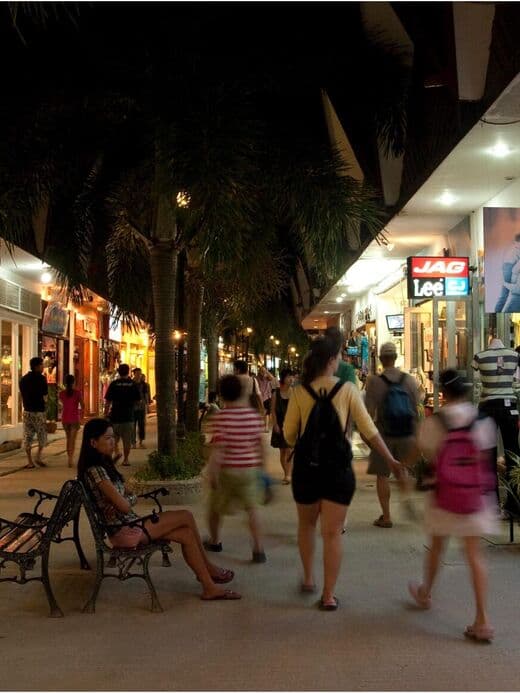
| Nightlife | None | Vibrant |
| Best for | Relaxation, escape | Full resort experience |
Nearby Attractions
While in the northern part of Boracay, consider combining Puka Beach with:
- Mount Luho: The island's highest point, offering panoramic views. Approximately 1 kilometer from Puka Beach.
- Bat Caves: Small caves with fruit bat populations, visited on some island tours.
- Balinghai Beach: Another quieter beach nearby, accessible via some resorts.
- Ilig-Iligan Beach: Secluded cove on the northeast coast, requires boat or challenging hike.
Conservation and Responsible Visiting
Puka Beach's relatively undeveloped state is part of its charm—and worth preserving:
- Leave no trace: Pack out all garbage; facilities are limited
- Don't collect live shells: Take only empty shells and only in small quantities
- Respect marine life: Don't disturb any creatures you encounter
- Support local businesses: Eat at the beachfront restaurants that provide the few available services
- Avoid single-use plastics: Bring refillable water bottles
Essential Information Summary
Location: Northern tip of Boracay Island
Distance from White Beach: 4.5 km by road (3 km direct)
Transport: Tricycle (100-200 PHP), e-trike, bicycle, or walking
Entrance fee: Free
Facilities: Basic restaurants, limited beach services
Best for: Relaxation, beachcombing, escape from crowds
Best time: Early morning or late afternoon
Time needed: 2-4 hours minimum recommended
In a destination increasingly defined by development and tourist infrastructure, Puka Beach offers something valuable: a reminder of what made Boracay special before the world discovered it. The beach won't suit everyone—those seeking powder-soft sand, calm waters, and extensive amenities will prefer White Beach. But for travelers who find serenity in simplicity, who appreciate natural beauty over polished presentation, who want to feel the rhythm of waves rather than the pulse of nightclubs, Puka Beach provides exactly what's needed. It's not the Boracay of the brochures, but for many visitors, it's the Boracay they'll remember most fondly.