White Beach Boracay: The Ultimate Guide to the Philippines' Most Famous Shoreline
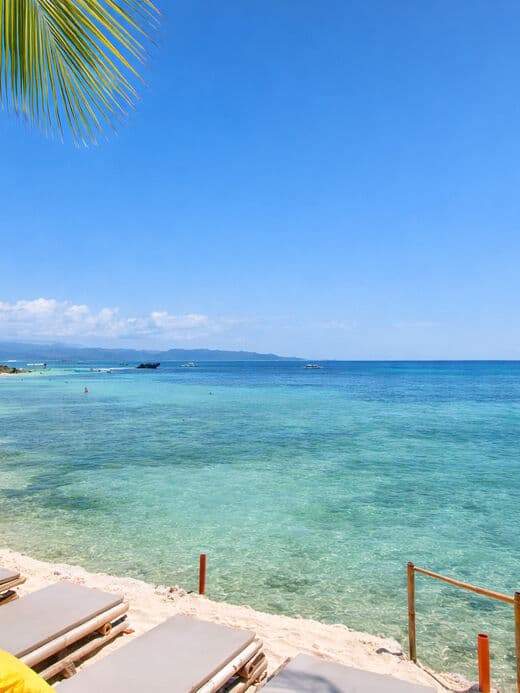
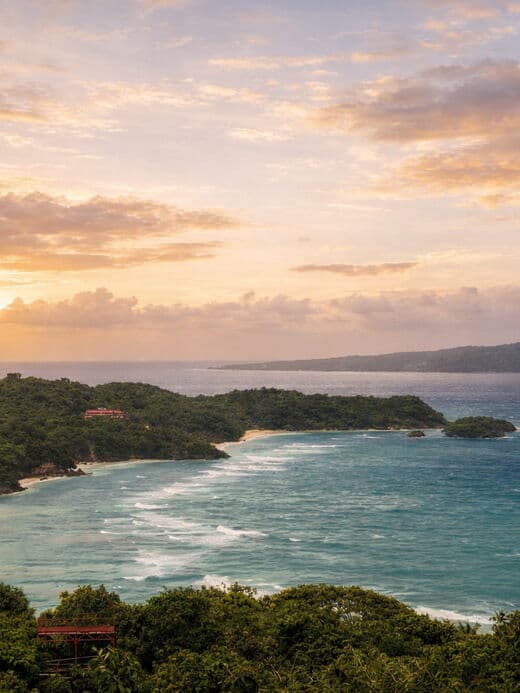
Stretching four kilometers along Boracay's western coast, White Beach has earned its reputation as one of the world's most beautiful beaches—and for good reason. The sand here is exceptionally fine, almost powdery, and remains remarkably cool even under the intense tropical sun. The waters transition through shades of turquoise and aquamarine so perfect they seem digitally enhanced. And the sunsets that paint the sky each evening have launched a million Instagram posts. After a transformative closure and rehabilitation in 2018, White Beach has emerged cleaner, better regulated, and more prepared than ever to welcome the travelers who make this their Philippine dream destination.
Understanding White Beach
Geography and Layout
White Beach runs roughly 4 kilometers along Boracay's western shore, facing the Sulu Sea. The beach is traditionally divided into three sections, known as Stations, each with its own character and appeal:
Station 1 (Northern Section): The widest and most upscale portion of the beach. Premium resorts line the shore, the sand stretches broadest here, and the atmosphere is more refined. Best for luxury travelers and those seeking relative tranquility.
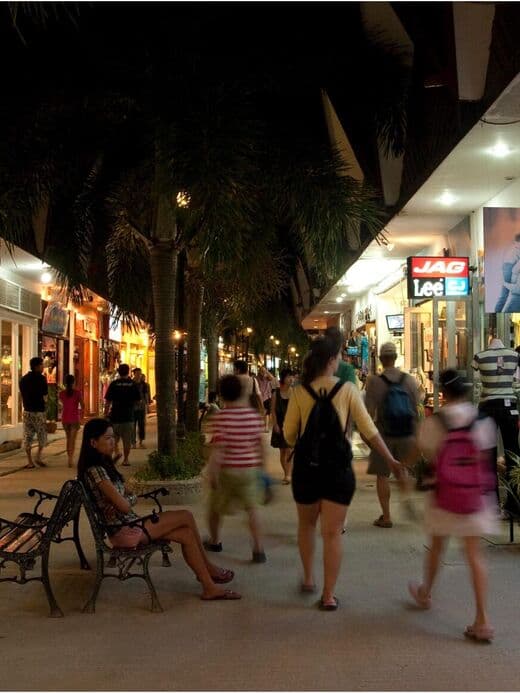
Station 2 (Central Section): The heart of White Beach activity. D'Mall shopping complex sits just behind the beach, restaurants and bars crowd the beachfront, and the energy level runs highest. Best for those wanting to be in the middle of everything.
Station 3 (Southern Section): Budget-friendly territory with guesthouses and backpacker accommodations. The beach is narrower, development is less polished, but prices are significantly lower. Best for budget travelers and longer-stay visitors.
The Sand
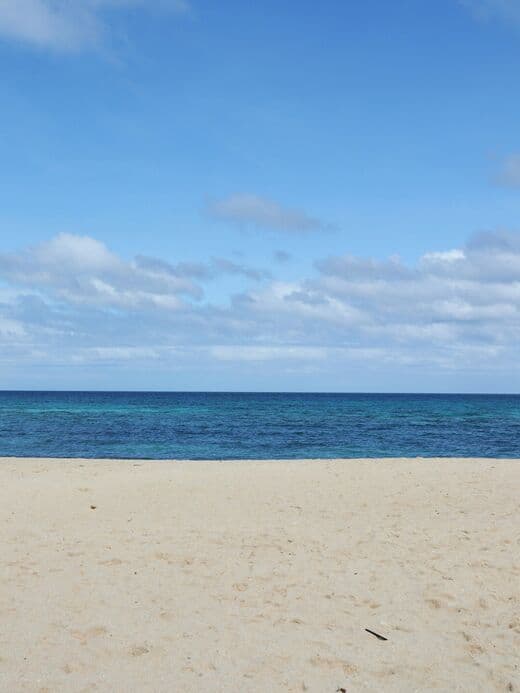
White Beach's most remarkable feature is its sand—technically pulverized coral and parrotfish waste that has been refined over millennia into an extraordinarily fine white powder. The sand is composed primarily of calcium carbonate, which gives it the unusual property of staying cool even in direct sunlight. You can walk barefoot at high noon without discomfort—a claim few tropical beaches can match.
Post-Rehabilitation Boracay
In April 2018, Philippine President Rodrigo Duterte ordered Boracay closed for a comprehensive rehabilitation, famously calling the island a "cesspool." For six months, tourists were banned while authorities addressed decades of unregulated development: illegal structures were demolished, drainage systems installed, and strict environmental regulations implemented.
The Boracay that reopened in October 2018—and continues operating today—is dramatically different:
- Beachfront commercial structures set back from the shore
- No more beach vendors, chairs, or umbrellas on the sand itself
- Strict water quality monitoring and enforcement
- Regulated tourist numbers during peak periods
- Cleaner, clearer water than in decades
- Improved sewage and drainage systems
Getting to White Beach
Arriving on Boracay
By Air: The nearest airport is Godofredo P. Ramos Airport (Caticlan/Boracay Airport—MPH), just a 10-minute boat ride from the island. Direct flights operate from Manila (1 hour), Cebu, and Clark. An alternative is Kalibo International Airport (KLO), approximately 2 hours from Caticlan by bus but often offering cheaper flights and international connections.
The Crossing: From Caticlan Jetty Port, passenger boats make the crossing to Boracay's Cagban Port in 10-15 minutes. Terminal fees, environmental fees, and boat fares total approximately 300-400 PHP per person.
From the Port: E-trikes and tricycles shuttle arriving passengers to their accommodations. Specify your station and hotel name. Fares range from 50-200 PHP depending on distance and whether the vehicle is shared.
Moving Around
Once on Boracay, White Beach is easily accessible on foot for most visitors. The beachfront path connects all three stations in a pleasant 30-45 minute walk. For longer distances:
- E-trikes: 20-50 PHP for short hops (shared), flat rate system on main routes
- Tricycles: 50-150 PHP depending on distance (private)
- Walking the main road: An alternative to beach walking, especially during high tide
Where to Stay
Station 1: Luxury and Premium
High-end resorts dominate this section, offering direct beach access, premium amenities, and relatively peaceful surroundings:
- Price range: 8,000-35,000 PHP per night
- Character: Sophisticated, relaxed, romantic
- Best for: Couples, honeymooners, luxury seekers
- Trade-off: Distance from main entertainment district
Station 2: Central and Convenient
Mid-range hotels and boutique properties clustered around D'Mall offer the best of everything within walking distance:
- Price range: 3,000-10,000 PHP per night
- Character: Active, social, convenient
- Best for: Groups, first-time visitors, social travelers
- Trade-off: Can be noisy, especially during peak seasons
Station 3: Budget and Backpacker
Guesthouses, hostels, and budget hotels offer affordable rates for longer stays:
- Price range: 800-3,000 PHP per night
- Character: Casual, backpacker-friendly, local
- Best for: Budget travelers, long-term visitors, solo backpackers
- Trade-off: Narrower beach, less polished infrastructure
What to Do on White Beach
Beach Activities
Swimming: The calm, sheltered waters are ideal for swimming. Water depth remains wadeable for quite a distance offshore, making it family-friendly. Lifeguards patrol during daylight hours.
Water Sports: Operators stationed near Station 2 offer various activities:
- Parasailing: 2,500-3,500 PHP per flight
- Jet skiing: 1,500-2,500 PHP per 30 minutes
- Banana boat: 350-500 PHP per person
- Paddleboarding: 500-800 PHP per hour
- Kayaking: 400-600 PHP per hour
Island Hopping: Half-day and full-day trips visit nearby islands and snorkeling spots. Standard packages (1,500-2,500 PHP per person) include Crocodile Island, Puka Beach, and Crystal Cove.
Diving and Snorkeling: Numerous dive shops offer PADI certification courses and fun dives. Introductory dives start around 2,500 PHP; certified divers pay approximately 1,500-2,000 PHP per dive including equipment.
Sunset Viewing
The daily sunset has become a ritual on White Beach. As the sun descends toward the horizon, the sky erupts in oranges, pinks, and purples reflected on the calm water. Prime viewing spots:
- Station 1 beachfront: Wide beach, fewer crowds, unobstructed views
- Spider House: Cliffside bar in Diniwid with elevated perspectives
- Sailing vessels: Sunset cruises (paraw sailboats) offer on-water viewing
- Beachfront restaurants: Many offer prime seating for sunset dining
D'Mall and Shopping
The D'Mall complex behind Station 2 serves as Boracay's main shopping and dining destination:
- Souvenir shops selling everything from puka shell jewelry to Filipino crafts
- Clothing boutiques with beachwear and resort fashion
- International restaurant chains and local eateries
- Convenience stores and pharmacies
- Money changers and ATMs
- Tour booking offices and activity centers
Nightlife
While more subdued than pre-rehabilitation days, Boracay nightlife remains vibrant:
- Beachfront bars: Most concentrated around Station 2, offering everything from quiet cocktails to dancing
- Fire dancing shows: Free performances on the beach most evenings
- Live music: Many venues feature acoustic performers and bands
- Clubs: Several nightclubs operate until early morning hours
Note: Post-rehabilitation regulations have reduced beach parties and loud music after midnight in most areas.
Eating and Drinking
Dining Options
White Beach offers exceptional dining variety for a small island:
Filipino cuisine: From simple carinderias (local eateries) to upscale Filipino restaurants, local food is abundant and affordable.
Seafood: Fresh catches displayed at beachfront restaurants—choose your fish and preparation style. D'Talipapa market offers buy-and-cook options.
International: Italian, Japanese, Korean, Indian, Mexican, and more are all represented, reflecting Boracay's international visitor base.
Budget eats: Station 3 and the streets behind D'Mall offer cheaper options, including convenience store meals and local food stalls.
Signature Boracay Experiences
- Chori burger: Grilled chorizo patty burger—a local specialty
- Calamansi muffins: Sweet/tart treats using local citrus
- Fresh fruit shakes: Mango and coconut shakes are everywhere
- Sunset cocktails: Beachfront bars compete for the most photogenic drinks
Best Time to Visit
Peak Season (December-May)
Weather: Dry, sunny, minimal rain
Crowds: Highest, especially Christmas, Chinese New Year, Holy Week
Prices: Peak rates apply
Sea conditions: Calm, ideal for water activities
Recommendation: Book accommodations 2-3 months in advance for peak periods
Shoulder Season (November, June)
Weather: Transitional, occasional rain showers
Crowds: Moderate
Prices: Beginning of discounts
Recommendation: Good balance of weather and value
Low Season (July-October)
Weather: Southwest monsoon (habagat), regular rain, possible storms
Crowds: Lightest visitor numbers
Prices: Significant discounts available
Sea conditions: Rougher on western (White Beach) side; eastern beaches calmer
Recommendation: Budget travelers and those flexible with weather will find excellent deals
Practical Tips
Beach Rules (Post-Rehabilitation)
- No smoking: Smoking banned on the beach and in public areas
- No drinking: Alcohol consumption on the beach itself is prohibited
- No sand castles: Building sandcastles and digging large holes banned to preserve beach quality
- No beach furniture: Hotels cannot place loungers or umbrellas on public beach
- No vendors: Beachfront vending has been relocated off the sand
What to Bring
- Reef-safe sunscreen: Protect both yourself and the marine environment
- Light cover-ups: For walking through town; beachwear alone is discouraged in shops
- Cash: While cards are increasingly accepted, many smaller establishments remain cash-only
- Waterproof phone case: For beach photos and water activities
- Reusable water bottle: Reduce plastic waste and stay hydrated
Health and Safety
- Sun protection: Tropical sun is intense; reapply sunscreen frequently
- Hydration: Drink plenty of water, especially if consuming alcohol
- Valuables: Use hotel safes; don't leave belongings unattended on beach
- Currents: Generally calm, but respect any warning flags posted by lifeguards
- Medical: Several clinics operate on the island for minor issues
Day Trips from White Beach
On Boracay
- Puka Beach: Quieter northern beach with coarser sand and fewer crowds
- Mount Luho: Island's highest point with panoramic views
- Diniwid Beach: Small, charming cove north of Station 1
- Bulabog Beach: Eastern shore, kitesurfing capital during amihan season
Off Island
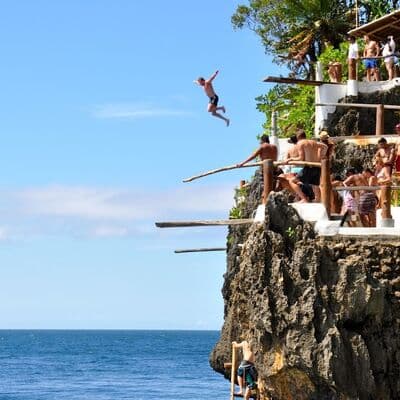
- Ariel's Point: Cliff jumping and all-inclusive adventure day trip
- Crystal Cove: Small island with caves and snorkeling
- Carabao Island: Less-developed neighboring island for exploration
Budget Planning
Daily Costs (Per Person, 2025 Estimates)
Budget traveler: 2,000-3,500 PHP
- Dorm or budget guesthouse: 500-1,000 PHP
- Street food and local restaurants: 500-800 PHP
- Activities: 500-1,000 PHP
- Transport: 200-300 PHP
Mid-range: 5,000-10,000 PHP
- Hotel room: 2,500-5,000 PHP
- Dining: 1,500-2,500 PHP
- Activities: 1,000-2,000 PHP
- Transport and incidentals: 500-1,000 PHP
Luxury: 15,000+ PHP
- Premium resort: 8,000-20,000 PHP
- Fine dining: 3,000-5,000 PHP
- Premium activities: 3,000-5,000 PHP
- Services and extras: variable
Essential Information Summary
Location: Western coast of Boracay Island, Aklan Province, Philippines
Beach length: 4 kilometers
Nearest airport: Caticlan (MPH) - 10 minutes by boat; Kalibo (KLO) - 2 hours
Best season: November-May (dry season)
Water conditions: Calm, warm, clear (post-rehabilitation)
Currency: Philippine Peso (PHP); cards accepted at larger establishments
Language: Filipino (Tagalog), Aklanon; English widely spoken
White Beach has weathered its share of challenges—from explosive growth to environmental crisis to pandemic closures—and emerged as a destination recommitted to its natural assets. Today's White Beach offers visitors the stunning beauty that made it famous, combined with improved environmental standards and a more sustainable approach to tourism. Whether you're seeking adventure or relaxation, nightlife or nature, luxury or budget-friendly simplicity, this remarkable stretch of Philippine coastline delivers. The four kilometers of powder-soft sand, the impossibly blue water, and those legendary sunsets continue to create the memories that bring travelers back again and again.