About
Bulgaria: The Complete Travel Guide You Actually Need
Why Bulgaria Deserves a Spot on Your Travel List
Let me be honest with you: Bulgaria is one of the most underrated countries in Europe, and that is actually great news for you. While everyone is fighting for restaurant reservations in Dubrovnik, paying $18 for a mediocre spritz in Santorini, or elbowing through crowds on the Amalfi Coast, Bulgaria is sitting there quietly, offering everything those places have -- ancient history, gorgeous coastline, dramatic mountains, world-class food -- at a fraction of the price. And without the crowds. At least for now.
Here is the thing most people do not realize about Bulgaria: it is one of the oldest countries in Europe. Founded in 681 AD, it has never changed its name since -- a record only a handful of nations can claim. Bulgarians gave the world the Cyrillic alphabet (yes, it was Bulgarians, not Russians -- and locals are very proud of this fact and will absolutely correct you if you mix it up). They also gave us rose oil (Bulgaria produces about 70% of the world's supply), and yogurt with the unique bacterium Lactobacillus bulgaricus, which literally cannot be found anywhere else on the planet. A country with that kind of resume deserves far more attention than it gets.
As of January 1, 2025, Bulgaria became a full member of the Schengen Area, which means no more border controls at land crossings with neighboring EU countries. For American, British, Canadian, and Australian travelers, this is relevant because your Schengen clock now ticks in Bulgaria too -- you get 90 days within any 180-day period across all Schengen countries combined. If you have already spent two months bouncing around France, Spain, and Italy, your remaining Schengen time applies to Bulgaria as well. Plan accordingly.
For US citizens specifically: no visa is needed for stays under 90 days. Your passport needs to be valid for at least three months beyond your planned departure from the Schengen zone. UK, Canadian, and Australian passport holders enjoy the same visa-free access. After Brexit, British travelers are now subject to the same 90/180-day Schengen rule as Americans. The upcoming ETIAS (European Travel Information and Authorization System) will require a simple online pre-authorization for visa-exempt travelers -- it costs 7 euros, is valid for three years, and takes minutes to complete. Check the latest status before your trip, as the launch date has been pushed back several times.
Now, let me talk about what actually makes Bulgaria special beyond the history lesson. In a single day, you can eat breakfast at a mountain monastery founded a thousand years ago, have lunch in a sun-drenched wine valley where grapes have been growing since before the Roman Empire, and finish with dinner overlooking the Black Sea coast. All without a single domestic flight. The country is roughly the size of Tennessee (or about half the size of England, for the Brits), so driving from one end to the other takes about five hours. This compact size means you can pack an extraordinary amount of diversity into a short trip.
The price situation deserves special attention because it is genuinely remarkable. Bulgaria is one of the cheapest countries in the EU. A sit-down lunch with a drink at a decent restaurant in Sofia costs $8-15. A craft beer runs $2-3. A comfortable three-star hotel room goes for $35-50 per night. For comparison, an equivalent meal in Prague would cost you $25-35, in Vienna $35-50, and in London or New York you would be lucky to get a sandwich and coffee for what buys you a three-course meal in Plovdiv. This is not budget travel with compromises -- the food is genuinely excellent, the hotels are clean and modern, and the experiences are world-class. You are just paying Bulgarian prices for them.
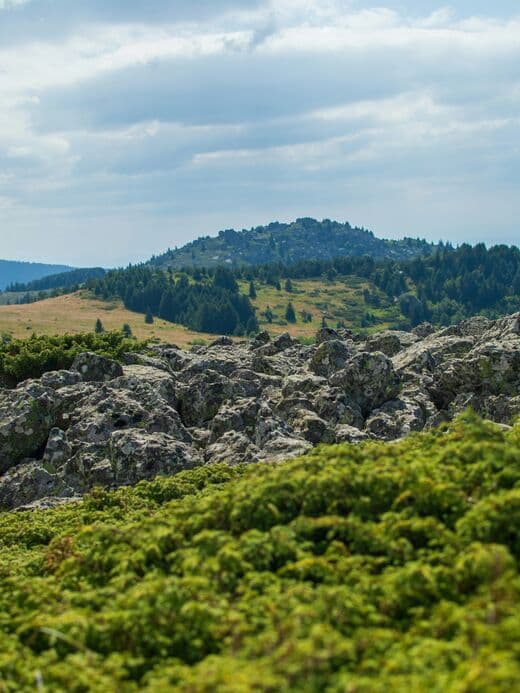
The natural landscape is absurdly diverse for such a small country. You have the Black Sea coast with sandy beaches and ancient port towns. You have four major mountain ranges -- Rila, Pirin, Rhodope, and the Balkans (Stara Planina) -- with peaks over 2,900 meters (9,500 feet) and some of the best hiking in southeastern Europe. You have fertile plains with vineyards that produce wines now winning international awards. You have caves, canyons, hot springs, and rock formations that look like they belong on another planet. And most of it is practically empty of tourists.
Bulgaria does not scream for attention. It does not have Croatia's marketing budget, Greece's Instagram appeal, or France's glamour. It just waits for you to show up and see for yourself: 800-year-old frescoes in churches that no tour bus has ever reached. Wine made by families whose winemaking traditions predate the founding of Rome. Mountains where your only companion is an eagle circling above the gorge.
With its entry into the Schengen zone in 2025, Bulgaria has become even more accessible. Prices are still low, but with tourist numbers growing (up 51% in recent years), this will not last forever. Right now is the perfect moment to discover Bulgaria before it becomes the next Croatia or Portugal, where authenticity drowns in a flood of tour buses and overpriced tourist menus.
Come. Try a Shopska salad with tomatoes that actually taste like tomatoes. Share a glass of rakia with a local grandfather who will tell you the story behind every stone in his village. Get lost in the alleys of Plovdiv. Listen to the silence at the top of the Rila Mountains. Bulgaria will not disappoint -- it will surprise you. And you will absolutely want to come back.
Regions of Bulgaria: Where to Go and What to Expect
Sofia and the Sofia Valley
Sofia is not going to blow you away at first glance, and that is fine -- it is a city that rewards those who look a little closer. The Bulgarian capital sits at 550 meters (1,800 feet) elevation in a valley ringed by mountains, with Vitosha Mountain rising directly behind the city center. This means you can literally be hiking at 2,000 meters within 30 minutes of leaving your downtown hotel. Try doing that in Paris.
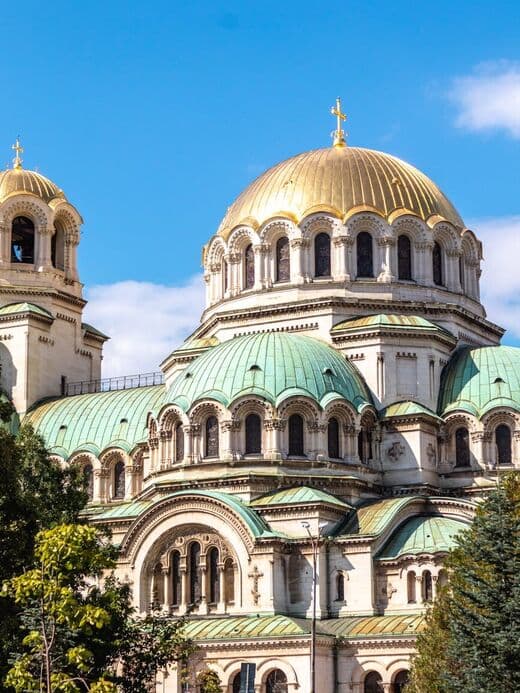
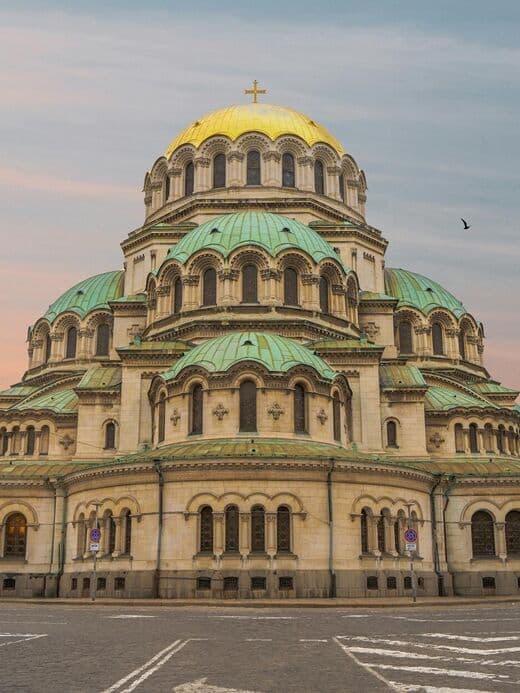
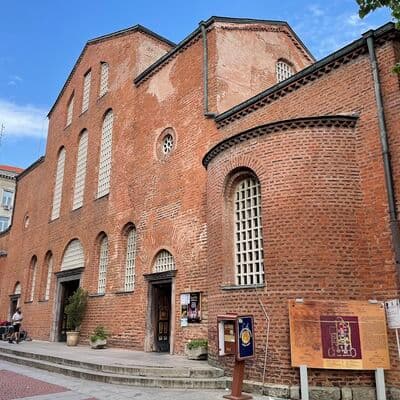
The city is a living archaeological layer cake. In the center, you will find Roman ruins casually sitting beneath a shopping mall, a medieval church next to an Ottoman mosque across from a Soviet-era monument, and a brand-new craft cocktail bar around the corner from all of it. The Alexander Nevsky Cathedral is one of the largest Orthodox cathedrals in the world -- its gold dome is visible from all over the city and looks particularly stunning at sunset. Right behind it, the Saint Sofia Church gives the city its name and dates back to the 6th century, making it one of the oldest churches in Europe still standing.
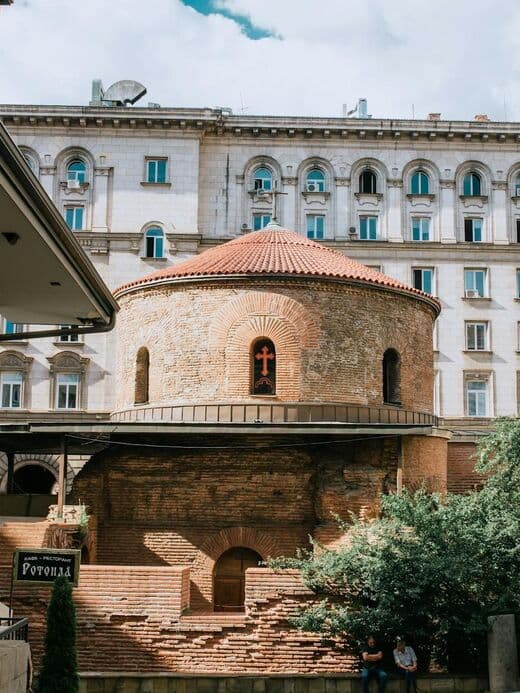
The Rotunda of St. George is a 4th-century Roman building -- the oldest building in Sofia -- tucked into a courtyard behind the Presidency. It still functions as a church and has layers of medieval frescoes inside. The ruins of ancient Serdica (Sofia's Roman name) are visible in the underpass near the Presidency and in the metro stations, where the city wisely incorporated archaeological discoveries into the transit infrastructure rather than paving over them.
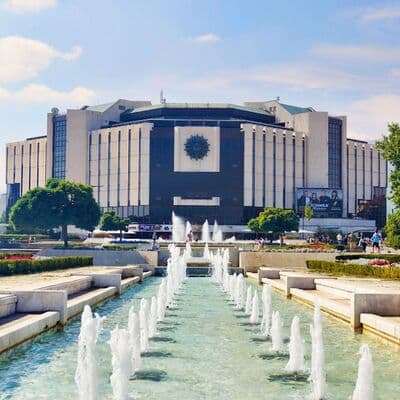
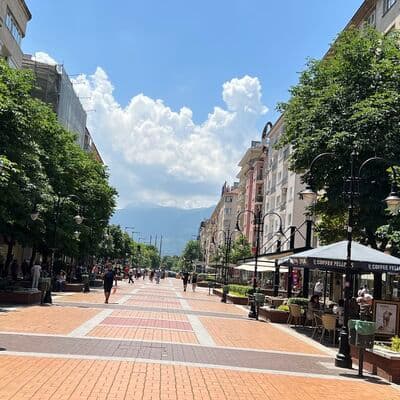
Vitosha Boulevard is the main pedestrian shopping street, lined with cafes and shops, leading toward the National Palace of Culture (NDK), a massive Soviet-era conference center surrounded by a pleasant park that serves as Sofia's main gathering space. The NDK park is where locals hang out on warm evenings, and it often hosts outdoor concerts and events.
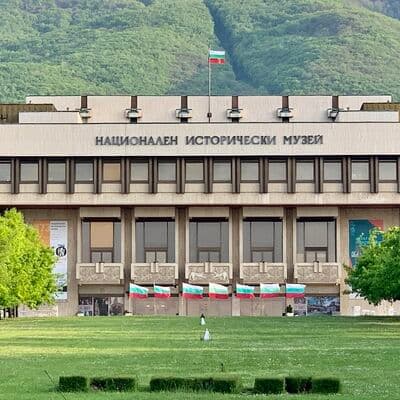
Do not skip the Boyana Church, a UNESCO World Heritage Site on the outskirts of the city, near Vitosha Mountain. Its 13th-century frescoes are considered some of the finest examples of medieval European art -- painted a full century before Giotto and the Italian Renaissance, yet showing a similarly naturalistic, humanistic style. You must book in advance as only small groups are allowed inside at a time to protect the paintings. The National Historical Museum is nearby and worth combining with a Boyana visit -- it houses Thracian gold treasures and covers Bulgaria's long and turbulent history.
Sofia also has a thriving food and nightlife scene that has exploded in recent years. The areas around Vitosha Boulevard and the Lozenets neighborhood are full of excellent restaurants, craft beer bars, and wine spots. Prices are shockingly low by Western standards: a cocktail at a trendy bar costs $4-6, a gourmet dinner for two with wine runs $40-60 total.
Plovdiv and the Thracian Plain
Plovdiv is arguably Bulgaria's most beautiful city, and it has a solid case for being one of the most beautiful in all of southeastern Europe. It was a European Capital of Culture in 2019, and the investment that came with that title has transformed an already charming place into something genuinely special. The city is also one of the oldest continuously inhabited cities in Europe -- with evidence of settlement dating back 8,000 years, it predates both Rome and Athens.
The Old Town sits on three hills (Plovdiv originally had seven, but some were leveled over the centuries) and is packed with beautifully restored Revival-era houses from the 18th and 19th centuries, painted in bright colors with ornate woodwork and bay windows jutting over narrow cobblestone streets. The Roman Amphitheater, dating to the 2nd century AD, is remarkably well preserved and still hosts performances -- watching a concert in a 2,000-year-old theater is an experience that is hard to beat.
The Kapana district, a former artisan quarter, has been revitalized into Plovdiv's hipster neighborhood -- narrow streets filled with galleries, cafes, craft workshops, and bars. The name means "The Trap" because of its maze-like layout, and you will happily get lost in it. The Roman Stadium sits right in the middle of the main pedestrian street, partially excavated and visible through a glass floor -- you can literally walk over Roman ruins while shopping.
From Plovdiv, the Thracian Plain stretches in all directions, and it is wine country. The Thracian Lowlands wine region produces some of Bulgaria's best reds, particularly Mavrud, a local grape variety that produces powerful, complex wines. Several wineries offer tastings, and a half-day wine tour from Plovdiv is one of the best experiences in the country. Expect to pay $25-40 for a guided tasting with food pairing.
The Black Sea Coast
Bulgaria's Black Sea coast stretches about 380 kilometers (236 miles) and offers a range of beach experiences, from mass-tourism resort towns to quiet, unspoiled coves. The coast is roughly divided into the northern part (around Varna) and the southern part (around Burgas), with different characters.
Varna is the largest coastal city, known as the "Sea Capital" of Bulgaria. Its Archaeological Museum houses the Varna Gold, a collection of gold artifacts from 4,600-4,200 BC -- the oldest worked gold ever found in the world. Let that sink in: when you look at these pieces, you are seeing jewelry that is older than the Egyptian pyramids by more than a millennium. The city also has Roman Thermae (public baths) ruins, a beautiful Sea Garden (waterfront park), and a lively restaurant and bar scene.
Nessebar, a UNESCO World Heritage Site, is a tiny peninsula packed with medieval churches, cobblestone streets, and traditional wooden houses. It is touristy -- very touristy in summer -- but the architecture and history are undeniable. Try to visit in the morning before the tour groups arrive, or better yet, come in September when the crowds thin out.
Sozopol is the artistic alternative to Nessebar -- another ancient town on a peninsula, but with a more bohemian vibe. It hosts the Apollonia Arts Festival every September, and its Old Town has a genuinely romantic atmosphere. The beach at Kavatsite, three kilometers south of town, is one of the best on the coast -- long, sandy, and backed by dunes rather than hotels.
A warning about the resort towns like Sunny Beach (Slanchev Bryag): they are cheap, they have endless bars and clubs, and they attract a specific crowd that comes for budget partying. If that is your thing, you will have a blast. If it is not, steer well clear. There is plenty of beautiful coastline without the all-inclusive resort atmosphere.
For those seeking unspoiled beaches, Irakli Beach (north of Nessebar), Sinemorets (near the Turkish border), and the beaches around Krapets (far north, near Romania) are excellent choices. These are harder to reach without a car but worth the effort.
Rila and Pirin: Bulgaria's Alpine Heart
The Rila and Pirin mountain ranges in southwestern Bulgaria are where the country reaches its most dramatic heights. Mount Musala in Rila (2,925 meters / 9,596 feet) is the highest peak in the Balkans, while Mount Vihren in Pirin (2,914 meters / 9,560 feet) is not far behind. Both ranges are national parks, and Pirin is also a UNESCO World Heritage Site.
The Rila Monastery is the single most visited site in Bulgaria after Sofia, and for good reason. Founded in the 10th century by the hermit Ivan of Rila, the current monastery complex dates mostly from the 19th century after a devastating fire. The frescoes covering the exterior of the main church are extraordinary -- thousands of scenes painted in vivid colors depicting biblical stories, saints, and memorably, sinners being tortured in hell (medieval Bulgarian artists had a flair for creative punishment). The monastery is a functioning religious community, and you can stay overnight in monastery rooms for a remarkably spiritual experience. The setting, in a deep mountain valley surrounded by forests, is awe-inspiring.
The Seven Rila Lakes are a group of glacial lakes at different altitudes in the Rila Mountains, accessible by chairlift and then hiking. The trek between all seven lakes takes about 4-5 hours and offers some of the most spectacular alpine scenery in the Balkans. Go between July and September when the snow has melted and the weather is most reliable.
Bansko is the main gateway to Pirin National Park and Bulgaria's most popular ski resort. In winter, it offers affordable skiing (lift passes around $30-40 per day, compared to $80-150 in the Alps). In summer, it transforms into a hiking base with trails leading into Pirin's dramatic landscape of granite peaks, glacial lakes, and ancient forests -- including the Baikusheva Pine, one of the oldest trees in the world, estimated at over 1,300 years old. The Old Town of Bansko has stone houses and traditional taverns (mehanas) where you can eat enormous portions of mountain food for very little money.
The Rhodope Mountains
The Rhodopes stretch across southern Bulgaria along the Greek border and represent perhaps the most mystical and least-touristed mountain region in the country. These are ancient, weathered mountains -- rounder and gentler than Rila and Pirin, but no less beautiful. The Rhodopes are steeped in mythology: according to legend, this is where Orpheus was born and where he played his lyre.
Trigrad Gorge and the Devil's Throat Cave are the most dramatic natural sites. The gorge is a narrow canyon with 300-meter (1,000-foot) vertical walls, and the cave features an underground waterfall where the river simply disappears into the rock. According to myth, this is where Orpheus descended to the underworld to find Eurydice.
Shiroka Laka is a picturesque mountain village known for its traditional architecture and its school of bagpipe-making (the Bulgarian gaida). Smolyan is the main town in the Western Rhodopes, surrounded by lakes and forests. Perperikon is an ancient Thracian rock city carved into a mountaintop, once a major religious center where prophecies about Alexander the Great and Roman emperors were supposedly made -- it is sometimes called the "Bulgarian Machu Picchu," which is slightly hyperbolic but conveys the scale and atmosphere.
The Rhodopes are also famous for Wonderful Bridges (Chudnite Mostove) -- natural rock arches formed by erosion, accessible by a short hike. And for anyone interested in culture, the region is home to a unique Pomak (Bulgarian Muslim) population with its own traditions, cuisine, and architecture.
The Valley of Roses and Central Bulgaria
The Rose Valley between Kazanlak and Karlovo is where approximately 70% of the world's rose oil is produced. In late May and early June, when the oil-bearing roses bloom, the valley transforms into a pink carpet with an intoxicating fragrance. The Rose Festival in Kazanlak (first weekend of June) is one of the country's biggest events, with parades, music, rose-picking demonstrations, and the crowning of the Rose Queen. Even if you miss the bloom, the Museum of the Rose in Kazanlak explains the industry and its history.
Kazanlak is also the gateway to the Valley of Thracian Kings, which contains over 1,500 burial mounds -- more than the Valley of the Kings in Egypt. Many remain unexcavated. The Kazanlak Tomb (UNESCO) dates to the 4th century BC and features unique frescoes. The original is closed to visitors for preservation, but an exact replica next door lets you see every detail. The Golyama Kosmatka Mound and the Tomb of Seuthes III are also open and fascinating for history buffs.
Koprivshtitsa is a museum-town of the Bulgarian National Revival, where every house seems to be an architectural monument. This is where the April Uprising against Ottoman rule began in 1876, and the town is full of house-museums telling the story of that dramatic period. Every five years, it hosts a massive folklore festival (next one in 2028). The town is remarkably well preserved and, outside of peak summer, feels genuinely frozen in the 19th century.
Northwestern Bulgaria
Belogradchik, near the northwestern border, is surrounded by extraordinary rock formations -- reddish sandstone pillars, towers, and figures up to 200 meters (650 feet) tall, sculpted by millions of years of erosion. The Belogradchik Rocks were nominated for the New Seven Wonders of Nature, and honestly, they deserved to win. Among the rocks sits a fortress that has been rebuilt by Romans, Byzantines, and Ottomans over the centuries. The area is strikingly beautiful and receives far fewer visitors than it deserves.
Magura Cave near Belogradchik is one of the largest caves in Bulgaria (about 2,500 meters of accessible halls) and contains cave paintings estimated at 8,000 years old -- among the best-preserved in Europe. The cave maintains a constant temperature of 12 degrees Celsius (54 degrees Fahrenheit), so bring a jacket even in summer.
Vratsa lies at the entrance to the Vrachanski Balkan Nature Park, a landscape of canyons, waterfalls, and caves. Ledenika is an ice cave at 830 meters elevation with stunning ice formations in winter. Skaklya Waterfall (141 meters / 463 feet) is Bulgaria's tallest, though it flows fully only in spring.
The Danube Plain and Northern Bulgaria
Northern Bulgaria is the least touristed region, but it has its own treasures. Ruse is a Danubian port city nicknamed "Little Vienna" for its 19th and early 20th-century Baroque and Neoclassical architecture. It has more Art Nouveau buildings than any other city in Bulgaria, and a pleasant Danube promenade.
The Ivanovo Rock Churches, a UNESCO site near Ruse, are a complex of medieval churches carved into cliffs above the Rusenski Lom River. The 14th-century frescoes inside are among the finest examples of medieval painting in Eastern Europe.
Pliska and Preslav, the first and second capitals of the Bulgarian Empire (7th-10th centuries), are archaeological sites that impress by their sheer scale. Pliska covered an area of 23 square kilometers -- larger than Constantinople at the time. These are places for history enthusiasts; do not expect reconstructed palaces -- these are excavation sites. But the sense of standing where one of medieval Europe's most powerful states was governed is palpable.
Veliko Tarnovo: The Old Capital
Veliko Tarnovo deserves its own mention because it is simply one of the most dramatically situated cities in all of Europe. The medieval capital of the Second Bulgarian Empire sits on three hills above the Yantra River, which has carved a series of deep meanders into the landscape. The result is a city built on ridges, with houses stacked up the hillsides and the river winding far below.
The Tsarevets Fortress dominates the skyline -- a medieval citadel on a hill that controlled the old capital. It is one of the best-preserved medieval fortresses in the Balkans, and on certain evenings, there is a spectacular sound-and-light show projected onto its walls. The Old Town has the Samovodska Charshiya, a revived artisan street where you can watch craftspeople at work and buy traditional goods.
Arbanasi, a village just 15 minutes from Veliko Tarnovo, was once home to wealthy merchants and is now a museum village. The Church of the Nativity contains frescoes from floor to ceiling depicting over 3,500 biblical scenes -- it is jaw-dropping in its scale and detail. The merchant houses showcase how Bulgaria's wealthy class lived during the Revival period.
What Makes Bulgaria Unique: Monasteries, Thracians, and Thermal Springs
Bulgaria's Monasteries
Bulgaria is a country of monasteries. There are more than 160 of them, and many are tucked into remote mountain locations that turn a simple visit into a genuine adventure. These are not just religious sites -- they are living museums of art, architecture, and history, many of them having served as refuges for Bulgarian culture and literacy during five centuries of Ottoman rule. When the Turks controlled Bulgaria, it was in monastery libraries that Bulgarian language, literature, and national identity were preserved. This gives these places a significance that goes far beyond their religious function.
Beyond the Rila Monastery (described above), several others deserve your time:
Bachkovo Monastery is the second largest in Bulgaria, founded in 1083 by Georgian military commanders in the service of the Byzantine Empire. It sits in a scenic gorge of the Chaya River in the Rhodopes, about 30 km from Plovdiv, making it an easy day trip. The 17th-century frescoes in the refectory are considered masterpieces of Bulgarian art, and the Icon of the Virgin Mary in the main church is believed to be miraculous. The monastery is still an active religious community, and the atmosphere of devotion is genuine.
Troyan Monastery is the third largest, famous for its frescoes painted by Zahari Zograf, the most celebrated Bulgarian artist of the 19th-century Revival period. The monastery is also known for its rakia -- the monks produce it using centuries-old recipes, and it is widely considered some of the best in Bulgaria. You can buy bottles directly from the monastery shop.
Zemen Monastery is small but significant, with 14th-century frescoes that art historians describe as "expressionistic" for their emotional intensity -- unusually vivid and dynamic for their period. It sits on a cliff above the Struma River, about an hour from Sofia.
Rozhen Monastery, near the wine town of Melnik, is reached by a scenic walk through vineyards (about 7 km from town). Founded in the 9th century, it offers stunning views over the sandstone pyramids that surround Melnik and a peaceful atmosphere that feels genuinely removed from the modern world.
When visiting monasteries, remember to dress modestly: covered shoulders and knees are expected. Men should remove hats. Photography inside churches is often prohibited or requires a separate fee. During services, try not to walk around -- stand quietly or step outside.
The Thracian Legacy
The Thracians were an ancient people who inhabited the territory of modern Bulgaria for millennia before the arrival of the Slavs. They left an extraordinary legacy: gold treasures, tombs with painted frescoes, and rock sanctuaries. For anyone with even a passing interest in ancient history, Bulgaria is an absolute goldmine -- sometimes literally.
The Valley of the Thracian Kings near Kazanlak contains over 1,500 burial mounds, many still unexcavated. This concentration of tombs is greater than Egypt's Valley of the Kings, though the individual tombs are smaller in scale. The Kazanlak Tomb (UNESCO) features unique frescoes depicting a Thracian funeral feast with remarkable artistic skill. The Golyama Kosmatka Mound yielded a complete bronze head of Seuthes III, one of the most iconic archaeological finds in Bulgarian history.
The Panagyurishte Gold Treasure, dating to the 4th-3rd century BC, is one of the most valuable archaeological discoveries ever made -- a set of golden vessels with a combined weight of over 6 kg, decorated with mythological scenes. You can see it at the National Historical Museum in Sofia (or sometimes at the Plovdiv Regional Historical Museum, as it travels between institutions).
Perperikon is a Thracian rock city carved into a mountaintop in the Eastern Rhodopes, dating back at least 6,000 years. It was a major religious center where fire rituals were performed on a massive rock altar. According to ancient sources, prophecies made here predicted the rise of Alexander the Great and several Roman emperors. The site was only fully excavated in the early 2000s and remains one of Bulgaria's most impressive -- and undervisited -- archaeological attractions.
The Thracian heritage gives Bulgaria an archaeological depth that surprises most visitors. This was not a backwater of the ancient world -- it was a wealthy, sophisticated civilization that traded with Greeks and Romans and produced art of extraordinary quality. The Thracians were famous in the ancient world for their wine, their music, their horsemanship, and their gold. Much of that legacy is still being uncovered.
Thermal Springs
Bulgaria is the second-richest country in Europe for thermal springs, after Iceland. There are more than 600 mineral springs, with temperatures ranging from 20 to 103 degrees Celsius (68 to 217 degrees Fahrenheit). Thermal bathing has been a tradition here since at least the Roman period, and many of the country's spa towns sit on ancient bathing sites.
In Sofia itself, several hot springs bubble up in the city center. The building of the Central Mineral Baths (now the Sofia History Museum) is one of the city's architectural gems -- an ornate structure built over the springs. Locals still fill bottles from a public mineral water fountain right outside, and it is perfectly safe to drink.
Sapareva Banya, near the Rila Mountains, has the hottest mineral spring in the Balkans at 103 degrees Celsius and the only active geyser on the Balkan Peninsula. Several spa complexes here offer thermal bathing at very reasonable prices -- think $5-10 for a session, compared to $30-50 at comparable facilities in Western Europe.
Hisarya (Hisar) is a spa town built on Roman ruins with dozens of mineral springs. The Roman walls are remarkably well preserved, and you can combine archaeological sightseeing with thermal bathing in a single visit.
Velingrad, in the Rhodopes, styles itself the "SPA Capital of the Balkans" with more than 80 mineral springs. It has some of the best spa hotels in the country and makes an excellent base for exploring the Western Rhodopes.
The spa culture is deeply embedded in Bulgarian life. Unlike in many Western countries, thermal bathing here is not a luxury activity -- it is something normal people do regularly for health and relaxation. The facilities range from simple public pools to upscale wellness resorts, and even the nicest options are remarkably affordable by American or British standards.
When to Visit Bulgaria
Bulgaria has four distinct seasons, and each has its own advantages. The best time to visit depends entirely on what you want to do.
Spring (April-May) is ideal for cities and cultural sightseeing. Temperatures are comfortable (60-72F / 15-22C), tourists are scarce, and prices are at their lowest. Late May marks the beginning of the rose season in the Valley of Roses. Downside: snow may still linger in the mountains, and some high-altitude hiking trails remain closed until June or even July.
Summer (June-August) is beach and mountain season. The coast gets hot (82-95F / 28-35C), sea temperatures reach a swimmable 75-79F (24-26C) by July. In the mountains, conditions are perfect for trekking (68-77F / 20-25C during the day). Downside: the coast is packed, prices peak, and cities can be uncomfortably hot. If you are visiting in summer, plan to be at the beach or in the mountains, not wandering around hot city streets at 2 PM.
Autumn (September-October) is the golden season, and arguably the best overall time to visit. September on the coast is "velvet season" -- warm, the sea is still heated from summer, but the crowds have vanished. October brings spectacular fall colors in the mountains and wine harvest season. The main downside: after mid-September, many beach establishments on the coast close frustratingly early -- this is a long-standing problem in Bulgarian tourism that even locals complain about. The country has not yet learned that "shoulder season" tourists spend money too.
Winter (December-March) is ski season. Bansko, Borovets, and Pamporovo are the main resorts. Snow usually falls from December through April. Christmas and New Year are peak periods. Downside: the coast is essentially dead, and days are short. But if you want affordable skiing -- Bansko offers lift passes at roughly a third of Alpine prices, with decent slopes and lively apres-ski.
Major festivals and holidays:
- March 1 - Baba Marta (Grandma March Day): Bulgarians give each other martenitsi -- red-and-white thread decorations symbolizing health and the coming spring. If someone gives you one, wear it until you see a stork or a blooming tree, then tie it to a branch. It is one of the most charming traditions you will encounter anywhere.
- Kukeri (Maslenitsa) - February/March: Parades of costumed figures wearing terrifying masks to ward off evil spirits. The International Festival of Masquerade Games in Pernik is the biggest event -- a genuinely unforgettable spectacle that looks like something out of a fantasy movie.
- Rose Festival - first weekend of June in Kazanlak.
- May 24 - Day of Bulgarian Education and Culture: A celebration of the Cyrillic alphabet with concerts and processions across the country. Bulgarians take this very seriously -- it is a point of genuine national pride.
- Apollonia Arts Festival - September in Sozopol: Music, theater, and art in a beautiful coastal setting.
- Folklore Festival in Koprivshtitsa - once every 5 years (next: 2028).
How to Get to Bulgaria
Bulgaria has three international airports: Sofia (SOF), Varna (VAR), and Burgas (BOJ). Sofia is the main hub with year-round connections, while Varna and Burgas primarily serve summer charter and seasonal flights to the coast.
From the United States: There are no direct flights from the US to Bulgaria. The most common routing is through a European hub -- Munich, Vienna, Frankfurt, London, Istanbul, or Warsaw. Total travel time is typically 12-16 hours with one connection. Turkish Airlines via Istanbul often offers the best combination of price and convenience for East Coast departures, while Lufthansa via Munich or Frankfurt works well from most major US airports. If you are already in Europe, budget carriers Wizz Air and Ryanair offer dirt-cheap flights to Sofia from dozens of European cities -- we are talking $30-50 one way if you book early and pack light (carry-on only to avoid baggage fees). Note for Americans: TSA rules apply only to your outbound US flight. European security is slightly different -- for example, you can bring small scissors and liquids purchased after security on European flights without issue.
From the United Kingdom: Wizz Air and Ryanair fly direct to Sofia from London (Luton and Stansted), and seasonal routes to Varna and Burgas operate in summer. Flight time is about 3 hours. easyJet has also added Bulgarian routes. Prices start from around 25-40 GBP one way. British Airways flies London Heathrow to Sofia for those preferring a full-service carrier. Post-Brexit, remember you now need at least 3 months validity on your passport beyond your departure date and at least one blank page.
From Canada and Australia: Route through European hubs. From Canada, connections via London, Frankfurt, or Istanbul are typical. From Australia, Istanbul or Dubai provide the most common transit points to Sofia. Flight time from Sydney is roughly 20-24 hours total with connections.
Overland options: Buses run from Istanbul (6-8 hours, from 25 euros -- a genuinely scenic ride through Thrace), Thessaloniki (4-5 hours), Belgrade (6-7 hours), and Bucharest (4-5 hours). The train from Istanbul is theoretically possible but schedules are unreliable -- check before you commit. From Romania, you can cross the Danube at Ruse (Danube Bridge) or Vidin (New Europe Bridge). From Greece, the main crossings are at Kulata/Promachonas and Ilinden/Exochi. From Serbia, the Kalotina crossing is most common. From North Macedonia, use the Gyueshevo crossing.
A ferry from Varna occasionally runs to Poti (Georgia) and sometimes to Batumi, but schedules are irregular and depend on geopolitical conditions. This is an option for adventurous travelers but not something to count on.
Budget tip: If you are doing a multi-country European trip, flying into Sofia on Wizz Air or Ryanair from wherever you are in Europe is almost always the cheapest option. Sofia is a Wizz Air hub, which means consistently low prices. Just book early and check baggage fees -- a $25 flight can become a $75 flight once you add a checked bag.
Getting Around Bulgaria
Buses are the backbone of intercity transport. The network covers the entire country with 821 routes, from express services between major cities to rural buses reaching mountain villages. Key routes and approximate costs: Sofia to Plovdiv -- 2 hours (6-8 BGN / $3-4), Sofia to Varna -- 6-7 hours (15-18 BGN / $8-10), Sofia to Burgas -- 6 hours (15-17 BGN / $8-9). Schedules and tickets can be checked at bgrazpisanie.com. Buses are generally comfortable with air conditioning, and many have Wi-Fi. Tickets can be bought at bus stations or online through sites like BusLinie.de or directly from carriers like Union Ivkoni.
Trains are slower than buses but cheaper and more atmospheric. Bulgarian State Railways (BDZ) connects major cities. Sofia to Plovdiv takes 2.5-4 hours (5-7 BGN / $3-4), Sofia to Varna takes 7-8 hours (12-15 BGN / $6-8). Schedules at razpisanie.bdz.bg. Fair warning: due to ongoing renovation works on various sections of the network, schedules can change without much notice -- always verify on the day of travel. First class costs barely more than second and is significantly more comfortable. Some of the mountain routes, particularly the narrow-gauge line through the Rhodopes, are spectacularly scenic -- the journey itself becomes the attraction.
Renting a car is the best way to explore Bulgaria, especially mountain areas and the coast. International companies (Europcar, Sixt, Hertz) operate at airports and in cities, but local companies (Top Rent A Car, Rayo) are usually cheaper. Prices start from 20-30 euros per day for a small car ($22-33). Road conditions: motorways (Trakia, Maritsa, Struma) are good quality; secondary roads range from acceptable to terrible, especially in mountain areas. An e-vignette is mandatory for motorways -- buy it online at bgtoll.bg before you drive. It costs 15 BGN ($8) for a week. Gas stations are everywhere, and fuel costs about 2.50-2.80 BGN per liter ($5-6 per gallon), which is roughly comparable to European averages but higher than US prices.
Important for international drivers: an International Driving Permit (IDP) is not formally required for US, UK, Canadian, or Australian license holders for short stays, but it is recommended -- especially if your license is not in Latin script. Driving is on the right side of the road (good news for Americans and continental Europeans, adjustment needed for Brits and Australians). Speed limits: 50 km/h (31 mph) in towns, 90 km/h (56 mph) outside towns, 130 km/h (81 mph) on motorways. Speed cameras exist, and fines are serious. Bulgarian driving style can be aggressive -- expect overtaking on two-lane mountain roads and creative interpretation of lane markings.
Taxis are cheap but require vigilance. Always check that the meter is running. Official rates are posted on a sticker on the rear passenger window. Average city rate: 0.79-1.29 BGN/km ($0.45-0.70/km) during the day. In Sofia, use apps: Yellow Taxi, OK Supertrans, or Bolt. Never get into a taxi without a meter at airports and train stations -- this is the classic tourist scam. Drivers who approach you offering a "fixed price" are almost always trying to overcharge you. Walk past them to the official taxi queue or call one through an app.
City transit: Sofia has a metro system (4 lines, still expanding, covering the airport and major attractions), plus trams, buses, and trolleybuses. A single ticket costs 1.60 BGN ($0.90), a day pass is 4 BGN ($2.20). Metro tickets are sold at machines in stations. Plovdiv and Varna rely on bus networks. Public transit is cheap and covers main routes, but schedules are not always reliable. Google Maps has good transit routing for Sofia.
The Cultural Code: Understanding Bulgaria
The head nod thing is the single most important cultural quirk you need to know, and it will mess with you. In Bulgaria, nodding your head up and down means "no," and shaking it side to side means "yes." This is the opposite of virtually every other culture on earth. However -- and this is where it gets truly confusing -- many Bulgarians, when talking to foreigners, switch to the "international" standard, which creates even more uncertainty about what they actually mean. The solution: always confirm with words. "Da" means yes, "ne" means no -- those, at least, work the same way as in most European languages.
Hospitality is a core Bulgarian value, especially in rural areas. If you are invited into a Bulgarian home, prepare yourself for an avalanche of food and drinks -- refusal is essentially futile. Rakia (grape or fruit brandy, 40-55% alcohol) is a mandatory element of any gathering. The first toast is "Nazdrave!" (To your health!). Declining rakia can be perceived as rude. If you are not a spirits drinker, take small sips and nurse your glass -- nobody will force you to drink fast, but they will insist you have at least a taste. The warmth and generosity of Bulgarian hospitality is genuine and often overwhelming for visitors from more reserved cultures.
Tipping: 10-15% in restaurants if you enjoyed the service. Not all restaurants include a service charge -- check the bill. In bars and cafes, rounding up to the nearest lev is standard. For taxi drivers, round up to the nearest lev or two. Hotel housekeepers: 2-3 BGN ($1-2) per day. Tour guides: 5-10 BGN ($3-5). Tipping culture is less rigid than in the US -- nobody will chase you down for not tipping, but good service is appreciated.
Language: Bulgarian uses the Cyrillic alphabet, which looks similar to Russian but is NOT the same -- some letters appear identical but are pronounced differently. English is widely spoken by younger people, especially in Sofia, Plovdiv, and coastal resort areas. In mountain villages, smaller towns, and among older generations, English is rare. Google Translate works with Bulgarian and the camera function is useful for reading Cyrillic signs and menus. Learning to read the Cyrillic alphabet takes about a day of effort and is genuinely useful -- street signs, bus destinations, and restaurant menus become much less mysterious. Useful phrases: Zdraveyte (hello, formal), Blagodarya (thank you), Molya (please/you are welcome), Kolko struva? (how much does it cost?).
Religion and churches: Bulgaria is predominantly Orthodox Christian (about 85%). When visiting churches and monasteries: women should cover shoulders and knees, men should remove hats. Photography inside is often prohibited or requires a separate fee. During services, try to be still and quiet rather than walking around. Even if you are not religious, the art inside these buildings is extraordinary -- treat them as both museums and places of worship.
What not to do:
- Do not confuse Bulgarian with Russian or assume Bulgarians speak Russian -- they created the Cyrillic alphabet and are fiercely proud of that fact. Starting a conversation by speaking Russian is considered presumptuous by many, especially younger Bulgarians.
- Do not call rakia "vodka." They are completely different drinks made with different processes, and Bulgarians take their rakia very seriously.
- Do not say Bulgarian yogurt is "like Greek yogurt." Bulgarian yogurt (kiselo mlyako) is a national pride, made with a unique bacterium that exists nowhere else. This is not a trivial distinction to Bulgarians.
- Do not discuss politics with strangers -- it is a sensitive topic with strong opinions on all sides.
- Do not refuse food if you are invited to someone's home -- just eat slowly and praise everything. They will keep serving until you physically cannot eat another bite.
Safety in Bulgaria
Bulgaria is one of the safest countries in Europe for tourists. Violent crime rates are low, and the likelihood of encountering serious problems is minimal. That said, some common-sense awareness goes a long way.
Pickpocketing: As in any European country, be aware of your wallet and phone in crowded places -- markets, public transit, and major tourist sites. Sofia, Varna, and coastal resorts are the main risk areas. This is not worse than Paris, Barcelona, or Rome -- standard urban awareness applies. Use a money belt or front pocket for valuables in crowded situations.
Taxi scams: This is the most common form of tourist-targeted fraud. Taxi drivers at airports and train stations may: inflate rates, take circuitous routes, or "not have change." Solutions: use ride-hailing apps (Bolt, Yellow Taxi, OK Supertrans), photograph the license plate before getting in, and watch the meter. If a driver proposes a fixed price without the meter, decline and find another cab. This problem is real but entirely avoidable with basic precautions.
Currency exchange scams: Never change money on the street -- you will be cheated, guaranteed. Use only banks or licensed exchange offices. Check the rate before exchanging and count your money before leaving the counter. Some exchange offices in tourist zones display two rates: an attractive one on the sign and the actual (worse) one in fine print. Always ask: "How many leva will I get for 100 euros/dollars?" before handing over your money. ATMs are safer and more convenient -- just be aware that some charge fees of 2-5 BGN ($1-3) per transaction, and your home bank may add its own fees. Cards like Charles Schwab or Wise that reimburse ATM fees are ideal for Bulgaria.
Stray dogs: Bulgaria has a stray dog population, particularly in suburbs and rural areas. Most are harmless and used to people, but do not approach, pet, or feed them. If a dog behaves aggressively, do not run -- back away slowly and calmly. Rabies cases are rare but if you are bitten, seek medical attention immediately. This issue has improved significantly in recent years, especially in cities, but it is worth knowing about.
Driving: Bulgarian driving can be challenging: poor road surfaces (especially in mountains), aggressive driving culture, and inadequate lighting at night. Winter mountain driving can be genuinely dangerous. If you are not confident driving in these conditions, stick to buses. The motorways are fine; it is the secondary roads that require attention.
Natural hazards: In the mountains, weather can change rapidly -- storms can materialize quickly even in summer. Do not hike unprepared: carry a map (or offline maps on your phone), water, warm layers, and a rain jacket even on sunny days. Ticks are active from April through October -- use repellent and check your body after walks through forests or tall grass. Vipers exist in mountain areas but actively avoid humans.
Emergency numbers: 112 (single European emergency number, works everywhere), 150 (police), 160 (fire), 166 (ambulance). The 112 operators usually speak English. Local police may not, but they will generally help tourists to the best of their ability.
Health and Medical Care
Travel insurance: Get it before you go. This applies to Americans especially, as medical costs without insurance can be significant even in a country as affordable as Bulgaria. For EU/EEA citizens, the European Health Insurance Card (EHIC) provides access to state healthcare, but it does not cover everything -- supplemental travel insurance is still recommended. For US, UK (post-Brexit GHIC), Canadian, and Australian travelers, comprehensive travel medical insurance is essential. Companies like World Nomads, SafetyWing, or Allianz offer good coverage for Bulgaria at reasonable rates.
Pharmacies (Apteka): Easy to find in towns and cities, typically open 8 AM to 8 PM. 24-hour pharmacies exist in larger cities. Many medications that require prescriptions in the US or UK are available over the counter in Bulgaria -- including some antibiotics and pain medications. Pharmacists often speak English and can recommend treatments for common ailments. This can be a genuine convenience for travelers dealing with minor health issues.
Hospitals and clinics: Public hospitals are free for EU citizens (with EHIC), but quality varies. Private clinics, especially in Sofia and coastal cities, offer a high standard of care at prices that seem absurdly low to American visitors. A private doctor visit costs 20-30 BGN ($11-17), blood tests from 10 BGN ($5-6). Dentistry in Bulgaria is a popular reason for medical tourism -- quality meets Western European standards at one-third to one-fifth the price. Americans spending $2,000 on a dental crown at home can get the same work done in Sofia for $300-400, including the consultation.
Vaccinations: No special vaccinations are required for Bulgaria. Standard recommendations apply: tetanus, hepatitis A, and tick-borne encephalitis (if you plan to hike in forested mountain areas from spring to autumn). Consult your doctor or a travel clinic before departure.
Tap water: Safe to drink in most cities, and particularly good in Sofia, where the water comes from mountain springs and is considered among the best in Europe. In resort areas and small towns, bottled water is advisable -- not for safety reasons, but for taste. Bottled water is cheap: 0.50-1 BGN ($0.30-0.55) for 1.5 liters.
Sun and heat: UV index is high in summer on the coast and in the mountains. Sunscreen, a hat, and plenty of water are essential. Heat-related illness is more common than you might expect, especially among tourists who underestimate the inland heat. Bulgaria's continental climate means summer temperatures in cities can reach 38-40C (100-104F).
Money and Budget
Currency: The Bulgarian lev (BGN/lv). The exchange rate has been fixed since 1999: 1 euro = 1.9558 BGN (essentially 2 BGN per euro). Bulgaria is expected to adopt the euro eventually, but no firm date has been set. For quick mental math: divide lev prices by 2 to get the approximate euro equivalent. For US dollars, 1 USD is roughly 1.7-1.8 BGN (this fluctuates). For British pounds, 1 GBP is roughly 2.2-2.4 BGN. For easy comparison throughout this guide: 10 BGN is approximately 5 euros, $5.50, or 4.50 GBP.
Where to exchange money: Best rates are found at banks or licensed exchange offices in city centers. Do not change money on the street or at coastal tourist spots (terrible rates). Many restaurants and shops accept euros, but at an unfavorable rate (usually 1:2 instead of 1:1.96 -- not a huge difference, but it adds up). ATMs are everywhere. Tip: use your debit card for purchases whenever possible -- contactless payment is widely accepted, and you avoid exchange fees. If you have a Wise (formerly TransferWise) card, Revolut, or similar fintech card, you will get excellent exchange rates with no fees.
Cards: Visa and Mastercard are accepted almost everywhere in cities -- restaurants, shops, hotels, gas stations. In small villages and at markets, cash is king. Contactless payment is widespread and works seamlessly. Apple Pay and Google Pay are supported. American Express is rarely accepted. Discover is virtually unknown. If you are coming from the US, make sure you have a Visa or Mastercard, not just an Amex.
Daily budget guide:
- Budget ($20-30 / 15-25 GBP per day): Hostel dorm (8-13 BGN / $4-7), street food and bakeries (5-8 BGN / $3-4), public transit (3 BGN / $1.50), 1-2 attractions (3-5 BGN / $2-3). This is genuine backpacker budget, and in Bulgaria, it actually gets you decent food and accommodation.
- Mid-range ($50-80 / 40-65 GBP per day): 3-star hotel (30-40 BGN / $17-22), lunch and dinner at restaurants (15-25 BGN / $8-14), taxi or car share (8-15 BGN / $4-8), attractions and activities (5-10 BGN / $3-6). This is comfortable travel with good meals and decent hotels.
- Comfortable ($100-150 / 80-120 GBP per day): 4-5 star hotel (60-90 BGN / $33-50), quality restaurants (30-40 BGN / $17-22), rental car (20-30 BGN / $11-17), guided tours and tastings (15-25 BGN / $8-14). This is genuinely luxurious travel by Bulgarian standards.
To put this in perspective: the "comfortable" daily budget in Bulgaria is roughly what the "budget" tier costs in London, New York, or Sydney. A couple can travel comfortably in Bulgaria -- good hotels, nice restaurants, car rental, plenty of activities -- for what a single person spends on basic accommodation in most Western European capitals. Bulgaria remains one of the cheapest countries in the EU for travelers, and the value for money is genuinely extraordinary. A three-course dinner with wine at a good restaurant in Sofia costs $15-25 per person. The same meal in Prague would be $30-40, in Rome $45-60, and in London you would be lucky to escape for under $70.
Itineraries: Planning Your Bulgaria Trip
7 Days - 'Classic Bulgaria'
This itinerary hits the essential highlights and works perfectly as a first visit. It requires some driving or bus travel but keeps the pace manageable.
Days 1-2: Sofia
Day 1: Arrive, check in, get oriented. Walk the city center: Alexander Nevsky Cathedral, Rotunda of St. George, Saint Sofia Church, the Serdica ruins visible in the metro underpass. Lunch on Vitosha Boulevard. Evening: explore the Kapana-like craft bar scene that has exploded in Sofia's center. Tip: join a free walking tour on your first morning -- several companies offer them daily in English, and they are an excellent way to get your bearings and learn the city's stories from locals.
Day 2: Morning -- Boyana Church (book ahead, this is non-negotiable -- they limit visitors to protect the frescoes) and the National Historical Museum (they are right next to each other). After lunch, head up Vitosha Mountain: take the chairlift to Aleko and hike to the Golden Bridges rock formations or push for the Black Peak (Cherni Vrah) summit at 2,290 meters if you are feeling ambitious. Evening: dinner near NDK (National Palace of Culture), where you will find a cluster of good restaurants and often live music in the park.
Day 3: Rila Monastery
Early departure from Sofia (organized tour or rental car, about 2 hours each way). Spend 2-3 hours at the monastery -- the frescoes alone could occupy you for hours if you really look at them. If you have energy, take the short hike to the Rila Waterfall (1 hour round trip). Return to Sofia in the evening, or drive directly to Plovdiv (3.5 hours from the monastery) to save time the next day.
Days 4-5: Plovdiv
Day 4: Plovdiv's Old Town -- the Roman Amphitheater, the Ethnographic Museum, the painted Revival-era houses, Nebet Tepe hill for panoramic views over the city. Lunch in the Kapana district. Afternoon: the Roman Stadium on the main pedestrian street, the Dzhumaya Mosque. Walk up at least two of Plovdiv's hills for different perspectives on this extraordinary city.
Day 5: Morning excursion to Bachkovo Monastery (30 km, 40 minutes). Afternoon wine tasting at a Thracian Valley winery -- several offer organized tastings with food pairing from 20-40 BGN ($11-22). Evening: rooftop dinner with views over the Old Town. Plovdiv's dining scene is excellent and absurdly cheap.
Day 6: Veliko Tarnovo
Drive from Plovdiv (about 3 hours). Explore the Tsarevets Fortress, walk the Old Town, browse the Samovodska Charshiya artisan street. If you are lucky, catch the evening sound-and-light show projected onto the fortress -- it is dramatic and memorable. Overnight in Veliko Tarnovo.
Day 7: Arbanasi and Departure
Morning: Arbanasi (15 minutes from Veliko Tarnovo) -- the Church of the Nativity with its incredible frescoes, the merchant houses. Lunch in Veliko Tarnovo. Drive to Sofia (3 hours) for your flight, or transfer directly to the airport.
10 Days - 'Mountains to Sea'
This extends the 7-day itinerary to include the Black Sea coast, giving you a taste of Bulgaria's beach culture and coastal history.
Days 1-5: Follow the 7-day itinerary through Plovdiv
Day 6: Veliko Tarnovo to Nessebar
Morning at Tsarevets Fortress. Then drive to the coast: Veliko Tarnovo to Nessebar takes about 3.5 hours. Evening stroll through Old Nessebar (UNESCO World Heritage Site): medieval churches, the seawall, and one of the best sunsets on the coast. Nessebar at dusk, when the day-trippers have left, is genuinely magical.
Day 7: Nessebar and Beaches
Morning: detailed exploration of Old Nessebar -- the Church of St. Stephen (16th-century frescoes), the Archaeological Museum, walking along the old fortification walls. Beach day: the South Beach of Nessebar, or (if you want peace and quiet) Irakli Beach, about 20 minutes north by car -- one of the last truly wild beaches on the Bulgarian coast, backed by nature rather than hotels.
Day 8: Sozopol
Drive to Sozopol (1.5 hours from Nessebar). The Old Town sits on a peninsula and has a more artistic, bohemian atmosphere than Nessebar -- galleries, a fishing harbor, cobblestone streets. Kavatsite Beach (3 km south) is one of the best on the entire coast -- long, sandy, and relatively uncrowded. Dinner of fresh seafood on the waterfront as the sun sets.
Day 9: Burgas to Varna
Morning: Burgas -- the Sea Garden (waterfront park), the coastal lakes famous for birdwatching (if you are visiting in migration season, September-October, this can be spectacular). Drive to Varna (about 2 hours). Archaeological Museum to see the Varna Gold -- the oldest worked gold in the world, and yes, it is as impressive as that sounds. Sea Garden, dinner at a restaurant overlooking the sea.
Day 10: Varna and Departure
Morning: choose between the Stone Forest (Pobiti Kamani) -- mysterious stone columns rising from an otherwise flat, almost desert-like landscape 18 km from Varna -- or Cape Kaliakra (70 km north), dramatic red cliffs plunging into the sea with fortress ruins and often dolphins visible from the cliff edge. Fly out of Varna.
14 Days - 'The Full Bulgaria'
Two weeks lets you dig deeper, adding the Rose Valley, the Rhodopes or Pirin region, and more coastal exploration without feeling rushed.
Days 1-2: Sofia
Full city exploration: everything from the 7-day itinerary plus the Sofia Synagogue (the third largest in Europe), the Banya Bashi Mosque (Sofia's only functioning mosque, dating from 1576), and the Central Market Hall (an architectural gem with food stalls and shops inside). Start with a free walking tour on day one to orient yourself and get insider tips from a local guide.
Day 3: Rila Monastery + Seven Rila Lakes
Early departure. Monastery in the morning, then the chairlift up to the Seven Rila Lakes (accessible July-September). The trek to the upper lakes and back takes 4-5 hours and passes through some of the most spectacular alpine scenery in the Balkans. Overnight at a guesthouse near the monastery or in Blagoevgrad.
Day 4: Melnik and Rozhen Monastery
Drive to Melnik (2 hours from Rila Monastery). Melnik is Bulgaria's smallest town -- population around 200 -- but it produces some of the country's best wine and is surrounded by extraordinary sandstone pyramids (natural rock formations). Wine tasting in historic cellars is a must. Rozhen Monastery is 7 km away, reachable by a beautiful walk through vineyards. Overnight in Melnik -- the guesthouses here are charming and very affordable.
Day 5: Bansko
Drive to Bansko (1.5 hours). Explore the Old Town with its stone houses and the Church of the Holy Trinity. Lunch at a mehana (traditional tavern) -- the portions are enormous and the prices are tiny. In summer, take a short trek into Pirin National Park (to Demyanitsa Waterfall or the ancient Baikusheva Pine). Overnight in Bansko.
Days 6-7: Plovdiv
Drive to Plovdiv (2.5 hours). Two full days: the Old Town, the Roman Amphitheater, the Kapana district, Bachkovo Monastery, a winery visit, and climb all three of Plovdiv's accessible hills for different perspectives. Evening: bars on Kapitan Raycho Street -- Plovdiv's nightlife is vibrant and very affordable.
Day 8: Valley of Roses - Kazanlak
Drive to Kazanlak (1.5 hours). Visit the Museum of the Rose to understand the industry that defines this region. See the replica of the Thracian Tomb (UNESCO), then explore the Valley of the Thracian Kings -- the Golyama Kosmatka Mound and the Tomb of Seuthes III are open to visitors and fascinating. If you are visiting in May-June, the rose fields will be in full bloom -- the scent alone is worth the trip. Overnight in Kazanlak.
Day 9: Koprivshtitsa to Veliko Tarnovo
Morning: Koprivshtitsa (1 hour from Kazanlak), the Revival-era museum town. The Oslekov House, the Kableshkov House, the Lyutov House -- each tells a different story about Bulgaria's 19th-century struggle for independence. Budget 2-3 hours for a proper visit. Drive to Veliko Tarnovo (2.5 hours). Evening: Tsarevets Fortress.
Day 10: Veliko Tarnovo and Arbanasi
Full day: the fortress, Arbanasi and its incredible Church of the Nativity, Samovodska Charshiya for artisan shopping, the Church of the Holy Forty Martyrs. Sound-and-light show in the evening if available.
Day 11: The Coast - Varna
Drive to Varna (3 hours). Archaeological Museum (the Varna Gold!), Roman Thermae, Sea Garden, beach time. Evening: seafood dinner with a view.
Day 12: Cape Kaliakra and Balchik
Day trip north: Cape Kaliakra (70 km) for dramatic cliffs, fortress ruins, and dolphin spotting. Balchik for the Palace of Queen Marie of Romania with its botanical garden, which includes the largest collection of cacti on the Balkans. Return to Varna for the night.
Day 13: Nessebar and Sozopol
Drive south: Nessebar (1.5 hours from Varna) for a morning in the Old Town. Continue to Sozopol (another 1.5 hours) for the beach, the Old Town, and a farewell seafood dinner on the waterfront.
Day 14: Burgas and Departure
Morning: Burgas -- the Sea Garden, the market for last-minute souvenirs. Fly out of Burgas, or transfer to Sofia (4 hours by bus or car) if your flight departs from there.
21 Days - 'Bulgaria Without Rushing'
Three weeks gives you the luxury of really getting to know Bulgaria, including areas that most tourists never reach. This is the itinerary for someone who wants to understand the country, not just see its highlights.
Days 1-3: Sofia
Three full days in the capital: all the major sights, a free walking tour, a full-day hike up Vitosha Mountain to Black Peak (2,290 m), Boyana Church, the National Historical Museum, the Sofia Synagogue, Banya Bashi Mosque, Central Market Hall. Evenings: explore different neighborhoods -- bars near Vitosha Boulevard, restaurants in Lozenets, craft beer spots in the center. Day 3 can be a rest day: cafes, parks, shopping, a long lunch at a traditional mehana.
Day 4: Rila Monastery
Day trip from Sofia. Monastery, hike to the Rila Waterfall. Return to Sofia in the evening.
Day 5: Seven Rila Lakes
Separate day trip from Sofia. Chairlift up, full trek of all 7 lakes. Return in the evening. These are two separate destinations and deserve two separate days -- do not try to combine them unless you are an experienced and fast hiker.
Day 6: Melnik and Rozhen Monastery
Drive to Melnik (3 hours from Sofia). Sandstone pyramids, wine tasting in centuries-old cellars, walk to Rozhen Monastery through vineyards. Overnight in Melnik.
Day 7: Bansko and Pirin
Drive to Bansko (1.5 hours). Old Town, mehana lunch. In summer, attempt the trek to Vihren Peak (2,914 m, the highest point of Pirin, 8-10 hours round trip and demanding) or opt for the more accessible Banderishka Lakes. Overnight in Bansko.
Day 8: Bansko to the Rhodopes
Drive to the Western Rhodopes (3 hours). Trigrad Gorge and the Devil's Throat Cave, Yagodinska Cave. Overnight in Trigrad or Shiroka Laka.
Day 9: Shiroka Laka to Smolyan
Morning: Shiroka Laka -- Ethnographic Museum, the famous bagpipe school. Drive to Smolyan (1 hour). Smolyan Lakes, evening walk. Overnight in the Smolyan area. This part of Bulgaria is the most remote and atmospheric -- if you want to feel like you have stepped back in time, the Rhodopes deliver.
Day 10: Wonderful Bridges to Plovdiv
Morning: Wonderful Bridges (Chudnite Mostove), natural rock arches formed by erosion -- a short hike to a genuinely unusual geological feature. Drive to Plovdiv (2 hours). Check in, evening walk through Kapana.
Days 11-12: Plovdiv
Two full days: the Old Town, the Roman Amphitheater, all the hills, Bachkovo Monastery, winery visit, Kapana nightlife. Day 12: consider a day trip to Perperikon (2 hours each way), the Thracian rock city in the Eastern Rhodopes -- it is remote but unforgettable.
Day 13: Valley of Roses - Kazanlak
Drive to Kazanlak (1.5 hours). Museum of the Rose, Thracian tombs, Valley of the Thracian Kings. If timing is right, rose harvest in the fields.
Day 14: Koprivshtitsa
Drive to Koprivshtitsa (1 hour). Full day in the museum town: all the house-museums, a walk in the surrounding countryside. This town rewards slow exploration -- do not rush it. Overnight in Koprivshtitsa.
Day 15: Etar to Veliko Tarnovo
Morning: Etar Open-Air Ethnographic Museum (2 hours from Koprivshtitsa), a reconstructed artisan village where traditional crafts are demonstrated and practiced. It is a living museum, not a static one -- watch woodcarvers, potters, blacksmiths, and knife-makers at work. Drive to Veliko Tarnovo (20 minutes from Etar). Evening: Tsarevets Fortress at sunset.
Day 16: Veliko Tarnovo and Arbanasi
Full day: the fortress, Arbanasi, Samovodska Charshiya, all the churches. Sound-and-light show in the evening.
Day 17: Ivanovo Rock Churches to Ruse
Morning: Ivanovo Rock Churches (UNESCO, 1.5 hours from Veliko Tarnovo). Medieval churches carved into cliff faces with extraordinary 14th-century frescoes -- the climbing involved to reach them adds to the sense of adventure. Drive to Ruse (30 minutes). Explore "Little Vienna" -- the architecture, the Danube promenade. Overnight in Ruse.
Day 18: Varna
Drive to Varna (3 hours). Archaeological Museum (the Varna Gold -- do not skip this), Roman Thermae, Sea Garden, beach time. Varna is a city that deserves an evening stroll -- the waterfront and the old center have a relaxed, convivial atmosphere.
Day 19: Cape Kaliakra, Balchik, and the Stone Forest
Day trip: Kaliakra (cliffs, dolphins, fortress ruins), Balchik (Queen Marie's Palace and botanical garden), Pobiti Kamani / Stone Forest (mysterious stone columns in an otherwise flat landscape -- geological theories vary, but the visual impact is striking). Return to Varna.
Day 20: Nessebar and Sozopol
Drive south along the coast: Nessebar in the morning, beach time, Sozopol in the evening. Farewell dinner: seafood on the waterfront as the sun sets over the Black Sea.
Day 21: Burgas and Departure
Morning: Burgas -- Sea Garden, the market for last-minute shopping. Fly out of Burgas or transfer to Sofia for your departure.
Connectivity: Staying Online in Bulgaria
Mobile carriers: Three main operators serve Bulgaria -- A1 (formerly Mtel), Yettel (formerly Telenor), and Vivacom. Tourist SIM cards are available at operator stores (bring your passport) and cost 10-15 BGN ($6-8) for 5-10 GB of data per month. A1 generally offers the best coverage in mountain areas, which matters if you are hiking or driving through remote regions. For most visitors, 5 GB is more than enough for two weeks of travel.
eSIM: If your phone supports eSIM -- and most phones made after 2020 do -- this is the easiest option. Providers like Airalo, Holafly, and Nomad offer eSIM plans for Bulgaria or all of Europe starting from 5-10 euros for 1-5 GB. Activate before your trip, and it starts working as soon as you land. No store visits, no SIM swapping, no hassle. For Americans used to unlimited data: international eSIMs are usually limited, so download offline maps and content before you go.
EU roaming: If you have a phone plan from an EU/EEA country, the "Roam Like at Home" regulation means you use your domestic data allowance in Bulgaria at no extra cost. This makes connectivity trivially easy for European travelers. For British travelers post-Brexit: check your carrier's roaming policy, as some now charge for EU roaming while others still include it. Most major UK carriers have reintroduced some form of EU roaming package.
Wi-Fi: Available in most hotels, restaurants, and cafes for free. Sofia has some public Wi-Fi zones. Coverage is weaker on the coast outside of resort areas and in mountain regions. In villages and mountain refuges, do not count on Wi-Fi -- this might be a feature, not a bug.
Bulgarian Food and Drink: Your Complete Eating Guide
Bulgarian cuisine is one of the best reasons to visit this country, and I am not exaggerating. This is genuinely one of the most underrated food cultures in Europe. Fresh ingredients, bold flavors, generous portions, and prices that will make you question everything you have ever paid for food at home. Bulgarians take their food seriously -- meals are social events, not just fuel, and the connection between the table and the land is still very much alive here.
Salads and Starters
Shopska Salad (Shopska Salata) is the national dish and the thing you will eat most during your trip. Tomatoes, cucumbers, peppers, onion, and a generous snow of grated sirene (white cheese similar to feta but milder and creamier) on top. It sounds simple, and it is -- but Bulgarian tomatoes actually taste like tomatoes, not like the watery red spheres sold in most American and British supermarkets. This single difference transforms what should be an ordinary salad into something memorable. Every Bulgarian will tell you their Shopska is the best, and every one of them will be right. Expect to pay 5-8 BGN ($3-4) in restaurants.
Snezhanka is a salad of strained yogurt with cucumbers, garlic, and dill. Think of it as Bulgaria's answer to Greek tzatziki, but thicker, tangier, and with a more pronounced yogurt flavor. It is the perfect accompaniment to rakia and an excellent light starter in summer heat. Sometimes translated as "Snow White salad" on English menus.
Kyopolou is a puree of roasted eggplant and peppers with garlic and tomatoes, served as a dip with bread. The related lyutenitsa is a thicker, spicier version that Bulgarians prepare in enormous quantities every autumn and jar for the winter -- it is essentially Bulgaria's ketchup, but infinitely better. Buy a jar at any market for 3-5 BGN ($2-3) and bring it home. You will thank me later.
Main Courses
Kavarma is a slow-cooked stew of meat (pork or chicken) with vegetables, onions, and spices, served in a clay pot. Every region has its own version -- Bansko kavarma comes with mushrooms, the Rhodope version with potatoes, the Thracian version with wine. The common thread is rich flavor developed over hours of slow cooking. It is comfort food at its finest, and at 8-15 BGN ($4-8) a serving, it is an absurd bargain.
Moussaka -- Bulgarian moussaka is different from the Greek version. Here, it is a casserole of potatoes (not eggplant) layered with minced meat and topped with a yogurt-and-egg custard, baked until golden. Served hot from the oven in individual portions. Homemade moussaka at a Bulgarian grandmother's table is a completely different experience from the restaurant version, and if you are invited to someone's home, this is likely what you will be served.
Banitsa is a layered pastry filled with sirene cheese and eggs, baked until flaky and golden. Bulgarians eat banitsa for breakfast, lunch, dinner, and everything in between. At bakeries, a portion costs 1.50-3 BGN ($0.80-1.70) -- arguably the best dollar-per-calorie-of-deliciousness ratio in all of Europe. Variations include pumpkin filling (tikvenik), spinach, or meat. On New Year's Eve, Bulgarians hide paper fortunes inside the banitsa -- whoever finds one in their slice gets a prophecy for the coming year.
Kebapche and Kyufte are grilled meat sausages and patties -- simple, perfectly seasoned, served with bread, mustard, and hot peppers. These are the Bulgarian equivalent of a hot dog or burger: ubiquitous, cheap (3-5 BGN / $2-3 per serving), and deeply satisfying. You will find them at every street grill and in every restaurant.
Chushki Byurek -- peppers stuffed with sirene cheese and egg, coated in batter and fried until crispy on the outside and molten inside. Simple but brilliant. One of those dishes that makes you wonder why every country does not do this.
Sach is meat and vegetables cooked on a sizzling clay plate and served still hissing and bubbling. This is the signature dish of mehanas (traditional taverns), especially in mountain areas. It is theatrical, delicious, and usually enormous. The sound and smell of a sach arriving at your table is one of Bulgaria's great sensory experiences.
Soups
Tarator is a cold soup made from yogurt, cucumbers, garlic, dill, and walnuts. In summer, this is pure salvation -- refreshing, filling, and cheap. On a hot day, a bowl of tarator is better than any cocktail. It is served chilled and tastes best when made fresh. Every restaurant serves it in summer for 3-5 BGN ($2-3).
Shkembe Chorba is tripe soup with garlic and hot peppers. This is Bulgaria's legendary hangover cure, served in dedicated late-night restaurants that cater to the post-party crowd. The taste is... acquired. If you can get past the concept (cow stomach soup), the flavor is actually rich, deeply savory, and genuinely restorative. If you cannot get past the concept, nobody will judge you.
Sweets and Baked Goods
Kiselo Mlyako (Bulgarian Yogurt) is not just a dairy product -- it is a national symbol. The bacterium Lactobacillus bulgaricus was identified by Bulgarian scientist Stamen Grigorov in 1905, and it produces a yogurt with a uniquely tangy flavor and thick consistency that cannot be replicated elsewhere. Try it with honey and walnuts for breakfast. Then try it plain. Then try it in everything. You will understand why Bulgarians are so passionate about it.
Tikvenik is a pumpkin pastry with walnuts and powdered sugar, especially popular in autumn and winter. Flaky, sweet, warming -- perfect with a cup of Bulgarian coffee.
Palachinki are Bulgarian crepes -- thin, delicate, filled with Nutella, jam, honey, or sirene cheese. Street food from 2-3 BGN ($1-2). The savory versions with cheese are surprisingly good for a late-night snack.
Drinks
Rakia is the national spirit -- a grape or fruit brandy, typically 40-55% alcohol. The most common variety is grozdova (grape), but you will also find kaisiyeva (apricot), slivova (plum), and muskalova (muscat). Homemade rakia is its own world: every Bulgarian family believes theirs is the best, and they will press you to try it with an enthusiasm that borders on aggressive generosity. In shops, a good bottle costs 10-15 BGN ($6-8); in restaurants, expect 3-6 BGN ($2-3) for a 50 ml serving. For Americans: this is not like any spirit you are used to. It is served room temperature, in small glasses, sipped slowly -- not knocked back like a shot. The fruit versions are particularly smooth and aromatic.
Wine has been made in Bulgaria for 3,500 years, and the modern wine industry is experiencing a genuine renaissance. Indigenous grape varieties to try: Mavrud (a powerful, complex red from Thrace -- think of it as Bulgaria's Barolo), Shiroka Melnishka Loza (red, from Melnik), Misket (aromatic white), and Gamza (light red from the north). International varieties are also grown successfully. A good bottle in a shop costs 8-15 BGN ($4-8); in restaurants, 15-30 BGN ($8-17). Bulgarian wines have been winning international awards while costing a fraction of their French or Italian equivalents. The value here is exceptional, and a wine tasting at a Thracian Valley winery is one of the best experiences in the country.
Ayran is diluted, salted yogurt -- Bulgaria's answer to both kefir and Indian lassi. It is the perfect accompaniment to rich meat dishes and an excellent refreshment in summer heat. Available in every shop and restaurant for 0.80-2 BGN ($0.45-1.10). Try it before you dismiss it -- the combination of salt, tang, and cold is surprisingly addictive.
Boza is a fermented drink made from wheat or millet -- thick, sweet-sour, slightly viscous. The taste is unfamiliar to most Western palates but worth trying as it is a genuine piece of Balkan food culture with Ottoman roots. You either love it or you do not, and there is no middle ground.
Coffee culture: Bulgaria has a strong coffee culture influenced by both Ottoman tradition and modern European trends. Traditional Bulgarian coffee is made in a small pot (like Turkish coffee) and served with the grounds in the cup -- let them settle before drinking. Sofia and Plovdiv now have thriving specialty coffee scenes with excellent third-wave cafes. An espresso costs 1.50-3 BGN ($0.85-1.70) -- about a quarter of what you would pay at a comparable cafe in New York or London.
Where to Eat
Mehanas (traditional taverns) are where you want to eat in Bulgaria. They serve authentic Bulgarian food in large portions at low prices, often with live folk music in the evenings. Do not be fooled by the rustic decor -- the food is usually excellent. These are not tourist traps; they are where Bulgarians themselves eat.
Bakeries (Furna) are everywhere and serve fresh banitsa, bread, and pastries from early morning. The quality is consistently good, and prices are almost comically low. A substantial breakfast at a bakery costs 3-5 BGN ($2-3).
Markets are the best places to buy produce, cheese, cured meats, and honey. The Zhenski Pazar (Women's Market) in Sofia is the largest and most colorful. Every town has a market, usually busiest on weekends.
Shopping and Souvenirs: What to Bring Home
Rose oil and rose water are the classic Bulgarian souvenirs. Bulgaria produces approximately 70% of the world's rose oil, and the quality is unmatched. Buy in specialized shops or directly in Kazanlak (the Rose Valley) -- at coastal tourist shops and airports, prices are inflated 2-3 times. A small vial of pure rose oil (2-3 ml) costs 15-25 BGN ($8-14). Rose water and rose-based cosmetics start from 5 BGN ($3). The cosmetics make excellent gifts -- high quality, unique, and light to carry.
Bulgarian yogurt starter culture is sold in pharmacies and health food stores. With it, you can make authentic Bulgarian yogurt at home -- the starter propagates the unique Lactobacillus bulgaricus strain. It costs almost nothing and is one of the most original souvenirs you can find anywhere. Just make sure it does not require refrigeration for transport (most dried starters do not).
Rakia -- a bottle of good rakia (from 15 BGN / $8) is a perfect gift for spirits enthusiasts. Be aware of your home country's alcohol import limits. US Customs allows one liter of alcohol duty-free; the UK allows bringing alcohol from EU countries without limits for personal use but has guidelines.
Wine -- Mavrud or Melnik wine in a gift box (15-30 BGN / $8-17) is an excellent and easy-to-transport souvenir. Bulgarian wines are increasingly recognized internationally but still virtually unknown in most English-speaking countries, making them a conversation-starting gift.
Lyutenitsa and kyopolou in jars -- homemade versions are sold at markets. From 3-5 BGN ($2-3) per jar. Check your home country's food import regulations. The US generally allows commercially sealed, processed food items.
Troyan ceramics are recognizable by their distinctive drip-glaze pattern in browns, greens, and yellows. Mugs, plates, bowls, and cooking pots start from 5-15 BGN ($3-8). Troyan and Etar are the best places to buy directly from potters. This pottery is functional as well as decorative -- the cooking pots are still used in Bulgarian kitchens and are oven-safe.
Copper and brass items -- traditional copperwork includes coffee pots (cezve/ibrik), trays, and decorative plates. Buy from craftspeople, not souvenir shops -- the quality and price difference is significant. Samovodska Charshiya in Veliko Tarnovo and the artisan shops in Etar are good sources.
Martenitsi -- the red-and-white thread decorations given on March 1. If you visit in late February or March, they are sold everywhere for as little as 0.50 BGN. Beautiful, meaningful, and take up zero luggage space.
Handmade icons -- available at monasteries and specialized shops. From 20 BGN ($11) for small ones, up to hundreds for master-crafted pieces. Whether or not you are religious, these are beautiful examples of a living artistic tradition.
Herbs and spices -- Bulgarian chubritsa (savory) is an essential herb for meat and salads that you will not find easily abroad. Mountain herbal teas, especially Mursalski tea from the Rhodopes (sometimes marketed as "Bulgarian Viagra" -- the locals have a sense of humor about it, but it is genuinely a prized herbal remedy), cost 3-5 BGN ($2-3) per packet. These are lightweight, easy to transport, and make unusual gifts.
Where to shop: Markets are always your best option for food items (Zhenski Pazar in Sofia is the biggest and most authentic). Artisan streets (Samovodska Charshiya in Veliko Tarnovo, Kapana in Plovdiv) for crafts and ceramics. Monasteries for icons, honey, and religious items. Avoid souvenir shops in coastal resort areas -- the markup is severe and quality is questionable.
Tax Free: On purchases over 300 BGN ($165) in a single store, non-EU residents can claim a VAT refund (20%). Ask for the Tax Free form in the shop, and get it stamped at customs when you leave the country. The refund process works through Global Blue or similar services at the airport. For Americans, this can represent significant savings on larger purchases like carpets, leather goods, or multiple bottles of rose oil.
Useful Apps for Traveling in Bulgaria
Navigation and maps: Google Maps works excellently in Bulgaria, including offline maps (download the Bulgaria region before you go). Maps.me is superior for hiking trails and offline navigation in remote mountain areas where Google Maps trails may be less detailed.
Transport: BGrazpisanie (bgrazpisanie.com) for bus and train schedules -- this is the single most useful transport resource in the country. Moovit for urban public transit routing. Bolt for taxis and ride-hailing (works in all major cities). BDZ (razpisanie.bdz.bg) for railway schedules specifically.
Food and delivery: Glovo for food and grocery delivery in larger cities (works in English). Wolt for food delivery. Bolt Food, launched in Sofia recently. These are useful if you want a lazy evening in your hotel or apartment.
Translation: Google Translate with Bulgarian language support and camera function for reading Cyrillic signs, menus, and labels. Download the Bulgarian language pack for offline use before your trip.
Useful websites: bgrazpisanie.com (transport), bgtoll.bg (e-vignette for motorways), bulgariatravel.org (official tourism portal), booking.com and Airbnb (both work normally in Bulgaria, unlike in some neighboring countries).
Instead of a Conclusion
Bulgaria is a country of pleasant surprises. Almost every traveler who visits says some variation of the same thing: "I did not expect it to be this good." Did not expect the food to be that delicious. Did not expect the mountains to be that beautiful. Did not expect the people to be that welcoming. Did not expect the history to be that rich. Did not expect a trip to Bulgaria to rank among the best travel experiences of their life.
The truth is, Bulgaria has been hiding in plain sight. It has everything that makes travel rewarding -- ancient history layered into living cities, natural landscapes ranging from alpine peaks to sunny beaches, a food culture that will change your standards, wine that will surprise you, and a warmth of hospitality that feels increasingly rare in the age of mass tourism. And it delivers all of this at prices that feel almost irresponsible -- you will spend less on a week in Bulgaria than on a long weekend in most of Western Europe.
The country is changing, though. EU membership, Schengen entry, growing international recognition, and the steady increase in tourist numbers (up more than 50% in recent years) all point in one direction: Bulgaria will not stay this affordable and this uncrowded forever. The trajectory is clear -- look at what happened to Croatia, Portugal, and the Czech Republic over the past two decades. Places that were once "Europe's best-kept secrets" are now firmly on the mass-tourism circuit, with prices to match.
So consider this your invitation to visit before that transformation is complete. Come while the mehana owner still has time to sit down and share a glass of rakia with you. Come while the mountain trails are still empty and the Black Sea beaches still have space. Come while a world-class meal costs what you would pay for fast food back home. Come while Bulgaria is still Bulgaria -- proudly imperfect, authentically generous, and full of stories waiting to be discovered.
Pack a pair of comfortable walking shoes, an appetite for adventure (and for food), an open mind, and a willingness to be surprised. Leave your expectations behind -- they will only get in the way. Bulgaria does not conform to what you think you know about it, and that is precisely what makes it wonderful.
Nazdrave -- to your health, and to a great trip.
Information is current as of 2026. Verify visa requirements and transport schedules before your trip. Prices are given in Bulgarian leva (BGN/lv) with approximate USD equivalents. Current exchange rate: 1 euro = 1.96 BGN, 1 USD = approximately 1.75 BGN. Bulgaria's currency is pegged to the euro at a fixed rate, so euro-based conversions remain stable.