Sofia
Sofia 2026: What to Know Before You Go
Sofia is one of the most underrated capitals in Europe. Bulgaria's largest city sits on top of 7,000 years of history, where Roman ruins share blocks with Ottoman mosques, Soviet-era monuments stand next to third-wave coffee shops, and you can ride a city bus to a ski slope on Vitosha Mountain in under 30 minutes. Think of it as a more affordable, less crowded version of Prague or Budapest -- except with mountains right outside your window. Prices run about 2 to 3 times lower than Western Europe, and even compared to other Balkan capitals, Sofia remains a genuine bargain.
In brief: Sofia is worth visiting for the magnificent Alexander Nevsky Cathedral, the ancient 4th-century Rotunda of St. George, strolls along Vitosha Boulevard with mountain views, hiking on Vitosha Mountain, and outstanding Bulgarian food at absurdly low prices. Plan on 3 to 4 days for the city itself, plus 1 to 2 days for day trips to Rila Monastery or Plovdiv.
Who is this city for? Travelers who are tired of selfie sticks in Dubrovnik and want to discover authentic, lived-in Europe. Sofia is ideal for budget travelers, history nerds, food lovers, digital nomads, and anyone who likes combining a city break with mountain time. The honest downside: Sofia does not wow you at first sight. The Soviet-era housing blocks on the outskirts look grim, the airport is small, and the taxi touts are annoying. But once you reach the center and start walking, it gets under your skin fast.
Neighborhoods: Where to Stay
City Center (around Vitosha Boulevard and NDK) -- Best for First-Timers
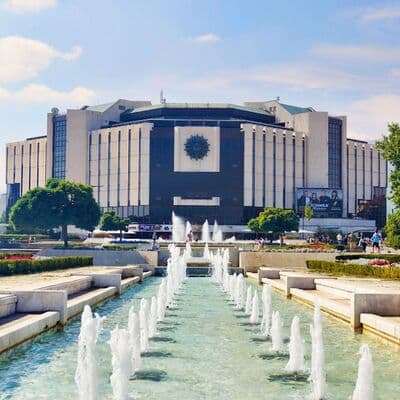
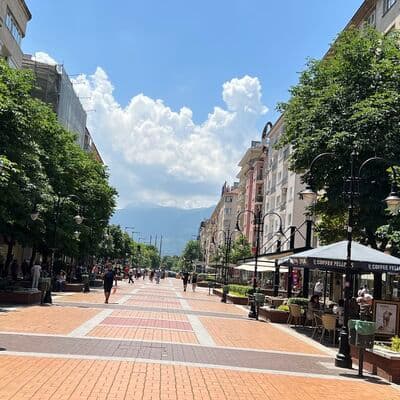
The heart of Sofia is pedestrianized Vitosha Boulevard, running from the National Palace of Culture (NDK) toward the mountain. This is where you will find the main sights, restaurants, bars, and shops, all within walking distance. From the boulevard to Alexander Nevsky Cathedral is a 15-minute walk. At night, the NDK plaza lights up and fills with locals -- skateboarders, buskers, couples sharing ice cream.
Pros: everything within reach, excellent infrastructure, beautiful evening lighting around NDK
Cons: highest prices in Sofia (still cheap by Western standards), noisy on weekends
Prices: $$ (hostels from $11-17 / 10-15 EUR, hotels from $44-66 / 40-60 EUR, apartments from $33-50 / 30-45 EUR per night)
Lozenets -- Comfort, Restaurants, and Expat Life
South of NDK, Lozenets is one of Sofia's most upscale residential neighborhoods. Quiet tree-lined streets, excellent restaurants, cozy cafes, and a sizable expat community. If you have worked remotely from Lisbon or Mexico City, you will recognize the vibe: laptops in every coffee shop, yoga studios, and organic grocery stores. The city center is a 10-to-15-minute walk north, and the foothills of Vitosha are the same distance south.
Pros: calm and green, best dining in the city, close to the mountain, good for longer stays
Cons: limited nightlife, slightly pricier than average
Prices: $$-$$$ (apartments from $38-61 / 35-55 EUR, hotels from $55-88 / 50-80 EUR)
Oborishte -- The Hipster Quarter
Oborishte and the surrounding blocks are Sofia's answer to Williamsburg or Shoreditch. Independent specialty coffee roasters, coworking spaces, vintage clothing stores, and craft beer bars line the streets. The neighborhood sits between the center and Borisova Gradina (the main city park), which means you can spend the morning sipping a pour-over and the afternoon jogging along tree-lined paths. The Sunday brunch scene here is thriving.
Pros: atmosphere, great cafes and bars, quiet but interesting, young crowd
Cons: fewer major sights than the center
Prices: $$ (apartments from $27-44 / 25-40 EUR)
Mladost / Studentski Grad -- Budget Option
The residential districts to the southeast. They look like what you would expect from post-Soviet housing: concrete apartment blocks, chain supermarkets, fast food joints. But prices are rock-bottom, the metro gets you downtown in 15 to 20 minutes, and Studentski Grad (literally 'Student Town') has the cheapest bars and clubs in the city. If you are backpacking on a tight budget, this is where your dollar stretches furthest.
Pros: cheap, metro access, authentic local life
Cons: unattractive streetscape, far from sights
Prices: $ (hostels from $8-11 / 7-10 EUR, apartments from $17-27 / 15-25 EUR)
Dokturski Pametnik / Orlov Most -- The Cultural Hub
The area around Alexander Nevsky Cathedral, Sofia University, and the weekend flea market. Every Saturday and Sunday, a sprawling antique market materializes on the square in front of the cathedral -- Soviet memorabilia, old coins, Orthodox icons, vinyl records. Borisova Gradina park with its lake and shaded alleys is right next door. This is arguably the most photogenic part of the city.
Pros: the most beautiful neighborhood, park nearby, weekend flea market
Cons: fewer restaurants than around Vitosha Boulevard
Prices: $$ (apartments from $33-50 / 30-45 EUR, hotels from $50-77 / 45-70 EUR)
Krasno Selo -- For Hikers
A residential district at the foot of Vitosha Mountain. If your main reason for visiting Sofia is the hiking, this is your base camp. Walk out the door in the morning and you are on a trail within 30 minutes. There is a bus to the center (20 to 25 minutes), but the area is more suburban than touristic. Think of it as staying in North Boulder instead of downtown Denver -- quieter, closer to nature, a short ride to the action.
Pros: close to the mountain, quiet, fresh air
Cons: far from the center and nightlife
Prices: $ (apartments from $22-33 / 20-30 EUR)
Best Time to Visit Sofia
Sofia works year-round, but each season delivers a fundamentally different experience. The city sits at about 1,800 feet (550 meters) elevation in a valley, so it gets proper seasons -- not the mild Mediterranean climate many visitors expect from a southern European country.
Best months: May through June and September through October. Temperatures hover between 64 and 77 F (18 to 25 C), rain is infrequent, tourist crowds are minimal (Sofia never really suffers from overtourism anyway), and the city is either blooming or glowing with autumn colors. In May, the 'Sofia Breathes' festival closes central streets to traffic and fills them with music, food stalls, and performances -- a fantastic time to visit.
Summer (July and August): hot, up to 95 F (35 C). Many locals flee to the Black Sea coast (4 to 5 hours away), and the city empties out noticeably. Some restaurants close for summer vacation. The upside: this is prime time for Vitosha hiking, where temperatures are 15 to 20 degrees cooler than downtown. Hotel prices also dip as demand drops.
Winter (December through February): cold, 23 to 41 F (-5 to +5 C), with occasional snow. But this is perfect timing for budget skiing -- Vitosha has slopes right outside the city, and a day pass costs a fraction of what you would pay in Austria or Switzerland. Christmas markets pop up near NDK in December, and mulled wine ('greyano vino') appears at every corner stand.
Festivals and events:
- March 1 -- Baba Marta: Bulgarians exchange martenitsi (red-and-white woven bracelets) for good health. Locals will give them to tourists too -- wear yours with pride and do not take it off until you see a stork or a blooming tree.
- May -- Sofia Breathes, Sofia Design Week
- June -- Sofia Pride, Sofia Film Fest
- September -- Sofia Music Weeks
- December -- Christmas market at NDK, outdoor ice rink
When is it cheapest: November and March are low season, and accommodation prices drop 20 to 30 percent. Weather is unpredictable, but you will have the city practically to yourself.
Itinerary: 3 to 7 Days in Sofia
3 Days in Sofia: The Essentials
Day 1: The Historic Center
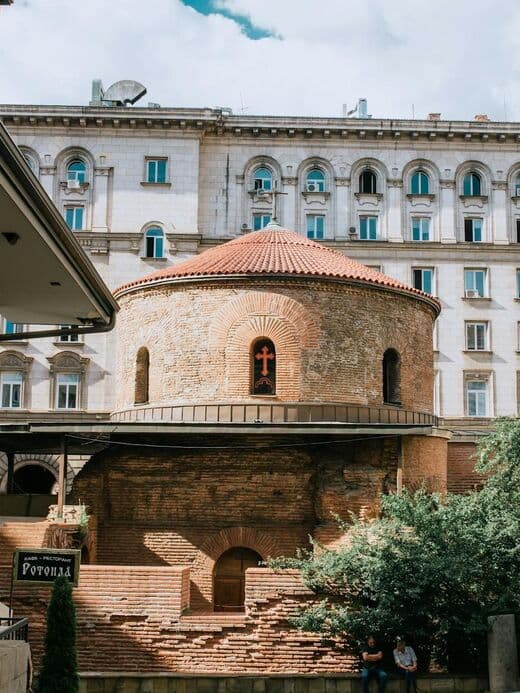
9:00 to 10:30 -- Start at the Rotunda of St. George, the oldest building in Sofia (4th century AD). It is tucked inside the courtyard of the Sheraton Hotel, surrounded by excavated ruins of ancient Serdica. Free entry. Look up at the frescoes inside -- some are over 1,000 years old. The juxtaposition of this tiny Roman-era church against the modern hotel is peak Sofia.
10:30 to 11:00 -- Walk through the underground passage at Serdika metro station, where excavated Roman streets form a free open-air museum beneath your feet. Most visitors walk right past this without realizing what they are standing above.
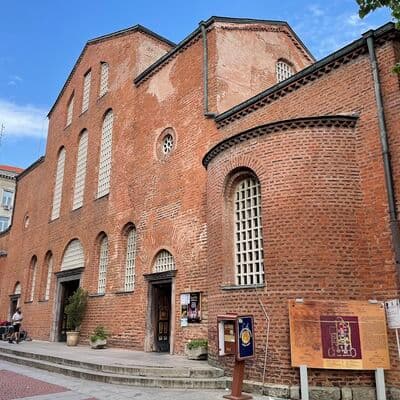
11:00 to 12:30 -- Saint Sofia Church, the 6th-century basilica that gave the city its name. It is a stark, austere building -- no gold domes or ornate frescoes, just raw ancient stone. The underground museum beneath it contains a necropolis with Roman-era mosaics. Next door: the Eternal Flame and the Tomb of the Unknown Soldier.
12:30 to 14:00 -- Lunch on Graf Ignatiev Street or in the Shishman area. Try a shopska salad and kavarma at a traditional mehana (tavern). Budget about $9 to $13 / 8 to 12 EUR for a full meal with a drink.
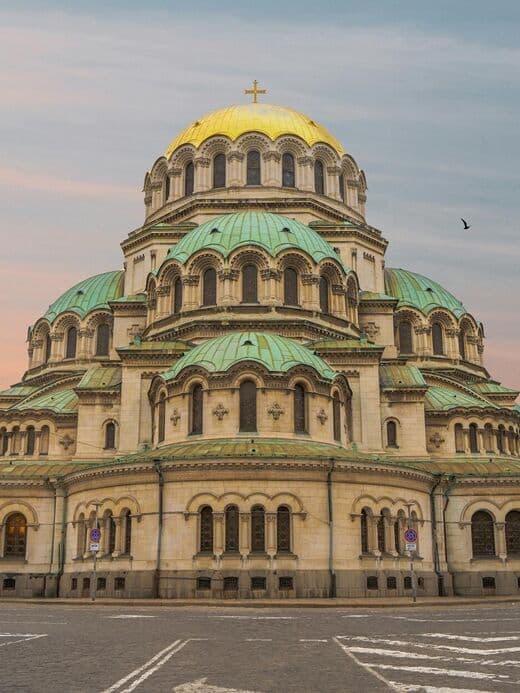
14:00 to 15:30 -- Alexander Nevsky Cathedral, the defining symbol of Sofia. A massive neo-Byzantine cathedral with gilded domes that catches the light from across the city. Inside, the mosaics and frescoes are breathtaking. Free entry to the main cathedral. The crypt houses an excellent icon museum (about $3.50 / 3 EUR).
15:30 to 17:00 -- Walk down Vitosha Boulevard. Grab a coffee at one of the sidewalk cafes with a view of the mountain at the end of the street. Duck into the side alleys -- they hide street art and quiet courtyards.
17:00 to 18:30 -- NDK and the surrounding park. In the evenings, this is where Sofia comes alive: skaters, street musicians, families. In summer, the fountains are illuminated.
Evening -- Dinner in the Shishman area or Lozenets. Order Bulgarian wine -- it is seriously underrated and costs just $3 to $5.50 / 3 to 5 EUR per glass in a restaurant.
Day 2: Museums and Local Life
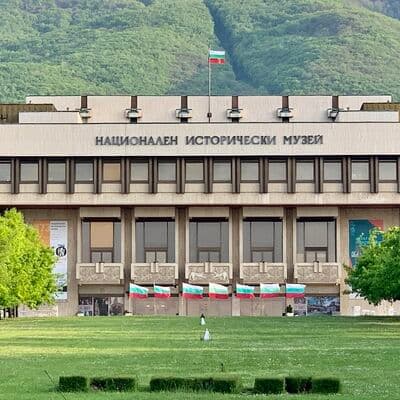
9:00 to 11:00 -- National Historical Museum in Boyana. Take bus 63 or 111 from the center (about 30 minutes). This is Bulgaria's largest museum: Thracian gold treasures, medieval manuscripts, and socialist-era artifacts. Entry is about $5.50 / 5 EUR.
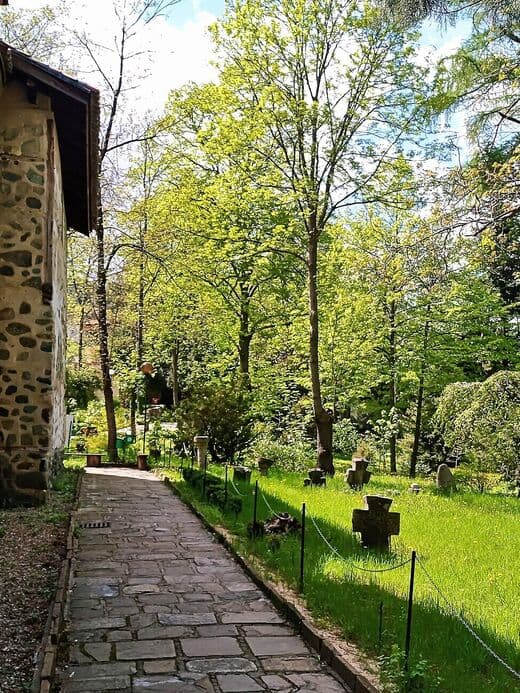
11:00 to 12:30 -- Boyana Church, a UNESCO World Heritage site just 500 meters from the museum. The 13th-century frescoes inside are considered forerunners of the Renaissance -- painted 200 years before Giotto. You must book tickets in advance: visitors are admitted in groups of 15 for 15-minute slots. Entry is about $5.50 / 5 EUR.
12:30 to 14:00 -- Lunch in the Boyana area. There are excellent family-run restaurants with mountain views up here.
14:00 to 16:00 -- Central Market Hall (Tsentralni Hali), a covered market from 1911. Fresh produce, homemade sirene (white brine cheese similar to feta), lukanka sausage, local honey. Right next door you will find the Sofia Synagogue (the third largest in Europe) and the 16th-century Banya Bashi Mosque -- three religions within 200 meters. This tiny patch of Sofia is one of the most religiously diverse corners in Europe.
16:00 to 18:00 -- Borisova Gradina, Sofia's main park. Walk the shaded alleys, rent a paddleboat on the lake in summer, or just sit on a bench and watch locals jog, walk their dogs, and play chess.
Evening -- Craft beer bars on Vitosha or in Oborishte. Try Bulgarian craft brews: Drekavac, Rhombus, and Glarus are all excellent.
Day 3: Vitosha Mountain
9:00 to 10:00 -- Take bus 66 or 93 to the Simeonovo or Dragalevtsi gondola station. A taxi from the center costs about $5 to $8 / 5 to 7 EUR.
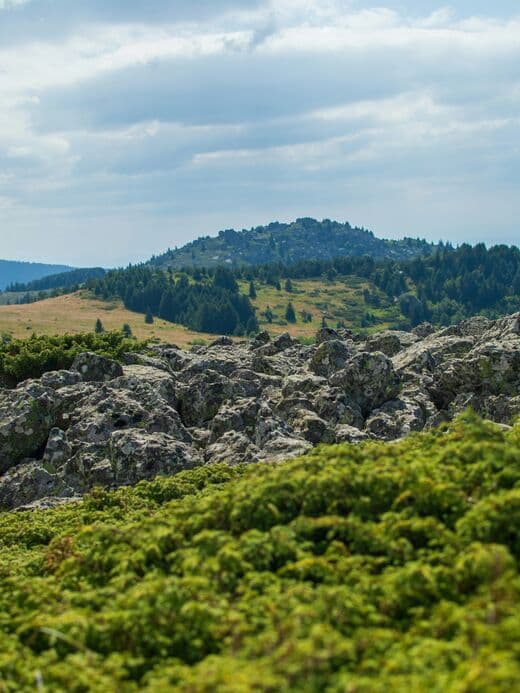
10:00 to 15:00 -- Hiking on Vitosha Mountain. The main goal is Cherni Vrah peak at 7,513 feet (2,290 meters). The trail is moderate difficulty, about 3 to 4 hours round trip from the upper gondola station. Along the way you will pass the Golden Bridges, a spectacular 'stone river' of massive boulders that looks like something out of a fantasy film. Bring water and snacks -- there is limited infrastructure on the mountain.
15:00 to 16:00 -- Lunch at one of the mountain huts (hizha) or head back to the city.
16:00 to 18:00 -- Sofia's mineral springs. The city sits on natural hot springs, and there is a free public drinking fountain with hot mineral water right outside the Central Mineral Baths building (now the Sofia History Museum). You will see locals lining up with jugs and 5-liter bottles to fill up. Join them -- the water is genuinely good.
Evening -- Farewell dinner. Order meshana skara (mixed grilled meats) and a glass of rakia to close out the trip properly.
5 Days in Sofia: Taking Your Time
Add to the 3-day itinerary:
Day 4: Day Trip to Rila Monastery
7:00 -- Depart Sofia. Direct bus from Ovcha Kupel bus station (7:00 departure, ticket about $6 / 5.50 EUR, 2.5 hours). Or book an organized tour ($27 to $38 / 25 to 35 EUR including transport and a guide).
10:00 to 14:00 -- Rila Monastery, Bulgaria's most important landmark and a UNESCO World Heritage site. The frescoes, the icons, the mountain setting -- it is genuinely stunning. Free entry to the monastery grounds; the museum is about $4.50 / 4 EUR. You can actually sleep overnight in the monastery (about $8 to $11 / 8 to 10 EUR per night) -- a once-in-a-lifetime experience, but book well ahead.
14:00 to 15:00 -- Lunch near the monastery: fresh trout and bean soup are the local classics.
17:00 -- Return to Sofia.
Day 5: Alternative Sofia
9:00 to 11:00 -- Zhenski Pazar (Women's Market), Sofia's oldest open-air market, operating since the 1880s. Fruits, vegetables, spices, honey, homemade ayvar -- all at rock-bottom prices. Best in the morning when the produce is freshest.
11:00 to 13:00 -- The backstreets around Shishman Street, sometimes called Sofia's Kapana district. Craft coffee, art galleries, artisan workshops. Grab lunch at one of the small local bistros.
13:00 to 15:00 -- Museum of Socialist Art -- if history interests you. Giant Lenin statues and communist symbols arranged in an outdoor park. It is surreal and fascinating. Entry about $3.50 / 3 EUR.
15:00 to 17:00 -- South Park and the Lozenets neighborhood. Wander, pop into cafes, soak up the rhythm of daily life in Sofia.
Evening -- Dinner at one of Sofia's top restaurants (see the dining section below).
7 Days in Sofia: With Day Trips
Add to the 5-day itinerary:
Day 6: Plovdiv
Bulgaria's second city and the 2019 European Capital of Culture. Take the train from Sofia Central Station (2.5 to 3 hours, about $5 to $8 / 5 to 8 EUR) or a bus (2 hours, about $8 / 7 EUR). The hilltop Old Town has a working Roman amphitheater, colorful Revival-era houses, and the bohemian Kapana district packed with galleries and bars. Easy to cover in a day trip, though you could happily spend two. If you have visited places like Bruges or Cesky Krumlov, Plovdiv has a similar charm but with far fewer tourists and far lower prices.
Day 7: Hot Springs and a Winery
Bulgaria is dotted with natural hot springs. About 40 miles (60 km) from Sofia, Sapareva Banya has the only geyser in the Balkans (water at 217 F / 103 C). On the way, stop at a winery -- Bulgarian wines from the Mavrud, Rubin, and Melnik grape varieties deserve far more international attention than they get. Organized wine tours from Sofia run about $55 to $88 / 50 to 80 EUR including tastings and lunch. If you enjoy wine regions like Alentejo in Portugal or the Bekaa Valley in Lebanon, you will appreciate what Bulgaria is doing.
Where to Eat: Restaurants and Cafes
Street Food and Markets
Bulgarian street food starts and ends with banitsa -- flaky filo pastry stuffed with sirene (white cheese), spinach, or pumpkin. Look for banitcharnitsi, the small bakeries that open at 6 or 7 in the morning. Locals eat banitsa with boza, a fermented millet drink that is sweet, thick, and an acquired taste. A slice of banitsa costs $0.80 to $1.65 / 0.75 to 1.50 EUR. Even if boza sounds weird, try it once -- it is part of the culture.
Zhenski Pazar -- the main farmers' market. Vendors grill kebabche (spiced meat sausages) and kyufte (meat patties) right there. About $1.10 to $1.65 / 1 to 1.50 EUR per portion.
Tsentralni Hali -- the covered Central Market in downtown. More polished than Zhenski Pazar, with prepared food, cafes, and fresh produce under one roof.
Traditional Taverns (Mehani)
A mehana is a Bulgarian tavern with wooden interiors, checkered tablecloths, and portions that could feed a small family. The best ones have menus only in Bulgarian and are full of locals -- if you see an English menu and photos of food on the door, keep walking.
Pod Lipite (Under the Linden Trees) -- one of Sofia's oldest mehani. Outdoor seating under actual linden trees. Classic Bulgarian food, enormous portions, main courses $4.40 to $8.30 / 4 to 7.50 EUR.
Hadjidraganovite Kashti -- atmospheric tavern in the center with live folk music some evenings. Slightly pricier ($8 to $14 / 7.50 to 12.50 EUR per dish), but the experience is worth it.
Mid-Range Restaurants
Shtastlivetsa -- a popular chain with Bulgarian and European cuisine. Several locations in the center. Reliable, tasty, average check about $11 to $17 / 10 to 15 EUR per person.
Raketa Rakia Bar -- a stylish bar-restaurant with more than 200 varieties of rakia and Bulgarian tapas-style snacks. This is the place to learn that rakia is not just 'Balkan moonshine' but a complex spirit with real range. Great atmosphere, knowledgeable staff.
Manastirska Magernitsa -- 'Monastery Kitchen,' near Alexander Nevsky. Recipes adapted from Bulgarian monasteries. Try the chushki byurek (cheese-stuffed peppers) and the monastery-style bean soup. It leans touristy but the food is genuinely good.
Fine Dining
Cosmos -- tasting-menu fine dining using Bulgarian ingredients with modern technique. Tasting menu from about $44 / 40 EUR. Book ahead. If you have eaten at acclaimed restaurants in other European capitals, the quality here will surprise you -- at a fraction of the price.
Soul Kitchen -- chef-driven seasonal cooking focused on local produce. One of the best restaurants in the city and still reasonably priced by Western standards.
Cafes and Breakfast
Sofia is in the middle of a specialty coffee boom. Third-wave roasters are everywhere, and the quality rivals what you would find in Melbourne or Portland.
Dabov Specialty Coffee -- widely considered the best specialty coffee in Sofia, with several locations. Espresso from about $1.65 / 1.50 EUR.
Chucky's -- a popular brunch spot in Oborishte. Avocado toast, pancakes, eggs Benedict -- $4.40 to $8.30 / 4 to 7.50 EUR. Weekend brunch gets busy, so arrive early or expect a wait.
Rainbow Factory -- a coffee shop in a former industrial building. Great aesthetics, solid coffee, good pastries.
The typical local breakfast, though, is banitsa plus boza or coffee at a banitcharnitsa. Total cost: about $2.20 / 2 EUR. This is an experience you will not replicate at any brunch spot.
Must-Try Food in Sofia
Shopska Salad -- tomatoes, cucumbers, peppers, onion, and a generous blanket of grated sirene on top. It sounds basic, but Bulgarian tomatoes are genuinely on another level -- think peak-summer heirloom tomato flavor, every time. Available at every restaurant for $2.20 to $3.85 / 2 to 3.50 EUR. Skip the tourist places on Vitosha and order it at a mehana where locals eat.
Banitsa -- flaky filo pastry layered with sirene cheese. The best version is fresh from the oven at a neighborhood banitcharnitsa in the morning. On New Year's Eve, Bulgarians hide coins and fortune-paper slips inside the banitsa -- whoever finds one gets good luck. About $0.80 to $1.65 / 0.75 to 1.50 EUR per slice.
Kebabche -- elongated grilled minced meat sausages seasoned with cumin and savory. Served with mustard and bread. About $1.10 to $1.65 / 1 to 1.50 EUR each. The best ones come from simple grill joints, not fancy restaurants.
Kavarma -- a slow-cooked meat stew in a clay pot with vegetables, mushrooms, and an egg cracked on top. Hearty and warming, especially good in the colder months. About $4.40 to $6.60 / 4 to 6 EUR.
Bob Chorba -- thick bean soup with paprika and mint. This is a national dish; every Bulgarian family has their own recipe. In a mehana, about $2.20 to $3.30 / 2 to 3 EUR. Deceptively filling.
Sirene po Shopski -- sirene baked with tomatoes, peppers, and an egg in a clay pot. Simple, satisfying, and cheap at $2.75 to $4.40 / 2.50 to 4 EUR.
Meshana Skara -- the mixed grill platter: kebabche, kyufte, pork neck, chicken. A platter for two costs $8.30 to $14 / 7.50 to 12.50 EUR. Order it with 'kartofi po selski' (village-style potatoes) on the side.
Rakia -- fruit brandy and the national drink of Bulgaria. Plum (slivova), grape (grozdova), and apricot (kaisieva) are the most common. Sipped slowly, always accompanied by a salad -- never on an empty stomach. A glass costs $1.10 to $2.20 / 1 to 2 EUR. Do not mix it with beer or soft drinks; Bulgarians consider that a serious offense.
Ayran -- a cold, salted yogurt drink. Bulgaria claims to have invented yogurt (there is some truth to this -- the Lactobacillus bulgaricus bacteria is named after the country), and the dairy here is exceptional. Perfect on a hot day or alongside grilled meat. About $0.55 to $1.10 / 0.50 to 1 EUR.
Boza -- a thick, sweet fermented millet drink. The taste is unusual and not for everyone, but it is deeply embedded in the culture. Try it once with a fresh banitsa.
What to avoid: Do not order pizza or pasta in Bulgarian restaurants -- they are mediocre at best. Eat Bulgarian. Do not buy rakia at the supermarket -- it is industrial and characterless. Get it at specialty shops or order it at restaurants where they stock craft distilleries.
For vegetarians: Bulgarian cuisine is surprisingly vegetarian-friendly. There are plenty of salads, cheese dishes, bob chorba (which has a meatless version), spinach banitsa, and kashkaval pane (fried yellow cheese). In the center, dedicated vegetarian restaurants like Dream House and Edgy Veggy have solid options.
Local Secrets and Tips
1. Free mineral water. Outside the Central Mineral Baths building (now the Sofia History Museum), there is a public fountain dispensing hot mineral water for free. Fill up your bottle -- it is genuinely good drinking water. You will see locals queuing with 5-liter jugs every morning. The water is naturally warm and mineral-rich.
2. The weekend flea market. Every Saturday and Sunday, the square in front of Alexander Nevsky Cathedral hosts a sprawling antique market. Soviet-era cameras, gramophone records, Orthodox icons, old coins, military medals. Haggle -- the starting price for tourists is inflated by 2 to 3 times. This is one of the best flea markets in Eastern Europe.
3. Free walking tour -- the best introduction. The 365 Association runs free walking tours daily at 10:00 and 18:00, departing from the Palace of Justice. About 2 hours with excellent English-speaking guides. You tip what you feel is fair at the end (5 to 10 lev / $2.75 to $5.50 is standard). This is genuinely one of the best free walking tours in Europe -- the guides are passionate and funny.
4. Do not exchange money on the street. Currency exchange offices in the center are notorious for scams -- they display one rate and calculate at another, or charge hidden commissions. Use ATMs (pull cash from a bank machine with your debit card) or pay by card where possible. The exchange rate is fixed: 1 EUR = 1.9558 BGN. Bulgaria is in the ERM II mechanism and expected to adopt the euro -- check the current status before your trip.
5. Bulgarian 'yes' and 'no' are reversed. A nod means 'no' and a head shake means 'yes.' This will confuse you at least once. In tourist areas, many Bulgarians have switched to Western gestures, but in local shops and markets, the old way persists. When in doubt, use words: 'da' means yes, 'ne' means no.
6. Get a transit pass. A single ride is 1.60 lev (about $0.88 / 0.80 EUR), but if you plan to use transit frequently, buy a day pass for 4 lev ($2.20 / 2 EUR) or a 3-day pass for 10 lev ($5.50 / 5 EUR). Available at metro stations. Important: always validate your ticket on trams and buses -- inspectors are active and the fine is 40 lev ($22 / 20 EUR).
7. The metro is clean and efficient. Four lines covering the main routes. Runs from 5:00 AM to midnight, trains every 3 to 5 minutes. Safe at all hours. Comparable to the cleanest systems in Western Europe.
8. Rakia is drunk before the meal, not after. Bulgarians drink rakia as an aperitif, always with a salad. After the meal, switch to wine or coffee. Never mix rakia with cola or juice -- this is considered sacrilege. Order it chilled or at room temperature, never with ice.
9. Do not skip Vitosha Mountain. Many visitors never make it up to Vitosha, which is a mistake. It is literally 30 minutes from downtown, and suddenly you are at 6,500+ feet with panoramic views of the entire city and valley. Even if you are not a serious hiker, take the bus to the Golden Bridges (the stone river), walk around for an hour, and come back. The views alone justify the trip.
10. Leave room for spontaneity. Half the joy of Sofia is in the unexpected discoveries. Turn off Vitosha Boulevard into a random side street and find a hidden bar. Walk into a mehana that has no English menu and have the best meal of your trip. Sofia rewards wandering without a plan.
11. Tipping: 10 percent is the norm. In restaurants, leave about 10 percent of the bill. At bars, round up to the nearest lev. In taxis, tipping is not expected, but rounding up is appreciated.
12. English is widely spoken by younger people. Bulgarians under 35 to 40 generally speak good English. Older generations often speak only Bulgarian (and sometimes Russian or German). Google Translate with the camera feature is your friend for menus and signs in Cyrillic.
Transport and Connectivity
From the Airport to the City Center
Metro (Line M4) -- the best option. The station is inside Terminal 2. To the city center (Serdika station) takes about 20 minutes and costs 1.60 lev ($0.88 / 0.80 EUR). Trains run every 5 to 10 minutes from 5:00 AM to midnight. This is cheaper and faster than any other option.
Bus 84 -- from Terminal 1 to the center. About 40 minutes, same price (1.60 lev). Runs every 10 to 15 minutes.
Taxi -- 10 to 15 lev ($5.50 to $8.30 / 5 to 8 EUR) to the center. Only take yellow taxis with a running meter, or better yet, order one through an app. Do not accept fixed-price offers from drivers soliciting inside the terminal -- that is a well-known scam at Sofia Airport. The legitimate fare should be on the meter.
Getting Around the City
Metro: 4 lines, clean and efficient. Covers the center, airport, and business park. Single ride: 1.60 lev. Day pass: 4 lev. Runs 5:00 AM to midnight. Sofia's metro was expanded significantly in recent years and now reaches most places tourists need to go.
Trams and buses: extensive network. Same tickets as the metro (1.60 lev). Always validate on board. The trams are charmingly old-fashioned but slow. Buses are faster but get stuck in traffic during rush hour.
Taxis: cheap by any Western standard. About 0.79 lev/km ($0.44) during the day, 0.90 lev/km ($0.50) at night. A ride across the center costs $1.65 to $2.75 / 1.50 to 2.50 EUR. Apps: Yellow Taxi, TaxiMe. Uber does not operate in Sofia, but Bolt does and prices are comparable to regular taxis.
Car rental: unnecessary for the city, but useful for day trips (Rila Monastery, Plovdiv, hot springs). From about $27 to $38 / 25 to 35 EUR per day. Parking in the center is a headache -- avoid driving downtown.
Bikes: Nextbike operates the city bike-share program. Docking stations across the center. About $0.55 / 0.50 EUR per 30 minutes. Bike lanes exist but are inconsistently respected by drivers -- ride defensively.
Internet and Phone
SIM card: A1, Vivacom, or Yettel. A tourist SIM with 10 to 20 GB costs 15 to 25 lev ($8.30 to $14 / 8 to 13 EUR) at a carrier store. Bring your passport. 4G/LTE coverage is excellent across the city and most of the country.
eSIM: Airalo or Holafly, from about $5.50 to $8.80 / 5 to 8 EUR for 5 GB. Convenient if you do not want to deal with a physical card. Set it up before you land.
Wi-Fi: free in most cafes and restaurants. The metro has it too. Speeds are generally solid -- Sofia has better average internet than many Western European cities, which makes it popular with digital nomads.
Useful apps:
- Google Maps -- works perfectly in Sofia, including public transit directions and real-time bus/tram tracking
- TaxiMe / Yellow -- taxi hailing apps (similar to Lyft)
- Bolt -- ride-hailing alternative, sometimes cheaper than taxis
- Nextbike -- city bike-share rental
- Revolut or Wise -- for fee-free ATM withdrawals and card payments in local currency
Who Sofia Is For: Summary
Sofia is a city that does not show off. There is no Eiffel Tower or Colosseum here. What you get instead is 7,000 years of history under your feet, mountains out the window, outstanding food at prices that feel like a rounding error, and a city that is genuinely happy you showed up. It is the kind of place where a $15 dinner with wine feels like a splurge, where you can hike a 7,500-foot peak and be back downtown for happy hour, and where the best experiences come from wandering without a fixed plan.
Ideal for: budget travelers, history and archaeology enthusiasts, food lovers, hikers, anyone looking for 'real Europe' without the crowds, and digital nomads (great internet, cheap coworking, solid cafe culture).
Not the best fit for: beach vacations (the coast is far), luxury shopping (brands exist but selection is limited), or anyone seeking Ibiza-level nightlife and glamour.
How many days: minimum 2 (city center only), ideal 4 to 5 (city plus Vitosha plus Rila), maximum 7 (with Plovdiv and surroundings).
Information current as of 2026. Prices are listed in US dollars (USD) and euros (EUR), with local prices in Bulgarian lev (BGN). The exchange rate is fixed at 1 EUR = 1.9558 BGN. Bulgaria has been expected to adopt the euro -- check the current status before your trip.