About
Armenia: The Ultimate Travel Guide for 2026
Welcome to Armenia, a landlocked jewel wedged between Georgia, Turkey, Iran, and Azerbaijan. This ancient nation, the first to adopt Christianity as a state religion in 301 AD, offers travelers an intoxicating blend of rugged mountain landscapes, UNESCO-listed monasteries carved into cliffsides, world-class cognac, and hospitality so genuine it borders on overwhelming. Whether you are a history buff seeking the roots of civilization, an adventure seeker ready to tackle volcanic peaks, or a foodie eager to discover lavash and khorovats, Armenia delivers experiences that punch far above what its modest size might suggest.
I have spent months exploring every corner of this country, from the bustling streets of Yerevan to the remote villages of Syunik where shepherds still move flocks across mountain passes unchanged for centuries. This guide distills everything I have learned into practical, honest advice that will help you navigate Armenia like a local, avoid tourist traps, and discover hidden gems that most visitors never find. Consider me your experienced friend who has already made the mistakes so you do not have to.
1. Why Visit Armenia
Let me be honest with you from the start: Armenia is not for everyone. There are no pristine beaches, no world-famous theme parks, no glittering shopping malls that would rival Dubai or Singapore. The roads can be challenging, some tourist infrastructure remains underdeveloped, and the geopolitical neighborhood is complicated. But if you are reading this guide, you probably already know that Armenia offers something far more valuable than polished tourism products. You are looking for authenticity, and Armenia has it in spades.
The primary reason to visit Armenia is the sheer concentration of history within its borders. This tiny nation, roughly the size of Maryland or Belgium, contains more UNESCO World Heritage Sites per square kilometer than almost anywhere else on Earth. The monasteries here are not museum pieces roped off behind velvet barriers. They are living, breathing places of worship where monks still chant at dawn and local families bring their children for baptism. When you step inside Geghard Monastery, partially carved into the mountain itself, and hear the acoustics that have remained unchanged for 800 years, you understand why Armenians feel such a profound connection to their ancestral homeland.
But history alone does not make a destination. What transforms Armenia from interesting to unforgettable is its people. Armenian hospitality is legendary throughout the region, and the word does not do it justice. I have been invited into homes for impromptu feasts that lasted six hours. I have had strangers refuse payment for helping me with directions, insisting instead on driving me to my destination personally. Shop owners have pressed gifts of dried fruit into my hands simply because I showed interest in their products. This warmth is not performative or transactional. Armenians genuinely want visitors to love their country as much as they do, and they will go to extraordinary lengths to make that happen.
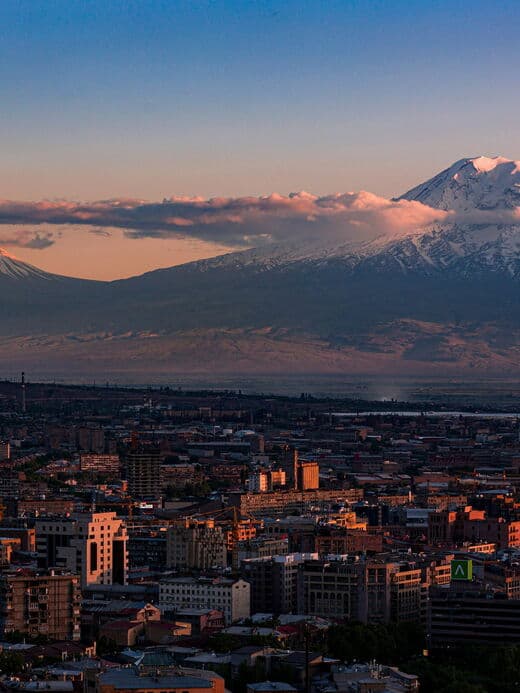
The landscape adds another dimension to the Armenian experience. Mount Ararat, though now in Turkey, dominates the horizon from Yerevan on clear days, its snow-capped peak a constant reminder of the biblical flood narrative and Armenian identity. Lake Sevan, one of the largest high-altitude lakes in the world, changes color from deep blue to turquoise depending on the light. The canyons of Syunik in the south rival anything in the American Southwest, while the forests of Dilijan earned the region its nickname as the Switzerland of Armenia. In a single day of driving, you can traverse multiple climate zones, from semi-desert to alpine meadows.
For adventure travelers, Armenia offers increasingly sophisticated options. Hiking trails now crisscross the country, with the Transcaucasian Trail becoming a premier long-distance route. Rock climbing around Noravank attracts international athletes. Mountain biking trails have been developed near Dilijan. Skiing at Tsaghkadzor provides an affordable alternative to European resorts. Paragliding from the hills above Lake Sevan offers views that few places on Earth can match.
Wine enthusiasts will find Armenia fascinating for reasons beyond mere taste. Archaeological evidence suggests that Armenia may be one of the birthplaces of viticulture, with wine production dating back at least 6,000 years. The Areni-1 cave complex yielded the world's oldest known winery, and modern Armenian winemakers are reviving indigenous grape varieties that had nearly disappeared. Tasting Areni Noir in the village where it has been cultivated for millennia creates a connection to human history that no Napa Valley tour can replicate.
Then there is the value proposition. Armenia remains remarkably affordable by Western standards, though prices have risen in recent years. A substantial meal at a good local restaurant rarely exceeds $15 USD. Comfortable mid-range hotels charge $50-80 per night. Taxis cost a fraction of European prices. This affordability means you can extend your trip, splurge on unique experiences, or simply relax without constantly worrying about your budget.
The country has also invested significantly in tourism infrastructure over the past decade. Roads to major attractions have been improved. Signage in English has proliferated. Boutique hotels and guesthouses now offer international standards of comfort while maintaining Armenian character. The Wings of Tatev cable car, stretching 5.7 kilometers across the Vorotan Gorge, has become an attraction in itself. A new wave of restaurants in Yerevan has elevated traditional cuisine to fine dining without losing its soul.
I should mention the complicated stuff too, because pretending it does not exist would be dishonest. Armenia has fought conflicts with neighboring Azerbaijan, most recently in 2020, and border regions require careful planning. Relations with Turkey remain strained over historical events including the Armenian Genocide of 1915. The economy faces challenges, and you will see poverty alongside the boutique cafes of central Yerevan. Understanding this context enriches rather than diminishes the travel experience, helping you appreciate the resilience and determination of the Armenian people.
Ultimately, Armenia rewards the curious traveler who comes with open eyes and an open heart. It asks you to slow down, to accept that invitation for coffee even when you have other plans, to sit with complexity rather than demanding simple narratives. In return, it offers experiences that will reshape how you see the world and your place in it. That is why you should visit Armenia.
2. Regions of Armenia
Armenia divides into distinct regions, each with its own character, attractions, and travel considerations. Understanding these regions helps you plan efficiently and ensures you do not miss areas that match your interests. Let me walk you through each one, from the urban energy of the capital to the remote mountain villages of the south.
Yerevan: The Pink City
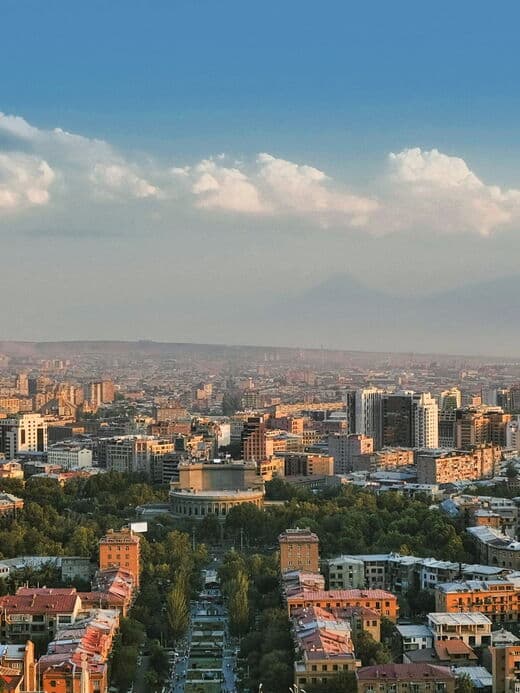
Yerevan is one of the world's oldest continuously inhabited cities, though you would not guess it from the Soviet-era architecture that dominates the center. The pink tuff stone used in many buildings gives the capital its distinctive rosy glow, particularly beautiful at sunset when the entire city seems to blush. With approximately 1.1 million residents, Yerevan contains more than a third of Armenia's population and serves as the country's economic, cultural, and political heart.
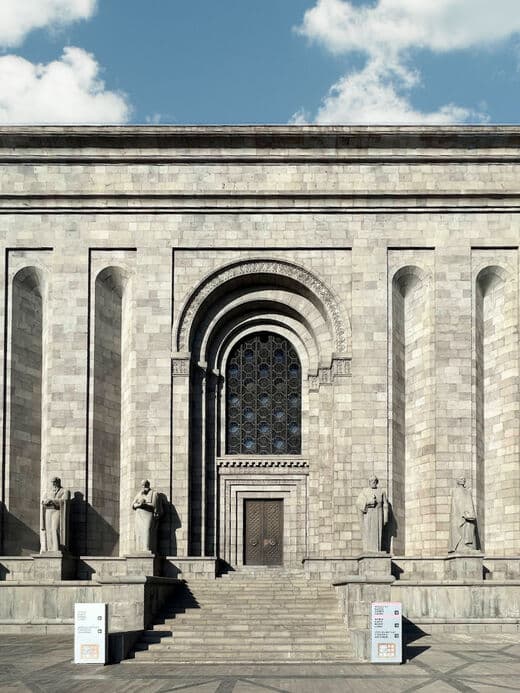
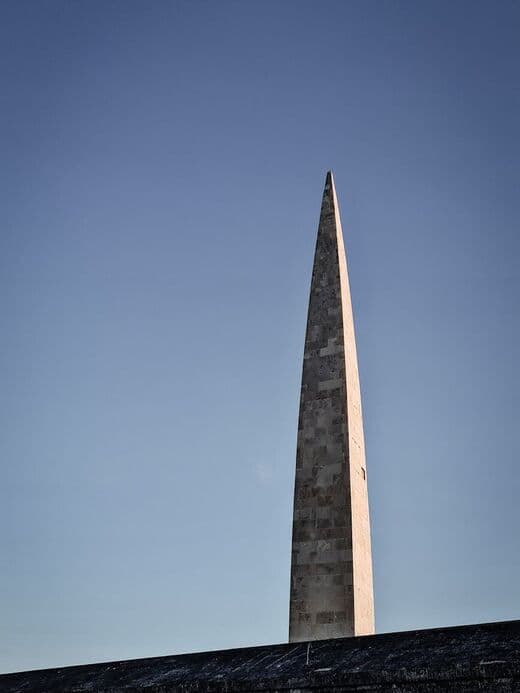
The city operates on two levels. The surface level is modern and increasingly cosmopolitan, with craft coffee shops, international restaurants, tech startups, and a nightlife scene that keeps going until dawn. The deeper level connects to millennia of history, visible in the ancient manuscript collection at the Matenadaran, the ruins of Erebuni Fortress dating to 782 BC, and the genocide memorial at Tsitsernakaberd that remains central to Armenian identity.
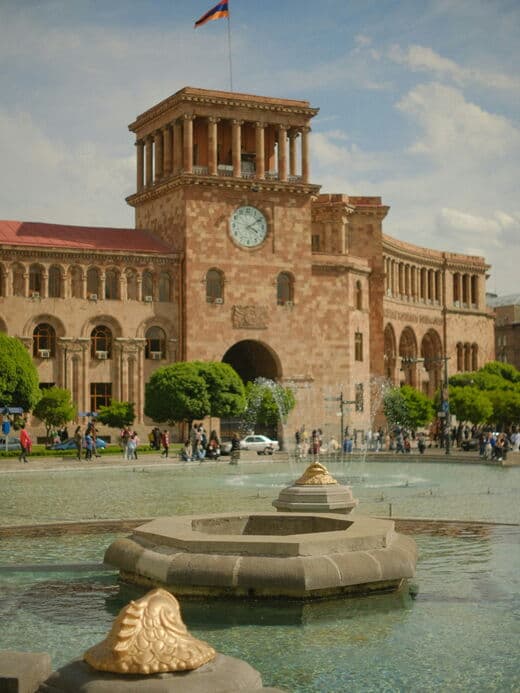
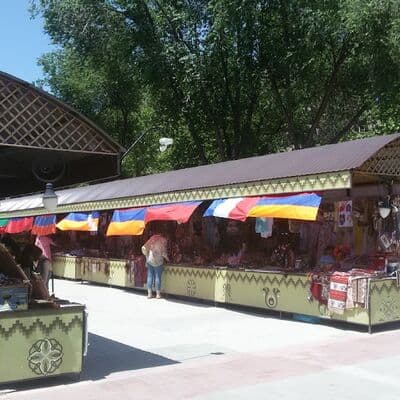
Most travelers use Yerevan as their base, and the city rewards those who spend time beyond the obvious attractions. The Cascade complex offers outdoor art installations and panoramic views. Vernissage market every weekend provides the best souvenir shopping in the country. Republic Square comes alive on summer evenings with singing fountains synchronized to music. The hidden courtyards of the old Kond neighborhood reveal glimpses of pre-Soviet Yerevan.
Practically speaking, Yerevan offers the best tourist infrastructure in the country, with English widely spoken in restaurants and hotels, reliable taxi apps, diverse accommodation options, and walkable distances between major attractions. Plan to spend at least three full days in the city itself, with additional days for excursions to nearby sites.
Ararat Valley: The Sacred Mountain's Shadow
The Ararat Valley extends west and south from Yerevan, dominated by views of Mount Ararat across the closed Turkish border. This fertile lowland produces much of Armenia's fruit and vegetables, and the towns here feel more agricultural than touristic. The main draws are two extraordinary monasteries: Khor Virap and Noravank.
Khor Virap sits against the most dramatic backdrop in Armenia, with Mount Ararat rising directly behind it. This is where Gregory the Illuminator was imprisoned for 13 years before converting King Tiridates III and making Armenia the first Christian nation. The monastery itself is modest, but the setting is unforgettable. Come at sunrise or sunset for the best light and smallest crowds.
Noravank, reached through a spectacular red rock canyon, represents Armenian medieval architecture at its finest. The two-story Surb Astvatsatsin church features an unusual external staircase and intricate stone carvings that have survived centuries of earthquakes. The surrounding cliffs attract rock climbers, and a small restaurant at the entrance serves excellent local food.
The town of Areni, near Noravank, has become the center of Armenian wine tourism. The Areni-1 cave complex revealed the world's oldest known winery, and modern wineries in the area offer tastings of indigenous grape varieties. The annual wine festival in October draws visitors from around the world.
Kotayk and Gegharkunik: Mountains and the Great Lake
These two provinces stretch east from Yerevan into the mountains, encompassing the resort town of Tsaghkadzor and the vast expanse of Lake Sevan. Most visitors from the capital experience these areas as day trips, but staying overnight reveals dimensions that day-trippers miss.
Garni Temple, the only standing Greco-Roman colonnaded structure in the former Soviet Union, demonstrates that Armenia's history extends far beyond Christianity. The first-century pagan temple survived because later Armenians convinced the church it had been a summer residence of royalty rather than a place of worship. The adjacent gorge features remarkable basalt columns that rival the Giant's Causeway.
Geghard Monastery, a UNESCO World Heritage Site, is partially carved into the living rock of the mountainside. The acoustics inside the cave chapels are extraordinary, and you may encounter impromptu performances by visitors or the monks themselves. This is many travelers' favorite site in all of Armenia, and it deserves at least two hours of exploration.
Lake Sevan, at 1,900 meters elevation, is one of the largest high-altitude freshwater lakes in the world. The Sevanavank monastery on its peninsula has become an iconic image of Armenia, though the peninsula was originally an island before Soviet engineers lowered the lake level. Summer brings Armenian families for beach holidays, while spring and fall offer quieter beauty. The fish ishkhan, a type of trout endemic to the lake, appears on menus throughout the region.
Tsaghkadzor offers Armenia's best skiing in winter and pleasant hiking in summer. The Soviet-era resort town has modernized significantly, with international-standard hotels and improved lift systems. Prices remain far below European ski resorts while snow conditions often exceed expectations.
Lori: The Northern Forests
Lori province in the north contains some of Armenia's most spectacular scenery and important cultural sites. The region is greener and more forested than the south, with deep gorges carved by the Debed River creating dramatic landscapes throughout.
The UNESCO-listed monasteries of Haghpat and Sanahin rank among the masterpieces of medieval Armenian architecture. Built between the 10th and 13th centuries, these complexes served as important centers of learning and manuscript production. The intricate khachkars (stone crosses) at both sites display craftsmanship that influenced religious art throughout the region.
Dilijan, often called the Switzerland of Armenia, occupies a forested valley that feels distinctly different from the rest of the country. The old town preserves traditional Armenian wooden architecture, while the surrounding hills offer excellent hiking. The Dilijan National Park protects diverse forest ecosystems, and trails have been developed for various skill levels. A new wave of boutique hotels and restaurants has transformed Dilijan into a weekend escape for Yerevan residents and a base for longer explorations of the north.
The town of Alaverdi, though industrial and not conventionally attractive, provides access to the canyon monasteries and has a certain raw authenticity that some travelers appreciate. The cable car across the gorge, though aging, offers memorable views.
Syunik: The Wild South
Syunik province stretches along a narrow corridor to the Iranian border, containing some of Armenia's most dramatic landscapes and least-visited attractions. The 2020 conflict affected parts of this region, so check current conditions before traveling, but most tourist destinations remain accessible and safe.
Tatev Monastery, reached by the Wings of Tatev cable car spanning 5.7 kilometers across the Vorotan Gorge, is the region's star attraction. The medieval monastery complex perches on a cliff edge with views extending in every direction. The cable car ride itself has become as popular as the destination, holding the Guinness World Record for longest non-stop double-track cable car.
The town of Goris provides the best base for exploring Syunik, with a pleasant town center, good hotels, and fascinating nearby attractions. The village of Old Khndzoresk, abandoned in the mid-20th century, features cave dwellings connected by a suspension bridge across a gorge. Zorats Karer, sometimes called the Armenian Stonehenge, contains megalithic stones that may have served astronomical purposes thousands of years before the Christian era.
The drive through Syunik on the main north-south highway offers constantly changing landscapes, from high mountain passes to semi-arid valleys. Budget extra time for stops, as you will want to pull over frequently for photographs.
Vayots Dzor: Canyons and Wine
This sparsely populated province between Gegharkunik and Syunik contains some of Armenia's most spectacular canyon landscapes alongside its most important wine heritage. The main town of Yeghegnadzor serves as a waypoint rather than a destination, but the surrounding attractions reward exploration.
Jermuk, a spa town famous for its mineral water, has received significant investment and offers modern wellness facilities alongside Soviet-era sanatoriums. The town sits at 2,000 meters elevation, making it a cool retreat in summer. A waterfall in the town center and surrounding hiking trails add to the appeal. Note that Jermuk's proximity to the Azerbaijan border means you should check current conditions, though the town itself has remained safe.
Selim Pass, the highest paved pass in Armenia at 2,410 meters, provides access to the Selim Caravanserai, a remarkably preserved 14th-century roadside inn on the historic Silk Road. Standing inside this stone structure, you can almost hear the traders and their animals resting on their journey between Persia and the Black Sea.
The Arpa and Yeghegis valleys contain lesser-known monasteries and fortresses that reward travelers willing to venture off the main roads. The Jewish cemetery at Yeghegis, one of the few physical remnants of the medieval Jewish community in Armenia, provides fascinating evidence of the country's diverse religious history.
Aragatsotn: The Holy Mountain
Named after Mount Aragats, Armenia's highest peak at 4,090 meters, this province northwest of Yerevan offers alpine landscapes, ancient fortresses, and quieter alternatives to the more touristed sites.
Amberd Fortress, perched at 2,300 meters on the slopes of Mount Aragats, combines a medieval castle with an 11th-century church in a setting of austere beauty. Note that Amberd is undergoing restoration in 2026, so check current access conditions before planning your visit. The site remains visually impressive even if interior access is limited.
The alphabet monument at the base of Mount Aragats commemorates the 1,600th anniversary of the Armenian alphabet's creation by placing giant stone letters across a hillside. This makes an interesting roadside stop and a good photo opportunity.
For hikers, Mount Aragats offers various routes to its four summits, ranging from challenging day hikes to multi-day expeditions. The northern summit, the highest, requires technical experience, but the southern summit is accessible to fit hikers with proper equipment. Summer offers the best conditions, with snow lingering well into June at higher elevations.
Armavir and Shirak: The Western Plains
These western provinces share borders with Turkey, a frontier that remains closed, lending the region a sense of remoteness despite its proximity to Yerevan. The landscape here is flatter and drier than elsewhere in Armenia, with agricultural villages and fewer tourist facilities.
Gyumri, Armenia's second-largest city, never fully recovered from the devastating 1988 earthquake that killed tens of thousands and destroyed much of its historic architecture. But the city has developed its own melancholy charm, with preserved 19th-century neighborhoods, an arts scene that rivals Yerevan, and a pride distinct from the capital. The new fast trains connect Gyumri to Yerevan at 2,500 AMD (about $6 USD), making day trips feasible, though overnight stays reveal more of the city's character.
Echmiadzin, a short drive from Yerevan in Armavir province, serves as the Vatican of the Armenian Apostolic Church. The cathedral, originally built in the 4th century, is the oldest in the world, though reconstructions over the centuries have altered the original structure. The treasury contains relics including what is claimed to be a piece of Noah's Ark and the spear that pierced Christ's side. Major religious holidays bring impressive ceremonies that non-Armenians can attend.
The Zvartnots Cathedral ruins, between Yerevan and Echmiadzin, preserve the remains of a 7th-century structure that influenced Armenian architecture for centuries before its collapse in the 10th century. The site is a UNESCO World Heritage Site and particularly photogenic with Mount Ararat as a backdrop.
Tavush: The Green Northeast
The northeastern province of Tavush offers some of Armenia's most unspoiled landscapes, though its border with Azerbaijan requires travelers to stay informed about current conditions. The region is greener and more humid than other parts of the country, with forests covering the hillsides.
Ijevan, the provincial capital, serves as a gateway to the region and has a pleasant small-town atmosphere. The Yell Extreme Park nearby offers zip-lining and adventure activities for those seeking thrills.
The monasteries of Haghartsin and Goshavank, both accessible from Dilijan, technically lie in Tavush province. Haghartsin's forested setting and Goshavank's remarkable khachkars make them essential stops for anyone interested in Armenian religious architecture.
Lake Parz, a small but scenic lake near Dilijan, offers boat rentals and lakeside walks in a peaceful forest setting. The lake has been developed with tourist facilities but retains its natural beauty.
3. Unique Monasteries of Armenia
Armenia's monasteries represent far more than religious architecture. These sites embody centuries of cultural survival, artistic achievement, and spiritual devotion in the face of repeated invasions and occupations. Understanding what makes Armenian monasteries unique enhances your appreciation of each visit and helps you choose which sites to prioritize given limited time.
Architectural Distinctiveness
Armenian church architecture developed independently from both Byzantine and Western European traditions, creating a vocabulary of forms found nowhere else. The central dome raised on a drum, the conical roof, the intricately carved portal surrounds, and the use of local tuff stone create an immediately recognizable style. Even travelers with no background in architectural history can quickly learn to identify Armenian churches from photographs.
The khachkar, or carved stone cross, represents one of Armenia's greatest contributions to world art. These monuments, carved from single blocks of stone, feature crosses surrounded by increasingly elaborate geometric and floral patterns. No two khachkars are identical, and the best examples display technical virtuosity that seems impossible given the tools available to medieval craftsmen. UNESCO has recognized khachkar carving as an Intangible Cultural Heritage of Humanity.
Geghard Monastery
Of all Armenia's monasteries, Geghard may be the most extraordinary. The name means "spear" in Armenian, referring to the lance that pierced Christ's side, which was supposedly kept here for centuries. But it is the architecture that truly astounds.
Portions of Geghard are carved directly into the living rock of the mountainside, creating spaces where the distinction between building and natural formation dissolves. Walking from the main church into the rock-cut chambers, you move from constructed architecture into something that feels more like sculpture or cave exploration. Spring water flows through channels carved into the floor. Inscriptions covering the walls record centuries of pilgrims and patrons.
The acoustics inside the rock-cut spaces are remarkable. Even whispered conversations carry with unusual clarity, while sung prayers seem to hang in the air. Visitors often encounter impromptu musical performances, both from monks and from traveling groups who cannot resist testing the natural resonance.
The setting adds to the experience. Geghard occupies a narrow valley surrounded by cliffs, with the Azat River providing the water that early monks considered sacred. The approach road climbs through increasingly dramatic landscapes before the monastery appears suddenly around a final bend.
Plan at least two hours for Geghard, longer if you want to explore the hiking trails in the surrounding hills. The site gets crowded midday when tour buses arrive; early morning or late afternoon visits are more atmospheric.
Tatev Monastery
If Geghard impresses through intimacy, Tatev overwhelms through drama. The monastery perches on a cliff edge at the end of a narrow ridge, with the Vorotan Gorge dropping away on three sides. Medieval monks could not have chosen a more defensible location, and you understand why Tatev remained a center of learning even during the darkest periods of Armenian history.
The Wings of Tatev cable car, spanning 5.7 kilometers across the gorge, has transformed access to the monastery while becoming an attraction in its own right. The 12-minute ride provides constantly changing views of the canyon below, with occasional glimpses of villages and waterfalls. The cable car operates year-round except during high winds, with reduced winter schedules.
The monastery complex contains several churches from different periods, a scriptorium where medieval scholars produced illuminated manuscripts, and the Gavazan, a unique swinging pillar that allegedly moved to warn of approaching earthquakes or armies. The pillar no longer swings freely, but the engineering principle remains fascinating.
Beyond the monastery, the village of Tatev offers simple guesthouses and the opportunity to experience rural Armenian life. Staying overnight allows you to explore after the day-trippers leave and catch sunset light on the canyon walls.
Haghpat and Sanahin
These two monasteries in Lori province, both UNESCO World Heritage Sites, represent the peak of medieval Armenian architecture during the Bagratid dynasty. They are often visited together, though each deserves individual attention.
Haghpat occupies a plateau above the Debed River, with views across the gorge to the mountains beyond. The complex grew over several centuries, with each generation adding structures that complemented without overwhelming their predecessors. The gavit, or entrance hall, at Haghpat pioneered techniques that influenced Armenian architecture for centuries. The khachkars here rank among the finest in the country.
Sanahin, whose name means "this one is older than that one" (referring to Haghpat), contains some of the earliest surviving examples of Armenian medieval architecture. The academy here trained generations of scholars, scientists, and clergy during the 10th to 13th centuries. Walking through the roofed passages that connect the churches, you sense the intellectual energy that once filled these spaces.
The drive between Haghpat and Sanahin passes through the industrial town of Alaverdi, whose copper smelters have polluted the valley for over a century. This juxtaposition of spiritual heritage and industrial reality gives the visit additional layers of meaning.
Noravank
Noravank sits at the end of a red-rock canyon that rivals the landscapes of Utah or Jordan. The approach road winds between towering cliffs that change color as the sun moves, creating a sense of journey and arrival that enhances the monastery itself.
The two-story Surb Astvatsatsin church, built in the 14th century, features an unusual external staircase leading to the upper chapel. Climbing the narrow stone steps, worn smooth by centuries of pilgrims, you understand the medieval conception of spiritual ascent through physical effort. The tympanum above the upper door contains a carving of God the Father with an almost human expression that was controversial in its time.
The surrounding canyon offers excellent hiking and rock climbing, with routes developed for various skill levels. The restaurant at the entrance serves surprisingly good traditional food, making Noravank an ideal lunch stop on a day exploring the Ararat Valley.
Khor Virap
Khor Virap's spiritual importance cannot be overstated. This is where Gregory the Illuminator was imprisoned for 13 years in a pit, surviving miraculously before emerging to convert the Armenian king and establish the world's first Christian state. The pit remains accessible via a ladder, and descending into the darkness where Gregory allegedly spent over a decade provides a visceral connection to this founding narrative.
But let's be honest: many visitors come for the view rather than the history. Mount Ararat rises directly behind the monastery, so close it seems you could touch its snow-capped peak, so far that it lies in another country entirely. This backdrop makes Khor Virap one of the most photographed sites in Armenia, and the image of the small monastery against the massive mountain encapsulates the Armenian experience of longing for a homeland that includes places now beyond reach.
Timing matters significantly at Khor Virap. Early morning offers the clearest views of Ararat, before afternoon haze obscures the mountain. Sunset paints both the monastery and the mountain in golden light, though you may share the experience with tour groups. The monastery is small and can be explored in 30 minutes; budget extra time for photography and contemplation.
Lesser-Known Monasteries
Beyond the famous sites, Armenia contains hundreds of smaller monasteries and churches that reward exploration. Haghartsin, in the forests near Dilijan, offers an atmospheric setting without the crowds of Geghard. Goshavank, though partially ruined, contains some of the finest khachkars in the country. Saghmosavank and Hovhannavank, on the rim of the Kasagh Gorge near Yerevan, can be combined in a half-day excursion.
The monasteries of Syunik, including Vorotnavank, Bgheno-Noravank, and Vahanavank, see few visitors but contain remarkable architecture and settings. Exploring these sites requires more planning and often unpaved roads, but the sense of discovery makes the effort worthwhile.
4. When to Visit Armenia
Armenia's continental climate creates distinct seasons, each with advantages and drawbacks for travelers. Your timing should depend on your priorities, whether you want comfortable hiking weather, winter skiing, autumn wine festivals, or spring wildflowers.
Spring (April to June)
Spring brings Armenia to life after harsh winters. The countryside greens rapidly, wildflowers carpet the mountain meadows, and fruit trees blossom throughout the valleys. Temperatures are pleasant, ranging from 15-25 degrees Celsius (60-77 Fahrenheit) at lower elevations, though mountain areas remain cold into May.
The main advantage of spring is moderate crowds. You will have major attractions largely to yourself, especially before the June tourism surge begins. Hotel rates are lower than summer peaks. The light is excellent for photography, with clear air revealing distant mountains.
The disadvantages include unpredictable weather, including occasional rain and cold snaps. Higher elevations may remain snowbound into June, limiting hiking options. Some seasonal restaurants and guesthouses may not yet be open.
Summer (July to August)
Peak season brings the warmest weather and the most tourists. Yerevan can exceed 40 degrees Celsius (104 Fahrenheit), making the city uncomfortable and driving both locals and visitors to higher elevations. Lake Sevan, Dilijan, and Jermuk fill with Armenian families escaping the capital's heat.
Summer offers the best conditions for high-mountain hiking, with trails on Mount Aragats and elsewhere finally clear of snow. Long daylight hours allow extended exploration. All tourist facilities operate at full capacity.
The drawbacks are significant. Crowds at major attractions can be substantial, especially on weekends. Hotel prices peak and availability tightens. The heat in Yerevan and the Ararat Valley makes midday sightseeing exhausting. Air quality sometimes suffers from regional dust storms.
Autumn (September to October)
Many experienced travelers consider autumn the ideal time to visit Armenia. The summer heat breaks while temperatures remain pleasant. The harvest brings abundance to markets and restaurants. Autumn colors paint the forests of Dilijan and Tavush. Wine festivals in Areni and elsewhere celebrate the grape harvest.
October 2026 presents a unique situation, with the COP17 biodiversity conference taking place in Yerevan. Hotels in the capital will be heavily booked and prices elevated during the conference period. If your dates are flexible, consider visiting before or after this event, or focus on regions outside Yerevan during the conference.
By late October, weather becomes less reliable and some tourist facilities begin closing for winter. November is generally too cold and gray for comfortable sightseeing.
Winter (December to March)
Winter transforms Armenia into a cold but beautiful destination. Yerevan remains lively despite the cold, with indoor attractions, cozy restaurants, and the warmth of Armenian hospitality compensating for short days and freezing temperatures. Mountains receive substantial snowfall, making Tsaghkadzor an attractive ski destination.
New Year and Christmas (celebrated on January 6 in the Armenian Apostolic tradition) bring festive atmosphere and special events. Prices are lowest except during holiday periods. You can have major attractions essentially to yourself, though some may be inaccessible due to snow.
The challenges are real. Many mountain roads become impassable or dangerous. Some guesthouses and restaurants close for the season. Days are short and weather unpredictable. But if you are prepared for winter conditions, Armenia offers a unique and uncrowded experience.
Major Festivals and Events
Timing your visit around cultural events can enrich your experience significantly:
- April 24: Armenian Genocide Remembrance Day. A solemn occasion when Armenians worldwide gather at Tsitsernakaberd memorial in Yerevan. Visitors are welcome to participate respectfully.
- May 28: Republic Day, celebrating Armenian independence. Parades and events in Yerevan.
- June 2026: Parliamentary elections may bring political activity and occasional demonstrations, though these are typically peaceful.
- Late September/Early October: Areni Wine Festival brings winemakers, music, and food to the village at the heart of Armenian viticulture.
- October 2026: COP17 in Yerevan will significantly impact hotel availability and prices.
- December 31/January 1: New Year celebrations with fireworks, family gatherings, and festive atmosphere.
- January 6: Armenian Christmas, with services at Echmiadzin and churches throughout the country.
5. How to Get to Armenia
Armenia's landlocked position between closed borders and complicated neighbors makes access less straightforward than visiting many countries. However, direct flights serve Yerevan from numerous European and Middle Eastern cities, and land crossings from Georgia and Iran provide alternative options.
By Air
Zvartnots International Airport (EVN), located 12 kilometers west of central Yerevan, handles nearly all international traffic. The modernized terminal provides adequate facilities, though it can feel crowded during peak arrival times.
From the United States, no direct flights serve Yerevan. Common routing options include:
- Via European hubs: Lufthansa through Frankfurt, Austrian through Vienna, LOT through Warsaw, Air France through Paris. Flight times run 14-18 hours total with connections.
- Via Middle East: Emirates through Dubai, Qatar Airways through Doha, flydubai direct service. These routings often offer competitive prices and comfortable layovers.
- Via Istanbul: Turkish Airlines offers frequent connections, though some Armenian-Americans prefer to avoid Turkish territory for historical reasons.
From the United Kingdom, direct flights operate seasonally on various carriers, with connection options year-round through Vienna, Warsaw, or Middle Eastern hubs. Flight time is approximately 4-5 hours direct.
From Australia and Canada, routing through Middle Eastern hubs (Dubai, Doha) typically offers the best combinations of price and comfort. Total journey times from Australia exceed 20 hours; from Canada approximately 15-18 hours with connections.
Budget airlines including Wizz Air have expanded service to Yerevan, offering direct flights from several European cities at competitive prices. Check restrictions on luggage and changes before booking.
Airport transfers to central Yerevan cost approximately 2500-4000 AMD ($6-10 USD) by taxi app, slightly more for airport taxis. The drive takes 20-40 minutes depending on traffic. Some hotels offer airport pickup, which may be worthwhile for late-night arrivals.
By Land from Georgia
The overland crossing from Georgia provides an interesting alternative, particularly if you want to combine Armenia and Georgia in one trip. Two main border crossings operate:
Sadakhlo/Bagratashen is the primary crossing, located on the main highway between Tbilisi and Yerevan. The crossing typically takes 30-60 minutes, though delays occur during busy periods. From Tbilisi, shared minibuses (marshrutkas) run directly to Yerevan for approximately $15-20 USD, taking 5-6 hours including the border. Private taxis cost around $100-150 USD for the vehicle.
Bavra/Ninotsminda offers an alternative route through the mountains, useful if you want to visit the western regions of both countries but slower and less reliable.
By Land from Iran
The Norduz/Agarak crossing in the south connects Armenia to Iran, used primarily by traders and adventurous travelers on longer overland journeys. The crossing can be slow due to thorough inspections. From the border, onward transport to Yerevan requires arranging local taxis or catching infrequent public buses.
Americans and most Western passport holders require Iranian visas in advance, complicating this route. However, for those on extended overland journeys through the Middle East, the Armenia-Iran border provides a unique experience.
Closed Borders
The borders with Turkey and Azerbaijan remain completely closed. There is no legal way to cross directly between Armenia and either country. This affects travel planning, as reaching destinations in eastern Turkey or Azerbaijan requires routing through Georgia or flying.
Visa Requirements
Armenia offers visa-free entry for citizens of the United States, European Union countries, United Kingdom, Canada, Australia, and many other nations. Americans can stay up to 180 days per year without a visa; most other nationalities receive 90-180 days depending on bilateral agreements.
Check current requirements before travel, as policies can change. If you require a visa, electronic visas are available for many nationalities through the official government portal.
6. Transportation Inside Armenia
Getting around Armenia requires some planning, as public transportation is limited outside Yerevan and major routes. Your transportation choices will significantly affect your itinerary possibilities and daily schedules.
Car Rental
Renting a car provides the most flexibility for exploring Armenia, allowing you to reach remote monasteries, stop for spontaneous photographs, and set your own schedule. Roads to major attractions have improved significantly in recent years, though conditions deteriorate quickly on secondary routes.
International agencies (Hertz, Europcar) operate at the airport and in Yerevan, alongside numerous local companies. Daily rates start around $30-40 USD for basic vehicles, rising to $60-80 USD for SUVs with higher clearance. Most rentals include unlimited mileage. Consider adding collision damage waiver given Armenian driving conditions.
Armenian drivers have a reputation for aggressive behavior, though the reality is manageable for experienced drivers. Right-hand traffic follows European conventions. Main highways are generally well-maintained, but secondary roads can feature potholes, unpaved sections, and livestock wandering across the carriageway. Mountain roads include hairpin turns and steep drops without guardrails.
Navigation apps work well in Armenia, with Google Maps providing accurate routing to most destinations. Download offline maps before venturing into rural areas where cellular coverage becomes spotty.
Fuel stations appear frequently on main roads, with prices comparable to European levels. Credit cards are widely accepted at major stations; keep cash for smaller rural pumps.
Taxi Apps
Two apps dominate taxi services in Armenia: GG Taxi and Yandex Go. Understanding the differences helps you choose appropriately:
GG Taxi is the local Armenian app, offering generally higher vehicle quality and more professional drivers. Prices run somewhat higher than Yandex, but the experience is more consistent. The app works in English and payment by card is seamless. For airport transfers, longer intercity trips, or when you want assurance of a decent vehicle, GG is the better choice.
Yandex Go (formerly Yandex Taxi) is the Russian-owned competitor, offering lower prices but more variable quality. Some vehicles are older and some drivers speak minimal English. However, for quick trips around Yerevan when price matters more than comfort, Yandex works fine. The app requires a Russian phone number to register, which can be complicated for foreign visitors.
Both apps show estimated prices before booking, preventing negotiation hassles. In Yerevan, expect to pay 500-1500 AMD ($1.25-4 USD) for most trips within the center. Intercity taxi prices can be negotiated directly with drivers outside the apps, typically running $30-60 USD for day trips to major attractions.
Marshrutkas
These shared minibuses remain the backbone of Armenian public transportation outside the capital. Marshrutkas depart when full from designated stations, following fixed routes at low prices. The main Yerevan stations are Kilikia (for most southern destinations) and the Northern Bus Station (for Dilijan, Sevan, and northern routes).
Fares are remarkably cheap: Yerevan to Sevan runs about 600 AMD ($1.50 USD), Yerevan to Dilijan approximately 1500 AMD ($4 USD). Schedules are irregular; ask at the station for departure times, and be prepared to wait until enough passengers assemble.
The marshrutka experience is authentic but not always comfortable. Vehicles are often crowded, air conditioning is rare, and drivers make frequent stops. For travelers on tight budgets or those seeking local color, marshrutkas work well for direct routes between major towns. For reaching specific attractions off the main roads, you will likely need to combine marshrutkas with taxis or hitchhiking.
Trains
Armenia's rail network is limited but includes one genuinely useful route: Yerevan to Gyumri. New trains introduced in recent years offer comfortable, air-conditioned service at 2500 AMD (about $6 USD), while older trains run at 1500 AMD ($4 USD). The journey takes approximately 2.5-3 hours and provides scenic views unavailable from the highway.
Other train routes exist but are generally too slow and infrequent for practical tourism use. The Yerevan-Batumi (Georgia) train runs overnight, taking over 15 hours for a journey that takes 6 hours by road.
Organized Tours
For travelers without cars who want to see multiple sites efficiently, organized day tours from Yerevan offer a practical solution. Numerous agencies run daily departures to popular destinations like Garni-Geghard, Khor Virap-Noravank, Lake Sevan, and Tatev.
Prices range from $25-50 USD per person depending on the route and group size, typically including transportation, a guide, and entrance fees. The main disadvantage is limited flexibility; you follow the group schedule rather than your own preferences.
Private guides with vehicles can be arranged for $100-200 USD per day, offering personalized itineraries and expert commentary. For families or small groups, the per-person cost often compares favorably to organized tours while providing much more flexibility.
Hitchhiking
Hitchhiking remains common in rural Armenia and can be an excellent way to meet locals while covering ground. Armenians are generally generous with rides, though payment is sometimes expected, particularly from obvious tourists. The practice is safest for male travelers or couples; solo female travelers should exercise caution.
7. Cultural Code
Understanding Armenian cultural norms enhances your experience and helps you connect more deeply with local people. While Armenians are forgiving of foreign visitors' missteps, showing awareness of cultural expectations earns respect and often leads to richer interactions.
Hospitality
Armenian hospitality is legendary and can initially overwhelm visitors accustomed to more reserved cultures. When invited into someone's home, expect to eat and drink far more than you anticipated. Refusing food or drink can be interpreted as rejection of the host's generosity, so pace yourself carefully and learn the phrases for "I'm full" and "just a small glass."
Armenians frequently offer help to strangers without expectation of payment or reciprocation. Accept this help graciously; attempting to pay often causes offense. A sincere thank-you and genuine interest in the person's life are the appropriate responses.
If you are invited for a meal, bringing a small gift is appreciated but not required. Flowers, chocolates, or something from your home country all work well. Avoid giving even numbers of flowers (associated with funerals) and do not bring alcohol unless you know the family drinks.
Religion
The Armenian Apostolic Church holds a central place in national identity, even among Armenians who rarely attend services. When visiting churches and monasteries, dress modestly: shoulders and knees covered for both sexes, and women may want a scarf for covering their heads in active churches (many monasteries have loaners available).
During services, tourists should remain quiet and unobtrusive, avoiding flash photography. It is appropriate to light candles and make small donations; instructions are usually clear, and you can observe locals if uncertain.
Non-Christians are welcome at Armenian religious sites. The church emphasizes hospitality to all visitors as part of its mission. However, areas may be restricted during certain ceremonies; follow the guidance of clergy and local visitors.
Tipping
Tipping practices in Armenia have evolved with increased tourism. In restaurants, leaving 10% is appreciated but not mandatory; service charges are rarely included. For exceptional service, 15% is generous. In casual eateries and cafes, tipping is less common; rounding up the bill is sufficient.
Taxi drivers do not expect tips when using app-based services, though rounding up is appreciated for particularly helpful drivers. Guides and drivers on organized tours typically receive tips of $5-10 USD per day from satisfied customers.
Hotel housekeeping tips of $1-2 USD per day are appropriate at mid-range and luxury properties but not expected at budget accommodations.
Language
Armenian is the national language, using its own unique alphabet created in 405 AD. Learning even a few basic phrases earns enormous goodwill from locals. "Barev" (hello), "Shnorhakalutyun" (thank you), and "Hajoghutyun" (goodbye) cover essential courtesy.
Russian remains widely spoken as a second language, a legacy of Soviet times. Many older Armenians and those outside tourist areas are more comfortable in Russian than English. Younger Armenians, particularly in Yerevan, increasingly speak English well.
In tourist-oriented businesses, English is generally sufficient. Menu translations are common, and major attractions have English signage. Away from tourist routes, communication can require creativity, patience, and translation apps.
Social Norms
Armenian society remains relatively conservative, particularly outside Yerevan. Public displays of affection beyond hand-holding may attract disapproving looks. LGBTQ travelers should exercise discretion, as same-sex relationships remain stigmatized and public acceptance is limited.
Family is central to Armenian life, and questions about your family are common conversation starters rather than intrusions. Expressing interest in family builds rapport.
Discussing the Armenian Genocide of 1915 requires sensitivity. Armenians appreciate acknowledgment of this history but understand that visitors may not be familiar with details. Showing genuine interest and respect for the subject is more important than deep knowledge.
Politics is discussed freely in Armenia, including criticism of the government. However, as a visitor, listening more than opining is wise, particularly regarding the complicated relationships with neighboring countries.
Photography
Armenians generally welcome photography, including portraits, though asking permission is courteous. Some monasteries restrict photography inside churches; look for signs or ask. Photographing military installations and border areas is prohibited and can create serious problems.
8. Safety in Armenia
Armenia is one of the safest countries in the region for tourists, with low crime rates, minimal scam activity, and a genuine culture of hospitality toward visitors. However, informed travelers should be aware of certain considerations.
Crime
Violent crime against tourists is extremely rare in Armenia. Petty theft occurs occasionally in crowded areas of Yerevan, but at rates far below most European capitals. Use common sense: do not leave valuables visible in parked cars, be aware of your surroundings in crowded markets, and secure your accommodation.
Yerevan is safe to walk at night in most areas. The city center remains active until late, with families, couples, and groups enjoying evening strolls. Exercise normal urban caution in unfamiliar areas, but do not let safety concerns prevent you from experiencing the city after dark.
Scams
Tourist scams are uncommon in Armenia compared to many popular destinations. The main exceptions involve taxis:
- Airport taxis may quote inflated prices to arriving travelers. Use GG or Yandex apps for fair prices, or agree on a fare before getting in if using a taxi stand.
- Some taxi drivers may take circuitous routes or claim meters are broken. App-based rides prevent this problem.
- Occasionally, drivers will claim they do not have change for large bills, hoping you will let them keep the difference. Carry small bills when using taxis.
Restaurant overcharging is rare but check bills carefully at tourist-oriented establishments. Haggling is not generally part of Armenian culture except at markets like Vernissage, where mild negotiation is expected.
Border Areas
The most serious safety consideration in Armenia relates to border regions and the aftermath of the 2020 conflict with Azerbaijan. The situation continues to evolve, so check current advisories from your government before traveling.
General guidance as of early 2026:
- The border with Azerbaijan is closed and potentially dangerous. Do not attempt to approach border areas in the east.
- Some roads in Syunik province pass close to Azerbaijani-controlled territory. Stick to main routes and follow local guidance.
- Nagorno-Karabakh (Artsakh) is not accessible to regular tourists and has been under Azerbaijani control since 2023.
- The border with Turkey is closed but not dangerous. Khor Virap and other sites near the border are completely safe.
- The border with Iran is open and generally safe, though remote.
- The border with Georgia is open and safe; many travelers cross overland.
Natural Hazards
Armenia lies in a seismically active zone. The 1988 earthquake that devastated Gyumri and surrounding areas killed over 25,000 people. While major earthquakes are rare, minor tremors occur periodically. Familiarize yourself with earthquake safety procedures.
Mountain weather can change rapidly, particularly on higher peaks like Aragats. Proper equipment, realistic assessment of your abilities, and flexibility to turn back are essential for mountain excursions.
Stray dogs are common in Armenia, particularly outside Yerevan. Most are not aggressive, but avoid approaching unfamiliar animals. Rabies exists in the region, so seek immediate medical attention for any animal bite.
Road Safety
Traffic accidents pose the most significant statistical risk to travelers in Armenia. Armenian driving can be aggressive, roads outside main highways are often poor, and safety equipment (guardrails, signage) is sometimes lacking. If renting a car, drive defensively, avoid night driving on mountain roads, and do not take unnecessary risks to match local driving styles.
Emergency Services
In emergencies, the following numbers apply:
- Ambulance: 103
- Police: 102
- Fire: 101
- General emergency: 112 (works from mobile phones)
English-speaking operators may not always be available. Having a local contact who can help communicate with emergency services is valuable for serious situations.
9. Health Considerations
Armenia presents no unusual health risks for travelers, and no special vaccinations are required for entry. However, sensible precautions ensure your trip proceeds without medical complications.
Vaccinations
No vaccinations are legally required for entering Armenia from most countries. Standard travel vaccinations (hepatitis A and B, tetanus, typhoid) are recommended if not already current. If you plan to spend significant time in rural areas or will be in close contact with animals, discuss rabies vaccination with your travel health provider.
Water and Food
Tap water in Yerevan is generally safe to drink and comes from high-quality spring sources. Many locals drink it without issues. However, if you have a sensitive stomach or are uncertain, bottled water is cheap and widely available. Outside Yerevan, stick to bottled water unless assured of the local supply's quality.
Food hygiene standards are generally good in established restaurants. Street food exists but is less common than in some Asian destinations. Use common sense: choose busy places with high turnover, ensure meat is thoroughly cooked, and be cautious with salads if unsure about washing practices.
Medical Facilities
Yerevan has adequate medical facilities, including private hospitals that meet international standards and employ English-speaking staff. For serious medical issues, these facilities can provide initial treatment, though medical evacuation might be advisable for complex situations.
Outside Yerevan, medical facilities are more basic. Regional hospitals can handle emergencies, but specialized care requires returning to the capital. For remote mountain trekking or adventure activities, consider the increased risk of being far from medical assistance.
Pharmacies
Pharmacies (apteka) are common throughout Yerevan and other towns, with some operating 24 hours. Many medications available only by prescription in Western countries can be purchased over the counter in Armenia. Pharmacists may speak limited English but can often identify medications from their chemical names or packaging.
Bring adequate supplies of any prescription medications you require, as specific brands may not be available. Carry a letter from your doctor explaining your need for prescription medications, particularly for controlled substances.
Travel Insurance
Comprehensive travel insurance is essential for visiting Armenia. Ensure your policy covers:
- Medical treatment and hospitalization
- Medical evacuation (particularly important given limited facilities outside Yerevan)
- Repatriation if necessary
- Trip cancellation and interruption
- Adventure activities if you plan hiking, skiing, or similar pursuits
Keep insurance documents accessible and know the procedure for making claims or accessing emergency assistance. Many policies require pre-authorization for non-emergency treatment.
Altitude
Much of Armenia sits at 1,000-2,000 meters elevation, with destinations like Lake Sevan at 1,900 meters. Most travelers adjust without problems, but those sensitive to altitude may experience mild symptoms. Stay hydrated, avoid excessive alcohol on arrival, and take it easy for the first day or two if you notice headaches or fatigue.
For high-mountain activities on Aragats (4,090 meters) or similar elevations, proper acclimatization becomes more important. Do not attempt summit hikes immediately upon arriving from sea level.
10. Money and Costs
Armenia uses the Armenian Dram (AMD), with exchange rates fluctuating around 400-420 AMD to 1 USD as of early 2026. The economy has seen both inflation and currency volatility in recent years, so checking current rates before travel is wise.
Currency Exchange
Exchange offices (often marked "Exchange" in English) operate throughout Yerevan and in other cities, offering competitive rates without commission. Banks also exchange currency but often at slightly worse rates and with more paperwork. US dollars and euros are easiest to exchange; pounds sterling and other currencies may be more difficult outside central Yerevan.
Bring clean, undamaged bills. Torn, marked, or older-series US dollars may be rejected or exchanged at poor rates.
ATMs
ATMs are common in Yerevan and found in most towns of any size. They generally accept Visa, Mastercard, and cards on major networks. Withdrawal limits vary by bank and card, typically 100,000-500,000 AMD per transaction.
Here is an important tip: Ameriabank ATMs do not charge withdrawal fees, making them the best choice for obtaining cash. Look for their green logo throughout Yerevan. Other banks may charge 1-3% per withdrawal, which adds up over a longer trip.
Your home bank may charge foreign transaction fees regardless of Armenian bank policies. Consider a travel-focused card with no foreign transaction fees before your trip.
Card Payments
Credit and debit cards are widely accepted in Yerevan restaurants, hotels, and shops. Outside the capital, acceptance drops significantly. Smaller establishments, rural areas, and markets generally require cash. Carry sufficient drams for days spent exploring outside Yerevan.
Contactless payments work at many terminals. Apple Pay and Google Pay are increasingly common in Yerevan.
Budget Breakdown
Armenia offers excellent value, though costs have risen with increased tourism and economic factors. Here is what to expect:
Budget traveler ($40-60 USD per day):
- Hostels or budget guesthouses: $10-20 per night
- Local restaurants and street food: $5-10 per meal
- Marshrutkas and shared taxis: $5-10 transport
- Free or low-cost attractions: $5-10
Mid-range traveler ($80-120 USD per day):
- Comfortable 3-star hotels: $50-80 per night
- Mix of local and upscale restaurants: $15-25 for meals
- Taxis and occasional car rental: $15-25 transport
- Entrance fees and tours: $10-20
Luxury traveler ($200+ USD per day):
- Boutique hotels and top properties: $150-300 per night
- Fine dining and wine experiences: $50-100 for meals
- Private guides and transfers: $100-150 transport
- Premium experiences: varies widely
Specific costs:
- Local beer at a restaurant: 700-1500 AMD ($1.75-4 USD)
- Coffee at a cafe: 800-1500 AMD ($2-4 USD)
- Lunch at a local canteen: 2000-3500 AMD ($5-9 USD)
- Dinner at a mid-range restaurant: 6000-12000 AMD ($15-30 USD)
- Wings of Tatev cable car: 7000 AMD round-trip ($17 USD)
- Museum entrance: 1000-2500 AMD ($2.50-6 USD)
- Taxi across Yerevan: 500-1500 AMD ($1.25-4 USD)
- Marshrutka to Lake Sevan: 600 AMD ($1.50 USD)
- Train to Gyumri (new): 2500 AMD ($6 USD)
Bargaining
Bargaining is not a significant part of Armenian culture in shops and restaurants, where prices are generally fixed. At Vernissage market and other souvenir venues, modest negotiation (10-20% off asking prices) is expected. Be polite rather than aggressive; Armenians are not accustomed to hard bargaining.
11. Itineraries for Armenia
These detailed itineraries provide frameworks that you can adapt to your interests, pace, and circumstances. I have designed them to minimize backtracking while ensuring you experience Armenia's essential sites alongside lesser-known gems.
One Week (7 Days): Essential Armenia
This itinerary covers the must-see sites within a week, based in Yerevan with day trips and one overnight excursion.
Day 1: Arrival and Yerevan Orientation
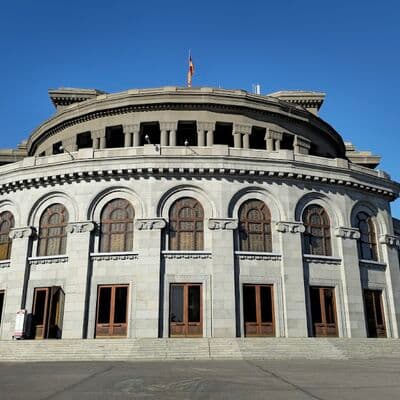
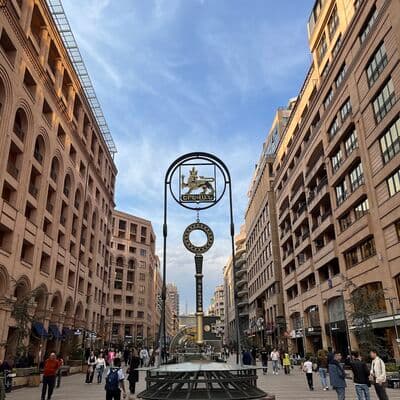
Arrive at Zvartnots International Airport and transfer to your accommodation in central Yerevan. If you arrive before noon, spend the afternoon getting oriented: walk along Northern Avenue to Republic Square, explore the Cascade complex with its outdoor art and city views, and end at the Cascade's top for sunset over the city with Mount Ararat as a backdrop (weather permitting).
For dinner, choose a restaurant around the Opera House area. Dolmama or Lavash are excellent introductions to Armenian cuisine. Alternatively, for a more local experience, try the buffet-style offerings at Tashir Pizza or one of the numerous affordable eateries along Tumanyan Street.
Day 2: Yerevan City Exploration
Begin at the Matenadaran, the institute housing one of the world's greatest collections of ancient manuscripts. The museum provides fascinating context for understanding Armenian cultural survival through centuries of occupation and dispersal. Plan 2-3 hours for a thorough visit.
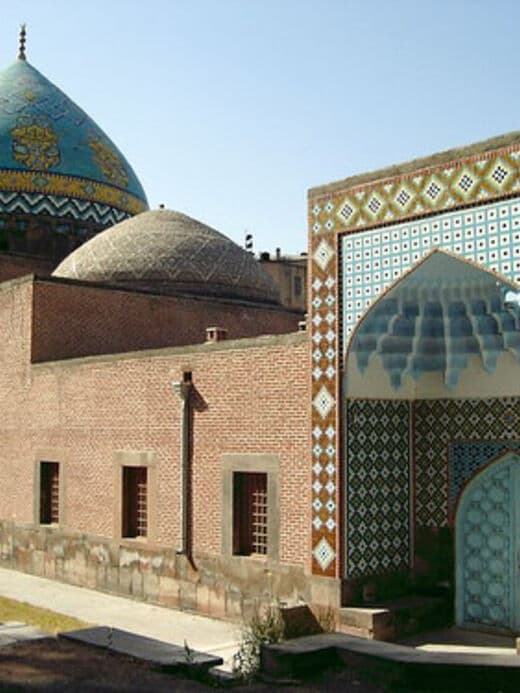
Walk downhill through central Yerevan, stopping at the Blue Mosque (the only functioning mosque in Armenia) and exploring the food markets around GUM Market. Have lunch at the market itself or at nearby Pandok Yerevan for traditional fare.
In the afternoon, take a taxi to Tsitsernakaberd, the Armenian Genocide Memorial and Museum. This is an emotionally heavy but essential experience for understanding modern Armenian identity. The museum tells the story of the 1915 genocide; allow 2-3 hours and approach with appropriate solemnity.
Evening options include the singing fountains at Republic Square (operating spring through fall evenings) or exploring the bar scene around Saryan Street, Yerevan's unofficial wine bar district.
Day 3: Garni and Geghard
This classic day trip combines Armenia's only standing pagan temple with its most atmospheric monastery. Depart Yerevan by 9 AM to beat the crowds.
Start at Garni Temple, the first-century Greco-Roman structure that somehow survived Armenia's conversion to Christianity. The temple itself takes 30 minutes to explore, but the adjacent canyon with its remarkable basalt columns deserves additional time. If adventurous, hike down into the gorge (allow 2-3 hours round trip for the full descent).
Continue to Geghard Monastery, 9 kilometers further up the valley. This UNESCO World Heritage Site, partially carved into the mountainside, is for many visitors the highlight of their Armenia trip. Explore the main church, venture into the rock-cut chambers, and test the remarkable acoustics. Pack a picnic to enjoy on the monastery grounds or in the surrounding hills.
Return to Yerevan via the same route. Total driving time is approximately 1.5 hours; allow 4-5 hours for sightseeing. You should be back in the city by late afternoon.
Day 4: Khor Virap and Noravank
This longer day trip ventures south to the Ararat Valley, combining Armenia's most photographed monastery with its most beautifully sited.
Depart Yerevan early (before 8 AM) to reach Khor Virap for morning light on Mount Ararat. The monastery sits dramatically close to the Turkish border, with the biblical mountain filling the horizon. Descend into the pit where Gregory the Illuminator was imprisoned, and allow 1-2 hours for exploration and photography.
Continue south to Noravank, approximately 1.5 hours further. The road enters a spectacular red-rock canyon that intensifies anticipation for the monastery at its end. Noravank's two-story church, with its unusual external staircase, represents medieval Armenian architecture at its finest. The on-site restaurant serves excellent local food; plan lunch here.
Optionally, add a wine tasting in Areni village on the return journey. Several wineries offer tastings of indigenous grape varieties, including the Areni Noir that has been cultivated here for millennia. The Areni Wine Factory and Old Bridge Winery are reliable choices.
Return to Yerevan in the late afternoon or early evening. Total driving time is approximately 3-4 hours; allow 6-8 hours for the full excursion.
Day 5: Echmiadzin and Zvartnots
A half-day excursion to the religious heart of Armenia, combined with afternoon free time in Yerevan.
Echmiadzin, the seat of the Armenian Apostolic Church, lies just 20 kilometers west of Yerevan. The cathedral, originally constructed in the 4th century, claims to be the oldest in the world. The treasury contains remarkable relics and artifacts. The surrounding complex includes several other churches and the Catholicos's residence. Allow 2-3 hours for exploration.
On the return, stop at Zvartnots Cathedral ruins, a UNESCO World Heritage Site. This 7th-century structure collapsed in an earthquake but the remaining columns and foundations convey its former grandeur. With Mount Ararat visible in the background, this makes an excellent photography stop.
Return to Yerevan for a late lunch and afternoon at leisure. Consider visiting the History Museum of Armenia on Republic Square, exploring the Vernissage market (weekends), or simply relaxing in one of the city's many parks and cafes.
Day 6: Lake Sevan
Day trip to Armenia's great lake, with options for monastery visits, swimming, and fresh fish.
Depart Yerevan by 9 AM for the 1-1.5 hour drive to Lake Sevan. Your first stop should be Sevanavank, the monastery on the peninsula that appears in countless Armenian postcards. The churches date to the 9th century, and the views across the lake are spectacular.
Continue around the lake to explore different perspectives. The western shore is more developed with beaches and restaurants; the eastern shore is quieter and more scenic. At some point, stop for lunch featuring ishkhan, the endemic Sevan trout prepared various ways.
If time and interest allow, visit Hayravank Monastery or Noratus Cemetery on the western shore. Noratus contains the largest collection of khachkars (carved stone crosses) in Armenia, dating from the 9th to 17th centuries.
Return to Yerevan by late afternoon. Consider an evening visit to Vernissage market if you haven't yet, or explore a different neighborhood of the city.
Day 7: Departure Day Flexibility
Depending on your flight time, use the morning for last-minute shopping, revisiting favorite spots, or exploring areas you missed. The central market (GUM) is worth a final visit for edible souvenirs. If departing in the evening, you might squeeze in a morning visit to the Erebuni Fortress museum, which tells the story of Yerevan's founding in 782 BC.
Transfer to Zvartnots Airport 2-3 hours before international departures.
Ten Days (10 Days): Armenia in Depth
This extended itinerary adds the spectacular south and allows for a more relaxed pace.
Days 1-4: As above
Follow the 7-day itinerary through Day 4, covering Yerevan, Garni-Geghard, and Khor Virap-Noravank.
Day 5: Drive to Goris via Karahunj
Today begins your exploration of the wild south. Depart Yerevan early for the drive to Goris, approximately 4-5 hours via the main highway. The route climbs over several mountain passes with constantly changing landscapes.
Stop at Karahunj (Zorats Karer), sometimes called the Armenian Stonehenge. This Bronze Age megalithic site contains standing stones, some with holes that may have served astronomical purposes. The site is less restored than European equivalents but more mysterious as a result.
Continue to Goris, a pleasant town that serves as the gateway to Syunik. Check into your accommodation and spend the evening exploring the town center. Goris has a surprising number of good restaurants for its size; try Mirhav for traditional cuisine.
Day 6: Tatev Monastery and Old Khndzoresk
Today features two of Armenia's most dramatic sites. Start early at the Wings of Tatev cable car, which opens at 9 or 10 AM depending on season. The 12-minute, 5.7-kilometer ride across the Vorotan Gorge is thrilling in itself; the monastery complex at the end rewards with medieval architecture and breathtaking views.
Spend 2-3 hours exploring Tatev Monastery and its surroundings. The Gavazan swinging pillar, the various churches spanning different centuries, and the cliff-edge setting all deserve attention.
Return via cable car and drive to Old Khndzoresk, a village abandoned in the mid-20th century. Cave dwellings carved into the canyon walls housed a community of thousands until Soviet authorities relocated residents to the new village above. A swaying suspension bridge crosses the gorge, offering access to the caves for exploration.
Return to Goris for your second night, or continue to Jermuk if you want to experience the spa town.
Day 7: Jermuk and Selim Pass
Drive north from Goris through Vayots Dzor province. Stop in Jermuk, Armenia's premier spa town, currently receiving significant investment including World Bank funding. Walk to the waterfall in the town center, sample the mineral water from the drinking gallery, and consider a treatment at one of the spa facilities.
Continue north over Selim Pass (2,410 meters), the highest paved road in Armenia. At the summit stands the Selim Caravanserai, a remarkably preserved 14th-century inn where Silk Road traders once rested. Step inside and imagine the scene eight centuries ago.
Descend to Lake Sevan and overnight on the lakeshore. Several comfortable hotels and guesthouses line the western shore.
Day 8: Sevan to Dilijan
Explore areas of Lake Sevan you missed earlier, or simply enjoy a relaxing morning by the water. Then continue north to Dilijan, approximately 1.5 hours drive.
Dilijan National Park offers excellent hiking through forested landscapes unlike anywhere else in Armenia. Check with your accommodation or the visitor center for trail recommendations matching your fitness and time. The old town of Dilijan, with its preserved traditional architecture, makes for pleasant strolling.
Overnight in Dilijan. Several boutique hotels and guesthouses offer accommodation ranging from budget to upscale.
Day 9: Northern Monasteries
Drive north to explore the UNESCO-listed monasteries of Haghpat and Sanahin, approximately 1.5 hours from Dilijan. These two masterpieces of medieval Armenian architecture sit on opposite sides of the Debed River gorge, connected by the industrial town of Alaverdi.
Visit Haghpat first, allowing 1-2 hours for its extensive complex of churches, libraries, and remarkable khachkars. Cross to Sanahin, slightly older and smaller but equally significant. The academy here trained generations of scholars during Armenia's cultural golden age.
Return to Yerevan in the late afternoon, a drive of approximately 3 hours. Alternatively, return via Dilijan for a final evening in the forests.
Day 10: Final Day in Yerevan and Departure
Use your remaining time for anything you missed in Yerevan. The Sergei Parajanov Museum, dedicated to the visionary Soviet-era filmmaker of Armenian descent, offers a unique glimpse into artistic creativity under difficult circumstances. The Cafesjian Center for the Arts within the Cascade features rotating exhibitions of contemporary art.
Complete your souvenir shopping at Vernissage (weekends) or the various shops along Northern Avenue. Transfer to the airport for departure.
Two Weeks (14 Days): Comprehensive Armenia
Two weeks allows you to explore Armenia thoroughly, including secondary sites and time for spontaneous discoveries.
Days 1-9: As above
Follow the 10-day itinerary through Day 9.
Day 10: Gyumri
Take the train from Yerevan to Gyumri (2.5-3 hours, 2500 AMD for new trains). Armenia's second city never fully recovered from the 1988 earthquake, but this very incompleteness gives it a unique character. The preserved 19th-century neighborhoods, vibrant arts scene, and distinct local pride make Gyumri worth at least a full day.
Explore the old town, visit the Dzitoghtsyan Museum of Social Life and National Architecture to understand the city's pre-earthquake glory, and wander through the markets. Gyumri's food has its own traditions; try harissa (a wheat and meat porridge) at a local restaurant.
Overnight in Gyumri to experience the city after the day-trippers leave.
Day 11: Marmashen and Return
Before leaving Gyumri, visit Marmashen Monastery, 10 kilometers outside town. This 10th-century complex in a river valley sees few tourists but contains some of the finest carved details in Armenian architecture.
Return to Yerevan by train or taxi. Spend the evening exploring any areas of the capital you may have missed.
Day 12: Aragats Region
Day trip to Mount Aragats, Armenia's highest peak. Even if you do not plan to climb, the surrounding region rewards exploration.
Visit the alphabet monument where giant stone letters commemorate the Armenian alphabet's creation. Continue to Amberd Fortress if accessible (note restoration work ongoing in 2026). The 11th-century castle and church occupy a dramatic position at 2,300 meters.
For more ambitious hikers, trails lead toward the various summits of Aragats. The southern summit is achievable as a challenging day hike in good conditions. Otherwise, enjoy the alpine landscapes and perhaps spot shepherds moving their flocks across high pastures.
Return to Yerevan in the evening.
Day 13: Flexible Day
Use this day to revisit favorite spots, explore areas you skipped, or simply relax. Options include:
- Return to Lake Sevan for a beach day if weather permits
- Explore more of Yerevan's neighborhoods and museums
- Take a cooking class to learn Armenian cuisine
- Visit wineries in the Ararat Valley
- Day trip to Saghmosavank and Hovhannavank monasteries on the Kasagh Gorge
Day 14: Departure
Final morning in Yerevan for last-minute activities before airport transfer.
Three Weeks (21 Days): The Complete Experience
Three weeks allows for genuine immersion in Armenian culture, including less-visited regions and time for unexpected discoveries.
Days 1-14: As above
Follow the 14-day itinerary.
Day 15: Tavush Province
Drive east from Yerevan or Dilijan into Tavush province. Visit Haghartsin Monastery in its forested setting, one of the most atmospherically located religious sites in Armenia. Continue to Goshavank, where remarkable khachkars display the peak of this art form.
Explore Lake Parz for lakeside walks in the forest. Overnight in the Dilijan area or push on to Ijevan.
Day 16: Adventure Activities
Tavush offers some of Armenia's best adventure tourism. Options include:
- Zip-lining at Yell Extreme Park near Ijevan
- Hiking in the forests around Dilijan
- Horseback riding through mountain villages
- Mountain biking on developed trails
Choose activities matching your interests and fitness level. Overnight in the area.
Day 17: Return via Sevan
Drive back toward Yerevan via the eastern shore of Lake Sevan, which sees fewer tourists than the west. Stop at Hayravank Monastery for views across the lake, and visit Noratus Cemetery if you missed it earlier.
Return to Yerevan for your final nights in the capital.
Day 18: Yerevan Deep Dive
Spend a full day exploring aspects of Yerevan you may have rushed through:
- Kond, the old neighborhood with pre-Soviet architecture
- The Hrazdan Gorge and its cafes
- Erebuni Fortress and Museum for the city's founding history
- Contemporary art galleries in the city center
- The Blue Mosque and surrounding Persian heritage
Evening farewell dinner at a special restaurant.
Day 19: Day Trip of Choice
Return to your favorite site for a deeper experience, or explore somewhere you missed:
- Second visit to Geghard for hiking in the surrounding hills
- Wine tasting tour in the Ararat Valley
- Cooking class followed by a feast
- Shopping expedition to Vernissage and craft studios
Day 20: Relaxation and Reflection
Your penultimate day should be low-key. Sleep in, enjoy a leisurely breakfast, perhaps visit a spa or bathhouse, organize your souvenirs, and reflect on your experiences. A final evening walk through central Yerevan, watching families at the singing fountains, provides a fitting conclusion.
Day 21: Departure
Transfer to the airport with a heart full of memories and likely firm plans to return.
12. Connectivity
Staying connected in Armenia is straightforward, with good mobile coverage in populated areas and increasing WiFi availability.
SIM Cards
Purchasing a local SIM card is the most economical option for extended stays. The main carriers are Ucom, Viva, and MTS, with offices throughout Yerevan and in most towns. Prices are remarkably low by Western standards; unlimited data plans run approximately $5-10 USD per month.
You will need your passport to purchase a SIM card. The process takes 15-30 minutes at carrier shops. Staff generally speak enough English to complete the transaction. SIM cards are also available at the airport, though with slightly higher prices.
Coverage is good in Yerevan and along main highways. In mountain areas and remote villages, coverage becomes spotty or nonexistent. Download offline maps and any essential information before venturing into less-connected regions.
eSIM
For travelers with eSIM-compatible phones, virtual SIM options provide connectivity without visiting a physical store. Services like Airalo, Holafly, and others offer Armenia-specific or regional packages. Activate before arrival or upon landing via WiFi.
eSIM packages typically cost more per gigabyte than local physical SIMs but offer convenience, particularly for shorter stays. Check your phone's compatibility before relying on this option.
WiFi
WiFi is available at virtually all hotels, many restaurants, and an increasing number of cafes in Yerevan. Quality varies from excellent to frustratingly slow. Ask about WiFi before booking accommodation if reliable connectivity is important for your work or communication needs.
Outside Yerevan, WiFi availability decreases. Guesthouses in tourist areas usually offer some connectivity, but speeds may be limited. Do not expect reliable WiFi in remote monasteries or mountain locations.
International Roaming
International roaming works in Armenia with most carriers, but costs can be steep. Check your provider's rates before relying on roaming, and consider turning off data roaming to avoid unexpected charges. A local SIM or eSIM almost always offers better value.
Communication Apps
WhatsApp is the most common messaging app in Armenia, used for everything from family communication to business arrangements. Having WhatsApp installed allows easy communication with local contacts, guides, and accommodations.
Viber also has significant usage. Telegram is increasingly popular. Standard SMS and phone calls work normally, though international rates apply from foreign numbers.
13. Armenian Food and Drink
Armenian cuisine reflects millennia of history, geographic position at a crossroads of civilizations, and the abundant agriculture of the Ararat Valley. Eating well is easy in Armenia, from humble village kitchens to sophisticated Yerevan restaurants, and food often becomes a highlight of the travel experience.
Essential Dishes
Lavash deserves its UNESCO recognition as an Intangible Cultural Heritage. This paper-thin flatbread, baked in underground clay ovens called tonir, accompanies every Armenian meal. Watching lavash being made, stretched across a cushion and slapped onto the oven walls, is fascinating. The bread emerges soft and slightly blistered, perfect for wrapping around cheese, herbs, and grilled meats. Dried lavash keeps for months and can be rehydrated with water.
Khorovats is the Armenian barbecue, and arguments about the best technique can extend for hours. Pork, lamb, chicken, and vegetables are marinated, skewered, and grilled over wood or charcoal. The smoky, charred flavor is addictive. Every family claims superior khorovats skills, and trying versions from different sources reveals subtle variations in marinade and technique.
Dolma comes in many forms. Grape leaves stuffed with spiced meat and rice are the most famous, but cabbage leaves, peppers, tomatoes, eggplants, and other vegetables also serve as wrappings. Summer dolma uses fresh grape leaves; preserved leaves extend the season. Uduli, a winter variant, substitutes pickled cabbage.
Khash is not for the faint-hearted. This traditional winter dish, prepared from cow's feet boiled overnight, produces a gelatinous soup that Armenians swear by as a hangover cure and general restorative. Proper khash consumption involves early morning gatherings, copious vodka toasts, and crushing raw garlic into the bowl. It is an experience more than just a meal.
Harissa originated as a dish of the Armenian diaspora, particularly in the western regions now part of Turkey. This porridge of wheat and chicken or lamb, cooked slowly until the ingredients meld completely, has deep cultural significance. Armenians traditionally prepare harissa for certain holidays and commemorations.
Ghapama is a festive dish of pumpkin stuffed with rice, dried fruits, and honey, baked until the pumpkin can be scooped with the filling. The sweet-savory combination appears at celebrations and is particularly associated with New Year.
Lahmajoun is Armenian pizza, though that comparison undersells its distinctive character. Paper-thin dough is topped with spiced minced meat, onions, and herbs, baked quickly in a hot oven. Roll it up, squeeze lemon over the top, and eat with your hands.
Manti are small dumplings filled with spiced meat, served with yogurt and garlic sauce. The labor-intensive preparation makes them a special-occasion food in homes but available daily in restaurants.
Dairy and Cheese
Armenian dairy products are exceptional, benefiting from traditional methods and excellent pastures. Matzun (similar to yogurt) appears at most meals and forms the base of numerous sauces and drinks. Tahn, matzun thinned with water and salted, is a refreshing beverage particularly popular in summer.
Cheeses range from fresh white varieties similar to feta to aged, braided string cheeses. The village markets offer the best selection, often from individual producers who can explain their methods. Lori cheese from the northern province, with its distinctive braided form, makes an excellent souvenir.
Soups and Salads
Armenian meals often begin with soup, regardless of season. Spas is a yogurt-based soup with wheat and herbs, served hot in winter and cold in summer. Khurjin soup combines vegetables and meatballs in a tomato-based broth. Fresh vegetable soups appear seasonally.
Salads typically feature fresh tomatoes, cucumbers, peppers, and abundant herbs. The quality of Armenian produce, particularly summer tomatoes, makes even simple preparations delicious. Expect fresh herbs (basil, tarragon, mint, parsley) at every meal.
Street Food and Casual Eating
Quick eating options in Yerevan include numerous lahmajoun shops, shawarma stands (often serving excellent Lebanese-style versions), and panini-style sandwiches. Bakeries sell a variety of savory pastries alongside sweets.
Tashir Pizza is a local chain offering inexpensive buffet-style Armenian food, a good option for budget travelers wanting to try multiple dishes. Various kebab shops serve grilled meats at reasonable prices.
Fine Dining
Yerevan's restaurant scene has evolved remarkably, with chefs reinterpreting traditional recipes using modern techniques while maintaining authentic flavors. Dolmama, Lavash, and Sherep are among the restaurants elevating Armenian cuisine to international standards. Tasting menus at these establishments offer excellent introductions to the cuisine's range.
Armenian Cognac
Armenian brandy, traditionally called cognac despite French objections, has produced award-winning spirits for over a century. The Ararat brandy factory in Yerevan offers tours and tastings, telling the story of an industry that survived Soviet times to produce spirits that reportedly won Winston Churchill's approval.
Brands range from everyday bottles to aged special releases costing hundreds of dollars. The 10-year Akhtamar and 20-year Nairi offer good value for quality. For serious collectors, older vintages and special editions provide memorable souvenirs.
Armenian Wine
Armenian wine has experienced a renaissance, with producers reviving indigenous grape varieties and applying modern techniques. The Areni grape, cultivated for at least 6,000 years, produces distinctive reds that pair beautifully with Armenian food.
Wine tasting opportunities cluster in the Ararat Valley, particularly around Areni village, and in the Vayots Dzor region. The annual wine festival in autumn draws enthusiasts from around the world. Zorah, Karas, and Areni Wine Factory are among the producers earning international recognition.
Other Beverages
Armenian coffee follows the Turkish/Arabic tradition, strong and served with grounds in small cups. Order it sweet (shak), medium (mijnakal), or bitter (sev). Coffee culture is social, with cups lingered over in conversation.
Fruit compotes and juices are excellent, drawing on the abundant fruits of the Ararat Valley. Apricots, peaches, pomegranates, and cherries all produce delicious juices. Mulberry vodka (tut oghi) offers a distinctively Armenian spirit experience.
Beer options include local brands (Kilikia, Kotayk) alongside international imports. The craft beer scene in Yerevan is developing, with several microbreweries now operating.
14. Shopping in Armenia
Armenia offers distinctive souvenirs that reflect its cultural heritage, from world-class cognac to handcrafted carpets. Knowing what to look for and where to find it ensures you return home with meaningful mementos.
Cognac and Wine
Armenian cognac makes an excellent gift, with prices far below equivalent quality spirits in Western countries. The Ararat brand is most famous, but smaller producers like Noy and various artisanal distilleries offer interesting alternatives. Duty-free shops at the airport stock major brands, but visiting the Ararat factory in Yerevan provides a deeper experience and access to special editions.
Wine is more difficult to transport but equally rewarding. Wines from Zorah, Karas, and other quality producers have limited international distribution, making bottles purchased in Armenia special indeed. Pack carefully in your checked luggage or ask if the producer can ship internationally.
Dried Fruits and Sweets
Armenia's climate produces exceptional fruits, and traditional preservation methods create souvenirs that taste of the country. Dried apricots are the most famous, but dried cherries, figs, peaches, and fruit leathers all travel well. Sujukh, strings of walnuts dipped in grape must and dried, look dramatic and taste delicious.
The GUM Market in Yerevan offers the best selection and allows tasting before buying. Prices are negotiable, especially for larger quantities. Vacuum-sealed packaging is available for air travel.
Carpets and Textiles
Armenian carpet weaving has ancient roots, and traditional patterns encode cultural meanings passed through generations. Prices range from affordable small pieces to major investments in room-sized antique carpets. The Megerian Carpet Factory in Yerevan demonstrates traditional techniques and sells new production; antique dealers cluster around Vernissage market.
Smaller textile items include embroidered tablecloths, traditional clothing, and decorative wall hangings. Quality varies widely; examine craftsmanship carefully before purchasing.
Handicrafts
Armenian craftspeople produce distinctive items in various media:
- Obsidian jewelry and decorative objects, carved from volcanic glass found throughout Armenia
- Copper and brass work, including traditional coffee pots and decorative plates
- Woodcarving, particularly items incorporating Armenian alphabet motifs
- Ceramics, ranging from traditional to contemporary designs
- Khachkar reproductions, from pocket-sized to substantial wall pieces
Vernissage Market
This weekend market near Republic Square in Yerevan is the essential shopping destination for visitors. Hundreds of vendors sell everything from Soviet-era memorabilia to contemporary art, traditional crafts to kitschy tourist goods. The atmosphere is as much attraction as the merchandise.
Go early on Saturday or Sunday for the best selection. Bargaining is expected but should remain polite. Quality varies enormously; examine items carefully and trust your instincts about authenticity.
Books and Music
Bookshops in Yerevan stock English-language books on Armenian history, culture, and cuisine that may be difficult to find elsewhere. The shop at Matenadaran offers particularly good selections related to manuscript culture and medieval history.
Traditional Armenian music recordings make unusual souvenirs. The duduk, a double-reed woodwind instrument, produces hauntingly beautiful sounds recognized as UNESCO intangible heritage. Recordings by masters like Djivan Gasparyan introduce visitors to this distinctive tradition.
Practical Considerations
Check customs regulations for your home country regarding food, alcohol, and antique imports. Most dried fruits and sealed alcohol pass without problems, but some countries restrict or tax imports heavily. Antiques may require export permits; reputable dealers can advise on requirements.
Credit cards work at major shops and the airport duty-free; smaller vendors and market stalls require cash. Keep receipts for valuable items in case customs officials question your purchases.
15. Useful Apps for Armenia
A few key apps will significantly improve your Armenia travel experience. Download these before arrival to ensure they work smoothly.
Transportation
GG Taxi is the local ride-hailing app offering reliable service throughout Yerevan and in major towns. Higher quality vehicles and more professional drivers than competitors, with straightforward English-language interface and card payment. Essential for comfortable urban transportation.
Yandex Go (formerly Yandex Taxi) offers lower prices than GG but more variable quality. Requires a Russian phone number to register, which can be complicated for foreign visitors. Worth having as a backup if you can complete registration.
Banking
T-Armenia (Tinkoff Armenia) provides mobile banking services for visitors who want to open a local bank account. Useful for longer stays or digital nomads, less relevant for typical tourists. The app is in English and account opening is relatively straightforward with passport.
Navigation
Google Maps works well in Armenia for navigation and includes transit directions in Yerevan. Download offline maps for areas where cellular coverage may be limited. Points of interest are reasonably complete for major attractions.
Maps.me offers detailed offline maps that can be more useful than Google in remote areas. Download the Armenia map before your trip.
Translation
Google Translate includes Armenian with camera translation for menus and signs. Quality is imperfect but helpful for basic communication. Download the Armenian language pack for offline use.
Communication
WhatsApp is the dominant messaging app in Armenia. Having it installed enables easy communication with local contacts, tour guides, and accommodations.
16. Conclusion
Armenia is a destination that defies simple categorization. It is simultaneously ancient and modern, remote and connected, melancholy and joyful. The country's small size belies its depth; you could spend months exploring and still discover new layers. But even a week offers transformative experiences for travelers open to what Armenia offers.
What will you remember from your Armenia trip? Perhaps standing before Mount Ararat at dawn, understanding viscerally why this mountain holds such power over Armenian identity. Perhaps the acoustics of Geghard Monastery, where sounds seem to hang suspended in air that has witnessed centuries of prayer. Perhaps an impromptu feast in someone's home, where a chance encounter became a six-hour celebration of food, drink, and human connection.
You will remember the food: the perfect char on khorovats, the paper-thin lavash fresh from the tonir, the endless parade of dishes that appears whenever Armenians gather around a table. You will remember the cognac, the wine, the strong coffee in small cups lingered over for hours. You will remember the mountains, the monasteries, the gorges and high plateaus that create landscapes found nowhere else on Earth.
Most of all, you will remember the people. Armenians have survived centuries of invasion, occupation, genocide, and exile, yet remain warm, welcoming, and proud without arrogance. They will share their stories, their food, their homes with a generosity that feels increasingly rare in our transactional world. They will want you to understand their history, their struggles, their hopes for a future that remains uncertain but is faced with characteristic determination.
Armenia challenges and rewards in equal measure. The infrastructure is not always smooth. The geopolitical situation creates complications. Some sites require effort to reach. But these challenges filter out casual tourists and create conditions for genuine experiences. You will not find overcrowded attractions or Disney-fied heritage. You will find real places where real people live, work, pray, and celebrate as they have for generations.
The practical information in this guide will help you navigate logistics. The cultural context will help you understand what you see. But ultimately, your Armenia experience will be shaped by your openness to unexpected encounters, your willingness to deviate from planned itineraries, your acceptance that some of the best travel moments cannot be scheduled or anticipated.
Go to Armenia. Wander its monasteries and mountains. Eat more than you intended. Accept invitations from strangers. Let the melancholy history and joyful present wash over you simultaneously. You will return home changed, carrying memories that deepen over time rather than fading. That is the gift Armenia offers to travelers who approach it with open hearts and curious minds.
See you in Yerevan.
Additional Resources:
- Armenian Tourism Board: Official tourism information
- Cafesjian Center for the Arts: Contemporary art in the Cascade
- Transcaucasian Trail: Long-distance hiking routes
- Armenian Wine Routes: Wine tourism information
- Wings of Tatev: Cable car schedules and booking
Emergency Numbers:
- General Emergency: 112
- Police: 102
- Ambulance: 103
- Fire: 101
Important Notes for 2026:
- COP17 biodiversity conference in Yerevan (October 2026) - book accommodation early if visiting during this period
- Parliamentary elections (June 2026) - possible political gatherings, generally peaceful
- Amberd Fortress under restoration - check access before visiting
- World Bank investment improving infrastructure in Goris, Jermuk, and Dilijan
- New fast trains operating on Yerevan-Gyumri route at 2500 AMD
This guide was written based on extensive personal travel throughout Armenia and updated with current information for 2026. Conditions change; always verify critical details before travel. Safe journeys.