Arbat & Tverskaya Street
Literary Moscow: From Arbat to the Bolshoi Theatre
This route takes you through Moscow's literary and theatrical heritage — places connected with the names of Pushkin, Bulgakov, and Chekhov. You'll see 19th-century mansions, bohemian lanes, and grand squares, feeling the spirit of eras that shaped Russian culture.
Old Arbat — Soul of Moscow
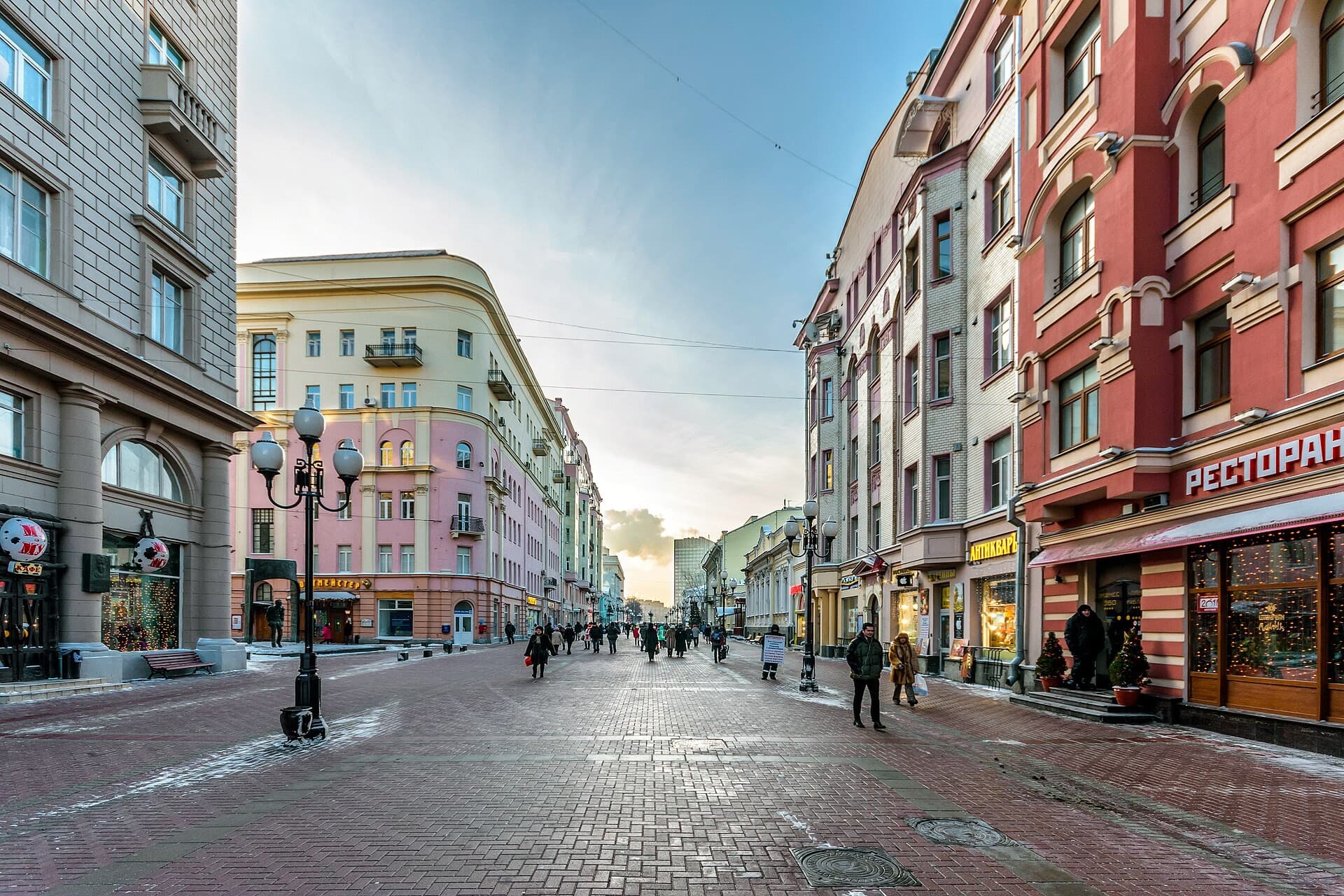
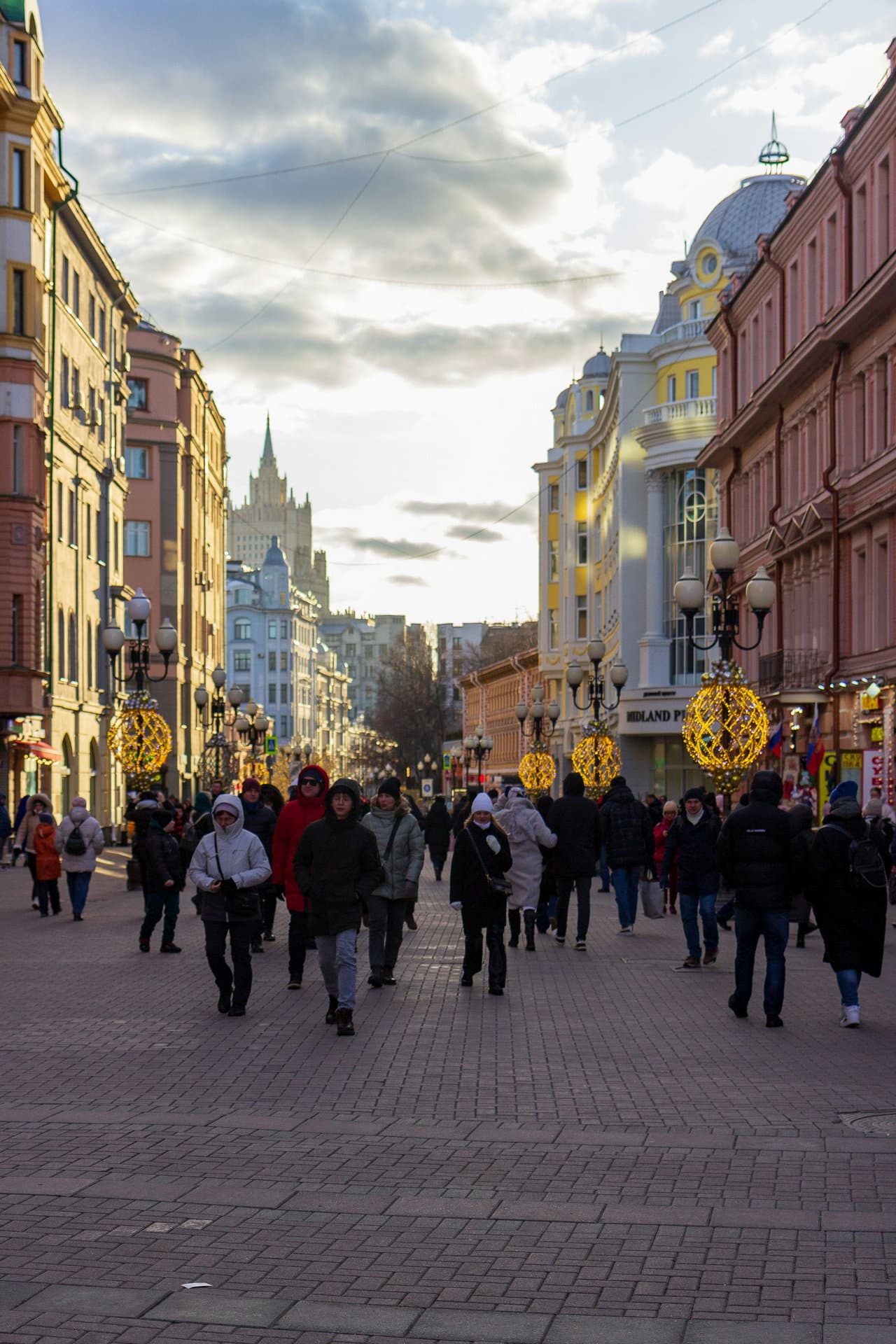
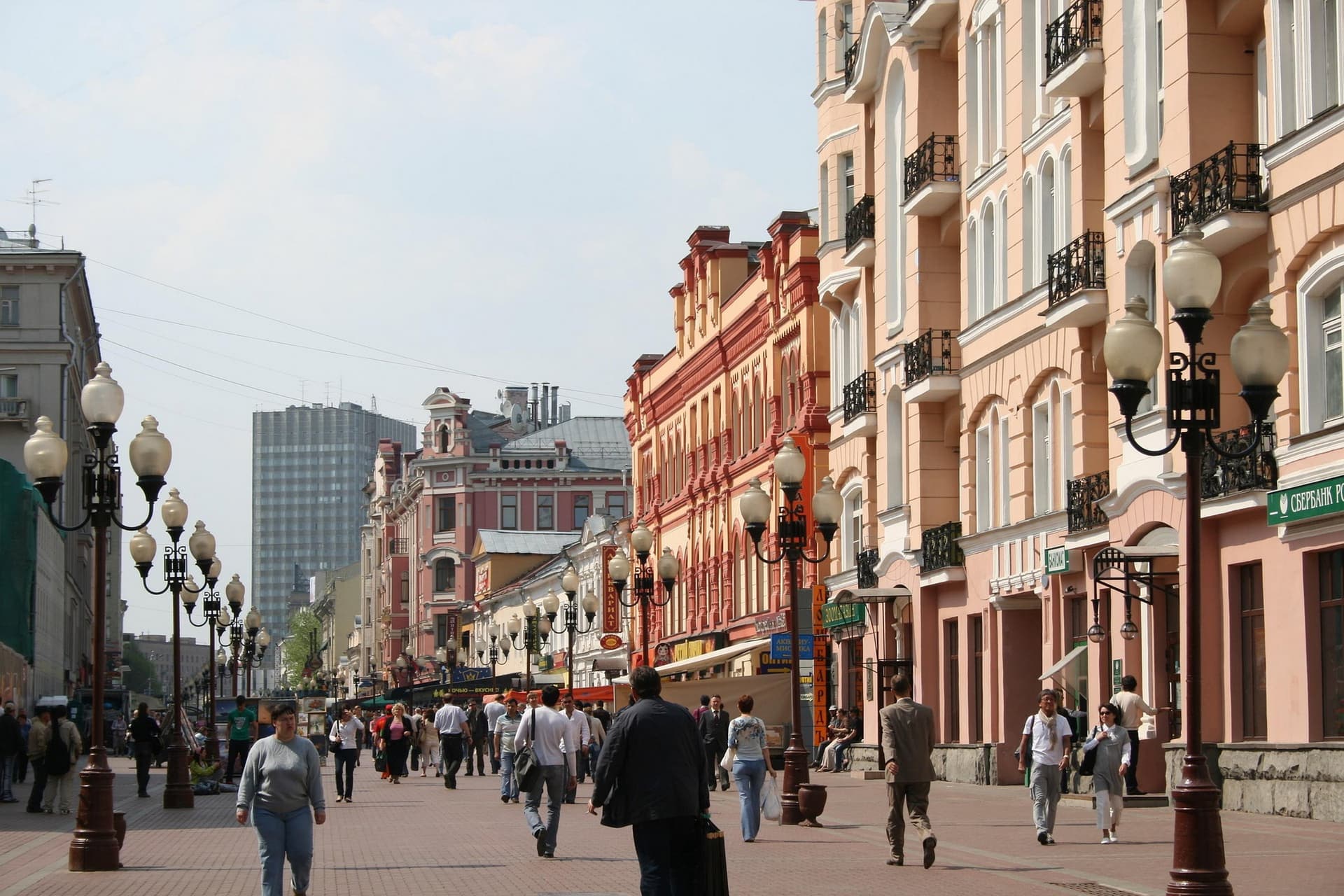
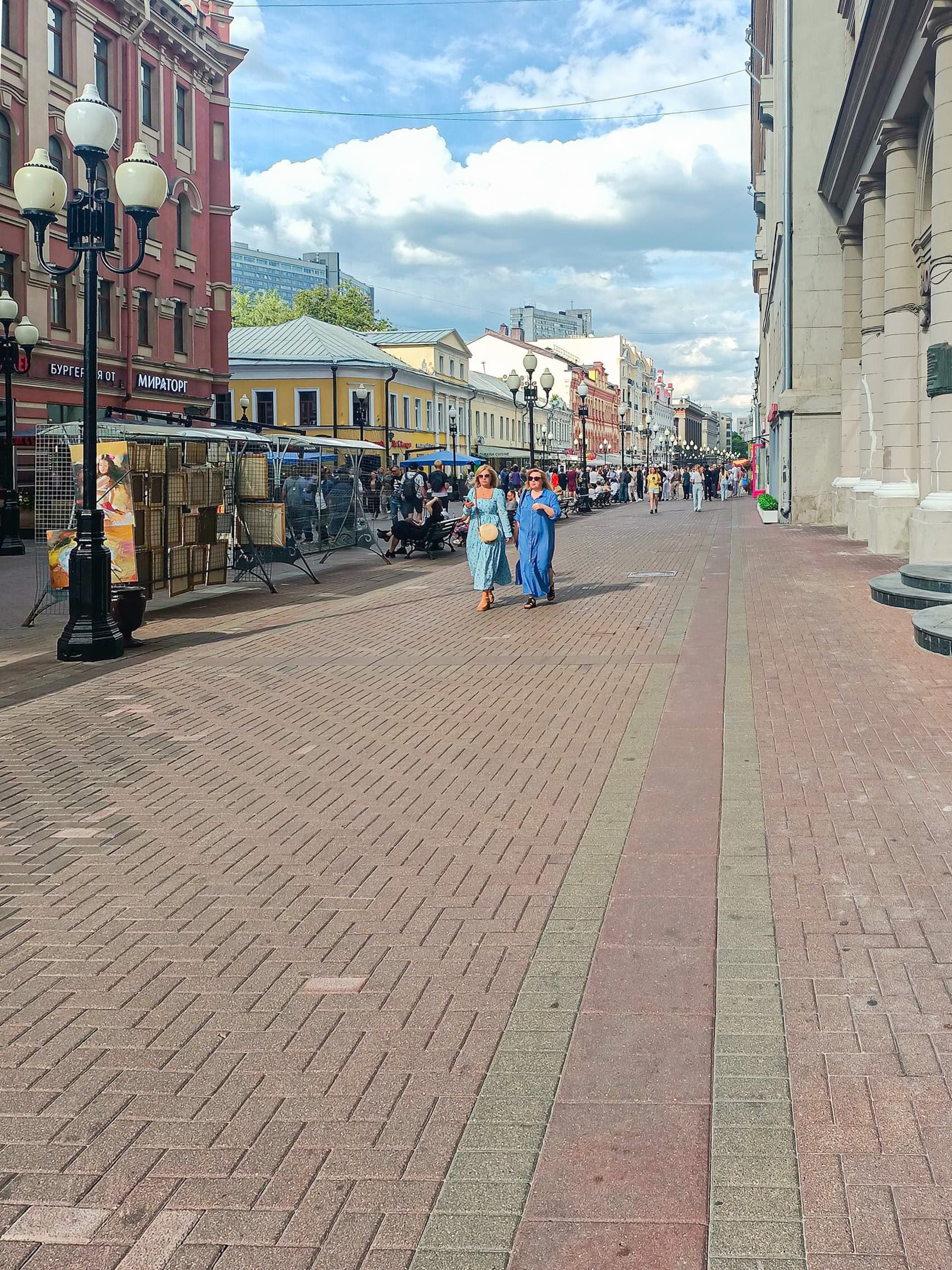
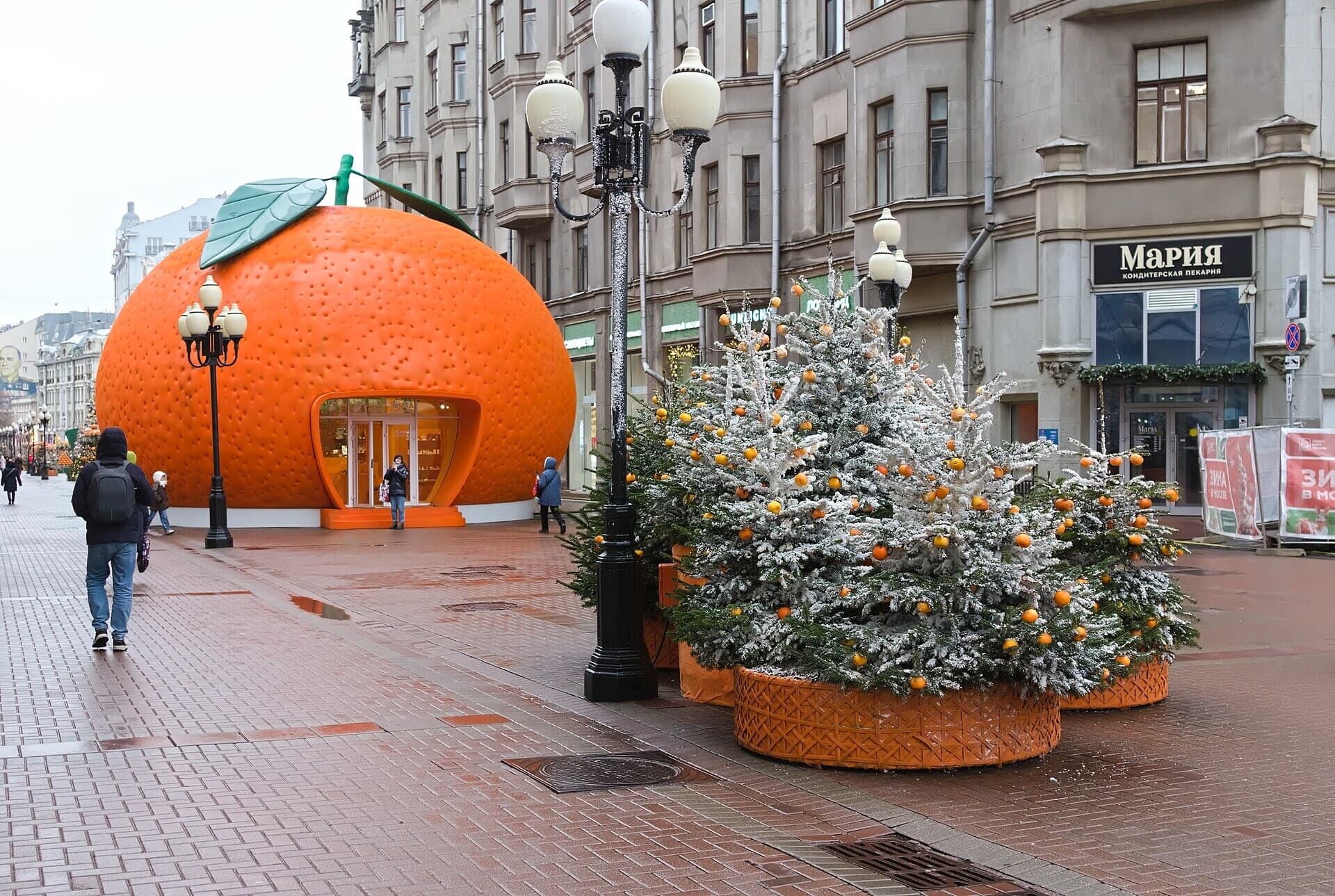
Arbat is one of Moscow's oldest streets, known since the 15th century. The name probably comes from the Arabic "arbad" — suburb. In the 18th-19th centuries, Moscow's intelligentsia lived here: poets, artists, musicians. Today, Arbat is a pedestrian street about a kilometer long, where street artists draw portraits, musicians play everything from classics to rock, and numerous cafes offer coffee with views of historic buildings.
Pay attention to:
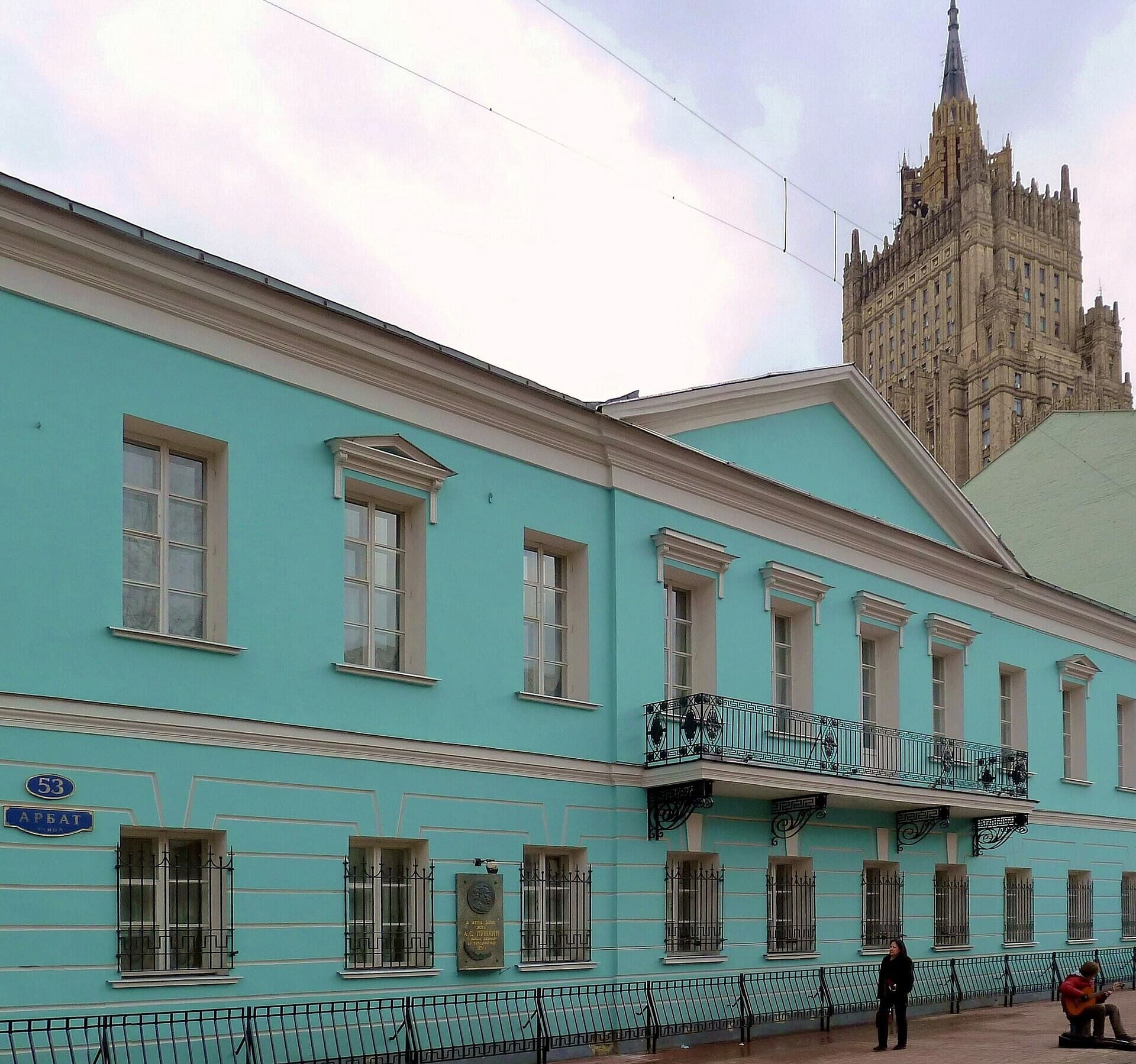
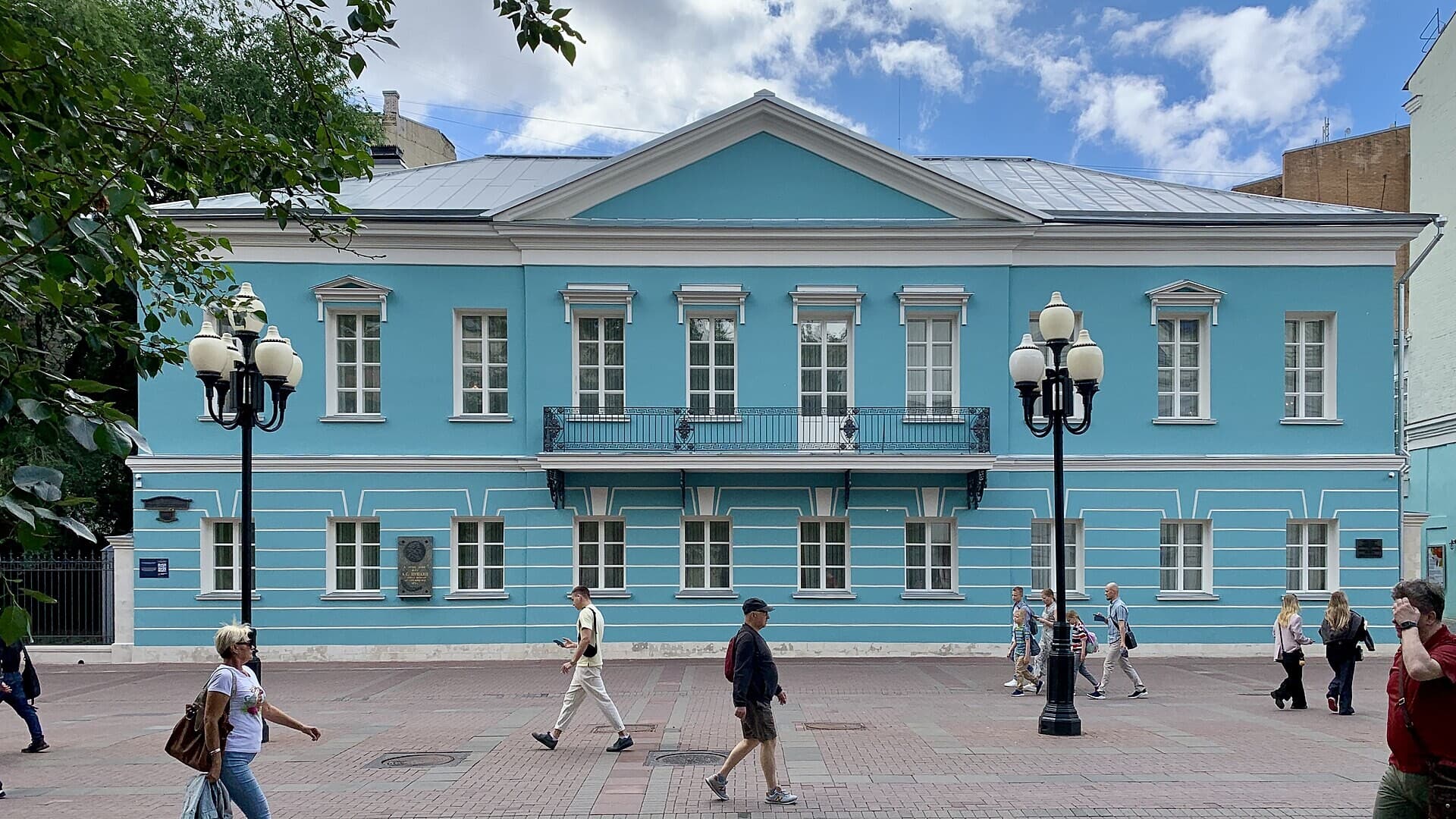
- House №53 — Pushkin's Memorial Apartment, where the poet lived after his wedding
- Tsoi Wall — a folk memorial to the leader of the band "Kino"
- Monument to Bulat Okudzhava — the bard who sang about Arbat
- Vakhtangov Theatre — one of Moscow's best drama theatres
Pushkin's Memorial Apartment
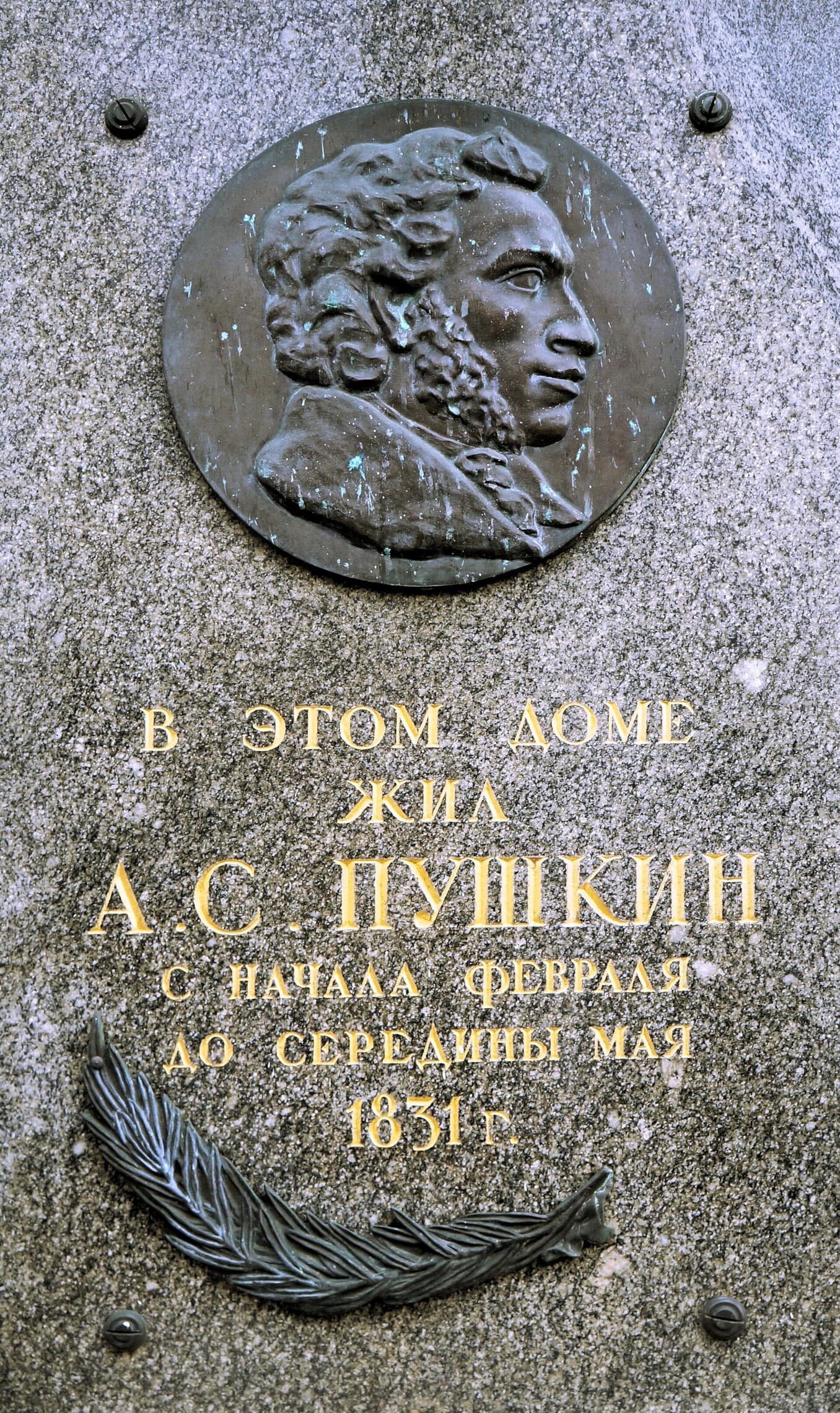
In house №53 on Arbat, Alexander Pushkin rented an apartment for his young family. Here he spent the first happy months after his wedding to Natalia Goncharova in 1831. The apartment recreates the atmosphere of Pushkin's era: mahogany furniture, bronze candelabras, portraits of contemporaries. Guides tell about the poet's last years, his relationship with his wife, and the tragic duel.
Patriarch's Ponds — Power Place of Moscow's Bohemia
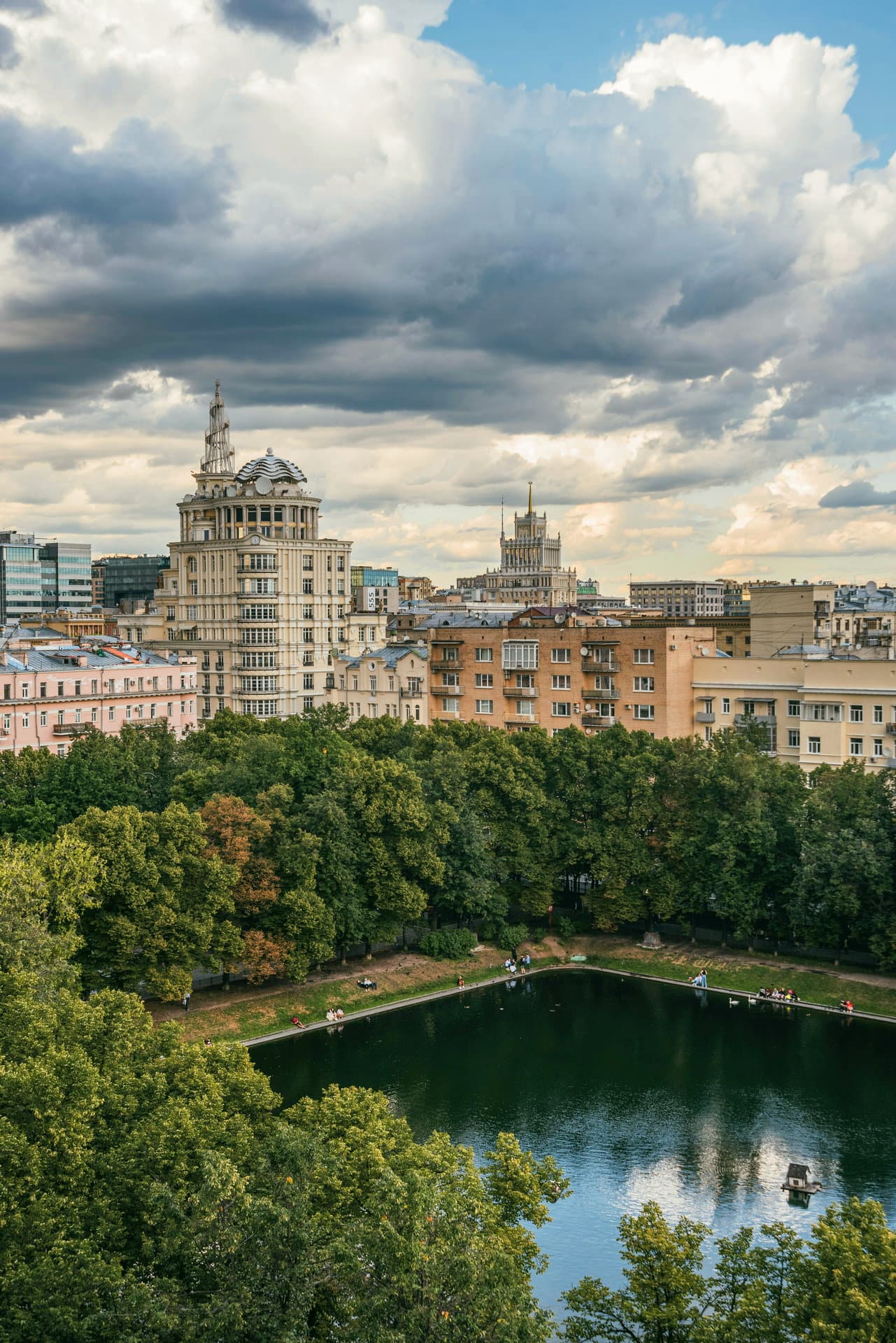
From Arbat, head to Patriarch's Ponds — a cult destination for fans of Mikhail Bulgakov. This is where the action of "The Master and Margarita" begins: on a bench by the pond, literati Berlioz and Homeless meet the mysterious foreigner Woland.
Today, "Patriki" is one of Moscow's trendiest neighborhoods. Expensive restaurants and bars surround the pond, but the atmosphere of old Moscow is preserved in quiet lanes with 19th-century mansions. In summer, people boat here; in winter, they ice skate.
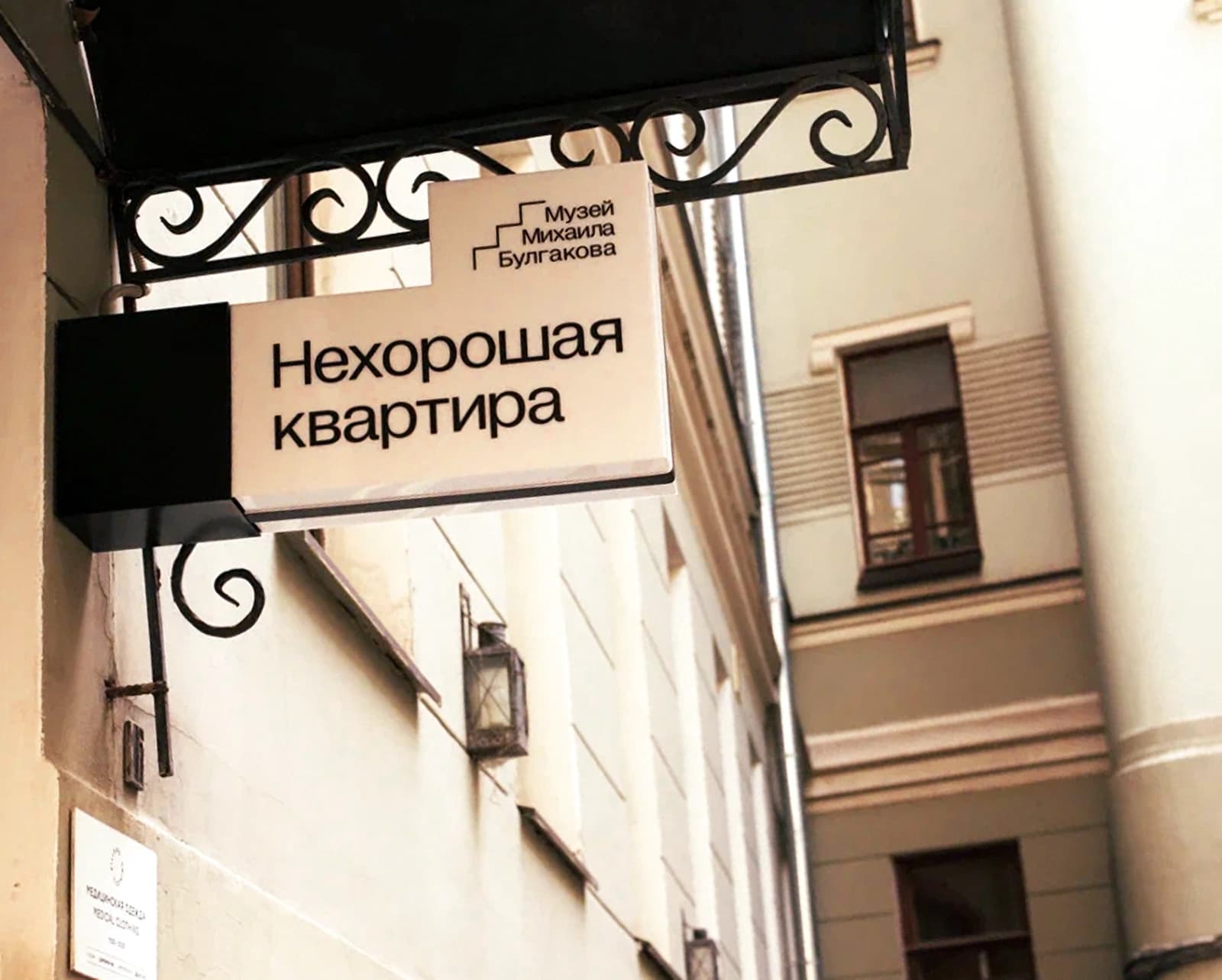
Bulgakov Museum — The "Bad Apartment"
At 10 Bolshaya Sadovaya Street is the Bulgakov Museum — that very "bad apartment" №50 where Satan's Ball takes place in the novel. The writer actually lived in this building in the 1920s. The entrance and staircase are covered with quotes from Bulgakov's works — they've become an art object themselves. The museum recreates the interior of a communal apartment of that time and displays the writer's personal belongings.
Bolshoi Theatre — Temple of Russian Ballet
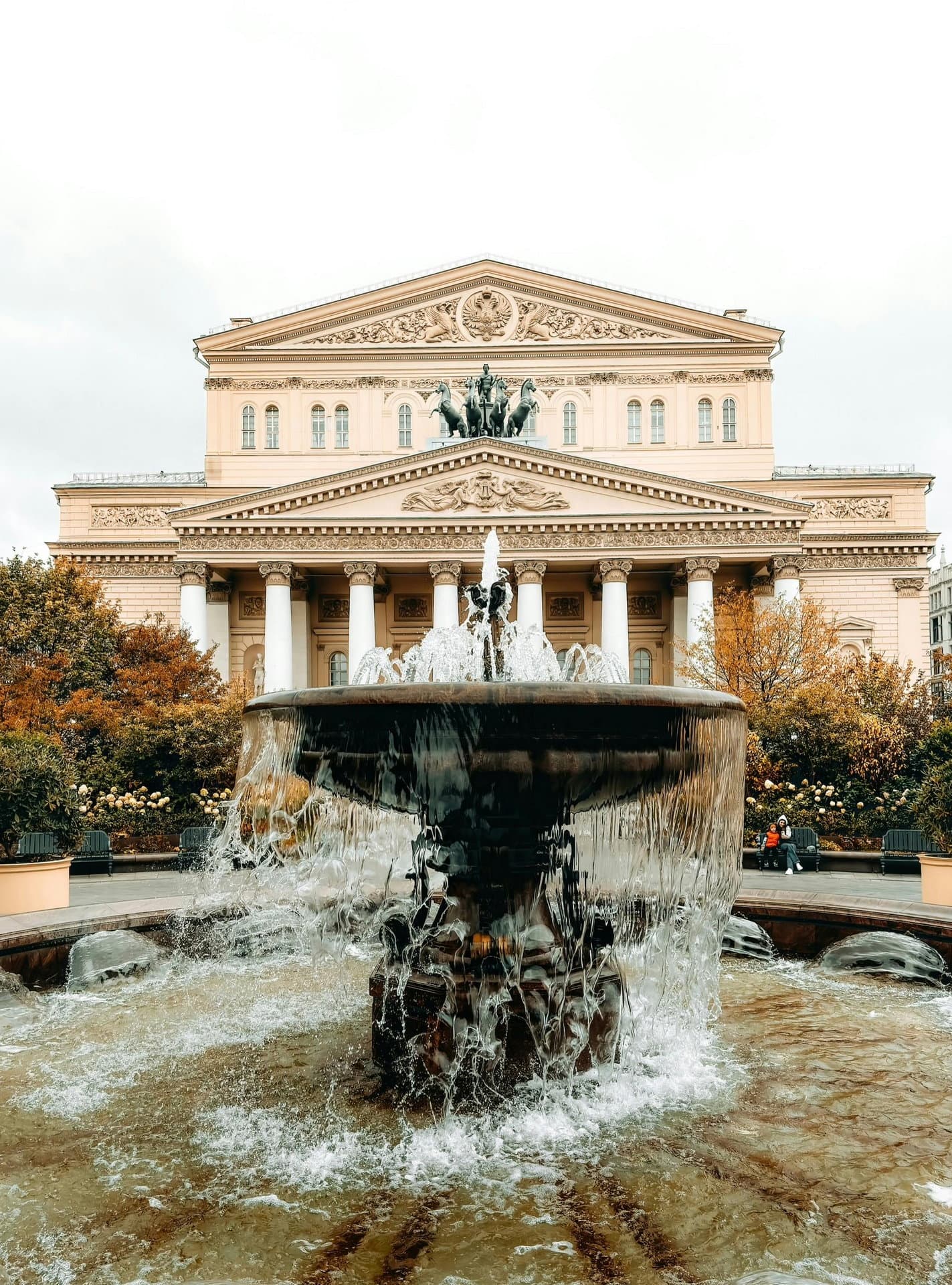
End your route at Theatre Square by the Bolshoi Theatre — a symbol of world-class Russian ballet and opera. The neoclassical building with its colonnade and Apollo's quadriga on the portico is one of Moscow's most recognizable images.
The Bolshoi Theatre was founded in 1776. Premieres of Tchaikovsky's operas were staged here, and Plisetskaya and Baryshnikov danced on its stage. Even if you can't catch a performance, admire the historic building's interiors on a tour or visit the famous buffet.
The square is especially beautiful in the evening: fountains, building illumination, and the Marx monument create a magical atmosphere.
Additionally: Tretyakov Gallery
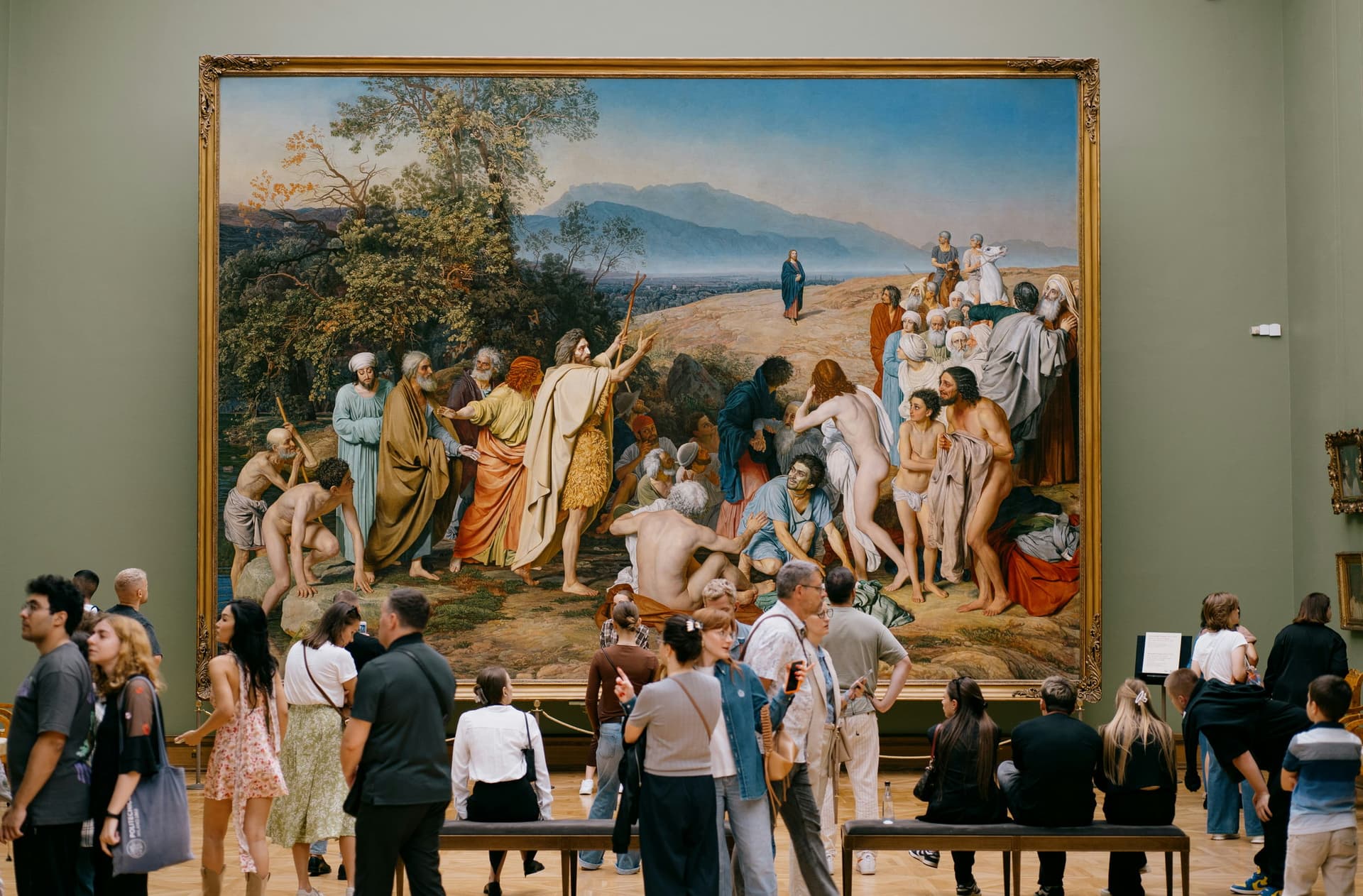
If you have energy and time left, continue to the Tretyakov Gallery — the largest collection of Russian art. Here are masterpieces from ancient icons to 20th-century avant-garde:
- "Trinity" by Andrei Rublev — the greatest Russian icon
- "The Appearance of Christ Before the People" by Alexander Ivanov — a monumental canvas the artist worked on for 20 years
- "Bogatyrs" by Viktor Vasnetsov — a symbol of Russian epic
- Works by Repin, Surikov, Levitan, Serov
Practical Tips
Duration: 4-5 hours, with museums — a whole day.
Best time: a weekday to avoid crowds on Arbat. Evening is good for atmosphere at the Bolshoi Theatre.
Where to eat: Arbat has many tourist cafes (expensive, average quality). Better to go into the side streets or reach Patriarch's Ponds — the choice is more interesting there.