Simala Shrine
Simala Shrine: Where People Believe in Miracles
An hour and a half south of Cebu City, in the green hills of Sibonga, rises a structure sometimes called 'the Philippine Sistine Chapel.' Simala Shrine is not just a church but a pilgrimage site for millions of Filipinos who believe in the miraculous power of its Virgin Mary statue.
Regardless of your religious views, Simala makes an impression. The scale of the building, the emotions of believers, the healing stories — all create an atmosphere difficult to describe in words. This is a place where faith becomes almost tangible.
History of the Shrine
Foundation
The shrine was founded in 1997 by the Marian Monks of Eucharistic Adoration. They brought a statue of the Virgin Mary from Lindogon — a small settlement nearby. The official name is Monastery of the Holy Eucharist, but everyone knows it as Simala.
The 1998 Miracle
In 1998, during a dengue fever epidemic in the region, parishioners noticed the Virgin Mary statue was crying. According to eyewitnesses, tears flowed from the statue's eyes. The event attracted nationwide attention.
Soon reports of healings began arriving: people who prayed at the statue recovered from serious illnesses. Word spread, and the small monastery transformed into a mass pilgrimage site.
According to official records, the statue has cried five times, most recently on September 8, 2016. The Church has neither confirmed nor denied the miraculous nature of these events, but for believers, no proof is needed.
What You'll See
Architecture
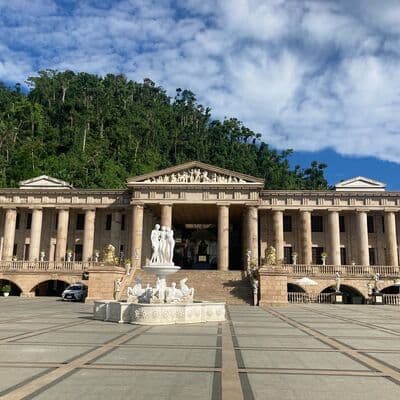
The shrine is built in pseudo-Gothic style with Baroque and Renaissance elements — an unusual combination, especially in the tropics. High spires, stained glass windows, painted ceilings. Inside — columns, terraces, altars adorned with saint statues and scenes from the Virgin's life.
The complex continues expanding: new chapels, viewpoints, and gardens are added every year. Construction is funded entirely by believers' donations.
Main Shrine
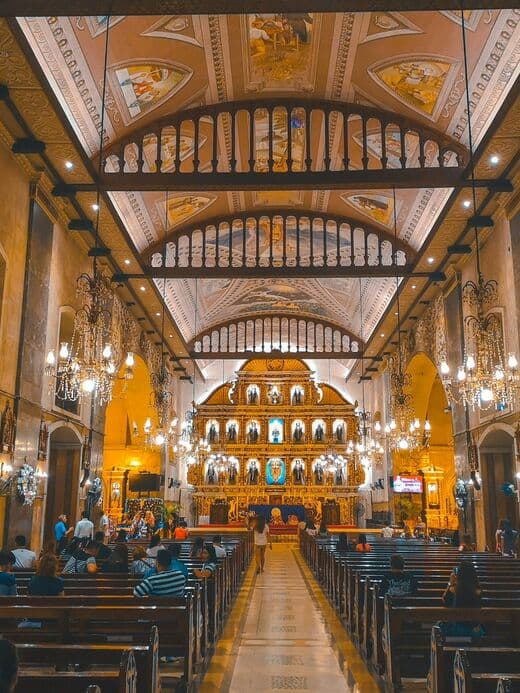
At the center is the altar with the miraculous statue of Our Lady of Lindogon. The statue is small, dressed in rich robes, surrounded by flowers and candles. Pilgrims queue to pray and touch the glass protecting the relic.
Letters and Offerings
One of the most impressive parts of the shrine is the collection of offerings from those who believe they were healed. Walls are covered with thank-you letters, photographs, medical documents. You can see crutches left by those who walk again, wheelchairs, medical devices.
Believe or not — your choice. But the quantity of these testimonies is impressive.
Practical Information
Opening Hours
The shrine is open daily approximately 8:00 AM to 5:00-6:00 PM. Schedule may change on holidays.
Entry
Entry is free. Voluntary donations welcome. Candles for prayers can be purchased on-site (around ₱35).
Mass Schedule
Masses are held several times daily. Check the official website or call for current schedule as it changes.
Dress Code
Simala is an active religious site with strict dress requirements:
- Women: covered shoulders, skirt or pants below knee, no deep necklines
- Men: long pants, shirt with sleeves
- Shorts, tank tops, miniskirts prohibited
- Clothing rental available at entrance for those unprepared
Getting There
The shrine is in Barangay Lindogon, Sibonga municipality, roughly 56 kilometers south of Cebu City. Journey takes 1.5-2.5 hours depending on traffic.
By Bus
- From Cebu South Bus Terminal, take a Ceres bus heading to Oslob or Liloan via Sibonga
- Tell the driver or conductor 'Simala' — they'll drop you at the turn-off
- Fare around 80-100 pesos, journey 1.5-2 hours
- From the stop to shrine — 10-minute motorcycle ride (habal-habal), around 50 pesos
Organized Tour
Many Cebu travel agencies offer day trips to Simala, often combined with other southern attractions (Oslob, Kawasan). From 1,500 pesos including transport and guide.
By Taxi/Grab
Arrange a round trip with waiting time. Around 3,000-4,000 pesos per car.
Best Time to Visit
Time of Day
Morning (right after opening) — fewest people. Tour groups arrive by noon. Avoid peak heat (12:00-2:00 PM) — the shrine is open-air and uncomfortable in sun.
Day of Week
Much calmer on weekdays. Thousands of pilgrims come on weekends, especially Sunday — expect queues.
Special Dates
- September 8 — Virgin Mary's birthday. Largest pilgrimage of the year, tens of thousands. Come only if prepared for crowds.
- Holy Week — Also very crowded.
- First Saturday of each month — Special services, more pilgrims.
Tips for Visiting
- Arrive early — Avoid both crowds and heat
- Dress appropriately — Strict dress code
- Bring water — Cafés on-site but useful in queues
- Prepare for climbing — Shrine is on a hill, many stairs
- Respect worshippers — For them this isn't a tourist attraction but a sacred place
- Photography allowed — But quietly and without disturbing those praying
Should Non-Religious Tourists Visit?
Honest answer: depends on you. If you're only interested in architecture — there are more impressive churches elsewhere in the world. If you're a staunch atheist irritated by religious fervor — this might not be your place.
But if you're interested in Filipino culture, want to see how folk faith lives, can appreciate sincere emotion — Simala will leave a deep impression.
Here you'll see Philippines that beaches and malls don't show. People who traveled far to pray for loved ones' health. Families praying together. Tears and smiles, fear and hope.
This is a place where faith isn't an abstraction but daily reality. And regardless of your beliefs, that's worth seeing.
Nearby Attractions
Simala is often combined with other southern Cebu attractions:
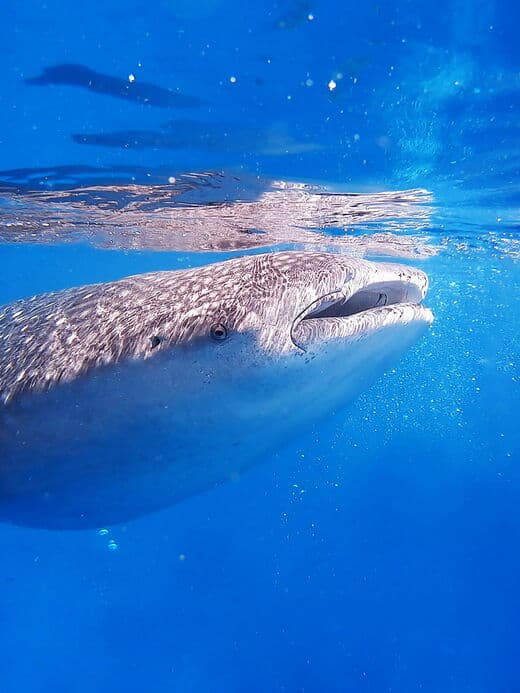
- Oslob — Whale shark watching (another hour south)
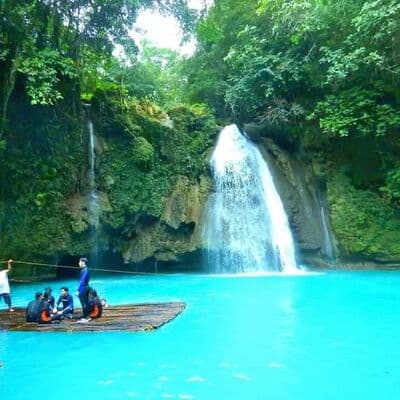
- Kawasan Falls — Canyoneering and swimming in turquoise waters
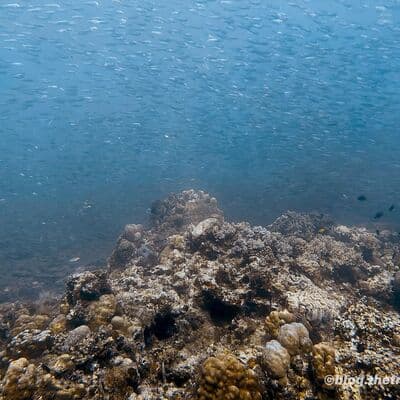
- Moalboal — Sardine run and turtles
A day trip route Cebu City → Simala → Oslob → Kawasan → Moalboal is definitely feasible, though packed. Or spend a night in Moalboal and split into two days.