Moalboal Sardine Run
Moalboal Sardine Run: Millions of Fish at Your Fingertips
Imagine this: you wade into waist-deep water, put on your mask, dip your face beneath the surface — and find yourself in the center of a living tornado made of millions of silvery fish. They swirl around you, part, rejoin, forming fantastic shapes. Sunbeams pierce this living wall, creating a hypnotic light show.
This is the Moalboal Sardine Run — one of the most spectacular underwater sights on the planet. And unlike the famous sardine run in South Africa, you don't need to wait for a specific season or hire an expedition. Moalboal's sardines live here year-round, literally twenty meters from the beach.
The Moalboal Phenomenon
Why did millions of sardines choose this exact spot? Scientists aren't entirely sure. Most likely it's a unique combination of factors: a deep drop-off starts right at the shore, creating ideal conditions for plankton. The rich food source attracts fish. And the absence of large predators (aside from camera-wielding divers) lets them feel safe.
Whatever the reason, the result is impressive. The school numbers, by various estimates, from several million to tens of millions of fish. When it moves as a single organism, reacting to external stimuli, it looks like a living creature of colossal proportions.
Exact Location
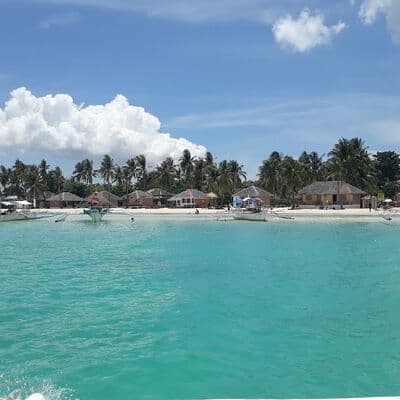
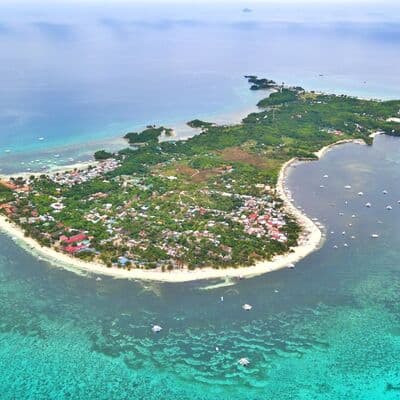
The sardines live off Panagsama Beach — Moalboal's main tourist area. This isn't a secret spot you need to search for: the school is literally in front of the dive centers and restaurants lining the shore.
Standing on the beach facing the sea, the sardines are usually to the right, near the drop-off. The landmark is where the sandy beach ends and rocks begin. Local guides will show you the exact spot in a minute.
How to See Them
Snorkeling
The most accessible way. You don't need a dive certificate, experience, or special training. Just be able to stay afloat and not be afraid to put your face underwater.
The sardines swim at depths of 1-10 meters, often rising to the surface. With a snorkel, you'll see them from above — a silvery cloud rippling beneath you. You can free dive down and end up inside the school — a surreal sensation.
Gear rental: 100 pesos for mask and snorkel at any dive shop on the beach. Fins extra, 150 pesos. You can bring your own.
Guide: 300-500 pesos for accompaniment. Not required but useful for beginners — they'll show the spot, watch over you, take photos/video.
Diving
For certified divers, the experience is even more impressive. At depths of 10-20 meters (30-65 feet), you're surrounded by fish on all sides. Visibility typically 15-25 meters, water warm (27-29°C year-round).
Sardine dives are a standard offering at any Moalboal dive center. Cost around 1,500-2,000 pesos per dive including equipment.
Freediving
If you can hold your breath and dive, this is an ideal spot for practice. The deep drop-off allows training dives, and the sardines add visual stimulus. Many freedivers specifically come to Moalboal to train.
Best Time
Time of Year
Moalboal's sardines are a year-round phenomenon. This isn't a migration but a permanent population. Come whenever you want.
That said, dry season (January-April) is preferable: better visibility, calmer seas, more comfortable conditions. Visibility may drop in rainy season (June-October), but the sardines aren't going anywhere.
Time of Day
Early morning (6:00-8:00 AM) is golden time. The school is densest and most active, almost no tourists, soft beautiful light for photos. By noon tour groups arrive and the school disperses.
Sunset is also good — special lighting, fewer people than midday.
Turtles — A Bonus
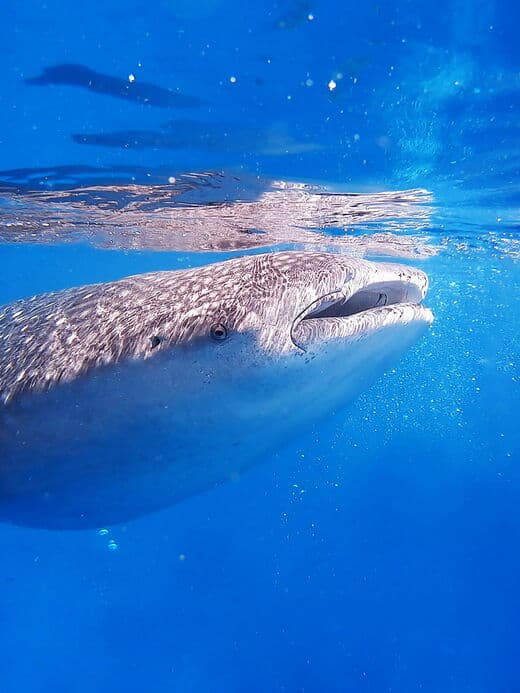
While swimming to (or from) the sardines, you'll almost certainly encounter sea turtles. There are dozens in Moalboal — green and hawksbill. They feed on seagrass in the shallows and are completely unafraid of people.
Turtles are a separate Moalboal attraction, but many tourists see them 'en route' to the sardines. Double the pleasure from one swim.
Getting to Moalboal
Moalboal is about 90 kilometers southwest of Cebu City. Journey takes 2.5-3 hours.
By Bus
- From Cebu South Bus Terminal, take a Ceres bus to Moalboal
- Cost around 150-180 pesos, journey 2.5-3 hours
- Get off at Moalboal central stop, then tricycle to Panagsama Beach (50-80 pesos, 10 minutes)
By Taxi/Grab
Around 2,500-3,500 pesos per car one way. Convenient for groups.
Organized Tour
Many agencies offer day trips from Cebu City including sardines, turtles, and sometimes Kawasan Falls. From 2,500 pesos per person.
Where to Stay
Panagsama is the main tourist area. Dozens of hotels, guesthouses, dive resorts for every budget:
- Budget: Guesthouses from 500-800 pesos per night
- Mid-range: Comfortable hotels 1,500-3,000 pesos
- Dive resorts: Packages with accommodation and dives from 4,000 pesos
I recommend staying at least 2-3 nights. Moalboal is a relaxed place, pleasant just to live: morning sardines, afternoon beach, evening bar with sunset view.
What Else in Moalboal
Pescador Island
Small island 20 minutes by boat — excellent dive site with beautiful corals and diverse marine life. Day trip around 1,500-2,000 pesos.
White Beach
White sand beach a few kilometers from Panagsama. Good for sunbathing and swimming, though small.
Kawasan Canyoneering
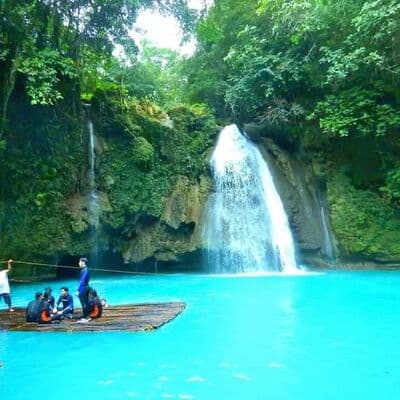
Kawasan Falls is 30 minutes from Moalboal. A separate adventure, often combined with sardines in one day.
Practical Tips
- Don't use sunscreen before swimming — it harms marine life. Wear a long-sleeved rashguard instead.
- Don't touch sardines or turtles — it stresses animals and can result in fines.
- Swim with a buddy — Basic water safety rule.
- Camera essential — GoPro or waterproof phone case. You'll want to capture this.
- Cash needed — ATMs exist but bring backup.
How Many Days
Minimum: Day trip from Cebu. Early morning departure, sardines, turtles, lunch, return. Tiring but doable.
Optimal: 2-3 nights. First morning acclimate, second day sardines and turtles unhurried, third Pescador or Kawasan.
For divers: A week. Moalboal is a serious dive destination with dozens of sites. You can dive daily without repeating.
The Experience
The sardine run is one of those sights hard to capture in words or photos. When you're inside a moving mass of millions of living beings acting as one organism — it's almost a mystical experience.
Some see the beauty of nature. Some a reminder of ecosystem fragility. Some just a cool adventure for Instagram. All are true.
Moalboal isn't a hyped tourist brand like Boracay or Palawan. It's a working town with a dive industry, no glamour or pretense. But here, twenty meters from an unremarkable beach, one of the underwater world's wonders happens. And it's accessible to everyone willing to make the trip.