Trat
Trat 2026: What You Need to Know Before You Go
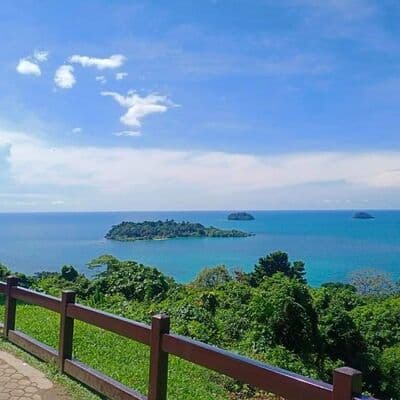
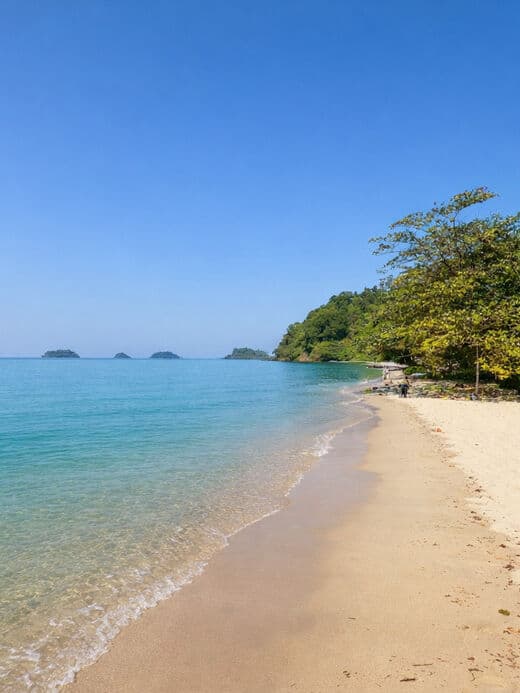
Trat is the Thailand you have been looking for - the one without the crowds, the inflated prices, and the neon-lit tourist traps. While everyone else flies to Phuket or Pattaya, this quiet province on Thailand's eastern seaboard near the Cambodian border remains blissfully under the radar. Think authentic old-town wooden architecture, fishing villages where life has barely changed in decades, and an archipelago of islands where your biggest decision is which beach to nap on.
The quick version: Trat is an eastern Thai province best known as the gateway to Koh Chang and its surrounding islands. But the town itself deserves more than a transit stop. Come for the atmospheric old quarter with its night market, the 250-year-old fishing village of Ban Nam Chiao, a surreal black-sand beach, and some of the freshest and cheapest seafood in Thailand. Budget 5 to 7 days to properly explore the town and islands.
Trat works brilliantly for travelers who are done with conveyor-belt tourism. There are no pushy touts, no go-go bars, no menus with separate 'farang prices.' Instead, you get century-old wooden shophouses along the river, noodle soup for 30 baht (about $0.85), and fishermen hauling in the morning catch at dawn. The downsides? Nightlife in town is essentially nonexistent, the monsoon season from May through October can dump up to 1,000 mm of rain per month, and getting to some outer islands requires advance planning. But if you value authenticity over convenience, Trat delivers in ways that bigger Thai destinations simply cannot.
Neighborhoods of Trat: Where to Stay
Old Town and the Riverfront - For Atmosphere and Budget Travelers
The heart of Trat is a tangle of narrow lanes lined with wooden shophouses, some dating back to the late 19th century. A handful have been converted into guesthouses, coffee shops, and tiny restaurants. The architecture has a weathered coastal charm similar to nearby Chanthaburi, but with a fraction of the visitors. A walking path runs along the river, and by 9 PM the whole neighborhood goes quiet - Trat is an early-to-bed place.
Pros: lowest prices, authentic atmosphere, all sights within walking distance, near both markets
Cons: basic accommodations, shared bathrooms in budget guesthouses, few Western restaurants
Prices: $ - guesthouses from 200-300 baht/night ($6-9), en-suite rooms from 500-700 baht ($14-20)
City Center (Thana Charoen Road) - Convenience and Selection
The main commercial street with banks, 7-Eleven, restaurants, and travel agencies. The best mid-range hotels sit along this road. Both markets are a two-minute walk away, making this the most practical base for first-time visitors.
Pros: all services within reach, solid food options, easy transport arrangements
Cons: less character than old town, road noise
Prices: $$ - hotels 700-1,500 baht/night ($20-43), with pool from 900 baht ($26)
Sa Si Siat Reservoir Area - For a Quiet Stay
Less than a kilometer west of center, this residential area surrounds a reservoir with a modern cycling and jogging path. Green, peaceful, and increasingly popular with boutique guesthouses.
Pros: tranquility, excellent running/cycling path, cooler evenings near the water
Cons: 10-15 minute walk to the night market, fewer dining options
Prices: $$ - rooms from 800 baht/night ($23)
Laem Ngop - For Island-Hopping Logistics
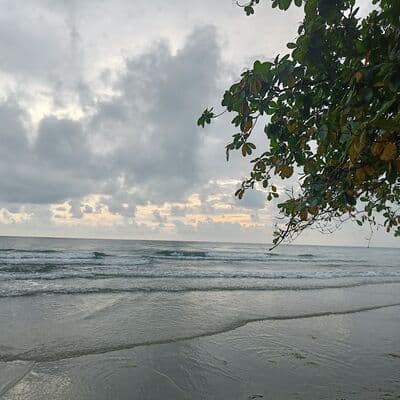
A coastal settlement 17 km from Trat town, serving as the main ferry departure point. Beyond logistics, Laem Ngop has the Sadium black-sand beach and a kilometer-long mangrove boardwalk. Worth staying the night before an early ferry.
Pros: next to ferry piers, black-sand beach, mangrove walks
Cons: minimal infrastructure, need transport to reach town
Prices: $ - guesthouses 300-800 baht ($9-23)
Bo Rai - For the Adventurous
About 50 km north, near the Cambodian border. Famous for ruby and sapphire mines and a gem market operating for generations. Deep off-the-beaten-path Thailand where English signage is rare and a foreign face draws genuine curiosity.
Pros: unique experience, real upcountry Thailand, fascinating gem market
Cons: far from everything, personal transport essential
Prices: $ - rooms from 300 baht ($9)
Ban Nam Chiao - For Ecotourism
A 250-year-old eco-village 6 km from town where Buddhists, Muslims, and ethnic Chinese have lived side by side for centuries. Join hat-weaving workshops, try candy-making, take longtail boat rides through mangroves, and walk the 'spirit-testing bridge' - a wobbly walkway over water that supposedly reveals your heart's purity.
Pros: unique cultural experience, community ecotourism done right
Cons: minimal infrastructure, basic homestay conditions
Prices: $ - homestays 300-500 baht ($9-14)
Best Time to Visit Trat
Peak season (November to February): The sweet spot. Clear skies, temperatures between 25-32C (77-90F), calm seas, excellent snorkeling visibility around Koh Rang, and full ferry schedules. The tradeoff: accommodation on Koh Chang books up fast, especially over Christmas and New Year - reserve at least two weeks ahead for popular spots like White Sand Beach.
Transition season (March to April): Hot and humid, regularly hitting 35-37C (95-99F). Still mostly dry, though afternoon thunderstorms appear in April. Fewer tourists, better deals, less crowded islands. Be prepared to seek shade between noon and 3 PM.
Fruit season (May to June): Rains have begun but are not yet at full force. This is when Trat's famous durian harvest happens. If you are a durian fan, this is your pilgrimage - prices are lowest, and the annual Durian Festival in May features tastings, competitions, and parades. Expect afternoon rain, but mornings are often clear.
Monsoon season (July to October): The tough stretch. Rainfall can exceed 1,000 mm per month, roads flood, some ferry routes reduce service, and smaller islands like Koh Kood may become hard to reach. On the plus side, prices drop dramatically, the landscape is lush, and you will have beaches to yourself. Some island guesthouses close entirely from August to October.
Key festivals: March - food festival in Trat town. May - Durian Festival. August - seafood festival (timing varies). November - Loy Krathong along the river, smaller and more intimate than big-city versions.
Trat Itinerary: From 3 to 7 Days
Trat in 3 Days: The Essentials
Day 1: Old Town and Local Life
Start at the covered day market (Talat Trat) around 6 AM - stalls with tropical fruit, fresh fish, and vendors ladling rice porridge for 25 baht ($0.70). Walk through the old town admiring wooden shophouses. Visit the Trat Museum (30 baht / $0.85) to learn about gem mining and border trade history. Lunch at Namchok restaurant - the stir-fried crab with yellow curry is outstanding at about 120 baht ($3.50). Afternoon bike ride around Sa Si Siat Reservoir (2.5 km loop, flat and shaded). Evening at the night market (Talat Yen): pad thai for 30 baht ($0.85), grilled squid for 20 baht ($0.57), fresh fruit shake for 25 baht ($0.70).
Day 2: Villages and Black Sand
Head to Ban Nam Chiao by songthaew or motorbike. Spend 2-3 hours walking the mangrove boardwalk, trying the spirit-testing bridge, watching hat-weaving, and sampling coconut candies. Most activities are free or donation-based. Continue to Laem Ngop for the Sadium black-sand beach - genuinely striking, with dark sand contrasting turquoise water. Walk the mangrove boardwalk nearby. Dinner at SaengFa restaurant: tom som rakam (sour soup with local rakam fruit and fish), about 150-200 baht ($4.30-5.70) for a full meal.
Day 3: Temples and Seafood
Visit Wat Buppharam, founded in 1648 - one of eastern Thailand's oldest temples with a beautiful wooden prayer hall. Browse the morning farmer's market for seasonal fruits: mangosteen, rambutan, durian. Lazy afternoon at a riverside cafe. Final dinner at Tom Yam Seafood Restaurant - the tom yam goong uses prawns that were swimming that morning. A full seafood dinner for two runs 500-800 baht ($14-23), about a third of Bangkok prices.
Trat in 5 Days: Adding the Island
Days 1-2: Follow the three-day itinerary above.
Day 3: Ferry to Koh Chang
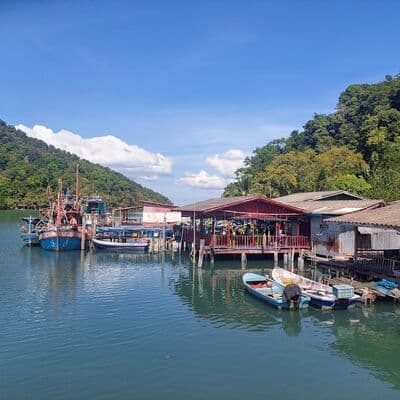
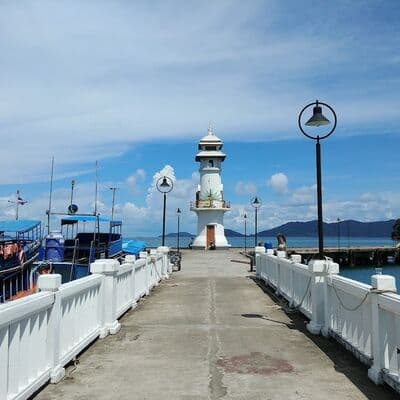
Morning ferry from Laem Ngop to Koh Chang (80 baht / $2.30, every 30-45 minutes until 19:30). Head to Khlong Phlu Waterfall in Mu Ko Chang National Park (200 baht / $5.70 entry for foreigners) - the pool at its base is refreshingly cold after the jungle hike. Late afternoon, drive to Bang Bao Pier, a fishing village on stilts over the water. The far end still has working fishing boats and genuine village atmosphere. Sunset with a cold beer from the pier's end.
Day 4: Snorkeling and Viewpoints
Full-day snorkeling trip to Koh Rang (800-1,200 baht / $23-34, including lunch and gear). The coral here is some of the best-preserved in the Gulf of Thailand - clownfish, parrotfish, and possibly sea turtles. Back on Koh Chang, visit Salak Khok Village on the east coast for mangrove kayaking (200 baht / $5.70 per hour). End at Kai Bae Viewpoint for panoramic sunset views over the smaller islands.
Day 5: Beaches and Return
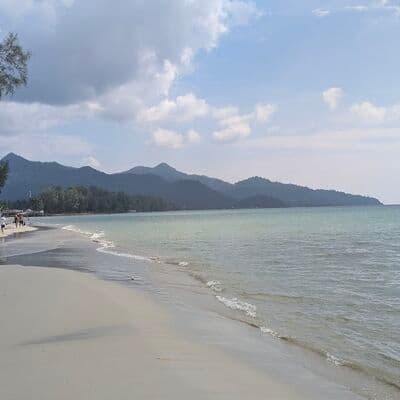
Morning at Klong Prao Beach - the longest and least crowded developed beach, with a kayak-friendly lagoon at its southern end. Or try Lonely Beach further south for a younger backpacker vibe with beach bars. Lunch at a beachfront restaurant, then afternoon ferry back to Trat.
Trat in 7 Days: The Full Archipelago
Days 1-4: Follow the five-day itinerary above.
Day 5: Koh Mak - Digital Detox
Morning speedboat to Koh Mak (400-500 baht / $11-14). This flat, palm-covered island has declared itself a 'low carbon destination' and lives up to it: no 7-Eleven, no ATMs (bring cash), no nightlife. Rent a bicycle (100 baht / $2.85 per day) to Ao Suan Yai, the best swimming beach. Afternoon longtail boat (300-500 baht / $9-14) to tiny Koh Kham for crystal-clear snorkeling. Stay overnight.
Day 6: Koh Kood - Thailand's Last Unspoiled Island
Speedboat to Koh Kood (300-400 baht / $9-11). The furthest and least developed major island - 15 beaches, most empty, connected by a single road through dense forest. Rent a motorbike (250-300 baht / $7-9) and explore Klong Chao Waterfall, the stilted fishing village of Ao Salad, and beaches so quiet you hear hermit crabs. Stay overnight - rushing Koh Kood in a day trip wastes its best quality.
Day 7: Return Journey
Morning speedboat back to Laem Ngop. Use remaining hours for last-minute market shopping or a final bowl of excellent local noodles.
Where to Eat in Trat
Trat is not a culinary destination in the Instagram sense - no rooftop cocktail bars or Michelin stars. What it has is superb, honest Thai food at prices that have not adjusted for tourism. The seafood is exceptional because fishing boats dock minutes from the kitchens.
Night Market (Talat Yen): The unmissable eating experience. Dozens of vendors sell everything from pad thai to Thai desserts, most dishes 20-40 baht ($0.57-1.15). The grilled squid vendors near the entrance are particularly good - whole squid on a stick for 20-30 baht. Arrive around 5:30 PM for the best selection.
Covered Day Market (Talat Trat): Open early morning to early afternoon. Food stalls in the back serve noodle soup from 30 baht ($0.85), rice with two curries for 35-40 baht ($1.00-1.15). Where working Trat eats breakfast and lunch.
Namchok: A local favorite near the river. Yellow curry crab and stir-fried morning glory are both excellent. Mains 80-150 baht ($2.30-4.30). No English menu, but pointing at neighboring tables works perfectly.
SaengFa: The place for tom som rakam - sour, spicy soup with the local rakam fruit. An acquired taste: tart, pungent, deeply savory. Also good for grilled fresh fish. Mains 100-200 baht ($2.85-5.70).
Tom Yam Seafood Restaurant: Best sit-down seafood in town. The tom yam goong is loaded with enormous fresh prawns. Steamed sea bass with lime is another winner. Dinner for two with drinks: 500-900 baht ($14-26).
Pier 112: Waterfront restaurant with more atmosphere than most Trat options. Good for sunset meals with Thai and basic Western dishes. Mains 120-250 baht ($3.40-7.15).
Goldlip Cafe: Best coffee in town. A well-designed old-town cafe with locally roasted beans and decent breakfast items. Coffee 50-80 baht ($1.43-2.30).
Joy's Pizza: When you need a Thai food break. Surprisingly respectable thin-crust pizzas with fresh dough. Pizzas 150-250 baht ($4.30-7.15).
Must-Try Food: The Flavors of Trat
Trat's cuisine leans on seafood and tropical fruit, with flavors sharper and more sour than central Thailand. The nearby Cambodian border influences certain spice combinations and the use of local herbs that do not appear in Bangkok cooking.
Tom som rakam pla krapong: The signature dish. Hot-and-sour soup with sea bass and rakam fruit - tart, spicy, slightly bitter, with the sweetness of fresh fish. You will not find this anywhere else in Thailand.
Hoi tod (crispy oyster omelet): Small oysters fried with egg batter and tapioca starch until lacy and crisp. The Trat version uses local oysters that are smaller and sweeter than Bangkok's.
Pla rad prik (fried fish with chili sauce): Whole fish deep-fried until shatteringly crispy, topped with sweet-sour-spicy sauce loaded with garlic and fresh chilies. Simple but beautifully executed with ultra-fresh fish.
Pad cha pla (stir-fried fish with herbs): Fish with peppercorns, krachai (finger root), wild ginger, holy basil, and fresh green peppercorn clusters. Spicy and aromatic in a way distinctly different from standard basil stir-fries.
Khao pad prik kluea: Regional fried rice with salt-and-chili paste, often served with grilled squid or fried egg. Humble but addictive.
Stir-fried cuttlefish: Trat's waters produce excellent cuttlefish, stir-fried with garlic, white pepper, and oyster sauce. Tender and springy when cooked right - nothing like the rubbery squid at tourist spots.
Khanom jeen: Thin rice noodles with curry ladled on top, plus fresh herbs on the side. A breakfast staple - the fish curry version is particularly good here.
Tropical fruit: Trat is a premier fruit-growing region. Local durian is considered among Thailand's finest - creamy, complex, less pungent than Malaysian varieties. Mangosteen, rambutan, longkong, and salak are all excellent at farm-gate prices from the covered market.
Local Secrets and Practical Tips
Download the Trat 101 QR map: Scan the QR code at the covered market entrance for a free walking guide with historic building descriptions in English. Genuinely helpful for orienting yourself in the old town.
Two markets in one: The day market runs roughly 5 AM to 2 PM, the night market starts at 4 PM. Hit the 3-4 PM transition to see both winding down and gearing up simultaneously.
Koh Kood ferries are strict: Unlike Koh Chang's all-day ferries, boats to Koh Kood depart at fixed morning times and can be cancelled in rough weather. Book the day before and confirm the morning of. Getting stranded is not dangerous but will wreck your schedule.
Rent a bicycle: Trat is flat, compact, with surprisingly little traffic. A bicycle (50-100 baht / $1.43-2.85 per day) covers the old town, both markets, the reservoir, and the temple complex in a 30-minute radius.
Get travel insurance: The smaller islands have no hospital and only basic clinics. Any serious issue means an emergency boat to Trat Hospital. Make sure your policy covers water activities and medical evacuation.
Durian timing: For the Trat durian harvest, aim for late May through mid-June. The Durian Festival usually falls in late May.
Cambodia day trip: The Hat Lek border crossing is 90 km southeast. Songthaews run from Trat bus station for about 140 baht ($4). Cambodia e-visas available for most nationalities at $36.
ATM fees: Thai ATMs charge foreigners 220 baht ($6.30) per withdrawal. Withdraw larger amounts less often, or exchange cash at banks on Thana Charoen Road for better rates than the airport or islands.
Island cash: Koh Mak has zero ATMs. Koh Kood has one or two that are frequently empty. Bring enough Thai baht for your entire island stay plus a buffer. Credit cards accepted only at larger resorts.
Transport and Connectivity
Getting to Trat from Bangkok:
- Bus: Air-conditioned buses from Bangkok's Ekkamai and Morchit terminals, roughly hourly. 5-5.5 hours, 240-300 baht ($7-9). Comfortable and reliable. Book at the station or via 12Go.asia.
- Minibus: Faster (4-4.5 hours) but cramped. Departs from Victory Monument and Khao San Road areas. Similar prices, drops you in town center rather than the bus station.
- Flight: Bangkok Airways daily from Suvarnabhumi (1 hour). Expect 2,000-5,000 baht ($57-143) one way - monopoly route, so prices stay high. The airport is 30 km from town.
Getting around Trat town:
- Walking: Town center is compact - old town, markets, and temple are all within 15 minutes of each other on foot.
- Bicycle: 50-100 baht ($1.43-2.85) per day from guesthouses or market-area shops.
- Motorbike: 200-300 baht ($5.70-8.60) per day. International driving permit technically required and occasionally checked.
- Songthaew: Shared pickup trucks on fixed routes. 20-40 baht ($0.57-1.15) within town.
Ferry connections:
- Koh Chang: From Centerpoint or Thamachat Pier near Laem Ngop. Every 30-45 minutes, 6:30 AM to 7:00 PM. 80 baht ($2.30), 30-40 minute crossing. Vehicles can load.
- Koh Mak: Speedboats from Laem Ngop, 2-3 daily departures, last boat around 4:00 PM. 400-500 baht ($11-14), 45-60 minutes.
- Koh Kood: Speedboats from Laem Ngop, 1-2 daily, last boat 1:00-3:00 PM (seasonal). 500-600 baht ($14-17), 1-1.5 hours. Book ahead in high season.
SIM cards and internet: Tourist SIM at any 7-Eleven for 299 baht ($8.60) with 15-30 days of data. AIS and TrueMove work well in Trat town and on Koh Chang. Coverage on Koh Mak and Koh Kood is patchier with occasional dead zones.
Essential apps: Grab (limited drivers but functional), Google Maps (accurate), 12Go.asia (best for English-language transport booking), Agoda and Booking.com for accommodation.
Who Trat Is For: The Final Verdict
Trat is for independent travelers who want Thailand beyond the tourist trail. It rewards curiosity, flexibility, and a willingness to eat whatever the market vendors are cooking. Excellent for food lovers, eco-tourists, and anyone who defines a good vacation as slow, quiet, and genuine. Not the right choice for pumping nightlife, luxury resorts, or a polished packaged experience. Give Trat a minimum of 3 days for the town, 5-6 days to add Koh Chang, or 10 days to properly explore the full archipelago including Koh Mak and Koh Kood. You will leave feeling like you discovered something most visitors to Thailand never see.