Sapporo
Sapporo 2026: What You Need to Know Before You Go
Sapporo breaks every stereotype you might have about Japan. There is no Tokyo-level frenzy, no Osaka humidity. Instead, you get wide boulevards, snow-capped mountains on the horizon, a beer brand recognized worldwide, and ramen worth flying halfway across the globe for. The capital of Hokkaido is Japan's youngest major city, founded just 150 years ago, and you can feel it: the city is laid out on a grid like an American metropolis, and the people here are more relaxed and approachable than anywhere else in the country.
In short: Sapporo is worth visiting for its legendary miso ramen, ultra-fresh seafood at Nijo Market, the Snow Festival in February, the Sapporo Beer Museum, panoramic views from Mount Moiwa, and day trips to Otaru and Lake Shikotsu. Plan 3 to 5 days for the city and surroundings.
Sapporo is ideal for foodies, winter sports enthusiasts, and anyone who wants to experience Japan without the tourist crowds. The city is compact, public transport is excellent, and prices are noticeably lower than Tokyo. On the downside, winters are genuinely cold (down to 14F / -10C), and summers can be humid. But the climate is exactly what makes Sapporo unique: Hokkaido's fresh produce, ski resorts within an hour's drive, and the famous Snow Festival all exist because of its northern location. If you have been to Tokyo and Kyoto and want something completely different, Sapporo is your answer.
Sapporo Neighborhoods: Where to Stay
Chuo-ku (City Center) and Sapporo Station - Best for First-Timers
The main district where everything converges: from Odori Park to the Sapporo TV Tower and the Former Hokkaido Government Office. Sapporo Station is the transport hub, home to the JR Tower shopping complex and the JR Tower Observatory T38 on the 38th floor. This is the best area for first-time visitors: everything is within walking distance, the subway is right there, and there are dozens of hotels for every budget.
Pros: ultimate convenience, walking distance to all major sights, massive restaurant selection
Cons: most expensive area, during festivals you need to book months ahead
Prices: $$-$$$ (hostels from 2,500 yen / $16, business hotels from 7,000 yen / $45, 4-star from 15,000 yen / $97)
Susukino - Nightlife and Food Capital
Hokkaido's largest entertainment district and one of Japan's biggest, rivaling Tokyo's Kabukicho. Thousands of bars, restaurants, karaoke joints, and clubs packed into a few blocks. This is where you will find the legendary Ramen Yokocho (Ramen Alley) - a narrow passage lined with a dozen ramen shops, some over 50 years old. After dinner, try 'shime-parfait' - an elaborate dessert parfait eaten after drinking, a tradition unique to Sapporo.
Pros: best food in the city, buzzing until dawn, authentic Japanese nightlife atmosphere
Cons: noisy at night, neon overload, not ideal for families with young children
Prices: $-$$ (hostels from 2,000 yen / $13, business hotels from 5,000 yen / $32)
Maruyama - Trendy Cafes and Calm Vibes
A fashionable neighborhood west of downtown with a distinctly European feel. Boutiques, third-wave coffee shops, bakeries with flaky croissants, and antique stores. This is where Sapporo's young professionals live - parents with strollers, couples, freelancers working from laptops in stylish cafes. Maruyama Park nearby is the best spot for cherry blossoms in May, and the Maruyama Zoo is a solid family option.
Pros: peaceful, beautiful, excellent cafes and restaurants, nature within reach
Cons: farther from central attractions, fewer hotel options
Prices: $$ (Airbnb from 5,000 yen / $32, hotels from 8,000 yen / $52)
Kita-ku - Student District Near Hokkaido University
The area around Hokkaido University, one of Japan's most beautiful campuses. In autumn, the ginkgo tree-lined avenue turns solid gold, drawing photographers from across the island. The student atmosphere means cheap izakayas, ramen joints, and coffee shops. Quiet, green, and just a 10-minute walk to Sapporo Station.
Pros: affordable, gorgeous campus, close to the center
Cons: few hotels, the area gets quiet in the evening
Prices: $ (hostels from 1,800 yen / $12, Airbnb from 4,000 yen / $26)
Nakajima Park Area - Parkside Quiet
The district around Nakajima Park is a green oasis south of downtown. Families and those who value peace and quiet tend to stay here. The park is beautiful year-round: ponds, mature trees, and historic buildings. Susukino is a 10-minute walk away, so you can easily get to restaurants in the evening without being in the thick of the noise.
Pros: quiet, parkside location, moderate prices
Cons: limited dining and shopping, subway needed for most attractions
Prices: $$ (hotels from 6,000 yen / $39)
Jozankei Onsen - Hot Springs in the Mountains
An onsen resort town about an hour's drive from central Sapporo, nestled in a mountain valley along the Toyohira River. This is not a base for your entire trip but rather a separate experience for one or two nights. Traditional ryokans with private baths, multi-course kaiseki dinners, and forest views. In autumn, the foliage here is spectacular - red maples reflected in the river. In winter, outdoor hot springs surrounded by snowdrifts are unforgettable.
Pros: unique onsen experience, stunning natural scenery
Cons: far from the city, expensive ryokans, bus or taxi required
Prices: $$$ (ryokans from 15,000 yen / $97 including dinner and breakfast)
Best Time to Visit Sapporo
Sapporo is a city of four distinct seasons, and each one offers a completely different experience. When you visit will fundamentally shape your trip.
Winter (December - February): Snow and Festivals
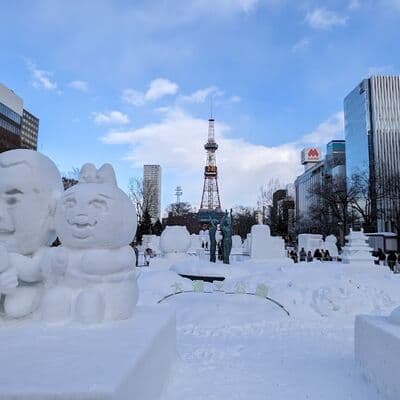
This is Sapporo's headline season. In February, the famous Sapporo Snow Festival (Yuki Matsuri) transforms Odori Park and Susukino with over 200 snow and ice sculptures, some as tall as buildings. The festival runs for about a week in early February and draws over 2 million visitors. Ski resorts Teine, Bankei, and Kokusai are 30 to 60 minutes away. Temperature: 19 to 30F (-7 to -1C). Book hotels 3 to 4 months ahead for the festival period - prices double. If you are coming from the US or Canada, direct flights from several West Coast cities make this surprisingly accessible.
Spring (March - May): Cherry Blossoms and Awakening
Cherry blossoms in Sapporo arrive later than anywhere else in Japan - early May, when Tokyo is already in summer mode. Best spots: Maruyama Park and the Hokkaido University campus. Weather is unpredictable: snow is possible in March, but May can reach 68F (20C). The upside? Far fewer tourists, lower prices, and the city coming alive after a long winter.
Summer (June - August): Cool Refuge and Festivals
While the rest of Japan melts at 95F (35C), Sapporo stays comfortable at 72 to 77F (22 to 25C). This is low season for international tourists but high season for Japanese visitors escaping the heat. Tanabata Festival in July, Bon Odori in Nakajima Park in August, and the lavender fields of Furano two hours away make this a rewarding time. The Sapporo Beer Garden operates at full capacity from May through September.
Autumn (September - November): Colors and Gastronomy
Fall foliage (koyo) peaks in mid-October. The golden ginkgo avenue at Hokkaido University, the red maples of Jozankei - incredibly photogenic. This is harvest season: fresh salmon, pumpkin, corn, dairy. The Autumn Festival in Odori Park (September through October) features hundreds of food stalls with specialties from across Hokkaido. Temperature: 41 to 64F (5 to 18C), bring a warm jacket.
When it is cheapest: April, June, and November - shoulder seasons with minimum hotel rates. When it is most expensive: first week of February (Snow Festival), New Year holidays, Obon in August.
Sapporo Itinerary: From 3 to 7 Days
Sapporo in 3 Days: The Essentials
Day 1: Downtown and Food
9:00-10:30 - Start at the Former Hokkaido Government Office, a striking red-brick building in neo-Baroque American style. Free entry, with a museum of Hokkaido history inside. The lily pond out front is a classic photo spot.
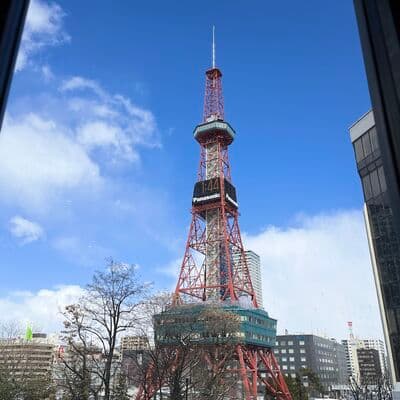
10:30-12:00 - Walk through downtown to Odori Park, a mile-long green boulevard that bisects the city. In summer, fountains and beer gardens; in winter, the Snow Festival. Head up the Sapporo TV Tower (720 yen / $4.70) for a panoramic view - you can see the entire park stretching westward and mountains on the horizon.
12:00-13:30 - Lunch at Nijo Market, a 15-minute walk from the park. Order a kaisen-don - a bowl of rice topped with raw seafood: salmon roe, sea urchin, crab. Average price: 1,500 to 3,000 yen ($10-$20). Arrive early morning for maximum freshness.
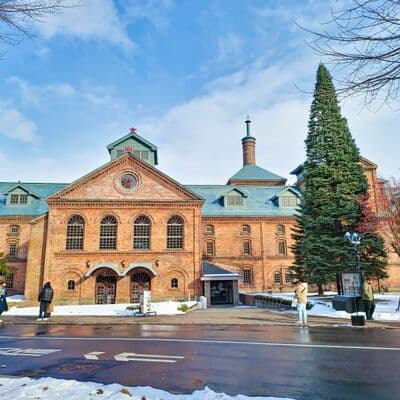
14:00-16:30 - The Sapporo Beer Museum in a historic brick building. The main exhibition on Japanese brewing history is free. A tasting flight of three beers costs 800 yen ($5.20). Next door, the Sapporo Beer Garden serves Genghis Khan (grilled lamb on a dome-shaped grill) with all-you-can-drink beer.
18:00-21:00 - Evening in Susukino. Dinner at Ramen Yokocho - pick the place with a line of locals. The classic: miso ramen with butter and corn (900 to 1,100 yen / $6-$7). After, wander the neon-lit streets, hit a karaoke bar, or grab a drink. End the night with shime-parfait - an elaborate dessert parfait that Sapporo locals eat after drinking. This tradition exists nowhere else in Japan.
Day 2: Shrines, Nature, and Panoramas
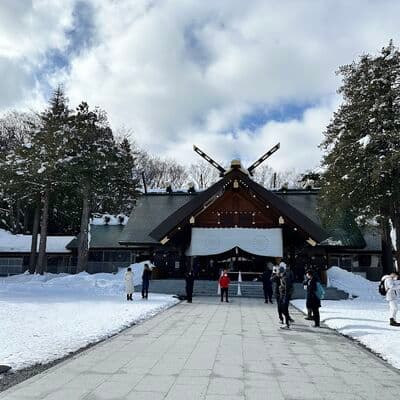
9:00-11:00 - Hokkaido Jingu Shrine in Maruyama Park. Hokkaido's most important Shinto shrine, surrounded by dense forest. Wild squirrels roam the paths. If you visit in May, the park's cherry blossoms will be at their peak.
11:00-13:00 - Explore Maruyama: cafes, boutiques, bakeries. Lunch at a local spot - try soup curry (1,000 to 1,500 yen / $6.50-$10), Sapporo's signature dish: a thin, spicy curry broth loaded with large chunks of chicken, eggplant, and potato. Nothing like the thick Japanese curry you may know.
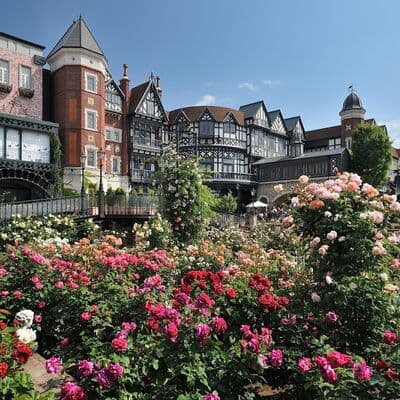
14:00-16:00 - Shiroi Koibito Park, the factory behind Hokkaido's most famous souvenir cookie. The building looks like a European castle, there are chocolate-making workshops, and the rose garden is charming. Admission: 800 yen ($5.20). Great for families and anyone with a sweet tooth.
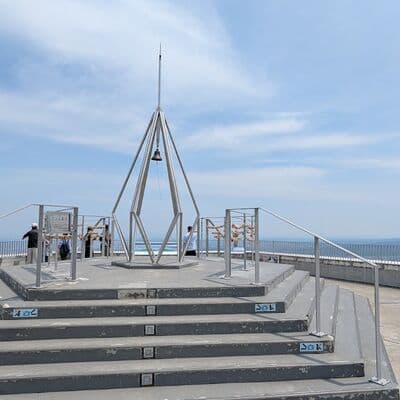
17:30-20:00 - Take the ropeway up Mount Moiwa for a sunset panorama. This is officially ranked among Japan's 'Three Best Night Views.' Round-trip to the summit (1,742 ft / 531 m): 2,100 yen ($13.60). In winter, the city glows beneath a blanket of snow - genuinely unforgettable. At the top, there is a restaurant and the 'Bell of Happiness' for couples.
Day 3: Otaru Day Trip
9:00 - JR train from Sapporo to Otaru (40 minutes, 750 yen / $4.90 one way). The route follows the coastline - sit on the left side for ocean views.
10:00-12:00 - Otaru Canal, the postcard-perfect scene with stone warehouses and gas lamps. In winter, the canal is illuminated with candles. Walk to the Music Box Museum - three floors packed with thousands of music boxes, from classic to bizarre.
12:00-14:00 - Lunch on Sakaimachi Street. Sushi in Otaru is among Japan's best because the fish comes straight from the port that morning. Try a 10-piece nigiri set (2,000 to 3,500 yen / $13-$23). Also worth exploring: glassblowing workshops and shops, the craft Otaru is famous for.
14:00-16:00 - Take the ropeway up Mount Tengu (1,400 yen / $9) for views of the town and bay. Or continue 20 minutes by train to the Nikka Whisky Yoichi Distillery - free tours and tastings of some of Japan's finest single malt.
17:00 - Return to Sapporo. Evening: Genghis Khan dinner at one of the restaurants near the station.
Sapporo in 5 Days: Without Rushing
Days 1-3: As above.
Day 4: Nature and Onsen
9:00-14:00 - Day trip to Lake Shikotsu (80-minute bus ride, 1,150 yen / $7.50). A crystal-clear caldera lake, the second most transparent in Japan. Summer: kayaking, SUP, hiking trails around the lake. Winter (January-February): illuminated ice sculpture festival. Lunch at a lakeside restaurant - try himemasu, a local trout-like fish found only in this lake.
15:00-18:00 - On the way back, stop at Hoheikyo Onsen for hot springs in the mountains. The rotenburo (outdoor baths) overlook forests and a river. Admission: 1,000 yen ($6.50). Towel rental available. This is the quintessential Hokkaido onsen experience without the ryokan price tag.
Day 5: Deeper Into Sapporo
9:00-11:00 - Morning market: Sapporo Central Wholesale Market (jogai-ichiba). This is where locals eat - kaisen-don is cheaper and fresher than at Nijo. Opens at 6 AM, many stalls close by 11. Get there early.
11:00-13:00 - Hokkaido University campus. A massive grounds with ponds, farms, and historic buildings. The university museum is free. In autumn, the ginkgo avenue is pure gold.
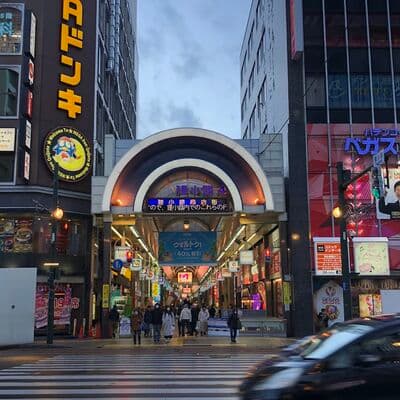
13:00-15:00 - Tanukikoji Shopping Street, a covered arcade stretching 900 meters with over 200 shops. This is where locals buy souvenirs: Hokkaido sweets, milk candies, packaged ramen sets. Look for cremeux - a layered cake with Hokkaido milk cream that melts in your mouth.
15:00-17:00 - Moerenuma Park (30-minute bus ride). Designed by sculptor Isamu Noguchi, this landscape park integrates art into nature. The glass pyramid Hidamari, a mountain made from reclaimed waste, and a choreographed fountain - a remarkable place that few tourists ever visit.
Evening - Farewell dinner: order crab at a specialty restaurant. Hokkaido crab (kegani horsehair crab, tarabagani king crab, zuwaigani snow crab) is expensive (from 5,000 yen / $32) but represents the peak of Sapporo's culinary experience.
Sapporo in 7 Days: With Excursions
Days 1-5: As above.
Day 6: Furano and Biei (Summer) or Skiing (Winter)
Summer option: Train to Furano (2 hours). Farm Tomita's lavender fields peak in July - row after row of purple stretching to the mountains. The Blue Pond of Biei is an otherworldly turquoise. The patchwork hills of Biei, with their quilted fields of different crops, are among Hokkaido's most photographed landscapes.
Winter option: Ski day at Niseko (2-hour bus ride), Kiroro, or Rusutsu. Niseko is the powder snow capital of the world - seriously, it gets more consistent dry powder than almost anywhere. Lift pass from 6,000 yen ($39). Full gear rental from 5,000 yen ($32). If you ski or snowboard, Niseko alone is worth the trip to Hokkaido.
Day 7: Noboribetsu Onsen
JR train to Noboribetsu (75 minutes, 2,500 yen / $16). The famous Jigokudani (Hell Valley) is a volcanic crater with bubbling sulfur springs and steam vents rising from the earth. A day visit to the Dai-ichi Takimotokan onsen - one of Japan's finest, with over a dozen different baths - costs 2,000 yen ($13). Lunch: jigoku ramen - 'hellishly' spicy ramen, the local specialty.
Where to Eat in Sapporo: Restaurants and Cafes
Street Food and Markets
Sapporo's best street food lives at its markets. Nijo Market (Nijo-ichiba) opens early morning with ultra-fresh kaisen-don (seafood rice bowls), grilled crab legs, and sea urchin eaten straight from the shell. Average spend: 1,500 to 3,000 yen ($10-$20). The Central Wholesale Market (jogai-ichiba) is less touristy and cheaper - market workers eat breakfast here, and the portions are honest. Try the charcoal-grilled scallops: Hokkaido hotate (scallops) are the size of your palm, sweet and buttery.
During summer festivals in Odori Park, food stalls appear offering specialties from across Hokkaido: grilled corn, milk soft-serve, butter potatoes. The Autumn Festival (Aki Fest, September through October) is a culinary paradise with over a hundred stalls - think of it as a regional food expo you can eat your way through.
Ramen: The Culinary Icon
Sapporo is the birthplace of miso ramen, and here it is not just food - it is a cultural institution. Ramen Yokocho in Susukino is touristy but authentic, a narrow alley with a dozen ramen shops. Start with Shirakaba Sansou, one of the oldest. But the best ramen often hides in unassuming holes-in-the-wall with signs only in Japanese. Your compass: a line of locals at lunchtime. Average bowl: 900 to 1,200 yen ($6-$8).
Soup curry is Sapporo's second signature dish. This is not Indian curry and not standard Japanese curry - it is a unique Sapporo invention: a thin, spicy broth with large-cut vegetables and chicken. Beyond Age is a popular chain, but smaller independent shops are often better. Spice level is customizable on a scale - start at level 3 to 5 out of 40 unless you have something to prove.
Seafood: Crab, Sushi, Kaisen
Hokkaido is Japan's premier fishing region, and Sapporo reaps the benefits. Kaiten-zushi (conveyor belt sushi) here is not fast food - it is a legitimate dining experience. Toriton is a local chain where the fish was caught that morning. Expect 30 to 60 minute waits on weekends, but it is worth it. Plates: 130 to 500 yen ($0.85-$3.25).
Crab restaurants are a genre unto themselves. Kani Honke is the classic: a crab kaiseki course of 7 to 8 dishes starts from 8,000 yen ($52). More affordable: crab legs at Nijo Market from 2,000 yen ($13) per portion. For the full experience, try all three Hokkaido crabs: kegani (horsehair, sweet and delicate), tarabagani (king crab, dramatic and meaty), and zuwaigani (snow crab, elegant flavor).
Genghis Khan: Hokkaido-Style Lamb
Genghis Khan (jingisukan) is grilled lamb on a dome-shaped iron grill. It looks like Korean BBQ but it is distinctly Hokkaido. The lamb is 100% local, tender, and without the gamey smell that turns some people off mutton. Sapporo Beer Garden offers tabehodai (all-you-can-eat) with unlimited beer for 4,500 to 5,500 yen ($29-$36). Daruma in Susukino is the legendary hole-in-the-wall with permanent lines out the door - tiny, smoky, and absolutely worth the wait.
Cafes and Sweets
Sapporo has a serious coffee culture with dozens of third-wave cafes. Maruyama is the coffee district. Olympia is a classic kissaten (old-school Japanese coffee shop) since 1964: Napolitan spaghetti, pudding, apple pie in a retro interior. TNOC THE CAFE has a wooden interior inspired by Hokkaido forests and serves soft-serve made from local milk. For breakfast, look for 'morning set' cafes - many offer toast, egg, and coffee for 500 to 700 yen ($3.25-$4.50).
What to Try: Sapporo's Essential Foods
Miso Ramen - The dish Sapporo is built on, invented here in the 1950s. A rich pork and chicken broth with miso paste, stir-fried vegetables on top, often with butter and corn. The best bowls are in the small shops of Susukino. Price: 900 to 1,200 yen ($6-$8). Pro tip: ask for 'kote' for a thicker, more intense broth.
Soup Curry - A Sapporo invention from the 1970s. Do not confuse it with regular Japanese curry - this is a thin, aromatic, spicy soup with large chunks of chicken, eggplant, potato, and okra. Choose your spice level: 1 (mild) to 40 (infernal). Price: 1,000 to 1,500 yen ($6.50-$10).
Kaisen-don - A bowl of rice blanketed with raw seafood. In Sapporo, this is extraordinary because of Hokkaido's fishing waters: salmon roe (ikura), sea urchin (uni), scallops (hotate), shrimp (ebi). At Nijo Market, you can build your own combination bowl. Price: 1,500 to 4,000 yen ($10-$26).
Genghis Khan (Jingisukan) - Hokkaido's lamb barbecue on a dome-shaped grill. Named after the Mongol conqueror but entirely Japanese in origin. The meat is tender and clean-tasting, nothing like the strong mutton flavor some Westerners expect. Tabehodai (all-you-can-eat) format: 3,000 to 5,000 yen ($20-$32). Tip: order 'nama' - fresh, unmarinated lamb for the best experience.
Shiroi Koibito - 'White Lover,' Hokkaido's most famous souvenir. Two thin langue de chat cookies sandwiching white chocolate. Sold everywhere, but buy at Shiroi Koibito Park for the freshest batch and custom packaging options.
Soft Cream (Soft-Serve) - Made from Hokkaido milk, which is considered the best in Japan - rich, sweet, with a deep flavor you will not find elsewhere. Try it at Tanukikoji Shopping Street or any convenience store. Lavender soft-serve in Furano is a seasonal masterpiece worth the trip.
Yubari Melon - The legendary cantaloupe from the town of Yubari, one of the most expensive fruits in the world (a whole melon starts at 3,000 yen / $20 at the market; at auction, they sell for tens of thousands). Season: May through August. Try melon parfait or melon soft-serve for a more wallet-friendly taste of luxury.
What NOT to order: Sushi at tourist-trap restaurants near Sapporo Station with photos on the menu and staff outside trying to wave you in. These places serve frozen fish at inflated prices. A real sushi chef does not stand at the door hustling for customers.
For vegetarians: Sapporo is a challenging city for vegetarians. Dashi (broth) is fish-based almost everywhere. Look for temple cuisine (shojin ryori) or Indian and Nepalese restaurants. Soup curry can be ordered with vegetables only, but ask specifically about the broth base - some shops use vegetable stock, but many do not.
Sapporo Secrets: Tips From the Locals
1. Hit the market early. At Nijo Market and jogai-ichiba, arrive between 7 and 8 AM. By 10:00, tour groups show up and the atmosphere changes. The freshest fish goes first, and the best stalls sell out.
2. The underground city saves you in winter. Beneath central Sapporo, a network of underground passages (chika) stretches over 3 miles from Sapporo Station to Susukino. In winter, you can cross half the city without stepping into the cold. The passages are lined with shops, cafes, and even full restaurants.
3. Get an IC card immediately. Kitaca or Suica - rechargeable transit cards that work on subway, buses, and even at convenience stores. Buy one at Sapporo Station for 2,000 yen ($13, including a 500 yen refundable deposit). Saves time on buying individual tickets and just makes life easier.
4. Check the festival calendar before booking. Snow Festival in February, Autumn Festival in September, Lilac Festival in May - hotel prices triple. Check dates and book 3 to 4 months ahead. This is especially important if you are visiting during the Snow Festival, when every hotel in the city fills up.
5. The best view is not from the TV Tower. The JR Tower Observatory T38 on the 38th floor (740 yen / $4.80) offers a better panorama with shorter lines. And Mount Moiwa at sunset is in a league of its own for evening views - no competition.
6. On the Otaru train, sit on the left. The JR Hakodate Line from Sapporo to Otaru runs along the Sea of Japan coast. The view is stunning, but only from the left side of the train (in the direction of travel). Coming back, sit on the right.
7. Genghis Khan will follow you home. If you are heading to a jingisukan restaurant, do not wear your nice clothes. The smell of grilled lamb soaks into fabric and stays. Most restaurants provide plastic bags for your jacket and belongings - use them.
8. Snow is serious business. Sapporo gets 16 to 20 feet (5 to 6 meters) of snow per season. Wear shoes with grip or buy clip-on crampons at any 100-yen shop. Sidewalks get icy, especially during thaws. Watch how locals walk - short, flat-footed steps - and do the same.
9. Shime-parfait is a Sapporo-only tradition. Eating a parfait after drinking is unique to this city. Parfait bars operate from 8 PM to 3 AM. These are not just ice cream sundaes - they are towering, multi-layered desserts a foot tall with fruit, jelly, mousse, and cookies. Parfaiteria PaL is one of the best spots. Do not skip this.
10. Seicomart is your best friend. Seicomart is Hokkaido's own convenience store chain - it does not exist on Honshu. Their onigiri with salmon and crab are better than 7-Eleven's. Hot bento boxes in the morning make a solid breakfast for 400 to 500 yen ($2.60-$3.25). Also: hot coffee from the machine for 100 yen ($0.65).
11. Rent a bike in summer. From May through October, Sapporo is perfect for cycling: the city is flat and bike lanes are well marked. Porocle is the city bike-share system, 60 yen ($0.40) per 30 minutes, with stations throughout downtown. It is the fastest way to get between attractions on a nice day.
Getting Around Sapporo: Transport and Connectivity
From New Chitose Airport to the City
JR Rapid Airport Express (best option): 37 minutes to Sapporo Station, 1,150 yen ($7.50). Trains depart every 15 minutes from 7 AM to 10 PM. Covered by the Japan Rail Pass. Do not confuse it with the local Chitose Line train - that one stops at every station and takes an hour. Direct flights to New Chitose operate from several US and Asian hubs, and the airport-to-city connection is one of the smoothest in Japan.
Bus: 75 to 90 minutes, 1,100 yen ($7.10). Useful if your hotel is not near the station - buses make several stops through downtown and Susukino. Late-night buses available for delayed flights.
Taxi: 40 to 60 minutes, 13,000 to 16,000 yen ($84-$104). Only makes sense for groups of 3 to 4 or late at night when trains have stopped.
Car rental: Toyota Rent a Car, Nippon Rent-a-Car, and others have counters right at the airport. Only worth it for out-of-city trips (Furano, Niseko, Noboribetsu). Driving in central Sapporo means expensive parking and unnecessary hassle. An international driving permit is required.
Getting Around the City
Subway: Three lines (Namboku - green, Tozai - orange, Toho - blue) cover the entire city. Runs 6 AM to midnight. Single ride: 210 to 380 yen ($1.40-$2.45). Day pass: 830 yen ($5.40), and on weekends it drops to 520 yen ($3.40) - an excellent deal. Fun fact: Sapporo's subway runs on rubber tires, making it unusually quiet and smooth.
Streetcar: A single loop line through the center. Retro cars with a pleasant atmosphere. 200 yen ($1.30) per ride. Convenient for the Susukino to Maruyama route and a nice way to see the city at street level.
Buses: Cover suburbs and destinations the subway does not reach (Moerenuma Park, onsen areas). Pay when exiting, cash or IC card. Route maps are available in English at the tourist information center in Sapporo Station.
Taxis: Base fare 670 yen ($4.35). No tipping, doors open automatically (do not try to open or close them yourself). Apps: Go (formerly JapanTaxi) works without a Japanese phone number. Uber also operates but with fewer drivers.
Internet and Communication
eSIM (recommended): Buy before your trip - Ubigi, Airalo, or Mobal are reliable options. 1 to 2 GB per day for a week: 1,000 to 2,000 yen ($6.50-$13). Activates instantly on arrival.
Pocket Wi-Fi: Rent at New Chitose Airport (counters near the arrivals area). 500 to 800 yen ($3.25-$5.20) per day. One device covers multiple people - good for families or groups.
Free Wi-Fi: Sapporo City Wi-Fi is available in the subway, major attractions, and convenience stores. It is unreliable for video calls but adequate for maps and messaging.
Essential apps:
- Google Maps - works flawlessly in Japan, including real-time transit schedules and walking directions
- Navitime for Japan Travel - better than Google for planning complex multi-transfer routes on public transit
- Tabelog - Japan's restaurant rating platform (above 3.5 is good, above 3.7 is excellent). More trusted than Google reviews for Japanese restaurants
- PayPay - Japan's dominant mobile payment system, accepted almost everywhere. You can link a foreign credit card
- Google Translate - the camera mode reads Japanese text on menus and signs in real time, a lifesaver in smaller restaurants
Who Sapporo Is For: Final Thoughts
Sapporo is Japan for people who love to eat, drink, and breathe fresh air. The city does not pretend to have ancient temples or imperial history. Instead, it has character: honest northern cuisine, stunning nature an hour away, and people who are genuinely happy to see visitors - more so than in any other major Japanese city.
Perfect for: food lovers and culinary travelers, winter sports enthusiasts, those escaping summer heat, couples (the Mount Moiwa sunset is genuinely romantic), and families with children (Shiroi Koibito Park, the zoo, museums with hands-on exhibits).
Not the best choice for: those seeking traditional Japanese architecture (head to Kyoto), beach vacations (Okinawa is your destination), or serious shopping marathons (Tokyo or Osaka).
How many days: minimum 2 (city only), sweet spot 4 to 5 (with Otaru and nature), maximum 7 (adding Furano, Niseko, or Noboribetsu).
Information current as of 2026. Prices may vary by season and exchange rate. USD conversions based on approximately 155 yen to the dollar.