Reykjavik
Reykjavik 2026: What to Know Before You Go
Reykjavik is not your typical European capital. With a population of just 140,000 (roughly 230,000 in the greater area), it feels more like a quirky small town that somehow ended up with world-class museums, a thriving food scene, and some of the most dramatic natural landscapes on Earth just a short drive away. The city sits on the edge of the Arctic Circle, which means summer nights that never get dark and winter days that barely see the sun - both equally magical in their own way.
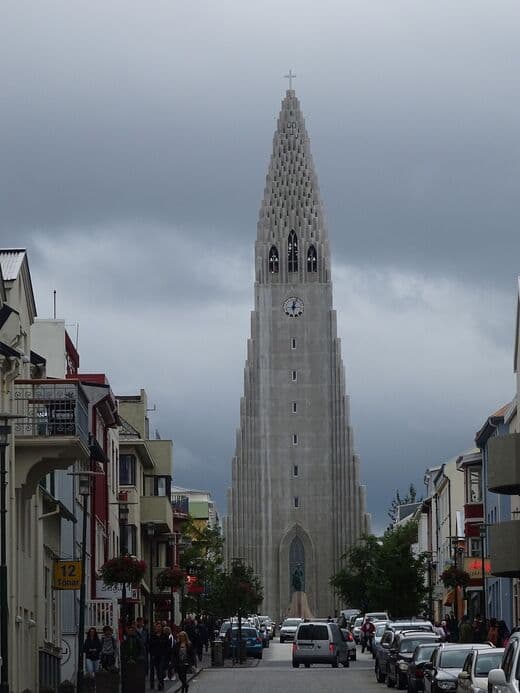
What strikes most visitors first is how compact everything is. The entire downtown area - from the harbor to Hallgrimskirkja Church - takes about 15 minutes to walk. You can explore the main attractions, eat at excellent restaurants, and experience authentic Icelandic culture without ever needing a car within city limits. That said, Reykjavik is really a gateway city: most travelers use it as a base for exploring the Golden Circle, the South Coast waterfalls, and the volcanic landscapes that make Iceland unique.
Iceland is expensive - there is no way around this. A simple lunch easily costs 2,500-4,000 ISK (roughly $18-30 USD), and a decent dinner can run 6,000-12,000 ISK ($45-90). But the quality is genuinely high, the tap water is some of the purest on the planet (served free at every restaurant), and many of the best experiences - geothermal pools, hiking trails, wandering colorful streets - cost little or nothing. The key is knowing where to splurge and where to save, which is exactly what this guide will help you figure out.
Neighborhoods: Where to Stay
Miðborg (City Center)
The heart of Reykjavik, Miðborg encompasses the famous Laugavegur shopping street, the Old Harbor, and most of the city's restaurants, bars, and cultural attractions. Staying here means everything is walkable: you can stumble out of a bar at 2 AM and be at your hotel in five minutes. Hallgrimskirkja Church dominates the skyline, and the streets between it and the harbor are filled with colorful corrugated iron houses, boutique shops, and excellent coffee spots.
Pros: Maximum convenience, vibrant nightlife, endless dining options, walking distance to Harpa Concert Hall and the Old Harbor. Cons: Most expensive area, can be noisy on weekend nights (Icelanders party hard), limited parking if you have a rental car. Best for: First-time visitors, solo travelers, those prioritizing nightlife and dining.
Grandi (Old Harbor West)
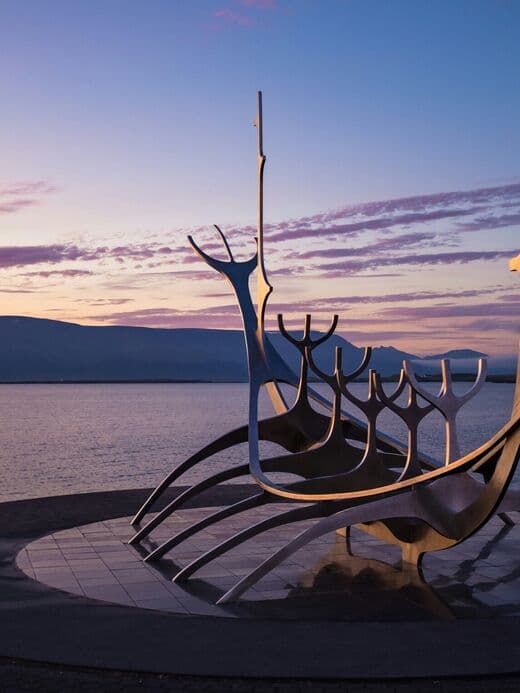
Once an industrial fishing district, Grandi has transformed into Reykjavik's coolest neighborhood. The Mathöll food hall (Hlemmur Mathöll's younger sibling) offers diverse cuisines under one roof, while the Marshall House hosts contemporary art galleries. This is where locals go on weekends - less touristy than Laugavegur but equally interesting. The Sun Voyager Sculpture is a short walk along the waterfront.
Pros: Emerging restaurant scene, excellent food halls, street art, harborside walks, slightly lower prices than central Miðborg. Cons: 10-15 minute walk to main shopping streets, fewer accommodation options. Best for: Foodies, art enthusiasts, those wanting local vibe with central access.
Laugardalur
East of downtown, Laugardalur is Reykjavik's sports and recreation district, home to the main stadium, the zoo, and - most importantly - Laugardalslaug, the city's largest geothermal swimming pool. It is a residential area with a more authentic neighborhood feel. The botanical garden here is peaceful and free, a lovely escape from tourist crowds.
Pros: Excellent public pools, family-friendly attractions, larger hotel properties with parking, lower prices, easy bus connections. Cons: 20-25 minute walk or short bus ride to downtown, fewer restaurants nearby, less atmosphere in evenings. Best for: Families with children, budget-conscious travelers, pool enthusiasts, those with rental cars.
Vesturbær
The "West Town" neighborhood stretches from the old city toward the university. It has a distinctly residential character with beautiful old wooden houses, quiet streets, and several excellent bakeries and cafes. The main university campus brings youthful energy, and the area has good access to coastal walking paths along the Eiðisgrandi shoreline.
Pros: Quieter atmosphere, authentic residential feel, good cafes and bakeries, walking distance to center, coastal access. Cons: Limited nightlife, fewer hotels (more Airbnb options), can feel too quiet for some visitors. Best for: Couples seeking tranquility, longer stays, those who prefer morning coffee to late-night bars.
Fossvogur
South of the city center, Fossvogur is a modern residential area near Kópavogur. The neighborhood offers good value accommodations and is conveniently located between downtown and the road to Blue Lagoon and Keflavik Airport. Smáralind shopping mall provides practical amenities if you need to stock up on supplies.
Pros: More affordable hotels, easy access to ring road, quiet, practical for early morning airport departures. Cons: Requires bus or car to reach downtown, suburban feel, limited dining and nightlife options. Best for: Budget travelers, those arriving late or departing early, visitors with rental cars exploring beyond the city.
Árbær
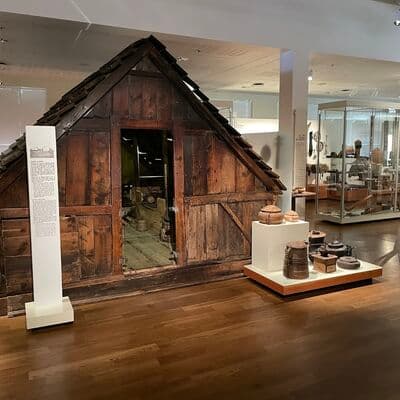
The easternmost neighborhood worth considering, Árbær is known for its open-air folk museum showcasing traditional Icelandic buildings. It is the most suburban option, with family homes, local shops, and a strong community feel. Prices here are the most reasonable, though you will definitely need transportation to enjoy Reykjavik properly.
Pros: Lowest accommodation prices, authentic local neighborhood, the fascinating Árbær Open Air Museum, ample parking. Cons: 30+ minute bus ride to downtown, very limited dining, no tourist infrastructure. Best for: Extended stays on a budget, families with rental cars, those interested in authentic suburban Icelandic life.
Best Time to Visit Reykjavik
Summer (June to August)
The midnight sun is genuinely magical. In late June, the sun barely dips below the horizon, giving you near-endless daylight for exploring. Temperatures hover around 10-15°C (50-59°F) - not exactly beach weather, but comfortable for walking and hiking. This is peak tourist season: prices are highest, attractions are crowded, and popular day tours book up weeks in advance. The famous Icelandic horses roam green pastures, puffins nest on coastal cliffs, and the entire country feels alive.
Downsides: No Northern Lights (too bright), highest prices, crowded attractions, need to book everything well ahead.
Autumn (September to November)
September is arguably the sweet spot. Crowds thin dramatically, prices drop, the landscape turns golden and russet, and by late September, Northern Lights become possible again. October brings increasing darkness and the first real chances of spectacular aurora displays. November is dark, wet, and windy - but accommodation prices plummet and you might have popular sites to yourself.
Special Event 2026: On August 12, 2026, Iceland will experience a total solar eclipse. The path of totality crosses western Iceland, and Reykjavik will see approximately 97% coverage. This is a once-in-a-generation event - if you are planning a 2026 visit, consider this date seriously. Book accommodations now; everything is already filling up.
Winter (December to February)
The darkest months offer the best Northern Lights conditions, with only 4-6 hours of daylight in December. Christmas in Reykjavik is charming, with the 13 Yule Lads (Icelandic versions of Santa Claus) visiting one by one in the days leading up to December 25th. January and February are coldest but often have the most dramatic aurora displays. Storms can disrupt travel plans, so build flexibility into your itinerary.
Downsides: Limited daylight, some highland roads closed, some tours unavailable, potential weather disruptions, cold (though rarely below -10°C/14°F in Reykjavik itself).
Spring (March to May)
The shoulder season combines moderate prices with lengthening days. March still offers good Northern Lights chances, while May brings migratory birds and the first hints of summer greenery. Easter is celebrated with enthusiasm, and April sees waterfalls swollen with snowmelt. Weather is unpredictable - you might get all four seasons in a single day - but that is part of Iceland's charm.
Itineraries: 3 to 7 Days in Reykjavik
Three Days: City Highlights and Golden Circle
Day 1 - Downtown Reykjavik
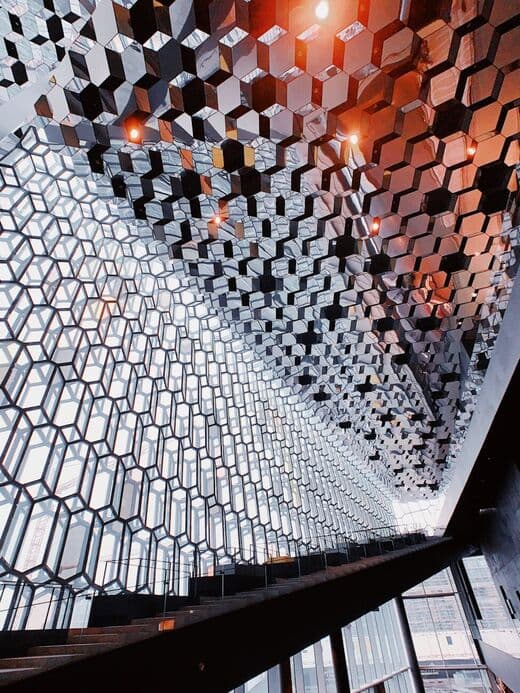
Start at Hallgrimskirkja Church around 9:30 AM - the elevator to the tower (1,200 ISK) opens at 9:00 and offers panoramic city views before crowds arrive. Descend and walk down Skólavörðustígur street, stopping at the quirky shops and the famous Laugavegur intersection. By 11:00, head to Harpa Concert Hall for its stunning architecture and harbor views. Walk along the Old Harbor to reach Sun Voyager Sculpture (best photographed in morning light).
Lunch at Hlemmur Mathöll food hall (12:30-13:30) - try the fish and chips from Flatey or Vietnamese pho from Banh Mi. Afternoon at National Museum of Iceland (14:00-16:30, 2,500 ISK admission), which provides excellent context for Icelandic history and settlement. Evening walk through Tjörnin pond area and Reykjavik City Hall, then dinner on Laugavegur (reserve ahead for popular spots).
Day 2 - Golden Circle Day Trip
Depart at 8:00 AM (either rental car or guided tour, roughly 15,000-20,000 ISK for group tours). The classic route covers Þingvellir National Park (9:30-11:00, UNESCO World Heritage site where tectonic plates meet), Geysir geothermal area (11:45-12:45, Strokkur erupts every 5-10 minutes), and Gullfoss waterfall (13:30-14:30, Iceland's most powerful). Many tours add the Kerið volcanic crater or Secret Lagoon hot spring. Return to Reykjavik by 17:00-18:00.
Evening: relax in a city thermal pool (Sundhöllin downtown or Laugardalslaug in Laugardalur, 1,200 ISK entry) - this is essential Icelandic culture, not optional tourism. Pools close at 22:00 on weekdays.
Day 3 - South Coast or Blue Lagoon
Option A: South Coast day trip (8:00 AM departure, returns around 19:00). See Seljalandsfoss and Skógafoss waterfalls, black sand beach at Reynisfjara, and the village of Vík. This is a long day (about 350 km round trip) but covers Iceland's most iconic landscapes.
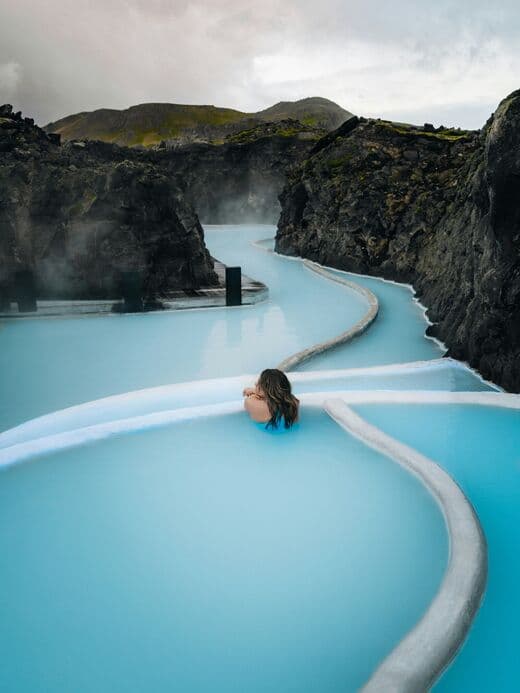
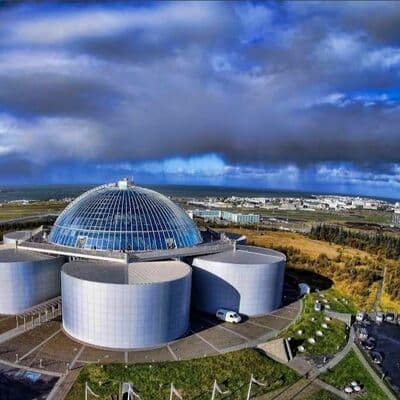
Option B: Blue Lagoon morning visit (book the 8:00 AM slot for fewest crowds, premium package around 12,000 ISK). Located 45 minutes from Reykjavik toward Keflavik Airport, it makes sense to visit on arrival or departure day. Afternoon at Perlan Museum (14:00-17:00, 4,900 ISK) with its planetarium, ice cave replica, and observation deck.
Five Days: Add Peninsula and Whales
Day 4 - Snæfellsnes Peninsula
The "Iceland in Miniature" peninsula deserves a full day. Depart at 8:00 AM (rental car recommended, though tours available). Key stops: Kirkjufell mountain (Instagram's most photographed Icelandic mountain, 10:00), black church at Búðir (11:30), lava fields and caves at Arnarstapi (13:00, lunch at the harbor cafe), and Djúpalónssandur beach (14:30). If time permits, drive the northern coast through fishing villages. Return by 20:00 - in summer, you'll still have hours of daylight.
Day 5 - Whale Watching and Museums
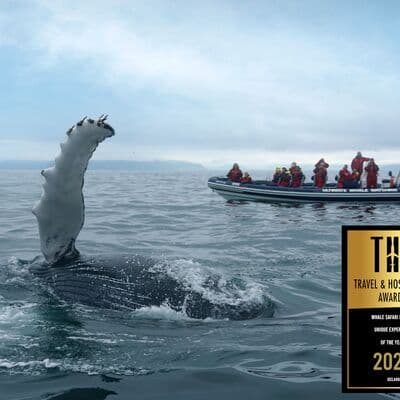
Morning Faxafloi Bay whale watching tour (9:00-12:00, approximately 12,000-15,000 ISK). From Reykjavik's Old Harbor, you have excellent chances of spotting minke whales, dolphins, and in summer, humpback whales. Dress warmly - the boat provides overalls, but bring layers underneath.
Afternoon: Whichever museum you skipped on Day 1 - National Museum for history or Perlan for natural phenomena. Evening: explore Grandi neighborhood, visit the Saga Museum or Marshall House galleries, dinner at one of the area's restaurants.
Seven Days: Full Iceland Experience
Days 6-7 - Northern Lights Hunt or Highland Adventure
In winter: dedicate evening(s) to Northern Lights tours (depart around 21:00, return by 01:00, 10,000-15,000 ISK). Tours only run when conditions are favorable - check aurora forecasts at en.vedur.is. Multiple attempts improve your odds significantly.
In summer: consider a day trip to Landmannalaugar highlands (June-September only, when roads open) for otherworldly rhyolite mountains and natural hot springs. Or take the ferry to Viðey Island from Old Harbor (15-minute crossing, hourly departures, 2,000 ISK round trip) for peaceful walks, historic ruins, and Yoko Ono's Imagine Peace Tower.
Final day: revisit favorite spots, stock up on Icelandic wool sweaters (Handknitting Association near Laugavegur for authentic pieces), enjoy a final thermal pool session, and savor a farewell dinner. If flying out late, Blue Lagoon is perfectly positioned between city and airport.
Where to Eat: Restaurants and Food Halls
Street Food and Quick Bites
Bæjarins Beztu Pylsur - The legendary hot dog stand near the harbor, operating since 1937. Every Reykjavik visitor must try at least one pylsur with the works ("eina með öllu"): raw and crispy fried onion, ketchup, sweet mustard, and remoulade. Around 650 ISK for an iconic experience. Bill Clinton ate here; you should too.
Noodle Station - When you need a warming bowl on a cold day, this tiny spot near Hlemmur serves Thai-style noodle soups (1,800-2,300 ISK) that locals genuinely love. Vegetarian options available.
Food Halls
Hlemmur Mathöll - The original Reykjavik food hall, located in the former bus station. Diverse options from Mexican to Vietnamese to Icelandic seafood. Each vendor is independent, prices range from 2,000-4,500 ISK per dish, and the atmosphere is casual and convivial. Perfect for groups where everyone wants something different.
Grandi Mathöll - The newer, harbor-side alternative with waterfront seating in summer. Slightly more upscale vendors, excellent weekend brunch options, and generally less crowded than Hlemmur.
Traditional Icelandic
Café Loki - Directly across from Hallgrimskirkja, this tiny cafe serves authentic Icelandic dishes that tourists actually want to try: lamb soup, dried fish with butter, and yes, the infamous hákarl (fermented shark). The "Icelandic plate" (around 3,500 ISK) lets you sample everything. Expect queues at lunch.
Matur og Drykkur - Modern Icelandic cuisine in a converted fish processing warehouse in Grandi. They take traditional recipes and elevate them without losing authenticity. Try the cod head (seriously) or their famous fish and chips. Main courses 4,000-7,500 ISK.
Seafood
Sægreifinn (Sea Baron) - The unassuming harbor shack famous for its lobster soup (langoustine, technically) and grilled seafood skewers. The soup (2,500 ISK) has achieved near-legendary status. Arrive before 12:00 or after 14:00 to avoid the worst crowds. Cash or card accepted.
Messinn - If you want a proper sit-down seafood dinner, Messinn serves excellent pan-fried fish in iron skillets. The catch of the day with vegetables and butter sauce runs around 4,500-6,000 ISK. Location on Laugavegur is central and atmospheric.
Cafes and Bakeries
Sandholt Bakery - Reykjavik's best bakery since 1920, on Laugavegur. Croissants, sourdough, Icelandic kleinur (twisted donuts), and excellent coffee. The morning rush starts around 8:00; come early or late. Pastries 500-900 ISK.
Reykjavik Roasters - If you take coffee seriously, this is your spot. Three locations, all excellent. Single-origin beans, skilled baristas, minimalist Scandinavian aesthetic. A flat white costs around 700 ISK, worth every króna.
Fine Dining
Dill - Iceland's only Michelin-starred restaurant, serving a New Nordic tasting menu (around 28,000 ISK) that showcases the absolute best of Icelandic ingredients. Book at least two weeks ahead, dress smart casual, and prepare for a memorable evening. Worth the splurge for a special occasion.
Grillið - In the Saga Hotel with panoramic city views, Grillið offers modern Icelandic fine dining in a more accessible format than Dill. Tasting menus from 18,000 ISK, or à la carte options. The sunset dinner in summer is spectacular.
Must-Try Food in Reykjavik
Pylsur (Icelandic Hot Dog)
Made with a blend of lamb, pork, and beef, these are genuinely different from American or German hot dogs. The lamb gives a distinctive flavor, and the toppings combination - raw onion, crispy fried onion, ketchup, sweet Icelandic mustard, and remoulade - is non-negotiable. Say "eina með öllu" (one with everything) and join a tradition going back nearly a century.
Plokkfiskur
The original Icelandic comfort food: mashed fish (traditionally haddock or cod) with potatoes, onions, and béchamel sauce. It sounds humble because it is - this was poor man's food when every scrap of fish needed using. Today, it is a nostalgic favorite. Café Loki and traditional restaurants serve it properly.
Kjötsúpa (Lamb Soup)
A hearty soup of lamb, root vegetables (carrots, turnips, potatoes), and herbs. Icelandic lamb is exceptional - the sheep roam free in mountains all summer, eating wild herbs and grasses - and this soup showcases that quality simply. Find it at almost any traditional restaurant, typically 2,000-3,000 ISK for a generous bowl.
Lobster Soup
Made with langoustine (smaller and sweeter than American lobster), this creamy soup is available throughout the city. The Sea Baron's version is most famous, but Sæta Svínið and many other restaurants serve excellent bowls. Expect to pay 2,500-3,500 ISK, well worth it.
Harðfiskur (Dried Fish)
Iceland's oldest snack: wind-dried fish (usually haddock) that locals eat with butter. The texture is jerky-like, the taste intensely fishy. It is high protein, zero carb, and honestly an acquired taste - but it provides genuine insight into how Icelanders survived centuries of harsh winters. Supermarkets stock it cheaply.
Skyr
Technically a fresh acid-set cheese, skyr has the consistency of thick Greek yogurt but a milder, slightly tangy flavor. Vikings brought it; Icelanders perfected it. Supermarket skyr costs almost nothing (300-500 ISK per container) and comes in various flavors. Try it plain with wild Icelandic blueberries.
Hákarl (Fermented Shark)
The infamous challenge food: Greenland shark fermented for months until the ammonia smell could clear a room. The taste is... intense. Most visitors try one cube, declare they have been brave, and never touch it again. Café Loki offers small portions, and tourist shops sell jars. Consider yourself warned.
Kleinur
Traditional twisted donuts, less sweet than American versions, often flavored with cardamom. Every bakery and supermarket has them; Sandholt's are exceptional. Dunk in coffee for the authentic experience. A pack of kleinur from Bónus supermarket costs around 500 ISK - perfect hotel breakfast.
Brennivín
The signature Icelandic spirit, nicknamed "Black Death" by locals. Caraway-flavored and strong (37.5%), it is traditionally paired with hákarl - supposedly the alcohol kills the shark taste. More often enjoyed as a chilled shot after dinner or during celebrations. A small bottle from Vínbúðin (state liquor store) costs around 3,500 ISK.
Local Secrets: Insider Tips
The Thermal Pool Ritual
Geothermal pools are not tourist attractions - they are Icelandic social infrastructure. Locals visit several times weekly to swim, soak, and gossip. Before entering any hot tub, you must shower thoroughly (naked, no swimsuit) - this is enforced and non-negotiable. Laugardalslaug has multiple hot pots at different temperatures; start cool and work up. Entry is just 1,200 ISK for hours of relaxation.
Cashless Society
Iceland is possibly the world's most cashless country. You can pay by card absolutely everywhere - hot dog stands, public toilets, tiny rural farms. Many Icelanders go months without seeing cash. Visa and Mastercard work universally; American Express less reliably. Just make sure your bank knows you are traveling to avoid fraud blocks.
Rúntur: The Weekend Cruise
Friday and Saturday nights, Icelanders do "rúntur" - essentially driving or walking in circles around downtown, socializing and bar-hopping. Bars get busy after midnight (Icelanders pre-drink at home, where alcohol is cheaper) and stay open until 4:00 or 5:00 AM. If you want to experience authentic Reykjavik nightlife, start late.
Weather Layering
"There is no bad weather, only bad clothing" is the Icelandic mantra. Pack thermal base layers, a waterproof outer shell, and a warm mid-layer you can add or remove. Weather changes every hour - sunshine, sideways rain, and snow are all possible in a single afternoon, even in summer. Wind is the real challenge; a good windproof jacket is essential.
Bónus Budget Shopping
The pink pig logo of Bónus supermarket means budget groceries. While eating out is expensive, supermarket prices are more reasonable. Stock up on skyr, bread, cheese, and snacks. Kronan is slightly nicer with similar prices. Avoid 10-11 convenience stores except in emergencies - prices are double.
Tap Water is Perfect
Never buy bottled water in Iceland. The tap water is among the purest in the world, filtered through volcanic rock for decades before reaching your glass. Hot water smells slightly of sulfur (it comes direct from geothermal sources) but cold water is odorless and delicious. Bring a reusable bottle.
Flybus vs. Taxi
Keflavik Airport is 45 minutes from downtown Reykjavik. A taxi costs around 17,000-20,000 ISK one way. The Flybus costs 3,499 ISK and drops you at BSÍ terminal with optional hotel drop-off. Unless you arrive at 3 AM with heavy luggage, the Flybus makes financial sense.
Northern Lights Odds
Seeing the aurora requires dark skies, clear weather, and solar activity - none of which you control. Your best odds are September through March, on clear nights away from city lights. Tours drive to wherever skies are clearest. If you only have two nights, your chances are maybe 50-60%. With five nights, they rise significantly. Check forecasts at en.vedur.is before heading out.
Blue Lagoon Booking
The Blue Lagoon sells out weeks ahead, especially for popular time slots. Book online the moment you finalize travel dates. The 8:00 AM slot is least crowded; avoid 11:00-14:00 peak hours. If sold out, check for cancellations daily. Note: Sky Lagoon closer to Reykjavik is a newer alternative with similar geothermal bathing and infinity-edge ocean views.
Tipping Not Expected
Service charges are included in Icelandic prices. Tipping is genuinely not expected and will not offend - but locals do not do it. If service was exceptional, a small tip (round up the bill) is appreciated but never required. This partly explains the high menu prices.
Icelandic Place Names
Do not be intimidated. "Gata" means street, "vegur" means road, "kirkja" means church, "foss" means waterfall, "jökull" means glacier. Hallgrímskirkja is "Hallgrímur's Church." Reykjavik means "Smoky Bay" (from the geothermal steam). Once you recognize patterns, navigation becomes much easier.
Rental Cars in Winter
If renting a car between October and April, book a 4x4 with winter tires. Iceland's weather creates challenging driving conditions - ice, snow, high winds, reduced visibility. Road.is provides real-time conditions. Never drive off paved roads (it damages fragile ecosystems and is illegal), and always tell someone your route and expected return time.
Transport and Connectivity
Airport Transfer
Keflavik International Airport (KEF) lies 50 km southwest of Reykjavik - about 45-50 minutes by road. Three main options exist:
Flybus: The most popular choice, departing every 30 minutes after flight arrivals. Online booking costs 3,499 ISK one way to BSÍ terminal, or 4,499 ISK with hotel drop-off. The buses are comfortable modern coaches. Book at re.is or through the Flybus app.
Airport Direct: A premium alternative running direct routes to various hotels and stops. Slightly more expensive (around 4,500 ISK) but can save time depending on your accommodation location. Check airportdirect.is for schedules.
Taxi/Private Transfer: Around 17,000-20,000 ISK for a standard taxi, or pre-book a private transfer for similar prices. Makes sense for groups of 3-4 splitting costs, or late-night arrivals when buses are less frequent. Hotels can arrange airport pickup.
Getting Around Reykjavik
Walking: Downtown Reykjavik is highly walkable - from the harbor to Hallgrimskirkja takes 15 minutes, and most attractions, restaurants, and shops cluster within a compact area. Unless visiting Laugardalur or outer neighborhoods, you rarely need transport.
City Buses: Strætó operates Reykjavik's public bus network. Single tickets cost 550 ISK (exact change or app) and are valid for 90 minutes with transfers. Download the Strætó app for route planning and mobile tickets. Routes run every 10-20 minutes on main lines, less frequently to suburbs.
Bike Rental: Reykjavik is bike-friendly with dedicated paths along the waterfront. Reykjavik Bike Tours and several other outfits rent city bikes from around 5,000 ISK per day. E-bikes available for around 8,000 ISK. Great option in summer; less practical in winter wind.
Rental Cars: Unnecessary for exploring the city itself, but essential for day trips beyond organized tours. All major companies have airport desks. Book ahead in summer (demand is high), and choose a vehicle class appropriate for your routes - basic economy works for Golden Circle, but highlands require 4x4. Note: gas is expensive (around 350 ISK per liter, roughly $9 USD per gallon).
SIM Cards and Connectivity
Iceland has excellent mobile coverage, even in remote areas along the ring road. Three main options for tourists:
Local SIM: Síminn and Nova sell prepaid SIM cards at the airport, 10-11 convenience stores, and their retail shops. A starter pack with data (typically 5-10 GB) costs around 2,000-3,000 ISK. Bring an unlocked phone. Coverage is best with Síminn, Iceland's largest network.
eSIM: If your phone supports eSIM, services like Airalo, Holafly, or Nomad offer Iceland data plans starting around $10 USD for several GB. Download before departure. This is often the most convenient option for short visits.
Roaming: Check with your home carrier. European plans often include Iceland; American carriers less reliably. Roaming charges can add up quickly if data is not included - verify before arrival.
Useful Apps
Strætó: Bus schedules and mobile tickets for Reykjavik public transport.
Appy Hour: Finds the cheapest happy hour beer prices near your location - genuinely useful given Iceland's alcohol prices.
Vedur: Iceland's national weather service, essential for planning any outdoor activities.
SafeTravel: Register your travel plans, check conditions, and access emergency information.
Maps.me or Google Maps: Download offline maps before arriving. Cell signal can be weak in remote areas.
Conclusion
Reykjavik defies expectations at every turn. It is simultaneously Europe's smallest capital and a cultural powerhouse, an ancient Viking settlement and a thoroughly modern city, expensive beyond belief and generous with free pleasures - geothermal pools, art galleries on Thursday nights, the midnight sun, that view of snowcapped mountains across the bay.
The city works best as both destination and basecamp. Spend time wandering colorful streets, eating your way through fish markets and food halls, and soaking in hot pots alongside Icelanders discussing the week's news. Then venture out: waterfalls thunder, glaciers glisten, and volcanic landscapes look like another planet entirely.
Yes, it is expensive. Budget accordingly, prioritize experiences over things, and remember that free tap water and $12 hot dogs somehow balance out. The memories will outlast any credit card statement. Reykjavik rewards those who come prepared, embrace unpredictable weather, and approach Iceland's peculiar charms with curiosity rather than expectations. Welcome to the edge of the Arctic. You are going to love it here.