Prague
Prague 2026: What to Know Before You Go
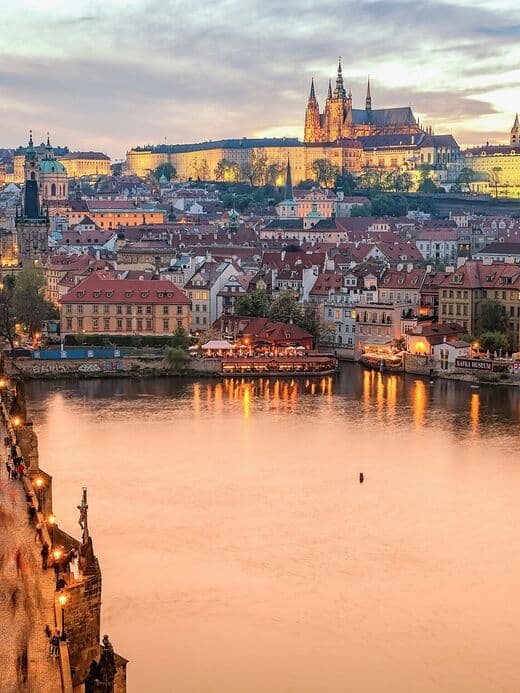
Prague is one of those rare European capitals that somehow escaped major wartime destruction, leaving you with a city that looks like it was frozen in amber somewhere around 1900. The Gothic spires, Baroque palaces, and Art Nouveau facades are all original, not reconstructions. This authenticity is precisely what draws over 8 million visitors annually, making it both a blessing and a logistical challenge.
The city runs on Czech Koruna (CZK), not Euro, despite Czech Republic being in the EU. Current exchange rate hovers around 25 CZK to 1 EUR. Cards are accepted almost everywhere in the center, but having some cash for smaller purchases, tram tickets from machines, and tips is still advisable. ATMs are plentiful; just avoid the ones branded Euronet or similar tourist-trap operators that charge 10-15% fees.
English proficiency is excellent among younger Czechs and anyone working in hospitality. You will have zero communication issues in restaurants, hotels, and tourist areas. However, venture into residential neighborhoods or deal with older government employees, and suddenly a translation app becomes your best friend. Learning basic Czech phrases like "Dekuji" (thank you) and "Prosim" (please) earns genuine smiles.
Safety-wise, Prague is remarkably secure for a major European capital. Violent crime against tourists is virtually unheard of. Your main concerns are pickpockets on tram 22 and around Charles Bridge, plus the occasional taxi scam. Use Bolt or Liftago apps instead of hailing cabs, and keep your valuables in front pockets during peak tourist hours.
Prague Neighborhoods: Where to Stay
Old Town (Stare Mesto)
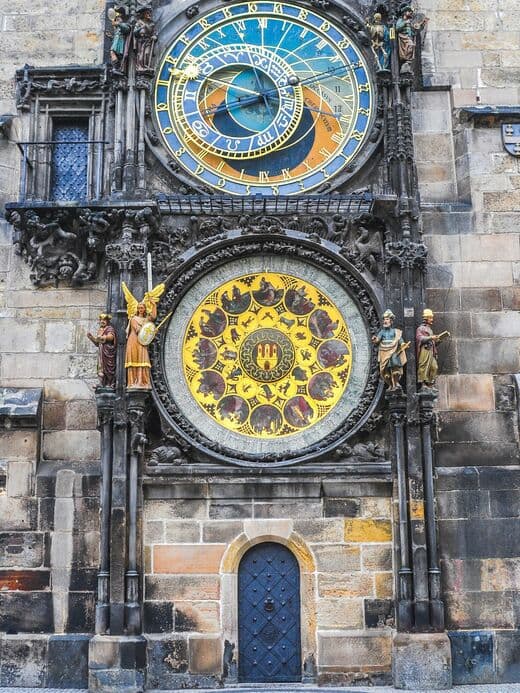
The postcard-perfect historic center with Old Town Square and the Astronomical Clock at its heart. Staying here means you can stumble out of your hotel and immediately be surrounded by 600-year-old architecture. The downside is significant: prices are 30-50% higher than other districts, crowds are relentless from 9 AM to midnight, and you will hear more English and Italian than Czech. Hotels here run 120-250 EUR per night for decent options. Best for: first-time visitors who prioritize location over authenticity, travelers with limited mobility who want everything walkable.
Lesser Town (Mala Strana)
Nestled beneath Prague Castle, Mala Strana offers the same historical beauty as Old Town but with narrower streets, fewer tour groups, and a more residential feel. The area around Nerudova Street and Kampa Island is particularly charming. Expect to pay 100-180 EUR nightly. The catch: everything is uphill. If you are not comfortable with steep cobblestone streets, your calves will protest. Best for: romantic getaways, photographers, anyone who wants historic atmosphere without Old Town chaos.
Vinohrady
This is where young professionals and expats actually live. Beautiful Art Nouveau apartment buildings line tree-shaded streets, wine bars and brunch spots have replaced tourist traps, and a double espresso costs 2.50 EUR instead of 5 EUR. Located just two metro stops from Old Town, Vinohrady offers the best value-to-quality ratio in Prague. Hotels and Airbnbs run 70-120 EUR nightly. The neighborhood around Namesti Miru is particularly pleasant. Best for: longer stays, budget-conscious travelers, anyone who wants to experience Prague like a local.
Zizkov
The former working-class district has transformed into Prague's alternative hub. More dive bars per capita than anywhere in Europe (allegedly), excellent Vietnamese restaurants, and the quirky TV Tower with crawling baby sculptures. Accommodation is cheapest here at 50-90 EUR nightly. The tradeoff: grittier streets, occasional homeless encampments, and a 15-minute tram ride to central attractions. Best for: budget travelers, nightlife enthusiasts, those who actively avoid tourist areas.
Karlin
Devastated by floods in 2002, Karlin rebuilt itself as Prague's most modern neighborhood. Think converted warehouses, contemporary architecture, specialty coffee roasters, and tech startup offices. The dining scene here rivals anywhere in Prague, with restaurants like Eska and Proti Proudu earning international recognition. Hotels run 90-150 EUR. The downside: less historical charm, feels more like any European modern district. Best for: business travelers, foodies, architecture enthusiasts interested in contemporary design.
Holesovice
The up-and-coming arts district centered around DOX contemporary art center and the Veletrzni Palace housing the National Gallery's modern collection. Excellent craft beer scene, interesting street art, and the sprawling Letna Park with panoramic city views. Prices similar to Karlin at 80-130 EUR nightly. Still rough around some edges with active industrial areas. Best for: art lovers, craft beer enthusiasts, travelers who enjoy discovering emerging neighborhoods.
Vysehrad Area
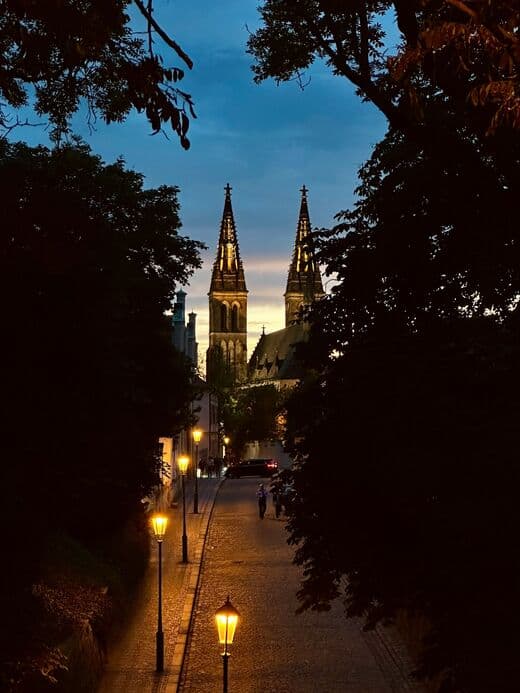
Centered around the ancient Vysehrad fortress, this residential district south of the center offers peace, parkland, and stunning Vltava River views. The fortress grounds themselves are free to enter and far less crowded than Prague Castle. Accommodation is limited but affordable at 60-100 EUR. The location requires commitment though, about 20 minutes by tram to Old Town. Best for: families, nature lovers, history buffs who want to explore beyond the main sites.
Best Time to Visit Prague
Prague's peak season runs from April through October, with absolute madness during Easter week and Christmas markets (late November through December 23). During these periods, Charles Bridge becomes a slow-moving river of humanity, restaurant reservations are essential, and hotel prices spike 40-60% above baseline.
Spring (April-May): Arguably the sweet spot. Cherry blossoms in Petrin Park, comfortable temperatures around 15-20 C (59-68 F), and tourist crowds building but not yet overwhelming. Occasional rain showers, so pack layers. Hotel prices are moderate, and outdoor terraces reopen across the city.
Summer (June-August): Warmest weather reaching 25-30 C (77-86 F) but also peak crowds and prices. The city can feel uncomfortably packed, especially during July when European school holidays align. On the plus side: longest daylight hours, open-air concerts, and beer gardens operating at full capacity. Air conditioning is not standard in older buildings, so confirm your hotel has it.
Autumn (September-October): The second sweet spot. September retains summer warmth while shedding summer crowds. October brings golden foliage to parks and gardens, plus the grape harvest season with wine festivals. Temperatures drop to 10-15 C (50-59 F), requiring jackets for evening walks.
Winter (November-March): Cold and gray, with temperatures hovering around 0-5 C (32-41 F) and occasional snow. The Christmas markets (starting late November) transform Old Town Square into a festive wonderland but also bring huge crowds. January and February are the quietest months, with rock-bottom prices and minimal tourists. Perfect for museum hopping and cozy pub sessions, but outdoor sightseeing requires serious bundling.
My personal recommendation: late September or early October. You get pleasant weather, manageable crowds, lower prices than summer, and the bonus of autumn colors in parks like Letna and around Vysehrad.
Prague Itinerary: 3 to 7 Days
Day 1: Old Town Orientation
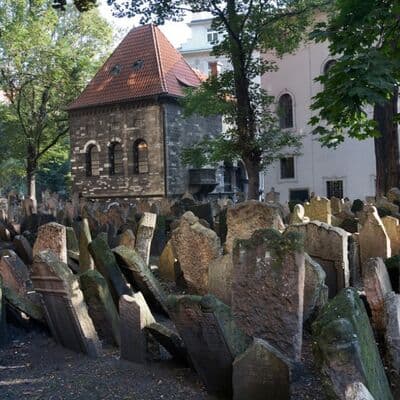
Start at Old Town Square around 9 AM before tour groups arrive. Watch the Astronomical Clock strike the hour (it takes about 45 seconds, do not expect fireworks). Wander the narrow streets toward the Estates Theatre and Municipal House, two architectural gems worth photographing. Cross over to the Jewish Quarter (Josefov) for a sobering but essential visit. The combination ticket covering the main synagogues and Old Jewish Cemetery costs about 15 EUR and takes 2-3 hours to properly experience. Have lunch in one of the quieter streets behind Parizska Avenue where prices drop significantly. Spend your afternoon crossing Charles Bridge, ideally around 4-5 PM when light is beautiful and crowds thin slightly. End with dinner in Mala Strana, perhaps at U Modre Kachnicky for traditional Czech cuisine with a refined touch.
Day 2: Castle District Deep Dive
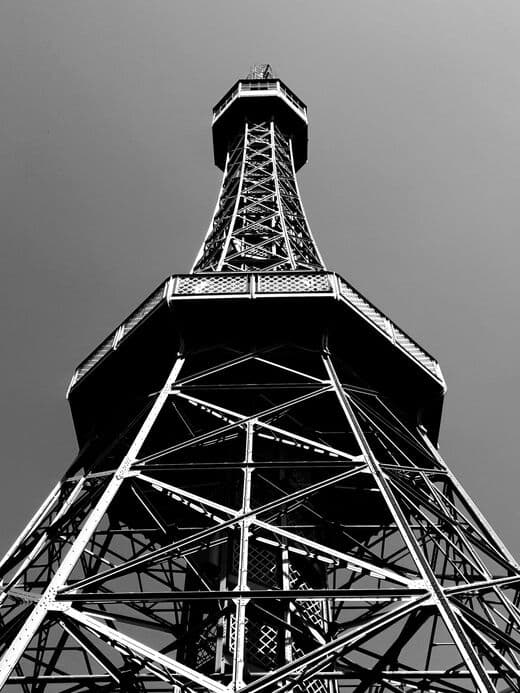
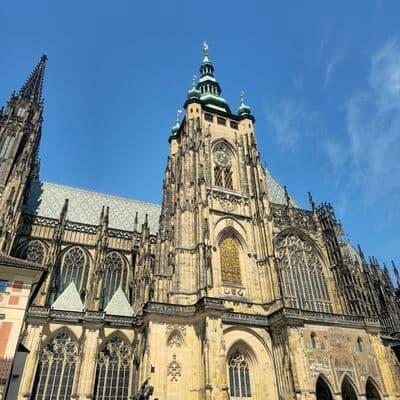
Take tram 22 to Pohorelec stop to start from the top and walk downhill. This approach saves your legs and lets you explore the Strahov Monastery and its stunning library halls (entrance about 6 EUR, photography extra). Walk through the Hradcany Square toward Prague Castle. The castle complex is massive; focus on St. Vitus Cathedral, the Old Royal Palace, and Golden Lane if time permits. Circuit B ticket covering these costs about 10 EUR. Budget 3-4 hours minimum. Exit through the eastern gardens and wind down through Mala Strana streets toward Kampa Island. This riverside park is ideal for afternoon relaxation. If energy permits, climb Petrin Tower via the funicular (runs every 10-15 minutes) for sunset views over the entire city.
Day 3: Local Prague
Escape tourist areas entirely. Take the metro to Namesti Miru in Vinohrady and explore the neighborhood's Art Nouveau architecture and local cafes. Kavarna co hleda jmeno serves excellent brunch. Walk south to the Nusle Bridge and then to Vysehrad. The fortress grounds offer free entry, peaceful gardens, and the Vysehrad Cemetery where Czech cultural legends including composers Dvorak and Smetana are buried. Spend 2-3 hours here away from any tour groups. For afternoon, head to Letna Park via tram for beer garden sessions with panoramic Old Town views. The Letna Beer Garden is a local institution, crowded with Czechs rather than tourists.
Day 4: Day Trip or Deep Exploration
Two options here. First: take a day trip to Kutna Hora (1 hour by train, about 7 EUR round trip), famous for the Sedlec Ossuary (bone church) and the stunning St. Barbara's Cathedral. Alternatively, spend another day in Prague exploring what you missed: the National Gallery at Veletrzni Palace in Holesovice, the DOX contemporary art center, or the Naplavka riverside farmers market (Saturdays only). This is also your day for the Mucha Museum if you appreciate Art Nouveau, or the Kafka Museum if you want to understand Prague's literary significance.
Day 5: Food and Culture Focus
Book a food tour or explore on your own. Start with coffee at EMA Espresso Bar, then visit the Havelska Market for fresh produce and local snacks. Spend your afternoon in the National Museum on Wenceslas Square (reopened after extensive renovation, about 12 EUR entry). The evening belongs to Prague's cultural scene: check what is playing at the State Opera, National Theatre, or one of the smaller jazz clubs like Jazz Dock on the river. Reserve ahead, especially for weekend performances.
Day 6: Alternative Prague
Explore the Zizkov neighborhood, starting at the controversial TV Tower with its crawling baby sculptures by artist David Cerny. Take the elevator to the observation deck (about 12 EUR) for unique city perspectives. Walk to the Zizkov Tunnel (graffiti-covered underpass) and the nearby Parukarka Park. This area has Prague's best Vietnamese restaurants, a legacy of communist-era immigration. Try Saigon for authentic pho. Spend your evening bar-hopping through Zizkov's legendary dive bars or craft beer spots.
Day 7: Riverside and Departure
If departing later, spend your morning along the Vltava. Rent a rowboat near Slovansky Island (about 10 EUR per hour), or simply walk the Naplavka embankment. Pick up last-minute souvenirs (Czech garnets, Botanicus natural cosmetics, or Moser crystal if budget allows). The airport is 40 minutes by Airport Express bus (about 3 EUR) or 15 EUR by taxi/Bolt.
Where to Eat in Prague: Restaurants and Cafes
Prague's dining scene has transformed dramatically over the past decade. While tourist-trap restaurants still plague the center, serving overpriced, mediocre versions of Czech classics, genuinely excellent options exist if you know where to look.
Traditional Czech
Lokal - Multiple locations, with Dlouha Street being most central. This is where locals actually eat classic Czech cuisine. Their tank beer (unpasteurized Pilsner straight from brewery tanks) is exceptional, and dishes like svickova (beef sirloin with cream sauce) cost around 8-10 EUR. Expect to wait for tables during lunch and dinner rush; they do not take reservations.
U Medvidku - One of Prague's oldest breweries operating since 1466. Their X-Beer 33 is among the strongest lagers in the world. The food is hearty and traditional, portions enormous, prices reasonable at 10-15 EUR for mains. Touristy but genuinely good.
Kantyna - Near Wenceslas Square, this butcher shop by day transforms into a casual restaurant. Outstanding meat quality, Czech classics done properly, and craft beers on tap. About 12-18 EUR for a full meal.
Modern and Fine Dining
Field - Prague's most celebrated restaurant, earning a Michelin star for its creative tasting menus using Czech ingredients. Expect to pay 100-150 EUR per person with wine pairings. Reserve weeks ahead.
Eska - Located in Karlin, this modern Czech restaurant bakes incredible bread in-house and focuses on fermentation and local sourcing. More accessible than Field at 30-50 EUR per person. Excellent weekend brunch.
La Degustation Boheme Bourgeoise - Another Michelin-starred option offering reinterpretations of historical Czech recipes. Unique concept, similar price range to Field.
Cafes and Casual
Cafe Savoy - The most beautiful cafe interior in Prague, with Neo-Renaissance ceilings and proper Viennese coffee house atmosphere. Breakfast and brunch are excellent though pricey at 15-25 EUR. Go for the experience.
EMA Espresso Bar - Where specialty coffee culture thrives in Prague. Multiple locations, consistently excellent espresso and filter coffee, 3-5 EUR range.
Cafe Imperial - Another stunning Art Nouveau interior, more accessible than Savoy with a broader menu. Breakfast buffet around 20 EUR is popular but very filling.
Budget Eating
For cheap but satisfying meals, look for "jidelna" signs indicating Czech canteens serving lunch specials for 4-6 EUR. The Vietnamese restaurants in Zizkov and IP Pavlova areas offer massive pho bowls for 5-7 EUR. Grocery stores like Albert and Billa have prepared food sections. Street food options include trdelnik (chimney cake, touristy but tasty), langos (Hungarian fried dough), and increasingly good kebab shops.
What to Try: Prague Food
Czech cuisine often gets dismissed as heavy peasant food, and honestly, it is heavy. But when done well, it is also deeply satisfying comfort food that pairs perfectly with excellent local beer.
Svickova na smetane - The national dish that separates tourist restaurants from authentic ones. Slow-cooked beef sirloin in a creamy vegetable sauce, served with bread dumplings (knedliky), whipped cream, and cranberry sauce. Yes, cream on meat sounds strange. It works. A well-made svickova is silky, complex, slightly sweet, and utterly addictive. Bad versions are floury, bland, and sad.
Vepro-knedlo-zelo - The holy trinity: roast pork, bread dumplings, and sauerkraut. Simple combination, but the pork should be crispy-skinned and juicy, the dumplings fluffy, the sauerkraut tangy. Ask locals where they eat it; opinions are passionate.
Kulajda - Creamy mushroom soup with dill, potatoes, and a poached egg. Earthy, rich, and legitimately one of the best soups in European cuisine. Available everywhere, quality varies, but even average kulajda is good.
Smazeny syr - Fried cheese. Usually Edam, sometimes Hermelin (Czech camembert). Served with tartar sauce and fries. Sounds ridiculous, tastes incredible after a few beers. Peak drunk food but also available everywhere during lunch.
Trdelnik - The controversial chimney cake. Historically from Slovakia, not Prague, but now sold on every tourist corner. Warm, cinnamon-sugar coated, hollow pastry cylinder. The ice cream-filled versions are Instagram bait but admittedly enjoyable. Purists roll their eyes. Eat one anyway.
Czech beer - Pilsner Urquell and Budweiser Budvar are the famous exports, but local unpasteurized tank beer is revelatory. Pilsner-style lagers dominate, but craft breweries now produce excellent IPAs, stouts, and sours. A half-liter in a local pub costs 1.50-2.50 EUR, double that in tourist areas.
Becherovka - The herbal digestive liqueur from Karlovy Vary. Tastes like Christmas spices. Traditionally served ice-cold after meals. Mixed with tonic, it becomes a "Beton" cocktail that is surprisingly refreshing.
Prague Secrets: Local Tips
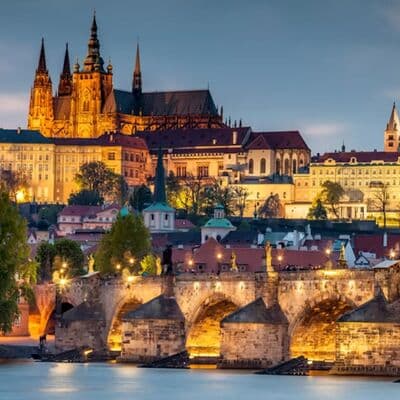
Charles Bridge timing matters enormously. The bridge is a completely different experience at 6 AM versus 2 PM. Early morning (before 7 AM) offers near-solitude, soft light, and actual magic. You might share it with joggers and photographers only. Sunset draws crowds but creates gorgeous golden light on the castle. Midday is pure suffering. Avoid.
The Astronomical Clock is... fine. Managing expectations: the hourly show features small apostle figures rotating in windows for about 40 seconds. It is not spectacular. The clock itself is a Gothic marvel worth seeing, but do not plan your day around watching the figures move. Glance at it, appreciate the engineering, and move on.
Skip the Old Town restaurant touts. Anyone standing outside a restaurant trying to lure you in is a red flag. The best restaurants have no need for sidewalk salespeople. Walk past, turn a corner, find the places with Czech menus and locals at tables.
Currency exchange bureaus are scams. The ones plastered with "0% commission" signs offer terrible rates that effectively charge 15-20%. Use ATMs from real banks (Komercni Banka, Ceska Sporitelna, CSOB) or pay by card. If you must exchange cash, the rate should be around 24-25 CZK per EUR, not 20.
Tram 22 is as good as a tour bus. This regular tram route passes Prague Castle, Mala Strana, the National Theatre, and various viewpoints. Ride the entire loop with a regular ticket (about 1.30 EUR for 90 minutes) and see the city for a fraction of tour bus prices.
Museums are quiet on weekday mornings. The Mucha Museum, Kafka Museum, and National Gallery are actually enjoyable when not overcrowded. Go Tuesday-Friday before 11 AM for the best experience.
Beer gardens have unwritten rules. You can usually bring your own food to beer gardens if you are buying their drinks. Letna Beer Garden explicitly allows this. In some, you return your own glasses to a window. Watch what locals do and follow along.
Prague Castle has free entry areas. You need a ticket for the cathedral interior, Old Royal Palace, and Golden Lane. But the castle courtyards, St. Vitus Cathedral exterior, and the views are completely free. Budget travelers can experience most of the castle without paying.
Transportation and Connectivity
Getting There
Vaclav Havel Airport (PRG) handles most international arrivals, with direct flights from major US hubs (JFK, Newark, Chicago, Atlanta) taking 8-10 hours, and from London under 2 hours. Budget carriers like Ryanair and Wizz Air connect Prague to dozens of European cities cheaply if booked ahead.
From the airport to center, the Airport Express bus runs every 30 minutes to the main train station (Praha hlavni nadrazi) for about 3 EUR. Regular bus 119 connects to metro line A (Nadrazi Veleslavin) for standard ticket price. Taxis and Bolt/Liftago run 15-25 EUR depending on destination and traffic. The journey takes 30-45 minutes.
Train connections from Vienna (4 hours), Munich (5 hours), Berlin (4.5 hours), and Budapest (7 hours) are comfortable and scenic. The main station has direct metro access.
Getting Around
Prague's public transport is excellent, cheap, and integrated. The same tickets work on metro, trams, buses, and ferries. A 24-hour pass costs about 5 EUR, 72-hour pass about 13 EUR. Individual tickets run 1.30 EUR for 30 minutes or 1.70 EUR for 90 minutes. Buy from yellow machines at metro stations (card or coins) or via the PID Litacka app. Validate your ticket when entering, controllers check randomly and fine without mercy.
The metro has three lines (A green, B yellow, C red) running 5 AM to midnight. Trams run 24 hours, with night trams every 30 minutes. Google Maps and Citymapper work well for route planning.
Walking is the best way to experience the historic center. From Old Town Square to Prague Castle takes about 25-30 minutes on foot through the most scenic route across Charles Bridge. Cobblestones are everywhere, so comfortable shoes are essential.
Taxis have improved dramatically but still have occasional bad actors. Never use the marked cabs waiting at tourist spots. Always use apps (Bolt, Liftago, or official AAA Taxi) where the price is fixed before you get in. Rides within the center rarely exceed 8-10 EUR.
Connectivity
WiFi is ubiquitous in hotels, cafes, and restaurants. EU citizens can use their mobile data freely thanks to roaming regulations. US and UK travelers should consider an eSIM (Airalo, Holafly) or local SIM from T-Mobile or Vodafone shops. Prague has excellent 4G/5G coverage throughout.
Who Prague is For: Summary
Prague rewards almost any traveler who approaches it with patience and curiosity. It is ideal for history enthusiasts who can spend hours in Gothic churches and medieval streets, architecture lovers who appreciate everything from Romanesque foundations to Art Nouveau facades, and beer aficionados who consider quality lager a legitimate attraction.
Couples find it genuinely romantic, especially in Mala Strana's quiet corners and along the river at sunset. Budget travelers can stretch their money further here than in Paris or London while still experiencing world-class culture. Foodies will discover a cuisine far more interesting than its heavy reputation suggests.
However, if you despise crowds and cannot visit during shoulder season, Prague's tourist density may frustrate you. Those seeking cutting-edge contemporary culture will find it, but it requires looking beyond the obvious attractions. And anyone expecting constant sunshine should check weather forecasts carefully.
At its core, Prague offers an authentic window into Central European history and culture that most cities this beautiful have lost to overdevelopment or reconstruction. That authenticity, for all the crowds it attracts, remains worth experiencing.